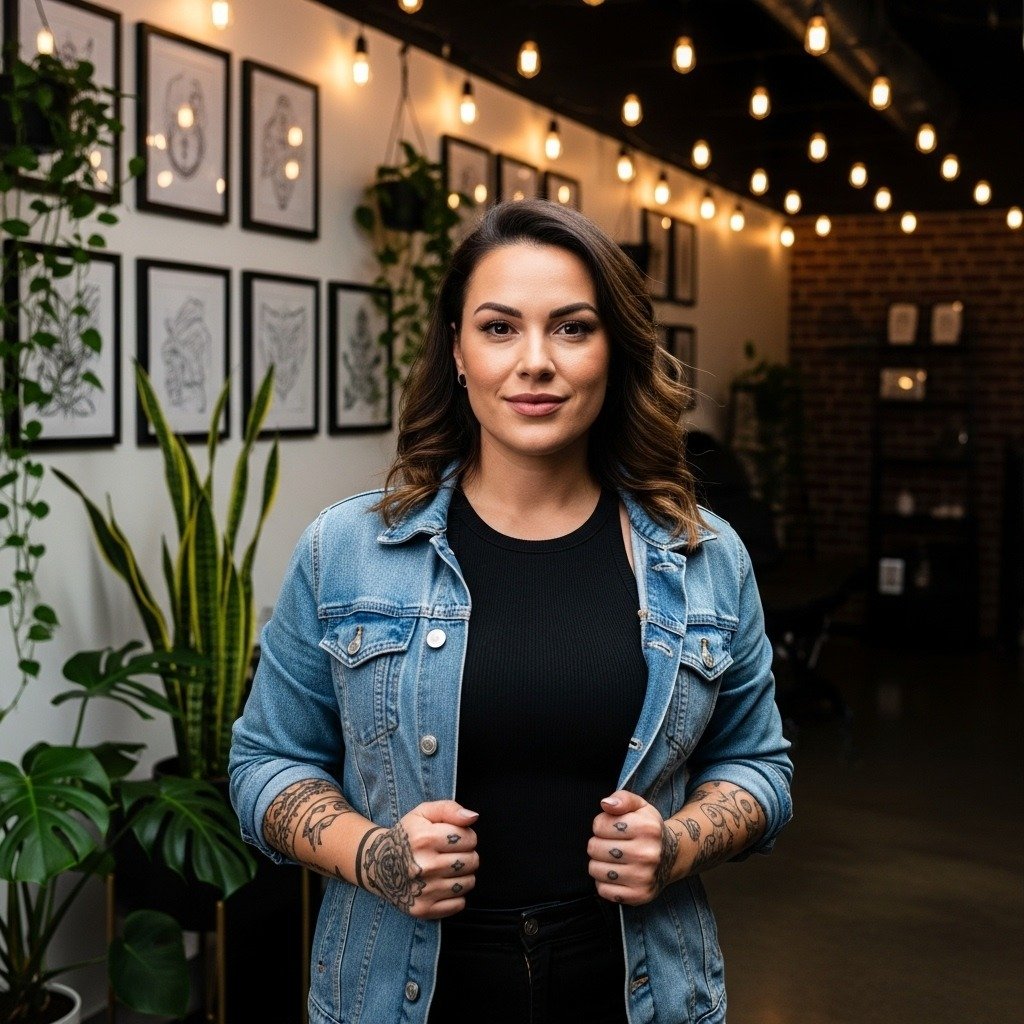
Forearm half sleeves are getting smarter. Costs have risen and visible placements mean you need a clear plan for longevity, session wear, and gym downtime. Fine line botanicals can look crisp for years when sized and spaced correctly, but the same delicate script shrinks into fuzz if the wrist eats detail. Read these 15 lower-arm ideas with practical notes on aging, what to bring to the chair, and how to show the work off once it heals.
1. Fine Line Botanical Lower Forearm Sleeve
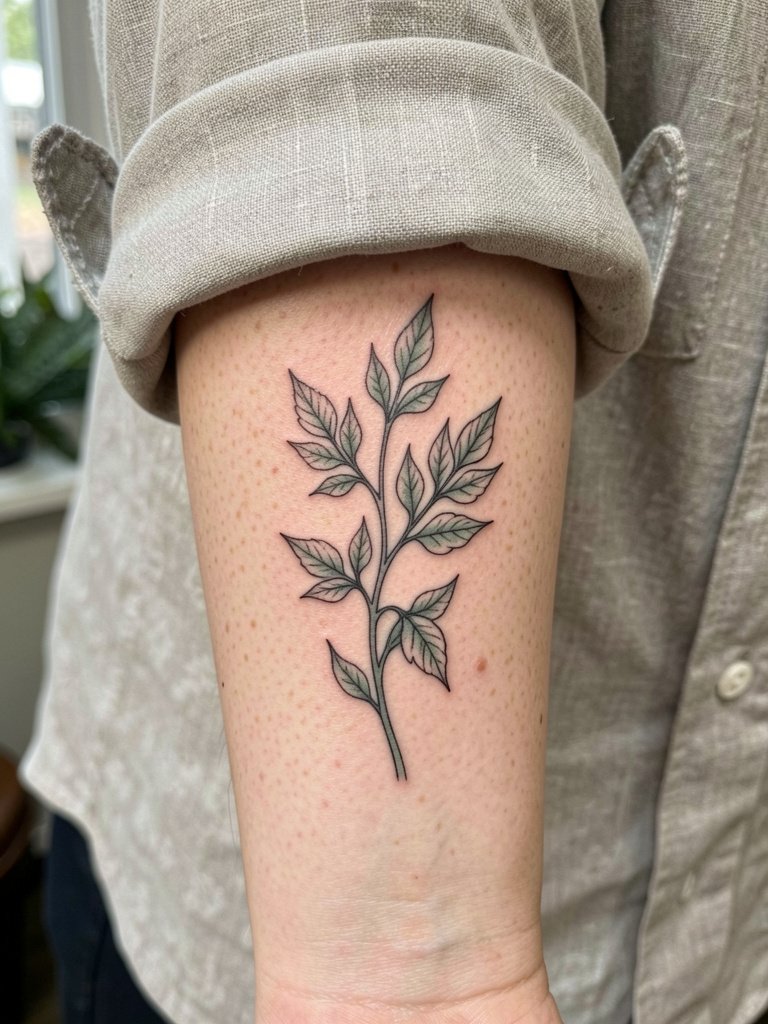
A fine line botanical reads beautifully on the inner forearm because the palm-up surface is flatter and less exposed to sun. If you train, ask for organic spacing and slightly larger leaves so the pattern bends with muscle without breaking into blobs. One camp says fine line on forearm blurs within two to three years because the skin stretches near the wrist and elbow. The other camp argues that when line weight is adjusted and spacing increased, fine line holds up better than watercolor on the same spot. Plan for two to three sessions and wear a loose button-down on session day so the artist has clear access.
2. Geometric Mandala Forearm Band
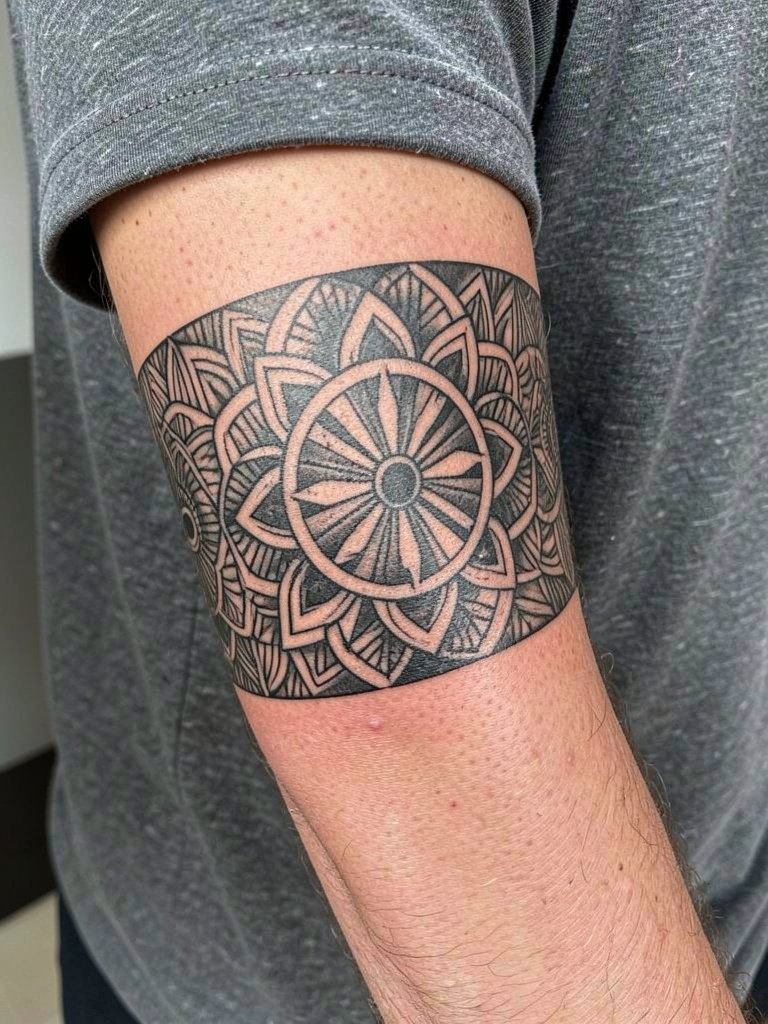
A mandala band is a useful way to tie scattered forearm pieces together and to mask older small tattoos with structured overlays. The biggest mistake is shrinking the centers too tight. Give each radial element breathing room and ask for heavier contrast toward the outer edges so the pattern still photographs on darker skin tones. Session time is usually two to three hours for the band outline and one fill session after healing. For showing off the band, pair it with a solid color crew neck t-shirt and a chunky silver ring to match the blackwork weight.
3. Neo-Traditional Animal Motif Wrap
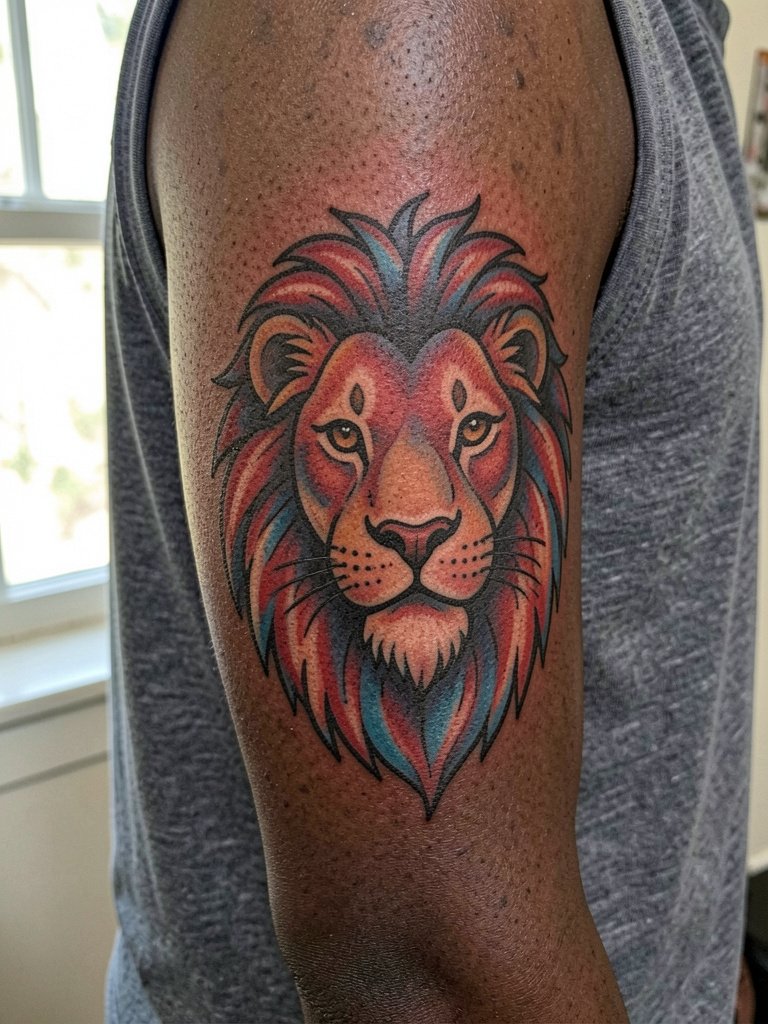
A neo-traditional animal uses the forearm curve to create motion. Prefer bold outlines and strong saturation if you want a piece that reads at a distance. Portrait detail on a face will cost more needle time and needs staged sessions: outline first, color fills next. Expect three to four sessions depending on color saturation. For styling, leather wrist cuffs and chunky silver rings on the same arm amplify the heavy aesthetic and keep the visual weight consistent with the piece. Avoid tiny facial detail that will blunt into blotch within a few years.
4. Blackwork Silhouette Forest
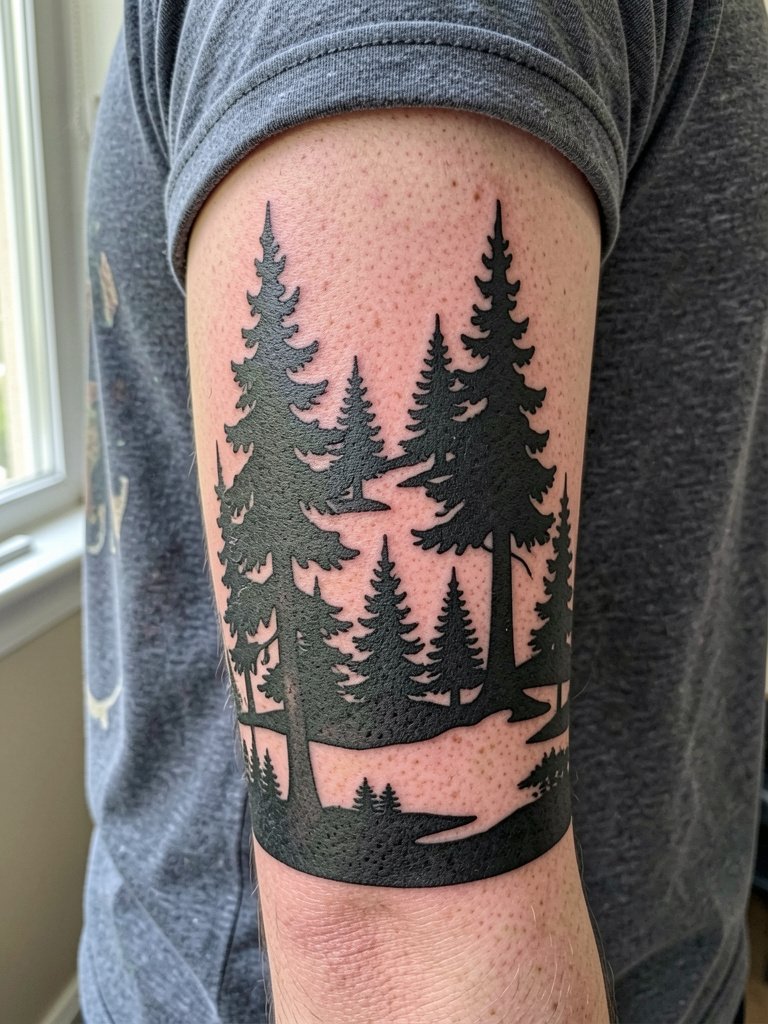
Solid black silhouettes are excellent at masking older tattoos and at translating well across all skin tones. They tend to need only two sessions for outline and block fill but expect a touch-up at one to two years where coverage thins. Blowout risk is lower here because the design embraces heavy saturation, but edges should be kept slightly soft near the wrist crease to avoid future migration. For session wear pick a short-sleeve tee so the artist can roll without any cuff rubbing the fresh ink. This style photographs best against darker shirts when you want it to pop.
5. Micro-Realism Portrait on Mid-Forearm
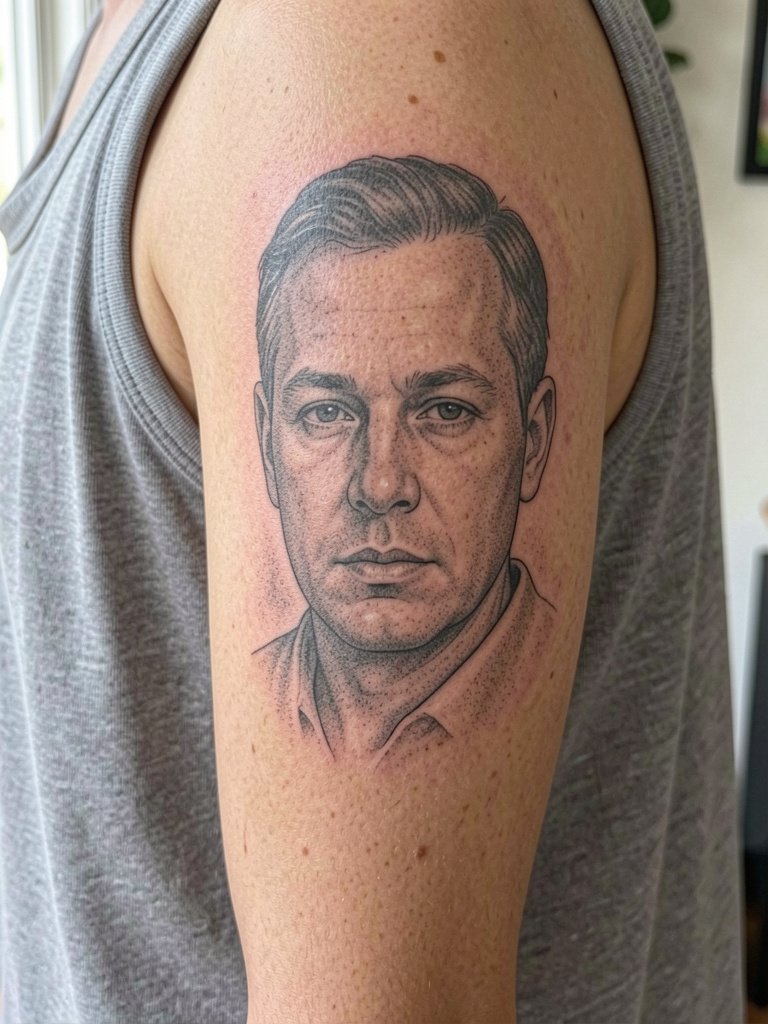
Portraits live in the mid-forearm sweet spot because the wider surface lets the artist place facial planes without extreme distortion from muscle movement. The main mistake is asking for too-small faces. Plan for 4+ sessions and be prepared for a realistic portrait to need at least one touch-up in the first two years. Healed comparison: at six months most of the surface gloss is gone and contrast returns, at two years fine edges soften, and at five years the midtones require topping up. On session day wear a loose tank so the artist can rotate the arm without pressure on fresh ink.
6. Patchwork "Sleeve-Style" Collage
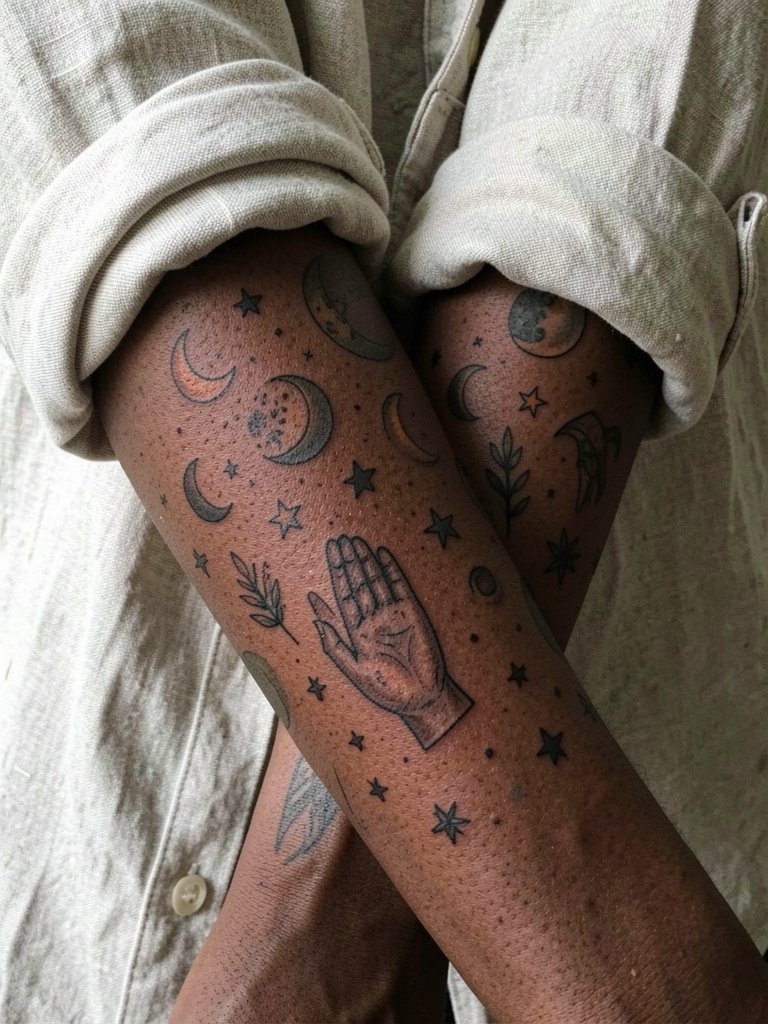
Patchwork is the long-game sleeve. Collect small custom pieces and let them age into a collage rather than forcing a single session plan. A common error is mixing overly fine details at small scales; they disappear into texture by year two. Plan 10 to 15 micro sessions over time and keep one coherent element, like repeating dot work or a blackwork spine, to unify the pieces. For daily wear, stacked bracelets on the opposite wrist keep attention balanced. Bring two reference photos at different scales so the artist can show you how each small piece reads at three inches versus five.
Session Day Picks
These first six designs include delicate linework and heavy fills, so a few items smooth the session and the first week of healing.
-
Hana O Sai tattoo balm. A thinner Japanese-style aftercare balm that some clients prefer over heavy ointments for forearm skin that sweats more during summer months.
-
Tattoo Shield protective tape. Breathable medical-grade tape protects fresh forearm work from gym equipment and shoulder straps during the first week.
-
Cold press aloe spray. Useful for reducing inflammation on inner forearm areas that tend to sting more after long sessions.
-
Indie breathable tattoo tape roll. A lightweight film that prevents direct friction on the wrist and elbow transition zones while allowing skin to breathe.
-
SPF 50+ broad spectrum sunscreen. Critical for outer forearm longevity because UV exposure causes color loss and accelerates watercolor fading.
7. Organic Smoke and Flora Flow
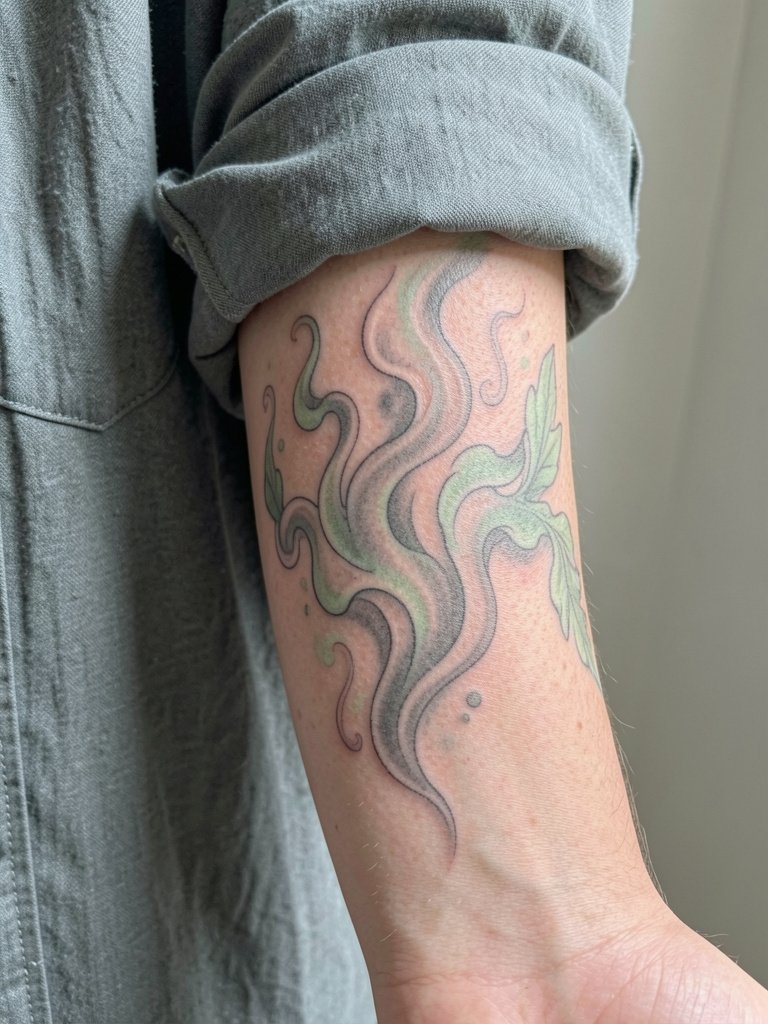
Organic smoke or water motifs are forgiving for people who lift weights because the shapes flex with hypertrophy. When you want movement that survives muscle growth, pick soft gradients and avoid tightly packed geometry. A typical session plan is three sessions: anchor outlines, midtones, then blending. Wear a loose button-down on the day so cuffs do not press on fresh inner forearm skin. Common long-term issue is choosing colors that fade quickly; lean toward muted palettes with occasional dark anchors to preserve form.
8. Biomechanical Forearm Track
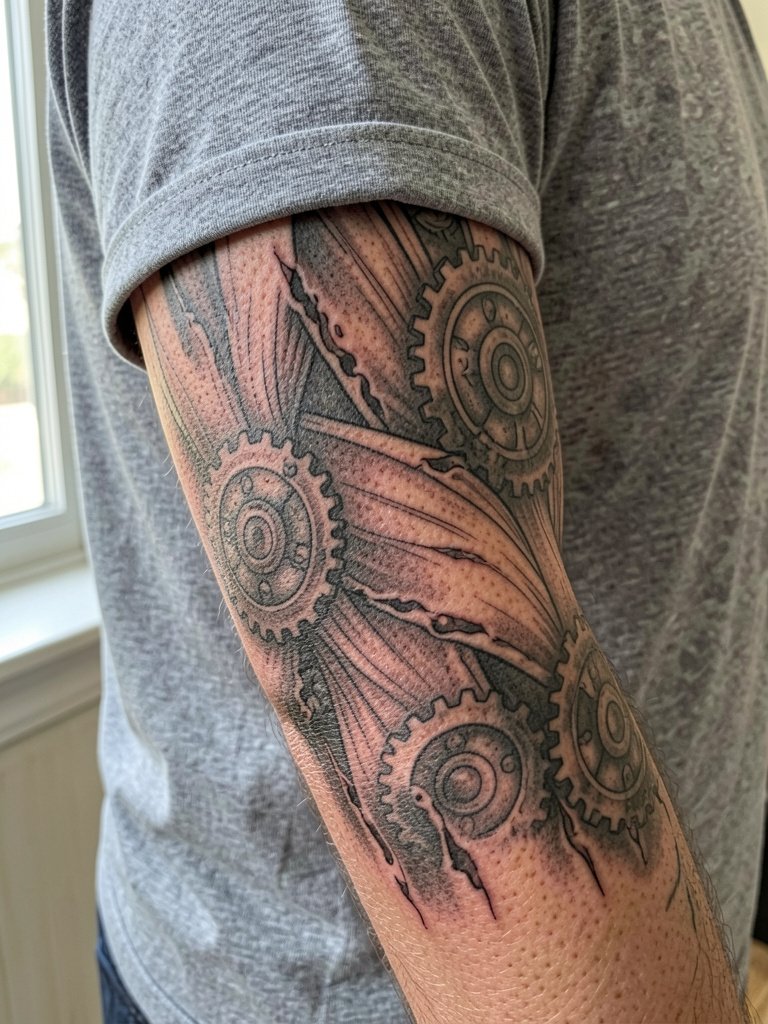
Biomechanical pieces benefit from vertical flow along the muscle to avoid visually shortening the arm. Ask the artist to map the major muscle lines on your arm before drawing so the mechanical elements read three-dimensionally. Expect three to four sessions for 3D shading and skin-tear details. Session wear is a short-sleeve tee or tank so the artist can access the lateral surface without fabric movement. This style can be high-contrast and looks particularly bold when paired with a leather wrist cuff for nights out.
9. Watercolor Botanical Fade
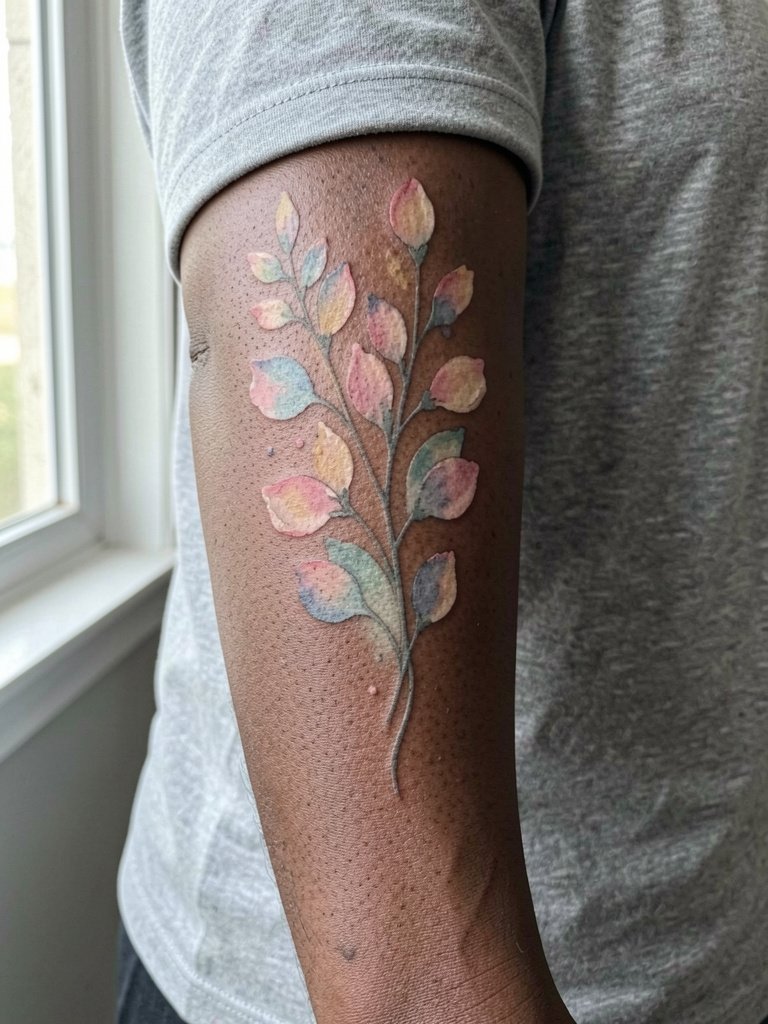
Watercolor looks dreamy when fresh but often softens rapidly on forearm skin without strong black anchors. One camp argues watercolor on the forearm fades fast because the lack of outlines allows ink to bleed into the skin. The other camp believes modern watercolor techniques with internal shading and strategic black accents can survive five or more years if sun exposure is controlled. To improve longevity, ask for deliberate dark anchors near the wrist and for colors layered with a subtle grey wash. For showing the healed color, avoid glossy photo filters and prefer matte edits.
10. Minimalist Vertical Script and Symbol
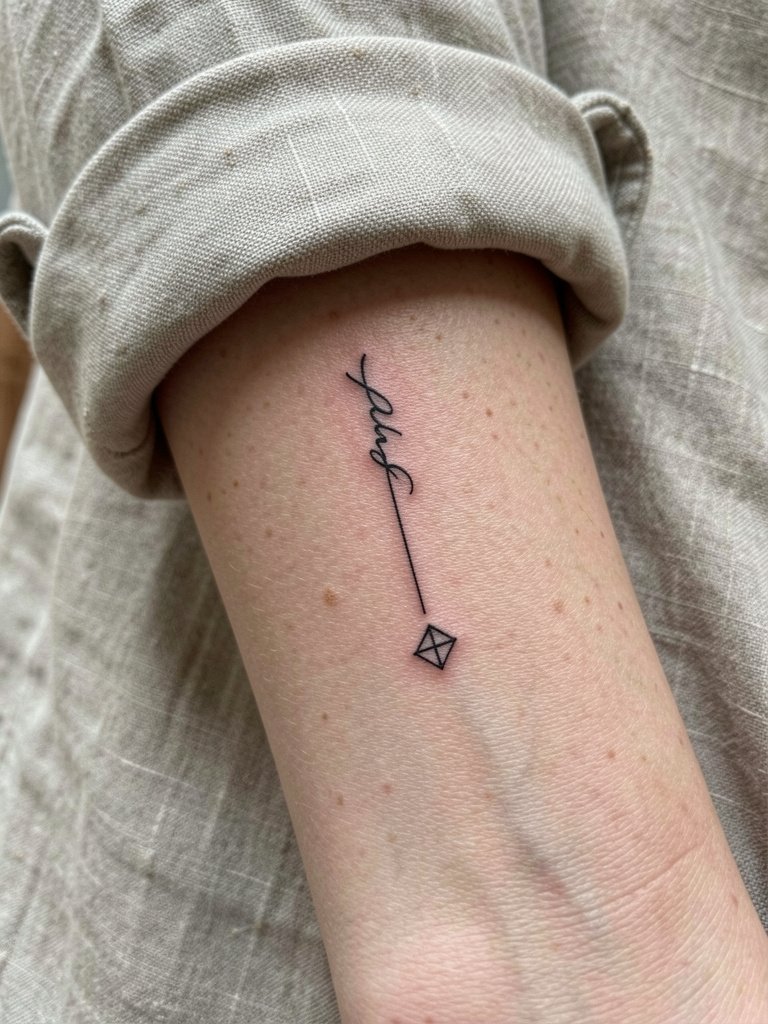
A vertical script down the inner forearm is a discreet way to use text without dominating the limb. The wrist eats thin detail, so choose letterforms with slightly heavier single-needle weights than the reference. Expect one session for a short script and plan on a touch-up within one to two years for thin lettering. For showing it off, pair the piece with dainty gold stacked bracelets on the opposite wrist to keep the focus balanced. On appointment day wear a loose short-sleeve or roll the sleeves up to avoid cuff pressure.
11. Mythical Creature Wrap: Dragon or Phoenix
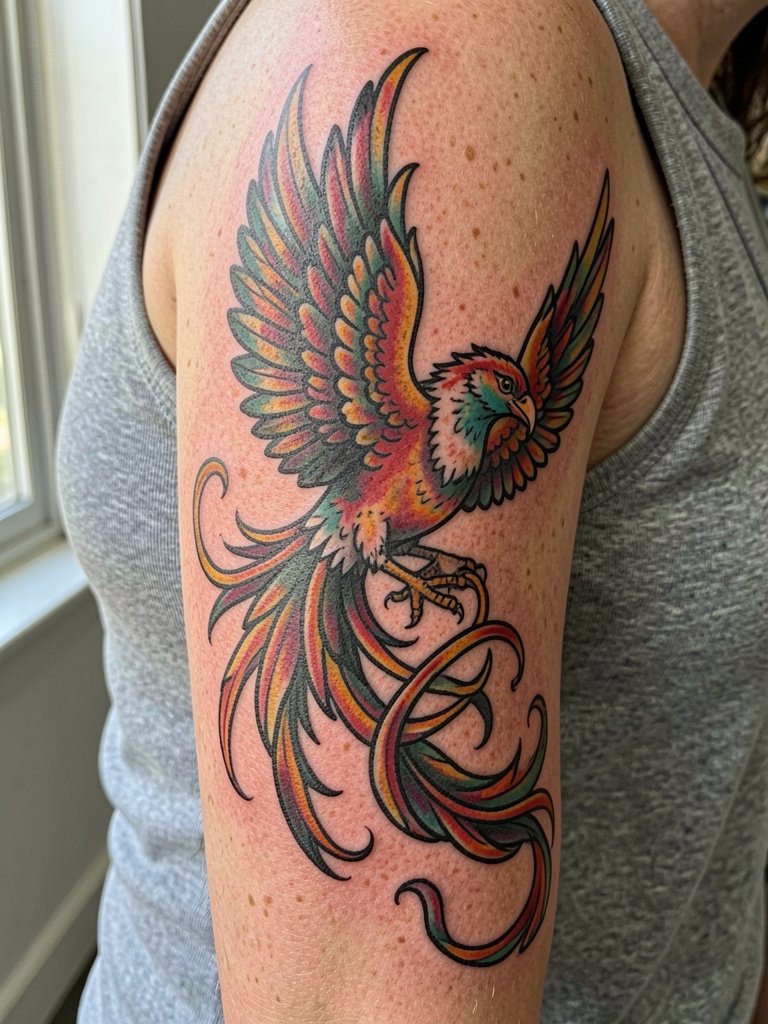
Wraps that move from outer to inner forearm create a three-dimensional effect, especially with a creature that follows arm curvature. Make sure the tail and head focal points sit on the elbow and wrist transitions to anchor the composition. Mythical wraps need four sessions for outlines, midtones, color saturation, and final blending. For session wear, a sleeveless top gives artists full rotational access. Avoid overloading small feather detail near the wrist or the plumage will merge in a few years.
12. Abstract Continuous Line Flow
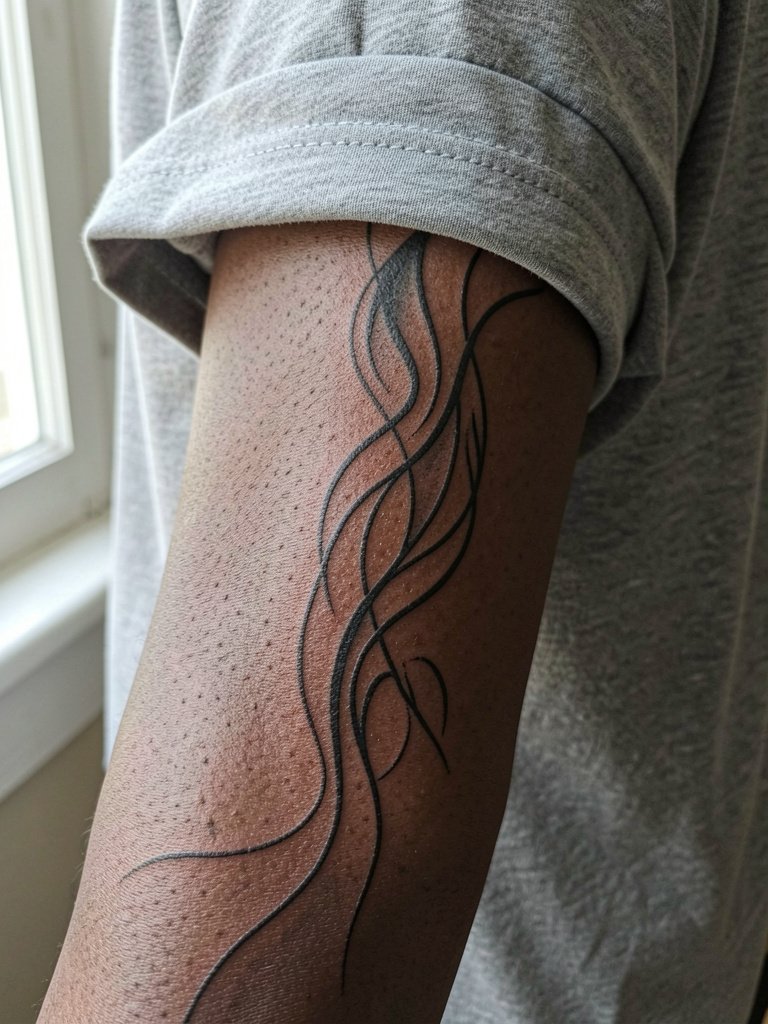
Continuous single-line tattoos play with negative space and arm length beautifully. The key is scale. Too small and the line reads like a scratch. Too tight and crossings create visual clutter. Expect two sessions for a long continuous piece and ask the artist to sketch the line on your arm in the exact movement before committing. For shows and shoots, a minimalist watch on the opposite wrist keeps the forearm reading clean and editorial.
13. Ornamental Lace on the Inner Arm
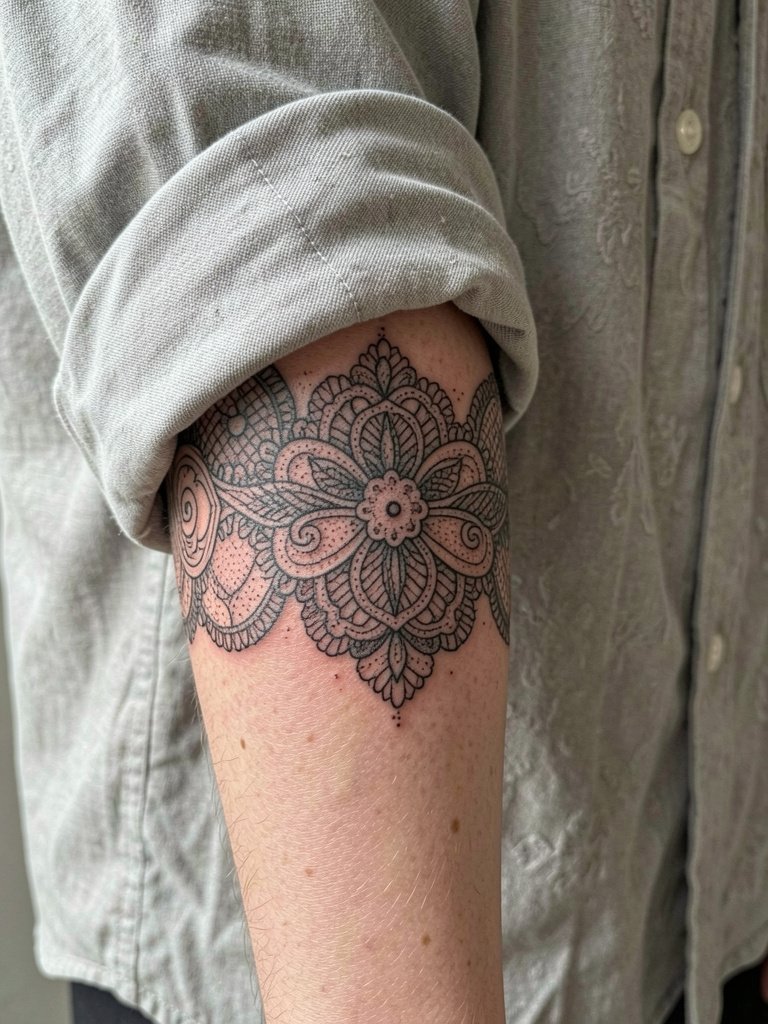
Lace patterns reward the inner arm because the skin there is softer and receives single-needle stippling well. The common mistake is asking for ultra-fine filigree too close to the elbow crease. Keep the highest detail away from high-friction areas and expect two to three sessions. For the appointment choose a loose button-down so the cuff does not press into healing ink. If your wardrobe leans neutral, a rolled-up linen shirt in cream or olive complements this delicate linework without competing.
14. High-Contrast Abstract for Darker Skin
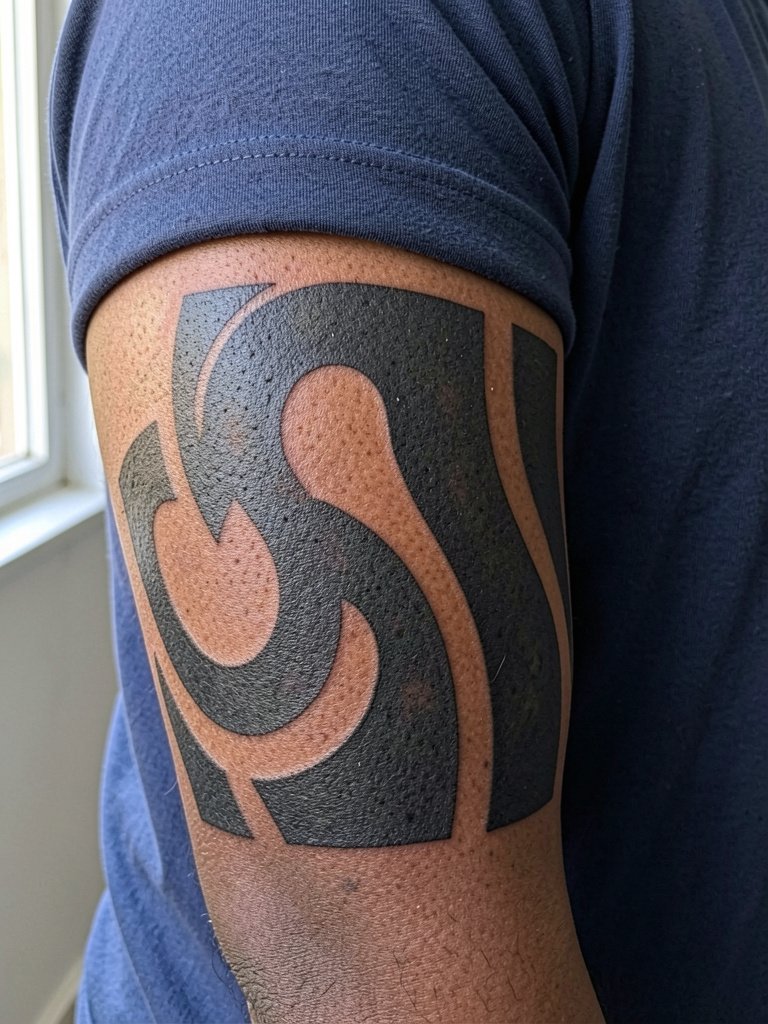
Designs for darker skin should prioritize large shapes and strong black saturation rather than subtle grey washes that vanish in photos. A good approach is broad silhouettes and negative space that catches light. Plan for two sessions and schedule a healed-shot check at six months to confirm saturation. For evening wear match the tattoo with solid color tees and consider a chunky silver ring set if you like the heavier look. Be explicit in your consultation about healed portfolio examples on similar skin tones.
15. Vintage Poster Art Forearm Panel
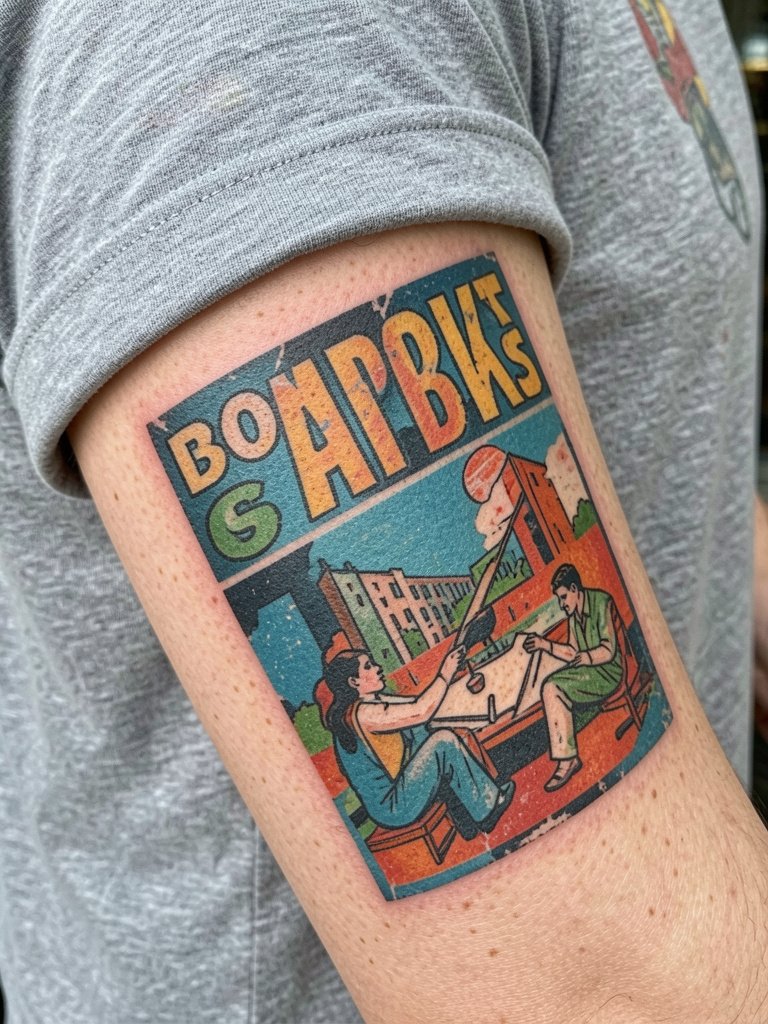
Poster-style panels need strong graphic shapes and careful typography spacing so the headline reads clearly as the arm moves. The main mistake is cramming too much text into the elbow header. Keep type bold, size it for the elbow's curve, and expect three sessions for outlines, block color, and texture distressing. For nights out a simple fitted tee lets the panel read without competing patterns. On appointment day pick a short-sleeve or sleeveless top so the elbow and adjacent skin are fully accessible.
Frequently Asked Questions
Q: How much should I budget for a forearm half sleeve and what drives the price?
A: Expect a multi-session project that often totals in the low thousands. Hourly rates vary and many shops list minimums plus an hourly charge. Big drivers are session time, color saturation, and portrait or micro-realism detail. Plan for at least two to four sessions and keep a cushion for a touch-up session in year one.
Q: Does fine line really blur on the forearm or can it hold up?
A: Artists are split. One camp says fine line near the wrist and elbow blurs within two to three years because those zones stretch and see frequent motion. The other camp says fine line can settle well when the artist slightly increases spacing and line weight and shows healed work at year three as proof. If you want delicate work, ask for slightly heavier line weight than your ideal and budget for a one- to two-year touch-up.
Q: How long should I avoid working out after a forearm session?
A: Halt upper body workouts for at least two weeks after a major session to reduce the risk of ink being pushed out by pumped blood flow. After two weeks ease back into light motion and avoid heavy gripping or straps that rub the fresh ink for another week. If you lift regularly, plan sessions around deload weeks.
Q: Where can I find healed portfolio examples and local artists without relying on specific names?
A: Search hashtags like #forearmhalfsleeve, #finelinetattoo, and #blackworktattoo on Instagram and TikTok and filter by location. Use Tattoodo and the Inked App to search by keywords such as "botanical lower arm" or "neo-traditional wolf forearm" for healed shots. Reddit communities like r/tattoos and r/forearmtattoos can surface peer recommendations and healed images across skin tones.
Q: What should I wear to my appointment for an inner forearm piece and what should I wear after to show it off?
A: For the session pick a loose button-down or short-sleeve shirt so the cuff does not press on the inner forearm. To show an inner forearm botanical or script, rolled-up linen shirts in cream or olive photograph well and keep the focus on linework. You can preview options like rolled cuff linen shirt before the appointment if you want a dedicated show-off top.
Q: When should a half sleeve expect a touch-up and how do I spot trouble early?
A: Surface healing looks done in two to three weeks but deep settling takes months. Plan a touch-up around one year for most fine line or color-fade issues and sooner if you see patchy saturation after the initial healing. Early signs that a touch-up is needed are uneven saturation in midtones and visible patchiness once scabs fall away. Photograph your piece in natural light at six months to compare with your artist's healed portfolio and schedule a touch-up if necessary.