
Saved boards push tiny gothic scripts and cyber-glitch cats as the look to get right now, but most of those pieces soften and smudge within a couple of years. I prefer forearm approaches that use solid blackwork, intentional negative space, and scaled lettering so the design reads at arm’s length and in photos. Start with vertical flow and high-contrast shading to keep architectural and floral details legible as the ink settles.
1. Gothic Cathedral with Flying Buttresses
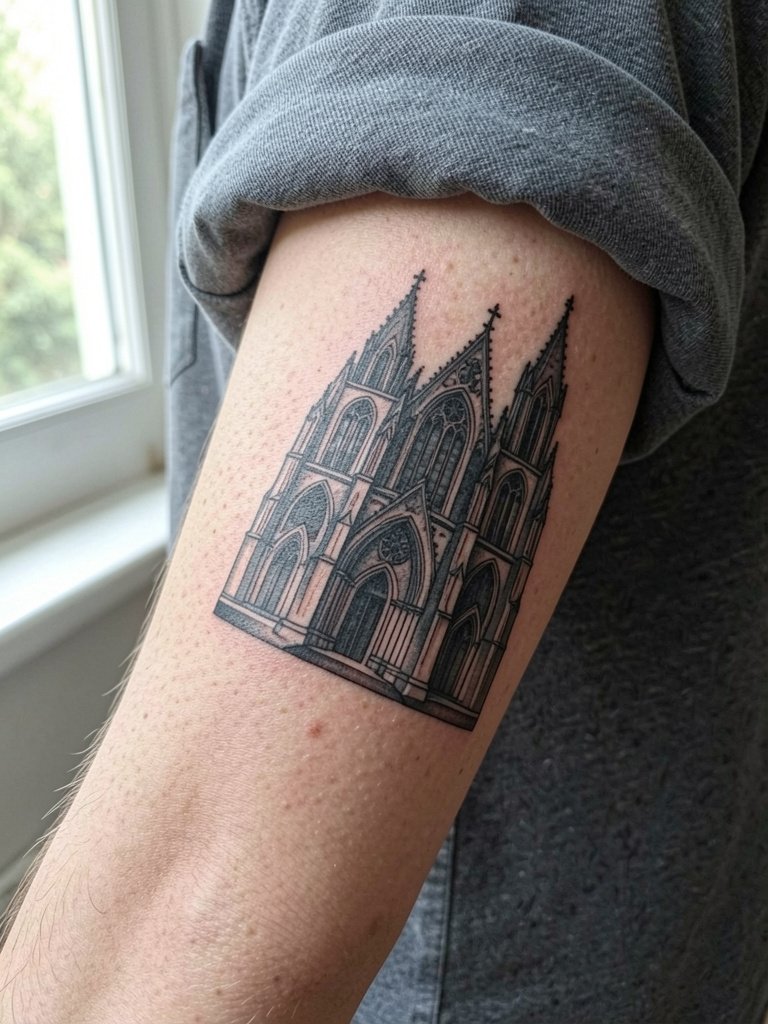
This long vertical design favors outer forearm placement because the arm’s width lets the buttresses and arches breathe. For consultation bring scale references that show both full-arm and close-up detail so the artist can map vertical lines to your muscle curve. Artists are split over shading here. One camp says pure blackwork keeps the "stone" texture readable as it ages. The other camp prefers black and grey gradients for depth and softer, more realistic stone. Opt for larger spacing between arches to avoid blowout when you flex. For session wear roll sleeves to elbow and expect a two- to four-hour block for a mid-forearm piece.
2. Wilted Rose and Raven, Victorian Mood
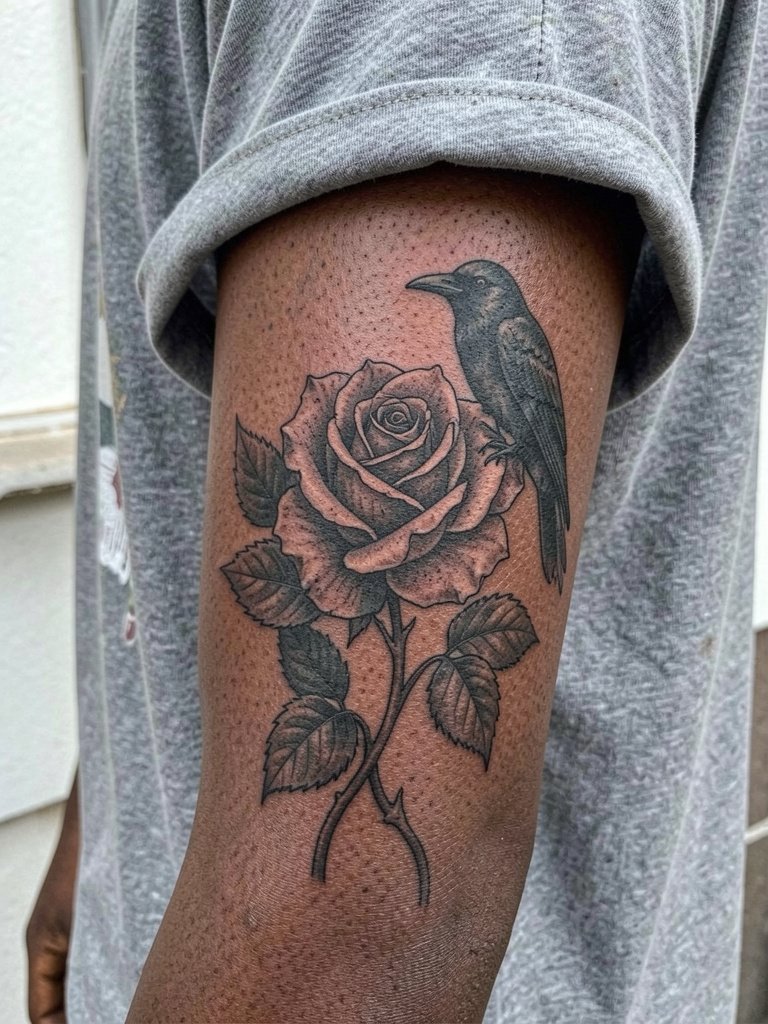
This pairing reads best in the inner forearm’s more intimate space where the viewer can study the feather detail. Ask for high-contrast outlines and intentional negative space between petals to avoid muddying on darker skin tones. The common mistake is overly soft stipple that disappears in photos; request crisper silhouettes for the raven and bolder petal edges. Pain is moderate on the inner forearm, and most people handle a single-session medium piece in 90 to 180 minutes. When you want to show it off, neutral linen shirts with rolled cuffs complement fine linework, so bring a linen button-down to your appointment for easy access and a polished reveal. [https://www.amazon.com/s?k=linen+button+down+shirt&tag=inkalerts-20]
3. Ornate Gothic Cross with Celtic Knots
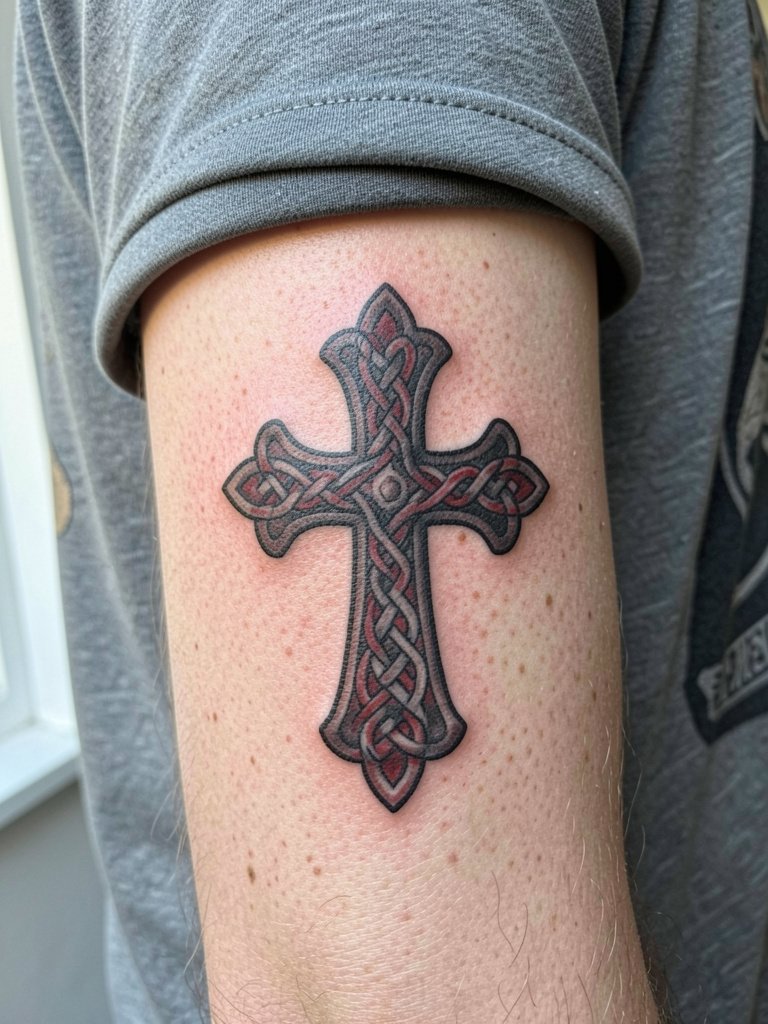
This central placement suits symmetrical pieces that need to sit square on the arm. Ask for mirror-tested stencils so the knotwork aligns when you rotate the wrist. A typical aging mistake is tiny interior knot threads that merge; have the artist widen internal line spacing slightly so the pattern reads at a glance. Expect medium pain and a session of two hours for the mid-forearm band. For styling, a minimalist silver chain or plain crew tee in solid colors keeps the cross the visual focus, so consider a solid black or navy tee on reveal days. [https://www.amazon.com/s?k=solid+color+crew+neck+t-shirt&tag=inkalerts-20]
4. Menacing Skull with Ivy Vines
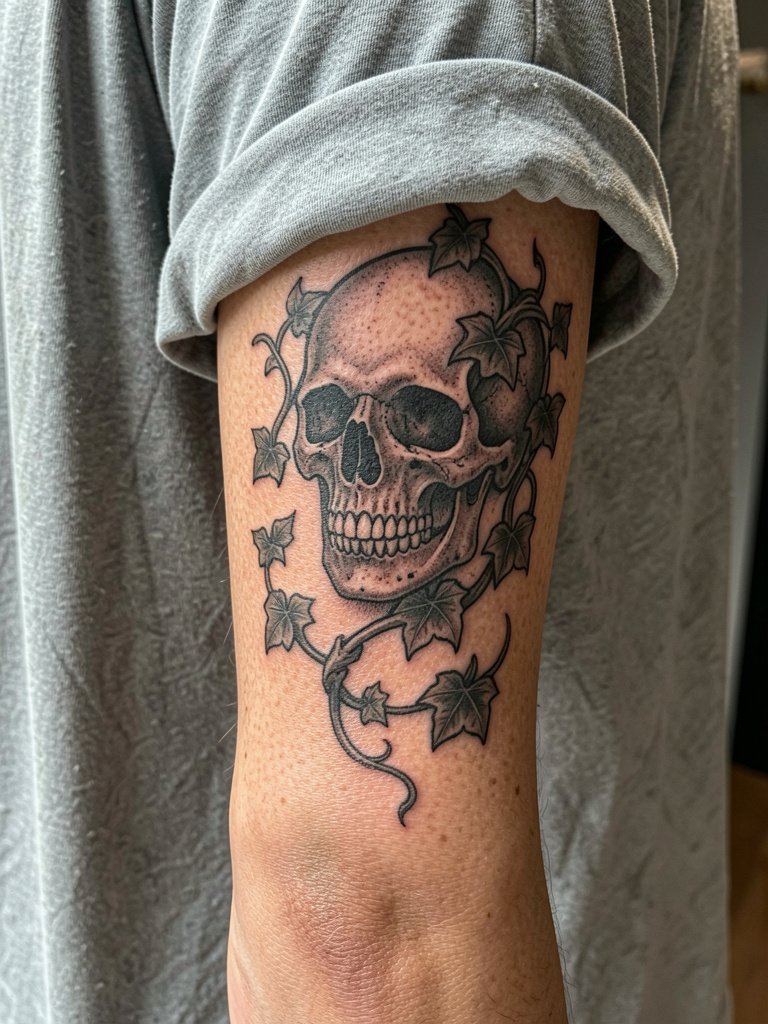
A skull with trailing ivy benefits from negative space to separate bone detail from foliage. During consultation specify where you want readable hollows and where you want soft shading; tell the artist you want high-contrast hollows so the skull keeps shape at distance. If you cram text or five tiny motifs into the forehead, the head can turn into a dark smudge, so leave breathing room. Plan for a two- to three-hour session and figure on a touch-up if you demand crisp micro-details. Pair this piece with graphic black tees or leather jackets for a high-contrast effect.
5. Gargoyle or Gothic Stone Guardian
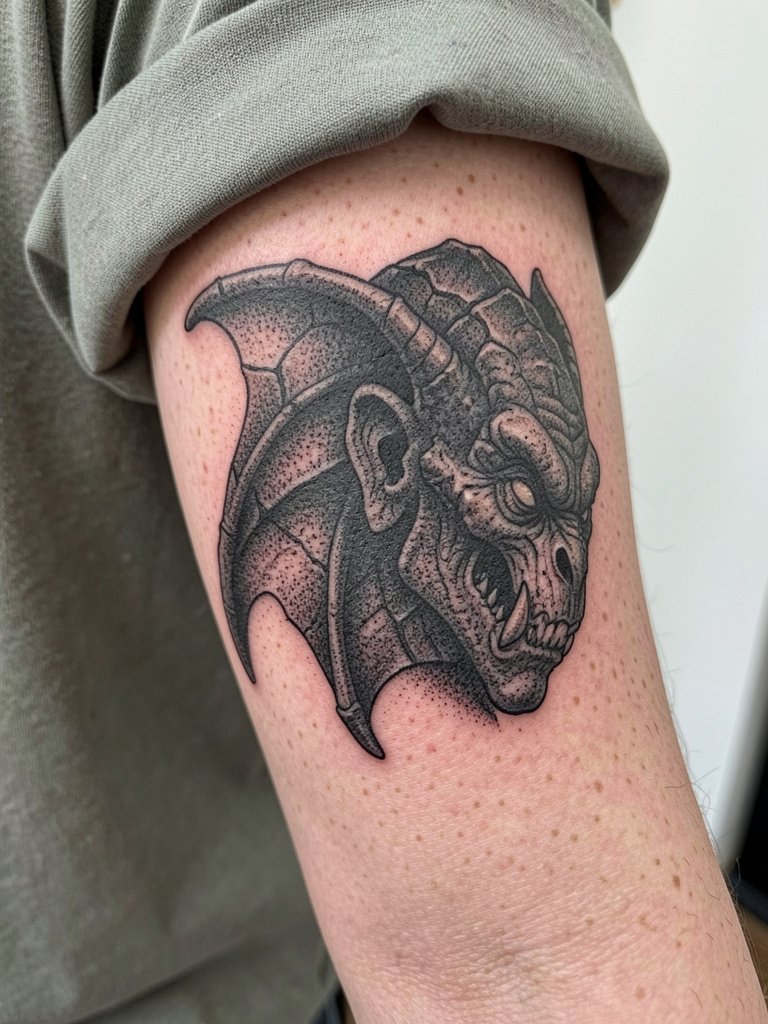
Gargoyle pieces mimic architectural reliefs so outer forearm placement matches the "exterior wall" effect. Tell the artist you want textured stipple for weathered stone, but request clear edge lines around the jaw so blowout does not erase the silhouette over time. The piece can be high-saturation blackwork or use grey gradients for softened depth; decide based on whether you want stark clarity or sculpted realism. Sessions run longer for texture, often three hours or more. For showing off, vintage leather jackets or structured blazers enhance the stone-like contrast.
Session Day Picks
These small items smooth the session and the first week for forearm work, especially the architectural and floral pieces above.
-
Japanese Aftercare Balm (thin formula). A thinner balm that users report clogs pores less on darker skin while still keeping blackwork moist during the first few days.
-
Tattoo Goo compact balm. A compact, non-greasy option people prefer for on-the-go protection during commutes after forearm sessions.
-
Hustle Butter Deluxe Unflavored. A fragrance-free balm many people with sensitive inner forearm skin find less irritating than heavier ointments.
-
Black and grey tattoo ink set. Useful for artists who need a range of grey washes to build moody stone textures without relying on color.
-
Aquaphor Healing Ointment. Thinner layers of this mainstream balm lock in moisture for bold blackwork during the first 48 hours without excessive clogging.
6. Occult Sigils and Moon Phases Cluster
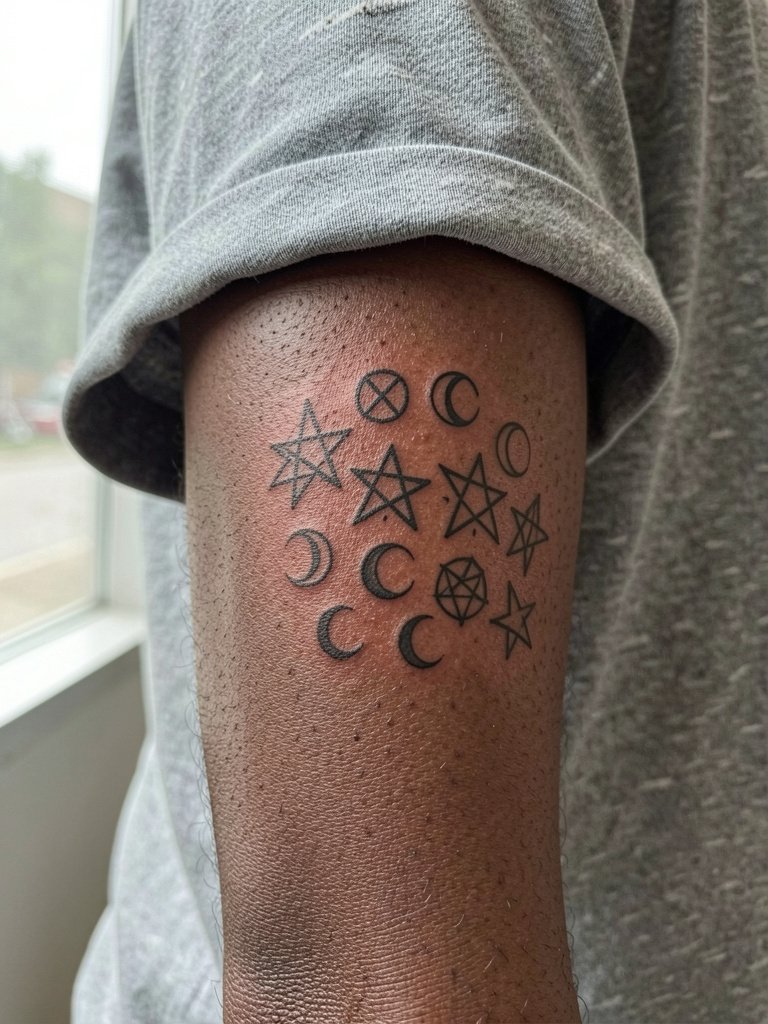
Small sigils and phases are a popular inner forearm choice because you can cluster them for a ritualistic arrangement. Avoid cramming five complex symbols into two inches; ask for one or two slightly larger sigils and leave negative space so each mark remains legible at six months and beyond. Fine single-needle linework wears faster on the palm-up surface, so request slightly bolder line weights than the reference photo. Session time for a compact cluster is usually under 90 minutes. For showing off, dainty stacked bracelets on the opposite wrist frame the cluster without competing with it. [https://www.amazon.com/s?k=dainty+gold+stacked+bracelet+set&tag=inkalerts-20]
7. Victorian Corset and Lace Detail
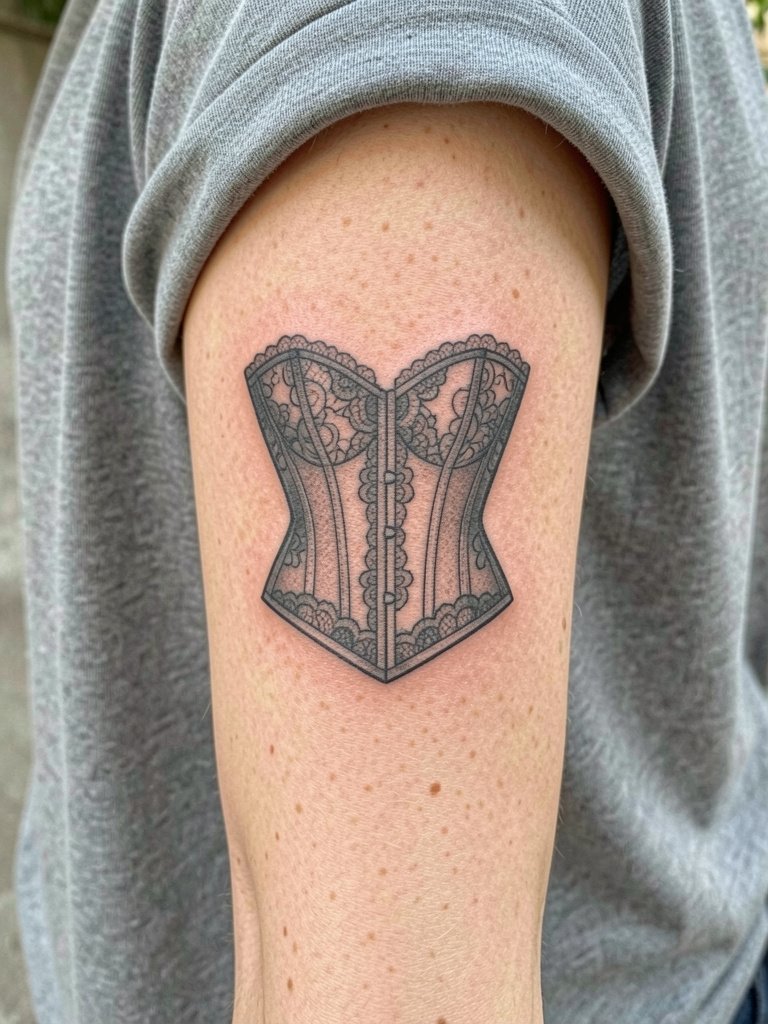
Romantic lace needs the inner forearm for the curve and intimacy, but fine line lace blurs when drawn too small. Specify lace motif scale and ask for slightly heavier linework in structural areas like the corset boning so the silhouette remains crisp over time. A common aging problem is the lace filling collapsing; the fix is deliberate negative skin breaks and bolder outer edges. Expect moderate pain and two hours for a medium lace panel. For wardrobe matches, cream or sand linen button-downs with rolled cuffs keep the delicate lines visible and editorial. [https://www.amazon.com/s?k=linen+button+down+shirt&tag=inkalerts-20]
8. Dark Fantasy Vampire or Supernatural Figure
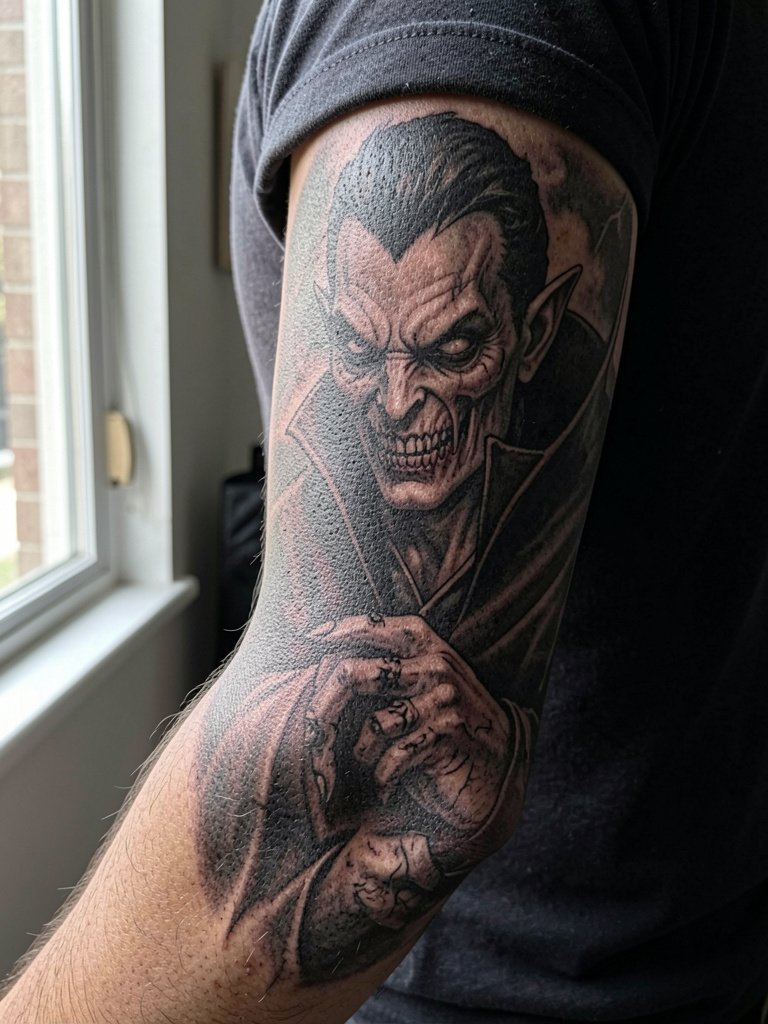
Narrative sleeves need uninterrupted arm surface so the story flows from wrist to elbow. Discuss session phasing and narrative focal points so each session has a clear start and stop. Dense portraits with heavy shading risk creating an overall dark block if negative space is ignored; lay out skin breaks in the first consultation. A full forearm narrative runs across multiple sessions and can take six hours or more total. For reveal days sleeveless tops or rolled blazers show off the wrap without visual clutter.
9. Hourglass and Coffin Memento Mori
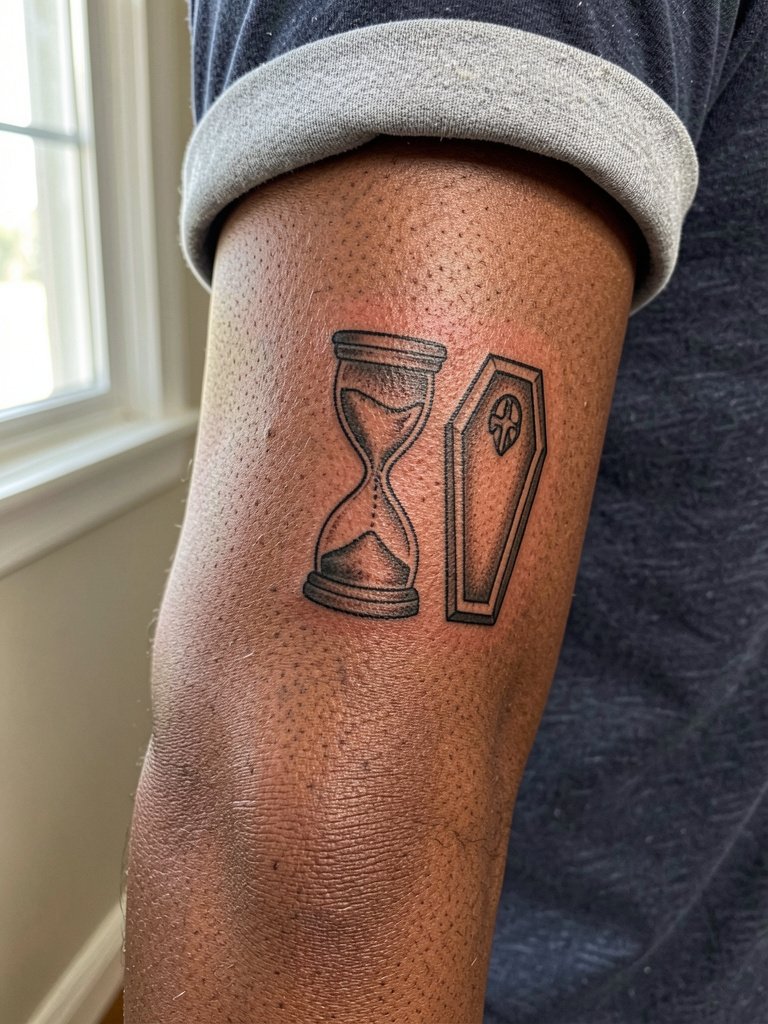
Memento mori motifs read boldly on the outer forearm when you prioritize clarity over tiny symbolic elements. During the consult point out which surfaces need crisp highlights in the hourglass sand and where you want deep black fill to anchor the coffin silhouette. The usual mistake is trying to fit too many tiny symbols into a small composition, which can blur. Expect a 90- to 150-minute session for a medium piece. Pair with solid-color tees or a minimalist ring to keep attention on the iconography.
10. Gothic Script "Godspeed" Blackletter Band
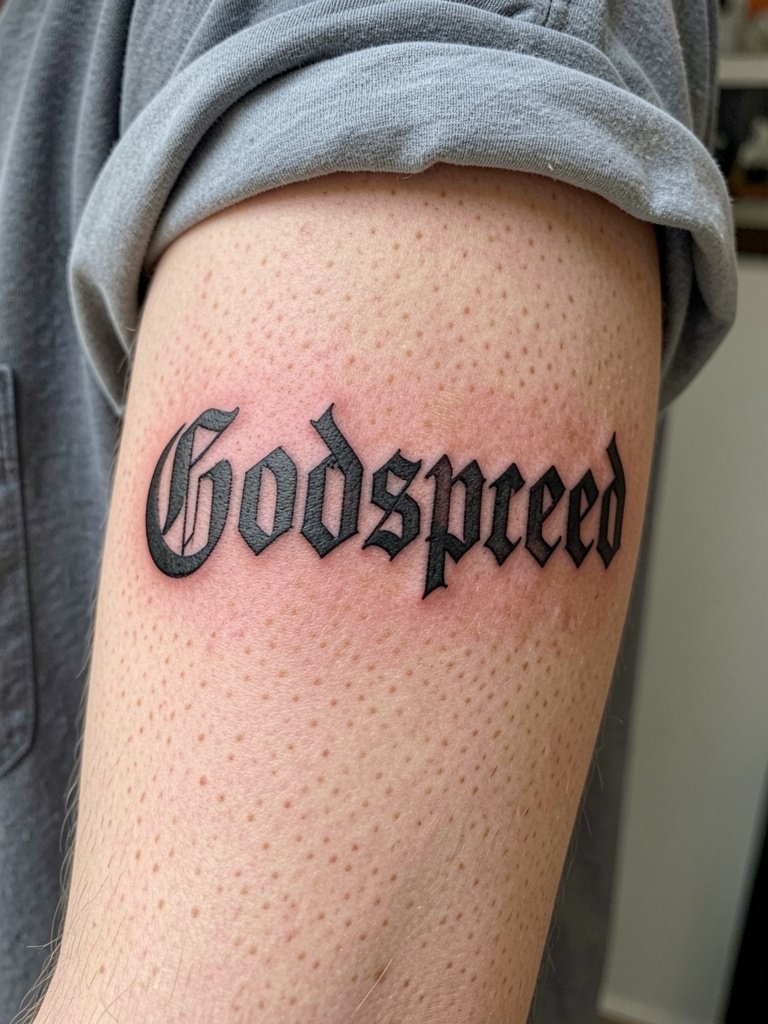
Blackletter on the inner forearm splits artists into two camps. One group argues that fine-line blackletter blurs within one to two years because the inner forearm skin stretches and lines settle. The other group says properly spaced, slightly bolder blackletter holds for three years or longer if the tattoo is set at the correct depth. To get lasting clarity, specify wider letter spacing and strong vertical strokes so letters do not merge. Session time depends on scale but plan for at least 90 minutes for a full-span band.
11. Compass with Dark Landscape Background
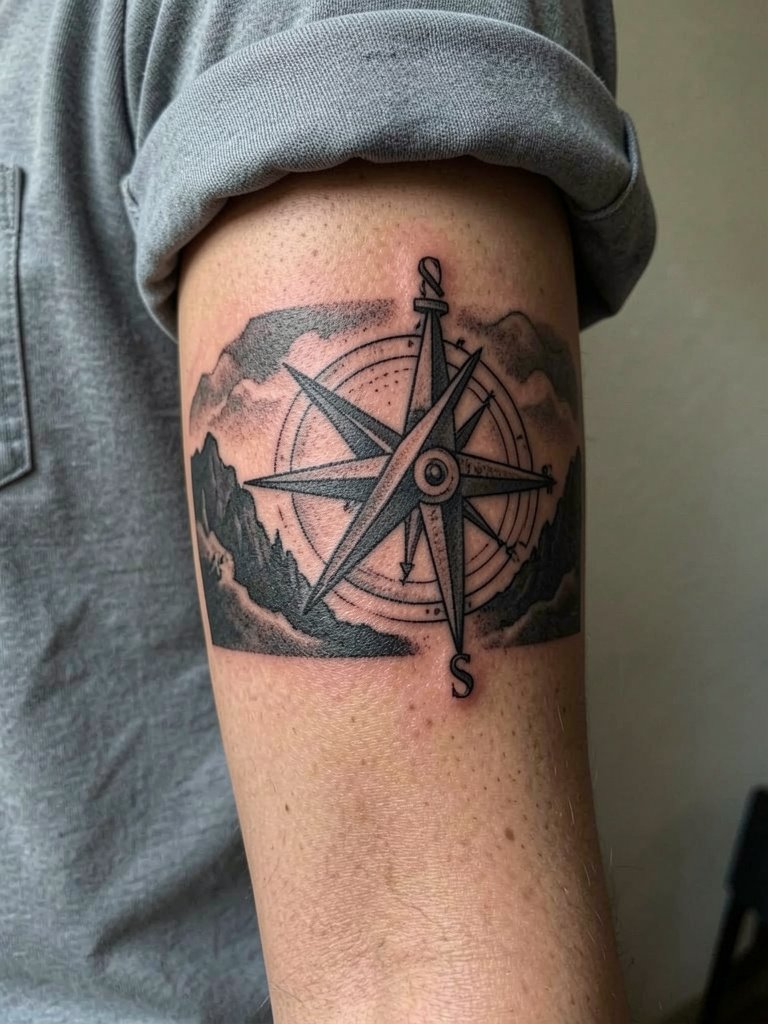
A compass with a shaded landscape benefits from the outer forearm’s flatter presentation. Request that the compass stays sharply outlined while the landscape uses softer grey washes, and ask the artist to demonstrate the balance on your skin before beginning. If the background is too dense, the compass can lose its directional clarity as it heals, so maintain negative space around the points. Sessions often run two hours for this medium composition. Wear a short-sleeve shirt that can stay rolled up comfortably to avoid cuff pressure on fresh ink. [https://www.amazon.com/s?k=men+tank+top+black&tag=inkalerts-20]
12. Glitchy Cyber-Goth Cat Silhouette
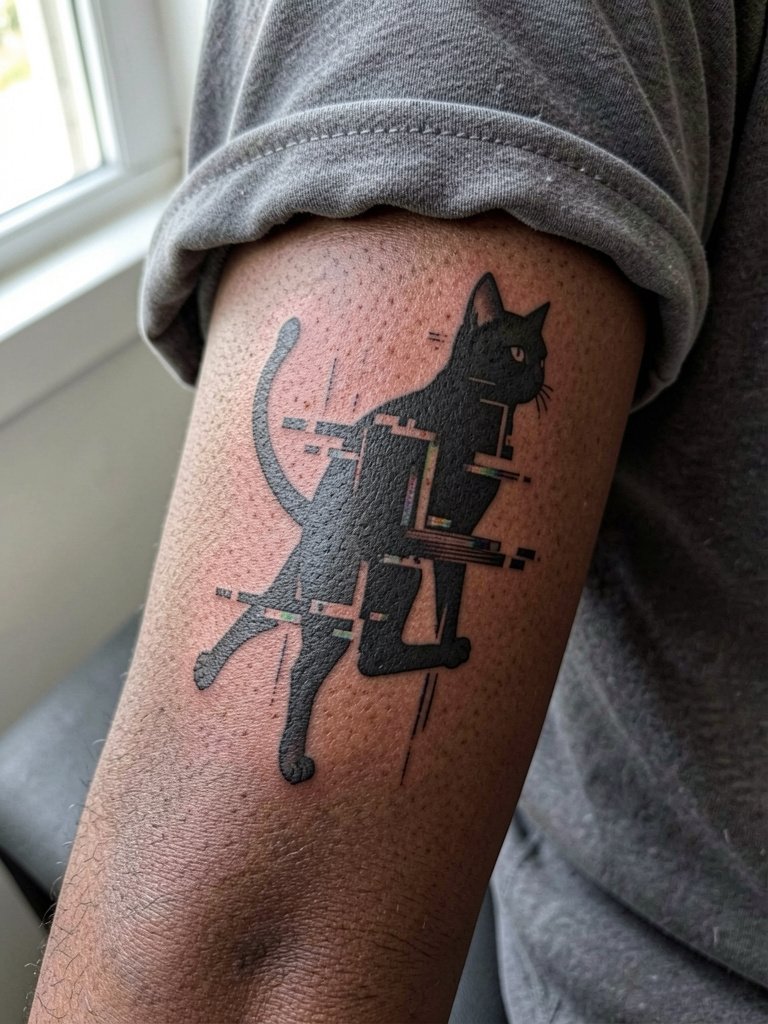
The cyber-goth glitch aesthetic reads best when the silhouette is solid and the distortion is graphic, not stippled. Describe which bars you want fragmented and how much negative space should remain so the cat does not dissolve into a blur. Small-scale graphic work is low-cost but higher risk for loss of crispness, so modest scaling helps. A micro piece like this usually finishes in under an hour. For a subtle daytime reveal keep sleeves that roll without rubbing the wrist area.
13. Alchemy Symbols and Pentagram Cluster
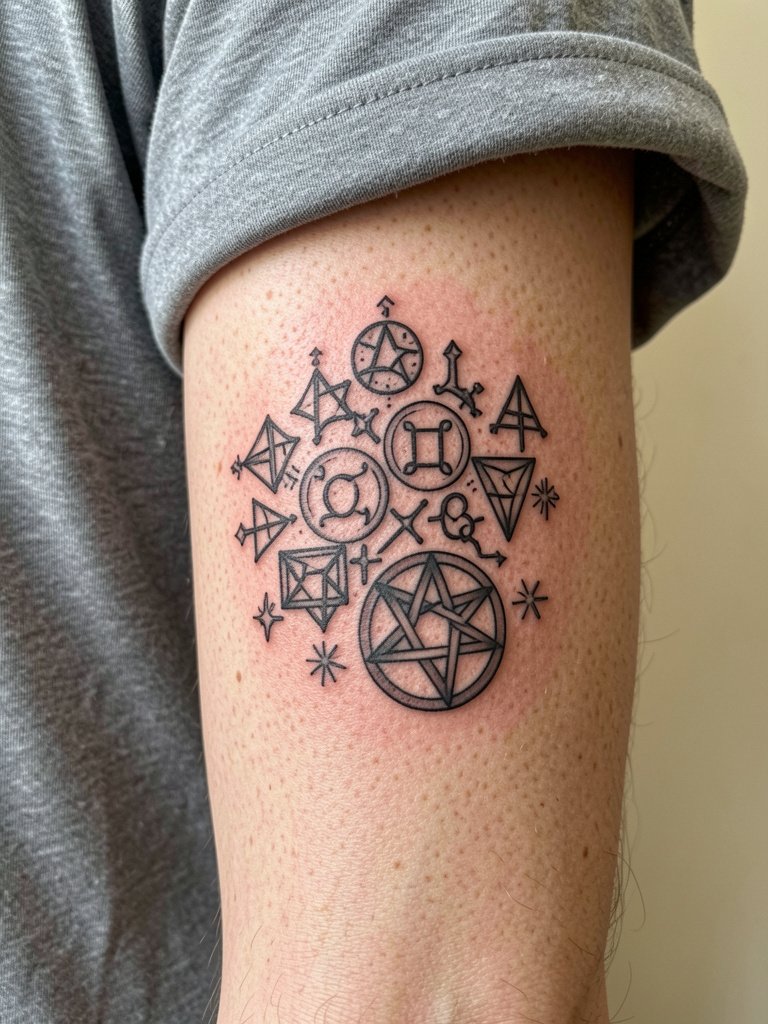
Occult clusters are intimate and personal, but their readability depends on spacing. Bring a concise list of which symbols are essential and ask the artist to enlarge the most important one so it remains legible after six months. The common error is forcing five dense sigils into a two-inch band. A compact cluster takes 60 to 120 minutes depending on linework. For styling, dainty rings or minimalist bracelets balance the ritual feel without overshadowing the cluster.
14. Stained Glass Cathedral Window
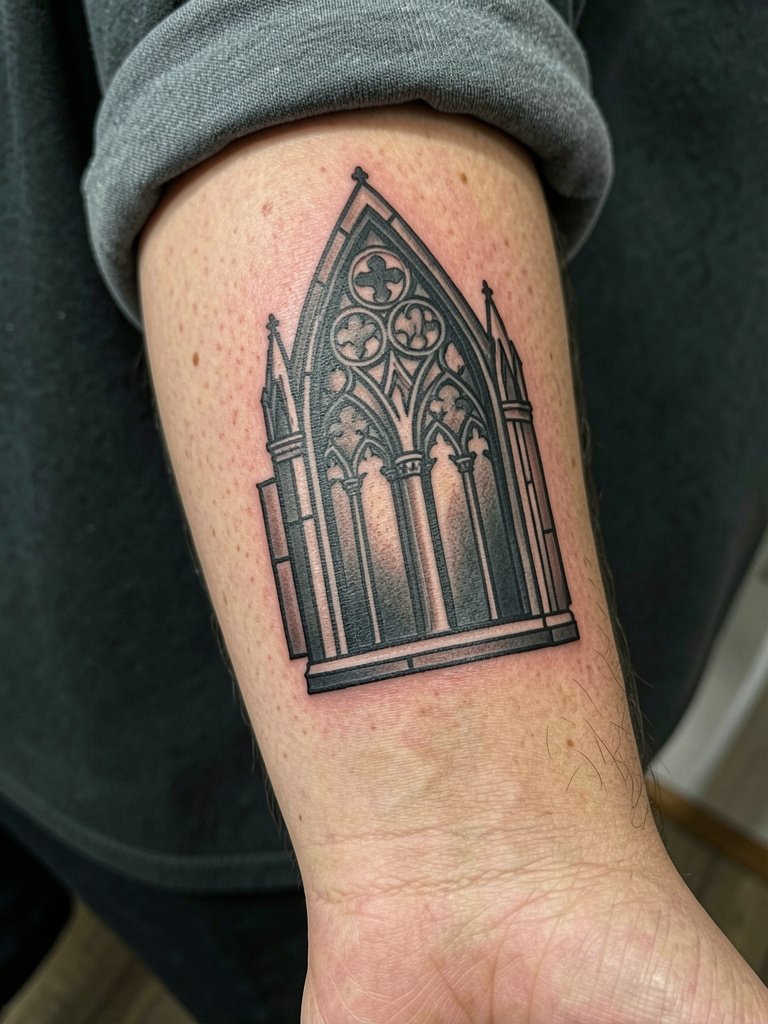
Stained-glass translations work on the forearm when the artist uses thick black outlines to separate panes and relies on grey saturation rather than fragile tint. If you try to mimic full-color stained glass with thin shading, the panes can merge into a block. Request pane borders at least a hair wider than your reference so the composition reads clearly at a distance. Sessions are usually multi-hour for pane detail. Simple styling like a structured blazer or dark tee keeps the vertical "window" readable in photos.
15. Weeping Angel Paired with Wilted Rose
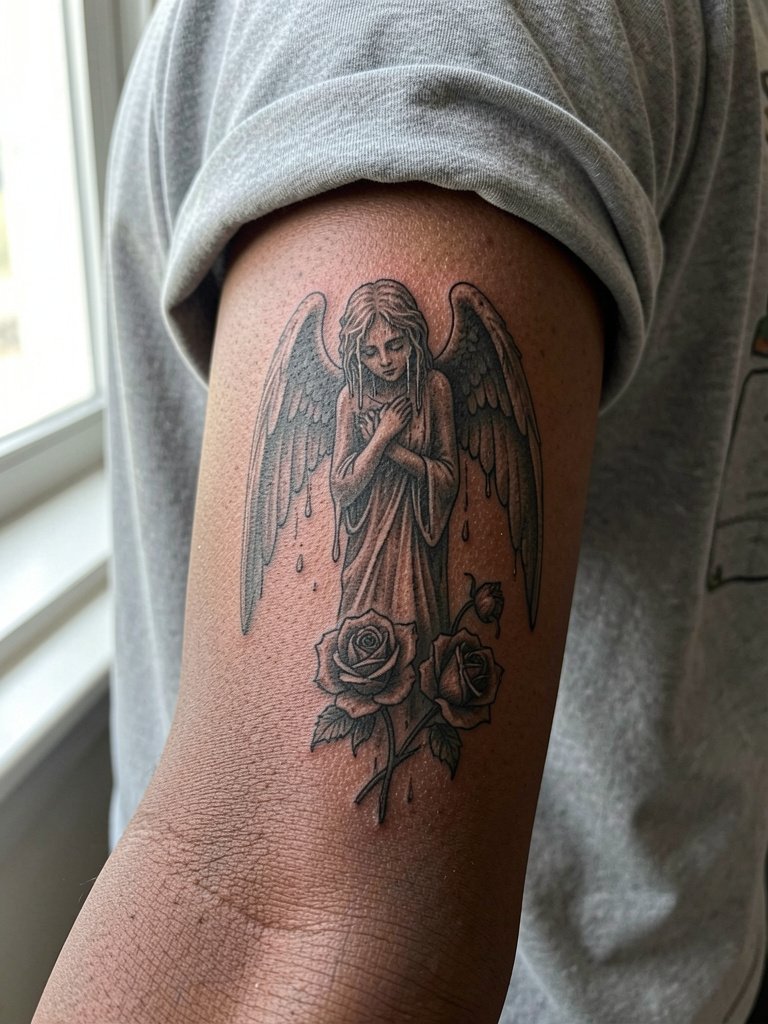
Figurative pieces need careful planning so emotional details do not collapse into a dark mass as they age. Ask the artist to mark where facial highlights must stay and where the rose petals should keep negative space. Dense surrounding ornaments are a common mistake and will make an angel blend into its background. Expect a longer session for facial realism and layered shading. For evening reveals, strapless or open-neck tops can frame the inner forearm and draw the eye to the figure.
16. Baroque Filigree Cuff Wrap
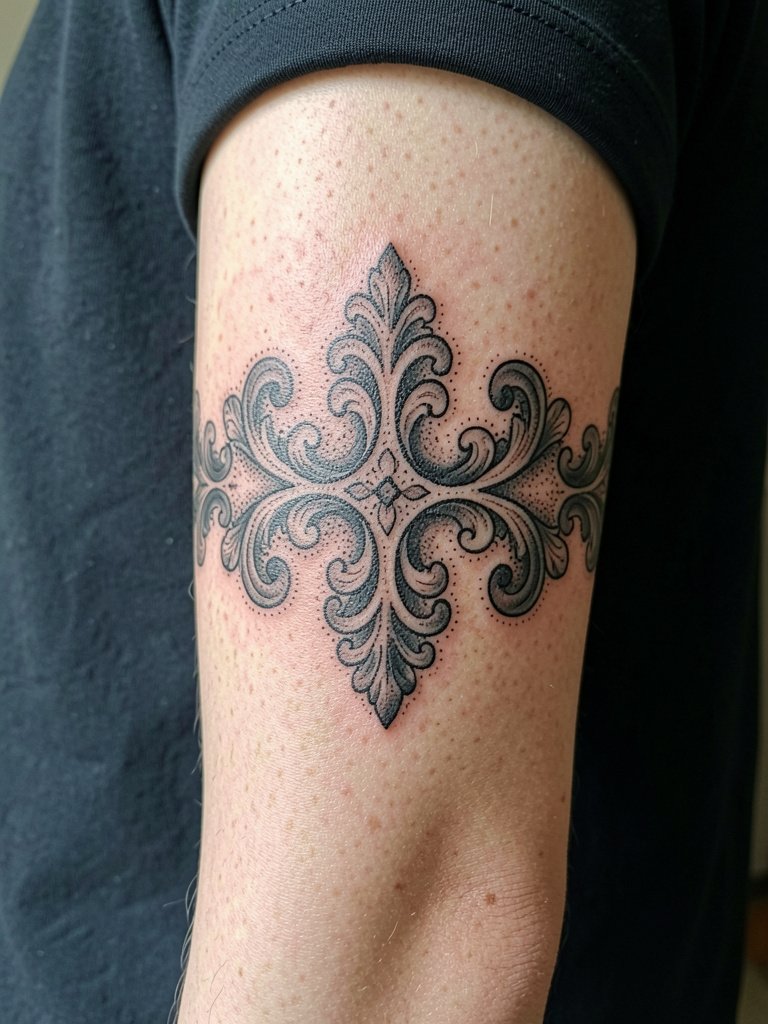
A cuff reads like jewelry when spaced properly. Tell the artist the exact wrist circumference so the filigree repeats sit in rhythm without squeezing together. Small repeating elements are prone to merging, so prioritize larger motif sizes and strategic skin breaks. Typical session time for a cuff is two hours. For styling, minimal bracelets or a single statement ring balance the ornamental look without visual competition.
17. Miniature Memento Mori Coin
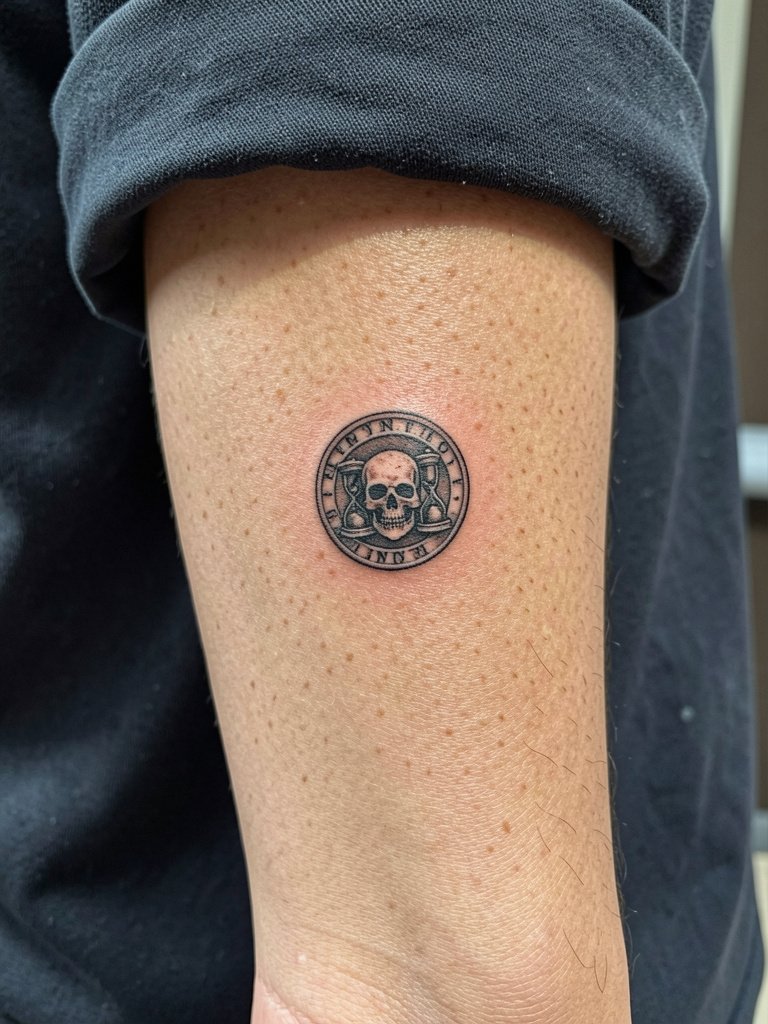
Micro medallions need bold silhouette anchors so they do not wash out. Request a clear outer border and slightly enlarged internal icons so the coin reads in photos and after healing. The usual mistake is cramming too much micro detail into a dime-sized area. Expect a shorter session under 60 minutes. Pair this spot with rolled cuffs or a subtle watch so the coin is an intentional detail when you move.
18. Chain-and-Lock with Keyhole
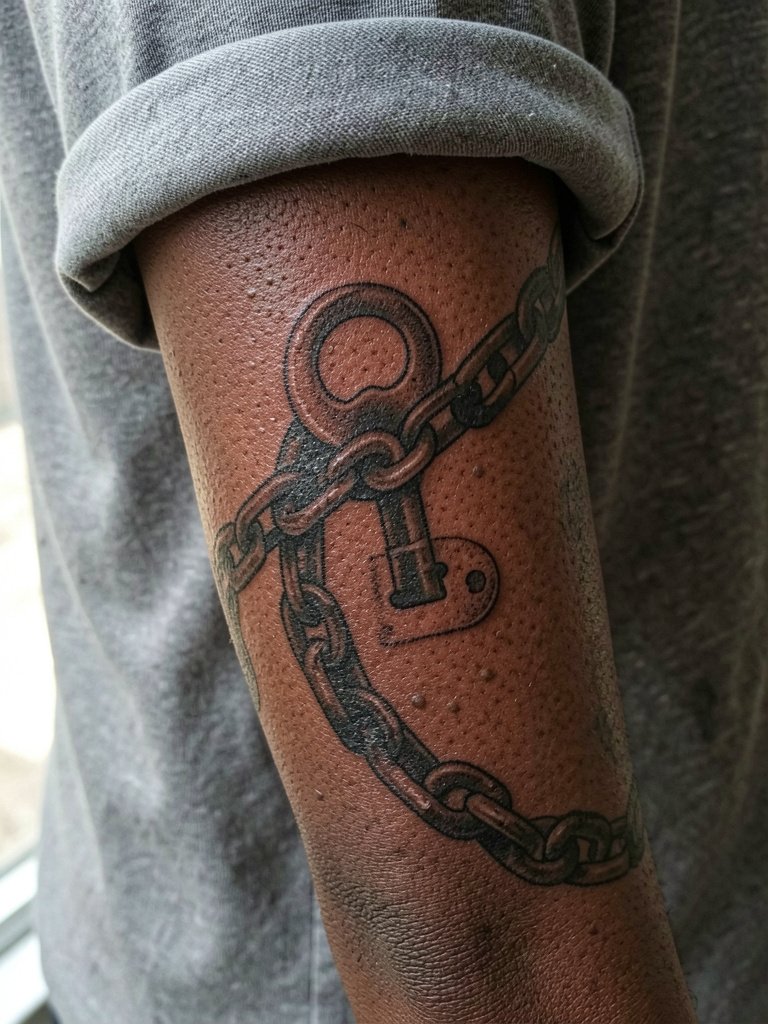
Chains read as strong graphic bands that match the forearm’s linear anatomy. Ask the artist to lay out chain scale so each link keeps its shape when the arm bends. A common error is making too-small links that blur into a dark stripe. Sessions for this type of piece vary from an hour for a small lock to multiple hours for wrapping chains. For session wear, avoid tight sleeves or cuffs that will rub the fresh ink.
19. Bat Swarm Silhouette Wrap
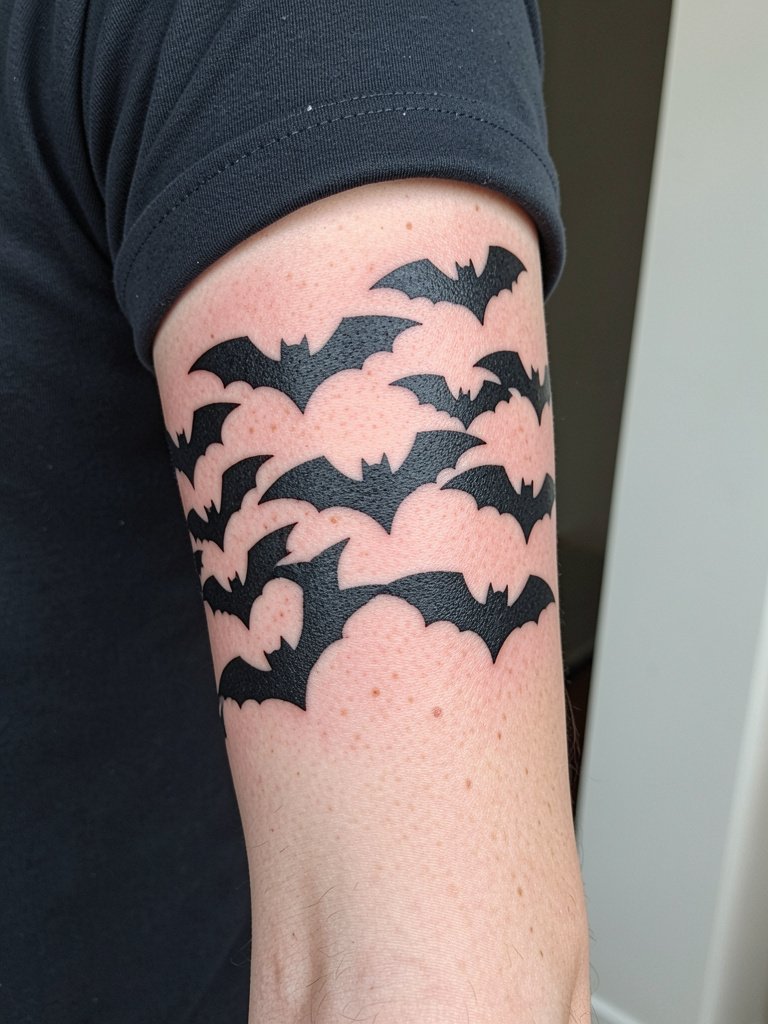
A bat swarm works best when the figures scale and thin out naturally across the arm so the composition breathes. Ask the artist to preserve gaps between wings and bodies and to keep the silhouettes bold so they do not merge into an indistinct mass. Pay attention to where the swarm wraps near elbow creases to avoid distortion when bending. Expect a two- to three-hour session for a medium wrap. For wardrobe, sleeveless tops or rolled blazers let the wrap read as motion across the arm.
Frequently Asked Questions
Q: How much does a gothic forearm tattoo typically cost?
A: Expect a wide range depending on scale and detail. Small sigil clusters and micro pieces often land in the low hundreds, mid-sized neo-traditional or portrait pieces typically range from three hundred to twelve hundred, and full forearm architectural or sleeve narratives can run into the thousands. Factor in session count and a possible touch-up down the line.
Q: Will blackletter or fine-line script hold up on my inner forearm?
A: Fine-line blackletter on the inner forearm can blur faster than on the outer surface, especially if lines are too thin or letters are tightly spaced. If you want text to stay legible longer, request slightly heavier vertical strokes and wider letter spacing at the consult so the letters have room to age without merging.
Q: How should I dress for a forearm tattoo session?
A: Wear clothing that gives the artist full access without rubbing the fresh ink. For inner forearm work, a loose short-sleeve or a linen button-down with sleeves you can roll comfortably is ideal. Bring a shirt you can leave rolled up without tight cuffs to avoid pressure on the area. [https://www.amazon.com/s?k=rolled+cuff+linen+shirt&tag=inkalerts-20]
Q: How do I find artists who specialize in Gothic textures and healed examples?
A: Search platform hashtags like #gothictattoo and #blackworktattoo and filter by location, then look for portfolios that include healed photos. Tattoo directories let you search keywords such as "Gothic cathedral blackwork" to surface portfolios. Reddit threads in tattoo communities also share peer recommendations and real healed shots across skin tones.
Q: How long before I should expect to need a touch-up on fine detail work?
A: For fine-line pieces, plan for a possible touch-up within one to two years if lines soften. Bolder blackwork tends to hold longer but may still need a small touch-up after the first year, especially on areas with frequent friction. Ask the artist about their typical touch-up timelines for similar placements.
Q: Do certain gothic styles work better on darker skin tones?
A: High-contrast outlines and deliberate negative space are usually safer on darker skin because soft gradients and delicate stippling can appear muddy in photos. Ask for clearer silhouettes and slightly bolder structural lines so the piece reads both in-person and in images.
