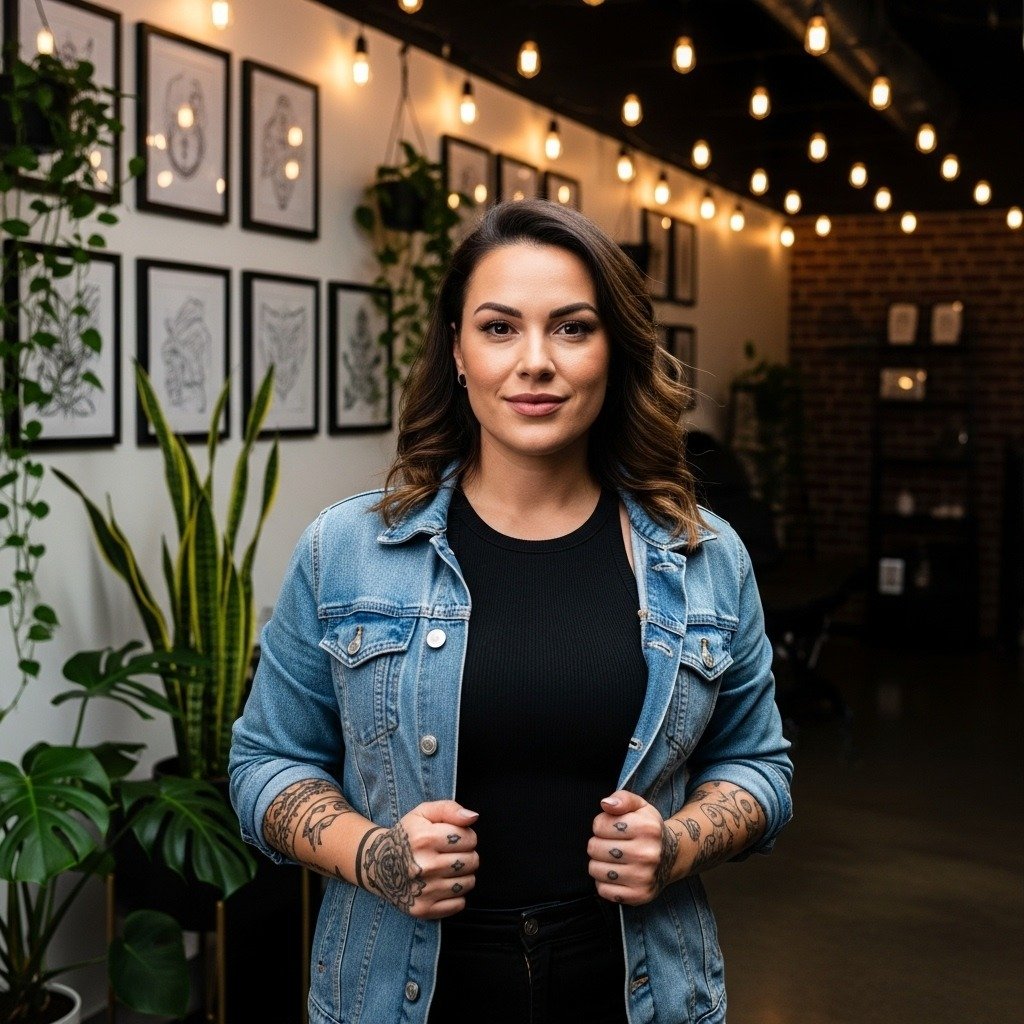
A lot of geometric sleeves look great the day they go home and then soften into a gray fog after a year. The trick I keep telling people is to design for the body, not for a square Instagram crop. With deliberate spacing, planned line weight, and a mix of dotwork and black fills, a sleeve keeps its shapes and still reads as geometry after five years.
1. Sacred Geometry Full Sleeve with Mandala Focal Point
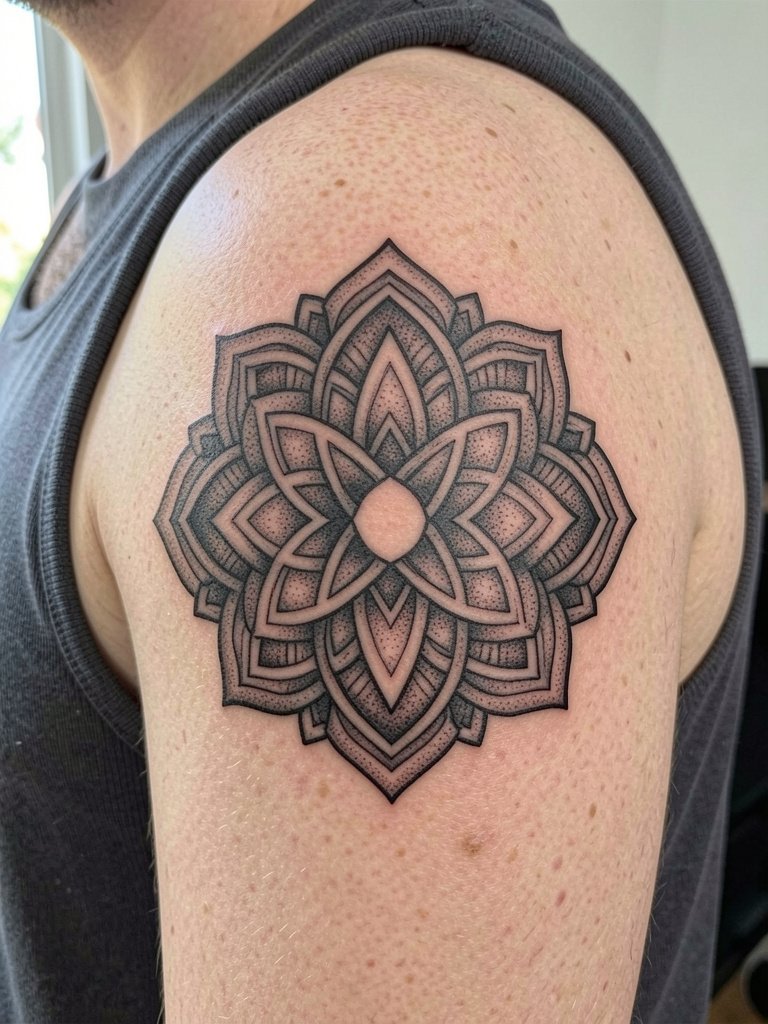
This is the geometry classic for someone committing to a full sleeve over multiple sessions. I advise planning a large mandala as the shoulder cap focal point with radiating grids that loosen toward the wrist. For longevity pick a mix of medium linework and dense stipple rather than single-needle rings everywhere. A common mistake is squishing the mandala too small. At six months the mandala reads crisp. At two years the inner concentric lines can blur if they started at single-needle thickness. At five years the version with breathing room and dotwork still reads as distinct shapes. For showing it off try a sleeveless tank top black that exposes the shoulder cap and frames the mandala.
2. Fine Line Geometric Patchwork Sleeve
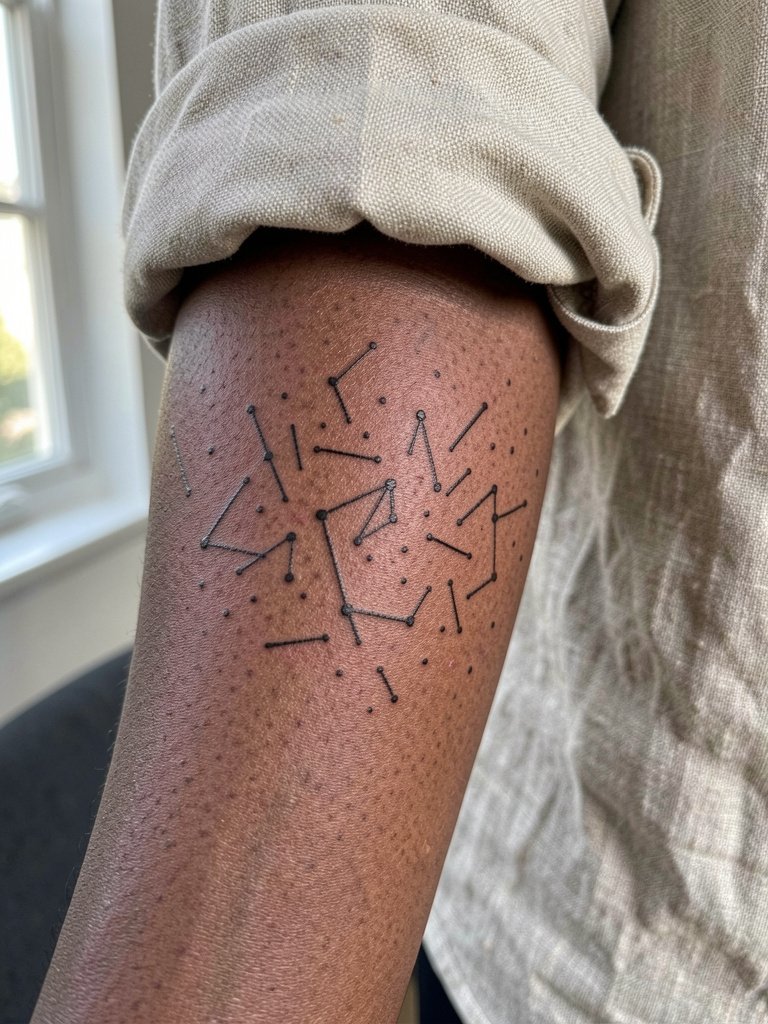
Patchwork sleeves are great if you want modular additions over time and do not want to lock into one long project. On inner forearm patches keep lineweight in the medium range so the shapes do not seethe together. One mistake is asking for tiny single-needle triangles across the whole forearm. At six months that reads delicate. At two years tiny features on thin skin often soften into a gray haze. For darker skin tones swap single-needle for heavy black fills or denser dotwork to preserve contrast. During consultation bring scaled references at both three- and five-inch sizes and discuss spacing around veins. To show it off roll up a linen button down shirt so the inner forearm sits visibly without tight cuffs.
3. 3D Geometric Sleeve with Negative Space
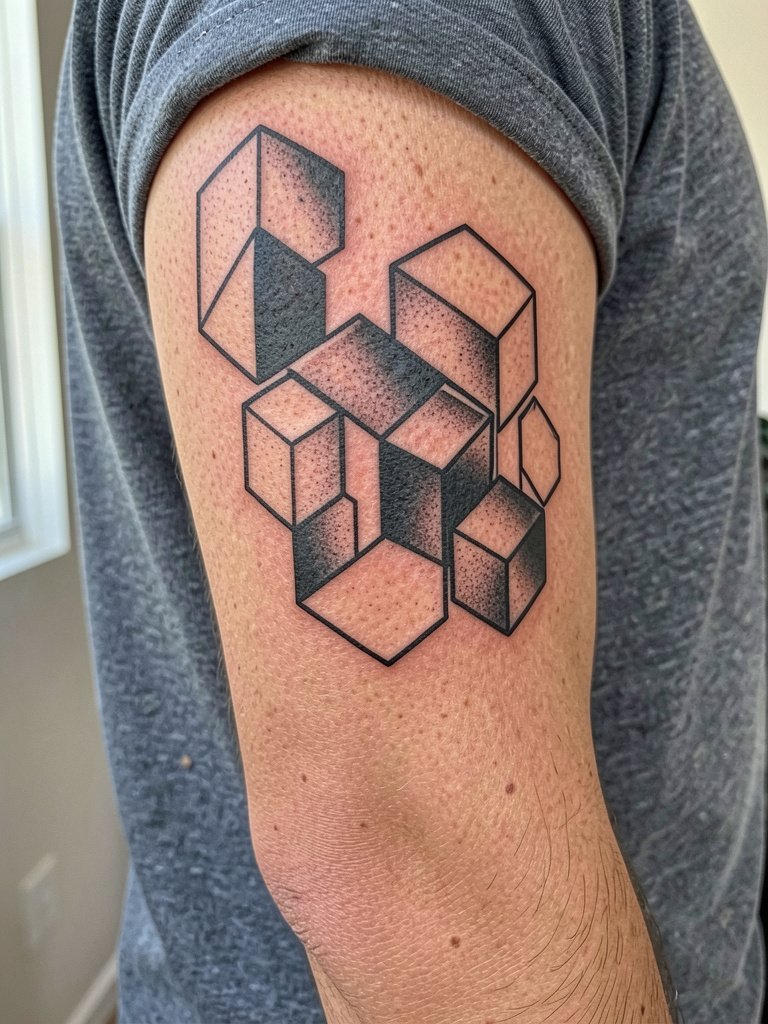
This style uses thick outlines and gaps to fool the eye into depth, so bold black fills and voids are part of the plan. The key is scale. If the cubes are too small the 3D illusion collapses after a year. A common error is trusting a tiny reference from online. The session feels heavier on the bicep where the artist needs bold fills. At two years, a well spaced 3D scheme still pops because the negative space keeps shapes readable. For wardrobe, pair the outer-arm facets with a solid black t-shirt so the arm reads like a framed panel.
4. Ornamental Geometric Half-Sleeve with Floral Integration
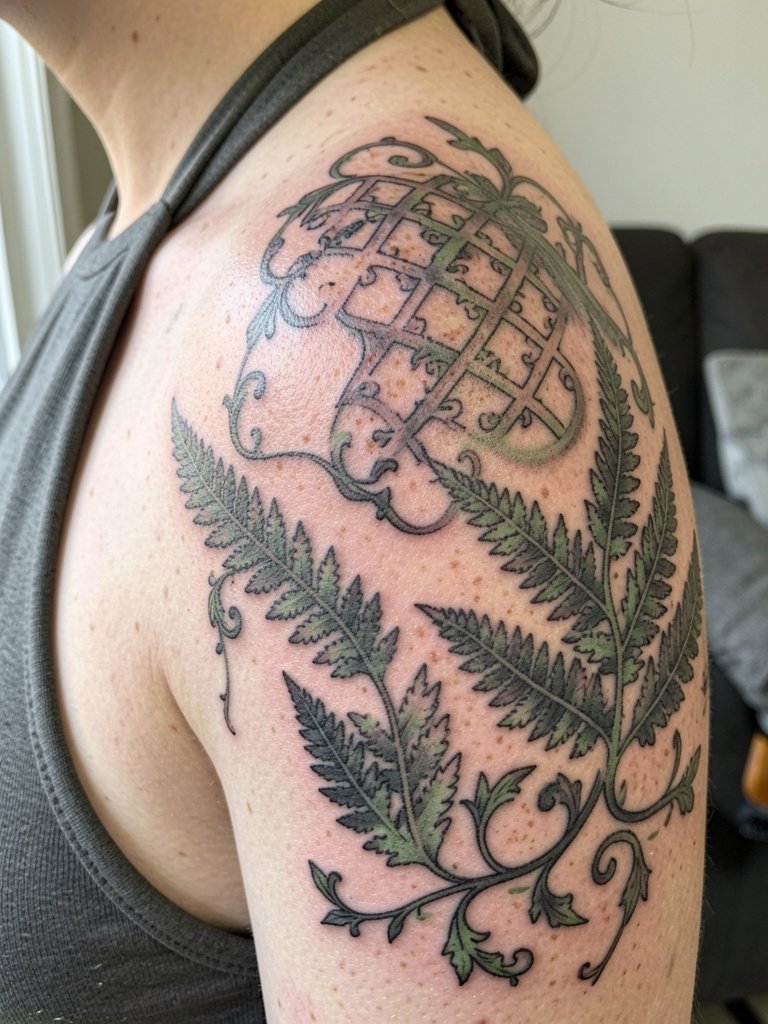
Mixing ornament with botanical elements softens the rigid geometry without losing structure. A practical tip is to request the floral fills at slightly higher saturation than the lattices so the two languages do not compete. The mistake I see most is adding tiny petals in single-needle that disappear with time. For session wear pick a strapless or halter top so the artist can reach the shoulder cap cleanly. This placement reads beautifully with an off shoulder dress when you want to show the lattice and vines on the arm.
5. Minimalist Dotwork Geometric Sleeve
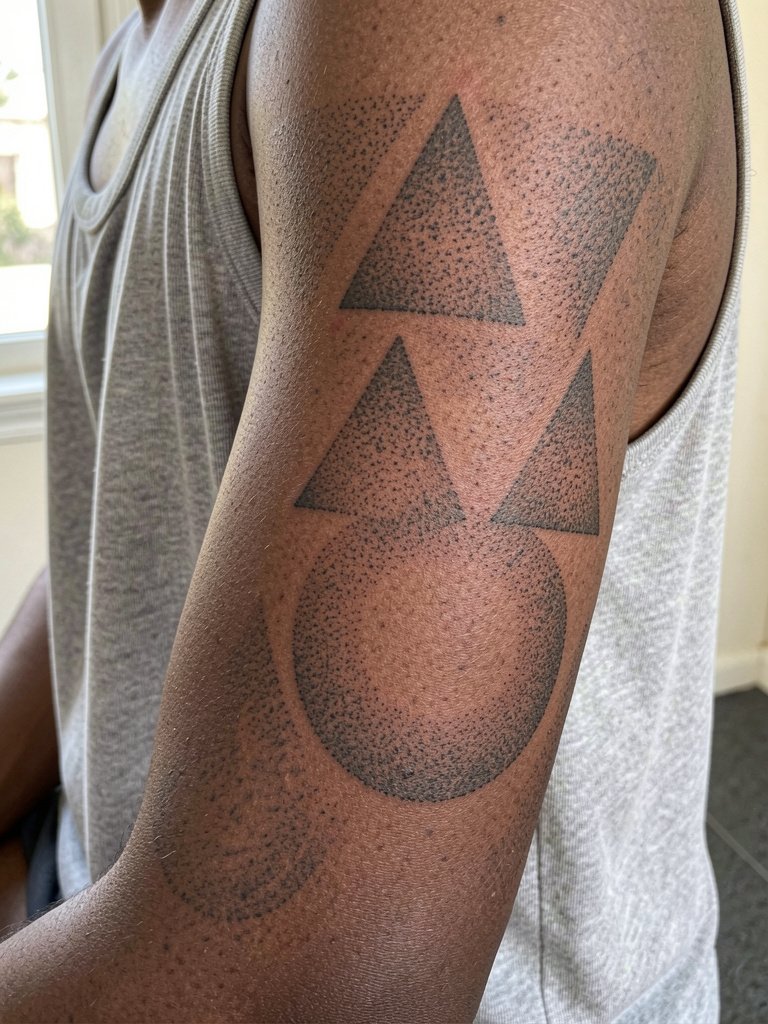
Dotwork builds tone with thousands of single dots and that ages differently from linework. For dark skin pick denser dot clusters and avoid whisper-thin points that vanish. The common misstep is using the same dot density across the whole arm. At six months dot gradients are soft and tactile. At two years the denser areas still read, but the faintest stipple can flatten. Plan touch-ups on lighter densities at year two to refresh gradients. Wear a loose flowy top to let the inner arm move without pressure while it heals.
6. Geometric Animal Silhouette Sleeve
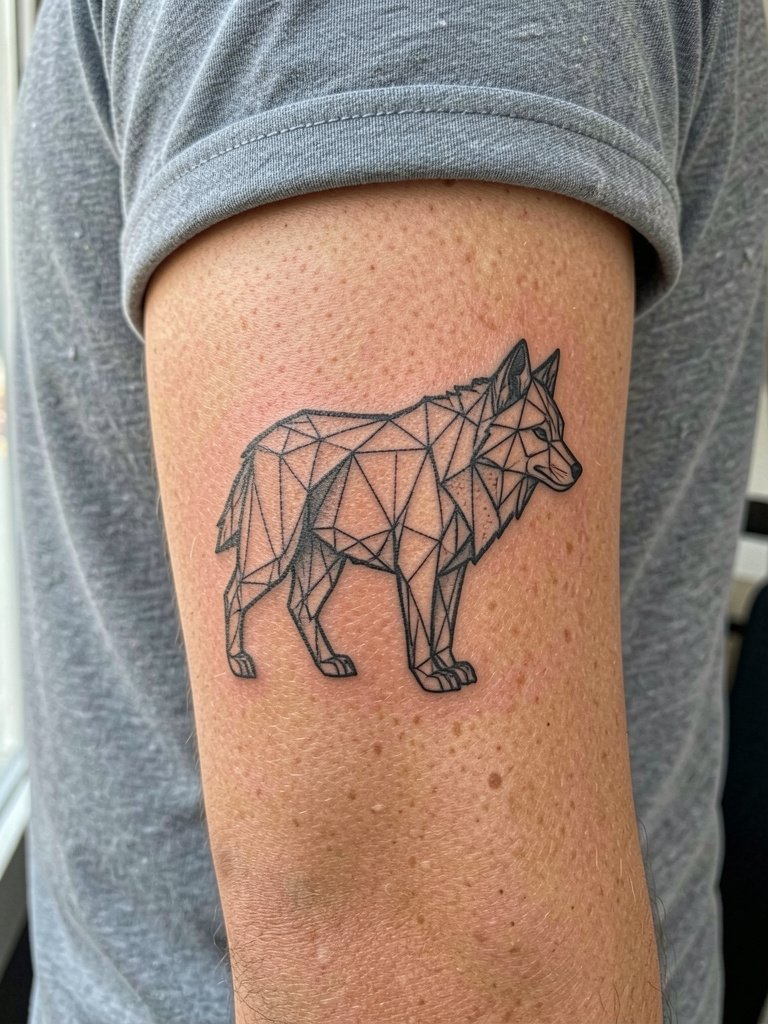
Turning animal motifs into geometric wireframes modernizes a familiar subject. Discuss scale with the artist and bring a single large silhouette reference so the facets read as form not noise. The usual mistake is crowding too many small polygons inside a small silhouette, which blurs over time. On the outer forearm this piece sits on thicker skin so detail survives longer. For sessions wear a short sleeve t-shirt that gives clear access and keeps the area relaxed.
Studio Day Picks
The first six designs above run from detailed mandalas to wireframe silhouettes, so these small items smooth the session and the first week of healing.
-
Tattoo Goo balm. A thinner, fast-absorbing balm that many people prefer for fine dotwork because it moisturizes without smothering the stipple texture.
-
Dr. Jackson’s Natural Tattoo Balm. High cocoa butter content helps geometry on darker skin hold contrast during the flaky phase.
-
Hustle Butter Vegan. A non-greasy plant-based option that keeps blackwork looking rich after the first week.
-
Blue ICE Tattoo Gel. A cooling gel that eases bicep and inner forearm sensitivity immediately after long sessions.
-
Saniderm medical tape. A breathable film some people use for the first three days to protect crisp linework without heavy ointments.
7. Abstract Geometric Flow Sleeve
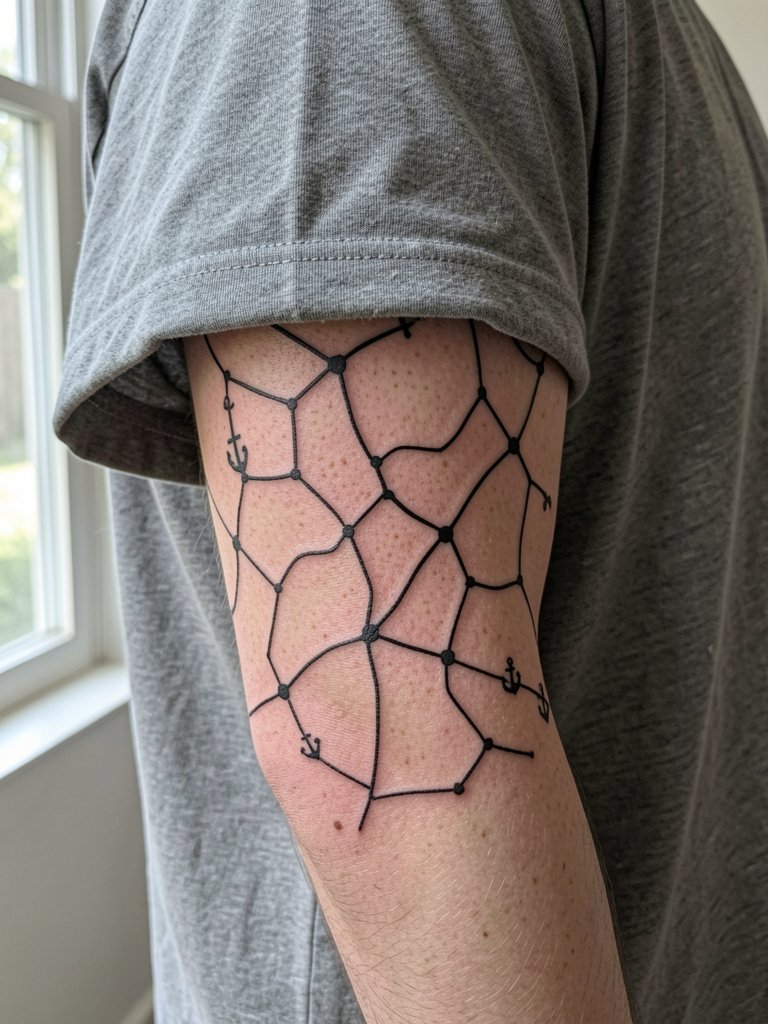
Organic geometry avoids the stiffness of perfect grids by using wandering lines and variable spacing. Designers split on this approach. One camp argues perfect symmetry is the genre heart and gives a balanced, sacred look. Another camp says strict symmetry reads robotic on a moving arm and prefers asymmetry to let the pattern breathe. For the elbow ditch plan shapes that curve with the flex point so the design moves with muscle contraction. Ask for test stencils that show the pattern with an arm bend so you can see how it will sit in motion.
8. Kaleidoscope Geometric Sleeve with Color Accents
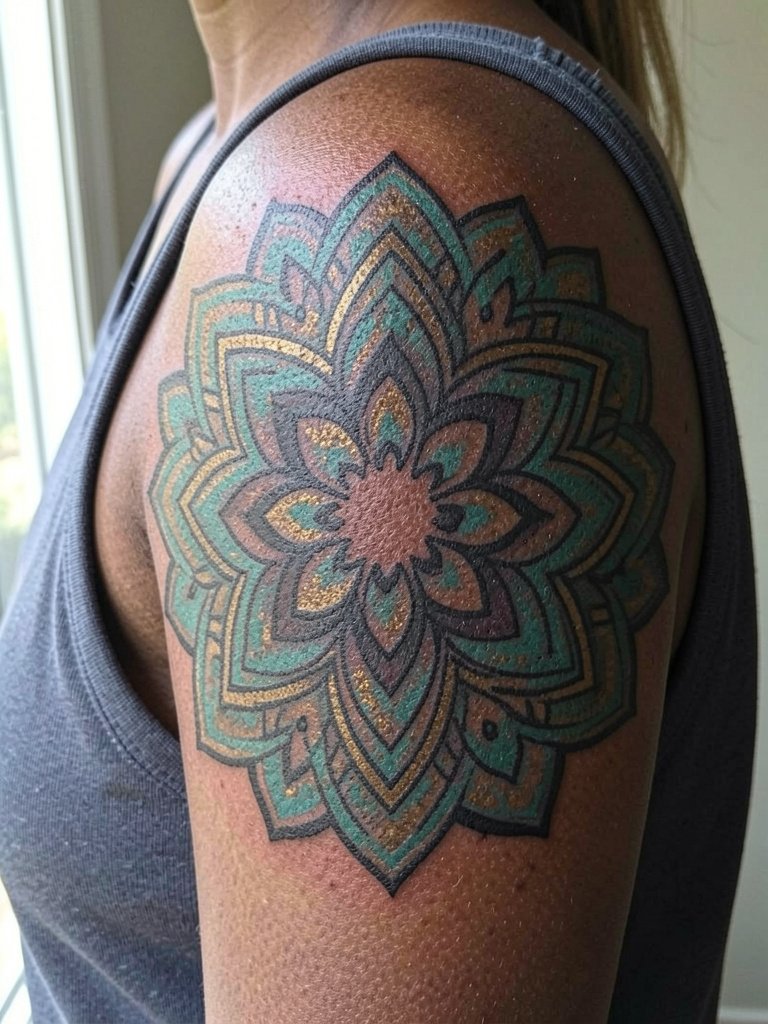
Color can brighten a kaleidoscope pattern but it changes maintenance. Traditionalists often insist on black-only geometry to preserve the architectural feel. Others like small color pops to modernize the palette and add dimension. If you want color pick pigments that show contrast on your skin tone and agree a UV-protective sunscreen routine for the faded hues. When sitting for shoulder work wear a halter top black so the artist can access the wrap cleanly without tight seams.
9. Low-Poly Geometric Sleeve
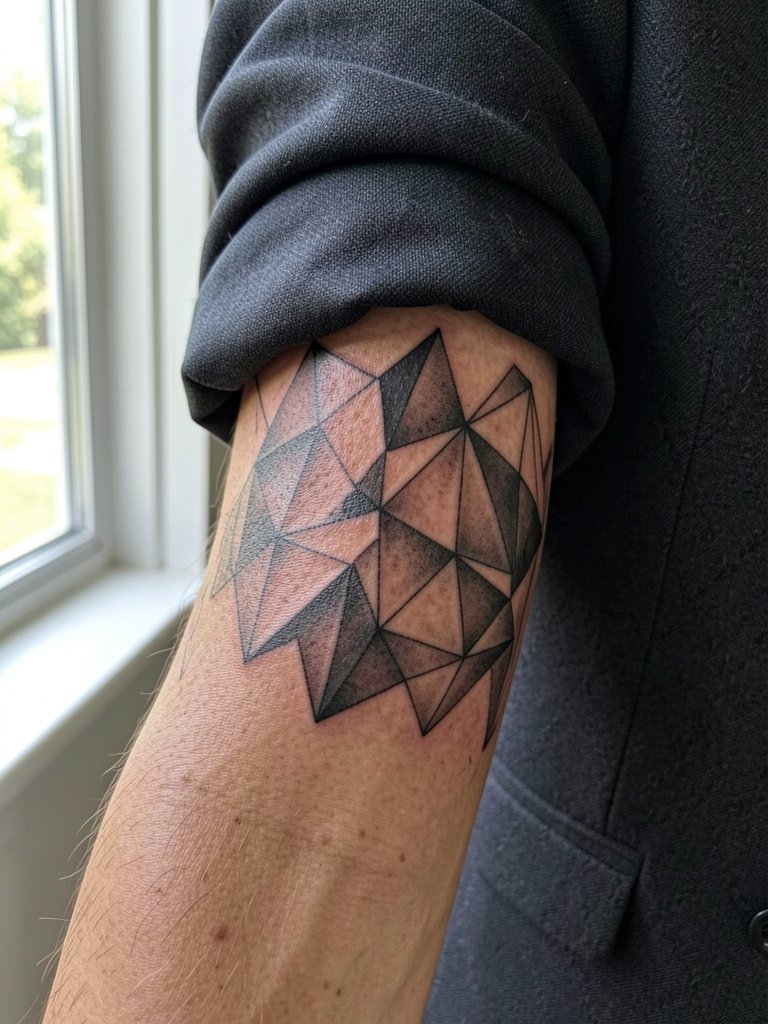
Low-poly geometry reads like 3D model facets and benefits from bold separation between planes. The frequent mistake is trying to cram tiny facets into a narrow forearm band which then blurs. On outer forearm the thicker skin holds edges better so the digital aesthetic lasts longer. For a neat finish wear a structured blazer black when you want to frame the faceted arm for an outfit.
10. Celestial Geometric Sleeve (Moon, Sun, Stars)
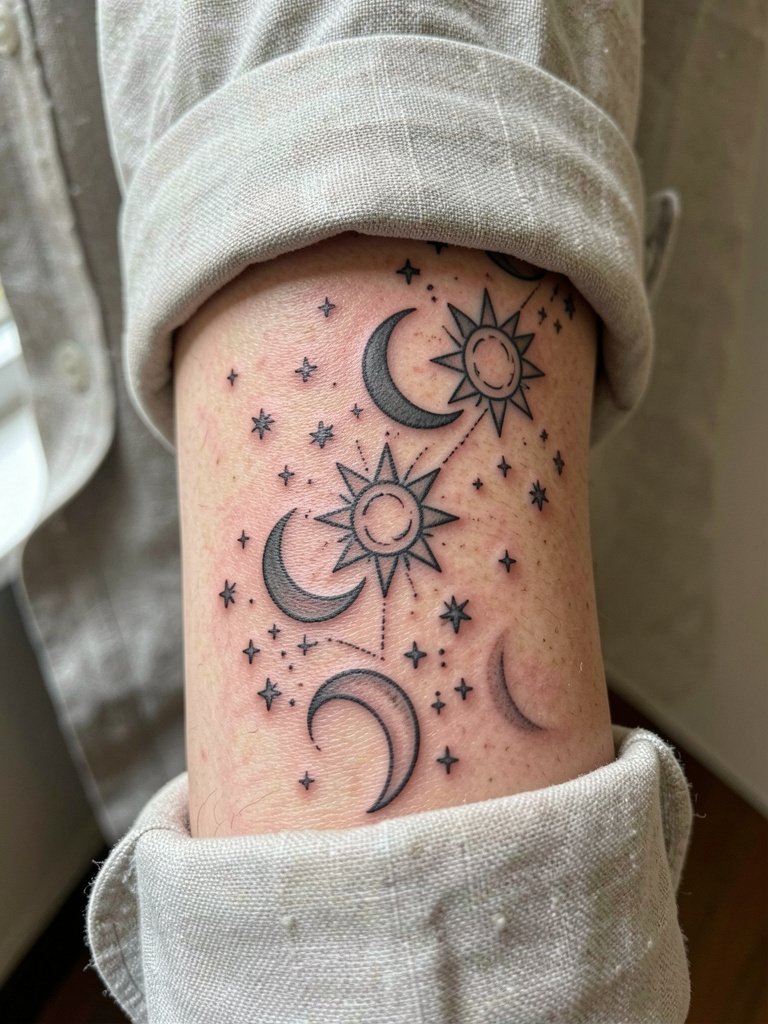
Astrology-inspired geometry often works well on the inner forearm where visibility is high. The trade-off is thinner skin and higher movement so avoid ultra-fine starbursts at the edges. A common aging pattern is crisp moons at six months turning soft by year two if the linework is too fine. To keep celestial details legible, ask for slightly wider spacing inside mandalas and anticipate a light touch-up around year two for the tiny stars.
11. Geometric Lattice Sleeve
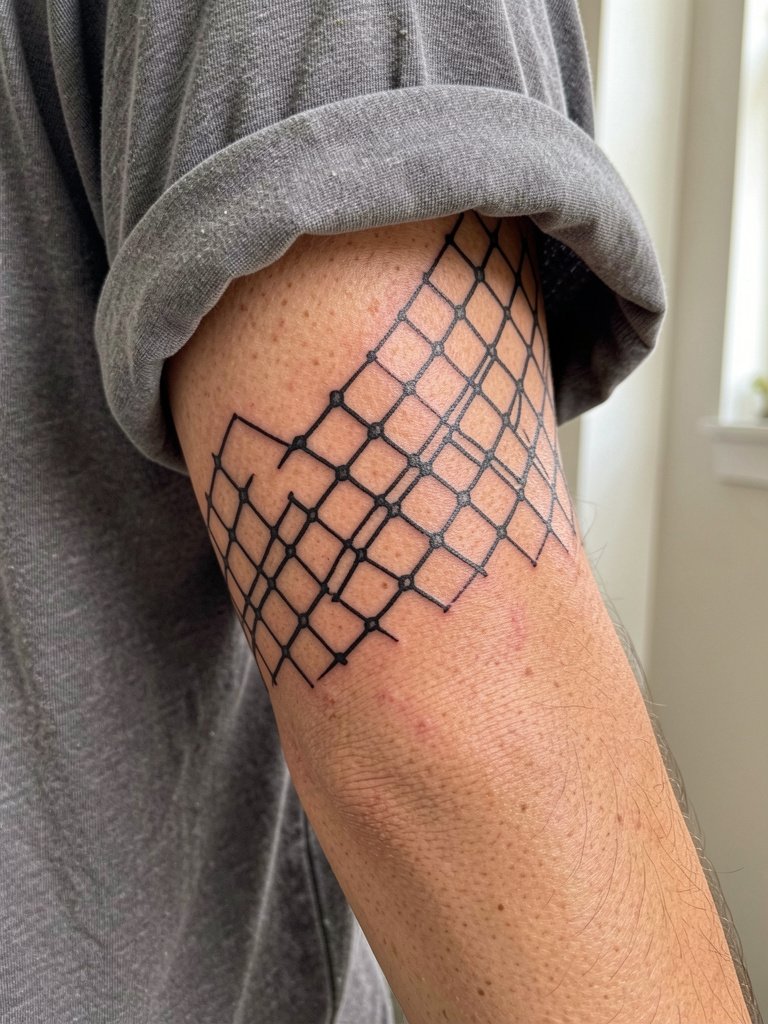
Lattice patterns can give a textured, subtle sleeve that reads like fabric on the arm. The main risk is line blowout if the lattice lines sit too close together on soft skin. For inner-arm lattices increase spacing slightly and add a few thicker anchor lines to preserve structure. At five years the version with varied line weights retains the mesh effect while uniform fine grids often soften. For outfits that highlight texture, roll up a short sleeve t-shirt so the lattice shows without competing patterns.
12. Fractal Geometric Sleeve
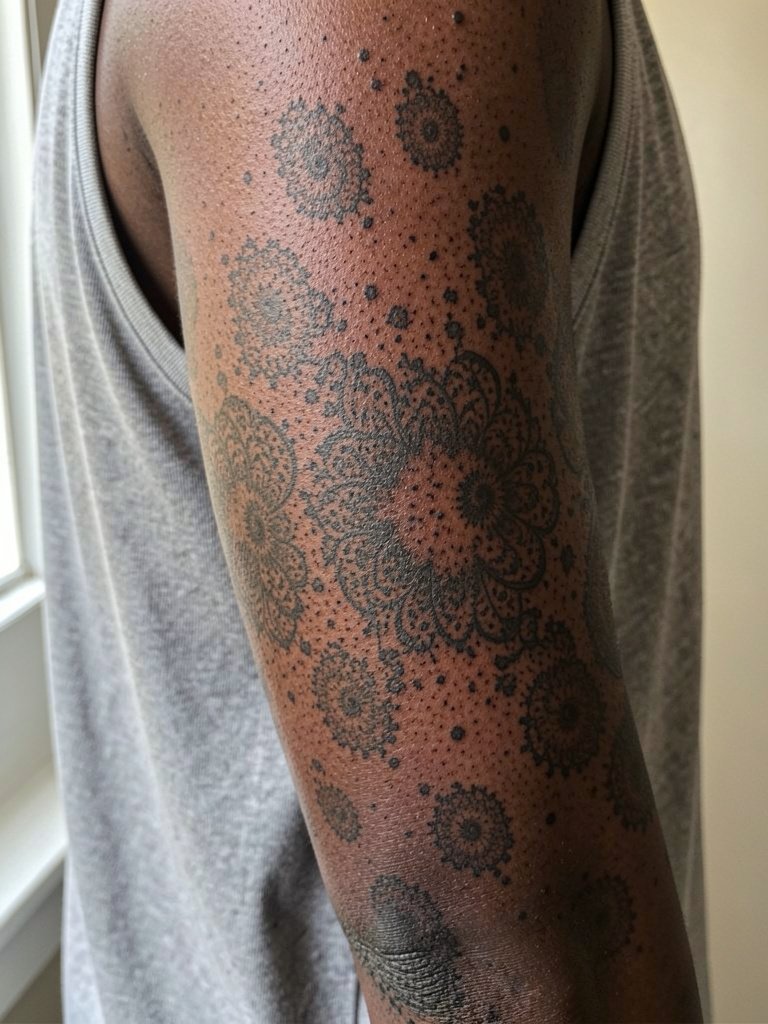
Fractal sleeves demand meticulous spacing because the pattern repeats at multiple scales. One camp says single-needle precision is necessary to pull it off. Another camp warns that on certain placements the tiny repeats will blur and that slightly bolder groupings are more durable. If you opt for fractal work expect long sessions and a higher price for the precision. Plan touch-ups in year two for the smallest iterations to keep the zooming effect crisp.
13. Geometric Crown and Royal Motif Sleeve
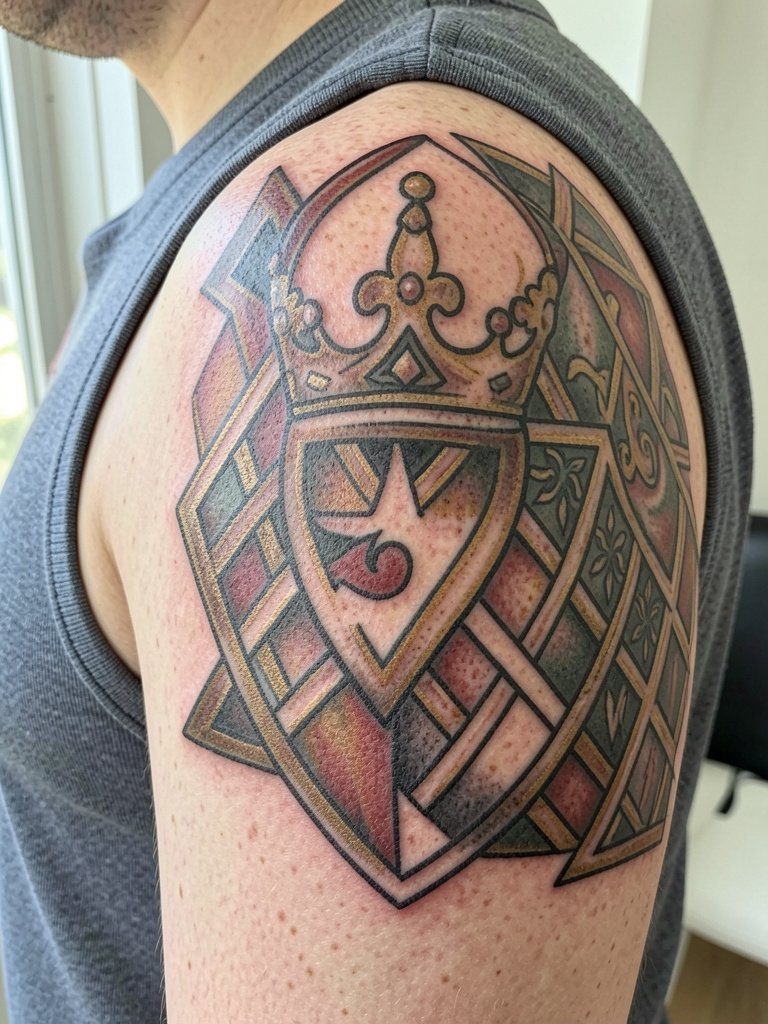
Heraldic geometry uses regal motifs to anchor a sleeve around the shoulder cap. The mistake is compressing detailed heraldry into too small a patch. For a commanding look keep the crown sizable and use simpler geometry in the transitions. On the shoulder this ages well because the skin moves less than the inner arm. Pair the motif with layered gold chain necklace styling that echoes the crown lines.
14. Asymmetrical Geometric Sleeve
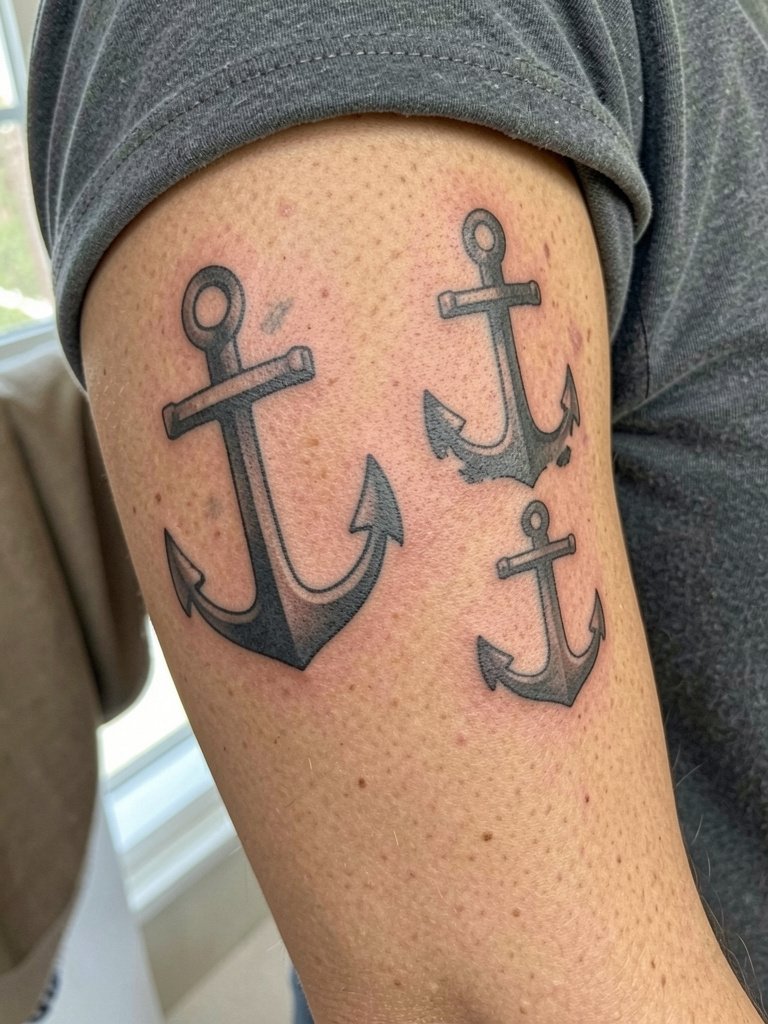
Asymmetry can make a sleeve feel contemporary and organic, but it requires careful balance so the arm does not read lopsided. The common error is uneven visual weight where one side dominates. Designers often counter that with negative space and one or two mirrored anchor shapes. If you expect body changes choose asymmetry because it tolerates shape shifts better than rigid grids. For session comfort wear a short sleeve t-shirt to allow the artist easy access while keeping the torso covered.
15. Geometric Eye (Mandala Eye) Sleeve
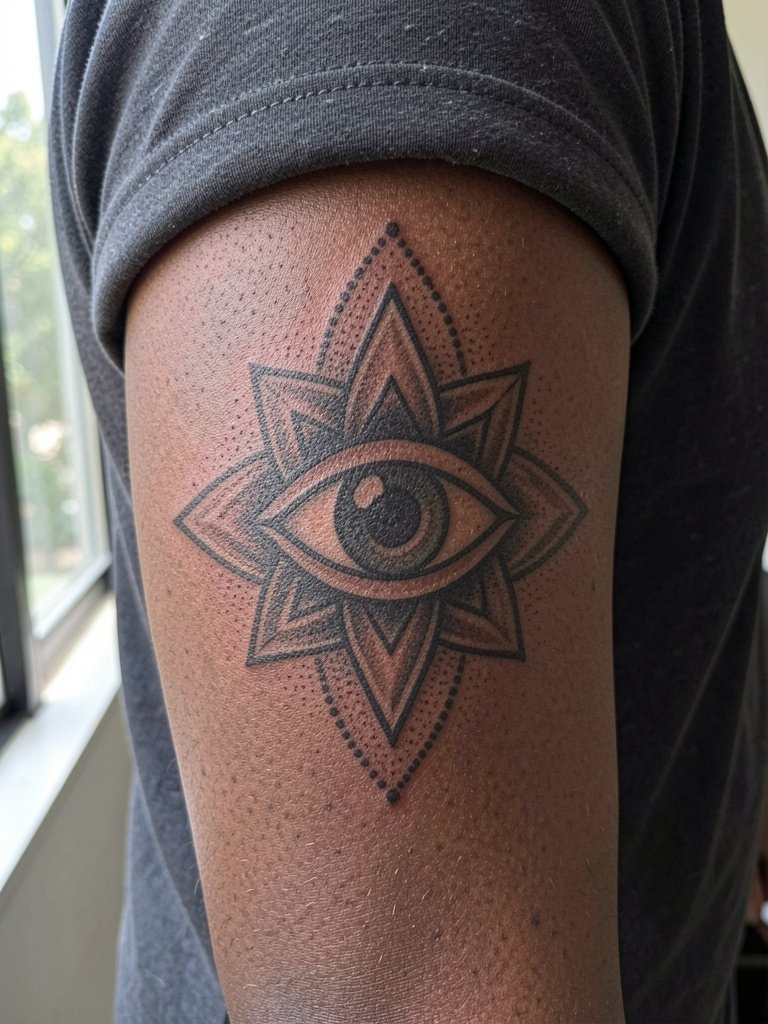
Centering a mandala eye creates a strong focal point that reads across the arm. A typical mistake is making the central pupil too small which loses punch over time. Plan the pupil and surrounding triangles at a scale that still reads at arm distance. The dorsal forearm is a high-visibility place so factor in social and professional considerations before committing. To accent the eye keep accessories minimal, or wear a minimalist watch on the opposite wrist rather than chunky bracelets that compete.
16. Geometric Grid Sleeve with Color Blocking
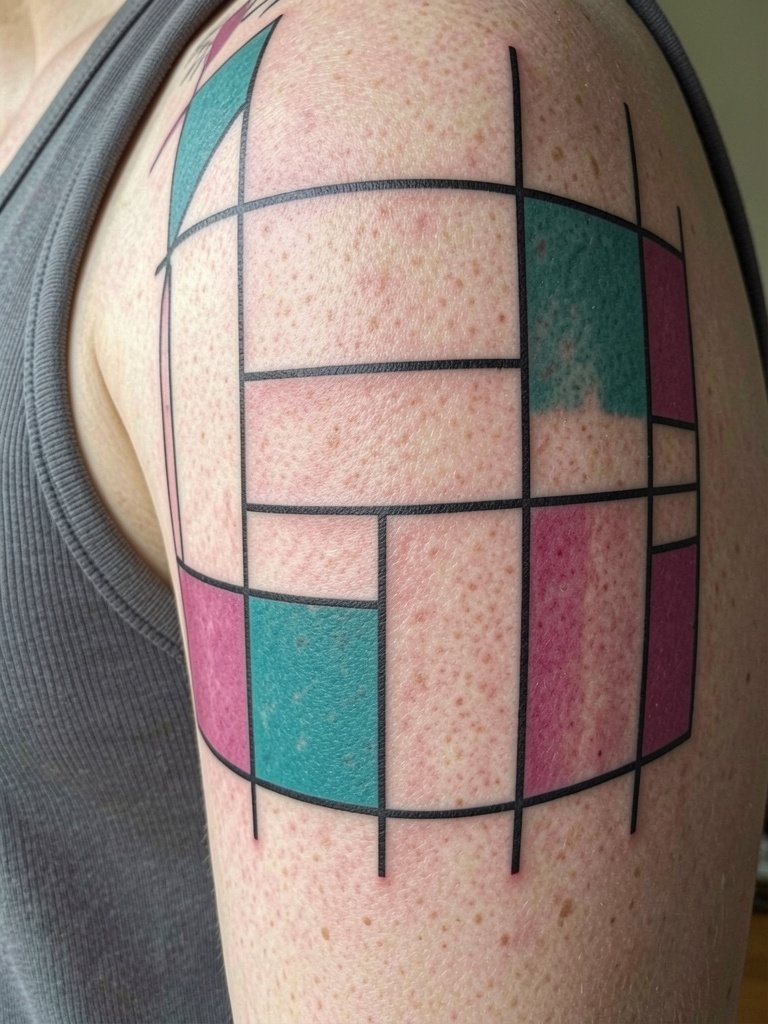
Grid sleeves with color panels can create a modern patchwork look. The danger is choosing colors that fade quickly or do not contrast on your skin tone. If color is important select pigments that hold longer and commit to UV protection habits. For session planning bring references that show exact color placement at full arm scale so the artist can judge saturation. This style looks sharp with a solid black t-shirt that frames the color blocks.
17. Negative-Space Geometric Sleeve
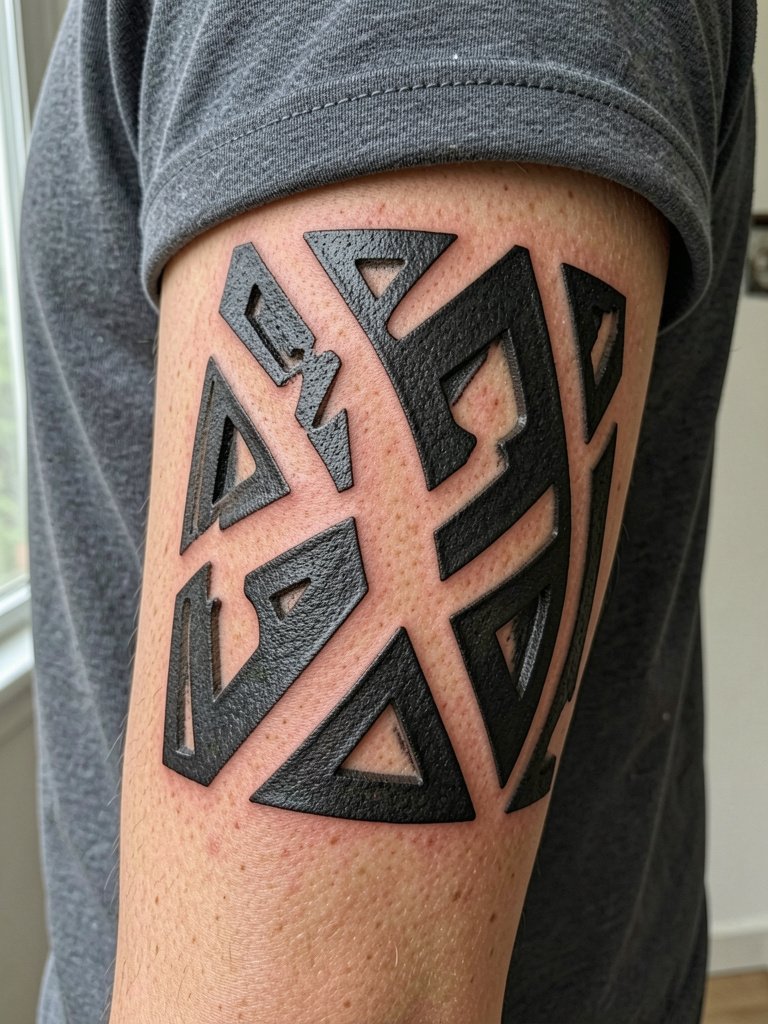
Negative-space geometry ages well when the skin tone forms part of the design because there is no tiny line at risk of blur. The key is solid black saturation and crisp edges. A frequent mistake is using too many thin negative gaps that the skin texture fills in. If you like contrast wear matte-finish clothing that does not reflect light and flatten the look, for example a solid black t-shirt which keeps focus on the voids.
18. Geometric Sleeve Emphasizing the Elbow Ditch
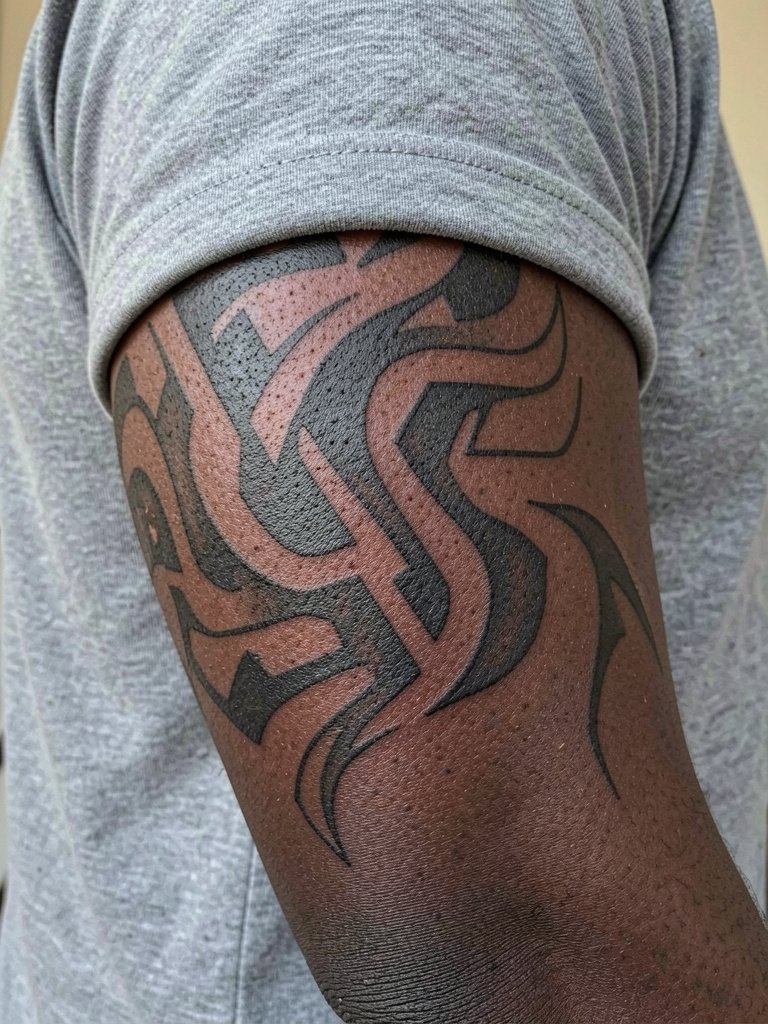
Designing for the elbow ditch requires shapes that cross the flex point with intent. Many rigid mandalas falter here because they were drafted flat. A design that echoes the arm's natural crease will move with the limb instead of buckling. One camp thinks elbow-area geometry should avoid crossing the ditch altogether to prevent distortion. Another camp designs patterns to cross the joint deliberately so it becomes part of the composition. Request stencils with the arm bent and straight to preview how the pattern reacts.
19. Monochrome Blackwork Sleeve
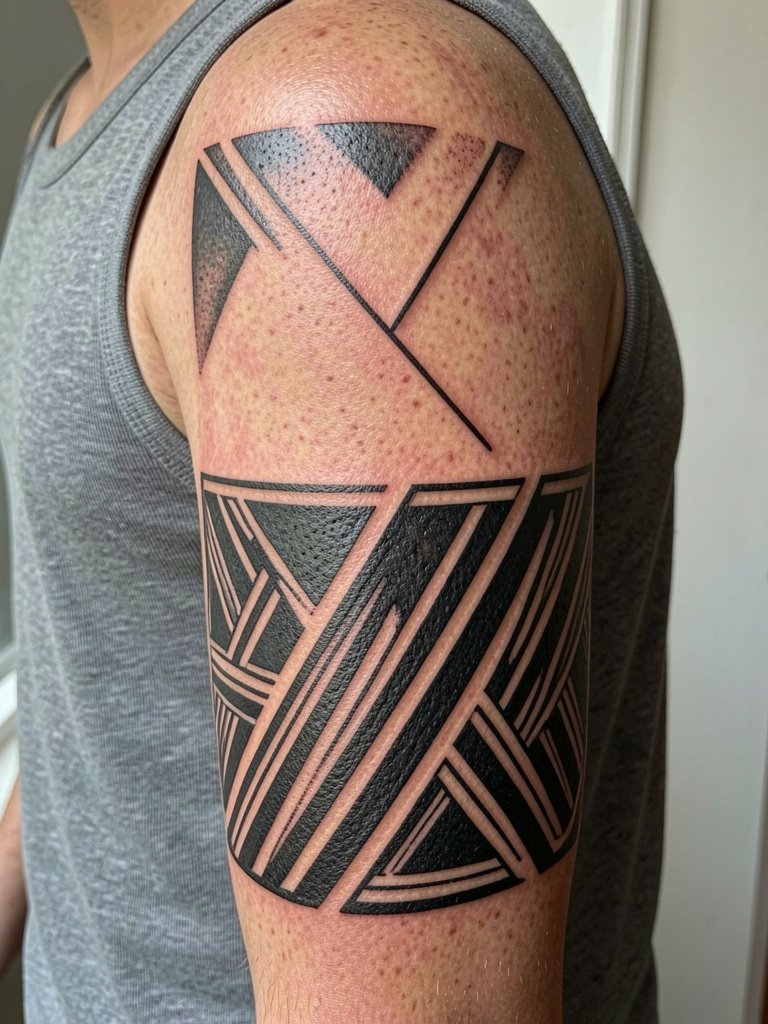
Pure blackwork relies on saturation and contrast and it often ages very predictably because the large black fields stay dense. The typical mistake is uneven saturation that reveals patchy heal. On larger black panels expect longer, heavier sessions and a different aftercare rhythm compared to fine line areas. To display blackwork, sleeveless styles or a sleeveless tank top black help the solid areas read as a single graphic.
20. Geometric Sleeve with Whip and Stipple Shading
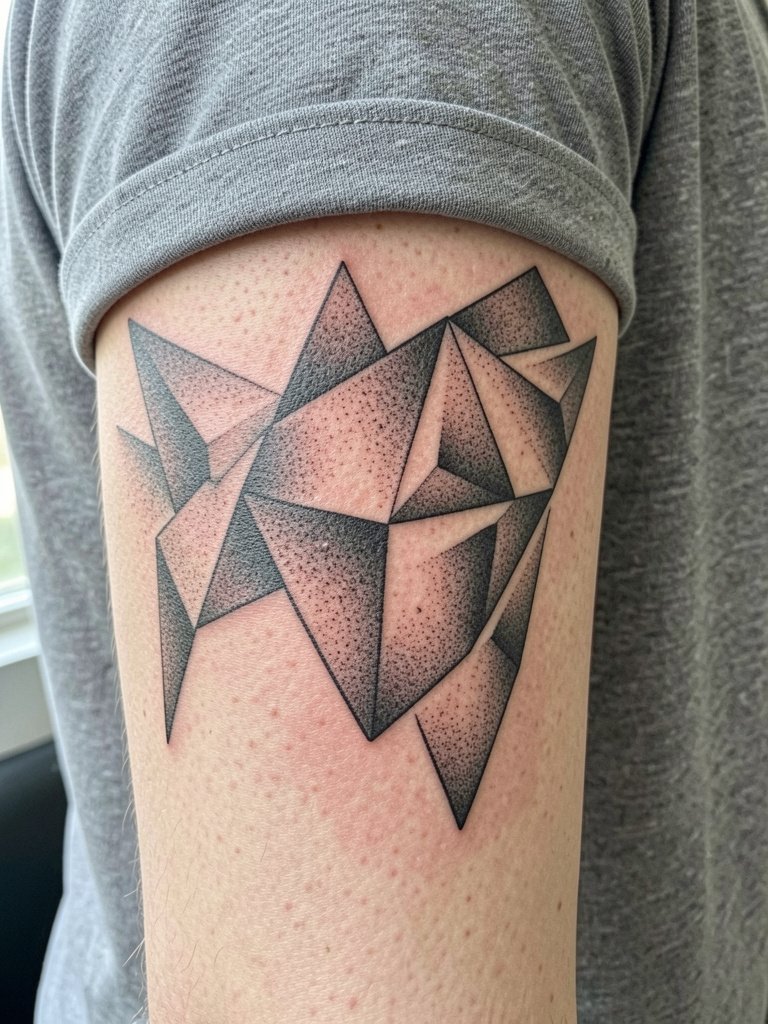
Using whip shading and stipple gives geometry a softer, sculpted look. The risk is inconsistency in dot density across large areas which becomes apparent after healing. To prevent this, ask for sample panels to see how the stipple reads at arm scale. Session feel is steadier than single-needle work because shading uses longer passes. For casual show-off styling pick a short sleeve t-shirt that frames the shaded panels.
21. Micro-Geometric Accent Sleeve
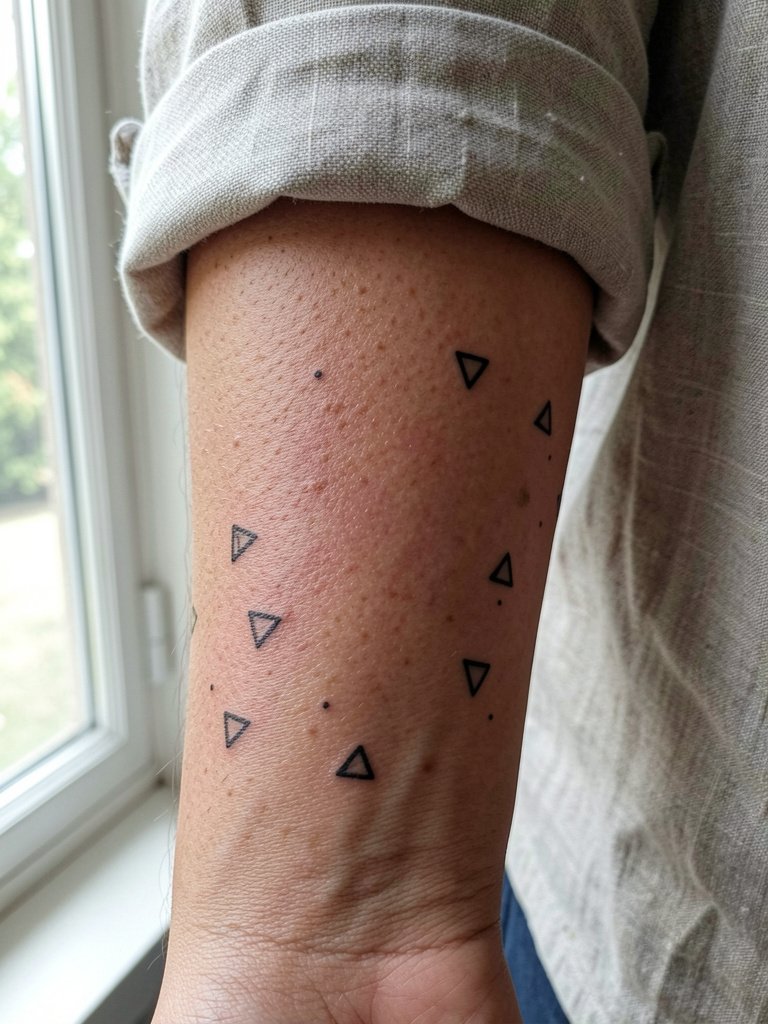
If you like minimal touches, micro-geometry accents let you build a sleeve slowly. The main error is making the micro pieces too dense. Space is the asset here. Expect the smallest accents to need touch-ups sooner, often around year two, because they rely on tiny lines. During the session wear a rolled cuff linen shirt to keep the area accessible while staying comfortable.
22. Architectural Grid Sleeve
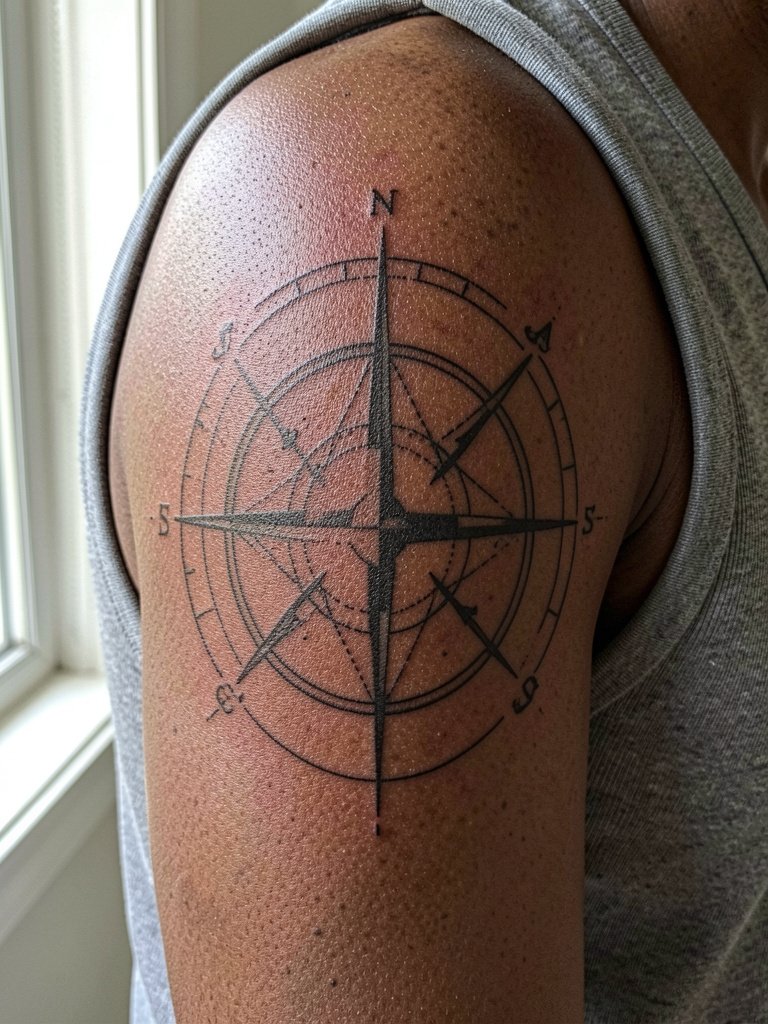
Architectural grid sleeves echo drafting techniques and require a measured approach. The common mistake is trusting a single photo; instead bring scaled printouts and a ruler reference so the artist can translate measurement to arm curvature. Because of the thin anchor lines, this style divides artists into two camps. One group insists on thicker anchors for longevity. The other group demonstrates exceptional single-needle control and shows healed photos where the thin anchors held. Both positions are valid depending on placement and the artist's healed portfolio.
23. Geometric Sleeve for Darker Skin Tones
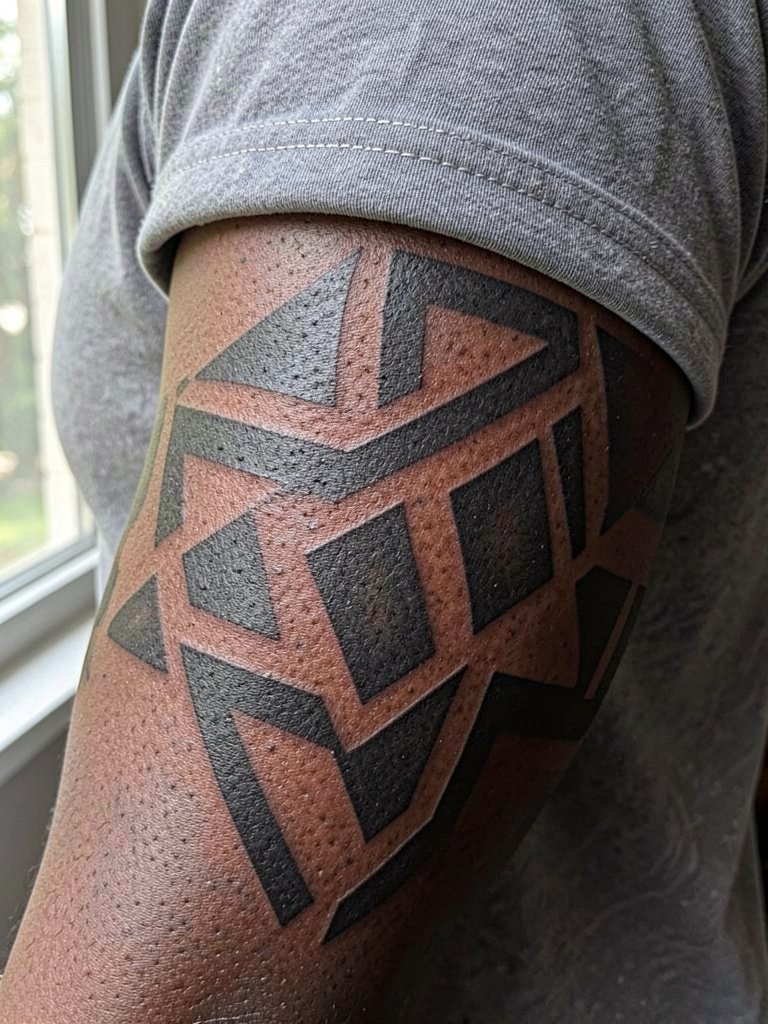
Geometric work on darker skin needs deliberate contrast choices. Thin single-needle lines often vanish or photograph as low contrast. I recommend heavier line weights and solid black fills for clarity. A common misstep is importing a light-skin reference and expecting the same result. Request healed examples on similar skin tones and plan denser dot clusters instead of faint stipple. Matte clothing while photographing helps avoid shine that makes ink read flatter.
24. Patchwork Sleeve Strategy for Built-Over-Time Work
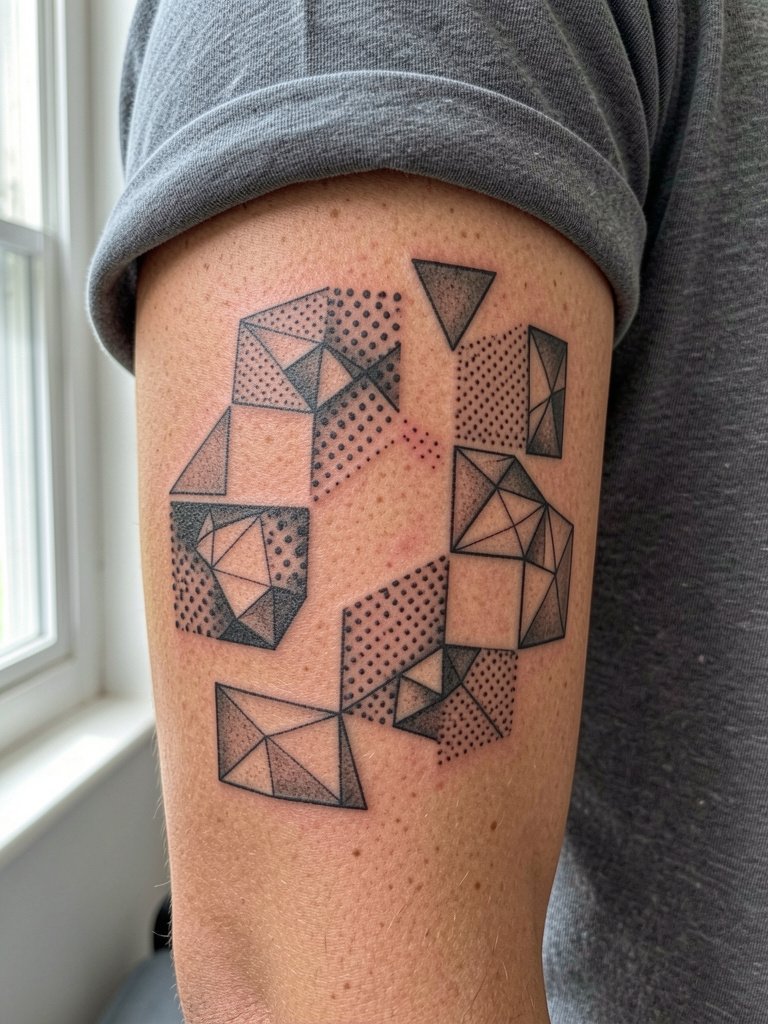
A patchwork sleeve is a practical route for collectors who do not want to commit to a single twenty-hour project. One camp favors a cohesive sleeve by one artist for flow and unity. The other camp prefers patchwork for flexibility and cost control. Both approaches work. If you plan patchwork map areas where each piece will sit so future additions do not create awkward negative islands. For booking days wear a short sleeve t-shirt that allows the artist to work across different zones without tight cuffs.
25. Geometric Color Wash Sleeve
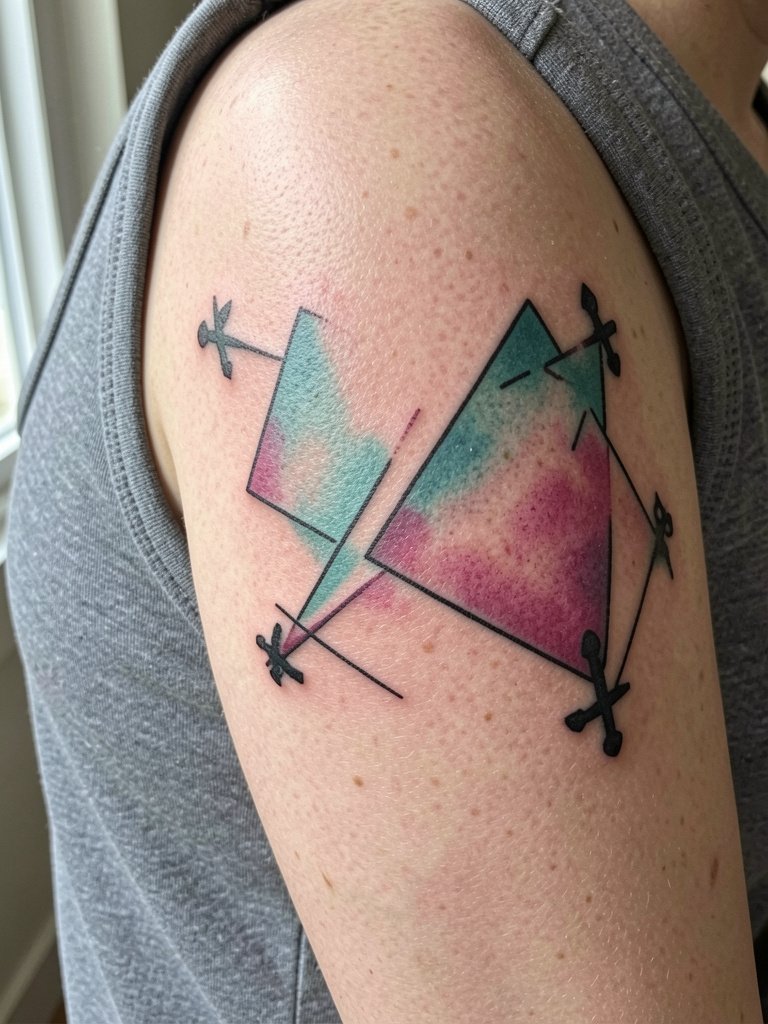
Color washes can modernize geometry but choose tones with proven longevity for your skin. Red and yellow often fade faster and need more frequent refreshes. If you want subtle color, agree on low-saturation washes under strong black anchors so the geometry remains readable as pigments fade. Expect routine sun protection to preserve the wash. For evenings out pick an open-back midi dress that exposes the arm and complements the color palette.
Frequently Asked Questions
Q: How do I decide between fine line and dotwork for an inner forearm sleeve?
A: Fine line gives an airy, delicate effect but the inner forearm moves and can blur thin lines within two years. Dotwork trades tiny lines for density and often ages more predictably on that surface. If you prefer the fine look ask for medium lineweight in critical contours and denser stipple for texture so the piece balances initial delicacy and long-term readability.
Q: Can geometric sleeves work on dark skin and still photograph well?
A: Yes. On darker tones heavier line weights and solid black fills preserve contrast. Tiny single-needle details may disappear in photos, so plan with denser dotwork or bolder anchors. When you review portfolios focus on healed images on similar skin tones so you see real outcomes.
Q: I want a sleeve but cannot find an artist for a 30-hour project. What are practical alternatives?
A: The patchwork route is the practical alternative. Build the sleeve from several smaller sessions with different artists while keeping a consistent palette or recurring motifs so the final arm reads cohesive. Map out zones on your arm ahead of time and bring scale references to each artist so pieces do not clash.
Q: How often will I need touch-ups for geometric sleeves?
A: Touch-up frequency depends on lineweight and placement. Fine single-needle work on thin, mobile skin often needs attention around year two. Heavier blackwork and dotwork typically go longer between touch-ups, often three to five years. Plan a budget cushion for touch-ups and keep a photo log of healing to show the artist when you book maintenance.
Q: Where can I find healed portfolio examples and local artists without naming specific people?
A: Search style-specific hashtags like #geometrictattoo, #dotworktattoo, and #geometricsleeve on Instagram and TikTok, then filter by location to find portfolios near you. Use Tattoodo, Inked App, or Booksy to refine by specialty terms such as "geometric sleeve blackwork." Reddit threads on r/tattoos and r/tattooadvice help surface peer-shared healed photos across skin tones.
Q: What should I wear to a full-sleeve session to stay comfortable and keep the area accessible?
A: Choose loose, easy garments that expose the target area without tight cuffs. For shoulder-to-wrist sessions a loose button-down or sleeveless tank works well. For forearm work a short sleeve t-shirt or rolled-cuff linen shirt lets the artist access the arm without fabric pressure.
Q: Are there clear design red flags that suggest a bad geometry portfolio?
A: Yes. Watch for portfolios that only show fresh photos with ink still raised and shiny, no healed shots. Also be wary if the artist cannot show scale references or refuses to provide stencils previewing how the pattern sits on a bent arm. A cautious designer will show healed examples and discuss lineweight choices frankly.