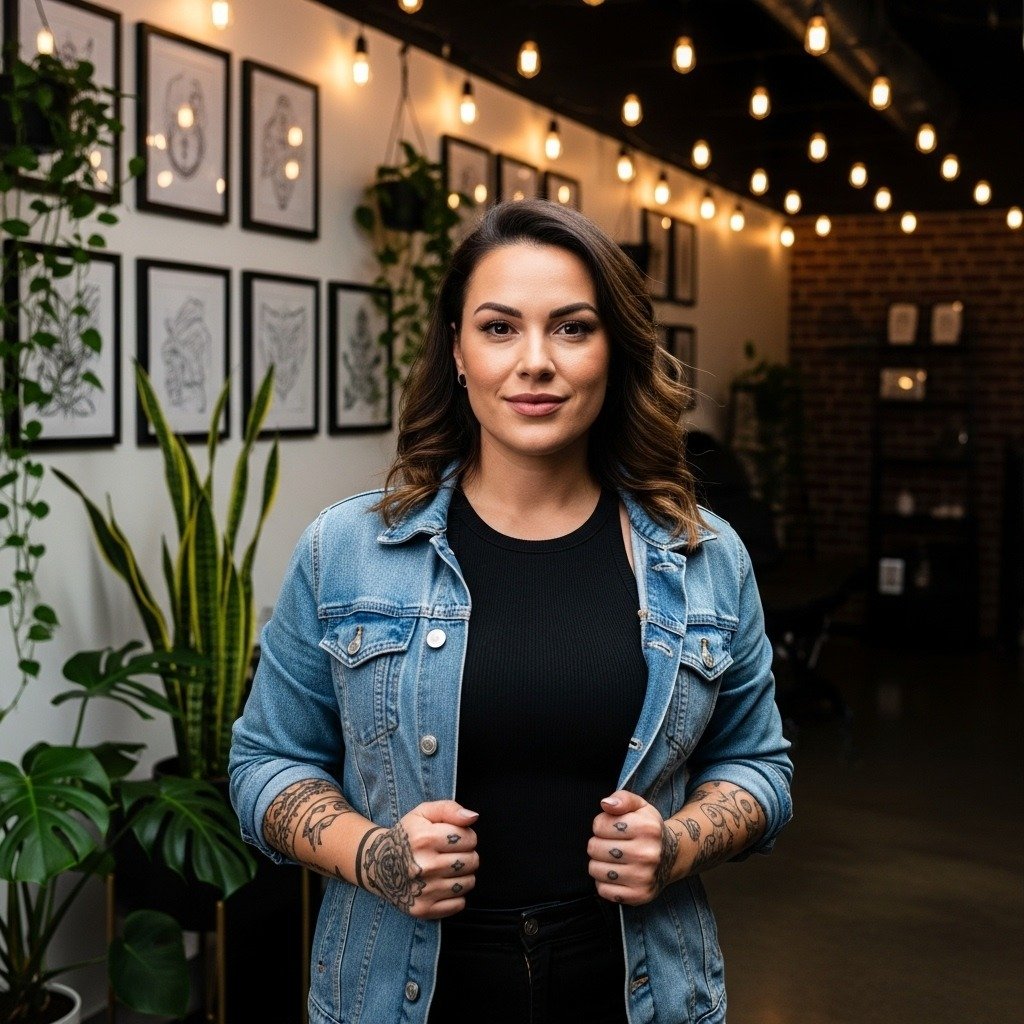
Fine line birth flowers look effortless online, but what you see on a fresh post is not always what lasts. Trends favor single-needle micro-blooms and trailing vines, yet healed shots tell a different story about spacing and placement. If you want examples and local artists who post healed work, search hashtags like #finelinetattoo, #birthflower, and #singleneedletattoo on Instagram and TikTok and filter by location to find portfolios and healed photos.
1. Single-Bloom Inner Forearm
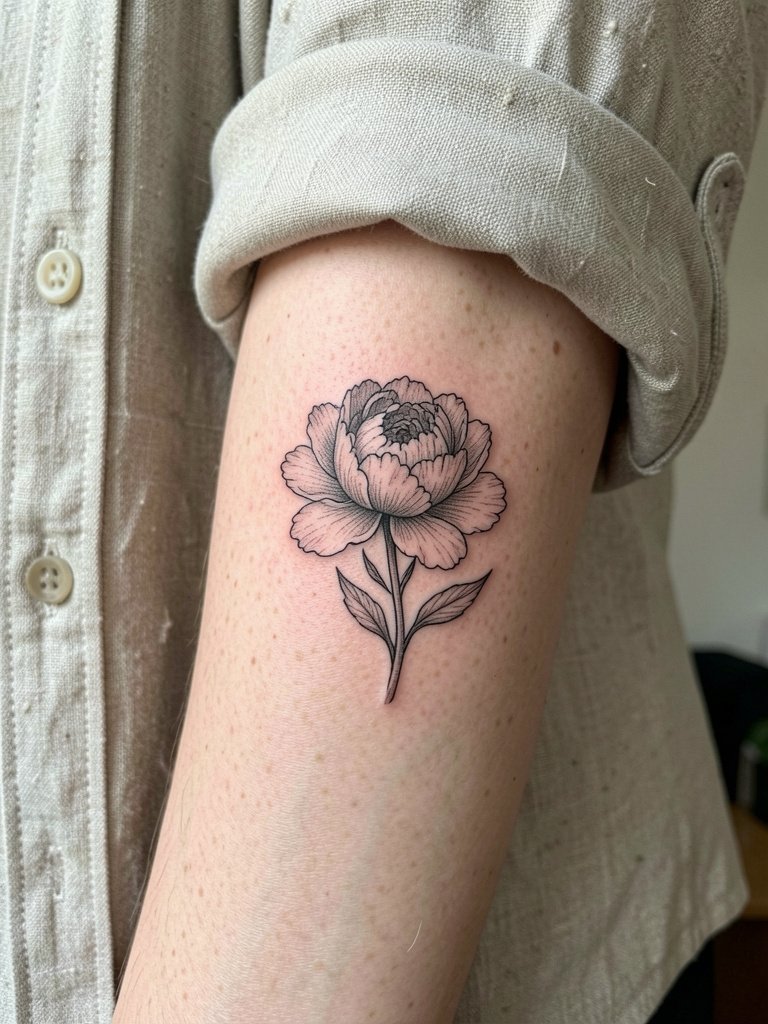
A solitary birth flower on the inner forearm reads clean because the surface stays flat and receives fewer compression bruises. I recommend this for a first fine line piece if you want something readable after two years, because the forearm tolerates tight linework better than curved ribs. Bring one close-up reference and one scaled-back version so the artist can show how line weight changes at one inch versus two inches. For the appointment wear a linen button down shirt that rolls easily and keeps cuffs away from fresh ink. Expect a short session under an hour and a touch-up window at six to twelve months if any micro-lines soften.
2. Collarbone Trailing Vine
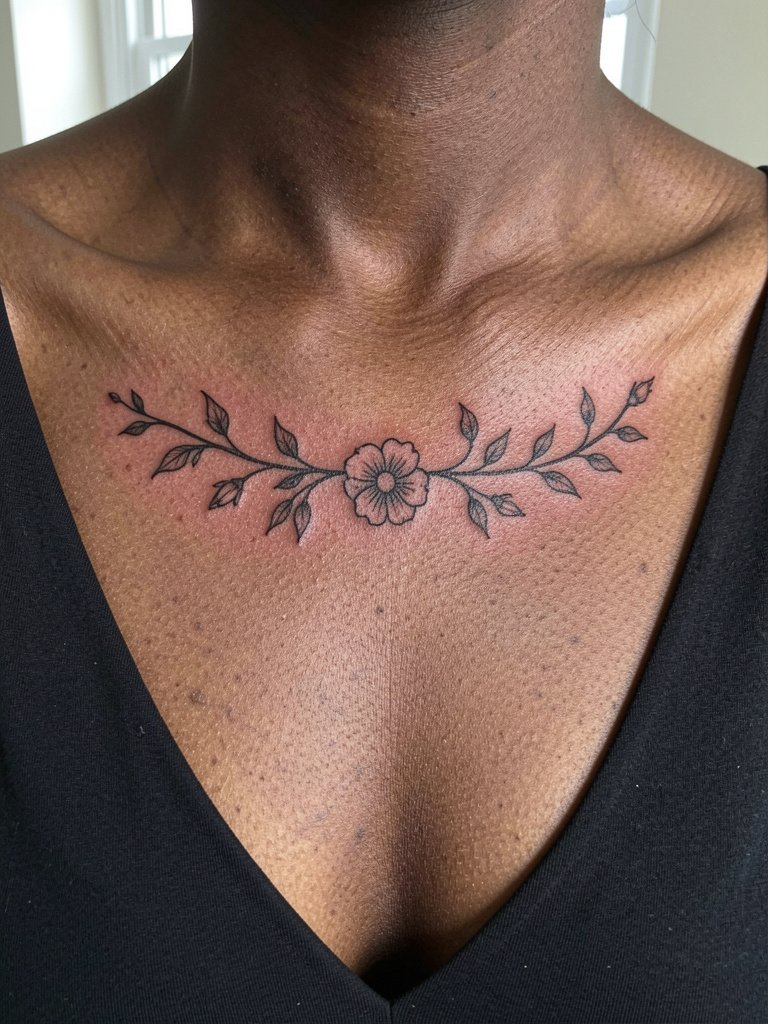
A collarbone vine is all about flow and negative space, which is why I steer clients toward a single plant that trails instead of a crowded bouquet. The visual impact reads best when the vine follows the bone and leaves room between petals, because the clavicle area shifts with movement and tight detail can blur over time. For showing it off pick strapless or open-neck pieces and consider a delicate pendant necklace that sits below the tattoo so nothing competes. Session-wise this placement is brief but sensitive, and a realistic touch-up window is one year for fine-needle detail that settles.
3. Ribcage Family Bouquet
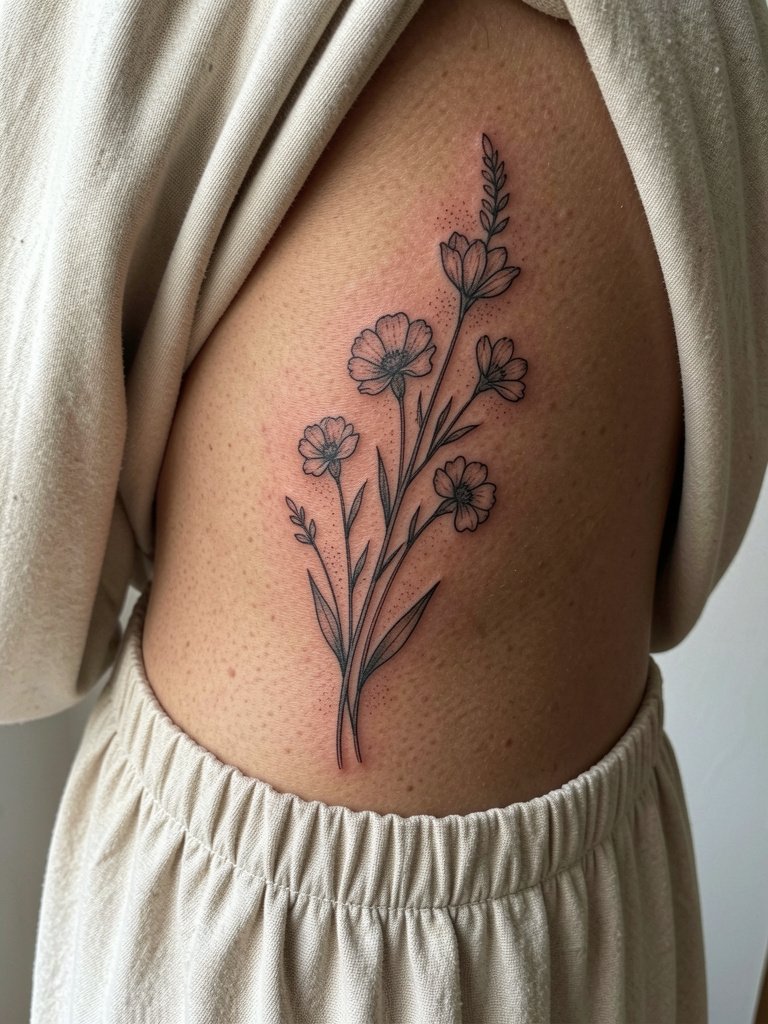
Fine line on ribs surfaces a real split among artists. One camp says ribs are a gamble and that thin lines will blur within two years because the skin stretches and rubs under clothing. The other camp argues that with correct needle depth and increased spacing between details fine line settles fine and can look great at three years. If you choose a ribcage bouquet, ask for wider spacing between petals and plan the composition to sit where bras and waistbands will not constantly press. For the session wear a loose two-piece set so the artist can access the side without tugging at fabric. Expect a longer appointment and a likely touch-up once healed because ribs can scab differently across the curve.
4. Ankle Mini Patch
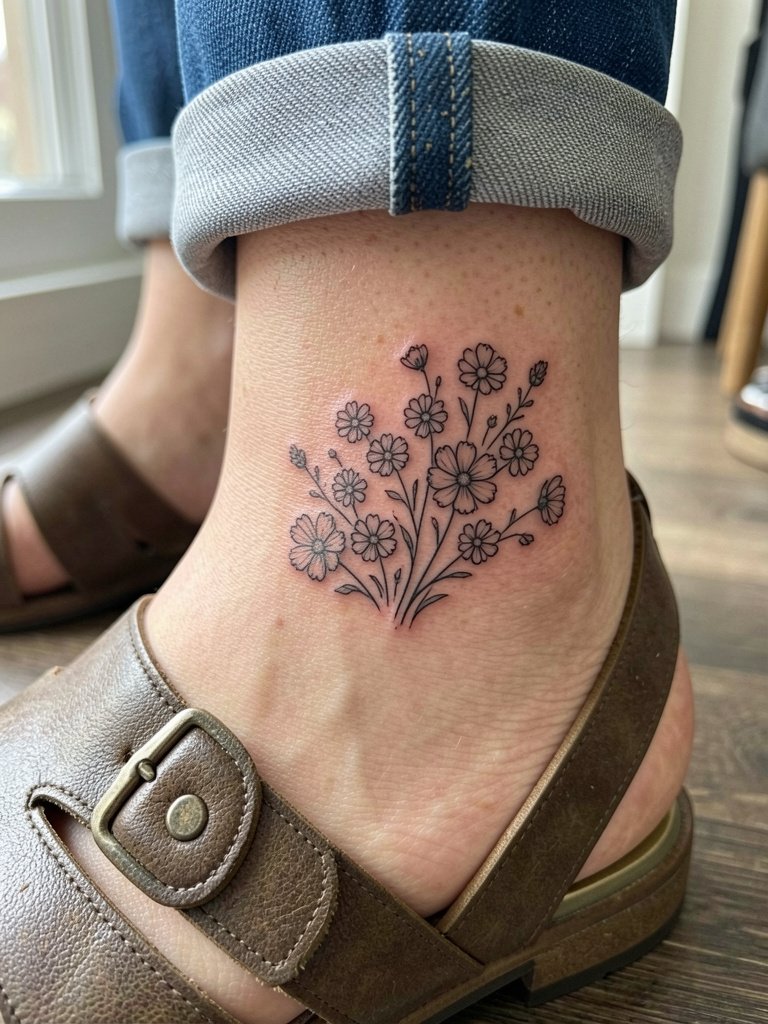
Ankle micro-blooms are charming but require compromise. Friction from shoes and socks accelerates fade, so I tell people to avoid ultra-micro filament lines here and to plan for a touch-up at the one-year mark. The common mistake is asking for fine cross-hatching in a space under 1 inch, which turns to grey fuzz quickly. For show-off outfits pick open-toe sandals or cropped pants so the work reads clean. Session pain is moderate because the bone is shallow, and the artist will move deliberately to prevent blowout.
5. Behind-the-Ear Lavender Sprig
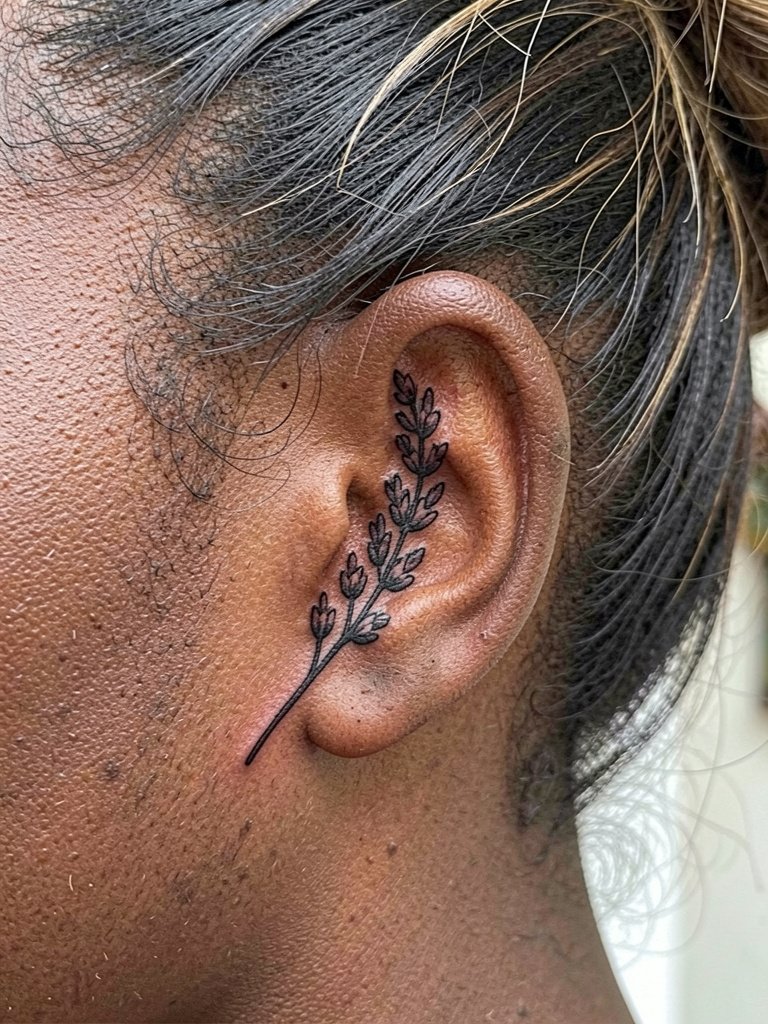
Behind-the-ear pieces are ideal if you want something secret but visible with updos. The main mistake is over-detailing a one-inch sprig that disappears on darker or textured hairlines. For visibility ask for slightly heavier linework in the main stem while keeping buds single-needle thin, because that contrast keeps the motif readable across skin tones. Wear hair up on the day and try small clips like these dainty hair clips to reveal the area without rubbing the fresh skin. Healing is quick but be cautious of hats and collars that might press the spot.
6. Crescent Moon Wrap
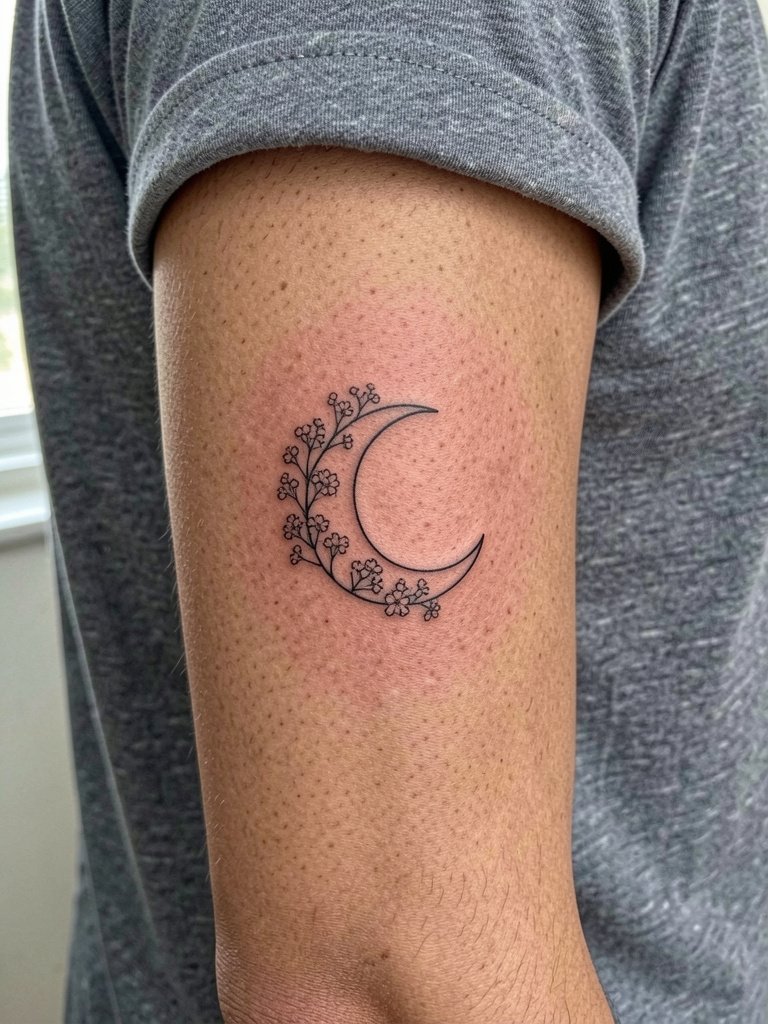
Pairing a celestial motif with birth flowers gives you negative space and a focal point that ages better than tiny uniform blooms. The common aging mistake is cramming small flowers into the crescent with no breathing room, which leads to merging lines by year two. Ask for the moon outline to be slightly wider than your reference so the flower sprigs sit in open space, and plan a single session around ninety minutes. For day-to-day style the inner forearm reads well with rolled-sleeve linens and thin stacked bracelets on the opposite wrist.
Heal Smart
The smaller wrist and finger pieces above need different aftercare than a larger forearm or ribcage tattoo. These five products help protect micro-line work through the first week and into the touch-up window.
-
Japanese Tattoo Care Gel. A thinner gel that artists mentioned for micro-fine tattoos, it avoids the heavy residue that can clog tiny channels during the first days.
-
Ink Guard Balm. A no-petroleum option recommended for deeper skin tones to reduce shine and irritation while healing.
-
Hush Aftercare Stick. A compact, precise application format that helps you avoid over-applying on finger and ring areas.
-
Odan small tattoo balm. Thinner than heavier ointments so it does not clog fine line work, useful for keeping lines crisp during early healing.
-
Saniderm thin film. A protective film option that reduces friction on placements like ribs and lower back during the first 24 to 72 hours.
7. Finger Floral Band
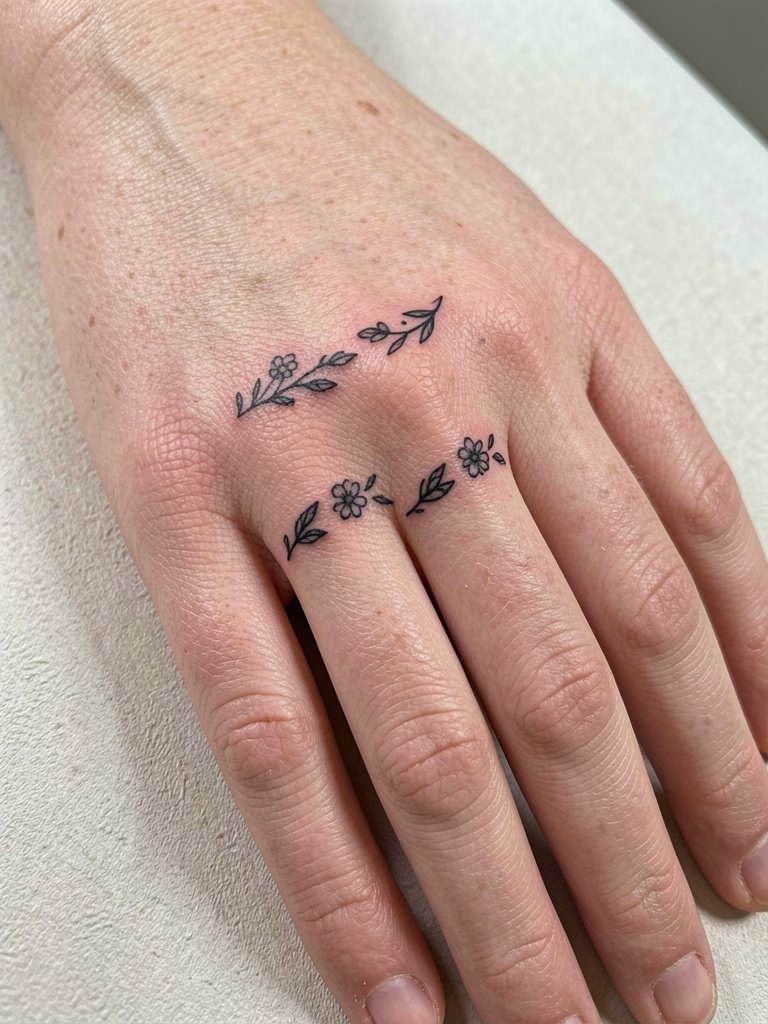
Finger bands are a popular ring alternative, but fingers are high-friction and demand compromise on detail. I tell clients to expect faster fading and a likely one-year touch-up for crisp petals. The frequent mistake is requesting ultra-micro shading in a band under 1 inch, which loses contrast quickly. For a subtle pairing try a minimalist ring set on adjacent fingers rather than stacked chunky pieces that crowd the tattoo. Sessions are short but slightly stinging because of thin skin and frequent movement.
8. Upper Arm Hidden Bouquet
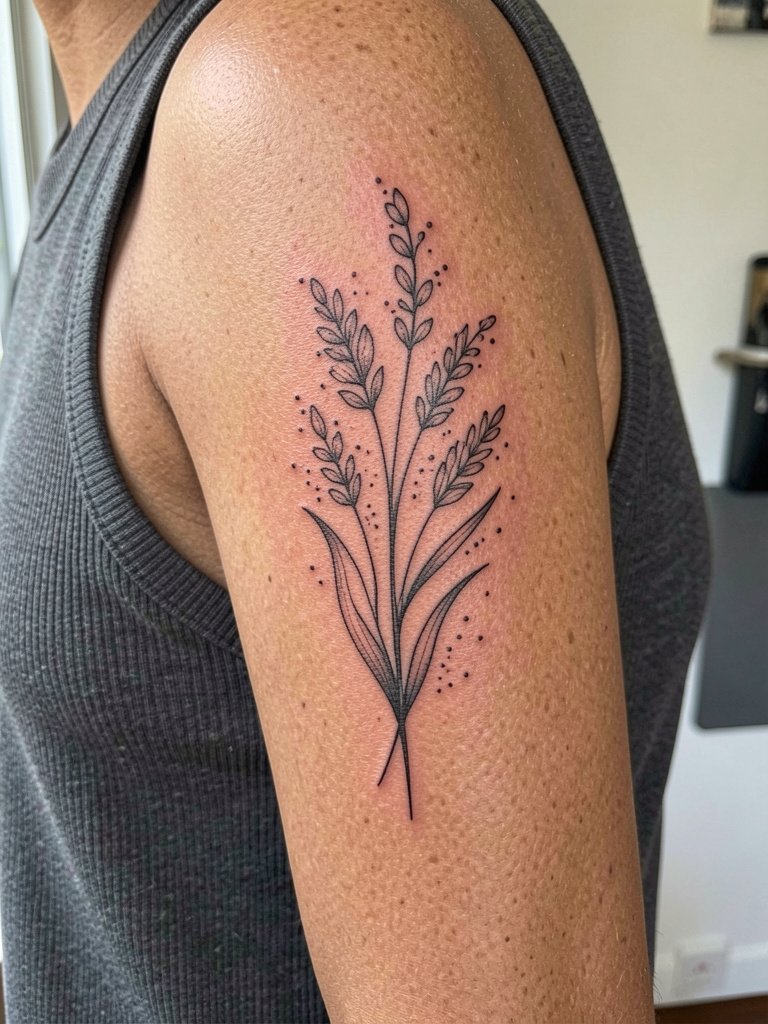
The inner bicep gives you a private canvas that avoids much of the stretching found on lateral areas, which helps fine line pieces hold. A smart consultation detail is to have the artist map the bouquet so the stems sit along the long axis of the arm, which reduces distortion when the arm moves. This placement is lower on the pain scale than ribs, and sessions are relaxed because you are lying or seated comfortably. For showing the piece, sleeveless tops and tank dresses let the bouquet peek out when you lift your arm.
9. Spine Vertical Line
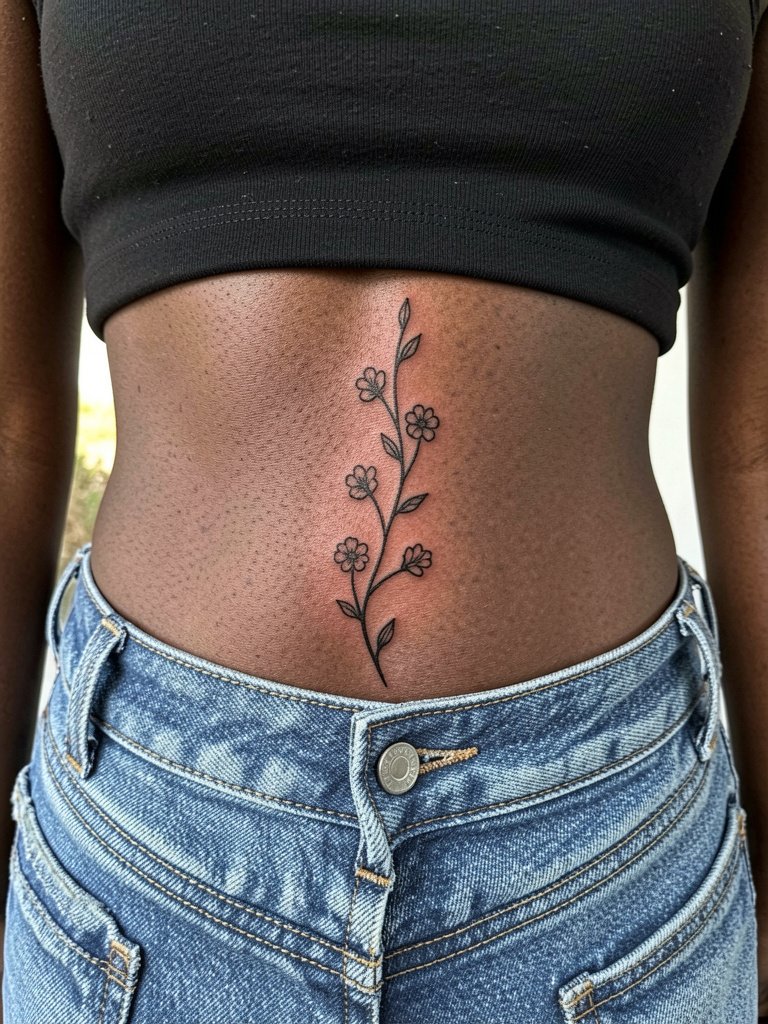
Vertical vines down the lower back make an elegant spine accent, but the placement has pros and cons. One group of artists warns that any fine line down the spine will blur sooner because the skin in that zone moves and rubs against waistbands. Another group says properly spaced fine line along the lumbar region can last years if the artist slightly opens up the gaps between flowers and avoids tiny internal detail. If you favor a vine, plan for a longer composition so each bloom has room to breathe and avoid tight clusters. Show-off clothing includes low-rise pants and crop tops that expose the small of the back cleanly.
10. Broken Circle Florals
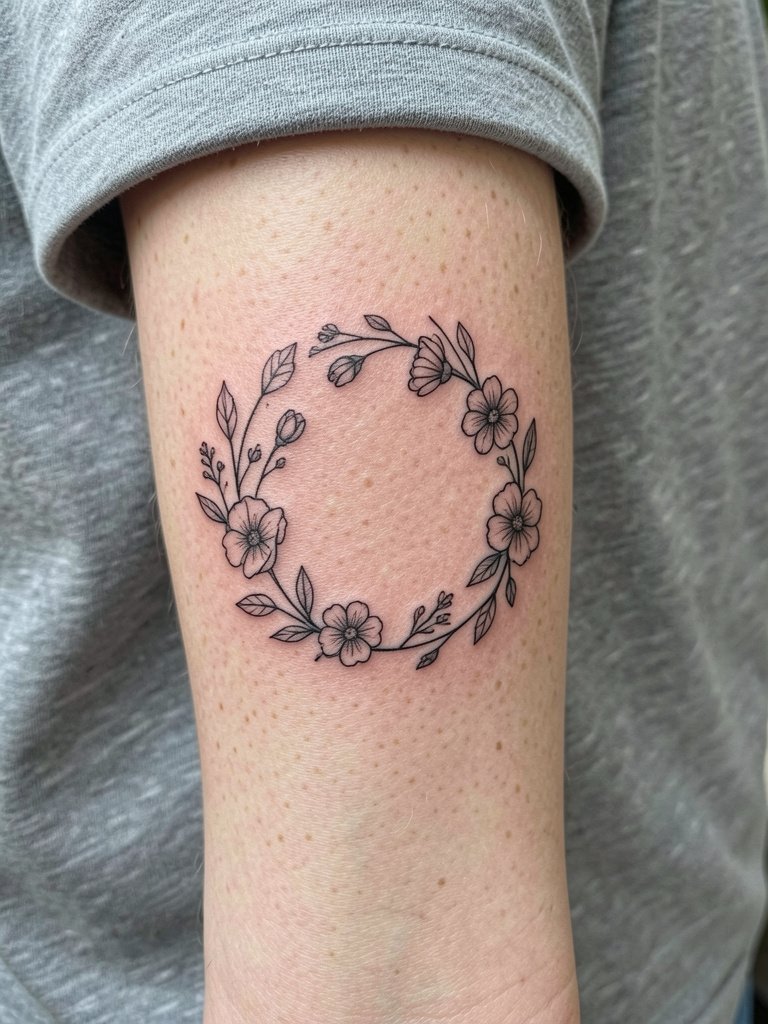
A broken circle on the wrist is a compact statement that benefits from asymmetry so the eye has a focal point. The aging pitfall is squeezing too many micro-blooms into a 1.5-inch ring, which flattens into a grey patch after a couple of years. Ask the artist to show you how the circle reads at 1.5 and at two inches, and insist on space between the busiest sprigs. For accessories, balance the look with a thin chain bracelet set on the opposite wrist to keep the composition airy without crowding. Wrist work heals quickly but moves constantly, so protect it during chores.
11. Heart Chain of Roses
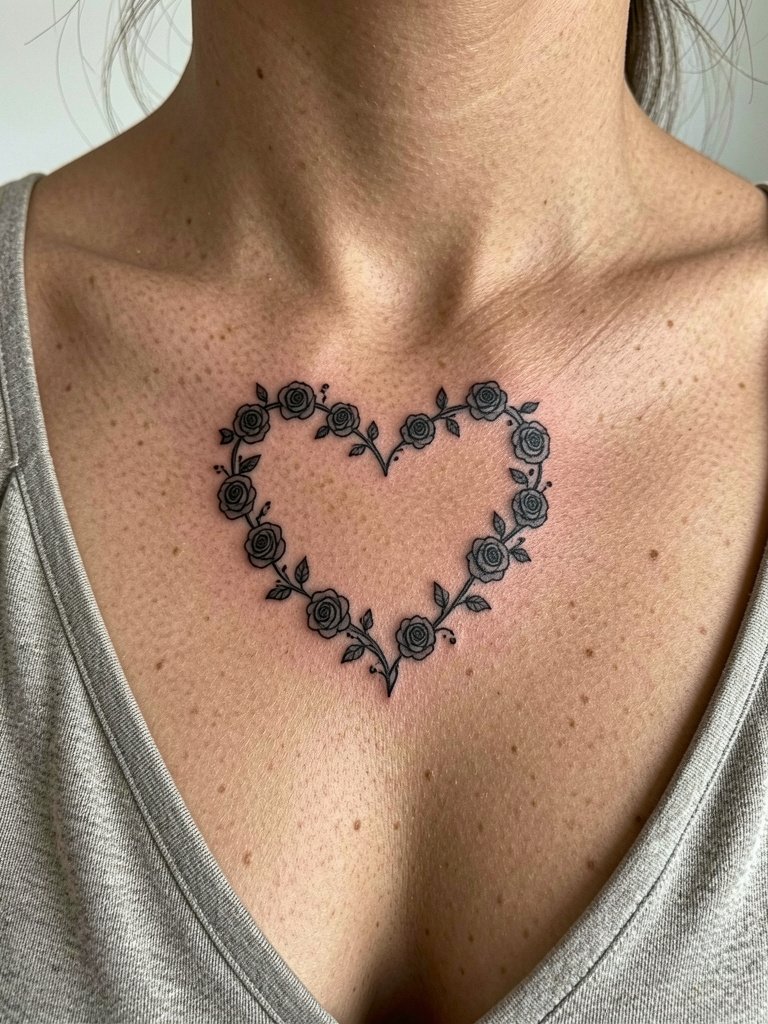
A heart built from tiny roses looks romantic without feeling like a cliché when the chain remains airy. The common error is asking for identical tiny petals around the whole heart, which can merge. Instead request alternating open blooms and buds so the artist places negative space intentionally. Session-wise this is short but sensitive because of the collarbone proximity. Show it with slip dresses or delicate chains that sit below the design rather than over it.
12. Cherry Blossom Shoulder Sweep
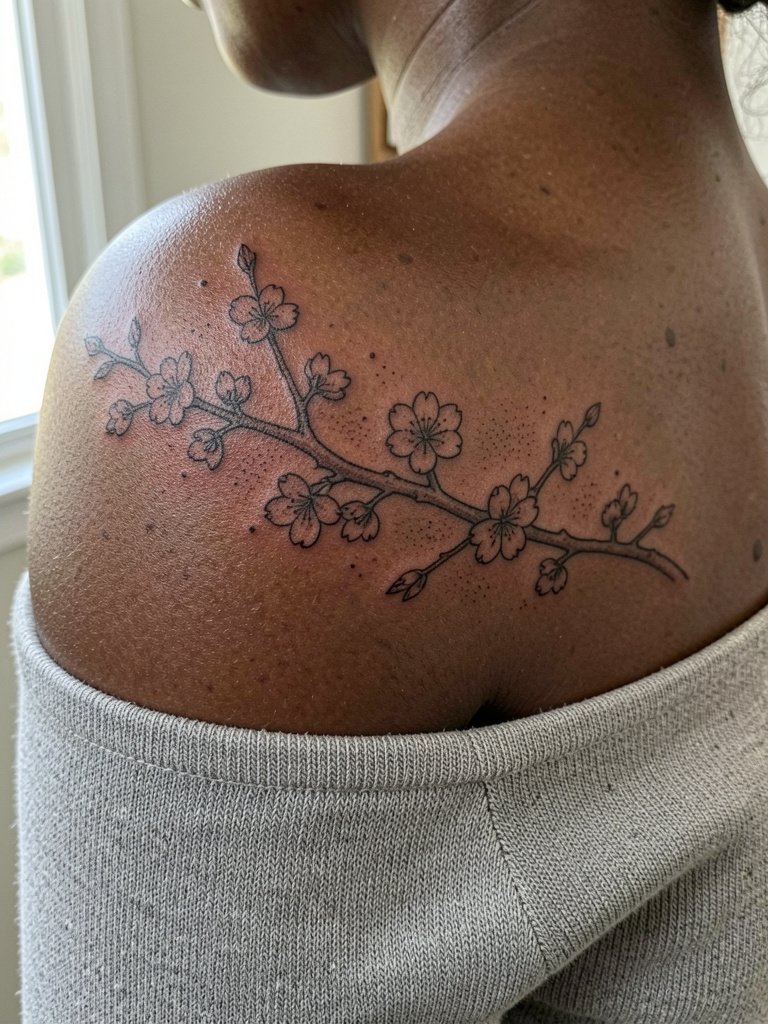
A shoulder sweep is a forgiving placement for flowy linework because the shoulder plane is broad and the blossoms have room to age. The usual mistake is writing too many small buds into a short curve, which crowds and fades. For the session wear a loose top with a wide neck so the artist can work without fabric tugging, and plan to show the piece with off-shoulder or slip styles when healed.
13. Stippled Moon & Flower
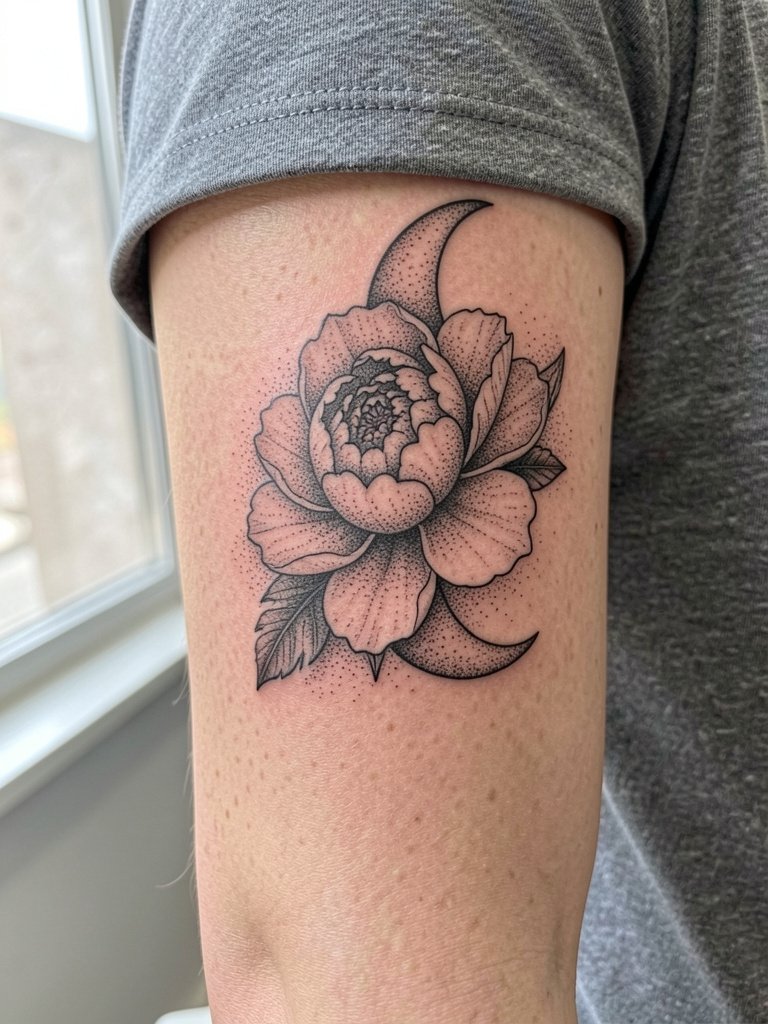
Combining stipple shading with single-needle outlines gives texture without muddying lines, because dots settle differently than continuous shading. A frequent error is over-stippling in a two-inch piece, which flattens at six months. Ask the artist to show a healed example of stipple at a similar scale so you see realistic contrast. Sessions for stipple work can take longer than pure line pieces, and a light touch touch-up at six to twelve months is common as dots soften in some skin types.
Frequently Asked Questions
Q: How do I find artists who actually post healed fine line birth flower shots?
A: Search platform hashtags like #finelinetattoo, #singleneedletattoo, and #microfloraltattoo and add your city name to filter results. Look for healed photos at six to twelve months in the caption or comments rather than fresh work only, and read Reddit threads where people post healed comparisons. Healed-only portfolios are the single most reliable indicator that an artist knows how to space detail.
Q: Will a fine line birth flower show up on darker skin tones?
A: Yes, if you plan the contrast. Ask for slightly heavier primary stems while keeping secondary details single-needle thin so the silhouette reads against deeper tones. Healed photos from artists who work on diverse skin tones are the best proof.
Q: When should I expect a touch-up on a micro-bloom tattoo?
A: Plan for a touch-up at six to twelve months, especially on high-friction sites like fingers, ankles, and ribs. The exact timing depends on your healing, sun exposure, and how much the area moves during daily life.
Q: What should I wear to my ribcage or shoulder session to make the process smoother?
A: For ribs wear a loose two-piece set so the artist can access the side without tugging fabric, and for shoulders bring a wide-neck or off-shoulder top that you can keep on in its normal worn position. If you want a simple accessory to show the healed collarbone pieces, a delicate pendant necklace that sits below the tattoo keeps the area visually balanced.
Q: Do artists agree on numbing cream for fine line sessions?
A: No, opinions split. One group says numbing cream masks pain signals the artist uses to judge skin tension, which can affect depth and final line placement. The other group sees numbing cream as a legitimate tool that helps clients sit through longer sessions and reduces movement, which can lead to cleaner lines if applied and timed correctly. If you plan to use numbing, ask about timing and how the artist prefers to work with it so both of you have the same expectations.