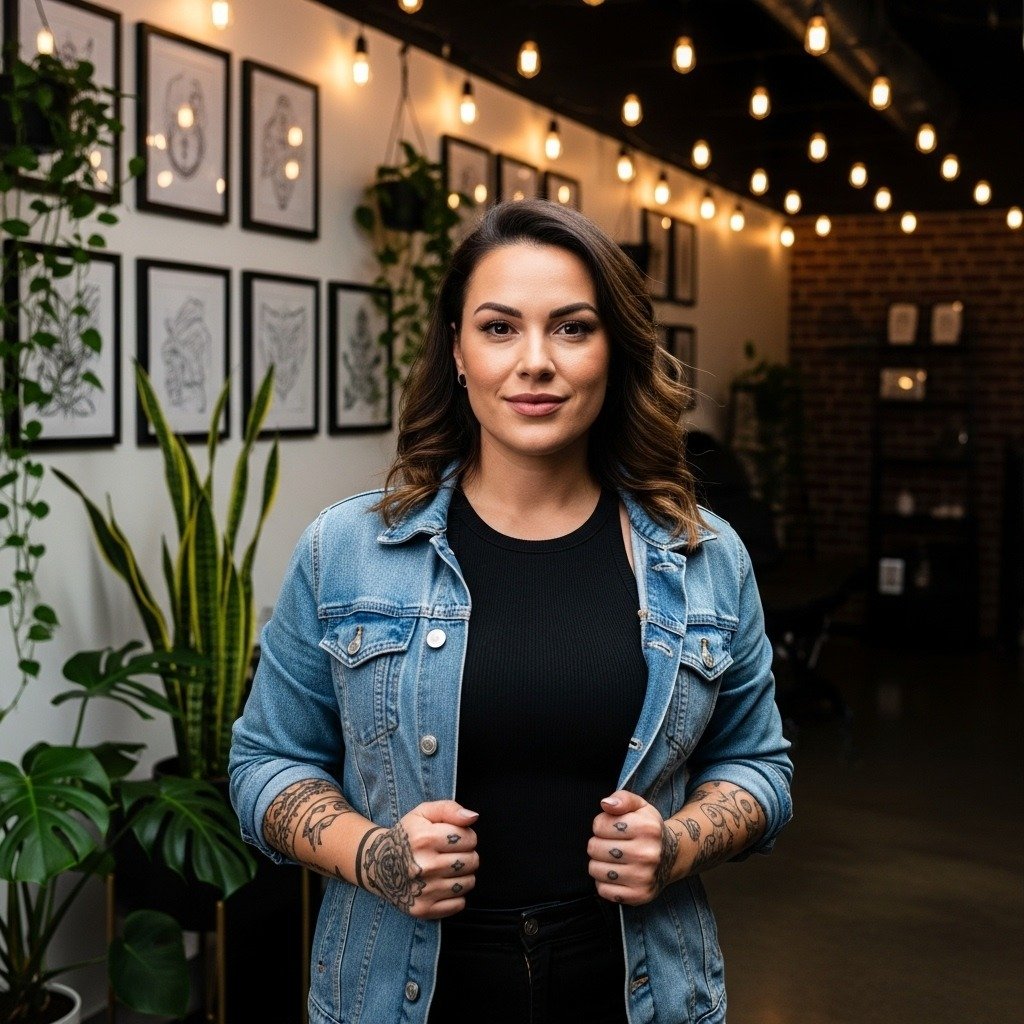
Fine-line micro work looks effortless online, but the part nobody scrolls past is how placement and tiny choices change what survives five years. Thin single-needle branches on the wrist can blur fast. Fingers and ribs carry extra risk. Darker skin needs high-contrast black only and healed-photo proof. Read these 15 nature-forward minimalist ideas with realistic aging notes and session tips so your next piece still reads clean later.
1. Single-Needle Branch Silhouette, Inner Forearm
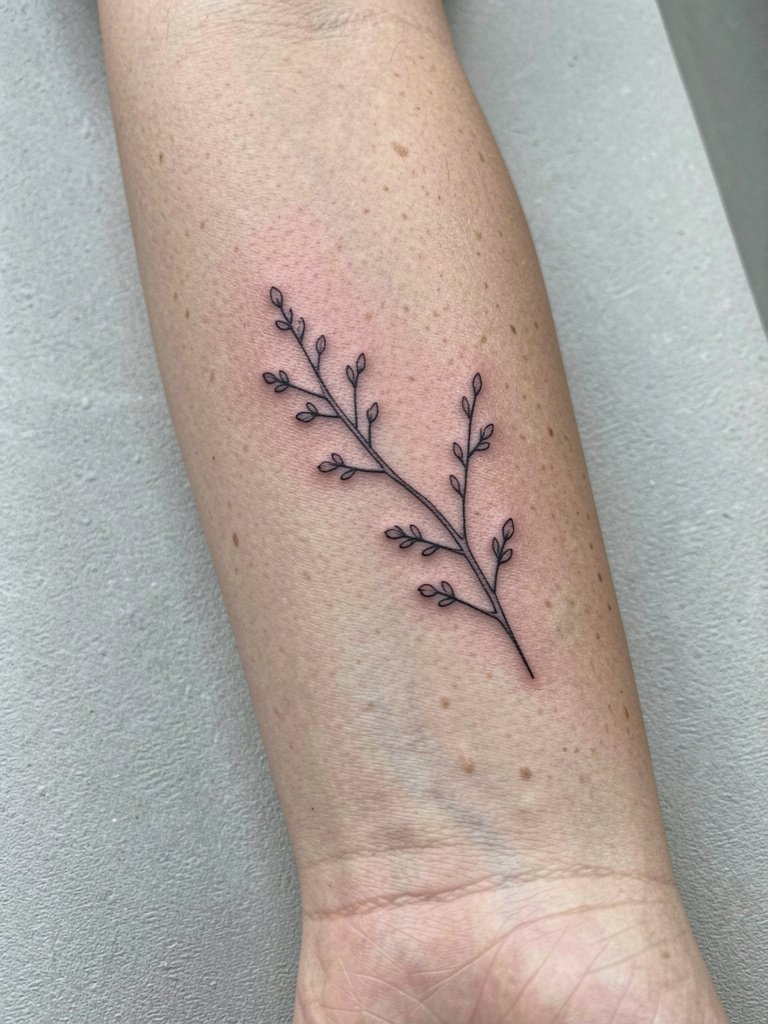
A single-needle branch really sings on the inner forearm because the flat palm-up plane keeps linework readable. Recommend this when you want a narrow, elongated motif rather than a compact floral. Specify line weight in the consult. Tell the artist to aim for a hair heavier single-needle feel so the lines retain definition after healing. Common mistake is requesting ultra-microscopic veins that the skin will eat by year two. The inner forearm is low blowout risk and usually a one-session piece that takes 30 to 60 minutes. For showing it off, roll cuffed linen shirts in cream or sand and try a rolled cuff linen shirt so the forearm reads clean in natural light.
2. Micro-Botanical Cross-Section, Collarbone
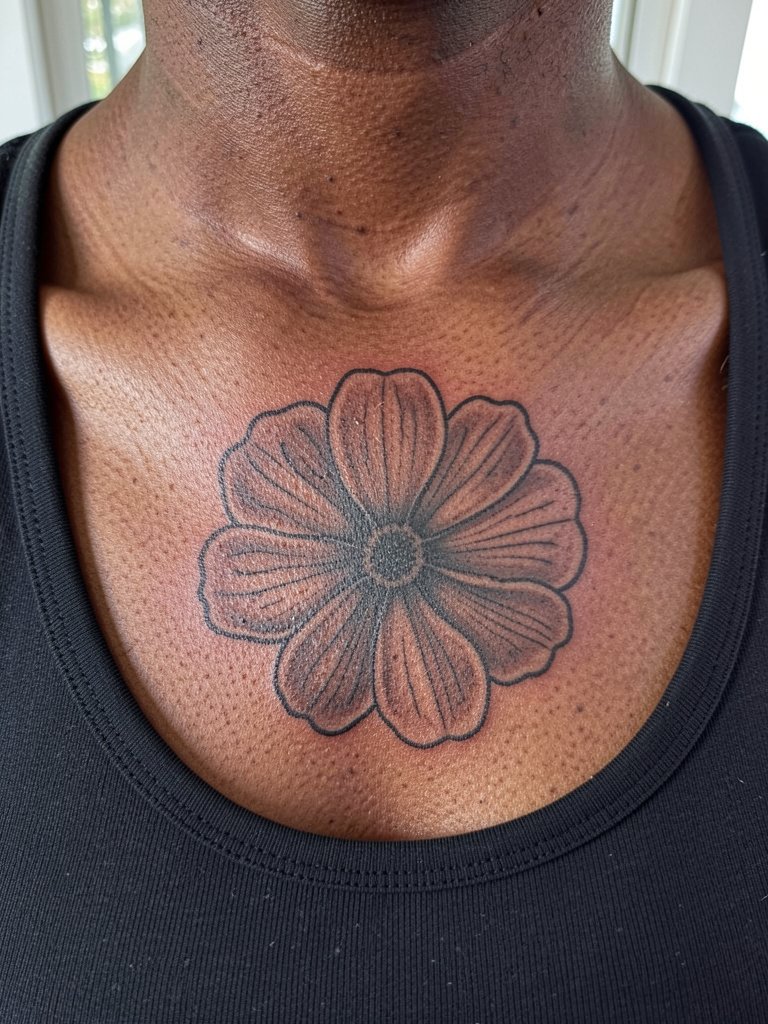
A micro cross-section reads like a tiny scientific plate when placed on the collarbone because the horizontal bone creates a natural frame. Ask for black and grey stipple rather than continuous wash to preserve internal detail over time. The usual aging trap is packing too many petals into a thumb-sized piece. Request a mockup at actual scale so you can see how petals breathe. Pain is mild to moderate and one session usually covers it. For evenings out the piece pairs with silky camisoles in neutral tones. Try a silky camisole neutral that sits with pendant necklaces and keeps the collarbone visible.
3. Minimalist Mountain Ridge, Lateral Hip Bone
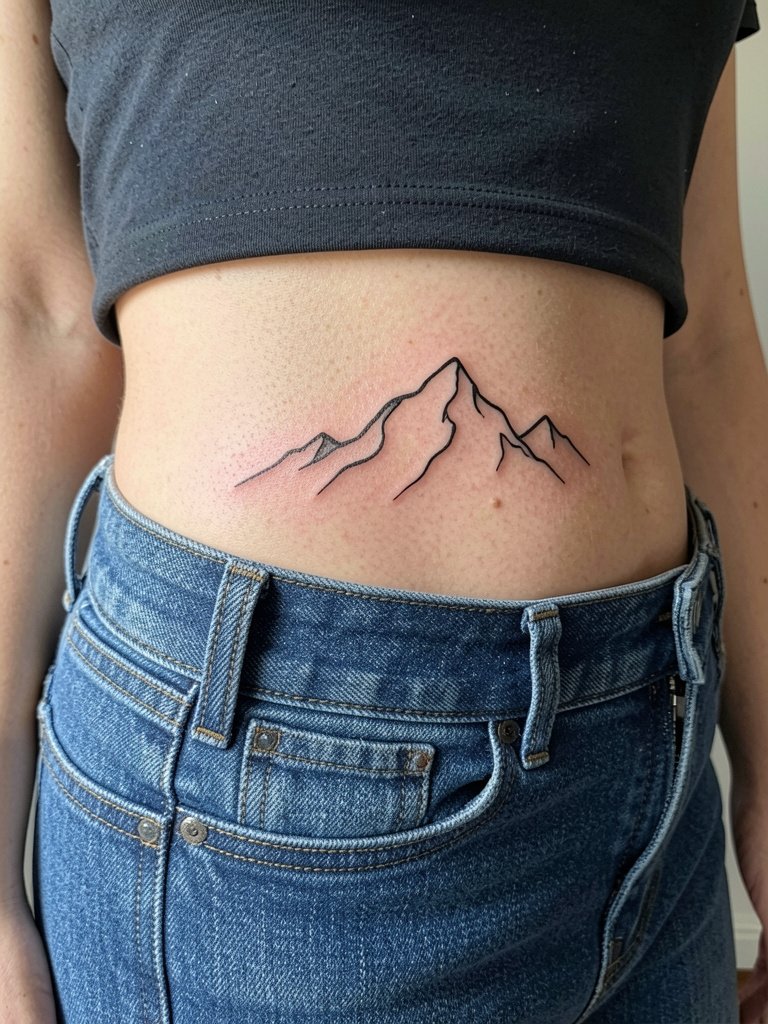
The lateral hip bone is ideal for linear landscapes because the curve of the pelvis gives the ridge an elegant sweep. Recommend a slightly bolder line than on the forearm to survive waistband friction. A common mistake is placing the ridge too low so jeans rub the fresh work. Session wear should be loose drawstring pants so the artist can roll the leg up without pressure on the skin. Touch-up timeline: expect a possible follow-up at 12 to 18 months if the waistband sits close. For styling, high-waisted cropped tanks or flowy maxi skirts with a side slit reveal the hip without exposing too much. Link a high waist cropped tank top when planning outfits.
4. Fine-Line Butterfly with Open Wings, Inner Wrist
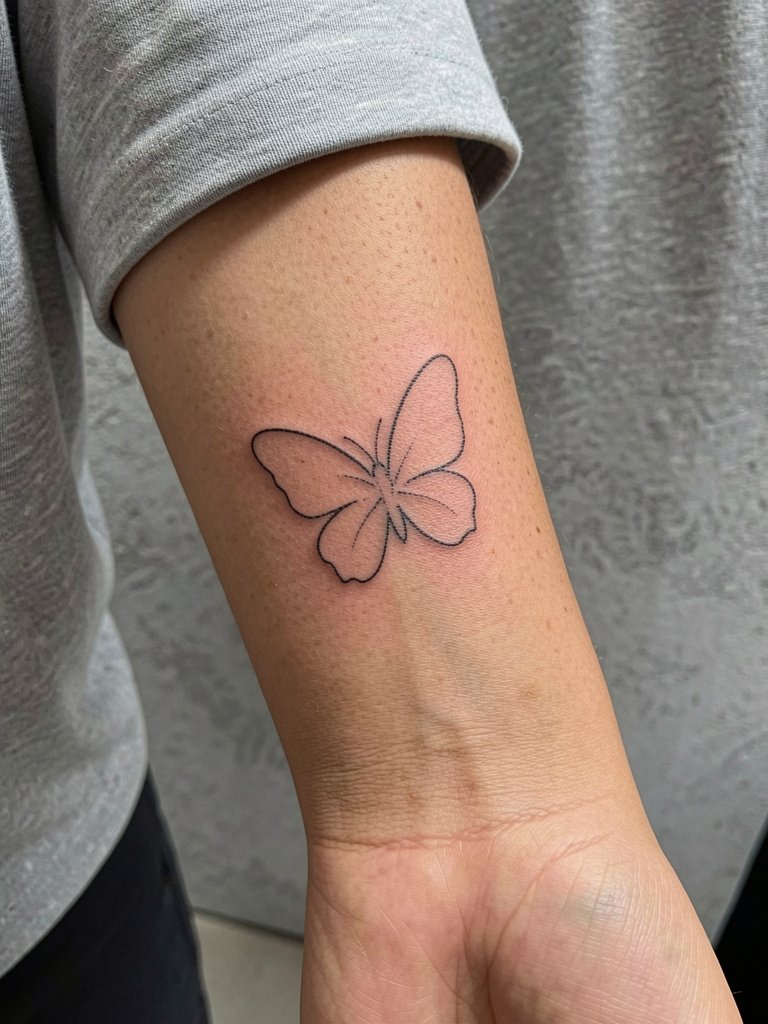
The inner wrist is visually intimate but it eats ultra-thin detail. I usually advise a slightly thicker single-needle stroke than the reference so the wings keep their shape after six months. The most frequent error is asking for tiny internal wing veins that blur into a gray smudge. Expect mild pain and a 20 to 40 minute session. Fine line on fingers, ribs, and wrists is a debated area. One camp argues thin lines on fingers and ribs blur within one to two years because skin stretches and constant movement distorts lines. The other camp says with correct depth and slightly wider spacing the lines settle and hold for three years or more, pointing to healed photos as proof. For showing this wrist piece, a thin chain bracelet on the opposite wrist or a thin chain bracelet set keeps the focus balanced.
5. Abstract Fluid Wave, Inner Forearm
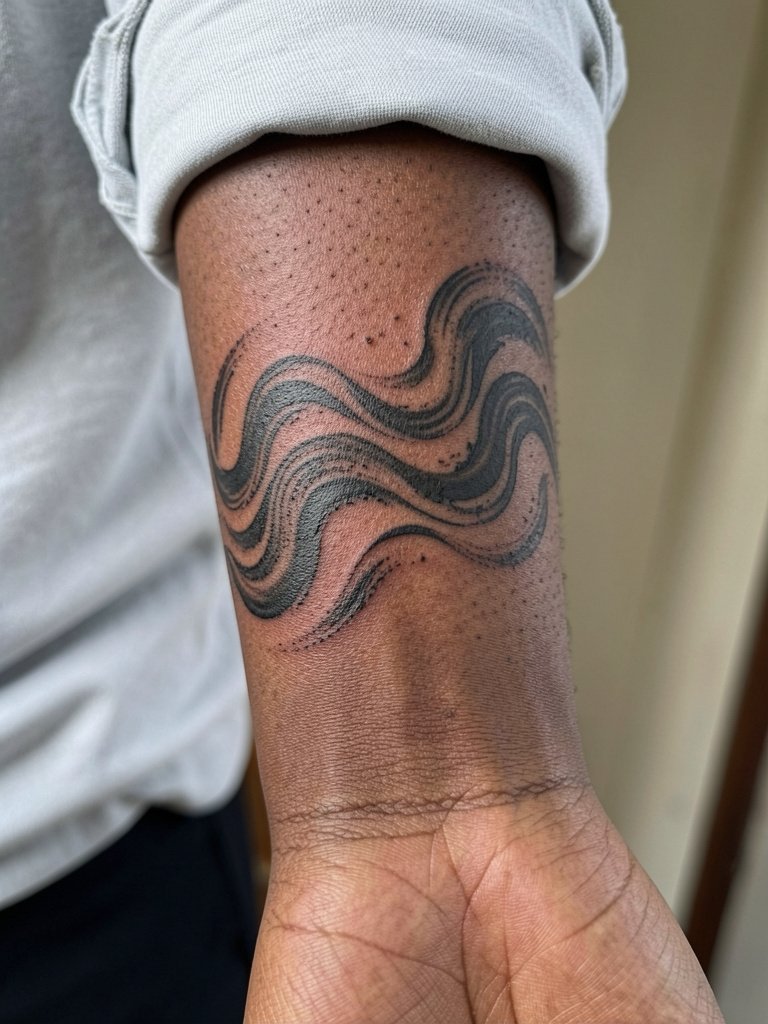
Fluid abstract work benefits from slightly larger scale than a dainty motif so brushlike lines can taper without disappearing. When the design follows forearm musculature the motion reads longer from across a room. In the consult bring two scale mockups so the artist can show how strokes thin out at three inches versus five. Most people feel this session as steady buzzing for 30 to 60 minutes. A common aging note is that high-contrast black holds better on darker skin than diluted grey washes. For session comfort wear a loose button-down shirt you can roll up easily. A linen button down shirt works and keeps the artist's access clear.
6. Minimalist Bird Silhouette in Flight, Behind the Ear
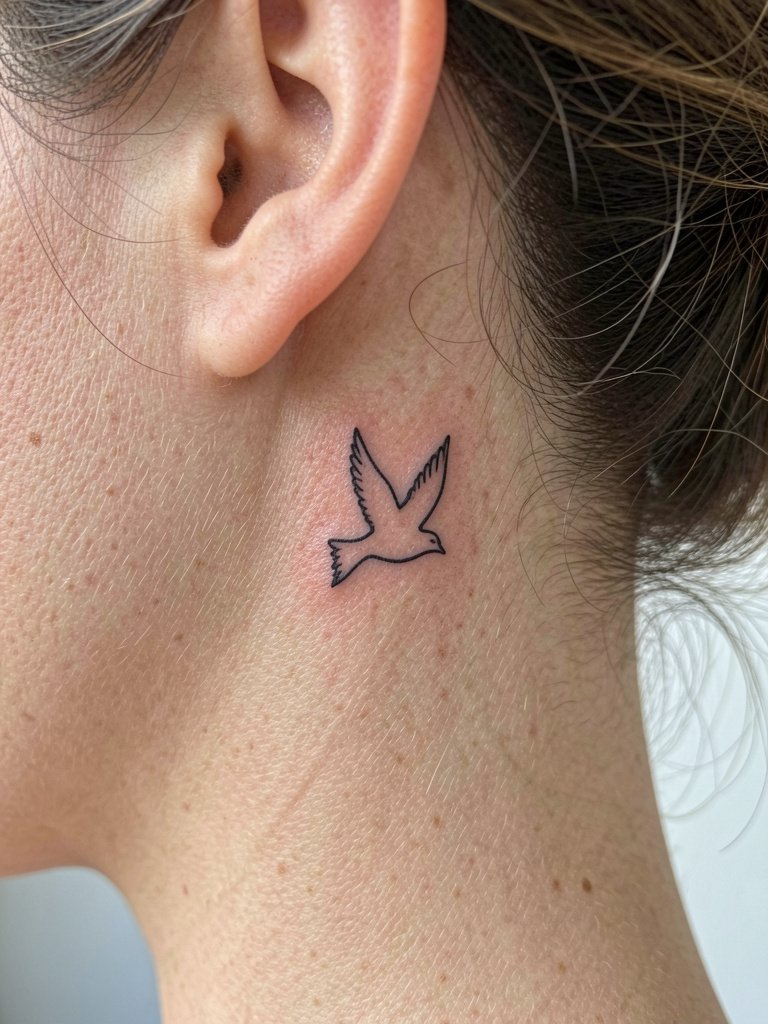
Behind-the-ear pieces are tiny and read as little punctuation when tucked under hair. Ask the artist to show healed shots in that exact spot because mastoid skin can be trickier than the nape. Mistake to avoid is requesting too much internal detail that will blur into an unreadable smudge. The session is short and sharp, often under 20 minutes, and aftercare needs you to keep hair off the spot while it seals. For showing it, half-up hairstyles or delicate ear cuffs pull attention to the area. Pair with a gold ear cuff delicate to frame the silhouette.
Pre-Session Essentials
The inner wrist pieces and collarbone sketches above can react differently in the chair, so a few small items smooth the day and the first week.
- Japanese-style tattoo balm alternatives. Many people prefer thin, non-greasy balms during the first days because they hydrate fine-line channels without clogging pores.
- Eco-friendly disposable gloves. Studios moving toward greener options use these, and having your artist note eco choices often signals thoughtful shop practices.
- Muted earth tone ink sets. If you want subtle sage or terracotta accents in a geometric flower hybrid, a set like this keeps color direction consistent.
- Thin protective film roll. Small areas like the wrist can benefit from a breathable film while the first skin barrier seals, especially for high-friction placements.
- SPF 30+ physical mineral sunscreen. Consistent sunscreen on healed tattoos is one of the easier steps to reduce long-term fading for fine lines.
7. Geometric Flower Hybrid, Shoulder Blade
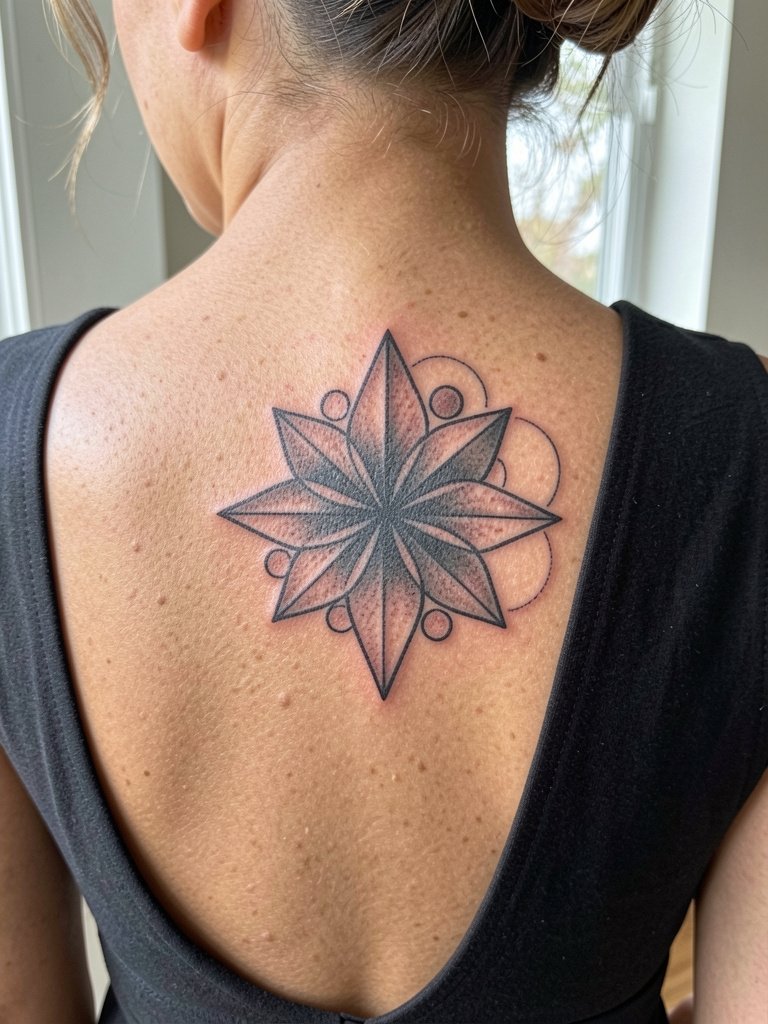
The shoulder blade is forgiving because it is a flatter canvas with less constant movement. Request geometric spacing at scale so triangles do not collapse into a blob when healed. Artists sometimes overcomplicate petal geometry and lose contrast. This piece often takes 60 to 120 minutes with a second pass for color accents. For the session wear a loose backless top or button-down worn open so the artist can access the area without tugging at straps. To show the work try open-back midi dresses that reveal the shoulder blade elegantly.
8. Tiny Leaf Cluster, Ankle
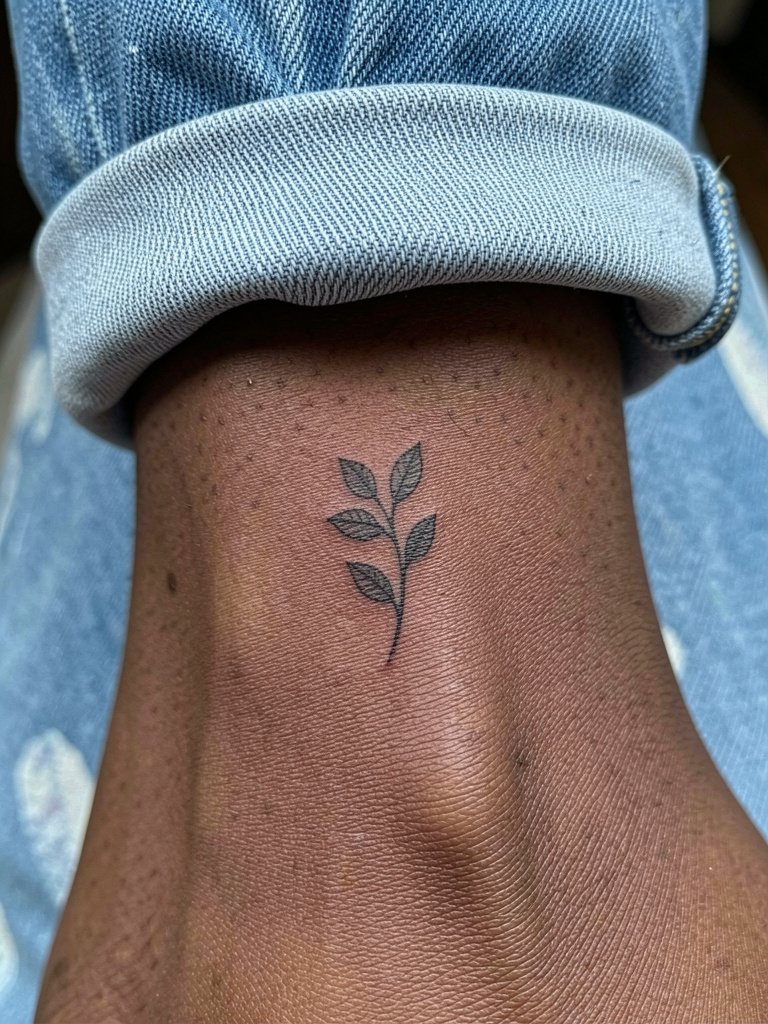
Ankle pieces are adorable but they live in a high-friction zone if shoes or socks rub the area. Request the stem sit slightly above the ankle bone to reduce cuff wear. Common error is placing the design directly over the bone where healing is thinner and more painful. Sessions are quick, often under 30 minutes, but expect the first week to require careful sock choices. For warm-weather showing, strappy sandals with thin ankle straps frame the tattoo. Consider a strappy sandals thin ankle look that keeps the motif visible.
9. Single-Line Sun or Moon, Collarbone
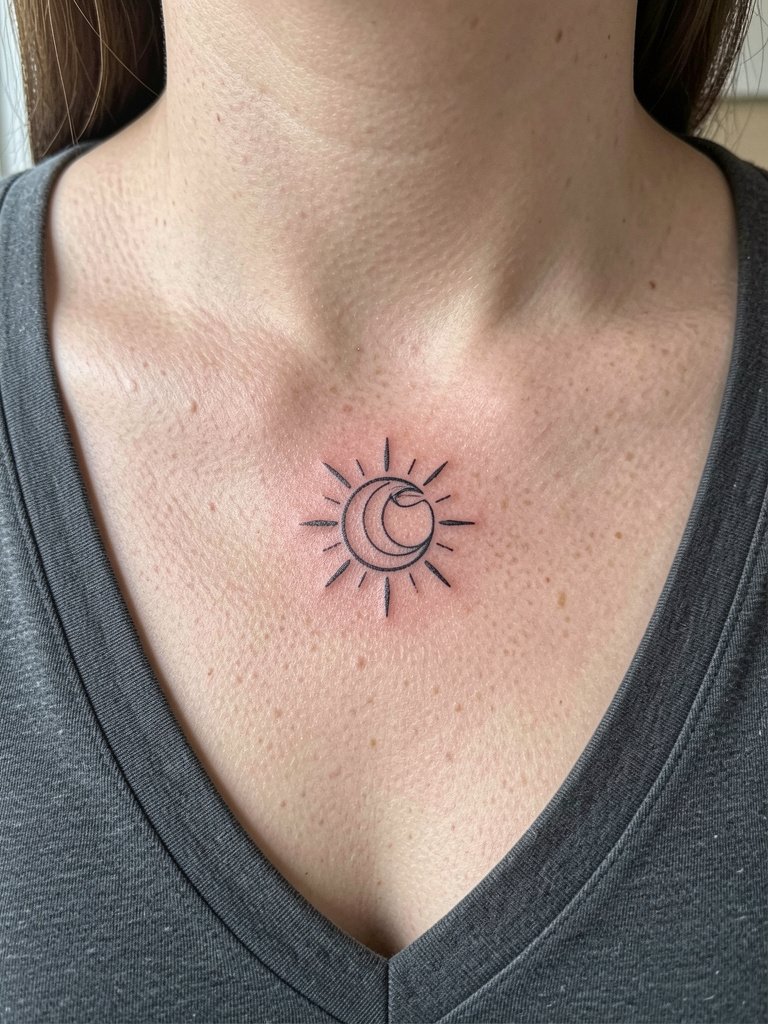
Single-line celestial pieces read clean on the collarbone because the negative space of the bone helps the line breathe. Tell the artist you want the crescent or rays at a scale that keeps negative space inside the shape. The mistake I see most is over-shading a single-line motif until it loses its sculptural quality. Pain is mild and the session usually takes 20 to 45 minutes. For outfits, layered gold pendant necklaces that sit below but not across the tattoo frame the area. Try a layered gold pendant necklace to complement the minimal outline.
10. Minimalist Forest Tree Line, Inner Forearm
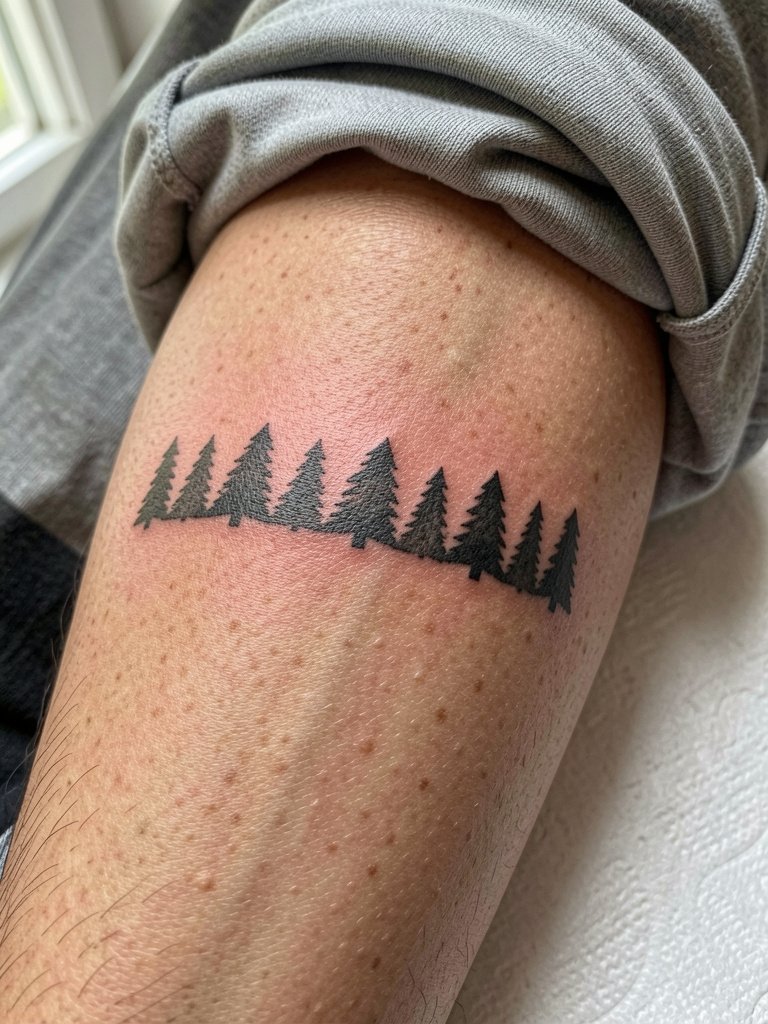
A horizontal tree line looks cinematic on the inner forearm because the design reads when you move your arm. Ask the artist for consistent negative spacing between tree silhouettes so distant trees do not merge with close ones as the tattoo ages. Mistakes usually come from cramming too many trees into a small band. Session time varies but most of these finish in one visit. For daily wear rolled-up linen shirts in neutral tones keep the forearm visible and let the linework read without distraction. Link an linen button down shirt for styling inspiration.
11. Hyperrealistic Botanical Herbarium, Sternum
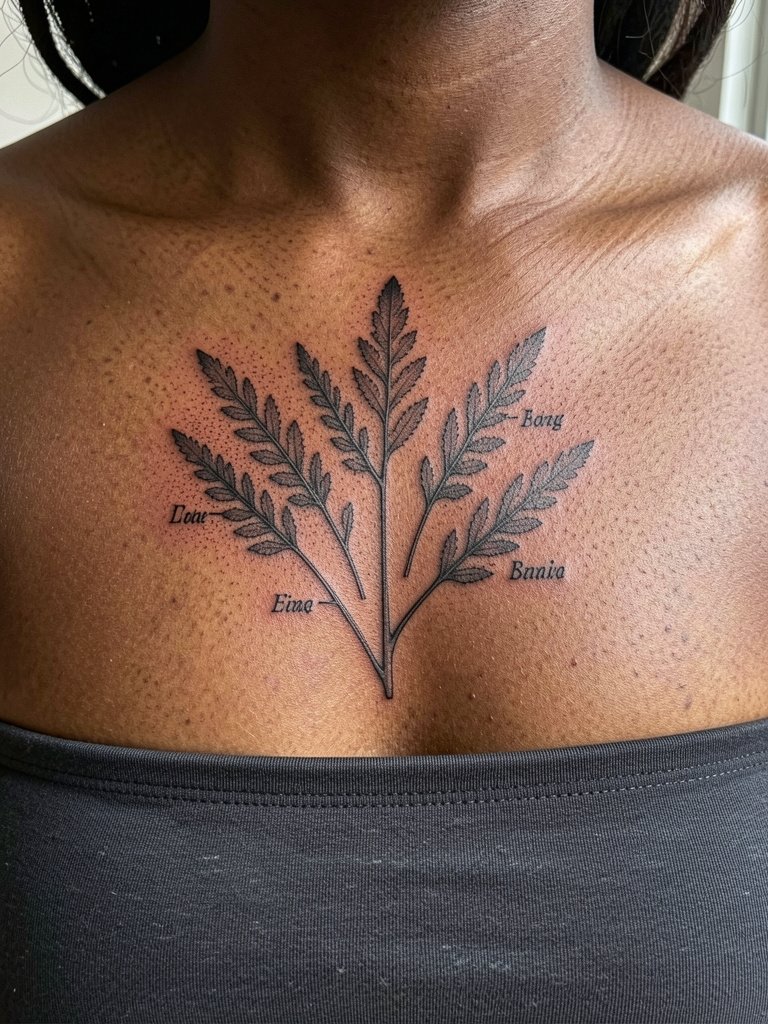
Sternum placements demand thoughtful spacing because the area moves with breath and bras. Request a test stencil and healed portfolio images from the same sternum location so you can compare how delicate shading ages on that plane. The controversy over fine line longevity applies here. One camp says fine line on ribs and similar chest areas blurs within one to two years due to skin stretch and movement. The other camp argues that with proper needle depth and slightly wider spacing fine line can settle and remain legible for three years or more, and they will show healed photos to make that case. This session can be moderately painful and may require a longer appointment to render the high detail. For showing it off, cropped tanks or low-cut dresses with layered chains frame the plant art and avoid strap rubbing. Consider a cropped tank top for styling.
12. Minimalist Bird in Flight, Inner Wrist
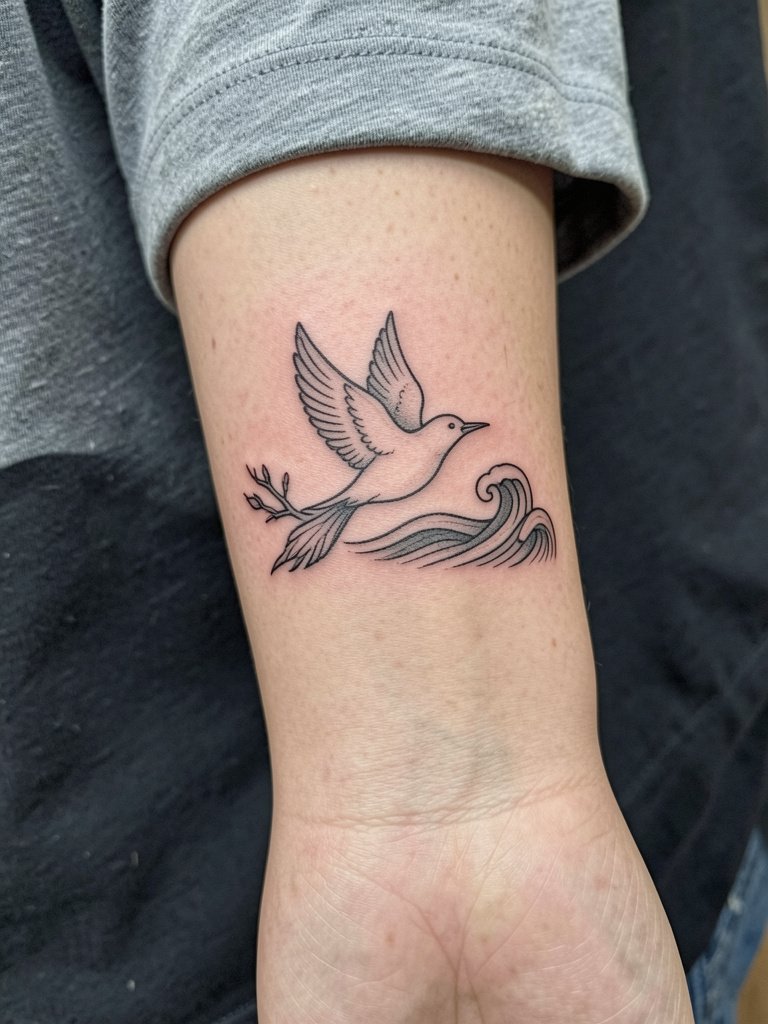
A continuous-line bird reads as one confident stroke and works well on the inner wrist where curve and movement add life. Be specific in the consult about tail length and where it should taper. The common error is extending the tail into too-fine filigree that fades to a ghost. Expect light to moderate pain and that the wrist may need a small touch-up within 12 to 18 months if you use a lot of hand sanitizers. To keep the area visible, wear a minimalist watch on the opposite wrist or stack thin bracelets on the off wrist. A minimalist watch women pairs neatly.
13. Abstract Leaf Outline, Side Neck
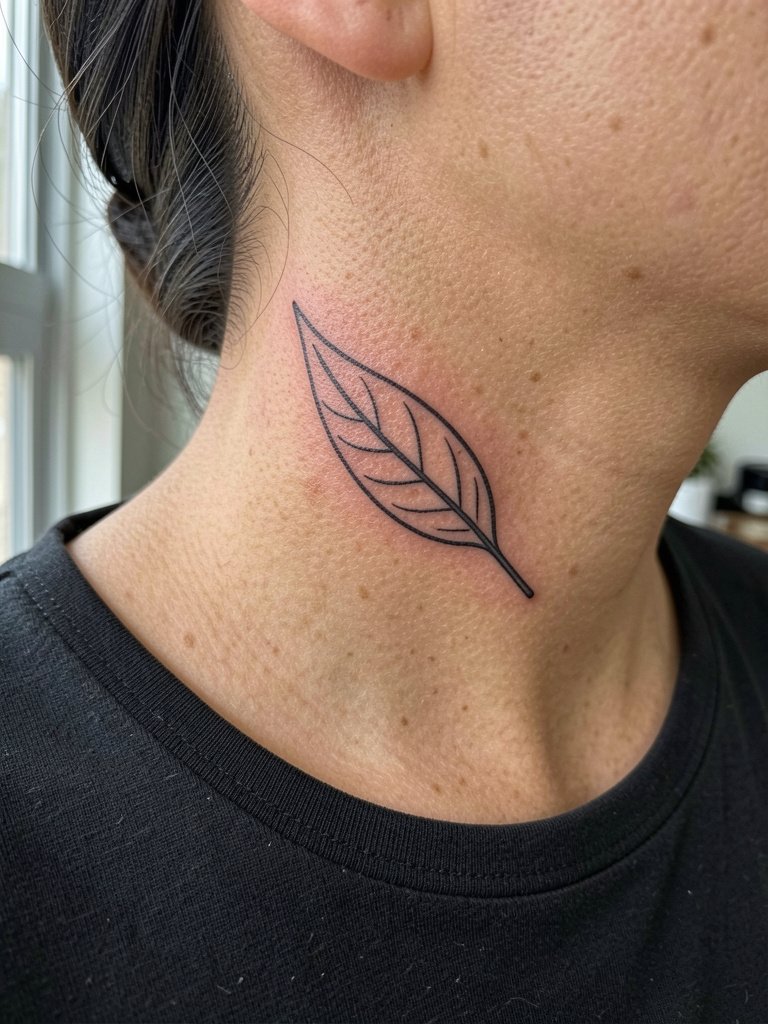
Side-neck lines need confident strokes because the area moves when you turn your head. Ask the artist for a stencil showing how the leaf sits with your collar and hairline. A regular mistake is picking too small a scale that vanishes in photographs. The session is short but more sensitive than the forearm. For wardrobe pairings, off-the-shoulder tops or wide-neck sweaters showcase the neck motif. Link a wide neck sweater women that works with the placement.
14. Minimalist Ocean Wave, Upper Thigh
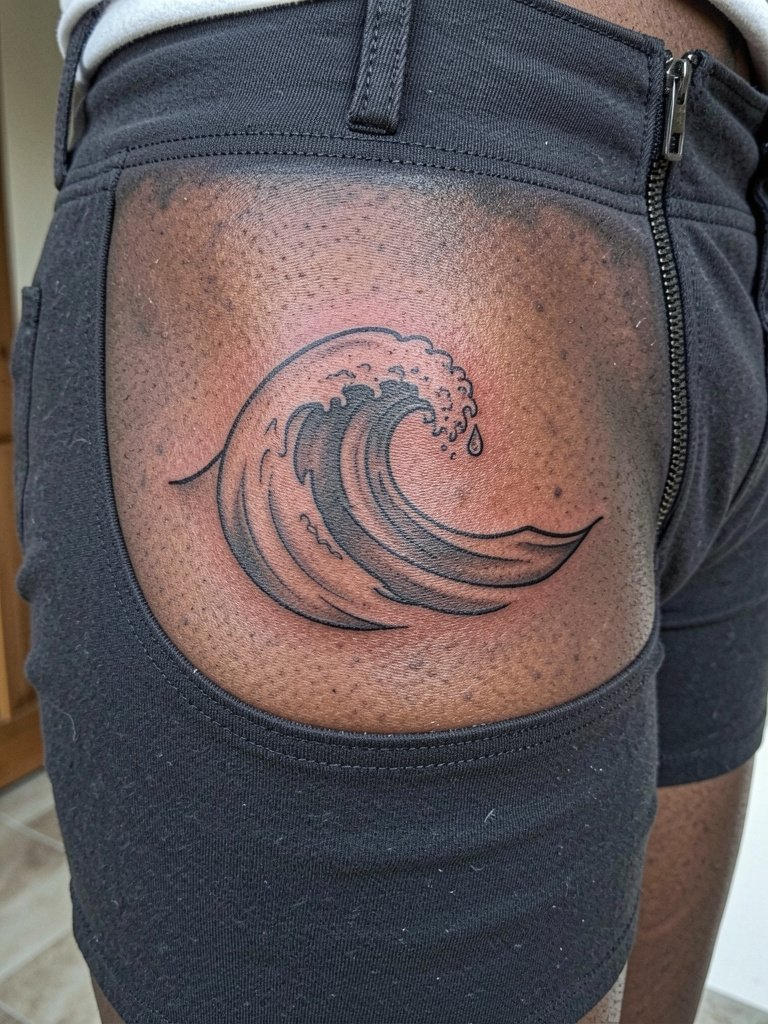
Upper-thigh single-line waves feel intimate and age well because the skin there is less exposed to UV and abrasion than the wrist or ankle. Ask for a slightly larger scale so the wave's curl keeps shape after two years. The common mistake is squeezing the curl into a thumbnail-sized dot that loses definition. Sessions are comfortable for most people and allow 30 to 60 minutes of focused linework. For outfits pick high-waisted shorts or flowy skirts with a side slit that reveal the area. A high waist shorts women can make the placement feel intentional rather than hidden.
15. Micro-Flower Bud, Behind the Ear
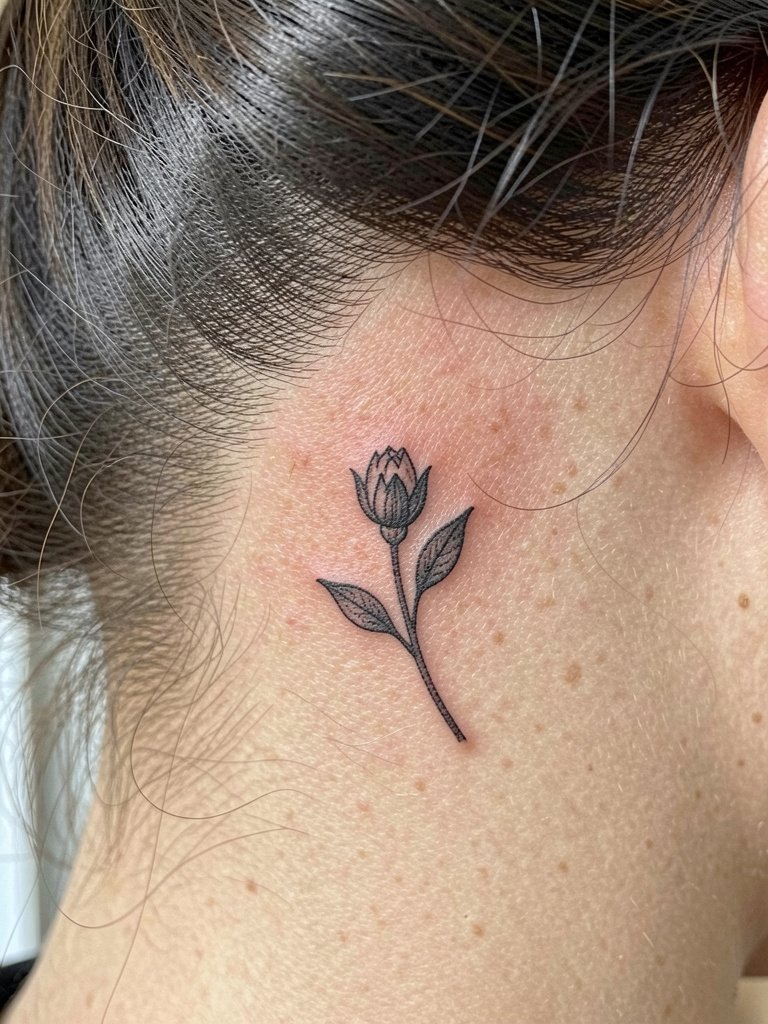
A micro-flower bud behind the ear feels like a private detail that peeks out with certain hairstyles. When you book, ask the artist to show healed examples placed on the mastoid so you can compare scale against hair thickness. The usual error is asking for shaded fills that look muddy at this size. Sessions are quick and can be done during a short appointment. For styling, half-up hairdos with loose tendrils highlight the bud. Try a hair tie up kit for practical session prep.
Frequently Asked Questions
Q: How much should I expect to pay for a small fine-line nature tattoo?
A: Prices vary by city and artist, but for micro and small fine-line pieces expect a range around $85 to $220 for a single session. Higher detail or color accents push the number up. In major cities many studios have minimums closer to $200 to $350, so check a shop's pricing policy before you book.
Q: Which placements need the most touch-ups and why?
A: Fingers, palms, and areas with constant friction or thin skin tend to need touch-ups more often. Fine line on wrists and ribs is also a spot where lines can soften because of movement. Expect a realistic touch-up window of one to two years for high-friction areas and possibly longer for more protected sites.
Q: I have darker skin. Which minimalist nature styles will photograph and age best?
A: High-contrast black linework and bold single-line silhouettes show up best on medium and dark skin tones. Muted color washes and pastel tones often disappear in photos. Request healed-portfolio photos on similar skin tones during consultation so you can see real outcomes.
Q: Where can I find artists who show healed minimalist nature portfolios without naming anyone?
A: Search hashtags like #minimalistnaturetattoo, #finelinebotanical, and #microtattoo on Instagram and TikTok and filter by location to find studios near you. Tattoodo and Booksy both let you search by keywords like "fine line mountain" and often highlight healed work. Reddit threads on r/tattoos and r/tattooadvice also surface peer recommendations and healed examples.
Q: Should I use sunscreen on healed fine-line tattoos, or will that make the skin sticky?
A: Regular sunscreen use on healed tattoos is one of the simplest ways to slow fading. One group of artists insists consistent SPF makes a noticeable difference for light lines and color. Another group emphasizes letting new tattoos heal without heavy products at first and says modern inks have improved UV resistance. After the initial healed window use a physical SPF 30+ when the tattoo will see sun.
Q: What should I wear to a collarbone or sternum appointment for comfort and access?
A: For collarbone or sternum work pick a strapless top or a loose button-down that opens fully so the artist has unobstructed access. Bring a spare fitted camisole if you want lightweight coverage afterward. A silky camisole neutral is an easy option to re-dress into after the session.