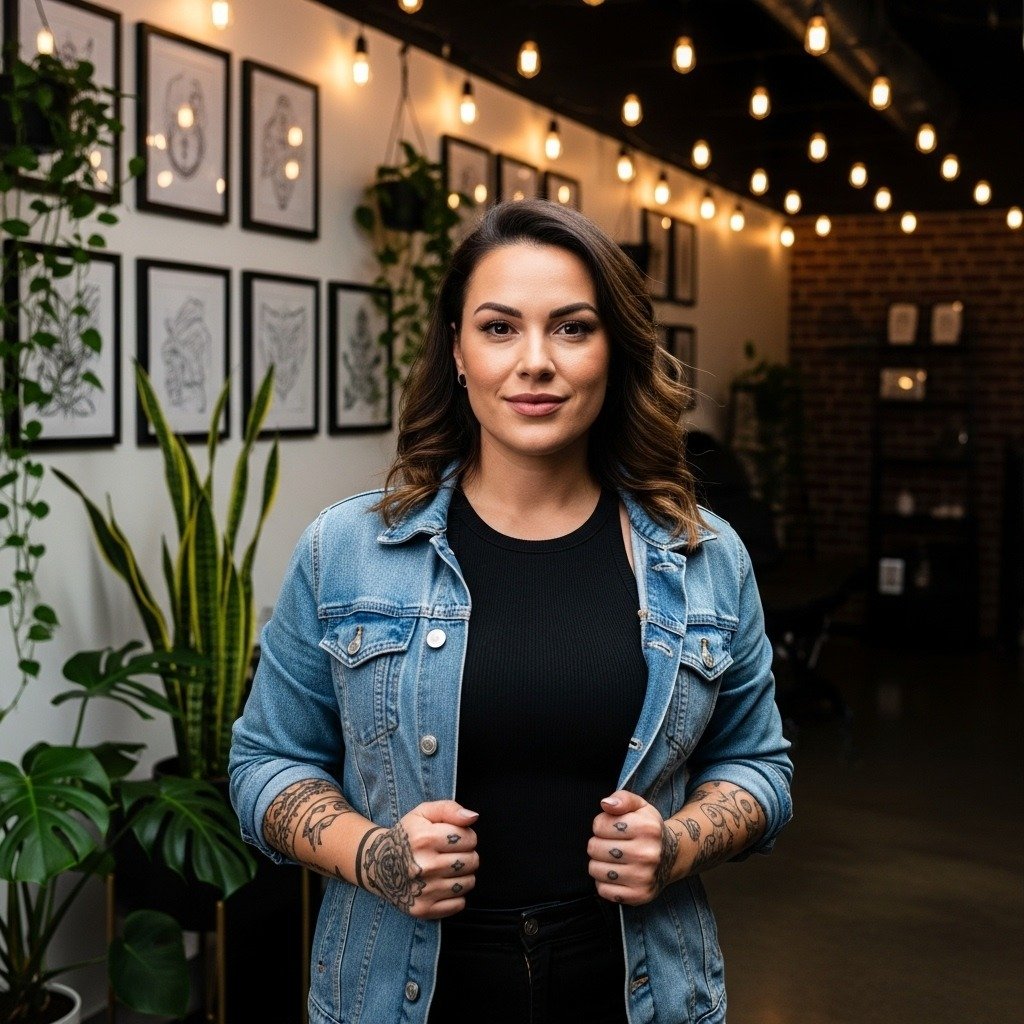
Single-line Hangul scripts look effortless on feed. The reality is they ask for exact spacing, proper stroke order, and a plan for how the line will age. I see three common slipups before people book: a mistranscribed character, too-fine wrist linework that softens within a year, and choosing a color palette that fights daily wear. Read the options below and keep the practical details you need for a clean healed result.
1. Single‑Line Hangul Character on Inner Wrist
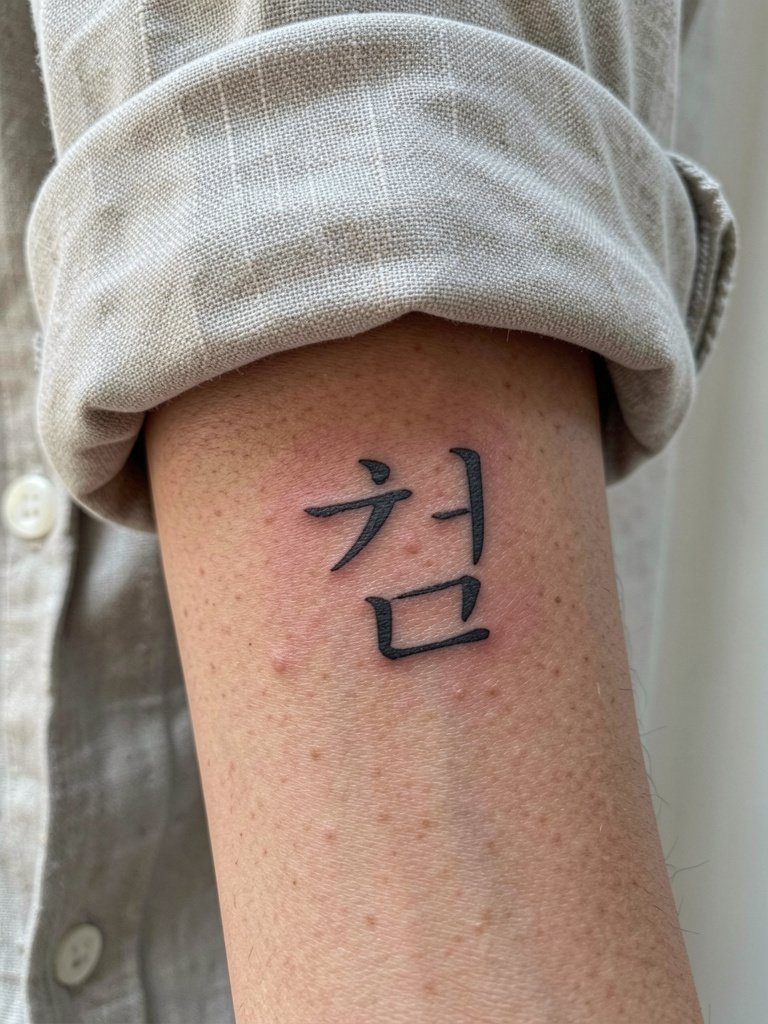
The single-stroke Hangul piece reads clean when the artist plans for stroke termination and breathing room. I recommend a slightly heavier single-needle weight than pure microline so the stroke keeps definition after the first year. Bring a verified image of the exact character and ask for a transfer preview at full scale on the wrist. For the session wear, a linen button down shirt makes it easy to roll the cuff and keeps the area accessible without tight cuffs. Expect 20–40 minutes in the chair and a touch-up possibility around year one for fine adjustments.
2. Micro Taeguk Behind the Ear
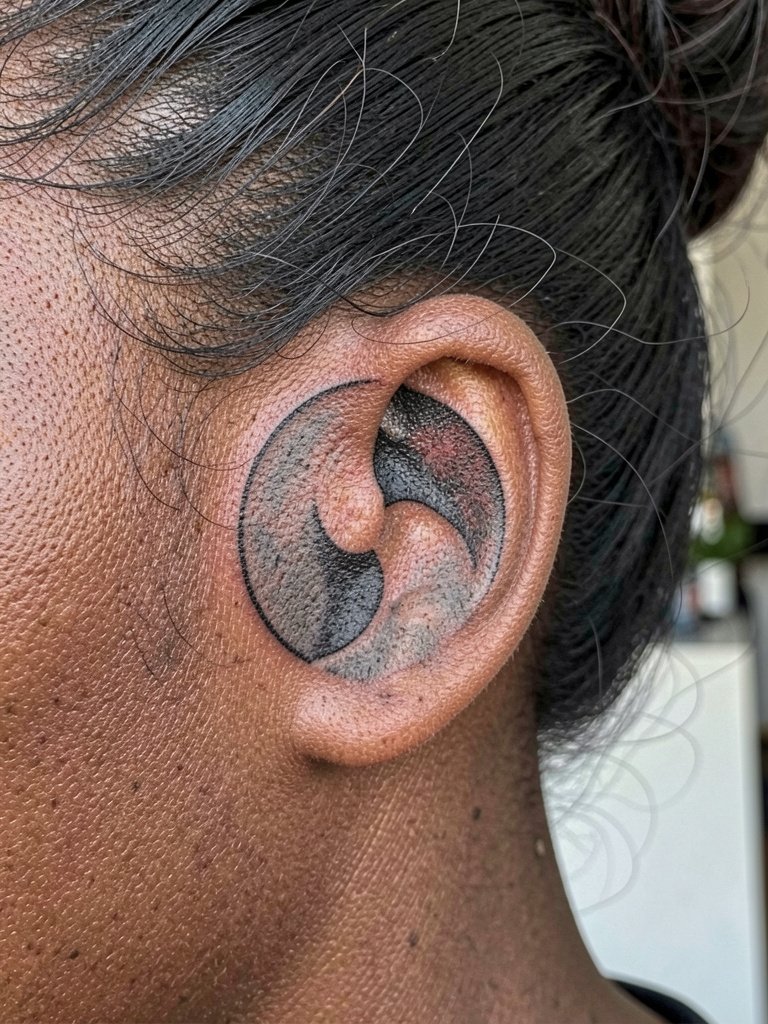
The small Taeguk behind the ear is discreet and ages well if the symbol is scaled to 1–2 cm and given a clear outline. Some people insist the Taeguk should use deep red and blue to stay culturally accurate. Other artists prefer black-and-gray for a modern, subtle look and argue the symbol still reads well without the traditional palette. Wear hair half-up or a simple minimalist gold ear cuff on the opposite ear when you want to show the spot. This placement is quick in the chair and low on blowout risk when the stencil is positioned on smooth mastoid skin.
3. Dotwork Hangul Script on Finger Side
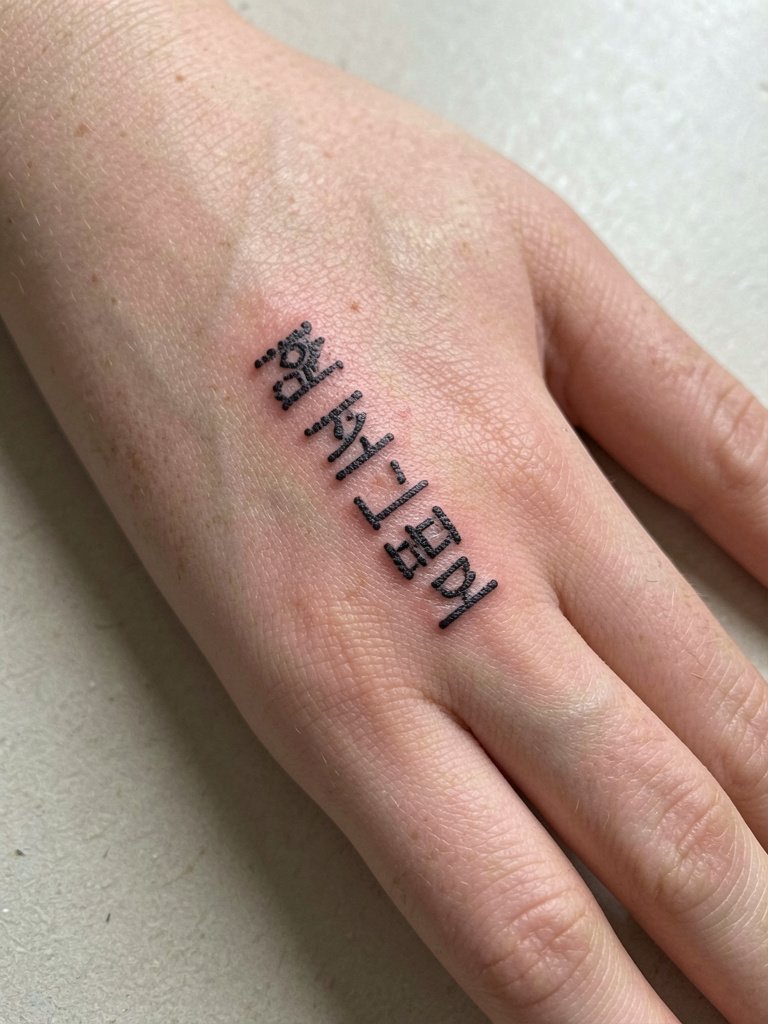
Dotwork softens the visual weight of Hangul and can improve contrast on medium to dark skin when done with intentional dot density. Fingers are high-friction areas, and many fine-line approaches blur fast if the dots are placed too close together. For longevity, request slightly wider dot spacing and plan for a touch-up at around 12 months. Styling-wise, keep the finger free of rings during the session and consider a thin gold ring set when showing the tattoo later. The session is short and the pain is sharp but brief.
4. Geometric Tiger Motif on Lateral Hip Bone
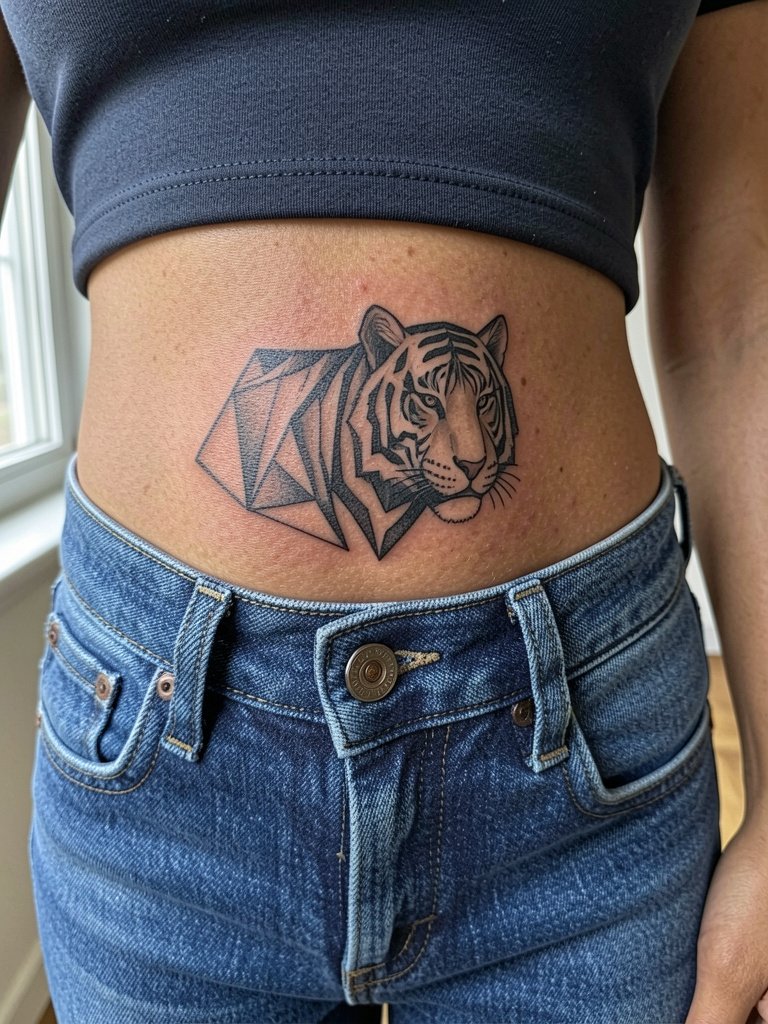
A geometric tiger modernizes a cultural motif while keeping visual clarity at small scale. The biggest mistake is shrinking the geometry so much that angles merge after healing. Ask the artist to mock up the motif at the exact size you want so you can see negative space between facets. For showing the tattoo, high-waisted pants that can be slightly lowered reveal the hip without undoing clothing, and a high waisted drawstring pant search is a practical wardrobe piece. Expect a 45–75 minute session and a cool-down period where the skin may feel tight.
5. Minimalist Cherry Blossom on Outer Ankle
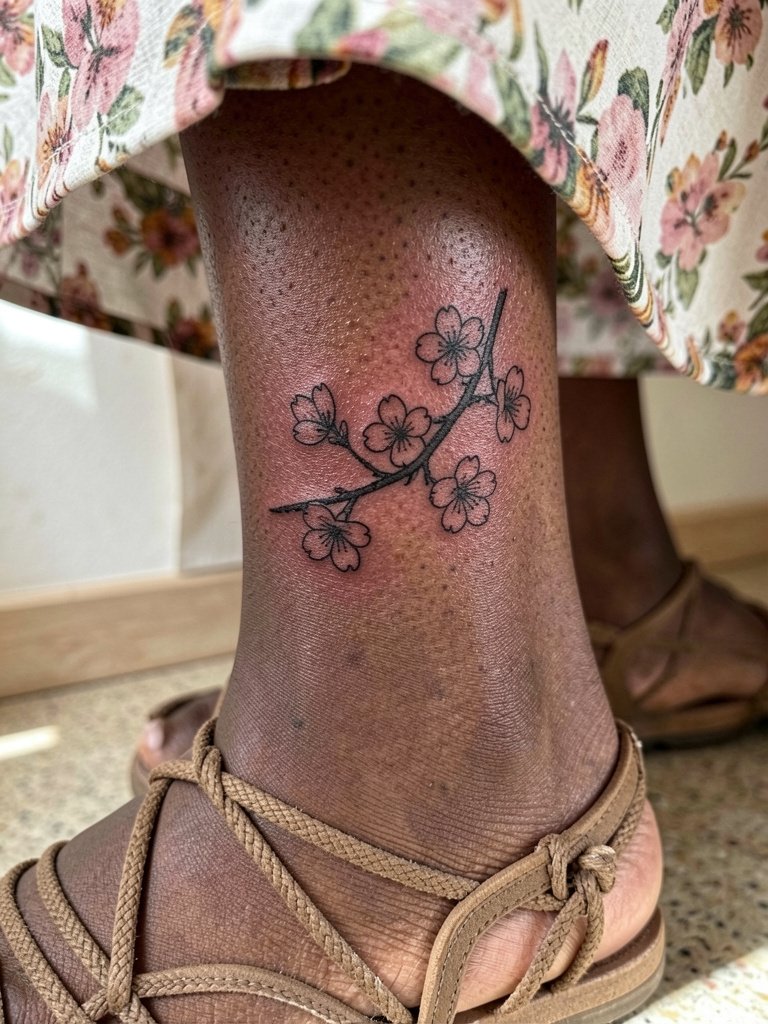
Cheek-sized cherry blossom branches sit naturally on the ankle when the artist leaves room between blossoms and stemwork. Ankle tattoos rub against socks and shoes while healing, so choose a placement slightly above the ankle bone to reduce chronic abrasion. For show-off outfits consider summer dresses that stop above the ankle and a thin anklet on the opposite leg. For session day, roll shorts or wear bottoms that can be pulled up without tightness. The piece usually takes 25–40 minutes and heals into a soft silhouette that photographs well.
6. Four Gracious Plants (Sachae) on the Collarbone
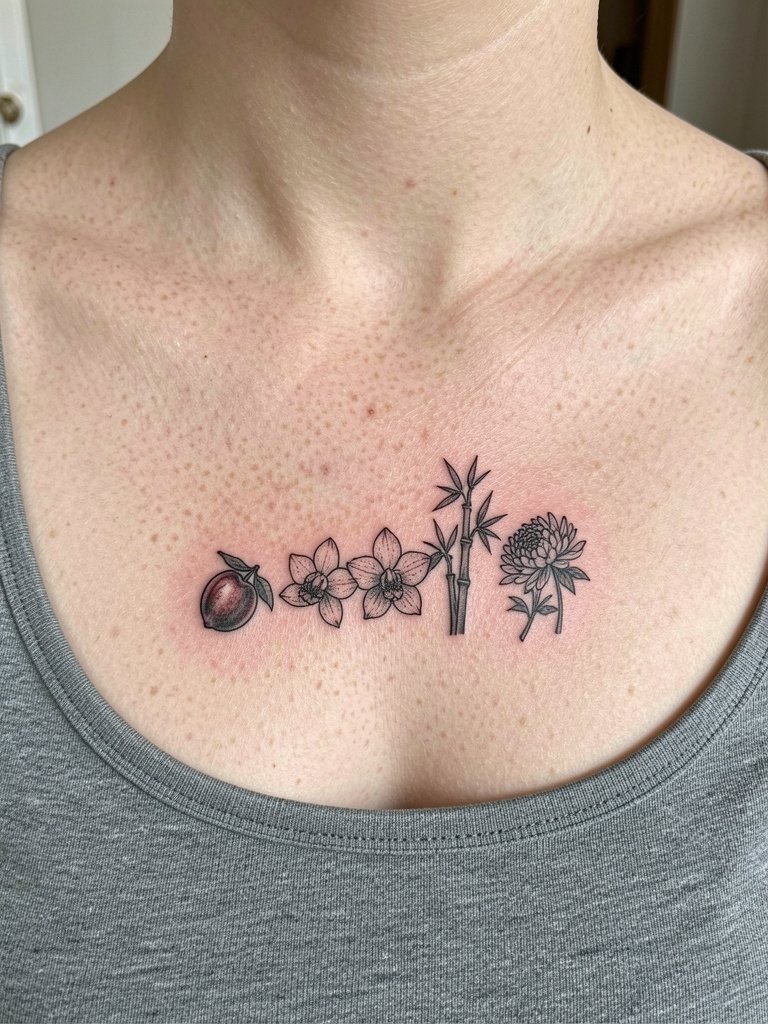
The Sachae set is a compact way to reference seasons and virtues without heavy detail. Space the four motifs so each breathes on the collarbone and keep linework steady rather than ultra-fine so edges hold after movement. For outfits, off-the-shoulder tops and layered delicate chains frame the work without covering it, and a scoop neck white top search pairs cleanly when you want to show the area. Sessions for a set like this run around 45–70 minutes depending on spacing.
Pre-Session Essentials
Those wrist, ear, and finger pieces above are quick but exacting, so a short kit makes the session smoother and the first week easier.
- Korean gentle hydrating serum search. Lightweight serums used by some studios help calm dry winter skin before a fine-line session and reduce peeling that can pull at tiny strokes.
- Japanese dotwork ink substitute search. High-contrast inks favored for dotwork keep stipple details crisp during the first healing cycle.
- Mini adhesive tattoo bandages search. Small sterile covers designed for 1–2 cm tattoos protect micro pieces from friction without excess bulk.
- Hustle Butter Deluxe search. A thin, non-greasy balm some people prefer for fine-line healing to avoid pore-clogging that blurs tight strokes.
- Saniderm second skin search. A protective film option for fingers and small areas that get frequent washing and rubbing in the first week.
7. K‑Pop Stylized Hangul Lyrics on Inner Wrist
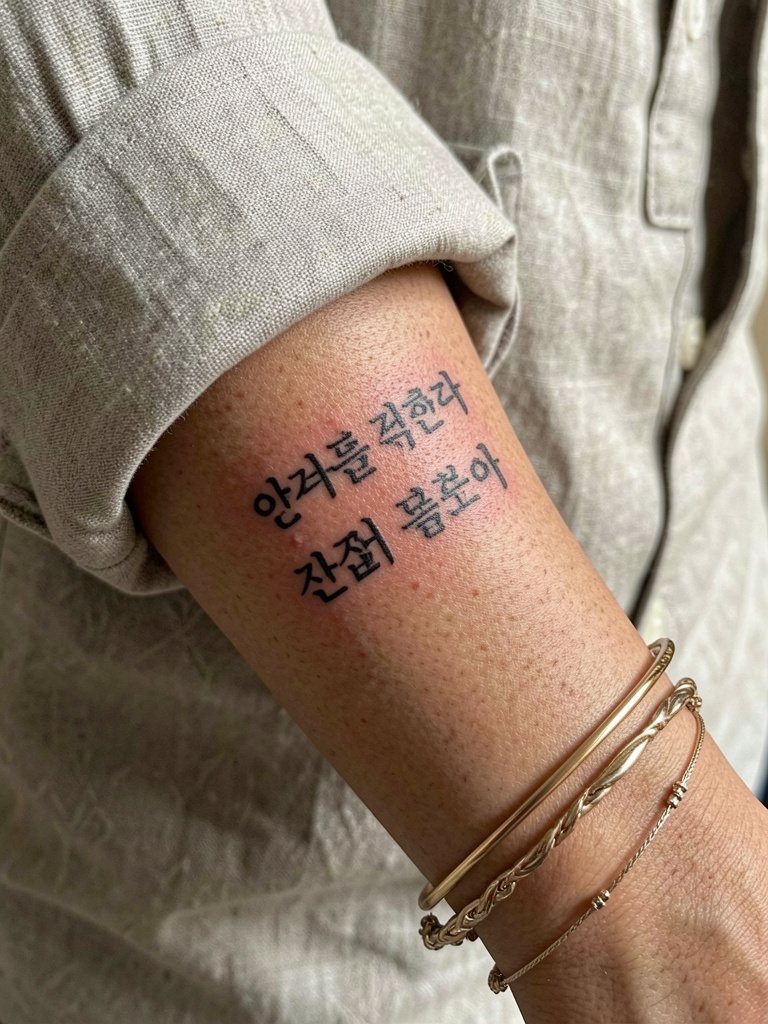
Song lyric tattoos in Hangul need precise verification of spelling and intended line breaks. Single words are lower risk, but phrases require a native check for grammar and nuance. Bring a printed reference of the exact lyric at the size you want and have the artist do a transfer so you can read line breaks before ink. Inner wrist pieces take 30–60 minutes depending on length and may need a minor touch-up at one year if lines soften.
8. Negative Space Hanji Pattern at the Nape
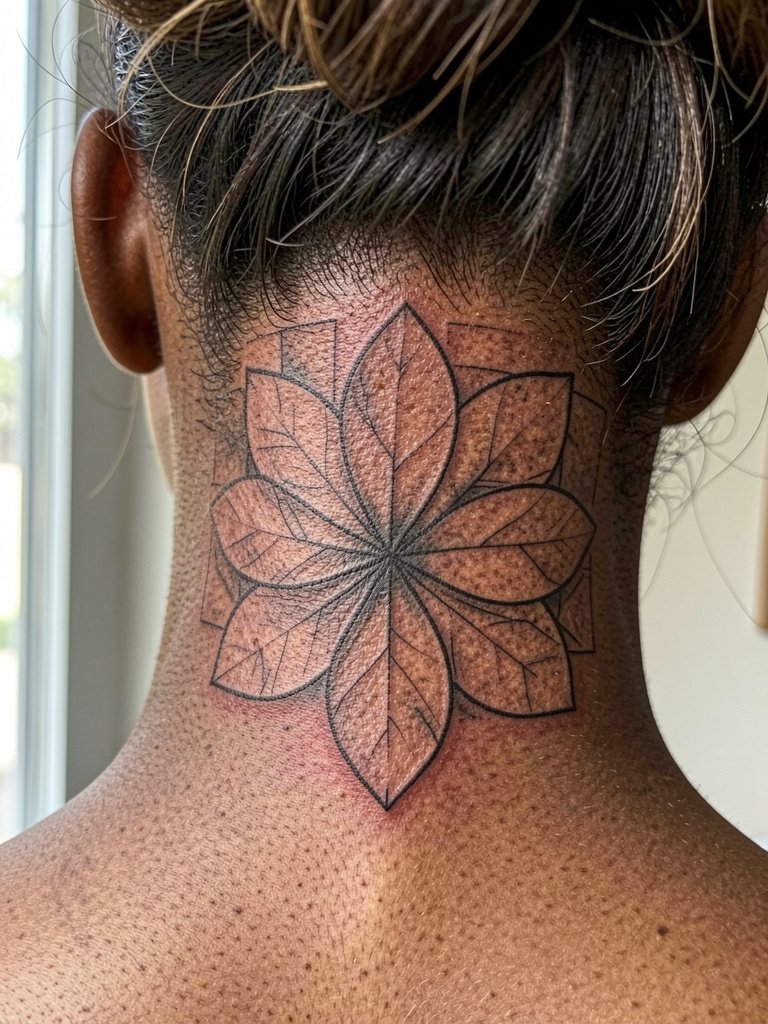
Negative-space patterns read as both texture and shape, but they require crisp spacing so the empty areas do not fill in with scar tissue. The safe version uses clear bands of bare skin between lines rather than tiny, fragile islands. For the session, wear a zip or button top so you do not need to pull anything over your head. Nape pieces are quick to hide and reveal, which is why many people pick this site.
9. Single Character Bold Finger Tattoo
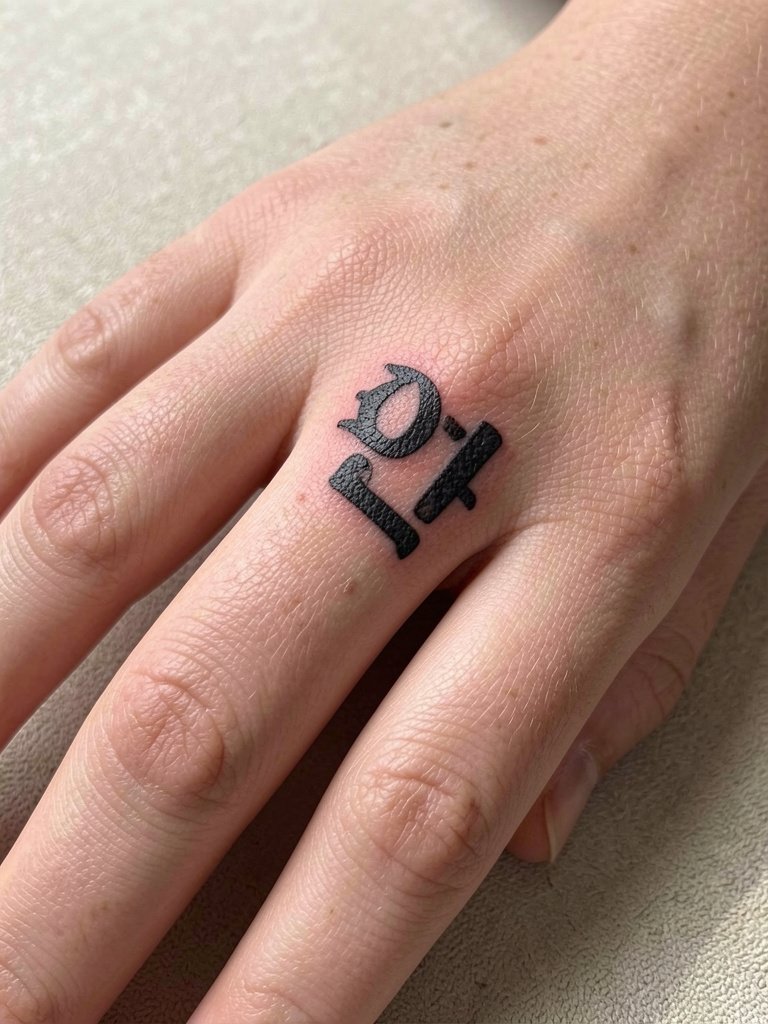
Fine-line finger script is divisive. One group argues ultra-fine Hangul on fingers blurs into a blob within two years because of constant friction and skin movement. Another group says with slightly wider spacing and correct needle depth it can hold for 3+ years and they point to healed photos as evidence. If you want the longest-lasting result, choose a bolder single-character treatment and plan on touch-ups every 12 months. For styling, keep adjacent fingers simple with a minimalist single ring search when you want to highlight the character.
10. Abstract Wave Design on Inner Forearm
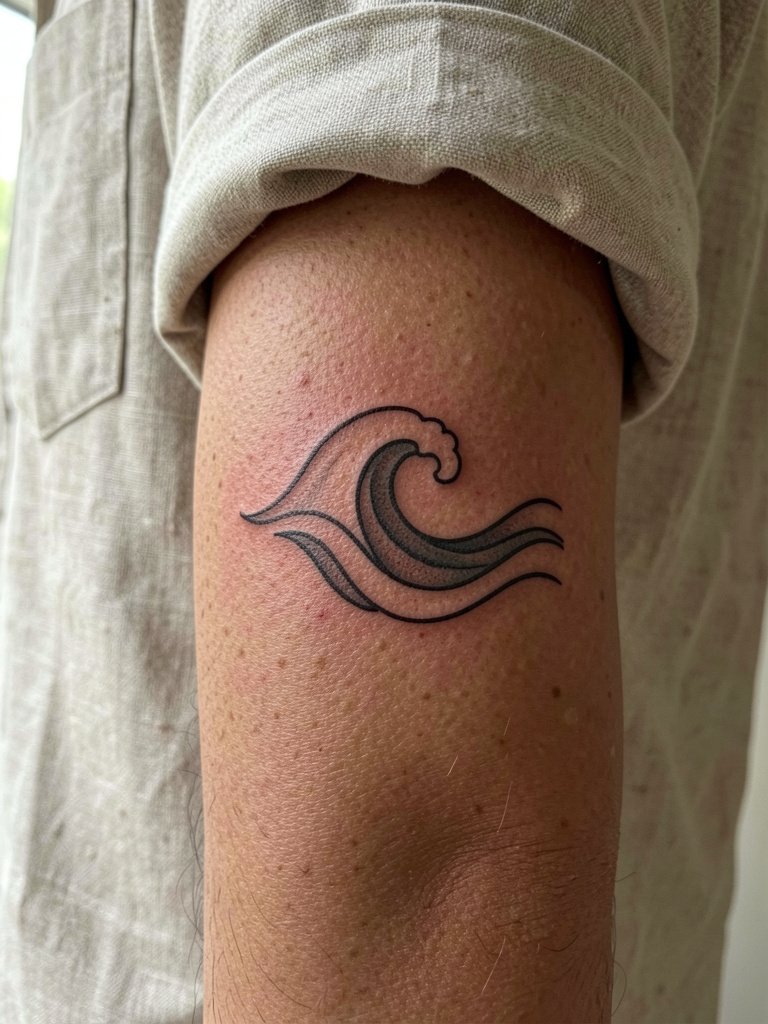
Wave motifs flow with the forearm and photograph well when the artist plans for motion across the muscle. A common mistake is compressing the curves too narrowly, which causes overlapping lines after healing. Ask the artist to show how the design reads when your palm is up and when your wrist flexes. For everyday outfits, rolled sleeves in linen or cotton expose the design without clutter, and a linen short sleeve shirt search gives a similar editorial look. Expect about 30 minutes to an hour depending on length.
11. Dotwork Tiger Silhouette on Medial Inner Thigh
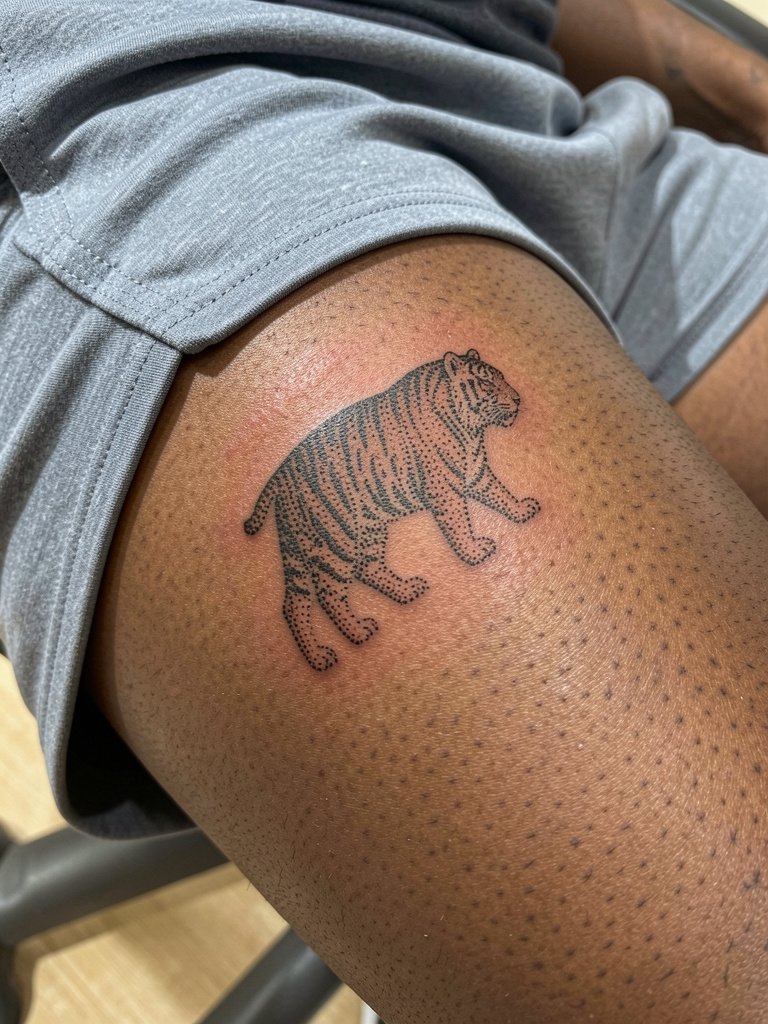
Inner-thigh dotwork reads softer than bold silhouettes and is a good secret piece for collectors. The common session mistake is picking too-dense a dot field at a tiny size, which blurs into a gray area after healing. Session wear should be loose shorts or a skirt with a side slit so the artist gains access without exposing other areas. This placement sees low external abrasion so touch-ups are less frequent than fingers, but plan for a 45–60 minute session.
12. Black‑and‑Gray Taeguk Variant Behind the Ear
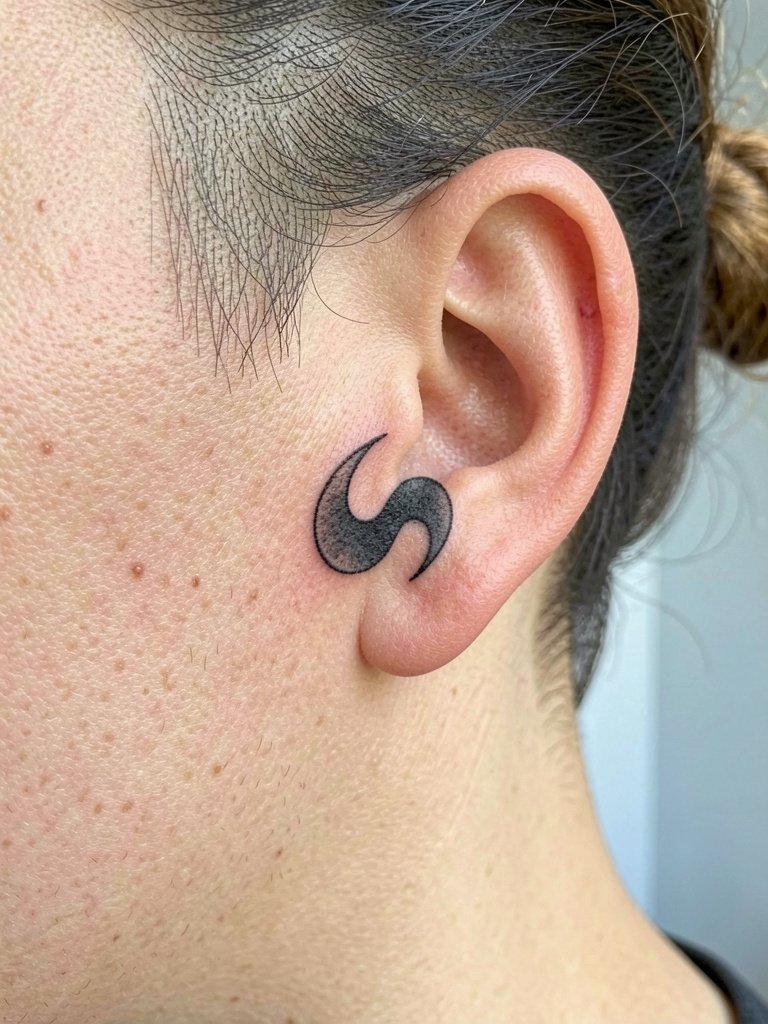
The black-and-gray Taeguk answers the trend toward subtle cultural motifs. One camp insists the Taeguk should be red and blue to honor traditional symbolism. The other camp prefers monochrome because it blends with modern minimal aesthetics while the symbol remains legible. Behind-the-ear placements are easy to hide and quick to heal. For showing the area, short hairstyles or a high ponytail reveal the mastoid area cleanly.
13. Wedding Ring Finger Phrase in Hangul
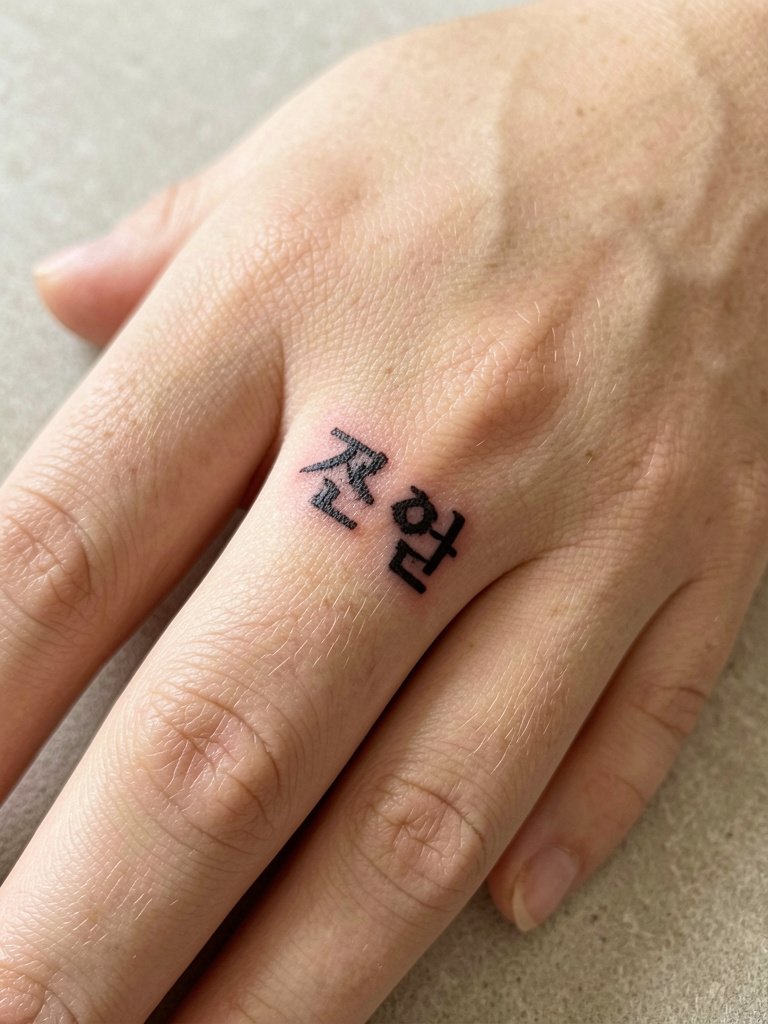
Couples sometimes choose short Hangul phrases on the ring finger as an intimate option. The practical risk is the same as other finger work: high friction and frequent washing wear down micro detail. Choose short, bold characters and plan for a touch-up window around 12 months. On session day, remove any rings and wear short sleeves so the area is fully accessible. A small line of text takes 10–20 minutes and heals into a tidy, private marker when done with correct spacing.
Frequently Asked Questions
Q: How do I avoid Hangul spelling mistakes before the session?
A: Have the exact character or phrase verified by a native speaker and bring a printed reference at the size you want. Ask the artist to do a full-size transfer and hold it on the skin while you read it aloud. If you do not have a native speaker available, use a trusted Korean dictionary entry for the exact Unicode characters.
Q: Will a finger Hangul tattoo really blur that fast?
A: Fingers endure constant friction so microline choices carry higher risk of softening within a year. Picking bold, slightly heavier strokes and budgeting for a touch-up at 12 months usually gives the best balance between small scale and longevity.
Q: Which Taeguk color should I pick for a subtle look that still respects tradition?
A: If you want strict cultural color accuracy, the traditional red and blue palette is the usual choice. If you prefer a modern, low-contrast appearance, black-and-gray variants keep the symbol recognizable while fitting monochrome collections.
Q: Where can I find artists and healed portfolios without naming individuals?
A: Search hashtags like #hangultattoo and #minimalkoreantattoo on Instagram and TikTok and filter by your city for local portfolios. Tattoodo and the Inked App let you search by keywords such as "fine line hangul" or "black and gray taeguk" to see healed examples. Reddit threads for tattoos and tattooadvice also surface peer photos that show healed ink on different skin tones.
Q: What should I wear to the appointment for a collarbone or nape piece?
A: For collarbone work, a tank top or strapless top in normal worn position gives the artist direct access without shifting fabric. For nape or behind-the-ear pieces, choose a zip or button top and wear your hair up naturally so the area is exposed without tugging. If you want a zip-up top suggestion, see zip up top women search.
Q: How often do small Hangul tattoos need touch-ups?
A: It depends on placement and line weight, but plan on an inspection at around 12 months for fingers and small wrist scripts. Inner-thigh, hip, and collarbone pieces often need less frequent correction. A realistic timeline keeps you from being surprised when a minor refresh would restore crispness.