Watercolor ink looks like paint on skin the day you get it, but that fresh look can soften fast if placement, palette, or technique do not match. Pick the right motif for the spot, plan session wear that keeps the area accessible, and expect touch-ups. Below are 13 watercolor designs with honest aging notes, session tips, and wardrobe ideas that help the color read longer.
1. Watercolor Floral Burst, Peony + Lavender on Inner Upper Arm
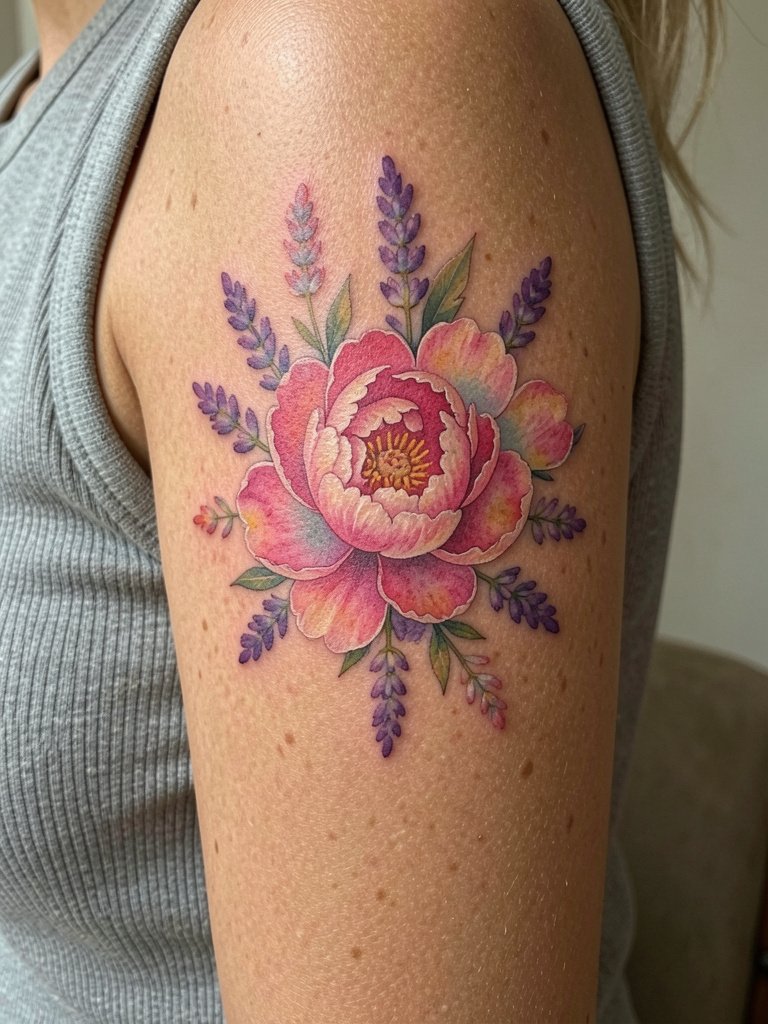
A floral burst reads painterly because the petals blend without outlines, but tiny details can wash out on textured skin. For a longer-lived floral, request slightly heavier saturation at the color transitions and a subtle fine line stem to anchor the composition. One common mistake is going too small for the petal gradients. At six months the petals look soft, at two years edges blur more, at five years expect a gentle fade that benefits from a touch-up. For the session wear, a loose drawstring linen short-sleeve top keeps the area accessible without tight cuffs. If you want the look of watercolor with more longevity, ask for a light fine line anchor around the main forms so the color has a frame to settle into.
2. Watercolor Abstract Ocean Wave on Outer Forearm
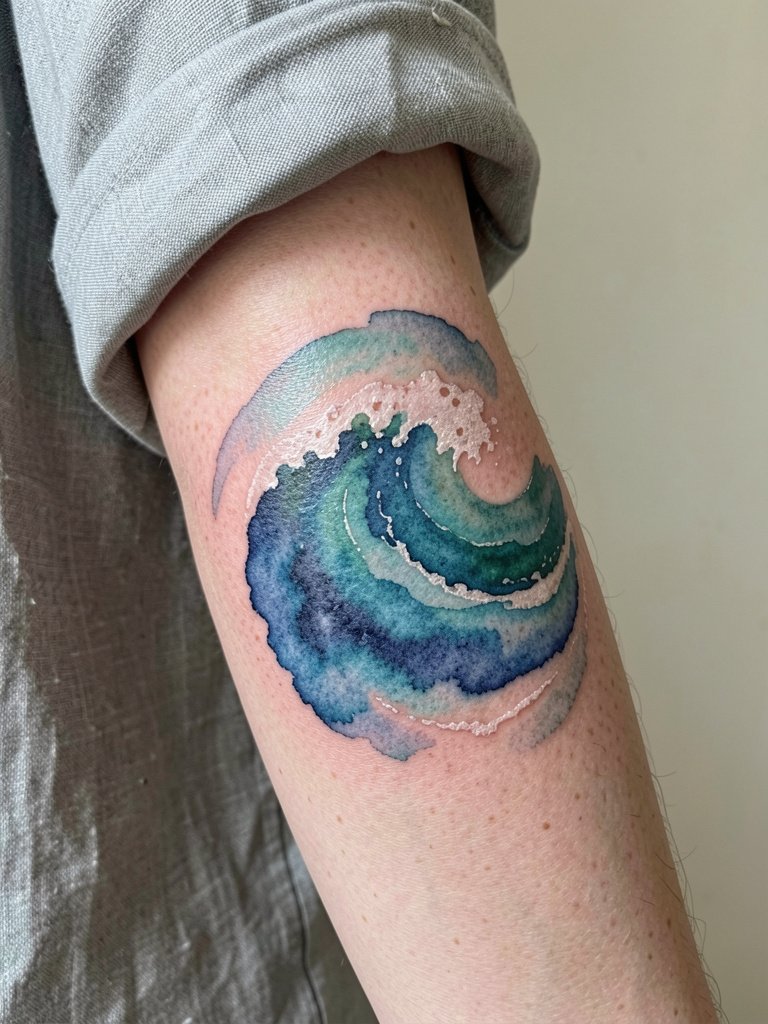
This wave design favors motion over detail, so it reads well even as edges soften. Talk specifics about where you want white negative space preserved, because white highlights can vanish if placed over thicker skin. Typical session time for a forearm wave is one to two hours. Expect the brightest blues to mellow by year two if exposed to sun, so plan a touch-up at year two to keep the foam crisp. For showing it off, pair the forearm with a rolled cuff linen shirt women so the sleeve frames the design without compressing the fresh skin.
3. Watercolor Bird in Flight, Silhouette + Color Wash on Inner Thigh
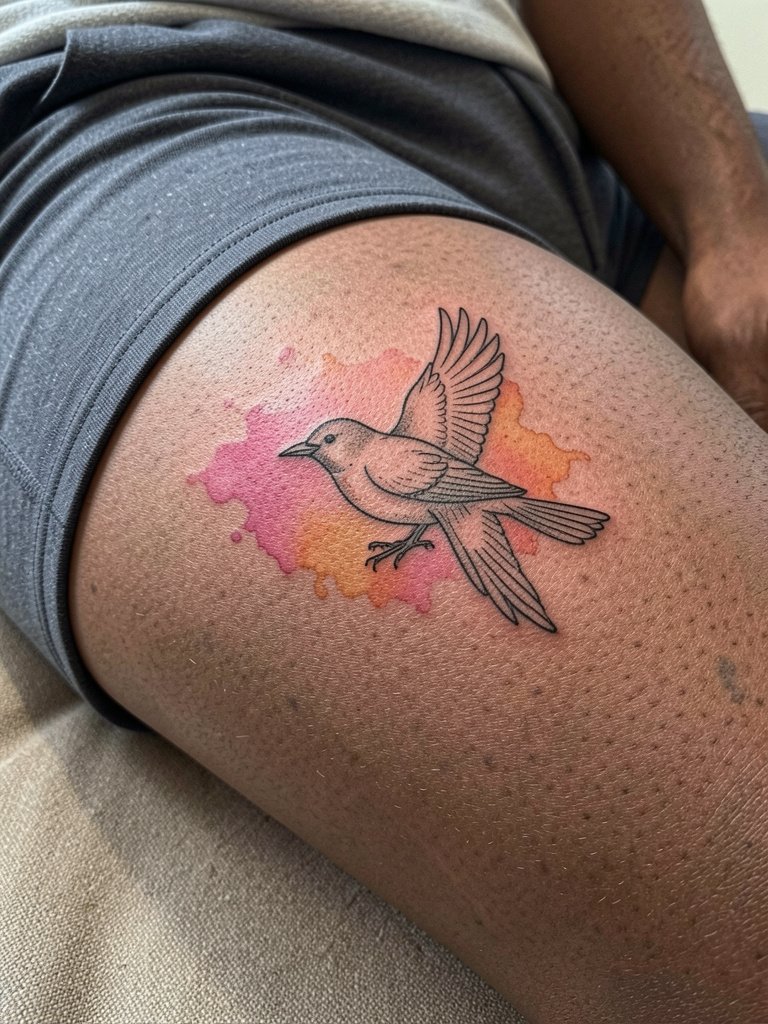
Inner-thigh skin moves a lot and heals differently than flat areas. The black silhouette keeps the form readable even if the wash softens. During consultation, show two scale options so the artist can demonstrate how the silhouette reads at three inches versus five. A common error is asking for ultra-fine trailing details on the wash; those thin tails can blur in high-friction spots. Expect heavier tenderness during the session because the area is sensitive and close to bone in some positions. For professional considerations, note that inner-thigh work often needs a specialist comfortable with intimate placements and privacy procedures at the studio.
4. Watercolor Rose with Water Drip on Lateral Hip Bone
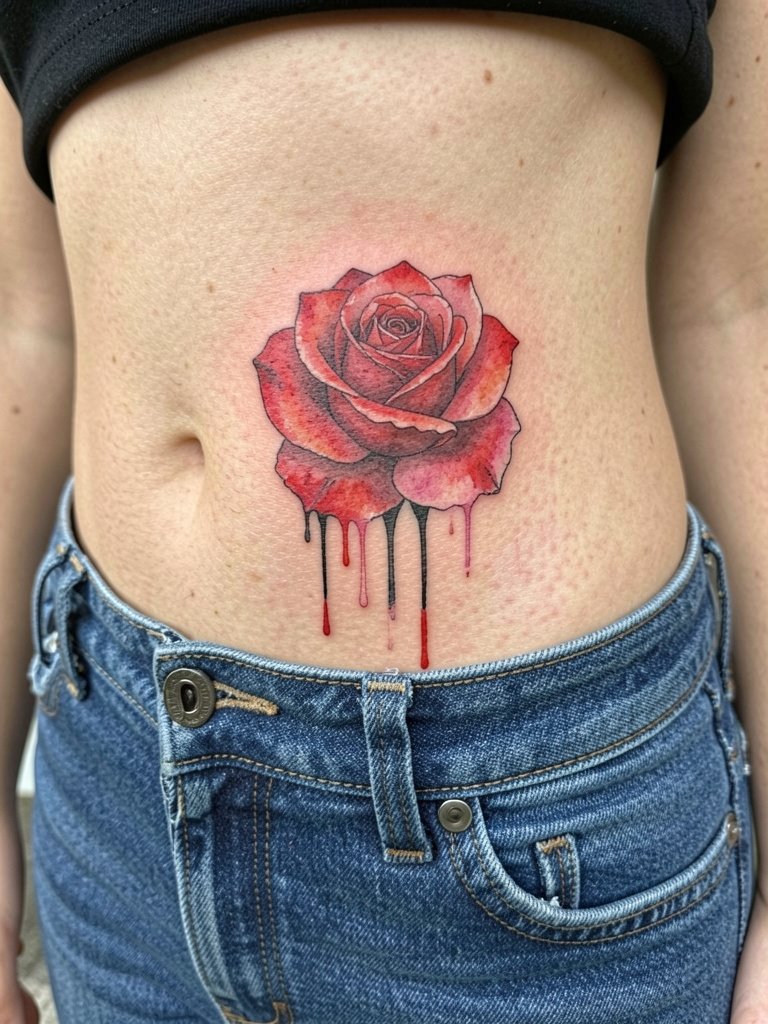
Hip pieces age with body changes and friction from waistbands, so keep larger drips and avoid tiny vein-like details. Ask the artist to show how the drip tapers at 3D contours so you can see how it will look when you sit or bend. A rookie version uses hairline drips and then the motion blurs into a streaked patch after a year. For wardrobe, choose side-tie skirts or cropped tops that reveal the hip bone; the design reads best with low-rise hems that sit below the piece. For the appointment, wear loose drawstring pants so the artist can access the side without tight waistbands pressing on fresh ink.
5. Watercolor Butterfly with Gradient Wings on Inner Forearm
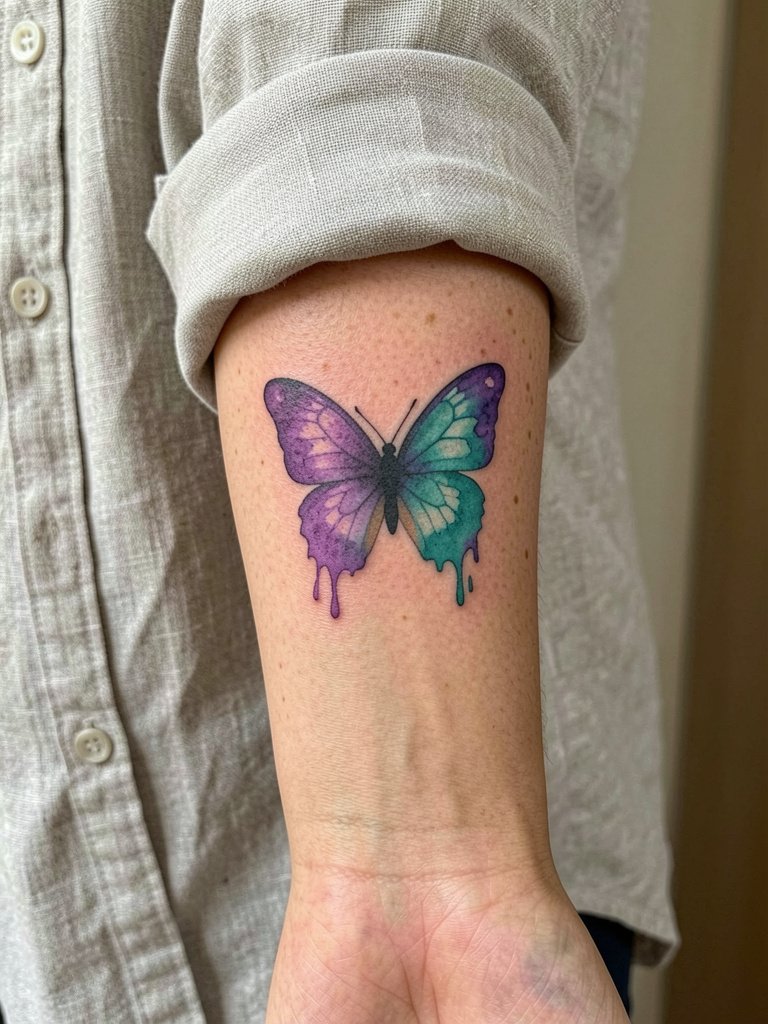
Butterfly wings with full gradients look current, but tiny internal detail without anchoring lines can disappear. Ask for slightly bolder pigment at the wing base so the color has contrast to transition outward. At six months colors will be vibrant, at two years expect softer edges and less contrast, at five years a touch-up will bring back the saturation. For daytime wear, rolled linen sleeves in cream or olive keep the focus on your inner arm while avoiding cuff pressure during healing. Bring two reference pictures at your consult so the artist can show how the gradient reads at the scale you want.
6. Watercolor Moon and Stars Celestial Wash on the Nape
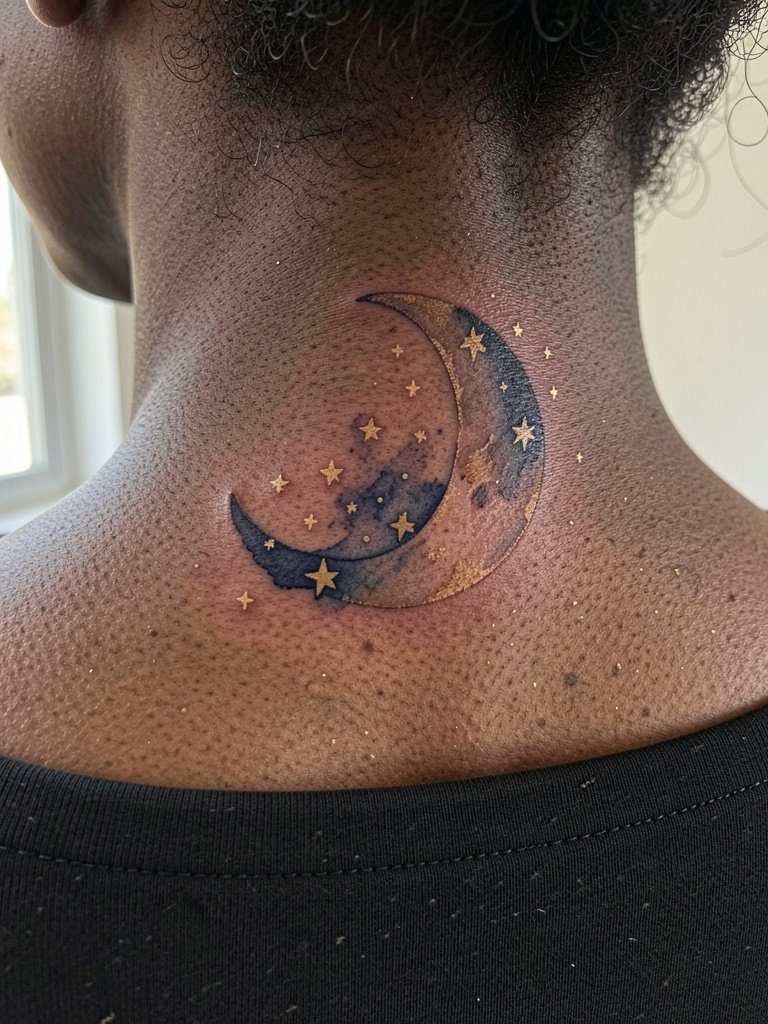
Nape tattoos get extra rubbing from hair and collars, so avoid very fine speckling that can disappear. The visual trick is to place tiny white or gold star highlights away from hairline friction. The session usually takes under two hours. A frequent mistake is placing the moon too close to the hairline where repeated shampooing dulls the highlights. For outfits, choose off-shoulder tops or high-neck silhouettes that either reveal or frame the nape, and avoid tight crew necks for the first week after the session. If you sleep on your back, consider a silk pillowcase to reduce abrasion during healing.
Pre-Session Essentials
A few small items smooth the first week and help protect light washes and delicate highlights from the designs above.
-
Tattoo Life Balm. A thinner Australian-style balm many people report absorbs quickly, which helps watercolor washes stay hydrated without heavy residue during the first days.
-
Kirei Tattoo Balm. A gentle Japanese balm noted for light texture, useful when you want moisture that does not smear delicate color edges.
-
Healing Haze Tattoo Cream. A UK-style vegan cream favored for quick absorption, which reduces the temptation to over-apply and risk ink lifting.
-
Hustle Butter Vegan. A mainstream non-petroleum option that many clients switch to after the initial ointment phase, helpful for keeping color supple.
-
High SPF Tattoo Sunscreen 50+. After full healing, regular SPF 50+ reapplication preserves faded gradients and prevents long-term sun loss on outer forearm and nape pieces.
7. Watercolor Abstract Heart with Splatter on the Sternum
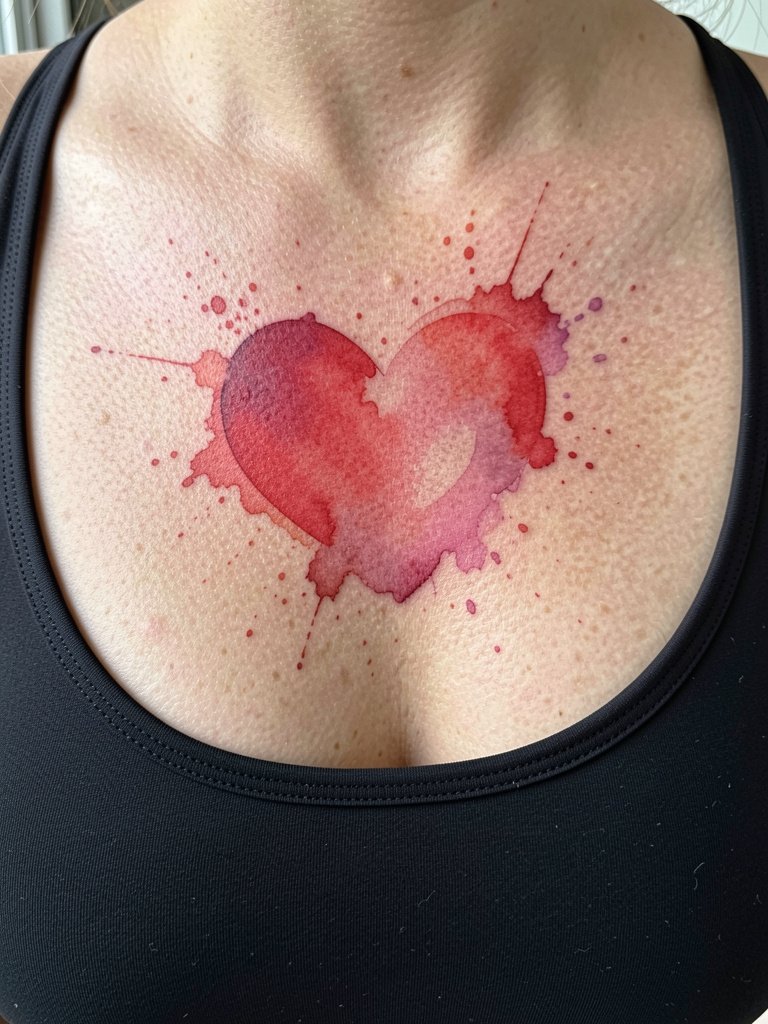
Sternum tattoos sit under bras and close to the chest crease, so keep splatter shapes broad rather than tiny flecks that can get absorbed into creases. At a consult, ask the artist to mark the piece on your sternum while you move so you can see how normal breathing affects placement. A common aging issue is compression from bras that dulls thin splatter marks. Expect soreness during the session because the area lies over bone and cartilage. For session wear, remove tight undergarments and choose a strapless or easy-remove top to give clear access without band pressure.
8. Watercolor Lotus with Floating Dots on Outer Upper Thigh
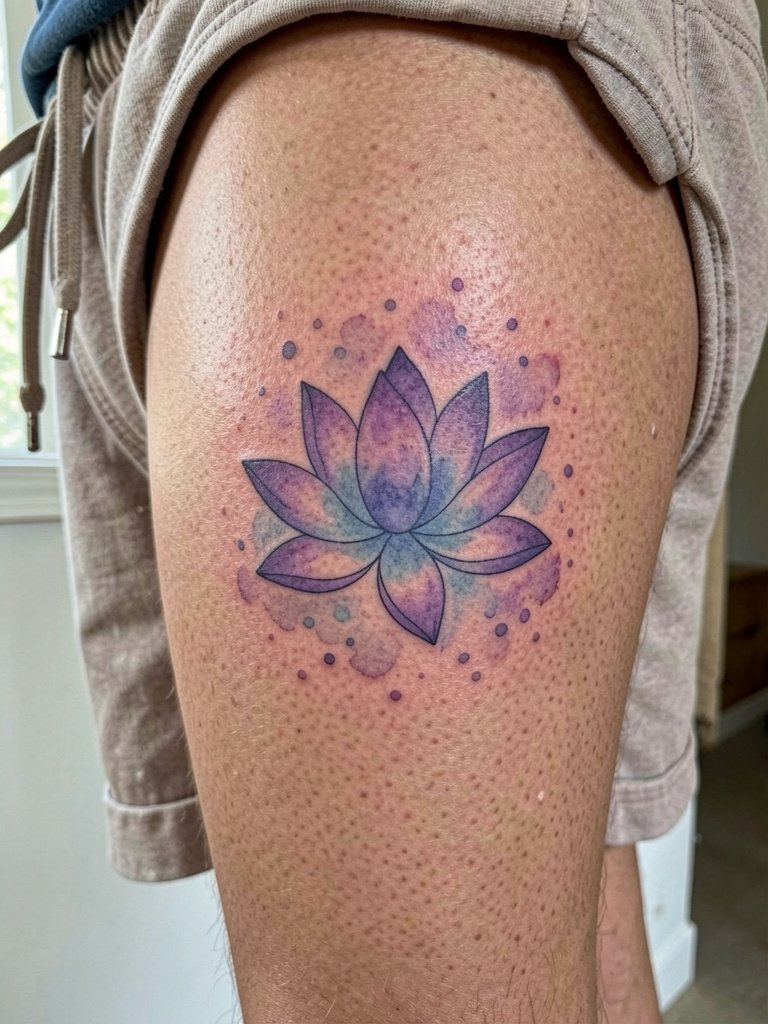
The lotus looks like it floats when the dotted background has room between marks, so keep dot spacing generous. Request a test patch of the dot density on similar skin so you can see how it heals at two weeks. A mistake is packing dots too close together, which can read as a muddy patch after healing. For showing off, pair the thigh with high waisted shorts women neutral that leave the upper thigh visible while avoiding tight compressive fabrics during healing. Touch-ups at two to three years will refresh the floating effect if the dots pale.
9. Watercolor Feather with Color Fade Behind the Ear
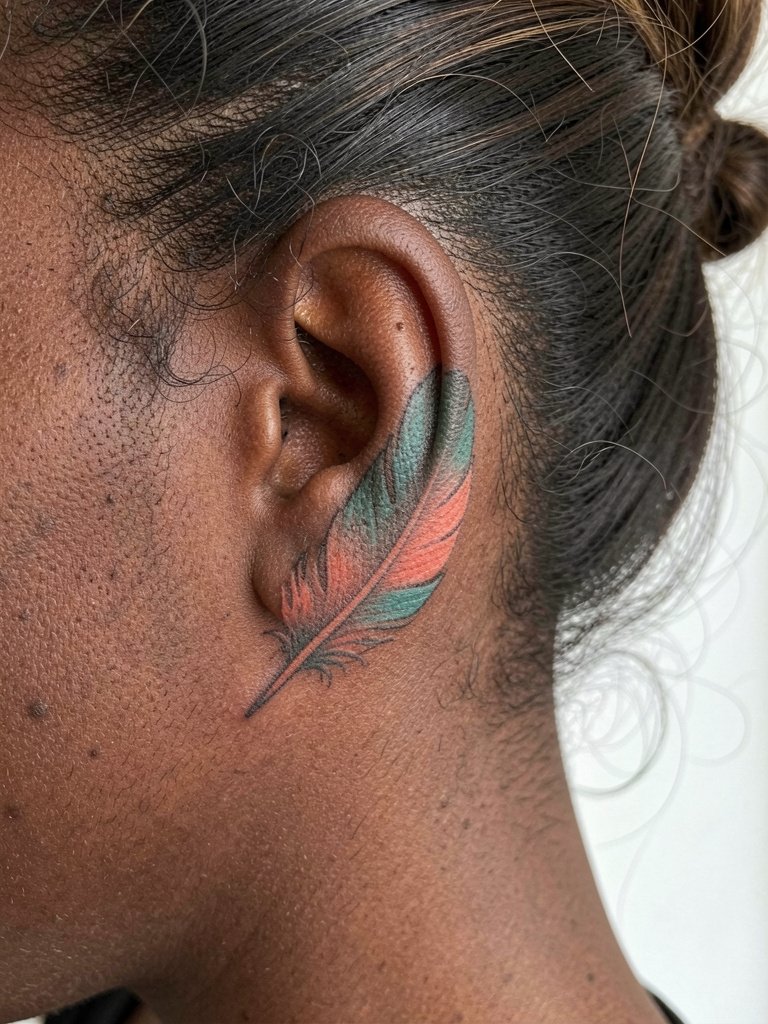
Behind-the-ear pieces are tiny and visible only with hair up, so plan the gradient to be strongest close to the mastoid where skin shows best. At six months subtle color remains, at two years the coral may be faint in photos, and at five years you will likely want a small touch-up if you want it vivid in pictures. For styling, updos or half-up styles reveal the mastoid and look great with delicate ear cuffs; bring a half up hair clip women if you plan to photograph the piece soon after healing. Keep in mind the area needs a steady hand and a clean studio set-up because the scalp and hairline are sensitive.
10. Watercolor Butterfly + Florals Patchwork on Inner Forearm
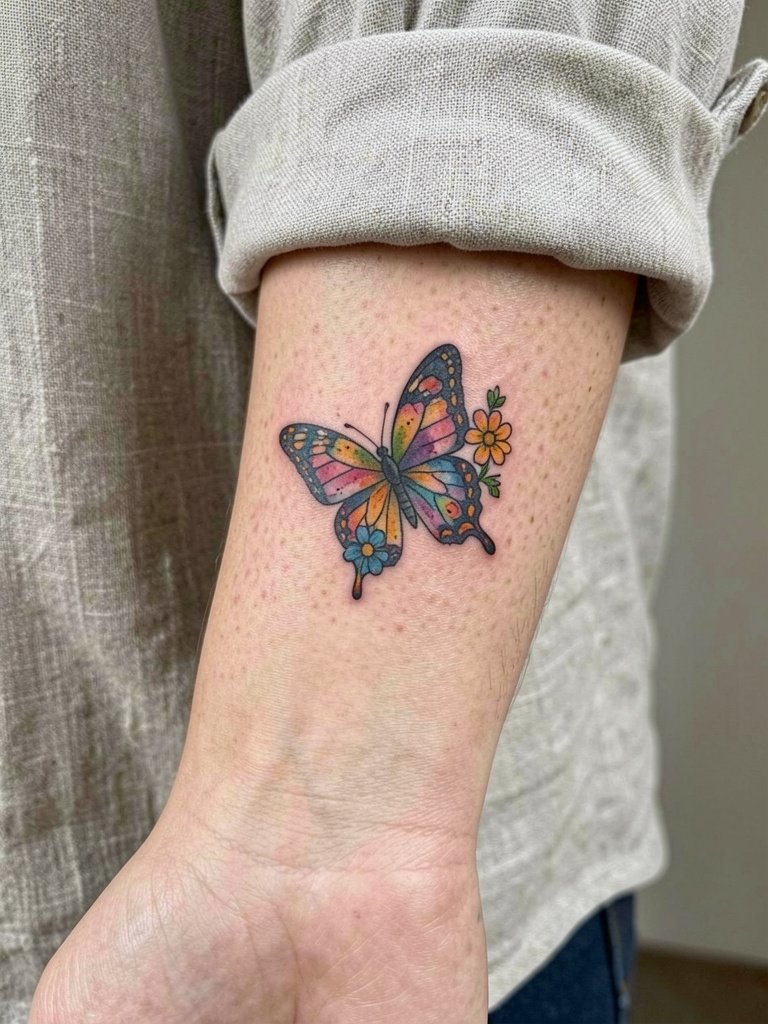
Patchwork pieces let you build toward a sleeve without one heavy anchor, but small elements need breathing room. Ask the artist to map spacing on your forearm to avoid crowding. A typical mistake is compressing three motifs into a tiny rectangle, which blurs into one color mass over a few years. For session wear, choose a loose button-down or short-sleeve top so the artist can roll sleeves and work comfortably. If you plan future additions, discuss placement nodes so each new element reads individually as it ages.
11. Watercolor Whale with Ocean Gradient on Side Torso Ribcage
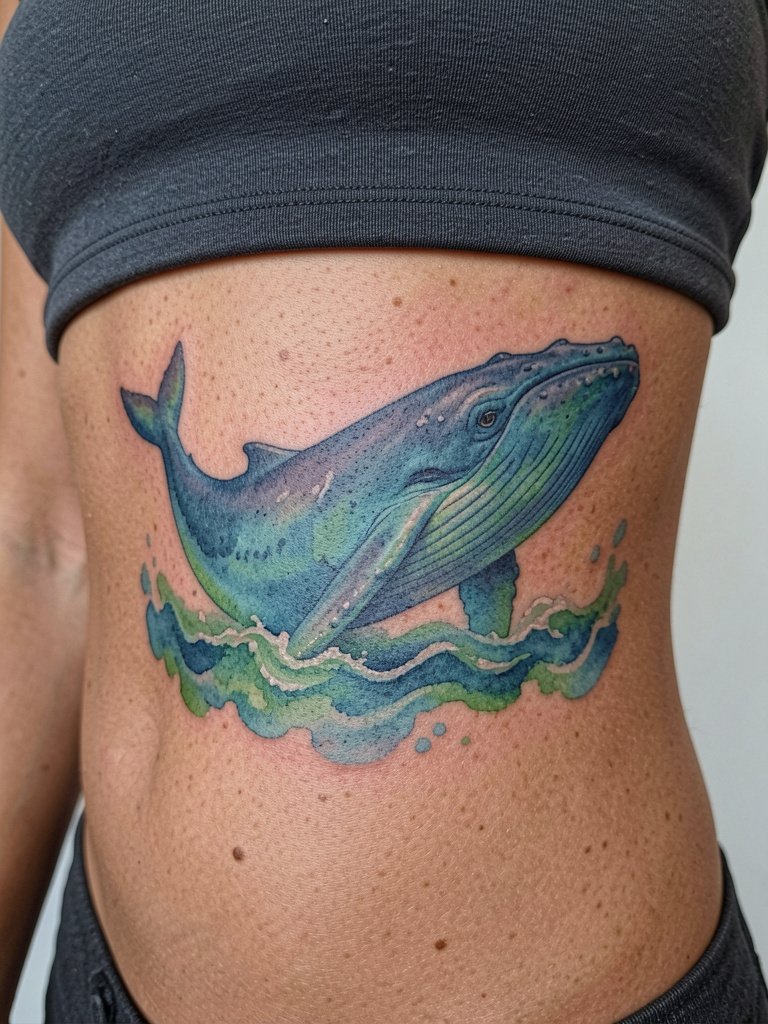
Watercolor on ribs is where opinions split loudly. One camp argues ribs blur quickly because the skin stretches and compresses under daily movement, especially near the breast crease. The other camp says with proper needle depth, slightly wider spacing, and extra saturation the design can settle well, and they will point to multi-year healed photos as evidence. If you choose the ribcage, ask for a slightly larger scale and expect at least one touch-up at two to three years. For outfits, low-side crop tops or side-tie tops that reveal the rib line frame the piece without constant waistband pressure. Plan for two sessions on larger whales so the artist can map the gradient and let you test how the wash reads over the curve.
12. Watercolor Abstract Tree with Branches on Inner Upper Arm
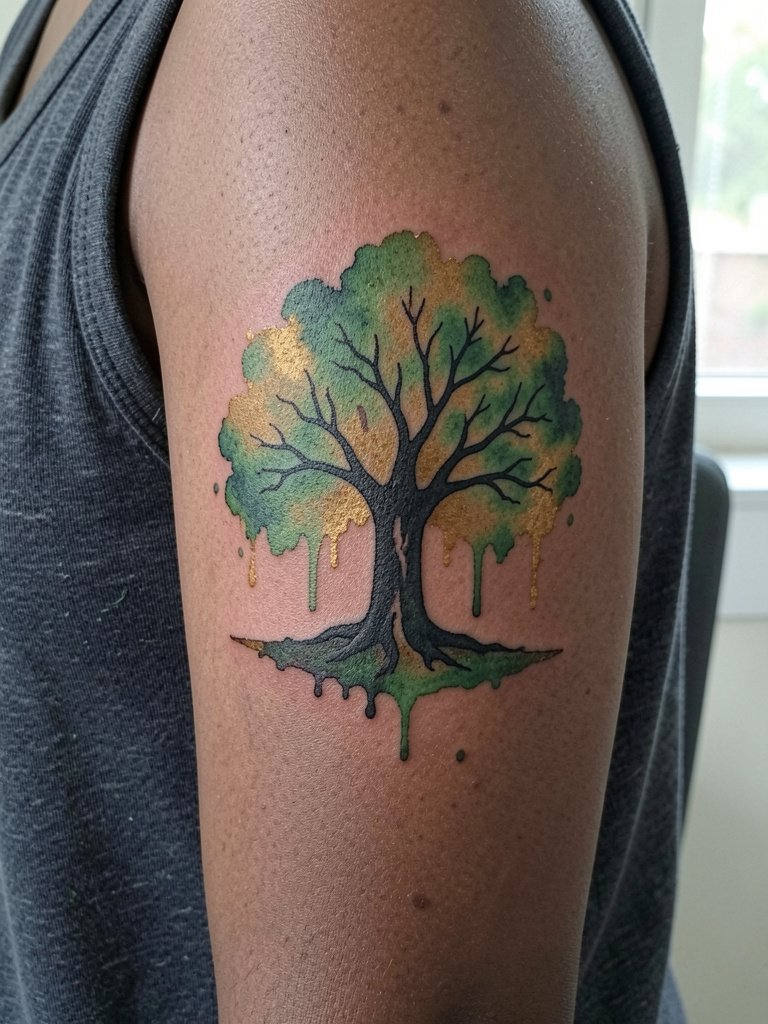
Trees with bold branch silhouettes benefit from a mix of saturated washes and defined dark branch marks so the form survives fading. Request that branch lines are slightly bolder than the reference to avoid disappearing into the green wash. A common aging pattern is the green wash softening while the black branches remain, which still reads well if you planned that contrast. If you change body composition, wider branch spacing keeps the motif legible. A typical session takes an hour to an hour and a half depending on branch detail.
13. Watercolor Rose + Thorn Minimal on Inner Forearm
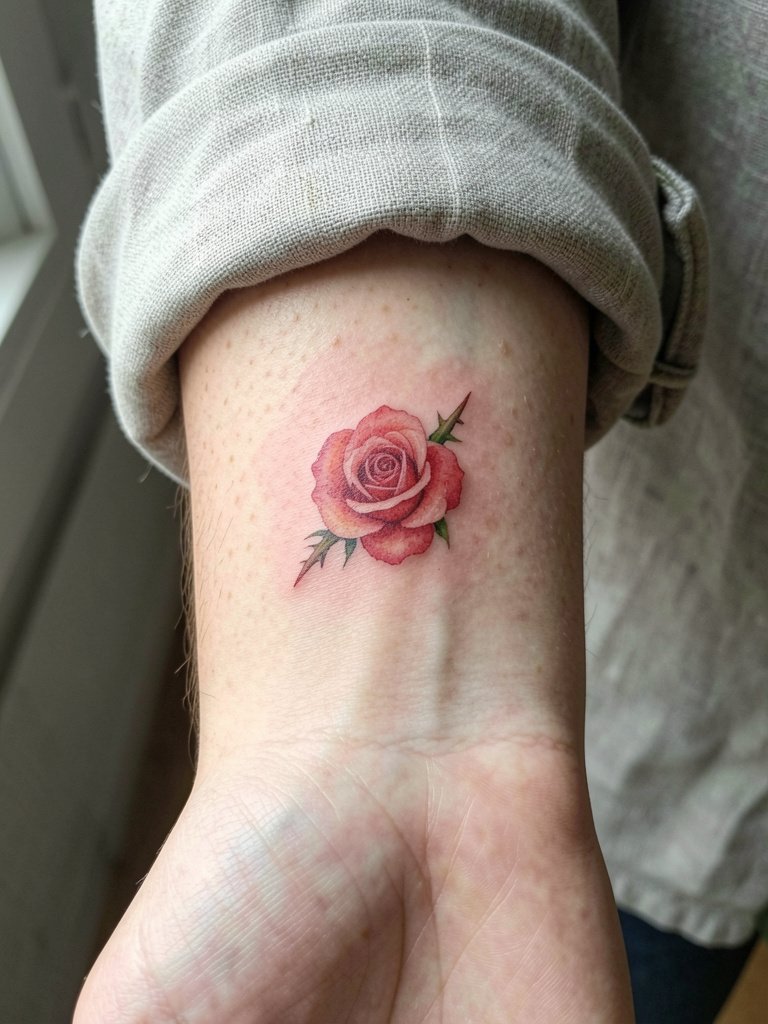
Minimal rose pieces are elegant but easily undercut by scale mistakes. Many people ask for a tiny bloom and then find the petal gradients become a muddy patch within a year. Pick a slightly larger three- to four-inch scale so the gradient has room, and plan a touch-up at year two to freshen the red. For showing it off, small inner-forearm tattoos pair nicely with a dainty bracelet stack; try a dainty gold stacked bracelet set when you want a light editorial look. During the session, expect moderate discomfort because the inner forearm has thin skin near the wrist; numbing is rarely needed but pacing breaks helps.
Frequently Asked Questions
Q: How long will a watercolor tattoo actually keep its paint look?
A: It depends on placement, pigment saturation, and sun exposure. One viewpoint is that watercolor fades faster because no bold outlines let color soften within two to three years in high-friction spots. The alternate view is that with deeper saturation, slightly wider spacing, and touch-ups at two to three years, watercolor can keep a painterly read for five to seven years. Plan your budget for at least one touch-up around year two to refresh gradients.
Q: My skin tone is dark. Will watercolor show up or look muddy in photos?
A: Many people report that pale pastel washes lose contrast on darker skin in photos without extra saturation. One approach favors deeper reds, purples, and golds so the palette reads as color rather than a dark blur. Another approach is to combine a fine line or subtle dark anchor with the wash so the motif keeps form while the color provides depth. Ask to see healed examples on similar skin tones and request a palette test if the artist offers one.
Q: How much should I budget for a small watercolor piece?
A: Typical shop minimums and color complexity push small watercolor pieces into a range of roughly 250–400 for most studios. Expect that price range to shift with artist experience and geography. Large pieces or multi-session work will be in higher ranges, and touch-ups add to lifetime cost.
Q: Where can I find artists who show healed watercolor work and do guest spots near me?
A: Search hashtags like #watercolorfemale, #watercolorink, and #watercolorfineline on Instagram and TikTok then filter by location to find portfolios. Tattoodo lets you search by keywords such as "watercolor floral tattoo" and shows healed galleries. Reddit threads on r/tattoos and r/TattooDesigns surface peer recommendations and honest healed examples. Booksy and the Inked App also let you filter studios by specialty.
Q: What should I wear to a session for a nape, hip, or forearm watercolor piece?
A: Pick clothing that gives the artist clear access without fabric pressure on the fresh ink. For nape work, use tops with a wide or scoop neckline so the nape sits exposed naturally. For hip pieces, wear low-rise or drawstring bottoms that sit below the tattoo area and are fully zipped and fastened in normal worn state. For forearm pieces, a short-sleeve or loose button-down shirt that rolls easily keeps the artist able to work without cuff compression. If you want a specific look for photos, bring the outfit you plan to wear after the healing period so the artist can suggest how the piece will sit under that silhouette.