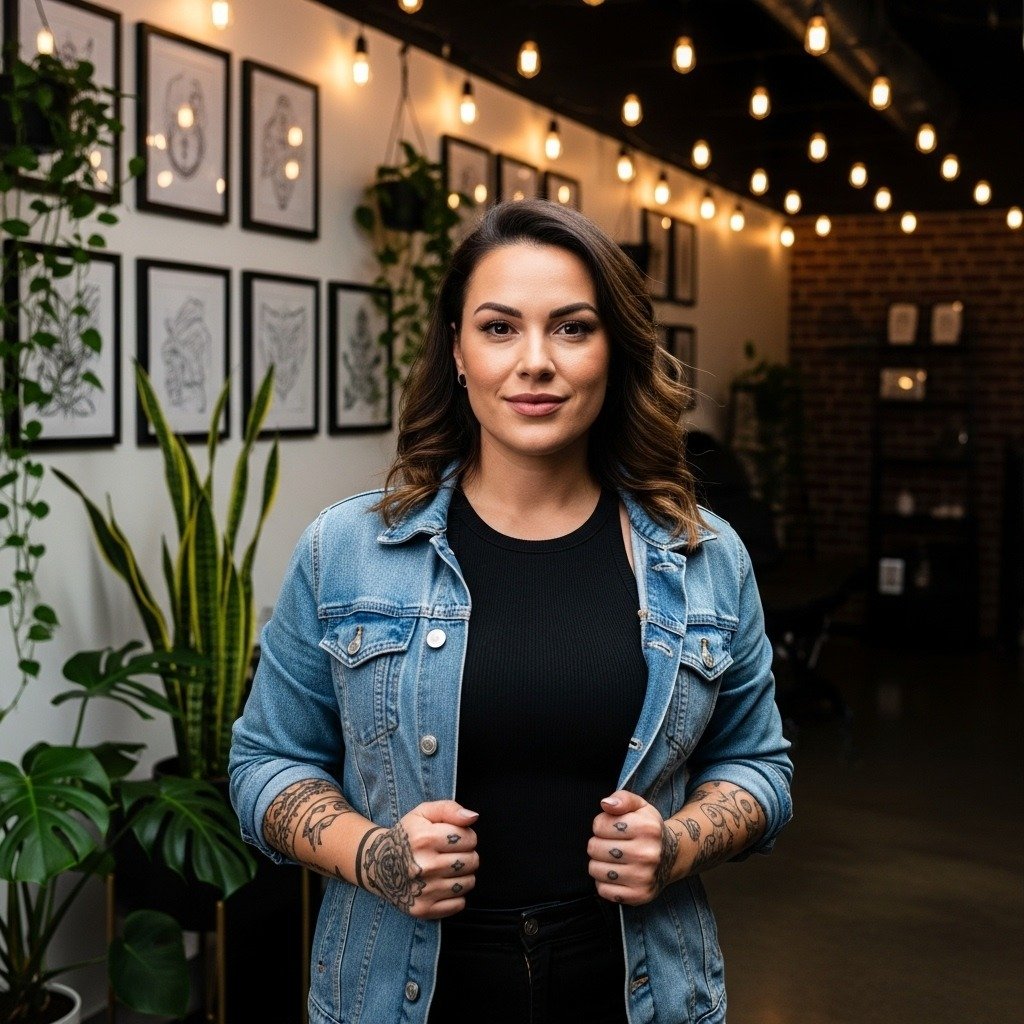
Micro-realism often outlives the thin single-needle pieces everyone pins to their boards. Small animal tattoos that read sharp at year three usually have slightly heavier linework and measured spacing, not the gossamer single-needle outlines that look great fresh. Read on for 13 compact designs that balance detail, placement, and wardrobe so the little pieces you choose now still read clean years from now.
1. Fine Line Minimalist Dog Profile
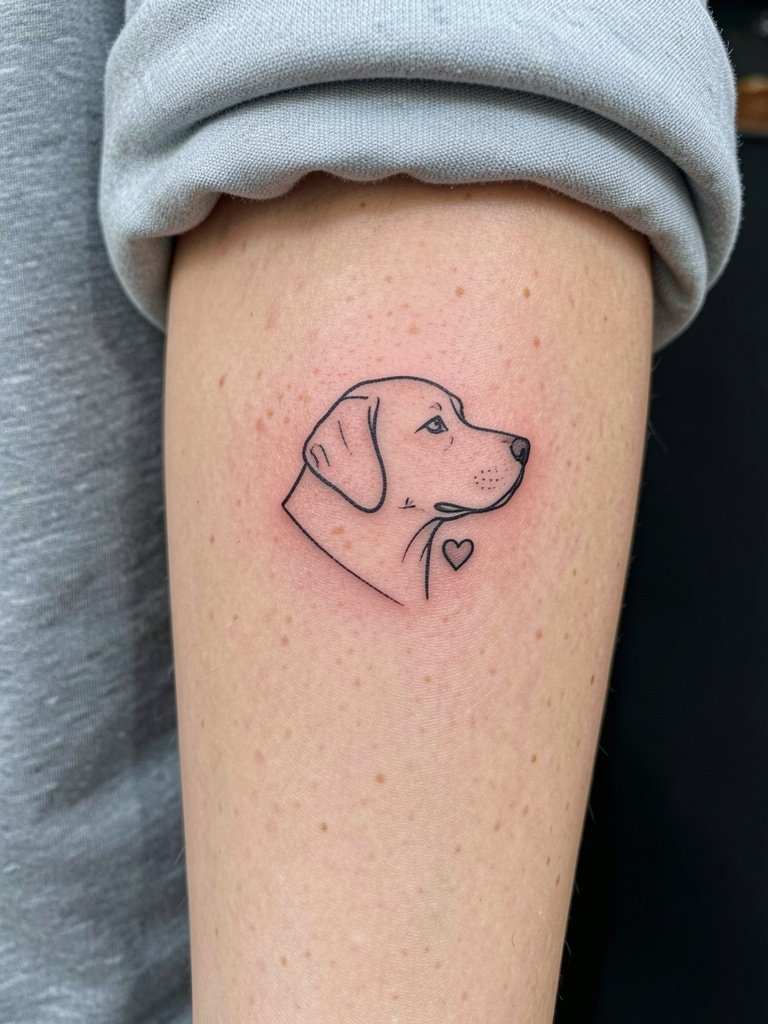
A thin dog profile on the inner forearm reads intimate and neat but needs slight adjustments to last. The most common mistake is asking for a single-needle outline the exact size from a photo; the wrist and inner forearm eat ultra-fine lines over time. One camp says fine line on forearms will blur within a couple of years because of friction and frequent movement. The other camp says a careful artist can make fine line hold if they use slightly heavier spacing and a touch more line weight, and they point to healed three-year examples. For the session, wear a linen button down you can roll up so the artist has clear access. Ask for a one-needle look but request the artist show how it reads at slightly larger scale before they ink.
2. Micro-Realism Cat Silhouette
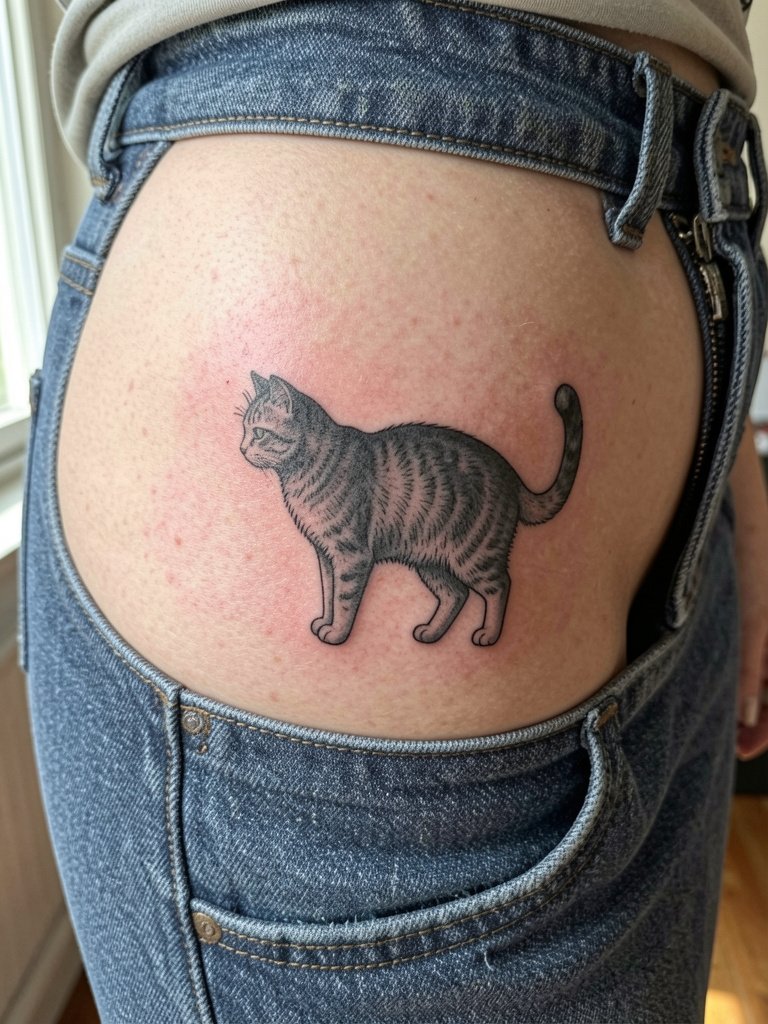
Micro-realism gives you lifelike texture in a pocket-size tattoo that still reads as detail when healed. A common error is asking the artist to shrink a full portrait down without adjusting contrast; the result is a gray blob after a year. This style benefits from slightly higher saturation in the darkest areas so the silhouette keeps structure as the skin settles. For showing it off, pair the hip piece with high-waisted straight-leg jeans and a cropped top so the design peeks when you move. In the consult, bring a healed reference of micro-realism on hip skin so the artist matches tonal range and scale.
3. Geometric Wolf Head on Shoulder
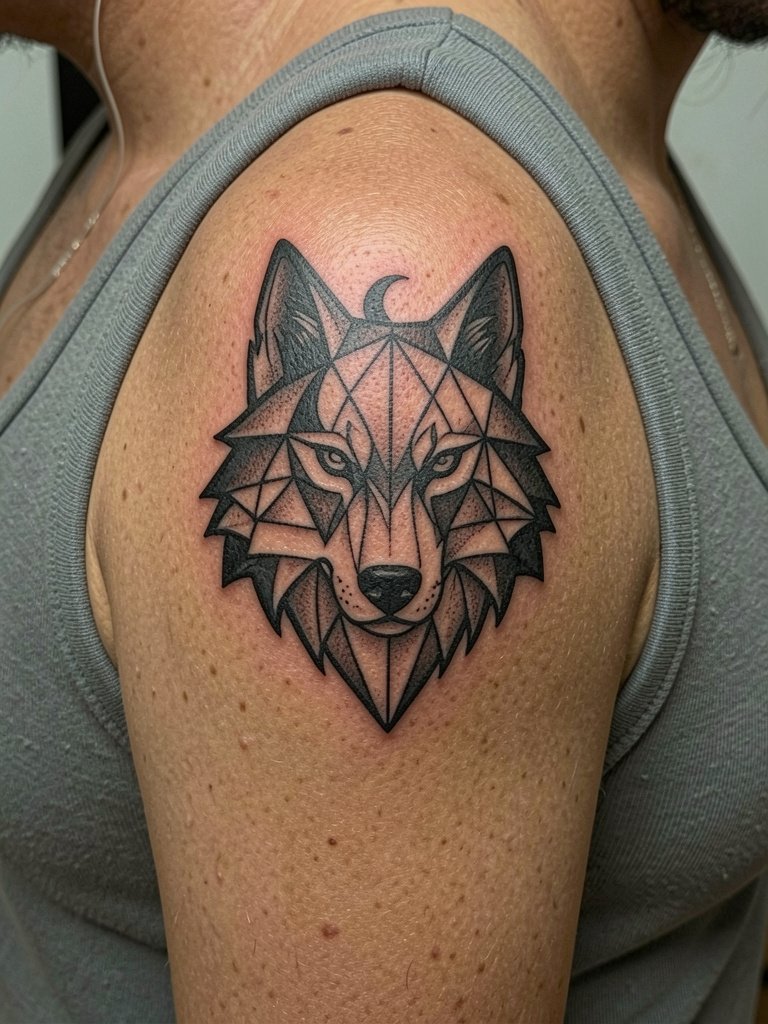
Geometric blackwork reads bold even at a small scale, which is why this wolf head is a smart pick for the shoulder. Artists and collectors often make the mistake of shrinking the negative spaces too much; the geometry needs breathing room. On the shoulder you feel short bursts of pressure, not the constant scraping that hurts fingers or ribs. To style it, throw on a solid tank top for evenings out or a vintage denim jacket left open to let the wolf read. During the consult, show how you want the moon element placed relative to the jawline so the composition sits right when your arm rests.
4. Watercolor Butterfly with Animal Accent, Collarbone
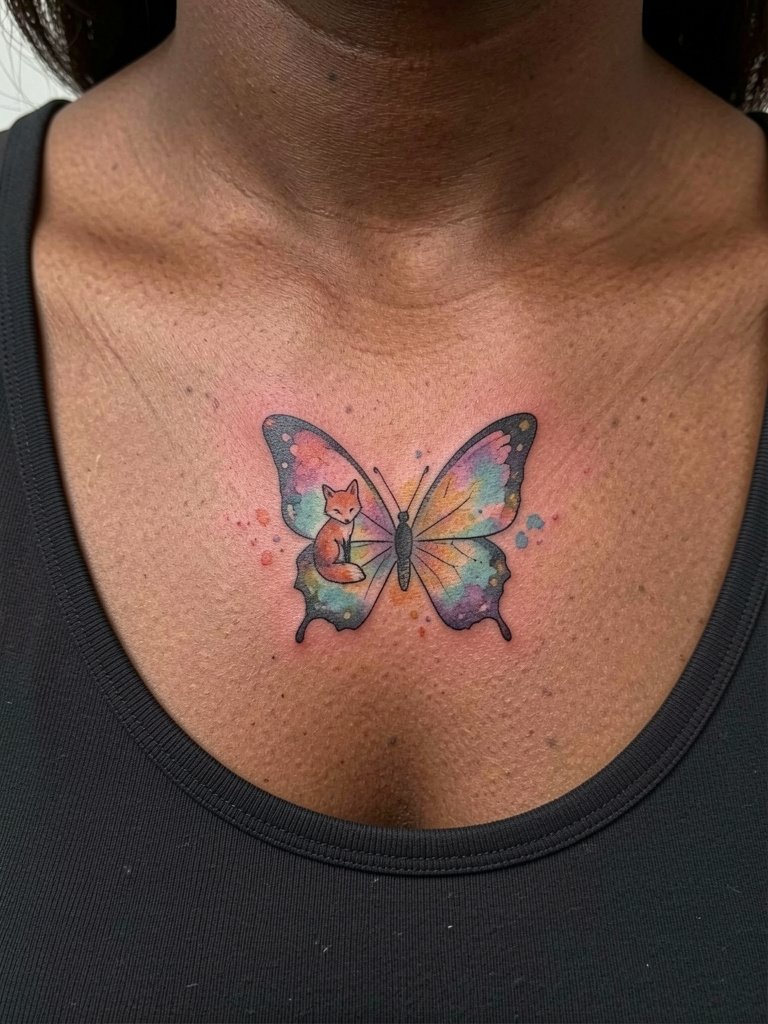
Watercolor effects look painterly fresh but can soften into a wash unless anchored with line. The usual mistake is asking for watercolor without any black anchor lines; add a tiny silhouette or thin outline so the shape survives photos and time. Collarbone sessions feel like repeated ticked pressure across bone, and healing in summer can be trickier. Show it off with strapless or off-shoulder tops and a dainty layered necklace set that sits above and below the tattoo. Ask the artist how they balance pigment saturation in colorful washes so the blues and purples remain visible on your skin tone.
5. Ignorant Style Owl, Back of Neck
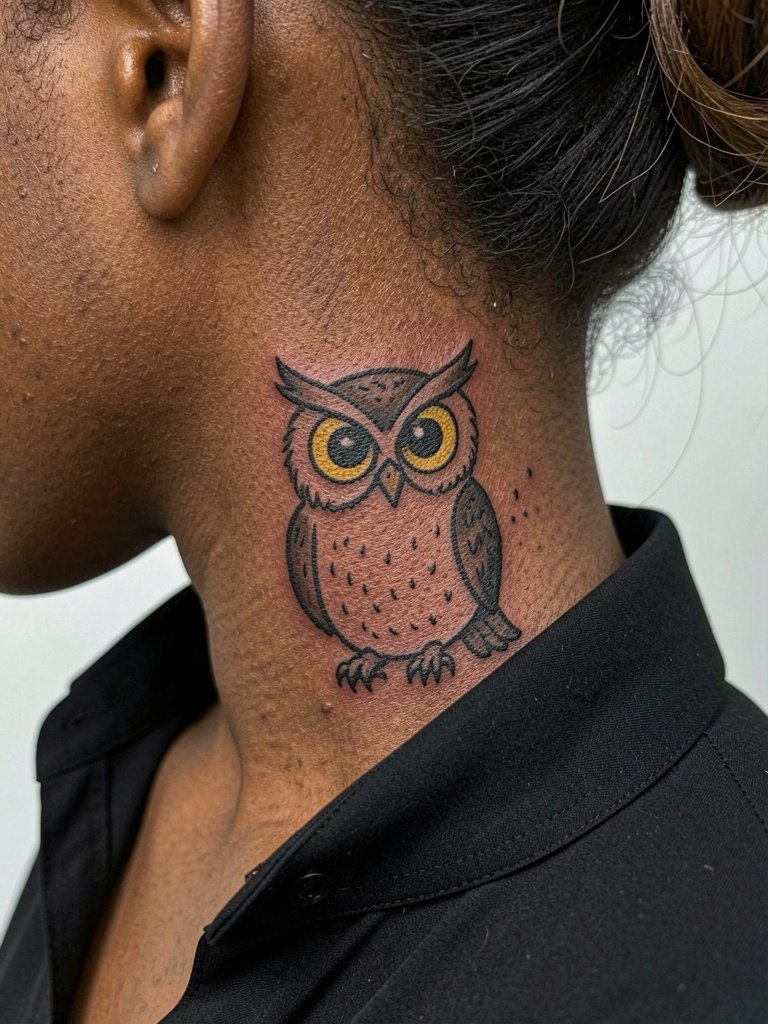
The ignorant style thrives on uneven charm, so ask for intentional wobble rather than accidental shaky lines. The back of the neck is low-friction compared with hands, but hair and collars can tug during healing, so keep hair up for the first week. This placement looks great with thin gold chokers and open collars; try a thin gold choker when you want it visible. A common mistake is asking for perfect symmetry; the naive look depends on slight imperfections done on purpose.
6. Ornamental Deer Head on Sternum
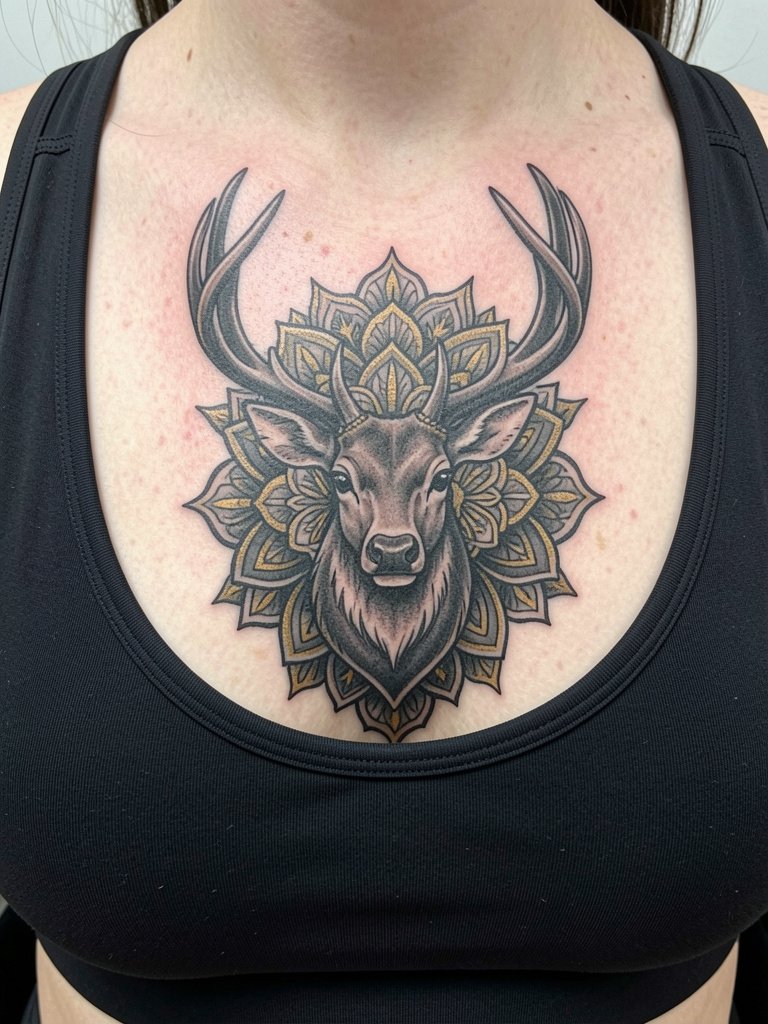
Sternum pieces read devotional and bold, but this area is polarizing for pain and preparation. One camp says numbing cream is a legitimate tool for sensitive chest work and eases first-timers through sternum sessions without affecting ink. The other camp calls numbing cream cheating, says it can make skin feel rubbery and risk uneven healing, and some artists refuse to use it. Expect a longer session time and a sore tight feeling across the chest for a few days. For show-off styling, low-cut camisoles and layered chains frame the ornament without covering it. Ask the artist how much spacing they need between the ornamental elements so the composition does not compress over time.
Heal Smart
The smaller forearm, wrist, and sternum pieces above need slightly different prep than larger thigh work, so a few focused items smooth the session and early healing.
-
Japanese Tattoo Balm Kinoko. A lighter balm option that can be gentler on sensitive skin during the dry-down phase, useful if Aquaphor felt heavy for you previously.
-
Inked Aftercare, alcohol-free balm. Non-greasy formula that helps blackwork stay saturated without leaving a visible film during early healing.
-
Tiger Balm Tattoo cream. Contains soothing botanical extracts and offers mild anti-inflammatory relief for tender chest or rib sessions.
-
Saniderm second-skin bandage sheets. Useful for the first 48–72 hours on areas like the wrist and inner forearm to protect fine line work from friction.
-
Hustle Butter deluxe balm. A commonly recommended balm that many people switch to after the initial open-ointment phase to keep color vivid during the peel and re-saturate dry spots.
7. Minimalist Paw Print, Inner Forearm
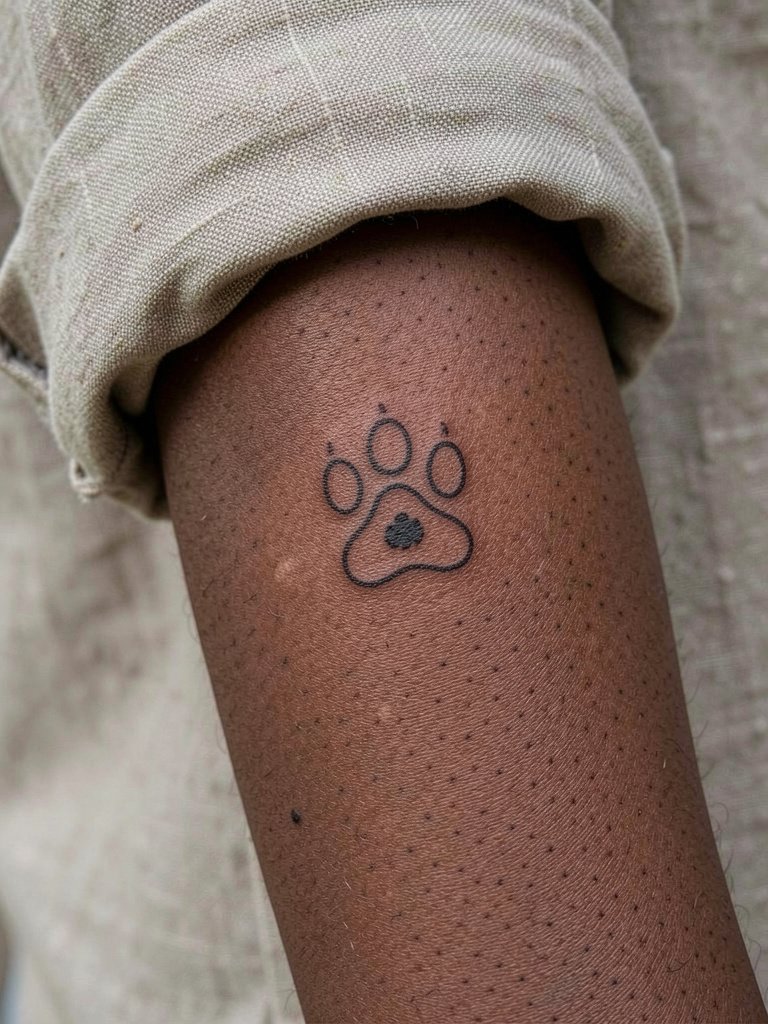
The paw print is universal, but make design choices that avoid early blur. A common error is asking for a wafer-thin outline at tiny scale. Instead, request a slightly heavier outline and a small, solid pad so it keeps shape when skin shifts. It pairs naturally with casual linen shirts and dainty gold bracelets. For evenings or photos try a dainty gold stacked bracelet set on the opposite wrist to balance the look. Expect low pain and a short session, but plan a touch-up at the two-year mark if you prefer very crisp edges.
8. Fine Line Fox Jumping, Inner Thigh
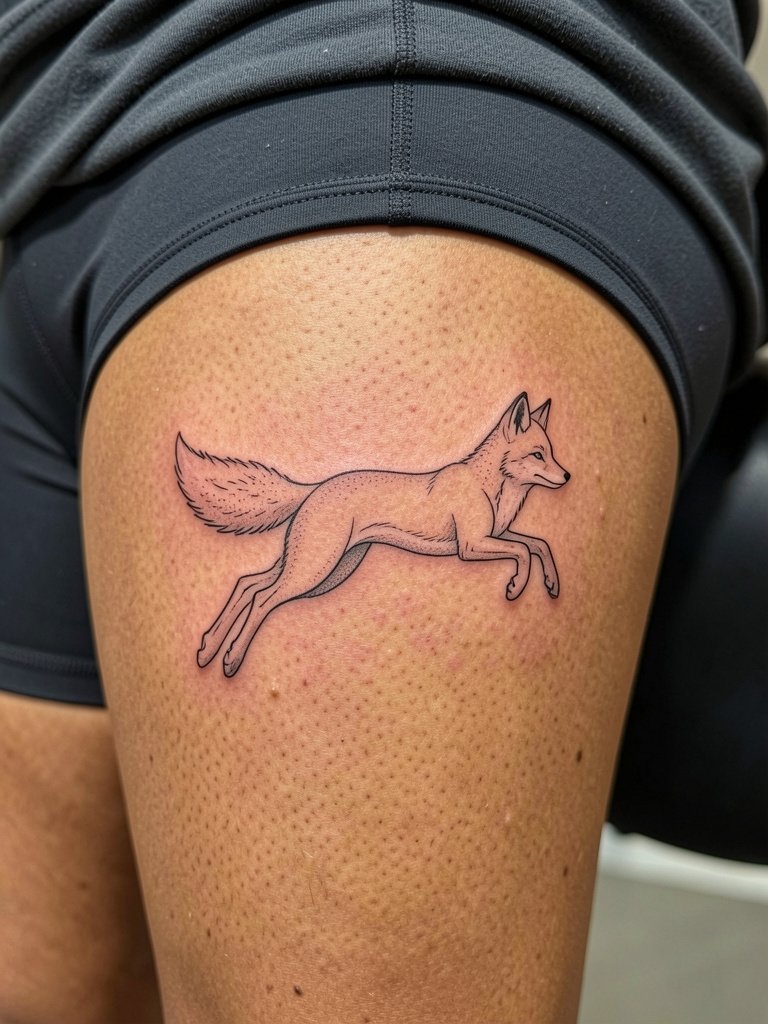
Inner-thigh placements hide well and age more gently than exposed joints, but friction from clothing can matter during healing. People sometimes want ultra-thin continuous lines exactly like a wrist sketch; the inner thigh tolerates fine lines better but still benefits from slightly denser line weight if you plan long-term clarity. For session wear, bring loose shorts or a skirt so the artist can access the area easily. A flowy skirt with a side slit is a flattering way to reveal the piece once healed. Tell the artist whether you prefer motion emphasized by stipple shading or pure contour so they scale the detail appropriately for the thigh canvas.
9. Blackwork Bird in Flight, Wrist
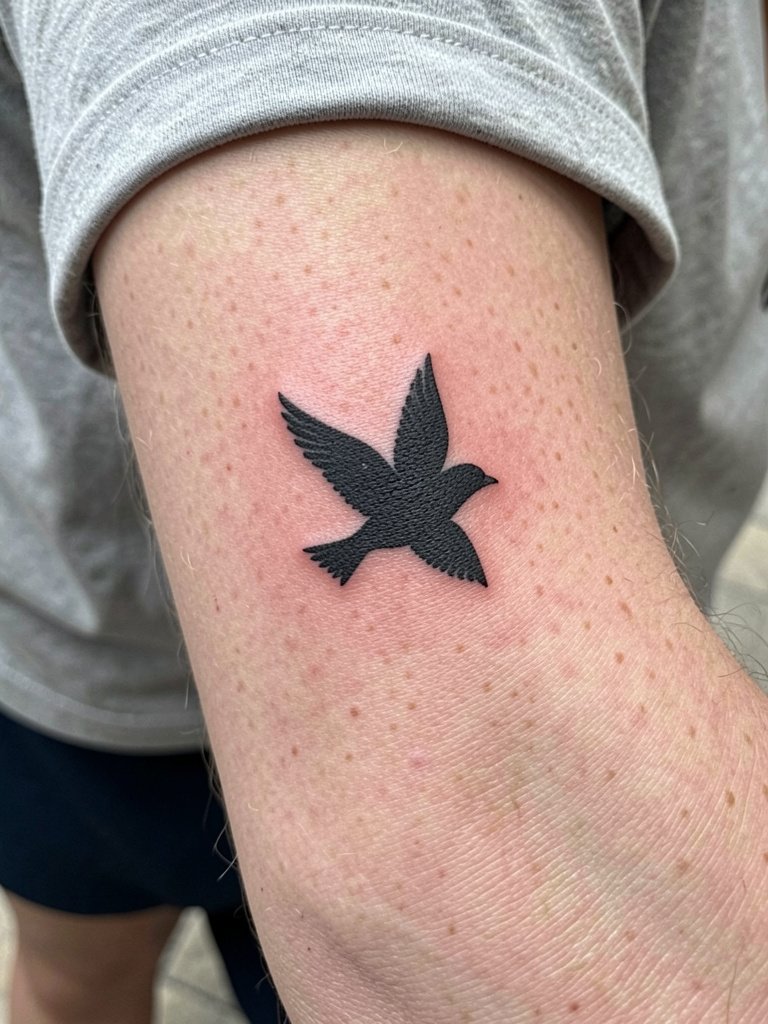
Solid blackwork is an excellent choice for the wrist where contrast matters and fine detail can fade. The typical mistake is cramming feather detail into a 1.5 cm piece; solid silhouettes hold up far better. On the wrist you will feel light rasping and some tenderness for a few days, and frequent washing will be unavoidable, so ask the artist to leave a hair of extra saturation in the darkest fills. Style it with a minimalist watch on the opposite wrist or thin chain bracelets to set the design off. Expect a touch-up around year two if you wear bracelets that rub the area daily.
10. Neo-Traditional Rabbit with Roses, Upper Thigh
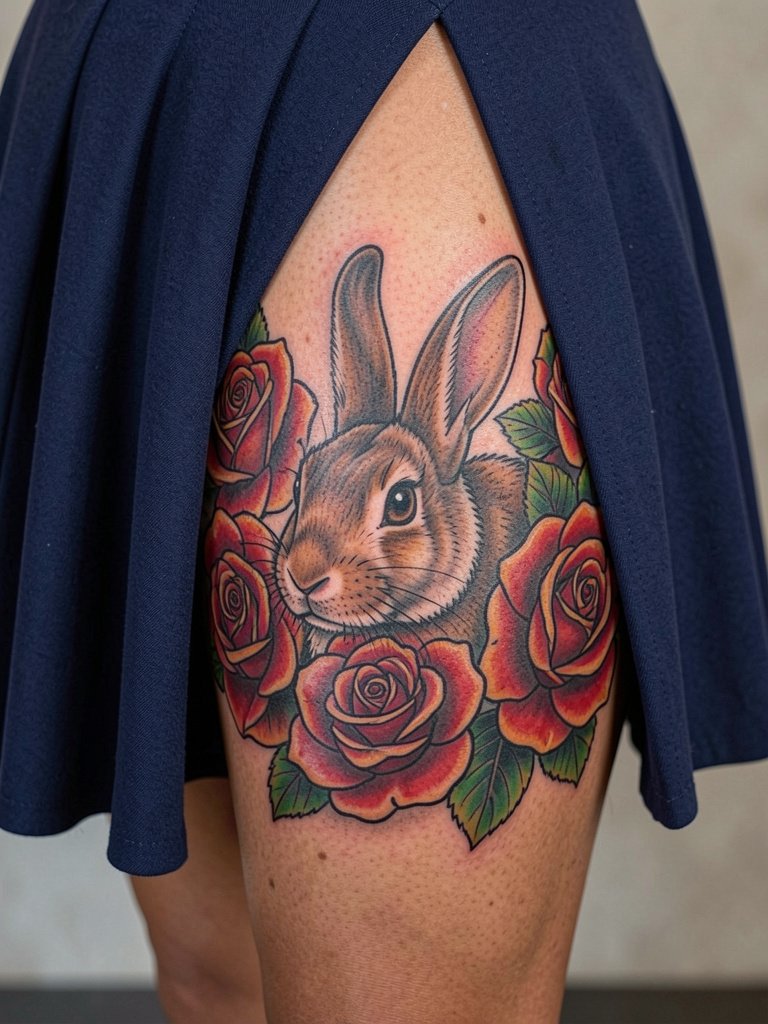
Neo-traditional pieces age well because strong outlines and saturated fills resist blurring. A common misstep is trying to compress too many roses or tiny text into a small upper-thigh canvas. The thigh gives you room for bold blocks of color and a single-session completion. For show-off looks, pair with a high-waisted A-line skirt in a deep tone and vintage-style tops; a high waist a line skirt frames the piece on warm nights. If you plan weight fluctuations, ask the artist about how the design can be bolder on its outlines to accommodate future stretching.
11. Micro-Realism Snake Coiled, Finger Side
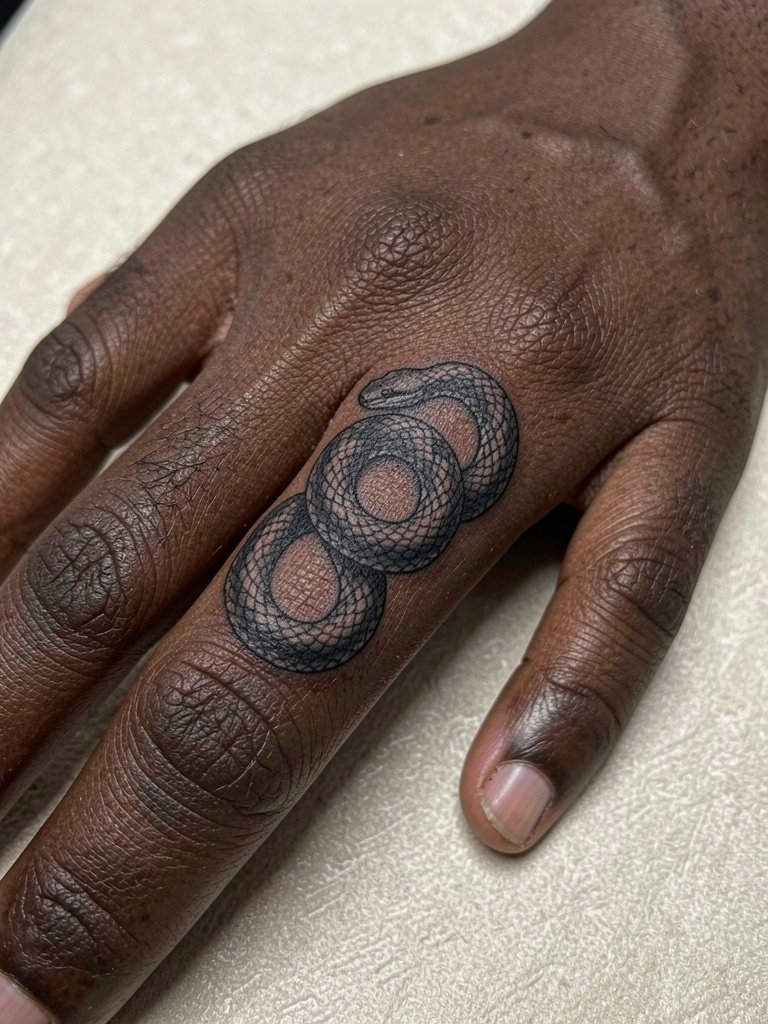
Finger tattoos are notorious for early blur because skin there regenerates faster and faces constant friction. One camp of people says single-needle and micro-detail vanish quickly on fingers. Another camp argues micro-realism with modest line weight and targeted saturation can read well for several years if placed on the finger side where movement is less extreme. A common user mistake is putting the piece on the top of the finger rather than the side. For a completed look, pair adjacent fingers with thin gold rings but avoid rings on the tattoo finger during the healing week. Expect a higher likelihood of touch-up, commonly within 12–24 months.
12. Fine Line Turtle with Ocean Waves, Ankle
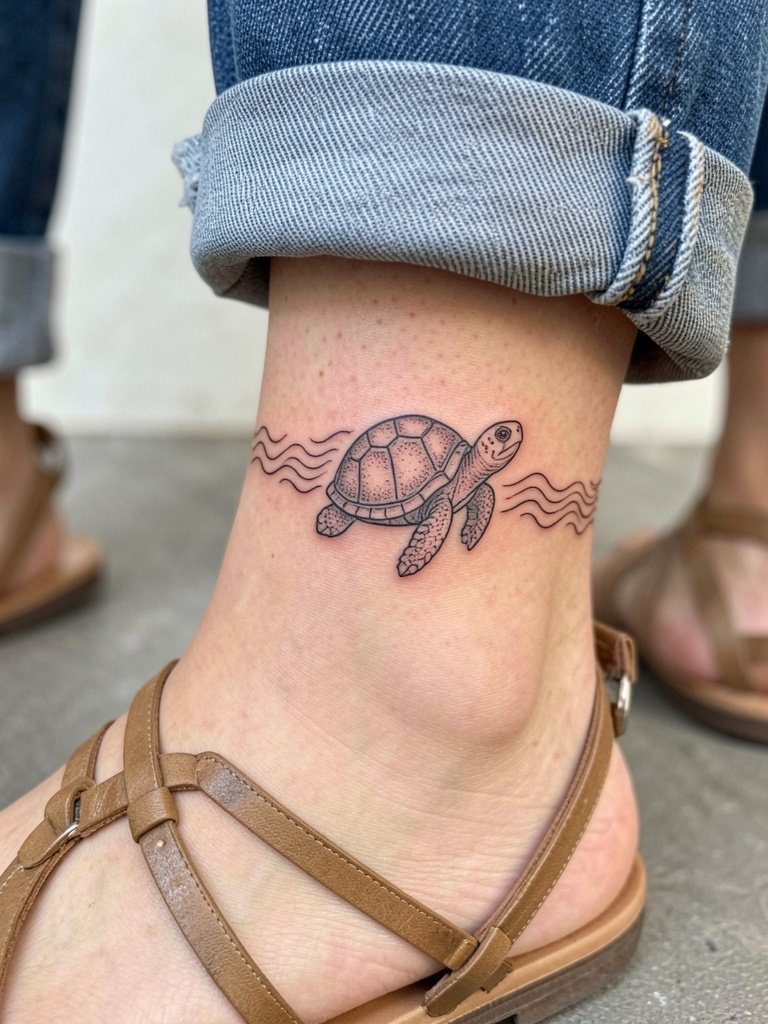
Ankle tattoos are visible and photograph well but can rub against socks and shoes during healing. The usual mistake is requesting ultra-thin single-needle waves that lose definition after a season of sandals and socks. Keep linework slightly bolder than you think and plan light footwear for the first week. Styling with strappy sandals and flowy skirts highlights the turtle motif. The session feels like a short, sharp buzzing along bone and thin skin, and you should expect to moisturize carefully for the first ten days.
13. Ignorant Style Bear Grin, Side Neck
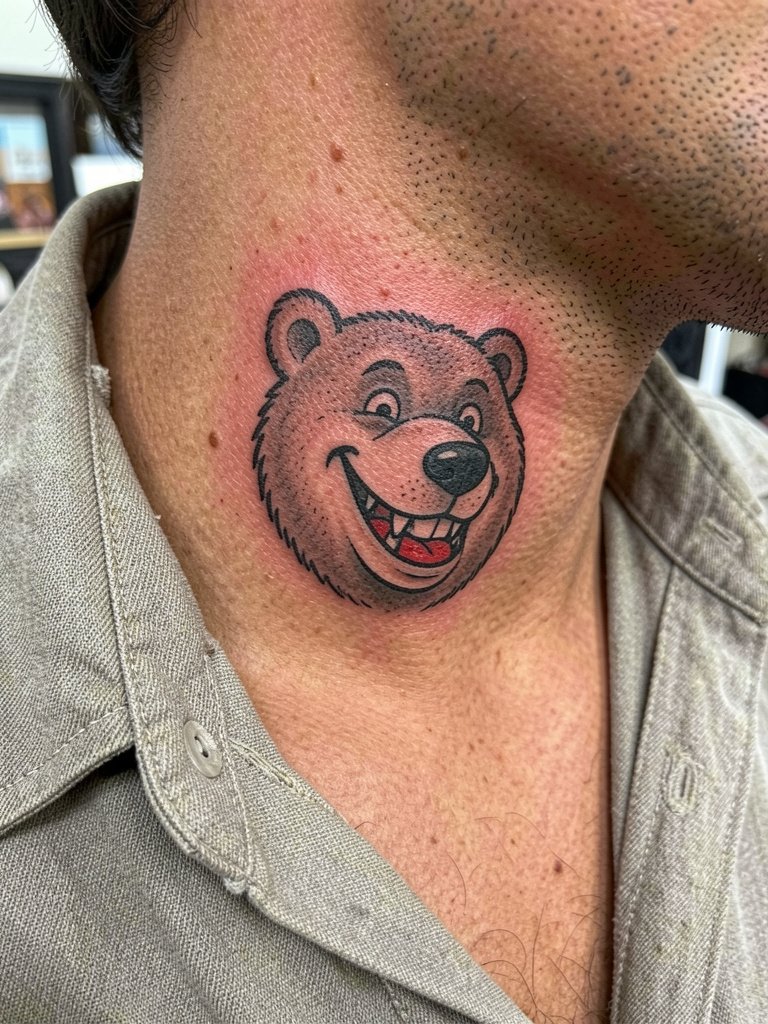
Neck pieces are bold by nature and require an artist experienced with sensitive skin in that area. A frequent mistake is asking for too many tiny teeth or complex shading in a compact ignorant-style face. This placement reads well with clear, confident outlines and a small accent color like red in the mouth. For styling, open-collar shirts in neutral tones make the grin peek out without competing; try an open collar shirt to frame the area. Expect tenderness during healing and plan to sleep with a clean pillowcase the first few nights.
Frequently Asked Questions
Q: Will a fine line dog on my forearm blur faster than a small blackwork silhouette?
A: Fine line on high-movement areas tends to soften faster because skin stretches and sees constant contact. A blackwork silhouette or slightly heavier line weight will usually hold edge longer on forearms, so consider asking the artist to show both scales on skin before inking.
Q: How often do small pieces need touch-ups, realistically?
A: Small tattoos vary by placement, but plan for a possible touch-up in one to three years for wrist, finger, and thin fine-line work. Pieces done with bolder outlines and solid fills often go longer without a touch-up.
Q: Where can I find healed examples and local artists without searching handles directly?
A: Search hashtags like #smallanimaltattoo and #microrealismtattoo on Instagram and TikTok and filter by location. Tattoodo and the Inked App let you search by keywords such as "geometric wolf" or "ignorant style owl" and surface portfolios with healed shots. Reddit threads in r/tattoos and r/tattooadvice are also useful for peer recommendations and photos on different skin tones.
Q: What should I wear to a sternum or collarbone session so the artist has access?
A: Choose a fitted sports bra or strapless top for sternum work and a scoop or wide V-neck shirt for collarbone pieces so the artist can reach the area without you disrobing. A simple option is a strapless top or bandeau you can keep on while giving access.
Q: Does skin tone change how color choices look for small animal tattoos?
A: Yes, pigment contrast and color selection read differently across skin tones. Darker skin often shows crisp high-contrast blackwork and saturated color best, while subtle pastels can vanish. Bring healed examples on similar skin to your consult so the artist can adapt saturation and contrast for long-term visibility.