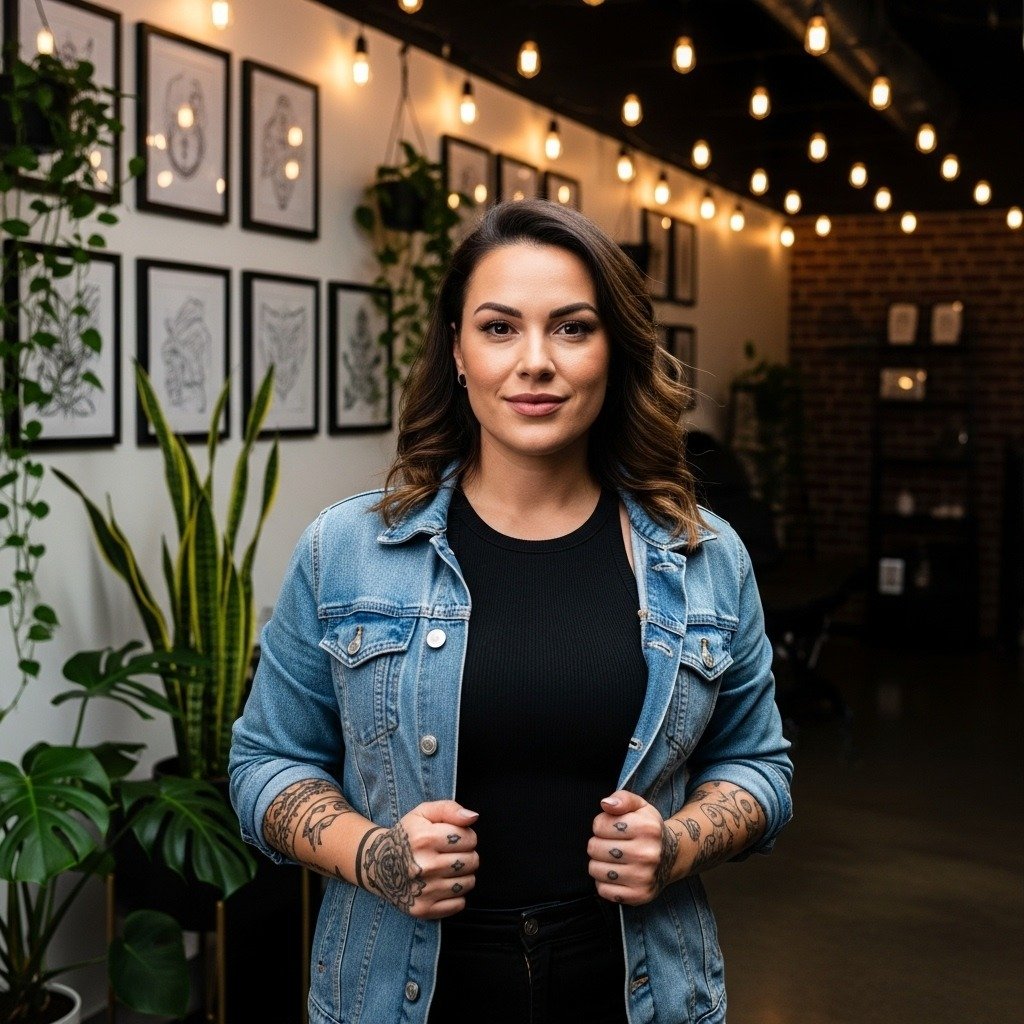
Fine-line zodiac work often outlives the watercolor reels everyone pins. I say that because I have watched tiny washes fade into outlines while single-needle constellations kept shape for years. If you want zodiac tattoos for women that read clean at six months and three years, plan for line weight, placement, and realistic session prep before the stencil hits skin.
1. Fine Line Constellation Behind the Ear
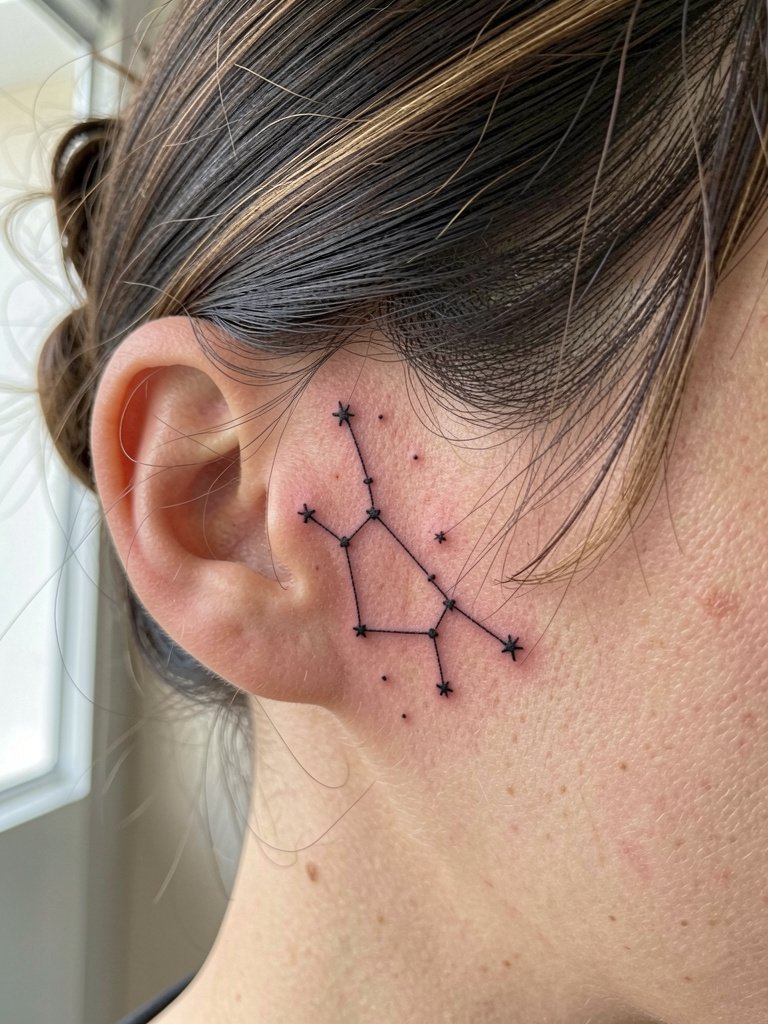
This is the quintessential tiny zodiac tattoo for women who want extreme discretion. Expect a single-needle session of 20 to 40 minutes and a high chance of crisp healed linework if the artist uses a steady single-needle approach and leaves enough spacing between star dots. A common mistake is asking for stars that are too close together, which makes the constellation blur into a smudge by year two on this low-surface area. For showing it off, pull your hair into a bun and pair with a delicate ear cuff set. Behind-ear work is low on surface friction but high on touch sensitivity, so plan for a short session and an easy touch-up window if needed.
2. Minimalist Glyph with Mandala on the Collarbone
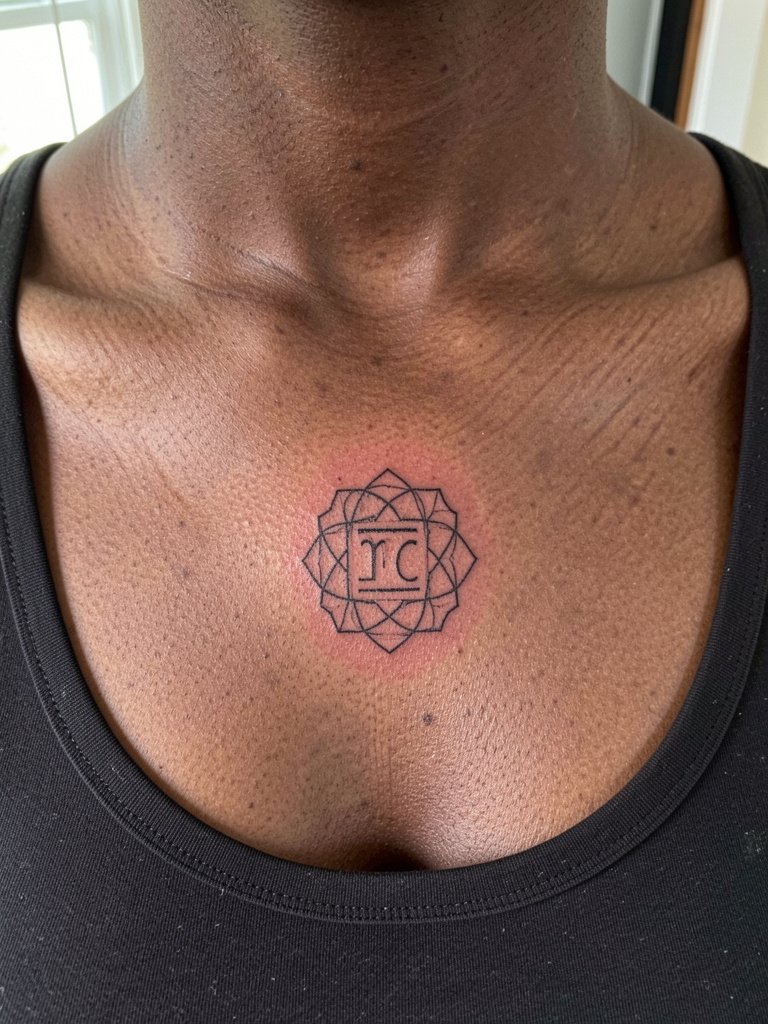
A collarbone mandala-glyph reads like jewelry when scaled right. Session time is typically 45 to 90 minutes depending on mandala complexity. The collarbone area can be more painful than the wrist because bone sits close to the surface. People sometimes request minuscule mandalas and then complain that the inner detail fogged; I recommend slightly thicker linework in the inner rings so the mandala keeps its geometry at the two-year mark. For outfits that frame this piece, try a scoop neck top which shows the clavicle without competing with layered necklaces.
3. Botanical Zodiac on the Inner Forearm
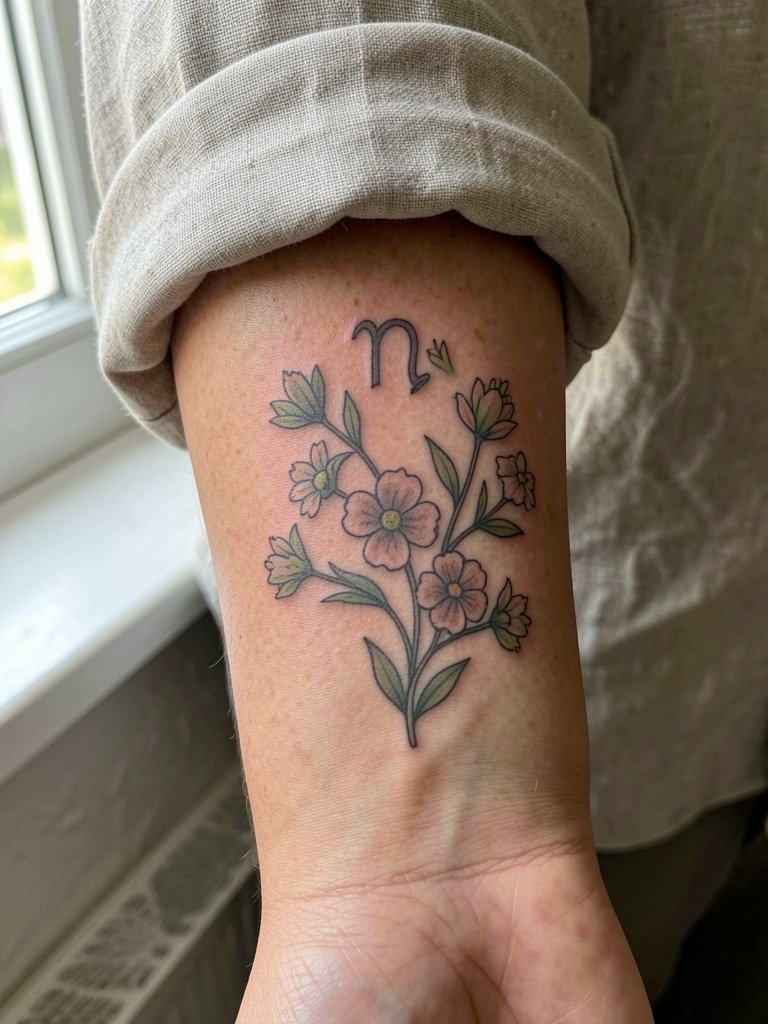
This placement is ideal for a botanical glyph because the forearm gives room for the flower to breathe. Expect a one- to two-hour session with dot work stippling and soft grey washes to support color. A common aging issue is placing thin leaves too close to fine glyph lines; I advise slightly separating floral shading from the glyph so the symbol remains legible after touch-up cycles. For session comfort and afterwards, wear a linen button down so the artist can roll the sleeve up without pressure on the cuff. Forearm pieces photograph well across skin tones when contrast is planned into the palette.
4. Bold Animal Head on the Shoulder
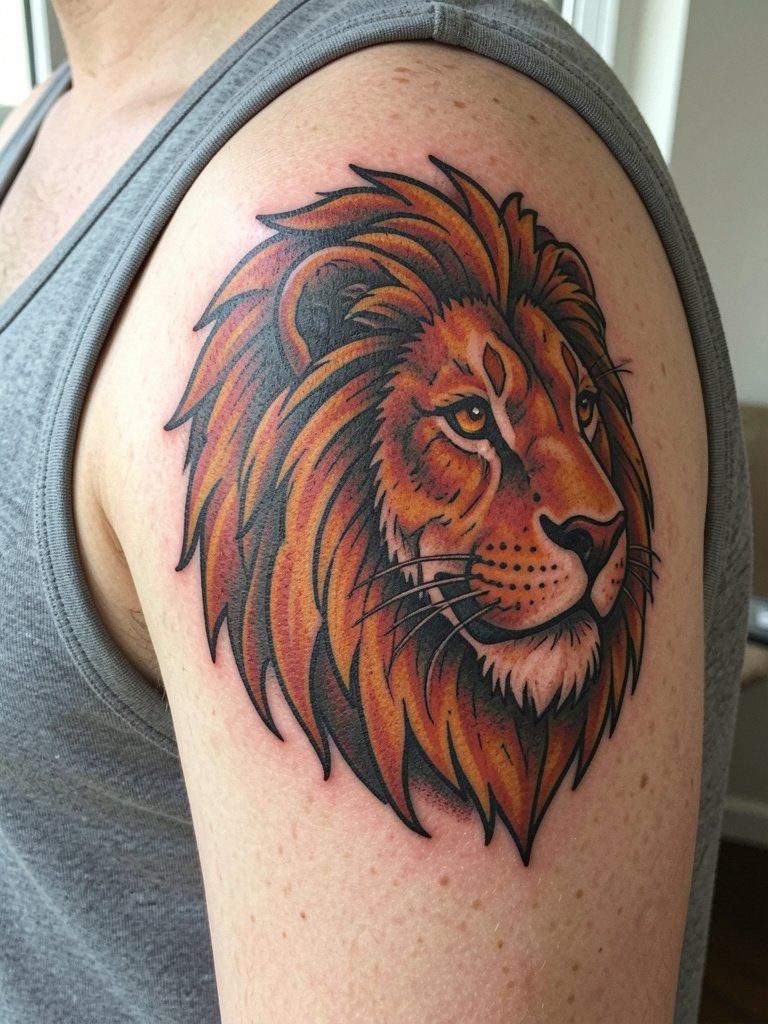
Artists split on whether a glyph or animal head best serves fire signs. One camp says the animal head commands attention and reads as strength when viewed across a room. The other camp prefers the glyph for its elegant restraint and argues it avoids cartoonish risk while fitting daily wear. If you choose the animal head, expect a two-session job for saturation and smooth shading, and plan to tip 15 to 25 percent on session day as standard. For showing a shoulder piece off, go with a solid color tank top so the bold silhouette reads clearly against the fabric.
5. Water Sign Flow on the Ribcage
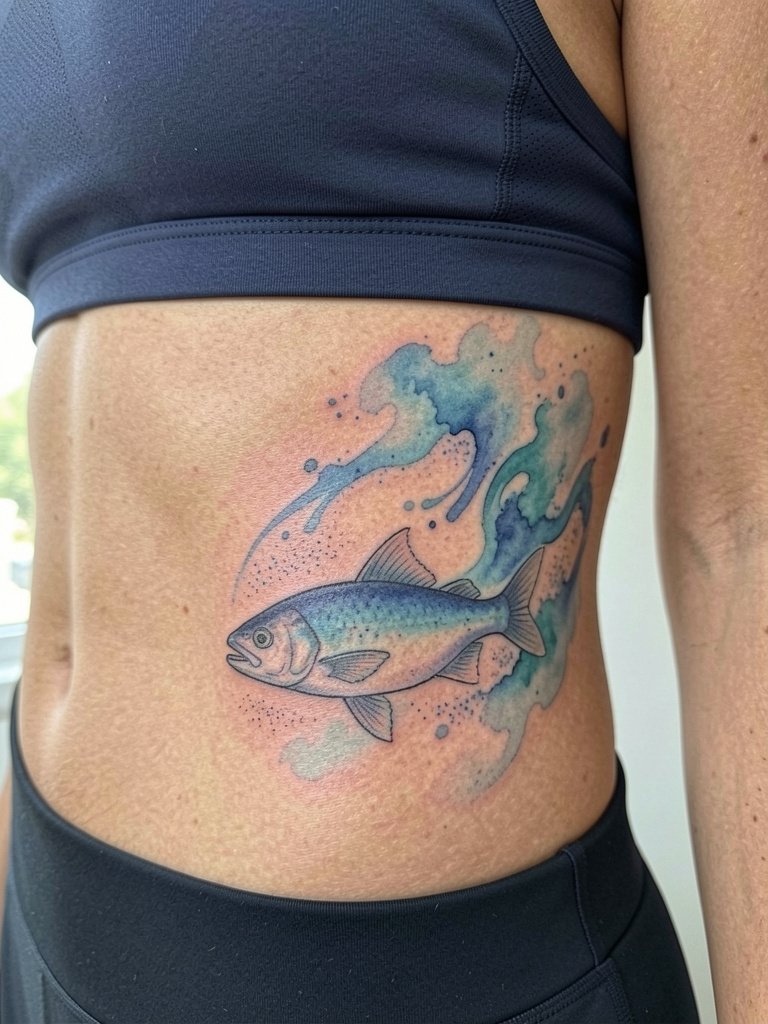
The ribcage raises the classic fine-line longevity controversy. One group of artists says fine line on ribs blurs within two years because that skin shifts and compresses under bras and movement. The other group says fine line can settle well on ribs if the artist uses slightly wider spacing and controlled needle depth and will point to healed three-year examples. If you love watercolor washes, accept that color will fade faster on the ribs than black line, and plan on color touch-ups at two to three years. For appointment-day comfort wear a two-piece or a fitted cropped top so the artist can access the side without you needing to undress.
6. Earth Sign Sacred Geometry on the Thigh
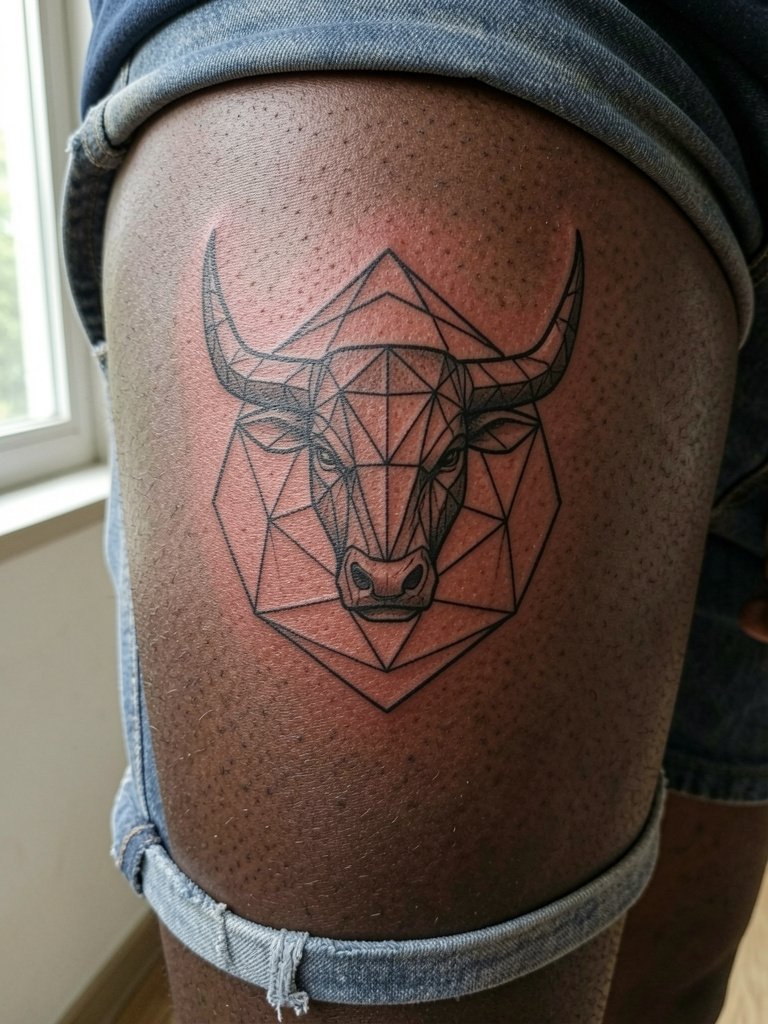
Sacred geometry needs breathing room, which the upper thigh provides. Sessions usually run 60 to 120 minutes depending on pattern complexity. The main mistake is shrinking the geometry too small so the angles blur within a year. If you enjoy skirts and shorts, this placement pairs well with above-knee shorts that reveal the design seasonally. Thigh skin takes saturation well, so blackwork and crisp geometry hold longer than faint grey washes.
Pre-Session Essentials
The head-to-hip placements above have different session needs, so a few focused items smooth the appointment and the first week of healing.
-
Titanium tattoo ink (black) search. Titanium formulas maintain dense black saturation for tiny star points and fine glyph dots, which helps constellations and small glyphs hold definition longer.
-
Jellyfish white touch-up ink search. A thin white highlight can boost contrast on medium to dark skin without heavy opaque white that clogs single-needle work.
-
Eucalyptus aftercare oil search. Lightweight oils soothe ribcage and side torso tattoos without leaving a greasy film that can trap heat.
-
Mad Rabbit tattoo serum search. Formulated to help color retention on watercolor accents and faster-healing outlines.
-
Saniderm second skin search. Useful for protecting fresh small pieces from friction, but monitor for heat in summer and remove per product timing guidance.
7. Air Sign Symmetry on the Wrist
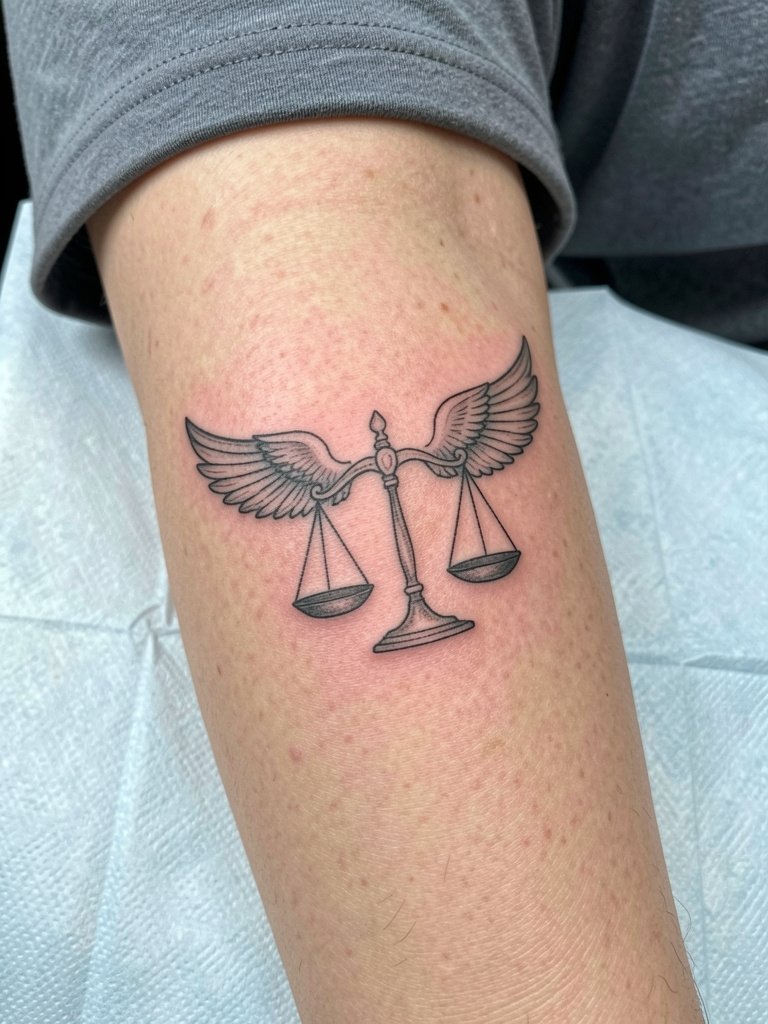
The wrist is a top spot for air signs because symmetry reads naturally on the radial bone. Pain is higher here than on the forearm because of thin skin over bone. A typical session is 30 to 60 minutes for a small symmetrical motif. Avoid ultra-fine unspaced wing details or they may bleed into one another with hand motion. For showing the wrist piece, add a thin chain bracelet set on the opposite wrist to balance jewelry without crowding the tattoo.
8. Tiny Glyph Behind the Ear (Micro)
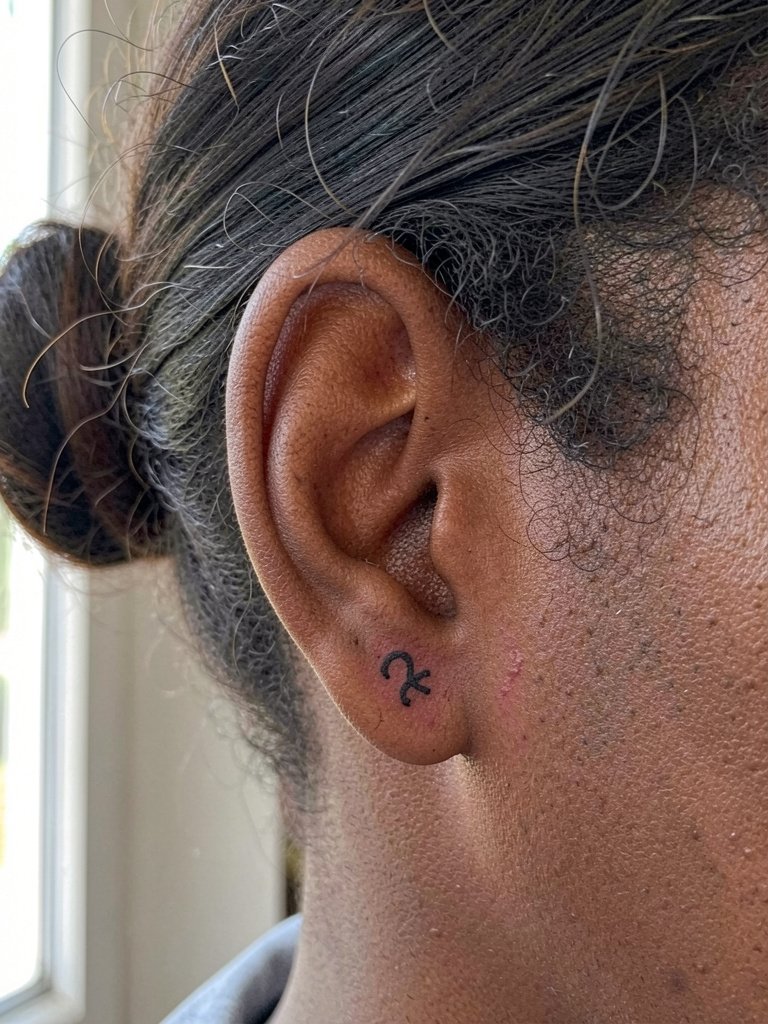
Micro glyphs are the most discreet zodiac tattoos for women. Because the piece is so small, the risk is that single-needle dots can merge if placed too close. I advise asking for a slightly heavier single-needle weight than the faintest example you saved so the glyph reads in photos and under indoor light. Session time is usually under 30 minutes. For photographers, pulling hair into a clip highlights the spot, and pairing with a hair up clip makes reveal shots simple.
9. Fire Sign Ram Horns on the Inner Forearm
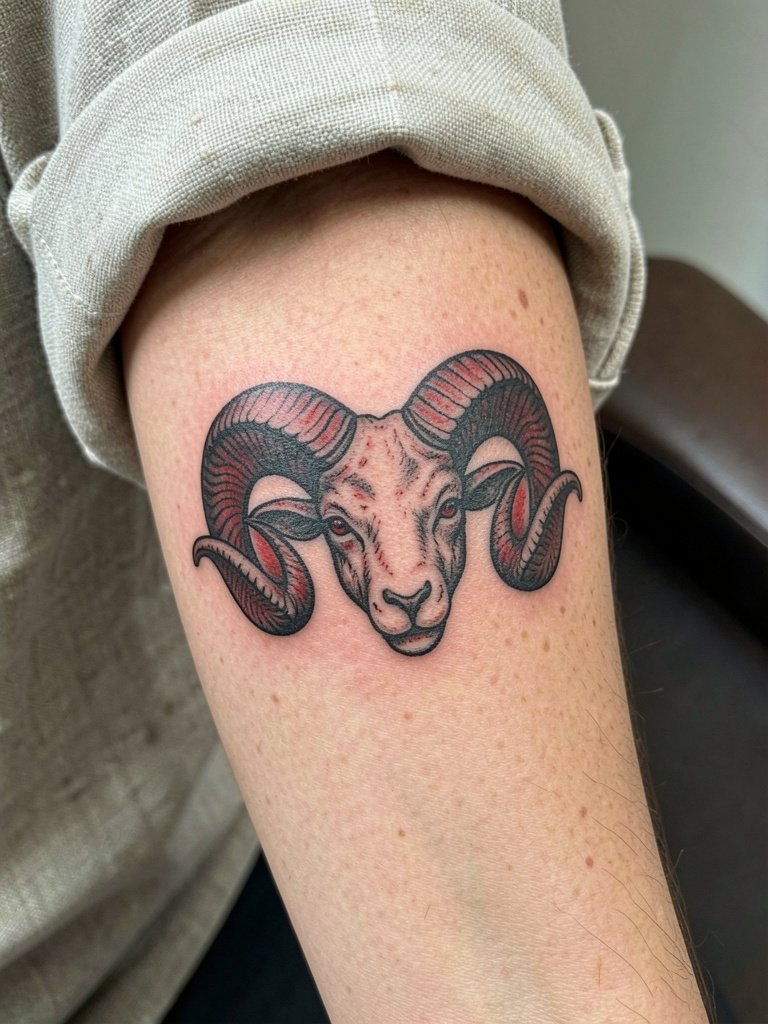
A ram-horn design benefits from the forearm length to show curvature. Bold line work resists the blurring that fine detail suffers from in high-motion spots. Inner forearm sessions can be slightly more painful than the outer forearm because of thinner subcutaneous tissue, but most clients tolerate a one-session build for a medium-sized piece. To style this confidently, roll a linen sleeve and wear a rolled cuff linen shirt so the design sits cleanly against neutral fabrics.
10. Constellation Down the Spine
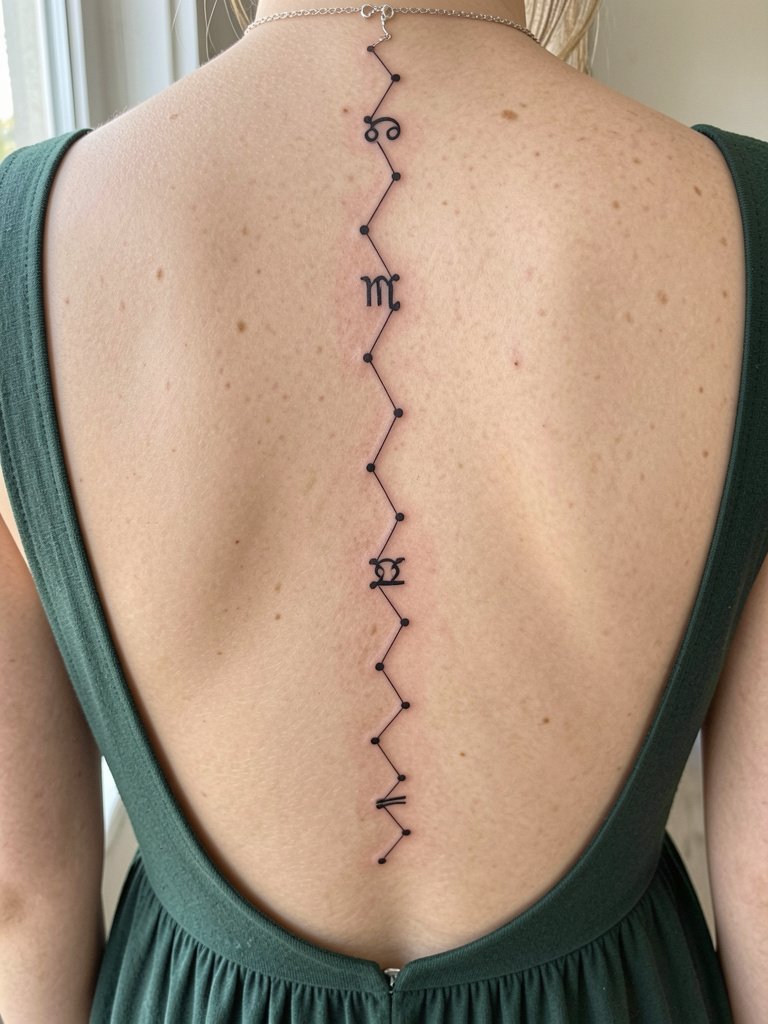
Spine constellations read as a single vertical composition and photograph beautifully with backless garments. The pain is moderate to high depending on exactly where the vertebrae sit, and sessions often run 60 to 120 minutes for longer runs. Common mistakes include cramming star clusters too close together which compromises long-term legibility. For evenings out, pair the piece with a backless dress that reveals the vertical line and complements the clean black dots.
11. Ornamental Zodiac on the Shoulder Blade
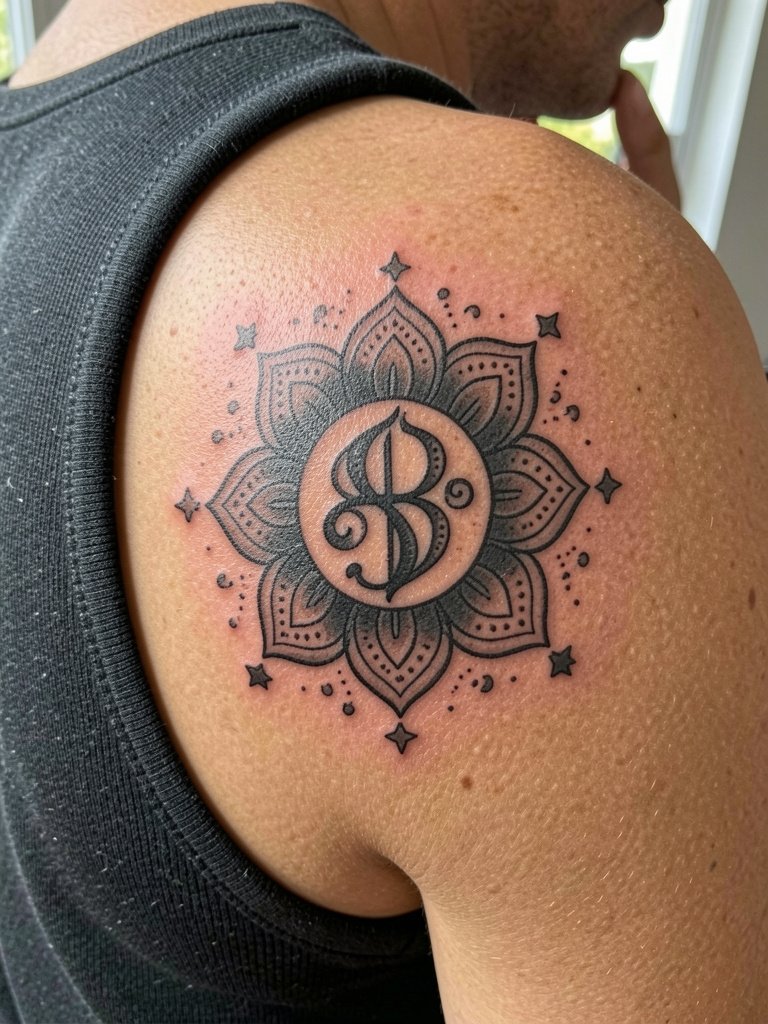
Shoulder blade placements let ornament breathe and age well because skin here shifts less than ribs. Sessions are typically one to two hours. A frequent mistake is over-detailing in tight spaces so the mandala loses definition after a year. For display, sleeveless or tank tops in solid colors create a clean backdrop, and a sleeveless tank top keeps the focus on the ornament without competing textures.
12. Minimalist Ankle Constellation
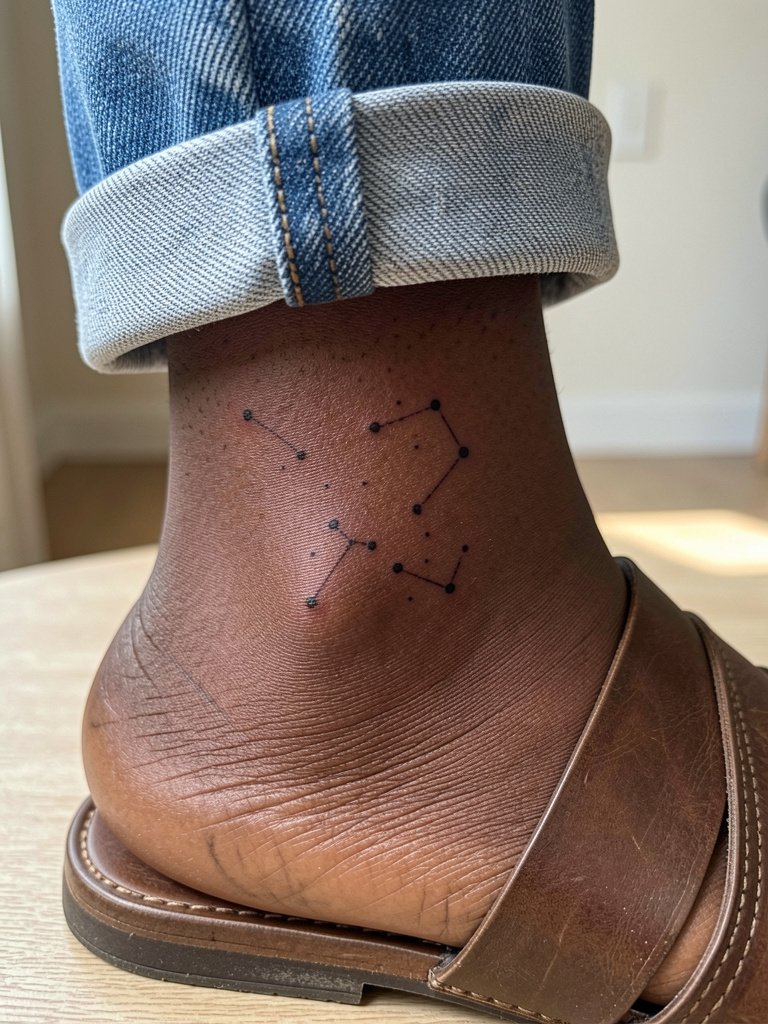
Ankle constellations are perfect for discrete, feminine placements that still photograph well in summer. This area endures heavy friction from socks and shoe straps, so dot spacing should be slightly larger than your reference to avoid early softening. Expect a 30 to 60 minute session and consider sandals to show the piece off. Summer styling pairs nicely with open-toe sandals that keep the ankle visible.
13. Horizontal Glyph on the Collarbone
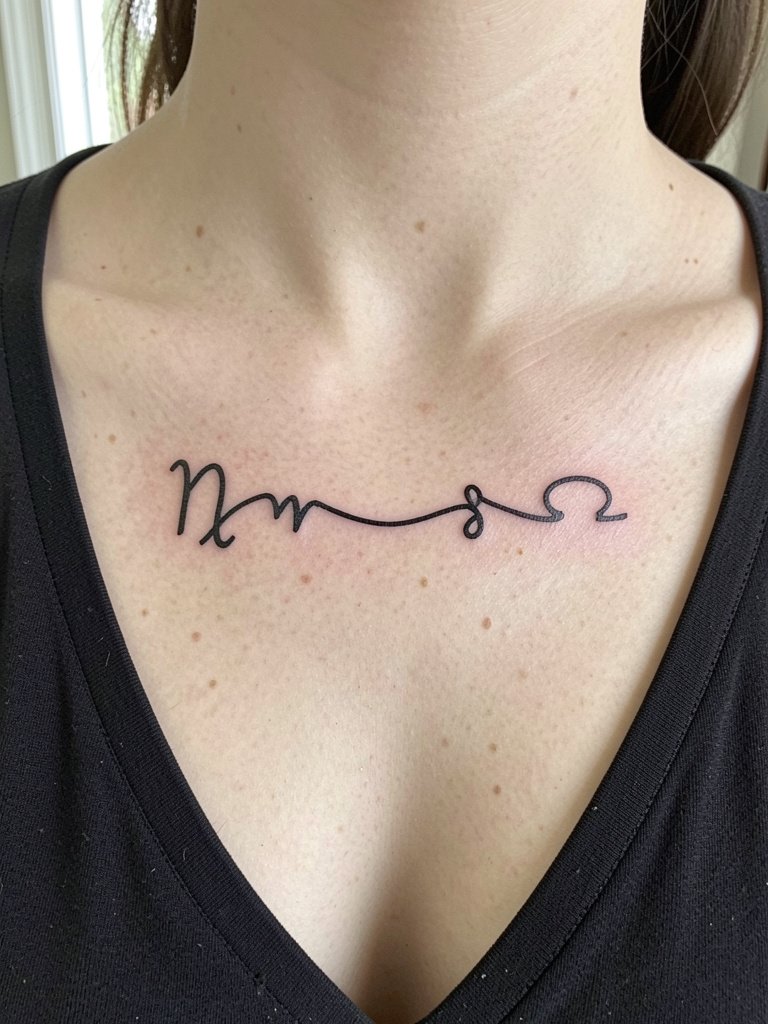
A horizontal collarbone glyph is highly visible daily and ages differently than inner-forearm work because of sun exposure. For longevity, increase the line weight slightly above the faintest example you like so it survives two-plus years. Session time is usually under an hour. Layered thin chains above the glyph add a complementary frame, and a layered thin chain necklace hits that aesthetic without covering the ink.
14. Watercolor Pisces Fish on the Ribcage
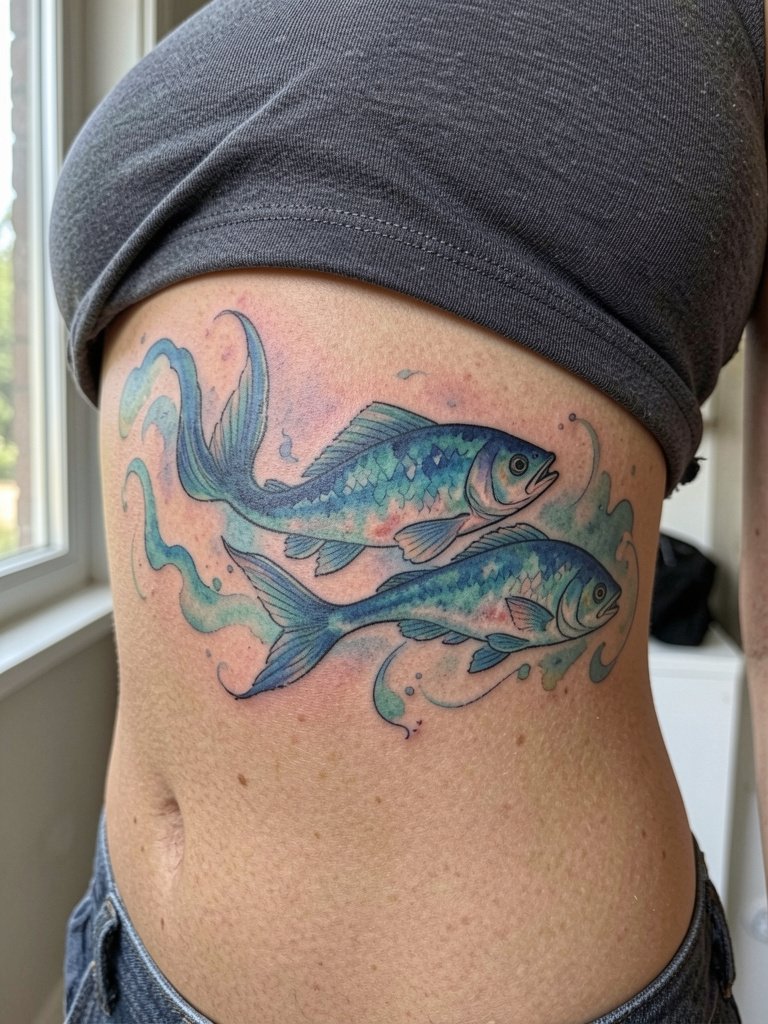
Watercolor on the ribs is beautiful but controversial. One camp argues watercolor washes suit water signs because the pigment movement echoes a fluid personality. The opposing camp counters that watercolor fades unevenly and loses definition faster than black ink, making dot-and-line constellations more reliable. If you go watercolor here, accept likely color touch-ups at two to three years and plan session timing for cooler months so heat does not trap under dressings during initial healing.
15. Bold Shoulder Bull Statement
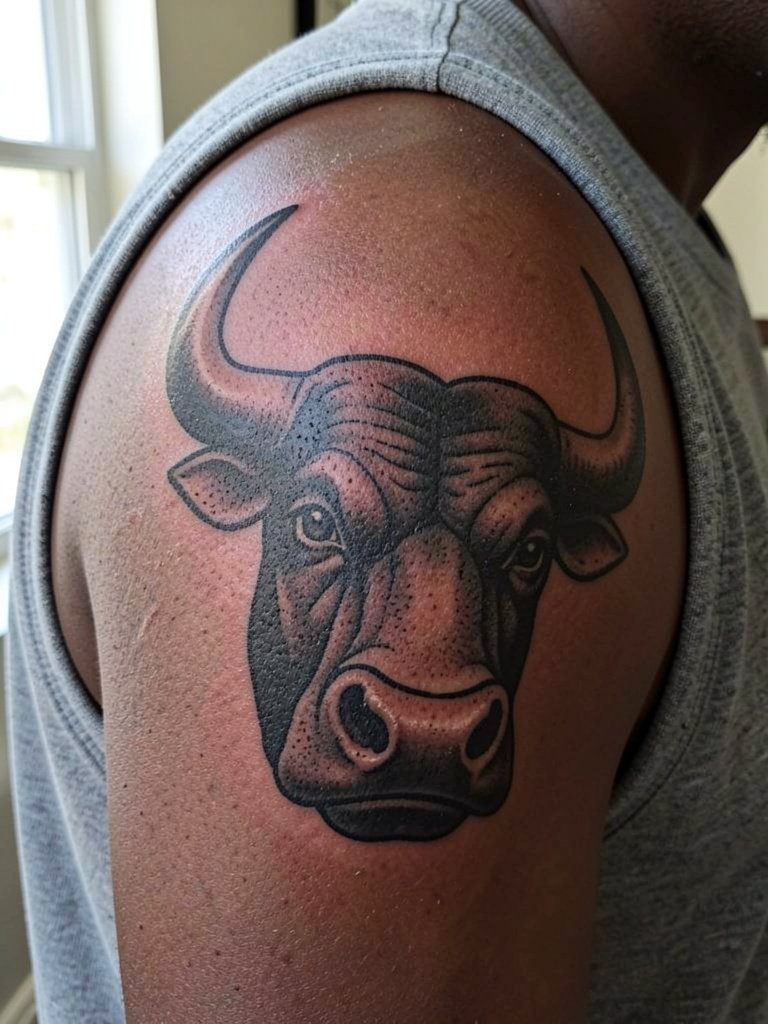
Large shoulder bulls last because bold black fills resist blur. These usually require one or two sessions of solid blackwork and heavy shading. A common error is asking for micro details inside solid black that will disappear visually when viewed at a distance. For showing this off, sleeveless solid tops in black or navy keep the silhouette crisp, and a solid color tank top is a simple go-to that photographs the shape cleanly.
16. Ornamental Glyph with Stars on the Upper Arm
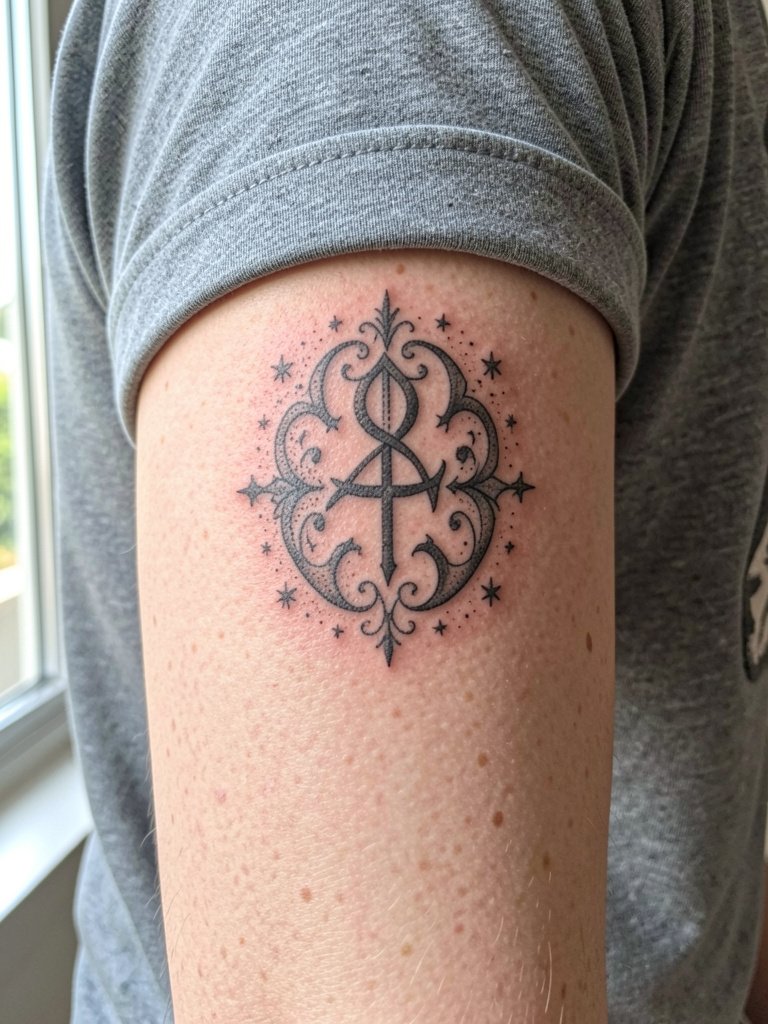
Outer upper arm pieces benefit from lower daily friction and hold detail well. Sessions are often under 90 minutes for medium-sized ornament. The main mistake is compressing filigree too tightly around the glyph instead of spacing it so the symbol remains legible after a few years. For styling, sleeved crops and short-sleeve tees show the piece naturally, and a short sleeve tee makes the area easy to display.
17. Small Spine Cluster with Negative Space
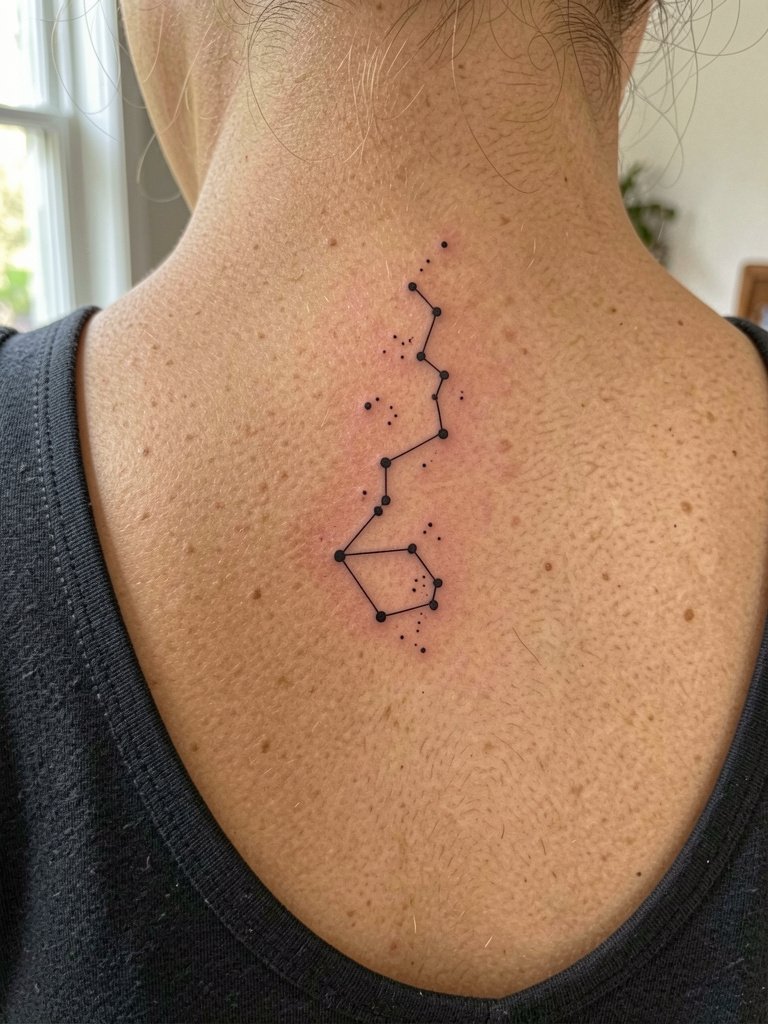
Negative-space spine clusters read as airy vertical lines and photograph well with back exposure. Because the spine is an elevated pain area for many, plan for short sittings and breaks. A typical piece like this heals well if the artist maintains dot spacing and avoids crowding. For showing off, delicate spine-length chains complement the vertical composition and a spine chain necklace follows the line without covering ink.
18. Ankle Mini Constellation with Shoe-Friendly Placement
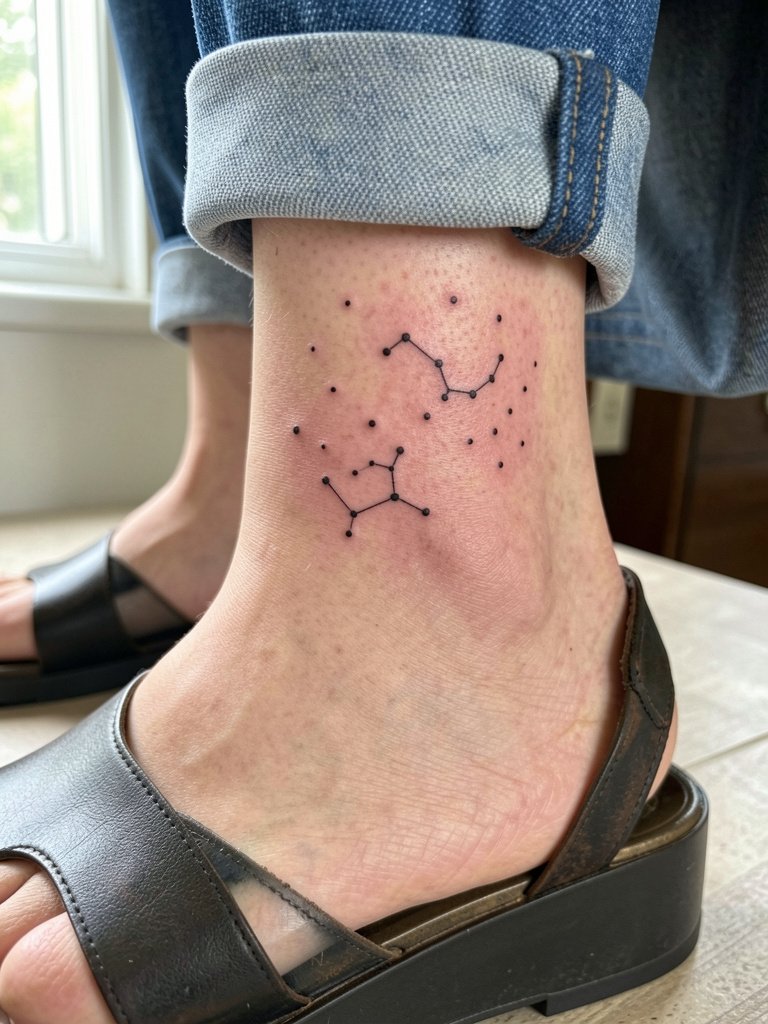
Ankle placements are low-key but exposed to shoe friction and washing. Keep stars slightly larger and spaced a bit wider than your inspiration so the dot pattern remains crisp. Sessions are short and tolerable. For summer styling, open-toe sandals and rolled wide-leg pants frame the ankle piece, and a rolled up wide leg pant look keeps it visible without rubbing.
19. Thigh Sacred Geometry Panel
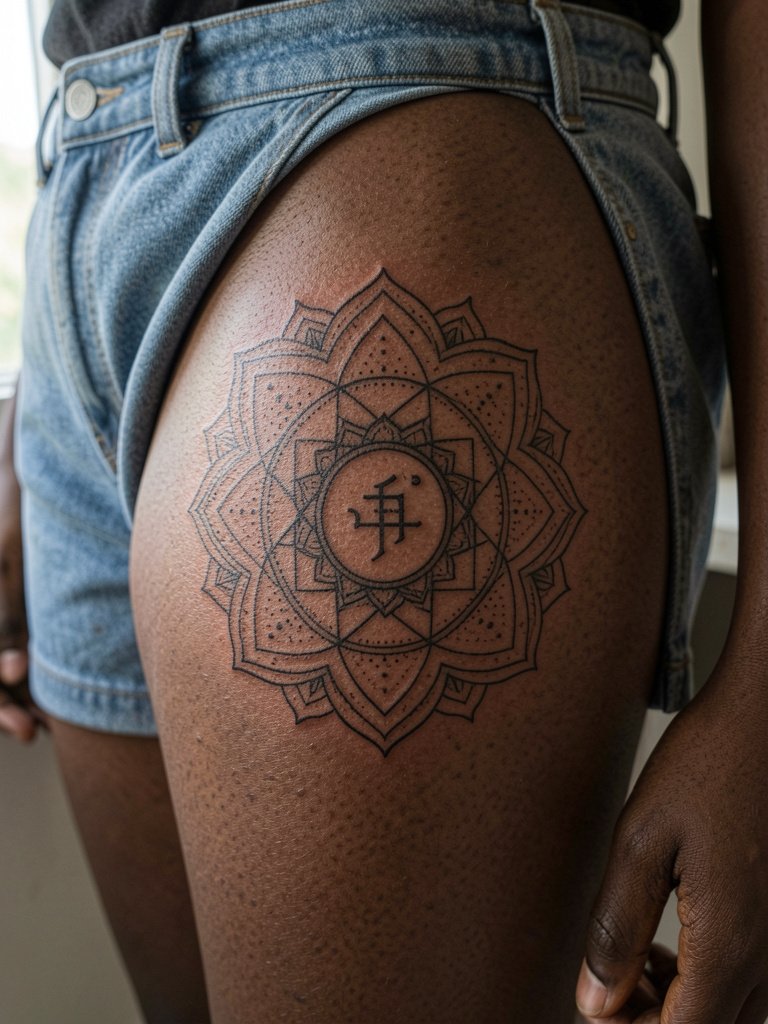
Upper-thigh geometry reads large and graphic because the canvas is generous. Session time can be 90 to 180 minutes depending on size. Watch out for requests that cram tiny pattern into a patch that needs space to age cleanly. If you plan to wear skirts and shorts, high-waisted pieces that sit below the panel keep the art visible, and high waisted skirt silhouettes highlight the area without unnecessary fabric friction.
Frequently Asked Questions
Q: How much should I realistically budget for a small zodiac glyph or constellation?
A: Expect shops to enforce a minimum that often lands between one and two hundred in many cities. That means a tiny glyph can cost more than the line-item price you saved, so plan for the studio minimum and a short session rather than per-minute math. Tip standard is fifteen to twenty five percent for good service.
Q: Where can I find artists who show healed zodiac work and not just fresh photos?
A: Search hashtags like #zodiactattoo, #constellationtattoo, and style tags such as #finelinetattoo on Instagram and TikTok, then filter by location. Tattoodo and the Inked App both let you search by keyword like "single needle zodiac" to surface portfolios with healed shots. Reddit communities such as r/tattoos and r/tattooadvice are also useful for peer-posted healed examples that span skin tones.
Q: Will a fine-line ribcage piece blur faster than a bold ribcage piece?
A: Yes, that is a common outcome when fine line is placed on high-stretch, high-motion skin. The trade-off is that fine line looks airy at first but can soften within a couple of years if spacing and needle depth are too timid. Bold ribs with denser saturation age differently and often retain a clear silhouette longer, but they change the visual effect entirely.
Q: What should I wear to my session for different placements?
A: Wear clothing that gives the artist clear access without you disrobing. For collarbone work bring a scoop or V-neck top. For shoulder or upper arm choose a sleeveless tank. For rib or side torso bring a two-piece or cropped top so the artist can reach the area. If you plan an ankle or thigh piece, wear shorts that sit in their normal position so the artist can roll or slide them without tugging on fabric.
Q: How do I make a zodiac tattoo read on darker skin tones?
A: Add contrast through slightly heavier line weight, carefully placed grey shading, or restrained white highlights rather than thin grey washes alone. I have seen small tweaks in spacing and tonal contrast make the difference between a design that photographs as a shadow and one that reads clearly in person.