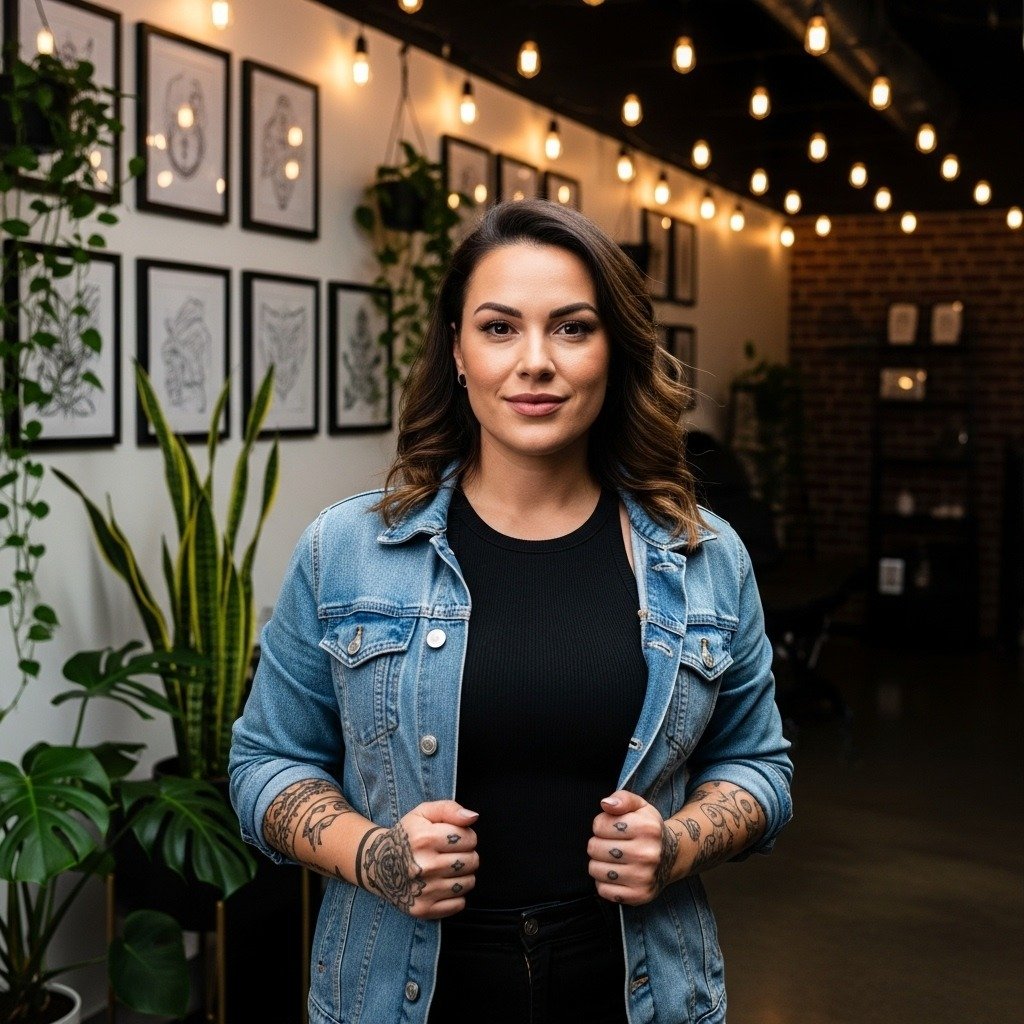
The illusion that a tattoo is lifting off the skin is a small technical miracle. Too many people chase single-needle subtleties and then hate the result after a year. I wrote this with a mix of first-timers and seasoned collectors in mind, so expect realistic notes on placement pain, how designs age, what to bring to the session, and which wardrobe choices actually help the trompe-l'œil read in everyday light.
1. 3D Skull with Cracked Bone Effect
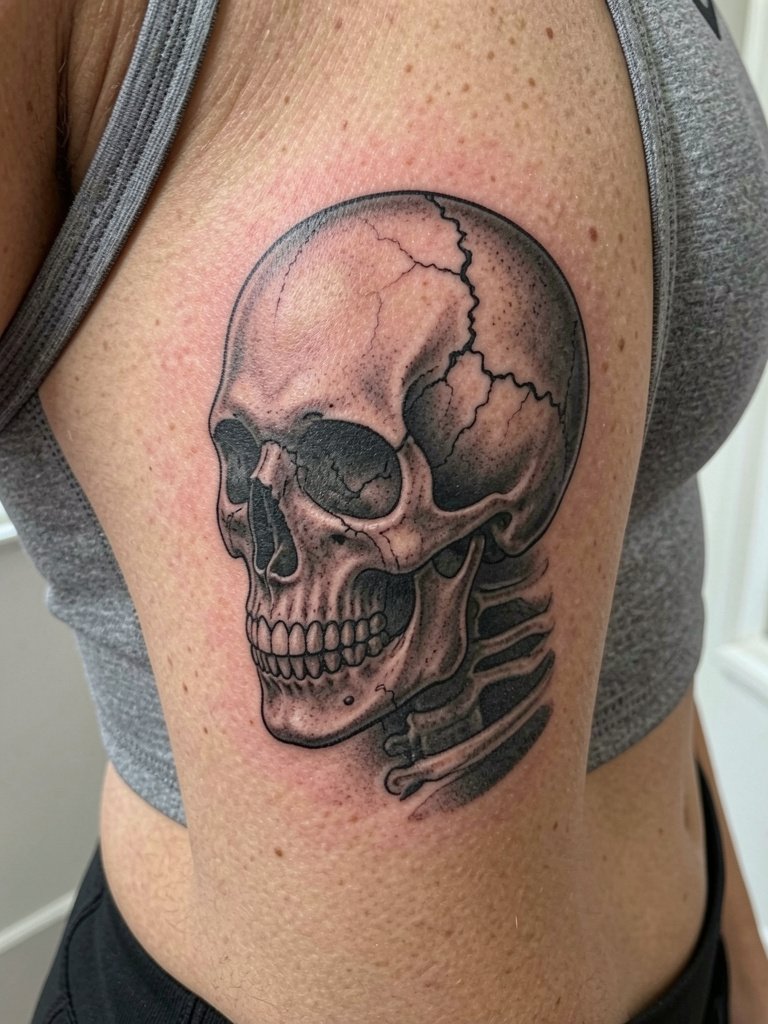
Ribcage skulls look dramatic in the chair and can still read as dramatic years later if you plan properly. Fine line fans worry that ribs stretch and blur the subtle cracks. One group says fine line realism on ribs blurs into a grey area within two years because skin there moves with breathing and weight change. The other group says slightly bolder line weight and deeper saturation keep the cracks crisp, and they point to healed portfolios as proof. For the consultation bring a healed photo of a rib piece the size you want so the artist can show spacing and touch-up intervals. Expect a painful session compared with forearm work, and plan for 2–3 sittings if you want layered highlights and realistic bone texture.
2. 3D Compass with Rope Wrapping
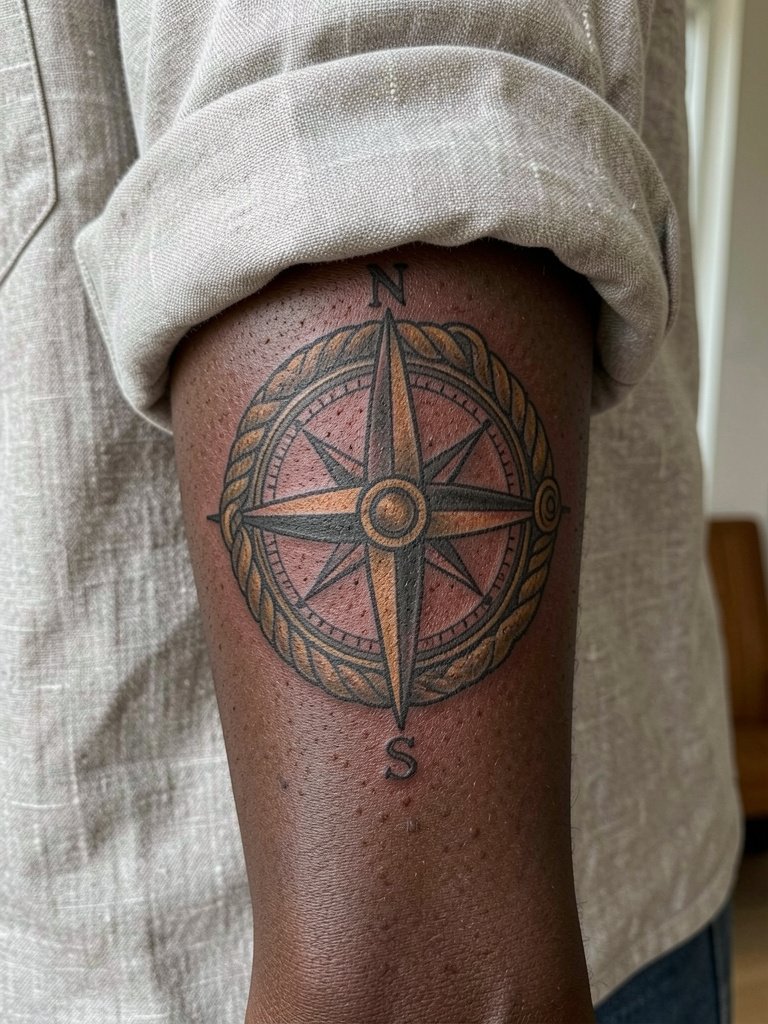
A compass that actually seems to sit on the skin needs clear edge contrast and textural rope shading. During your consultation ask the artist how they will separate the rope's shadow from the compass rim and what healed spacing they recommend for a three-inch piece. A common mistake is asking for micro-detail on a small forearm canvas and then having the rope dissolve into muddiness after a year. For showing it off, a rolled-cuff linen shirt in cream or olive frames the forearm without stealing the metallic accents. Session time for a medium compass is typically a single long block, and touch-ups at 12–18 months keep gold highlights bright. Rolled cuff linen shirt
3. 3D Butterfly with Tattered Wings
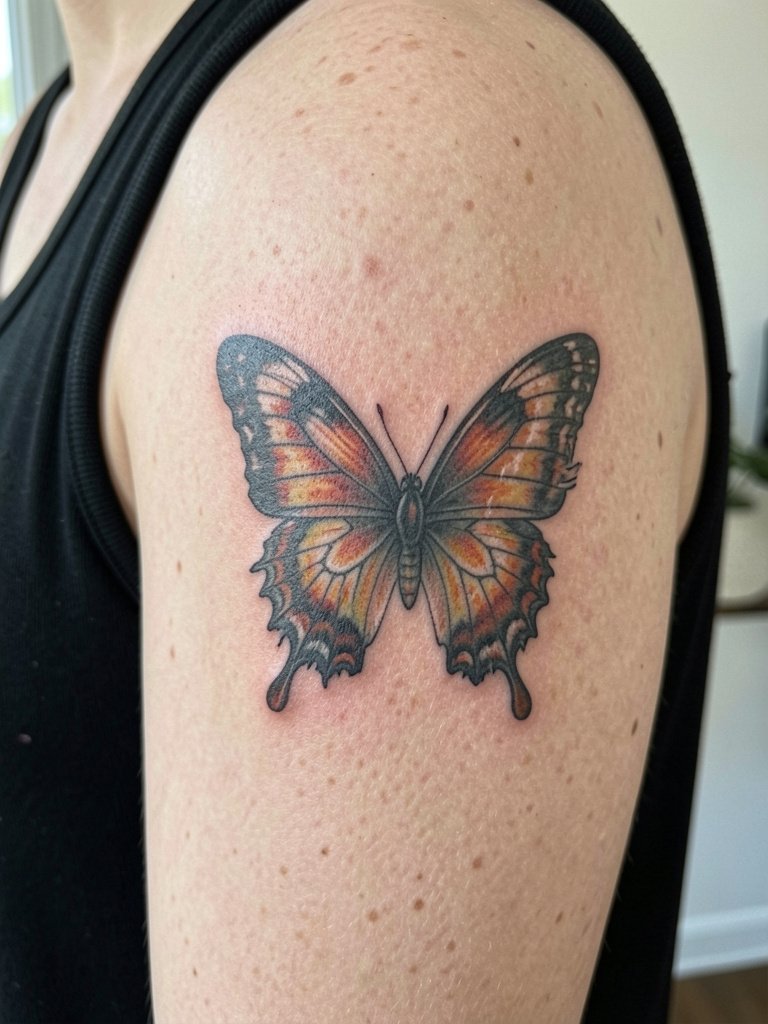
Color and white highlights sell the idea that wings lift off the skin. White ink sparks a split opinion. One camp warns that white ink often yellowed on older pieces and that heavy sun exposure speeds the change. The opposing camp insists that modern white inks retain their pop for years when placed away from constant UV and when artists layer it sparingly. Ask specifically which white ink brand the artist plans to use and where they would place accents to avoid sun-exposed edges. For the session wear a loose short-sleeve shirt you can roll up easily, and bring references that show the exact wing wear and tear you like. For longevity expect a possible small touch-up at 1–2 years on the brightest whites. Sleeveless black tank top Loose short sleeve shirt
4. 3D Dragon Hovering Over Skin
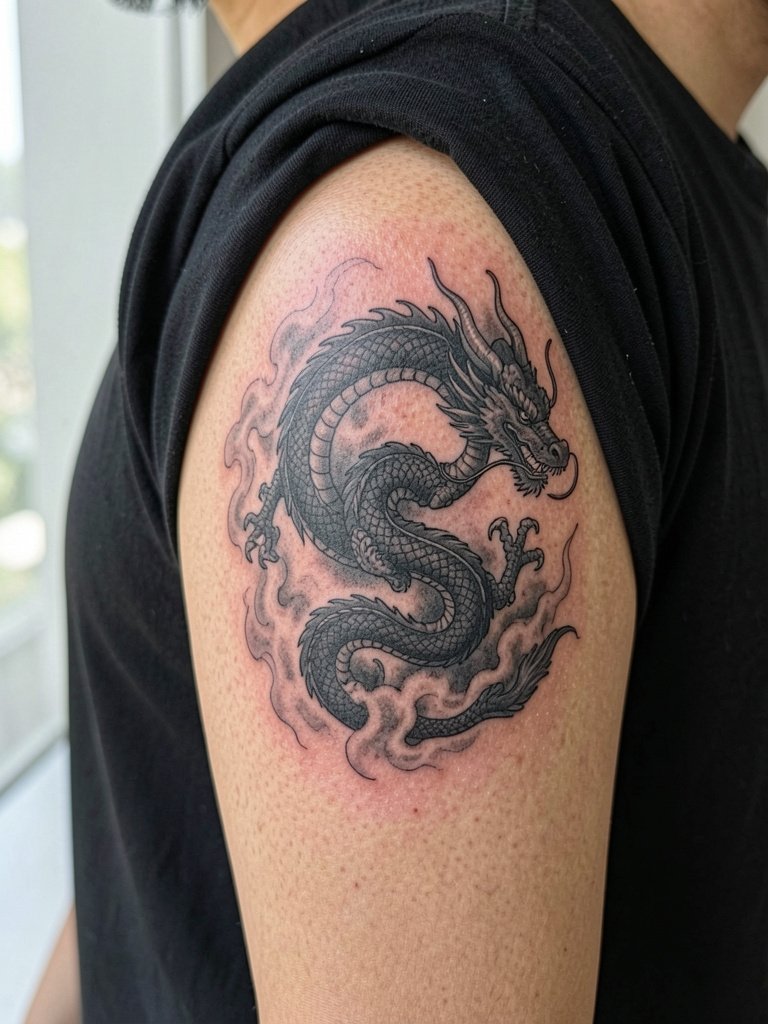
Large-scale hovering dragons read best when the smoke and negative space are planned as much as the scales. Tell the artist whether you want the dragon to follow muscle flow or to break across it, because the skin movement will shift the illusion when you raise your arm. A common error is compressing too many scales into a small shoulder patch, which flattens under healed skin. This placement takes multiple sessions for full scale and mist layering. For someone thinking about a full back conversion into a sleeve, start with the shoulder cap and plan the ribs and chest transitions ahead of time. Expect deeper saturation and broader spacing to stand up to years of movement.
5. 3D Spider with Web Extension
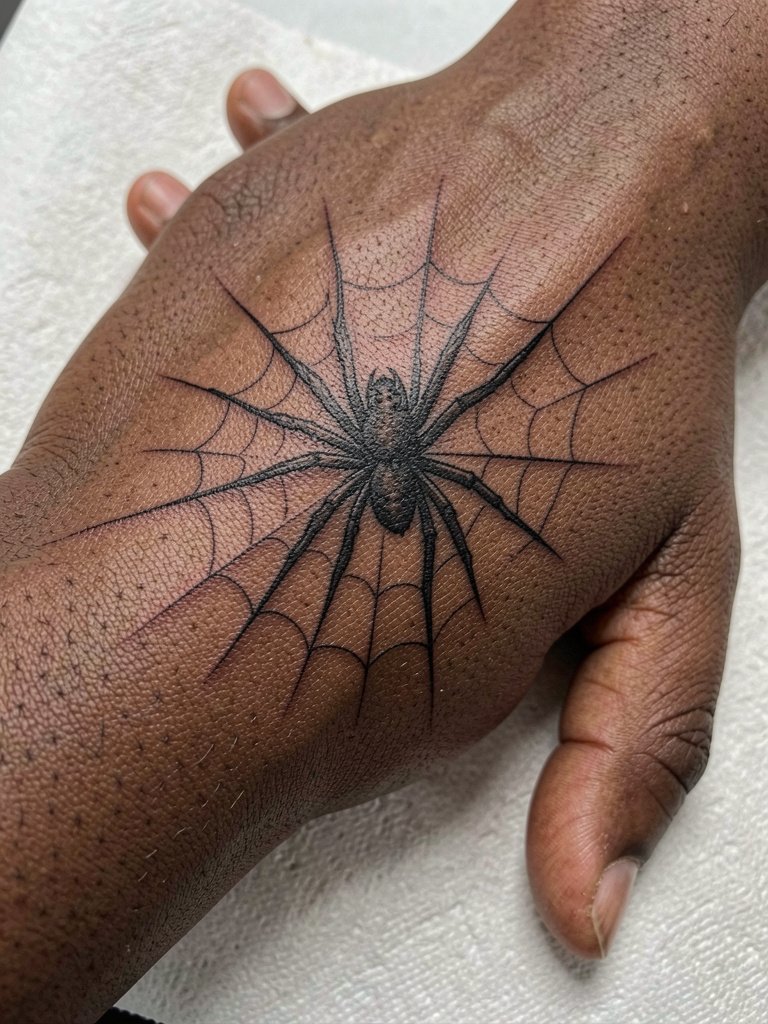
Hand tattoos face constant friction and fast skin turnover, so fine web lines tend to break down quicker than on the forearm. The practical question is whether you want a hand spider that looks sharp for two years or a hand spider that stays readable for five. Ask the artist about line thickness and how they plan to anchor the web to reduce blowout. A mistake I see often is asking for ultra-fine webbing across the finger joints. Those lines will fade into a patch. If you want the hand option wear minimal rings during the session and afterward avoid heavy metal where the ink sits. Expect touch-ups earlier on hands than on arms.
6. 3D Lion with Fierce Mane
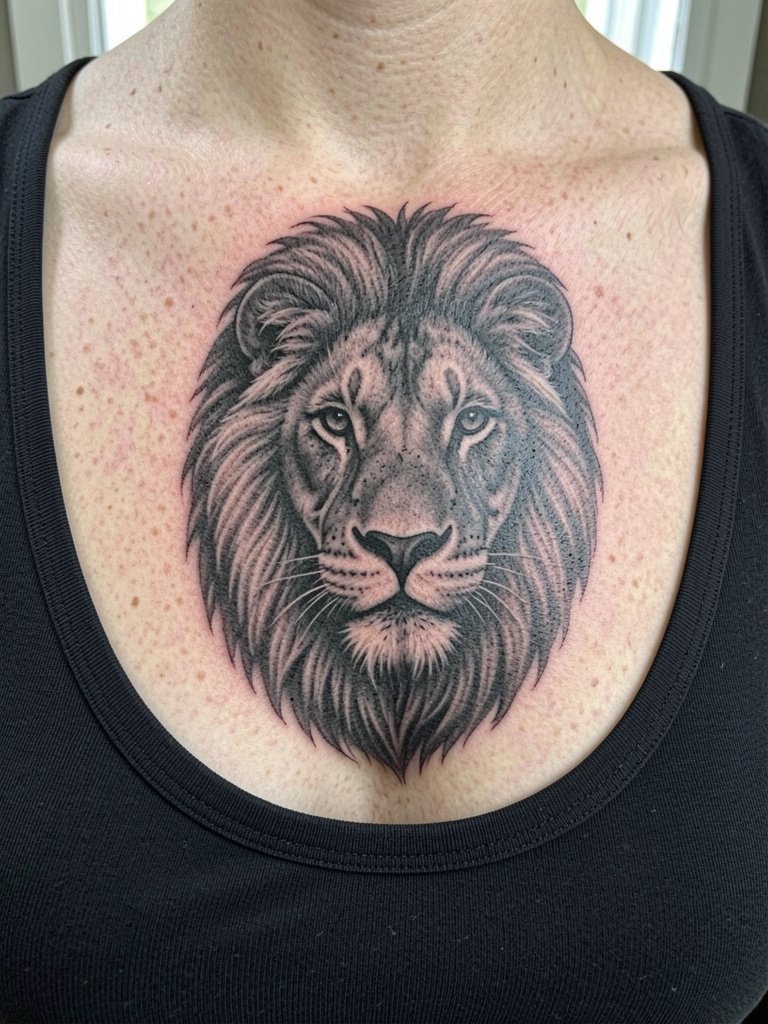
A lion's eye is where most people judge realism. During the consult specify how much contrast you want in the iris and what glaze or white highlight placement will survive sun exposure. An aging tip is to leave slightly more negative space in the mane so texture reads instead of blending into a grey mass. Sternum and chest placements stretch when you bend or lift heavy weights, so expect the image to distort with movement. For session comfort wear an open-collar shirt or V-neck so the artist can access the chest without pulling at fabric. Plan a touch-up at 12 months for dense fur textures.
Session Day Picks
The pieces above range from forearm details to ribs and chest, so a few small items will smooth the session and the first week.
-
Mad Rabbit Tattoo Balm (New Formula). A thinner balm many people prefer for fine 3D shading because it keeps white highlights from lifting and reduces clogging during early healing.
-
Tattoo Goo. Gentle and recommended by some for locking in delicate contrast, which helps subtle 3D gradients stay readable in the first month.
-
Dr. Bronner's Unscented Castile Soap. A mild wash option that a few clients use to avoid stripping tiny highlight areas while cleaning.
-
Aquaphor Healing Ointment Original. Despite debate, some shops still use a thin initial layer for textured shading because it seals without smothering when applied sparingly.
-
Hustle Butter Deluxe. A widely used plant-based balm that many artists recommend for keeping saturation consistent during the first two weeks.
7. 3D Cross with Depth and Shadow
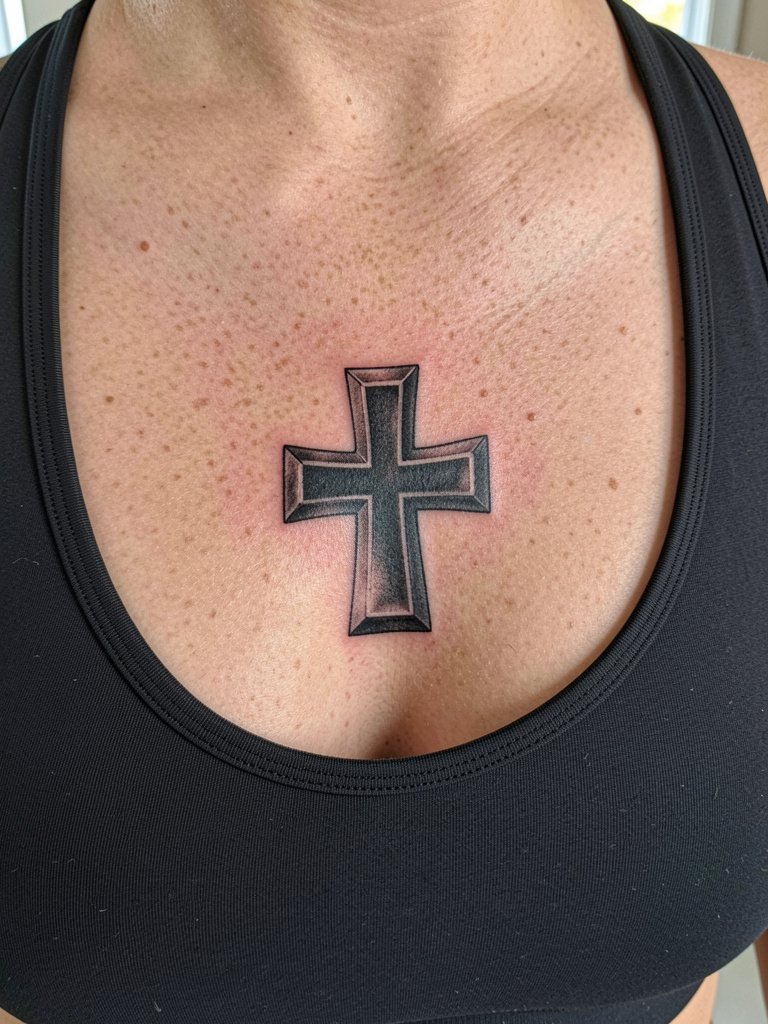
A cross that reads as a separate object needs crisp cast shadows and a controlled highlight edge. One practical mistake is placing too many micro-highlights near the sternum where sweat and motion dull white ink quickly. Tell the artist exactly how visible you want the cross to be under an open-collar shirt so they can adjust shadow scale. Sternum pieces can distort with upper body movement, so larger negative space around the cross helps it age better. For the session wear a loose button-down so you can unbutton without stretching the chest. Expect one touch-up within the first two years on the brightest edges. Loose button down men
8. 3D Heart with Cracked or Bleeding Effect
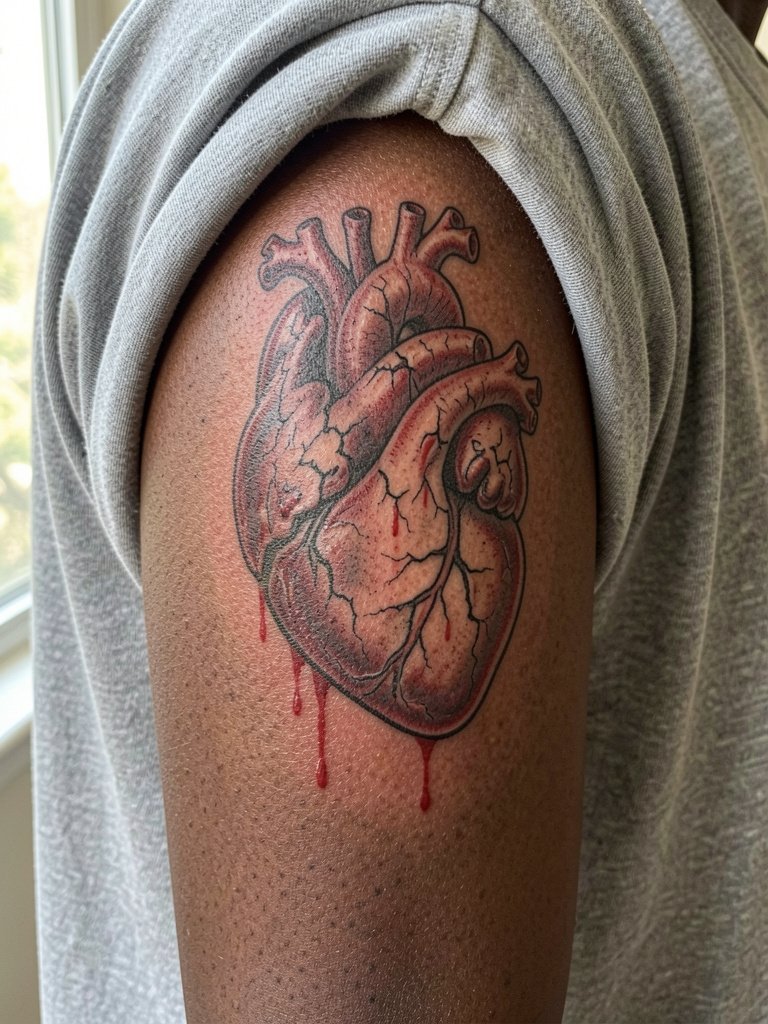
A cracked heart needs directional shadow that suggests depth without becoming a flat stain of red over time. On darker tones, contrast strategy changes; some artists lean into deep blacks and saturated crimson accents so the veins and cracks remain legible. A common misstep is overloading the heart with micro shading that softens into a blotch under regular wear. Talk through where the bleeding accent sits relative to the skin fold of the inner arm so the flow reads when your arm is relaxed. This placement is moderate on the pain scale, and one careful touch-up at 18 months keeps the brightest reds from washing out.
9. 3D Dragonfly with Translucent Wings
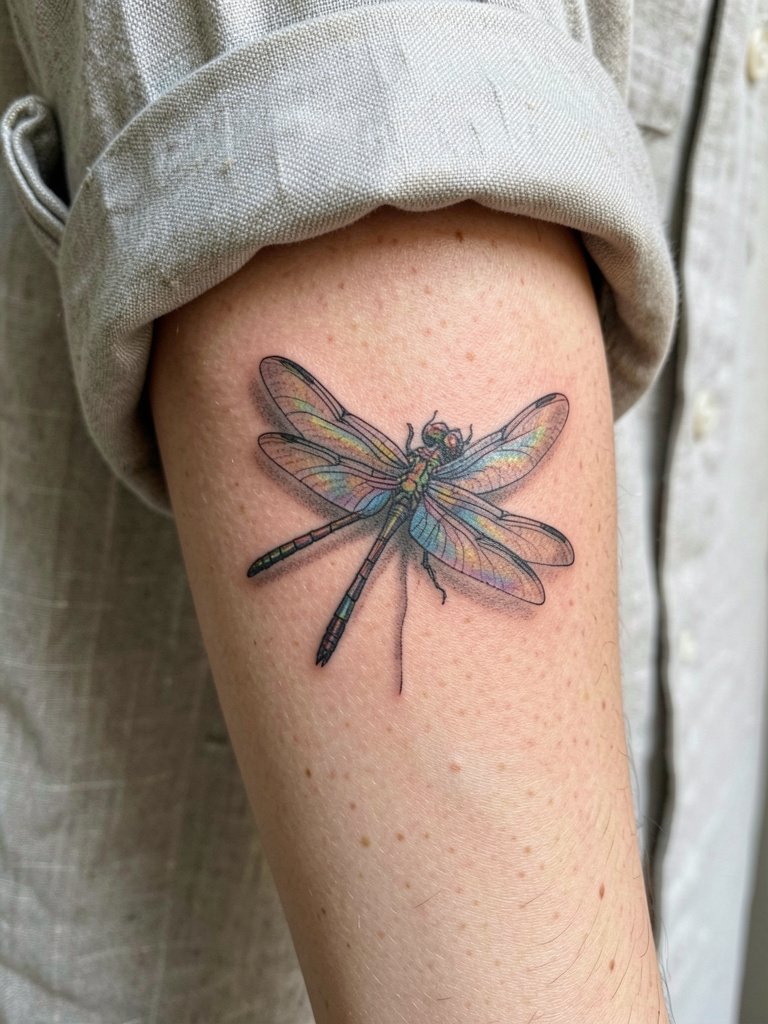
Translucent wings rely on subtle gradients and negative space. A frequent mistake is asking for full-spectrum iridescence on a two-inch piece and then wondering why color pools. Specify scale options during the consult and ask the artist how they render translucence on your skin tone. For day-to-day framing wear rolled-up linen shirts in neutral tones so the wing's shimmer reads without competing patterns. Expect minimal pain on the inner forearm and likely only a single session for a medium dragonfly. Rolled cuff linen shirt
10. 3D Geometric Shapes (Spheres/Cubes) Floating
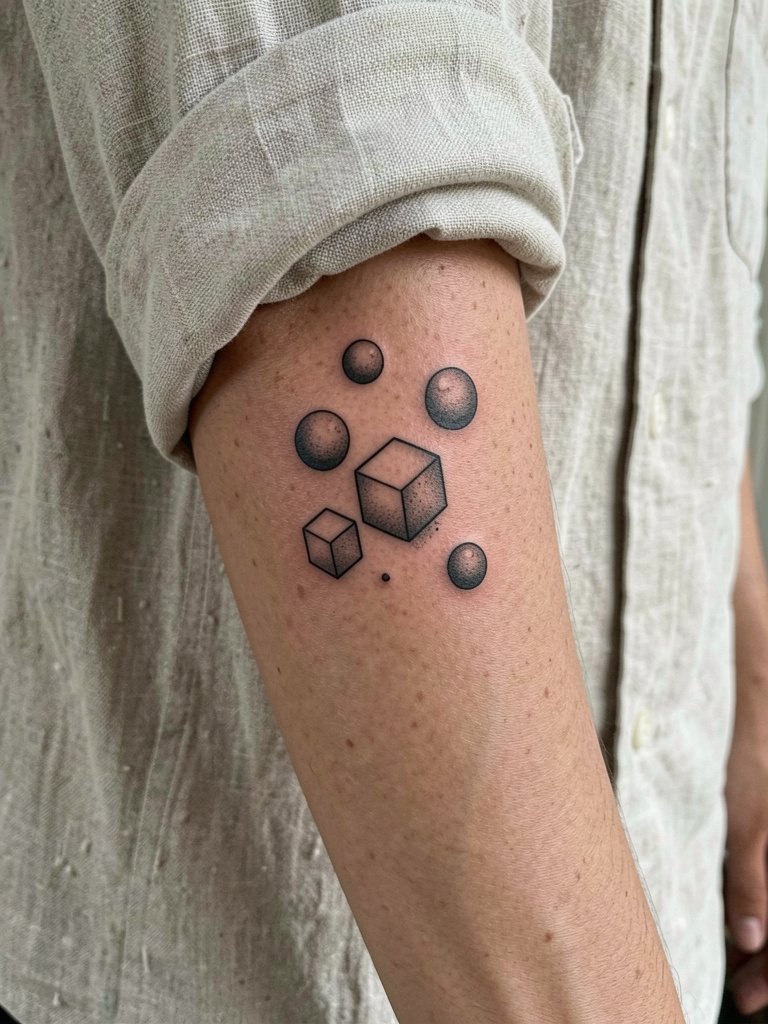
Geometric illusions depend on crisp linework and purposeful negative space. The biggest mistake with tiny cubes is scaling them too small so the gradients merge when healed. When you consult, request a mockup at both three and five inches so you can see how the shadow bands breathe. These are low-pain pieces when on the forearm but higher on the wrist. For show-off pairing try a linen button-down and stacked metallic bracelets to add editorial weight to the wrist composition. Expect a clean initial session and a touch-up for any softened corners at 1–2 years. Linen button down shirt men Dainty gold stacked bracelet
11. 3D Wolf with Focused Gaze
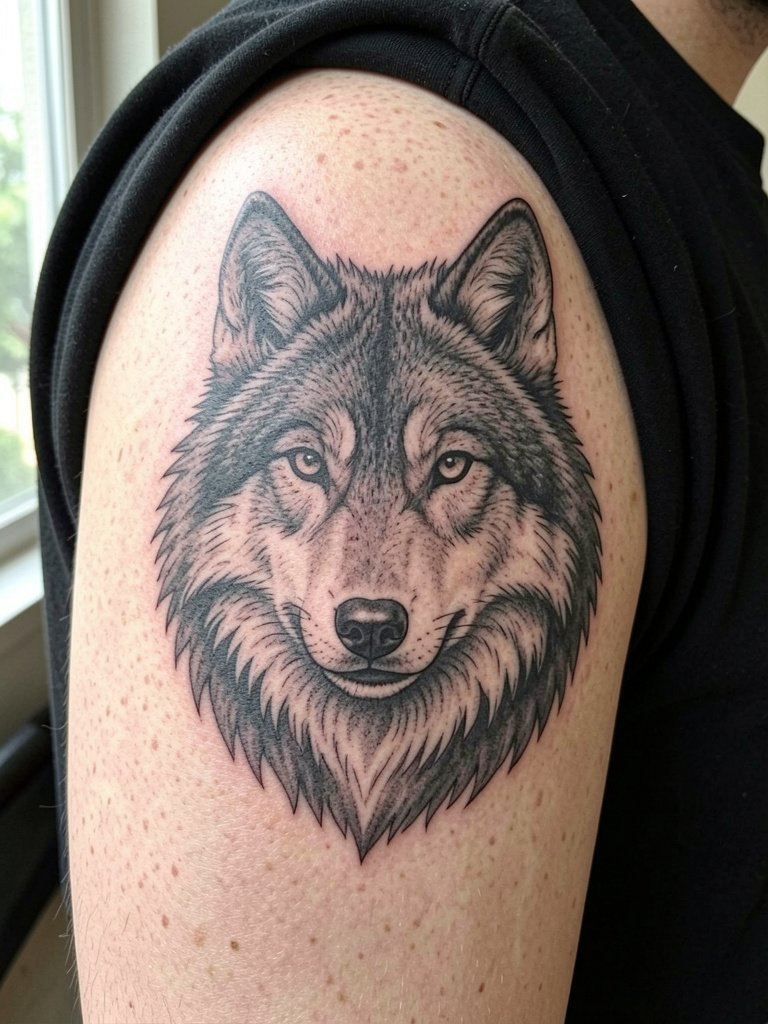
A wolf's stare sells the 3D effect. For shoulder placements tell the artist whether you want the eye line angled to face forward or to follow the deltoid curve. A common mistake is over-texturing the fur without leaving enough negative space near the eye, which dulls expression when healed. For visible outfits pair the shoulder wolf with rolled-sleeve black tees or neutral shorts to keep focus on the gaze. Upper thigh versions take longer to heal because of fabric contact, so wear loose shorts to the session. Plan for two sessions if you want layered fur depth and a bold, focused iris. Short sleeve black shirt men Khaki shorts men
Frequently Asked Questions
Q: How much should I expect to budget for a small 3D piece like a compass or small skull?
A: Prices vary widely by studio and region, but for small, high-skill 3D realism plan for session minimums and artist hourly rates. In my experience many realism pieces start with a two-hour minimum and can escalate if layered highlights are needed, so add a buffer in your budget for a possible second sitting or a precision touch-up.
Q: Do 3D tattoos fade faster than bold-line styles, and what can I do to keep the effect?
A: Fine gradients can soften faster than heavy blackwork because the visual depth depends on tiny contrasts. To prolong the effect choose slightly bolder anchor lines around tiny details, protect the area from sun, and expect a touch-up at about one to two years for most high-contrast pieces.
Q: I have dark skin, will 3D shading read properly?
A: Some artists prefer bold black contrast with vibrant accent colors on darker tones while others try a micro-shading approach. One camp says standard black/white shading can look muddy on melanated skin. The other camp shows examples where careful high-contrast black plus saturated colors keep depth legible. Ask to see healed examples on similar skin tones and specify which accent colors you like during the consult. Open collar black shirt men
Q: Where can I find real healed portfolios and local artists who do 3D work without naming specific artists?
A: Search hashtags like #3dtattoo, #3drealism, and #hoveringtattoo on Instagram and TikTok then filter by location to find local portfolios. Tattoodo and booking apps let you search by keywords such as "3D skull black and grey" or "3D butterfly color" to view healed photos. Reddit communities like r/tattoos and r/tattooadvice also surface peer recommendations and healed examples across skin tones.
Q: Which session-day clothes should I wear for ribcage or inner-arm work?
A: For ribcage pieces wear a loose button-down or wrap-style top that the artist can shift without tugging the waistband. For inner-arm work choose a sleeveless or short-sleeve top you can roll up easily so the artist can reach the full palm-up surface without fabric pressure.
Q: How soon do 3D tattoos typically need a touch-up?
A: Realistically expect to need touch-ups in the first one to two years for high-contrast highlights and in areas with high friction sooner. Hands, ribs, and feet often need earlier refreshes than forearms and shoulders, so plan accordingly and budget for follow-up sessions.