
Tiny music tattoos often surprise people in three ways: they hit your wallet because most shops have a minimum fee, the thin single-needle pieces can soften into a gray smudge faster than expected, and the hidden spots behind the ear can be painfully sharp. Read on for small designs that read well over time, what to avoid on wrists, and how to dress for the session.
1. Fine Line Single Musical Note
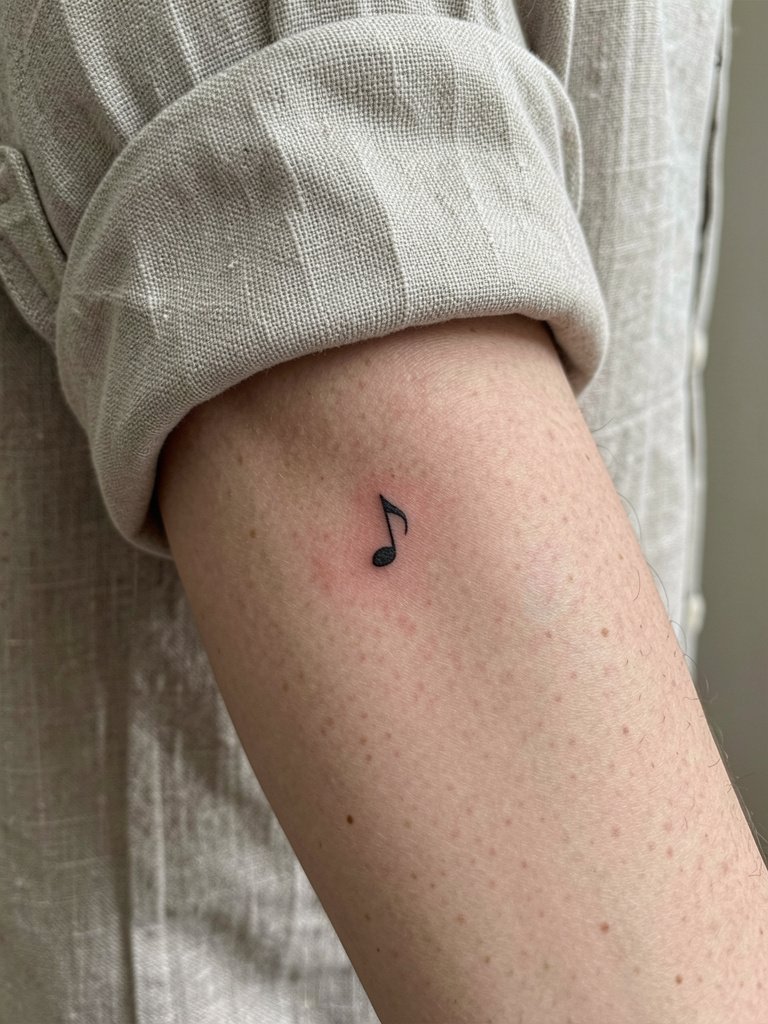
The single-needle note reads clean when placed on the inner forearm and seen daily. One camp argues single-needle fine line on wrists and other high-friction spots blurs into a gray blob inside a year or two because the skin there is thin and moves constantly. The other camp says fine line holds if the artist adjusts depth and gives slightly wider spacing, and they show three-year healed examples as proof. Common mistake is asking for ultra-thin detail on the wrist instead of the forearm. For the session wear a loose button-down so the artist can roll the sleeve without pressure on fresh ink.
2. Treble Clef as a Heart Motif
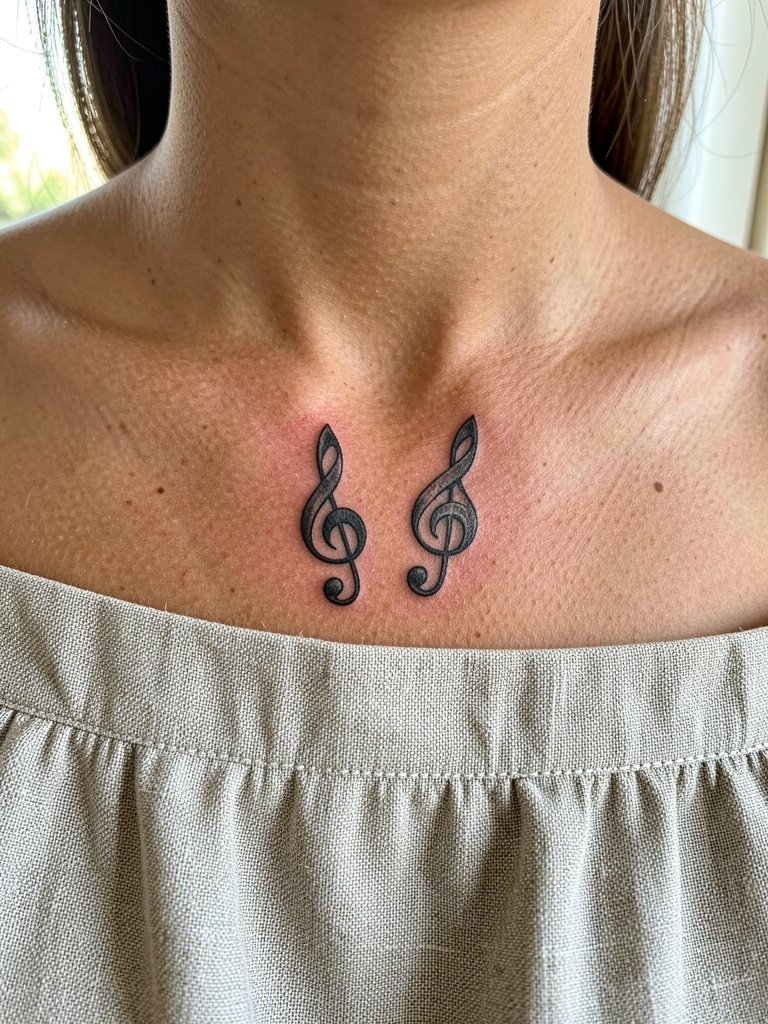
This mirrored-treble-clef heart works when you want symbolism without words. It is best for people who prefer small chest pieces that sit nicely with layered thin necklaces. Avoid single-needle filigree right on the bone because movement and shirts rubbing the area can soften the edges. During consultation bring reference photos that show the exact spacing you want between the clefs so the artist can preserve negative space. For dressing, pair with strapless or wide-neck linens to show the design without necklaces covering it.
3. Audio Waveform Spectrogram
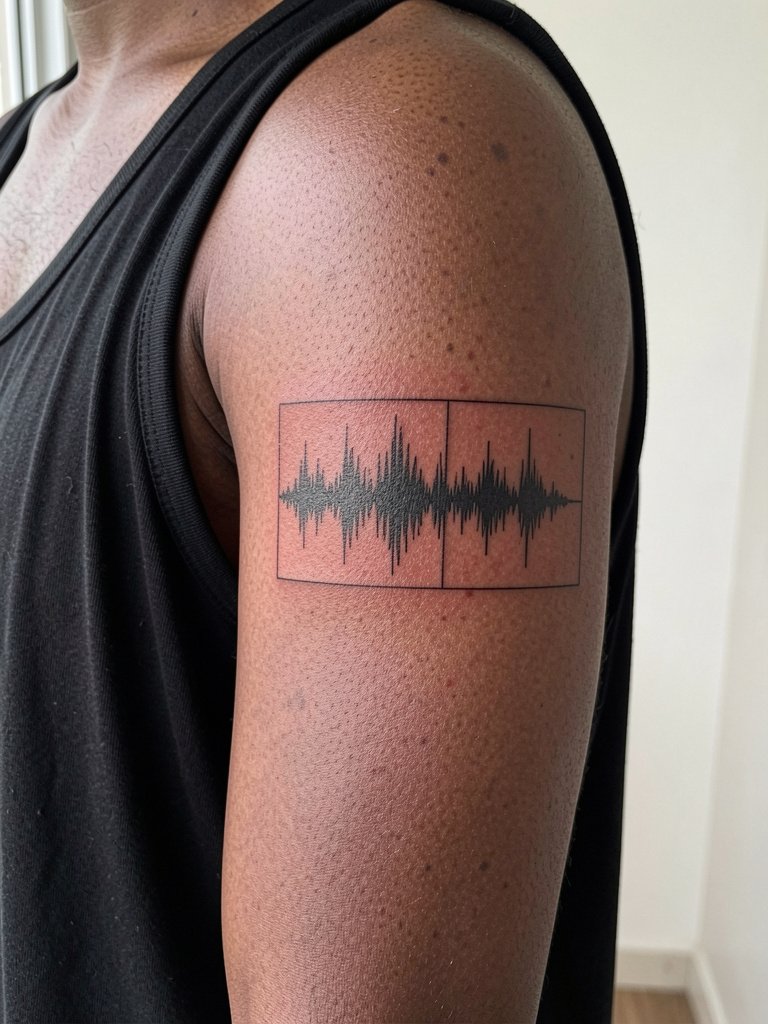
Waveform tattoos are the tech-forward option for collectors who want a specific song marked on skin. One camp says waveforms are too dense and risk aging into a noisy blur if the lines are packed too close. The other camp insists waveforms are the only authentic way to mark a song and that a clean high-res PNG and careful spacing solve the problem. Common mistake is bringing a low-res screenshot instead of a high-resolution file. Session time is short but plan for precise placement checks. Wear a loose tank so the artist can access the medial bicep without tight compression.
4. Sheet Music Snippet (Measure)
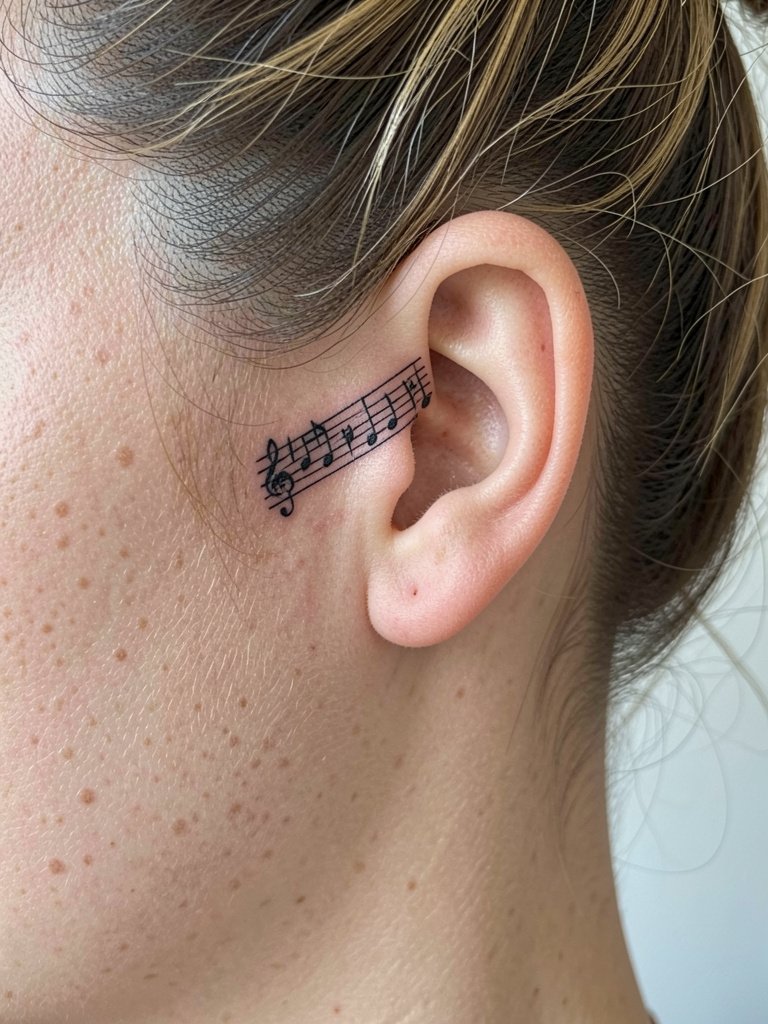
A single measure behind the ear reads like a private nod to a favorite passage. Pain is higher here than on the forearm, so expect sharp, quick sensations and a short session. The common mistake is insisting on ultra-thin staff lines; slightly wider spacing preserves legibility at six months and beyond. Bring the exact notation from your score in high contrast so the artist can scale staff spacing properly. For showing it off, half-up hairstyles reveal the mastoid area while keeping it discreet.
5. Vinyl Record with Artistic Groove
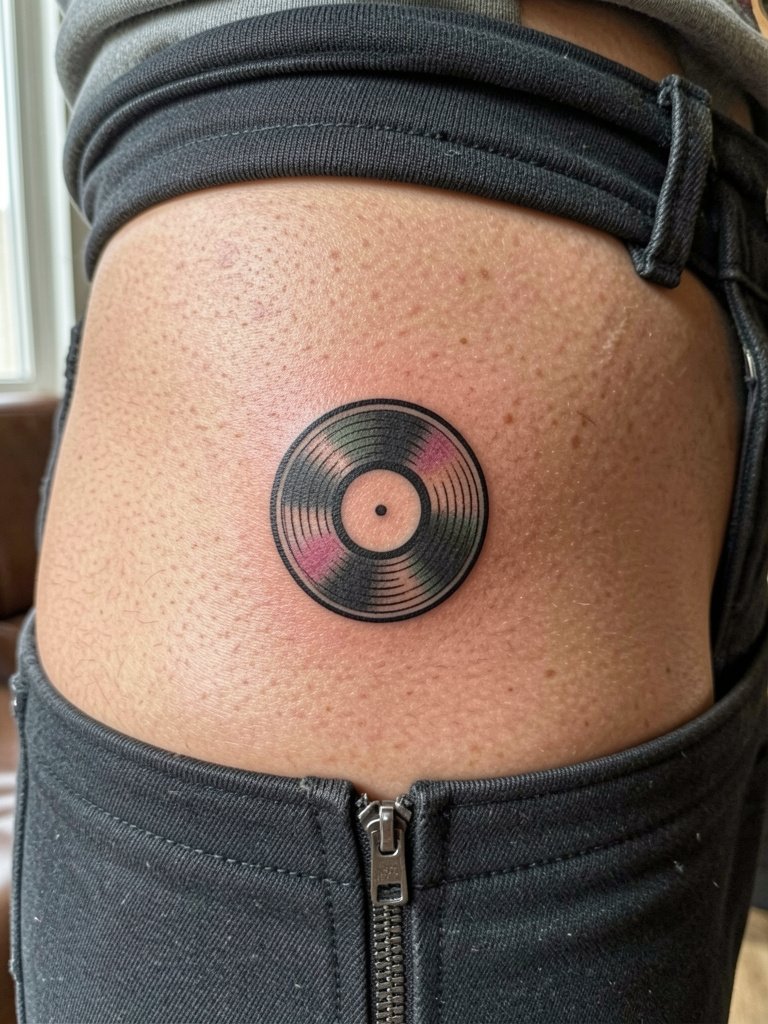
A bold vinyl silhouette survives small-scale work because thick outlines resist blowout better than tiny filigree. Expect moderate session discomfort near the hip bone and a quick touch-up window at six to twelve months for edge crispness. The mistake is packing micro-groove detail into a dime-sized circle. For nights out this sits beautifully under high-waisted shorts or skirts that reveal the hip bone, and wearing loose drawstring pants to the appointment helps the artist access the area without pinch.
6. Headphone Outline (Minimalist)
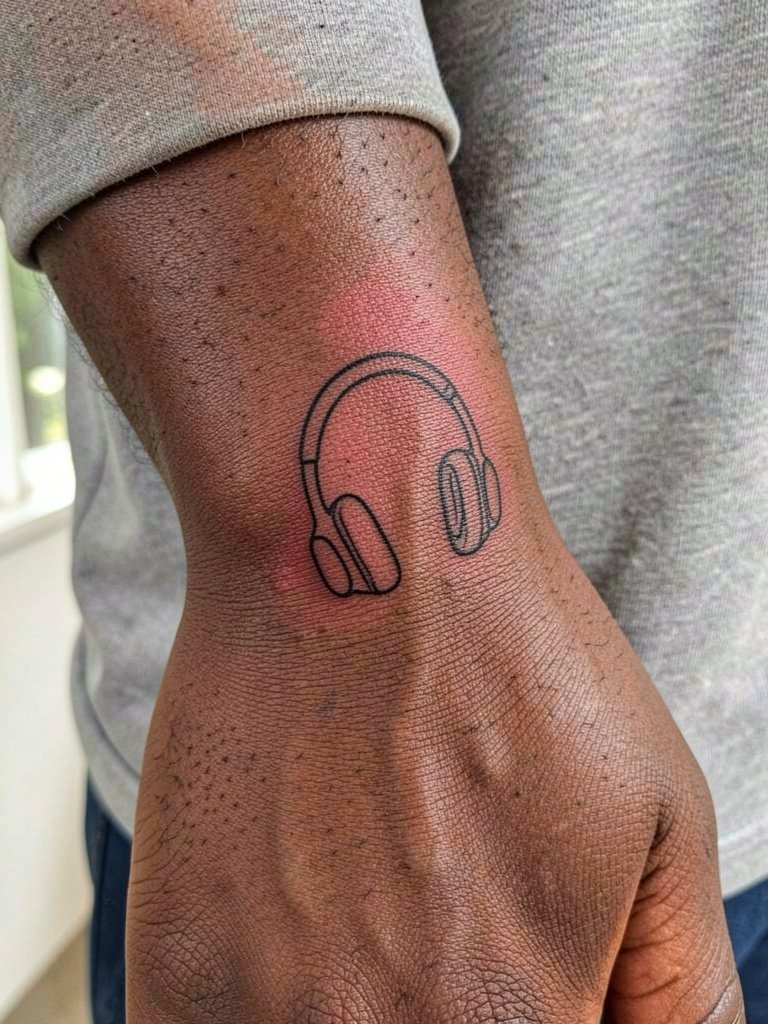
The single-line headphone icon is modern and subtle on the wrist but the wrist eats single-needle detail. For a wrist piece choose a slightly heavier line weight so the black silhouette keeps reading at one and three years. Bring a scaled reference so the artist can show you how the line looks at the actual size. Session wear: short sleeves and no watch on the tattooed wrist. For styling, pair with a minimalist watch on the opposite wrist or a thin chain bracelet set like thin chain bracelet set.
Pre-Session Essentials
The inner forearm and wrist pieces above need steady access and thin line protection, so these picks smooth the session and the first week.
- Scented tattoo balm, vegan option. Lighter balms are easier to apply to fine line work after day five and help avoid clogging thin channels.
- Japanese Kirei thin aftercare balm. Favored for delicate areas because it spreads thin and supports fine line retention.
- Fragrance-free non-comedogenic moisturizer, CeraVe or Vanicream. A good backup when balms feel too heavy and you need a low-irritant option.
- Sustain Tattoo Balm. Recommended mid-healing for thin work to avoid smudging while keeping the area supple.
- Saniderm second skin bandage. Protective film for the first three to five days keeps friction off fresh lines and reduces scab trauma.
7. Guitar Fretboard Detail
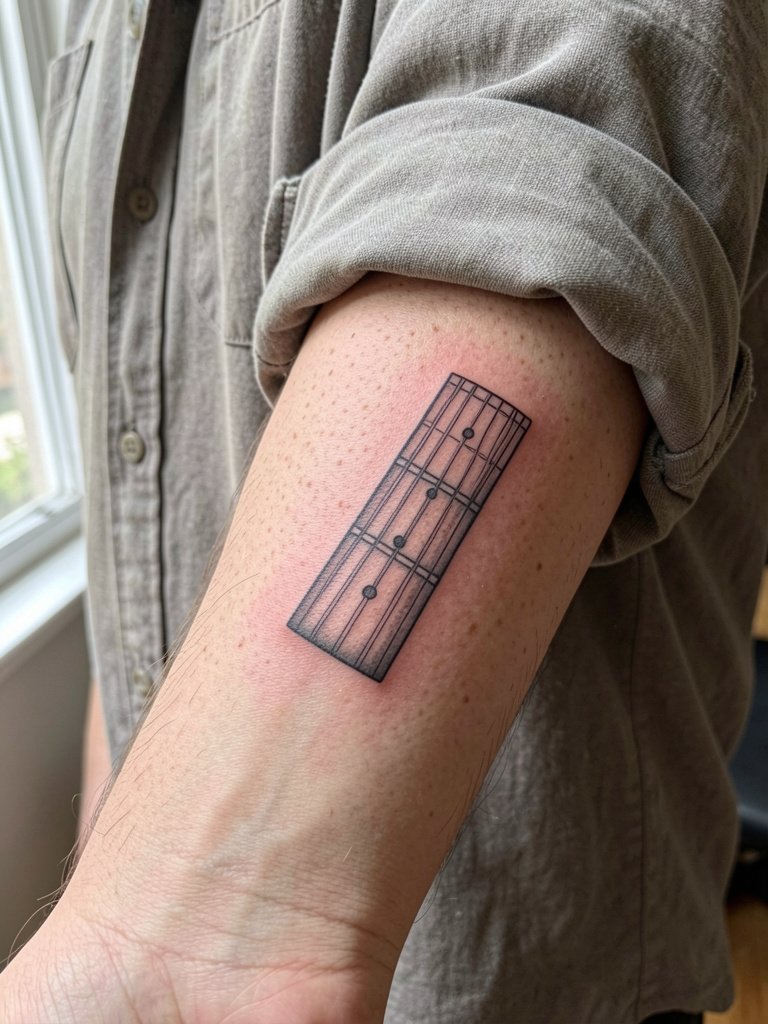
A short fretboard segment says "guitar" without the bulk of a full instrument. This placement reads well on the inner forearm and ages predictably if strings and frets are given space. The usual error is compressing too many frets into a tiny block. In consultation have the artist scale string spacing to three different sizes so you can pick what reads best at six months. For session wear go with a loose button-down you can roll up and leave cuff-free. Pair the finished tattoo with a dainty gold stacked bracelet on the opposite wrist.
8. Barcode of Song Title
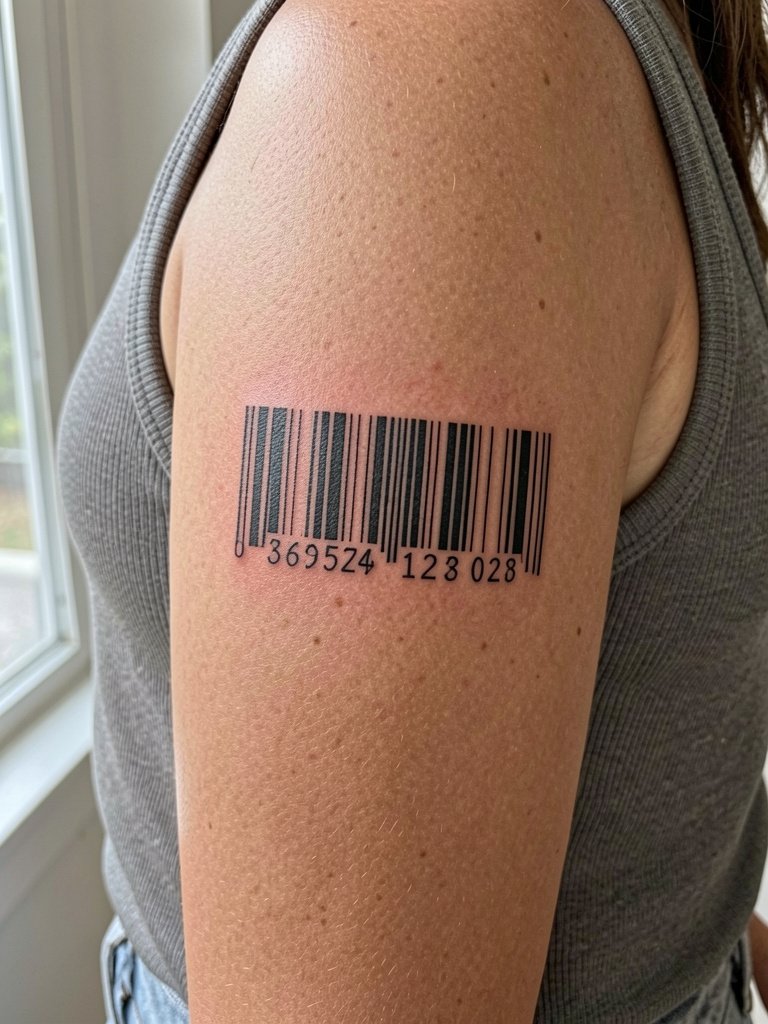
Barcodes look neat but the risk is getting the numbers wrong or too dense. The common mistake is trusting an auto-generated image without confirming the numeric encoding. Bring the exact numeric string you want and check a test scan before the artist inks it. This style pairs well with sleeveless tops that show the barcode as a graphic stripe, and for the session wear a loose tank so the artist has clear access.
9. Piano Keys (3-Key Segment)
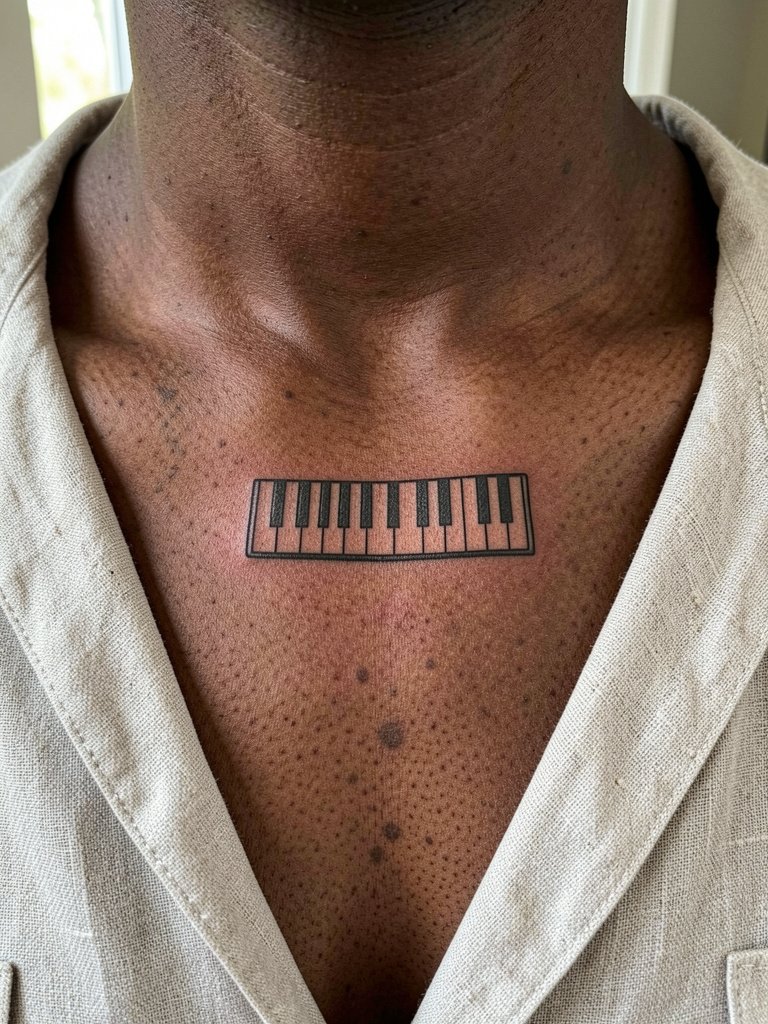
A strip of three keys is instantly readable while staying compact. Avoid sketchy shading between keys that turns into gray at two years. Ask the artist to keep strong contrast and crisp separations between white and black key areas. For showing it off, wear off-the-shoulder tops or layered thin chains sitting above the tattoo to avoid covering it.
10. Music Rest Symbol (Silence)
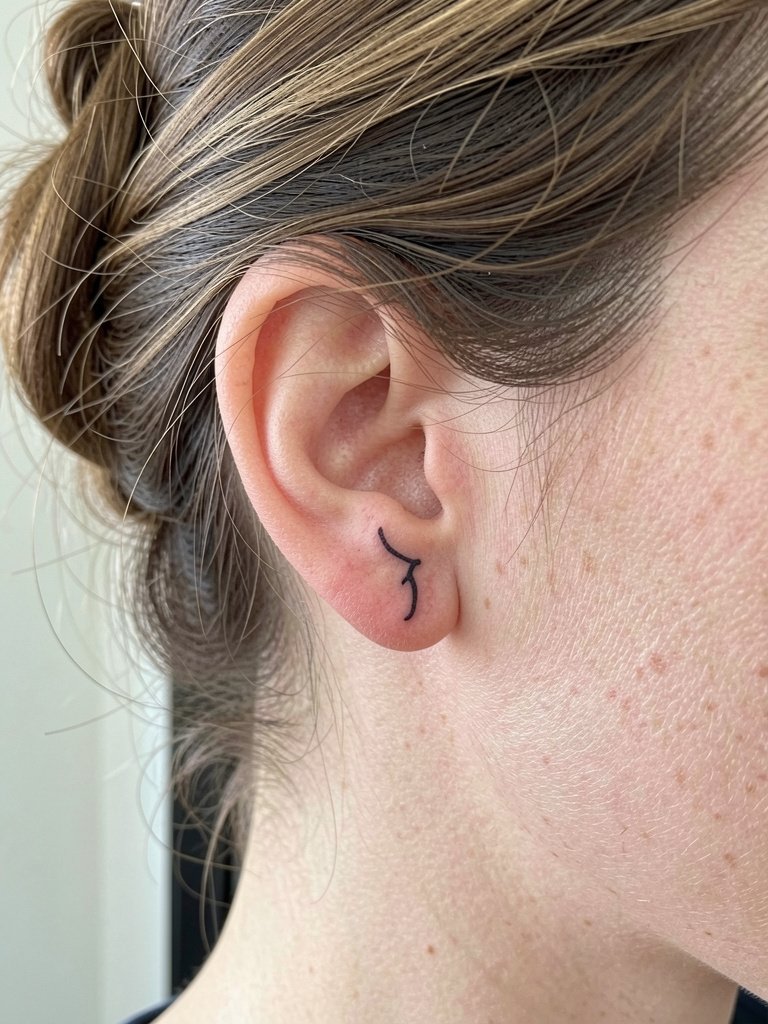
A rest symbol reads quietly and clearly in tiny formats. Pain is higher behind the ear than on the forearm, so expect a sharp pinch for a few minutes. Common mistake is asking for a hairline-only rest; slightly thicker strokes age better. For session wear choose a zip-back or button-back top so the artist can access the area without hoodies tugging hair.
11. Bass Clef with Leaf Accent
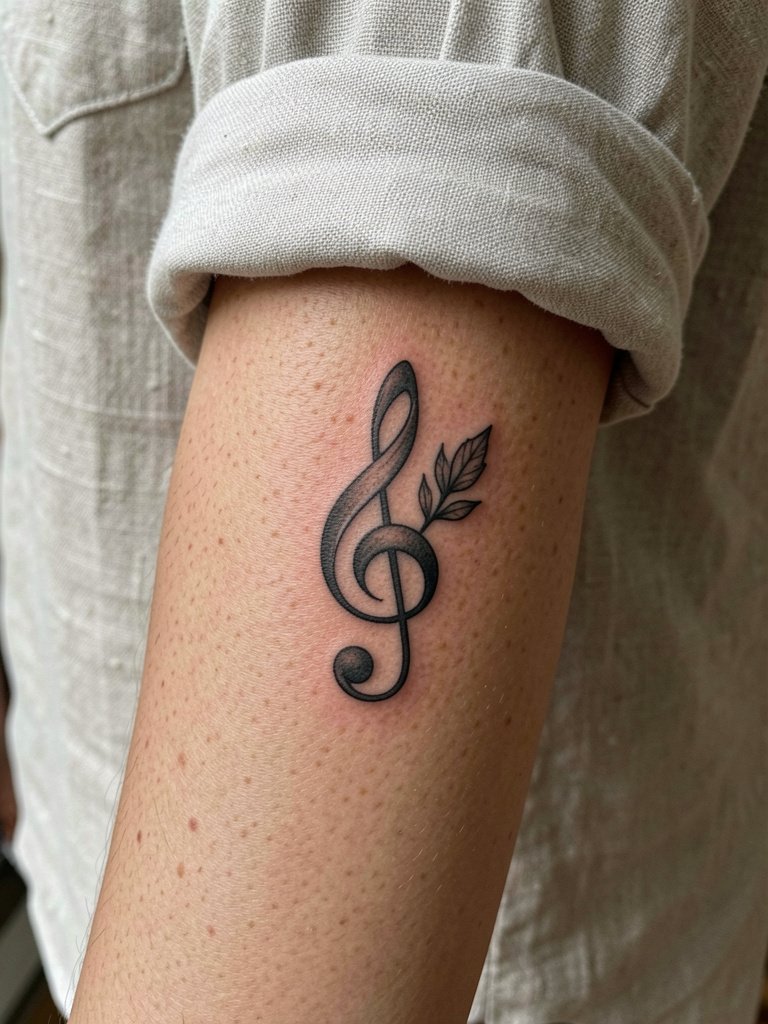
Blending botanical lines with a clef softens the look while keeping symbolism intact. The most common error is over-detailing the leaf in a tiny area. Ask for simplified veins and a single needle outline for the clef with a slightly heavier curve to maintain shape. This pairs especially well with rolled-up linen shirts in cream or olive. For the session wear a short-sleeve shirt that allows full forearm access.
12. Micro Headset with Earpiece
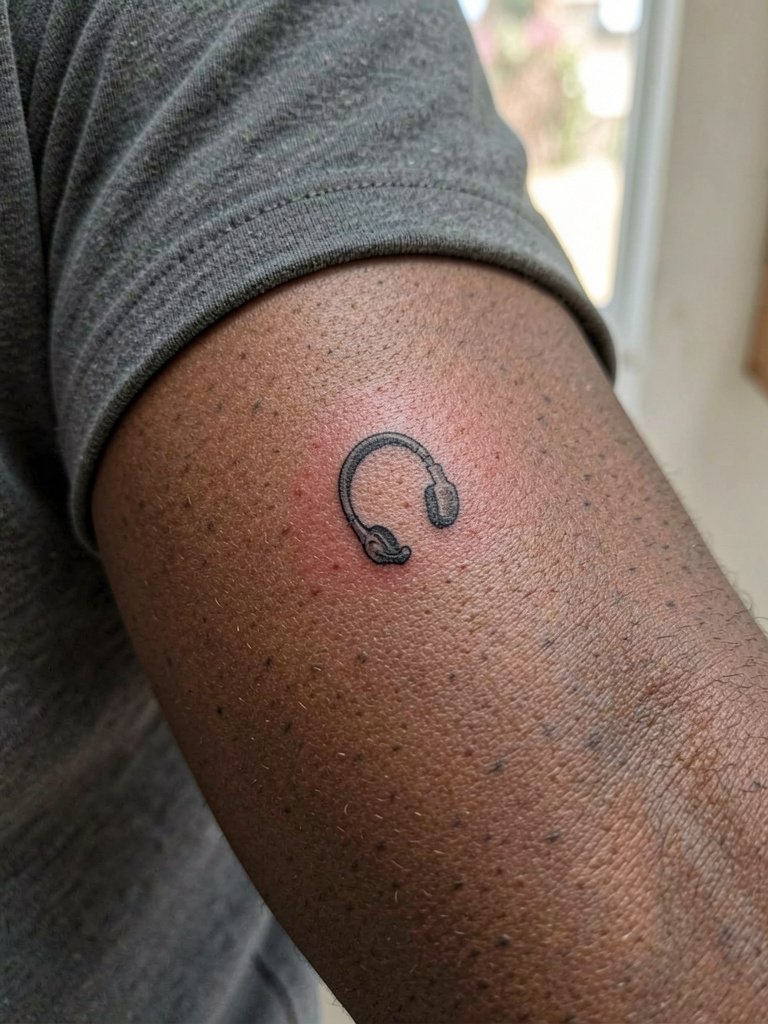
A tiny headset suits podcasters and music tech workers. The wrist location increases the risk of blur, so thicker edges and a short touch-up at six months are typical. Bring clear close-up references of the earpiece for accurate proportions. Session wear: sleeves off the arm and no wrist jewelry. Style it with a minimalist watch on the opposite wrist.
13. Lyric Snippet (3–5 Words)
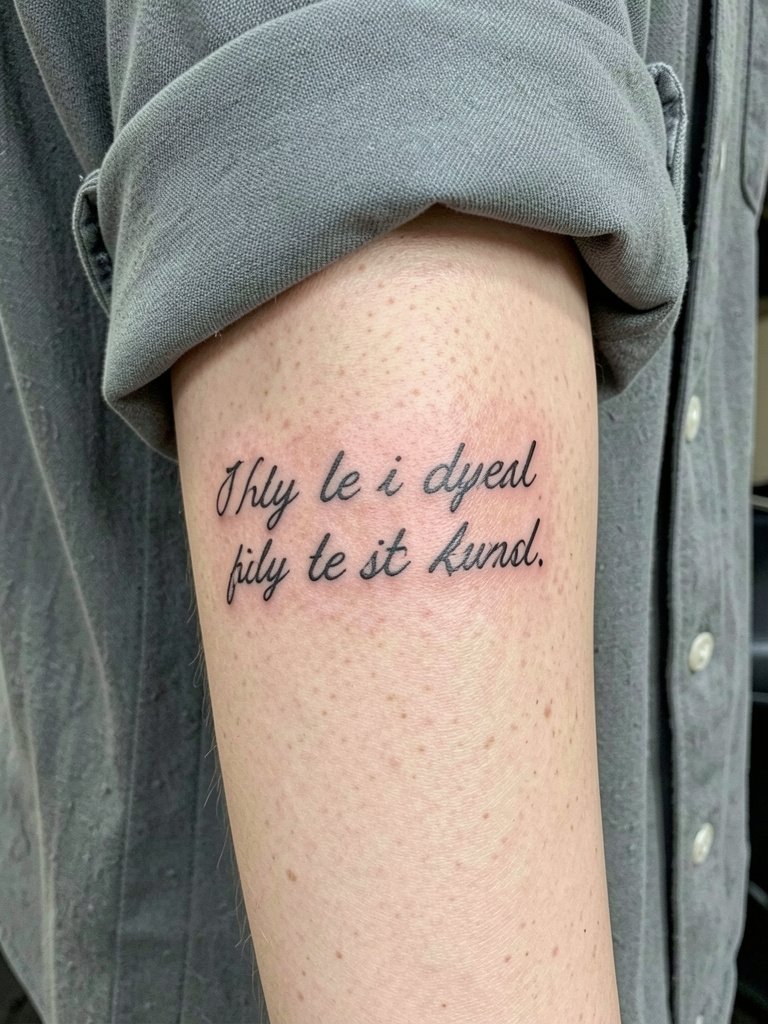
Short lyric tattoos read like a private reminder and are a good pick for the inner forearm. The standard mistake is choosing a handwritten font that loses character when reduced to two inches. Bring the exact handwritten sample you want and request proof at the final size. Wear a loose button-down to the appointment so the artist can see how the script sits with the wrist and elbow range.
14. Violin Scroll Detail
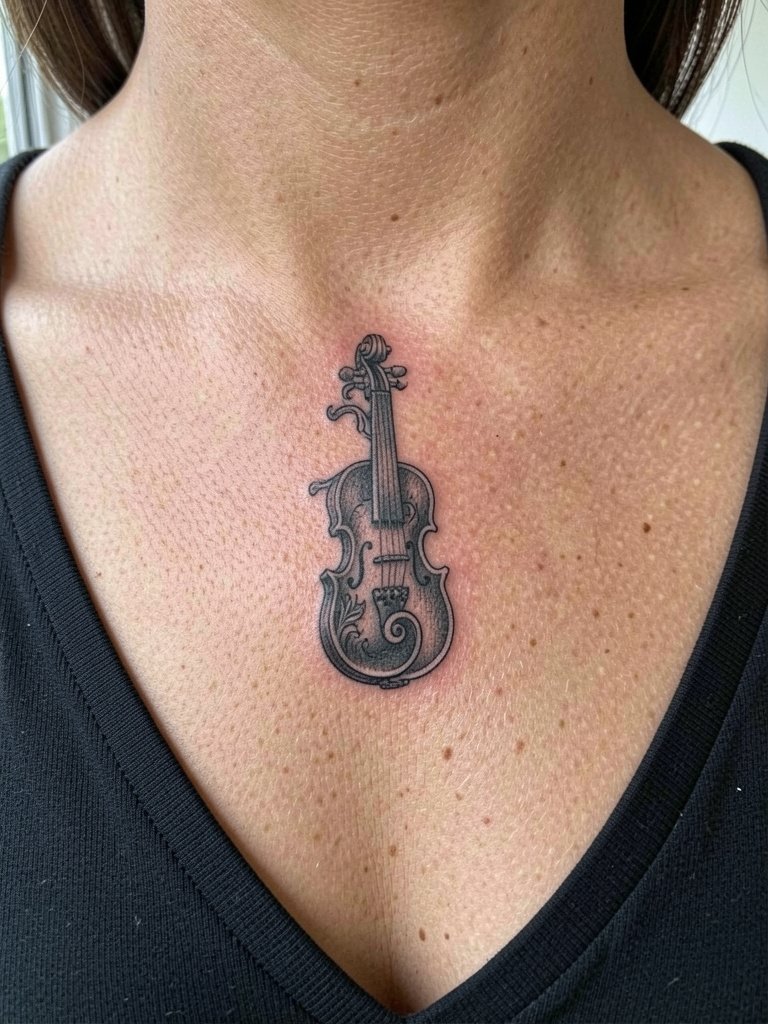
Focusing on the scroll avoids the bulk of a full instrument while keeping classical detail. The trick is requesting enough line weight in the carved curls so they stay distinct over time. A common misstep is insisting on ultra-fine wood grain that blurs; ask for hinting rather than full micro texture. Pair with strapless tops to show the upper chest and delicate layered chains above the piece.
15. Audio Waveform + Heart
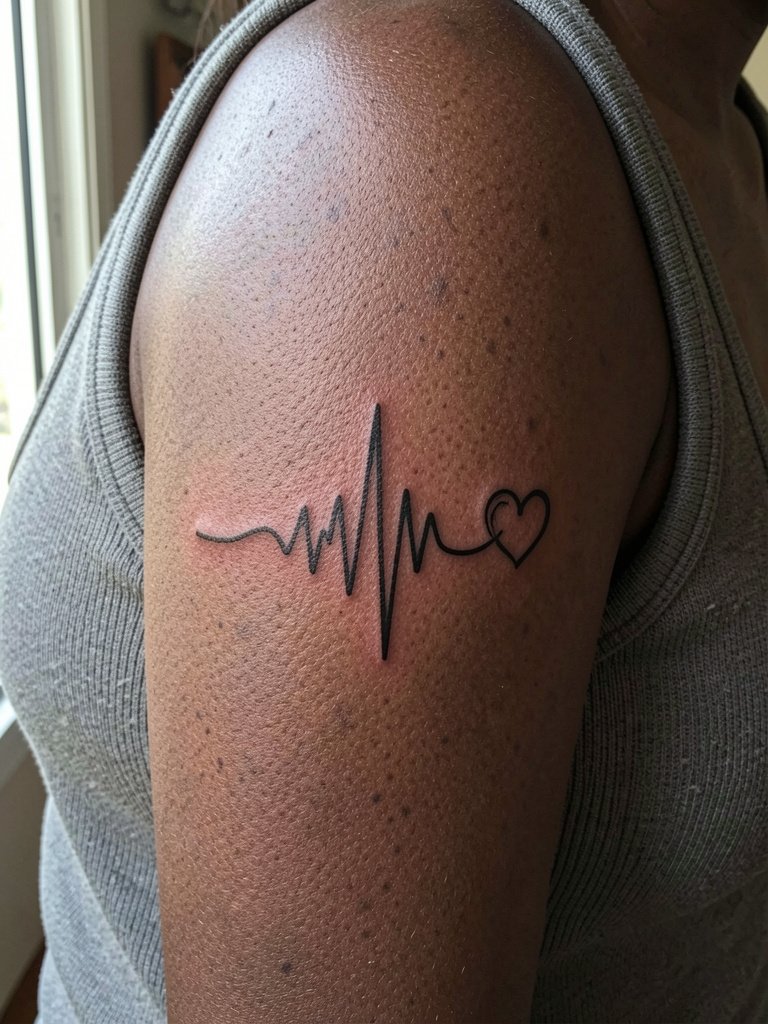
Combining waveform with a heart softens the technical look and makes it wearable for non-audiophiles. Critics of waveforms call them too abstract and worry dense lines age poorly. Supporters argue waveforms are uniquely personal and modern, and with proper files they read clearly for years. To avoid blur bring a high-resolution spectrogram PNG and ask for line spacing adjusted for skin movement. Session wear: loose tank tops for good medial bicep access.
16. Tiny Metronome Icon
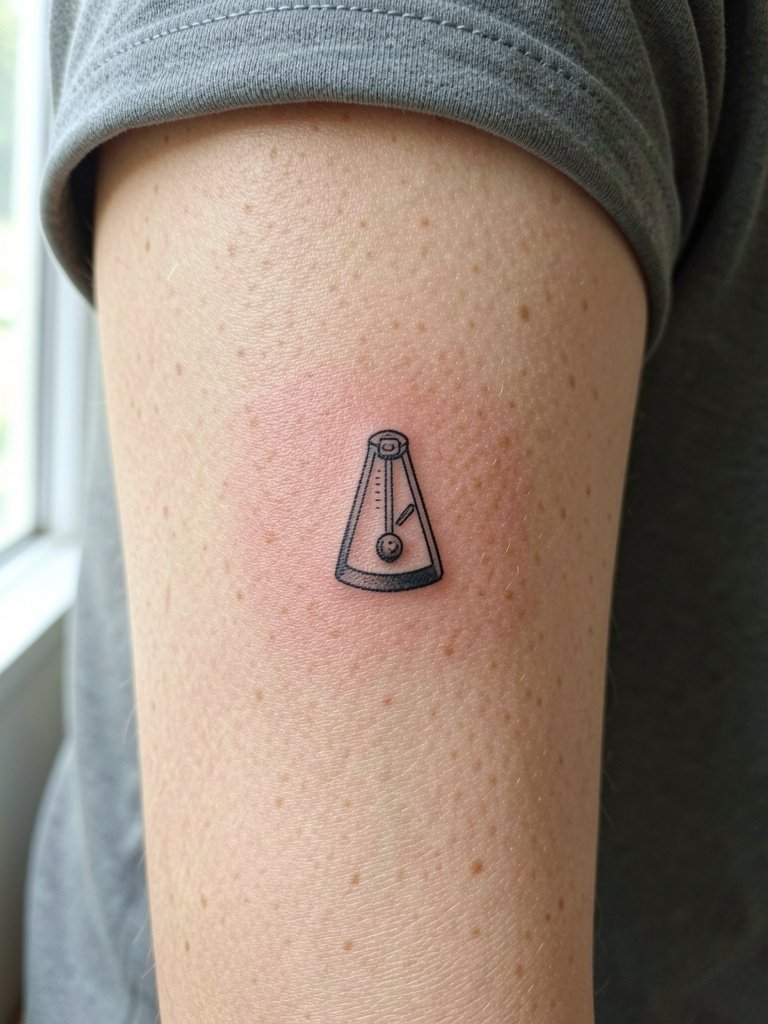
A metronome symbol is a subtle nod to rhythm. Because the wrist is a high-movement area go slightly bolder with the contour. A typical mistake is fine cross-hatching inside the metronome; flat fills age cleaner. Bring a single scaled reference so the artist can show you how it reads in actual size. For daily wear keep bracelets minimal on the opposite wrist.
17. Earbud Line That Forms a Note
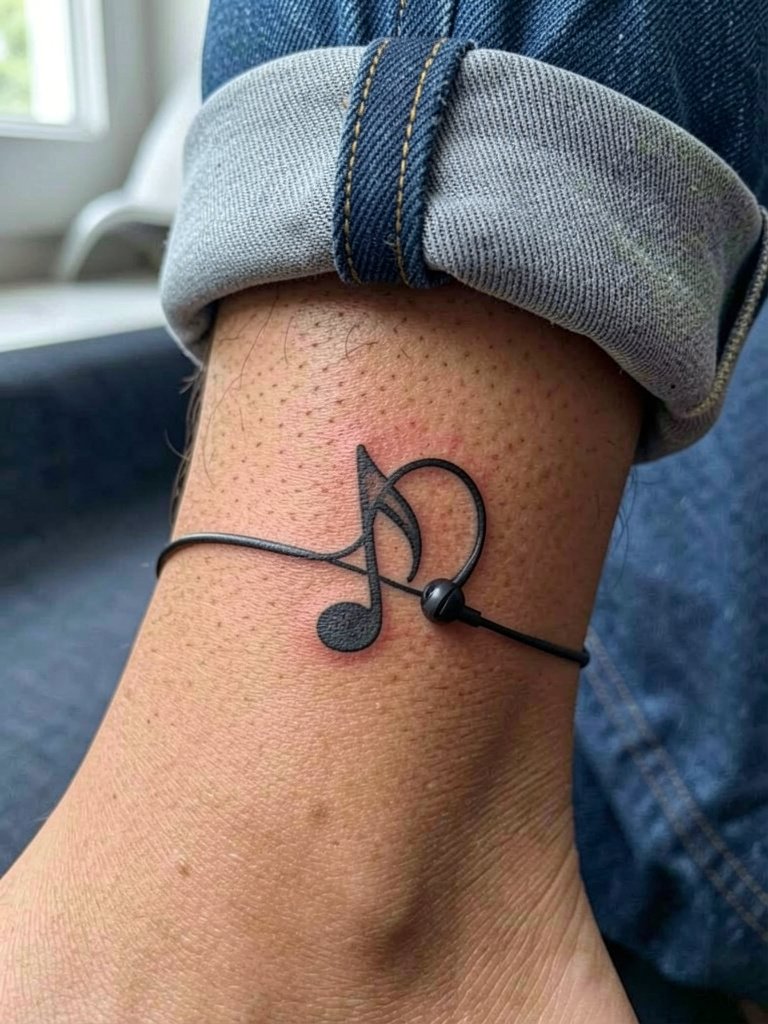
This playful cable-into-note concept is low-key and reads well on the ankle. The ankle is a friction spot when shoes rub, so expect some softening and plan a touch-up window around year two. The usual error is too many tiny twists in the cable; keep the loop simple. For the session wear jeans rolled up to expose the ankle or a long skirt that leaves the foot reachable.
18. Minimal Clef Behind the Wrist
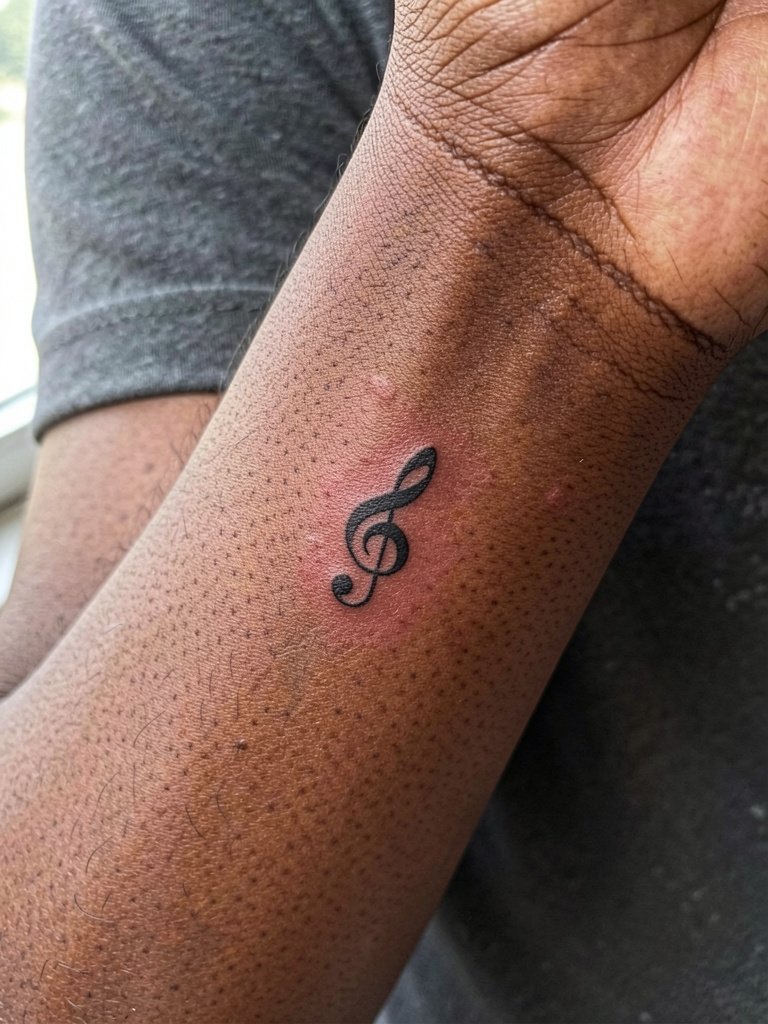
The inner wrist is visible and intimate but prone to blur. Choose a hair heavier line weight and ask the artist to map how the symbol will look when the wrist flexes. The mistake is insisting on ultra-fine strokes right on the crease. Session wear: short sleeves and no wrist jewelry. Style with a minimalist watch on the opposite wrist so the tattoo remains the focal point.
19. Stippled Note with Dot Work
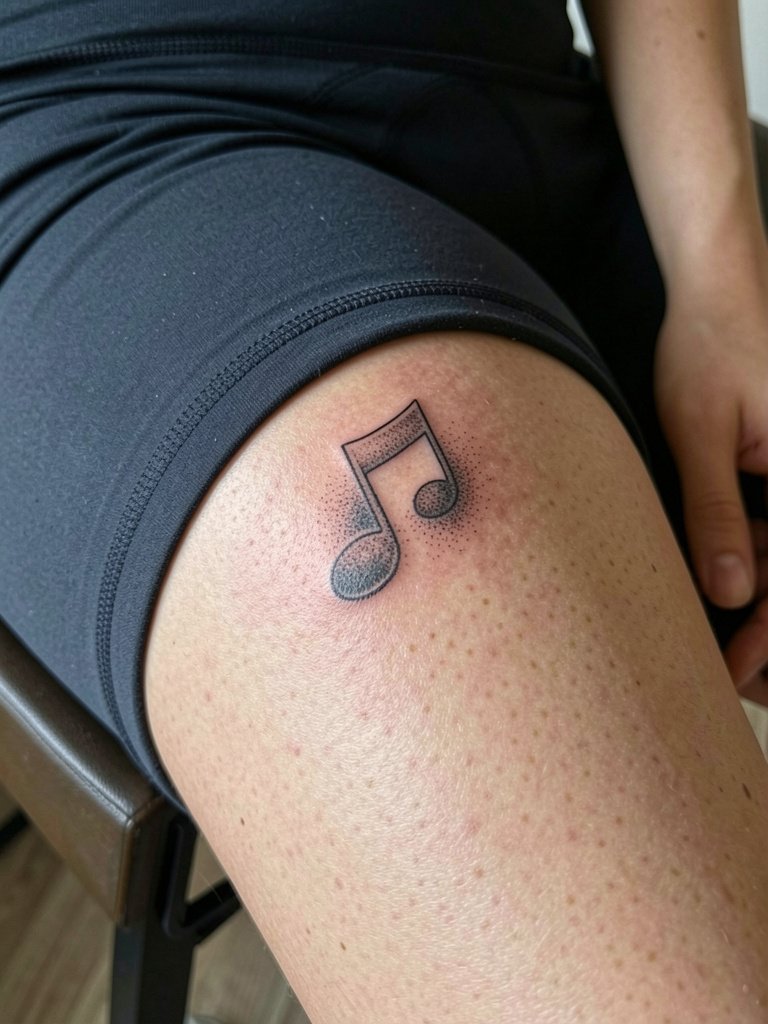
Stipple shading gives visual texture without heavy fills and ages well on the thigh because the skin there is stable. Common mistake is over-stippling too tightly, which can read muddy after healing. Request a scale test so stipple density remains open. Wear modest shorts to the session so the artist can access the area without fabric tugging.
20. Tiny Conductor Baton
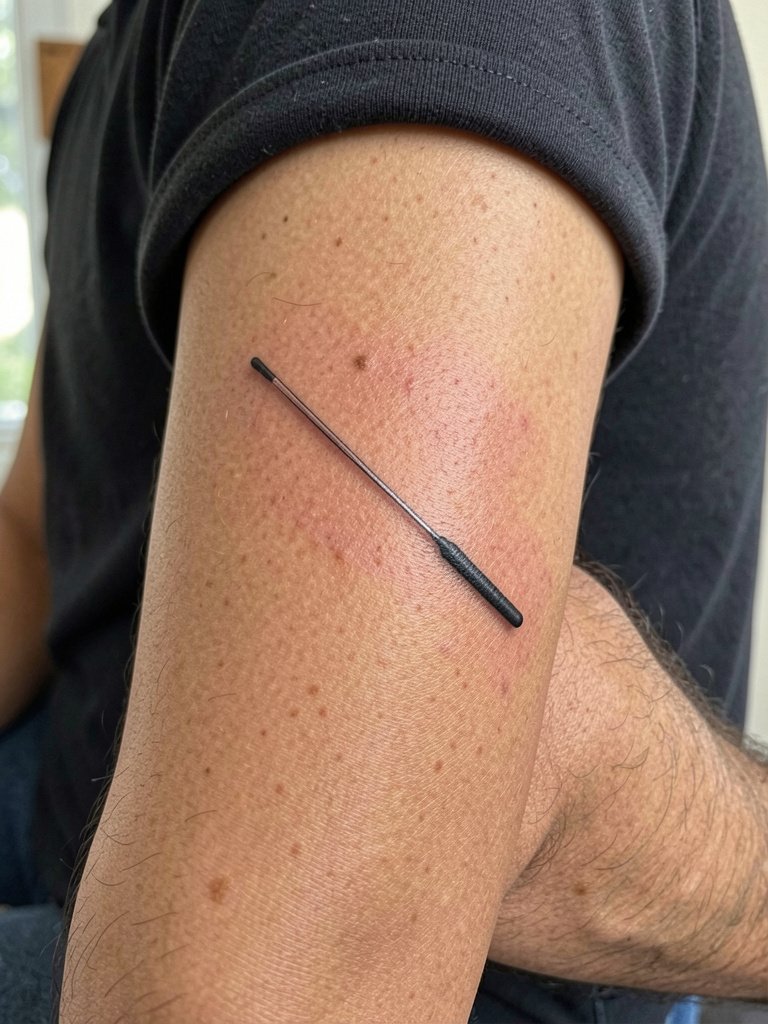
A baton symbol is crisp and dainty for music makers. Because the wrist bends, ask for a slightly stronger anchor line near the handle so the baton keeps its silhouette over time. Mistake to avoid: adding too many tiny signatures or initials around the baton that clutter the small area. For session wear keep the arm bare and relaxed.
21. Tiny Lyre Outline
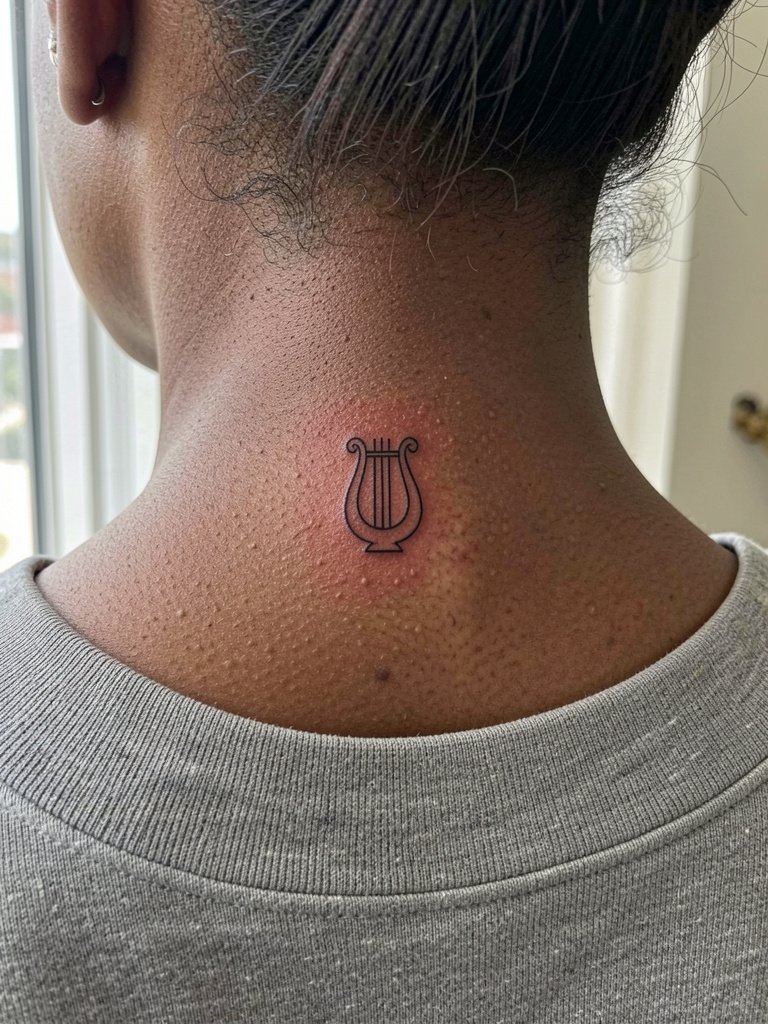
The nape is a discreet spot that looks elegant with a small outline. It can be painful for some but heals quickly. The typical error is over-detailing the lyre in a tiny area. Have the artist simplify the bridge and strings into clean strokes so the shape survives touch daily movement. For reveal moments try half-up hairstyles that show the nape.
22. Tiny Cassette Tape Icon
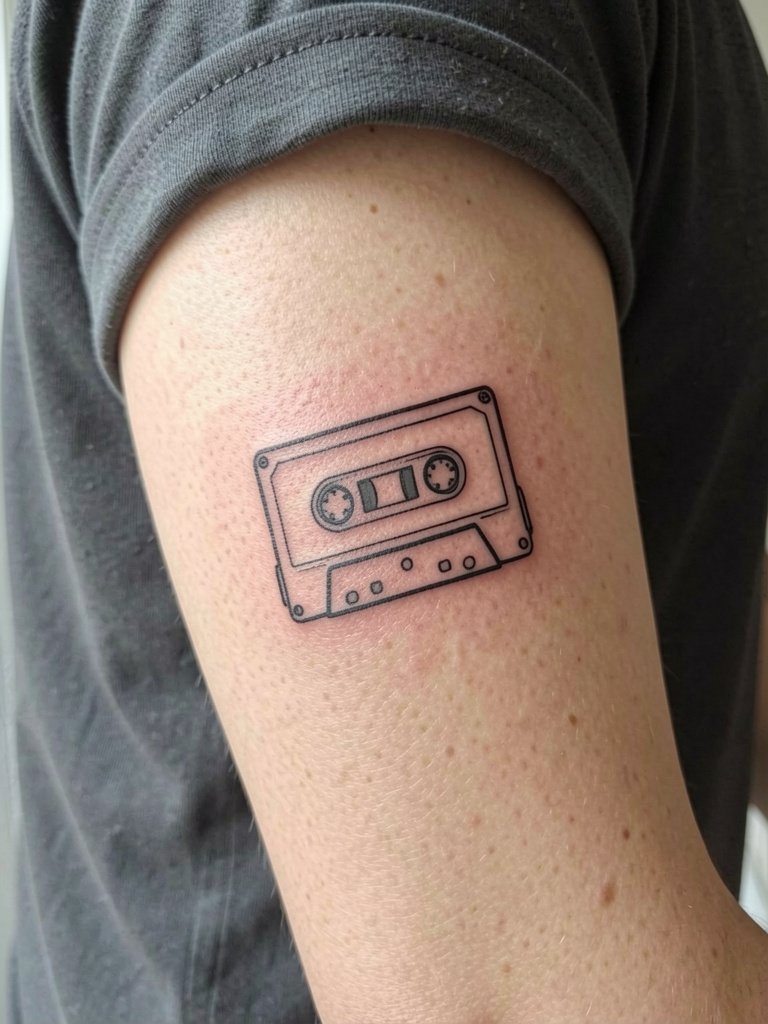
Cassette icons have retro appeal and work well in compact sizes. Because wrists face constant washing and friction, choose solid contours rather than micro-detail. Ask for bolder internal shapes rather than tiny text. For styling, a minimalist bracelet on the opposite wrist balances the look.
23. Small Arpeggio Wave
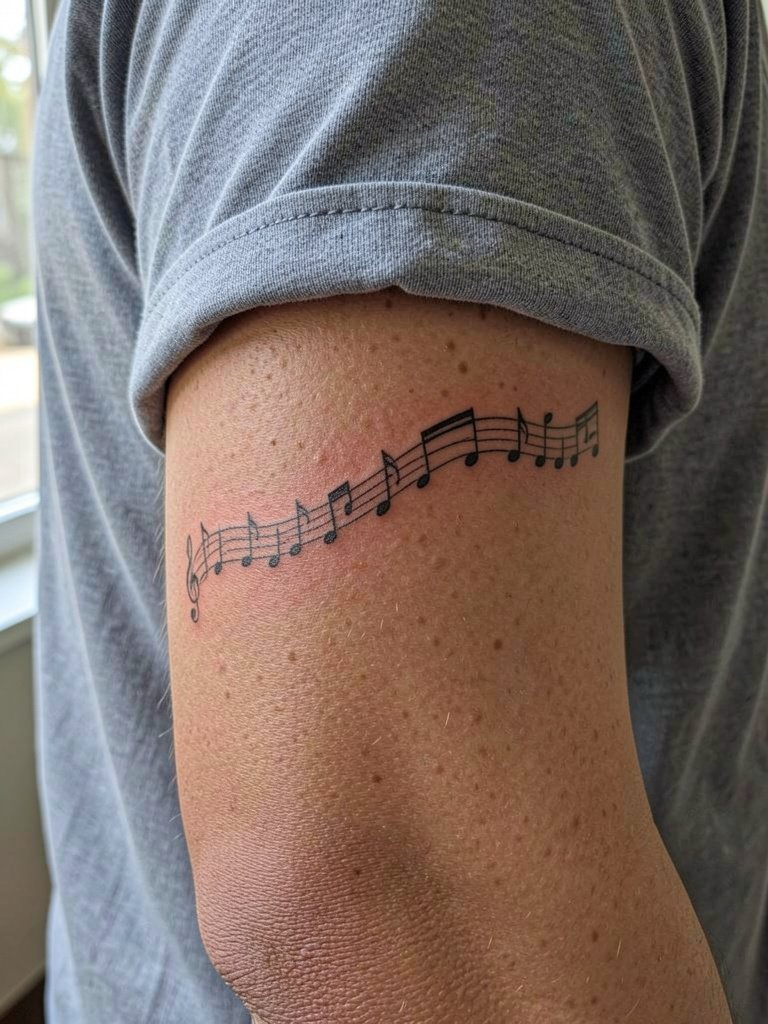
An arpeggio curve reads like motion and fits the inner arm where lines can breathe. The elbow crease area moves a lot, so the artist should avoid placing critical detail over the fold. A mistake is compressing notes into the crease. For the session wear a short-sleeve that leaves the inner elbow free and comfortable.
24. Minimal Sound Wave Ring
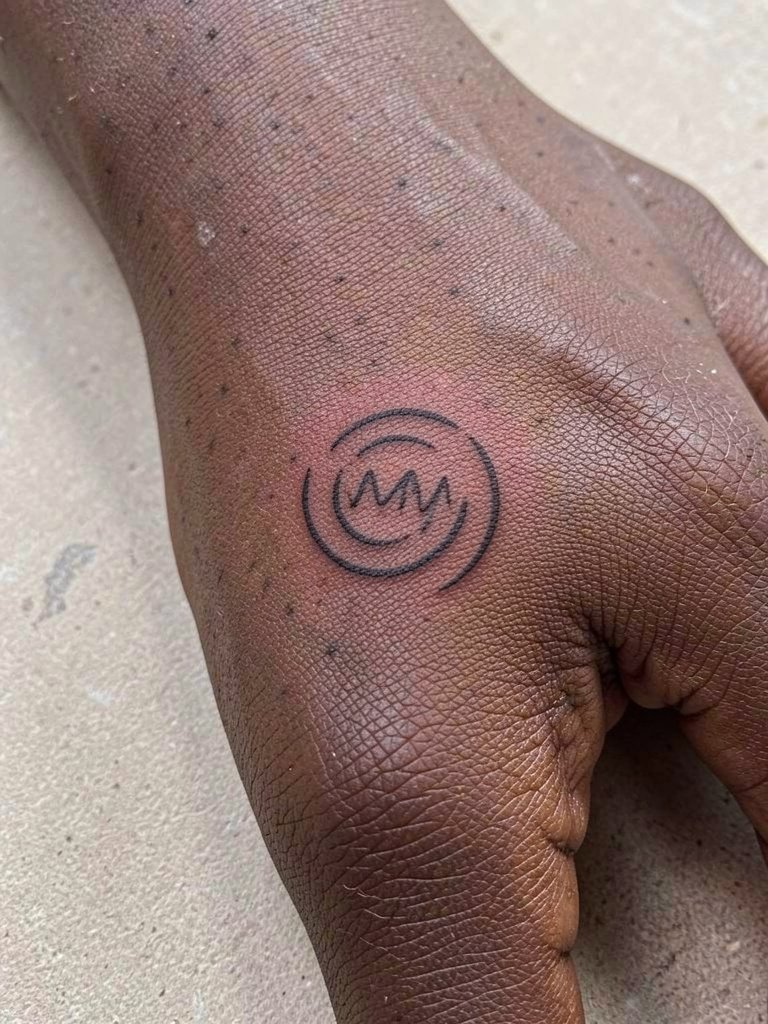
Finger work is visible but high-maintenance because of constant washing. If you want a finger ring wave accept that touch-ups are common. The common error is ultra-fine linework on the finger; slightly bolder bands last longer. For the session avoid wearing rings and plan for a possible touch-up at the six-month mark.
25. Tiny Note Behind the Ear Lobe
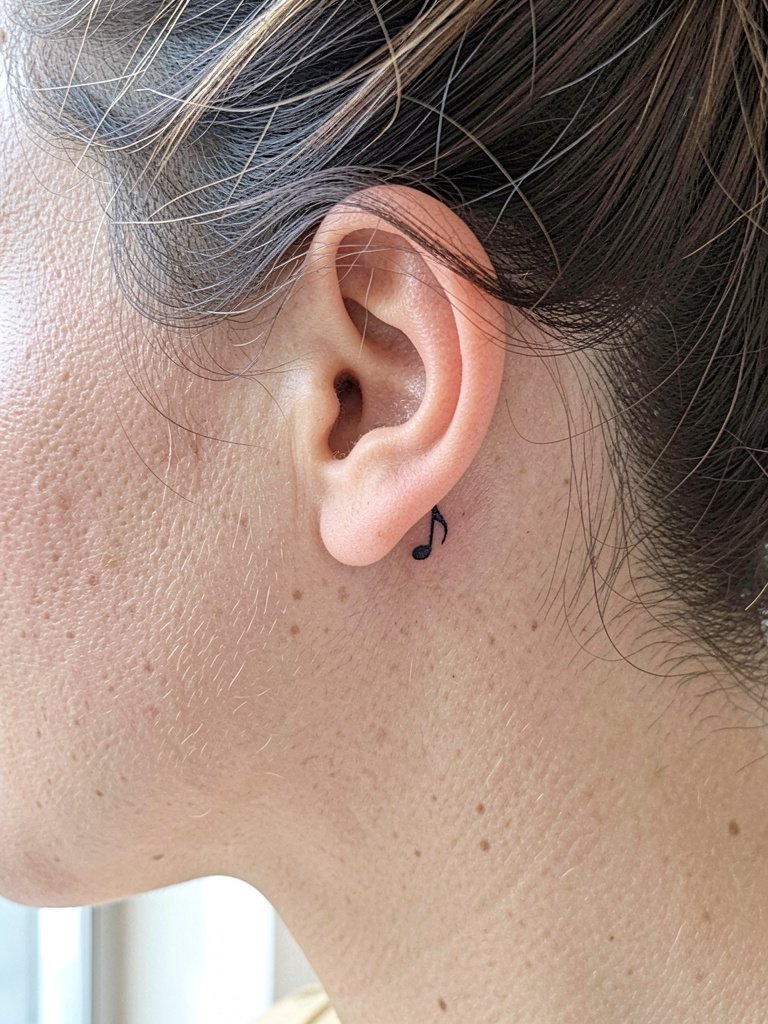
Placed low behind the ear, a single note is subtle and often hidden by hair. Pain can spike in this thin area so expect sharp discomfort. The mistake is insisting on the thinnest possible stem; a little added weight prevents loss of shape. Session wear: choose a top with easy neck access like a button-back so the artist can work comfortably.
26. Tiny Amplifier Knob
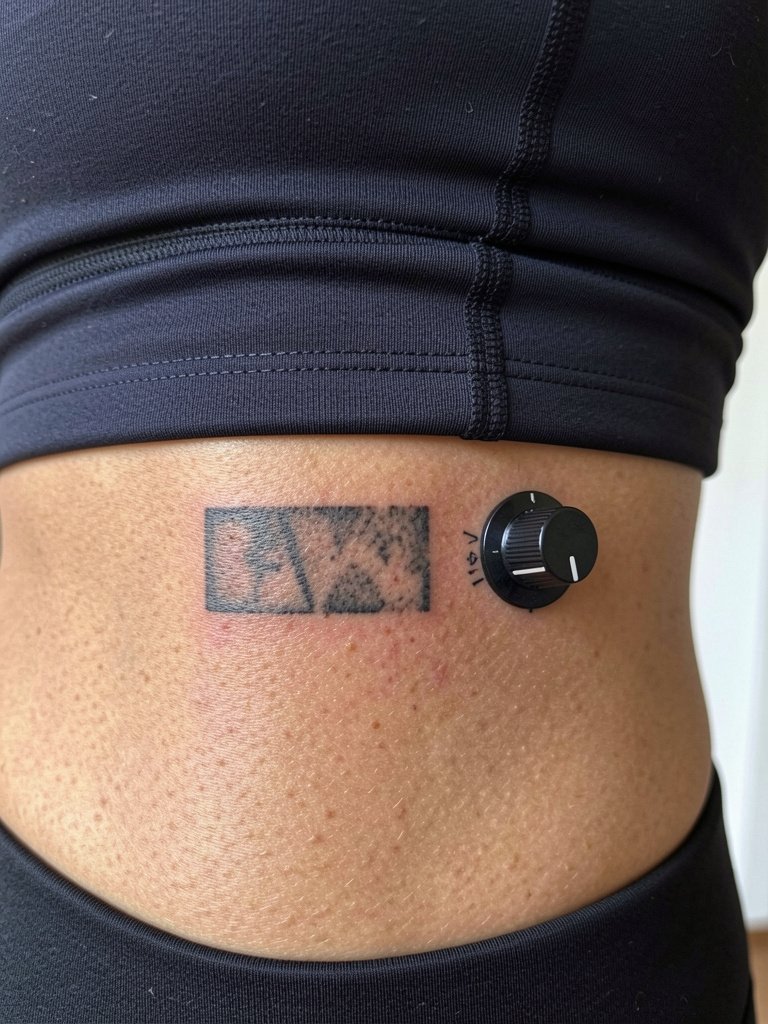
Ribcage placements are intimate and can be painful, but the skin there holds detail well. One camp warns fine-line ribs blur with skin stretch and recommend thicker strokes. Another camp says with correct depth and spacing fine line can settle nicely and point to healed examples. If you choose the ribs expect a more intense session and consider numbing protocols. Wear a fitted cropped top so the artist can get clear access without tugging.
27. Tiny Brass Instrument Valve
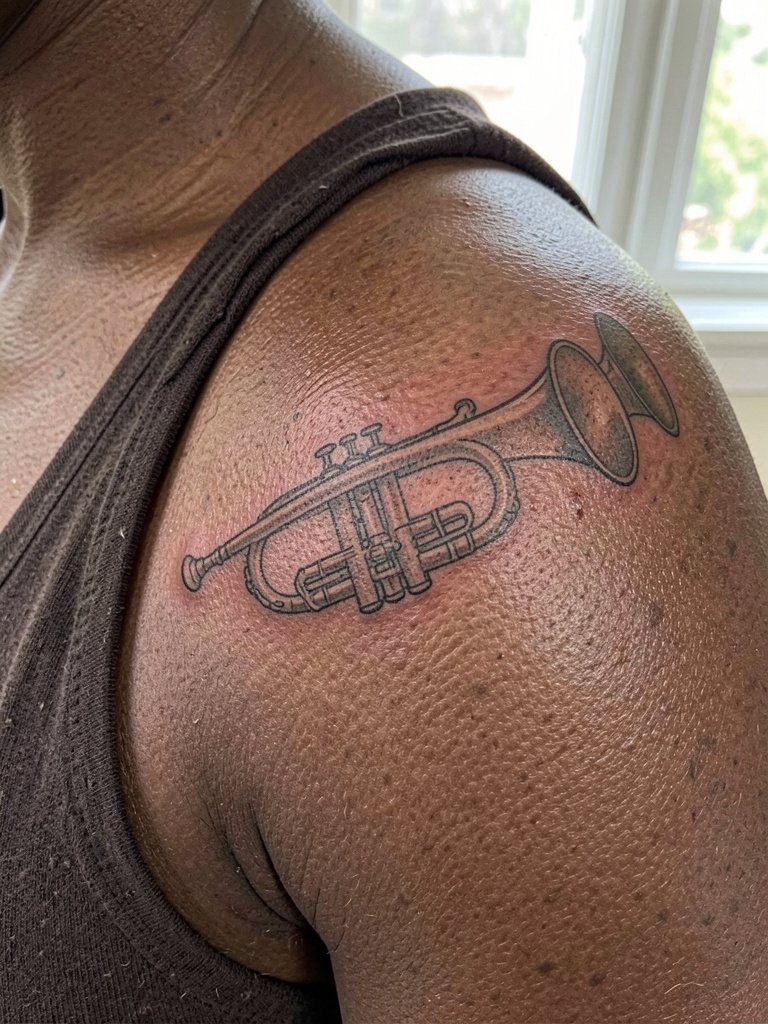
A shoulder valve detail reads like musician shorthand and avoids a large instrument. The shoulder tolerates small work well and the area moves less than the wrist. Mistake to avoid: overcomplicating tubing in a tiny area. For the session wear a top with a wide neckline so the artist can reach the shoulder without fabric pressure.
28. Tiny Music Box Cylinder
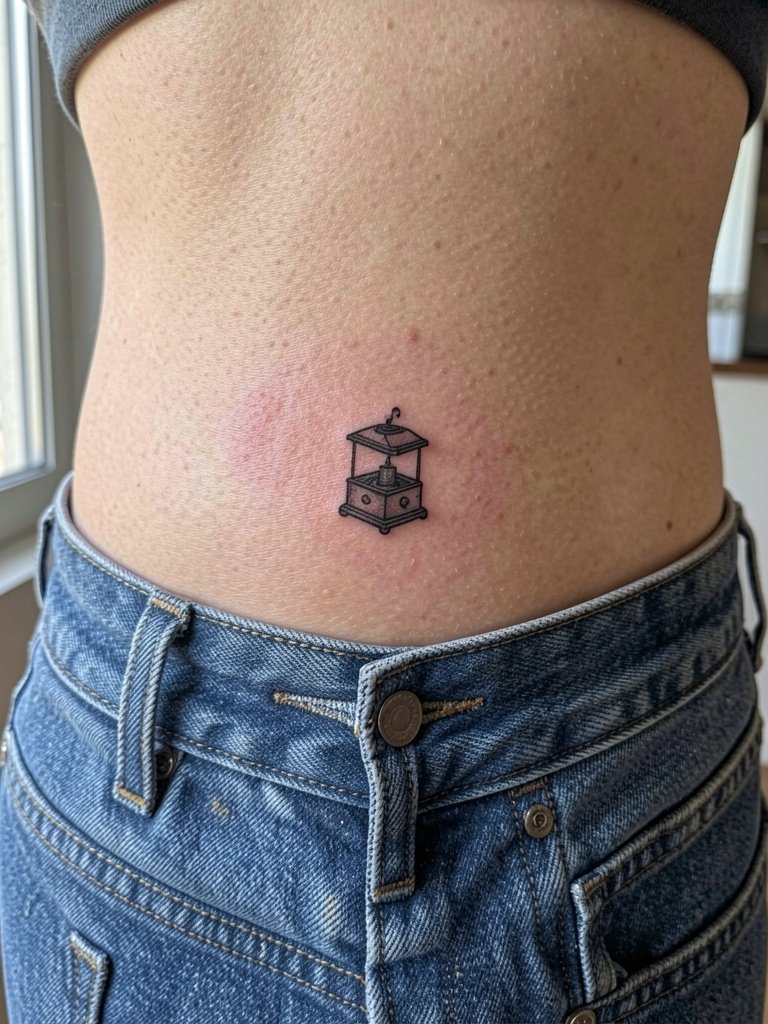
The lower back offers privacy and a flat surface. The main mistake is placing very fine teeth detail into a tiny cylinder. Simplify teeth into suggested marks so the cylinder remains readable at small scale. Session wear: low-rise jeans and a fitted cropped tank to allow easy access without tugging.
29. Tiny Sheet Music Bar Across the Sternum
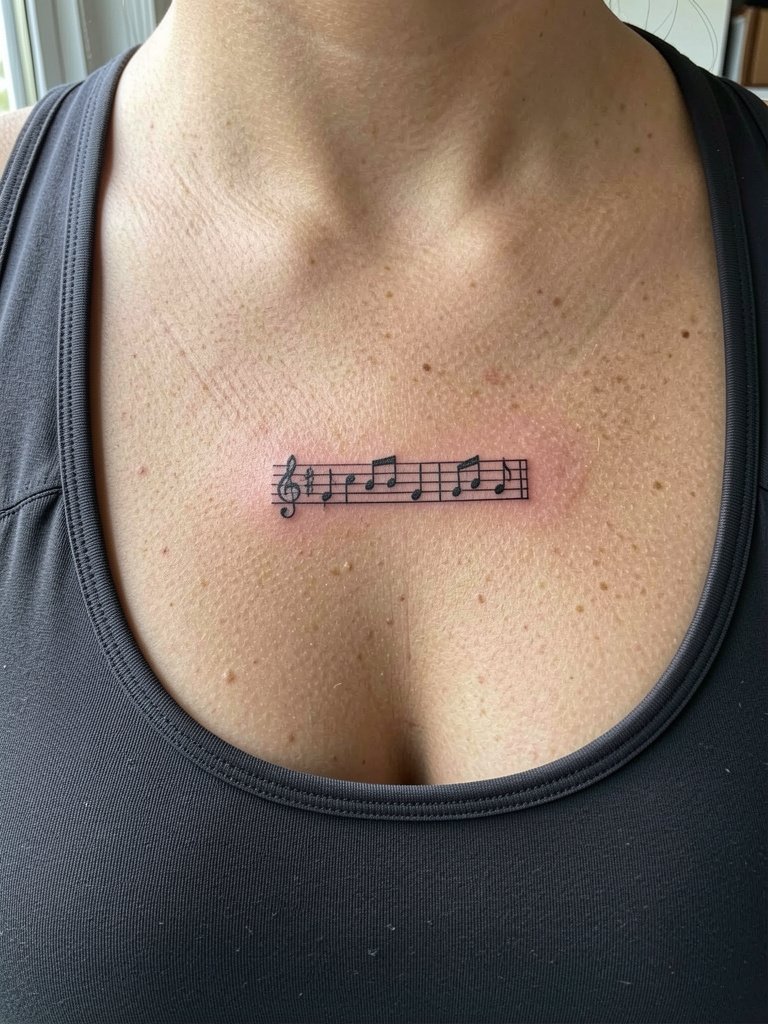
A short bar on the sternum reads as both personal and visible when you want it to be. The sternum area requires careful spacing for staff lines so they do not merge. Avoid single-needle staff lines right across the sternum; slightly bolder staff lines prevent early blurring. For the session wear a fitted sports bra so the artist can work without fabric slipping.
Frequently Asked Questions
Q: How much should I budget for a small music tattoo?
A: Expect a shop minimum in the typical range of one hundred fifty to two hundred fifty, even if the design looks tiny. Many artists charge a minimum session fee to cover setup, so plan your budget around that rather than the sticker price of the image.
Q: Which small music designs age best on wrists and hands?
A: Bold silhouettes and slightly heavier contour lines tend to age better than single-needle detail on wrists and fingers. If you want a tiny wrist piece, ask the artist to thicken the stroke just enough to resist daily friction and schedule a touch-up window at six to twelve months.
Q: I want a waveform but I keep hearing mixed advice. What should I know?
A: Waveforms split opinion. One camp says they look like unique, modern portraits of a song and are worth the extra prep. The other camp warns dense waveforms can blur if lines are packed too close. Bring a high-resolution spectrogram file and confirm the artist will adjust spacing for your skin type.
Q: Where can I find healed portfolios and local artists without naming specific people?
A: Search hashtags like #music tattoo, #finelinetattoo, and #audiowavetattoo on Instagram and TikTok and filter by location. Tattoodo lets you search by keyword combinations such as "small treble clef" or "custom waveform" and shows healed examples. Reddit communities like r/tattoos and r/TattooDesigns surface peer recommendations and healed shots across skin tones.
Q: What should I wear to a session for collarbone or hip tattoos?
A: For collarbone pieces choose an off-the-shoulder or wide-neck top that exposes the area naturally. For lateral hip tattoos wear low-rise pants or loose drawstring shorts that the artist can roll down without fabric tugging. In both cases avoid tight waistbands that press on fresh ink.
Q: How soon will I need a touch-up for fine line music tattoos?
A: Small fine line pieces commonly need a touch-up in the first year, especially on wrists, fingers, and ankles. Inner forearm and chest pieces often hold longer, yet a six to twelve month check-in is a practical plan so any softening can be corrected while the artist remembers the original work.