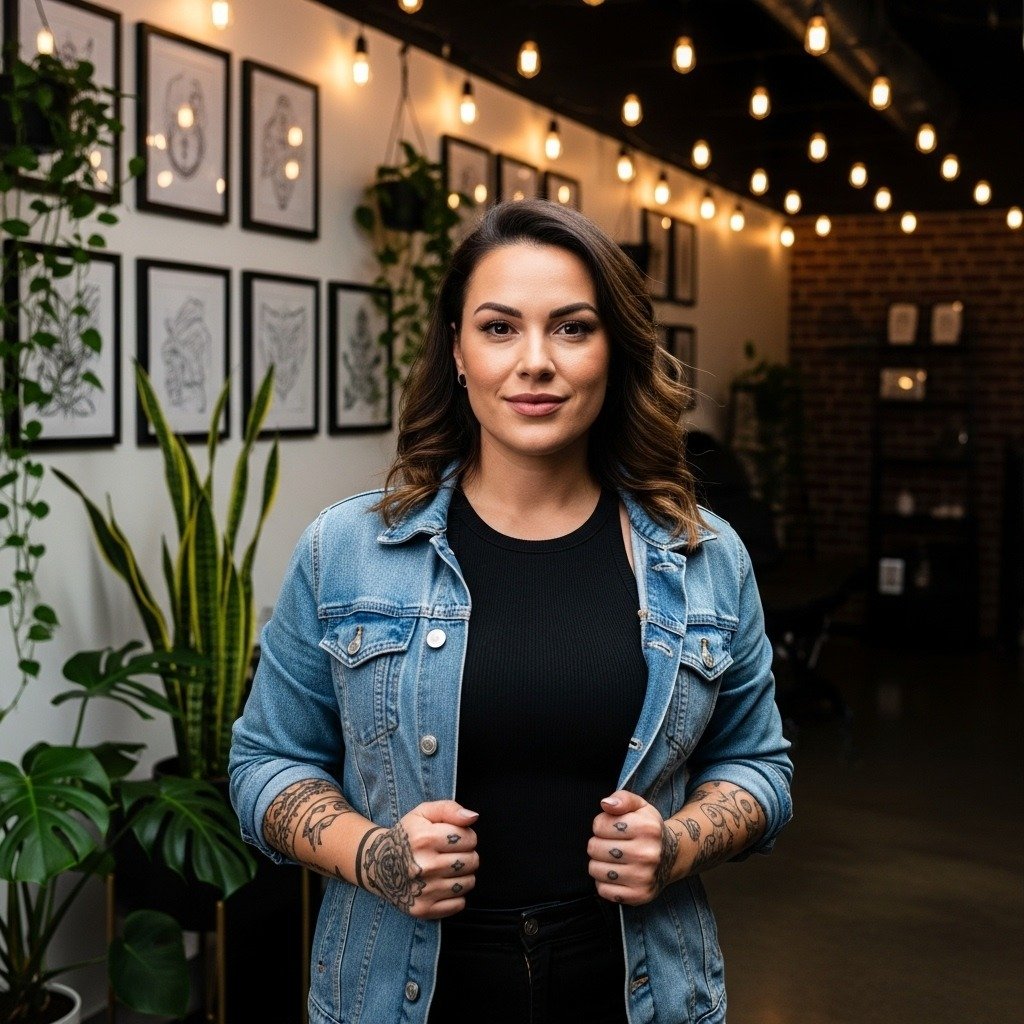
Bold Celtic bands tend to outlive the wispy filigree everyone pins on mood boards. One camp argues that thicker black knots and clear spacing lock the pattern in place for years. The other camp believes a skilled single-needle approach with slightly wider spacing and planned touch-ups keeps delicate knotwork readable. Expect practical notes on placement, aging, and what to bring the day of the session.
1. Interlocking Knot Full Band on Upper Forearm
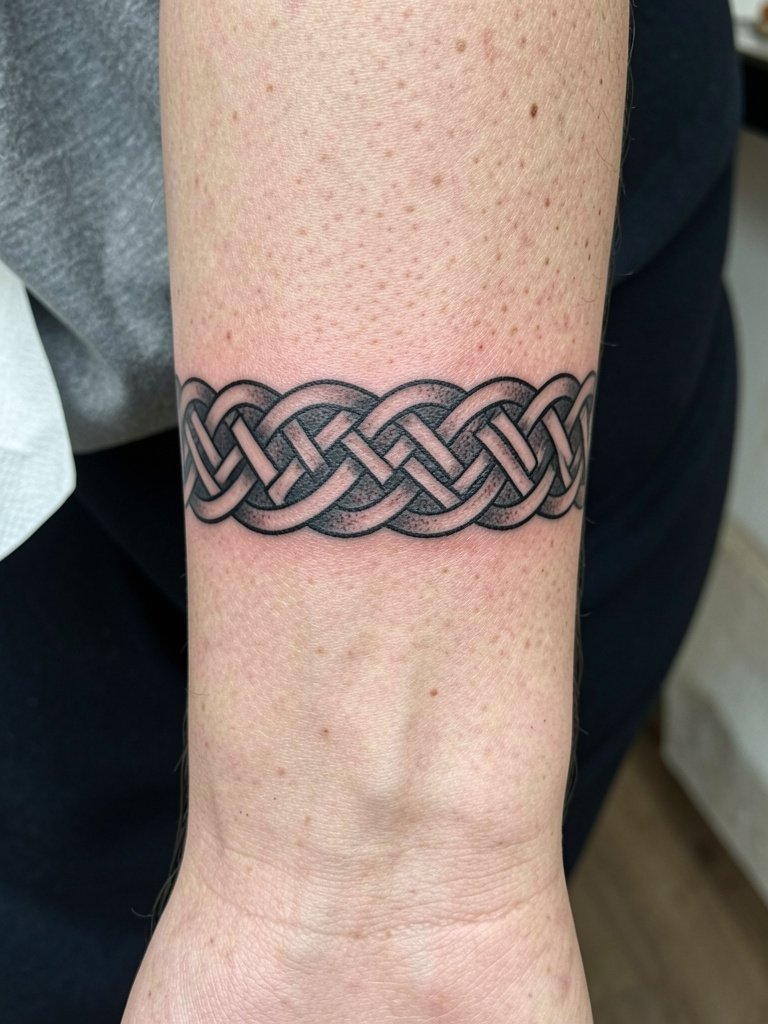
This classic wrap works best as a continuous band three to five inches wide. Expect a one to two hour session for a mid-width band, and moderate pain on the inner forearm. The biggest mistake is going too small and letting the knot bridges touch, which invites blowout and loss of negative space. Ask about slightly heavier linework than the reference to preserve the knot definition at year three. For showing it off, pair with rolled-up linen shirts that expose the forearm and let the pattern read from a distance.
2. Celtic Chevron Ring on Finger Band
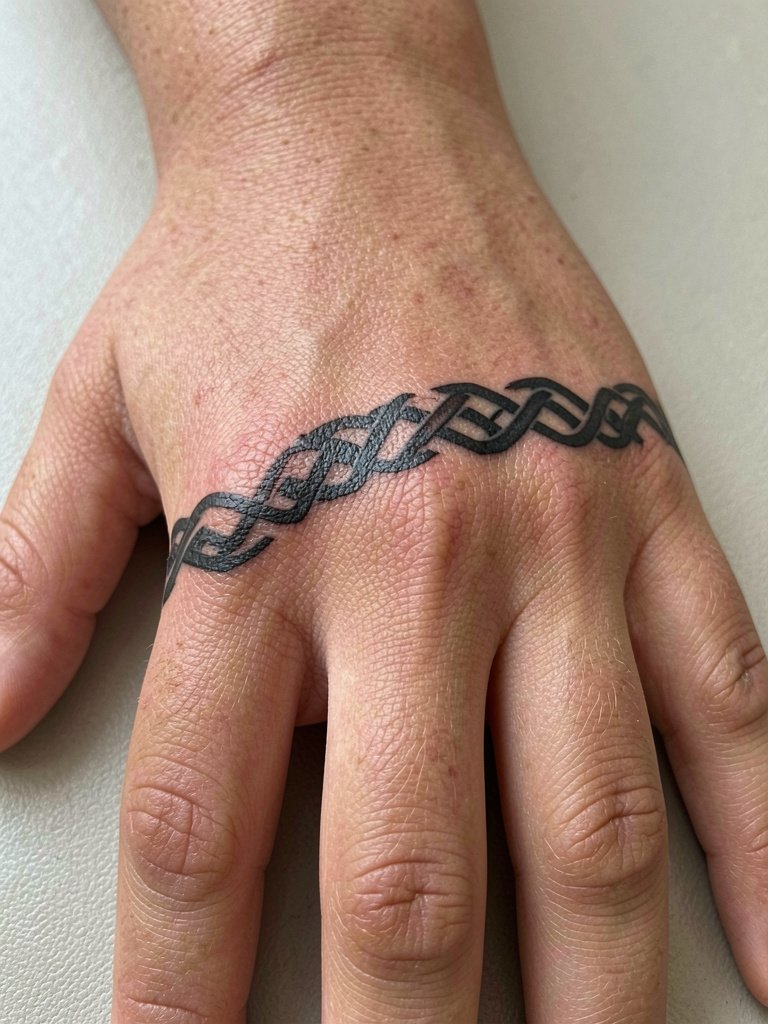
Finger bands are a commitment. They take short sessions but need touch-ups more often because the skin there sheds and rubs against surfaces. I recommend slightly bolder bands than the Pinterest samples. The common error is requesting ultra-fine micro knots that blur by year two. During consultation bring scaled references showing the band at actual finger circumference so the artist can map the spacing. For daily wear, a slim signet ring or matte black band complements the tattoo without covering it.
3. Single-Needle Filigree Around the Wrist
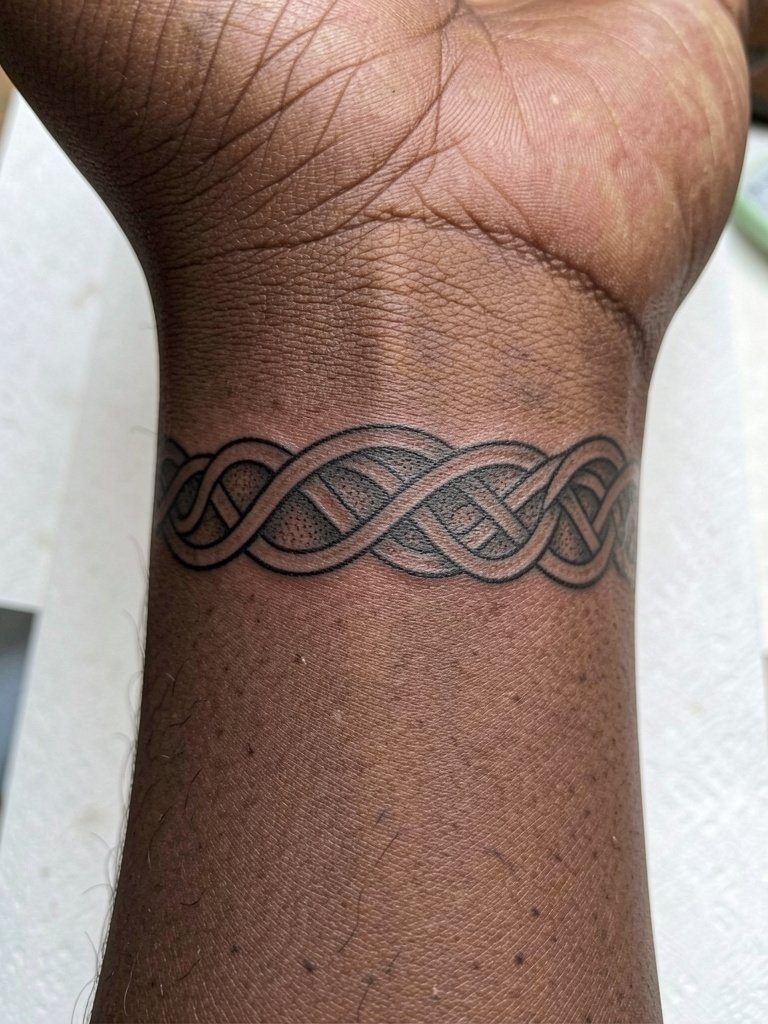
Filigree can be striking, but it ages differently on wrists. On lighter skin the single-needle look stays crisp longer than on darker tones when the linework is too tight. Expect a short session under an hour, with sensitive areas around the wrist feeling sharper. The common mistake is copying tiny Pinterest filigree without scaling for the wrist's movement. Request slightly more spacing and plan a six to twelve month touch-up. For showing it off, cuffed button-down shirts or rolled sleeves frame the wrist without hiding the detail.
4. Half-Sleeve Celtic Weave with Stipple Shading
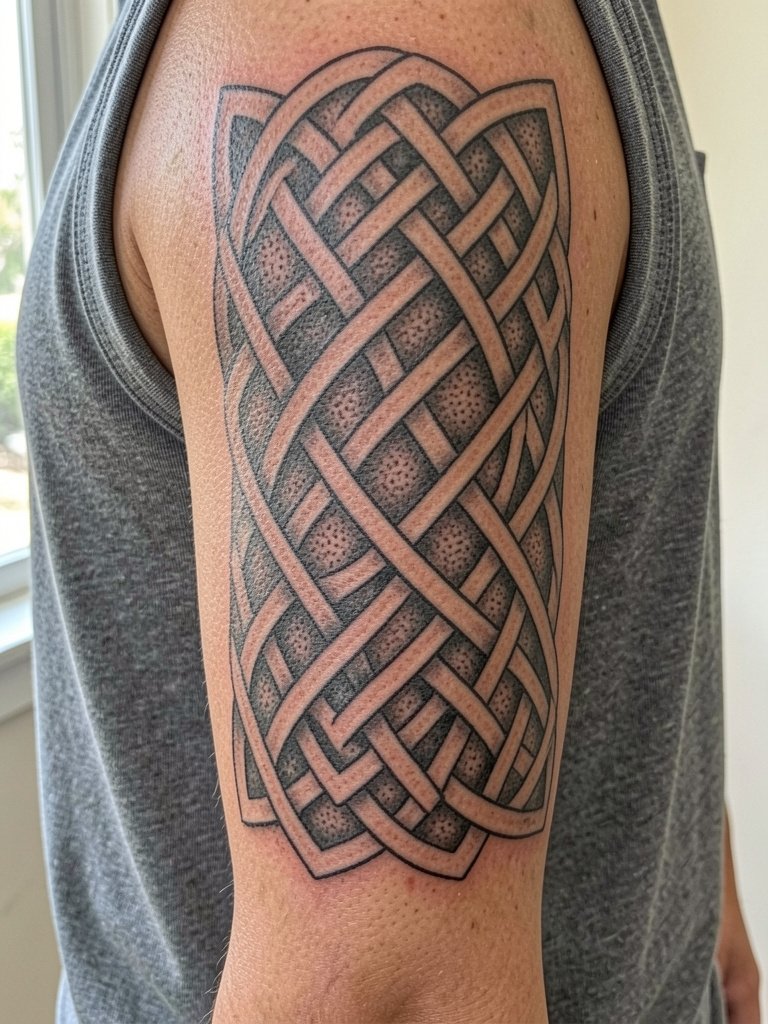
A half-sleeve gives room for complex knotwork and panels that breathe. Sessions run multiple hours or several visits depending on saturation goals. The visual win is in alternating heavy outlines and stipple shading for depth. Commonly people cram too many motifs into the space and the negative space disappears. Talk with the artist about panel breaks so each knot retains its shape at year five. For session comfort wear a loose tank top so the shoulder and bicep are fully accessible.
5. Narrow Spiral Band Behind the Ear
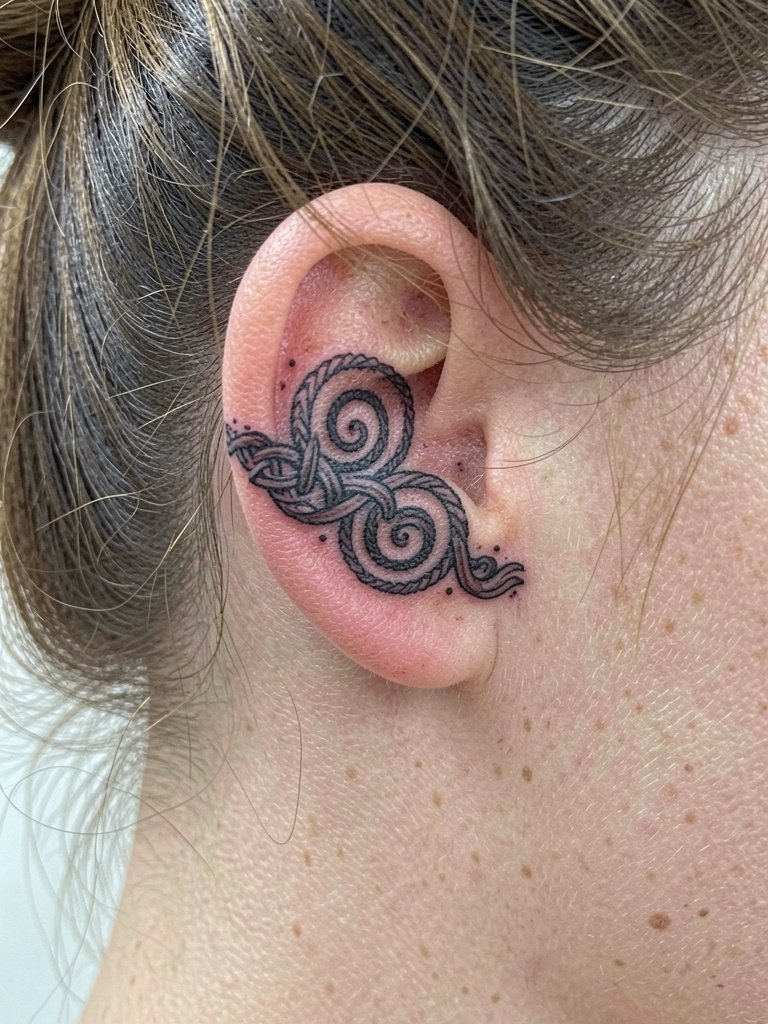
Small placements near the hairline require an artist experienced with tight curves. Pain is low to moderate and sessions are short. The usual error is expecting ultra-fine detail to survive long-term with no touch-up. Ask for slightly heavier knot terminals to prevent feathering. If you want it visible, style hair in a clean undercut or keep it in a natural updo during events for a peek of the spiral.
6. Wide Celtic Cross Band on Chest
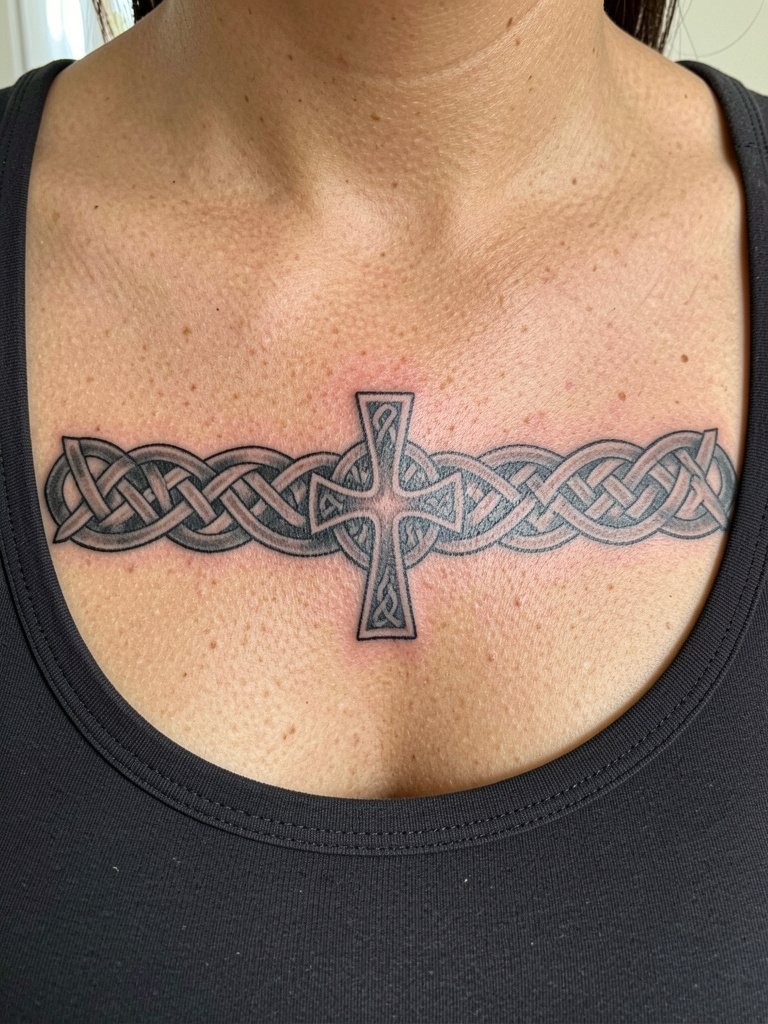
Chest bands let you scale a central cross to read at a distance. Expect more discomfort over the sternum area and longer sessions for saturation. A common mistake is centering the cross too small, which flattens the composition against chest contours. Discuss how the band will sit relative to the collarbone so movement does not distort key knot intersections. For evenings out, a scoop-neck or open-collar shirt will keep the pattern prominent and balanced.
Session Day Picks
The forearm, wrist, and chest pieces above need clothing that gives the artist room and keeps the tattoo accessible during breaks.
-
Stencil transfer paper kit. Lets you preview band curvature on skin before the needle touches the surface, which is critical for symmetrical Celtic wraps.
-
Topical numbing cream. Apply as directed before longer chest or inner forearm sessions to help manage the sharper zones without changing needle dynamics.
-
Thin protective film roll. Useful for keeping wrist and finger bands clean during the first few days of heavy hand use.
-
Fragrance-free gentle body wash. A mild cleanser that reduces irritation while the linework settles during the initial week.
-
Aquaphor healing ointment. A mainstream option for early-day moisture that most artists recommend in a thin layer for band work.
7. Braided Band Around the Ankle
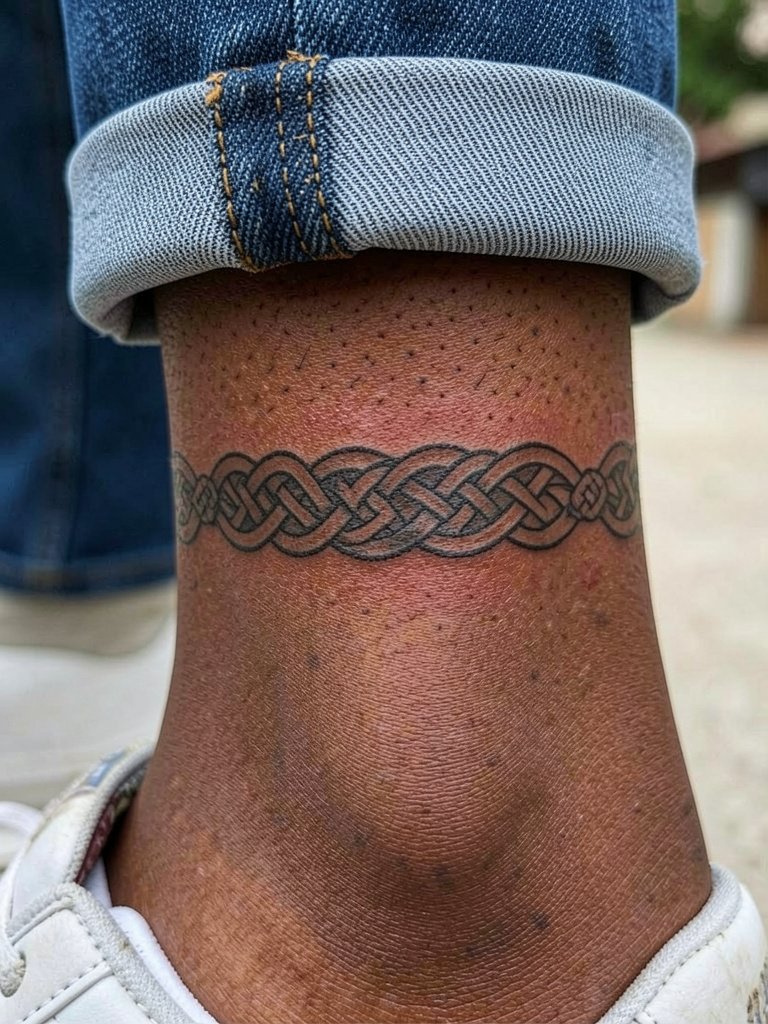
Ankle bands handle movement but suffer from friction with socks and shoes. Sessions are brief and pain is medium due to proximity to bone. The common error is choosing pastel shading that fades fast under constant abrasion. Opt for solid black outlines with moderate saturation. For footwear pairings try low-profile canvas sneakers or rolled cuff jeans to keep the ankle visible without rubbing the healing skin.
8. Celtic Triangle Band on Upper Arm with Dot Work
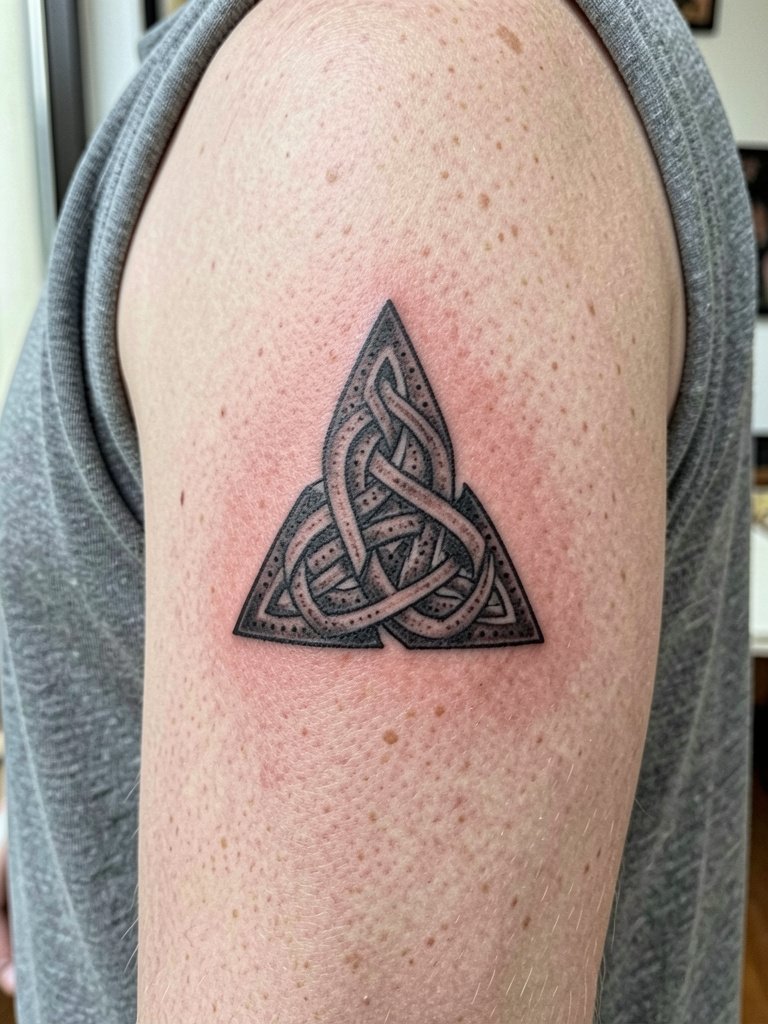
Combine geometry and Celtic motifs when you want a design that reads from a distance but still rewards close inspection. Sessions can take one to three hours depending on dot work density. People often pick too-small triangles that collapse visually as the dots spread. Ask for a mock-up at full scale so you can see negative space balance. Pair this placement with sleeveless shirts and a casual watch strap that leaves the triangle unobstructed.
9. Thin Rope Band for Ring Finger Accent
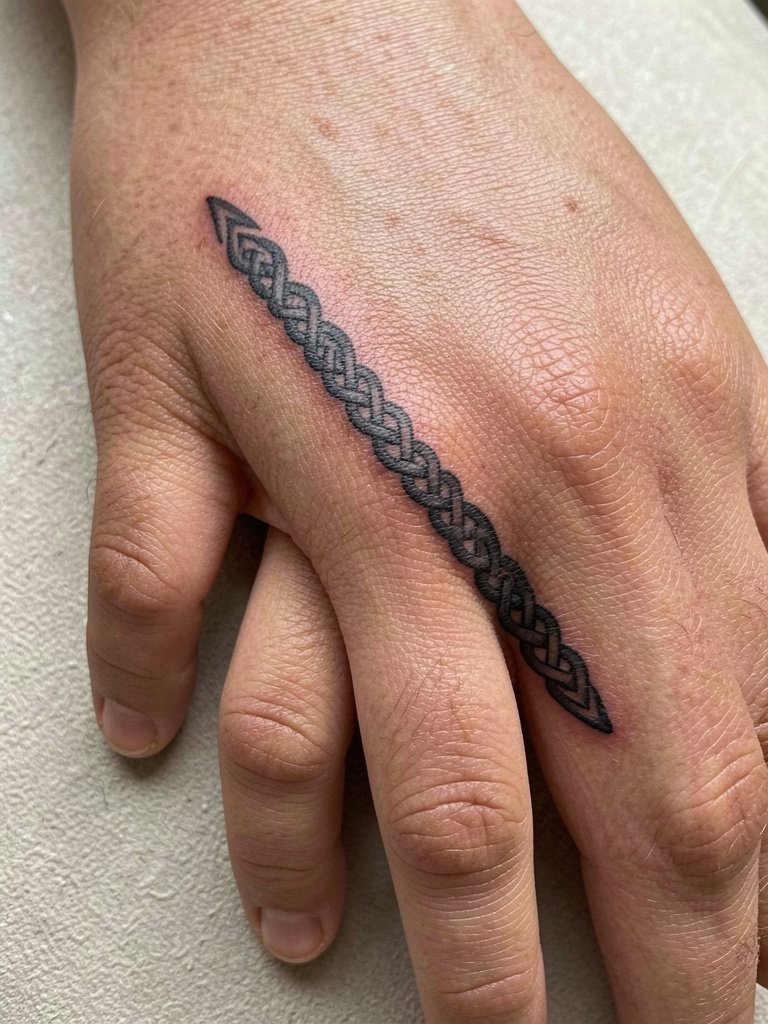
Rope bands are subtle and intimate. Expect frequent touch-ups compared to forearm or chest work. The key mistake is asking for an ultra-thin twist that will spread. Ask the artist to thicken the twist slightly so the rope still reads when the finger shifts. For a clean look, wear a slim matte ring that sits next to the tattoo rather than over it.
10. Concentric Knot Bands for Upper Thigh
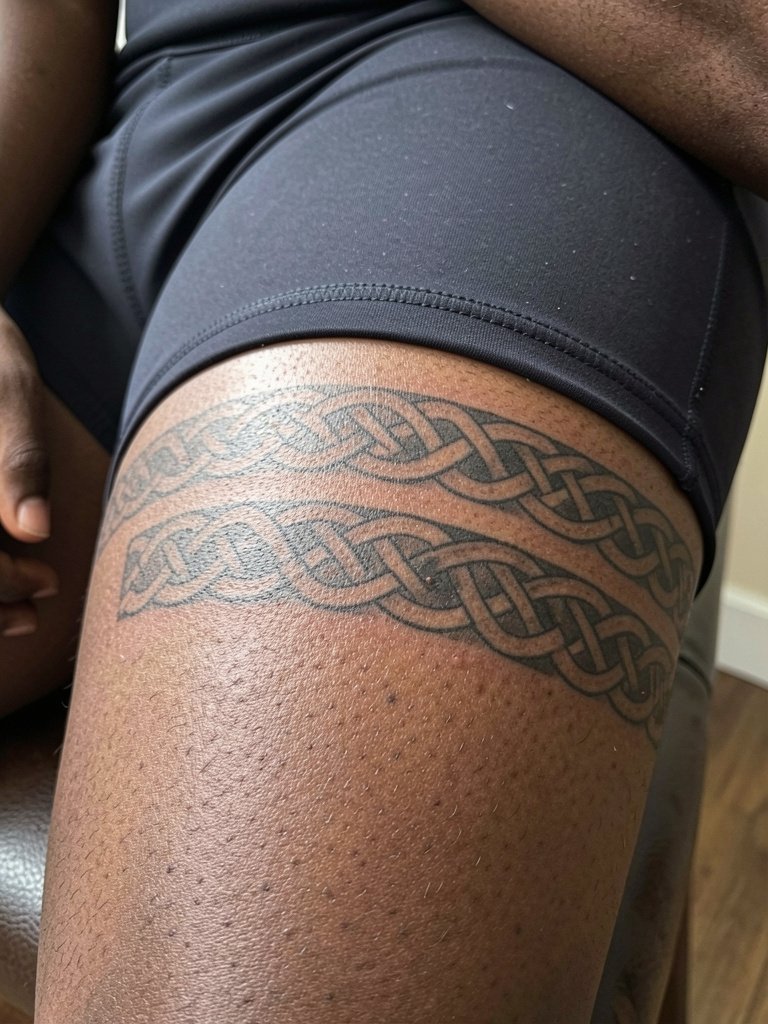
Thigh bands let you scale dense knots without worrying about daily abrasion. Sessions are comfortable and can be long, but expect more swelling the first 48 hours than in arm work. A mistake is centering the bands too low where clothing rubs. Ask for placement checks in both standing and seated poses so the bands sit where wardrobe will show them. For nights out, a mid-thigh hemline or tailored shorts works well to showcase the rings.
11. Celtic Knot Armband with Negative Space Panels
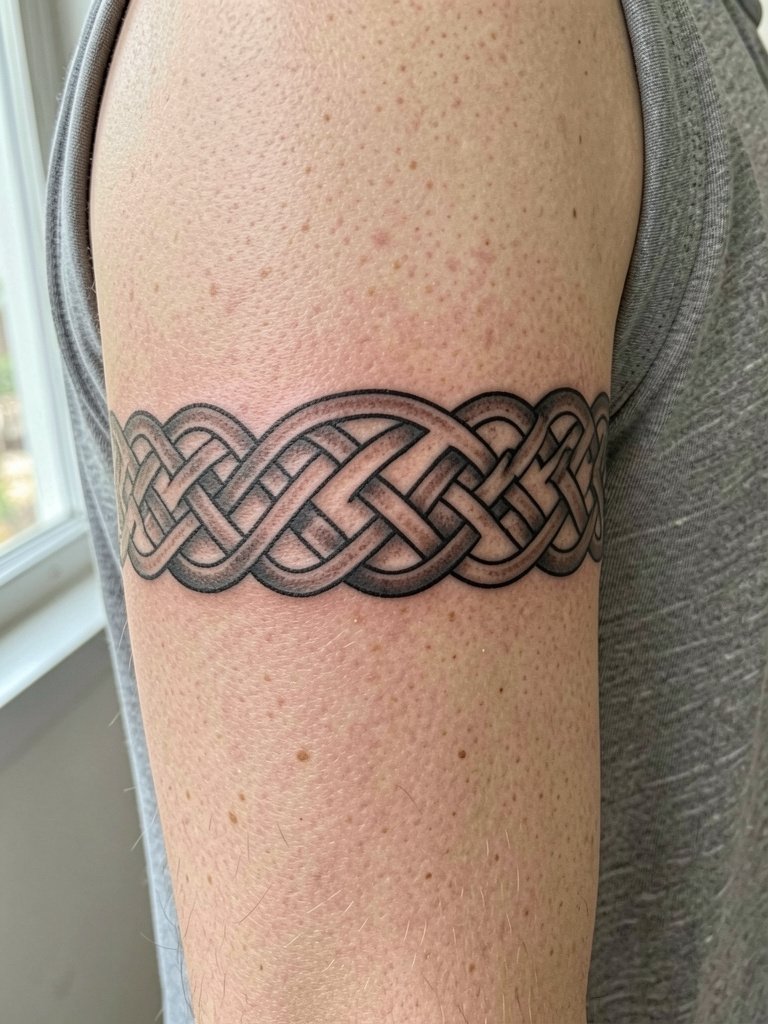
Negative space is the saver of complex knotwork. It reduces session time and gives the eye places to rest. People often ask for nonstop detail and end up with a muddled band. Tell your artist which panels you want to remain open so they can map the composition. For daytime wear, short sleeve tees with a slightly wider cuff avoid hiding the top of the armband.
12. Asymmetric Knot Wrap for the Calf
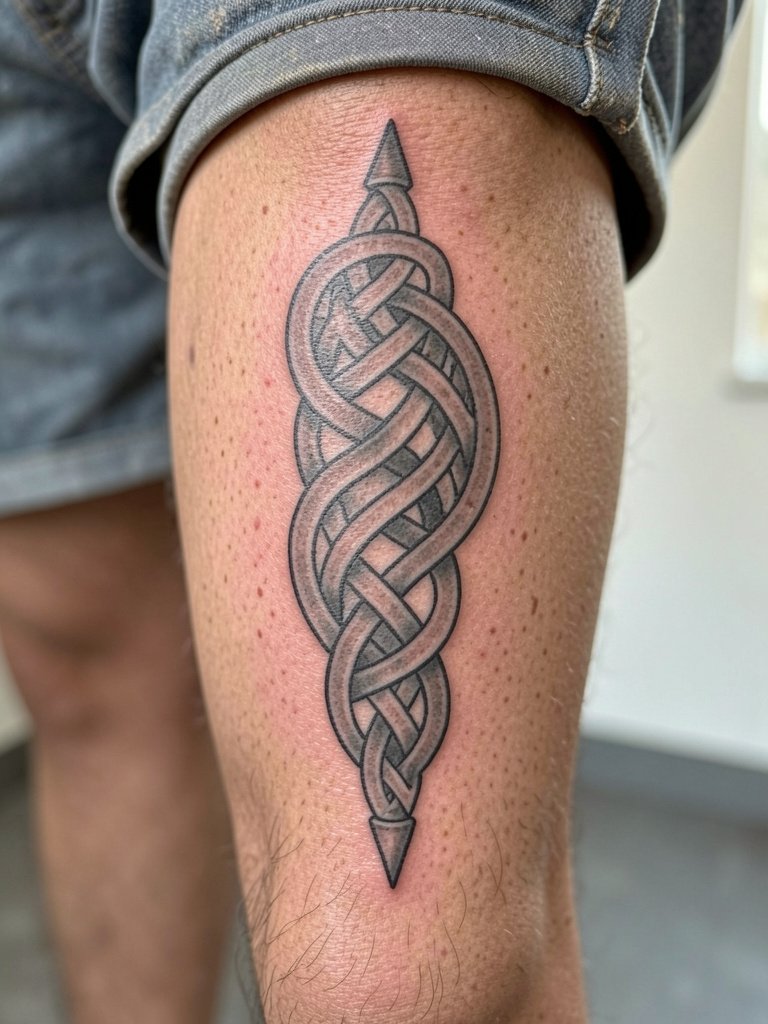
Calf wraps are forgiving because the skin there moves little. Sessions are comfortable and can be completed in one longer visit. The misstep is mirroring a forearm layout without accounting for the calf’s curvature. Bring photos of the exact leg and ask for a full-scale stencil to verify flow. Pair with shorts or mid-length swim trunks to keep the spiral visible.
13. Narrow Celtic Band at the Collarbone
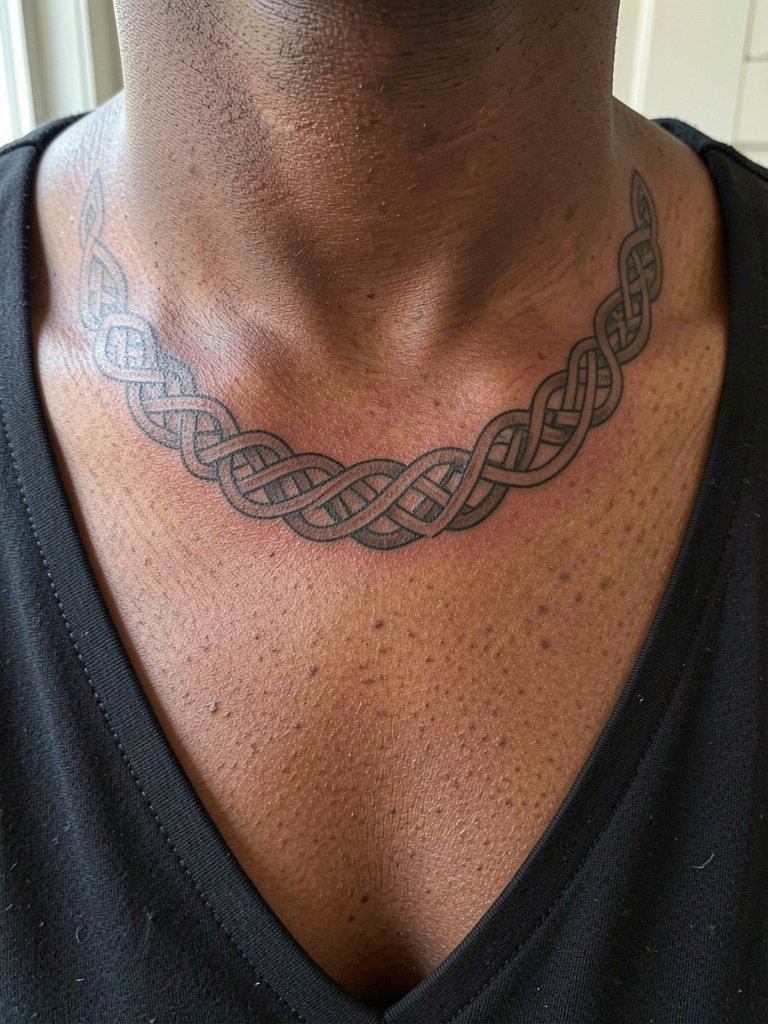
The collarbone demands a design that follows anatomy. Pain and session length vary with how close the ink sits to bone. A common error is placing a rigid straight band across a curved area. Have the artist mark the curve on you so the band arcs naturally. For show-off outfits choose open-collar shirts or wide V-neck tees that reveal the collarbone without tugging at the healed skin.
14. Minimalist Knot Band on the Ribcage
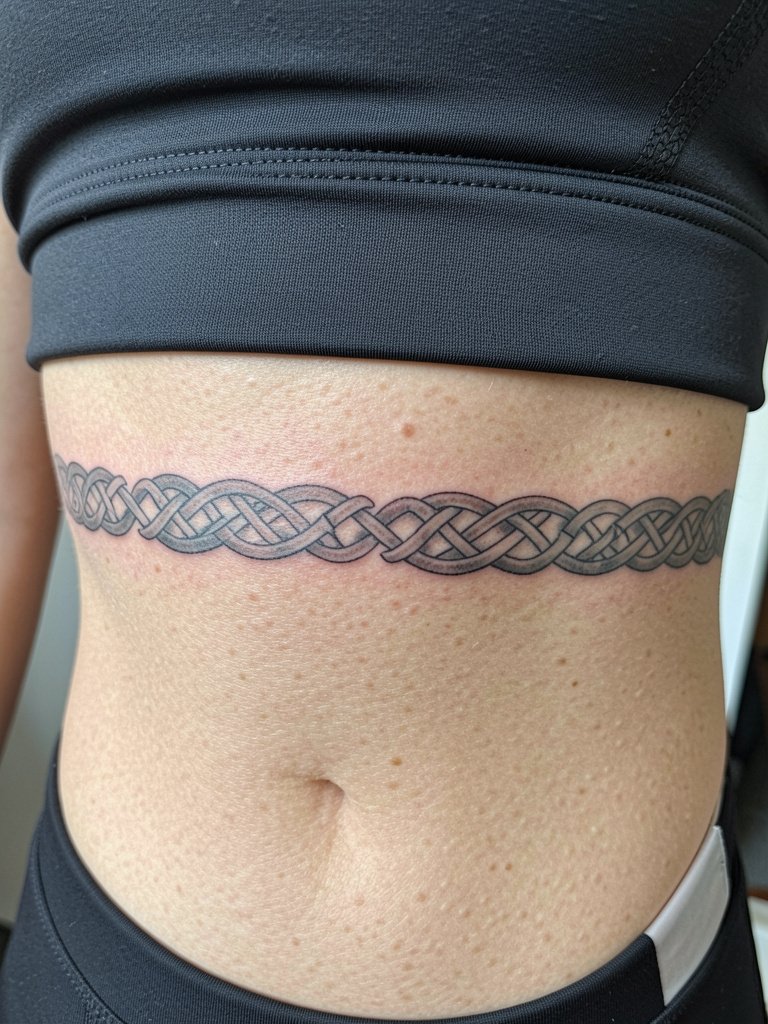
Rib placements are notorious for pain and movement during healing. The debate over fine line here is active. Some artists say fine line on ribs blurs within two years because of stretching and breathing. Other artists say slightly increased spacing and precise depth lets delicate knotwork settle well. If you want minimal work, prepare for a multi-visit approach and request a mock stencil in both standing and lying positions. Wear a loose sports bra the day of the session for easy access.
15. Two-Tone Band with Subtle Green Saturation
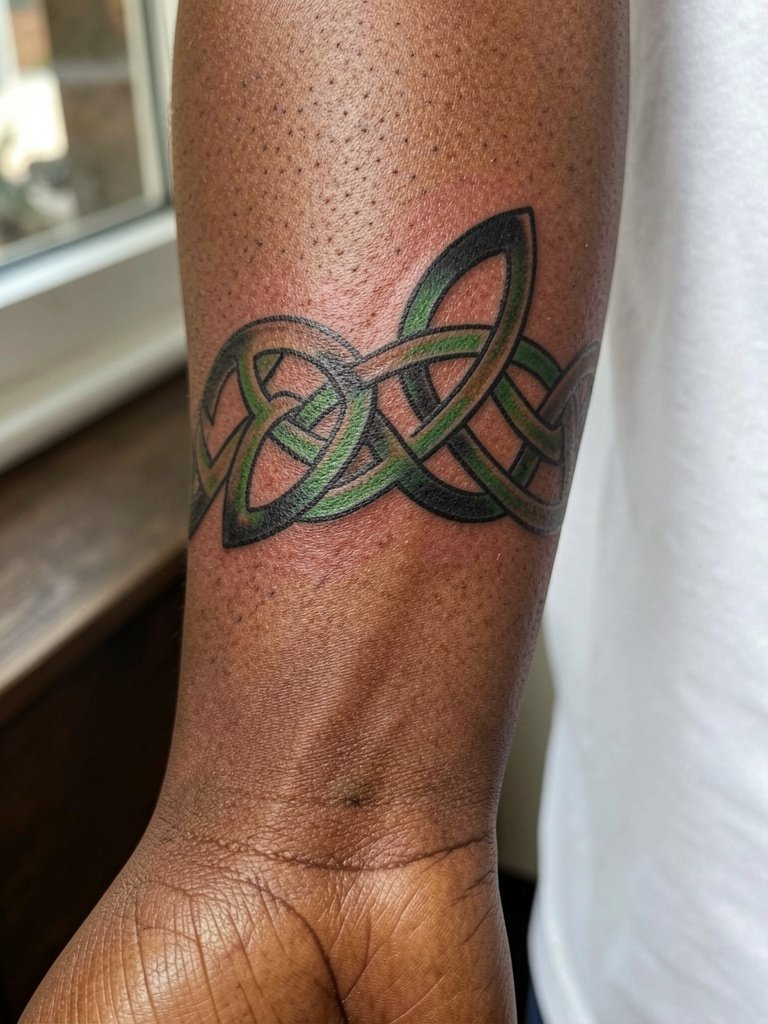
Color in Celtic bands can emphasize pattern hierarchy. Keep saturation conservative; green pop is best in small islands rather than full fills. The mistake is over-coloring delicate knots, which can age into muddy patches. Ask the artist to test the green at low saturation to ensure it reads on your skin tone. To show the subtle color, wear short-sleeve linen shirts in earth tones.
16. Stacked Micro Bands for a Wrist Cluster
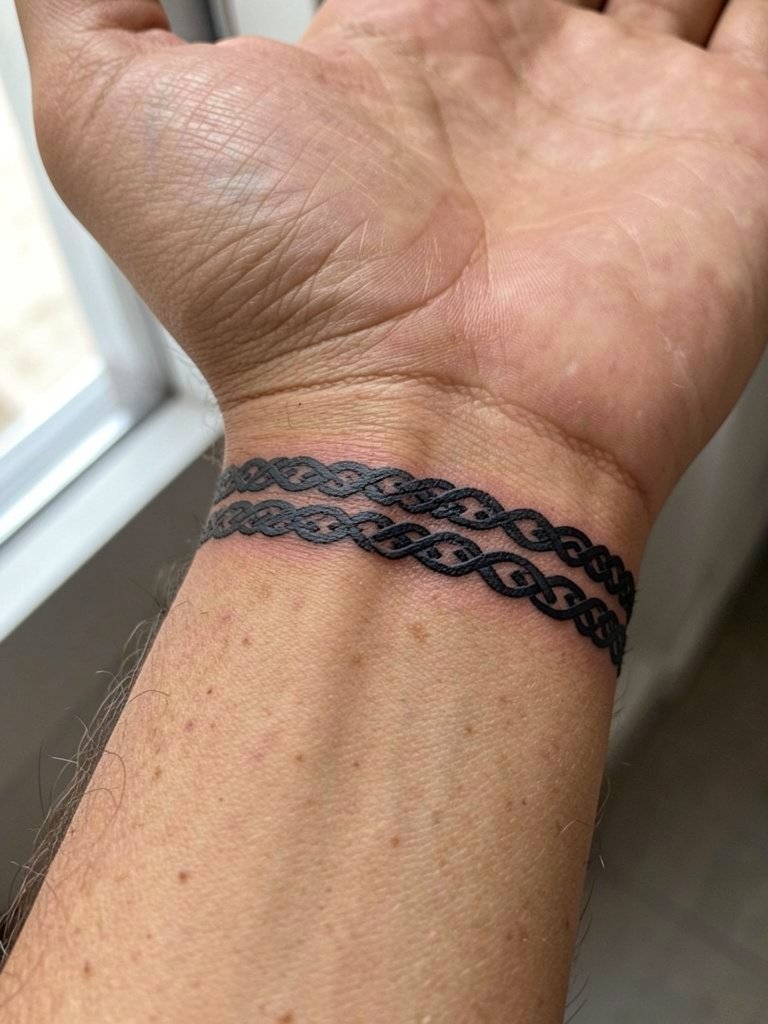
Stacked bands give a layered look without a sleeve. They are prone to faster softening because wrists see constant motion. The usual misstep is making each band too thin. Request slightly increased line weight and avoid placing bands directly on the wrist crease where the skin flexes most. For daily wear, a slim bracelet that sits above the bands complements the cluster and keeps the tattoo unobstructed.
17. Heritage Plaque Band on the Inner Bicep
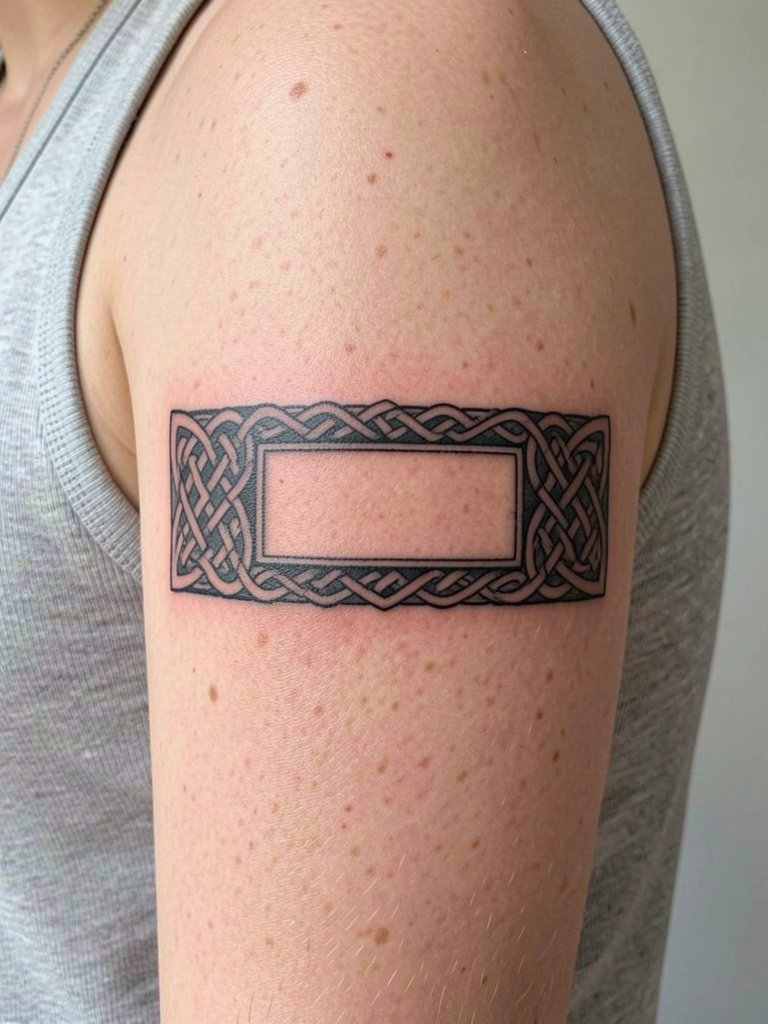
Inner bicep pieces sit on softer skin and hide well. Expect medium pain and a steady session. A common mistake is requesting too-tight serif text inside a small plaque, which blurs as it heals. If you want lettering inside the panel, choose a slightly larger size and a bold font rather than ultra-fine script. For the session, wear a sleeveless top so the artist has clean access without fabric bunching.
18. Interlaced Chevron Half Band for the Sternum
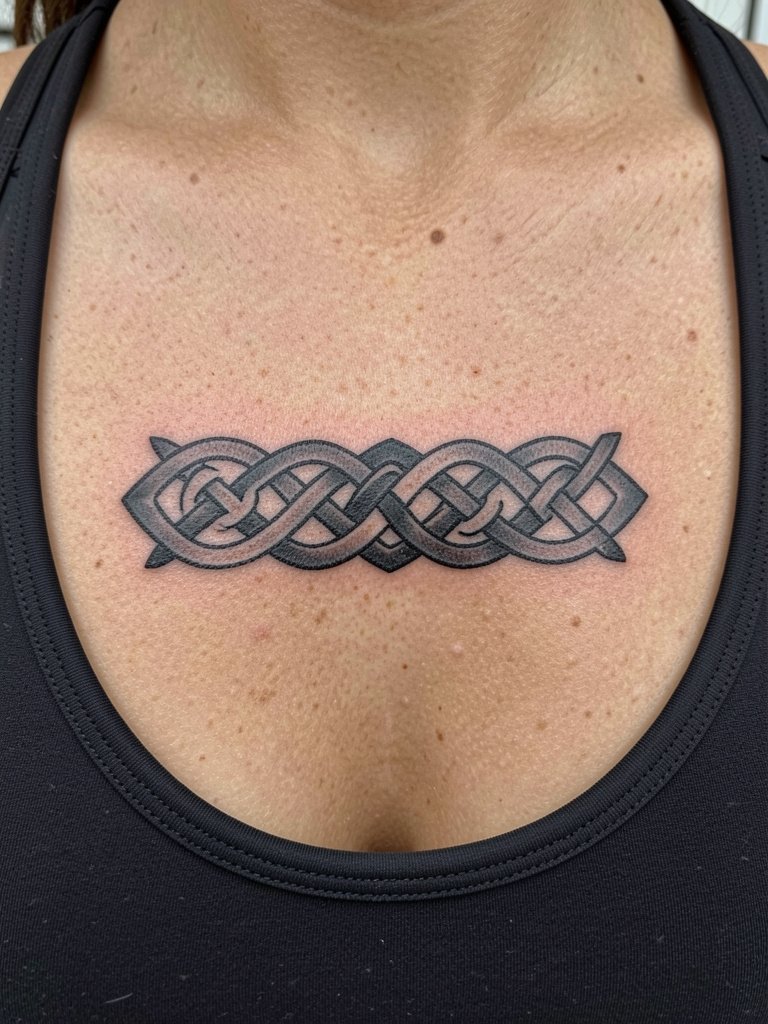
Sternum band work has higher pain and requires an artist used to chest anatomy. The common error is choosing ultra-fine filigree right on the sternum where skin moves and breathes. Ask for modestly bolder contour lines and spacing that accounts for breathing motion. For the session wear a fitted sports bra that the artist can move aside without compromising modesty.
19. Wave Knot Band Around the Wrist with Whip Shading
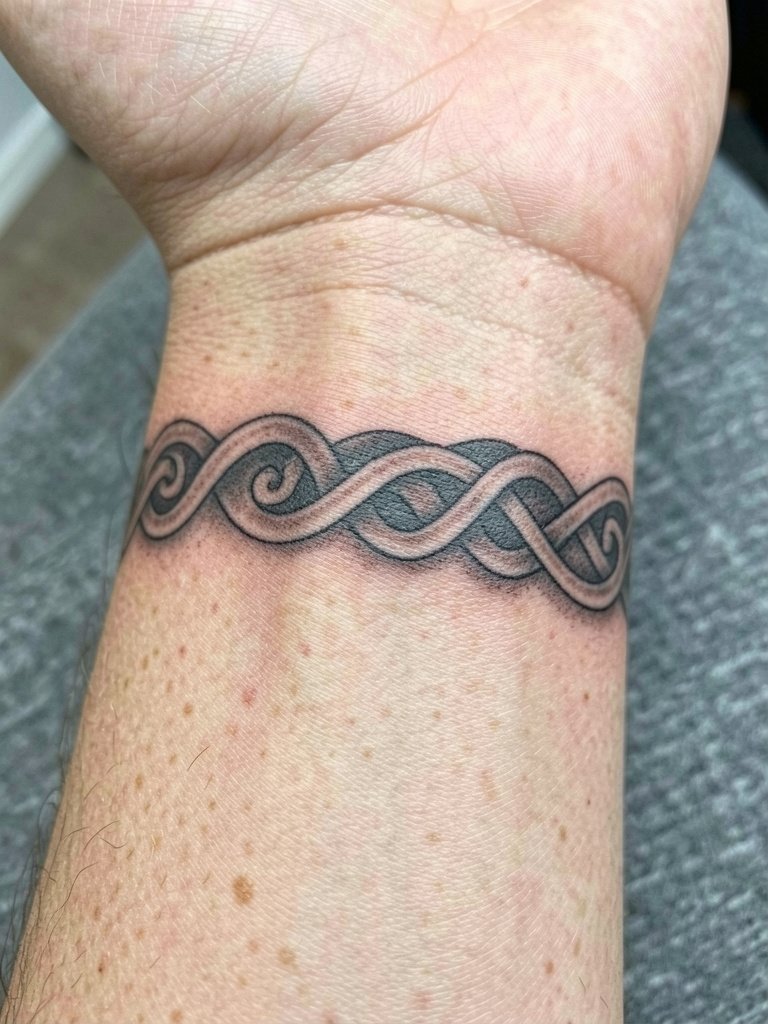
Shading techniques like whip shading can give bandwork a softer edge without blurring the knot. Sessions are short to medium in length. The mistake is over-softening the edges so the knot loses contrast. Discuss edge crispness with the artist and choose light whip shading only where the knot needs separation. A low-profile leather bracelet highlights the shaded band without pressing on fresh ink.
20. Wide Celtic Band with Portrait Panel Accent
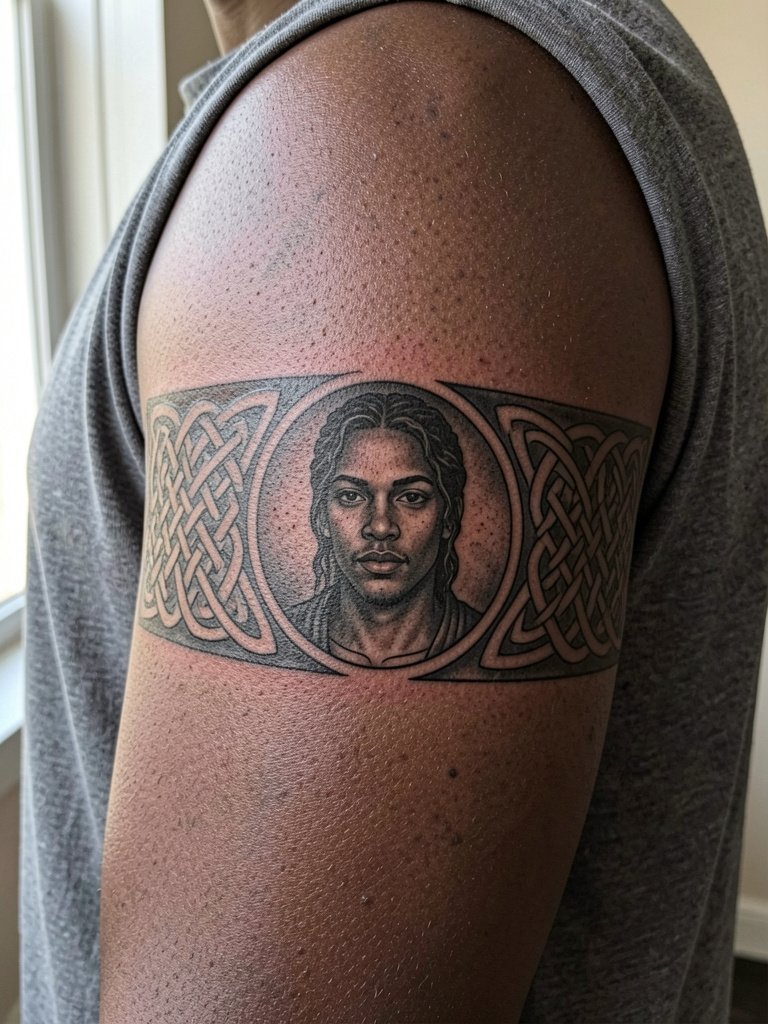
Combining portraiture and knotwork ups session time and requires two technical strengths. The common misstep is scaling down a portrait too much inside a band which then loses facial detail. If you want a portrait panel, plan separate sessions for the knotwork and the portrait so each element gets proper focus. For the reveal choose a sleeveless top that keeps the shoulder exposed for a clean presentation.
21. Tiny Celtic Accent on the Thumb
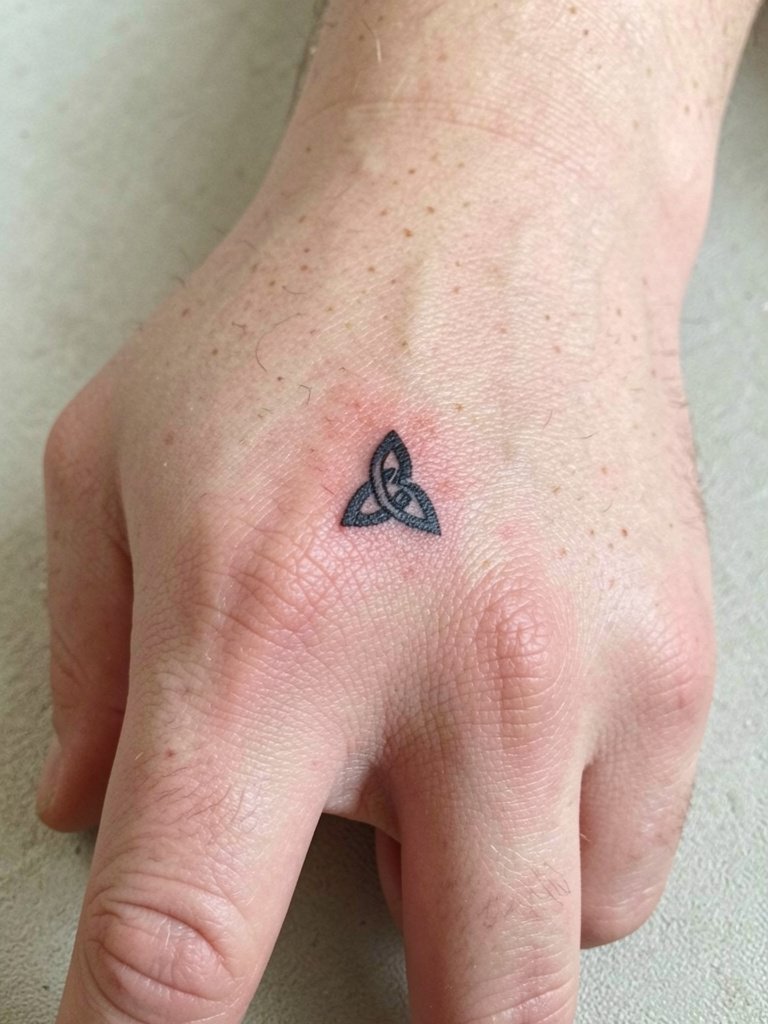
Thumb accents are adorable but high-maintenance. They endure constant washing and contact, so expect frequent touch-ups. The usual error is asking for micro detail that cannot persist on such mobile skin. Opt for a simplified knot and plan a touch-up window at six to twelve months. Keep the area protected during heavy manual tasks and consider a discreet ring that sits adjacent rather than over the ink.
22. Wide Ankle Cuff with Interwoven Panels
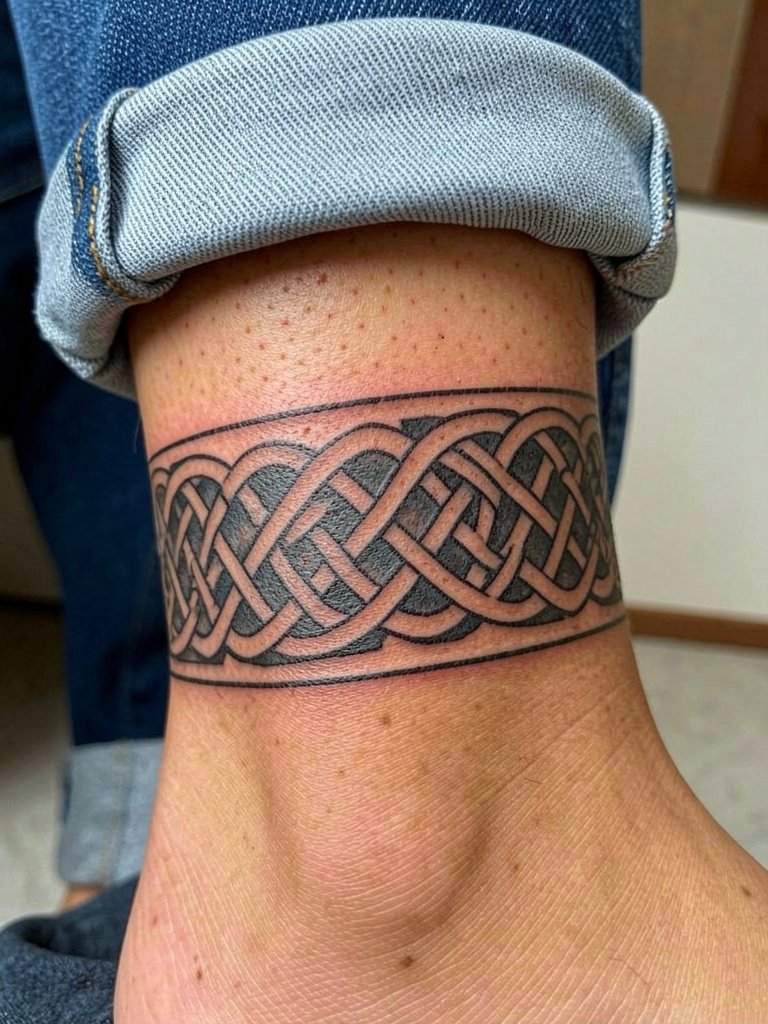
Ankle cuffs allow broader visual narratives than narrow triangles. The common mistake is placing heavy fills where shoe friction is highest. Choose panel breaks where the skin contacts shoes least. Sessions are moderate in length and you should plan shoes that avoid direct rubbing for the first two weeks. Pair with low-top sneakers or sandals to display the cuff without aggravating fresh ink.
23. Full-Width Shoulder Band with Knotwork Rosette
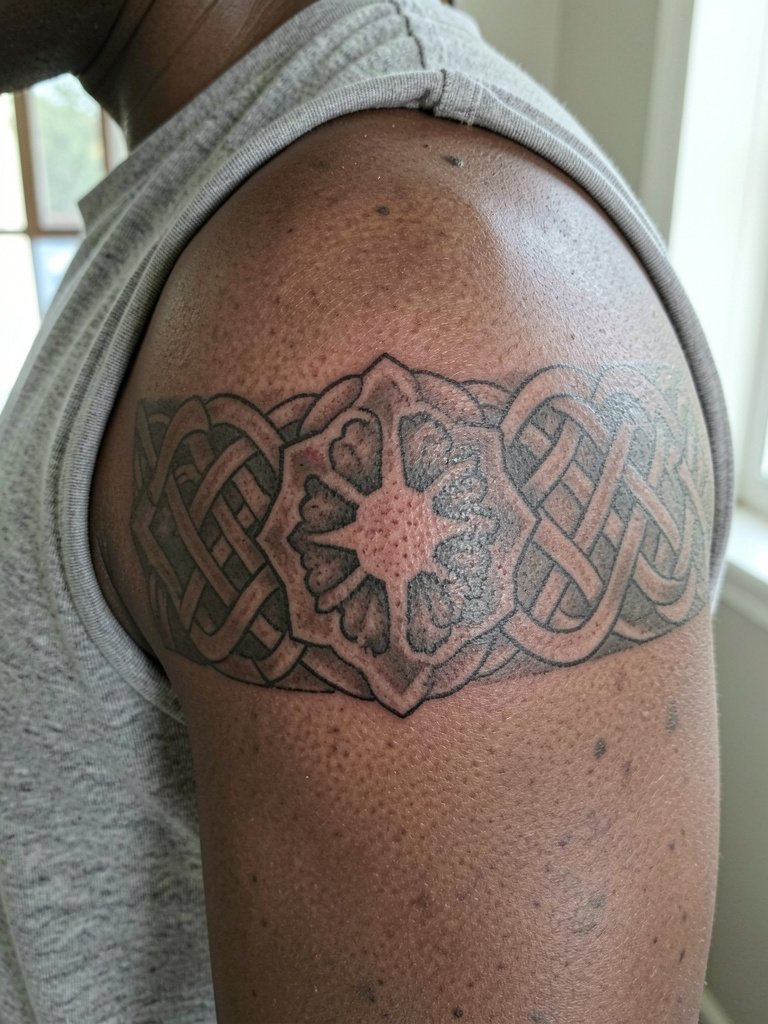
Shoulder bands make dramatic canvases and age well when spaced correctly. Sessions are longer and may require multiple appointments. A frequent mistake is over-saturating small loops so they bleed together on the curved shoulder surface. Request a full-size stencil and view it from several angles before the needle. For display, wear tank tops or open-shoulder shirts that let the rosette sit center stage.
Frequently Asked Questions
Q: How do Celtic bands age on different skin tones?
A: Celtic bands depend more on spacing and lineweight than skin tone alone. On darker tones very fine single-needle lines may need heavier terminals and slightly wider spacing so negative space stays readable. On lighter tones ultra-fine lines look crisp initially but still need room between knots to avoid blending.
Q: Where can I find healed examples and portfolios without naming individual artists?
A: Search hashtags like #CelticBandTattoo, #KnotworkInk, and #HealedTattooShots on Instagram and TikTok, use location filters to find nearby shops, and browse community threads on Reddit for user-posted healed photos. Those discovery paths surface portfolios and healed timelines across skin tones without relying on a single artist name.
Q: Do thin bands need regular touch-ups and how often?
A: Thin bands generally need touch-ups more than wide blackwork. Expect a possible touch-up at six to twelve months if the piece is micro-detailed, then less frequent maintenance depending on wear. Fingers, wrists, and hands require the most frequent updates because of constant abrasion.
Q: What should I wear to a session for rib, chest, and thigh bands?
A: For rib and chest bands a fitted sports bra or a fitted scoop-neck shirt in a normal worn position is easiest to work around. For thigh sessions wear high-waisted shorts or bike shorts so the artist can access the area without you having to adjust clothing. A practical loose drawstring linen pant is a good option to stay comfortable after longer sessions.
Q: Are there cultural concerns with Celtic knotwork I should know before getting one?
A: Celtic knotwork has roots in Irish and Scottish craft traditions, and many people wear it as personal heritage or appreciation. Be mindful of sacred symbols you do not understand, and if a specific emblem has cultural or religious meaning, ask about origins and respectful placement. Artists can help simplify motifs in ways that honor the visual language without appropriating sacred iconography.