
Religious cross tattoos can read like quiet vows or bold statements. The crosses that keep their presence for years are often not the most delicate ones. When a cross sits where skin moves a lot, heavier linework and clear negative space pay off over fragile single-needle tracery. Below you will find cross designs that balance devotion, longevity, and the wardrobe choices that actually show them off.
1. Fine-Line Latin Cross on Inner Forearm
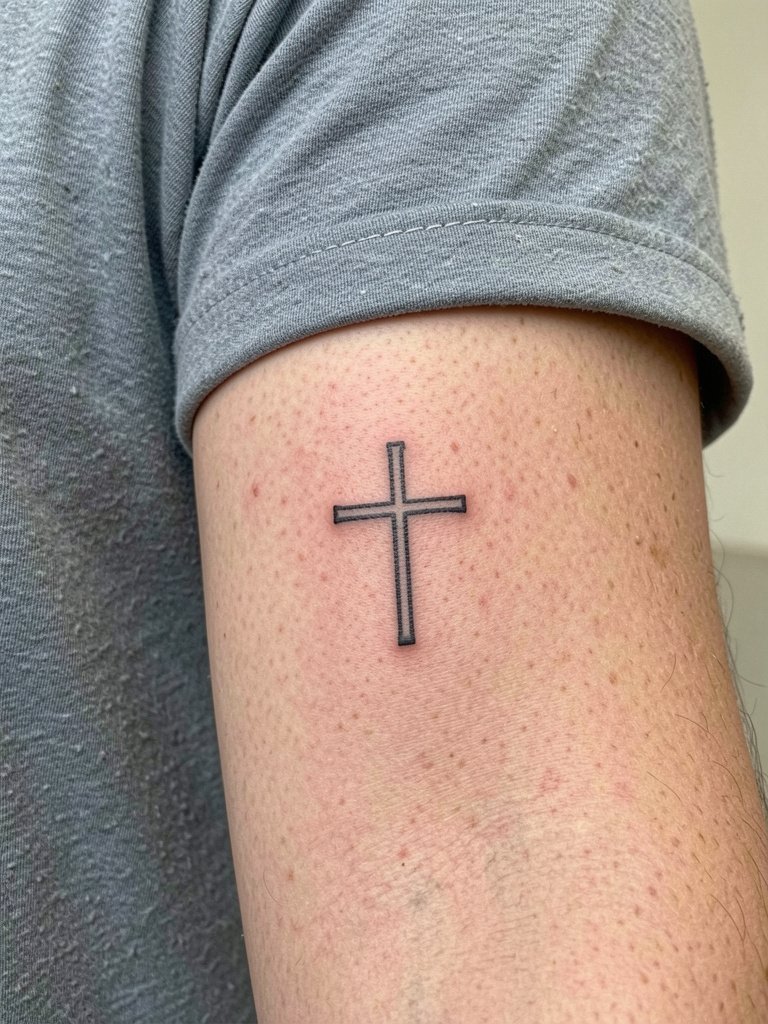
A thin single-needle Latin cross reads elegant on the inner forearm the first year. Ask for line weight that is a hair heavier than the reference you like so the arms and shaft do not blur into a single shape by year three. Common mistake is making the cross under two inches which invites softening from surface abrasion and small blowout risk near the wrist. Expect a short session under an hour and mild soreness like a strong sunburn. For showing it off, roll up the sleeve and pair it with a linen button-down that leaves the forearm visible.
2. Micro Crucifix at the Collarbone with Stipple Shading
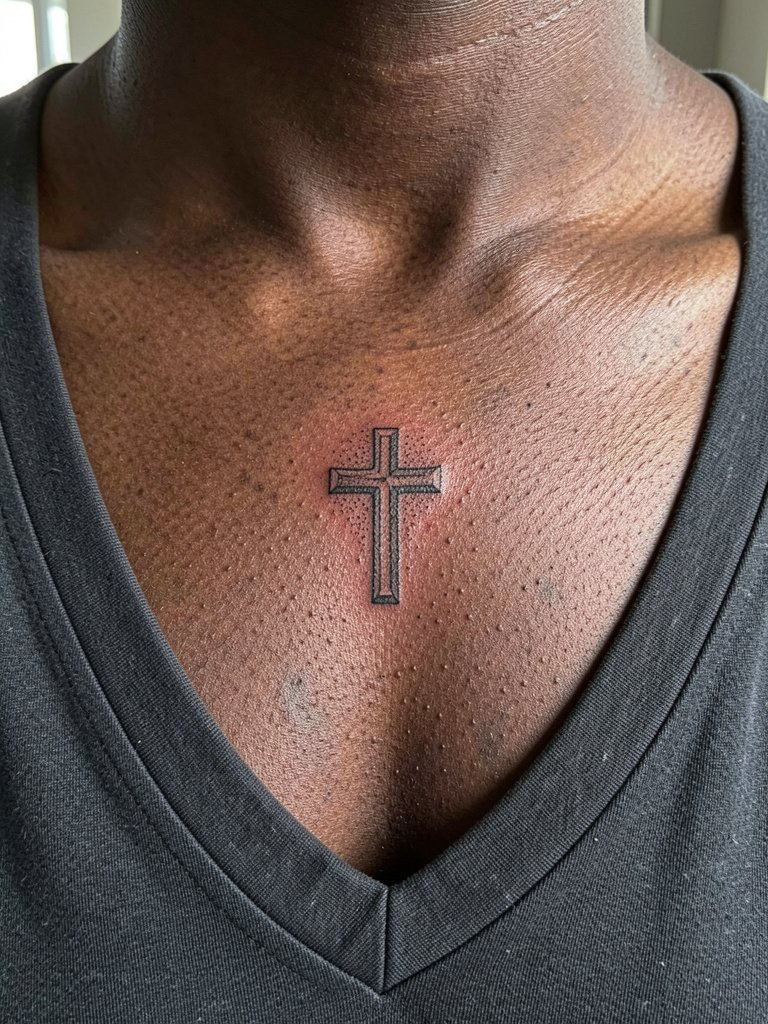
A tiny crucifix at the collarbone balances subtle devotion and visibility. The main consultation point is exact placement relative to the collarbone edge and how high the neckline will sit when you wear a bra or top. Tiny stipple holds texture without heavy saturation, but the area moves with breathing so request slightly wider spacing inside the cruciform arms. At six months the dots will soften, and by two years you might want a touch-up to restore middle tones. This placement looks intentional with delicate chain necklaces that rest above the artwork.
3. Sternum Ornate Cross with Filigree
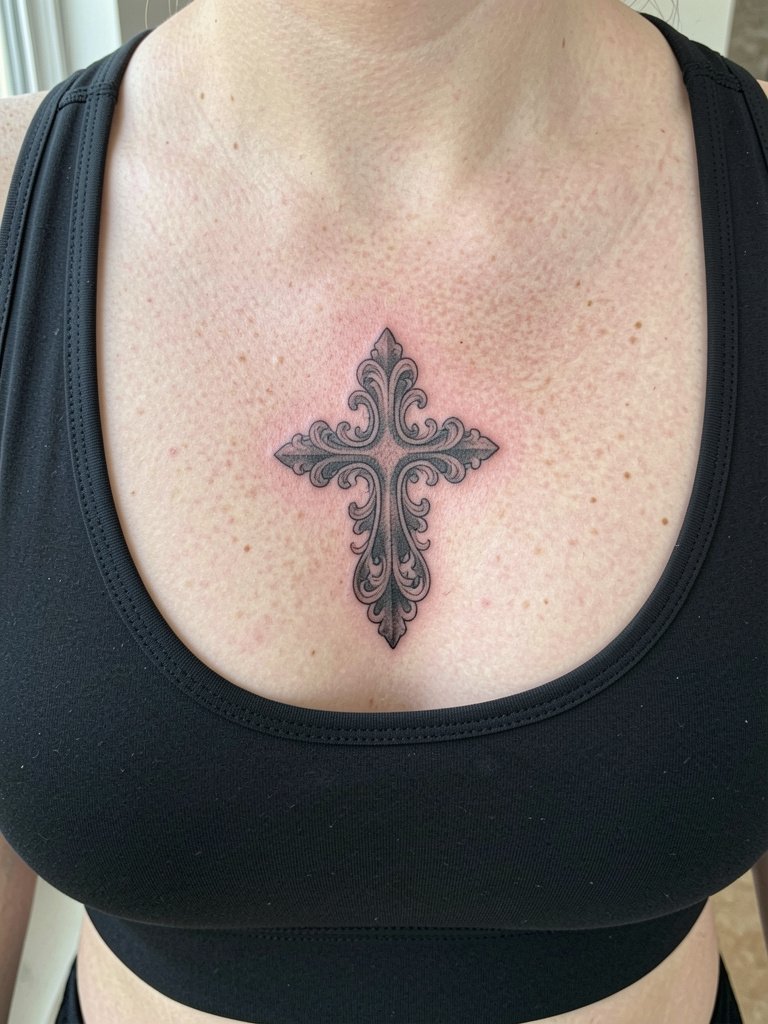
Sternum work is a session where patience matters because the skin curve and bone landmarks shift as you breathe. Expect an hour or more for careful placement and several shorter passes to keep the filigree crisp. One common mistake is packing too many tiny curls tight to the center. The fix is strategic negative space that preserves shape as the piece heals. Note the sternum is sensitive so plan for breaks and wear a supportive top for the ride. If you want to reveal this piece selectively, low-cut blouses frame the area without forcing constant exposure.
4. Wrist Cross with Rosary-Bead Wrap
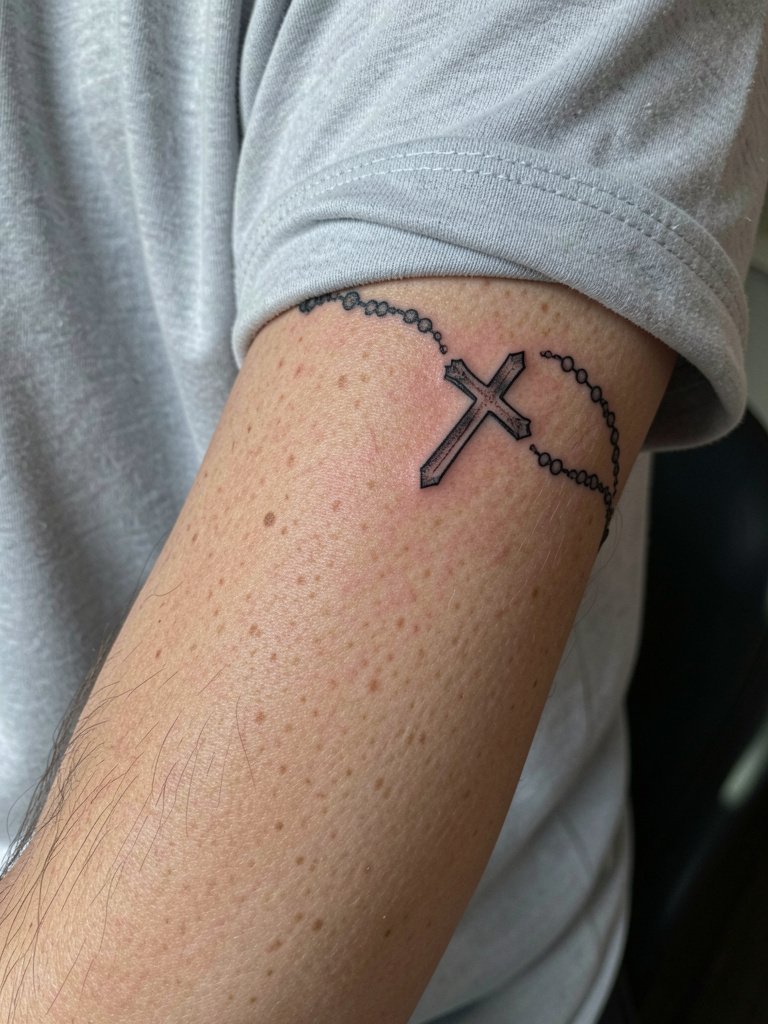
Wrist crosses and rosaries look intimate but face heavy wash friction. The beads should be spaced so each dot keeps its roundness after a year. Ask for the cross to have a slightly stronger outline than the bead chain so the symbol reads at a glance. The wrist sees lots of soap and sun, so expect a touch-up window earlier than larger pieces. For sessions, wear a loose short sleeve that rolls up easily. When you want to highlight the piece, stack it with a thin bracelet or a silver cuff that sits just above the tattoo.
5. Ankle Celtic Cross with Knotwork
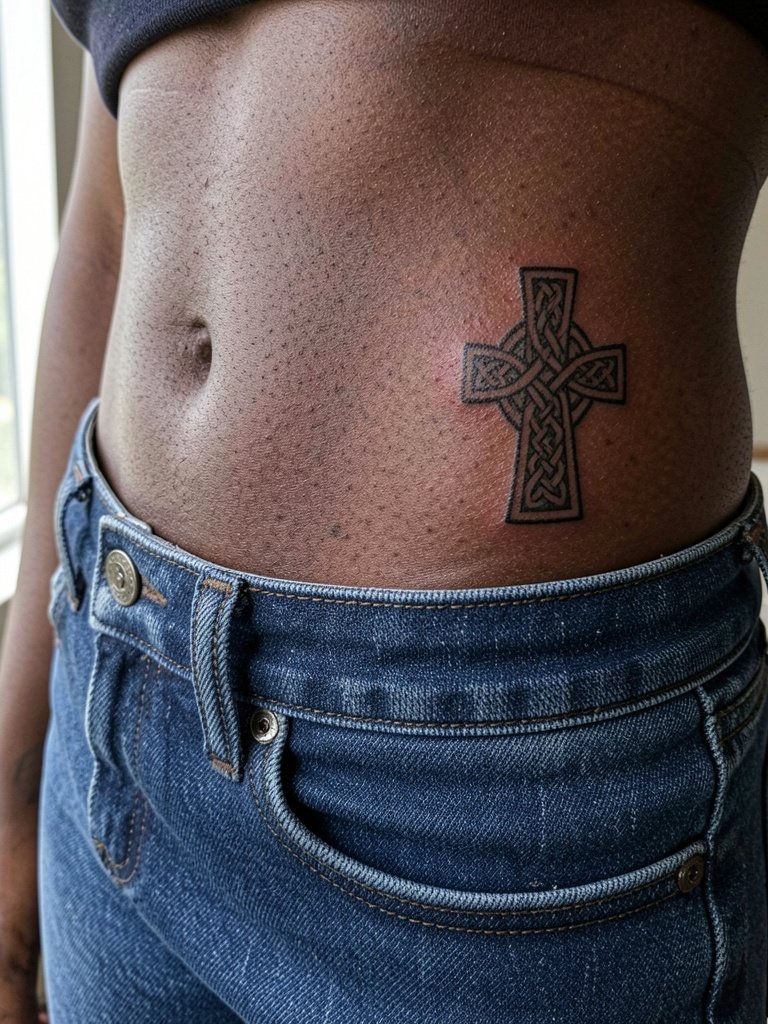
Celtic crosses carry heritage and close-knot detail that can blur if done too small. For longevity, enlarge the knot intervals so each loop heals with definition. Cultural origin matters here. If the knotwork references Gaelic or Celtic traditions, treat the motif respectfully and be aware of its lineage. Session time varies with knot complexity and could span two shorter sittings. Ankle and hip pieces shift with waist movement so plan touch-ups at the two-year mark. For showing it off at warm-weather events, pair with low-rise denim shorts.
6. Tiny Orthodox Cross Behind the Ear
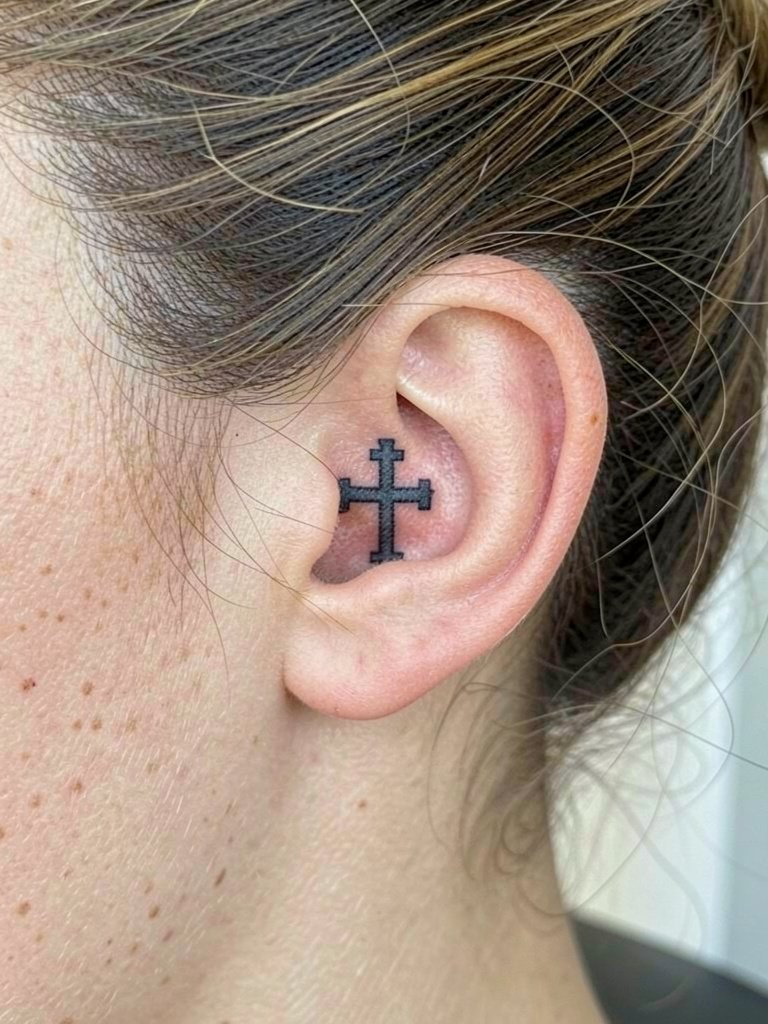
Behind-the-ear crosses are discreet and heal with low friction, but the area requires an artist used to working near hairlines. The small scale means heavier dot anchors can prevent migration of the tiny crossbars. One professional consideration is that these require steady hand work and often a short touch-up at six months. If you want to make it visible at gatherings, style your hair into a simple updo. For the appointment, pull hair into an easy clip and bring a hair tie so the artist has a clear field.
Session Day Picks
These products smooth the first day and help the small placements above settle without drama.
- Stencil transfer paper kit. Lets you preview exact placement on the skin for collarbone and forearm crosses before a single needle touches the area.
- Topical numbing cream. Applying forty to fifty minutes before a sensitive sternum or rib session eases the early passes so you can sit longer.
- Thin protective film roll. Keeps wrist and finger pieces from rubbing directly against clothing during the first couple of days.
- Fragrance-free gentle body wash. Cleanses healing areas without stripping the ink, useful for ankle and chest placements.
- Aquaphor healing ointment. Thin layers in the first 48 hours lock in moisture for fine-line details without clogging.
7. Shoulder-Blade Filigree Cross
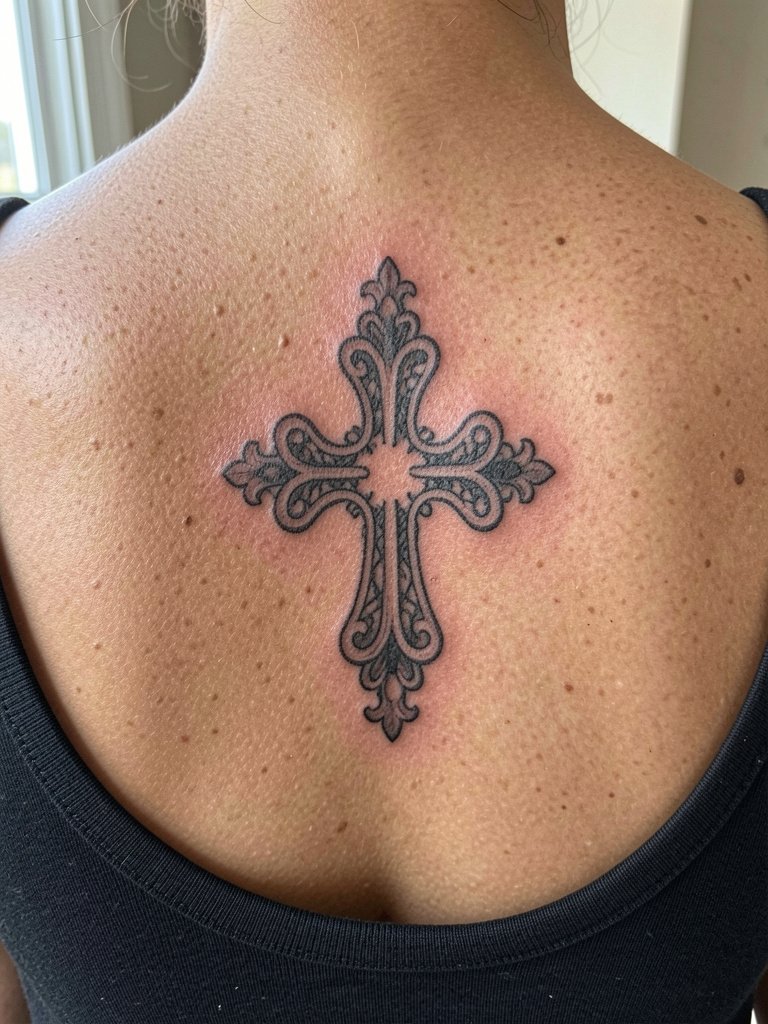
The shoulder-blade offers a flatter canvas for filigree crosses and benefits from slightly bolder outlines around the core shapes. I recommend planning the negative space to keep the filigree readable at arm span and when you wear a tank. Sessions are comfortable because the area is less painful than ribs and usually fits into a one to two hour block. If you like to show or hide the artwork, pair it with a scoop-back dress that reveals the design on occasion.
8. Ribcage Vertical Blackwork Cross with Script
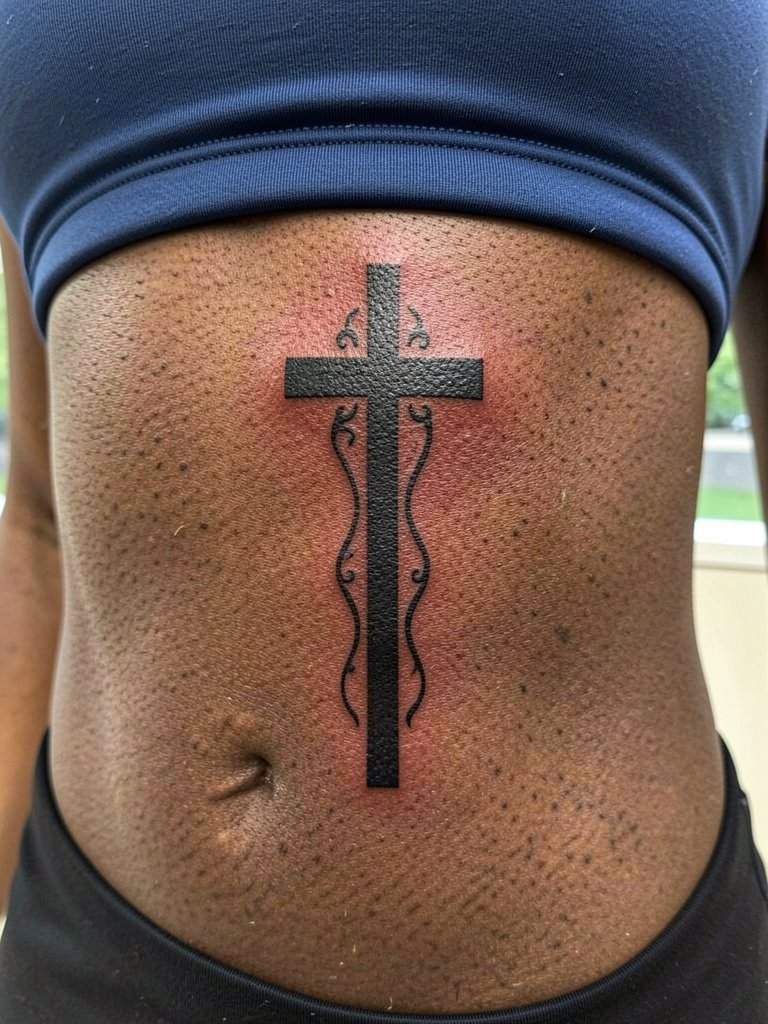
Ribcage crosses split artists into two camps. One camp argues that fine-line work on ribs blurs quickly because the skin stretches and moves with breathing. The other camp says that with correct needle depth and slightly wider spacing, fine detail can settle cleanly and last. If you align with the first camp, choose bold blackwork for longevity. If you want script beside the cross, keep the lettering wider and avoid tiny loops that the ribs will smooth out. Sessions here can be intense, plan breaks and wear comfortable, supportive clothing for the ride.
9. Cross Band Around a Finger
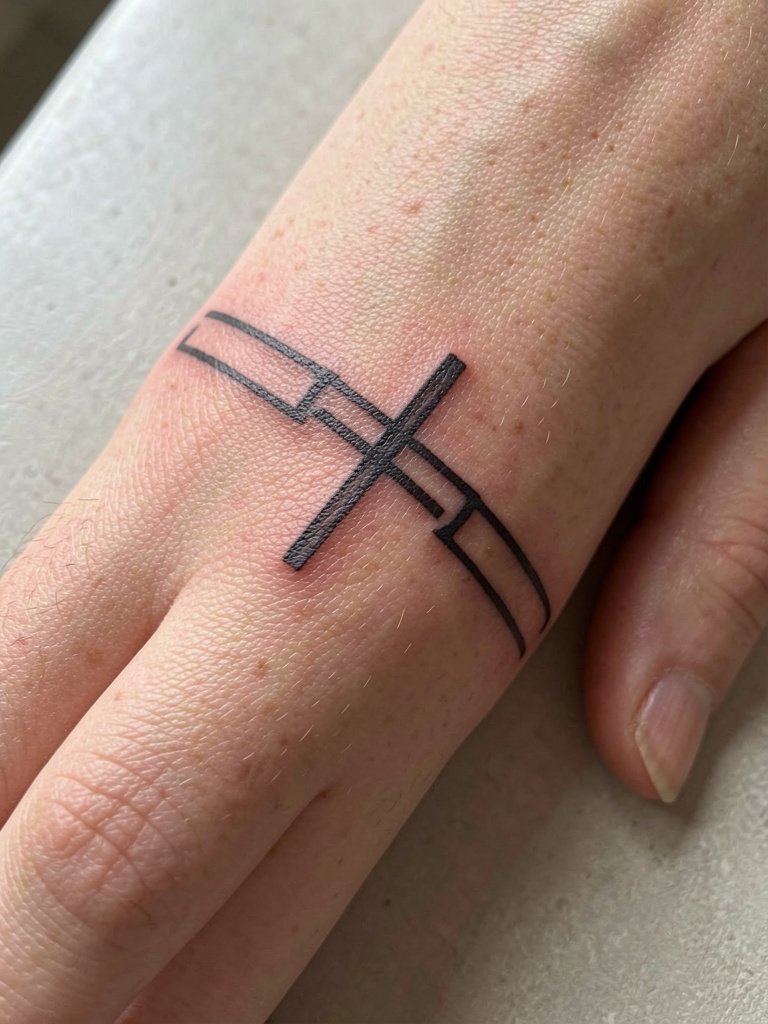
Finger bands and crosses are intimate but notoriously high-maintenance. The skin here is thin and rubs against surfaces constantly so expect color loss and wider touch-up windows. Ask for a slightly thicker line and allow for a second pass after initial healing if needed. A common mistake is picking super-fine decorative detail that the finger will erase within a year. Sessions are short but sharp. If you want an accessory that complements the band without hiding it, try a minimal gold ring set that sits beside the tattoo.
10. Thigh Floral Cross with Petal Infill
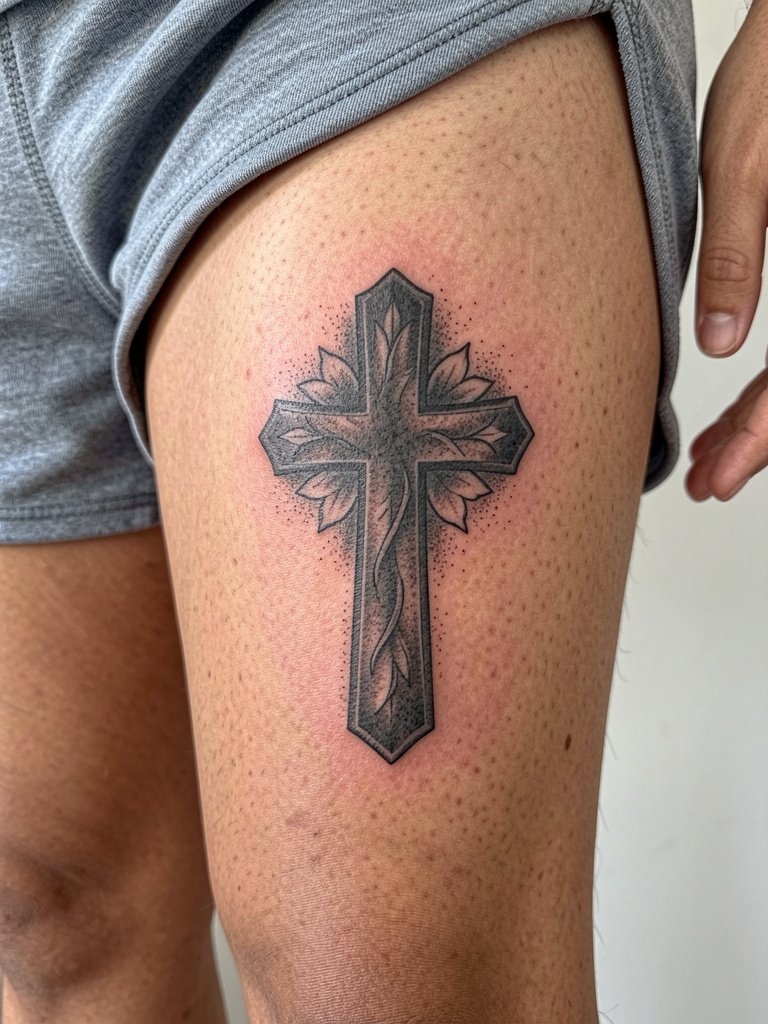
A thigh cross built from floral motifs gives scale and holds color well because the area sees less abrasion. For longevity, ask the artist to translate petals into larger shaded shapes rather than thousands of microdotted petals that can wash out. Pain is moderate and sessions can range from one to three hours depending on shading. This placement pairs with long skirts or mid-length slip dresses that let the thigh peek when you want to show it.
11. Pilgrimage Cross with Coordinates on Calf
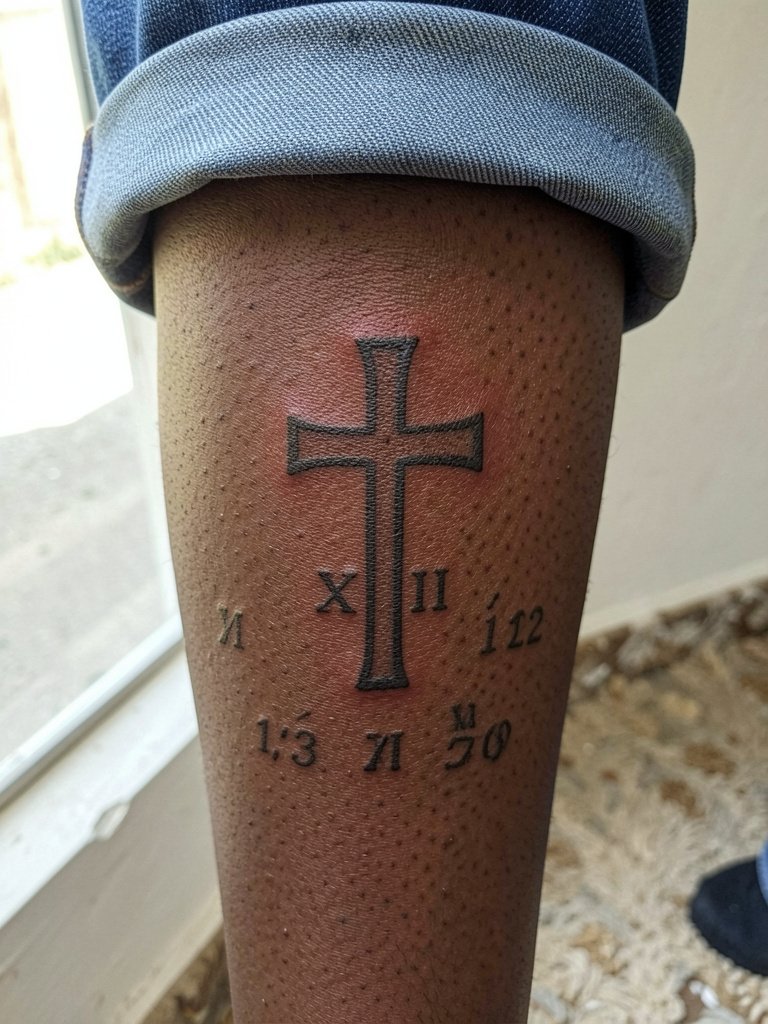
A calf cross with coordinates anchors a memory to a place. The design scales well larger than two inches so the coordinates stay legible. One common mistake is crowding the numbers next to tight shading. Sessions are comfortable for most people and healing is forgiving. For session wear, pull on cuffed jeans or athletic shorts so the artist has clear access and you do not irritate the area after the appointment.
12. Palm-Side Tiny Latin Cross
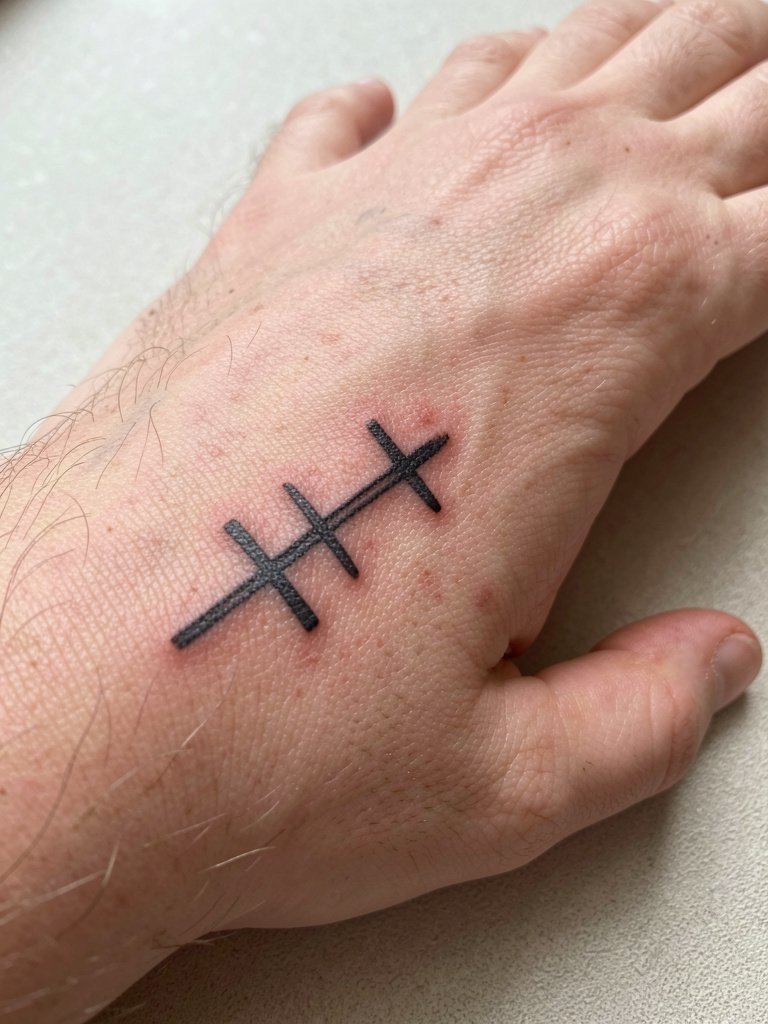
Palm-adjacent work is high risk for fading because the skin regenerates rapidly in that area. If you want a lasting symbol, go bold and accept a likely touch-up schedule within a year. A typical mistake is requesting ultra-fine crosses here that disappear quickly. Sessions are brief and intense. Because of the high-wear nature, this placement pairs well with rings rather than wrist jewelry so the cross remains visually distinct. Consider a simple leather bracelet that sits above the wrist to keep focus on the palm mark.
13. Underbust Mandala Cross Blend
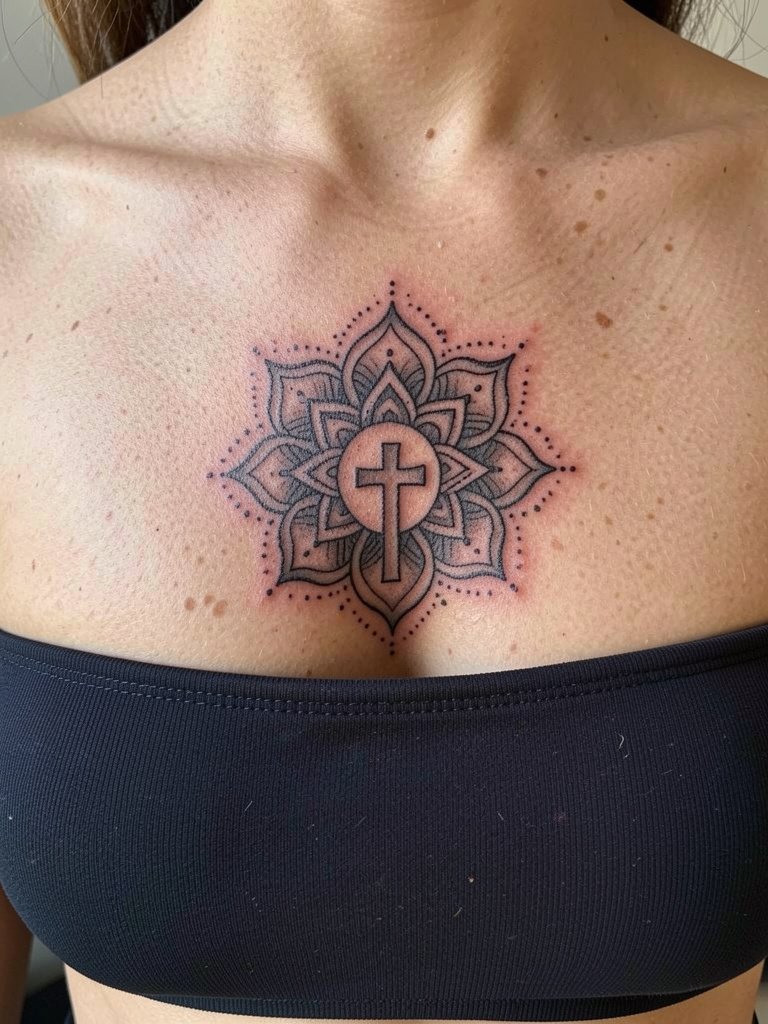
Combining mandala geometry with a central cross makes for a devotional piece that also reads as ornamental. The consultation should cover the balance of dot work density and how it sits beneath clothing lines. Small dots packed too tightly can look muddy after healing. For underbust work expect heightened sensitivity and longer chair times, plan for breaks. If cultural motifs appear in the mandala, acknowledge origins and avoid copying sacred symbols without context.
14. Upper Arm Traditional Cross with Banner
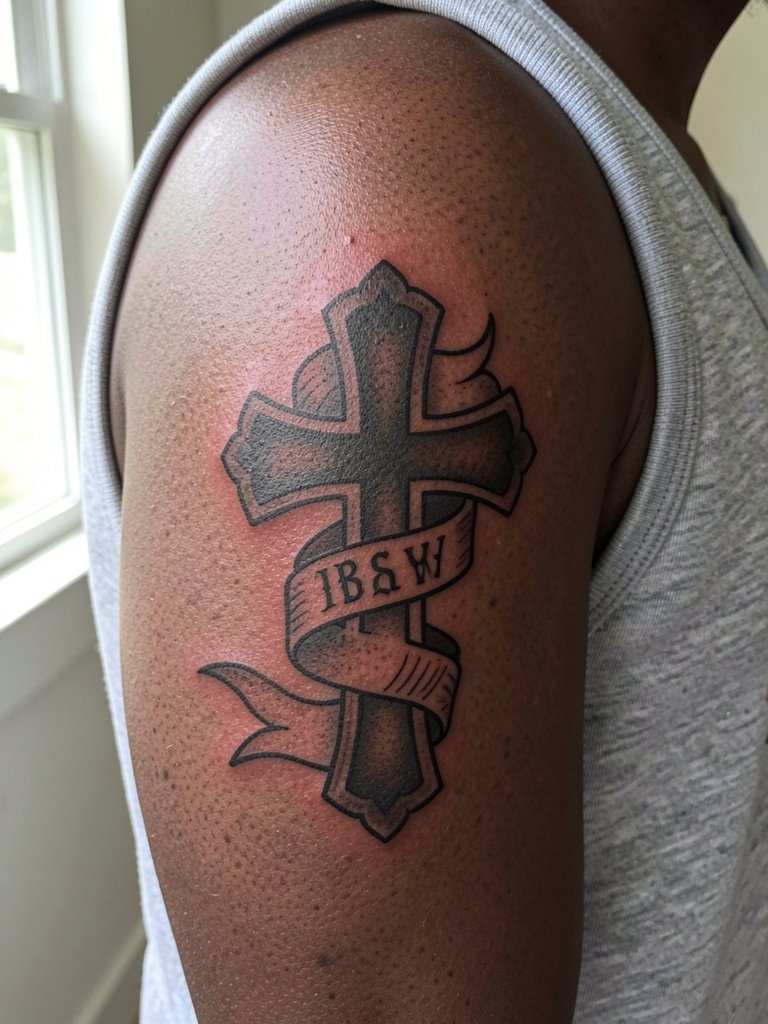
Upper-arm traditional crosses age well because the flesh here maintains saturation longer. The banner offers room for a name or short phrase but keep characters bold and spaced to remain legible. A common mistake is squeezing long text into a narrow banner which renders unreadable after a touch-up cycle. Sessions are moderately comfortable and often finish in one extended sitting. For daily wear choose shirts with sleeves that highlight the piece and try a sleeveless denim vest to frame the artwork.
15. Tiny Nape Cross with Hidden Meaning
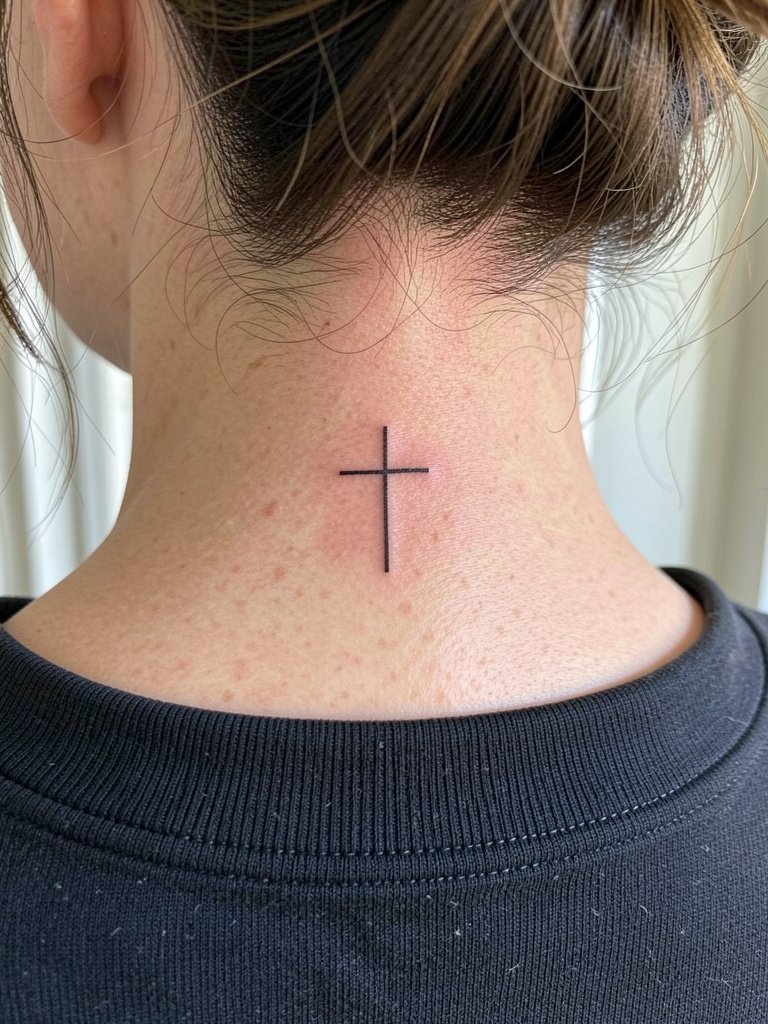
A nape cross can be private or revealed by hairstyle choices. Keep the scale small and the lines slightly heavier than you might on a flat area so the thin neck skin does not blur tiny detail. This placement needs an artist good with short, precise passes. If you plan to hide it at work sometimes, choose haircuts or accessories accordingly and bring a hair tie to the session so the artist has access without fuss.
Frequently Asked Questions
Q: How do I choose between a fine-line cross and bold blackwork for a meaningful piece?
A: Think about where the cross sits and how often it rubs against clothing. Fine-line work can look delicate and personal, but on wrists, fingers, and ribs it will usually need touch-ups sooner. Bold blackwork tolerates friction and time better and often reads clearer at distance.
Q: Are there cultural or religious sensitivities I should consider when getting a cross design?
A: Yes. Cross forms have distinct traditions. Some designs are tied to specific denominations or cultural histories. One respectful approach is to study the form and adapt motifs in consultation with an artist who understands the origin. Avoid copying sacred or ceremonial variants without context and credit.
Q: Where can I find healed examples and community portfolios without naming artists?
A: Search social platforms using targeted tags and keywords and apply location filters when needed. Try hashtags like #HealedReligiousInk, #CrossTattooHealed, and #BlackworkCross on Instagram and TikTok to see how pieces age on different skin tones. Reddit tattoo threads and curated portfolio sites also surface healed photos across styles and placements.
Q: How should I dress for a sternum or rib cross session to make the appointment smooth?
A: Wear fitted, easy-to-remove layers that expose the area without active disrobing. For ribs or sternum a fitted sports bra or bandeau in its normal position works well. Bring a loose zip-up hoodie to keep warm between passes.
Q: Can a small cross be converted into a larger devotional piece later?
A: Yes. Many small crosses are designed with future expansion in mind by leaving surrounding negative space. A skilled artist can build filigree, floral, or geometric fields around a simple cross to grow it into a larger composition over time.