
The tiny glyph wrist tattoos that flood feeds often lose their clarity fastest. Constellation clusters and single-line zodiac symbols need breathing room and slightly bolder linework to stay readable after a few years. Expect a few touch-ups for thin script and plan placement where the skin moves least so the symbol remains legible over time.
1. Minimal Constellation Wrist Cluster
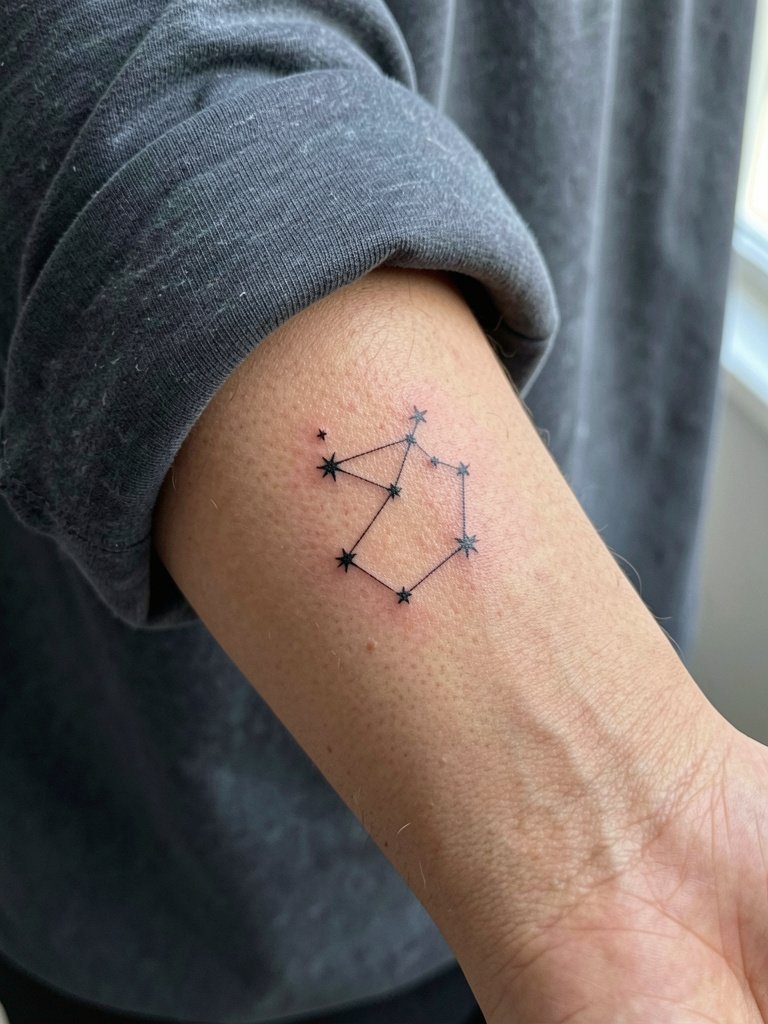
A wrist constellation reads best slightly larger than a social-media thumbnail. The common mistake is going too small for the joint movement there. Linework should be done with single-needle finesse but with a hair more weight than an ultra-fine reference so the dots and connecting lines do not dissolve into a blur. Expect the piece to look crisp at six months, soften at two years, and require a small touch-up by year five if you want the same contrast. For the session wear, bring a loose linen button shirt so you can roll sleeves without rubbing the fresh ink. Light aftercare on the first week keeps the dots from scabbing too long.
2. Tiny Glyph Behind the Ear
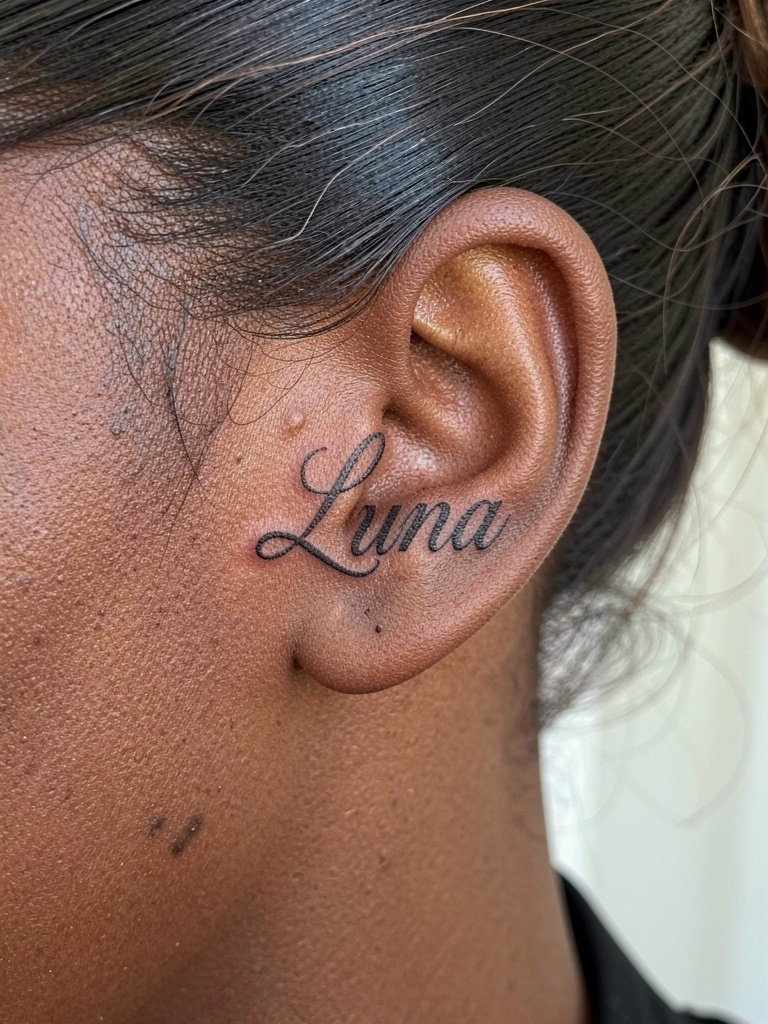
Behind-ear placements need a steady hand and small adjustments to depth because the skin there is thin. One common error is giving a too-light single-needle script that fades into the hairline. Ask for slightly denser linework so the letterforms remain legible after hair grows back around the area. The session is quick, often under thirty minutes, but the artist will stop more frequently to check how the ink is sitting. If you plan to hide or reveal this piece, it pairs well with simple stud earrings and a lightweight silk scarf for cooler nights.
3. Single-House Crest on the Thigh
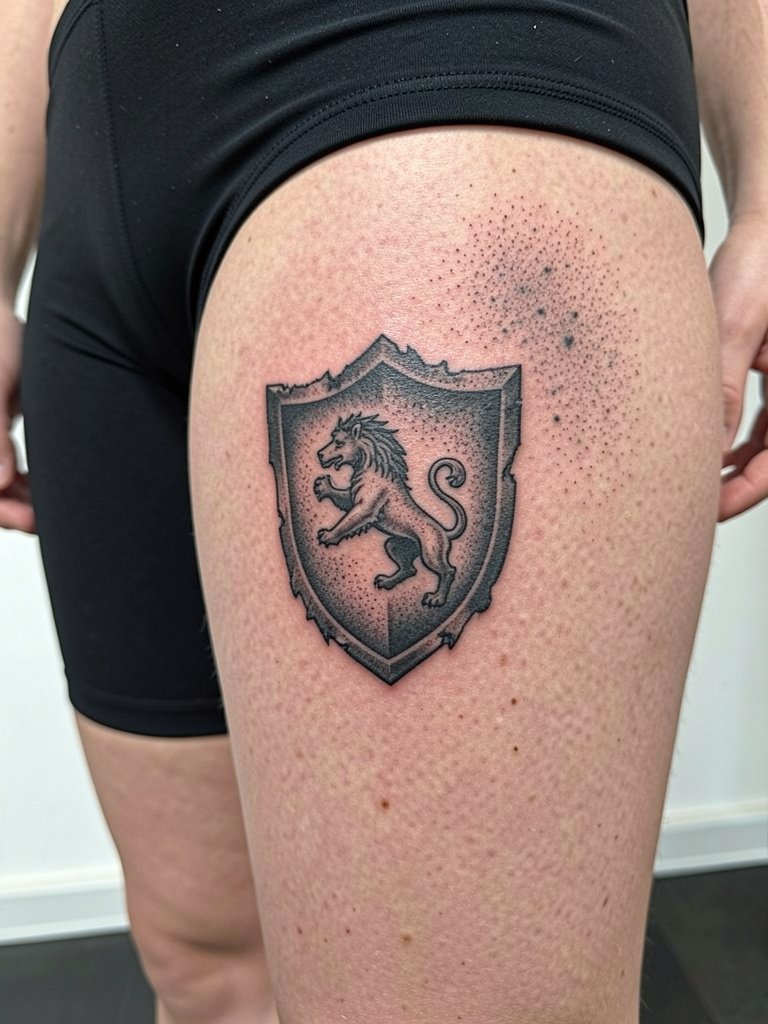
A shield-style crest on the thigh handles more detail than a wrist or finger. If you want readable panels, keep the crest at least three inches across so stipple shading has room. People who compress heraldic elements into postage-stamp sizes regret lost detail after a year. The thigh is forgiving on blowout, but touch-ups at two to three years help maintain interior contrast. This placement is great for those who want seasonal reveal options. For show-off styling, the piece looks sharp with mid-thigh slips or A-line skirts that let the crest peek during movement.
4. Tiny Zodiac Glyph on the Side Rib
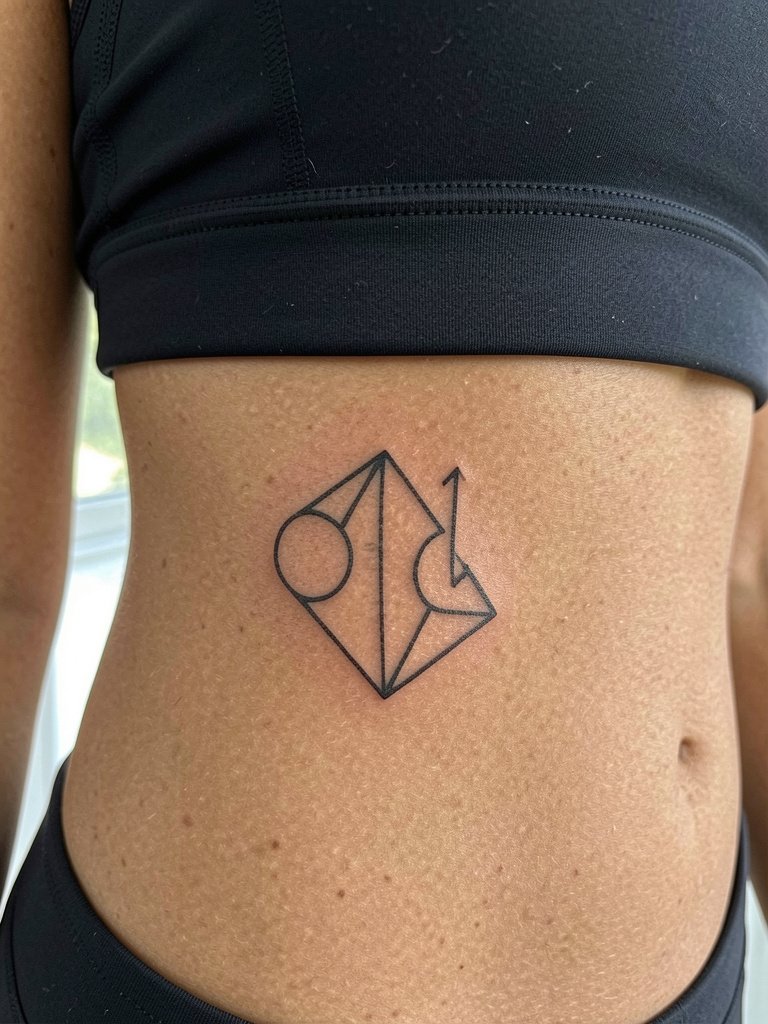
Rib placements are notorious for debate. One camp argues that fine line on ribs blurs quickly because the skin there stretches and moves against clothing. The opposing camp says that with slightly wider spacing and firm needle depth fine line can settle beautifully on ribs. If you favor a small glyph, widen the key strokes just a touch and plan for a touch-up at year two. Sessions here feel sharp due to bone proximity, so schedule a single-session break plan and wear a fitted top that lets the artist work without fabric shifting.
5. Micro-Realism Moon Phase on the Collarbone
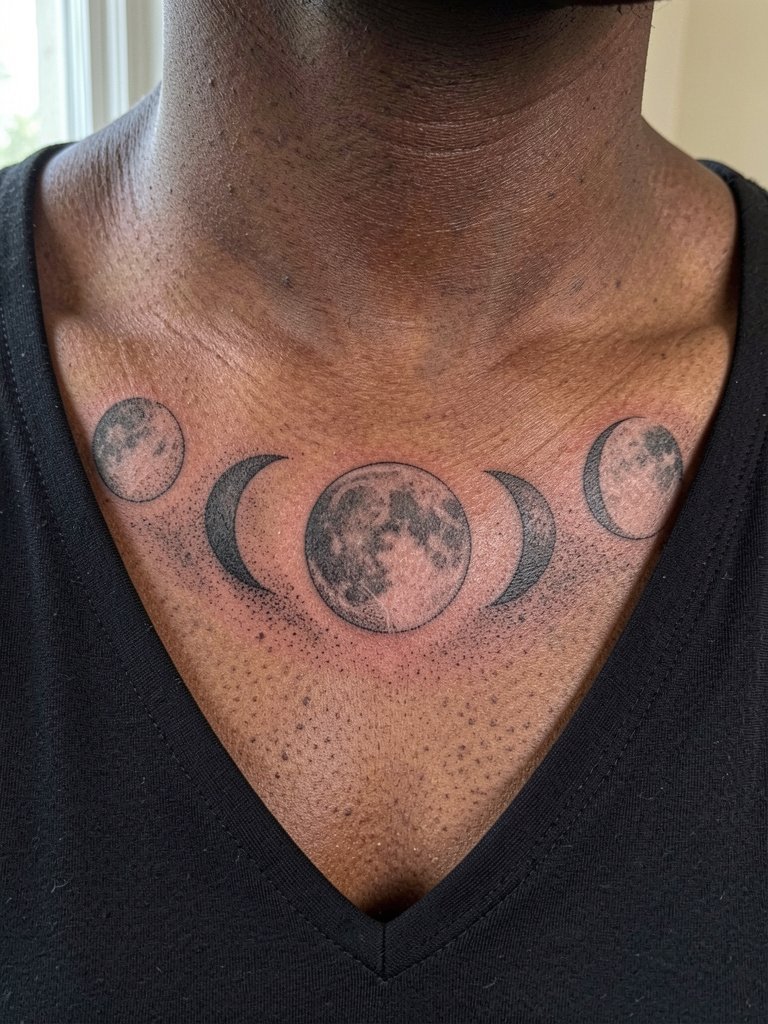
Collarbone moon phases look elegant when spacing allows each phase to read separately. A common mistake is crowding the phases so they merge across the clavicle with normal movement. For longevity, ask for slightly heavier stipple transition points between phases. The session tends to be short but can feel scratchy near bone. This design pairs well with open-neck tops and delicate chain necklaces that frame the sequence without covering it.
6. Blackwork Leo Ram on the Upper Arm
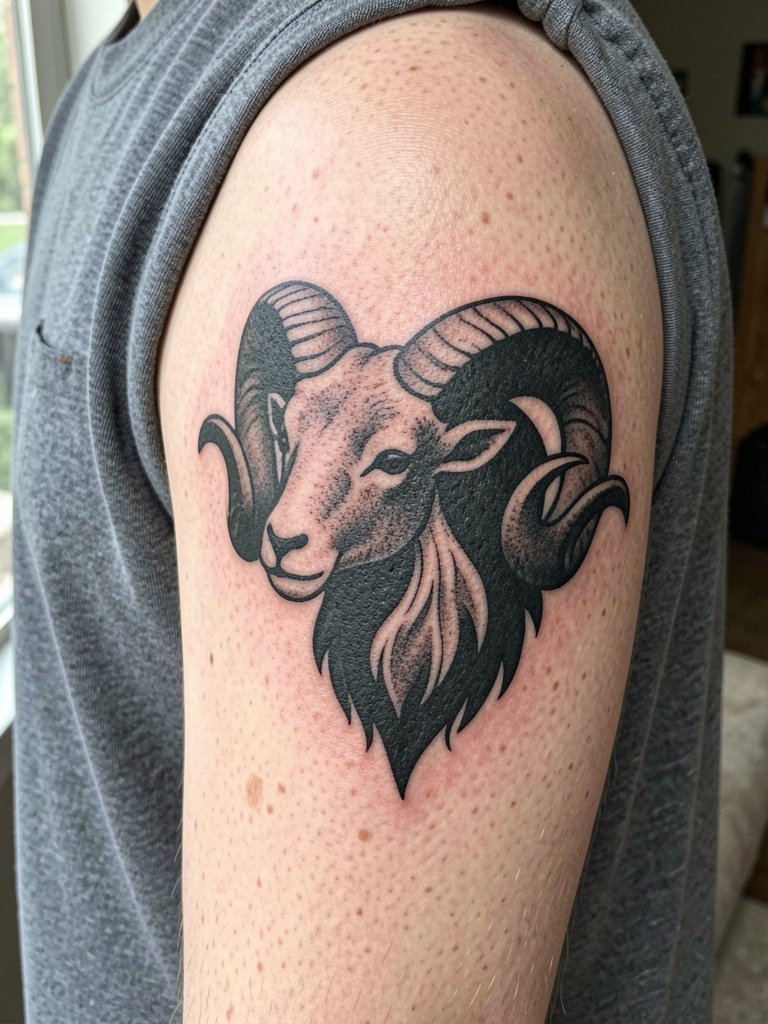
Bold blackwork ages predictably because saturation resists early fading. The trade-off is larger session time and more surface soreness. For an upper-arm placement, expect a single- to two-hour session depending on size, with lower blowout risk than fingers or wrists. A mistake people make is requesting too fine internal linework inside a saturated field. Keep contrast areas clear and ask for strategic negative space so the silhouette retains shape as saturation softens. For evenings out, the piece pairs with rolled-sleeve shirts that keep the arm visible without rubbing the skin.
Session Day Picks
The small placements above, like wrist constellations and behind-ear glyphs, benefit from a few practical items for the chair and first week.
- Stencil transfer paper kit. Helps preview exact placement on skin so the constellation and glyph layouts from ideas 1 through 6 sit where you expect them.
- Topical numbing cream. Apply as directed for sensitive ribs and sternum work to make the session more tolerable without wiping out the artist's feedback.
- Thin protective film roll. Useful for wrist or hand work where friction from daily activity is high.
- Fragrance-free gentle body wash. Cleans the area during the first week without stripping the healing barrier.
- Healing ointment balm. For the first few days a thin protective layer helps fine line pieces settle without heavy occlusion.
7. Stipple-Shaded Taurus Bull on Calf
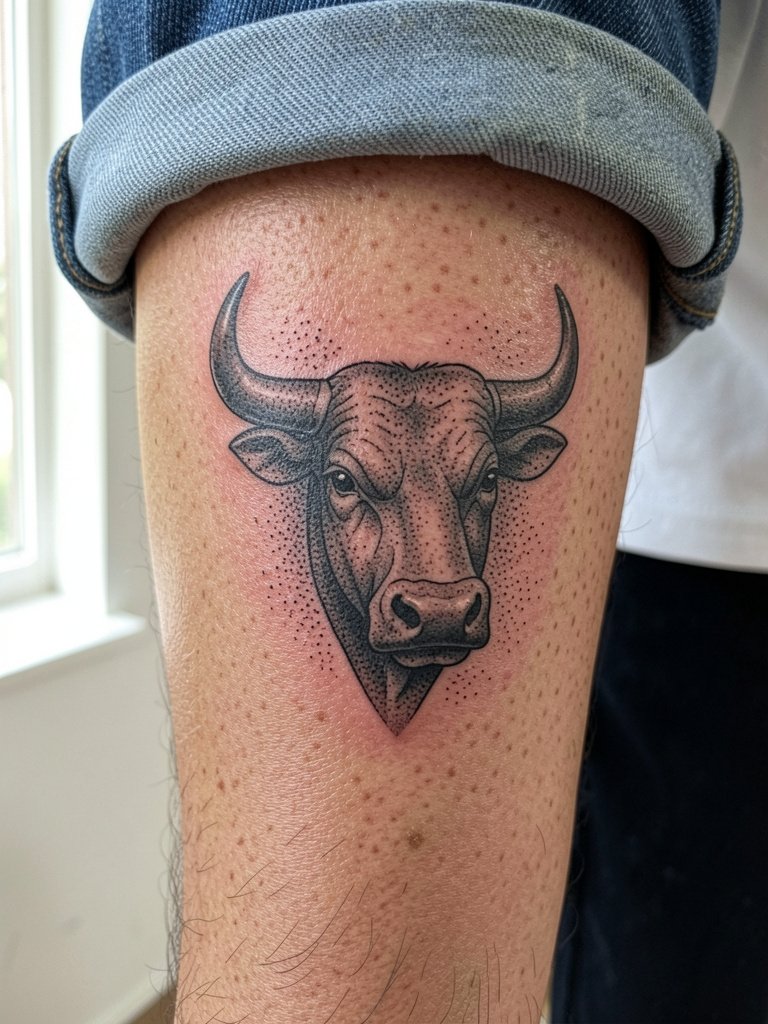
Calf placements give shading room and tolerate heavier stippling. A common error is compressing too much micro-detail into a small calf patch, which flattens over time. Request a session mock-up at tattoo scale so you can see dot density. Pain is usually lower than ribs and collarbone, and sessions run from one to three hours. For footwear and show-off moments try ankle-wrap sandals that reveal the calf without friction against the healed skin.
8. Single-Line Pisces Fish on the Side Wrist
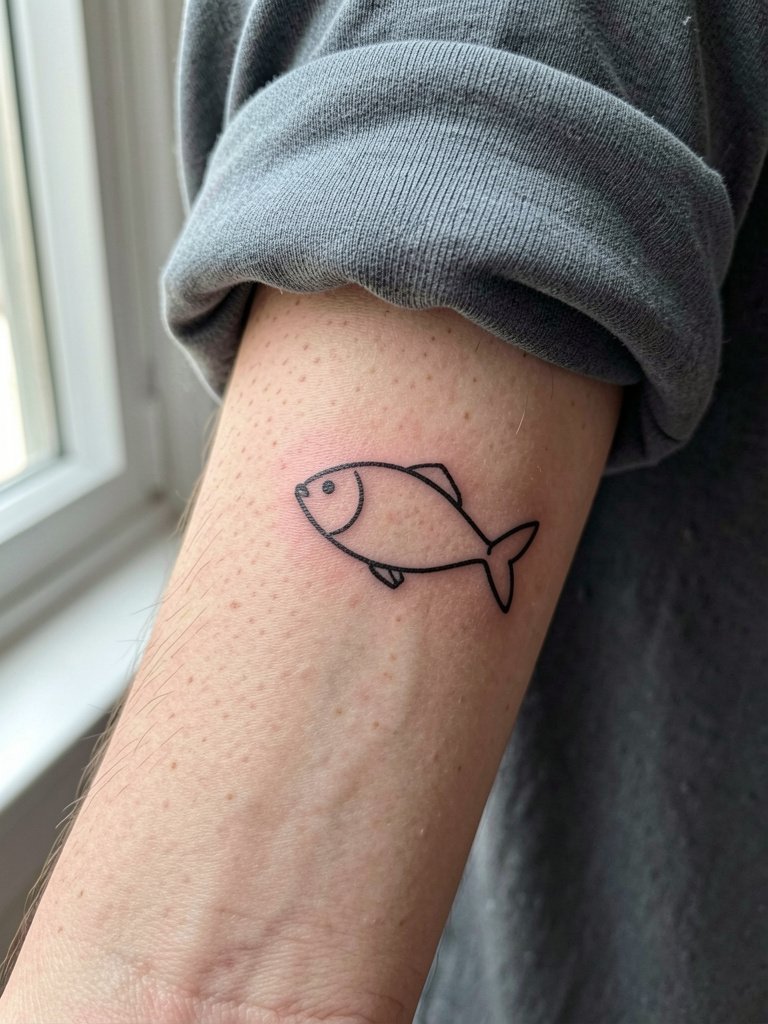
Side-of-wrist pieces experience constant washing and friction. The mistake is single-needle single-line drawn too thin for that exposure. Increase the line weight slightly and place the main curve away from the joint crease. The session is quick but expect scabbing to appear with normal hand use. For the appointment wear a button-front tee so you can avoid rubbing the area when getting dressed post-session. Plan a touch-up at two years if you want the original crispness maintained.
9. Geometric Sagittarius Arrow on the Forearm
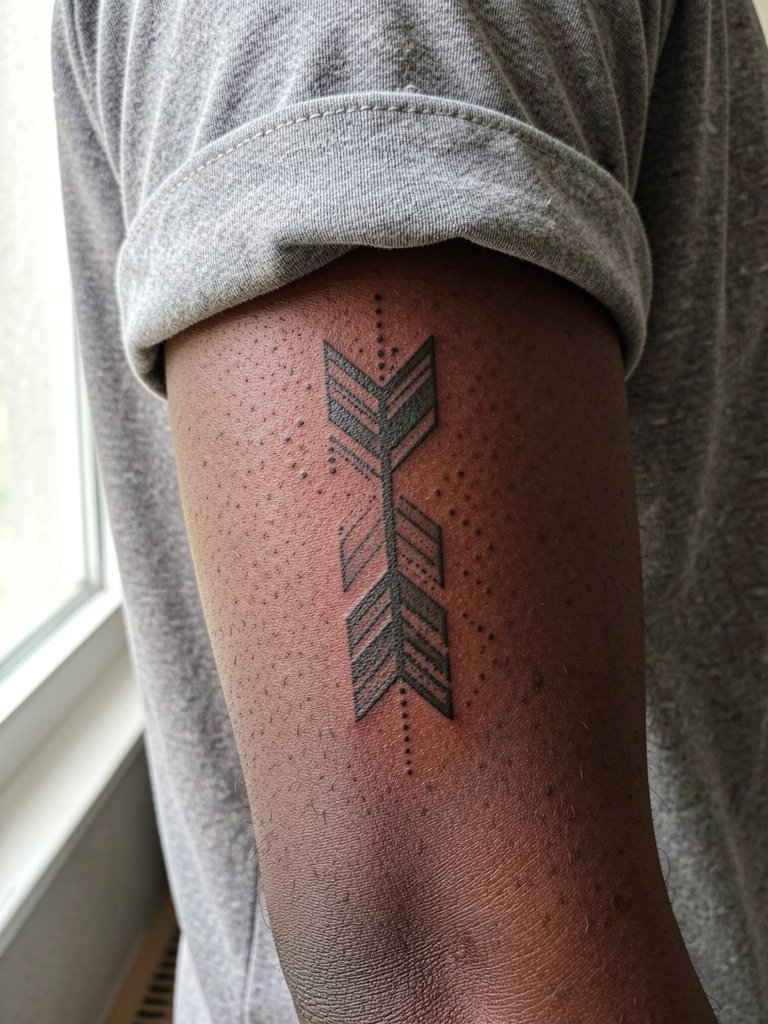
Arrows with geometric fills read best when negative space separates the chevrons. A frequent mistake is overfilling the interior patterns, which collapses contrast after a year. Discuss the exact negative-space ratio so the forearm movement does not cause sections to merge. Forearm work is moderate in pain and generally heals evenly. For nights out pair the piece with rolled-up linen shirts that show the forearm without covering the design.
10. Delicate Virgo Maiden Portrait on the Upper Thigh
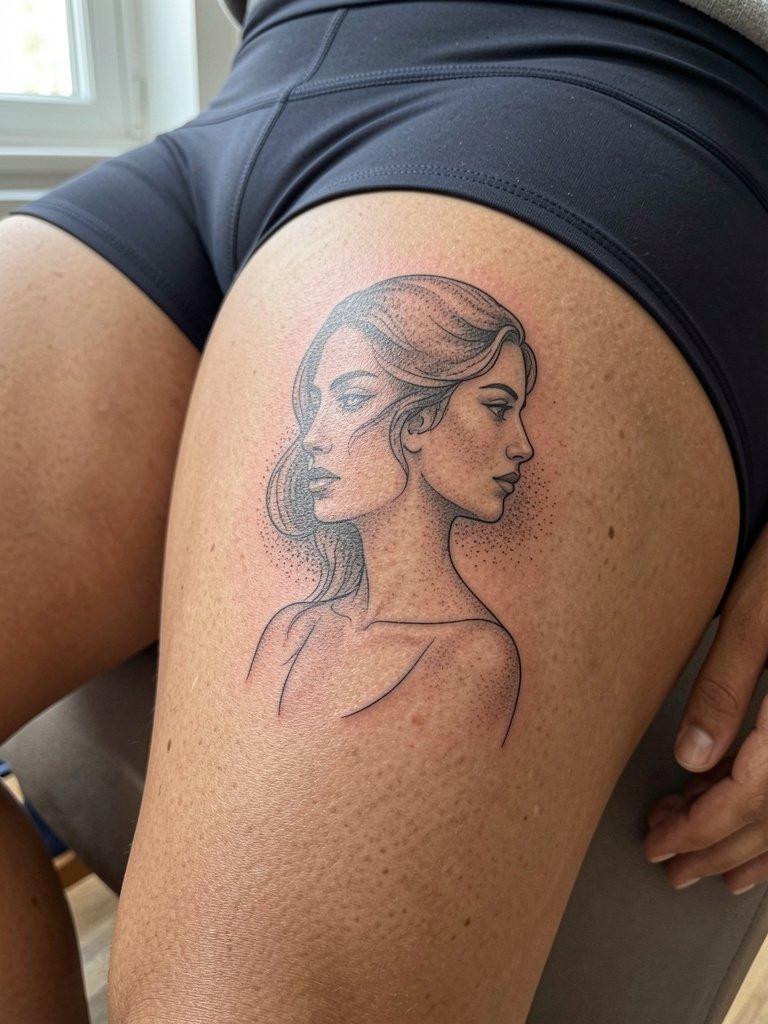
Upper-thigh portraits allow subtle realism while staying private. A common error is placing fine facial detail too close to the groin line where friction and moisture accelerate fading. Place the composition mid-thigh and maintain soft stippling rather than harsh micro-lines. Sessions vary by size and can be multi-hour, so plan breathable session wear like loose drawstring linen pants so you can access the area without pressure. Expect touch-ups at three to five years if you want to preserve fine shaded gradients.
11. Bold Scorpio Moth on the Sternum
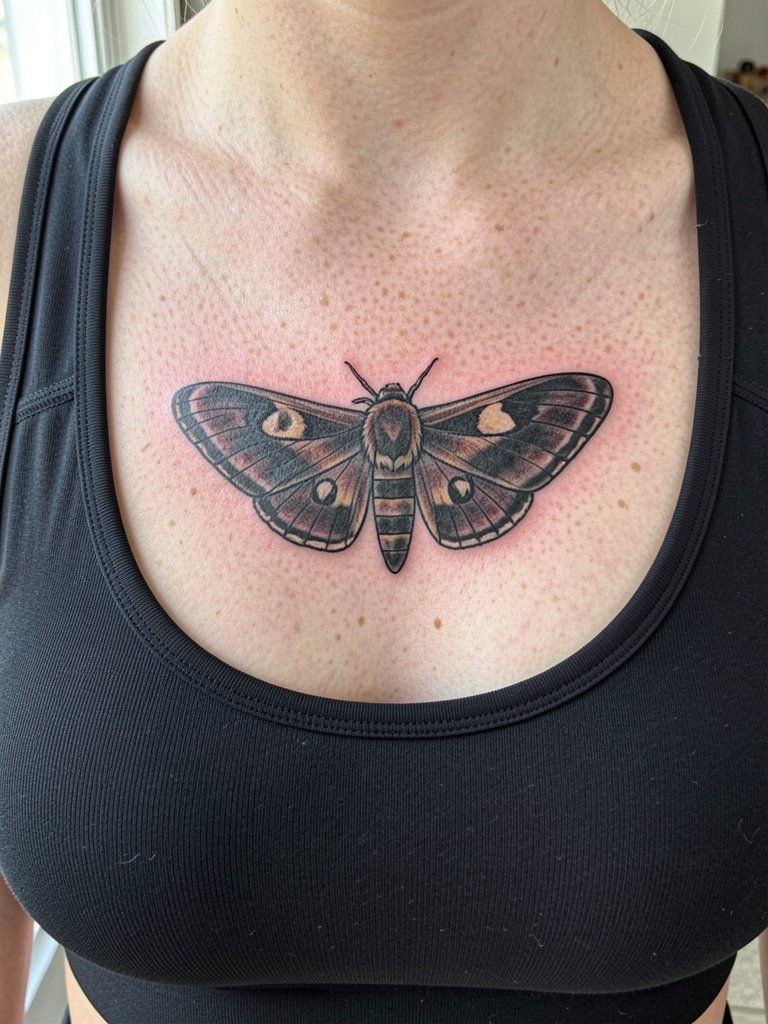
Sternum work is high on the pain scale because of thin skin and proximity to bone. Some artists warn that color sits unevenly across the breastline and prefer blackwork only. Other artists say with layered saturation and careful packing color heals predictably. Name the specific color areas you want and request a healed-from-photo of similar skin tones. Sessions often require breaks, so adjust your schedule. For session comfort wear a supportive top that can be lowered in place without shifting fabric, such as a fitted sports bra.
12. Tiny Gemini Twins on the Knuckles
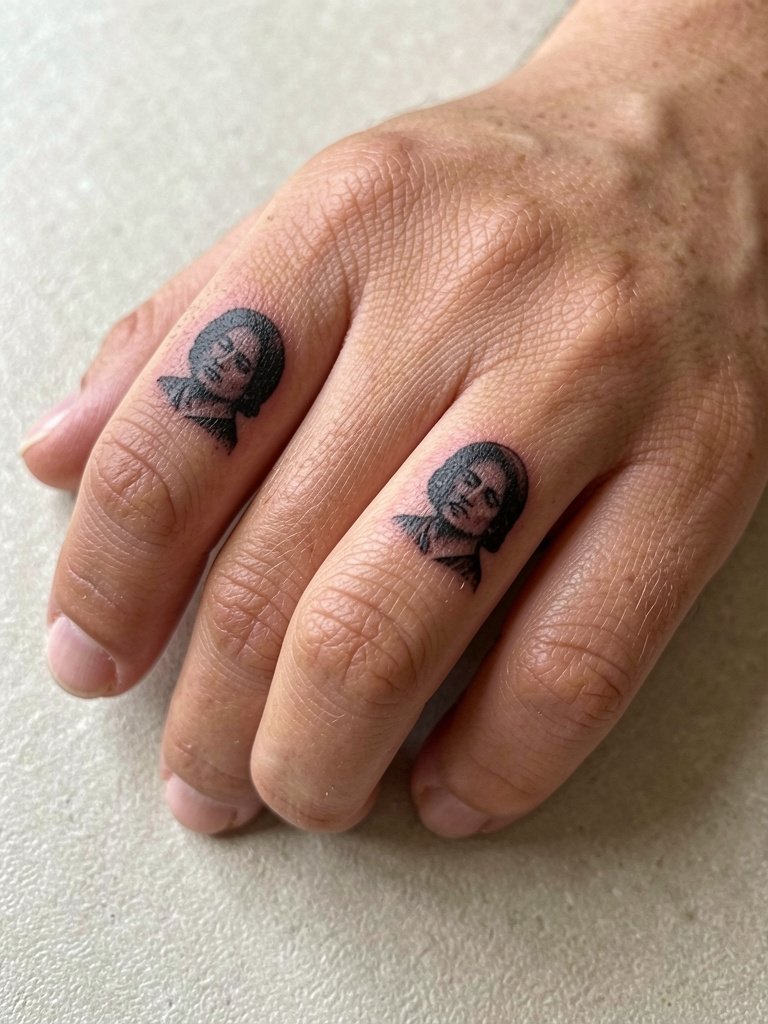
Knuckle tattoos are high-contact and high-fade. The mistake is expecting single-needle detail to survive constant hand washing and abrasion. Opt for bold silhouettes rather than micro-realism. The session is brief but the touch-up timeline is tighter, often annual. Realistically plan for regular maintenance if you want them to remain dark. For presentation moments a thin stackable ring keeps attention on the hand without rubbing the knuckles excessively.
13. Irezumi-Inspired Wave on the Back Shoulder
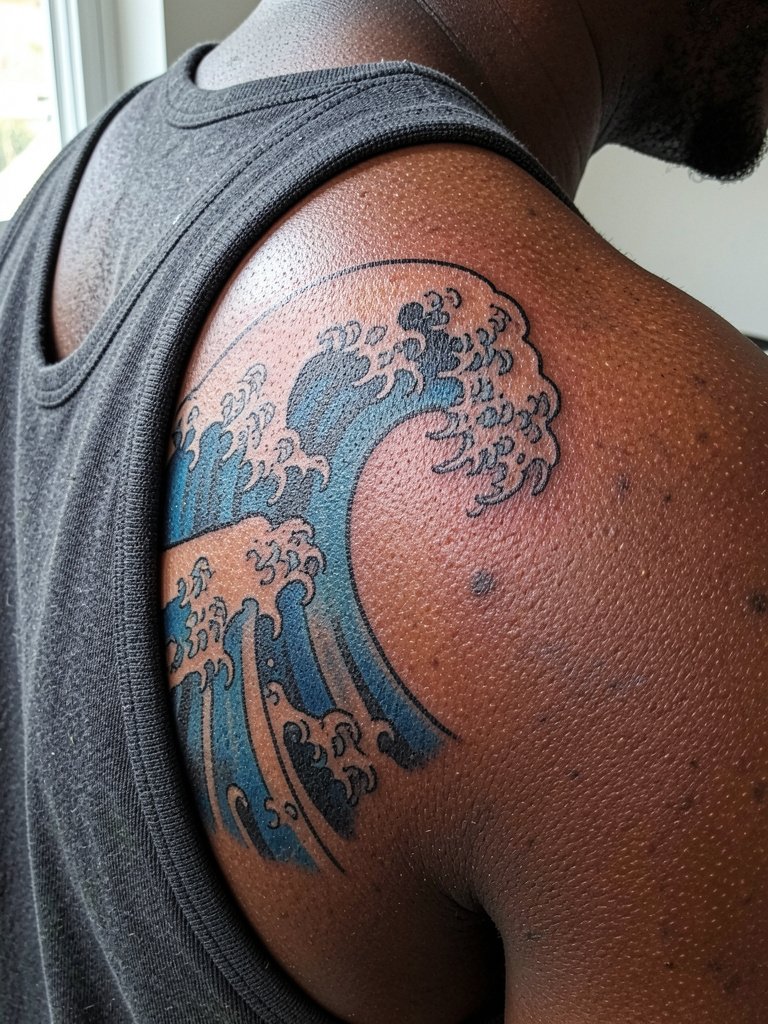
Work inspired by traditional Japanese motifs can be visually powerful and long-lasting when done with saturated fills and bold outlines. Cultural sensitivity matters here. One camp treats stylized waves as open-source motifs that can adapt into personal narratives. The other camp urges learning the cultural lineage and seeking artists who understand the form and history. If you choose this direction, discuss iconography meaning and placement with the artist and respect origin signals. The upper back tolerates large compositions and the session may span multiple sittings.
14. Minimal Aquarius Water Jar on the Inner Forearm
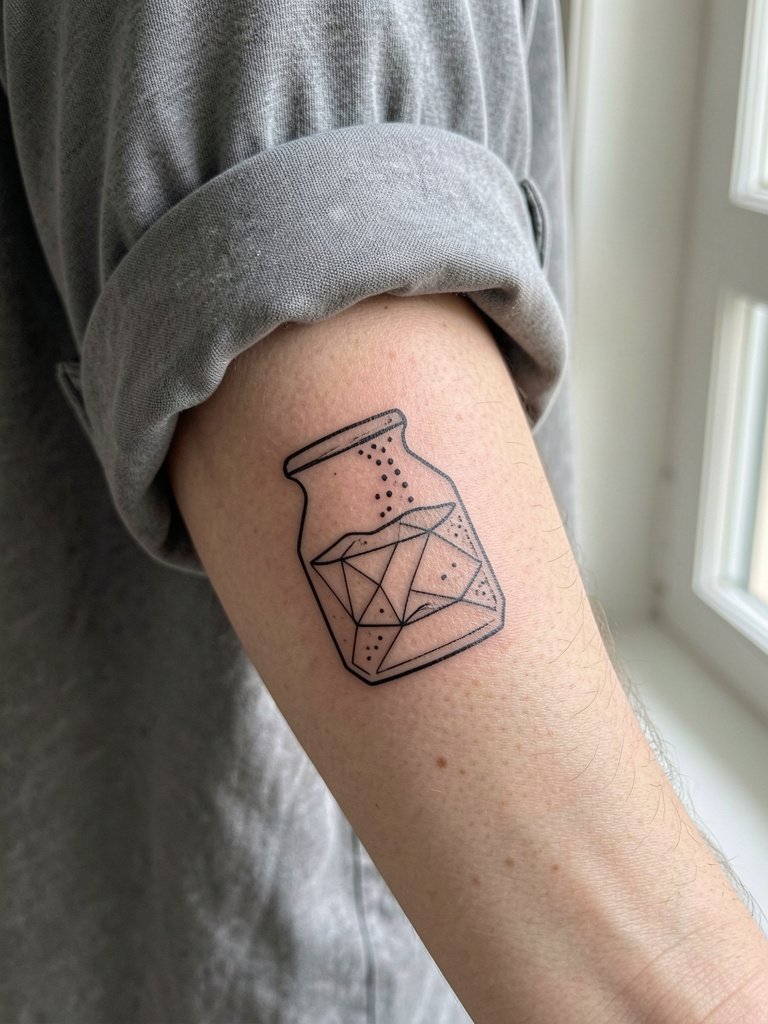
The inner forearm holds single-line geometric icons well because the skin is relatively flat and visible. A mistake is using too-light dots for the pouring detail. Ask for slightly denser dot work for longevity. Sessions are usually short and tolerable. For appointments wear a short-sleeve button shirt that lets you roll sleeves up without tight seams rubbing the area during healing.
15. Fine Line Capricorn Goat on the Ankle
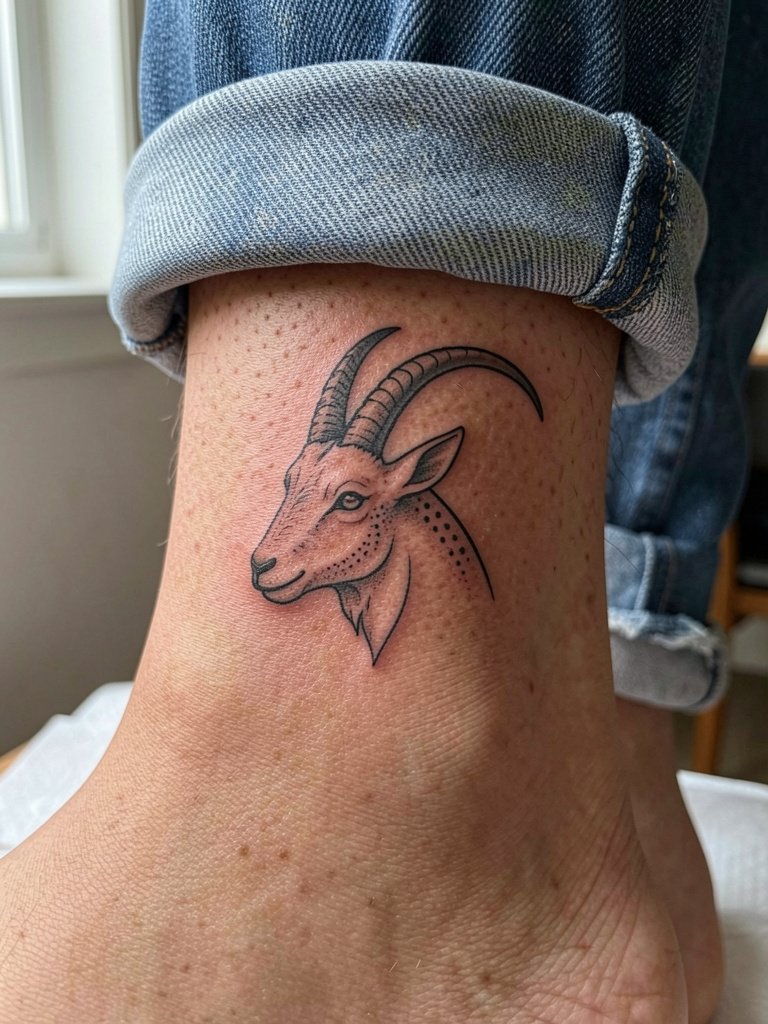
Ankle pieces take constant friction from shoes and socks. The common error is using feather-thin outlines that disappear under repeated rubbing. Ask for a slightly stronger outer contour and expect the design to soften at the edges within a couple of years. The session is quick but aftercare requires mindful shoe choices for the first week. For showing the piece pick footwear like low-profile sandals that expose the ankle without pressure.
16. Abstract Cancer Crab on the Rib Side
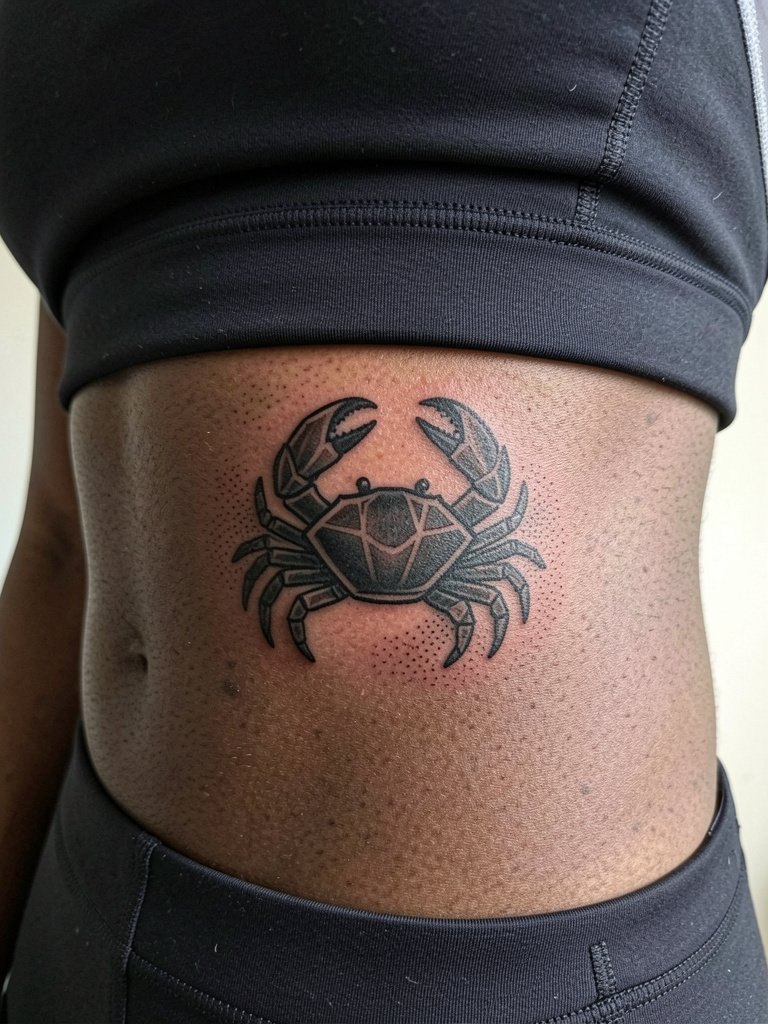
Rib designs require planning around skin movement. Artists split into two camps on ribs and fine line. One group says natural stretch and clothing friction cause blur within two years. The other group points to careful spacing, slightly wider line weight, and solid touch-ups as ways to make rib work last. If you want a detailed crab motif, give the artist permission to widen critical strokes. Expect the session to be on the more painful side and bring an appointment plan that includes short breaks.
17. Dot-Work Libra Scales on the Back of the Neck
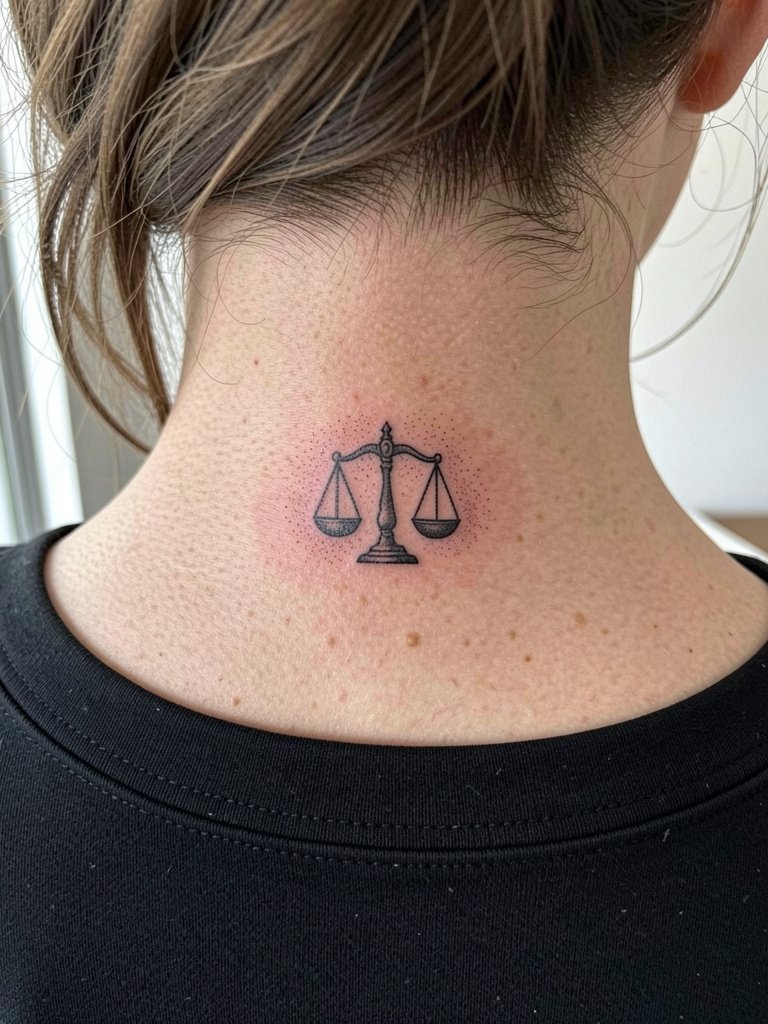
Nape tattoos sit on skin that can be protected by hair or shown with updos. A common mistake is choosing too-fine stippling where hair movement will eventually camouflage the detail. Request clear spacing and show the artist your typical hairstyle so they place the piece where it will be visible when you want. Touch-ups may be needed sooner if hair constantly covers the area. For sessions choose a top that allows the neck to be exposed without fabric rubbing, like a soft scoop-neck tee.
18. Surrealist Sagittarius Arrow Across the Palm
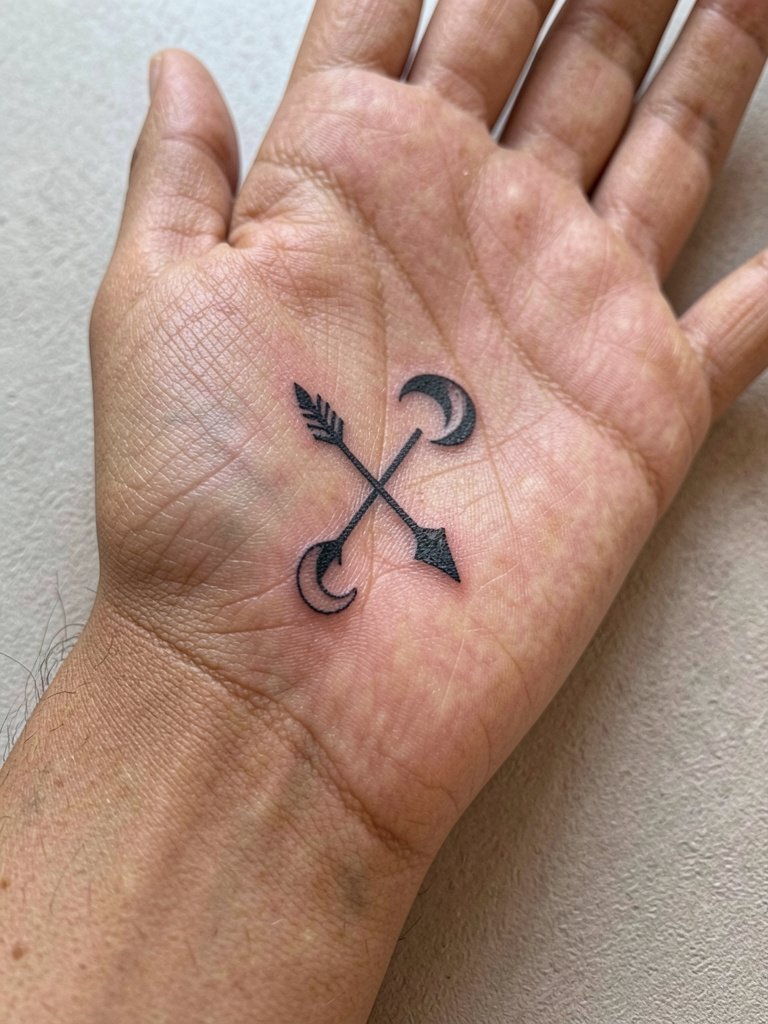
Palm tattoos are high fade and high touch. Expect accelerated loss of saturation due to constant use of the hands. The common version that ages poorly is fine ornamental work. If you want palm placement, plan for bolder shapes and frequent touch-ups. The session is usually fast but can be uncomfortable because of the dense nerve endings. Palm pieces rarely remain crisp beyond a couple of years, so treat them as temporary statements rather than permanent micro-detail anchors.
19. Mandala-Style Aquarius on the Sternum
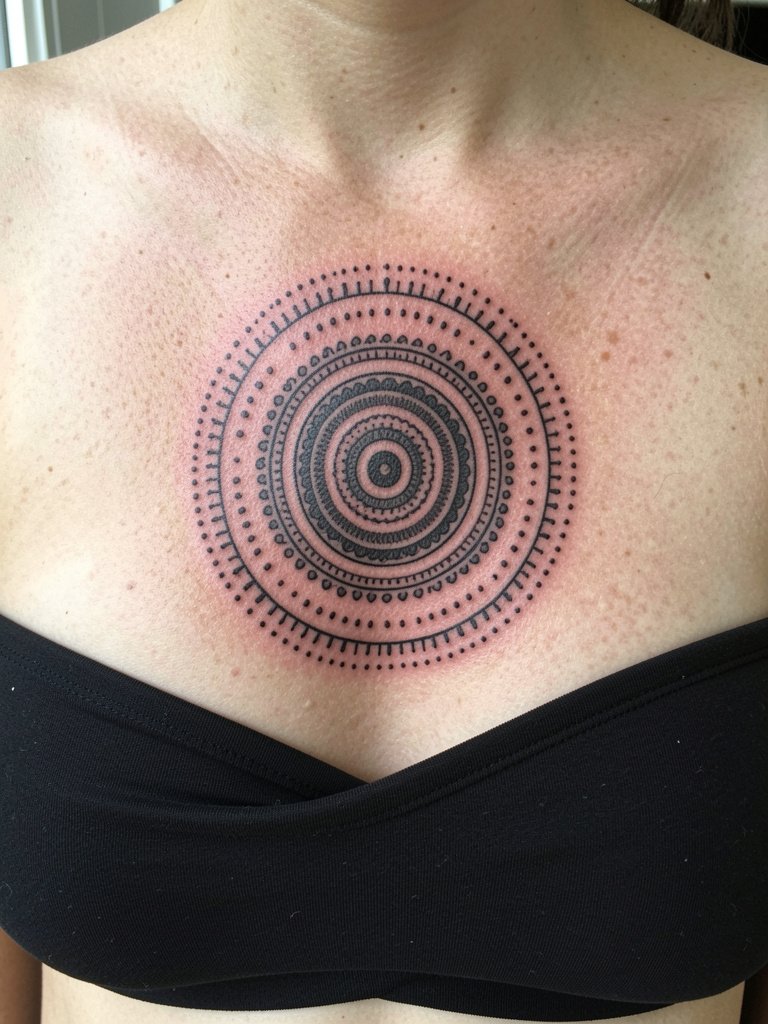
Mandalas draw important cultural questions. One camp sees geometric mandalas as shared design language adaptable for personal expression. The other camp urges caution and asks people to acknowledge the spiritual origins and not appropriate sacred symbols. If the design has cultural roots, mention that during consultation and agree on respectful motifs. Sternum mandalas look stunning but demand larger scale so the dot-work does not collapse into a single tone.
20. Watercolor-Style Pisces Wave on the Outer Thigh
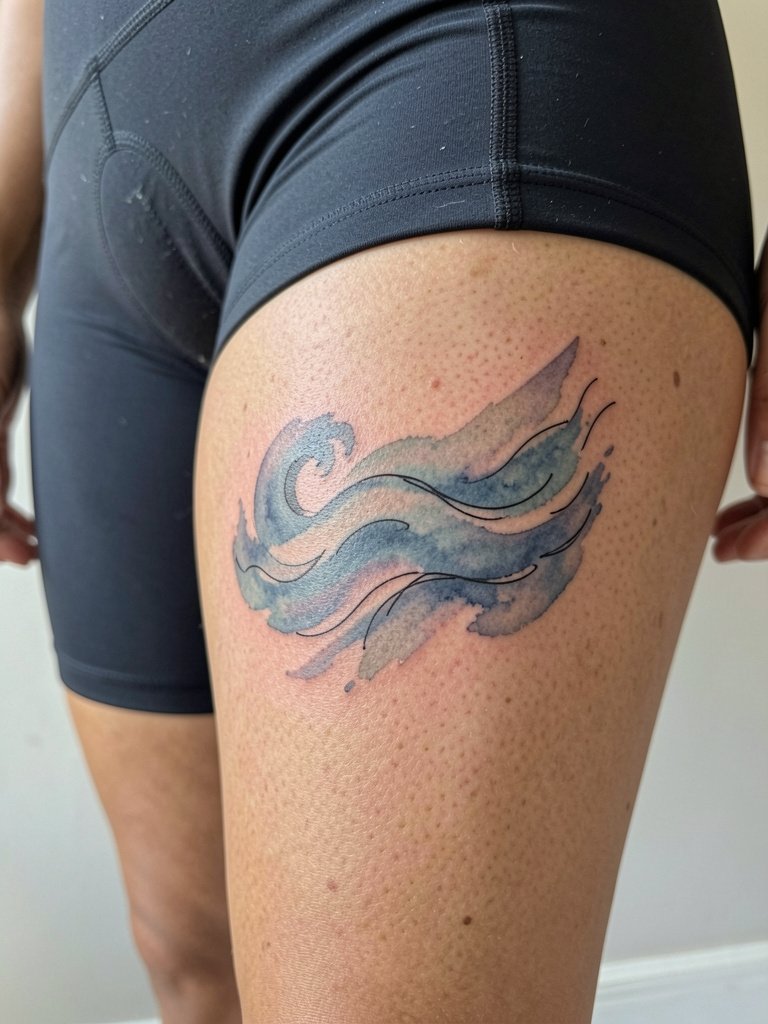
Watercolor aesthetics look painterly initially but can fade into muted patches when saturation is low. Many artists debate whether watercolor ages worse than traditional shading. If you like this look, insist on strategic black anchors and slightly higher saturation so color shifts gracefully. Thigh placements are forgiving and allow for larger compositions. For the session wear athletic shorts that you can lower without exposing the groin or tugging on fabric.
21. Fine Line Leo Paw on the Chest Pocket Area
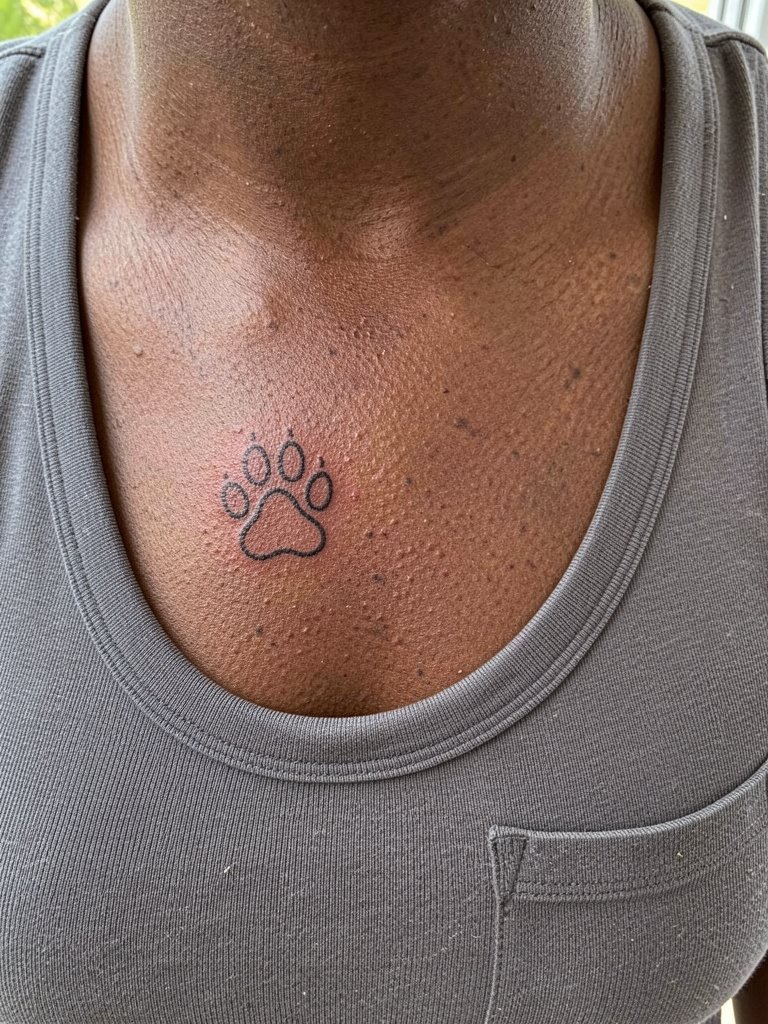
Chest pocket motifs have sentimental weight and good visibility. The chest heals well but watch for overly thin strokes that sit on dynamic pectoral skin. Place the paw slightly off-center so movement does not distort the print over time. Sessions are tolerable but can be briskly sensitive near the clavicle. For layering styling try lightweight open shirts like a short-sleeve camp shirt to frame the area.
22. Neo-Traditional Sagittarius Bow on the Shoulder Blade
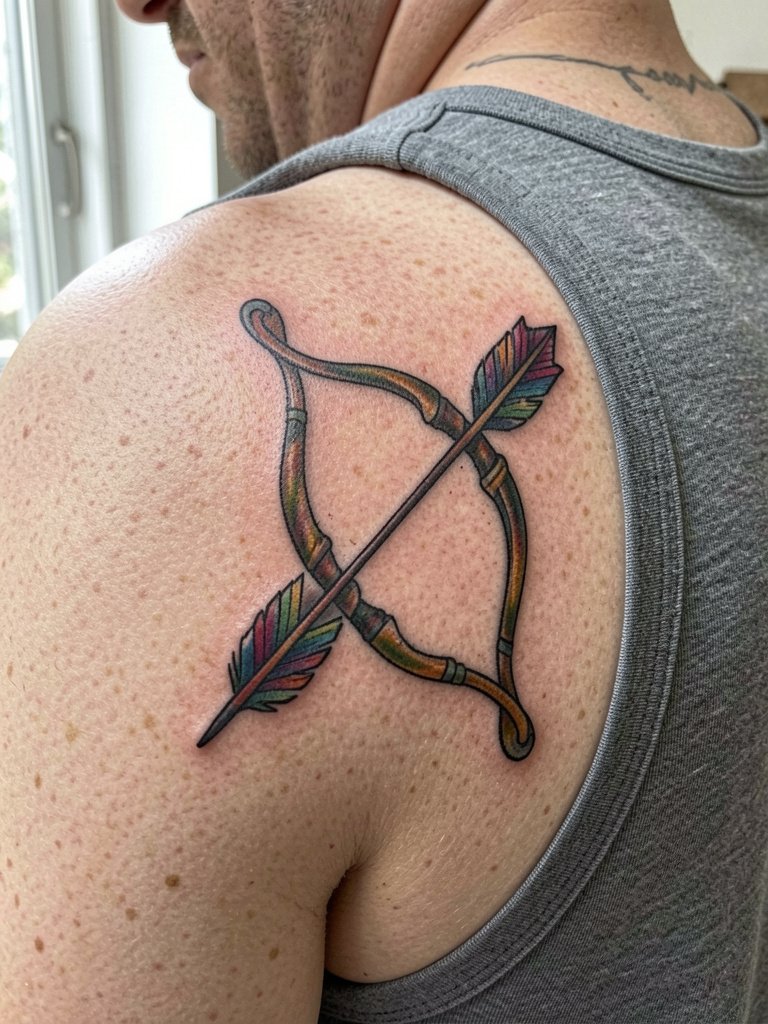
Shoulder blade pieces are great for neo-traditional detail and color because the skin moves less and has thicker tissue. The mistake is compressing too many ornaments into a tiny area. Keep the composition balanced so feathers and decorative fills have room. Sessions can be long for larger scales. For post-session comfort choose a top that does not rub the upper back, like a breathable racerback tank.
23. Tiny Sagittarius Constellation on the Finger Side
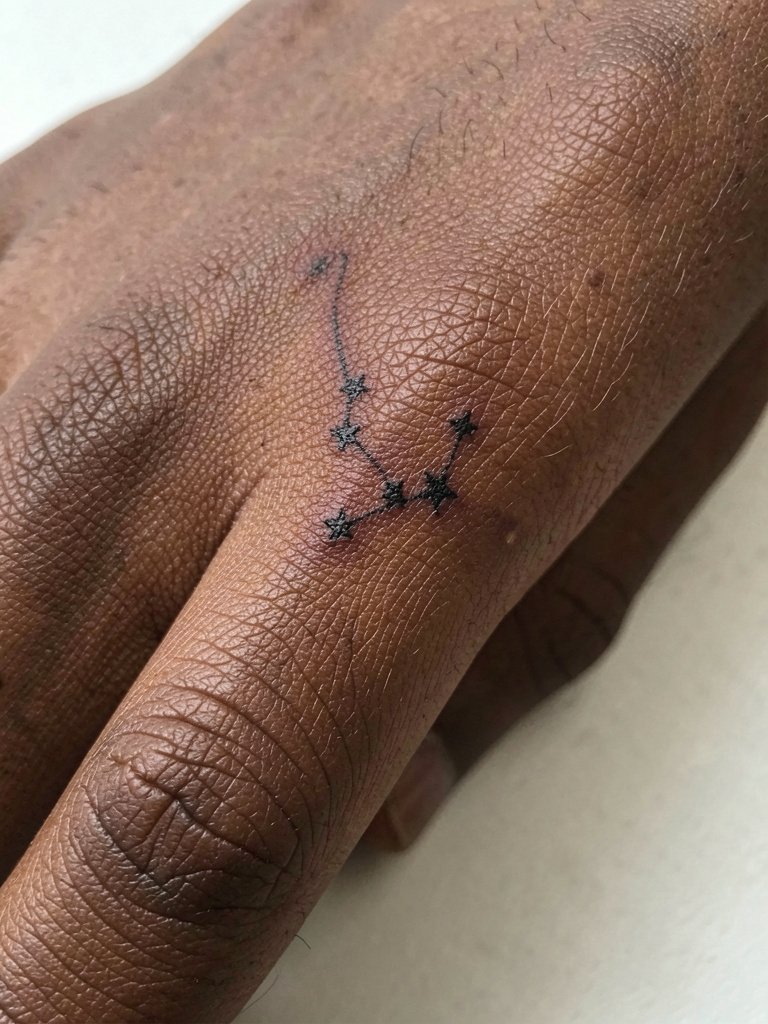
Finger-side micro-constellations look delicate but face aggressive wear from daily tasks. The usual mistake is requesting single-needle dots that vanish under soap and friction. Ask for slightly bolder star points and accept that annual touch-ups are common. The session is short and often affordable, but long-term maintenance should factor into your decision. For presentation pair the piece with a thin metal midi ring that complements without loading the knuckle.
Frequently Asked Questions
Q: How do I find healed Zodiac portfolios and inspiration without naming artists directly?
A: Search platform tags and keywords that match the style you want, for example try hashtags like #ZodiacTattoo or #ConstellationLinework and use location filters on TikTok and Instagram to see healed images in your city. Reddit tattoo threads often include user-shared healed photos, and portfolio sites let you filter by keywords like "fine line zodiac" or "blackwork ram."
Q: Which zodiac styles need the most maintenance over time?
A: Thin single-needle glyphs on high-friction areas such as wrists, fingers, and palms need the most frequent touch-ups. Bold blackwork and larger neo-traditional pieces generally hold saturation longer, while micro-realism and watercolor approaches often require touch-ups to maintain color transitions.
Q: Is it cultural appropriation to get a mandala or tribal zodiac design?
A: It depends on how the imagery is used and whether you acknowledge its origins. Some people use mandala elements as a personal geometry that has become common in modern tattooing. Others view certain patterns as culturally specific and ask clients to research and consent to using them respectfully. If you are unsure, choose motifs that are clearly decorative or discuss symbolic meaning with the artist.
Q: How should I dress for a session that includes ribs or sternum work?
A: Wear breathable, fitted garments that expose the area without shifting, for example a fitted sports bra for sternum work or a cropped athletic top for ribs. Comfortable shoes and layers for post-session temperature changes help during long sittings.
Q: How often do small zodiac glyph tattoos need touch-ups?
A: Expect small glyphs on exposed spots to need touch-ups every two to five years depending on placement and your lifestyle. Areas with frequent movement or friction will trend toward the shorter end of that range. Personal observation shows that slightly increased line weight at the start reduces the frequency of touch-ups.