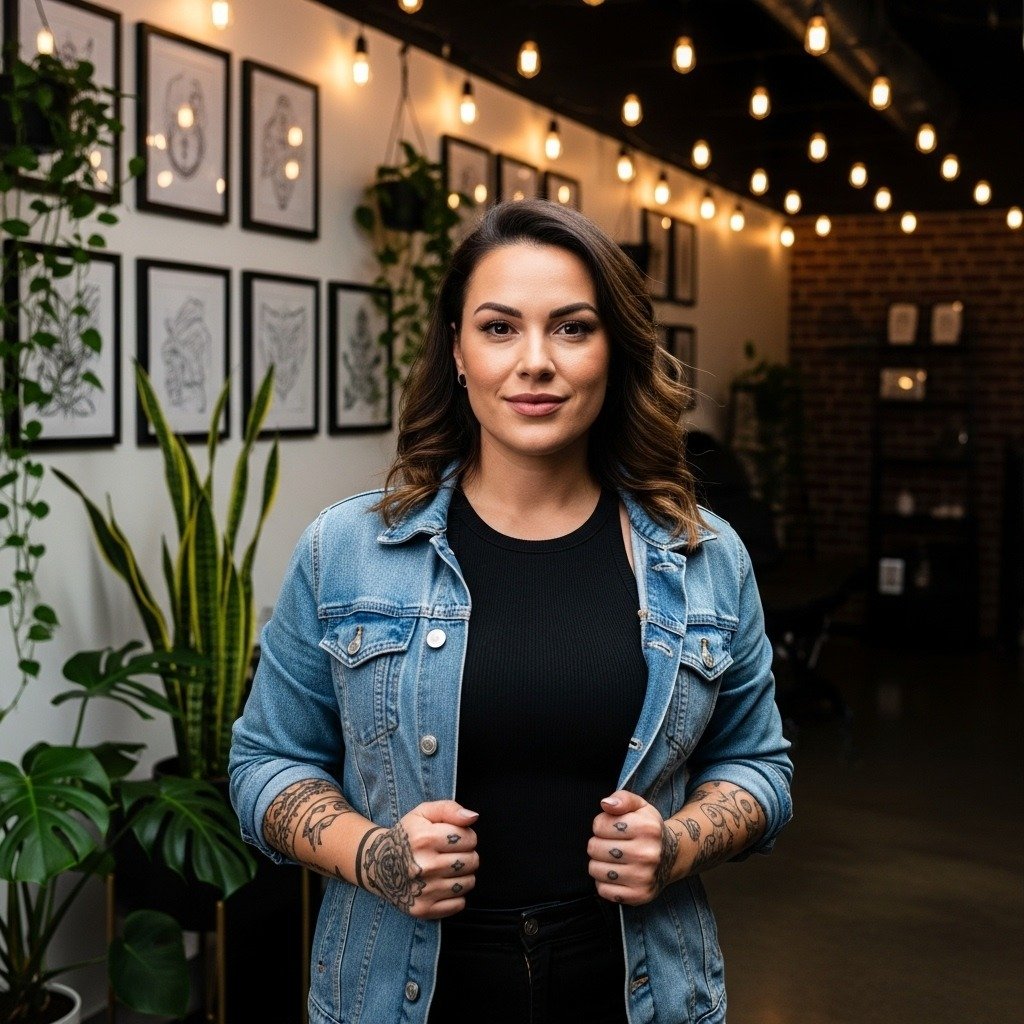
Small fingers are a quiet place to make a statement, but they demand planning. Tiny lines can blur fast and saturated black ages differently than single-needle scripts. Pick designs that leave room to breathe, specify slightly heavier line weight up front, and plan for a touch-up in year one rather than assuming forever. Below are small, tattoo-ready ideas that balance scale, wear, and style so your next appointment is about decisions that hold up.
1. Micro Band Around the Finger
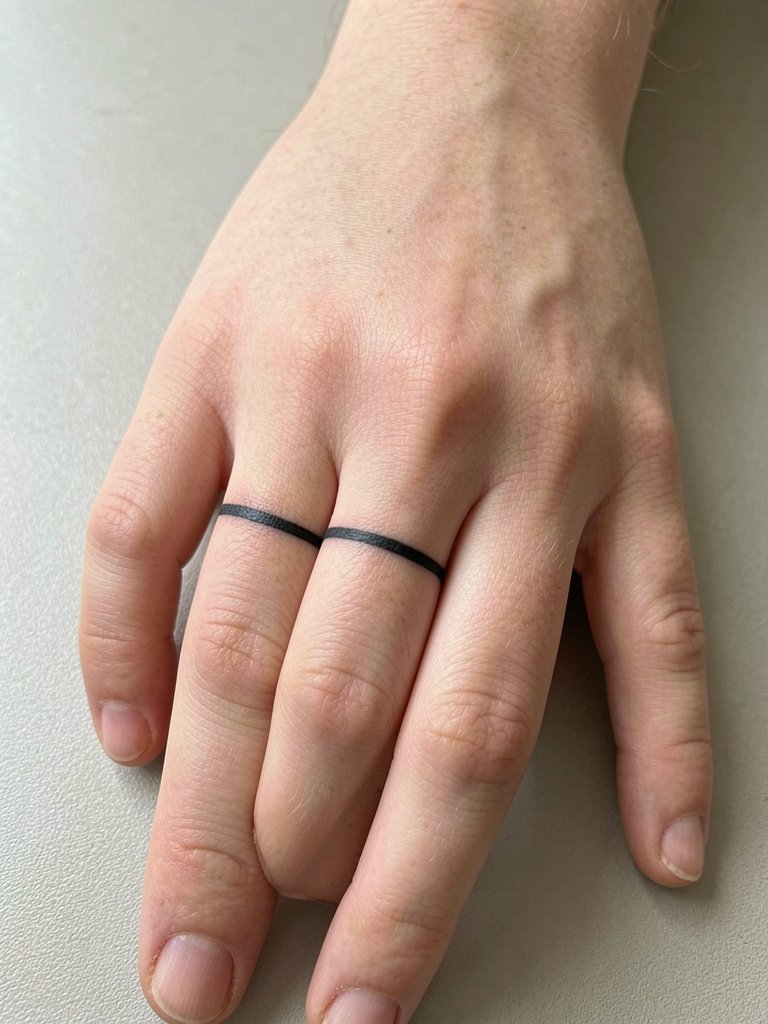
A single micro band reads like a ring without metal. For fingers the biggest risk is blowout from too much density, so ask for a slightly wider single-pass line rather than ultra-fine work to preserve contrast at year two. Session time is short, often under 20 minutes, and pain is moderate where bone is shallow. Common mistake is asking for a one-millimeter hairline that vanishes as skin moves. Expect a touch-up window around six to twelve months. Style note with rings pairs well with a set of thin stacking bands and a thin hammered ring that echoes the ink without covering it.
2. Tiny Script Initial on the Side of a Finger
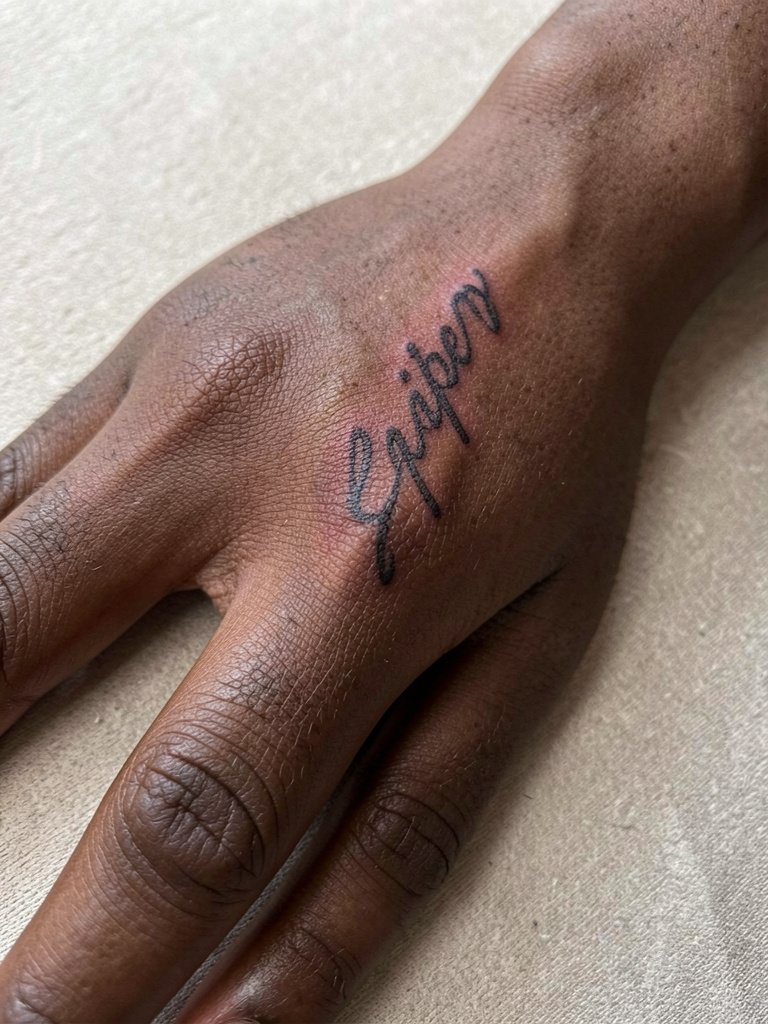
Initials look personal and read like a whisper. Fine cursive can blur on fingers, so specify that the downstrokes be a touch heavier to avoid loss of shape after healing. The session feels quick but stinging, and the area is exposed to handwashing, which eats pigment. Plan for a reality check at three months and expect a likely touch-up at year one. A common error is requesting script at the very tip of the finger where skin folds make letters unreadable. For showing the ink, pair with a stack of sleek midi rings that frame the side script without covering it.
3. Single Tiny Heart on the Outer Finger
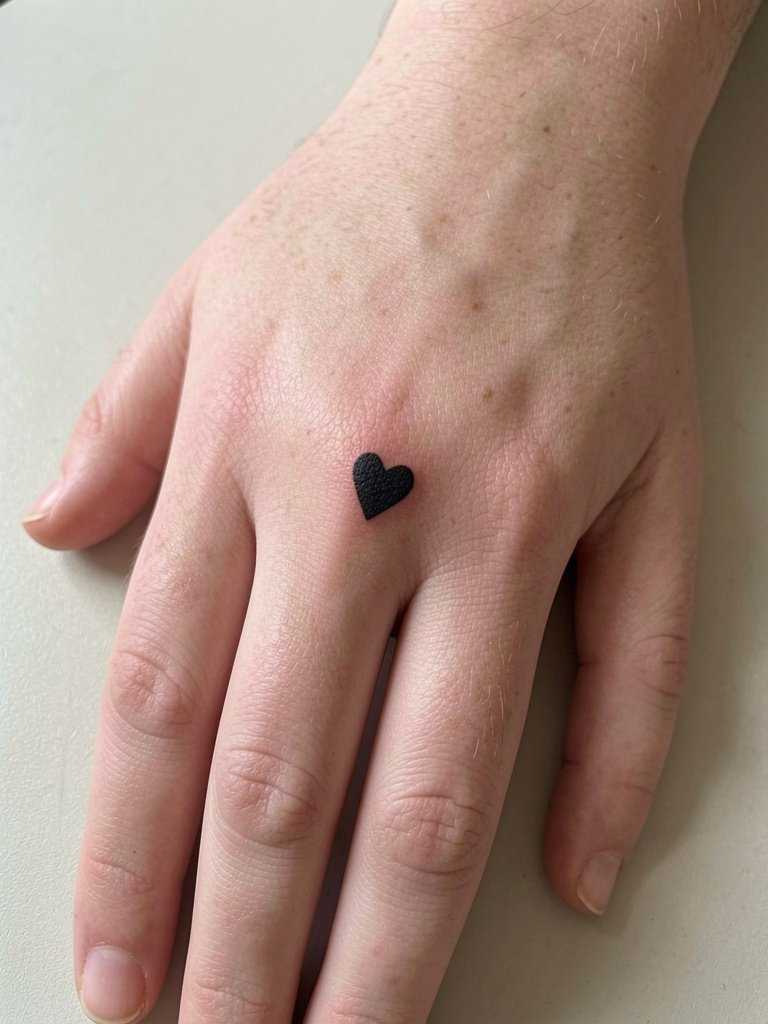
A tiny filled heart reads clearly when sized to the anatomy. Solid black holds better than split outline here because the hand gets friction from pockets and daily tasks. Tell the artist you want a compact fill with crisp negative-space margins so the shape keeps definition at two years. The session is brief, pain is sharp but fast. A typical mistake is making the heart too tiny or too thin outlined. For outfits, try pairing the piece with a delicate chain bracelet that mirrors the small scale.
4. Minimalist Arrow Along the Finger Side
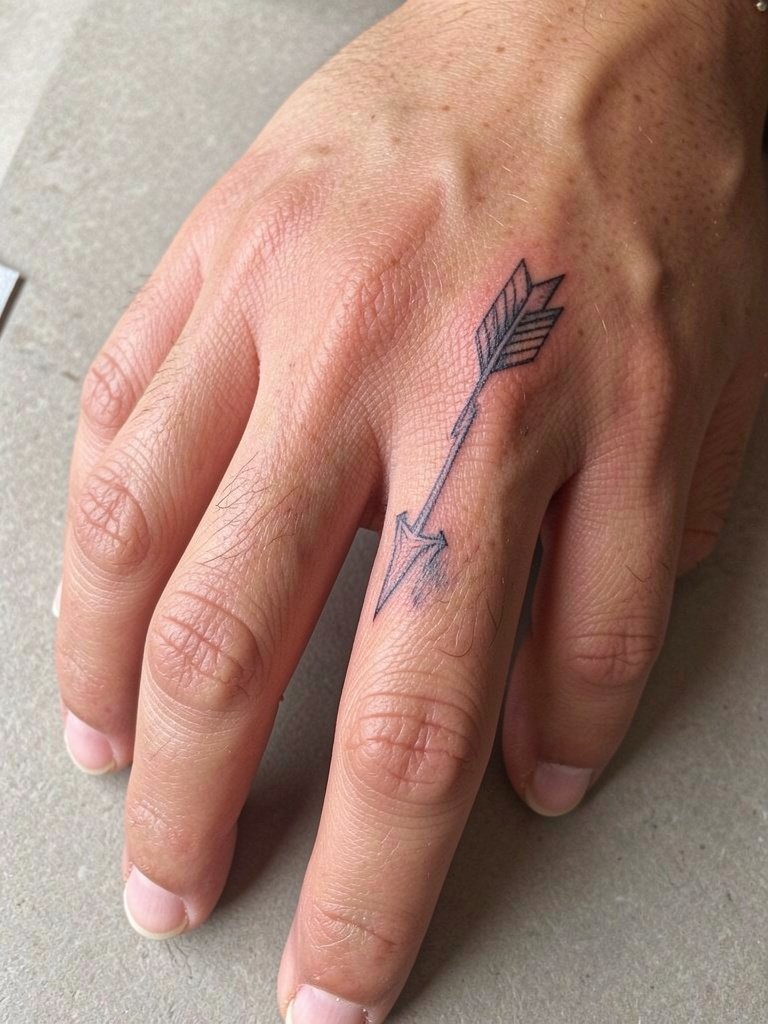
An arrow gives direction without taking up visual weight. Small arrows favor slightly stronger shaft lines because the lateral finger surface shifts against neighboring digits. During consultation specify how the point sits relative to knuckle creases so the design avoids a fold. The common aging issue is edge softening where knuckle motion compresses ink. Expect a short session with intermittent pinprick pain. For showing off, coordinate with narrow band rings and a minimal leather strap watch so the tactile accessories keep attention on your hands.
5. Tiny Geometric Dot Cluster
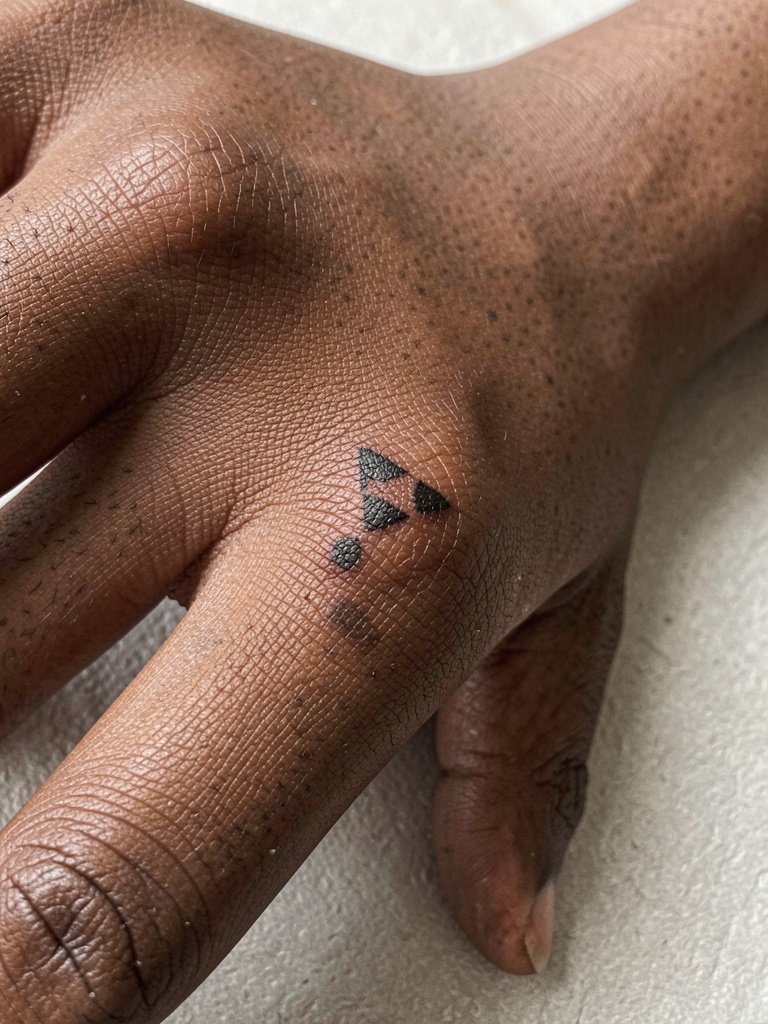
Dot clusters are deceptively simple and forgiving. Small solid dots maintain contrast better than hairline geometry. Discuss dot spacing and ensure the artist places each point with small gaps so they do not bleed together as the finger ages. This is a fast session with short, sharp sensations. The mistake is requesting a micro constellation of dots packed too tightly. For an understated look, layer with a thin chain ring set to make the dot cluster feel intentional and curated.
6. Micro Floral Sprig on the Finger Side
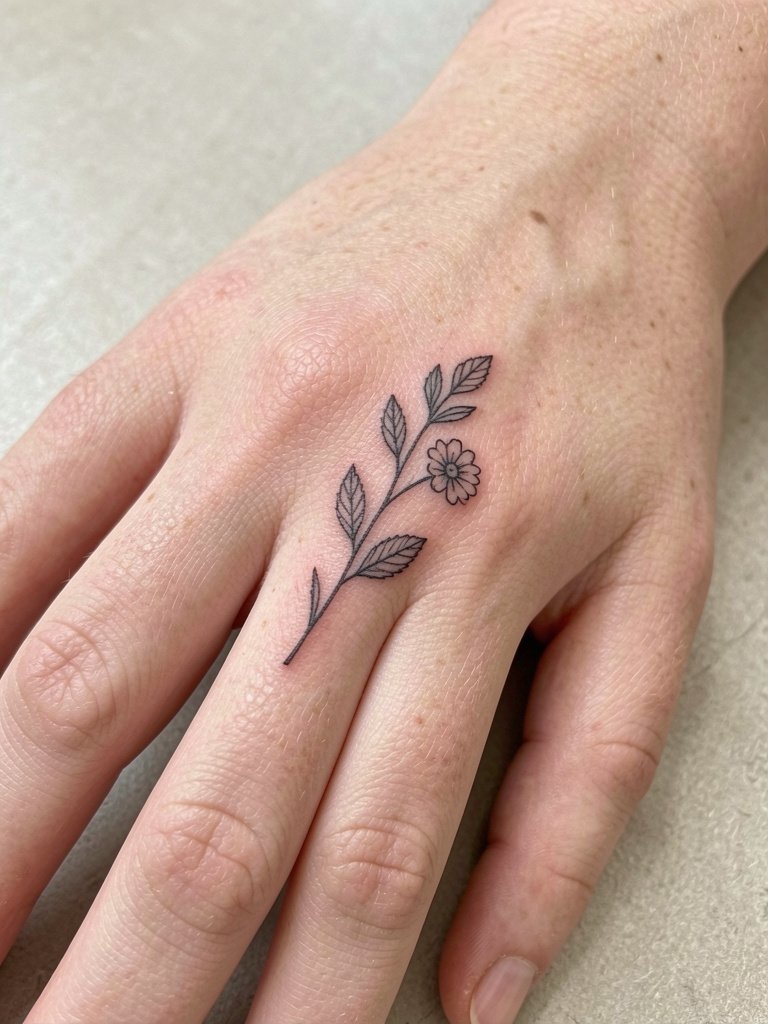
A sprig gives an organic silhouette that ages more gracefully than dense shading. For fingers ask for slightly bolder leaf stems so the negative spaces remain readable at two years. Discuss placement relative to knuckle lines to avoid distortions with movement. The sensation is sharp and brief. A frequent misstep is packing too many tiny leaves into a one-inch area. For evenings out, a slim open-back blouse shows hands and pairs nicely with a sleek open-back midi dress which lets the finger work remain visible in photos.
Session Day Picks
Small finger placements dry and blur faster than forearms, so these items smooth the appointment and early healing for the ring and script ideas above.
-
Stencil transfer paper kit. Lets you test exact placement on a finger before the first pass, which matters for the side-script and arrow designs in ideas 2 and 4.
-
Topical numbing cream. Applied as directed reduces the initial sting for short finger sessions without altering the artist's line depth.
-
Thin protective film roll. Useful for wrapping fingers between washing and errands in the first 48 hours, especially for filled shapes like the heart in idea 3.
-
Fragrance-free gentle body wash. Cleanses the hand area without irritating the fresh ink or stripping natural oils.
-
Aquaphor healing ointment. Thin layers protect delicate single-needle work during the crucial first three days, which helps scripts and dotwork keep contrast.
7. Tiny Geometric Diamond on the Finger Top
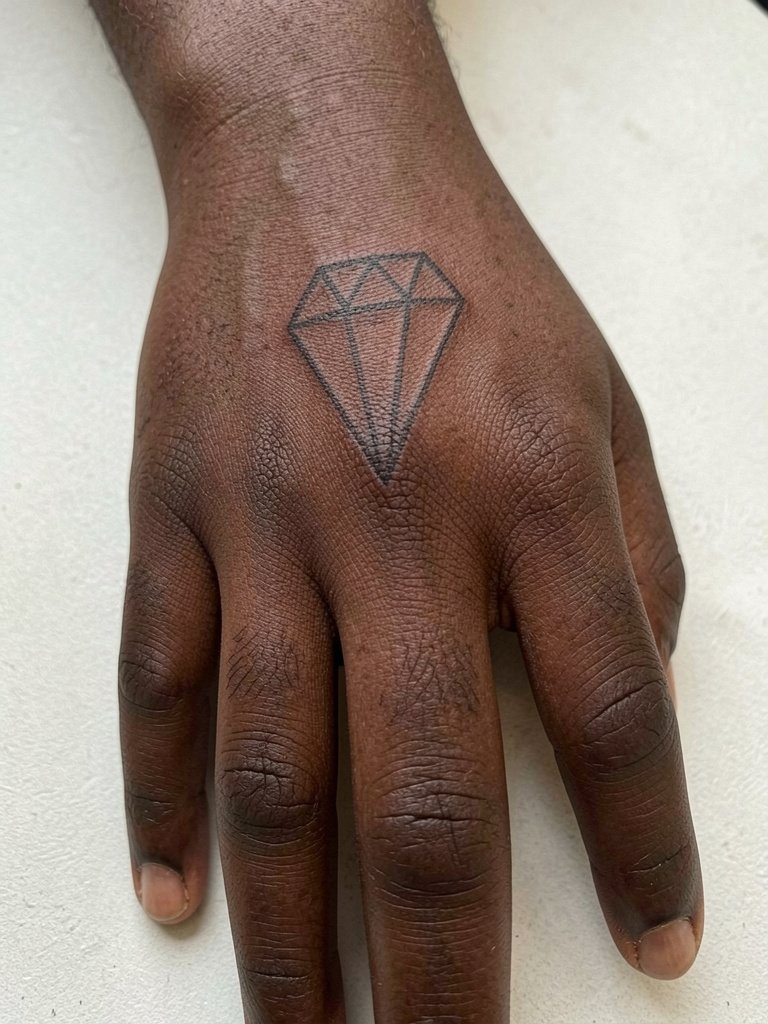
A diamond outline reads crisply when proportions are respected. Ask for clean corner nodes and a single-pass outline with moderate line weight so the shape does not sag at the tips. Expect quick work and a hot, pinching sensation. The most common mistake is requesting hairline angles that lose geometry after a year. For jewelry balance try a geometric signet ring that visually extends the diamond motif without overlapping the ink.
8. Micro Skull Accent on the Side Finger
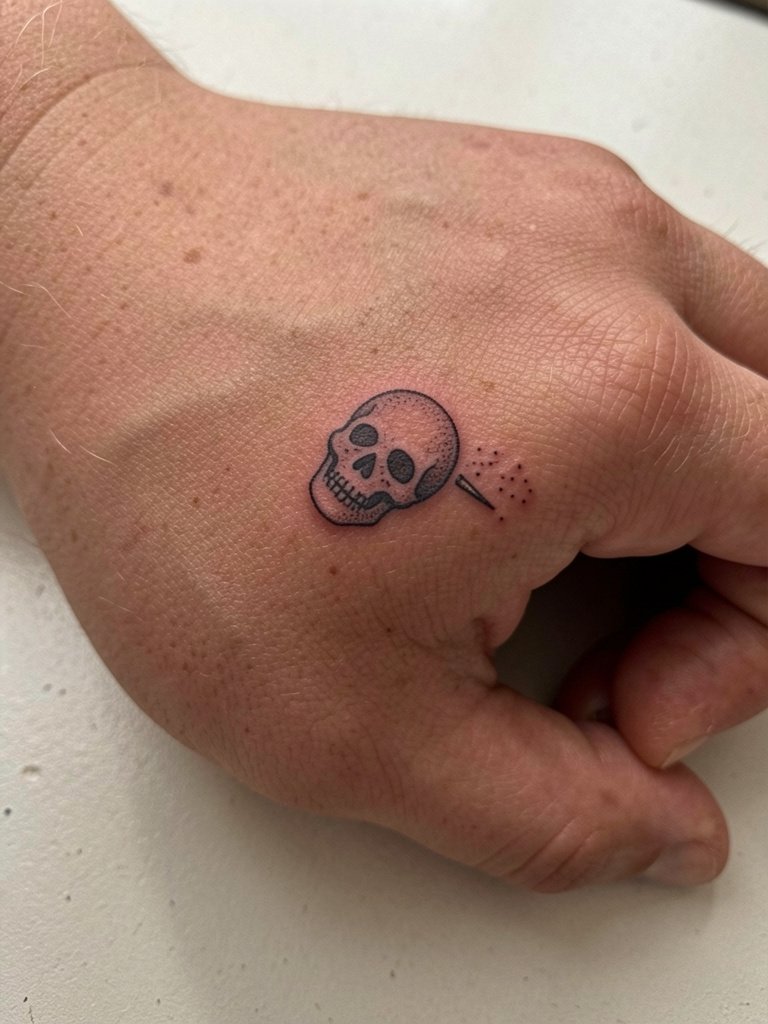
Micro skulls make a dark accent without heavy saturation. Because facial detail is tiny, request simplified features and slight spacing so shading dots do not merge over time. The session feels like a quick concentrated jab, and the finger tends to lighten with frequent hand washing. A mistake is trying to include teeth and tiny hollows; simplify instead. Pair with a black enamel bracelet to carry the motif into accessories without crowding the hands.
9. Single Dot Mid-Finger Punctum
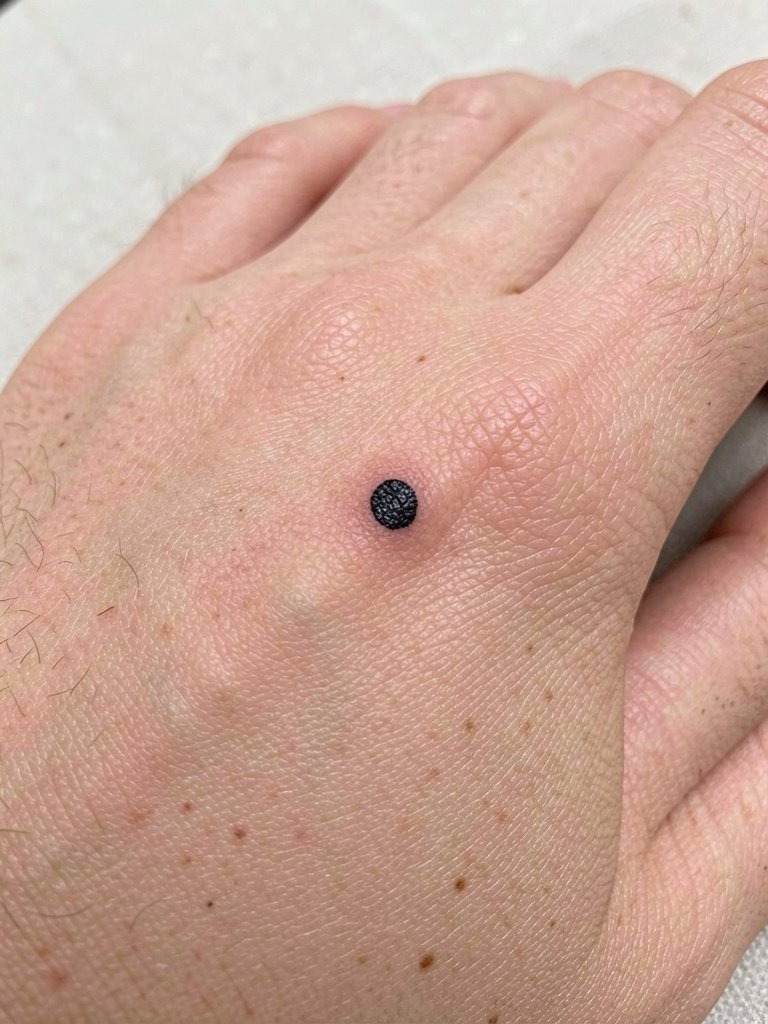
A single dot is a bold micro decision. Solid dots keep their read better than thin rings, but even dots migrate on fingers over time. Discuss desired diameter and ask for crisp edges so the shape reads at six months. The session takes minutes and is stinging. Common misjudgment is making a dot smaller than your tolerance for future smudging. For a cohesive hand edit match the dot with a clean mesh bracelet that keeps the visual field simple and balanced.
10. Tiny Cross or Religious Symbol on the Finger
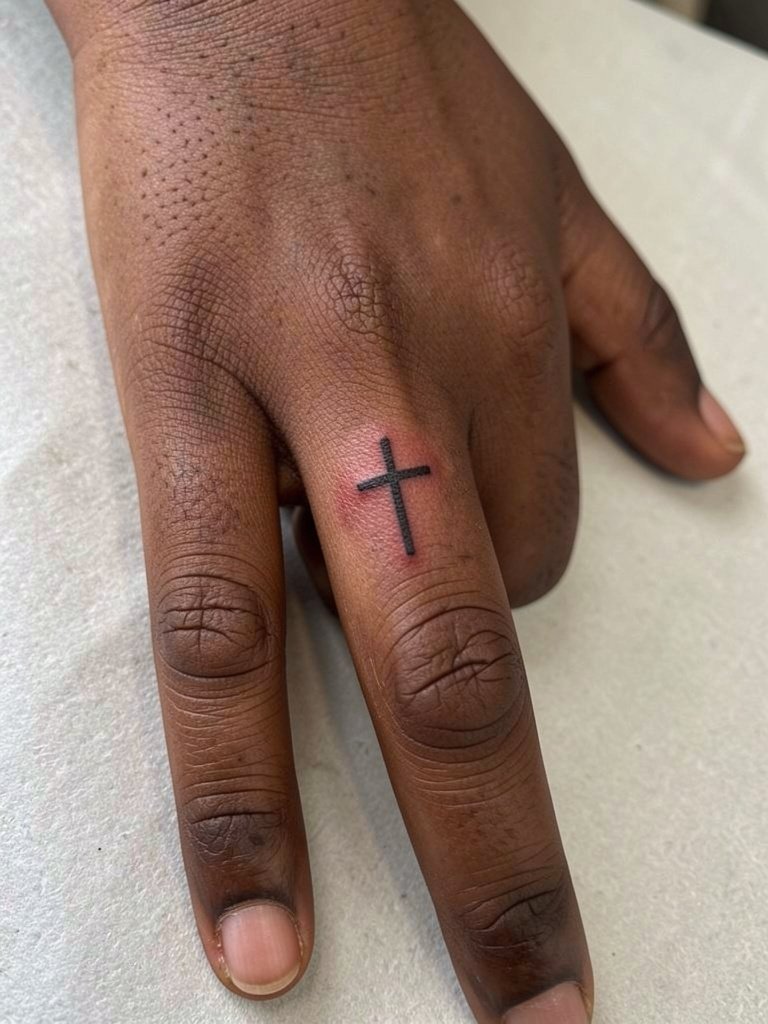
Religious symbols can be deeply meaningful. Respect origin and iconography, and clarify whether you want a stylized or traditional rendering. Because these motifs are often small, request a bold minimal silhouette to avoid illegible detail at year two. The session is quick and can be sensitive near joints. Consider social or professional implications as a separate conversation. For subtle display, combine with a thin cuff bracelet that frames the wrist and keeps focus off any single finger alone.
11. Micro Wave Line for a Subtle Accent
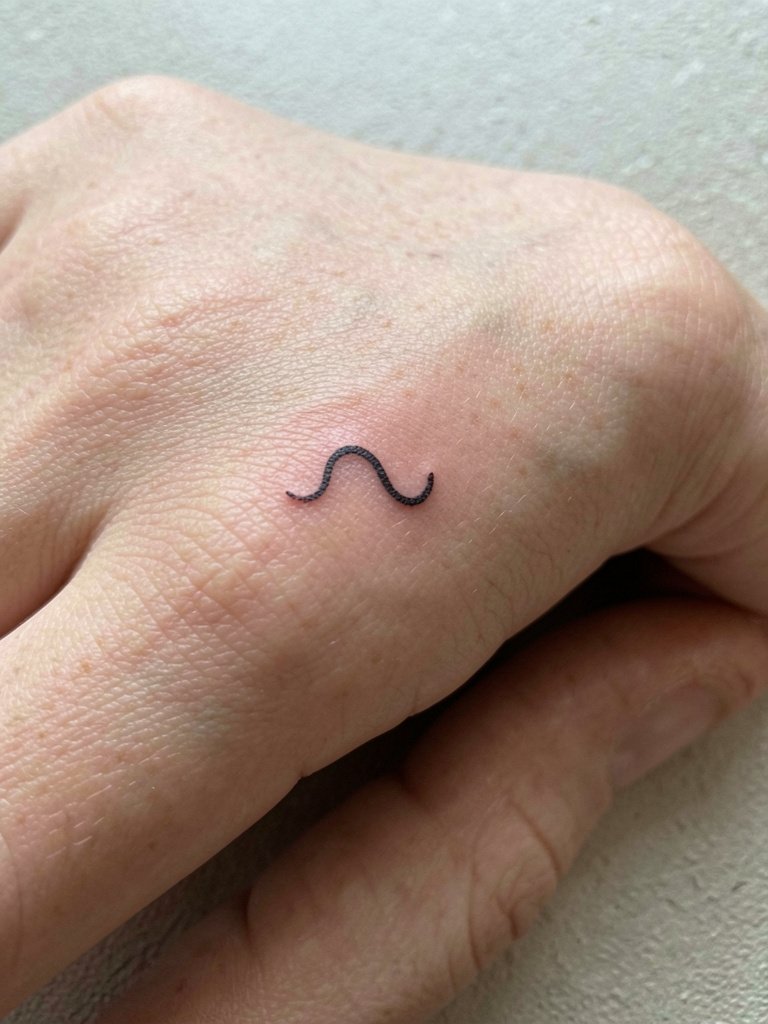
A micro wave is elegant at scale and plays well with knuckle movement. Ask the artist to preview the curve on your finger so it sits naturally with bending. Small single-line motifs can thin out with time, so request a slightly stronger line weight than a hairline. Expect a quick session and concentrated stinging. The common error is placing the wave across a deep crease. For a beachy-plus-city wardrobe, pair with a linen drawstring pant when you want the hand visible and relaxed.
12. Tiny Mandala Dot on the Side Edge
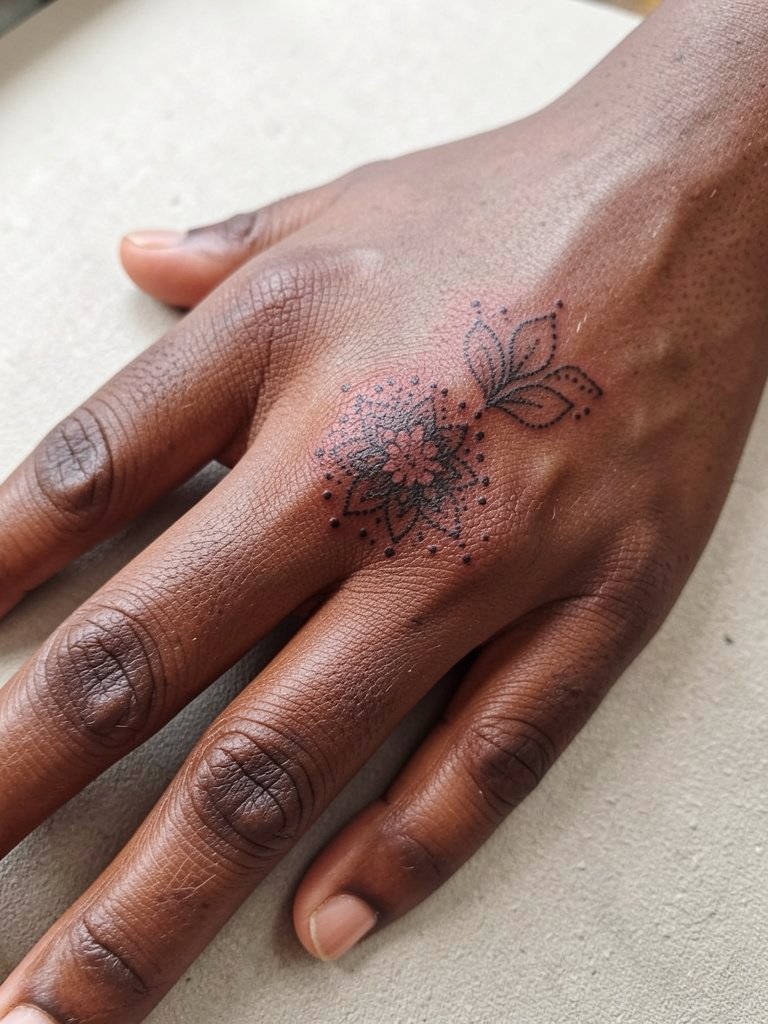
Small mandala elements nod to ornament without invoking full cultural context. If the design draws from specific traditions, call that out and request respectful simplification. Artists debate whether highly detailed dotwork belongs on fingers. One camp argues that the skin there moves and tiny dots will bleed together within two years. The other camp says careful spacing and slightly bolder dot size can hold up and they will show healed photographs to support that claim. For the design pick clear negative-space margins and expect a follow-up touch-up window at six to twelve months. Pair the piece with a stackable beaded bracelet to balance detailed work.
13. Micro Key Silhouette on the Finger Side
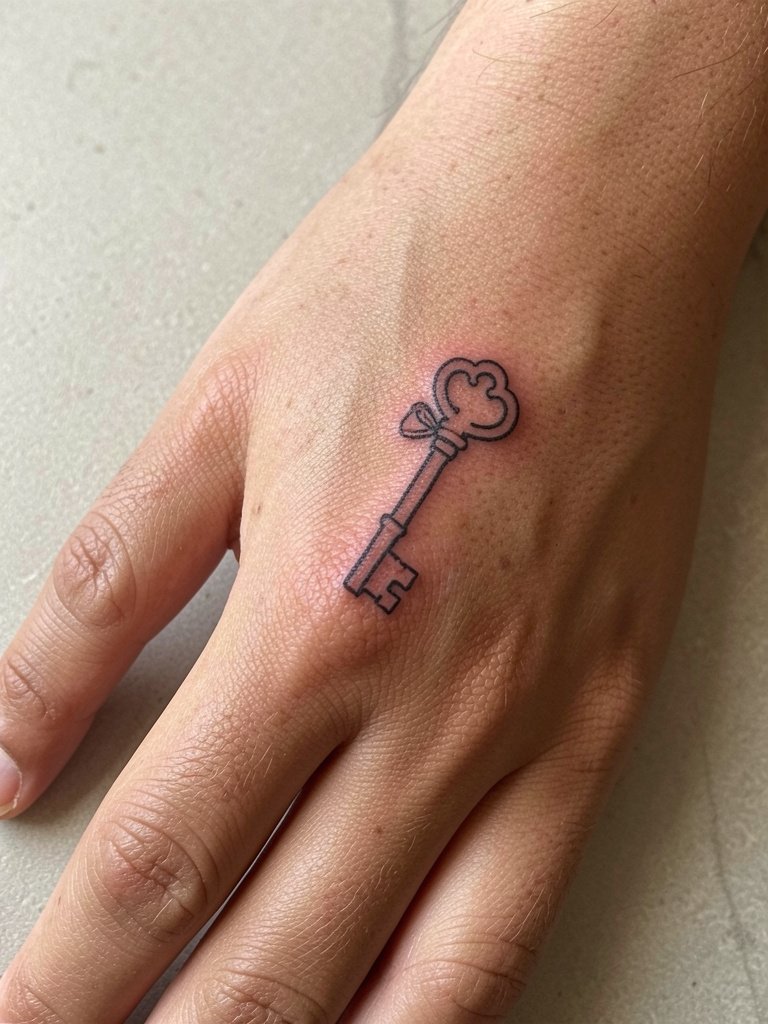
A key silhouette reads as a motif of access or memory at small scale. Keep profile simple so teeth and bow do not become muddled. Discuss exact length and orientation to avoid knuckle interference. The session is short and the area is sensitive. Typical mistake is over-detailing the bow or teeth. For nighttime outfits, pair the key with a slim pendant necklace that echoes the vertical line.
14. Micro Sunburst at the Finger Base
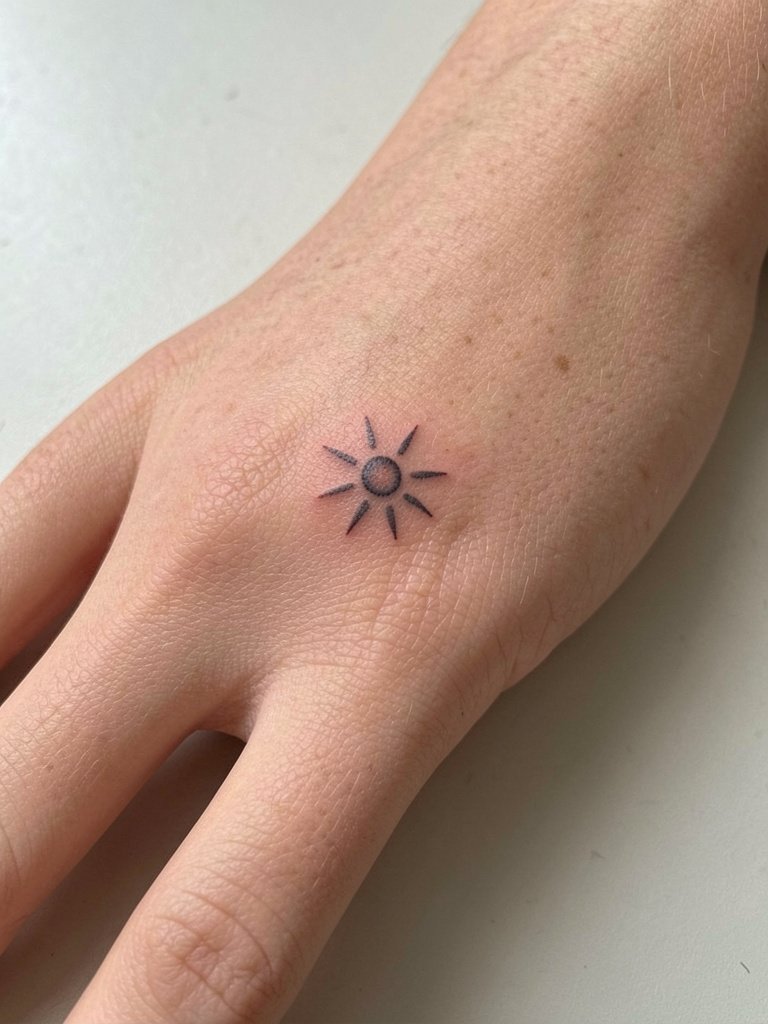
Sunburst marks are readable when rays are short and evenly spaced. Because the base of the finger experiences more movement, ask for clear radial spacing and slightly heavier rays so the shape reads at two years. Sessions here feel sharp and a little more tender than the proximal phalanx. A common mistake is stretching rays too long toward creases. For daytime wear, a simple cropped tee with long sleeves pushed up keeps the hands visible without excessive rubbing.
15. Tiny Chain-Link Dotwork Around Finger
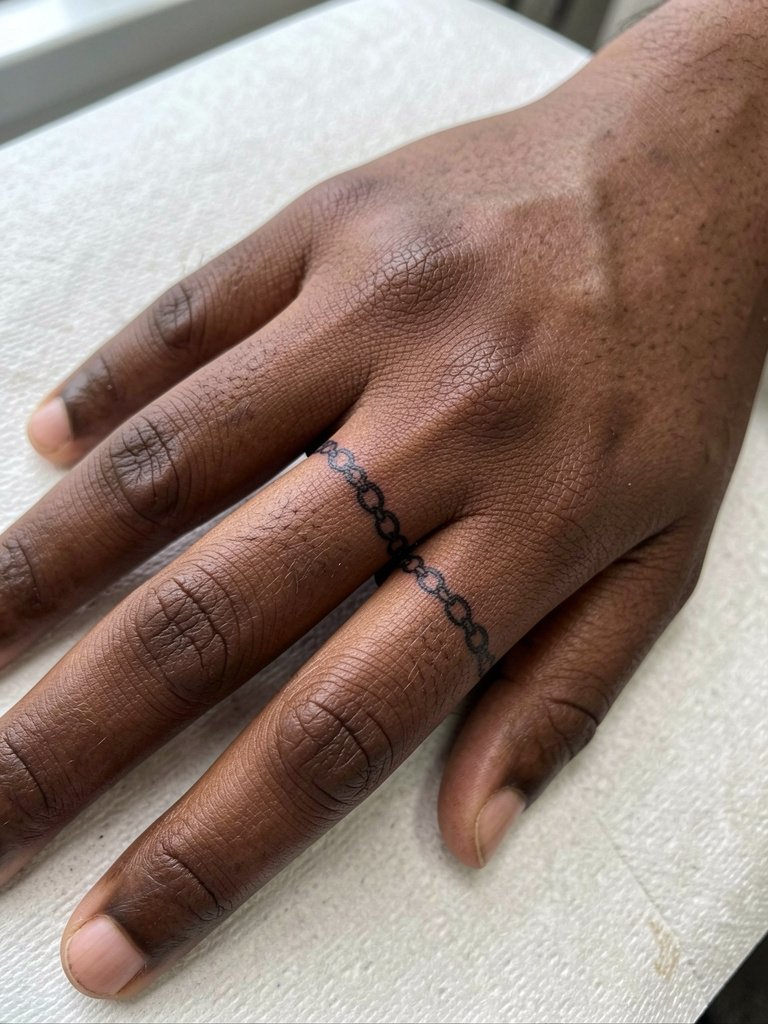
Chain-link bands are decorative and feel like jewelry. Because linked loops can merge, request a moderate scale for each loop and slightly wider spacing to avoid loss of definition. Expect buzz and brief pain as the needle crosses over the same area. The typical misstep is compressing too many loops into a small circumference. For accessories, match with a thin chain bracelet to keep motif continuity across hands.
16. Micro Animal Paw Print on the Finger
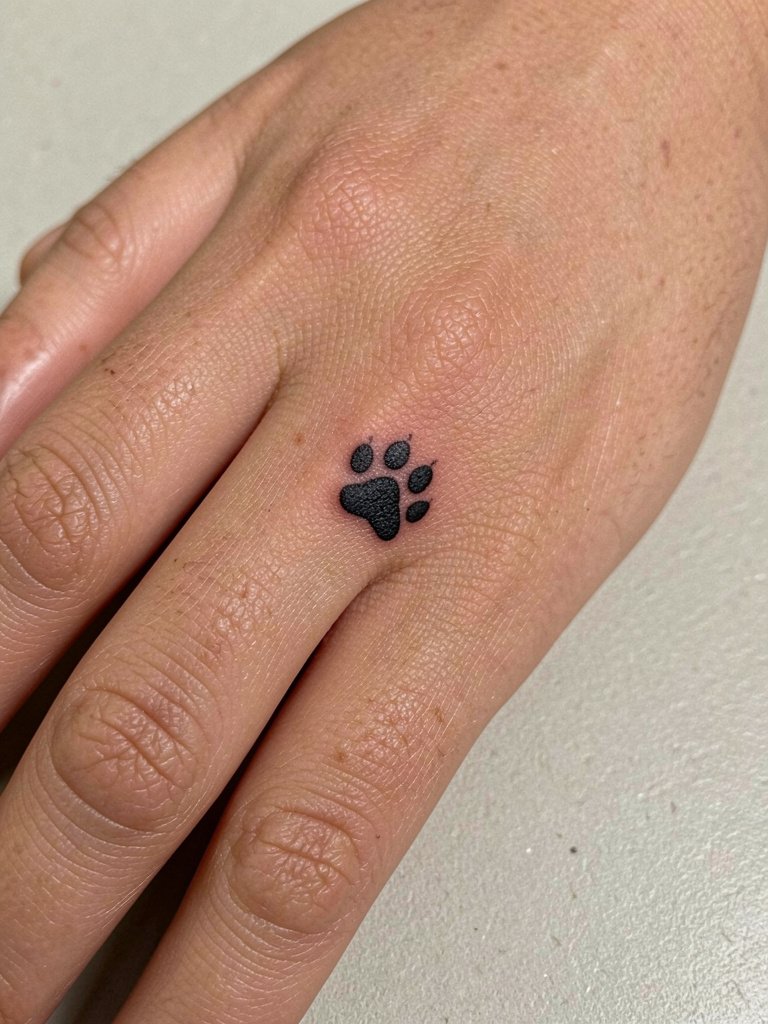
Paw prints make an intimate tribute when scaled correctly. Solid pads handle movement better than outlined fills. Ask for bold central pad proportions and spaced toe dots so the print stays legible. Session time is brief, pain is sharp. Mistake to avoid is shrinking the print to a pinprick. For casual looks, a soft knit sweater with rolled sleeves shows your hands while keeping the ink away from abrasive fabrics.
17. Micro Music Note on the Finger Top
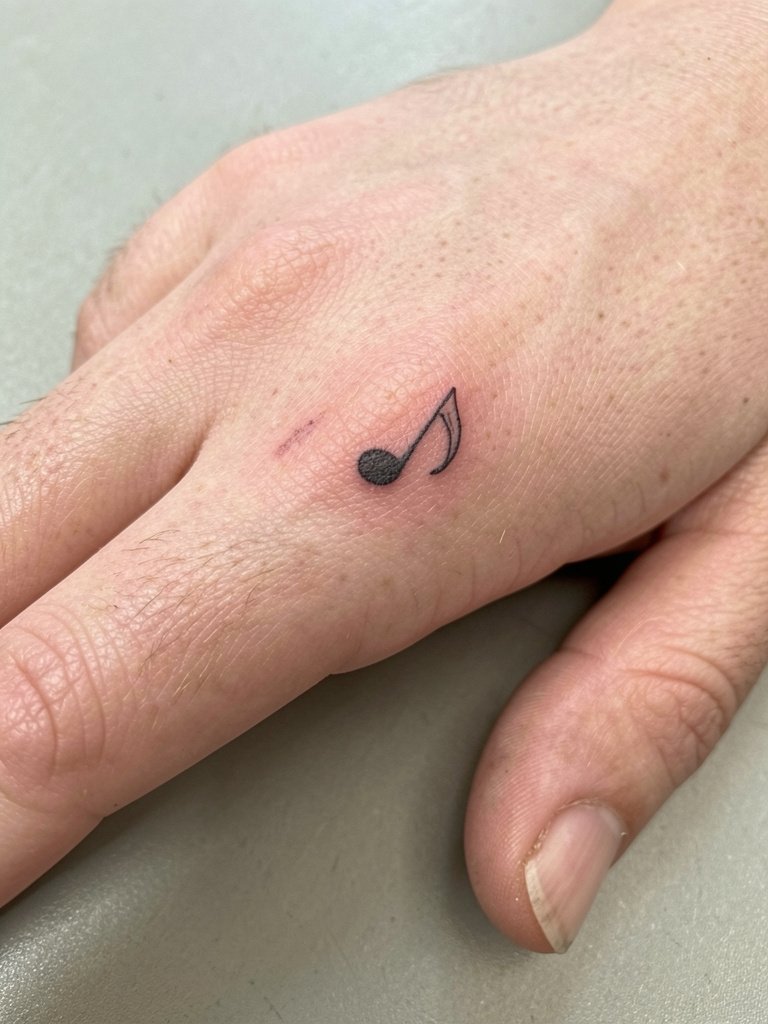
Music notes are readable motifs when executed with modest line thickness. Specify that the stem has a little extra weight so it does not disappear where the hand rubs. The session is quick and sensitive for knuckle-adjacent placements. People often try to cram lyrics or multiple notes in the same space, which blurs. For performance nights, a streamlined clutch bag lets the hands be photographed without distraction.
18. Tiny Leaf Outline on the Finger Side
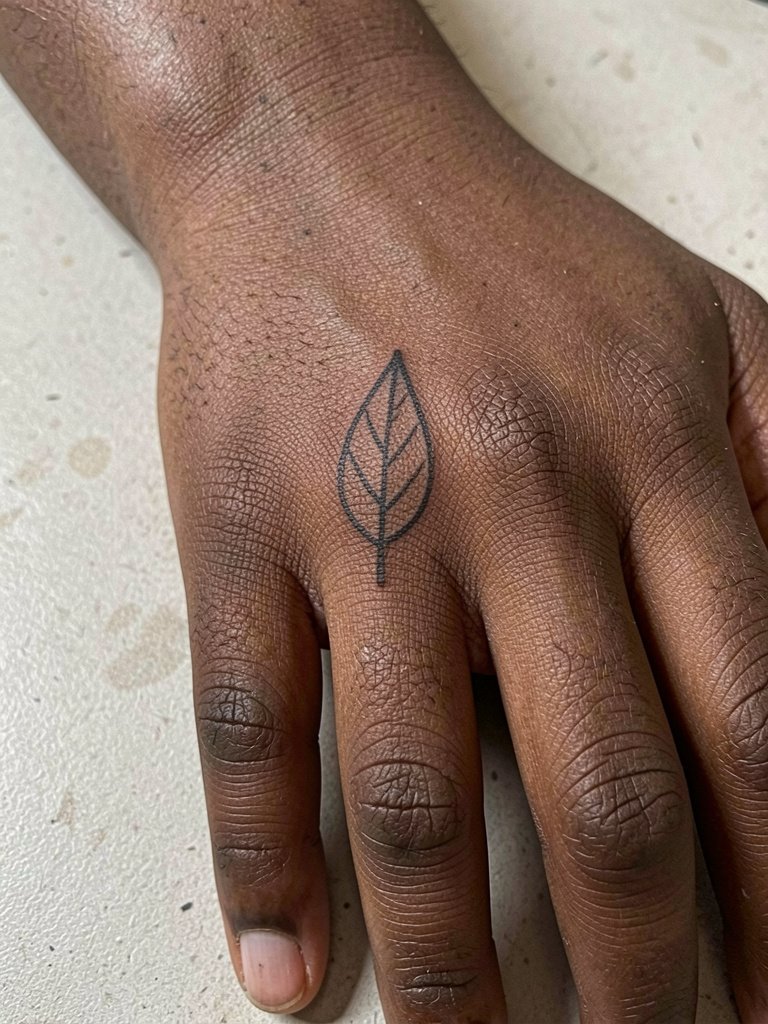
A single leaf gives a tidy natural cue. Leave slight space between midrib strokes and outline so the central line does not merge into the edge as the skin shifts. The session is short and tends to ache near joints. A common error is using too many interior veins. For styling, wear a delicate wrap bracelet that slides across the wrist and draws the eye toward the hands rather than the fingers alone.
19. Tiny Crescent Moon on the Finger
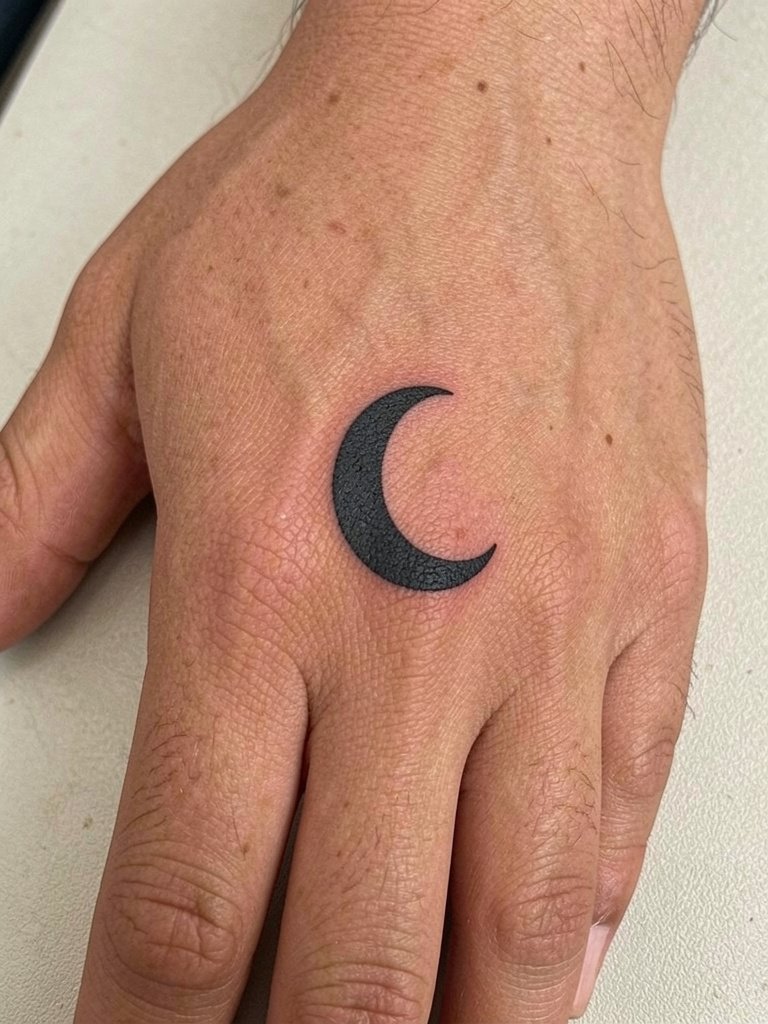
Crescents are compact and readable if the hollow is preserved. Request crisp inner edge and bold outer curve to keep the silhouette at year two. The session is quick and moderately painful near bone. Overly thin crescents are the usual regret. For nighttime wear combine with a [velvet ring box aesthetic] (https://www.amazon.com/s?k=velvet+ring+box&tag=inkalerts-20) look for presentation, or choose matte jewelry that complements the moon motif.
20. Tiny Infinity Knot on the Finger Side
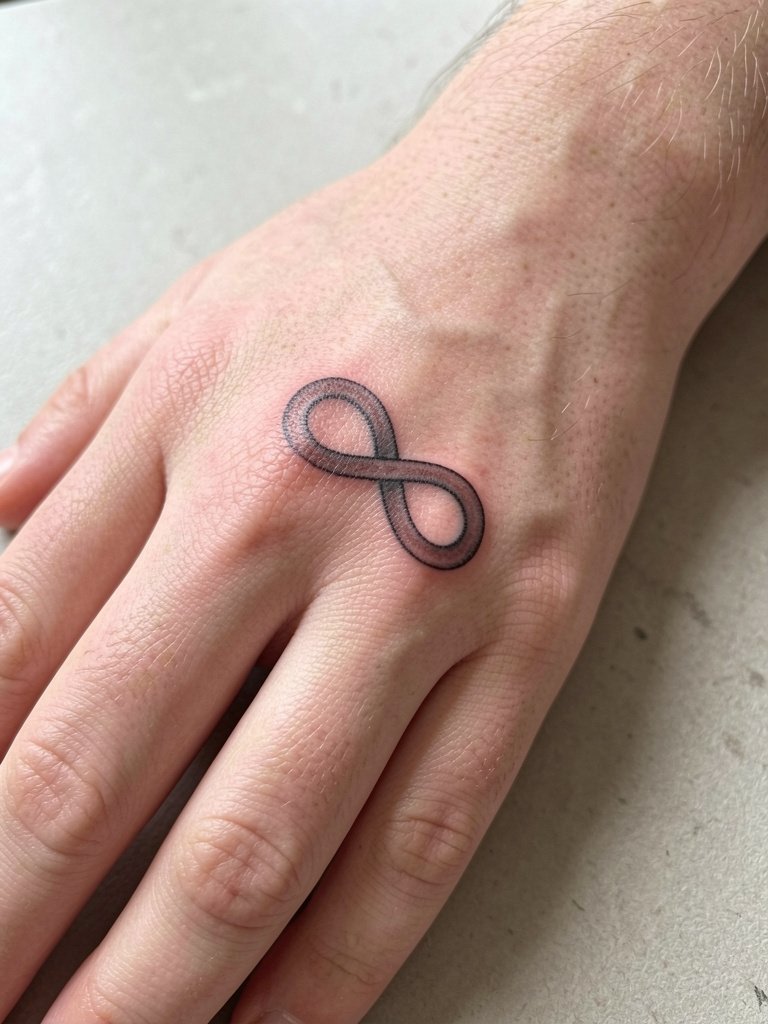
Infinity knots suggest continuity and work best when the crossings are clear. Ask for slightly stronger lines where loops meet so the knot does not collapse visually after healing. Expect a quick session with focused stinging. The common mistake is making crossings too delicate. To complement the motif, consider wearing thin friendship-style bracelets that echo the looped shape.
21. Micro Lightning Bolt Accent
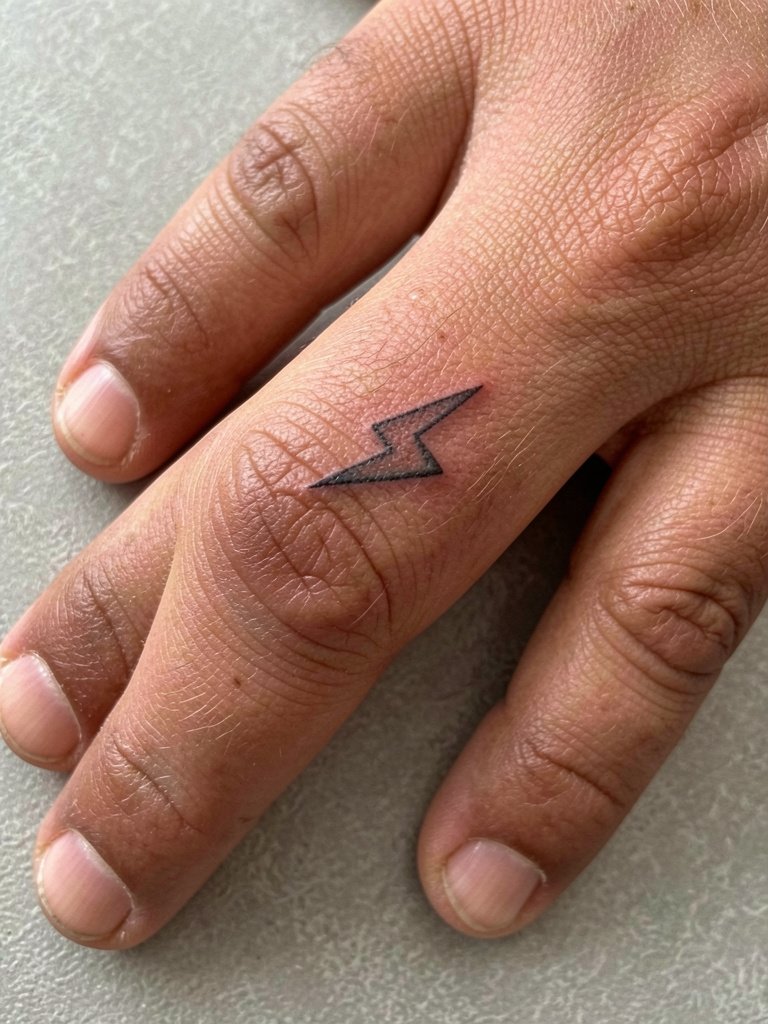
Lightning bolts read energetic and compact. Because sharp angles can soften, ask for balanced inner negative space and slightly stronger interior lines so the bolt keeps punch after repeated hand movement. Sessions are fast and can sting near joints. Mistake is requesting microscopic zigzags that merge. For a confident look match with a black leather strap watch to keep the hand language cohesive.
22. Tiny Compass Point on the Side Finger
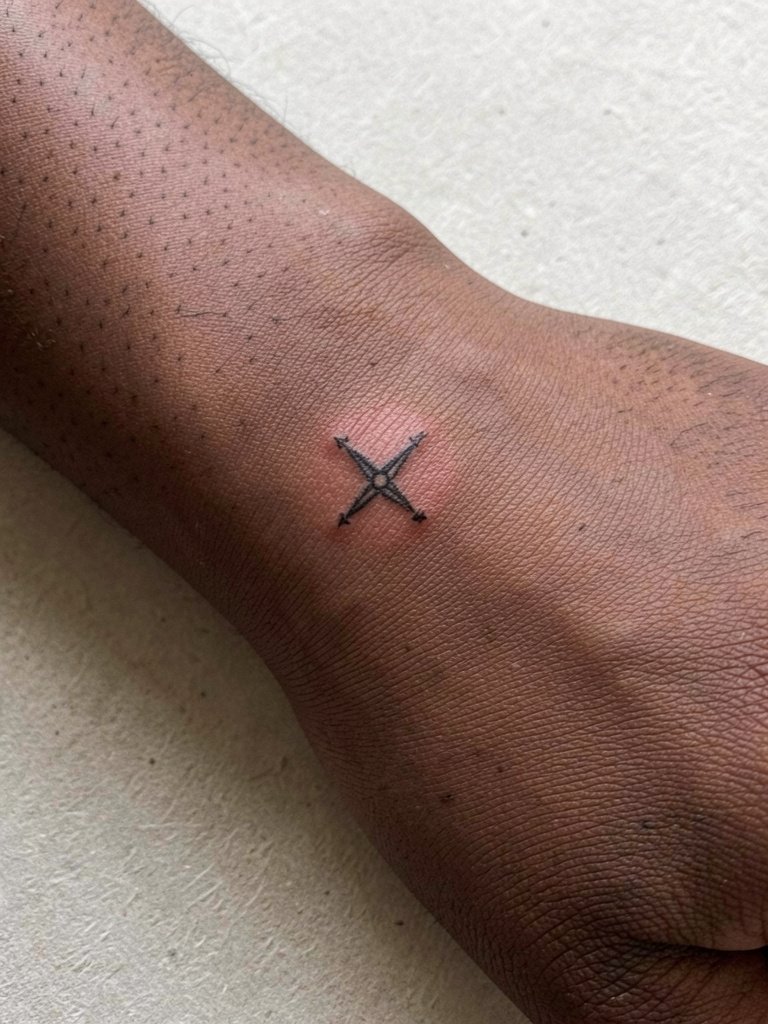
Compass points are symbolic and require exact symmetry to read. Ask the artist to map cardinal arms at a slightly larger scale so they do not blend together. The session is quick and slightly sharp. A common oversight is compressing detail into too small a space. For travel-ready outfits, pair with a slim passport cover to keep the exploration theme present in your accessories.
23. Micro Anchor on the Side Finger
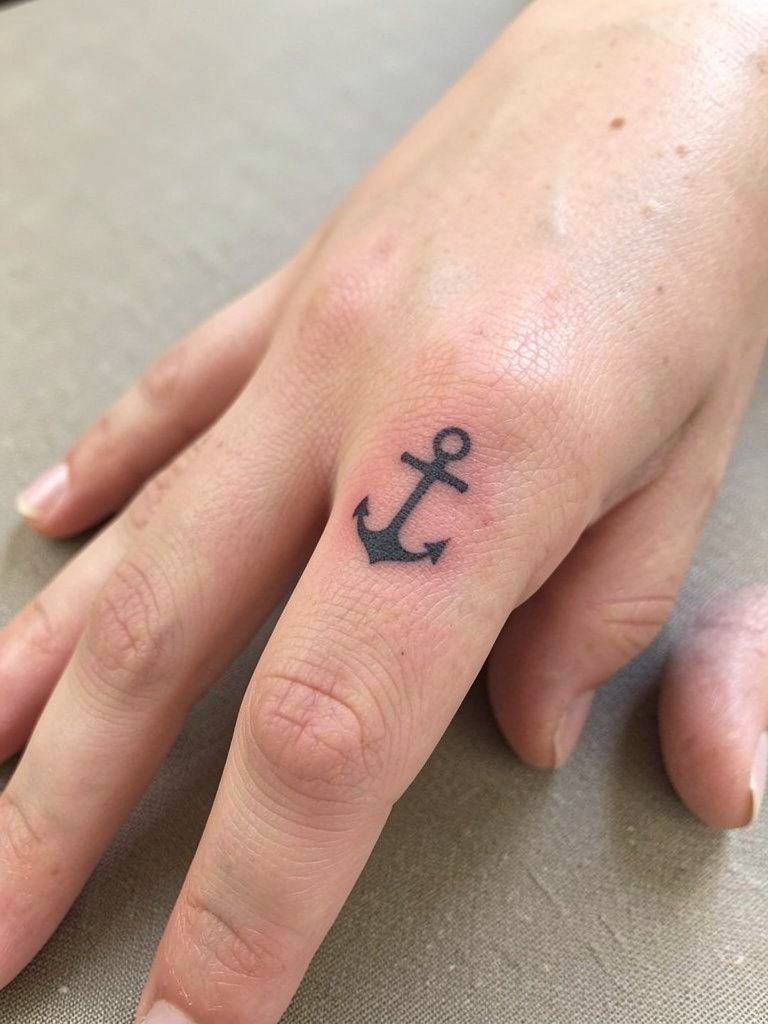
Mini anchors feel maritime and compact when the negative space is respected. Because anchors have tight angles, ask for thicker beams and clear separation between ring and shank. The session is quick and usually sharp. People often try to include rope detail that becomes mushy later. Wear a nautical rope bracelet to echo the motif without overloading the finger.
24. Fine Line Numerical Date on the Finger Side
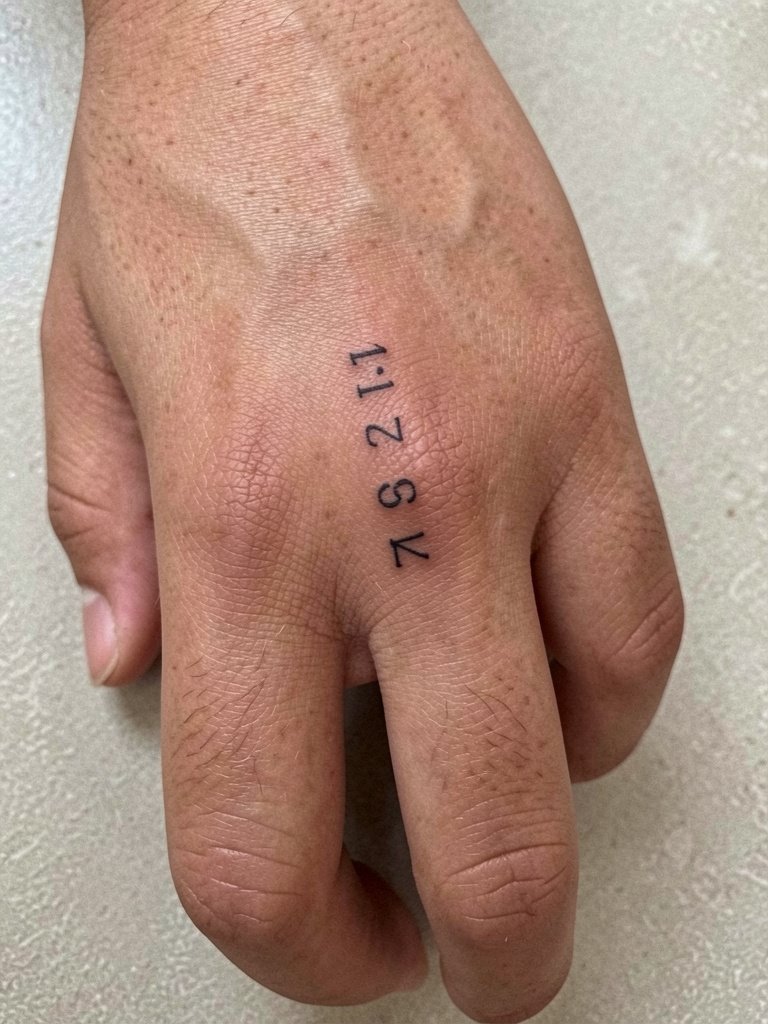
Dates are compact personal markers. Numeric strokes should be slightly stronger than a hairline so digits remain legible with hand friction. Discuss exact typeface scale and spacing so zeros and ones do not blur together. Sessions are short and sensitive. A common misstep is stacking too many digits in a tiny vertical column. For visibility, a slim wristwatch with a leather strap frames the hands when the date matters in photos.
25. Micro Feather Tip on the Finger
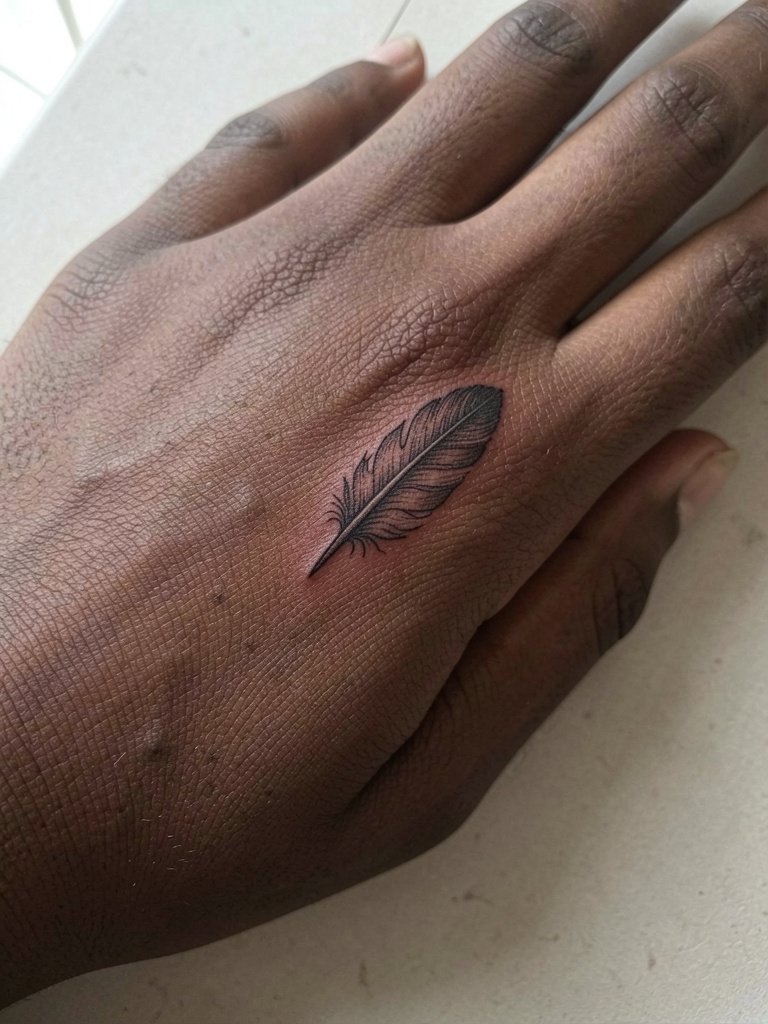
Feather tips translate a long motif to a micro scale when the quill is emphasized. Ask the artist to keep barbs few and slightly open so they do not smudge into a gray wash. The session is brief and sharp. People often request ultra-detailed barbs that lose clarity. For styling, a lightweight scarf worn loosely can draw attention upward toward hands in colder months.
26. Tiny Puzzle Piece Accent
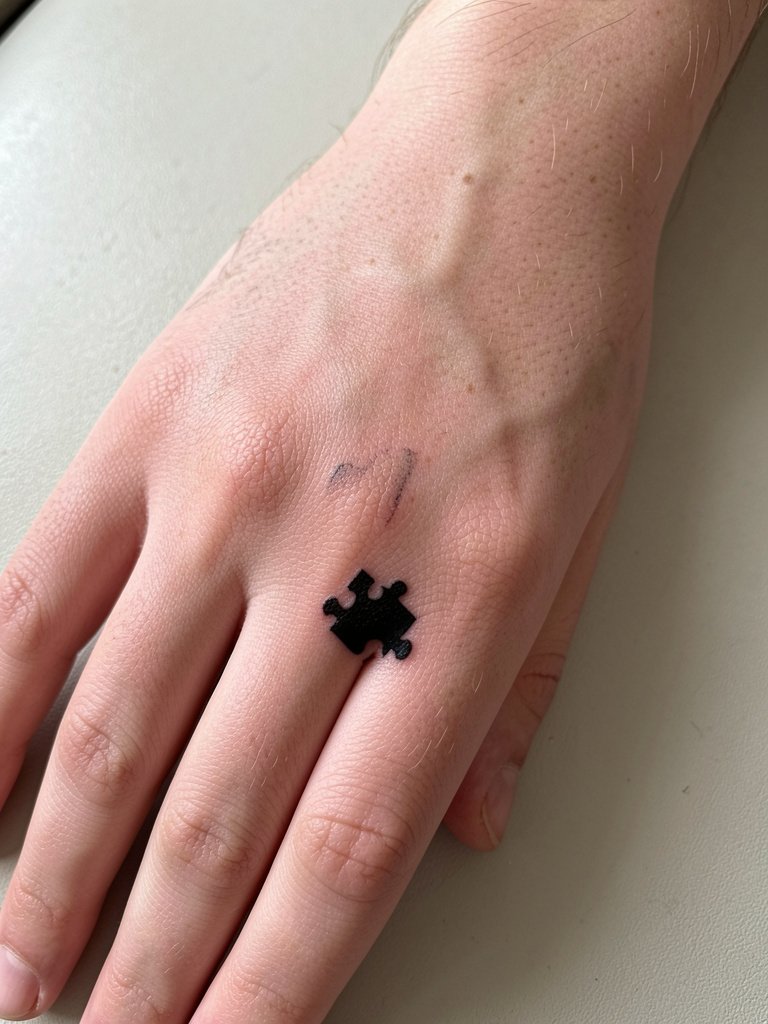
A puzzle piece keeps graphic edges and a compact silhouette. Because corners can round with skin migration, ask for slightly softened corners that still read as a piece when healed. The session is quick and the feeling is sharp. Mistakes occur when people demand razor corners that do not hold. For a playful detail try pairing with a color pop ring that complements the bold silhouette.
27. Micro Arrowhead Cluster Near the Knuckle
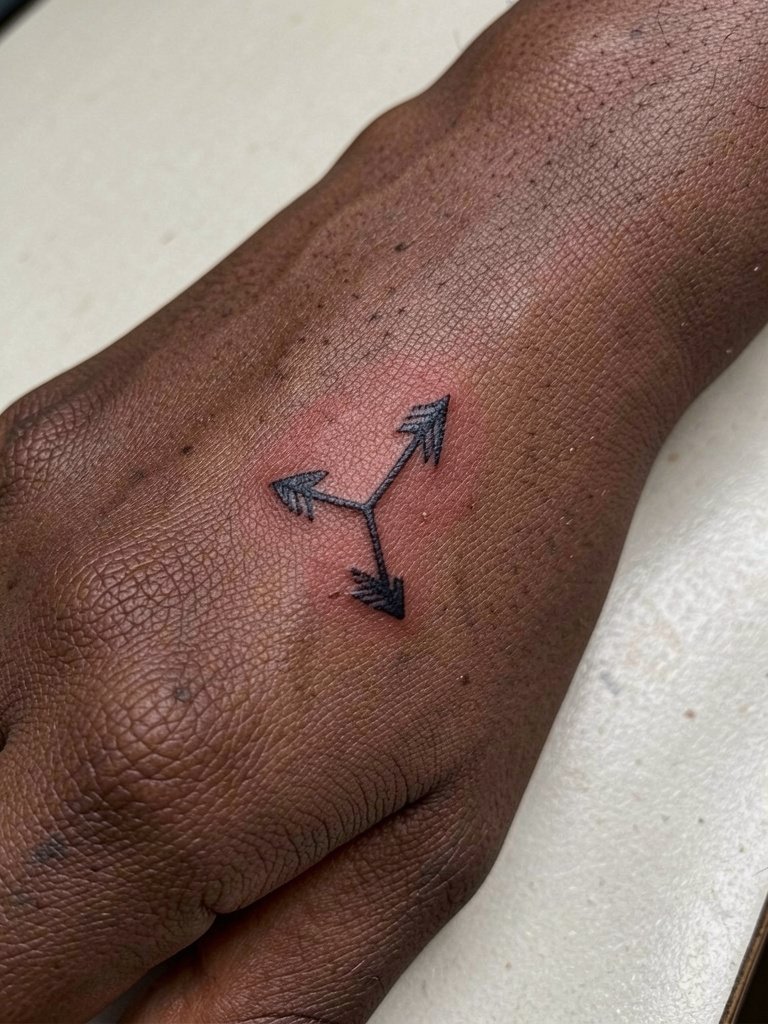
A cluster of tiny arrowheads creates motion while staying compact. Ask for even spacing and slightly heavier tips so each head stands out after healing. The knuckle-adjacent area stings more and the design will flex when you make a fist. The mistake is putting too many elements too close together. For finishing touches, try a sleek matte ring set that plays with the directional theme.
Frequently Asked Questions
Q: How long do finger tattoos typically stay crisp before needing a touch-up?
A: Fingers see more friction and washing, so most micro designs benefit from a planned touch-up within six to eighteen months. Solid dots and modestly saturated shapes tend to hold contrast longer than single-needle scripts, and lining that is a hair heavier than ultra-fine helps avoid early blurring.
Q: Are finger tattoos riskier for blowout than forearm pieces, and why?
A: Finger skin is thinner and moves against other surfaces, so blowout risk is higher. One camp argues that the skin structure guarantees spread where tiny lines are placed. The other camp points out that careful needle depth, slightly wider spacing, and conservative saturation reduce blowout odds and they cite healed portfolios to support that view.
Q: What should I wear to the appointment for a finger tattoo?
A: Wear clothes that let you place your arm flat and relaxed. A short-sleeve or sleeveless top is ideal so the artist can see wrist and hand posture, and bring a loose sleeve you can roll down afterwards. A lightweight jacket is handy for keeping the area away from dirt during travel.
Q: Where can I find healed examples and portfolios without naming artists directly?
A: Search platform tags and keywords on image-based apps to find healed shots and diverse skin-tone examples. Try searching hashtags like #SmallFingerTattoo and #MicroFingerInk on Instagram and TikTok, and browse thread-based forums for firsthand healed photos. Use location filters to find shops nearby and look for portfolios labeled "healed photos" rather than staged studio shots.
Q: Do any of these small finger designs require cultural sensitivity?
A: Yes. Designs inspired by specific cultural or religious imagery should be approached with respect. If a motif comes from a recognized tradition, state that when booking and ask for a simplified, non-appropriating version that acknowledges origin while avoiding direct replication of sacred symbols.