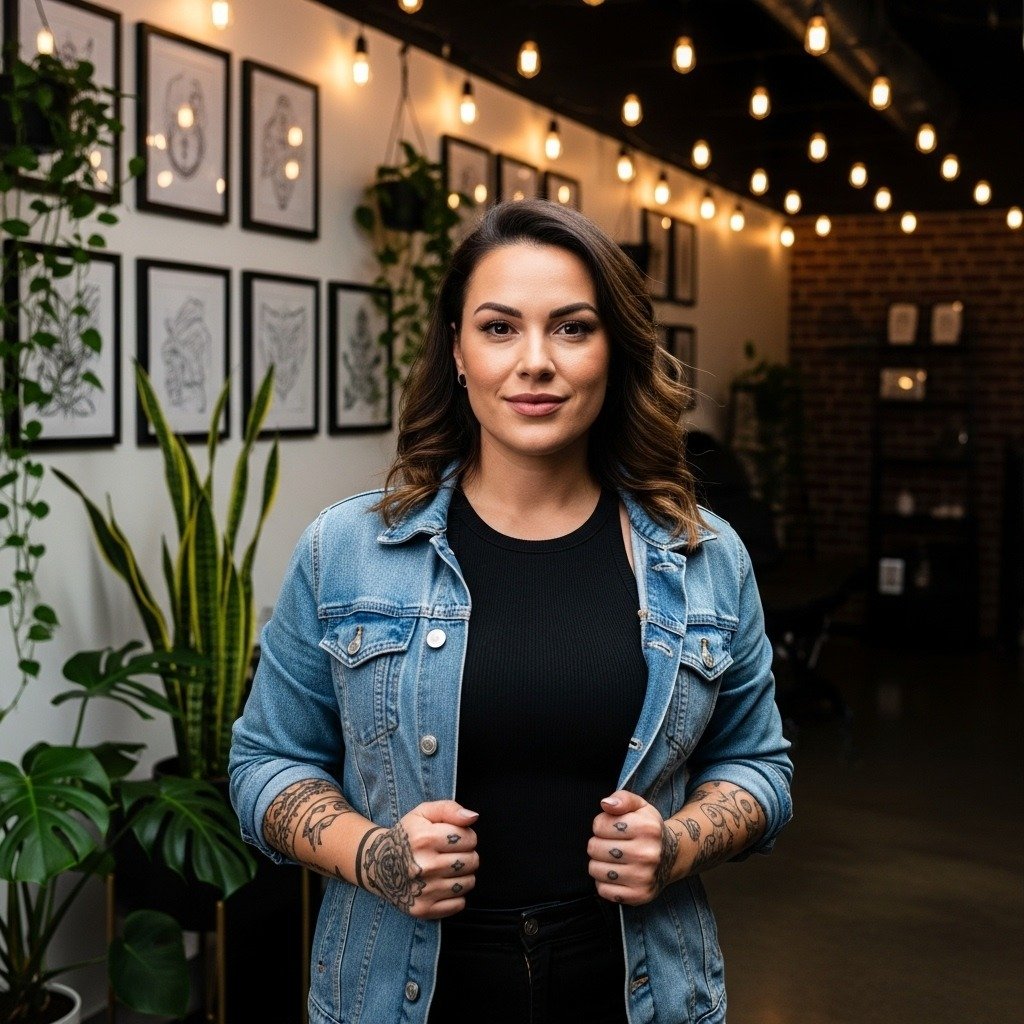
Bold half sleeves on women have been splashed across feeds as delicate florals and single-needle scripts, but what actually holds up is often a mix of contrast, spacing, and smart placement. Expect to read why bolder outlines often outlast whisper-thin detail, when to choose saturation over subtlety, and how to pick a motif that still reads at two and five years healed. The first idea jumps straight into a clean botanical half sleeve that behaves well over time.
1. Bold Botanical Rose Half Sleeve
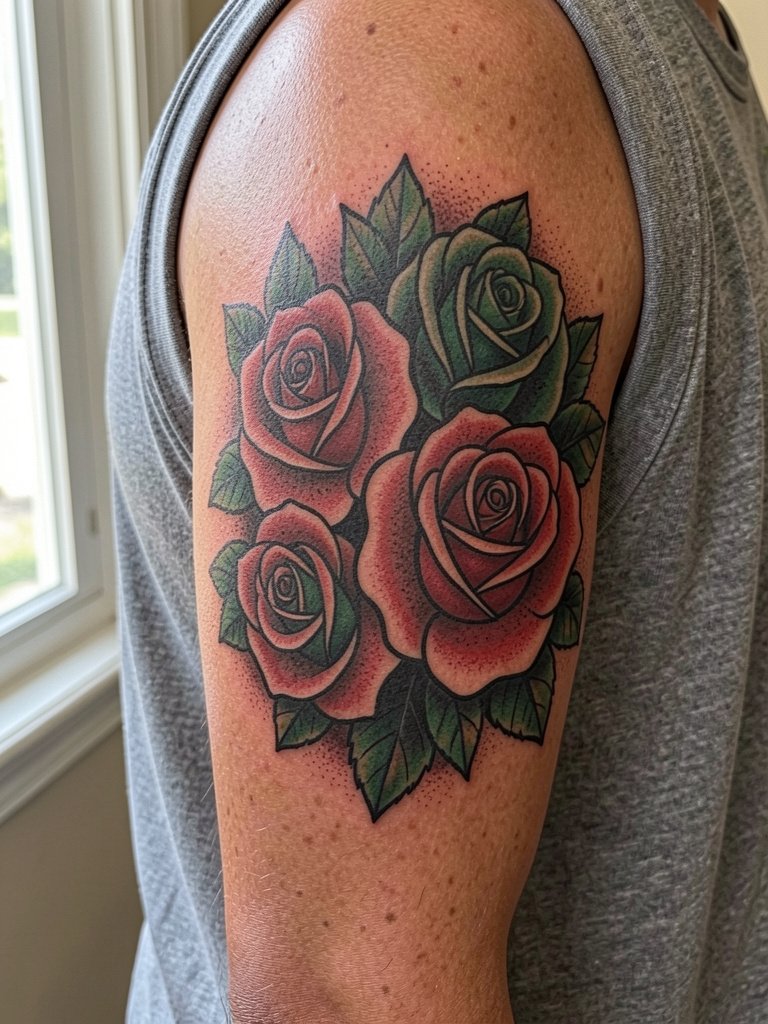
A bold botanical cluster works when you want longevity without constant touch-ups. I recommend a hair heavier linework than the reference photo so petals hold their edge over time. Typical session time for a half sleeve like this is three to five hours depending on saturation. Pain sits at a comfortable four to five on the upper arm. Common mistakes include asking for tiny veins and filigree that blur into shaded blobs by year three. For consultation, bring two scale references so the artist can show how the rose reads at three inches versus six. This pairs well with rolled-up linen shirts for showing off the full wrap, try a loose linen button tank to frame the design.
2. Fine Line Botanical Cascade on Inner Forearm
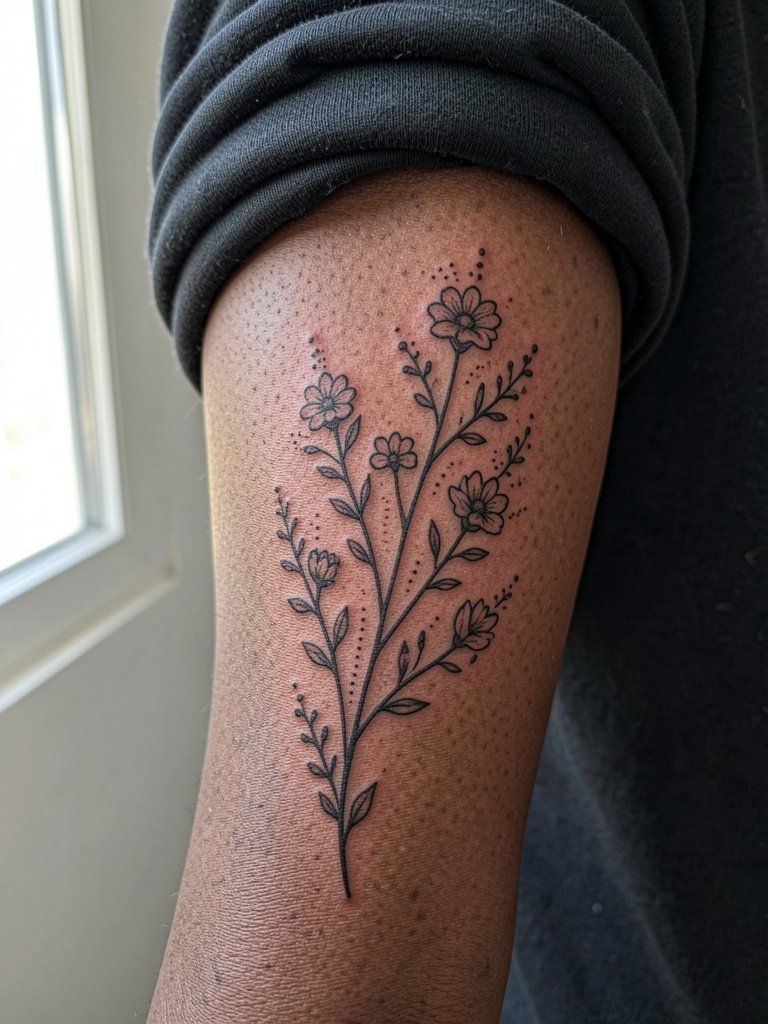
Fine line cascades look delicate but the inner forearm eats thin detail if scaled too small. I suggest slightly wider spacing between stems and a bit more saturation on anchor lines so the silhouette reads at a distance. Expect a two to three hour session. Pain is low to moderate and touch-up might be needed at year two for the faintest dots. A common error is asking for single-needle micro veins that vanish after healing. For the session wear, pick a soft tank or a sleeve you can comfortably push up. Try a stretchy tank top that gives the artist clear access and keeps you comfortable.
3. Geometric Mandala Wrap with Stipple Shading
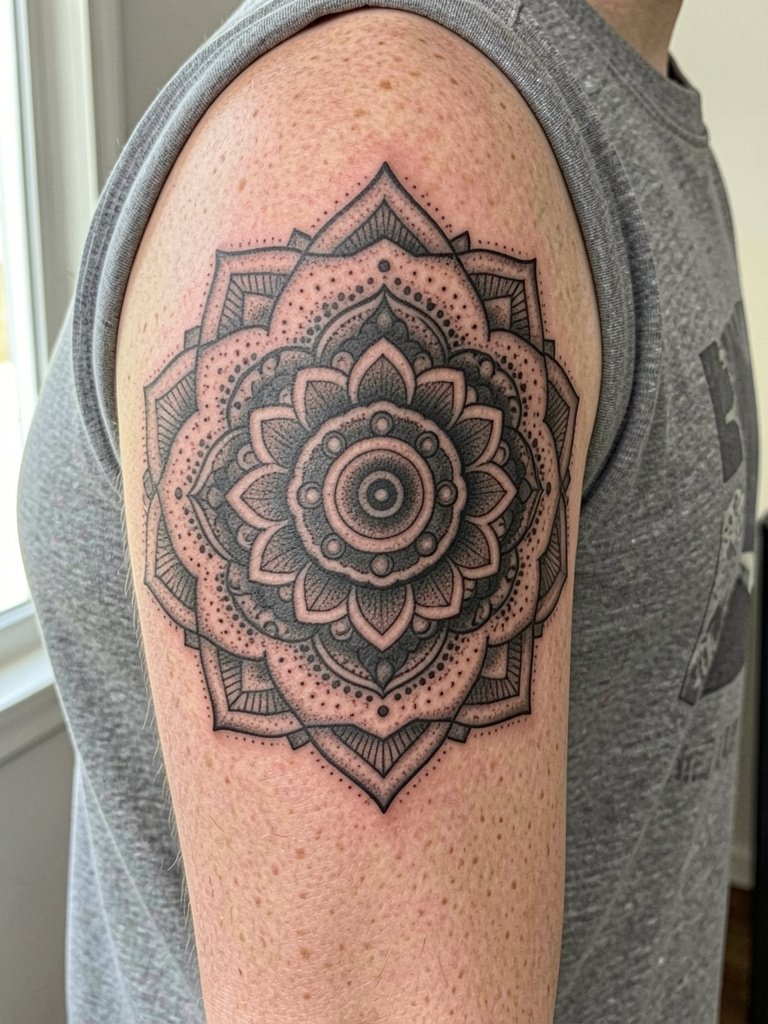
Mandala wraps are graphic and age well when the central geometry has breathing room. Session time varies from three to six hours depending on how much stippling you want. The biggest mistake is compressing too many tiny dots into a small circle, which creates a muddy center after healing. If cultural origins matter, state that you want respectful adaptation of ornamental motifs and ask for source notes during the consultation. Discuss spacing and focal point placement, specifying how the design should read when the arm is hanging versus turned. For outfits, mandala lines pair with open-back summer tops for a framed look; consider an open-back midi dress for evenings.
4. Blackwork Floral with Negative Space Highlights
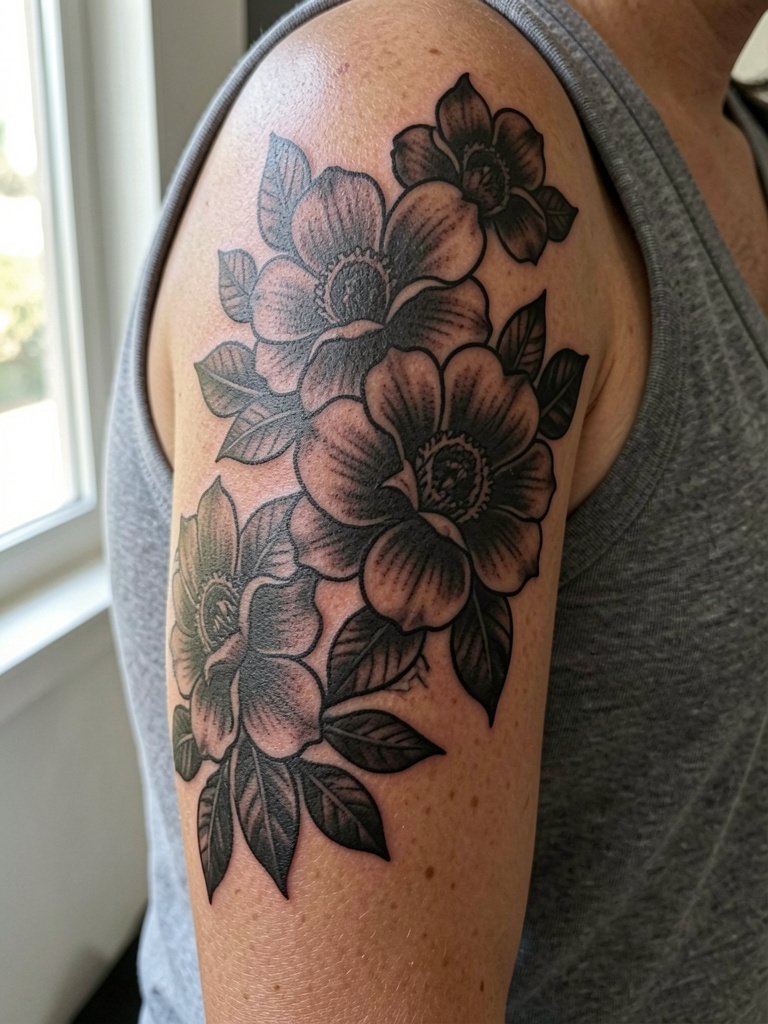
Blackwork floral pieces win on readability, especially for those who want drama without color. Plan for three to five hours depending on how much saturation you ask for. Pain is medium but tolerable on the outer arm. A mistake is asking for too many thin internal details inside solid black fields, which can vanish. During consultation, be explicit about where you want negative space left uninked so the design breathes. For showing it off, cropped tops and wide sleeve cuts frame the negative space well. Try a cropped linen top to keep the tattoo visible while staying comfortable.
5. Neo-Traditional Animal Portrait Half Sleeve
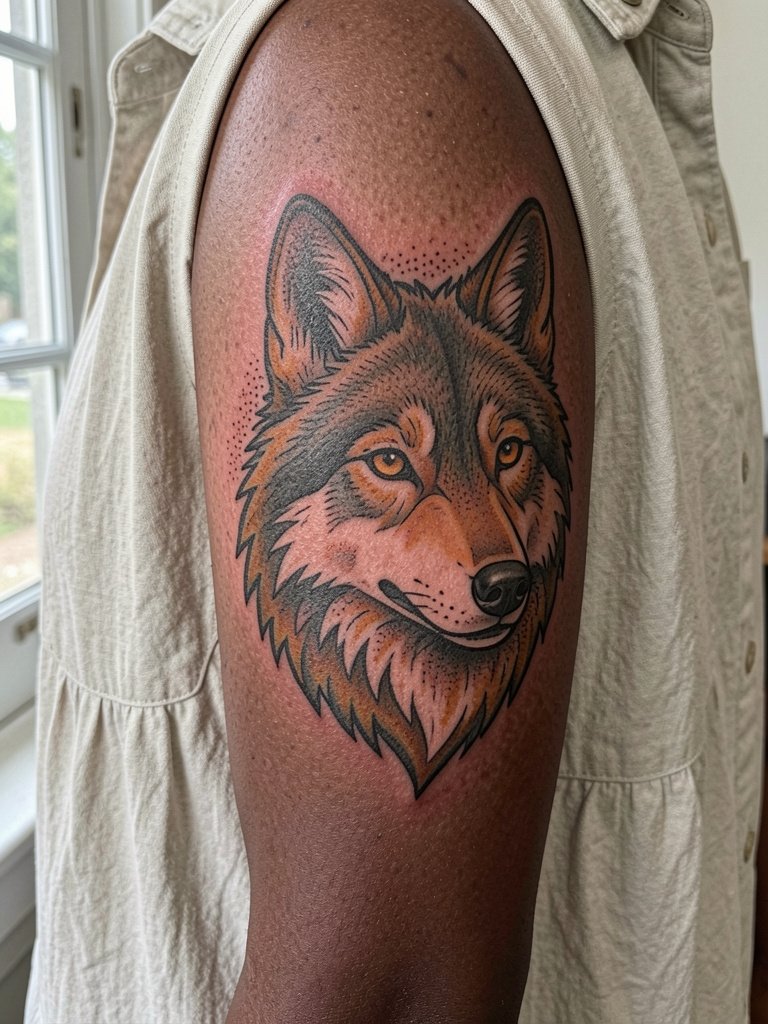
Animal portraits in a neo-traditional hand read best when built around clear planes and confident linework. Expect three to four hours to lock in the portrait and color. Pain is usually low on the shoulder but edges near the inner arm will feel more. A common error is requesting extreme small scale for facial detail, which blurs into a texture after healing. For the consult, show photos of the animal and specify which expression you want captured so the artist can plan shading. To display the portrait, try an off-shoulder knit or a wide-strap tank that keeps the shoulder exposed.
6. Watercolor Floral Sweep with Soft Washes
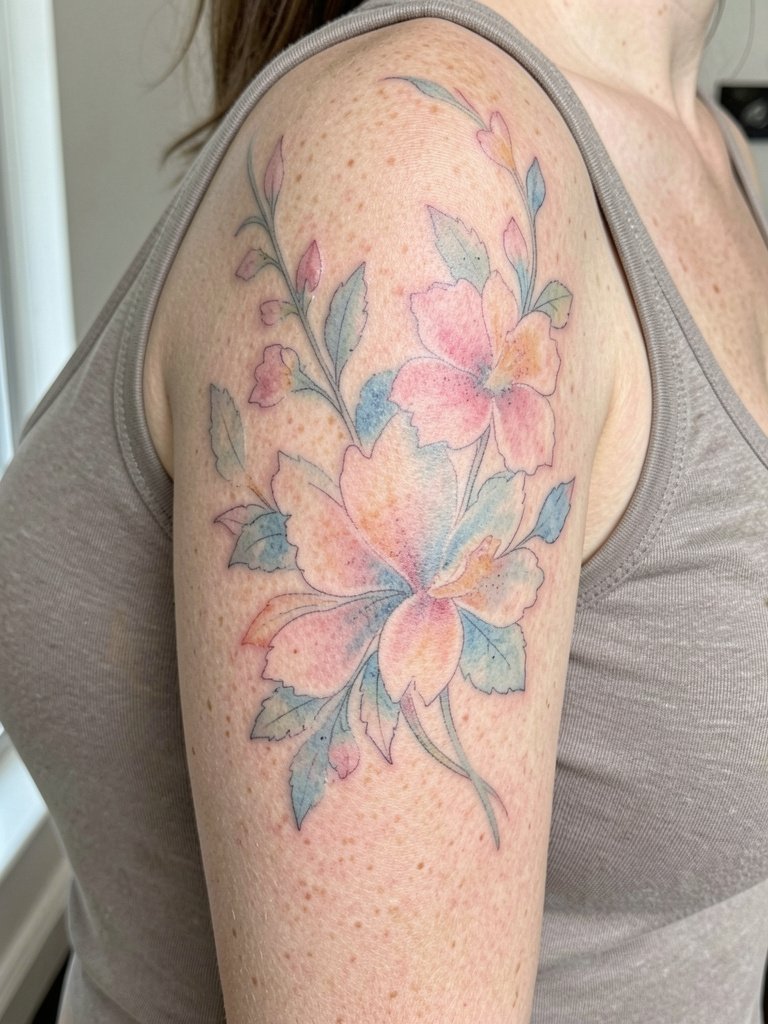
Watercolor washes look soft but they demand strategic anchor lines to prevent color bleed. Session time for a half sleeve watercolor is often split over two appointments totaling three to six hours. Pain level is moderate in zones that wrap under the arm. The major mistake is skipping any outline, which causes the colors to read like bruises after a few years. During the consult, ask specifically for anchor line placement and plan a touch-up at 12 to 18 months to refresh low-saturation pigments. For wardrobe, pastel sundresses with wide straps show off the sweep well. Pair with an open-shoulder sundress for evening wear.
Pre-Session Essentials
The outer arm and upper bicep pieces above heal differently from inner forearm work, so a few targeted items smooth the session and the first week.
- Stencil transfer paper kit. Lets you preview the linework on skin before committing, especially helpful for the botanical cascade and fine line ideas above.
- Topical numbing cream. Applied about 30 to 45 minutes before a longer session eases rib or inner-arm sensitivity without compromising linework when used correctly.
- Thin protective film roll. Keeps areas that face daily friction, like the forearm, clean during the first week when showers and typing cause extra wear.
- Fragrance free gentle body wash. Cleanses healing skin without stripping pigments or irritating linework in the first week.
- Aquaphor healing ointment. Thin layers in the initial days lock in moisture for delicate lines and help prevent scabbing that can pull ink.
7. Bold Neo-Traditional Dagger and Peony Cluster
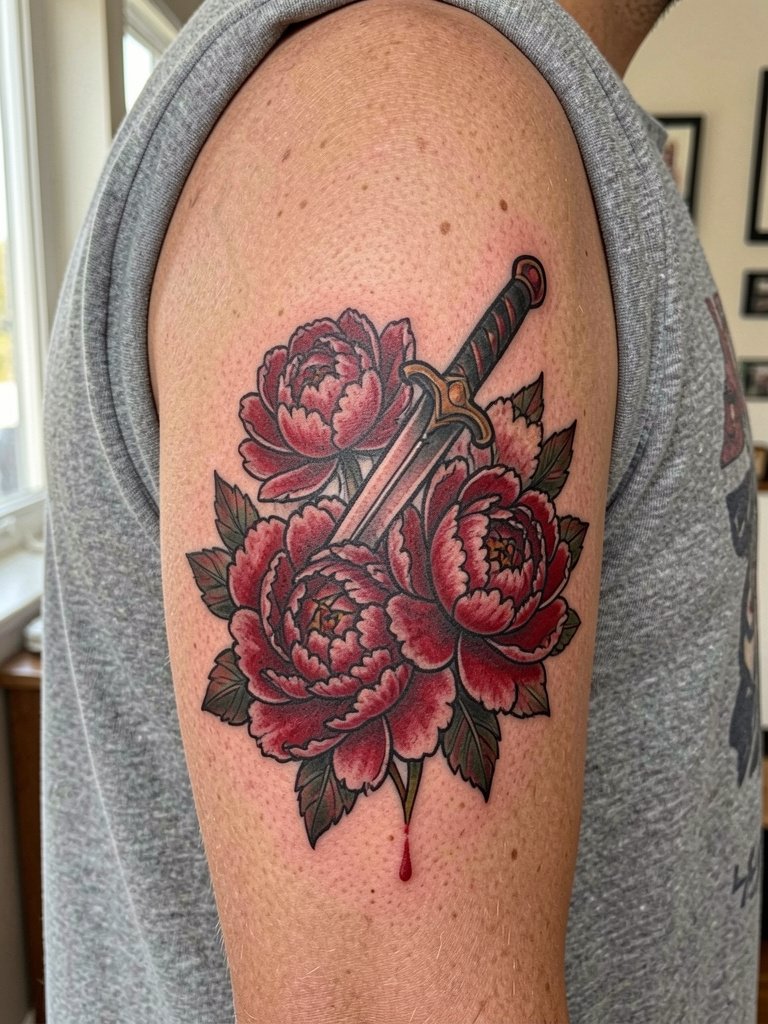
A dagger and peony composition gives a classic focal point that reads from across a room. Plan for a three to four hour session. The outer arm tolerates heavier saturation well, so prioritize solid fill over micro detail that could blur later. A real mistake is requesting tiny filigree inside the dagger blade; instead ask for texture created by stipple shading. Discuss fill saturation level and how the piece should look under different lighting. To show it off, distressed denim jackets or cropped tops frame the shoulder area. Try a cropped denim jacket for a casual reveal.
8. Portrait-Inspired Collage with Negative Space
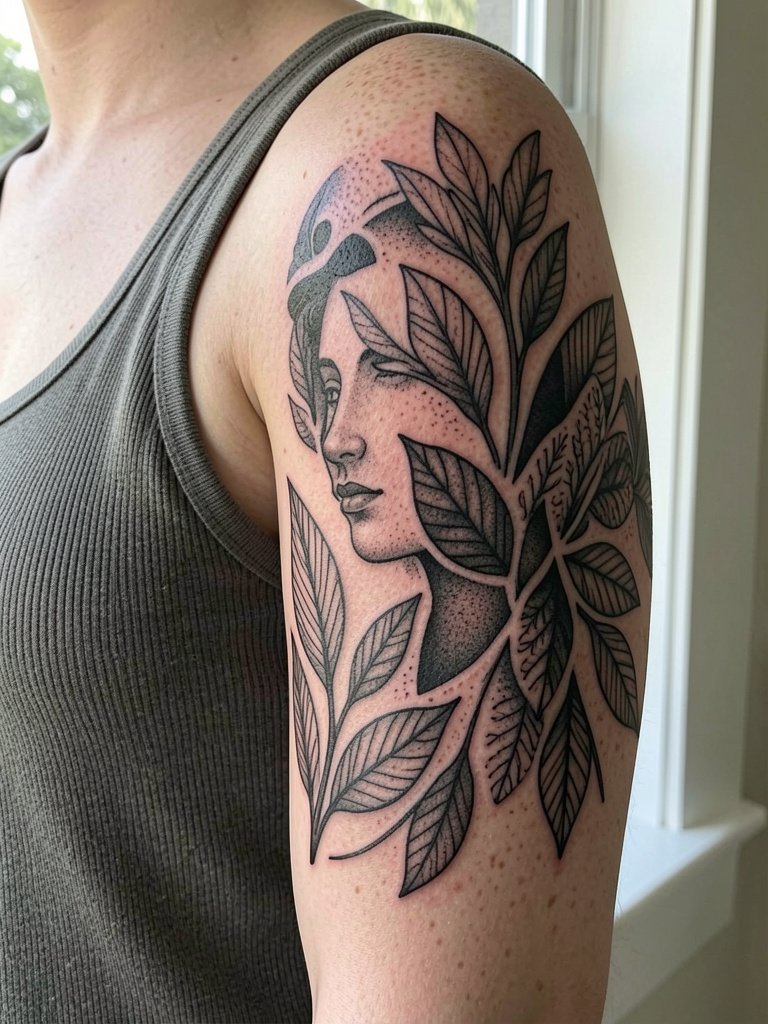
Collage sleeves let you mix portrait realism with graphic elements, but they need clear anchors to avoid visual chaos. Expect multiple sessions adding up to five to eight hours. Pain varies by zone, higher near the inner arm transitions. A frequent error is combining too many portrait scales without consistent contrast, which makes the piece read flat. For the consult, bring a layout reference and specify which element should dominate at arm rest. This style pairs with boat neck tops that leave space across the shoulder, try a wide-neck cotton top to balance the collage.
9. Dot Work Mountain Range with Line Horizon
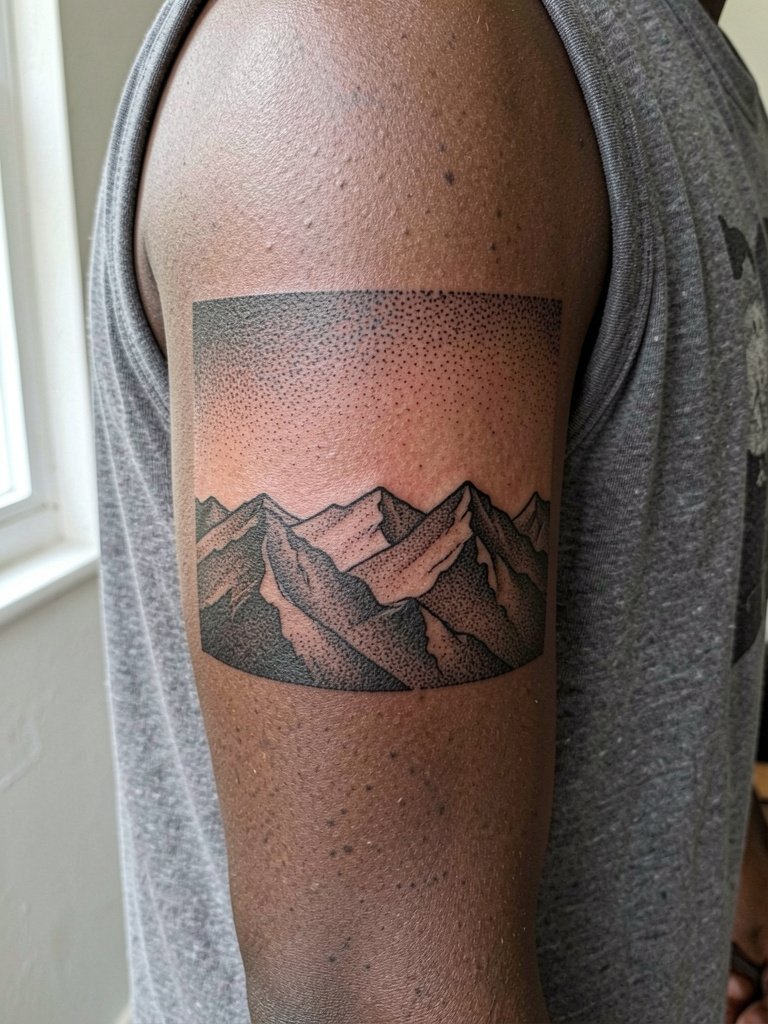
Dot work landscapes age gracefully when the stipple is balanced with firm horizon lines. Sessions can be long because dot work requires time; plan two appointments totaling three to six hours. Pain is typically low on the outer arm. A mistake is asking for extremely dense stippling close to the skin surface, which can look muddy later. For the consult, specify how dense you want the stipple and whether the horizon line is meant to be the visual anchor when the arm is down. For casual wear, this reads well with rolled sleeves and outdoor layers. Try a lightweight flannel shirt you can cuff to showcase the wrap.
10. Classic Americana Half Sleeve with Anchors and Roses
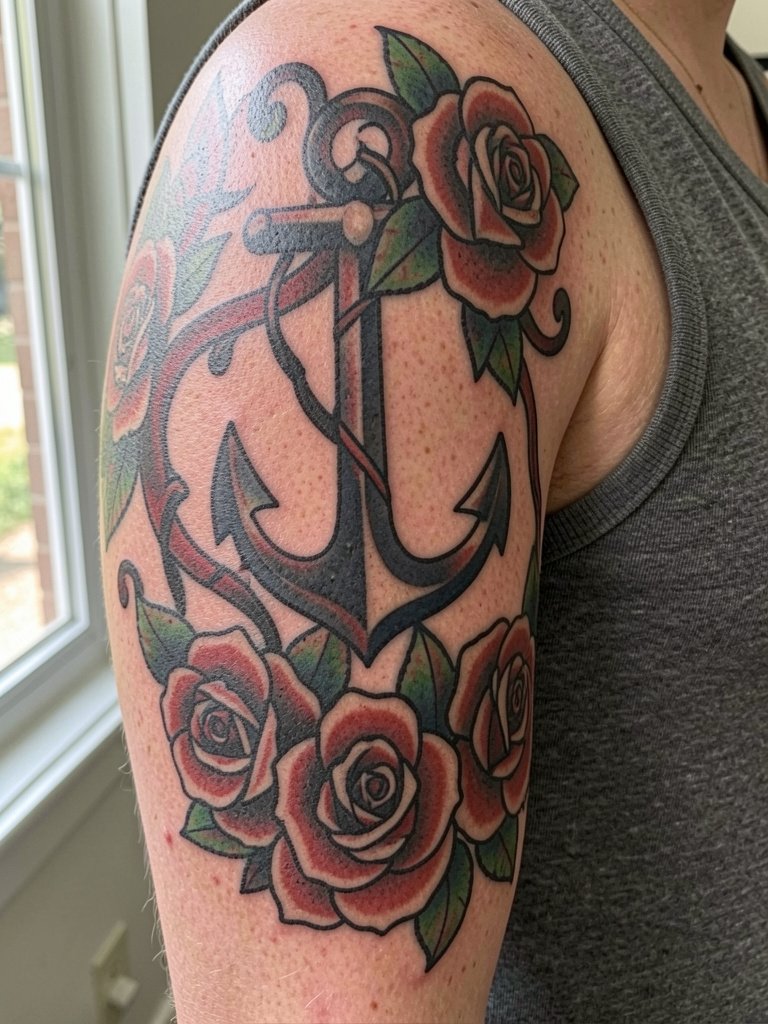
American traditional holds up because of clear linework and saturated fills. Expect two to four hours for a focused half sleeve session. Pain is moderate in spots where the bicep curves under. The usual mistake is compressing small script into banners where the letters blur; instead choose larger lettering. Discuss letter size and banner scale in the consult to avoid a cramped result. For showing it off, classic tees and rolled sleeves work well. Try a vintage band tee layered with open shirts.
11. Japanese-Inspired Koi and Waves Panel
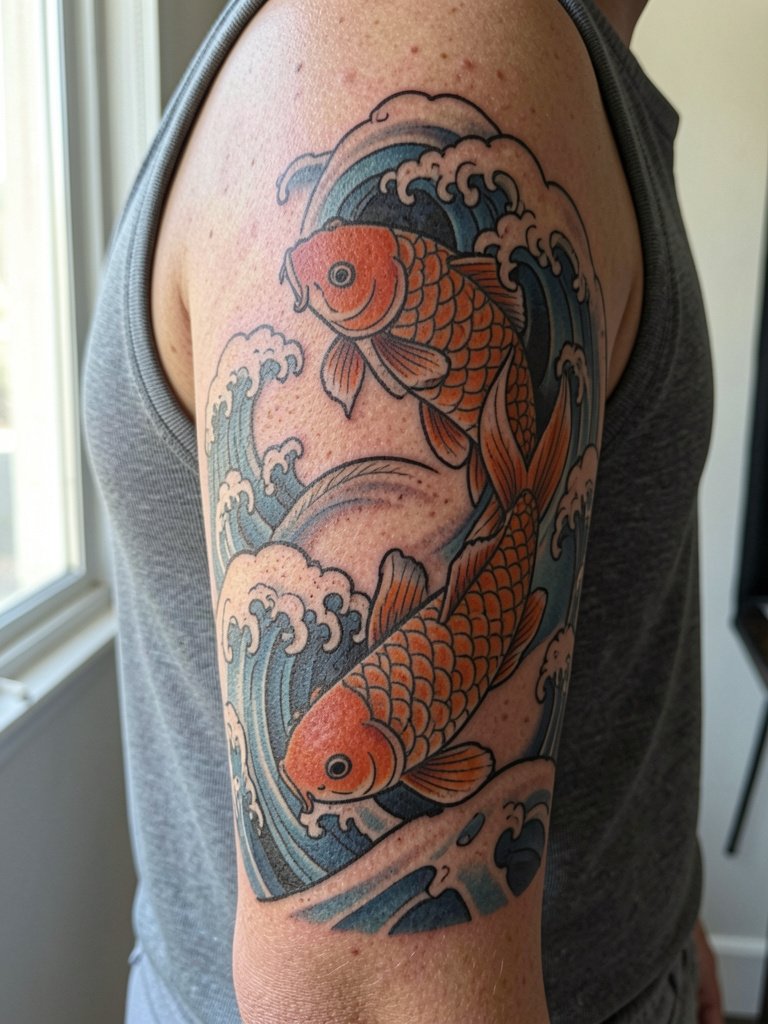
Japanese-inspired panels rely on rhythm and repeatable elements to read coherently across the arm. Multiple sessions totaling five to eight hours are common for half sleeves with color. Pain is variable near the inner transitions. A mistake is requesting tiny scale details that compete with the waves; keep motifs bold and let the negative water breathe. For the consult, outline which scales of the koi should be emphasized and where color highlights go. To display this style, try sleeveless kimonos or sleeveless wraps that flow with the wave lines.
12. Script and Florals Running Band
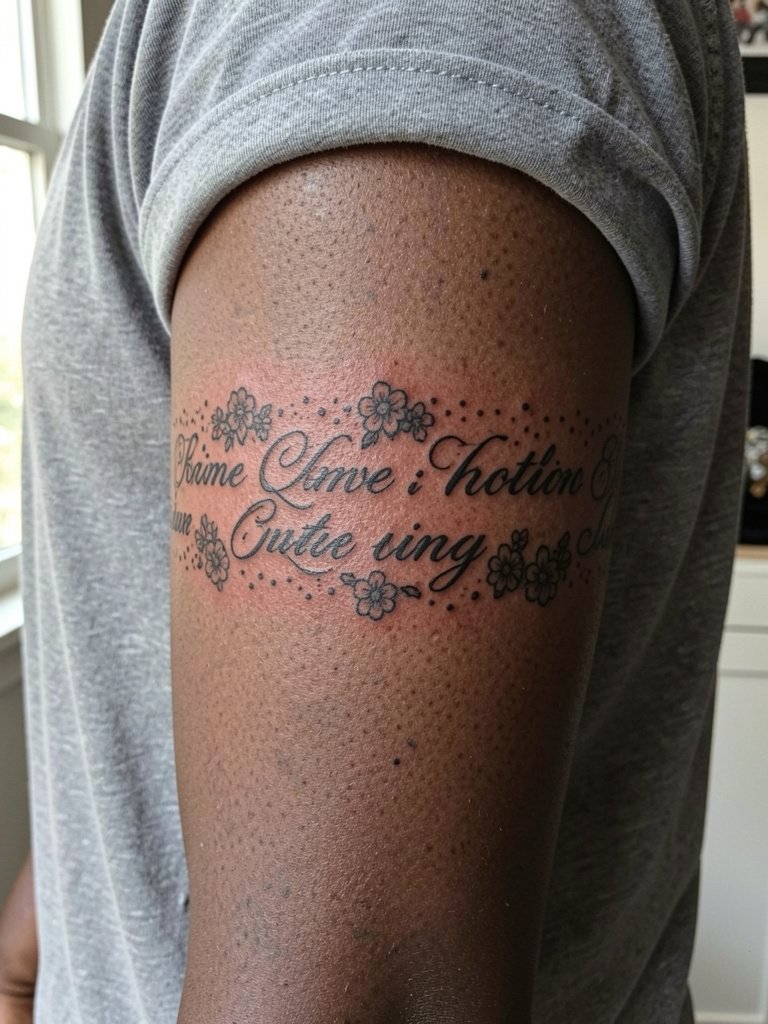
A script band can be striking when spacing and line weight are chosen for longevity. Session time is short, one to two hours. Pain is low to moderate around the arm band. The common error is asking for ultra-thin single-needle script without anchor stroke modification, which fades into a hairline within two years. In the consult, request slightly heavier anchor strokes and confirm letter spacing to maintain legibility. This pairs with cap-sleeve dresses or short-sleeve shirts. Try a cap-sleeve blouse that keeps the band visible.
13. Botanical Black and Grey with Subtle Color Pops
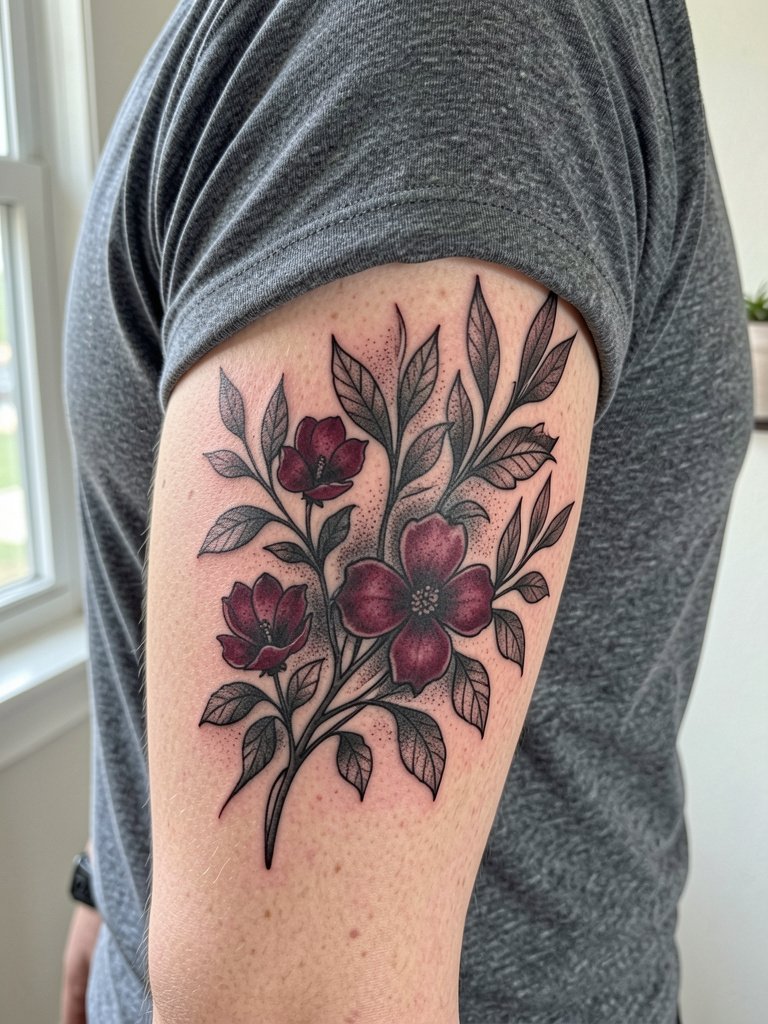
Selective color pops add dimension without risking the watercolor fade problem. Plan for two to four hours of work depending on how many color accents you include. Pain is moderate near the inner curves. A mistake is choosing extremely pale tones that vanish; pick saturated accents for resilience. During consultation, specify which petals or leaves should get color so the artist can strategize saturation. For staging, wear neutral knit tops to let the burgundy accents contrast well. Try a neutral crew neck sweater.
14. Gothic Lace Sleeve with Filigree
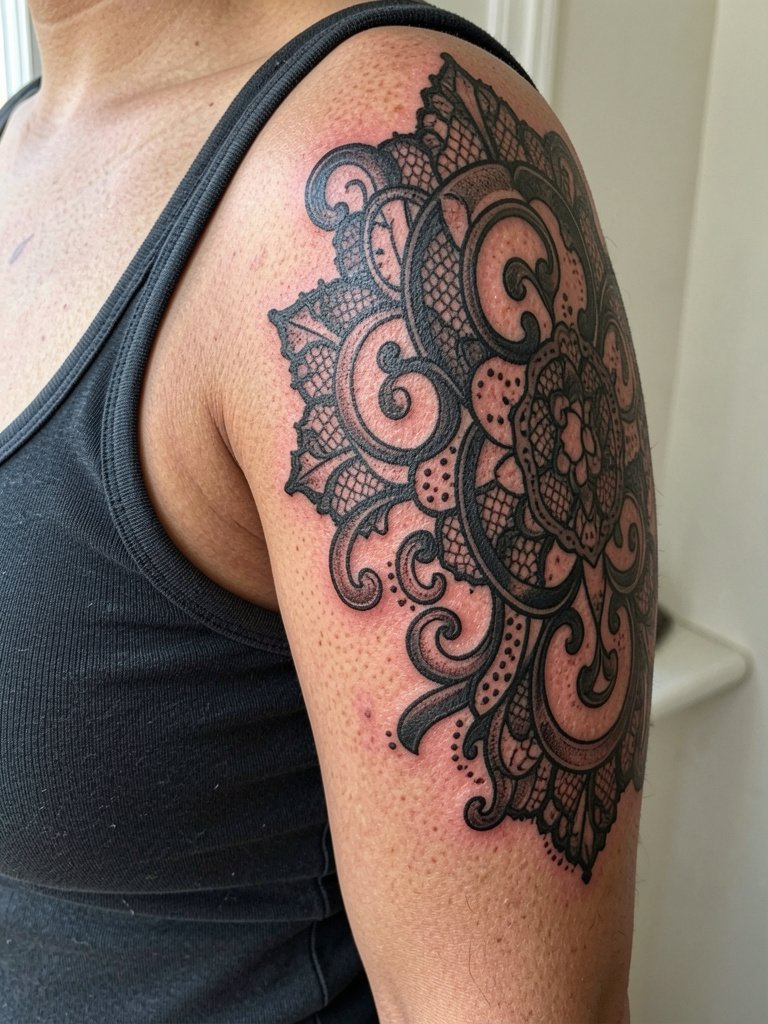
Lace work reads as texture when the artist leaves breathing room between filigree loops. Sessions may be two to four hours. Pain level is moderate where the lace hugs the inner transition zones. The frequent mistake is over-detailing small lace areas that collapse into a gray patch with time. In the consult, point to the specific lace motifs you like and ask the artist for spacing adjustments so motifs do not sit too close. For outfits, lace-style sleeves look excellent with scoop necklines and evening tops. Pair with a scoop-neck silk top.
15. Botanical Sleeve with Hidden Geometry
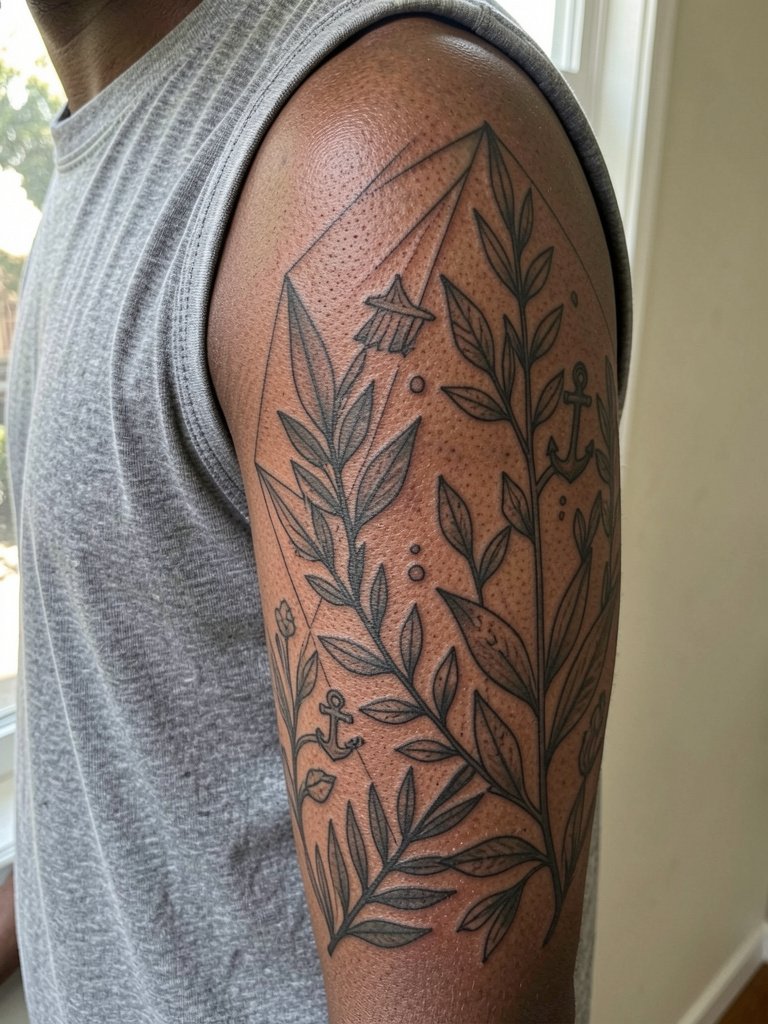
Layering geometry under botanicals creates depth that holds over time when the architectonic lines are slightly heavier than single-needle. Expect multiple sessions adding up to four to six hours. Pain is moderate where the wrap transitions under the bicep. A typical mistake is scaling geometry too fine, which risks blowout or loss of crispness. During consultation, confirm which geometric lines should remain visible at arm rest so the artist can plan contrast. For showing off the layered effect, sleeveless wraps or tank tops work great. Consider a flowy tank wrap.
16. Minimalist Arrow Band with Dot Accents
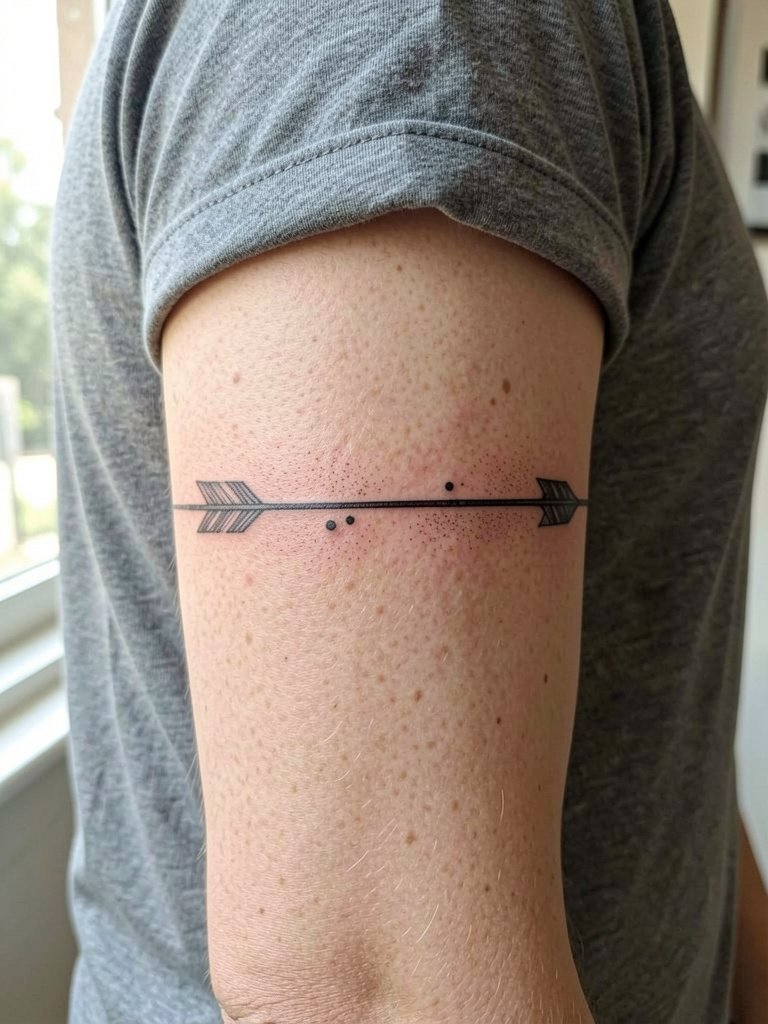
Minimal bands can look crisp when the line weight is chosen for the anatomy. Session time is short, one to two hours. Pain is generally low on the outer arm band. The error is insisting on ultra-thin lines without compensating for movement, which leads to early blurring. In the consultation, request reinforced anchor strokes and confirm exact placement so the arrow band sits straight when your arm is relaxed. This reads well with short-sleeve dresses and tees. Try a short-sleeve fitted dress.
17. Floral and Script Story Panel
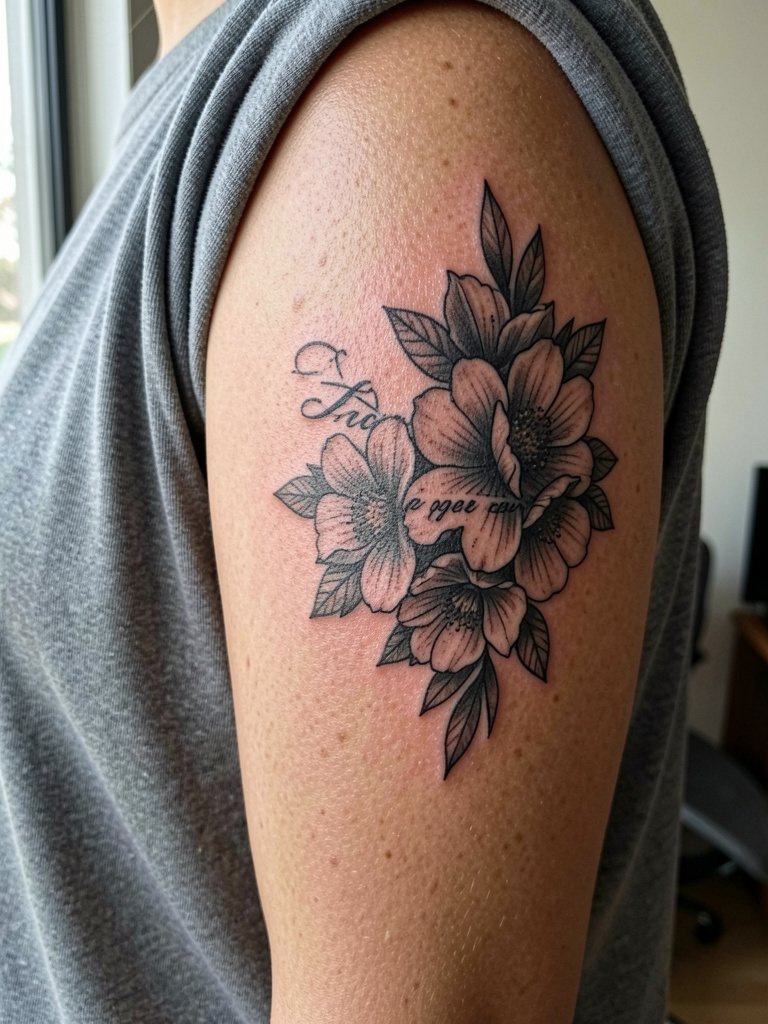
Combining script with florals creates a narrative panel that needs intentional placement. Expect two to three hours. Pain is moderate along transitions. A common mistake is cramming long phrases into narrow petal spaces. In the consult, provide the exact phrase and ask the artist to redraw the layout to test readability at the intended scale. For showing the story, open-neck garments or boat necklines complement the panel. Consider a boat neck blouse.
18. Botanical Sleeve with Metallic Ink Accents
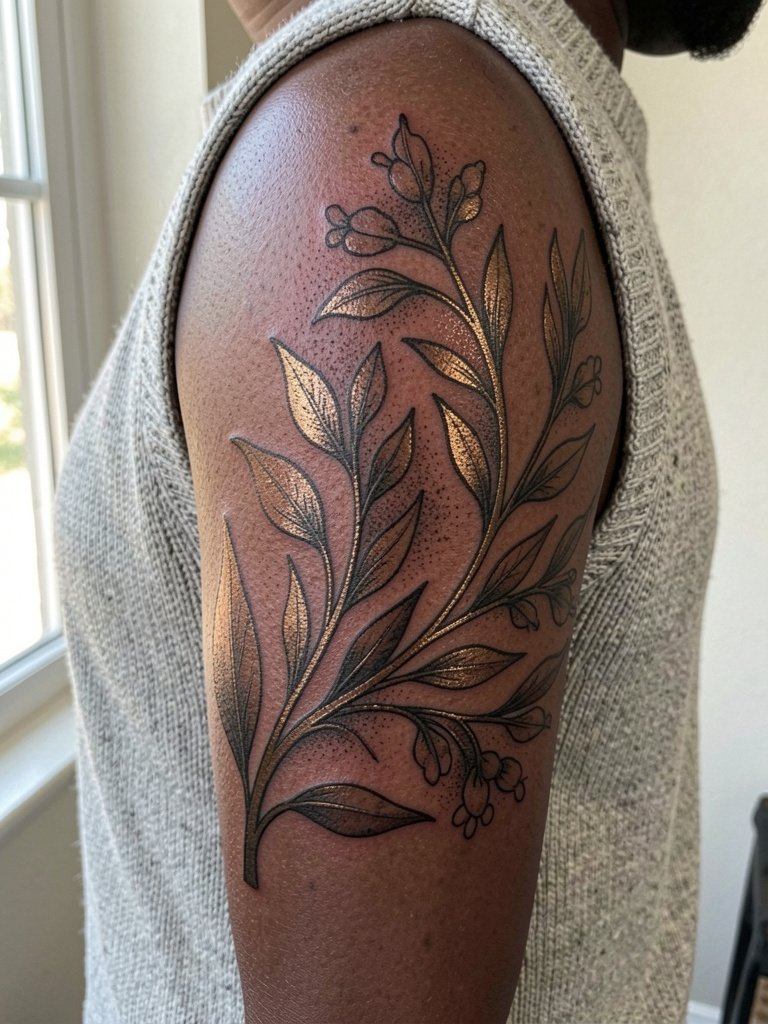
Metallic-look accents add a modern twist but they require careful saturation and expectation management. Sessions can be longer when experimenting with specialty inks. Pain is similar to other outer arm placements. The key mistake is expecting subtle metallic sheen to behave like pigment on top of the skin; it usually needs bolder contrast to be visible over time. Ask about pigment type and planned saturation specifics during the consultation so you know if a future touch-up is likely. For evening wear, metallic accents pop against neutral fabrics. Try a metallic-accent top.
19. Floral Sleeve with Hidden Script Edge
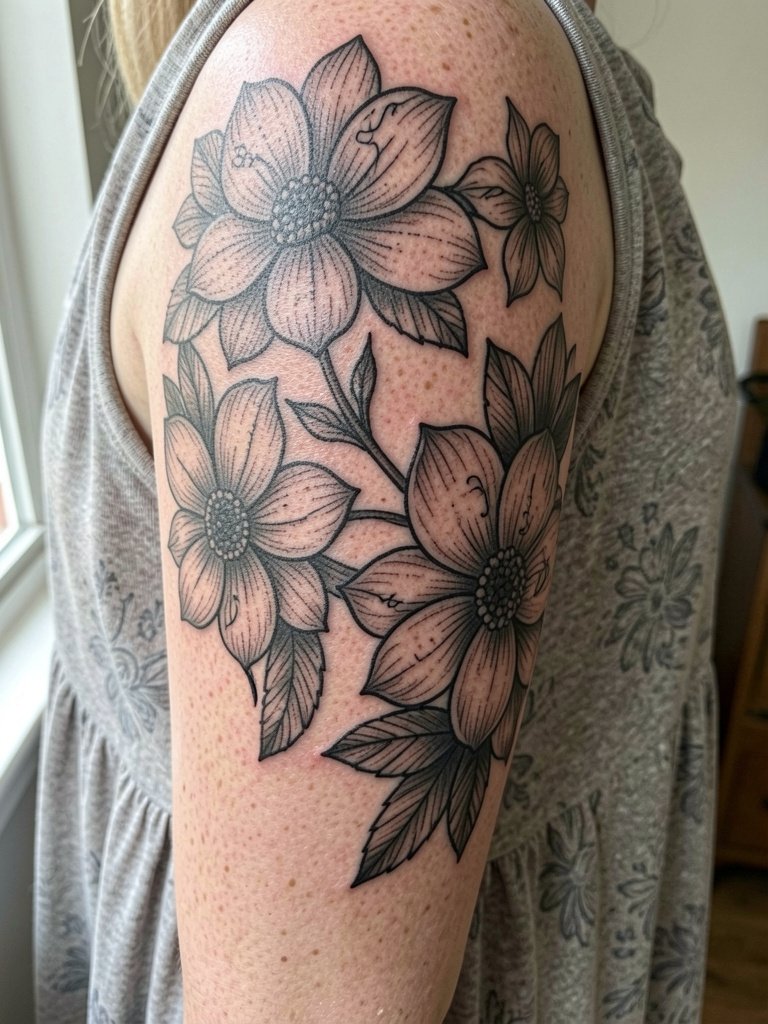
Hidden script is intimate and effective when lines are planned around petal edges. Session time is typically two to four hours depending on length. Pain is moderate where the wrap narrows. The usual mistake is choosing tiny script that disappears into shading. During the consult, provide exact lettering and ask for mockups showing how legible the line is at different scales. For visibility, sleeveless sundresses and open back tops make the hidden script peek through. Try an open-back top.
20. Black and Grey Ornamental Sleeve with Script Banner
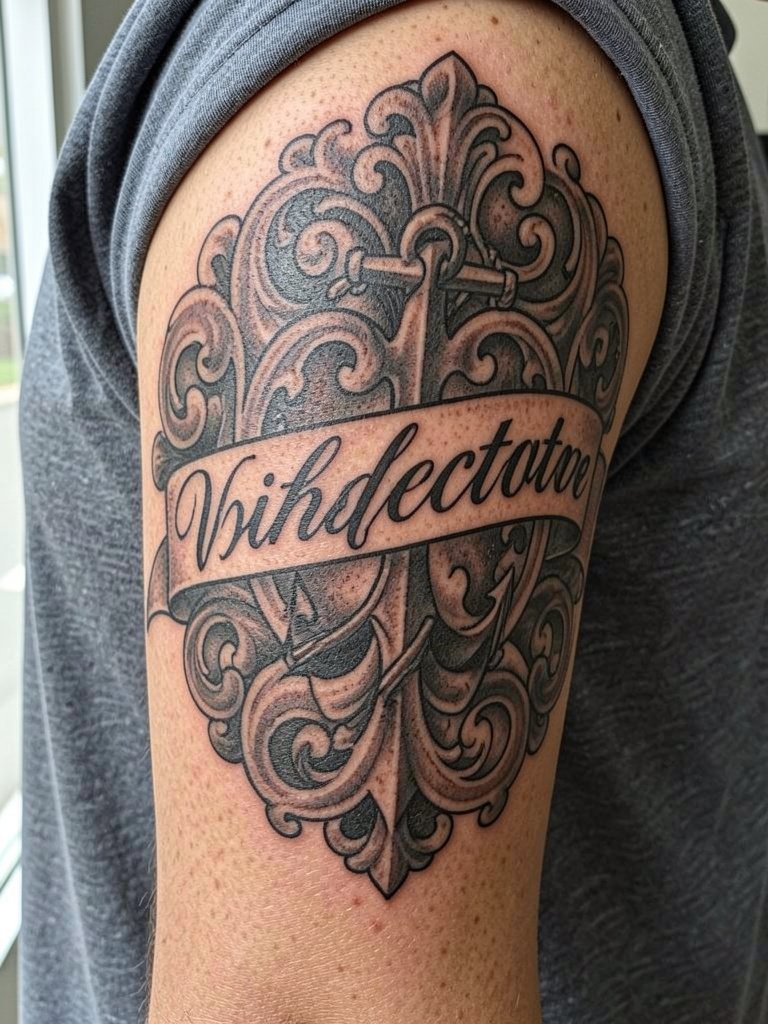
Ornamental sleeves center on contrast and spacing so banners and script stay legible. Expect three to five hours total. Pain is moderate across the arm. A mistake is asking for very thin banner borders that blur; request reinforced outer edges instead. During the consult, agree on banner thickness and letter sizing so the script survives touch-ups. For styling, fitted tees and cropped cardigans show off the scrollwork. Try a cropped cardigan.
21. Floral Skull Half Sleeve in Blackwork
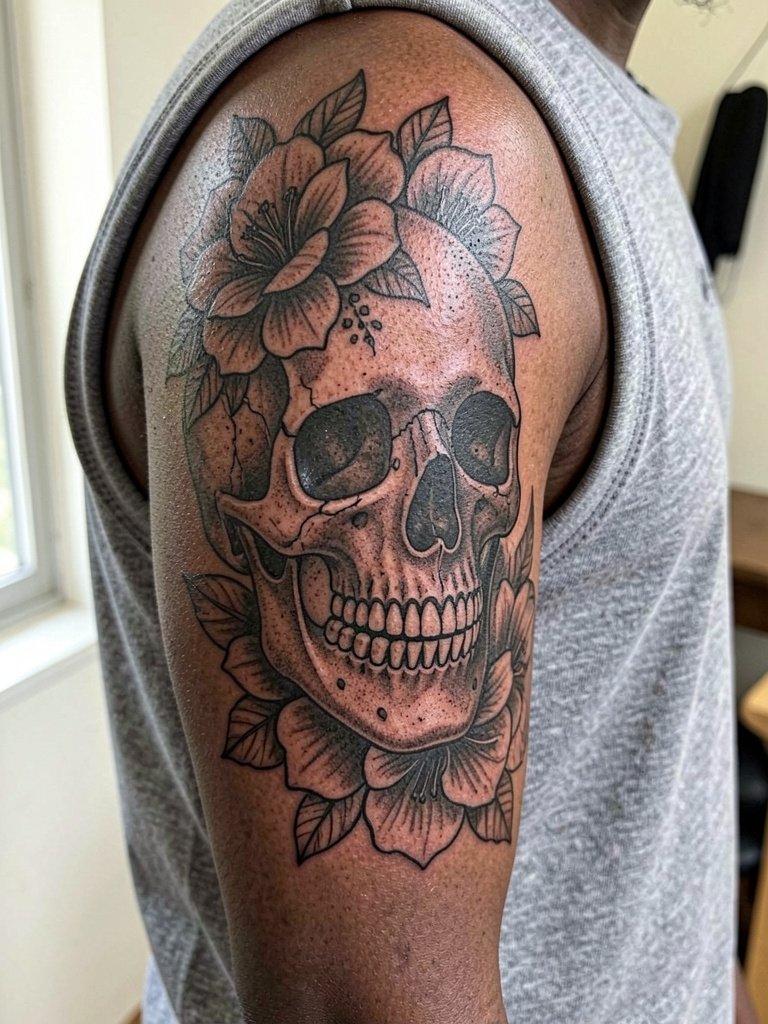
Skull-and-flower combos need bold contours to keep the skull readable among petals. Sessions can be three to six hours. Pain is moderate where the piece curves. The common error is over-detailing the skull in tiny areas, which flattens after healing. Ask the artist to prioritize contrast and to show you how the skull reads in a mirror at arm rest. For wardrobe, leather jackets or sleeveless tops frame the blackwork well. Try a fitted leather jacket.
22. Scripted Ribbon and Laurel Half Sleeve
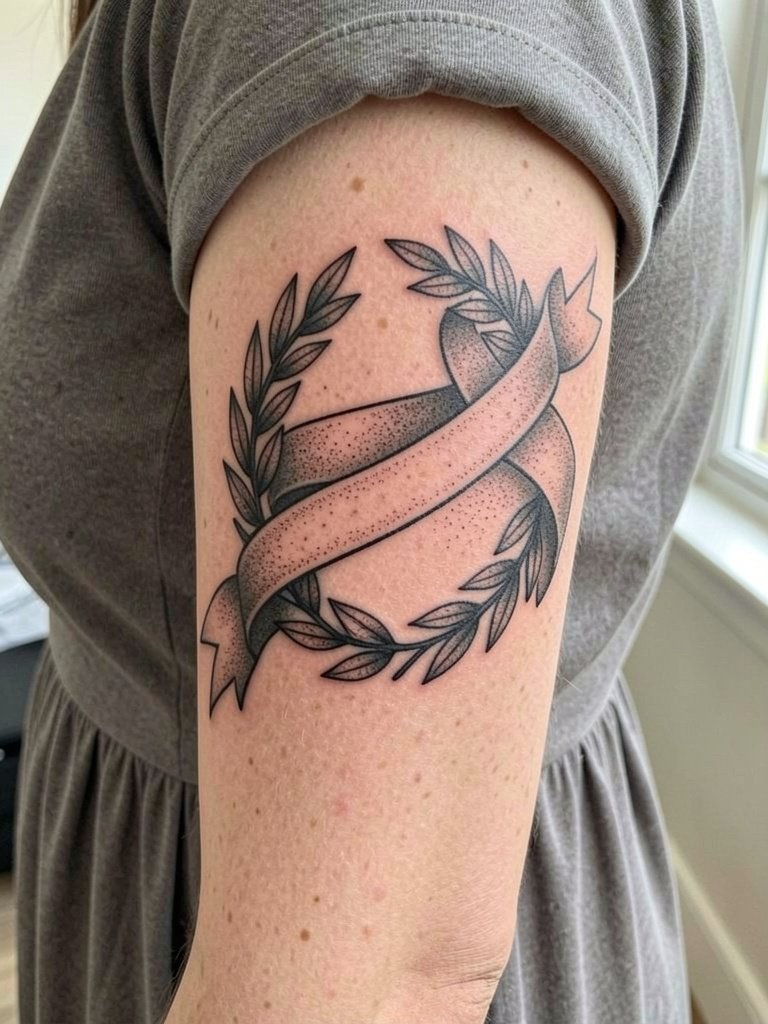
Ribbon and laurel combos age nicely if the script is sized for readability. Session time is typically one to three hours. Pain is generally low. A mistake is squeezing long phrases into the ribbon, which becomes unreadable. In the consult, give the exact phrase and ask for mockups of spacing and font weight. This style shows strongly with boat necklines and crew neck tops. Try a boat neck tee.
23. Custom Mixed-Media Half Sleeve with Bold Anchors
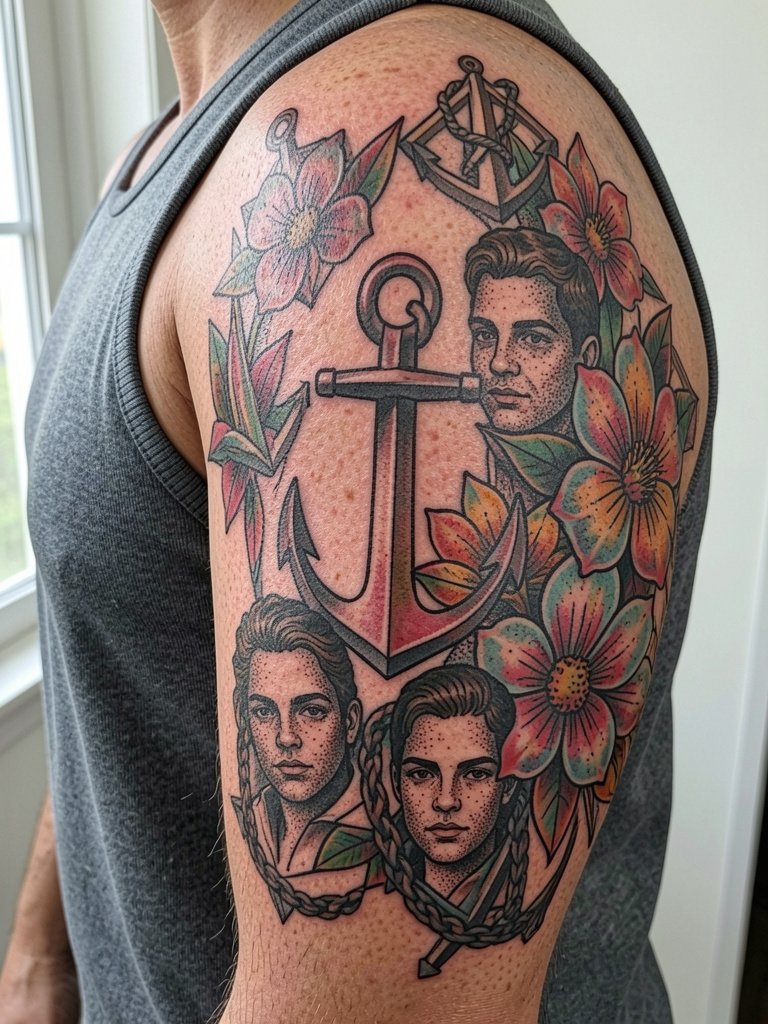
Custom mixed-media sleeves need an overall anchor plan so each motif keeps its identity. Plan for several sessions totaling six to ten hours. Pain varies by component and location. A frequent mistake is assembling motifs from too many references without a unifying plan, producing a scattered look. In the consultation, present a single mood board and ask the artist to map anchors, contrast zones, and a probable touch-up window. For outfits, tailored tank dresses and structured tops frame a mixed sleeve elegantly. Try a structured tank dress.
Frequently Asked Questions
Q: How does linework on the inner forearm change over time and what should I ask about during the consult?
A: Inner forearm linework tends to stay readable for the first year then soften by year two if lines are ultra-fine. Ask for slightly heavier anchor strokes on main contours and discuss spacing so dot work has room. Request a mockup at the intended scale and confirm planned touch-up timing so you know when to refresh faint dots.
Q: Are fine-line florals on ribs a good idea or will they blur?
A: Fine-line on ribs splits artists into two camps. One group argues that ribs stretch and move too much and that extreme fine line blurs within two years. The other group says with slightly wider spacing and controlled needle depth fine line can settle well, and they will point to healed photos to support that claim. If you choose ribs, plan for a heavier anchor line and a realistic touch-up at year one.
Q: I want a mandala style but I also respect cultural origins. How do I proceed?
A: Some people view ornamental mandalas as acceptable inspiration when adapted respectfully with clear attribution and non-sacred motifs. Others assert that certain mandala forms are culturally specific and should be avoided unless commissioned with cultural consultation. If origins matter to you, tell the artist which elements you consider symbolic and ask for an adapted composition that honors the source without copying sacred iconography.
Q: Where can I find portfolio examples and healed photos without naming artists directly?
A: Search hashtags like #WomensHalfSleeve and #HalfSleeveHealed on social platforms, use location filters on Instagram or TikTok to find local healed shots, and scan niche communities on Reddit for real-world progression pictures. Look for image threads labeled "6 months healed" or "2 years healed" to compare how linework and saturation have aged across skin tones.
Q: What should I wear to a half sleeve session and how will that affect access?
A: Wear loose, comfortable clothing that gives the artist clear access to the upper arm without pulling or adjusting fabric. For shoulder and outer arm work, a sleeveless tank or a top you can slide on and off easily is best. Consider a loose tank top so the artist can position you without fabric restrictions.
Q: How often do half sleeves need touch-ups and what age signals should I watch for?
A: Typically half sleeves need a touch-up in the first 12 to 24 months to restore saturation and line clarity, then every few years depending on sun exposure and skin changes. Watch for loss of contrast in shaded areas and softening of thin lines. Planning slightly bolder anchor lines and scheduling an early touch-up can prevent the need for extensive corrections later.