
Constellation tattoos look delicate online, but the pieces that hold up are usually the ones that plan for real skin, motion, and wardrobe from day one. Micro star clusters can be beautiful at six months and unreadable by year five unless the linework and spacing are adjusted. Pick a concept that matches the placement and the way you dress, and the design will feel celestial for years rather than months.
1. Micro Constellation on the Inner Forearm
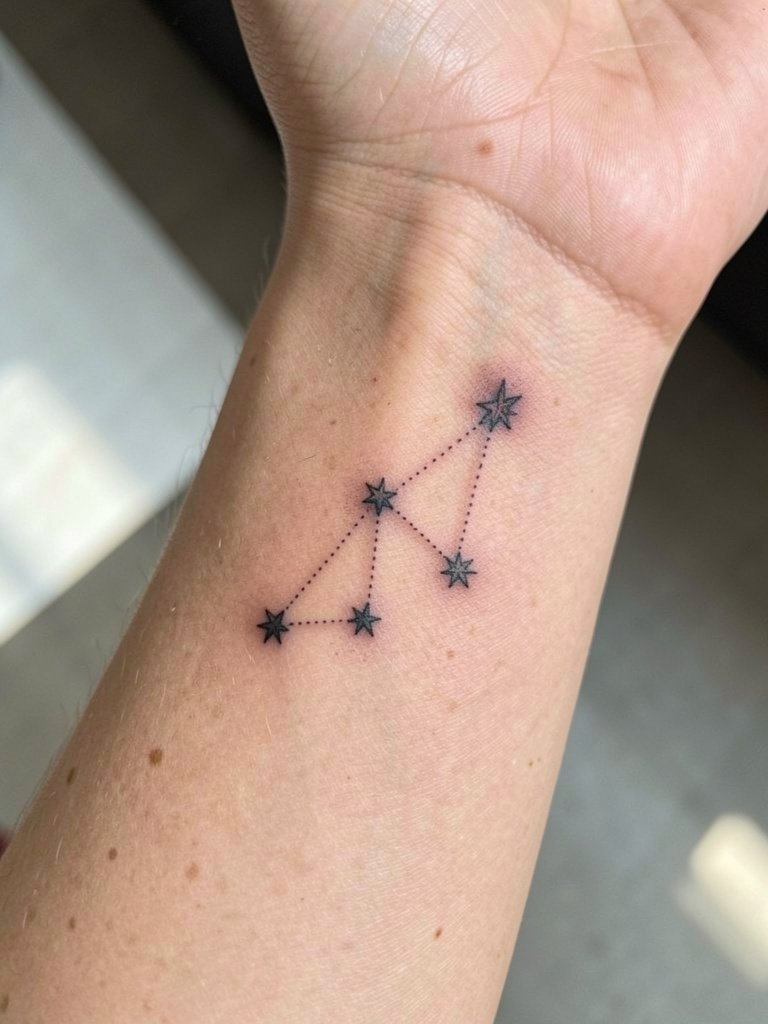
This inner forearm placement reads clearly when spaced at three to four millimeters between star dots. I recommend slightly heavier single-needle weight than the thinnest reference so the dots do not blur into one mass by year three. During consultation bring two scaled references so the artist can show you how the constellation reads at three inches versus five. Expect a quick session of 30 to 60 minutes and mild soreness when the palm-up surface is worked. For the session wear a loose short-sleeve tee and bring a cuff bracelet you can remove, like this simple slip-on cuff so the artist has clear access.
2. Microcluster Behind the Ear
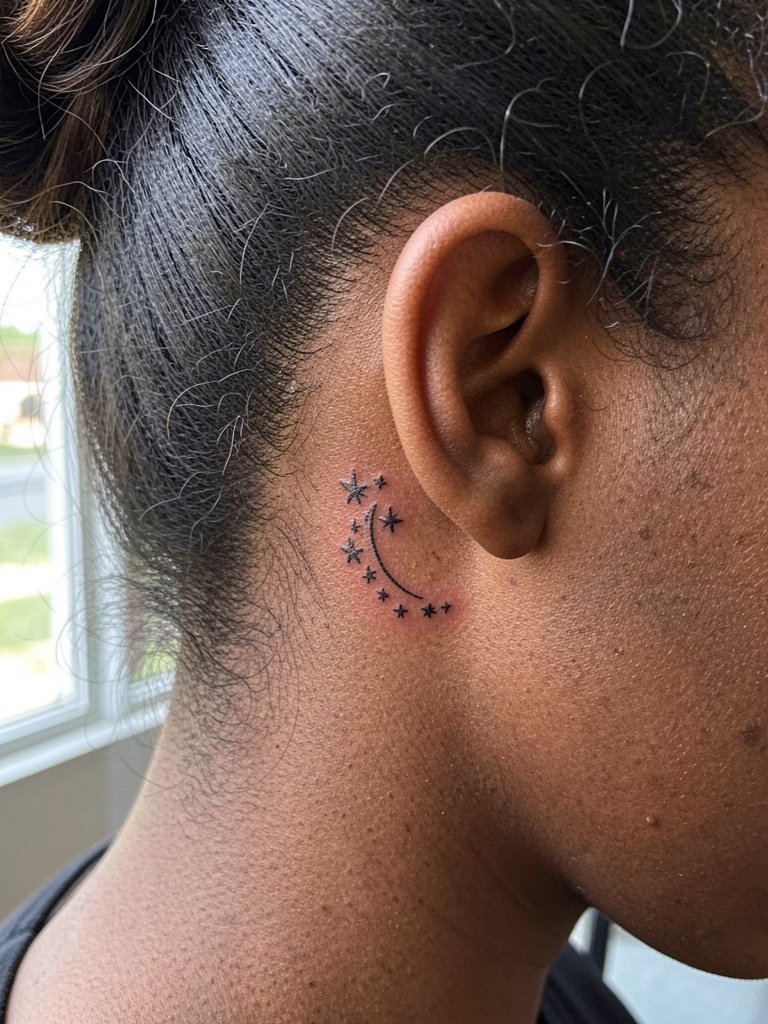
Behind-the-ear constellations look delicate in photos and often stay readable because the skin there is relatively stable. The trade-off is session discomfort near bone and a slightly longer healing window because of hair rubbing. A common mistake is asking for the dots too small, which leads to tiny blowouts that soften the pattern. Ask for marginally larger star dots and plan for a touch-up at 12 to 18 months if you want crisp pinpoints long term. This placement pairs well with small stud earrings that frame the cluster, like lightweight gold studs.
3. Geometric Constellation Wristband
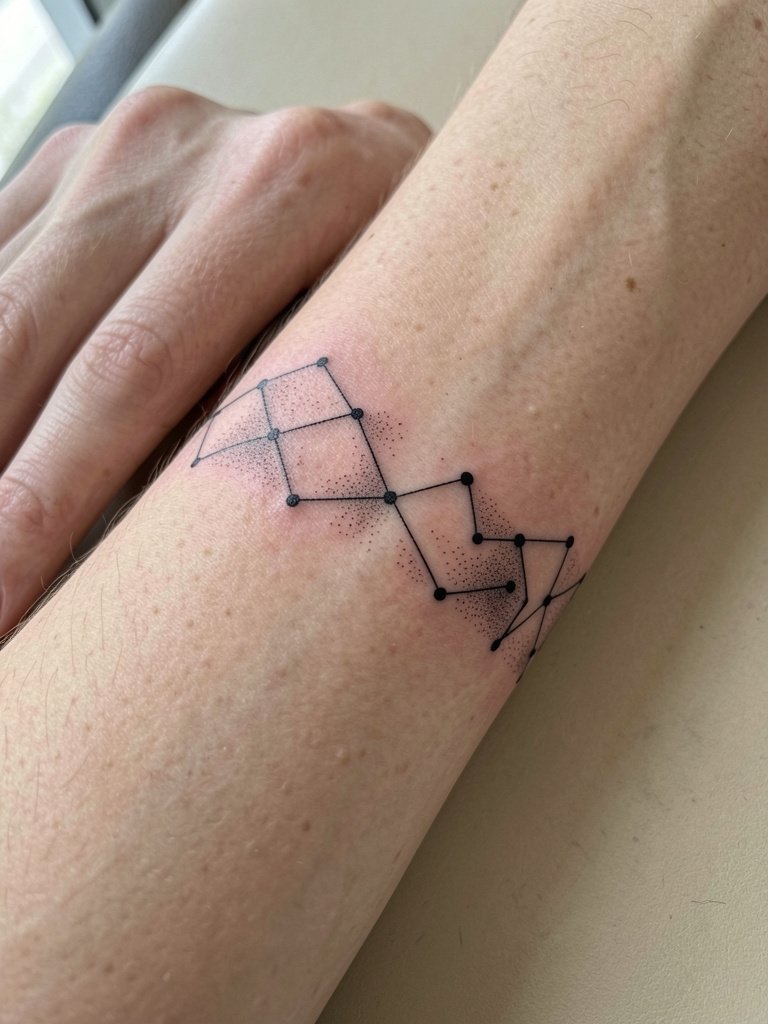
A wristband-style constellation needs breathing room so the dots do not merge with wrist movement and daily washing. For this, increase spacing and use a compact dotted connector instead of continuous hairlines. Expect a 60 to 90 minute session and moderate soreness when the radial wrist tendons are worked. The wrist is high friction, so thin single-needle dots often fade faster than small filled stars. Wear a slim rolled-sleeve shirt to the appointment, and plan to accessorize the healed band with a delicate leather wrap bracelet rather than a bulky watch that covers the piece.
4. Fine Line Constellation over the Collarbone
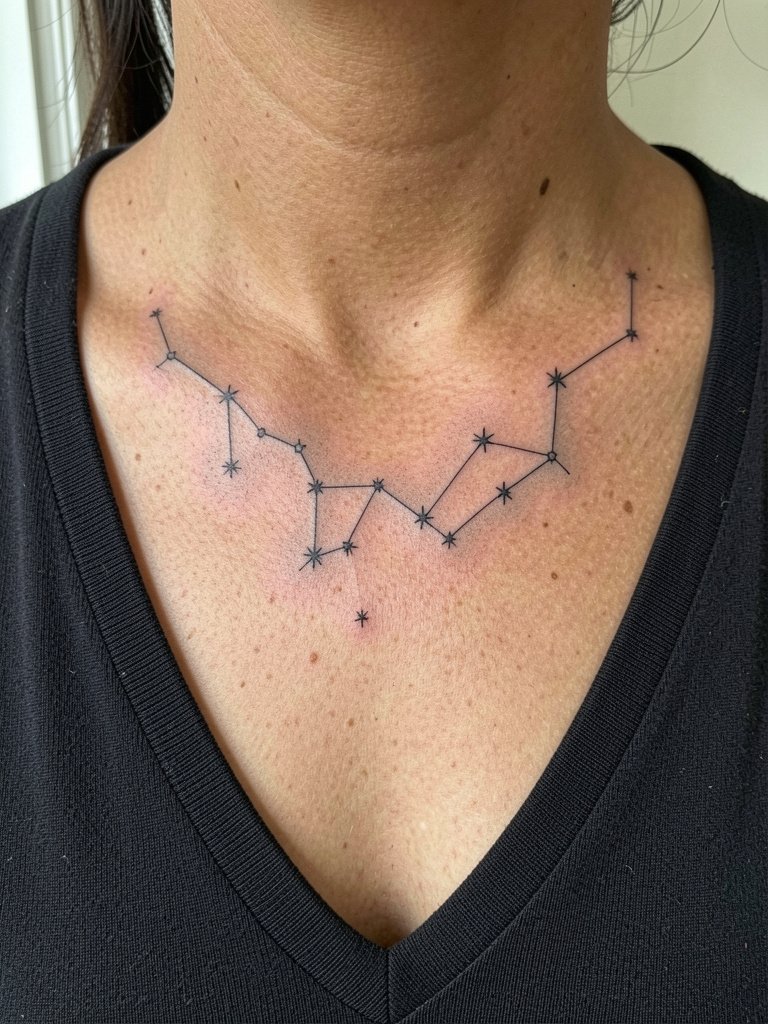
Collarbone constellations photograph beautifully, but the skin there moves a lot with breathing and shoulder motion. One camp of artists says single-needle fine line will soften into a blur within a few years on this site. The other camp says slightly heavier single-needle spacing and conservative star sizes will settle fine and stay legible. My recommendation is to err on spacing and ask for micro starbursts rather than ultra-tiny dots. Plan the session for 45 to 90 minutes and wear a scoop-neck top so the artist can access the area without fabric shifting. This look pairs with open-neck blouses, try an open-neck linen shirt for showing it off.
5. Tiny Constellation on the Side Ribcage
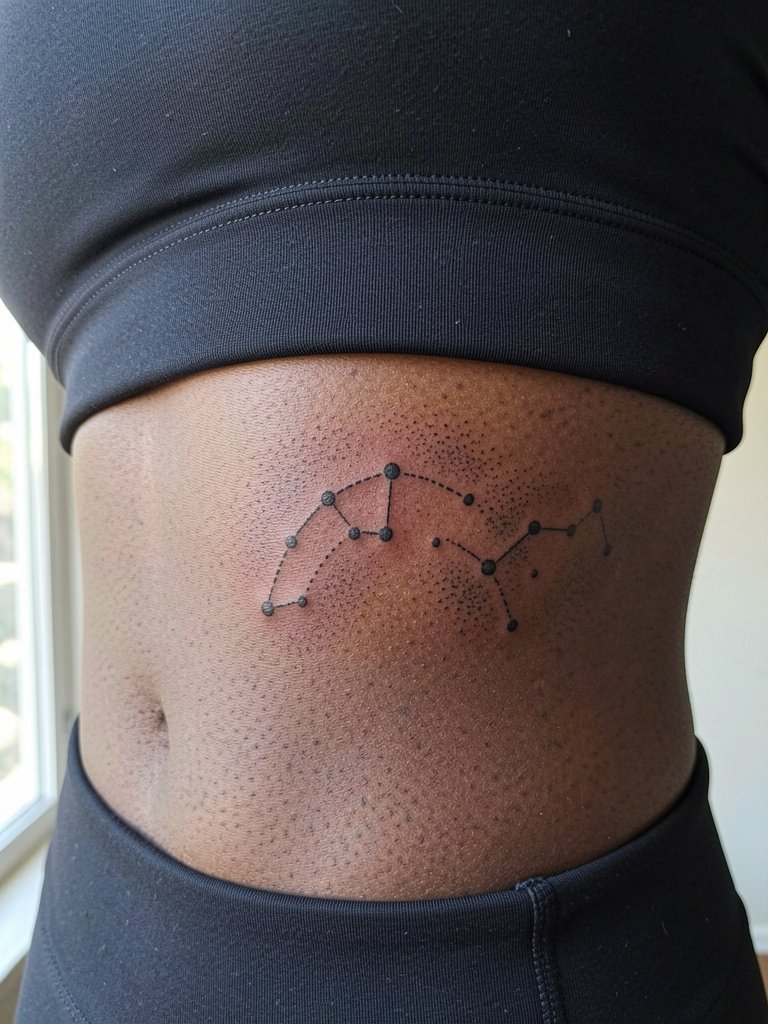
Ribcage constellations can look ethereal but they are high-pain and high-motion. Artists split into two camps on fine line here. One group warns that ribs stretch and blur fine lines within two years, especially where the skin flexes. The other group argues that with slightly wider spacing and consistent needle depth, the lines can stay crisp for years. For this placement expect a 90 to 150 minute session and a steeper pain level. Wear a fitted sports bra that can be shifted without pulling, and arrange an extra rest break halfway through.
6. Minimalist Finger Dot Constellation
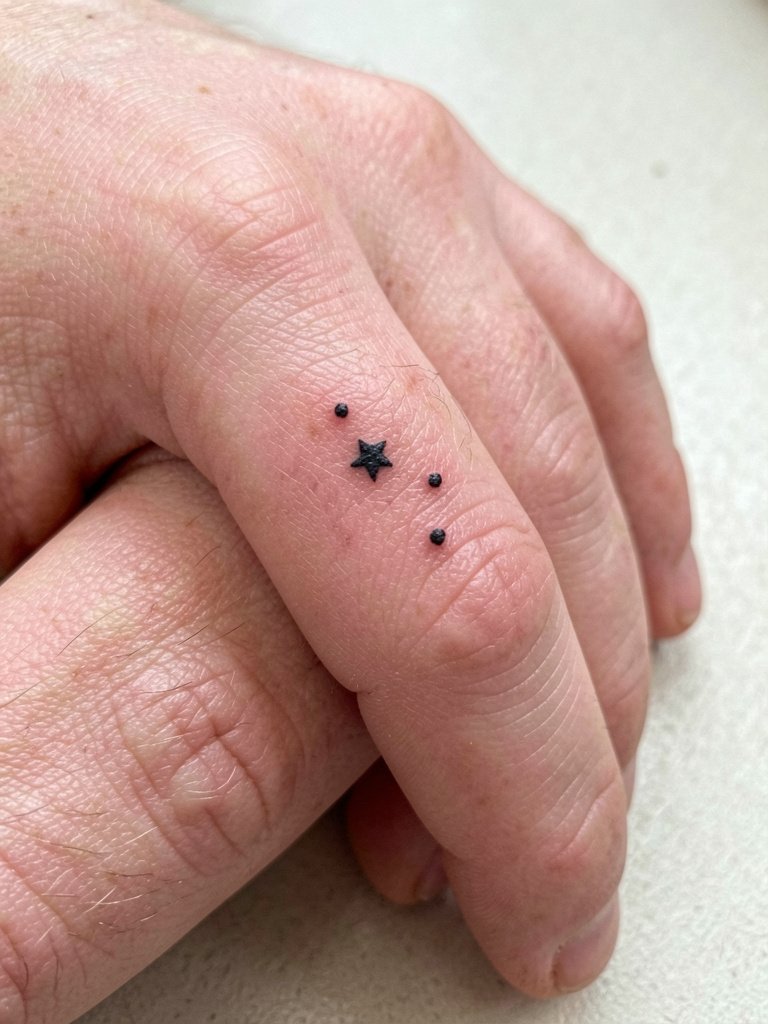
Fingers are unforgiving for constellation dot work because of thin skin and constant washing. The usual mistake is asking for hairline dots that look great day one and blur into thick smudges by year two. Instead pick slightly filled micro stars and accept a likely touch-up at six to twelve months. Sessions are short, often 20 to 40 minutes, but expect more fading and potential touch-ups than forearm work. For the appointment keep rings off and bring a soft cotton glove to protect the area afterward. A simple cotton hand glove pair is handy during travel home to avoid rubbing.
Session Day Picks
The small placements above respond differently to friction and sweat, so a few targeted items smooth the chair time and the first week.
-
Medical-grade stencil transfer paper kit. Lets you preview the exact constellation placement on skin before needle hits, which is crucial for centered wrist and collarbone pieces.
-
45-minute topical numbing cream. Applied before short high-sensitivity sessions like the ribs or behind-the-ear pieces to reduce flinching without impacting linework.
-
Micro-film protective dressings roll. Use for hand and finger constellations to shield the fresh ink from soap and friction in the first 24 hours.
-
Fragrance-free gentle body wash. Cleanses sensitive areas during showers without stripping ink or irritating healing skin.
-
Aquaphor healing ointment. Thin layer for the first two to three days helps micro linework retain moisture while preventing crusting.
7. Stellar Backpiece Accent over the Shoulder Blade
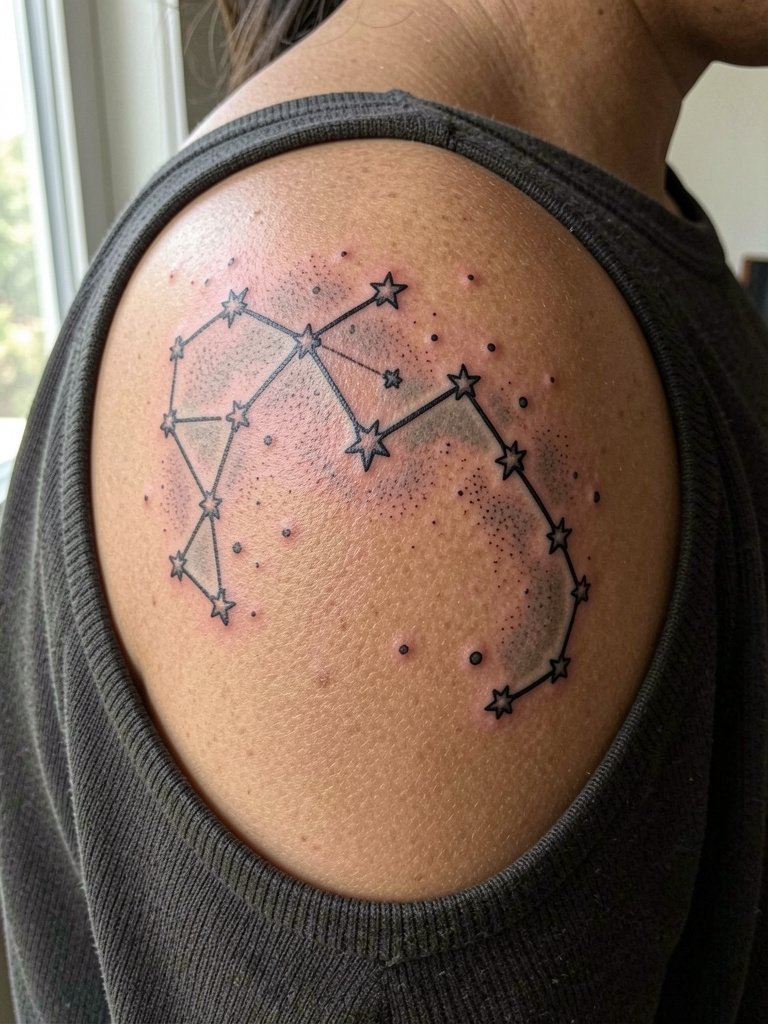
Shoulder blade constellations age well because the area sees less friction. For a shoulder accent, choose a mix of bold star anchors and delicate dotted connectors so the anchors read even if the dots soften slightly. Discuss anchor size and spacing with the artist and bring photos of healed shoulder pieces to show desired saturation. Session time is usually 60 to 120 minutes depending on shading. For the appointment wear a loose wide-neck top that can be slid off without stretching the skin. Accessorize the healed piece with a low-back dress or spaghetti-strap top to frame the area.
8. Constellation Necklace Under the Sternum
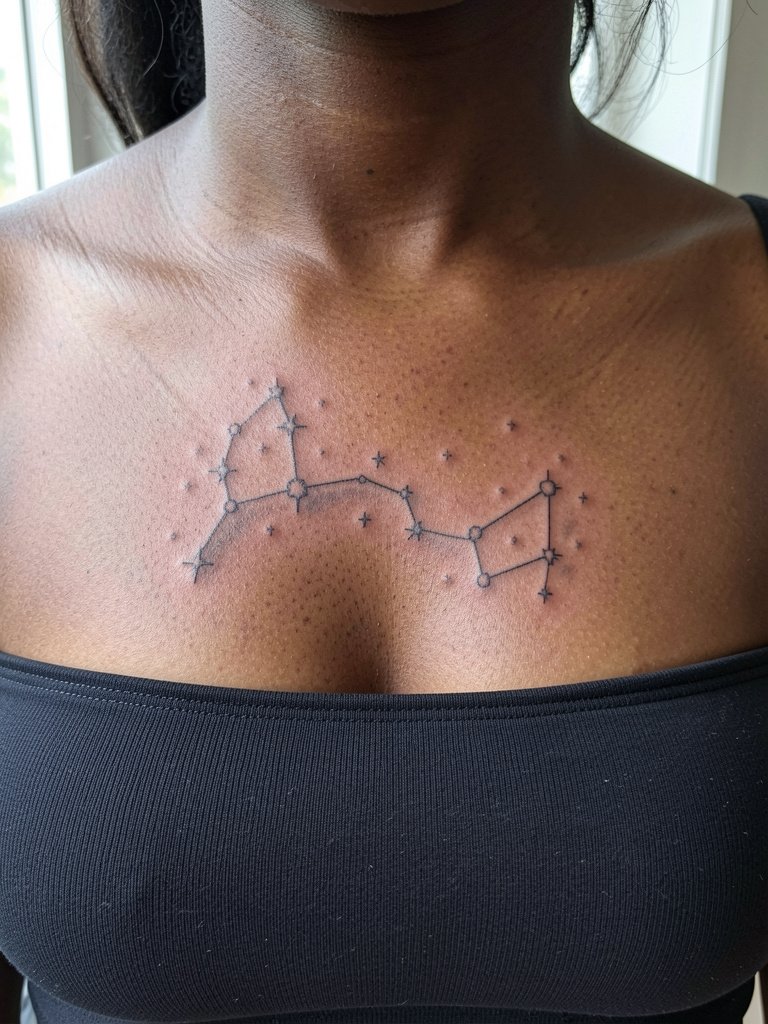
Sternum constellations sit on mobile skin under the breast line, so technique matters. One common mistake is making the lines too tight and relying on single-needle hairlines. For this zone, increase dot sizes slightly and use measured spacing so the cluster does not blur with natural movement. Expect higher pain and a 90 to 180 minute session for more complex shading. Wear a fitted bandeau or sports bra for easy access, and plan light clothing for home that does not press on the area. This placement often looks elegant with layered delicate necklaces, try a simple choker chain to complement the design.
9. Negative-Space Constellation on the Inner Bicep
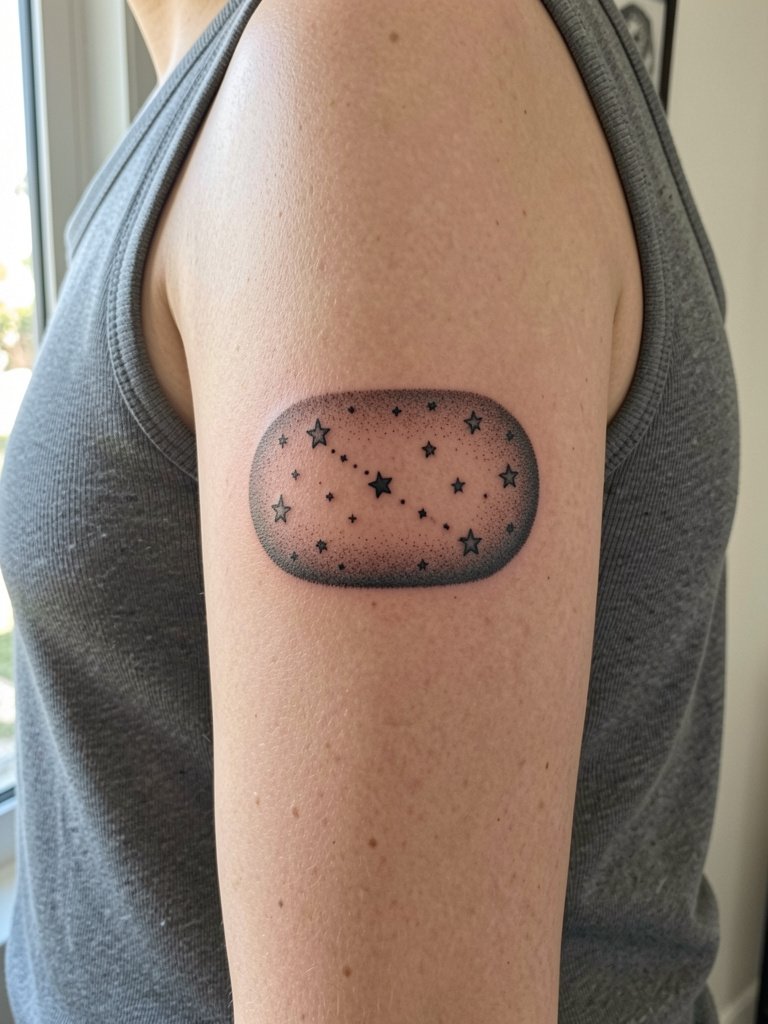
Inner bicep pieces show well when given negative space to breathe, and they avoid axilla placement mistakes. The inner upper arm heals differently because the skin is softer and prone to stretching with muscle movement. A mistake is packing tiny detail into a narrow strip; instead ask for a soft halo of stipple shading that frames the negative stars. Sessions are typically 60 to 120 minutes and can be tender. For the session wear a sleeveless top that exposes the inner arm without having to lift the shoulder. The area pairs with short-sleeve shirts in warm weather and looks great when you roll sleeves up slightly.
10. Constellation Thigh Garland
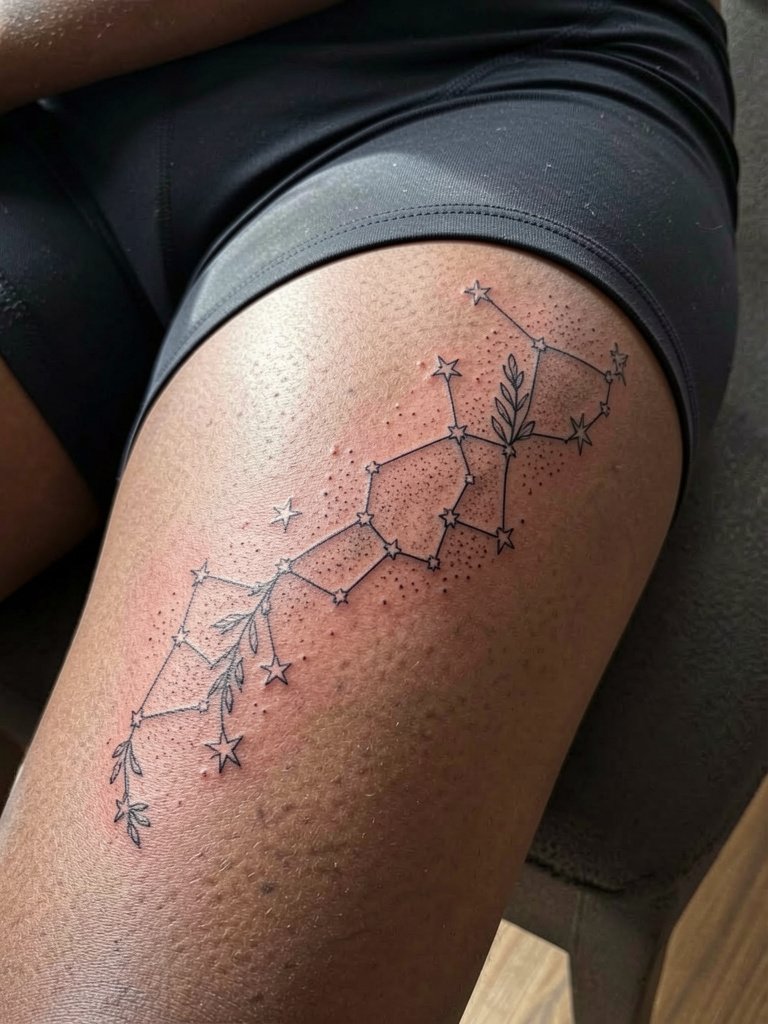
Thigh constellations give room for composition and tend to age gently because they are low-friction. Pick a garland style with botanical touches when you want something that doubles as a floral piece. One real mistake is requesting ultra-fine filigree that the inner thigh skin will blur over time. Plan for a 90 to 150 minute session depending on size. For the appointment wear bike shorts or loose shorts so the artist can access mid-thigh without fabric stretching. Showing it off works best with midi skirts or high-slit dresses; consider a wrap midi skirt for evenings.
11. Micro Realism Star Map on the Calf
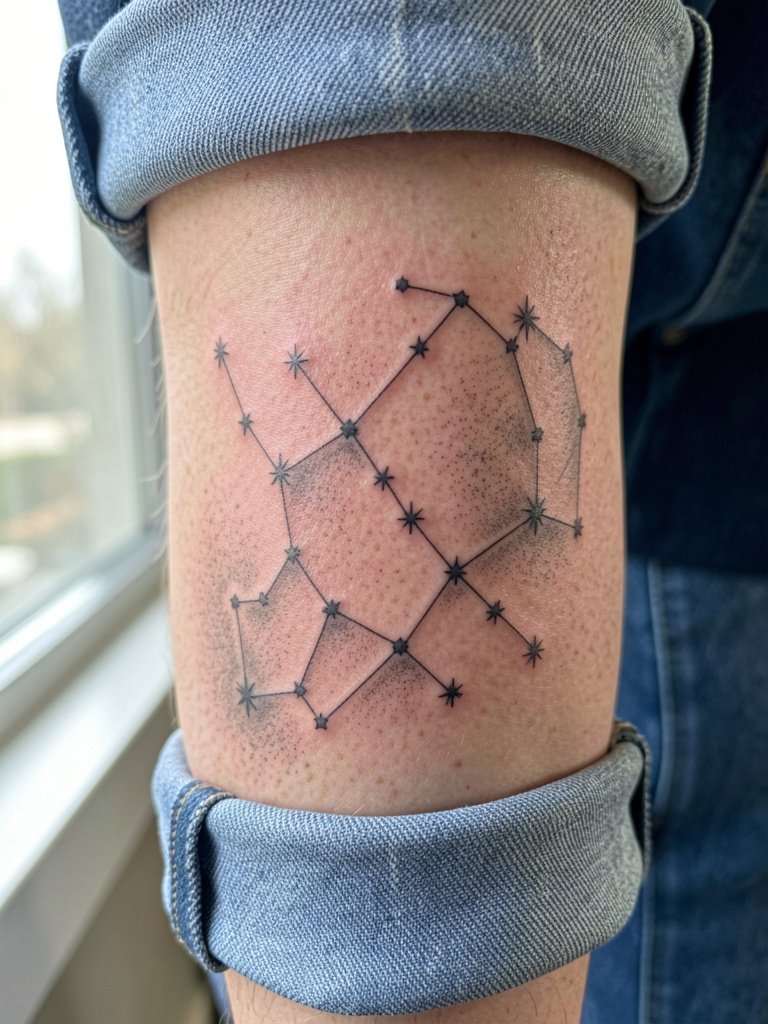
Calf placements give enough canvas for micro-realism without heavy distortion from movement. If you want stars that read from a distance, combine small starbursts with a few slightly larger anchors rather than many same-sized dots. Typical session time is 60 to 120 minutes. One common aging issue is under-saturation in the tiny highlights, so confirm the artist will saturate the anchor stars fully during the session. Wear rolled-cuff jeans or shorts and bring a loose sock for travel home if it is cool. This pairs nicely with cropped trousers or ankle boots.
12. Dot-Work Constellation Sleeve Accent
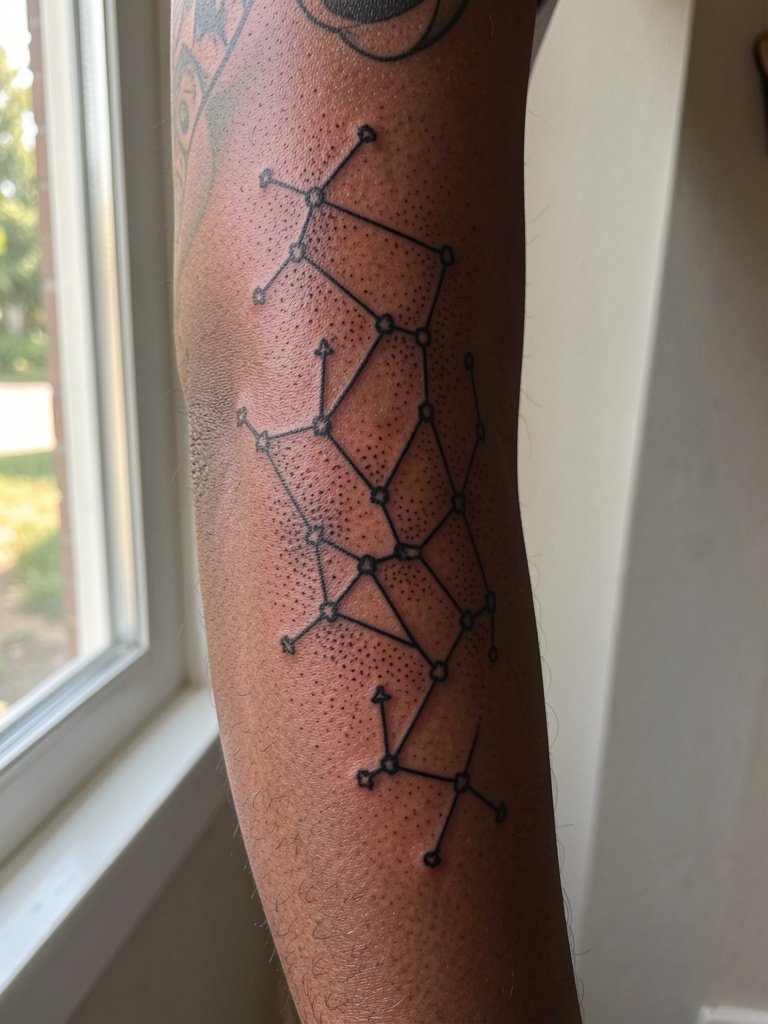
When building a sleeve accent that includes constellations, plan how those tiny elements will sit next to heavier blackwork. One scenario where this style shines is pairing bright anchors with stipple gradients so the small stars remain visible from a distance. Discuss touch-up timelines up front because sleeves can pull pigment differently across sections. Sessions vary widely; plan for multiple sittings totaling several hours. For the appointment wear a short-sleeve shirt that rolls easily without compressing fresh ink. Layering with sleeveless jackets works well for showing healed detail.
13. Single Starburst on the Nape
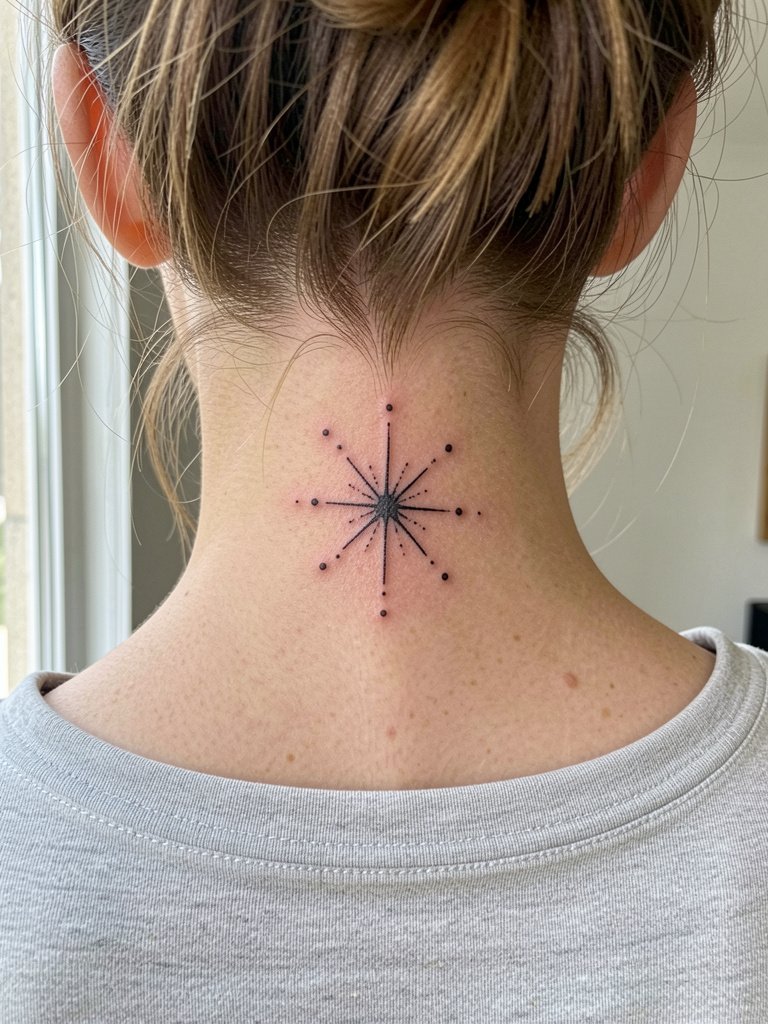
Nape constellations are easy to hide and reveal, which makes them versatile. The key consultation point is hairline proximity because some pigments can migrate slightly if placed too close to friction from collars. The session is brief, usually under an hour, but healing needs extra attention with hair and shampoo. Dress with a wide-neck top that exposes the area without tugging. This placement pairs with low ponytails and open-back tops; consider lightweight hair ties that do not rub at the spot.
14. Celestial Rib-to-Hip Curve
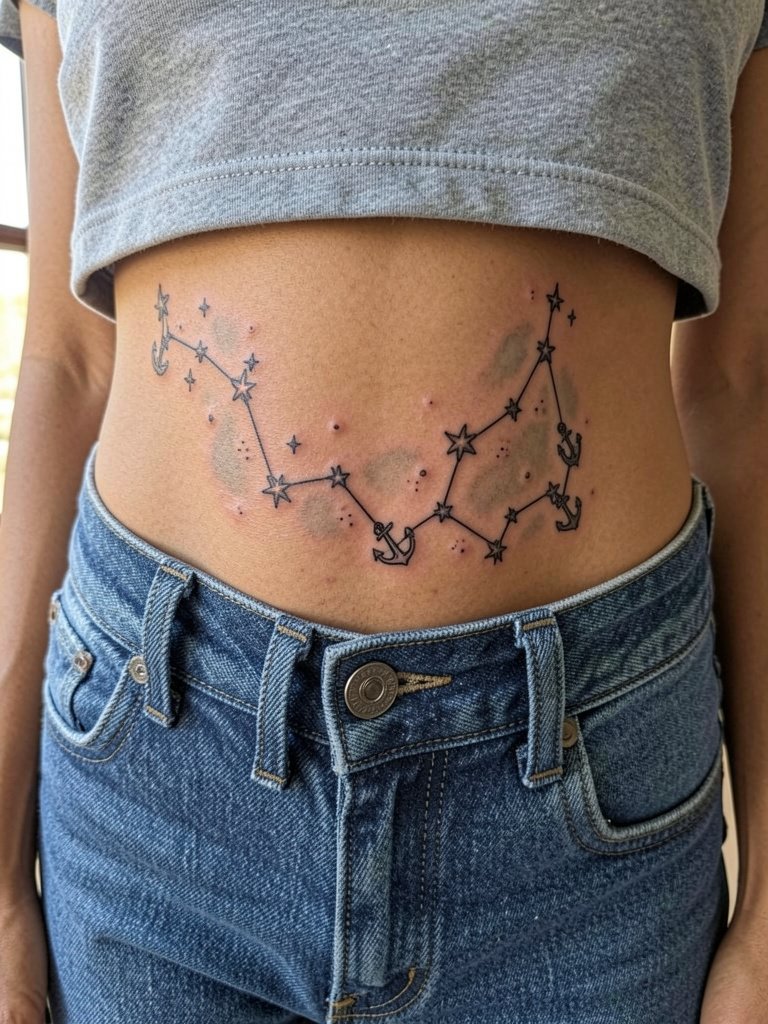
Large arcs from ribs to hip read beautifully when anchors are placed where the body curves naturally. A common mistake is trying to cram minute details into the curvature; instead use negative space and a few larger star anchors. Expect multiple sittings or a long session depending on shading. Sensitive area and movement mean plan for touch-up at one year. Wear low-rise jeans and a cropped top to the appointment so the artist can access both rib and hip without fabric stretching. For nights out the design pairs with high-slit skirts or low-back dresses.
15. Small Constellation on the Ankle
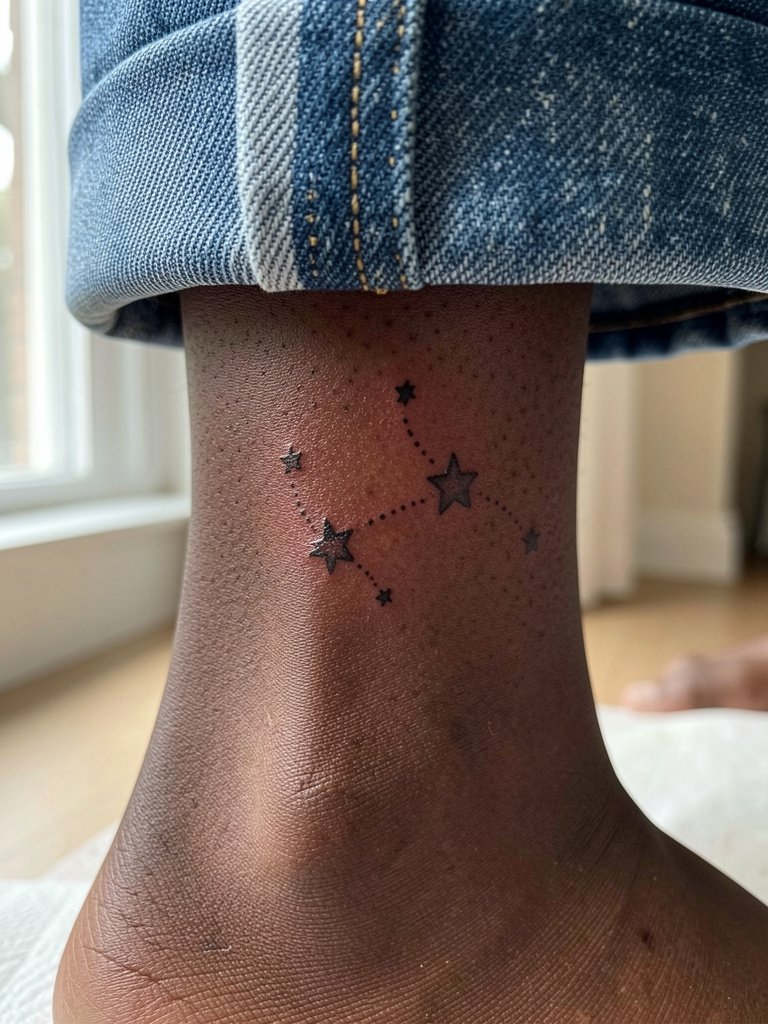
Ankle constellations need anchor stars with slightly heavier fill because daily footwear and socks add friction. The usual mistake is ultra-fine dots that fade unevenly. Plan for a short session of 30 to 60 minutes and anticipate touch-up at the one-year mark. For the appointment wear rolled jeans or low-cut shoes so the area is easily exposed without tugging. After healing, the design stands out nicely with cropped pants and open sandals, try minimal leather sandals to show it off.
16. Chest Constellation Between the Clavicles
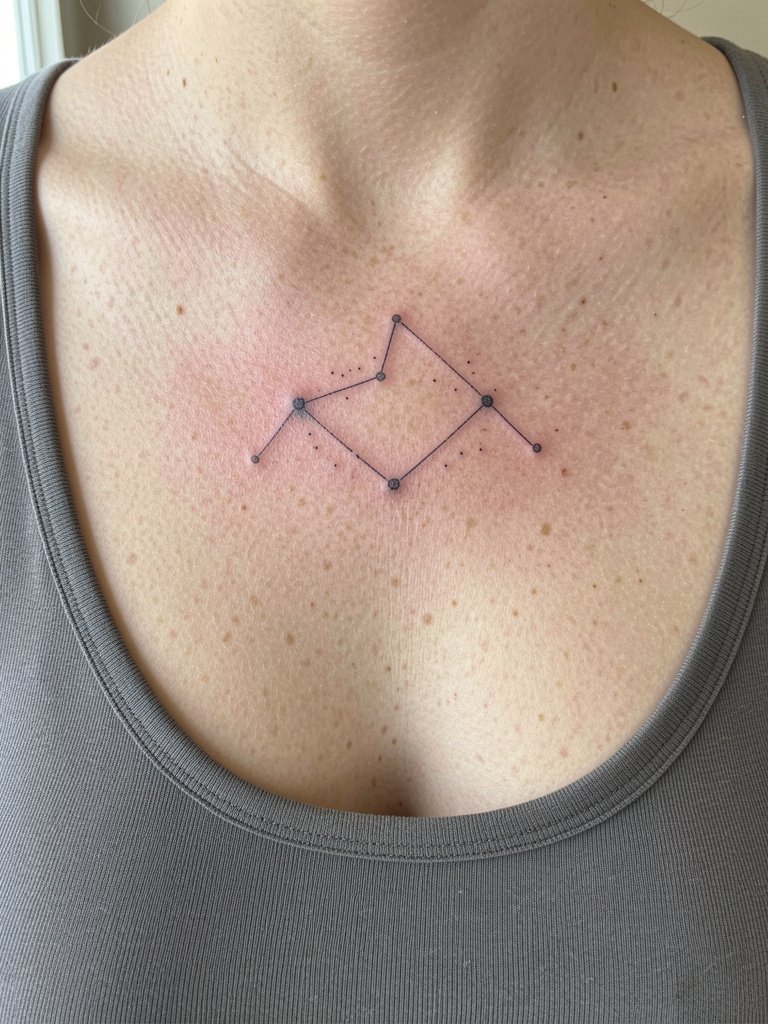
Central chest pieces sit on moving skin and can be affected by sun exposure. The common longevity mistake is choosing hairline connectors that fade unevenly across the sternum. A practical approach is slightly larger star anchors and UV protection during healing. Sessions range from 45 to 120 minutes. Wear a scoop-neck to the appointment for unobstructed access. This location looks great with open-neck blouses and layered chains.
17. Delicate Constellation on the Back of the Hand
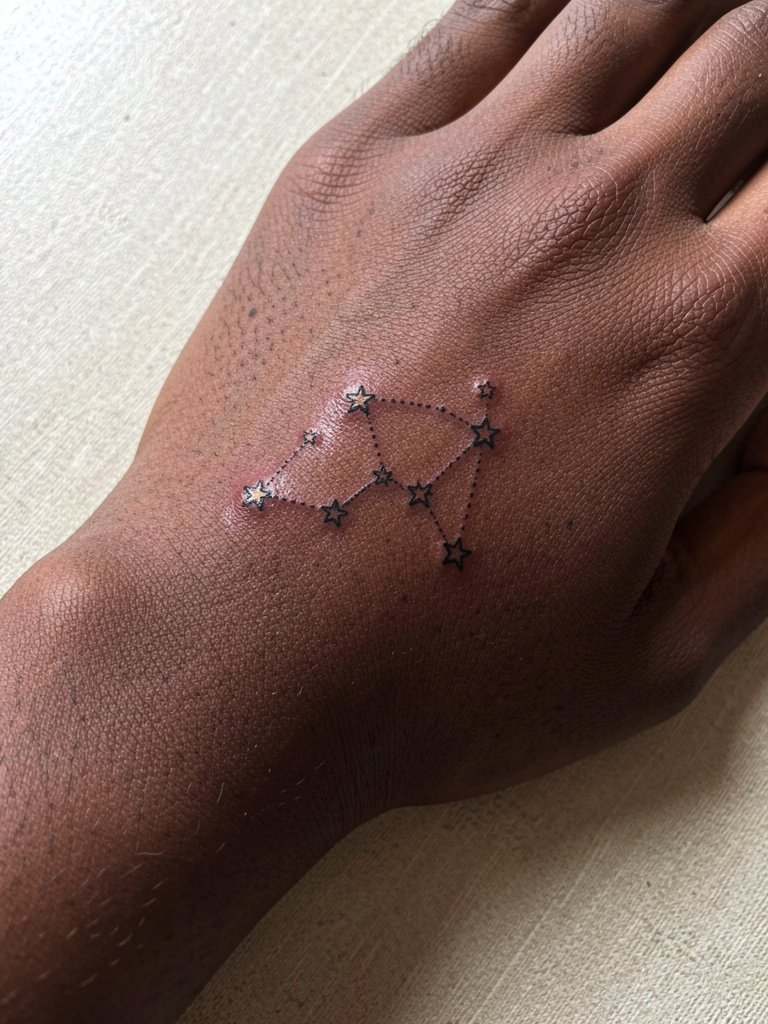
Hand constellations are high visibility and high fade risk because of constant use and washing. One camp of artists cautions against intricate micro lines on hands, stating they blur quickly due to the thin skin and constant abrasion. The other camp recommends slightly bolder anchors and higher saturation to maintain shape and will show healed hand work to support the approach. If you want a hand constellation, budget for touch-ups at six to twelve months. Sessions are short but can be painful and sensitive. Keep rings off during healing and consider minimal nail polish that will not rub the area.
18. Moon-and-Constellation Over the Hip
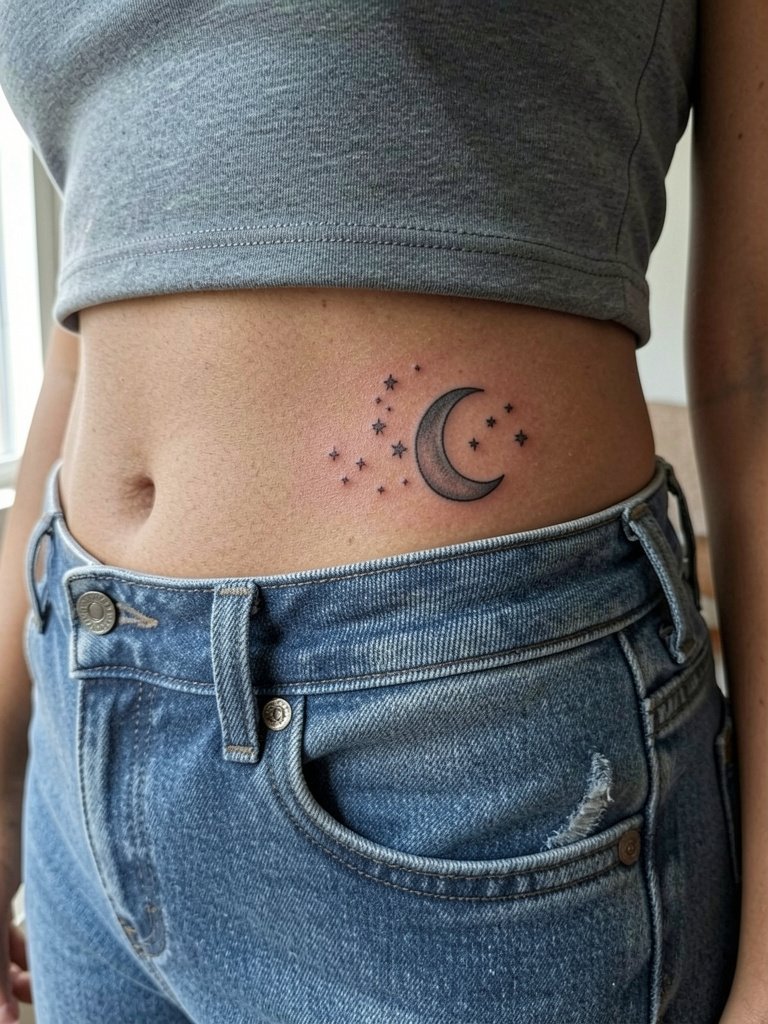
Hip pieces enjoy relative privacy and tend to age well when anchors are bold. Avoid ultra-thin moon crescents if you want lasting contrast. The session is moderate in length and can be tender near the hip bone. Wear low-rise jeans and a fitted crop that expose the area in a natural worn state for the appointment. After healing the piece pairs well with swimwear and side-slit skirts.
19. Linear Constellation Along the Spine
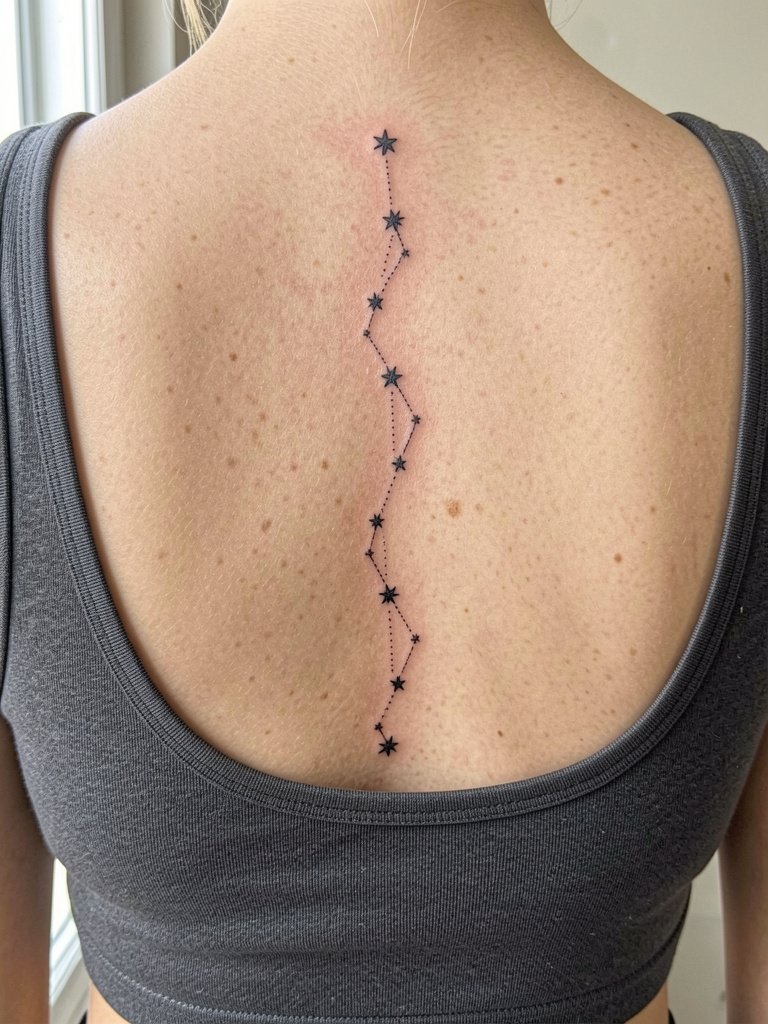
Spine constellations need even spacing because the area elongates and compresses with posture. A design with evenly sized anchor stars resists the telltale gaps that appear with movement. Session time is variable and can take longer if shading is added. For the appointment wear a cropped tank or low-back top that the artist can work under without tugging. Post-healing the vertical line photographs well in backless or low-back garments.
20. Constellation with Botanical Accents on the Shoulder Cap
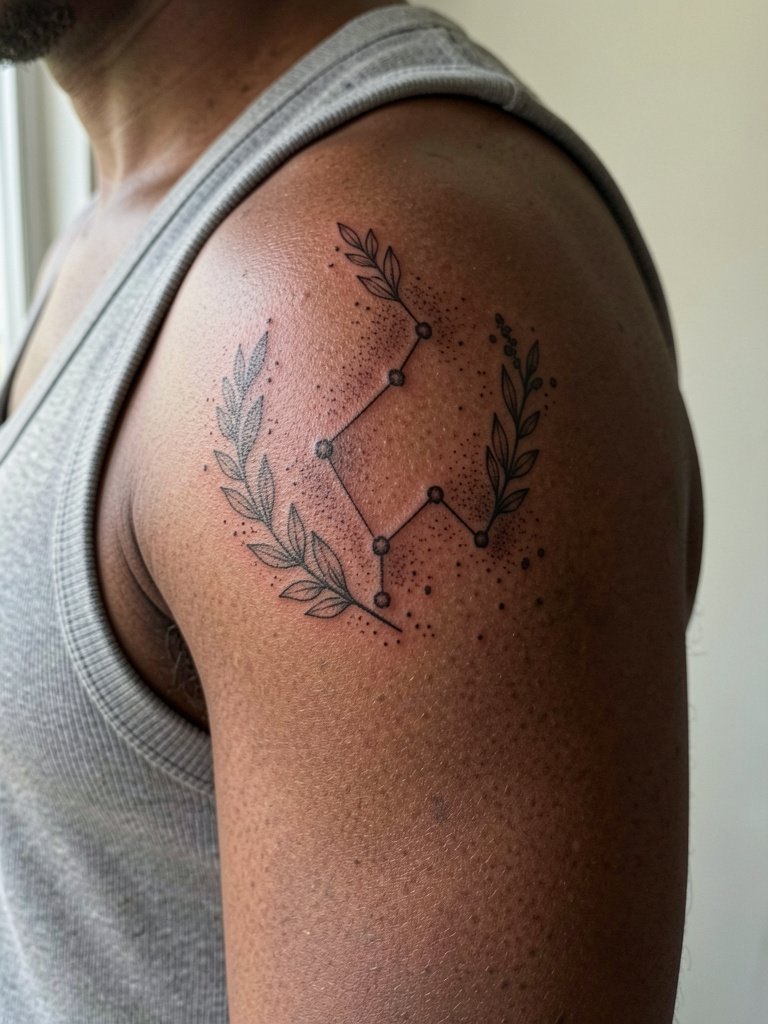
Shoulder cap pieces are forgiving for small detail because they sit on stable, low-friction skin. Choose a constellation with a few botanical accents if you want the piece to read as both celestial and organic. During the consultation specify which elements should be the focal anchors so the composition reads from a distance. Sessions are comfortable and often complete in 60 to 120 minutes. Wear a sleeveless top for the appointment and consider open-back or tank styles to show it off.
21. Small Constellation Inside the Wrist
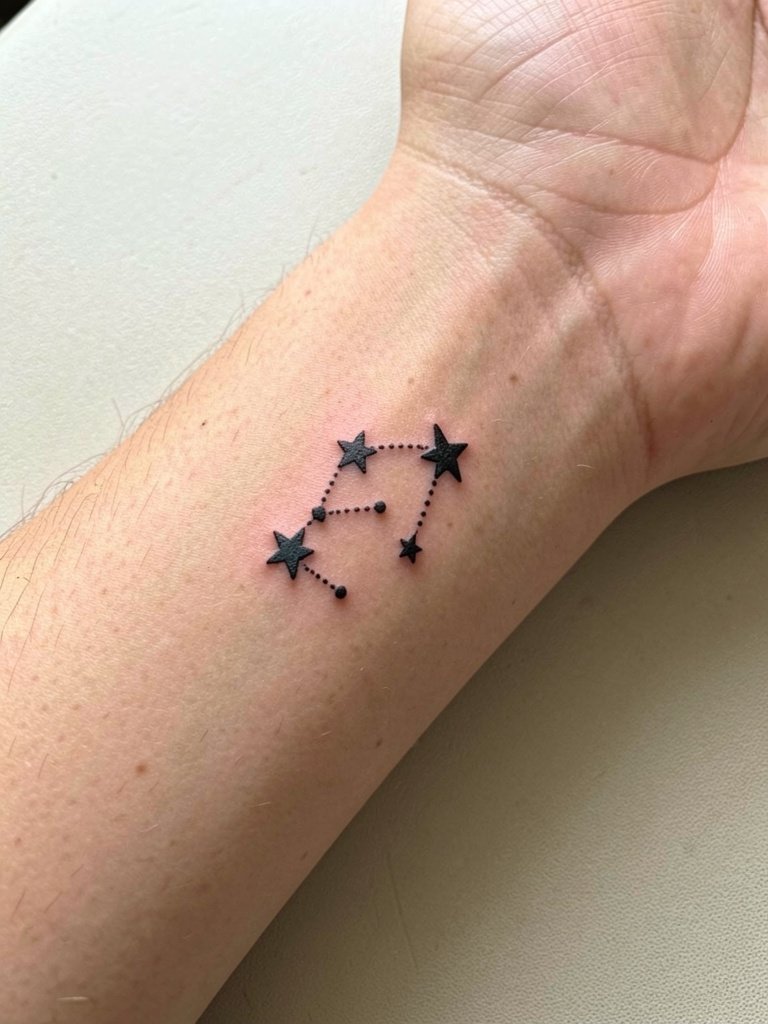
Inside-wrist constellations are intimate and visible, but the surface sees a lot of water and motion. The usual error is asking for hairline connectors that fade into a smudge. Ask instead for slightly larger dots and a plan for a touch-up at the one-year mark. Session length is short and the site is sensitive. For the appointment wear a loose sleeve that can be rolled without compressing the area. Pair the healed mark with bracelets that do not rub, such as thin adjustable cord bracelets.
22. Tiny Constellation on the Side of the Neck
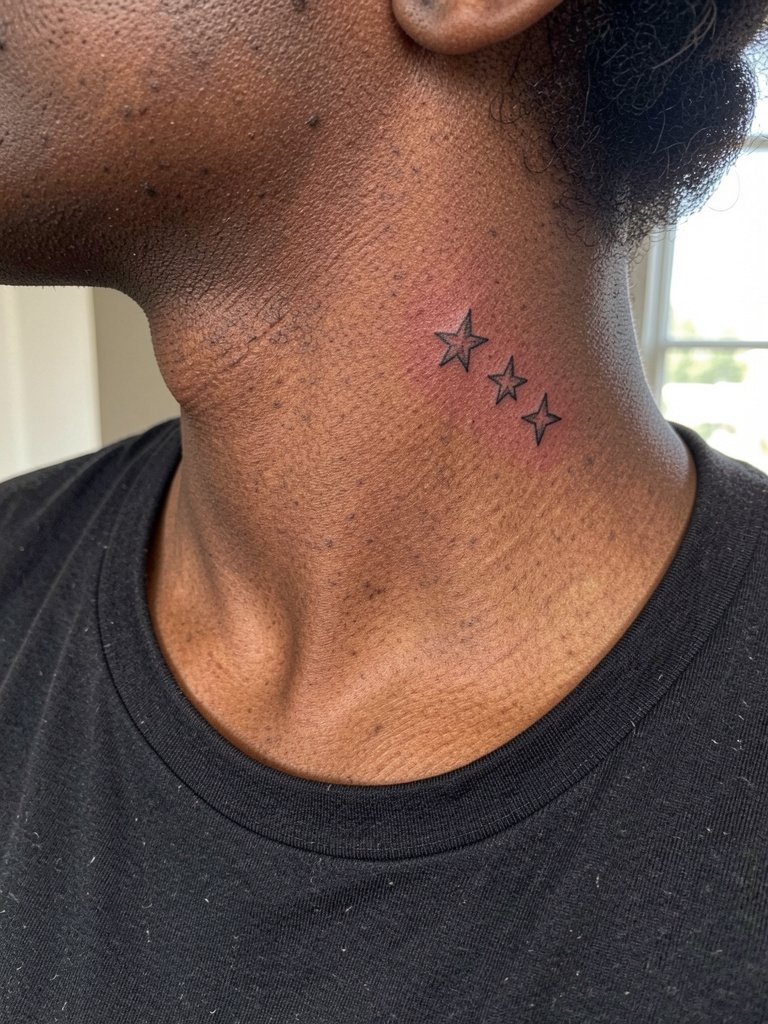
Neck constellations are visible and come with social considerations plus a slightly higher fading risk due to sun exposure. The mistake is trusting ultra-thin connectors to last outdoors. Ask for micro anchors and plan sunscreen use on healed skin. Sessions are short but can be sensitive due to proximity to bone. For the appointment wear a wide-neck top that exposes the lateral neck without tugging. This piece pairs with hair styles that reveal the neck line.
23. Watercolor-Adjunct Constellation on the Shoulder Blade
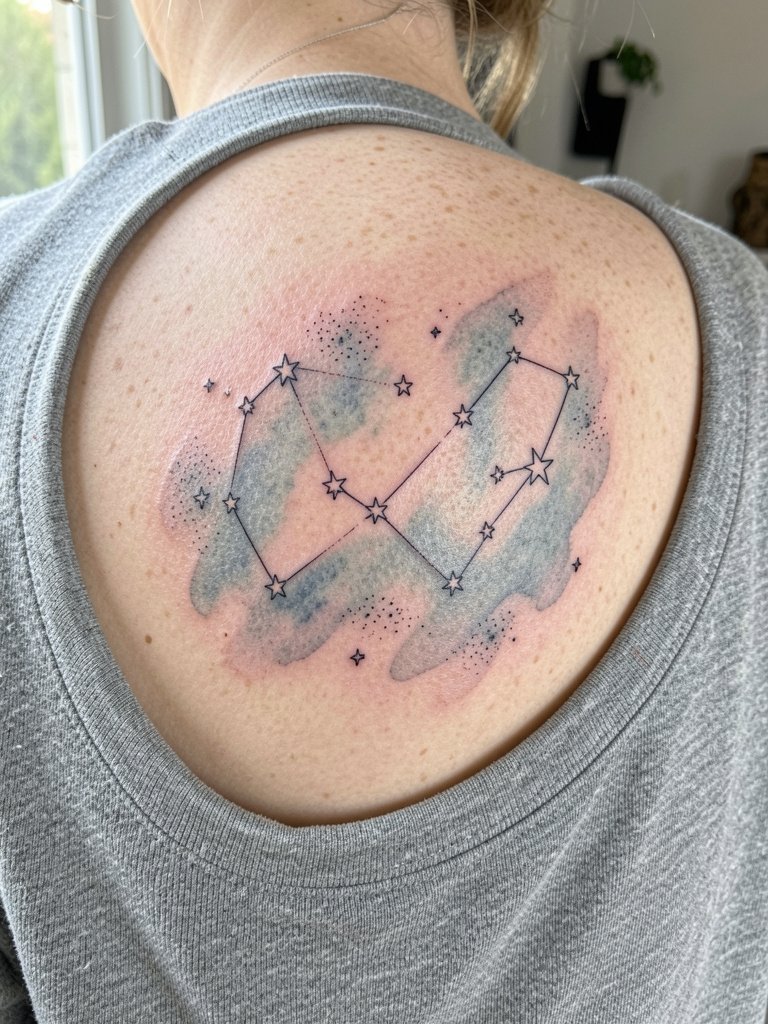
Adding a watercolor wash behind tiny stars gives depth but increases the chance of color migration over time. If you choose this style, ask for denser anchor stars and conservative wash saturation to avoid muddying the dots. Sessions are longer and often done in stages. Wear a wide-neck or off-shoulder top for the appointment. When healed, this style stands out with sleeveless dresses and off-shoulder tops.
24. Interlocking Constellations Across the Upper Arm
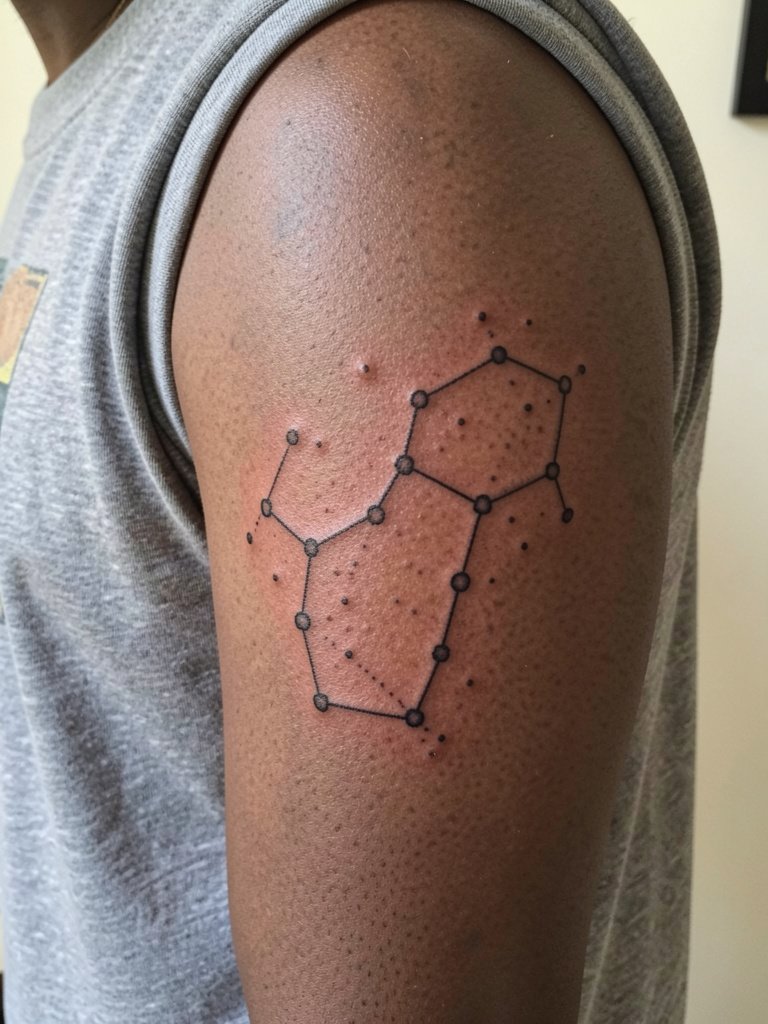
Upper-arm interlocking constellations work because that area tolerates fine detail and movement. A common mistake is overlapping elements too tightly, which makes the design unreadable as it ages. During the consultation map where each arm crease will fall and allow space between clusters. Sessions are comfortable and usually under two hours. For the appointment wear a sleeveless tee and plan to show the healed work with short-sleeve shirts or rolled sleeves.
25. Small Constellation on the Hip Crease
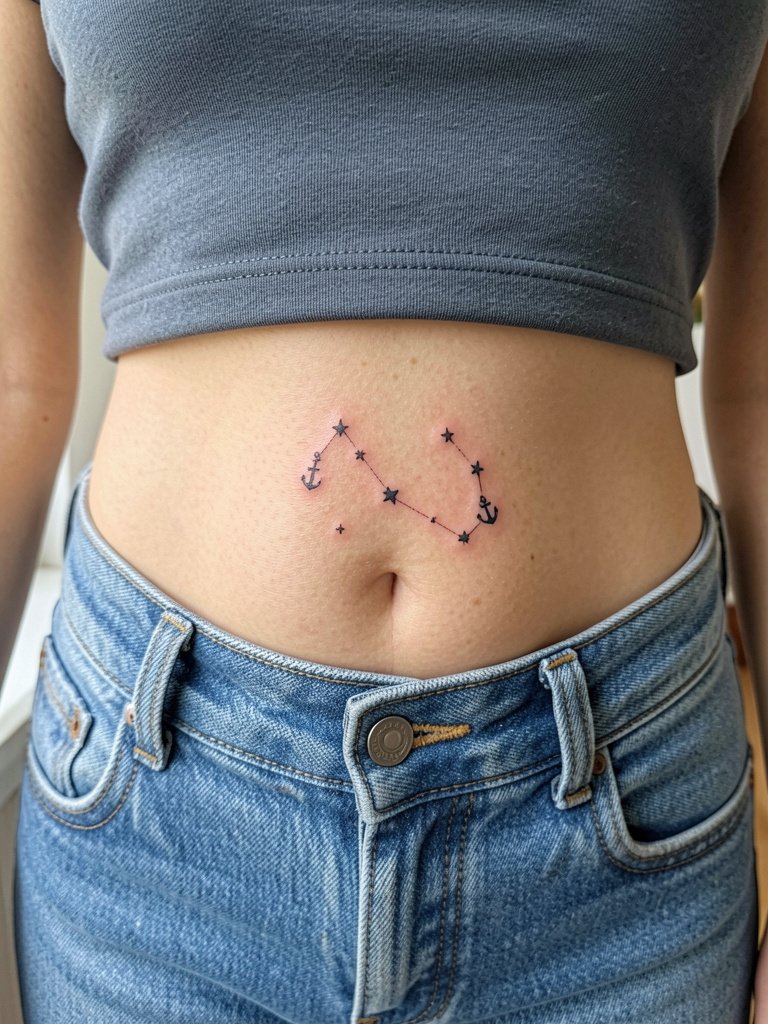
Hip-crease constellations can hide nicely under clothing but face friction from waistbands. The typical mistake is placing micro dots directly where the waistband will rub. Instead place anchors slightly above the waistband line and use a small halo of negative space. Sessions are moderate in length and can be tender near bone. For the appointment wear low-rise jeans that sit naturally below the tattoo so the artist can access the area without pulling fabric. Showing it off works with swimwear and low-rise styles.
26. Mini Constellation on the Inner Wrist with Script Accent
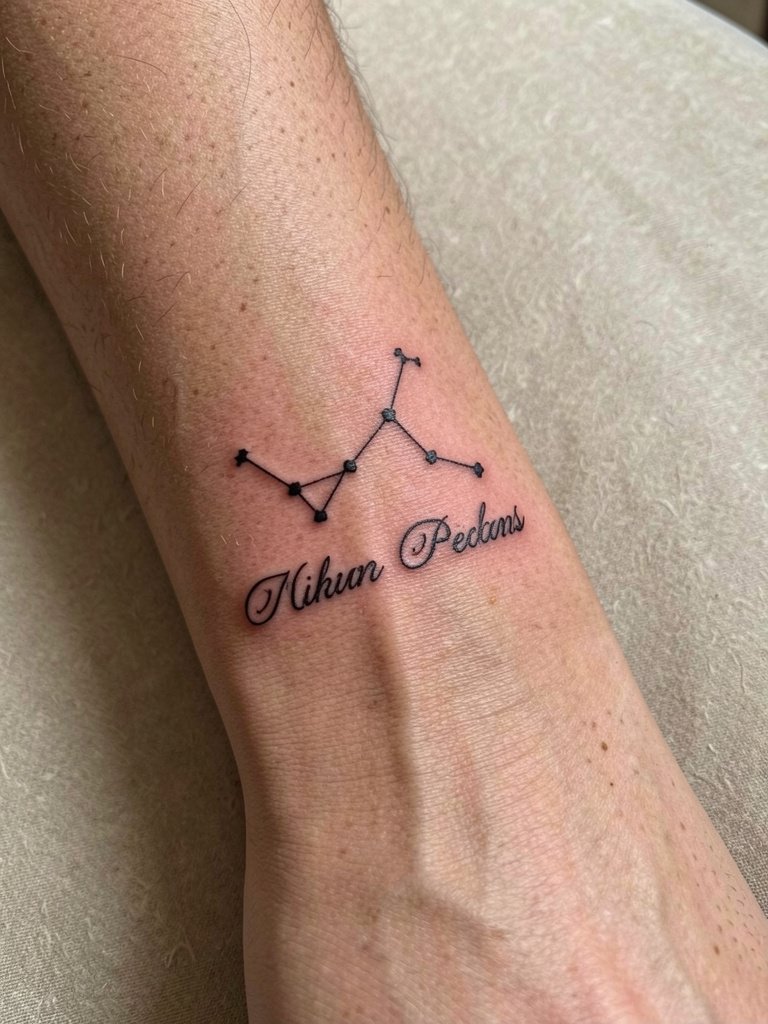
Combining a micro constellation with a small script can create a narrative piece, but script needs room to breathe to avoid letterforms softening. Bring the exact word and font reference so the artist can scale the lettering appropriately and check readability at three sizes. This area heals quickly but faces heavy hand motion. Sessions are short, 30 to 60 minutes. For the appointment roll sleeves up and wear minimal jewelry. A slim chain bracelet can complement the composition once healed.
27. Celestial Ankle Wrap with Tiny Stars
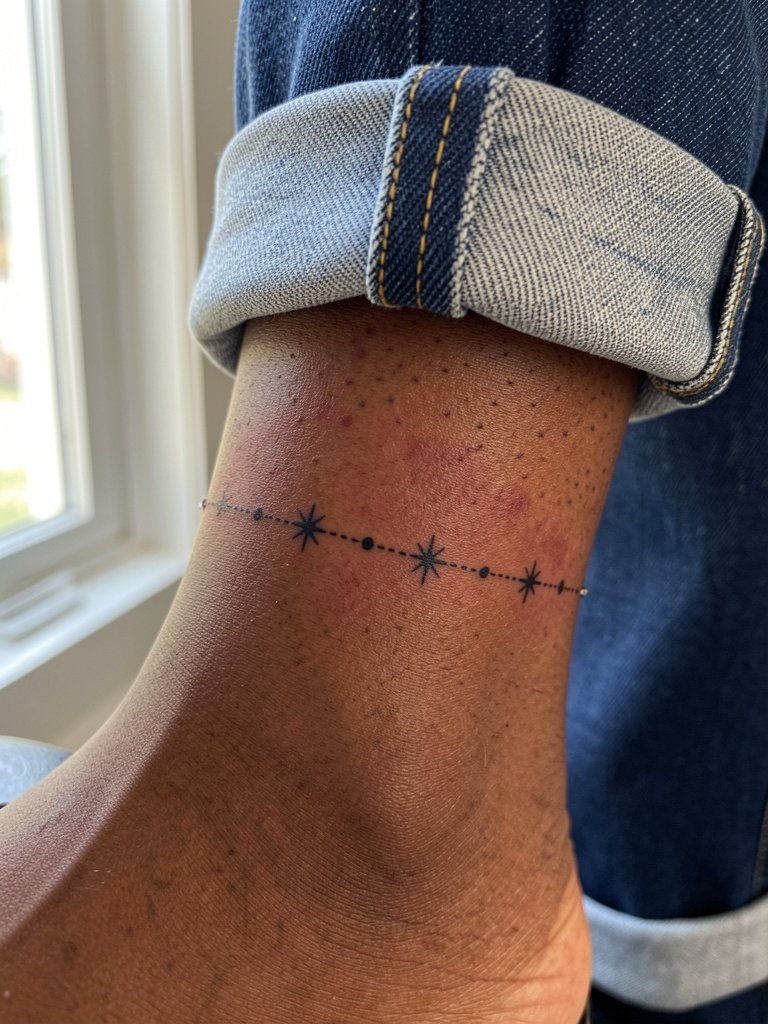
Ankle wrap constellations read best when anchors are evenly spaced and slightly filled to withstand shoewear. A common error is relying on ultra-fine dots that disappear under sock abrasion. Expect a 45 to 75 minute session and plan for a touch-up in the first year. Wear rolled jeans or open shoes to the appointment so the artist can work without fabric interference. This look photographs well with cropped pants and sandals.
Frequently Asked Questions
Q: How do I decide between single-needle fine line and slightly reinforced dots for a constellation?
A: It depends on placement and lifestyle. For high-friction zones like fingers, hands, and ankles I advise slightly reinforced filled dots because they resist blowout and washing better. For low-friction chest or thigh work, single-needle fine line can read beautifully if anchors are given breathing room.
Q: Where can I find healed constellation portfolios and local artists without naming people directly?
A: Search platform tags for healed examples and use location filters on social video apps and image platforms. Look for keywords like "healed constellation tattoo" and "minimal healed stars" and browse portfolio sections on major tattoo directories. Reddit threads and neighborhood shop pages often show healed shots in different skin tones.
Q: How often do constellation tattoos need touch-ups?
A: Touch-up frequency varies by placement and skin type, but many small constellations need a touch-up in the first 6 to 18 months, and then occasionally after that depending on sun exposure and wear. Plan for at least one short touch-up session for fingers, hands, and wrists.
Q: What should I wear to my session for a rib-to-hip or sternum constellation?
A: For rib-to-hip and sternum sessions wear fitted pieces that expose the area without being pulled or lifted. A fitted sports bra or bandeau and low-rise bottoms work well so the artist can access the site without adjusting fabric.
Q: Can I pair a constellation with jewelry or clothing to show it off?
A: Yes, many constellation placements were chosen with wardrobe in mind. For wrist and ankle pieces choose minimalist bracelets and sandals that do not rub the healed ink. A lightweight spaghetti-strap top or off-shoulder blouse frames collarbone and shoulder constellations nicely.