Watercolor tattoos read like paintings on skin, but they behave like tattoos over time. Bright, bleeding color can look incredible the first year and then blur into a softer wash unless the piece has the right anchors of linework and saturation. If you want color that still reads five years in, choose composition that balances airy washes with deliberate negative space and predictable touch-up windows.
1. Tiny Watercolor Galaxy on Inner Forearm
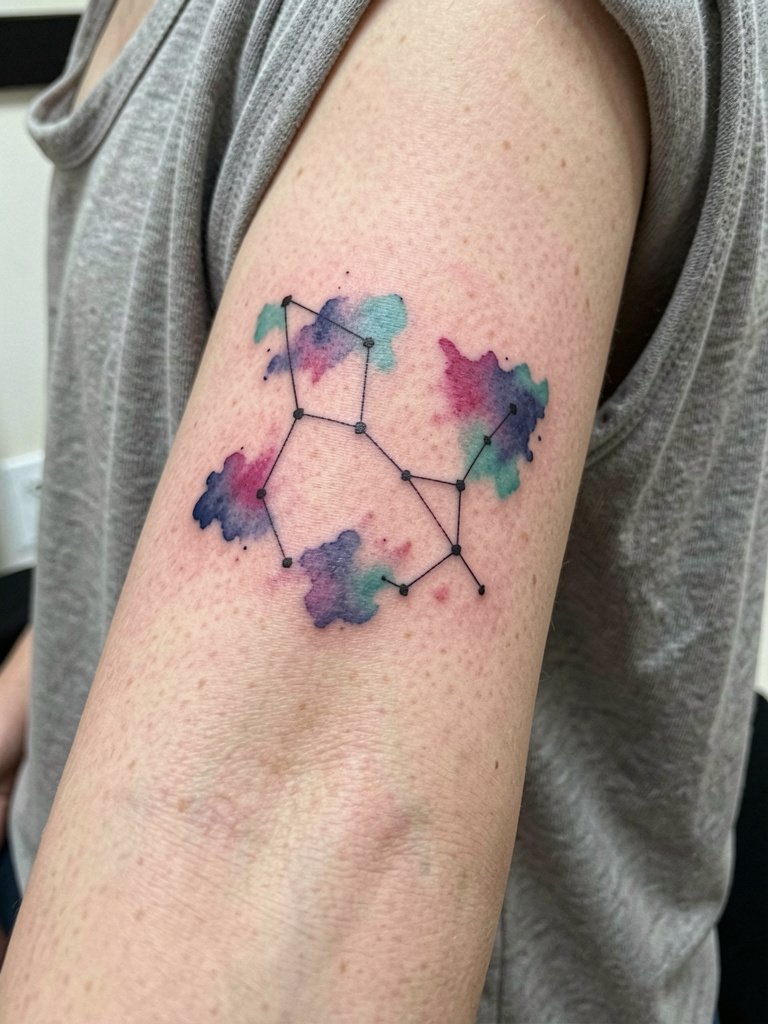
A small watercolor galaxy works best on the inner forearm when the washes sit around sturdy linework rather than replacing it. Recommend slightly heavier linework than a pure single-needle flash so the tiny stars and dots still read after two years. Expect one session of 45 to 90 minutes depending on color saturation, with a possible touch-up at nine to twelve months for faded pigments. Common mistake is requesting only pale washes without anchors, which leads to the color becoming an indistinct bruise over time. For showing it off, wear rolled-sleeve linen shirts in neutral tones that let the color pop against skin.
2. Oversized Watercolor Peony on Shoulder Blade
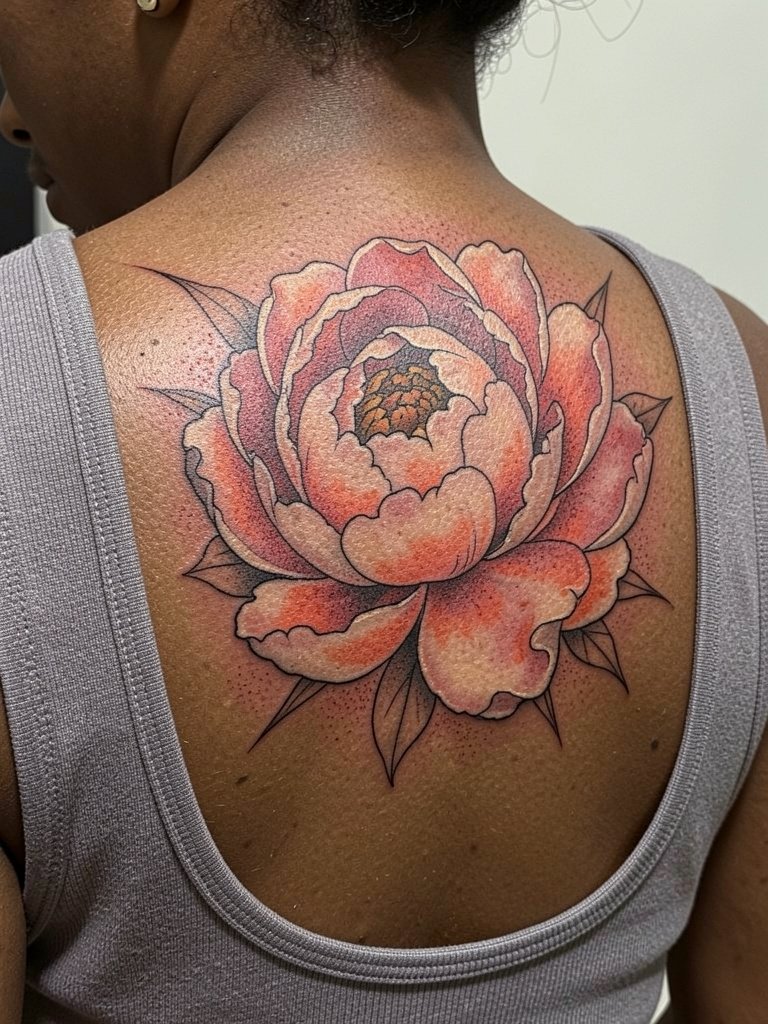
A shoulder blade canvas lets an oversized watercolor flower breathe and age gracefully because the skin there moves less than the forearm. Session time is often two to three hours for heavy layering and saturation. If you want long-term vibrance, ask for deeper color saturation in the first session rather than relying solely on touch-ups later. Blowout risk is low on this placement, but poor stencil placement can distort a petal when you raise your arm. For evenings out, this piece pairs well with open-back dresses that frame the bloom.
3. Minimalist Watercolor Feather on Collarbone
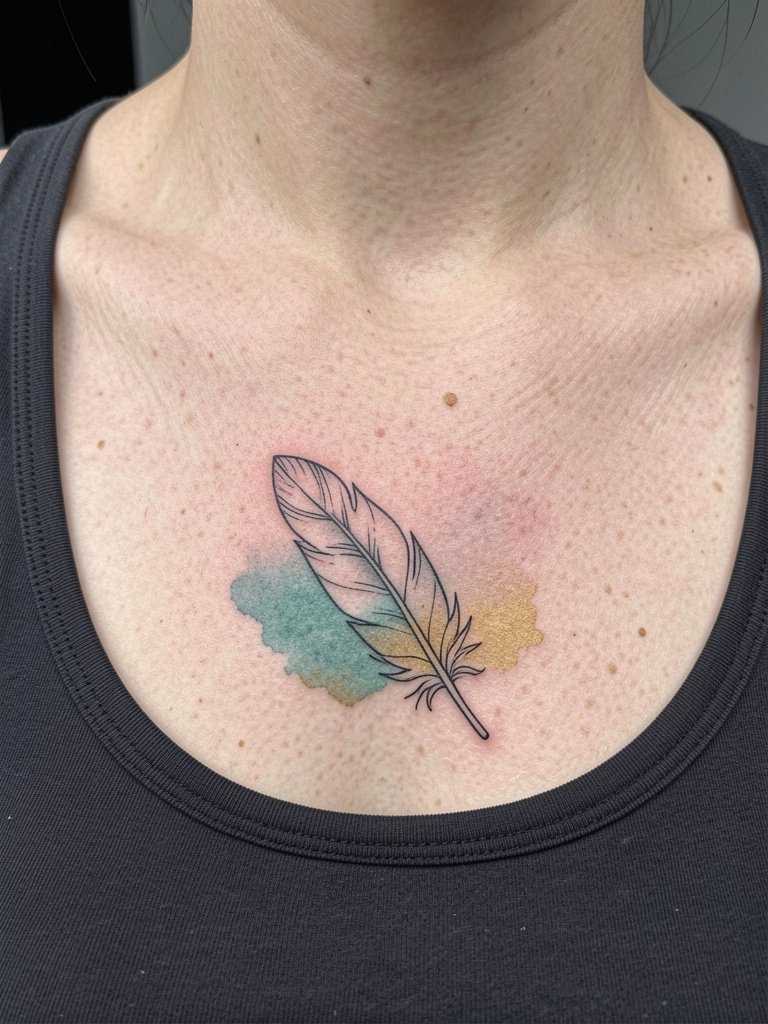
Collarbones show movement and friction from necklaces, so keep watercolor feathers slightly offset from the bone edge and anchored by thin contour linework. Expect 30 to 60 minutes of needle time and a touch-up at one year if the wash was intentionally pale. The main mistake is placing ultra-delicate washes right on the bone where fading and crispness loss happen fastest. For a night out that frames the collarbone, try delicate pendant necklaces in warm metals that complement teal and gold washes.
4. Watercolor Koi Cluster on Calf
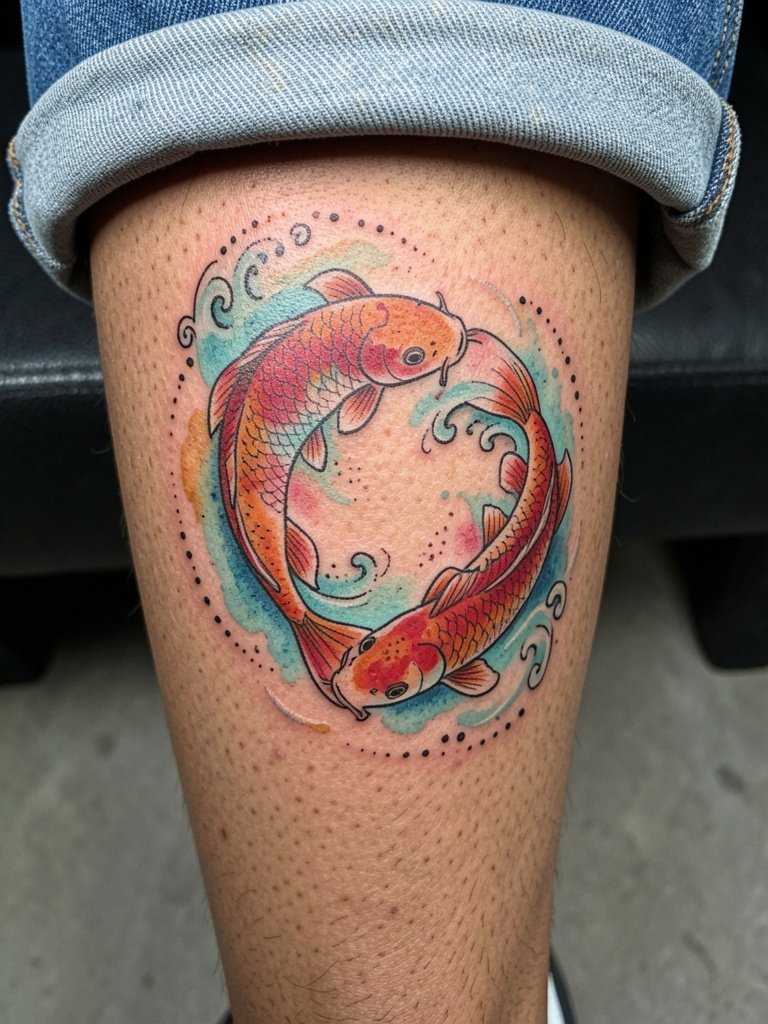
Calf pieces let watercolor flow along muscle shape and read well from a distance. Muscle contraction can slightly alter linework during the session so expect the artist to request calf relaxed for accurate stencil placement. Sessions range from one to three hours. A typical mistake is compressing a multi-fish scene into too small an area, which creates overlapping color that flattens after healing. Wear loose drawstring linen pants to the appointment so the artist can roll the leg without pressure on the fresh ink.
5. Fine-Line Watercolor Script on Inner Wrist
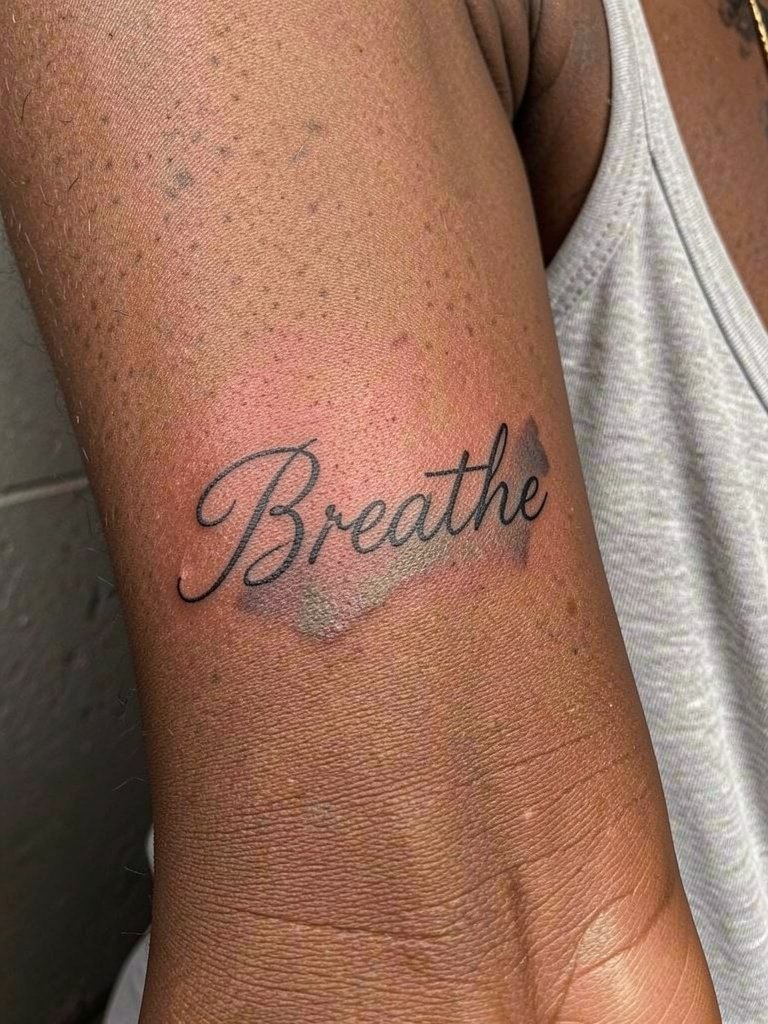
Inner wrist scripts are delicate but high risk for detail loss because the skin there is thin and mobile. For longevity, choose slightly bolder single-needle work with a narrow but visible wash behind the lettering. Sessions are short, 30 to 45 minutes, and many people need a touch-up within a year. The common error is requesting ultra-tiny letters that merge. For showing a wrist piece, stack thin bracelets or wear minimalist cuff bracelets that frame the spot without rubbing the ink in the first weeks.
6. Abstract Watercolor Sleeve Accent on Outer Arm
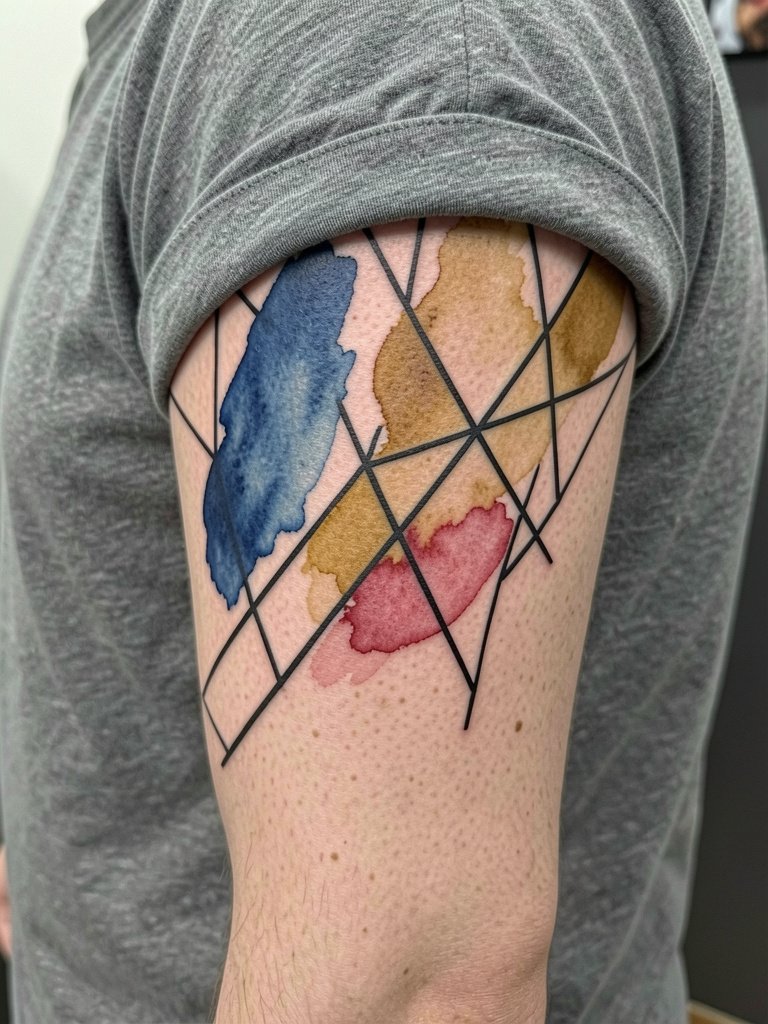
Using watercolor as accent panels within a sleeve gives the piece staying power because the linework framework protects washes from spreading into one another. Sessions vary widely for sleeves, with each color block often taking 60 to 120 minutes. Artists split on whether pure watercolor without outline can last in high-movement zones. One camp says watercolor needs bold framing to hold up. The other camp argues skilled saturation and spacing can keep outlines optional. If you plan layered work, bring reference images that show how washes sit next to blackwork and ask for placement drawn on skin to assess flow.
Session Day Picks
These small tools make the early hours smoother for the delicate placements above.
-
Skin-safe stencil transfer sheets. Helps preview linework placement on curved areas like the collarbone and inner wrist so you avoid stenciling too close to problem zones.
-
Topical numbing cream. Useful for longer calf or sleeve fills when you want to remain steady through multiple color passes.
-
Thin protective film roll. Keeps wrist and finger pieces from friction with clothing during the first days.
-
Fragrance-free body wash. Gentle cleansing helps the delicate watercolor washes heal without irritating newly opened channels.
-
Aquaphor Healing Ointment. A mainstream option for the initial thin-layer protection many artists recommend during the first 48 hours.
7. Botanical Watercolor Ankle Sprig
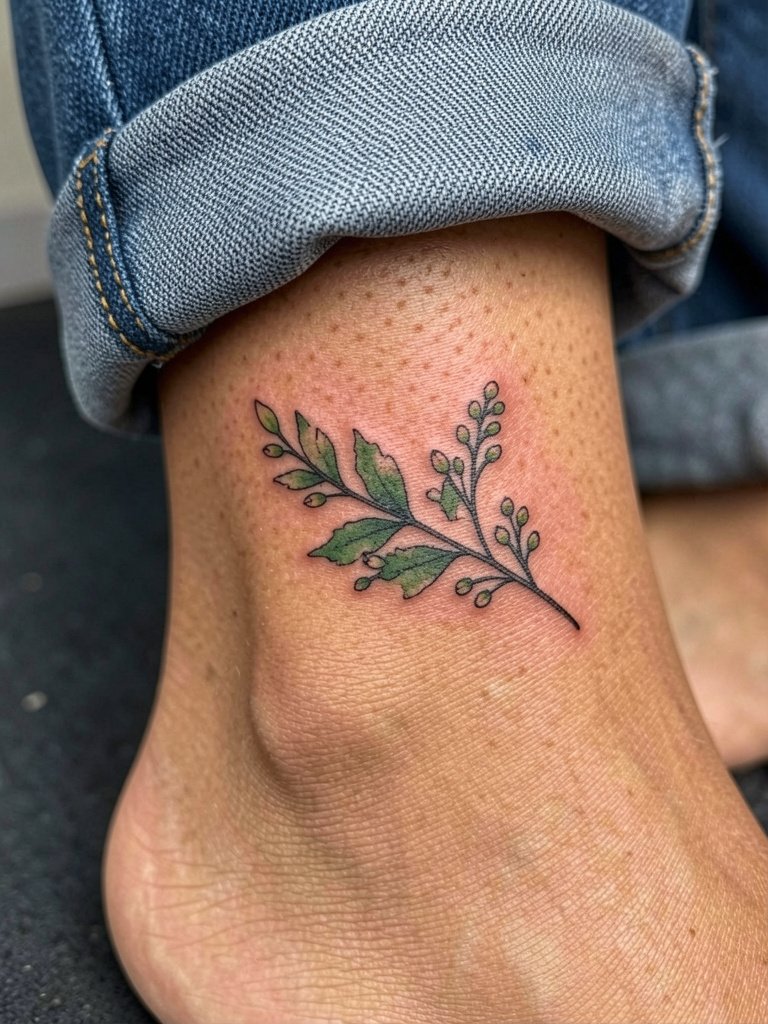
Ankle tattoos face frequent friction from socks and shoes, so the best approach is a clean silhouette with saturated pigment in the thicker segments rather than faint washes across the whole sprig. Expect a 30 to 60 minute session. Common mistakes include requesting tiny filigree along the bone that erodes into a smudge because the area rubs. For display, pair the ankle sprig with low-profile sandals or strappy leather sandals that keep the design visible and avoid sock rubbing.
8. Watercolor Mandala on Upper Thigh
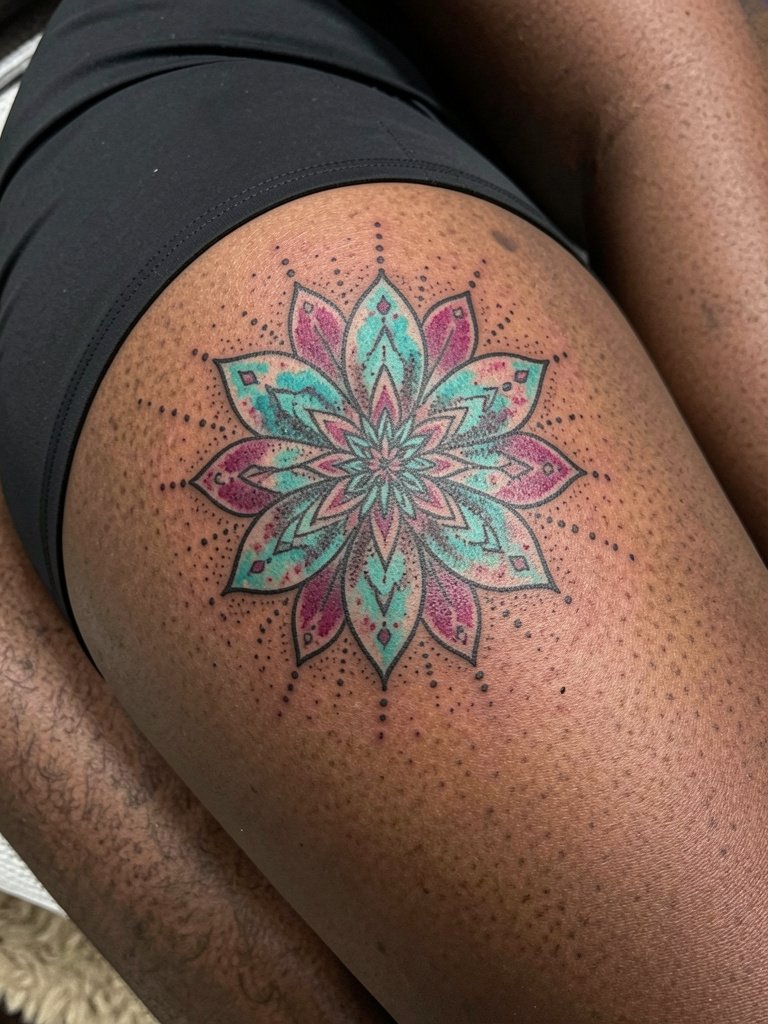
Upper-thigh mandalas have a lot of surface to hold crisp dot work and rich color. Expect two to four hours depending on size and the stippling detail. The thigh stretches with muscle changes, so plan for touch-ups at two years if you add a lot of subtle color transition. Because this is an intimate placement, work with an artist experienced in private sessions and proper draping. For sittings, wear modest athletic shorts so the artist can expose the area without discomfort.
9. Watercolor Hummingbird Behind the Ear
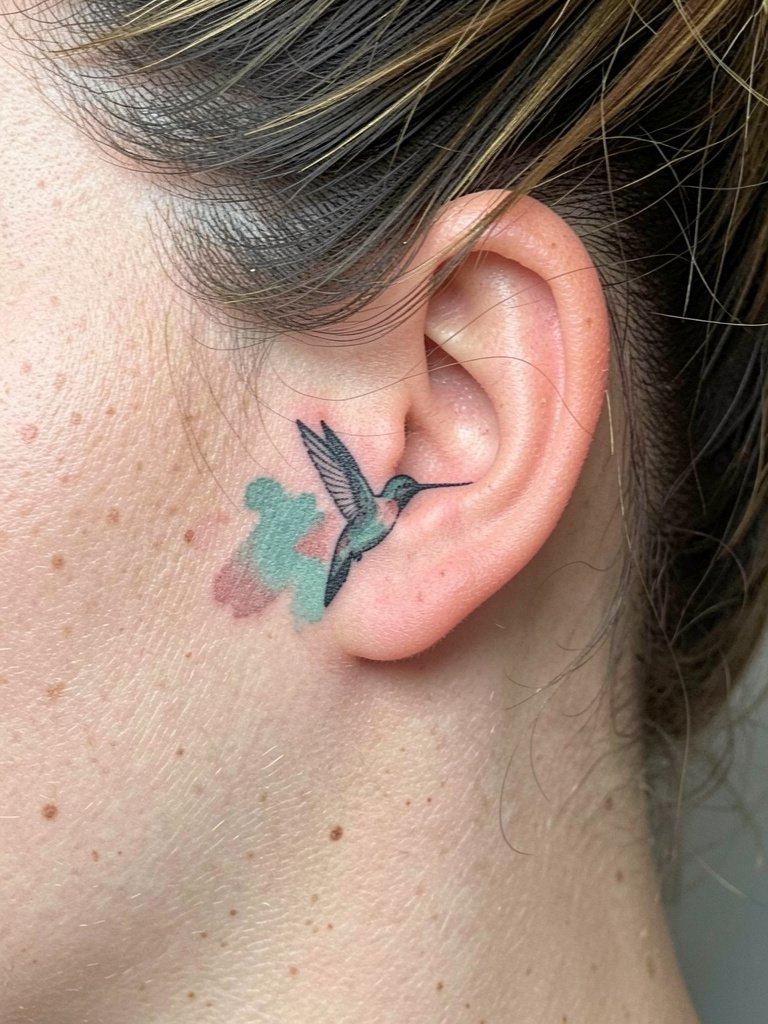
Behind-ear tattoos require a confident, specialized hand because the skin is thin and the area tends to blur if lines are too fine. Sessions are short, often under 30 minutes. One camp of artists will refuse to do micro-washes there because movement and hair growth cause early feathering. The other camp will accept the challenge and use slightly heavier outlines for longevity. If you choose this spot, seek an artist who shows healed photos from year two onward. For discreet showing, pick slip-on earrings or a simple ear cuff that complements the color without tugging the area.
10. Watercolor Pet Portrait on Ribcage
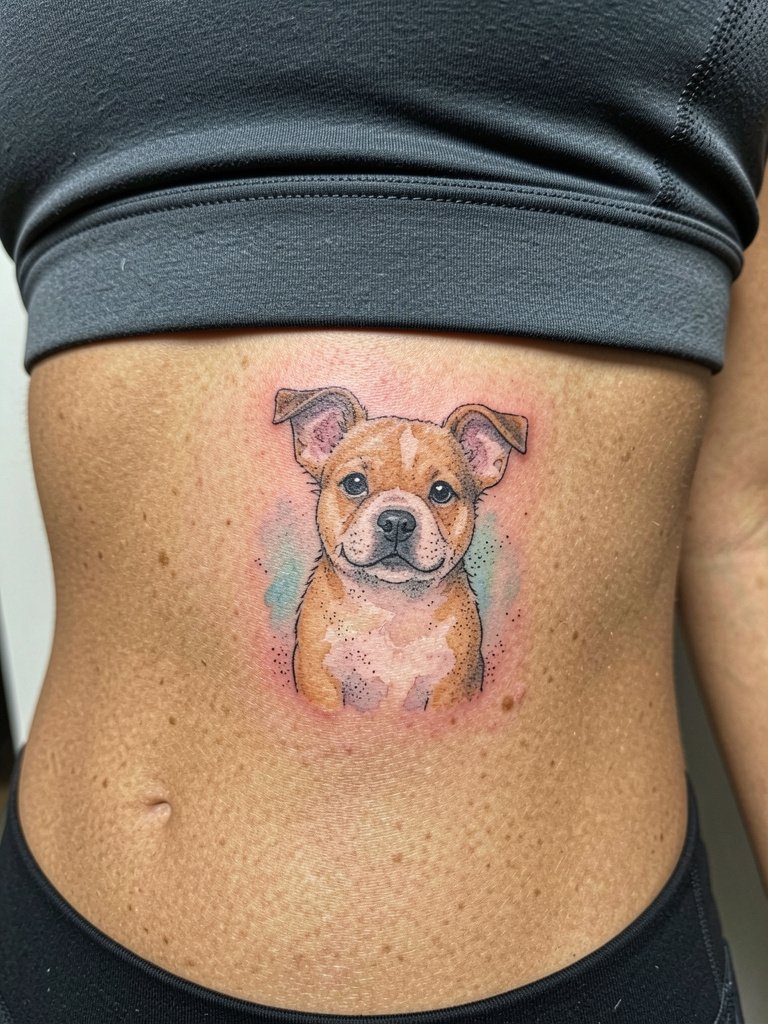
Ribcage sessions are known for higher pain, so plan for longer breaks and realistic session pacing. For watercolor portraits, place slightly more saturation in the midtones so facial features remain legible after healing. A common mistake is asking for ultra-soft washes without enough contrast, which leads to a muddy portrait after a year. If sensitivity is a concern, arrange two shorter sessions rather than one marathon. Bring a soft cropped top so you can expose the rib area without awkward adjustments.
11. Watercolor Wave on Side Torso
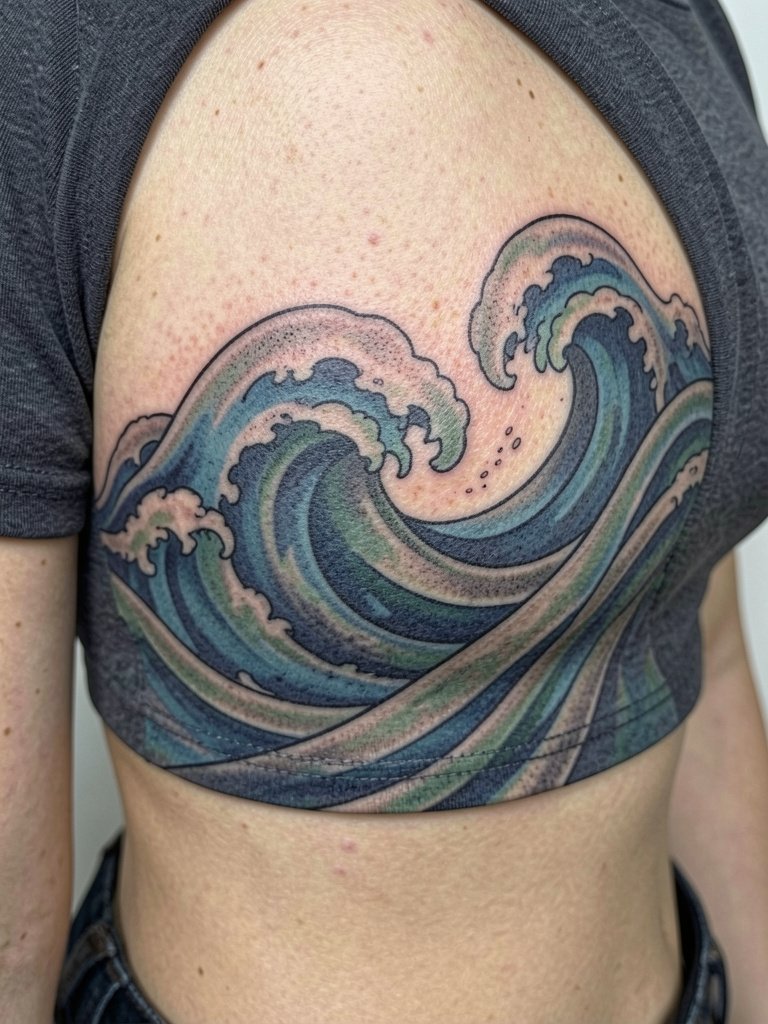
Side-torso watercolors can be dramatic but they stretch with body movement. Advise mapping the design while standing naturally so the wave flows with breathing lines. Expect longer sessions and a likely touch-up at one year if the client prefers bright saturation. The usual error is centering detailed small elements where the skin flexes most. If you want to show this off poolside, pair it with high-cut swimsuits or a scoop-back one-piece that frames the curve.
12. Neon Watercolor Lightning on Forearm
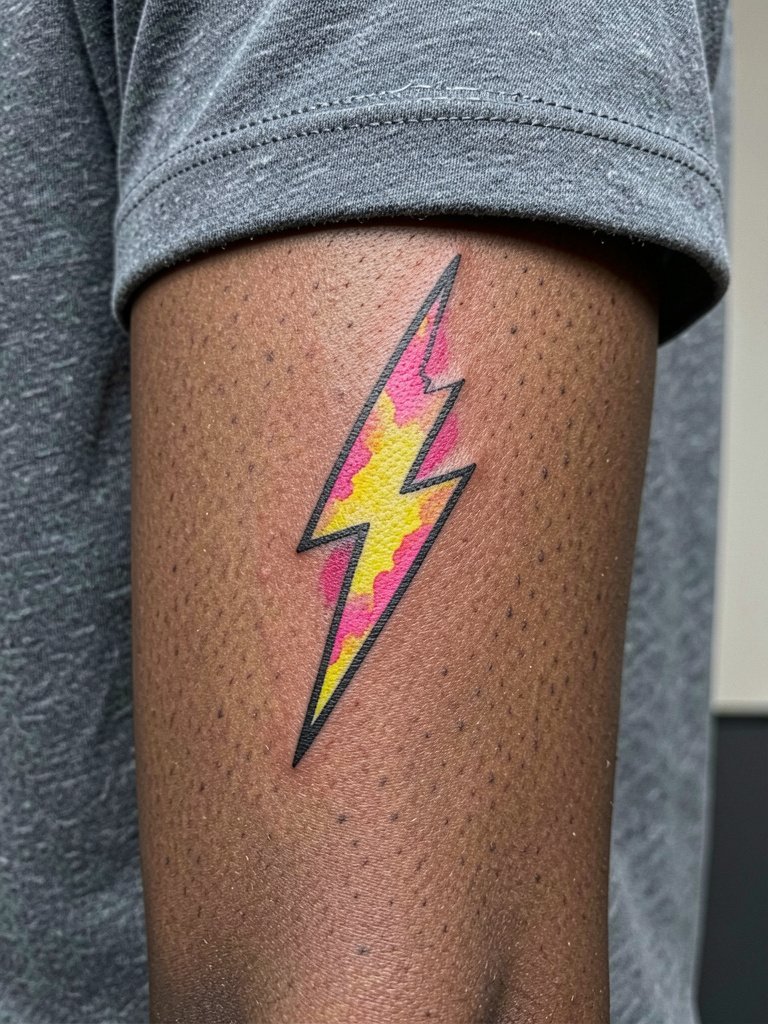
High-chroma pigments like neon require bold black edges to preserve shape as saturation drops over time. Expect vivid results initially and plan a touch-up window at 6 to 12 months if you want sustained brightness. A common mistake is treating neon like subtle watercolor without accounting for fading patterns. For casual wear that shows off the forearm, select short-sleeve shirts in plain fabrics and consider rolled cuff tees that keep the area visible.
13. Watercolor Landscape on Upper Arm
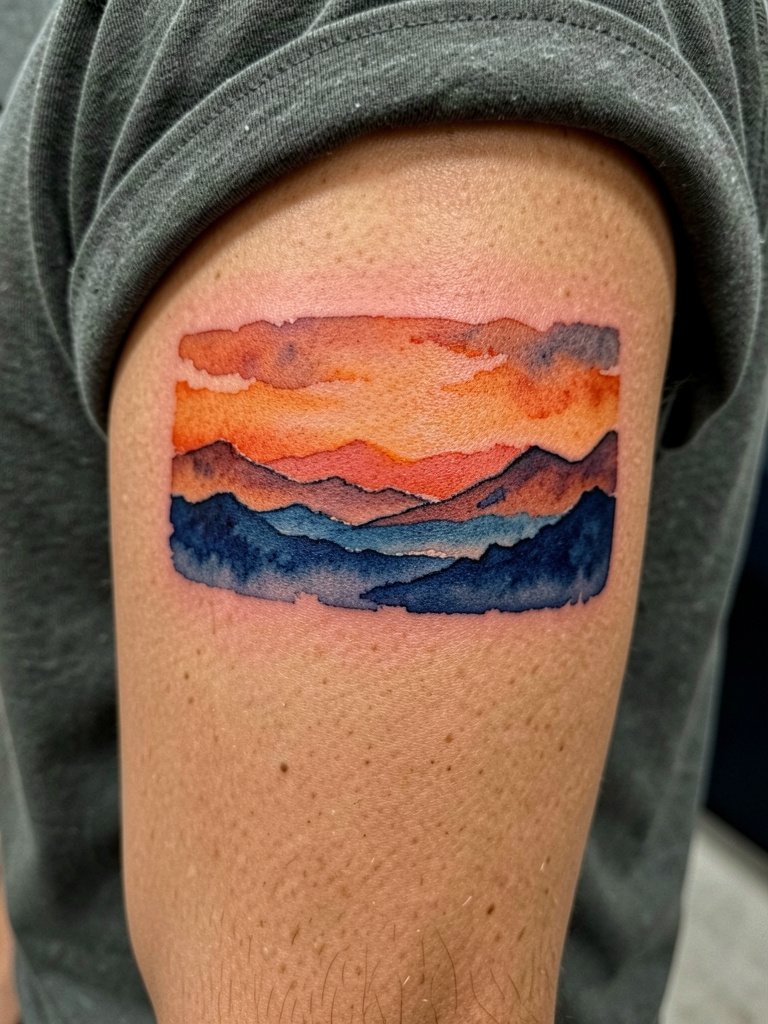
Upper-arm landscape pieces age predictably because the skin there shifts less. Use negative space strategically to keep distant horizons readable. Sessions can be one to two hours. Common mistake is compressing too many horizon details into a small band. Consider asking the artist to show a stencil in different scales to confirm readability. For day-of-session clothing, wear a loose tee so the artist can easily roll the sleeve without pressure.
14. Watercolor Abstract on Sternum
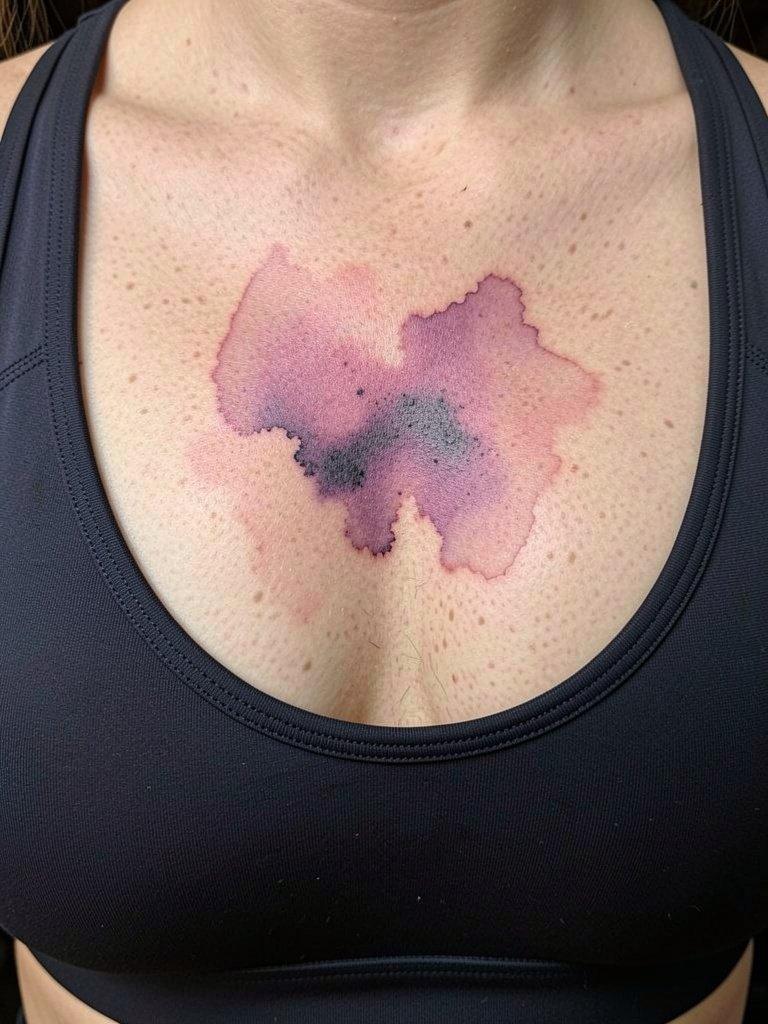
Sternum pieces are intimate and require an artist comfortable with that area because skin tension and breast movement affect line settling. Plan for longer healing times and schedule touch-ups after full tissue settling. One camp of artists avoids extremely pale washes on the sternum because they can vanish into skin tone. The other camp will layer more subtle washes and accept a more muted long-term aesthetic. If you choose this area, book with an artist who provides private, well-draped sessions. For the appointment, wear a fitted sports bra so the chest area is exposed appropriately.
15. Watercolor Geometric Overlay on Hand Back
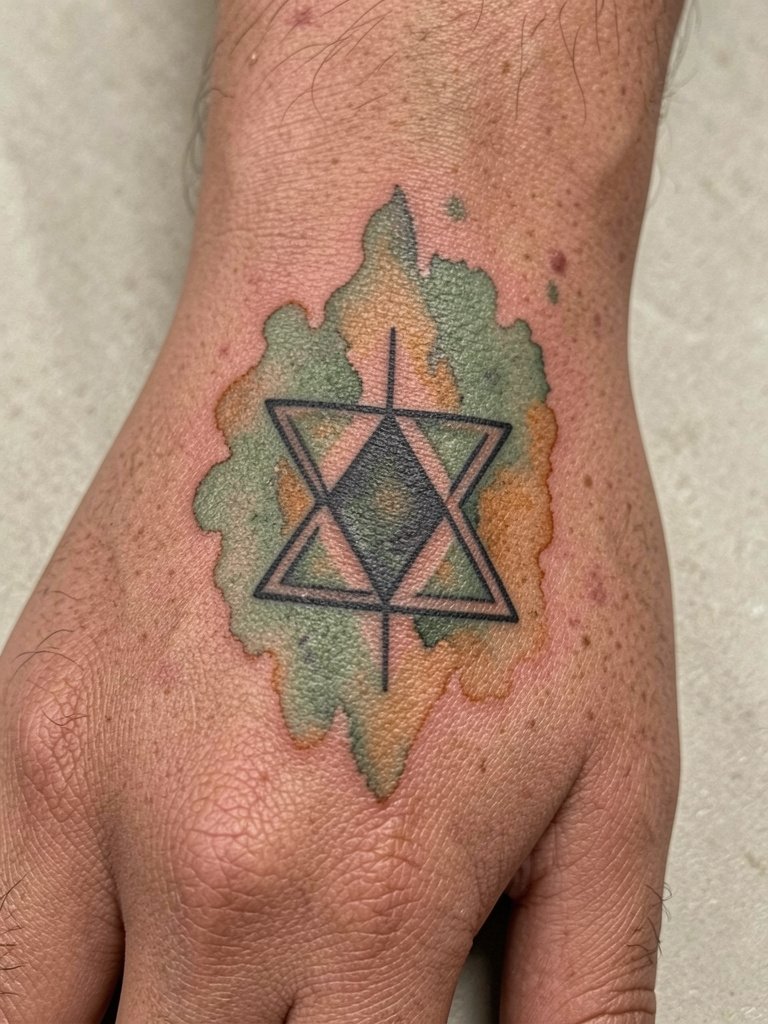
Hand tattoos face heavy wear and frequent fading, so combine geometric black linework with watercolor fields that can be refreshed. Expect multiple quick touch-ups over the first two years. The main mistake is relying solely on soft washes on the hand. If you want longevity, plan for bolder lines in the geometry to give the design structure. For showing a hand piece, wear minimal rings and consider a thin stacking ring set that highlights the motif without rubbing the skin.
16. Watercolor Butterfly on Lower Back
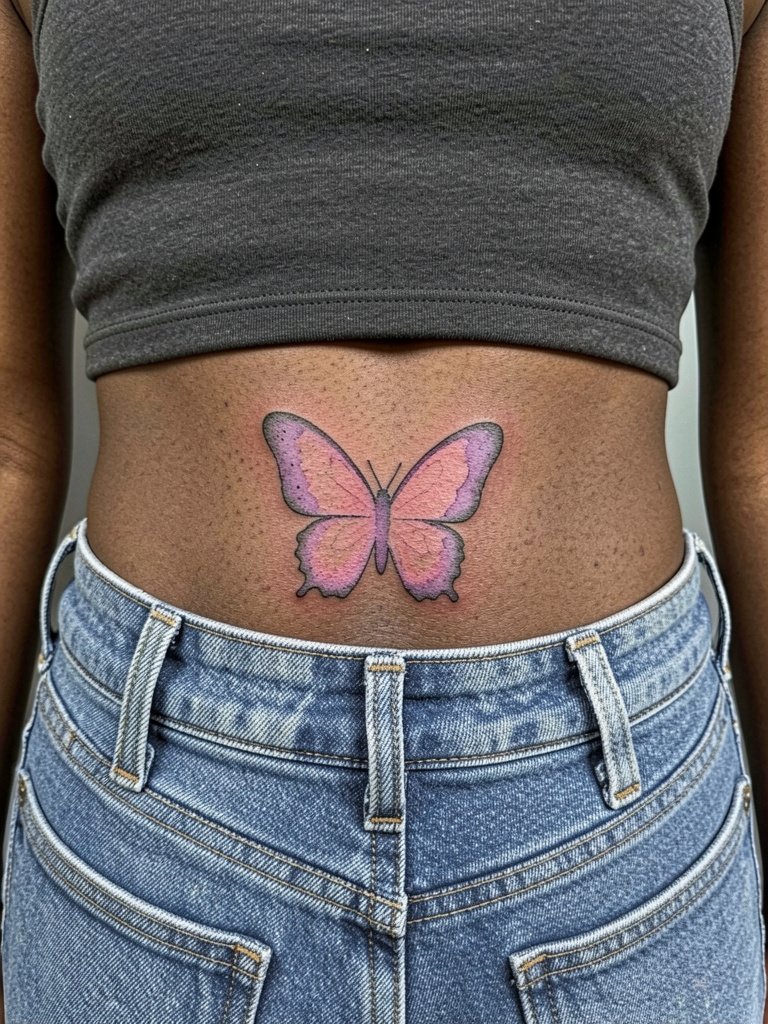
Lower-back watercolor can be dramatic and age well if the wings include strong spots of saturation and negative space to preserve shape. Sessions can be one to two hours. Common mistake is too much delicate shading without clear focal points, which causes the butterfly to lose definition. If you want to show it off occasionally, pick lower-rise jeans or a crop top like a cropped rib tank that frames the tattoo.
17. Watercolor Solar System on Chest
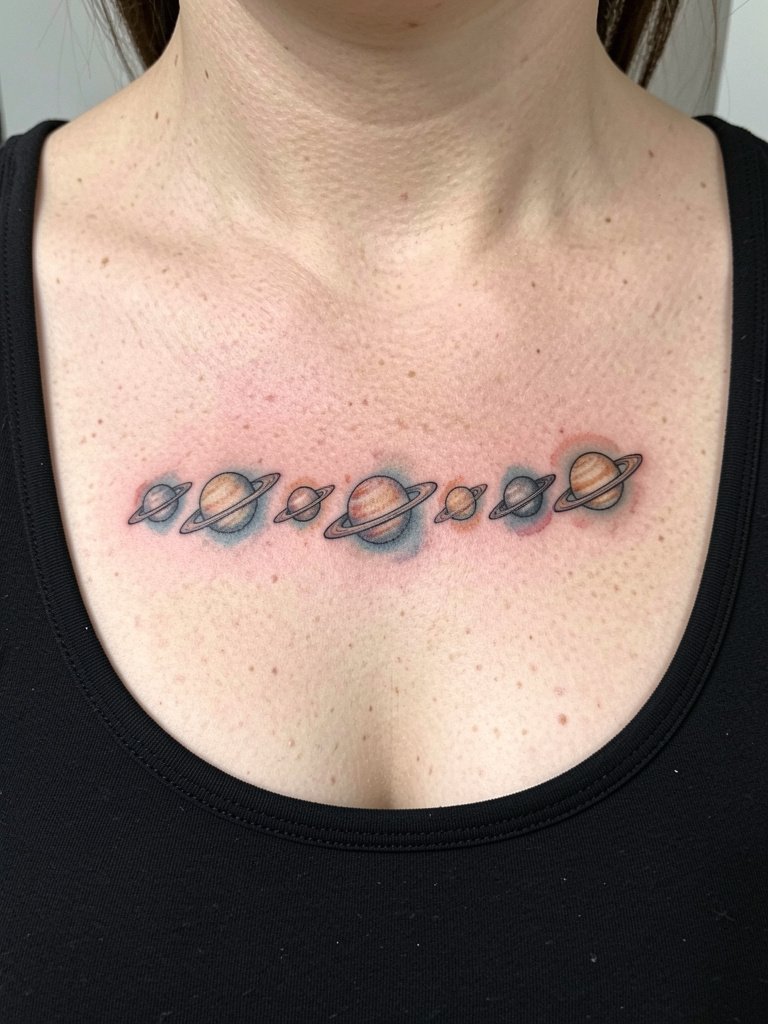
Chest placements allow multiple small color elements to read together as a composition. Space planets apart with consistent negative space to avoid color merging into a single wash after a few years. Sessions vary from short multiple stints to a single longer session. A frequent error is clustering tiny circular washes too close, which leads to blending. For necklaces that frame this area, try a layered short necklace set that complements the spread.
18. Watercolor Snake Wrapped on Thigh
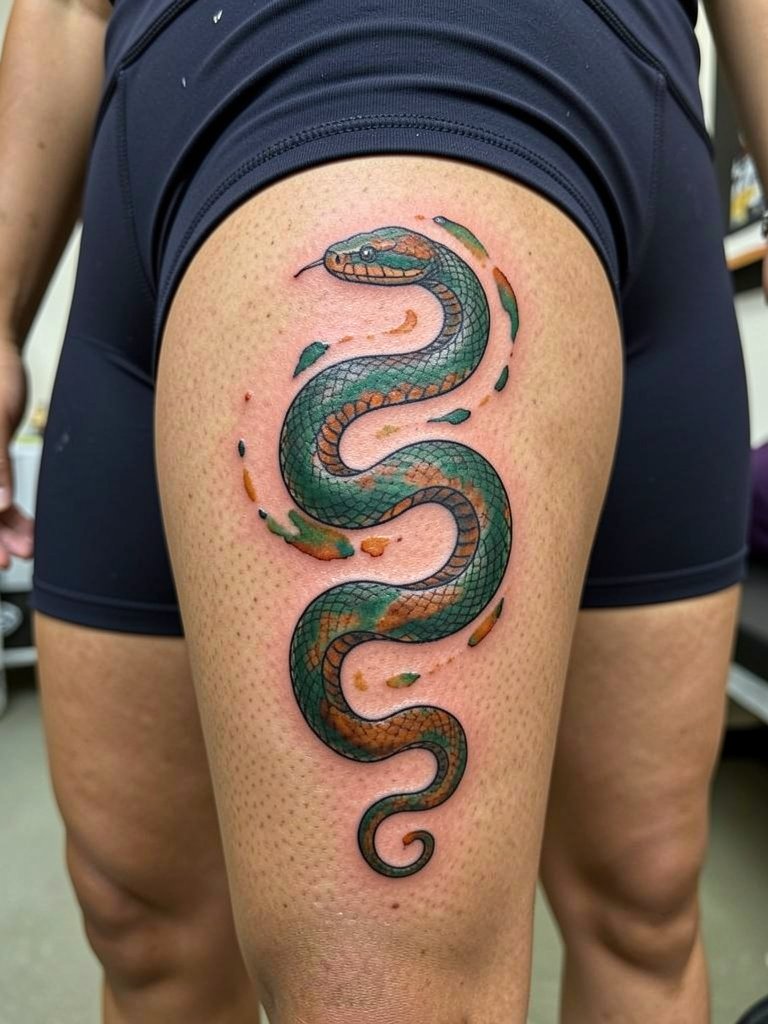
Thigh placements provide room for dynamic motion and saturation. Because friction from clothing varies, place the coil so thicker scales carry the color load and smaller scales provide texture. Session time depends on scale and detail, often two hours. The common mistake is wrapping the snake too high into the groin area which causes healing complications. For the session, wear modest athletic shorts you can sit comfortably in.
19. Watercolor Portrait Accent on Upper Back
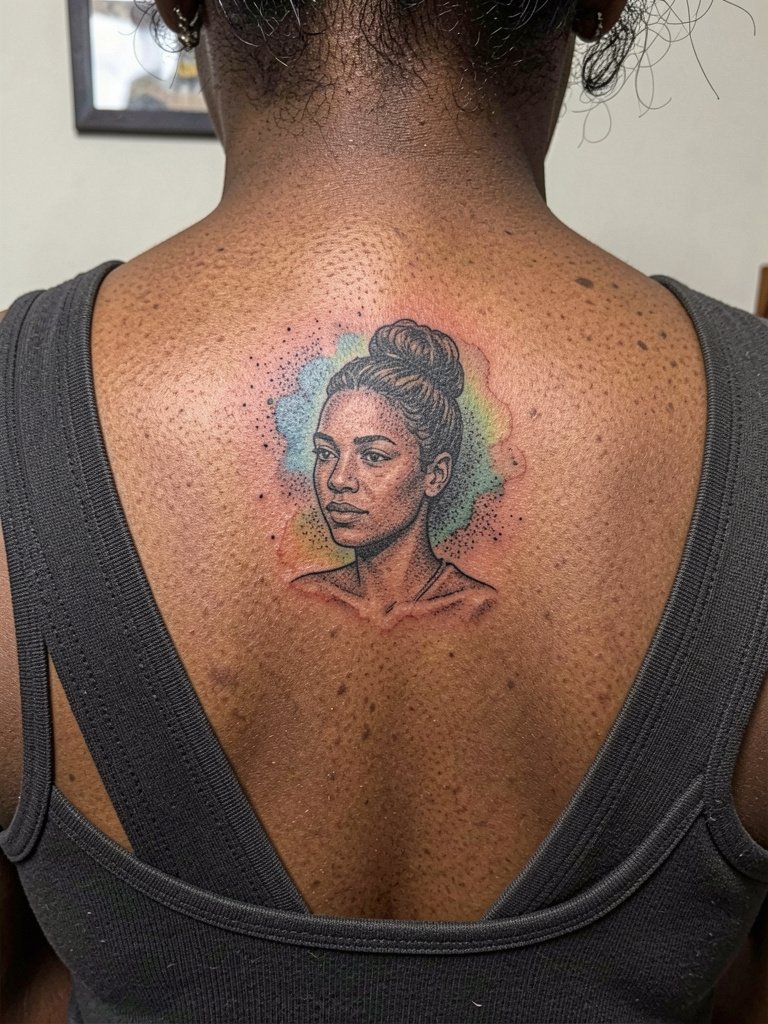
Portrait accents benefit from a combination of crisp microline for facial landmarks and soft washes to suggest atmosphere. Expect careful planning and possible multiple sessions for the portrait to keep features readable. The mistake is treating watercolor as a replacement for tonal contrast instead of a complement. If you plan to display this piece, choose back-exposing tops like strappy cami tops that reveal the shoulder-blade area.
20. Watercolor Crescent Moon on Finger Side
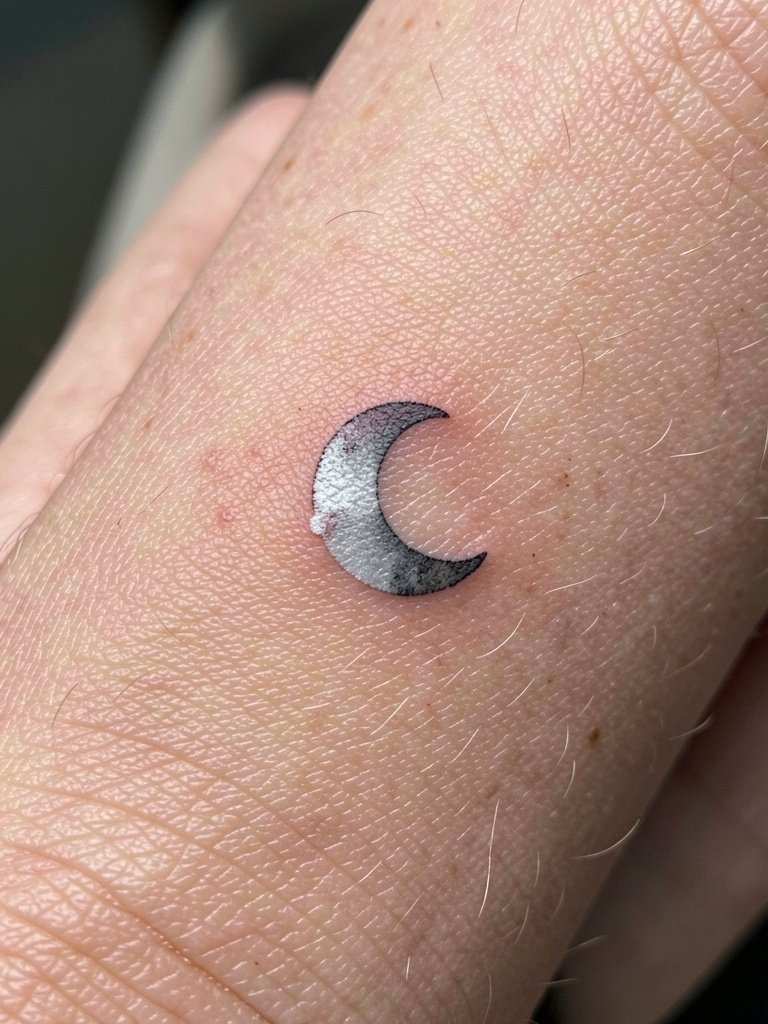
Finger-side tattoos fade fast because of constant washing and abrasion. For small watercolor moons, add microline anchors and plan for regular touch-ups. Session time is short but the maintenance commitment is long. A common mistake is asking for pale washes only. If you want to accent a finger tattoo, coordinate with a thin stacking band that draws attention without rubbing the ink.
21. Watercolor Crescent Back of Arm Cluster
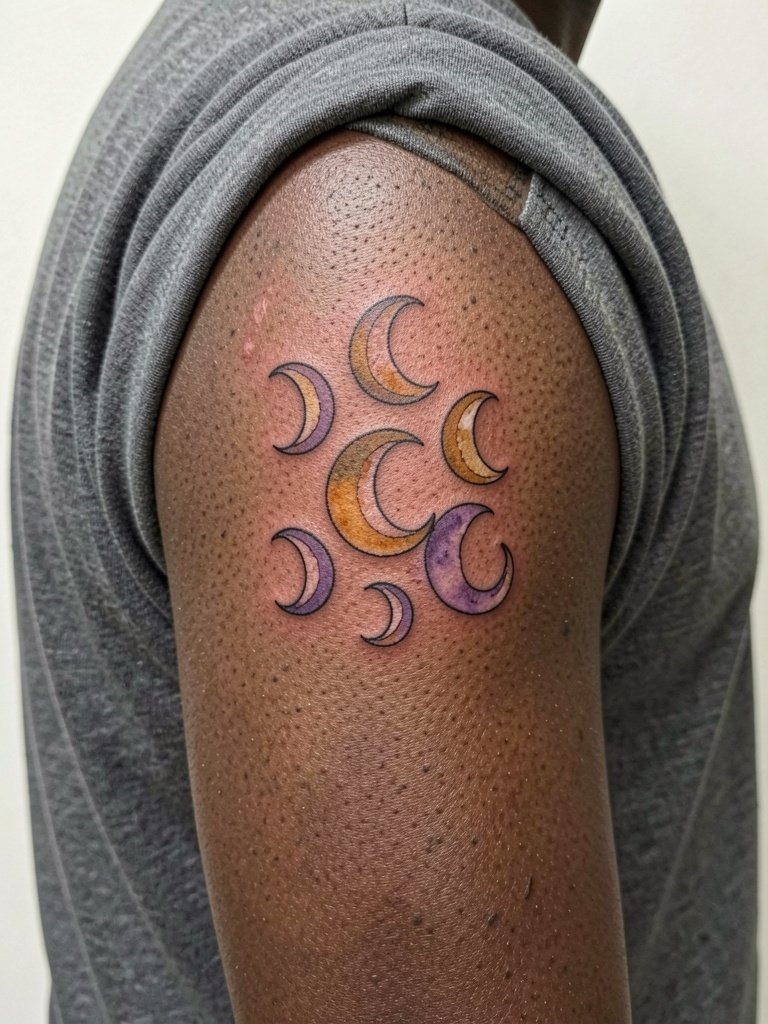
The back of arm sees sun and friction, so protect color saturation with defined negative space and slightly heavier microline on crescents. Sessions are typically under an hour for a cluster. A mistake is placing too many tiny strokes that blend from sweat and sun exposure. For summer wear, choose sleeved tops that still leave the back of the arm visible like cropped sleeve shirts to show the work without direct sun.
22. Watercolor Botanical Sleeve Accent on Wrist-to-Forearm
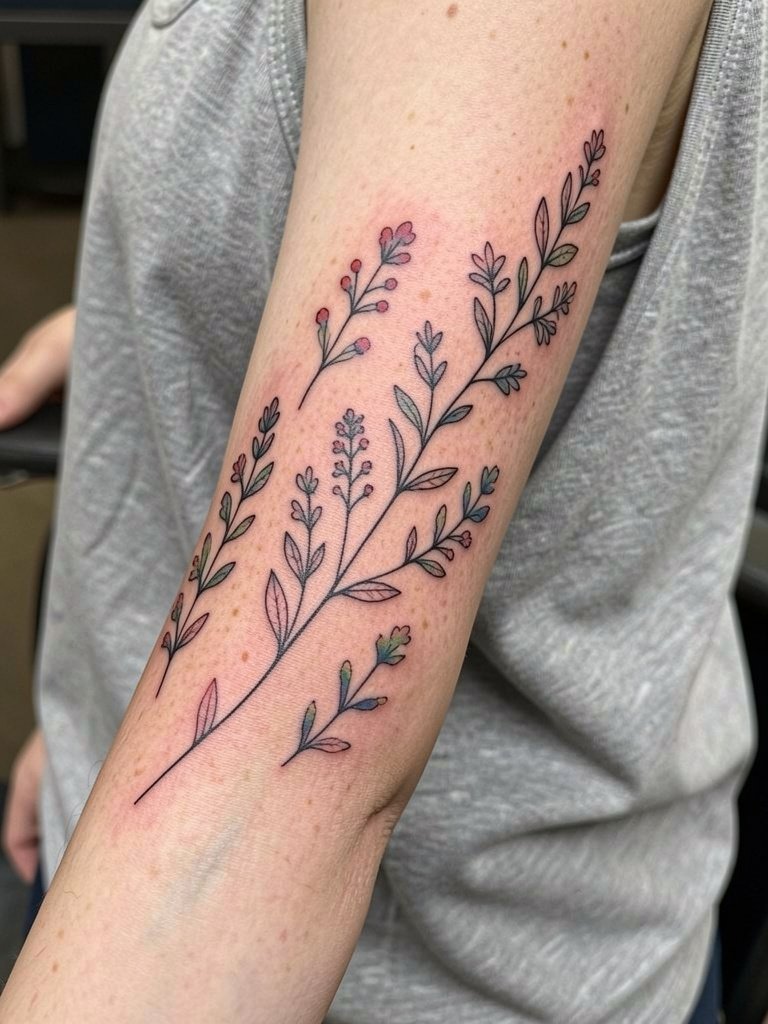
A wrist-to-forearm run reads best when each motif has room and a slight anchor line to prevent color bleed into adjacent pieces. Sessions can be staged across multiple appointments. A typical misstep is crowding motifs and expecting them to remain distinct. For everyday style that highlights the run, stack a thin leather wrap bracelet that sits above the wrist and frames the transition.
23. Watercolor Celestial Back Piece
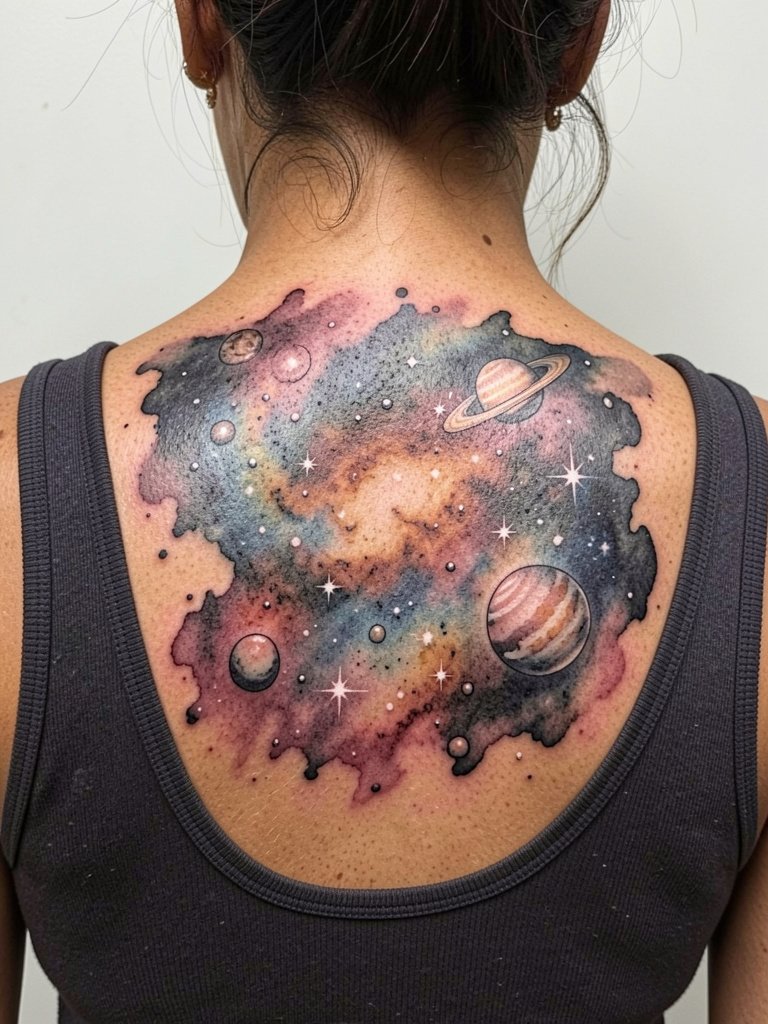
Large back pieces allow dramatic watercolor pens and layered depths, but they require staged sessions and clear expectations about saturation versus subtlety. Plan the composition so major color zones are supported by darker anchors and negative space that keeps the nebula from becoming a uniform wash. A common mistake is asking for everything to be "soft" which leads to the design losing focal points. For showing this piece, back-exposing dresses or halter-neck tops work well.
Frequently Asked Questions
Q: How do watercolor tattoos age compared with traditional color pieces?
A: In my experience, watercolor pieces tend to soften faster because they rely on diffuse pigment instead of heavy outlines. Traditional color with bold outlines holds distinct shapes longer. One practical approach is to combine watercolor washes with selective black line anchors so you get a painted look that still reads after a few years.
Q: Where can I find healed examples and portfolios without naming artists?
A: Search platform tags and portfolio keywords on social media and marketplace sites. Try hashtags like #WatercolorTattooHealed, #HealedColorInk, and #YearTwoHealed on Instagram and TikTok, and use location filters if you want nearby studios. Reddit tattoo communities often share user photos under keyword threads showing healed time points in different skin tones.
Q: Are certain pigments more likely to fade or change color?
A: Yes, bright reds and neon pigments usually lose vibrancy faster than deep blues and blacks. Lighter pastel washes can also take on a muted tone over time. Plan for a touch-up cycle and discuss pigment choices with an artist who can show healed color photos across multiple seasons.
Q: How should I dress for a watercolor session on sensitive areas like ribs or sternum?
A: Wear clothing that gives easy, normal access to the exact placement without disrobing. For rib or side-torso sessions, a fitted cropped tee that sits above the rib area is best. For sternum work, wear a fitted sports bra that exposes the sternum in its normal worn position. Those clothing choices make the session more comfortable and keep sterility intact.
Q: Can I show watercolor tattoos off with jewelry and accessories?
A: Accessories can frame color beautifully if they do not rub the fresh ink. Lightweight necklaces, thin stacking rings, and minimalist cuffs complement watercolor without irritating the area. For wrist and hand pieces, prefer cuff bracelets or thin bands rather than chunky pieces that will scrub the ink.
Q: Do some artists refuse pure watercolor without outlines?
A: Yes, artists are split on this. One camp avoids pure watercolor on high-motion or thin-skin zones because of early blurring. The other camp will accept pure watercolor and manage risk by increasing saturation and spacing. Look at healed portfolios from year two onward to see how each approach held up.