Bold tiger motifs keep their attitude longer when they are drawn with confident strokes rather than microscopic filigree. Many people chase the tiniest whisker lines on their first visit and then find the detail softens into a smudge after a couple of years. This list favors designs that look fierce day one and still read as tiger-themed years later, plus practical notes on placement, pain, and how to style the look for everyday outfits.
1. Fine Line Tiger on Inner Forearm
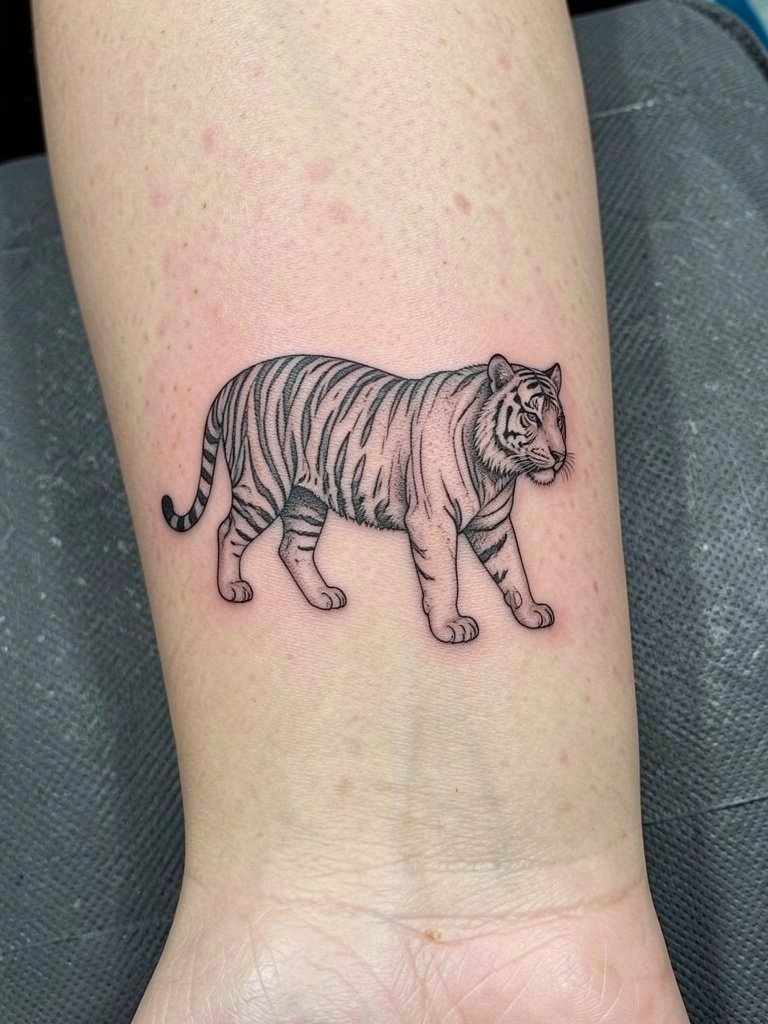
A thin, single-needle tiger silhouette reads like jewelry on the inner forearm and suits someone who wants subtle symbolism rather than a full sleeve. Expect a one to two hour session for a three to five inch piece with low to moderate pain on this placement. The common mistake is asking for ultra-fine whiskers and tiny stripes, which the inner forearm will blur into at year two without heavier linework. For a design that ages better, plan slightly bolder outline work and open negative space between stripes. Linework should be tested at scale during the consultation by showing the artist the exact inches you want so they can suggest line weight that resists blowout. Pair this with a rolled sleeve or a light cotton cuff shirt to frame the forearm in casual looks.
2. Watercolor Accent Tiger on Calf
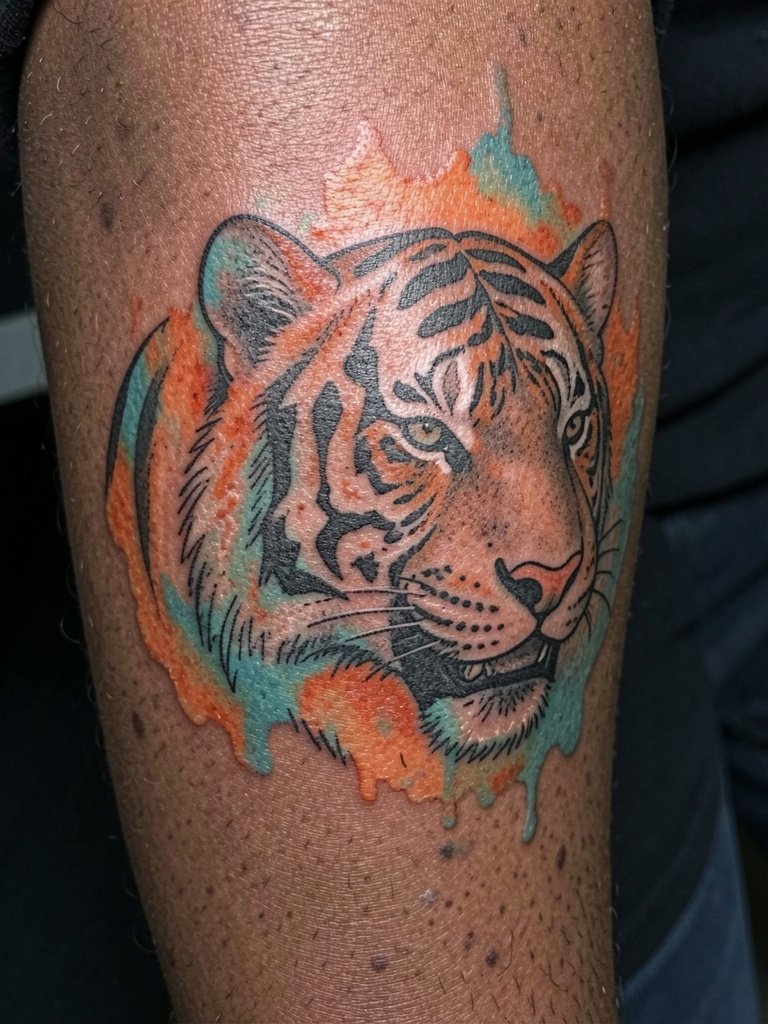
The calf is forgiving of more painterly treatment because it gets less friction than hands or ribs. A watercolor-accented tiger plays with contrast between crisp black linework and painterly color. Plan for a two to three hour session depending on color blocks and shading, and expect moderate pain. The usual error is letting color sit too close to single-needle contour lines. For longevity, ask for a clear black outline clearance of at least a few millimeters where the wash touches the linework. Colors will look brightest at six months and may soften by year three, so budget a touch-up around year two if you want saturated color. Wear low-profile ankle boots or cropped trousers to show the piece off.
3. Geometric Tiger Half-Sleeve
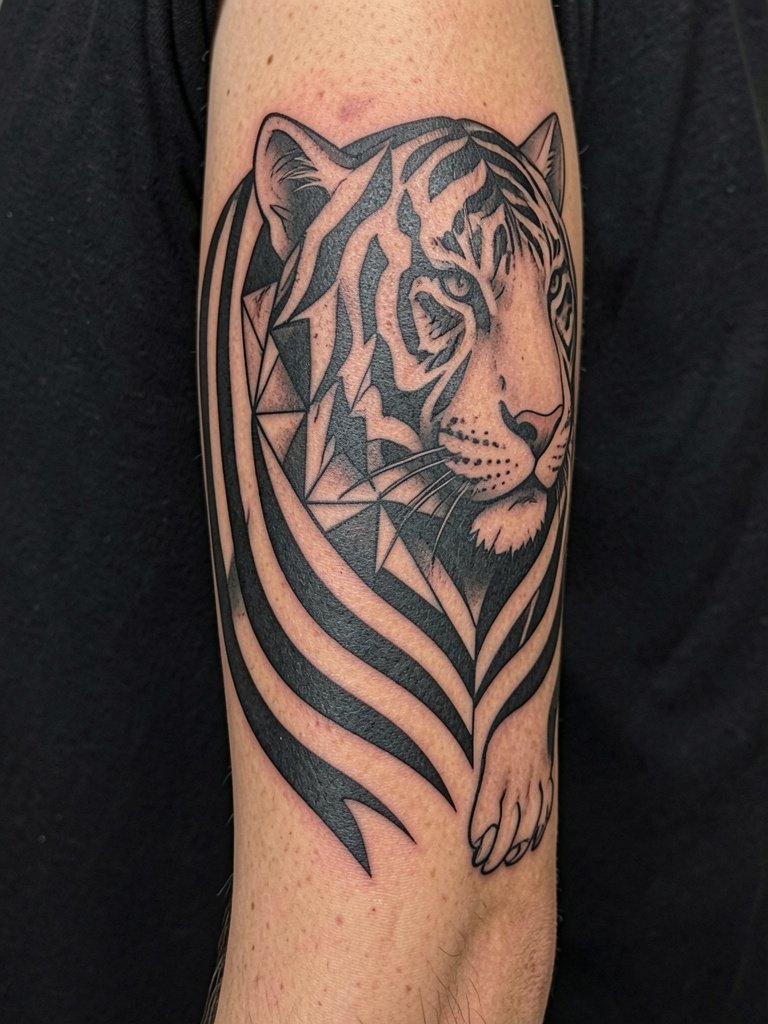
A geometric composition lets a tiger motif scale up into a half-sleeve without losing its edge. This is the choice when you want a statement piece that reads from a distance. Expect three to five hours across a session and moderate pain on the outer arm. Discuss spacing with your artist and bring in a photo of how the pattern sits on a curved surface so the tessellation does not collapse where the arm narrows. The aging advantage is that bold black blocks resist blur compared with many tiny parallel lines. Common mistakes include too-tight geometry around joints. For outfits, this placement pairs well with sleeveless linen tops that let the pattern show when you want it visible.
4. Neo-Traditional Collarbone Tiger
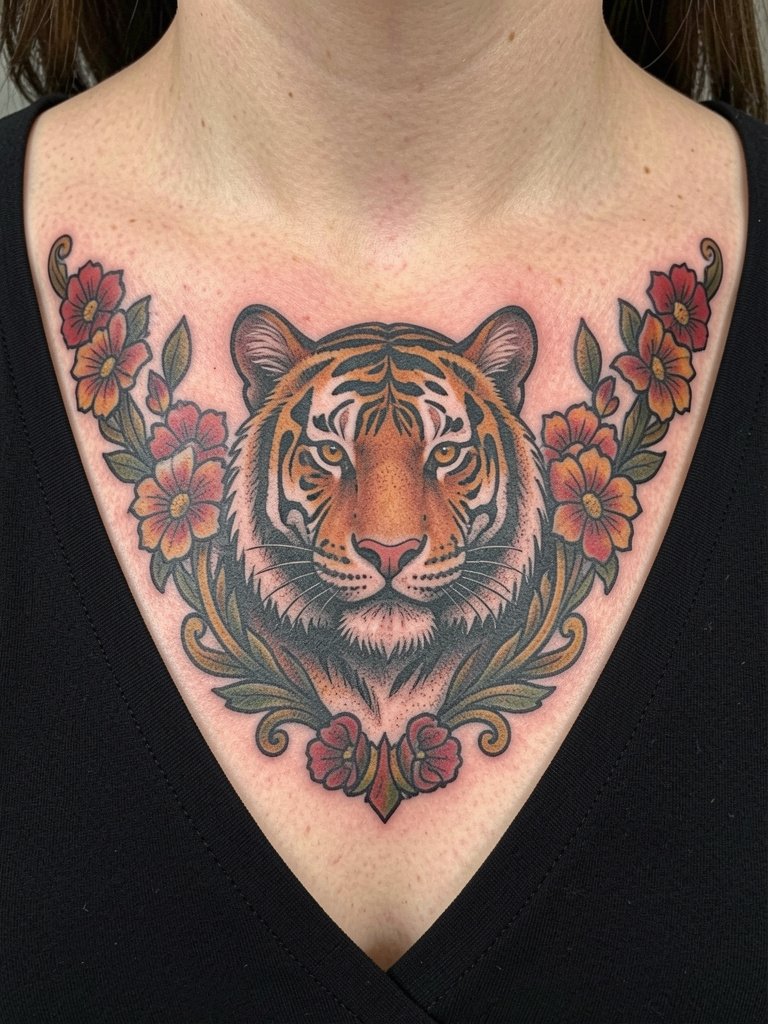
Collarbone tattoos face high visibility and moderate pain. Artists split on whether fine detail near the clavicle holds long term. One camp says tight delicate lines along the collarbone blur within two years because the skin moves and stresses the linework. The other camp argues that with slightly heavier lineweight and well-placed negative space, the piece will hold and they will point to healed examples to prove it. If you want longevity, plan for bolder contour lines and discuss anchor points with the artist so key details sit on flatter skin. For showing it off, try open-neck linen blouses.
5. Small Tiger Paw on Ankle
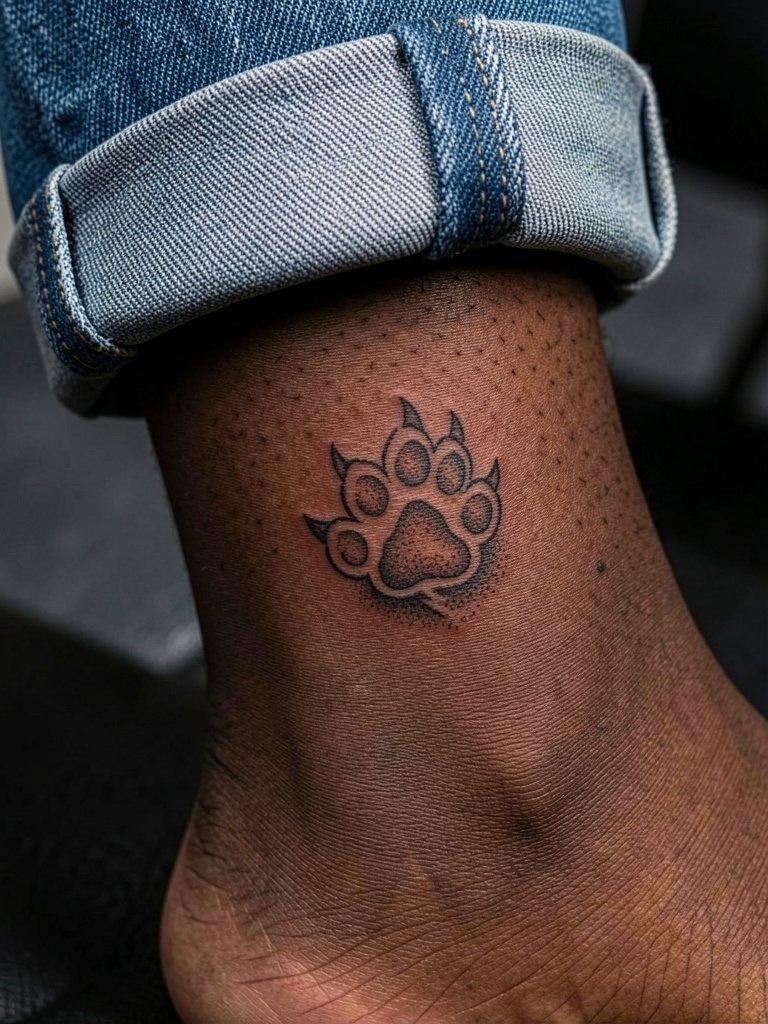
An ankle paw reads like a discreet emblem and takes about 30 to 60 minutes. Pain ranges from low to moderate depending on proximity to the bone. The frequent mistake is asking for tiny interior details that vanish after the first year because ankles get constant friction from socks and shoes. To avoid that, specify slightly thicker dot work inside the pads and a minimalist outline that leaves breathing room. Touch-ups around year one are common for high-traffic ankles. For weekend wear, show the piece with strappy sandals or cropped pants to keep the tattoo visible without rubbing.
6. Sternum Tiger Stripe Panel
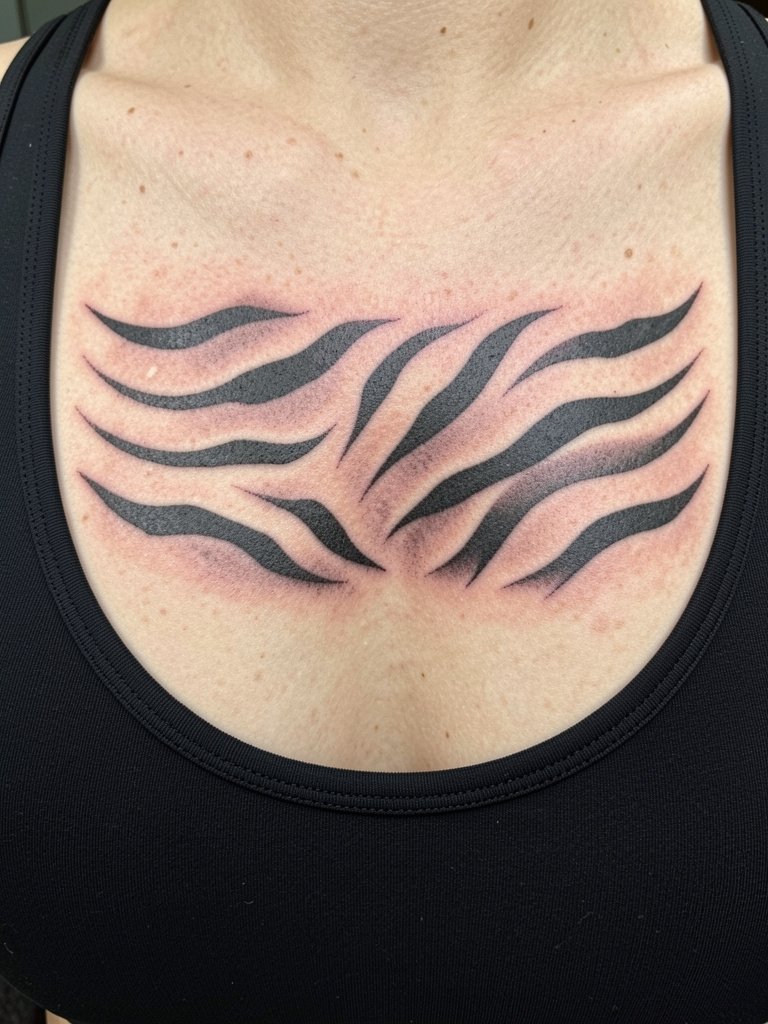
Sternum and underbust placements are intimate and can be higher on the pain scale. Expect a one to three hour session depending on panel width. The standard pitfall is designing ultra-fine detail that will stretch under breast movement and body fluctuations. For stability, choose broader stripes with stipple shading and discuss how the piece sits relative to the breast fold so the artist can place anchor lines on more stable skin. Touch-ups are realistic at year two if weight or shape changes occur. Professional considerations apply here because this placement often requires an artist experienced with chest anatomy.
Pre-Session Essentials
The collarbone, forearm, and sternum pieces above have different access needs. These five items smooth the session and the first week of healing for small to medium tiger pieces.
-
Stencil transfer paper kit. Lets you preview exactly where a tiger stripe or paw will sit on the skin before the needle touches it, which is vital for placements like the inner forearm and sternum.
-
Long-wear topical numbing cream. Applied forty to sixty minutes before bigger chest or rib sessions it helps most people get through a strong block of linework without needing to stop.
-
Thin medical-grade protective film roll. Useful for ankle and calf pieces that face boot friction during the first few days.
-
Fragrance-free gentle body wash. Cleans the area without stripping pigment while the tattoo begins to heal.
-
Aquaphor healing ointment. A mainstream choice for the immediate aftercare window that helps guard delicate linework.
7. Back-of-Neck Tiger Crest
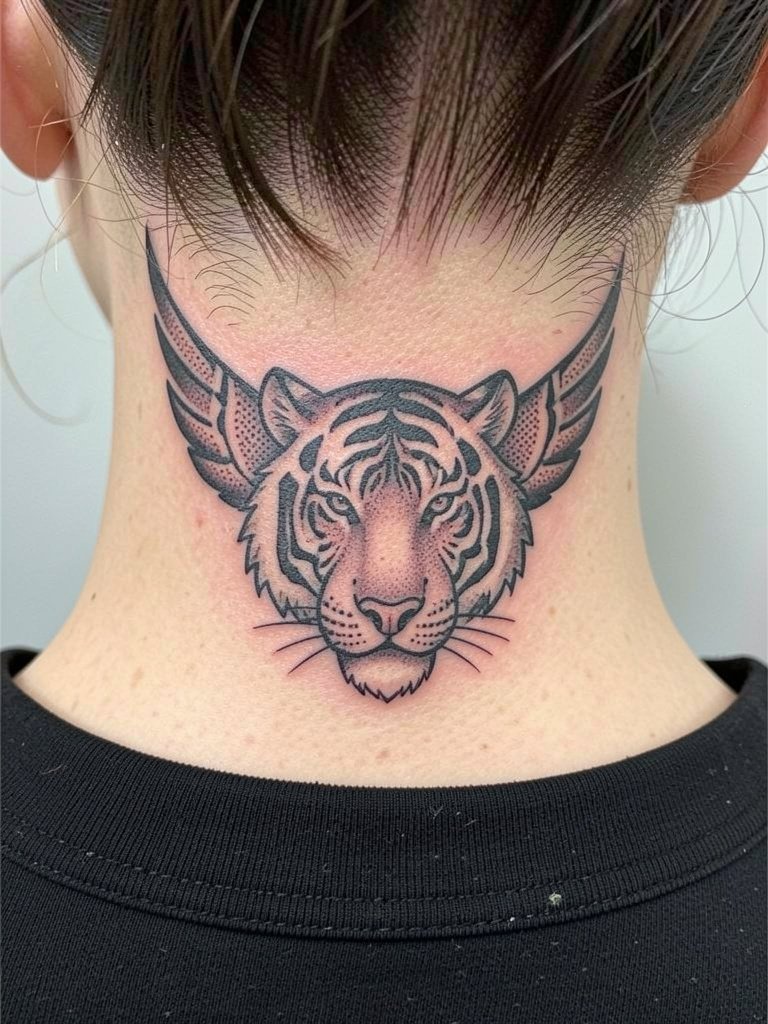
Nape and side-neck tattoos are visible choices that can be shown or hidden by hair. Expect one to two hours with moderate pain depending on proximity to bone. A common error is packing too much fine detail into a small nape design. For better longevity, request bold anchor lines and stipple shading that keeps the central motif readable as hair moves. If you plan to wear your hair up often, mention that during layout so the crest centers where it will be seen. This placement pairs elegantly with lightweight silk scarves for evenings when you want to frame the art.
8. Thigh Tiger with Botanical Frame
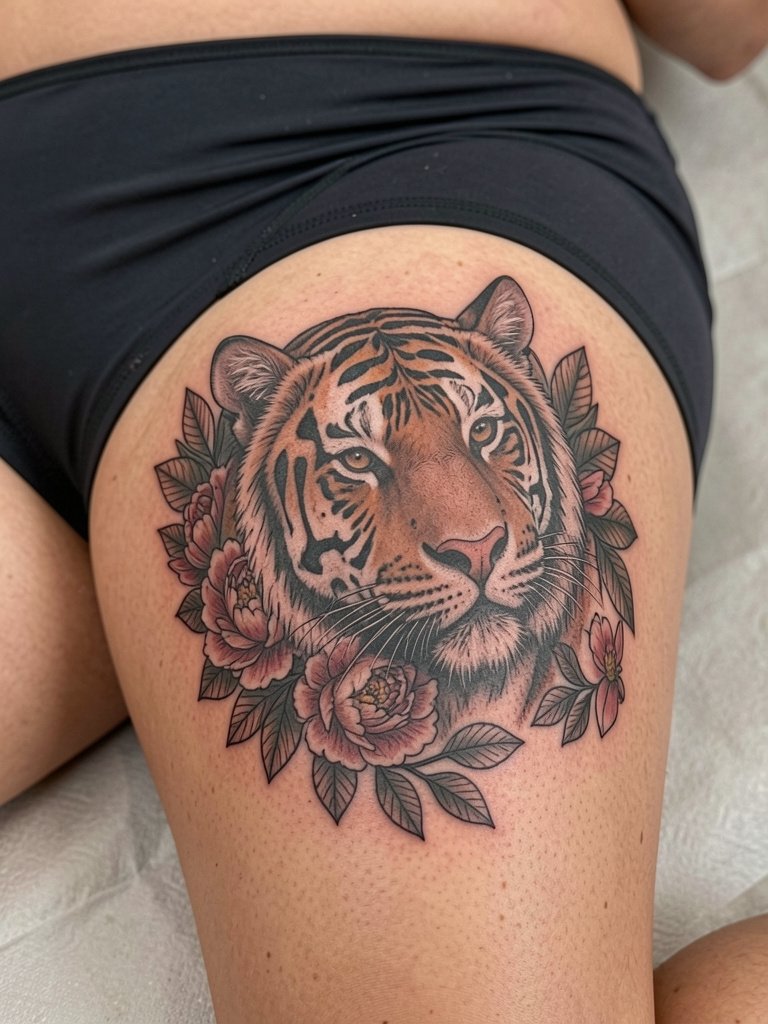
The thigh gives room for realistic detail and long compositions with manageable pain. Sessions for larger tiger heads can run three to six hours. Plan composition with the artist so the focal features sit on areas of skin that do not crease when you sit. A frequent mistake is wrapping too much intricate dot work into the inner thigh where friction causes faster fading. For show-off looks, this placement goes well with midi skirts with a side slit that reveal the artwork selectively.
9. Minimalist Tiger Eye on Finger
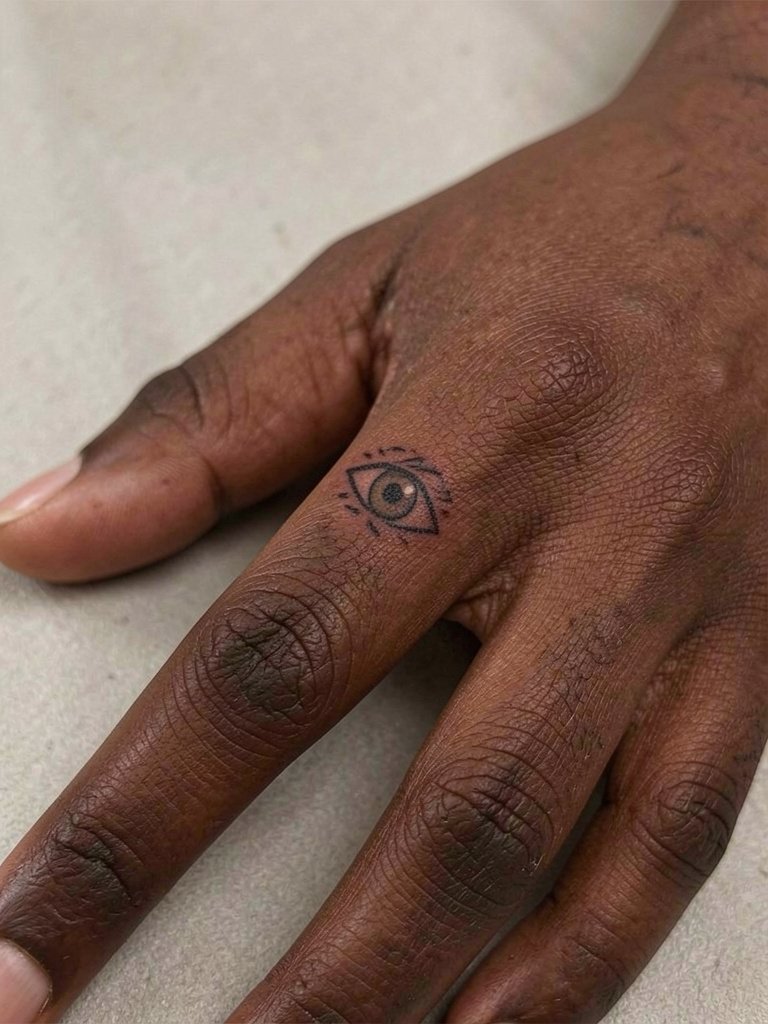
Finger tattoos are bold choices for iconography but they age quickly. The main challenge is constant washing and flexing that pushes pigment out of the epidermis. Expect a short session but know touch-ups are common within the first year. To increase longevity, ask for a slightly heavier outline and minimal interior detail to reduce blowout risk. A real-world expectation is that small finger motifs may require annual touch-ups if you want crisp edges. For styling, pair this with thin stacking rings and a delicate chain bracelet to balance the handwear.
10. Full-Color Shoulder Blade Tiger
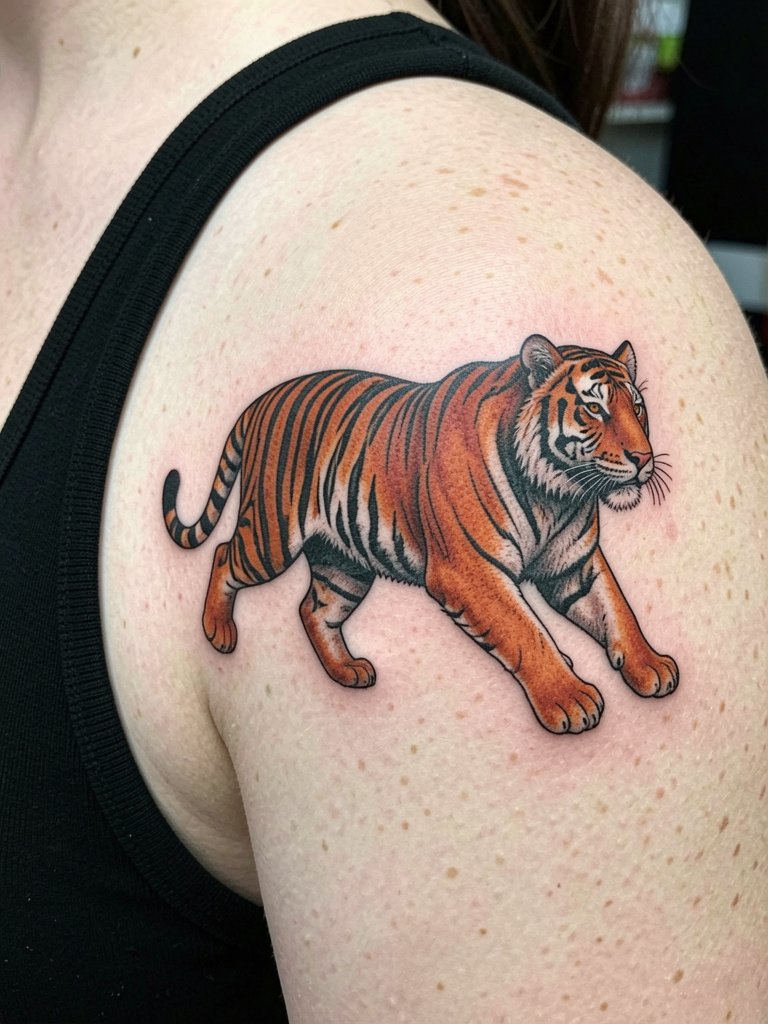
Shoulder blade pieces allow for larger full-color realism and they tend to age gracefully when placed on stable skin. There is a debate among artists about saturation techniques for color realism. One camp claims heavily saturated color blocks will hold vibrancy longer and resist early patchiness. The other camp cautions that over-saturation can create muddy tones if the needle packs too much pigment, and they prefer layered sessions with measured saturation. If you want bright color that lasts, plan at least two sessions and schedule a check-in at six months for any necessary top-up. This placement shows well with off-shoulder tops.
11. Stylized Palm Tiger Motif
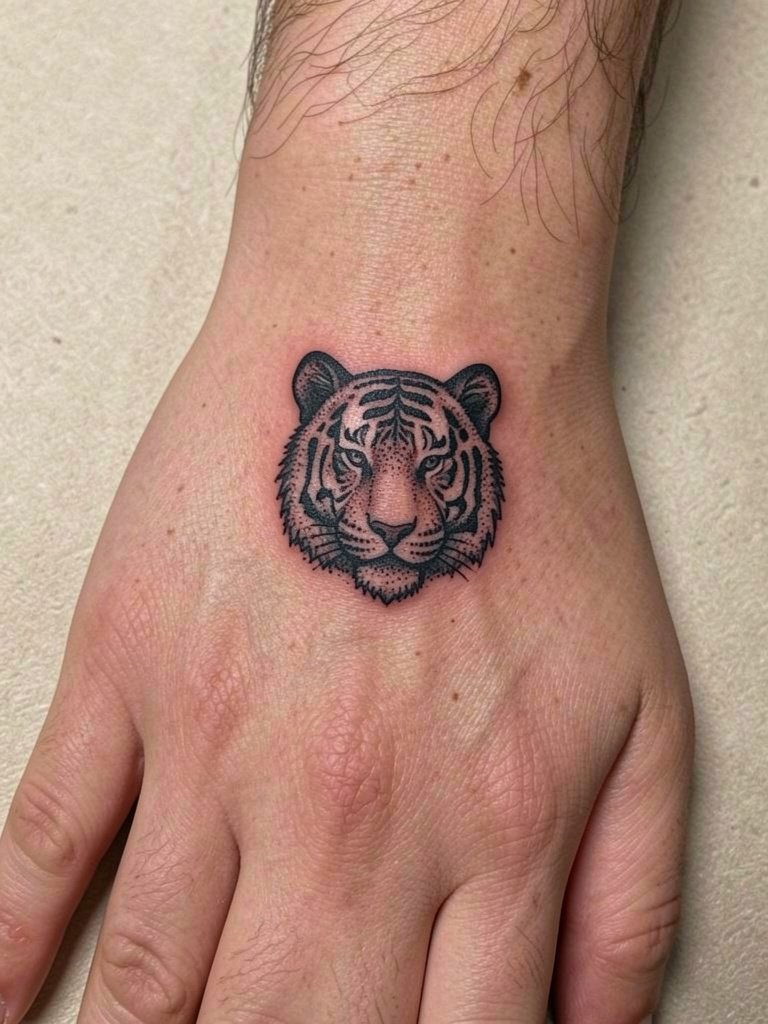
Palm and inner-hand tattoos face heavy wear and are often best treated as experiments rather than permanent staples. The skin there sheds rapidly so saturation and crisp edges fade quickly. If you choose this spot, instruct the artist to plan for multiple short sessions and accept a higher touch-up frequency. A realistic schedule is a touch-up at six months and another at year two. Hands are high-pain and require steady hands from the artist because the skin moves with each tiny shift. For jewelry that complements the palm motif, select broad cuff rings and an adjustable slip-on wristband rather than delicate chains that might rub the area.
12. Tattooed Ribcage Tiger Stripe Sleeve
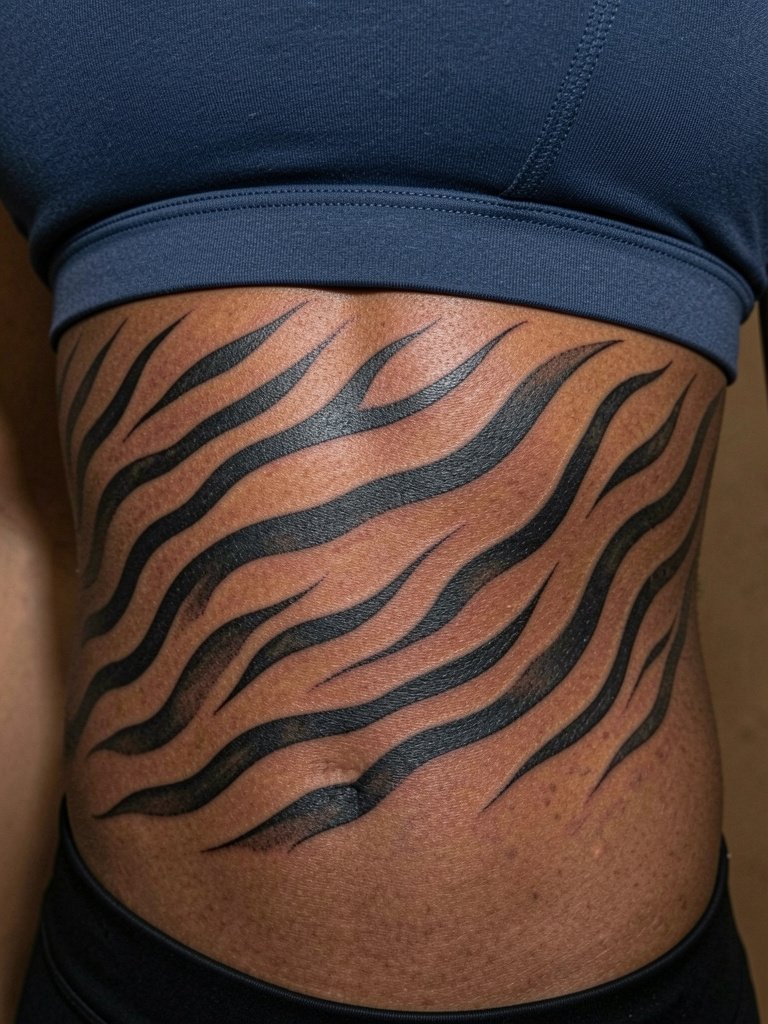
Ribcage work is notorious for pain and aging concerns due to constant expansion and compression from breathing and movement. The common mistake with rib stripes is making them too thin and too close together. Thicker stripes with strategic negative space will preserve the tiger feel longer. Sessions here are intense and often broken into multiple sittings. Expect a solid touch-up possibility at year two if you want edge refinement. When planning, discuss precise placement while standing and lying down so the stripes flow with your body shape during motion.
13. Forearm Sleeve with Tiger and Floral Band
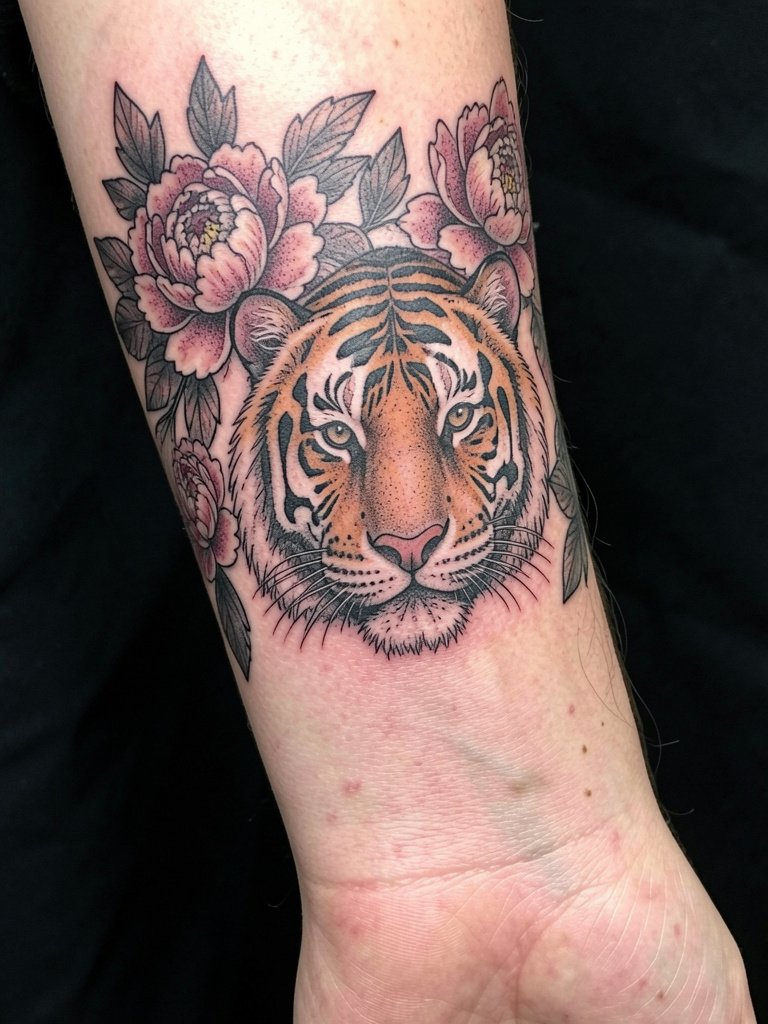
A coordinated forearm sleeve blends realism and botanical elements for a balanced daytime look and a covered option when needed. This composition suits someone who wants a visible commitment but also wants the option to hide it at work. Expect multiple sessions that total six to ten hours. Avoid packing micro-detail into the narrow wrist area. Discuss areas where the tiger's focal features should remain untouched by dense floral shading so the face keeps its presence over time. For outfits, roll sleeves with a linen button-up shirt to show the sleeve casually.
14. Neo-Blackwork Chest Tiger Mandala
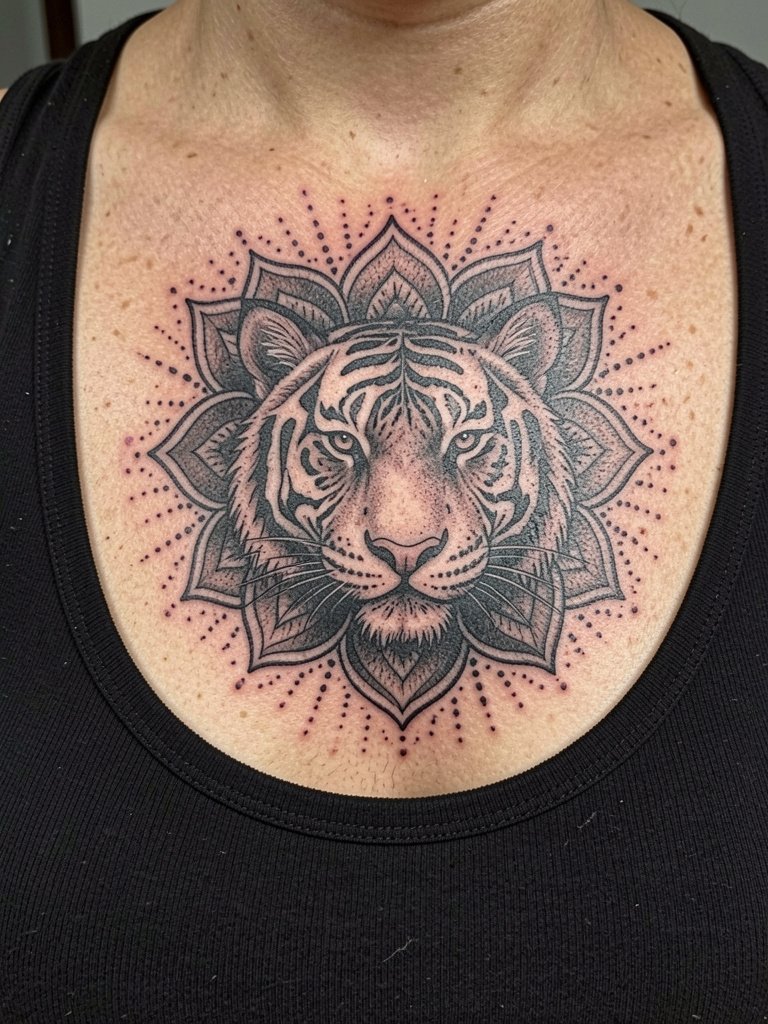
Blackwork mandalas around a tiger face create dramatic contrast and typically age well because they rely on solid saturation and clear negative space. Plan on longer sessions for crisp fills, and anticipate high pain on the sternum-adjacent zones. A common misstep is crowding the mandala ring with tiny motifs that blur; the fix is to increase negative space and keep the primary face larger. This chest composition pairs strongly with plunging v-neck dresses for nights out when you want the art framed centrally.
15. Micro-Realism Tiger Portrait on Scapula
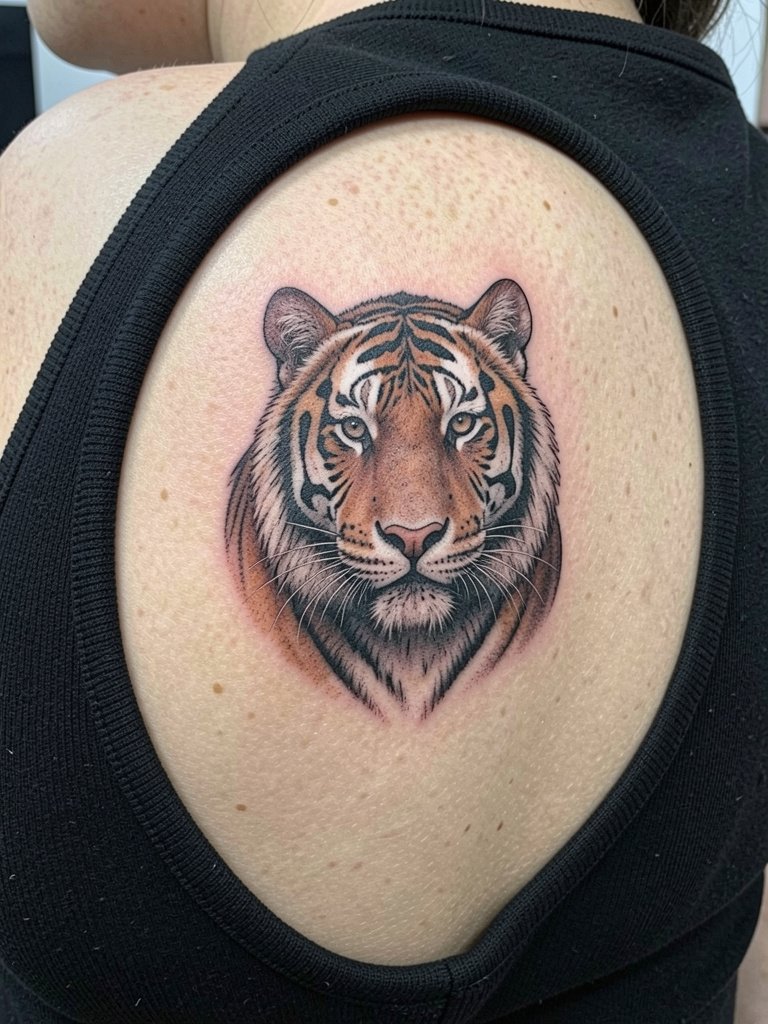
Micro-realism on the scapula delivers a detailed portrait without committing to a large back piece. This spot gives a nice flat canvas and moderate pain for a two to three hour session. The usual mistake is compressing too many tiny details into too small a scale. For a clear portrait at five years, slightly increase scale and simplify high-frequency textures like whiskers into confident strokes. Plan a touch-up at year two to restore contrast if desired. For casual coverage and reveal, pair the piece with a button-back blouse that shows the scapula when you want it visible.
Frequently Asked Questions
Q: How painful are tiger tattoos on common placements like ribs, sternum, and forearm?
A: Pain varies by placement and by person. Ribs and sternum rank higher on most pain scales because the skin sits close to bone and breath movement keeps the area sensitive. Forearms and calves tend to be more tolerable with lower to moderate pain. Plan shorter sessions for high-pain spots and break larger pieces into multiple visits if needed.
Q: How much do tiger designs typically need touch-ups and when should I schedule them?
A: Touch-up timelines depend on placement and style. Bold blackwork and shoulder blades often go longer between touch-ups because the pigment sits in thicker fields. Fine-line fingers, palms, and ankles commonly need attention at six to twelve months. I usually suggest a check-in around six months to confirm how the linework settled and to plan any small touch-ups if needed.
Q: Where can I find healed examples and discovery pathways without naming specific artists?
A: Search social platforms with targeted tags and keywords. Try hashtags like #TigerTattooHealed, #RealHealedInk, and #BoldBlackwork on Instagram and TikTok. Use location filters to find shops near you and look for portfolio galleries that include "healed" or "progress" in captions. Reddit tattoo subthreads also have many user-shared healed photos across skin tones.
Q: Should I change my wardrobe for the tattoo session and are there outfit picks you recommend?
A: Yes, wear clothing that gives easy access to the placement. For shoulder and scapula sessions wear a loose tank top. For sternum and rib work choose a sports bra that the artist can move or a cropped athletic top. If you want a quick outfit suggestion, a loose tank top works for many upper-body sessions and lets the artist access the canvas without compromising comfort.
Q: Are there cultural or ethical considerations for tiger designs I should know?
A: Some tiger motifs draw on cultural symbolism. If a design references a specific cultural style or sacred pattern, be intentional about the source and opt for respectful adaptation rather than direct appropriation. Phrase your brief to the artist as a cultural homage and ask about appropriate symbols or alternatives if you are unsure.