
Bold black Celtic knots age better than fragile single-needle scripts when they share a flash sheet. Pick the knotwork that reads at small scale and place it where rubbing is minimal, and you get a crisp motif years from now. These flash ideas are tuned for that reality, with notes on what to say in your consultation, how they heal, and the clothing that shows them off best.
1. Fine-Line Celtic Knot on Inner Forearm
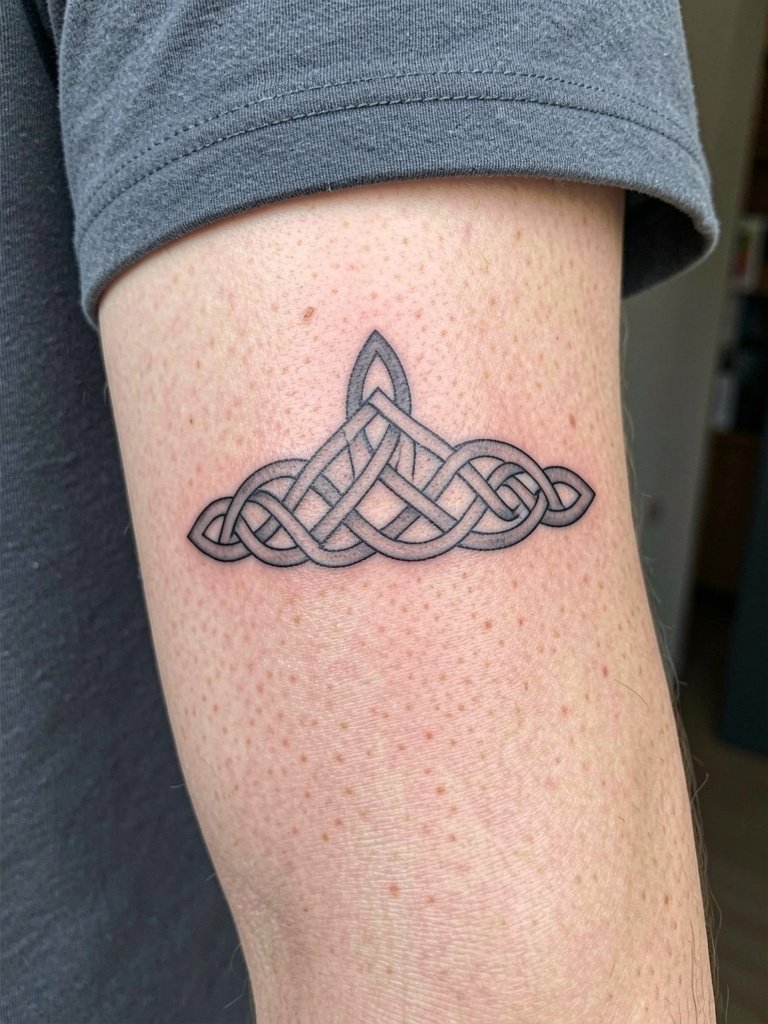
Recommend this for someone who wants Celtic detail without a full sleeve. Ask for slightly heavier line weight than the Pinterest single-needle shot, because the inner forearm can soften small lines by year three. Bring two scale references so the artist can show how the knot reads at three inches and at five inches. At six months the knot will look crisp. At two years thin threads may blur. Common mistake is asking for the tiniest possible version. For the session wear a short-sleeve tee so the artist has clear access to the palm-up surface.
2. Traditional Claddagh on Wrist
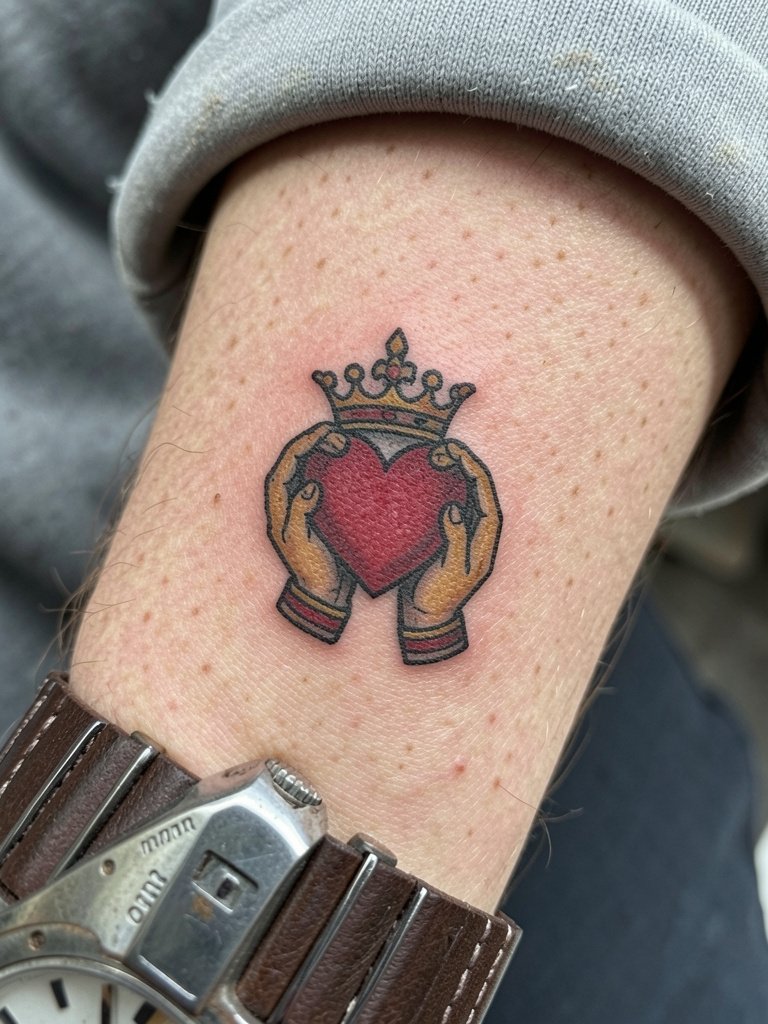
This compact Claddagh works as a flash pick for first-timers who want clear symbolism. Discuss ring and crown spacing with the artist so the heart does not lose interior detail after a touch-up window. A common version that ages poorly uses too much fine stipple inside the crown. Expect a short session and mild wrist sensitivity, and plan a follow-up touch-up within the first year for saturation. To show it off, layer with a thin cuff bracelet or a minimal leather band.
3. Celtic Knot Band Around Bicep
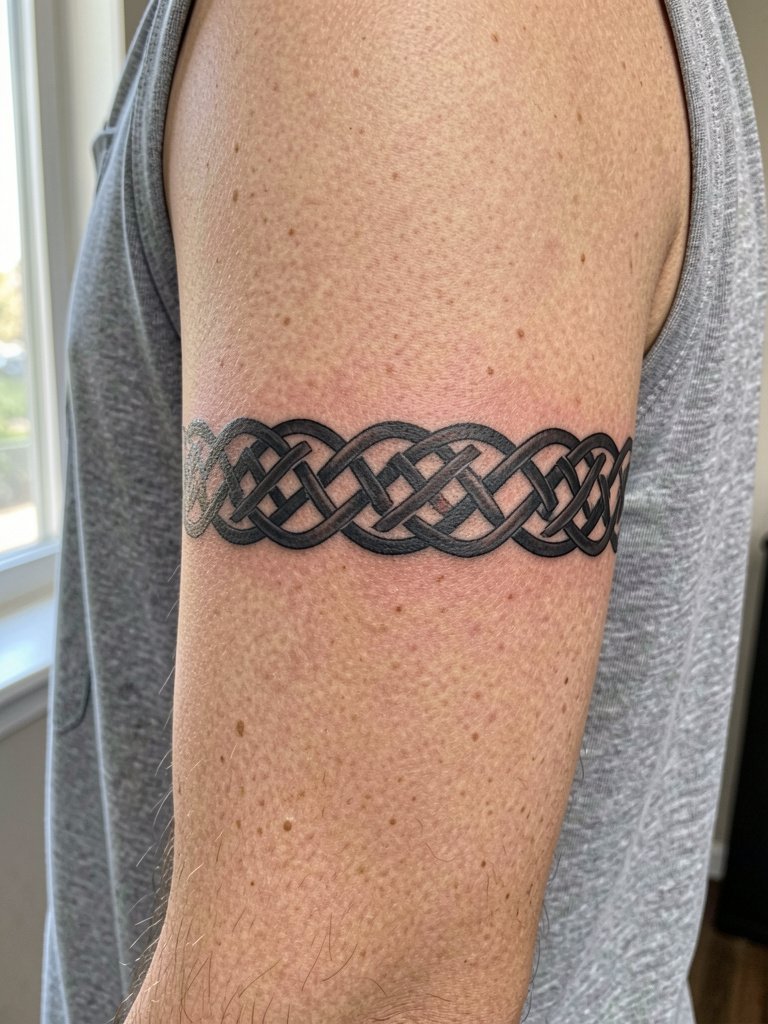
A band reads best when the negative spaces are as wide as the threads. Ask the artist to mock up wrap-around spacing so the knot does not collapse where the arm curves. The armband ages well because of the strong outlines, but the common mistake is making the band too thin. The session is short and the bicep tolerates deeper saturation, so the piece will hold its black for years. For evening wear, this band pairs with rolled-up sleeves and a tailored button shirt that frames the arm.
4. Miniature Triskelion Behind the Ear
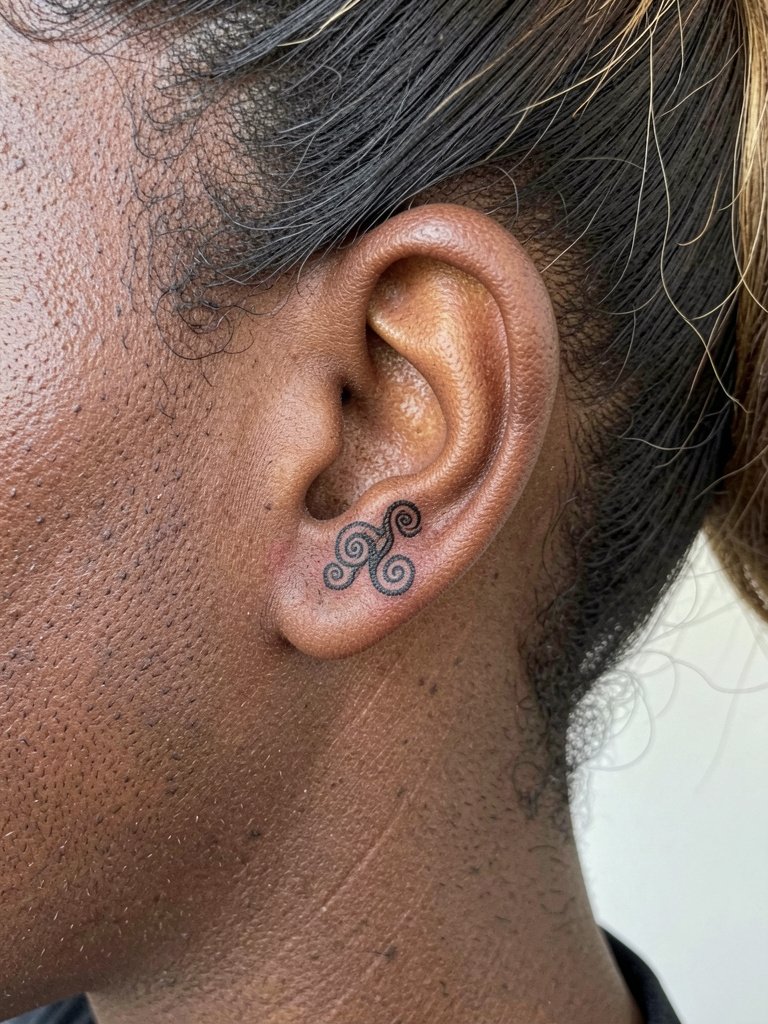
Tiny symbols behind the ear are seductive because of their secrecy. Be specific about spiral thickness. The mastoid area has less fat, so tiny lines can blur if placed too close together. One common mistake is crowding text or extra dots around the spiral. Expect a quick, sharp session and wear hair up to the appointment so the artist has clear access. For nights out try wearing hair in a low bun so the motif peeks through the updo.
5. Gaelic Script on Ribcage
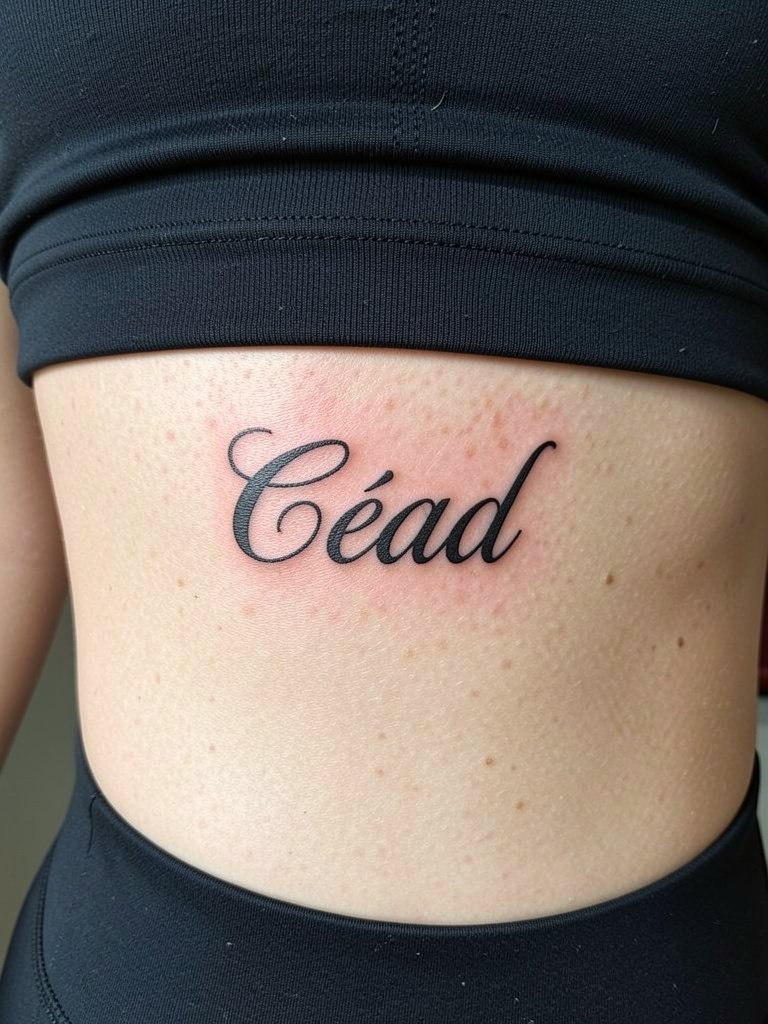
Fine script on the ribs is divisive among artists. One camp argues that the ribcage stretches and blurs narrow cursive within two years. The other camp says that with slightly wider letterforms and strategic spacing, script can settle clean even in that spot. To avoid disappointment ask for the phrase spaced for a three-inch width. The session will be more painful than forearm work. Wear a fitted cropped top so the artist can access the area without constant adjustment.
6. Interlaced Celtic Cross on Upper Back
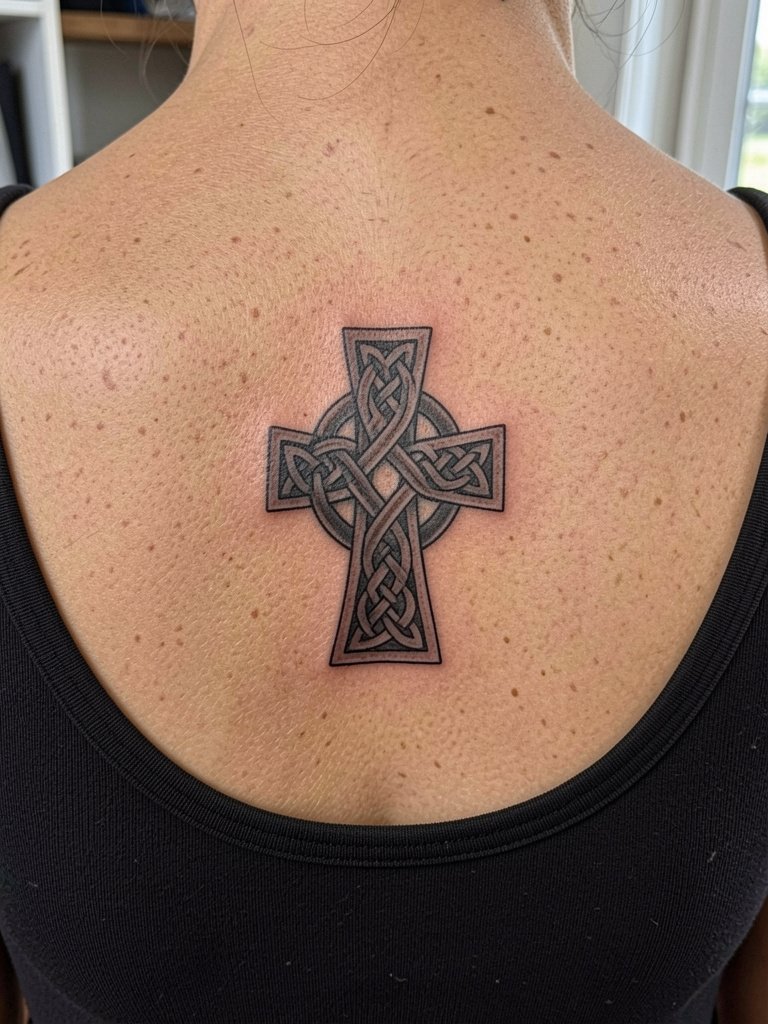
This cross reads at a variety of scales because of the strong silhouettes. Tell the artist you want open negative space inside each arm of the cross so the knotwork does not fill into a blob over time. A common mistake is over-detailing the center ring. Expect a longer session and moderate pain where the scapula moves. For showing this piece pair with open-back dresses that reveal the design cleanly.
Pre-Session Essentials
The wrist, ribs, and behind-the-ear pieces above need slightly different day-of prep, so a few targeted items speed the chair time and the first week.
- Stencil transfer paper kit. Lets you preview line weight on skin before committing, which helps for the fine knotwork and script ideas above.
- Topical numbing cream. Applied 45 minutes before eases the rib and sternum sessions without affecting line placement when used correctly.
- Thin protective film roll. Keeps wrist and finger flash clean during the first week of hand washing and friction.
- Fragrance-free body wash. Gentle cleansing is useful for chest and back pieces during showering in the first week.
- Aquaphor healing ointment. A thin layer in the initial days helps with scabbing for small, dense blackwork.
7. Knotwork Thigh Panel
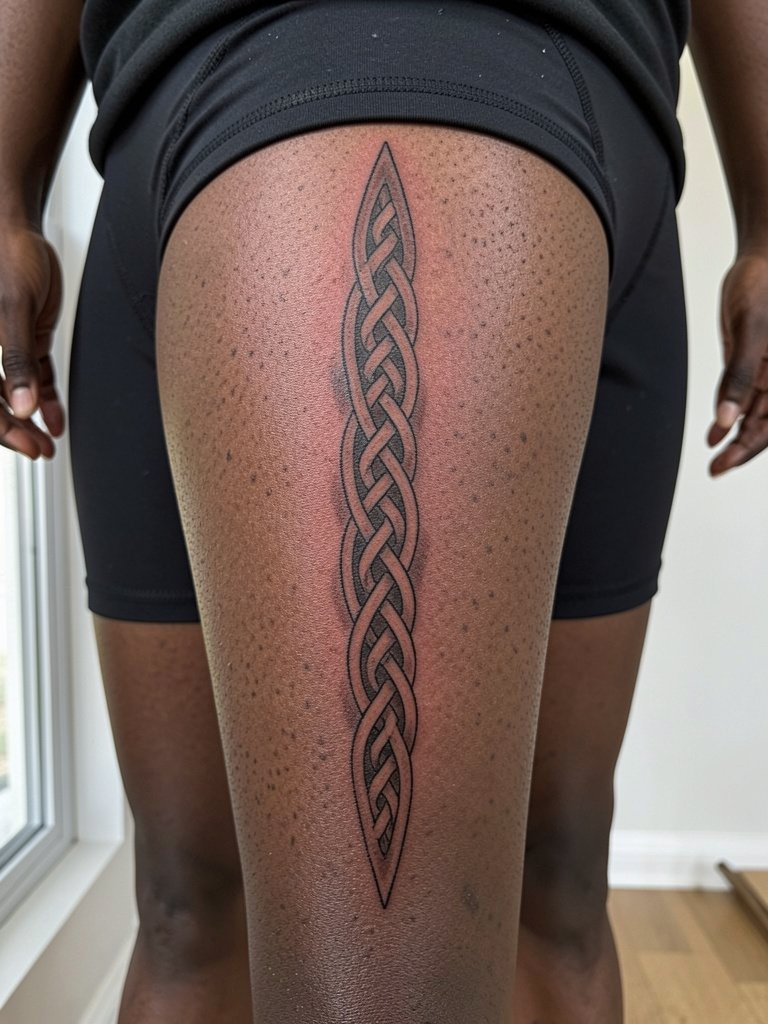
Long vertical panels on the thigh let the knot breathe. Request mock-ups at different heights so the taper does not hit the crease with sitting. Thigh skin accepts saturation well so the knot will keep its contrast. One mistake is packing tiny inner loops that disappear when the leg moves. Session time is moderate and generally tolerable. For evenings pair the panel with mid-thigh skirts that reveal the design.
8. Stipple-Shaded Celtic Mandala on Sternum
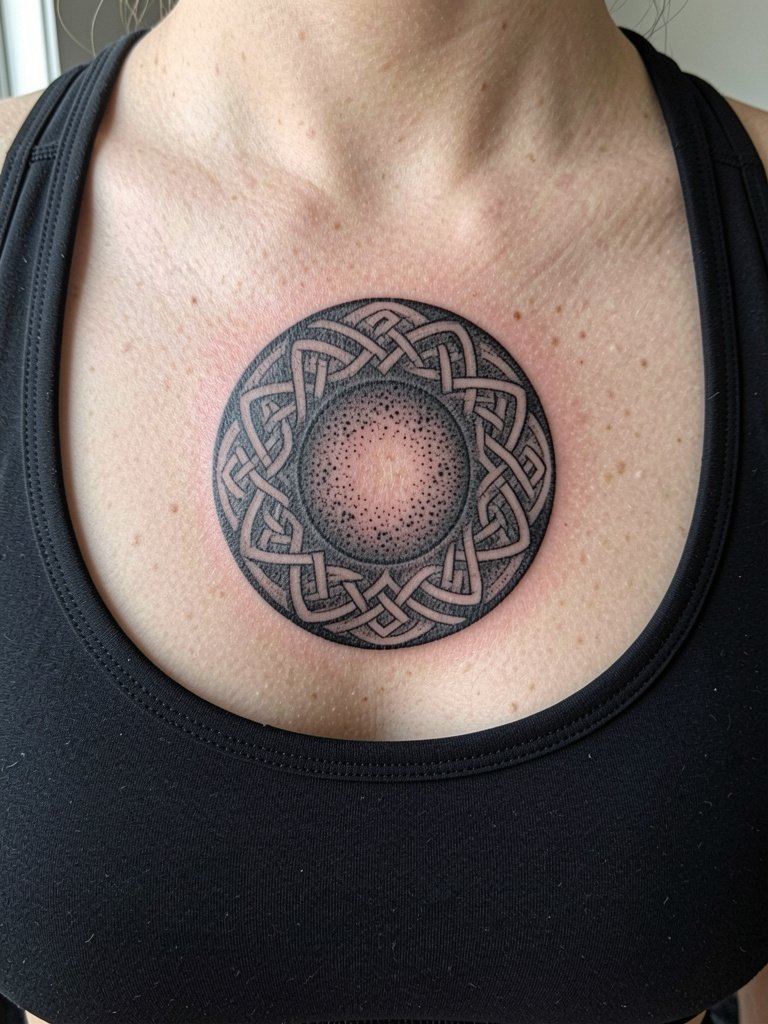
Sternum pieces need spacing and symmetry. Tell the artist you want the stipple center to read as shadow, not a solid blob. The sternum can be painful, and some artists argue its skin quality needs slightly bolder outlines. Another camp insists delicate stippling still works there with careful depth. If you plan an underbust reveal, wear a fitted bandeau to the session for access. Avoid cramming extra script into the ring as it usually blurs over time.
9. Pocket-Sized Shamrock on Ankle
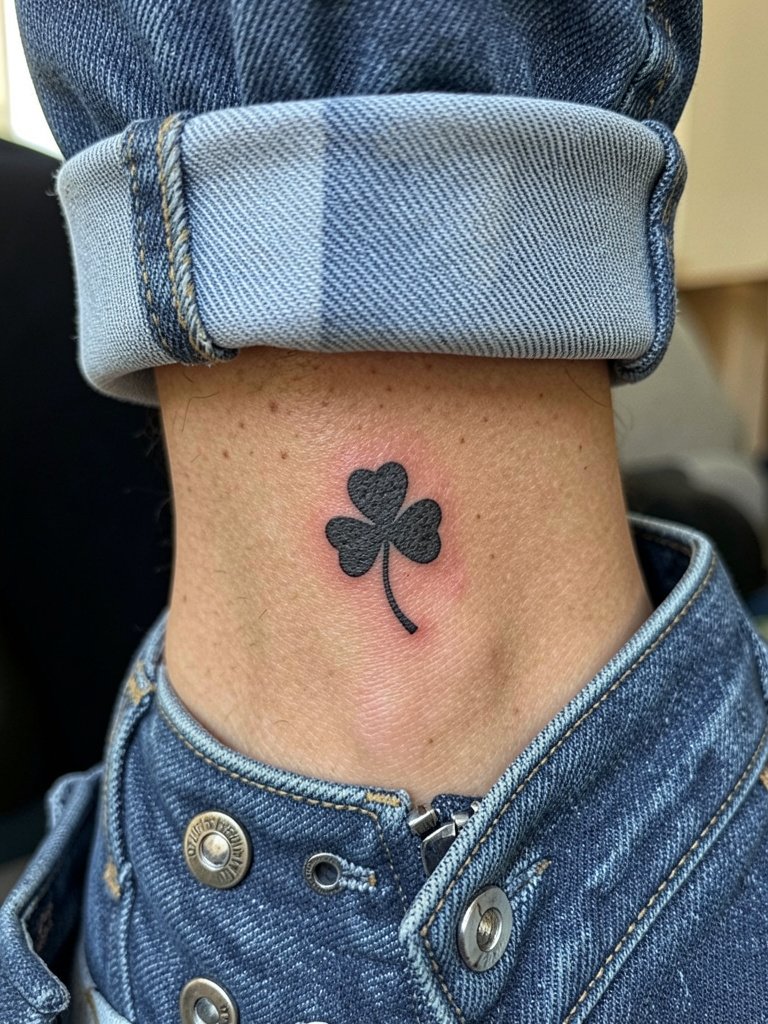
Ankle flash pieces should keep single shapes rather than tiny interior detail. The ankle sees a lot of shoe and sock friction so solid silhouettes outperform micro-stipple. Expect quick work and frequent first-year touch-ups for crisp edges. Wear low-profile shoes or rolled cuffs to your appointment so the area stays dry and accessible. For display pair with cropped denim or ankle boots to frame the motif.
10. Miniature Harp on Collarbone
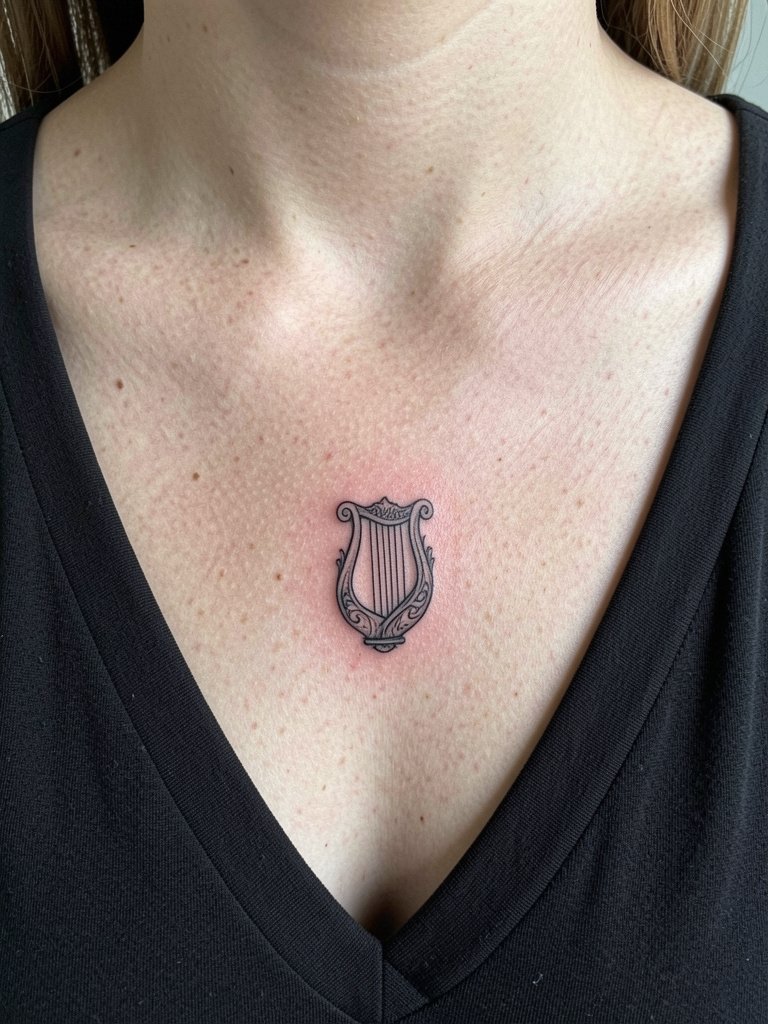
Collarbone pieces must respect bone contour. Ask for the harp to sit with its base on soft tissue, not directly over the collarbone ridge, to avoid future blowout. The area is sensitive and a common mistake is choosing ultra-thin string details that fade. Session time is short but expect sharp sensation over bone. For showing off, an open-neck blouse or a scoop-neck tank accents the placement.
11. Knotwork Half-Sleeve With Negative Space
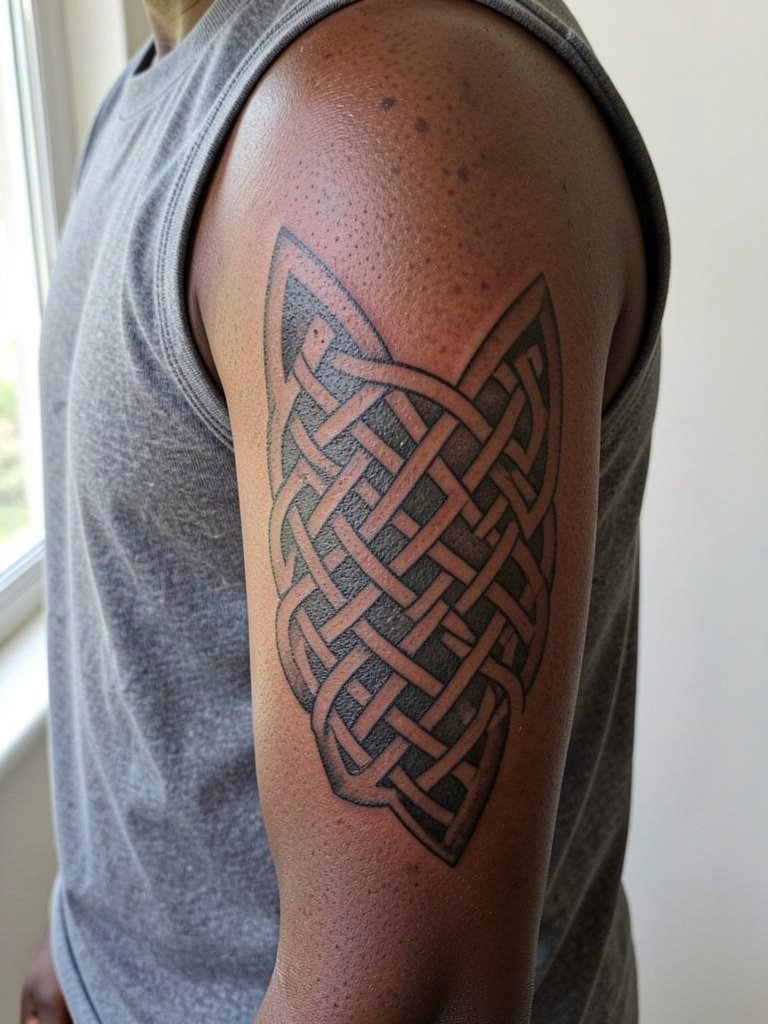
Half-sleeves that use negative space avoid aging into a solid black mass. Show the artist examples of knotwork with gaps so they know to leave breathing room. This is a longer session or multiple sittings, and you will notice more soreness on the inner elbow area. A mistake is overfilling early to "complete" the sleeve in one visit. Pair the finished half-sleeve with rolled linen sleeves and a casual blazer for a smart reveal.
12. Viking-Style Knot and Axe on Calf
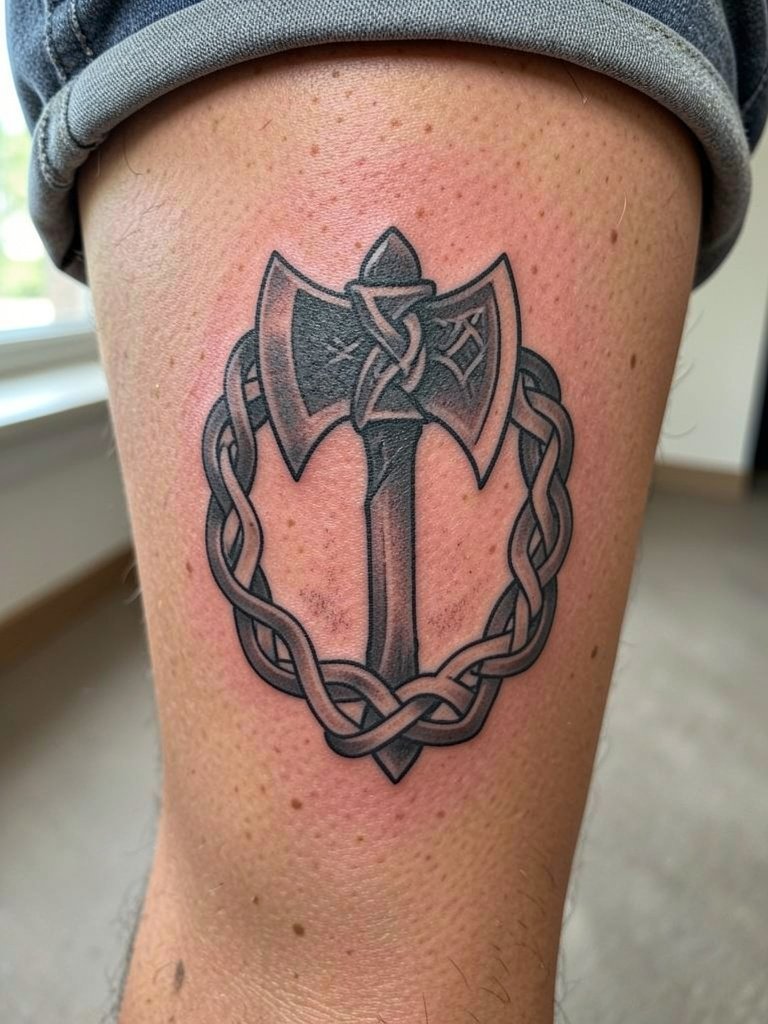
Calf pieces hold linework and saturation well because of muscular tissue. Ask the artist to place the axe head off-center so movement does not compress the knot into itself. Expect a medium-length session with tolerable pain. The common mistake is tiny axe details that disappear with distance. For showing the art in summer choose casual shorts that stop above the design.
13. Dot-Work Celtic Sun on Nape
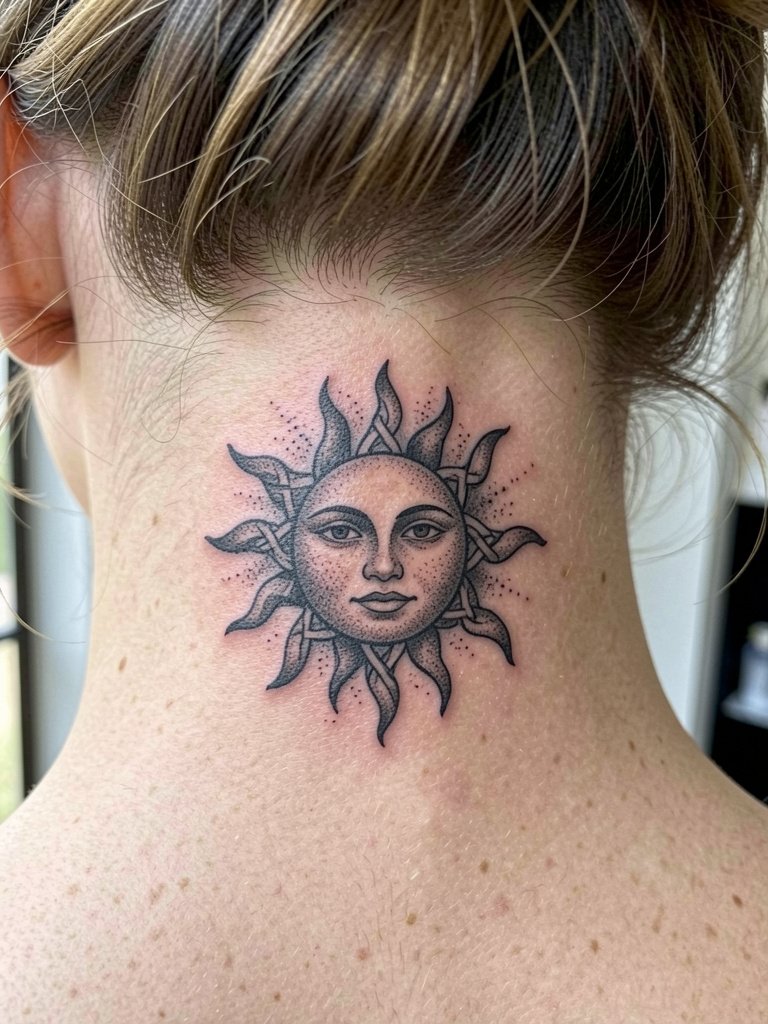
Dot-work on the nape creates soft gradients without heavy outlines. Specify dot density with the artist, because too fine a stipple in high-movement areas can merge. The nape is a discreet spot and heals well under hair, but expect awkward access during the session. For subtle reveals wear hair up for dinners and down for everyday concealment.
14. Shield-Shaped Heraldic Crest on Thigh
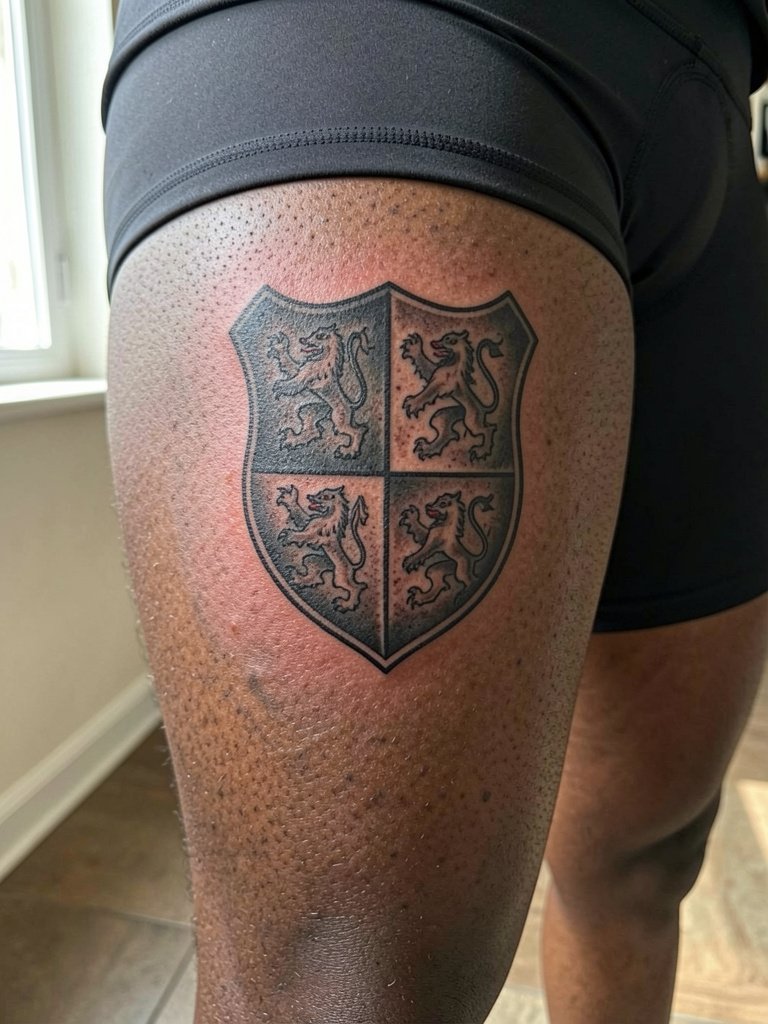
A crest benefits from slightly weathered shading so it reads at a distance. Discuss panel simplification with your artist so small heraldic animals retain form after two years. Thigh flesh holds saturation and expands gracefully with weight fluctuations. For date nights pair with a mid-thigh wrap skirt to show the shield.
15. Knot-and-Compass Ankle Wrap
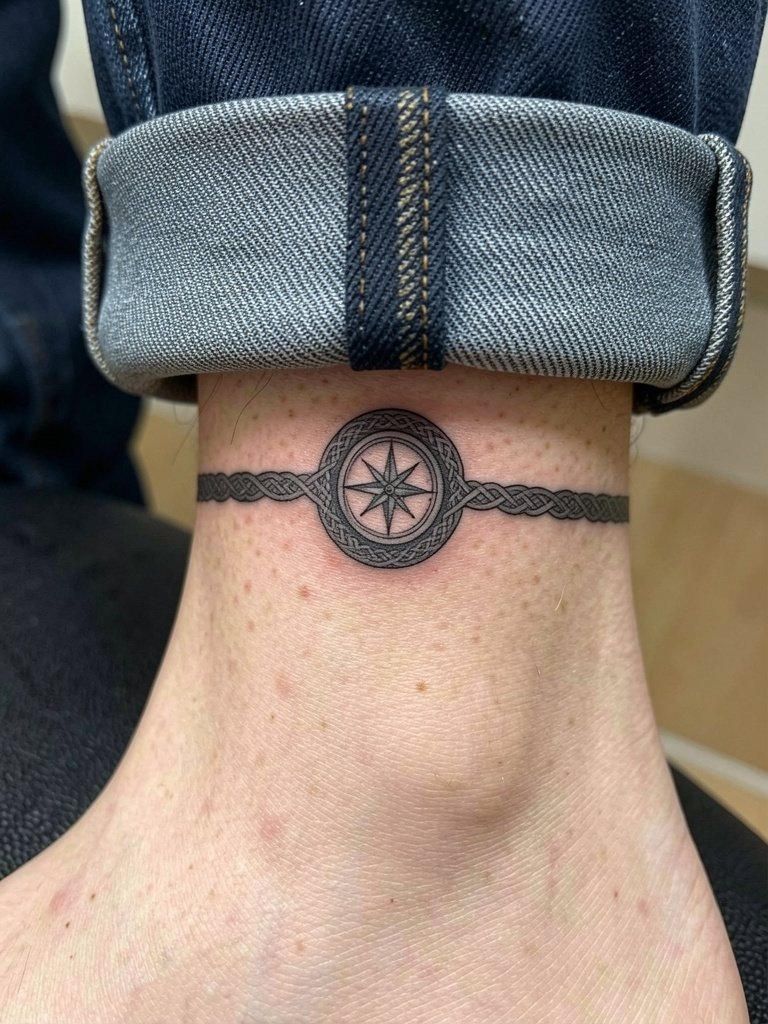
Ankle wraps demand clear negative space so the compass dial stays readable. Ask for open numerals and a light inner ring to prevent future merging. The ankle needs frequent first-year touch-ups because of footwear friction. For display, try low-top sneakers or ankle sandals and a rolled-hem jean to frame the wrap.
16. Celtic Wave on Side Rib
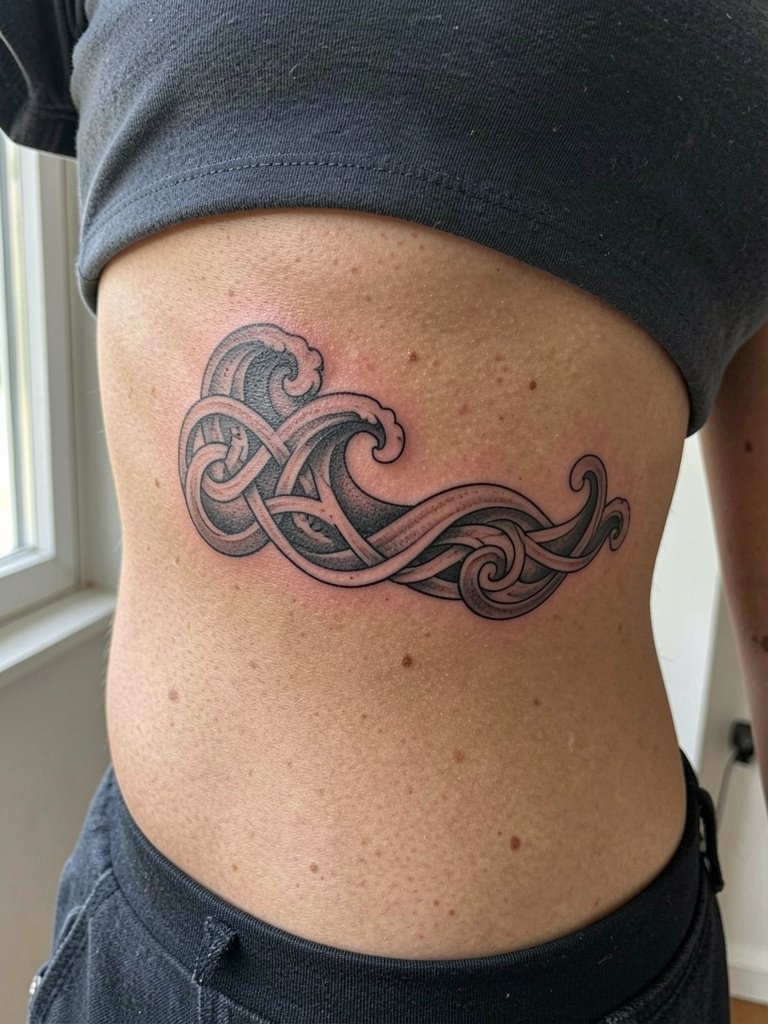
Side-rib designs should flow with breath and torso contours. Ask the artist to test the stencil with a breathing check so the knot alignment looks right when you inhale. Some artists maintain that ribs blur fine-line work, while others counter that slightly heavier threads and good spacing solve the problem. The session involves higher pain. For the appointment wear a fitted cropped top so the area is accessible and stays put.
17. Linear Knotwork on Finger
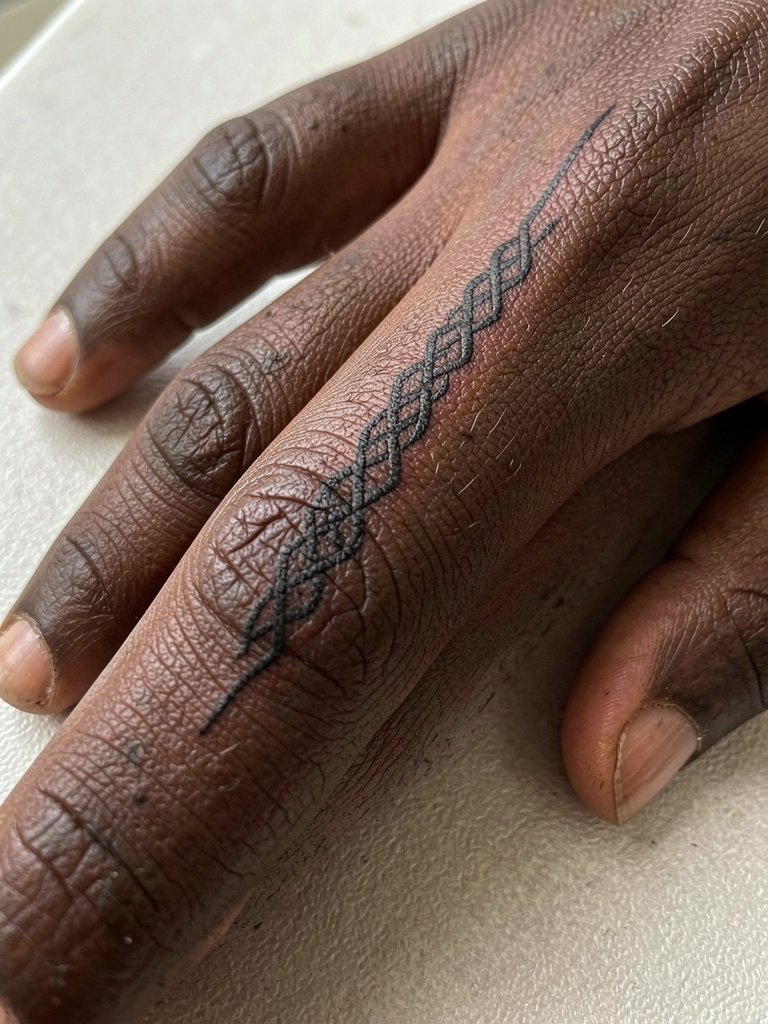
Fingers are high-maintenance. The most common mistake is scheduling a fine wrap without expecting multiple touch-ups. Tell the artist you accept a thicker thread if needed to avoid early fading. Sessions are short but the finger shaft causes more scabbing and friction. For styling choose rings that do not rub the design and consider a thin band ring set so the art remains visible.
18. Celtic Raven Silhouette on Forearm
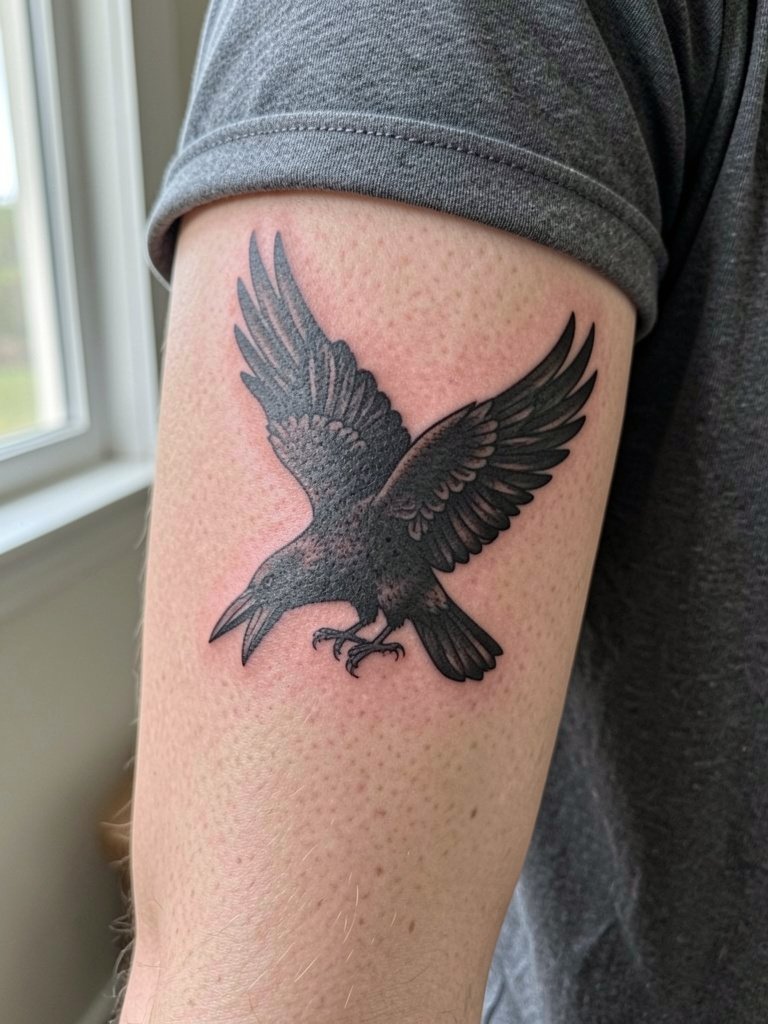
Silhouettes on the forearm read well at a distance. Ask for wing detailing saved as line accents rather than dense shading to keep the bird readable years out. A common mistake is over-shading the body so the silhouette loses shape. The forearm tolerates strong saturation, and the piece usually needs a single touch-up within the first two years. For casual days wear a rolled sleeve shirt that frames the image.
19. Heart-Shaped Interlace on Chest
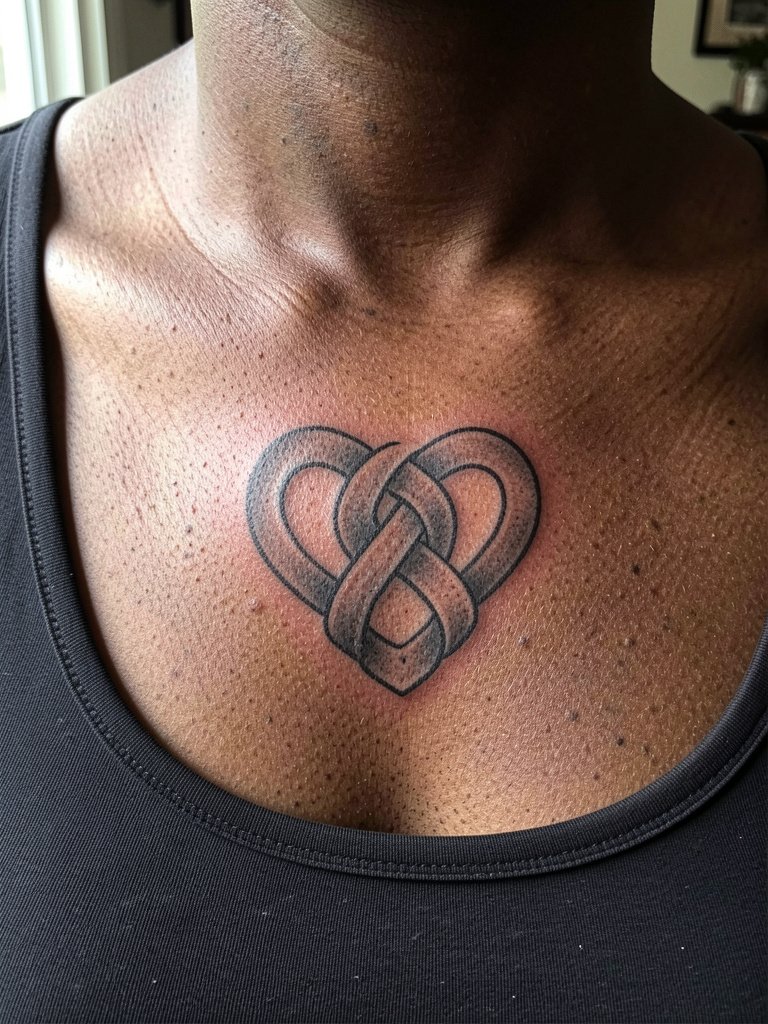
Chest heart knits are popular but require alignment. Ask the artist to center the lowest point of the heart on soft tissue instead of the bone so the shape does not distort. The chest sees sun exposure so plan for sunscreen after the healed window. Many people regret putting tiny filigree inside the heart because it blurs. Wear an open-neck top to show the shape without adjusting fabric.
20. Minimal Knot Tattoo on Finger Web
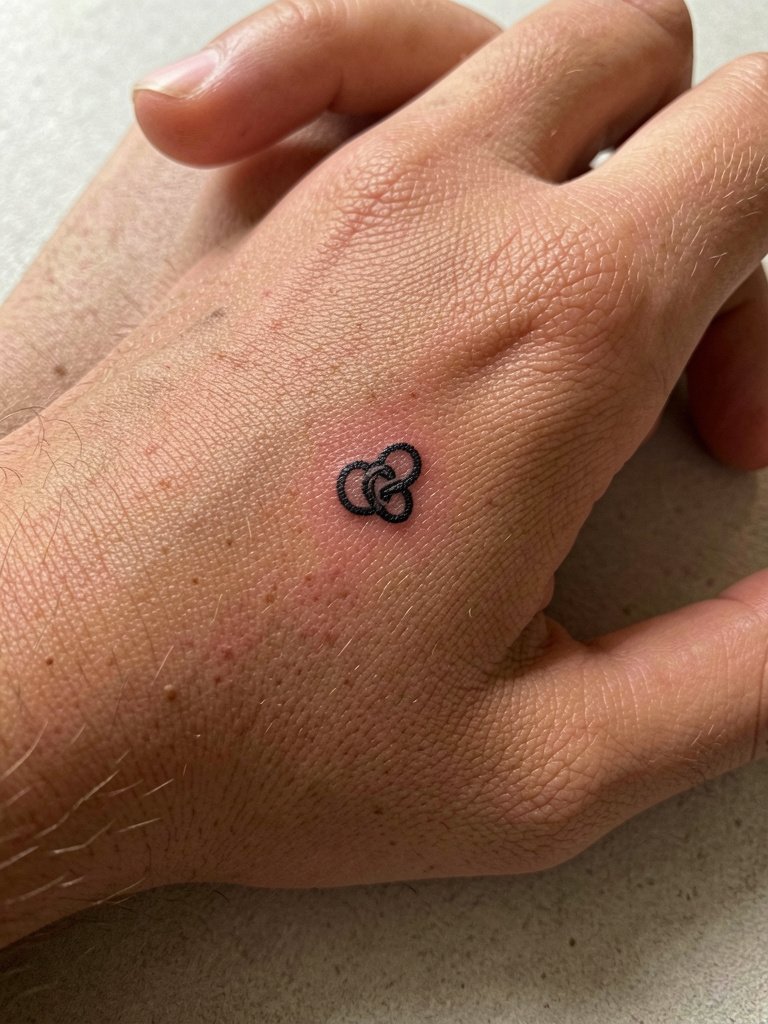
Web-area tattoos can fade fast because of frequent washing and movement. Choose a slightly bolder thread and expect touch-ups. Common mistakes include choosing ultra-fine detail. The session is short but sharp. For jewelry pick a delicate ring set that does not sit directly over the web so the tattoo gets room to breathe.
21. Shielded Knot Medallion on Lower Back
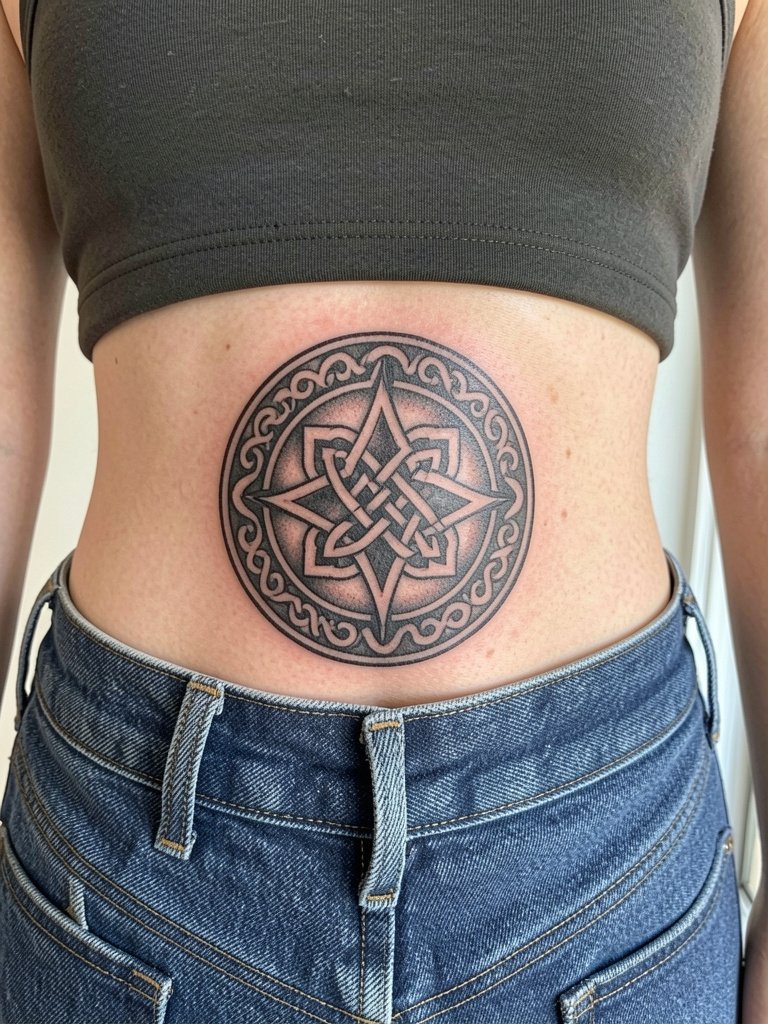
Lower-back medallions need a plan for waistband friction. Ask the artist to leave a thin border so the medallion does not sit directly under a beltline. The region heals well but watches for rubbing from clothing. A mistake is heavy center packing near the waistband. For reveal pick low-rise jeans that sit below the design and a cropped top.
22. Celtic Arrow on Rib Side
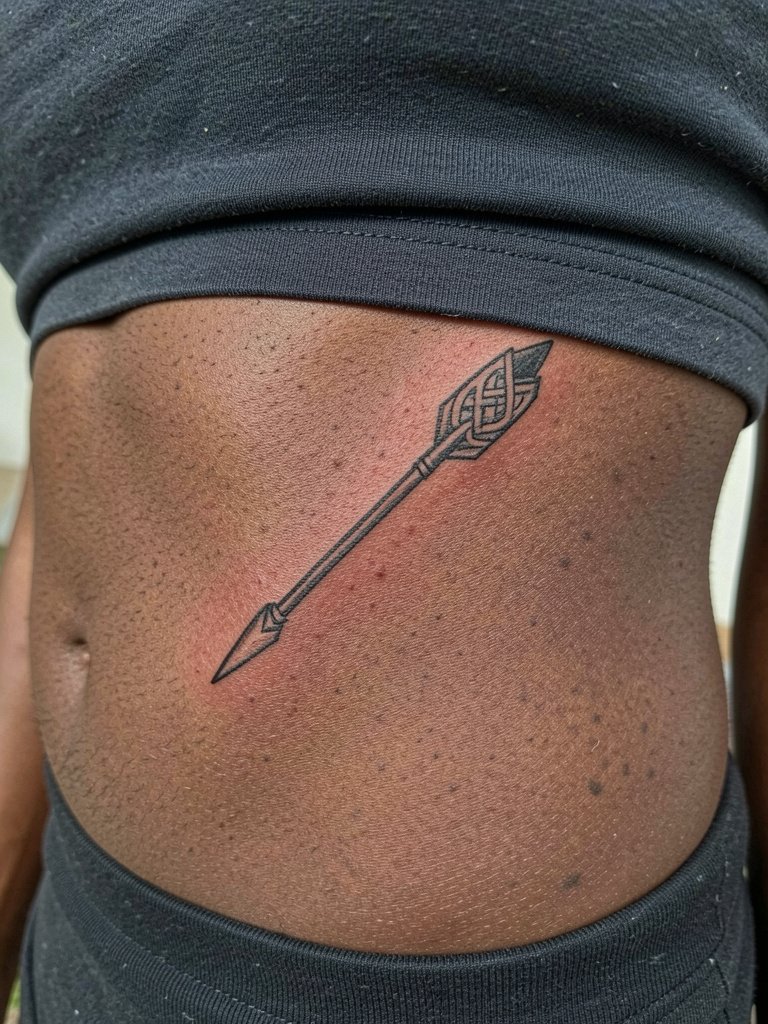
Arrows look great along rib curves when the shaft follows natural lines. Discuss shaft width and knot fletching detail to prevent blurring. Some artists say ribs are unforgiving for fine shafts, and others maintain a slightly bolder shaft is all you need. Expect a more intense session. For session wear a cropped top so the artist can work without repeated adjustments.
23. Interlace Moon Phases on Upper Arm
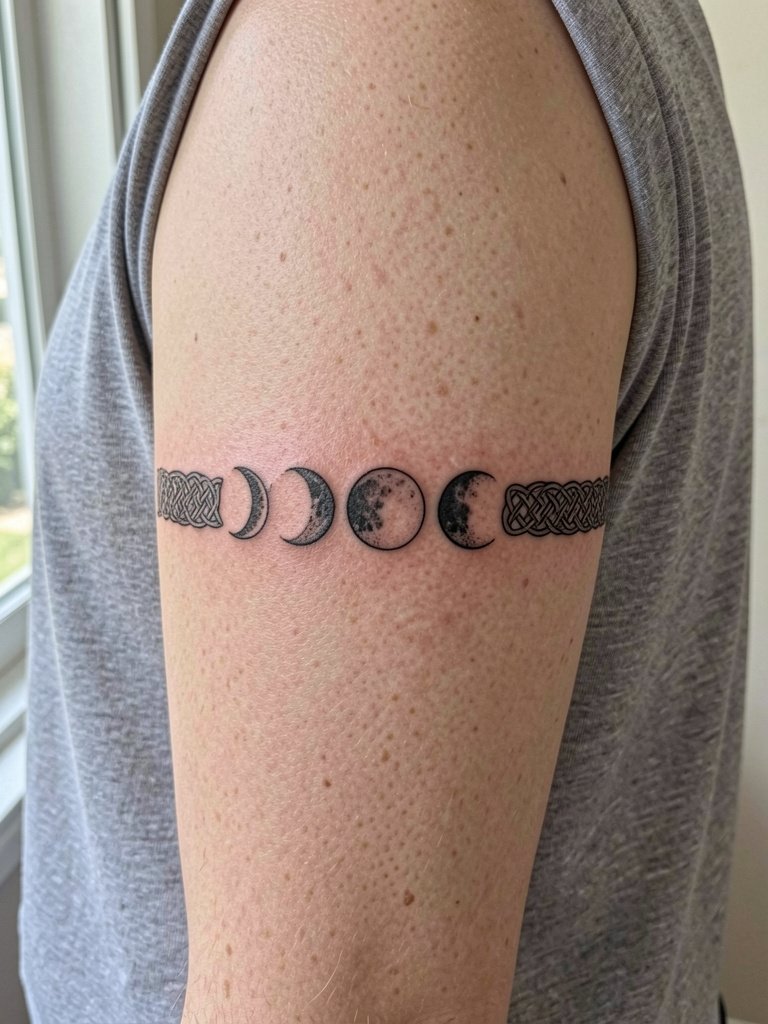
Linking moon phases is a smart way to break up repetitive knotwork. Ask the artist to keep the crescents open and avoid heavy fills that merge. The upper arm heals predictably and will show crisp detail if spacing is respected. A common mistake is cramming too many phases close together so the shapes lose definition. For casual display wear a tank top.
24. Linear Celtic Arrow on Foot
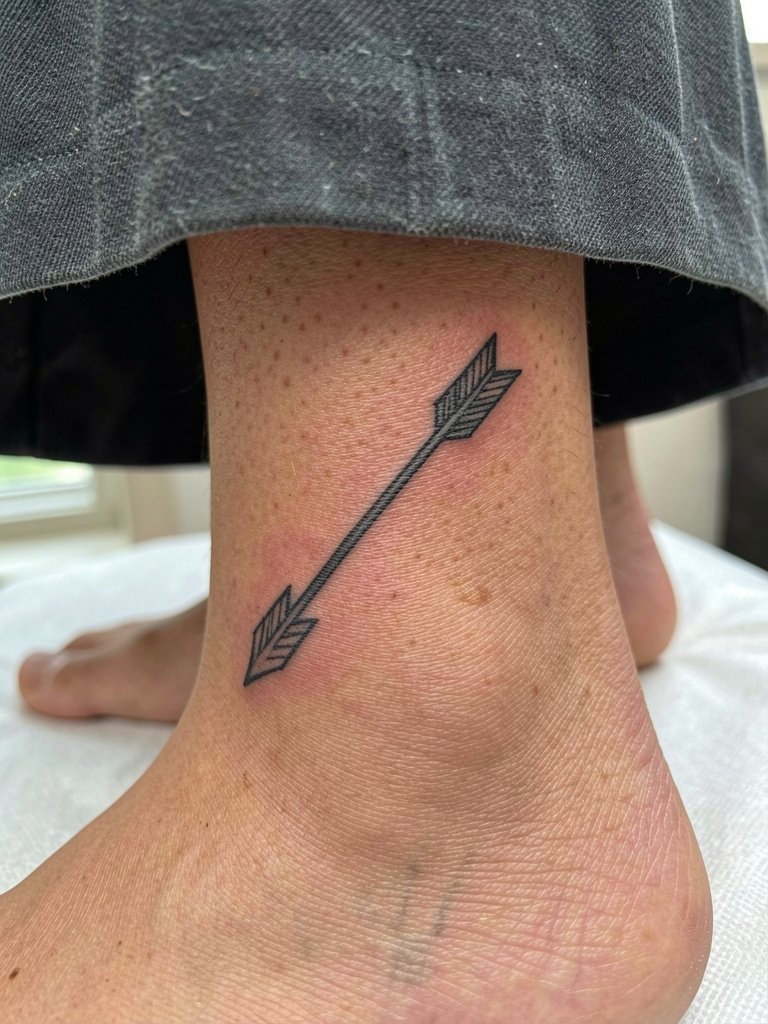
Top-of-foot pieces are visible but prone to rubbing inside shoes. Ask for slightly stronger linework and plan for a touch-up after winter footwear. The common mistake is fine crosshatching that disappears. The session is brief but can sting where skin is thin. For showing off wear sandals that do not cross the tattoo.
25. Knot-Encircled Date on Inner Wrist
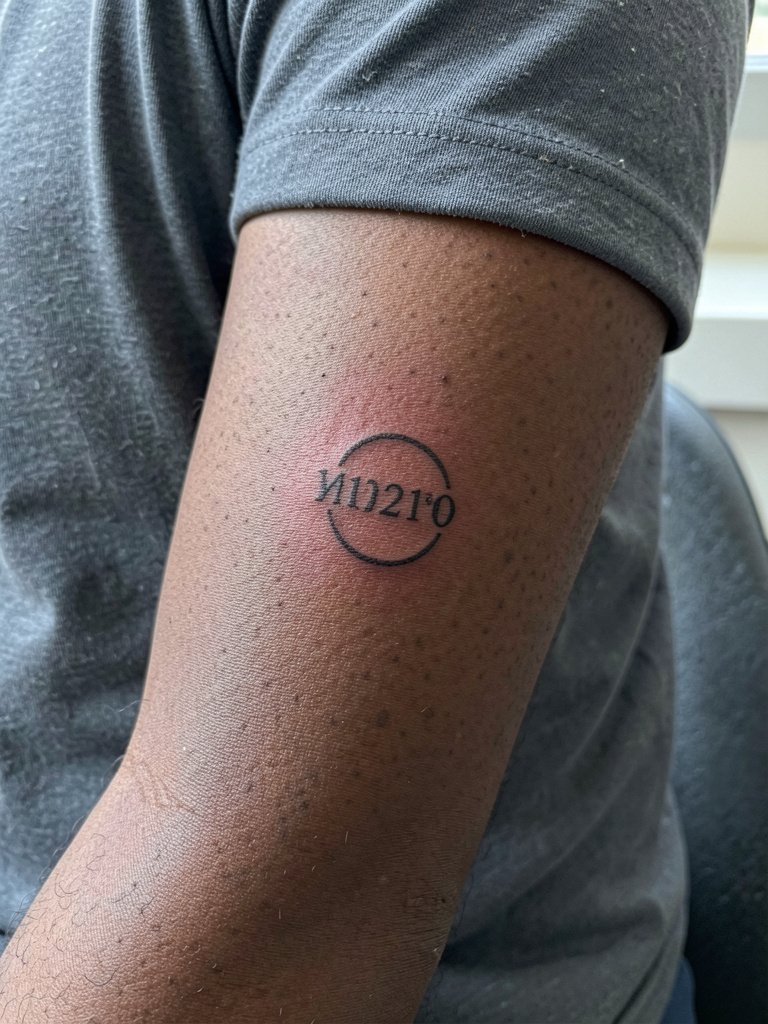
Inner wrist text needs deliberate spacing. Provide the exact roman numerals to the artist so the font is set correctly. The wrist is a high-movement area and you should expect color softening; thicker numerals help longevity. A frequent mistake is using a fragile script that washes out under heavy use. For display pair with a thin watch or a delicate bracelet that does not press on the numerals.
26. Large Celtic Knot Shoulder Cap
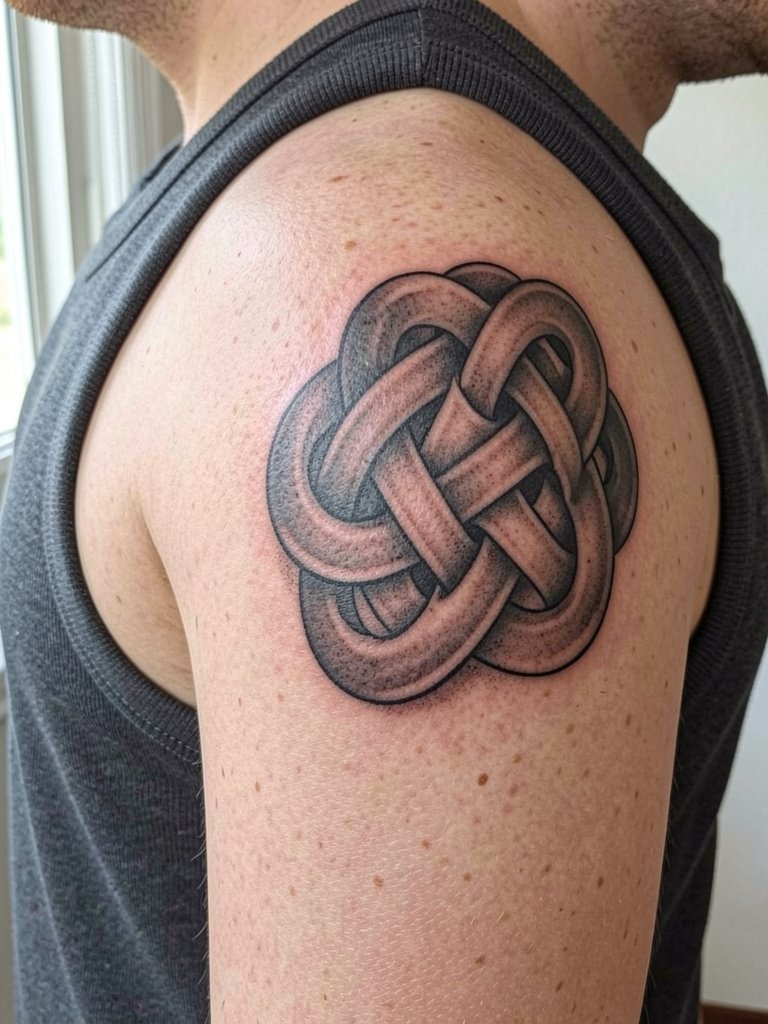
Shoulder caps let the artist play with curvature to help longevity. Ask for shading that follows muscle grain to avoid one flat shape. The shoulder tolerates multi-hour sessions well, and the piece will hold contrast for years. People sometimes try to cram an entire sleeve into the cap and regret the loss of negative space. For display wear sleeveless tops and a raw-edge tank.
27. Heritage Ribbon Flash for Chest Panel
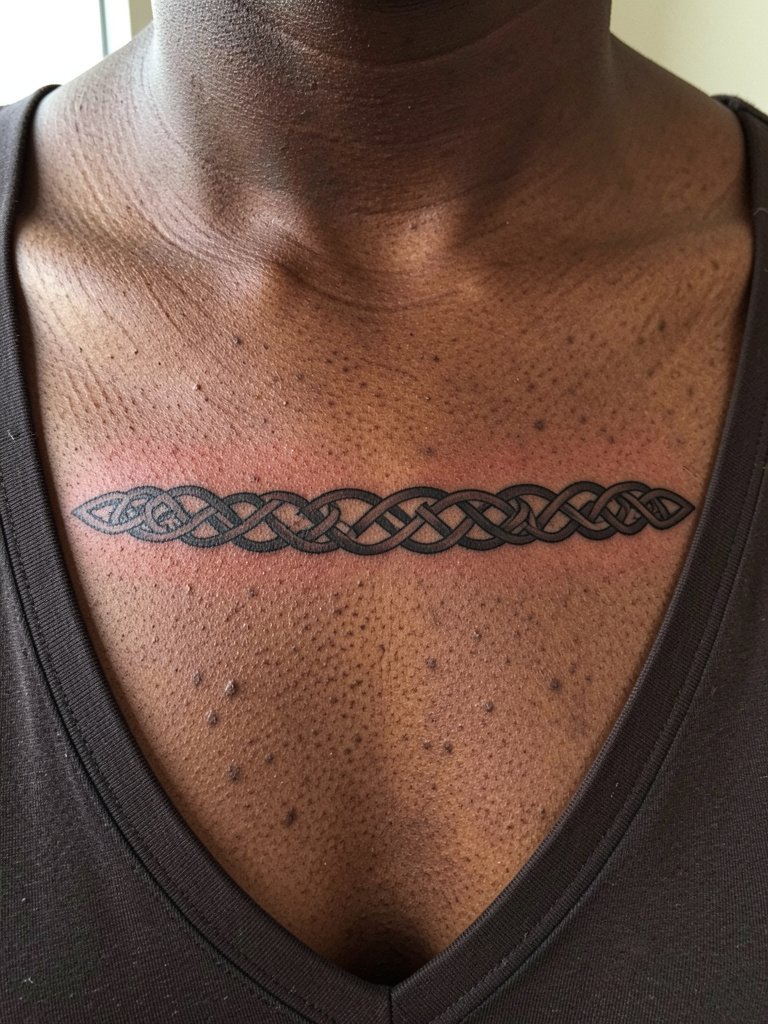
Ribbon flashes are the kind of pre-drawn elements artists keep on a sheet for quick custom placement. Ask on booking whether the flash will be resized and how much the artist will adjust line weight for your chest anatomy. A common mistake is picking too narrow a ribbon that disappears at five years. These are efficient session choices for chest panels and look great with open-neck shirts.
Frequently Asked Questions
Q: How do I find healed examples and artist portfolios without naming specific artists?
A: Search platform hashtags and keywords like #CelticKnotTattoo, #IrishInkFlash, and "healed knotwork" on image-based apps. Use location filters for nearby portfolios and scan Reddit tattoo threads for healed shots across skin tones. Browsing curated portfolio sites with "knotwork" or "heraldic crest" tags also surfaces consistent healed examples.
Q: Will fine-line Celtic script hold up on the ribs or is bold work safer?
A: Artists split into two camps on ribs. One camp warns that narrow script blurs quickly because the skin stretches and moves with breathing. The other camp says slightly wider letterforms and correct depth result in durable script. If you prefer fine lines, ask for scaled mock-ups and budget a touch-up window.
Q: How many touch-ups should I expect for fingers and ankles from these flash designs?
A: Fingers and ankles typically need more attention. Plan for at least one touch-up within the first year for finger bands and two touch-ups in the first two years for ankle silhouettes. Thicker threads and bold silhouettes reduce touch-up frequency.
Q: Are there cultural considerations for using Celtic motifs if I am not Irish?
A: Respectful use involves acknowledging origin and avoiding modern tribal imitations that erase context. One camp believes Celtic motifs are shared heritage open to adaptation. Another camp asks for sensitivity and recommends learning the meanings behind specific symbols. If a symbol has sacred or clan-specific roots, mention that to your artist and consider simpler knotwork alternatives.
Q: What should I wear to a studio appointment for a sternum or rib piece?
A: Wear fitted session-appropriate clothing that gives clear access without constant adjustment. For sternum choose a fitted sports bra or bandeau. For ribs pick a cropped tee. A fitted sports bra keeps the fabric stable and speeds the session.
Q: How visible will these flash designs be after five years on different skin tones?
A: Healed visibility depends on placement, saturation, and sun exposure. Bold blackwork on bony or low-friction places like the shoulder and calf tends to read well at five years. High-friction spots like fingers and ankles fade faster and need maintenance. I have seen strong shoulder caps retain crisp lines for five years when they were packed evenly and shielded from regular sun.