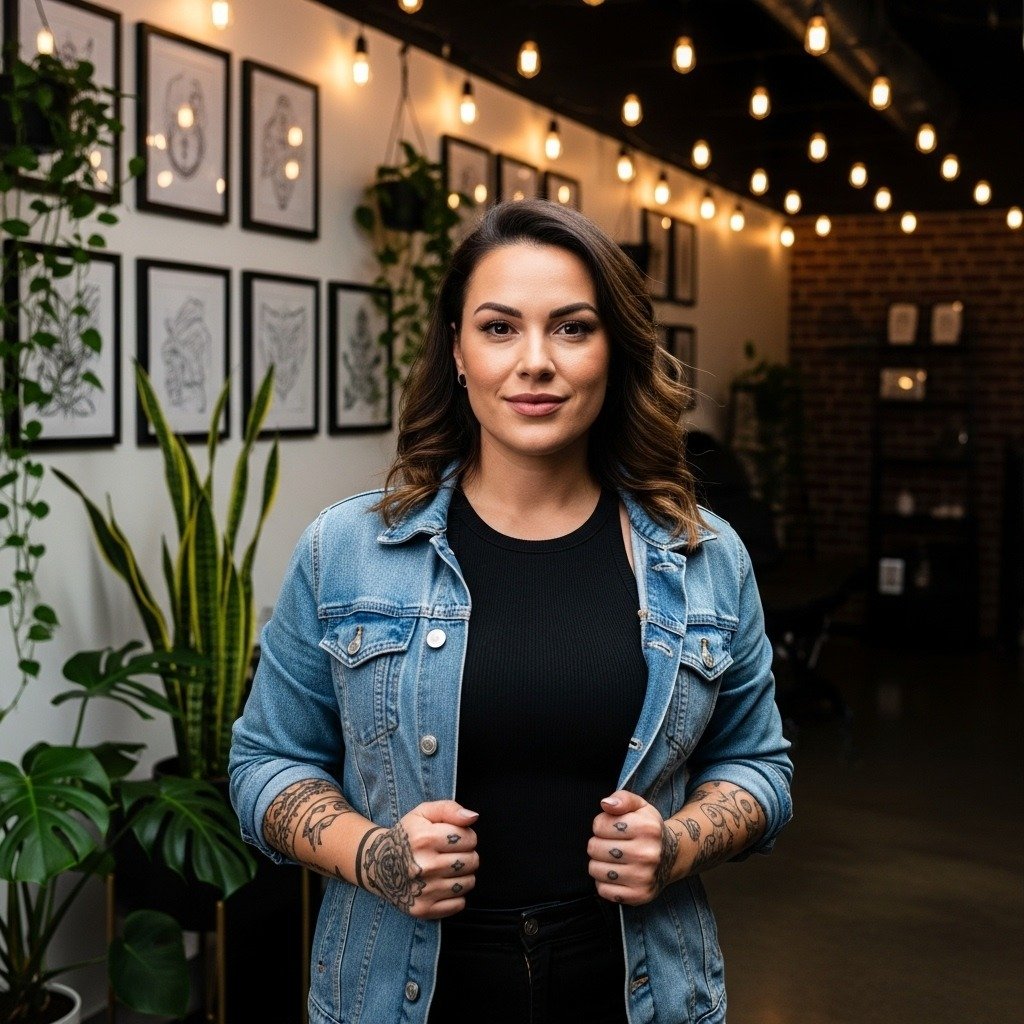
Most watercolor pieces that still look sharp after five years are not the pastel washes all over Instagram. They pair intentional linework with saturated color placement, avoid high-friction zones, and get a realistic touch-up plan from the start. That practical split between spectacle and staying power is what matters when you show a reference to your artist. Read the first design and you will see how to translate a photo into a healed result that lasts.
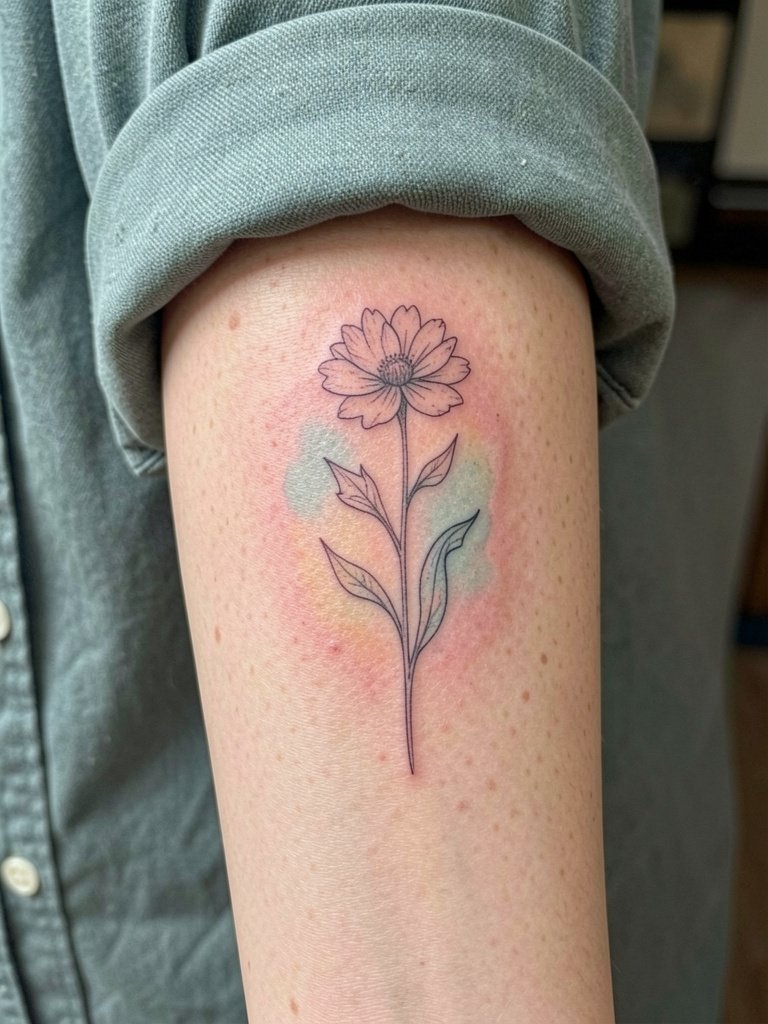
1. Fine Line Watercolor Botanical on Inner Forearm
A clean single-stem flower with a watercolor wash behind the stem reads well at three inches, and it ages better than a tiny pastel cluster. Bring two reference photos at different scales so the artist can show you how the same wash behaves at three inches versus five. Common mistake: requesting ultra-thin single-needle petals without allowing room, which the inner forearm will soften by year two. Session feel: mild to moderate, about 60 to 90 minutes. Styling and show-off pairing: roll sleeves and wear a linen button-down in cream or sage to frame the piece.
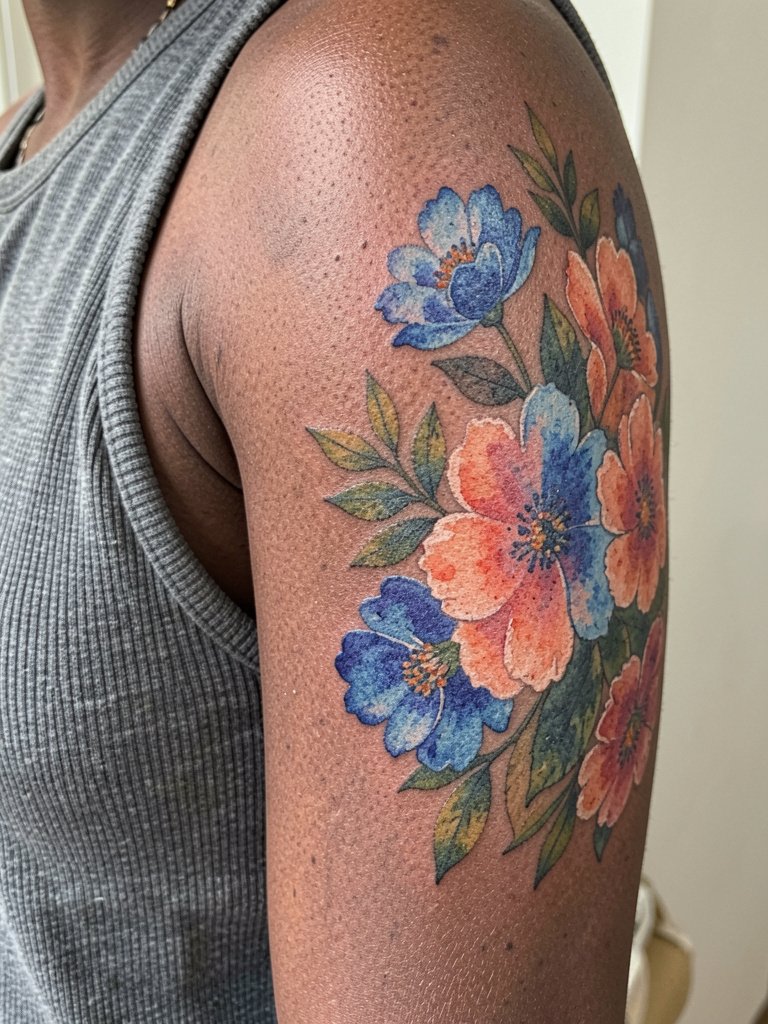
2. Full-Color Floral Half-Sleeve on Outer Upper Arm
Go big with layered blooms that use heavy washes and bleeding edges, but plan the project as a multi-session build so colors settle evenly. Tell the artist exactly how much black outline you want around each bloom so the sleeve keeps structure as pigments soften. Common aging pattern: saturated sections hold for longer than very pale pastels, so designers alternate strong mid-tone blocks with soft edges to avoid a muddy patchwork. Session time: multiple 3 to 5 hour bookings spaced 6 to 8 weeks. Avoid tight sleeves during healing.
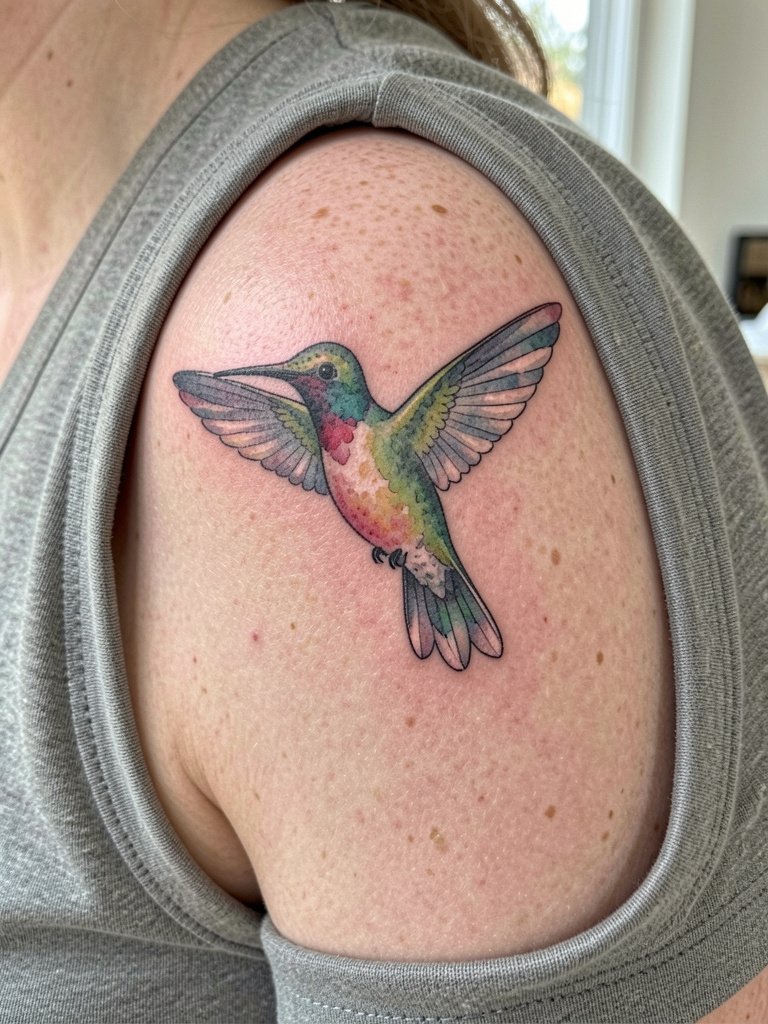
3. Hummingbird with Negative Space on Shoulder
A small hummingbird rendered with watercolor wings and intentional negative-space highlights gives motion without heavy linework. For this placement, tell the artist to leave thin uninked channels inside the wing to act as built-in highlights rather than relying on white ink. Typical mistake: asking for too many pastel tones that vanish with friction from bras and tank straps. Session time: one 60-minute visit for 1–2 inches. Styling and show-off pairing: wear a cap-sleeve top so the shoulder shows naturally.
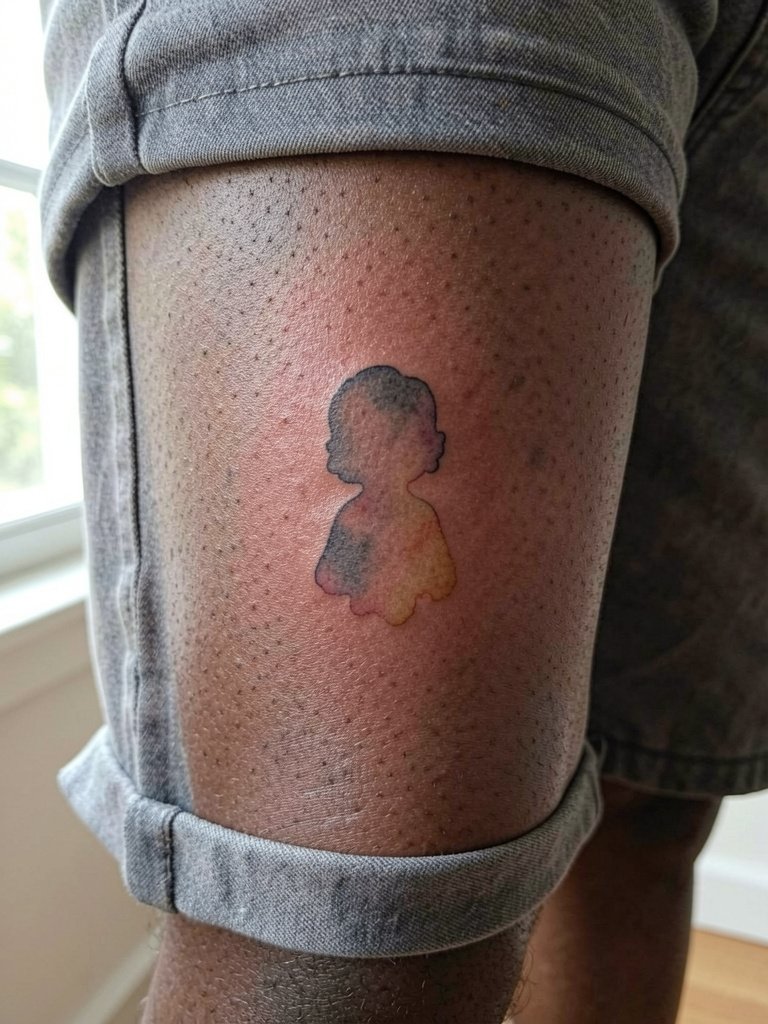
4. Character Silhouette in Watercolor on Calf
A nostalgic silhouette in watercolor is safest when simplified: a bold silhouette edge plus interior wash reads longer than a full-color tiny portrait. Bring the exact silhouette reference and ask the artist to map negative space so the image keeps separation from the calf's skin texture over time. Common mistake: tiny portrait details that the calf softens and blurs in photos. Session time: 1.5 to 3 hours depending on size. For session wear choose shorts or knee-length shorts so the artist has clear access.
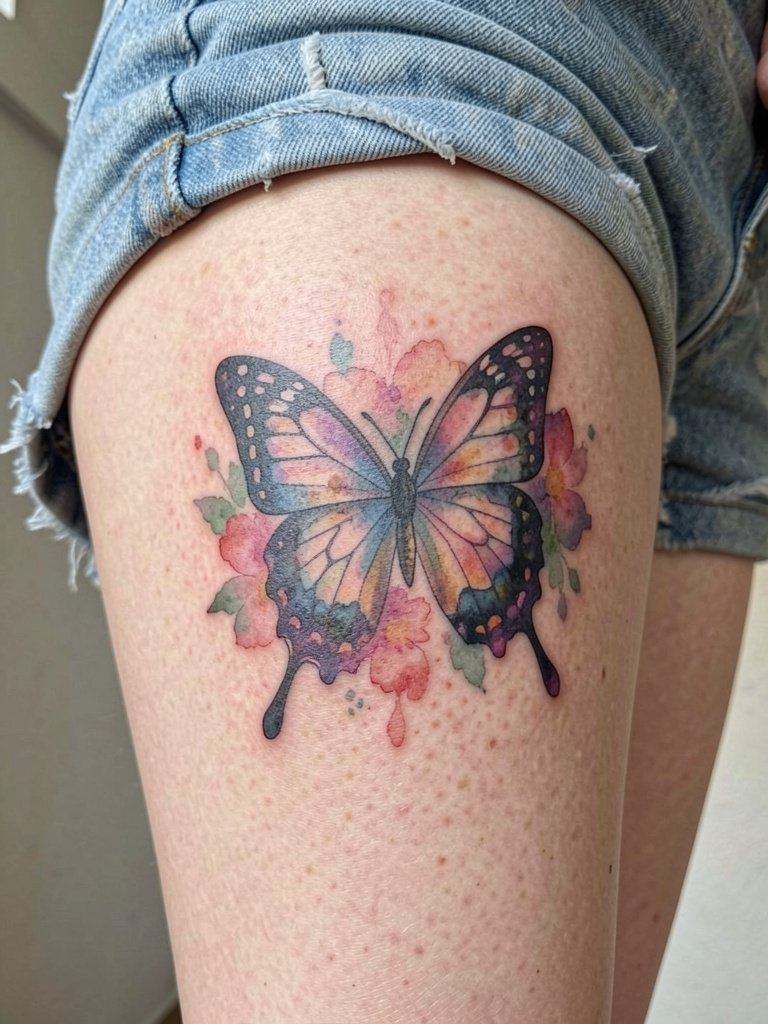
5. Butterfly with Floral Integration on Outer Thigh
A mid-sized butterfly whose wings dissolve into watercolor florals is a composition that keeps a readable focal point while still showing painterly blends. Specify wing margin width and color saturation during consultation so the wings retain structure as they fade. Controversy here matters: one camp accepts softer edge fade as part of the watercolor aesthetic. The other camp insists on stronger outlines and saturated pigments so the butterfly holds for years. Session time: two to three hours. Styling and show-off pairing: mid-thigh pieces pair well with mid-rise shorts for summer reveals.
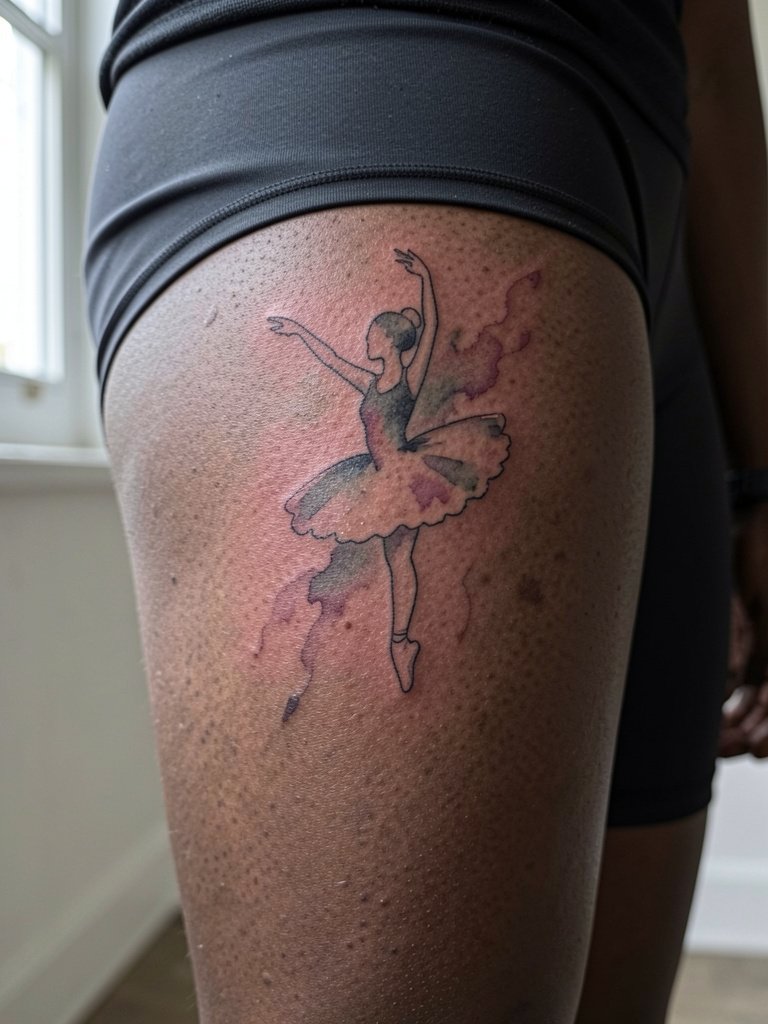
6. Ballerina Silhouette with Flowing Wash on Inner Thigh
An intimate ballerina silhouette works beautifully with a soft wash if you plan the placement around undergarment friction. Ask for the design to sit at mid-inner-thigh not tucked under elastic lines. The biggest mistake is placing it where daily friction will blur edges. Session experience: moderate pain, about 90 to 150 minutes. For the appointment wear easy-access bottoms like high-cut shorts so the artist can work without fabric pressure.
Pre-Session Essentials
Those first six placements highlight friction, session length, and sensitive areas, so a few tools smooth the appointment and the first week of healing.
- Tattoo numbing cream (Zensa or equivalent). Applied per directions before long color sessions it can lower discomfort on inner thigh and ribcage slots so you get through a multi-hour color pass.
- Antipigment ink additives / color stabilizers search. For collectors building a sleeve over sessions, these mixing aids are sometimes used to slightly increase pigment longevity and reduce early washout between sittings.
- Rebel Roses or After Inked style tattoo aftercare alternatives. Lightweight, fragrance-free options that international collectors praise for color preservation when used sparingly during the initial healing window.
- SPF 50+ mineral sunscreen stick. Sun protection matters for watercolor retention, especially for exposed forearm and thigh work during the first year.
- Aquaphor healing ointment. A thin layer in the immediate days after tattooing can lock in moisture for fine line pieces without over-saturating the area when used as directed.
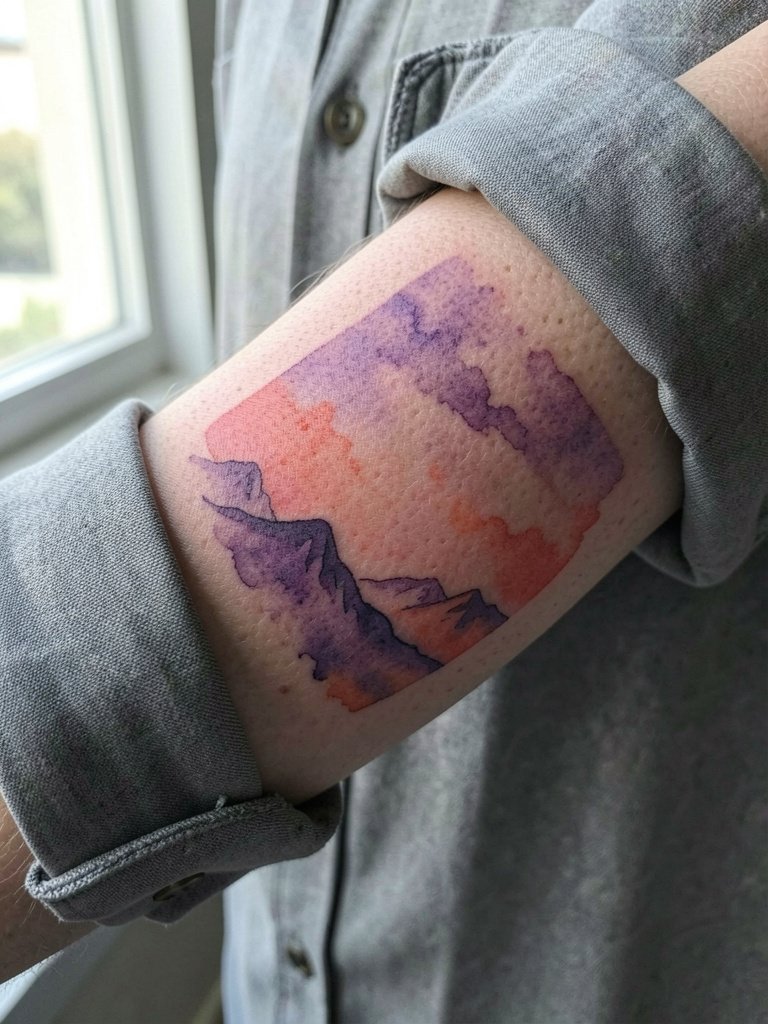
7. Landscape Skyscape on Outer Forearm
Sunset gradients and mountain silhouettes are forgiving because they rely on color blocks rather than ultra-fine detail, so they hold photographic presence longer. During consultation request a test swatch area for the most delicate wash color to see how it settles on your skin tone. Session time: 90 to 150 minutes for a 4–6 inch piece. Styling and show-off pairing: rolled cuff shirts and short-sleeve fitted tees frame the forearm without competing.
8. Aquatic Creature with Trailing Ink on Ankle
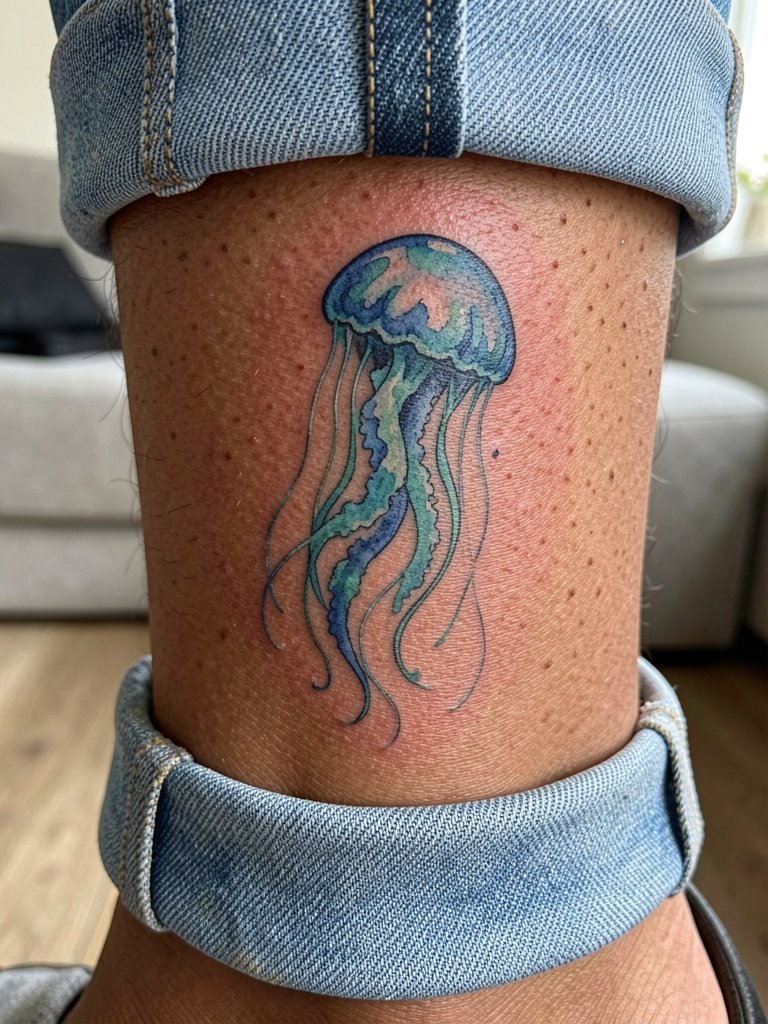
Jellyfish or small octopus designs use trailing watercolor tendrils that look organic on the ankle, but expect more fading because shoes and socks create daily abrasion. Plan the tentacle placement to avoid shoe straps and use a saturated blue palette. Session time: 60 to 120 minutes. Avoid tight socks while healing and sleep without heavy bedding that rubs the area.
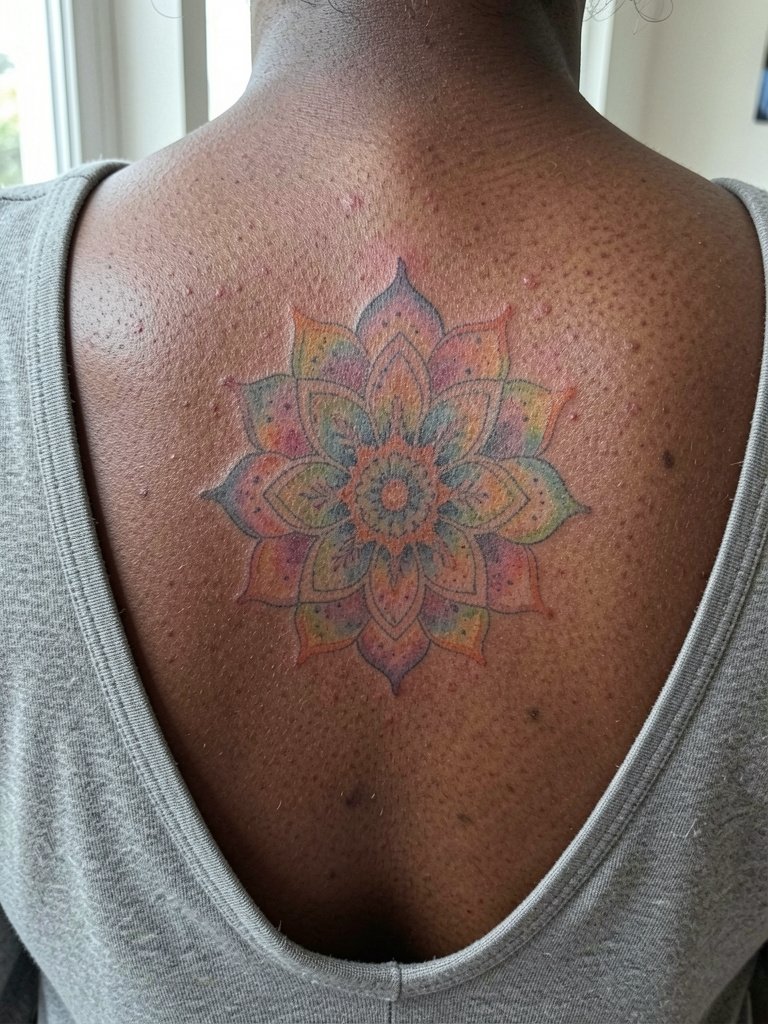
9. Mandala with Soft Color Transitions on Upper Back
A watercolor mandala centered between the shoulder blades works because the back has low friction and room for line breathing. Ask the artist to scale the inner geometry so lines have spacing to survive five years. A common oversight is shrinking the mandala too small, which leads to merging elements. Session time: two to three hours. Showing it off: wear open-back tops to frame the design.
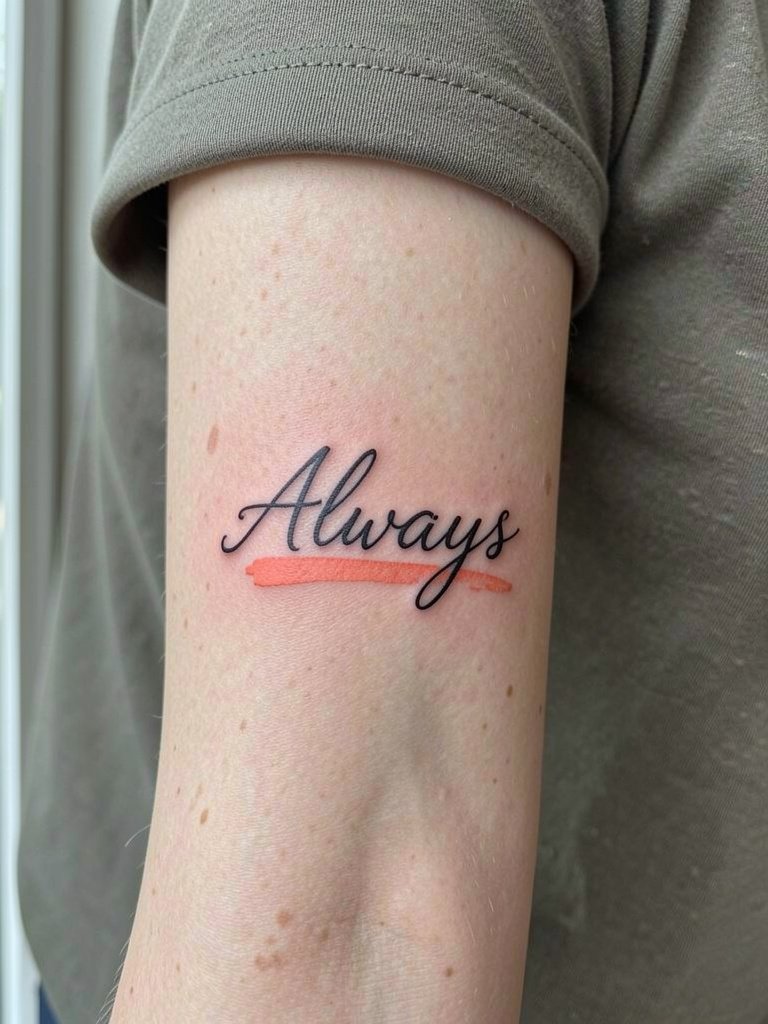
10. Script or Quote with a Watercolor Brush Underline on Wrist
Script combined with a single-color watercolor brush stroke makes text feel handcrafted while keeping legibility. For longevity, choose a slightly bolder script stroke than the Instagram reference so letters do not blur by year three. Session time: 30 to 60 minutes. Styling and show-off pairing: minimal watch or a thin chain bracelet on the opposite wrist avoids crowding a tiny script.
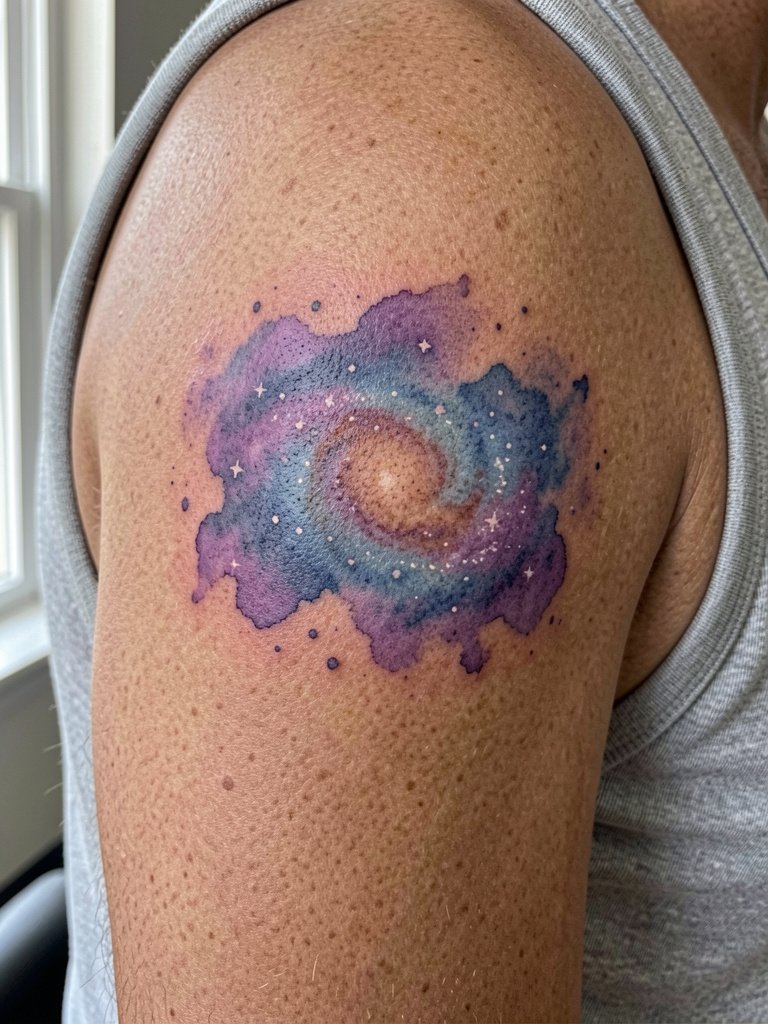
11. Cosmic Galaxy Cluster on Upper Arm
Nebula washes with splatter accents look intentional when the artist balances saturation and negative space. Ask to see healed nebula shots in a similar size so you can confirm how white dots and tiny star specks read on healed skin. Session time: 90 to 150 minutes. Wear a sleeveless tank top for easy access and to preview how the piece shows in everyday outfits.
12. Bird in Flight on the Ribcage
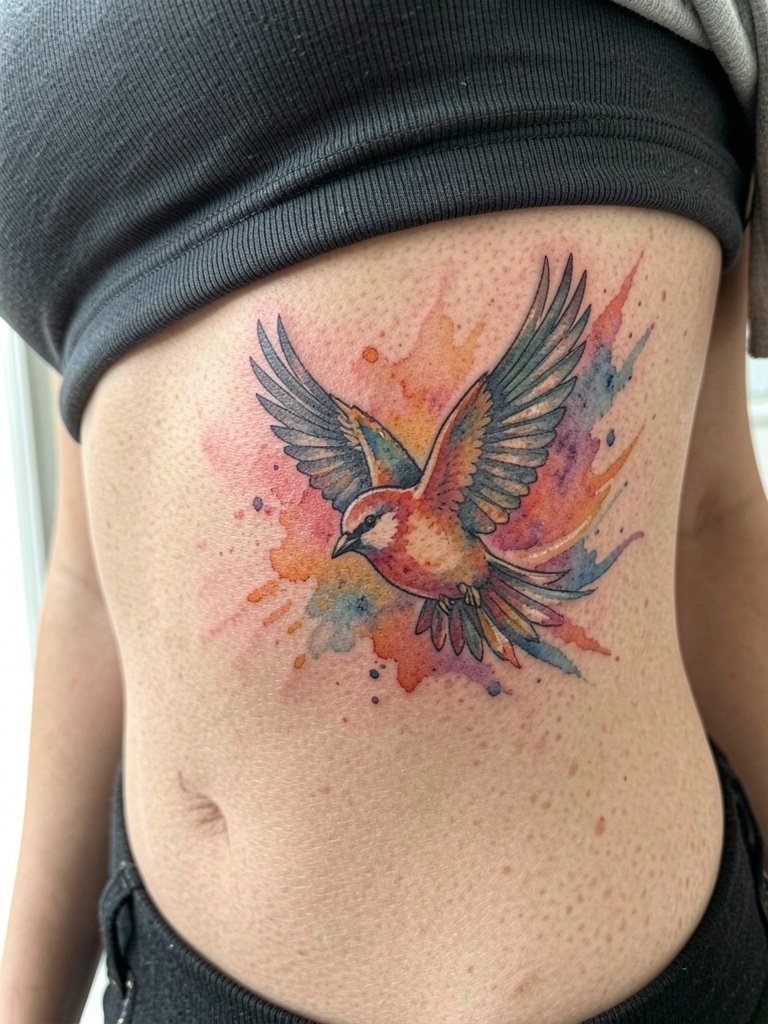
Birds over the ribcage are dramatic but risky if you want a long-lasting wash. Name both camps clearly. One camp says watercolor should never be placed on high-friction, stretching zones like the ribs because soft washes will blur unpredictably within months. The other camp argues that with correct needle depth, slightly stronger spacing, and careful pigment choices the ribs can hold watercolor for years and they show healed examples to prove it. If you still want ribs, request a more saturated mid-tone palette and plan for a touch-up at 6 to 12 months. Session experience: high pain, schedule breaks and plan recovery.
13. Animal Face with Geometric Overlay on Outer Forearm
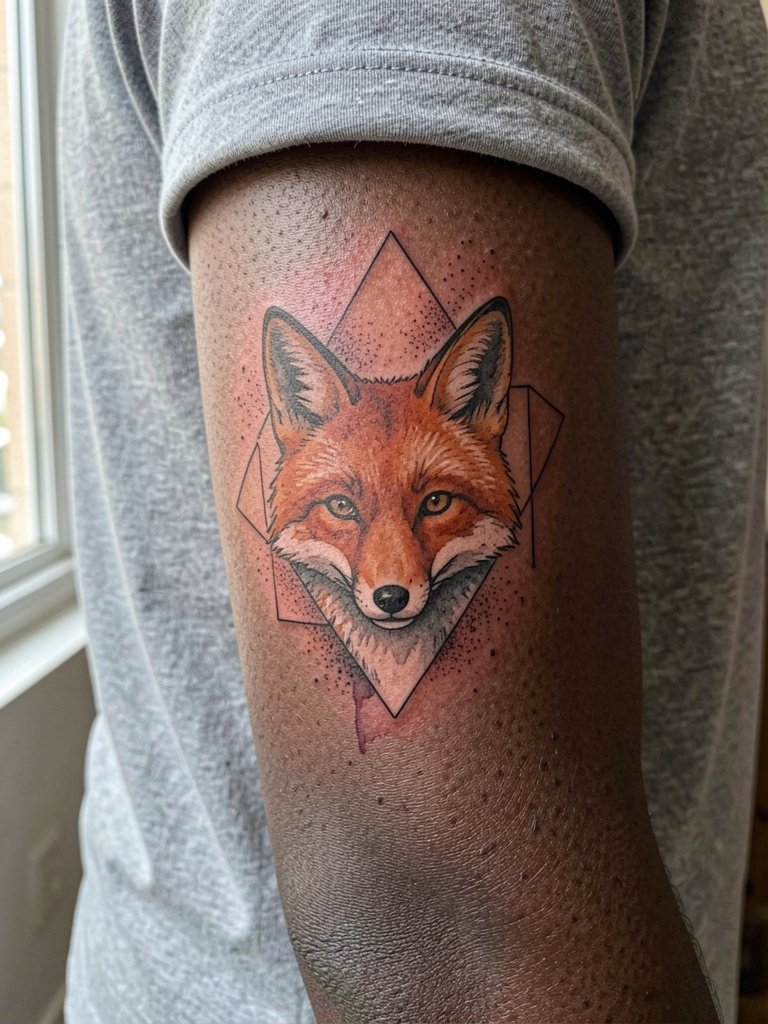
Half-realism animal portraits paired with geometric shapes read contemporary and hold because the geometric elements provide structure. Discuss with the artist exactly how much stipple shading you want inside the face so the portrait keeps contrast as washes soften. Common mistake: asking for too many faint mid-tones that merge with the geometric lines when healed. Session time: 2 to 3 hours. No styling link here to avoid over-linking.
14. Micro Watercolor Accent on Ankle
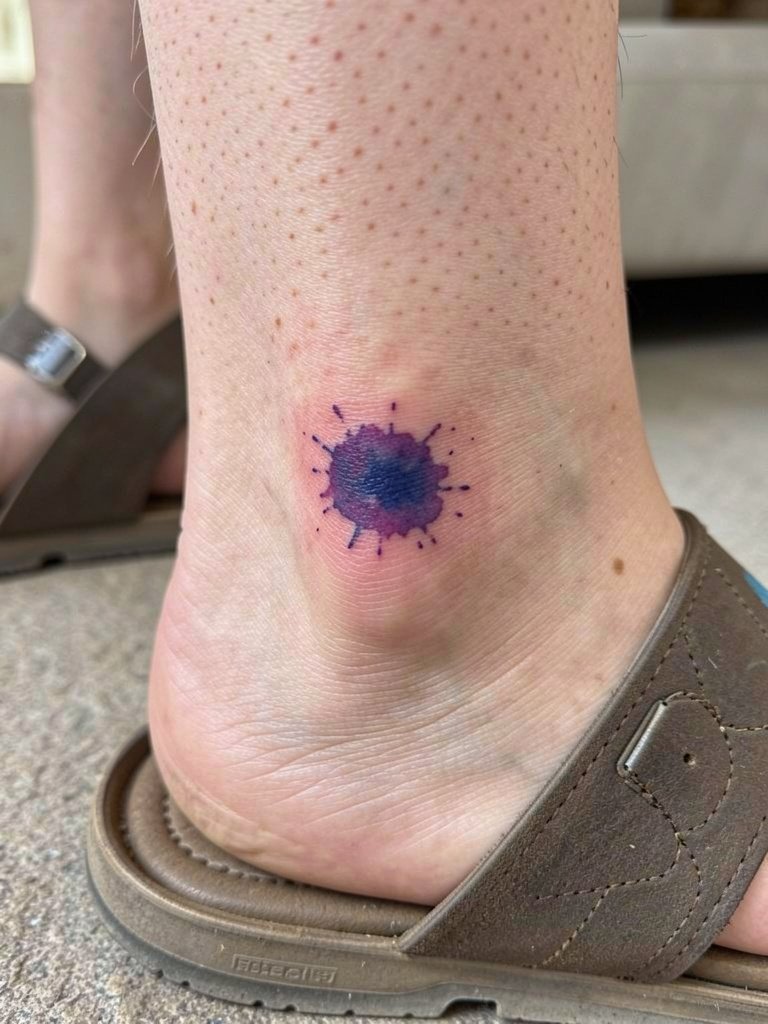
Tiny bursts of watercolor are great test pieces for building a patchwork collection because they let you see how pigments age on your skin tone. Ask for a single saturated color rather than a pastel gradient to check retention. Session: 20 to 45 minutes. Styling and show-off pairing: summer sandals or flat sandals display ankle work best.
15. Feather or Leaf with Color Drip on Inner Forearm
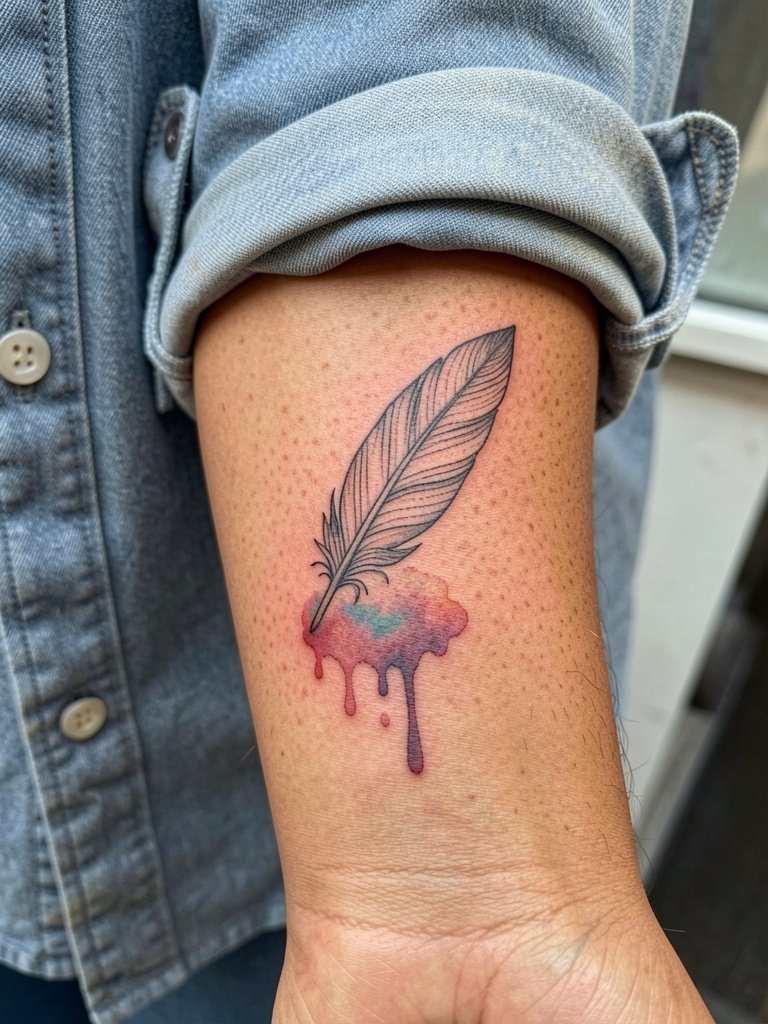
A single feather with a watercolor drip beneath is classic because the linework anchors the design while the drip supplies painterly motion. Specify a slightly heavier line on the quill so it survives the first two years. Session time: 45 to 90 minutes. Common mistake: asking for a long faint shaft that disappears on textured skin.
16. Watercolor Cosmos on Upper Back
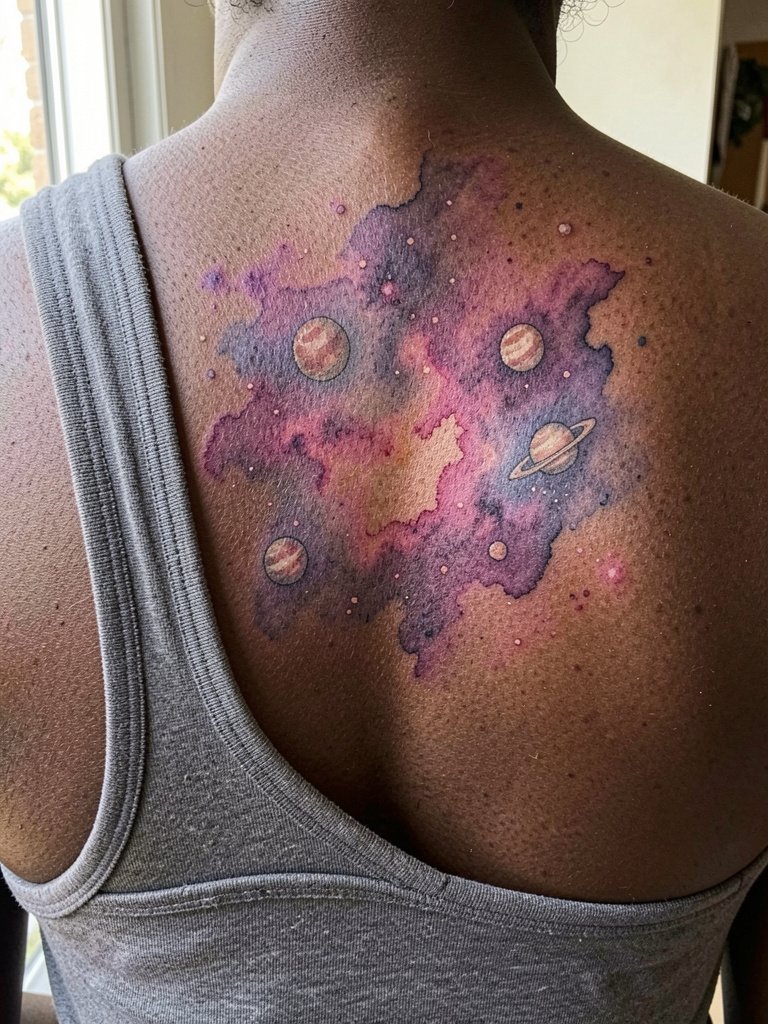
A wide nebula with planets or orbit lines reads like a small mural between the shoulder blades and benefits from low-friction placement. Ask which pigments the artist prefers for violet and pink mixes to ensure saturation; some jewel-tone inks retain better. Session time: two hours. Styling and show-off pairing: low-back or racerback tops and backless dresses show the area for photos and events.
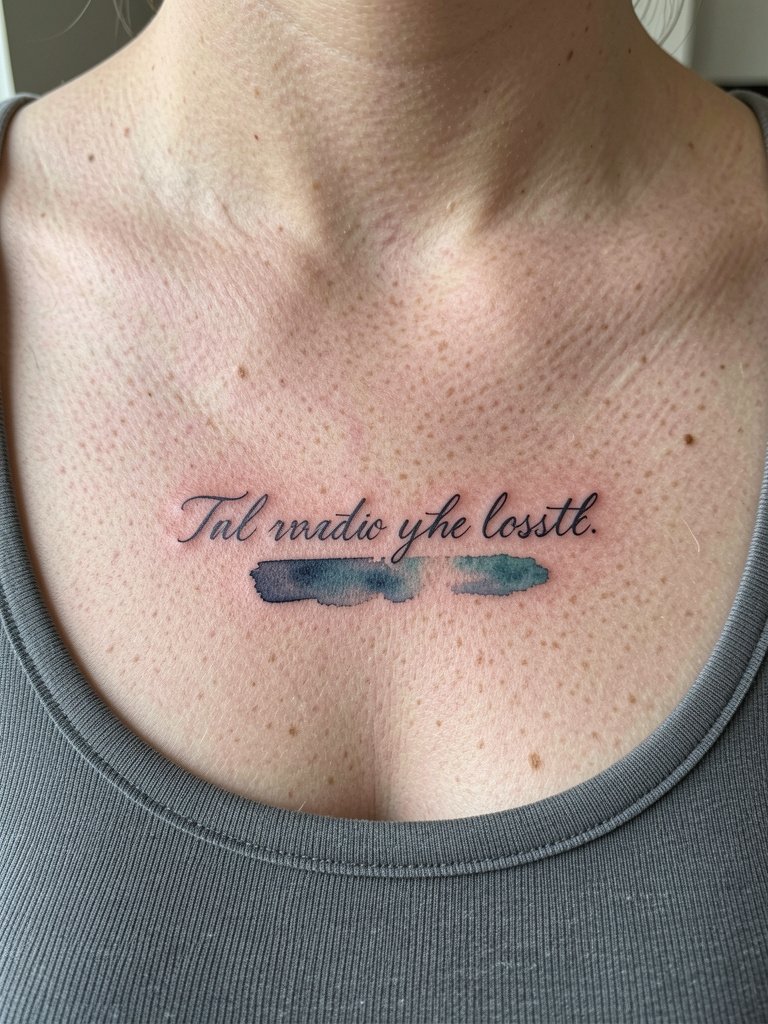
17. Tiny Script with Color Wash Behind Collarbone
A short phrase under the collarbone looks editorial when paired with a faint watercolor underline. Discuss letter spacing and ask for slightly thicker downstrokes so letters keep definition as skin moves. Session time: 45 to 75 minutes. Placement note: collarbone sits near clothing seams so position carefully to avoid constant strap friction.
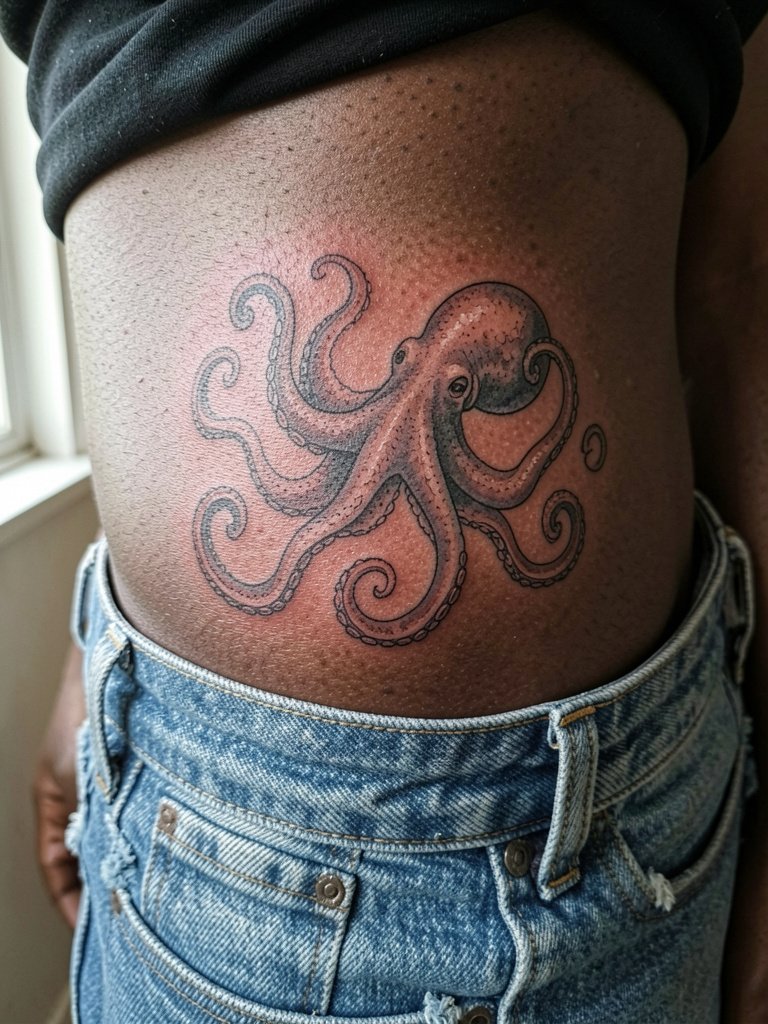
18. Watercolor Octopus with Line Detail on Lateral Hip
Hip tattoos are semi-private and benefit from bold color choices that read in photos. For deeper skin tones ask for jewel-tone mixes like teal and indigo. Session time: 90 to 150 minutes. Styling and show-off pairing: low-rise swimwear or bikini bottoms with hip-tie frame hip pieces for beach photos.
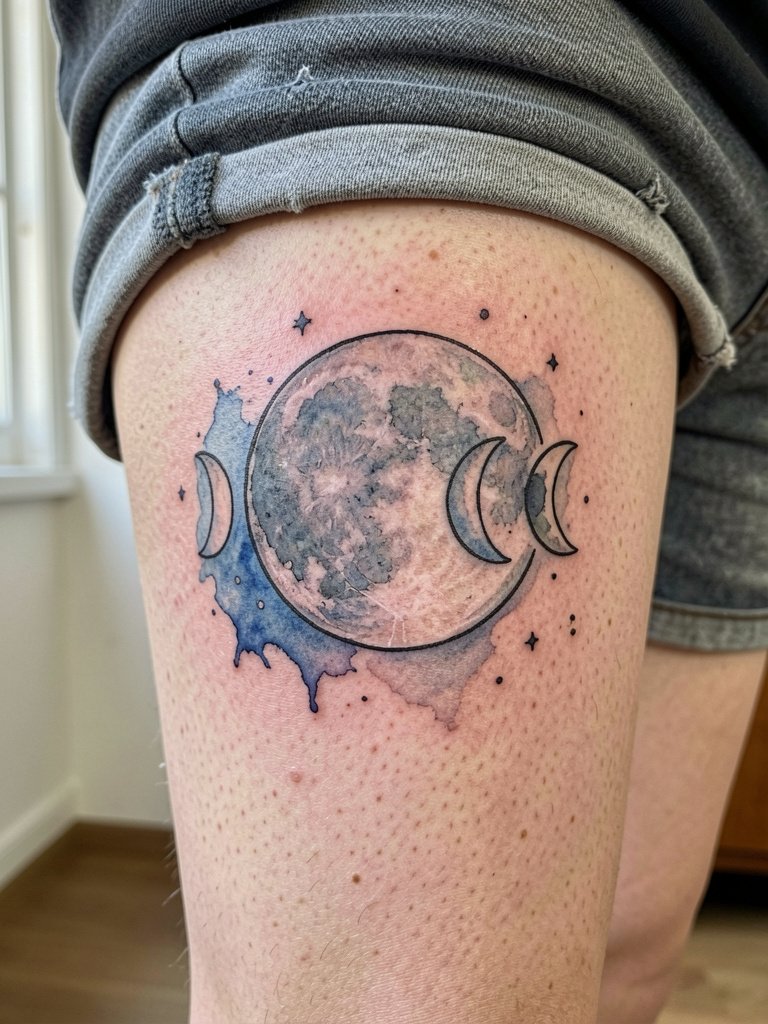
19. Watercolor Moon Phases on Thigh
A line of moon phases across the outer thigh can mix solid black for contrast and watercolor fills for atmosphere, which helps legibility over skin changes. Ask to see healed photos at a similar scale so you can confirm how the smallest moons retain shape. Session time: 60 to 120 minutes.
20. Small Aquatic School on Foot
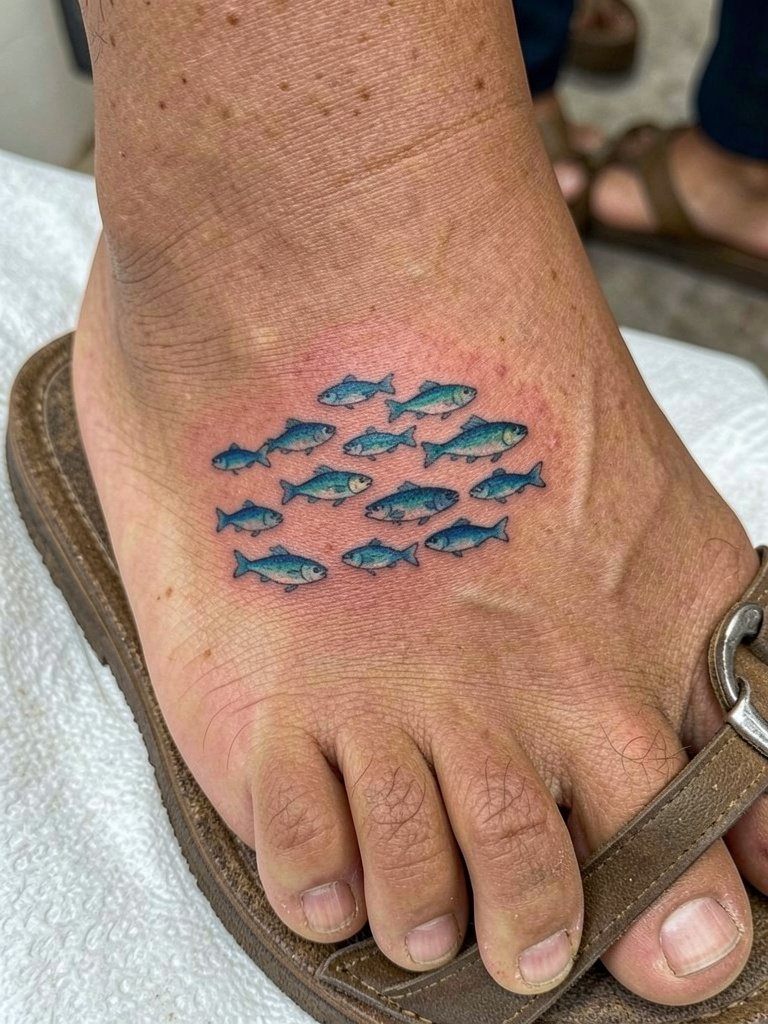
Micro watercolor fish on the top of the foot make a seasonal piece because summer footwear shows them best. Beware that foot pieces have high fade risk because shoes and sunlight abrade the area. Plan for a touch-up at six to twelve months if you want saturation preserved. Styling and show-off pairing: pair with open-toe slides for summer reveal.
21. Micro-Realism Watercolor Rose on Outer Forearm
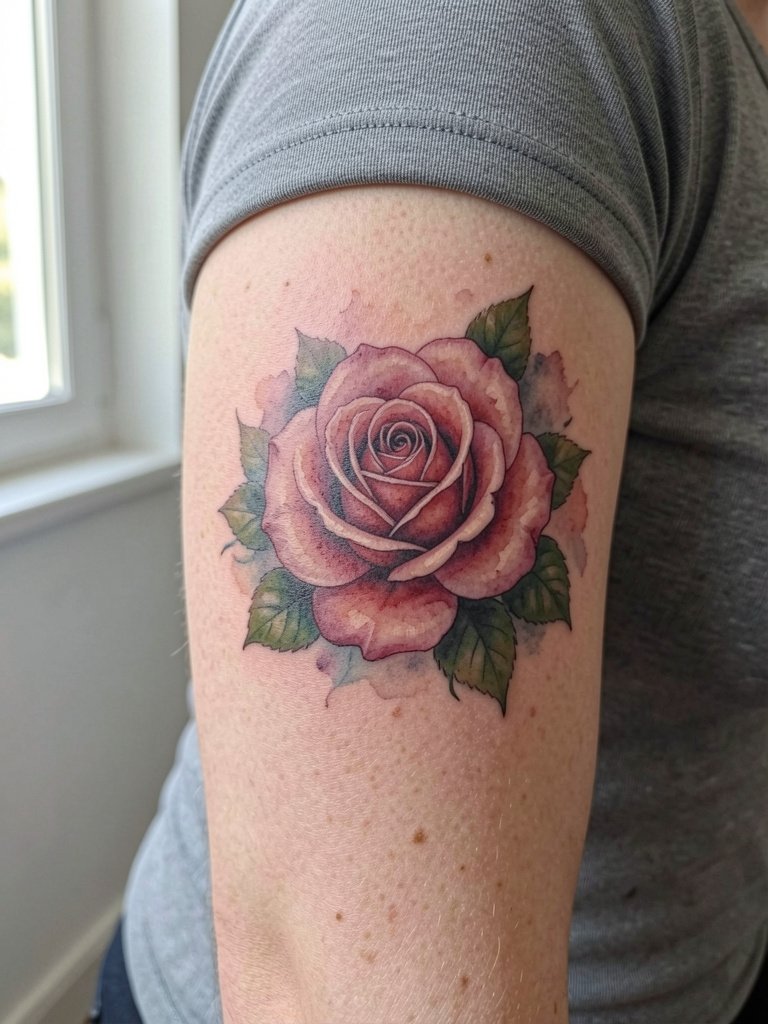
Combine micro-realistic petal detail with watercolor washes behind the bloom to get crisp focal detail and painterly color. Ask for healed macro shots from the artist so you can check how the micro shading holds at 6 to 12 months. Session time: 2 to 3 hours. Expect a higher price tier for the micro-realism detail. No styling link here.
22. Geometric Ornamental with Color Blocks on Thigh
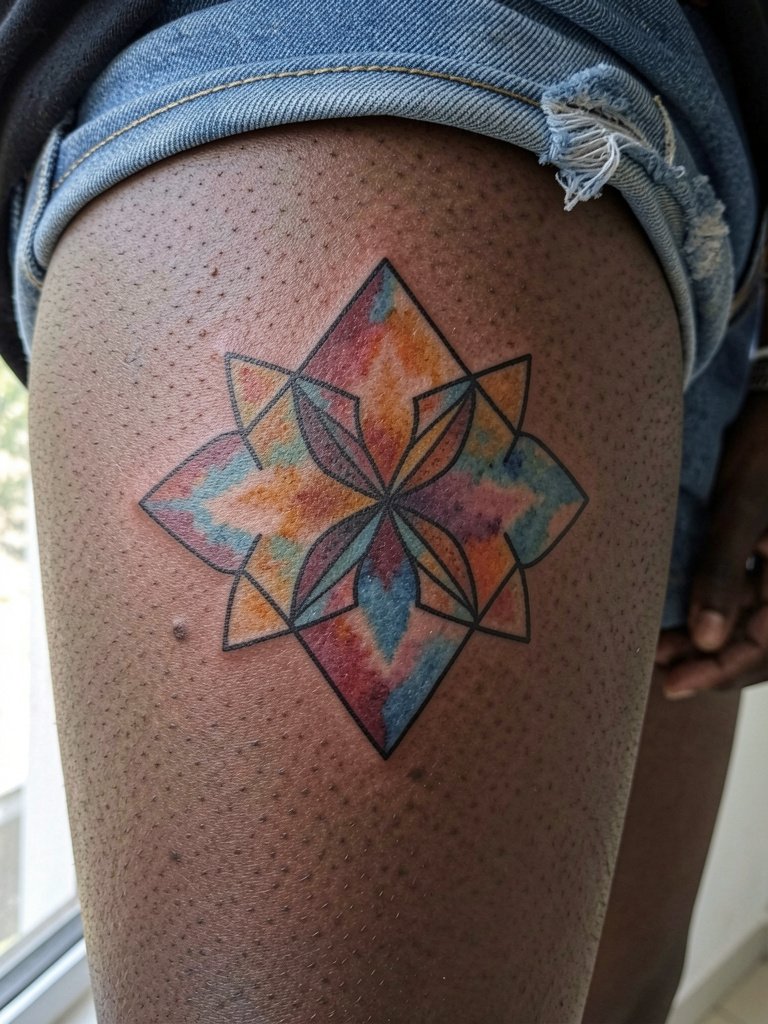
Symmetry and color blocks help ornamental pieces age because each segment gets room to hold. Request that each geometric band have a 4–6 millimeter margin so the lines do not merge as skin moves. Session time: two hours. Showing it off: choose neutral denim shorts that frame the thigh.
23. Watercolor Phoenix Accent on Back of Shoulder
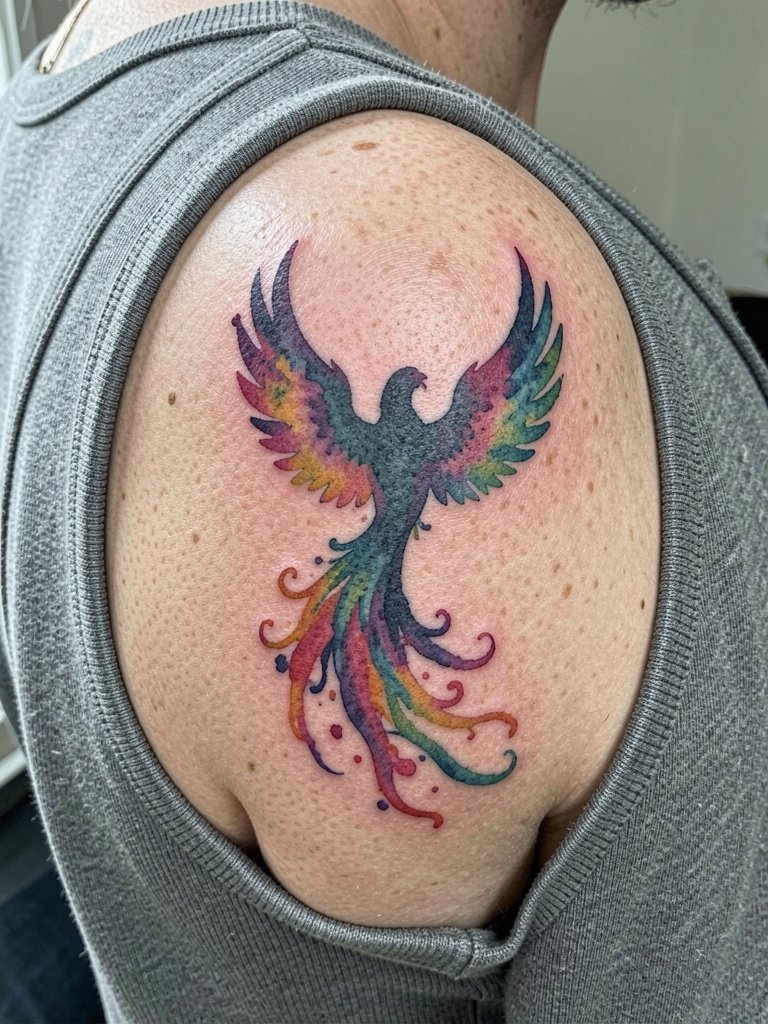
A small phoenix silhouette with saturated tail washes reads fierce and pairs well with short-sleeve summer tops. Ask for slightly higher color saturation near the core so the silhouette remains visible as the tips soften. Session time: 60 to 120 minutes. No styling link here to balance distribution.
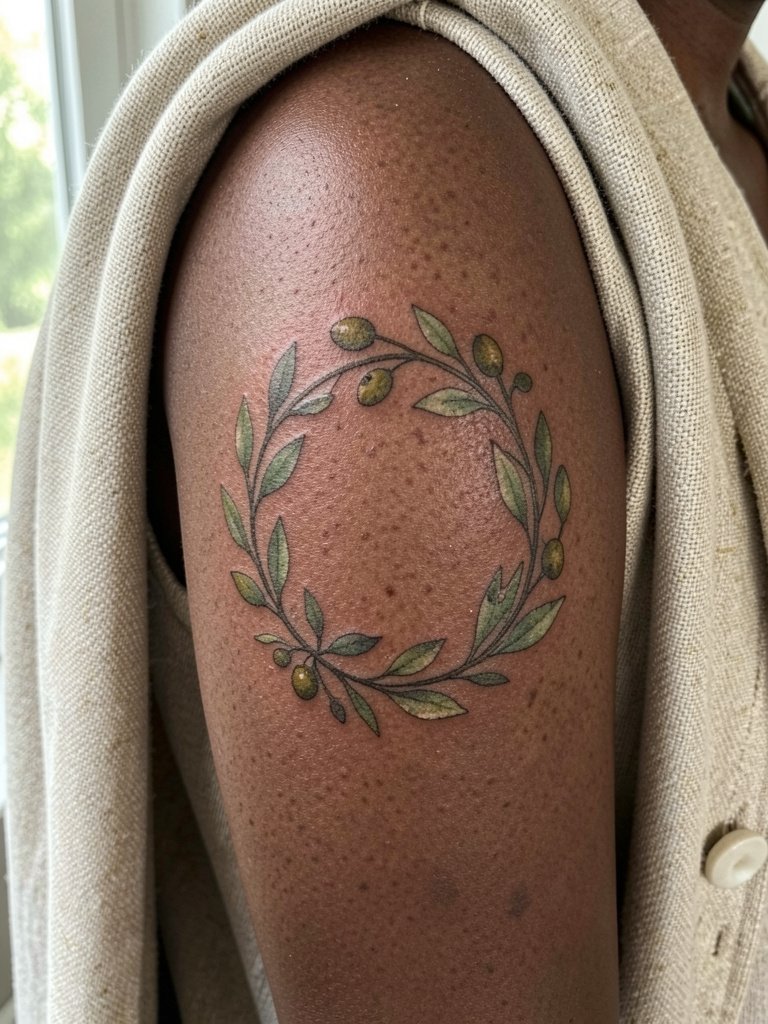
24. Botanical Wreath Around Upper Arm
A circular wreath of watercolor leaves around the upper arm reads botanical and classic because the round composition gives the artist room to vary saturation. For a deeper skin tone ask for richer greens and olives rather than pale mint. Session time: 90 to 180 minutes. Show-off pairing: cap-sleeve or sleeveless tops and linen cardigan layers for cooler evenings.
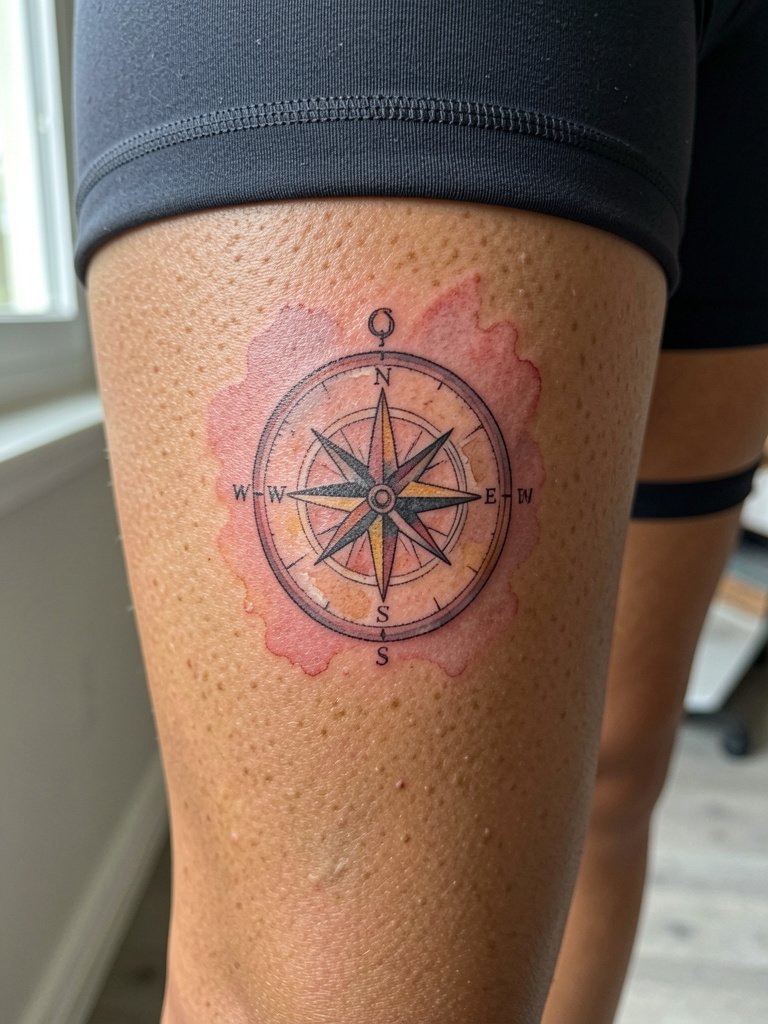
25. Watercolor Compass with Negative Space on Calf
A watercolor compass using negative space for the highlights reads navigational without heavy outline clutter. Ask the artist to map how the negative zones will behave on your calf shape so north and south points remain distinct over time. Session time: 60 to 120 minutes.
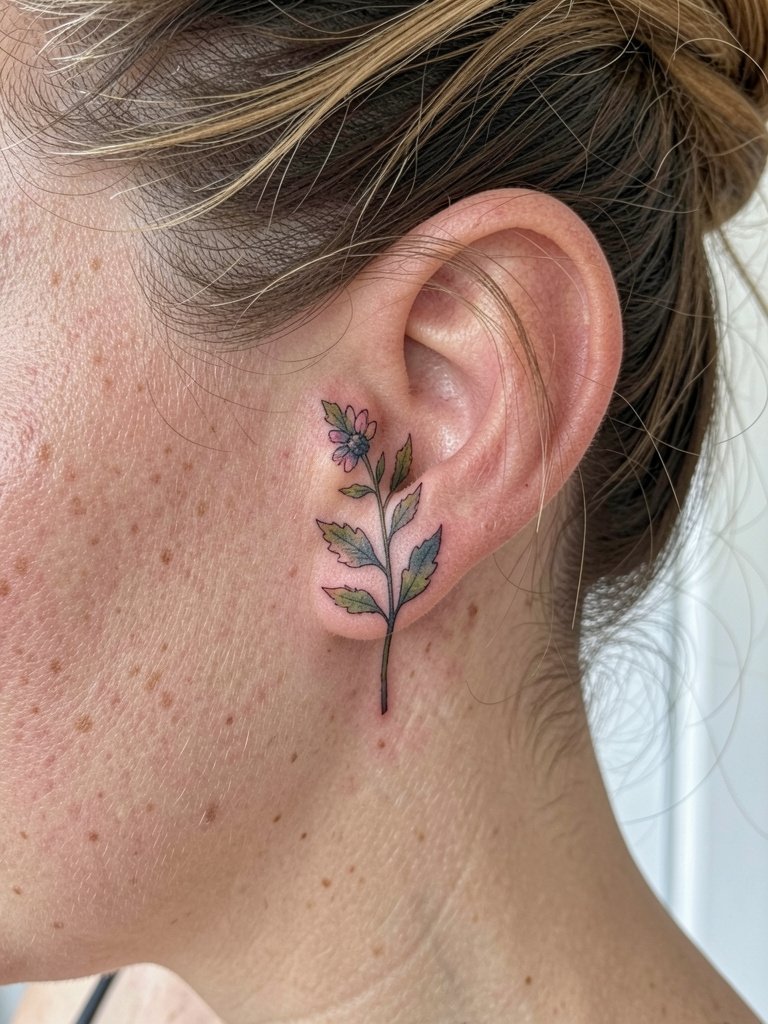
26. Tiny Botanical Behind Ear
A tiny watercolor stem behind the ear is intimate and subtle, but you must accept limited visibility in photos. For session wear pull your hair up so the artist can work cleanly. Session time: 20 to 45 minutes. Styling and session wear: use a hair clip updo so the area is accessible and you can preview placement.
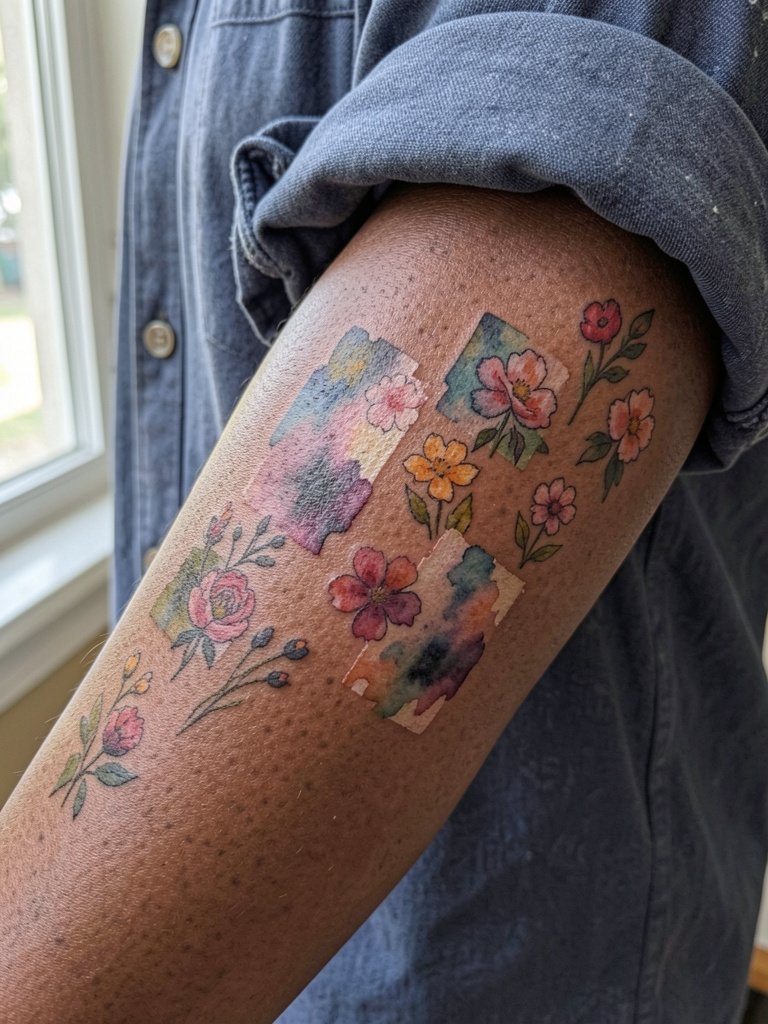
27. Patchwork Accents for a Modular Sleeve Plan
If you want color but not a commitment to a full sleeve right away, build a modular patchwork of 1–3 inch watercolor accents and plan connecting color corridors later. Discuss session spacing and a master palette so pigments introduced over 12 to 36 months harmonize rather than clash. Common planning error: booking different artists without agreeing on a shared scale or saturation plan. Session times vary by piece. Styling and show-off pairing: stagger accents so rolled sleeves or tank tops show a curated accumulation that reads intentional. Include a final-day checklist with healed photo requests.
Frequently Asked Questions
Q: How long do watercolor tattoo colors usually last before needing a touch-up?
A: Watercolor washes commonly show visible softening at 18 to 24 months for lighter pigments, and a first touch-up window around 12 to 24 months is realistic for most people. Saturated jewel tones often last longer on deeper skin tones, while pastels usually need earlier refreshes. Plan a budget for a touch-up every three to five years if you want color to remain vivid.
Q: What should I bring to my consultation to verify an artist really understands watercolor work?
A: Bring healed photos from the artist at 6 to 24 months and on similar skin tones, two scale references so they can mock up how the piece reads at different sizes, and a note of which pigments you prefer (for example, jewel tones for deeper skin). Ask them to show touch-up examples and a realistic session timeline for multi-session pieces.
Q: Where can I find local watercolor portfolios and healed examples without relying on tagged handles?
A: Search location plus style phrases in social platforms, for example "[your city] watercolor tattoo artist" or "[your city] watercolor color specialist," filter results by recency and look for healed shots. Use hashtags like #watercolortattoo and #watercolorink with a city tag on Instagram and TikTok, and check community threads on r/tattoos or r/tattooadvice for peer-shared healed photos. Tattoodo and booking apps let you filter by specialty and sometimes show healed timelines.
Q: Does Saniderm help or hurt watercolor healing?
A: Practitioners are split. One group warns that second-skin products can trap excess moisture in the first 24 to 48 hours and risk early color bleed. The other group says when applied after the initial wash they reduce infection risk and protect color from oxidation during the key early days. The safe approach is to follow the artist's method and ask them exactly when they apply any protective film so you can compare their healed examples.
Q: How should I adapt watercolor palettes for deeper skin tones so the design reads in photos?
A: Use saturated jewel tones rather than pale pastels, and ask the artist to layer color with mid-tone blocks below any delicate washes so the pigment has depth. Request healed shots on similar skin tones and test photos under natural daylight. A planning session that includes palette tests can prevent surprises in how colors photograph.
Q: What clothing should I wear the day of my session for common placements like forearm, thigh, and calf?
A: For an inner forearm piece wear a button-down or short-sleeve shirt you can roll without pressure. For outer thigh choose shorts or loose pants you can roll up. For calf wear shorts or cropped leggings for clear access. If you want specific product ideas, a simple drawstring linen pant is easy to pull up for thigh work and comfortable for travel.