
Someone I know spent six months pinning pixel tattoos and still felt lost. What mattered was not just which sprite to pick but the placement, linework, and how it would age on real skin. I visited five shops across Brooklyn and spent time on community threads to notice what pixels keep looking sharp after a few years. Below are twelve compact gaming pixel ideas that translate well into fine tattoo work, with notes on consultation, aging, and common mistakes to avoid.
1. Tiny Pixel Heart on Inner Forearm
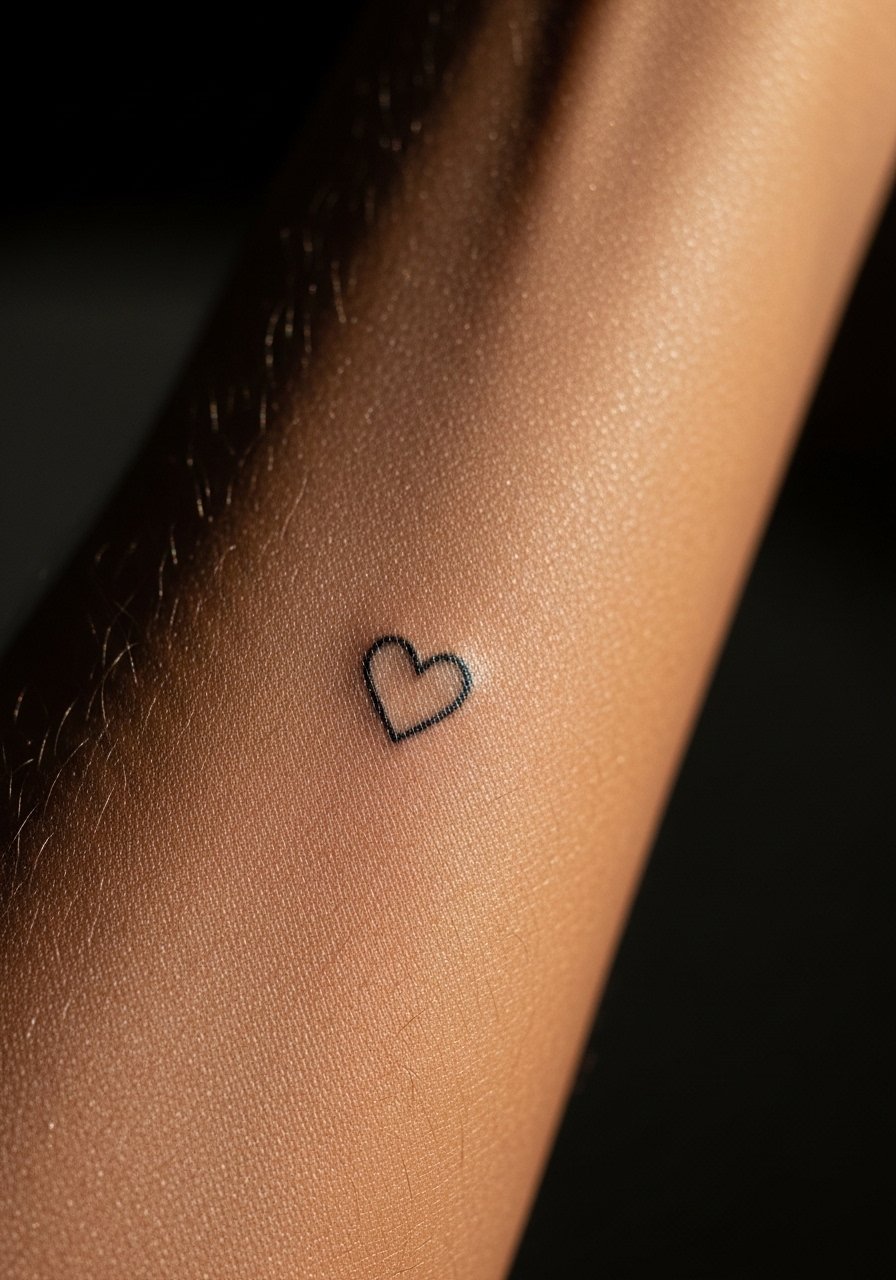
Someone I know first saw this on a friend's sleeve and liked how readable it stayed. Ask your artist for crisp square blocks with a slight gap between pixels so the linework does not crowd as it heals. Inner forearm pain is moderate and a tiny piece usually fits into a single short session. The common mistake is requesting pixels too small, which leads to muddled saturation and higher blowout risk. At six months the grid will still read well with proper spacing, but expect a touch-up around year two if you want the original saturation back. If you work in a client-facing role think about visibility before committing.
2. 8-Bit Mushroom Behind the Ear
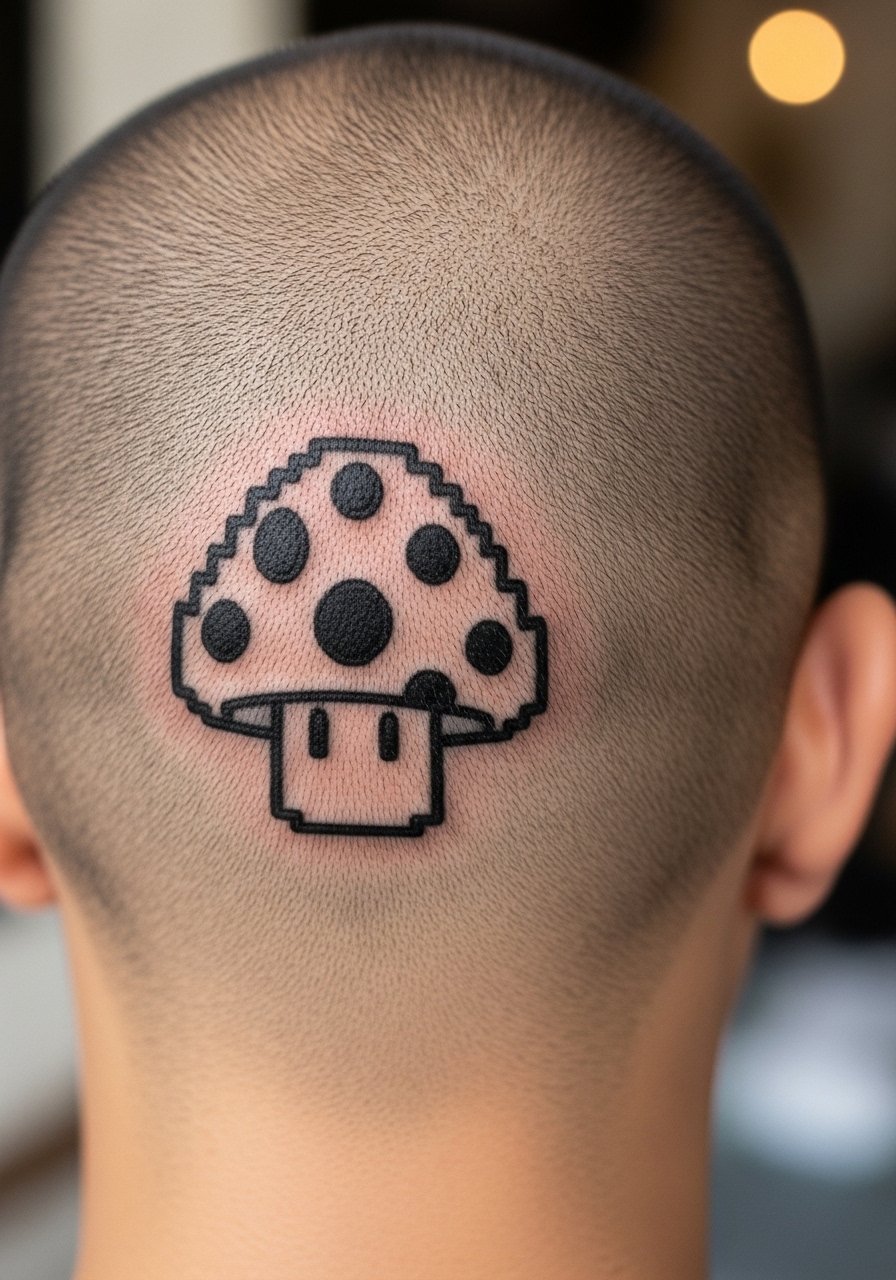
Fair warning, behind-the-ear placement is sensitive and requires a patient hand. The mushroom reads best when the artist keeps the pixels slightly larger than you imagine so the cap and stalk do not blur together. Tell your artist you want blocky saturation with clean negative-space borders. Many ask for too much color contrast and then the reds fade fastest. Healed at two years the shape will remain, but color saturation will mellow, so plan a color-first touch-up if you want it vibrant. If you are worried about visibility at work this spot can be tucked by hair.
3. Custom Pixel Avatar on Upper Arm
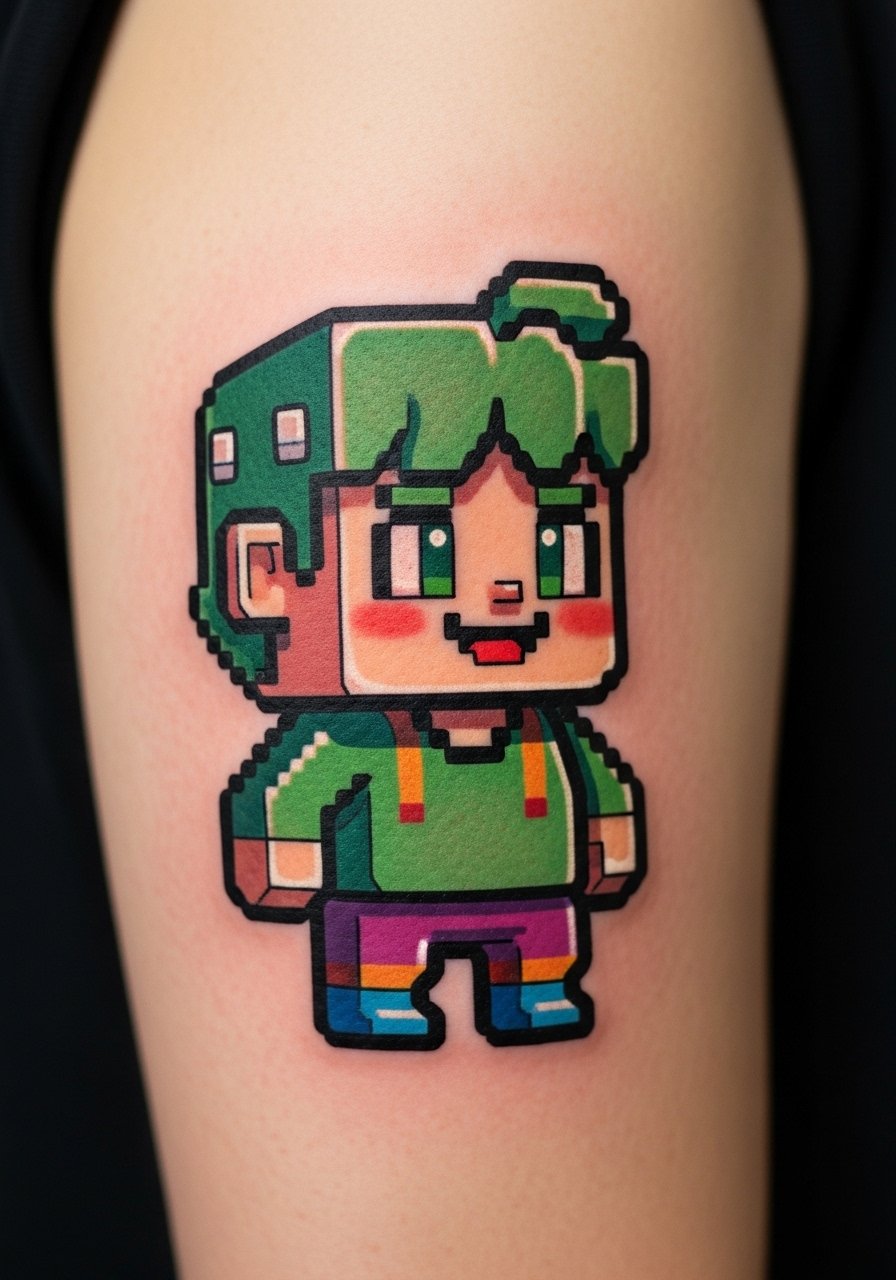
When designing a personal avatar, bring clear in-game screenshots and a headshot so the artist translates facial features into readable pixels. Upper arm is forgiving for detail and the pain level is low. A real mistake is asking for a full facial expression at one inch square. Scale up to preserve linework and stipple shading for depth. Tell the artist to preview the design at actual tattoo size before inking. At five years the silhouette will hold better than tiny facial pixels, and most artists recommend a touch-up between year two and three for color saturation.
4. Minimal Pixel Controller on Ankle
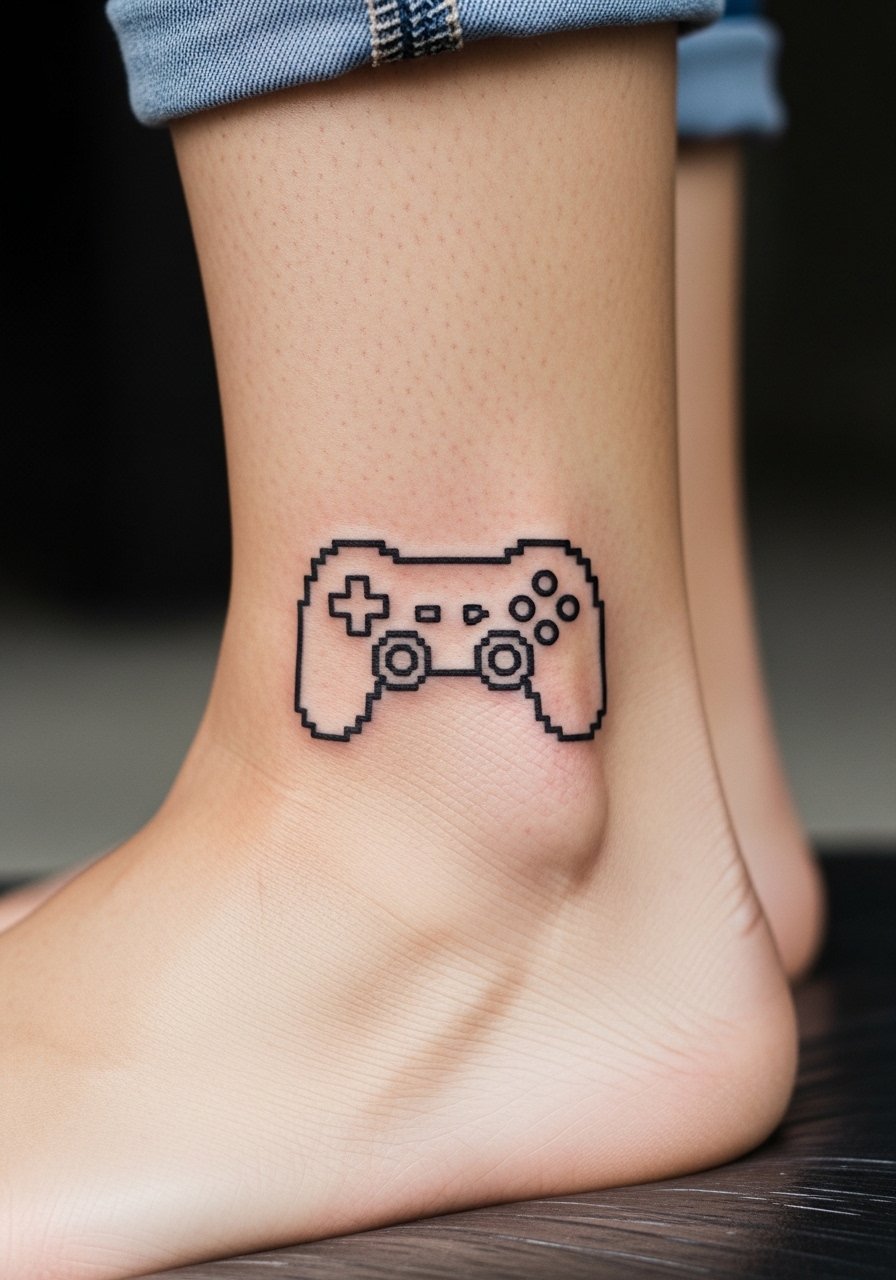
Ankle tattoos feel twitchy during the session because the area moves a lot. The pixel controller looks modern when done with crisp linework and sparse color fills. Ask for slightly bolder linework than you would on an arm so the tiny squares stay distinct. A common mistake is shrinking a controller down to the size of a thumbnail, which leads to blurred buttons within the first year. Expect moderate pain and a session under an hour. If you plan to wear ankle jewelry, schedule healing time because friction can scuff fresh ink.
5. Pac-Man Row Along the Collarbone
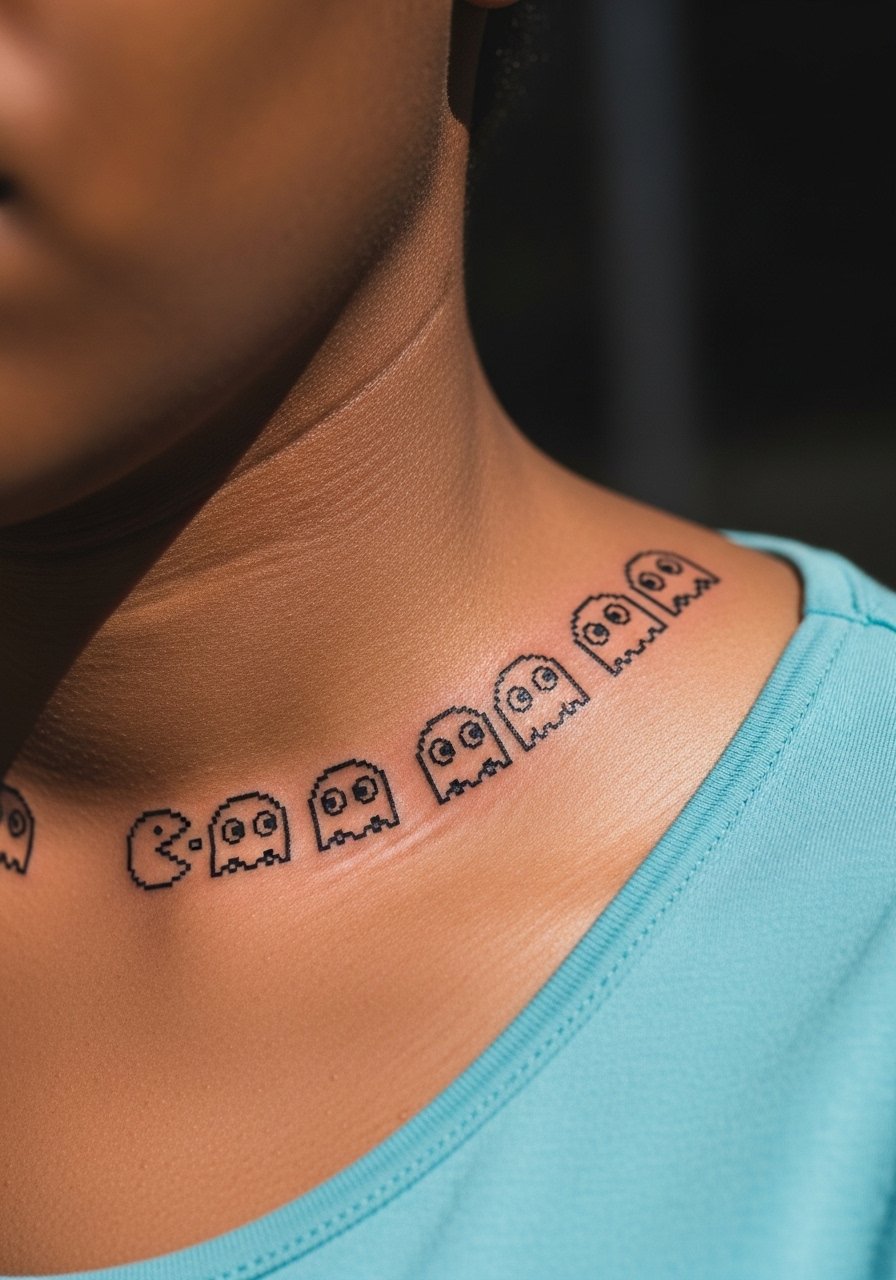
There is something about a clean horizontal row over the collarbone that reads like a tiny banner. Collarbone is a higher pain area and the skin can shift while healing. For longevity ask the artist to space icons with visible gaps and to avoid micro-shading inside the tiny ghosts. One camp of artists says the collarbone is fine for small crisp work. The other camp warns that thin pixels there will blur faster. Ask where your artist stands before booking. Healed at two years the row will keep its shape better than filled micro-shading, and touch-ups are not unusual after three years.
6. Pixel Sword on Calf
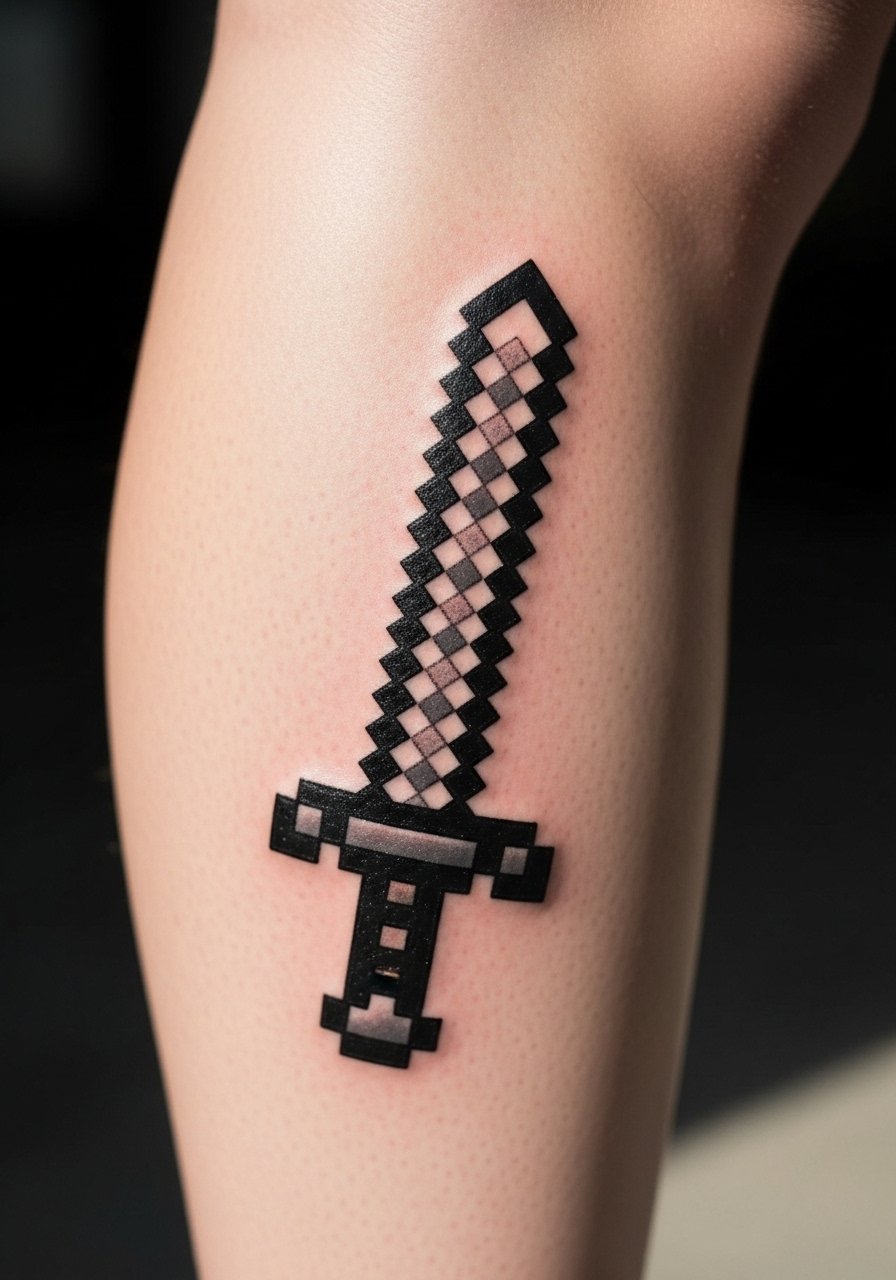
There's a visual impact to a vertical sword that still reads from across a room. Calf skin takes saturation well and pain is usually low to moderate. Tell your artist you want bold pixel blocks and a subtle highlight row to suggest sheen. A common mistake is overcomplicating the hilt with tiny filigree that looks muddy after healing. At six months the contrast will be strong, and at five years expect some softening but a clear silhouette. This placement suits someone who wants a mid-size piece that can be covered with socks or shown off.
7. Retro Handheld Console Silhouette on Sternum
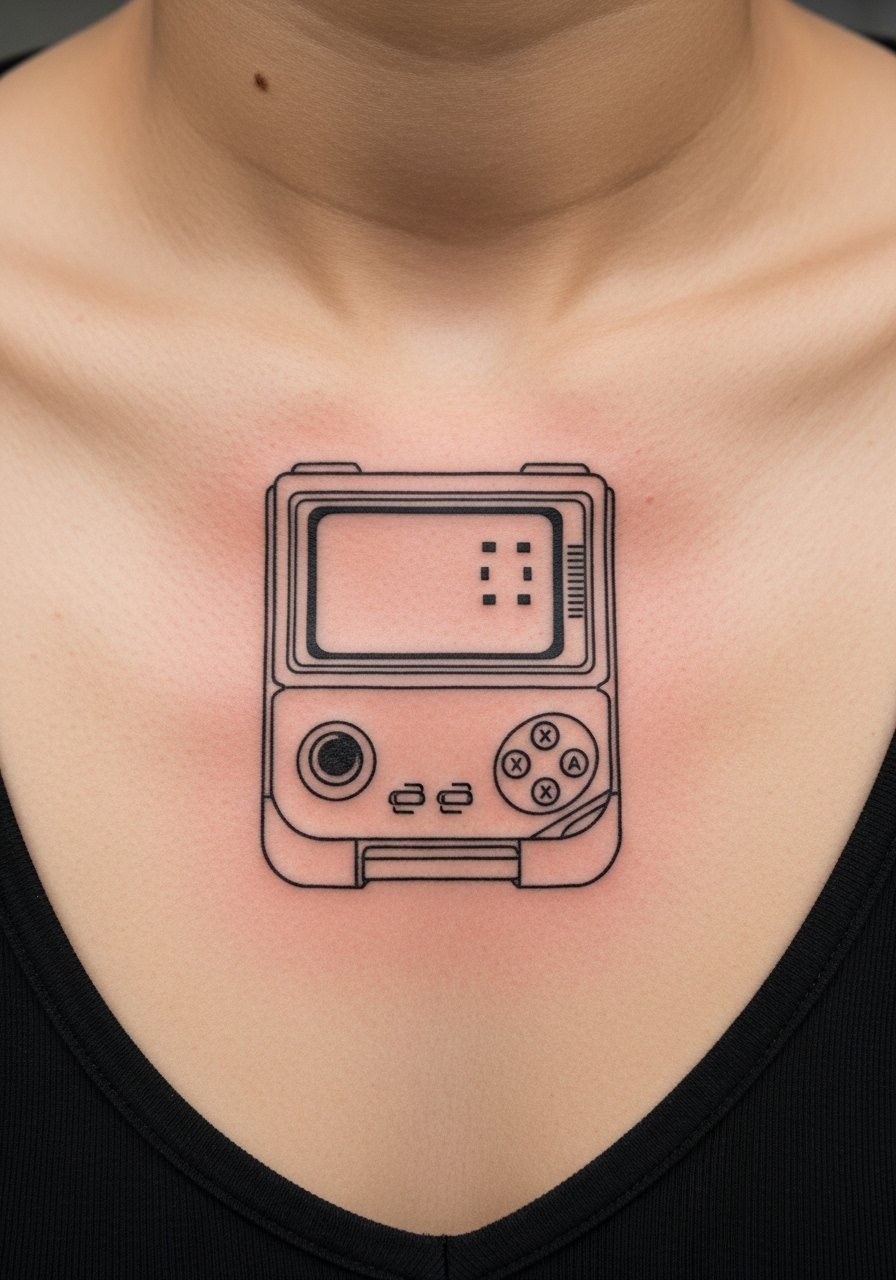
Sternum work is sensitive and requires an artist comfortable with torso placements. The silhouette reads best when simplified to essential pixels and negative space for buttons. Tell the artist to avoid tiny interior details and to plan for slightly larger pixels. One mistake is packing too many icons into a small chest piece. Expect a longer session and more soreness during the first few days. For cultural sensitivity, if the console art includes logos consider slight custom tweaks rather than direct replicas. Healed at two years the bold outline will still read, though intense touch-ups may be needed for color.
8. Pixel Potion Bottle on Inner Wrist
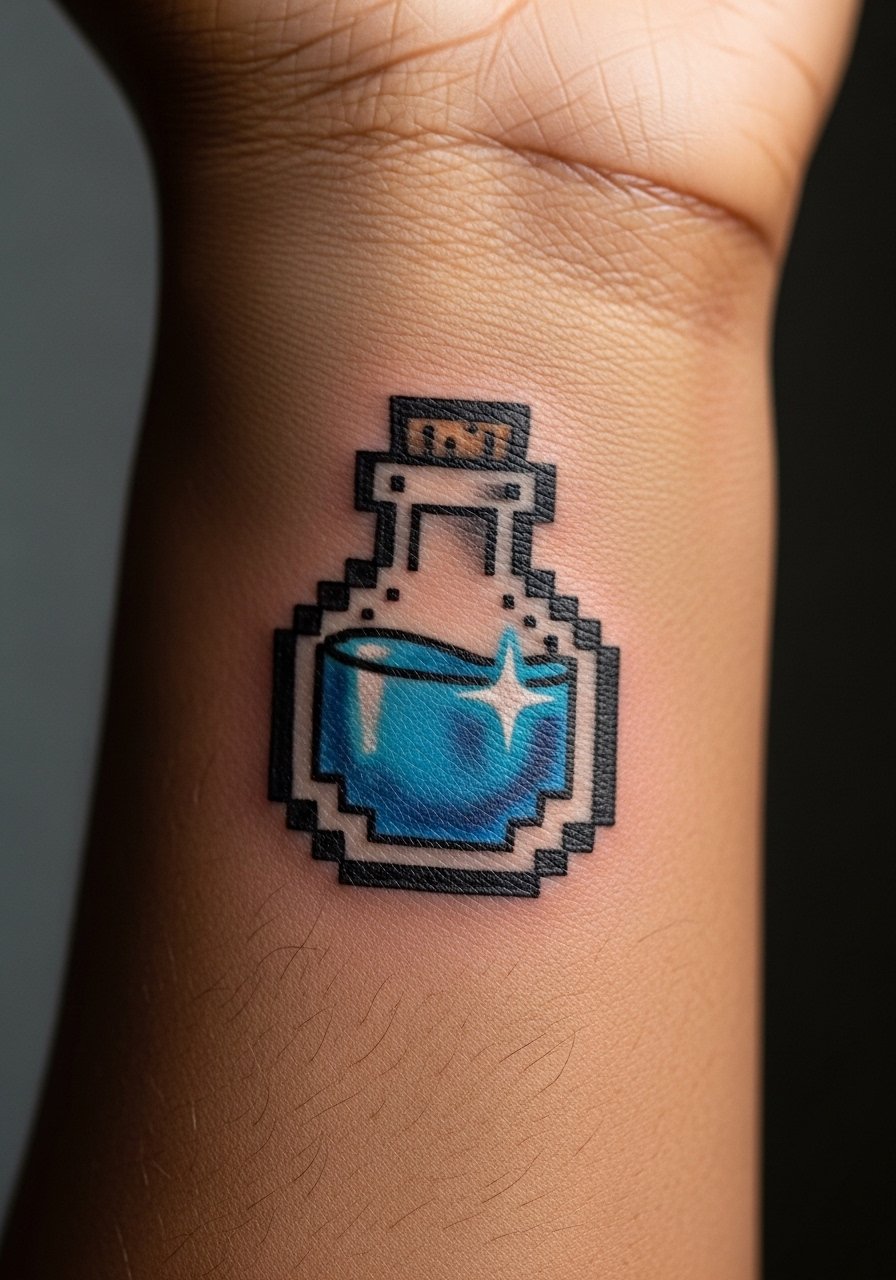
Wrist tattoos are high visibility and heal faster in the surface layer but suffer from friction. The potion bottle works when the neck of the bottle has a clear single-pixel highlight. Tell your artist you want the pixels slightly separated, with saturated color limited to two shades. The mistake many make is requesting tiny gradients that vanish within months. Pain is mild to moderate and sessions are quick. If you need professional discretion note that wrist tattoos are hard to hide, and some shops ask for an in-person portfolio check for that spot.
9. Pixel HP Bar on Ribcage
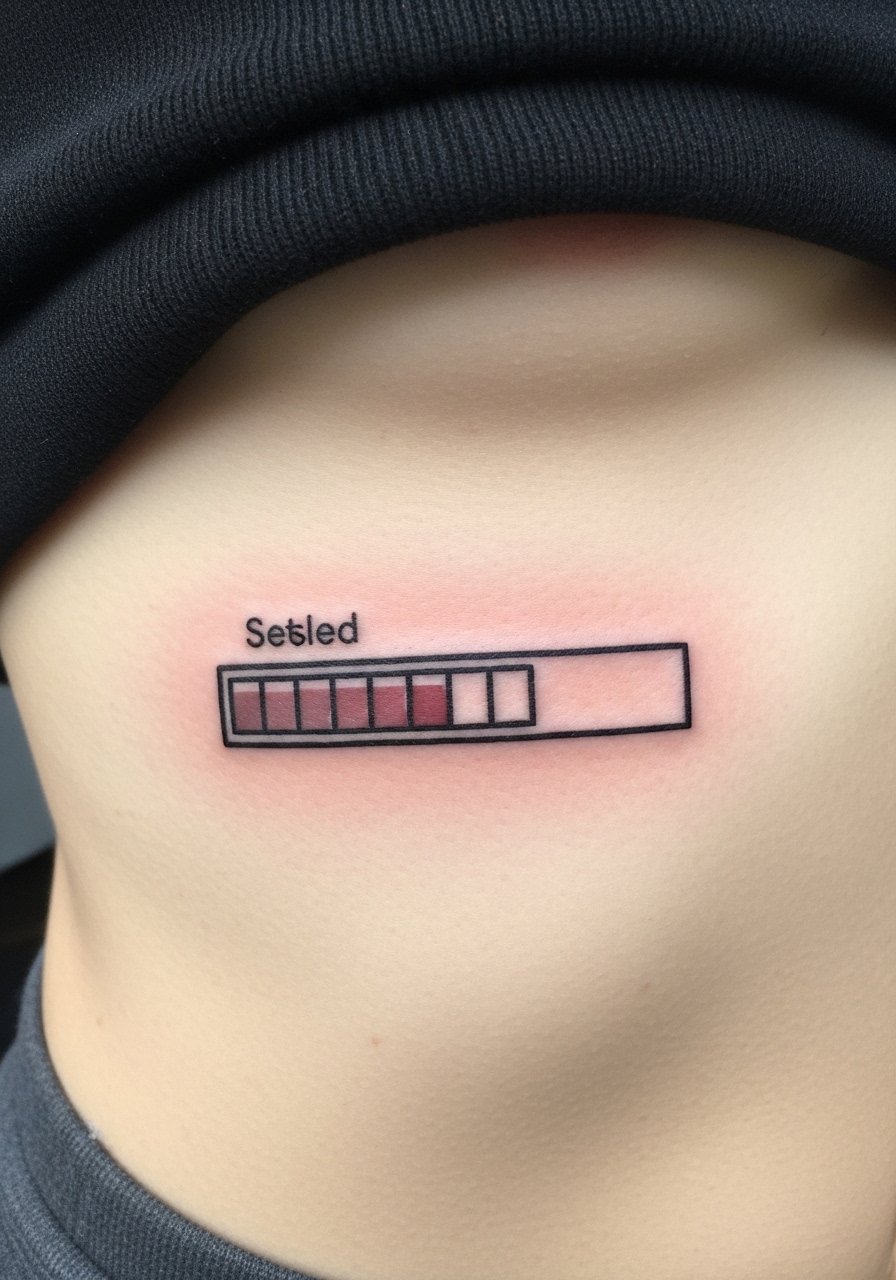
Fair warning, the ribcage rates high on most pain scales. I have seen an HP bar read beautifully there when artists spread each pixel out with a bit of breathing room. A common mistake is compressing the bar into a thin strip, which increases blowout risk. This piece benefits from whip shading around the edges rather than inside the pixels. Tell your artist you prefer clear block saturation and to avoid micro-kerning between squares. At two years expect slight softening and plan a touch-up if you want crisp black borders restored.
10. Tiny Pixel Pikachu on Shoulder Blade
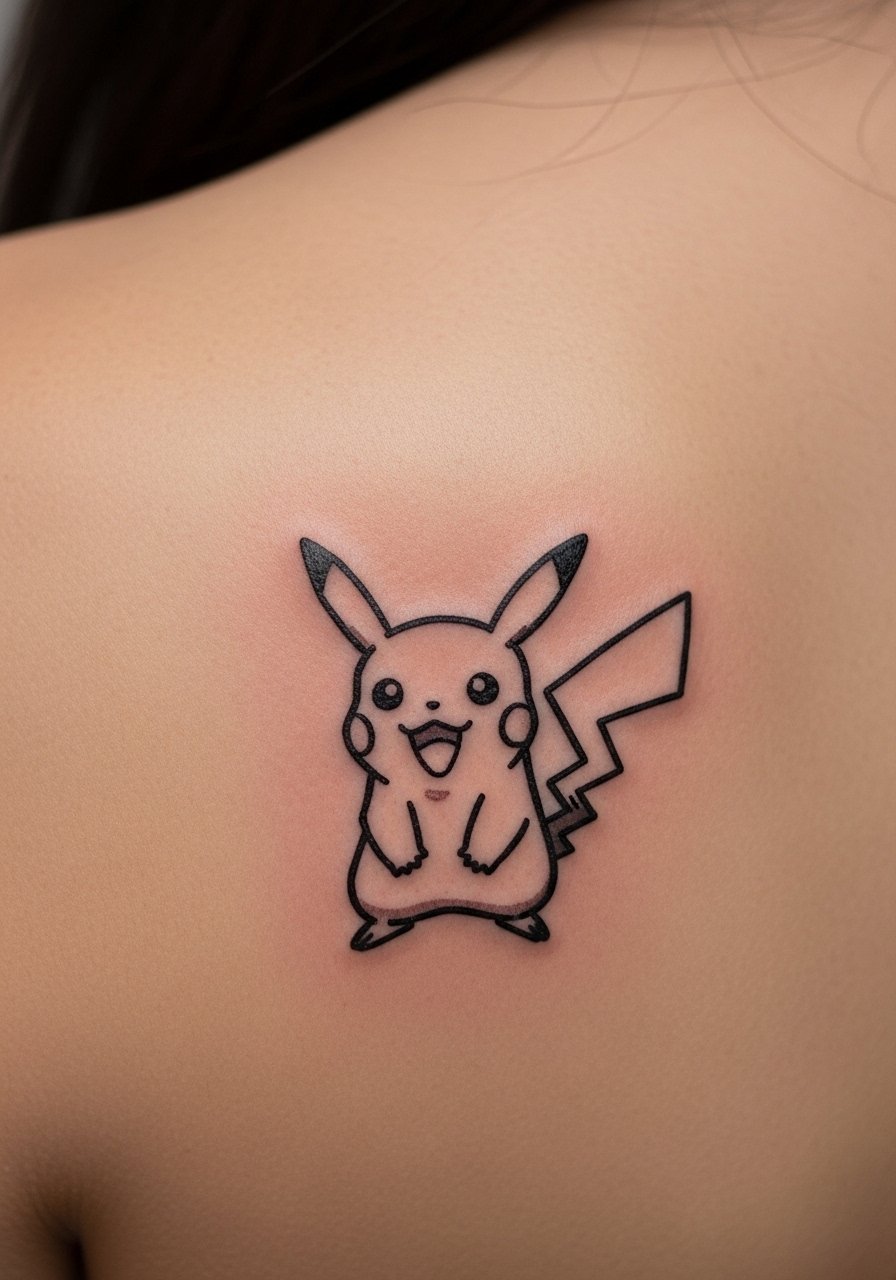
Shoulder blade is forgiving and great for pop culture sprites kept modest in size. When you reference a character, say you want a stylized sprite rather than a photorealistic recreation to avoid copyright issues and to keep the design readable. The biggest mistake is shrinking character features so small that the face becomes a blur. Pain is low and a single short session usually does it. At five years the outline will likely survive better than delicate color fills, and a simple color refresh will restore vibrancy if needed.
11. Game Over Text in Pixel Font on Finger
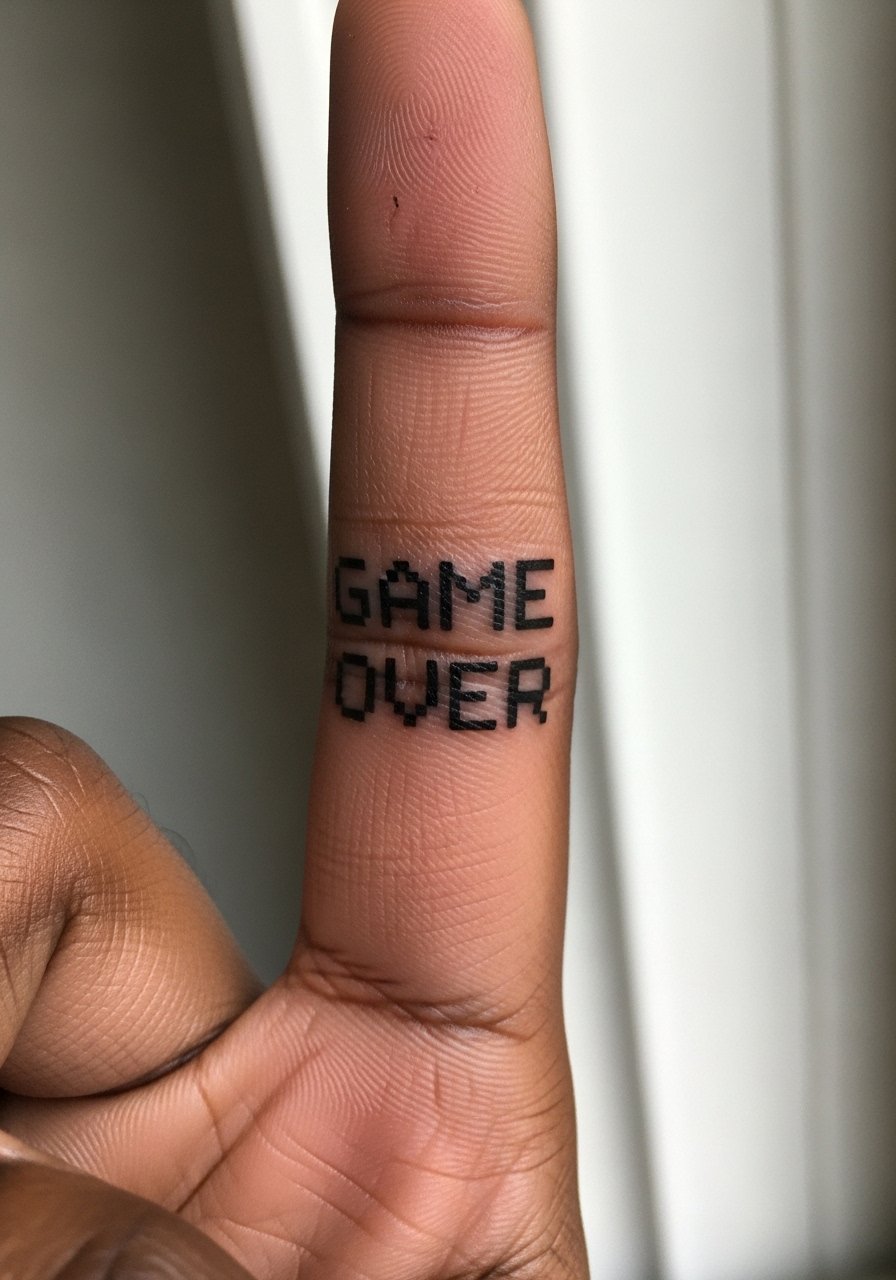
Finger tattoos are high touch and fade faster than other placements. If you choose text, specify the exact wording and font size so the artist can map ink placement over knuckle creases. One camp of artists avoids fingers because of rapid fading. The other camp says precise depth and bolder pixels can hold for a few years. Expect frequent touch-ups and possible migration. Keep the phrase short and bold, and know this spot needs maintenance. If you want a longer-lasting result pick a nearby area with thicker skin.
12. Pixel Compass Coordinates on Inner Bicep
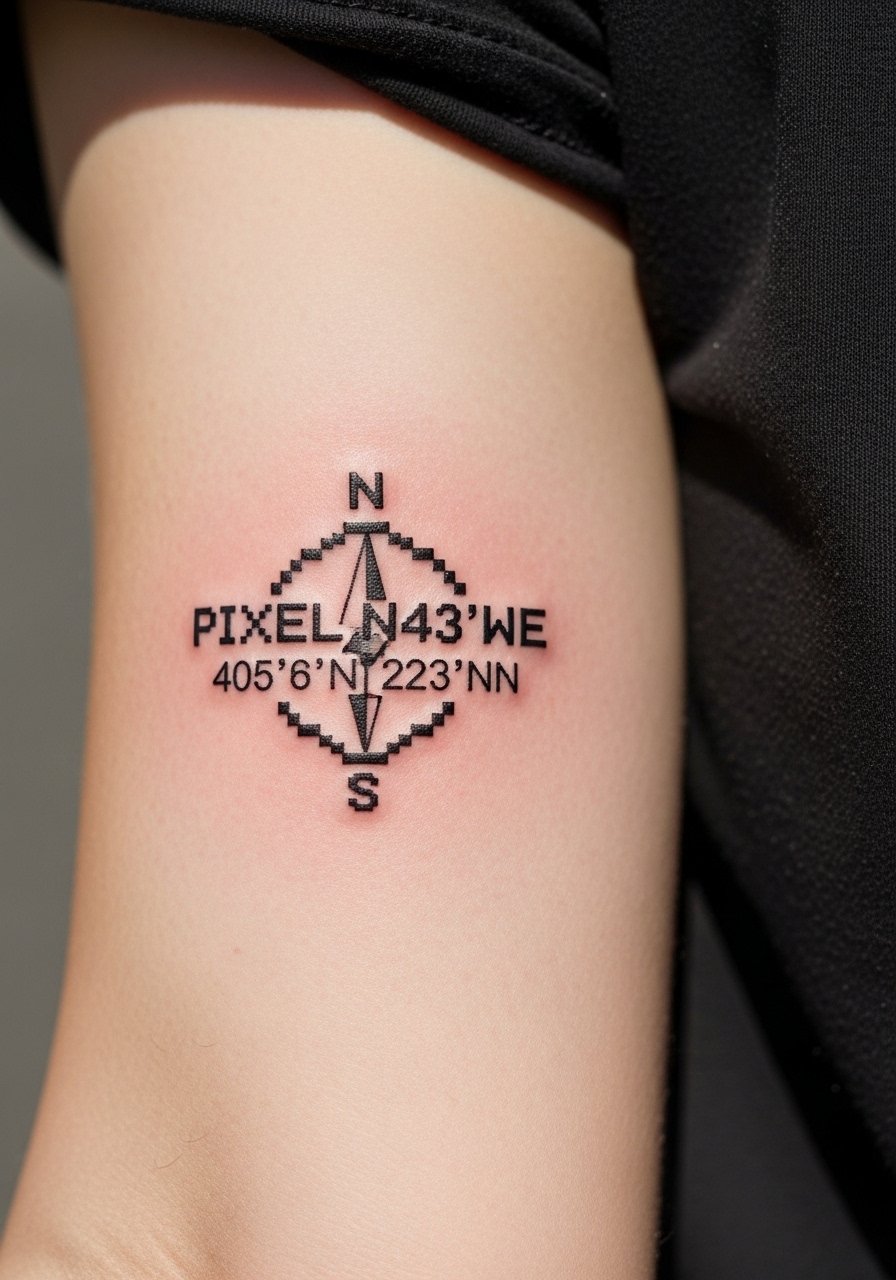
When you want a gaming nod with personal meaning, pair a pixel compass with coordinates. For text in the image prompt include the exact numbers you plan to use so the artist can test legibility. Inner bicep is a medium-pain zone and holds detail well. A mistake is pairing tiny coordinates with fine pixels, which will blend as the skin moves. Tell your artist to use slightly larger pixel blocks for the compass points and monospace pixel type for the numbers. At two years the compass will keep its shape and the coordinates will remain readable with minimal touch-up.
Tattoo Prep and Aftercare Essentials
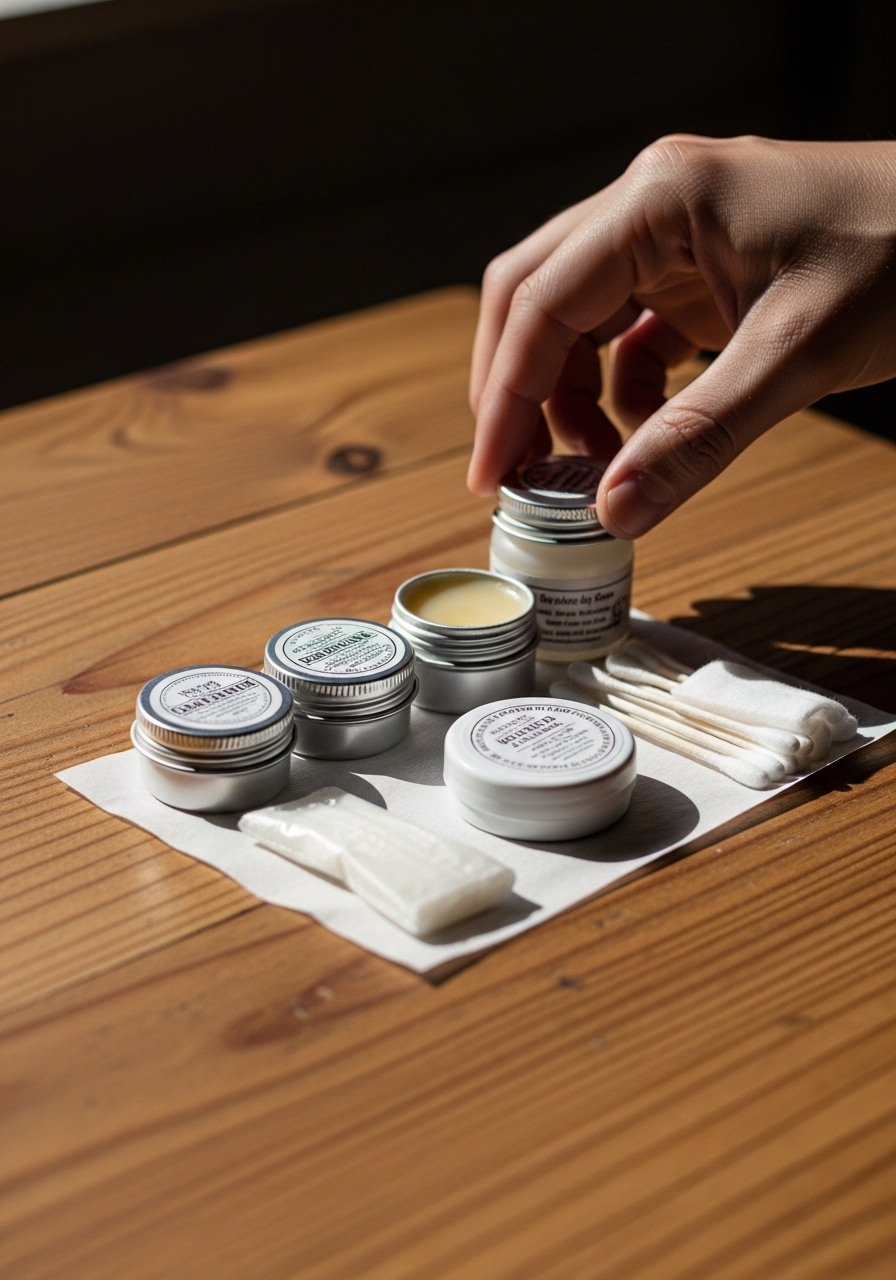
After Inked Tattoo Moisturizer, 2 oz. A lightweight, non-greasy lotion many people use after the initial scab phase. Apply a thin layer after the first week of peeling to maintain saturation and stop dryness.
H2Ocean Antimicrobial Tattoo Soap, 8 oz. Gentle cleansing during the first 7 to 14 days prevents buildup without stripping ink. Use lukewarm water and pat dry.
Tattoo Goo Aftercare Ointment, 1.5 oz. Good for the first 48 hours when you need a film to protect the work. Use sparingly so pores can breathe.
Provon NDC Antimicrobial Lotion Soap. A mild, professional-grade soap often used in shop rinse stations. Helpful for gentle daily cleaning without fragrance.
Medical-grade second skin bandage, sterile roll. Use when your artist recommends a protective barrier for the first 24 to 48 hours. This generic search finds several options.
Fragrance-free gentle foaming cleanser. A generic, low-irritant foam cleanser is useful if specific tattoo soaps run too drying.
Broad-spectrum mineral SPF 50 sunscreen. For long-term maintenance, sun protection is essential to prevent fading. Choose a mineral formula to avoid fragrances and chemicals that can irritate healed skin.
Lightweight fragrance-free balm. A simple balm for spot hydration during colder months when skin tightness can pull at lines.
Every tattoo is different. Always follow your artist's specific aftercare instructions. Consult a dermatologist if you have skin concerns or unusual healing issues.
Frequently Asked Questions
Q: Will fine pixel work blur faster on areas like the fingers or ribs?
A: It depends on skin movement and thickness. Fingers and ribs experience more stretching and friction, which increases blowout risk. Ask your artist to scale pixels up and space them, and expect touch-ups on fingers more often than on arms.
Q: How should I describe a pixel design to the artist so they preserve the sprite shape?
A: Bring the exact reference image at the size you want and ask the artist to create a stencil at actual dimensions. Say you want distinct square blocks, visible gaps between pixels, and preview the stencil against your skin. Mention any color priorities early.
Q: Are there placement choices that help pixel colors age better?
A: Thicker skin areas like the calf or upper arm hold saturation longer than hands and ankles. Also avoid spots with constant friction. From what I have seen, keeping pixels slightly larger helps color last across most placements.
Q: How long should I expect to wait before switching from ointment to lotion during healing?
A: Most artists start with a thin protective ointment for the first 24 to 72 hours, then recommend a fragrance-free lotion once flaking begins. Follow the shop protocol you were given and switch when the area stops oozing and starts to scab.
Q: If I want a custom pixel avatar, where should I look to find the right artist?
A: Use local shop portfolios on Google Maps, browse portfolio posts tagged by city on image platforms, and read recent threads on tattoo subreddits to see healed pictures. Seek artists who show healed photos of small geometric or dot work pieces.
Q: Do pixel tattoos require different aftercare than traditional designs?
A: The basics are the same but pixel work benefits from gentle cleansing and avoiding over-moisturizing during early healing since excess moisture can blur sharp edges. After the first two weeks you can use a light moisturizer and sunscreen long term.
Q: How often will I need touch-ups for tiny pixel pieces like a single-pixel heart?
A: Expect touch-ups anywhere from one to five years based on placement, sun exposure, and skin type. Fingers and high-friction spots need refreshes sooner. If you plan for possible maintenance you will keep the pixel crisp without major rework.