Someone I know spent months narrowing a family design down to the smallest details and then paused over a single question: will this age well on my skin? The worry is real. Linework can blur, colors can lose saturation, and placement affects career choices. Below are ten family-focused tattoos that balance meaning with longevity, with notes on consultation language, aging, and common mistakes so you book the right session.
1. Fine Line Names on Inner Forearm
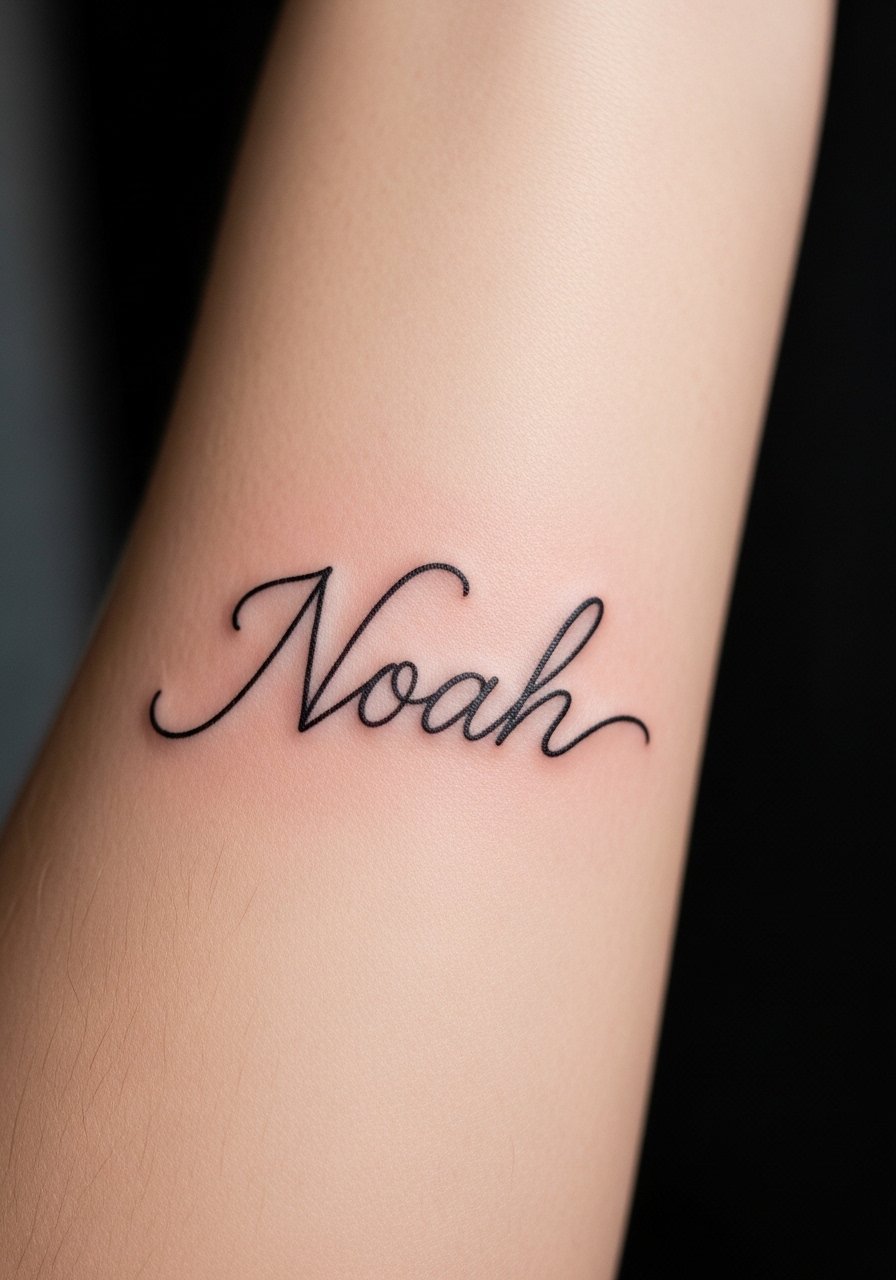
Someone I know first saw this style on a friend's forearm and loved how intimate it read from a short distance. Fine line name work is a low-visibility way to carry family close. Fair warning, artists split into two camps on fine line longevity. One camp says thin script holds up on forearms if the artist uses slightly heavier linework and leaves spacing. The other camp warns that too-fine strokes can blur within a couple of years, especially with sun exposure. Tell your artist you want slightly increased line weight and moderate spacing between letters. Pain is mild. Session time is usually under an hour. Expect a touch-up in two to three years if you keep the original scale. Common mistake is insisting on micro-sized lettering that has no room to breathe.
2. Blackwork Family Tree on Upper Arm
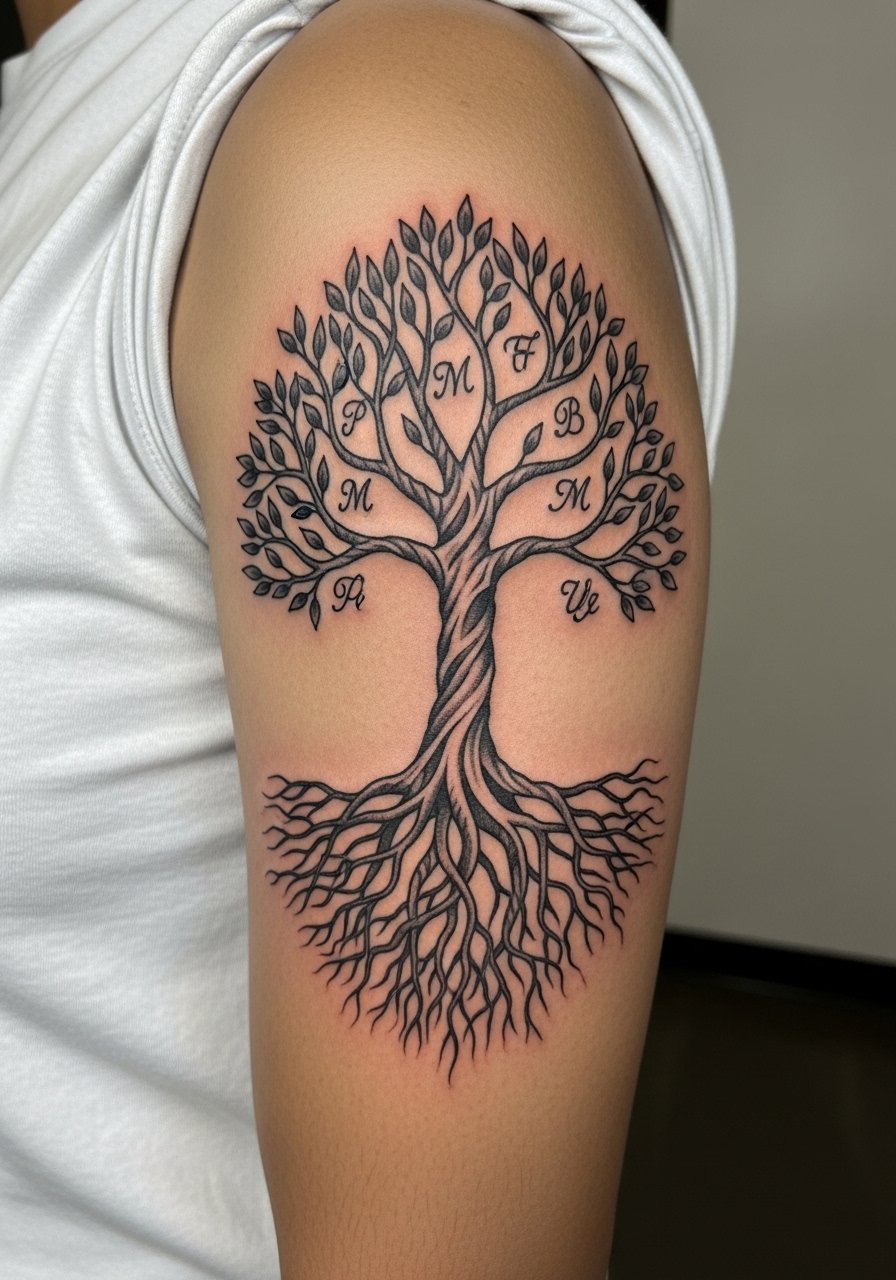
Visual impact is immediate with a bold blackwork tree that reads well at arm distance. For larger branches use whip shading or stipple shading to create texture without muddying the silhouettes. In consultation, show photos of branch spacing you like and ask for initials to be integrated as small, legible monograms rather than tiny script. Expect moderate pain on the outer arm and a session that may need two sittings if you want heavy saturation. This style tends to age gracefully because thick linework resists blowout and retains saturation. A common mistake is packing too many names into tight branching. If you want to expand later, plan negative space now.
3. Micro-Realism Baby Footprints on Wrist
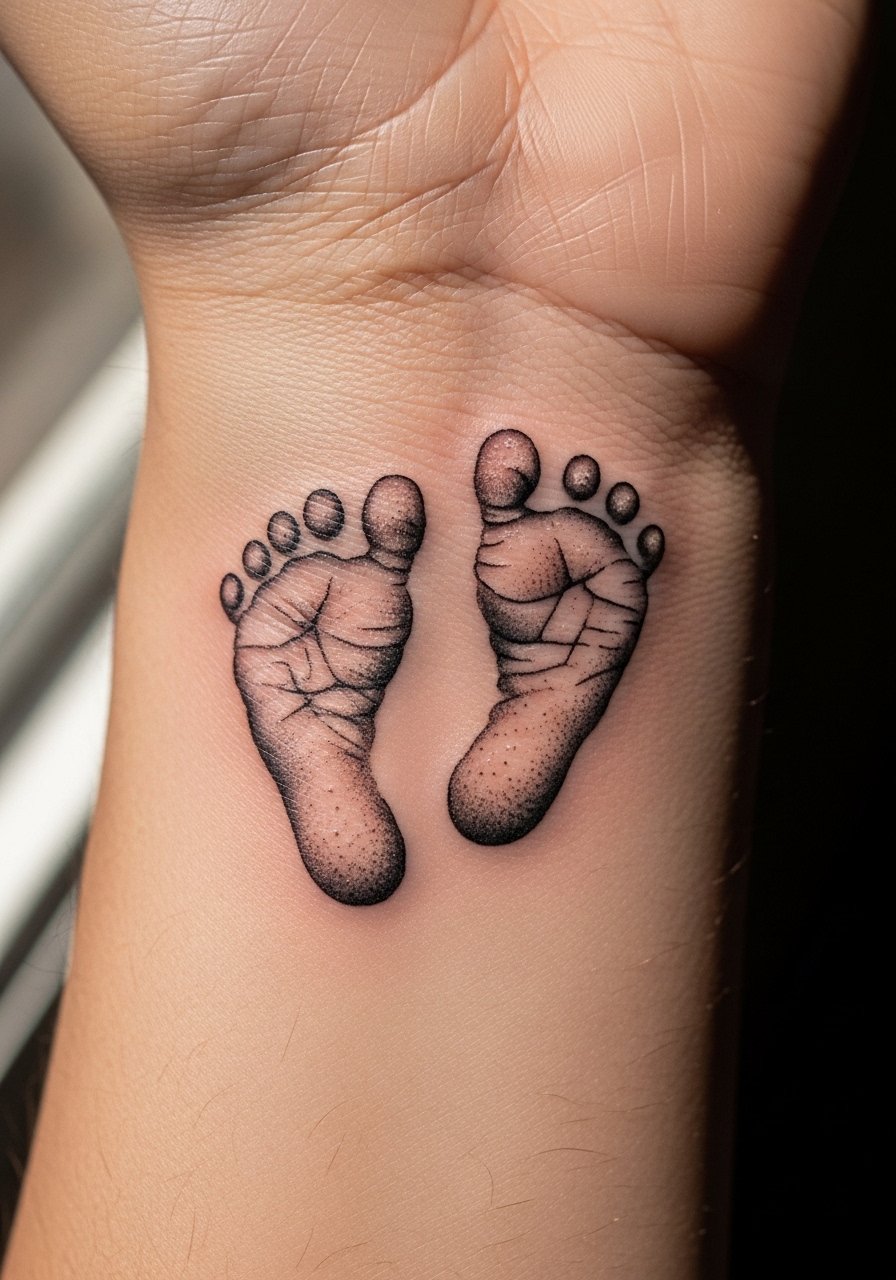
A micro-realism footprint reads like a personal token when placed on the wrist. When you sit down with an artist, bring a high-resolution photo of the print you want reproduced. Tell them you care about tiny crease detail and realistic shadowing so they use micro shading instead of a flat stamp. Pain is low to moderate on the wrist and sessions are short. Healing at six months shows soft edges, at two years the contrast will drop and may need a touch-up for high fidelity. Real mistake here is asking for an oversized footprint that loses the micro details. For careers that prefer subtle jewelry-friendly placement, the inner wrist hides well under a watch.
4. Coordinates of a Family Home on Chest
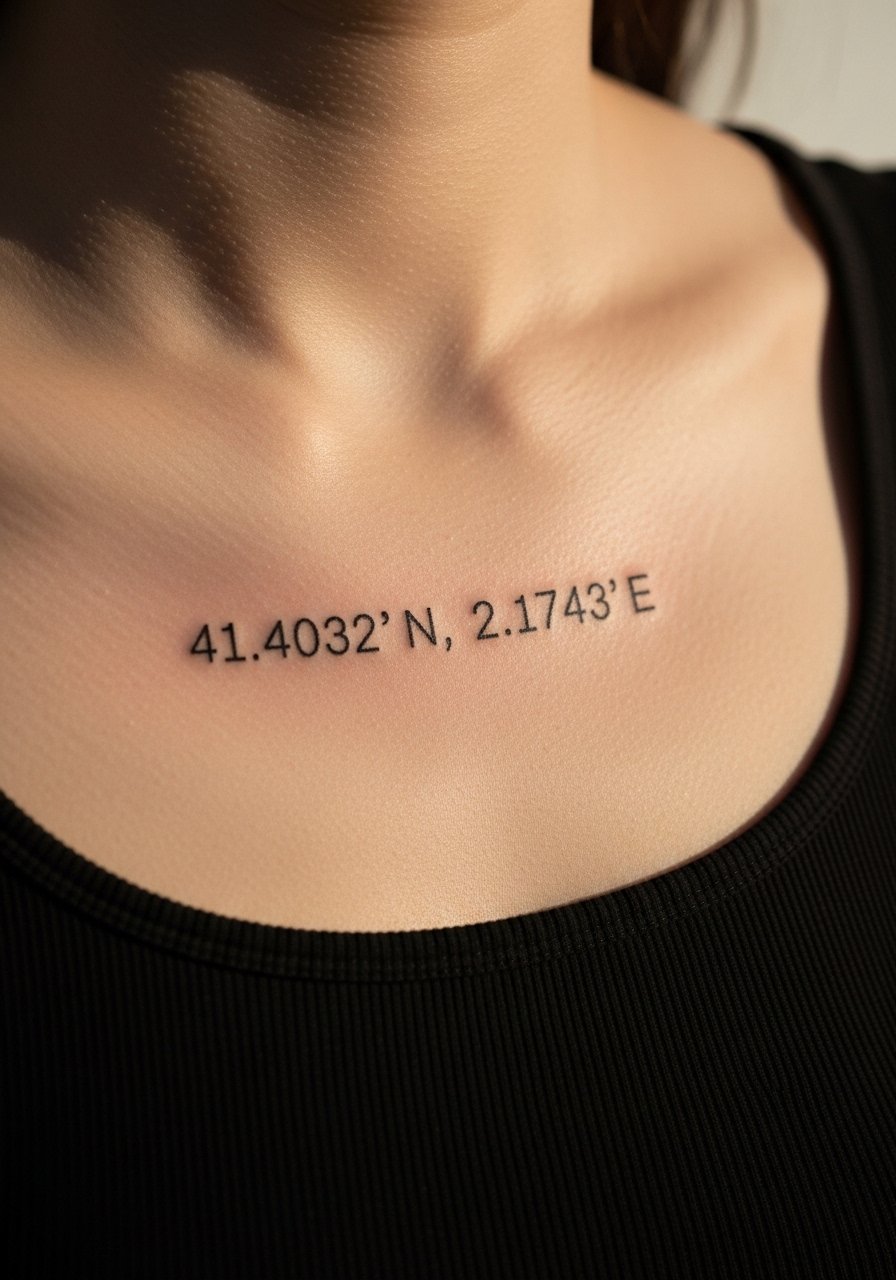
A coordinates tattoo is a quiet way to mark a family home or birthplace. Consultation tip: specify exact punctuation and font, for example the degrees and comma placement. Chest placement is more sensitive than forearm. Mention to your artist you want consistent spacing so the numbers read cleanly at a glance. Expect a 2 to 3 hour session for thin, precise numerals. At six months the numbers should hold sharpness, at two years check for slight softening and plan a touch-up if you want crisp type. Sensitive placement note: chest tattoos can be visible with low-cut shirts, so factor wardrobe into your placement choice.
5. Animal Family Silhouettes Across the Sternum
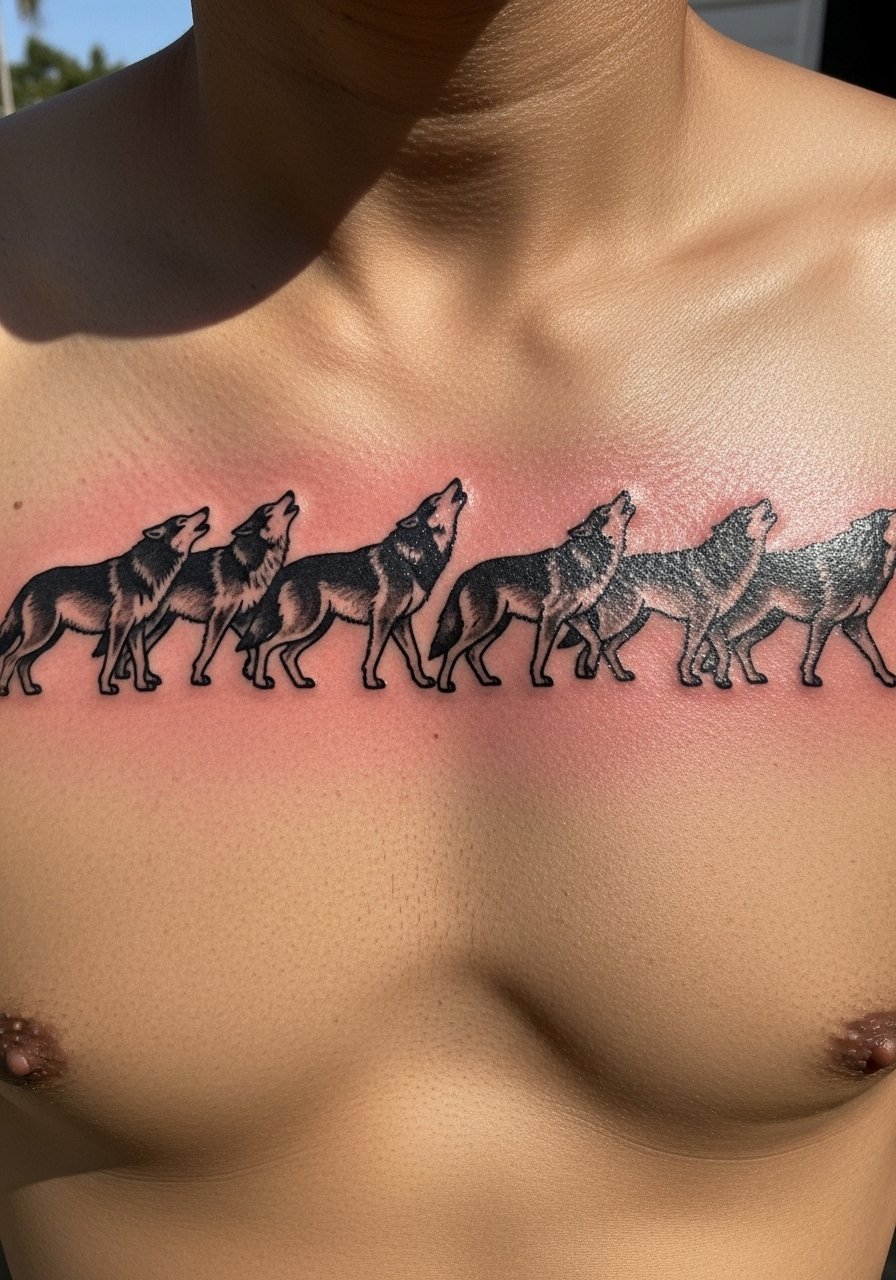
There is something about family-animal motifs that feels like a personal coat of arms. When you describe this to an artist, be specific about scale and spacing so each silhouette remains distinct across the sternum curve. Pain is higher on the sternum and the session may be split. Some artists use solid black silhouettes for longevity and saturation reasons, while others add stipple shading for depth. If you plan for future matching pieces, state that in the consult so the composition allows later additions. Sensitive placement note: sternum work needs an artist experienced with chest contour so linework sits evenly as the skin moves.
6. Interlocking Puzzle Pieces on the Side of the Hand
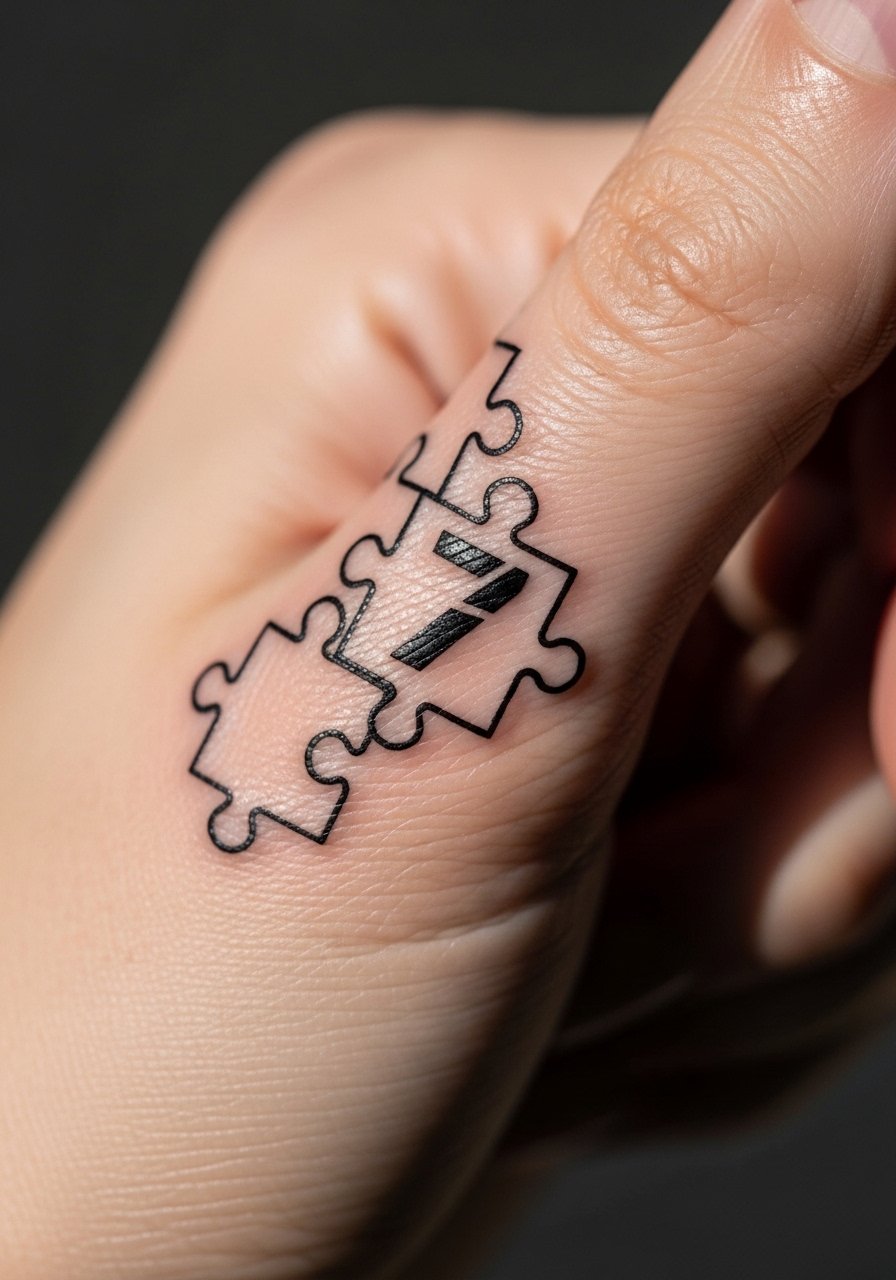
Fair warning: hand tattoos still carry professional implications for some careers and they fade faster because of constant washing and sun. The side-of-hand placement reduces immediate wear compared to the top of the hand. Tell your artist you want bold outlines and stronger saturation to compensate for surface wear. Expect high pain and a short but intense session. Healing at six months can show early fading, so anticipate a touch-up within a year. If you want a matching set with a partner or family member, plan shared scale now. Sensitive placement note: hands need an artist who regularly does hand pieces because technique affects how the ink sits in thin skin.
7. Portrait Medallion on the Upper Bicep
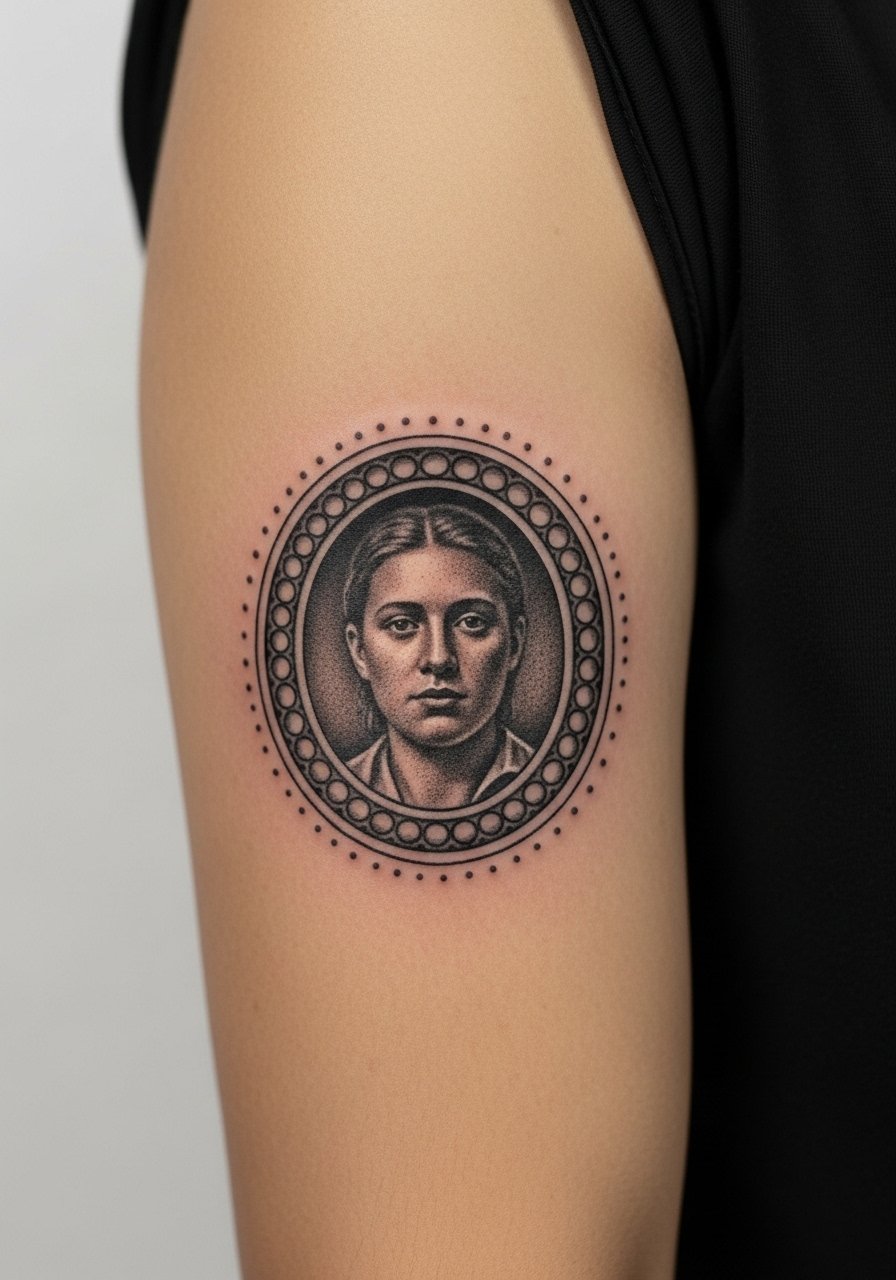
A portrait medallion offers a vintage feel while keeping the family face as the centerpiece. When you consult, bring several reference photos and indicate you want a slightly larger frame to allow the face to breathe at a realistic scale. The bicep has lower blowout risk and tolerates detailed dot work or stipple shading well. Pain is moderate and sessions can take two to three hours depending on size. A typical mistake is choosing a portrait too small for the placement which blurs facial detail over time. If you expect a long-term heirloom, ask about touch-up timelines and preservation via sun protection.
8. Geometric Mandala with Family Initials
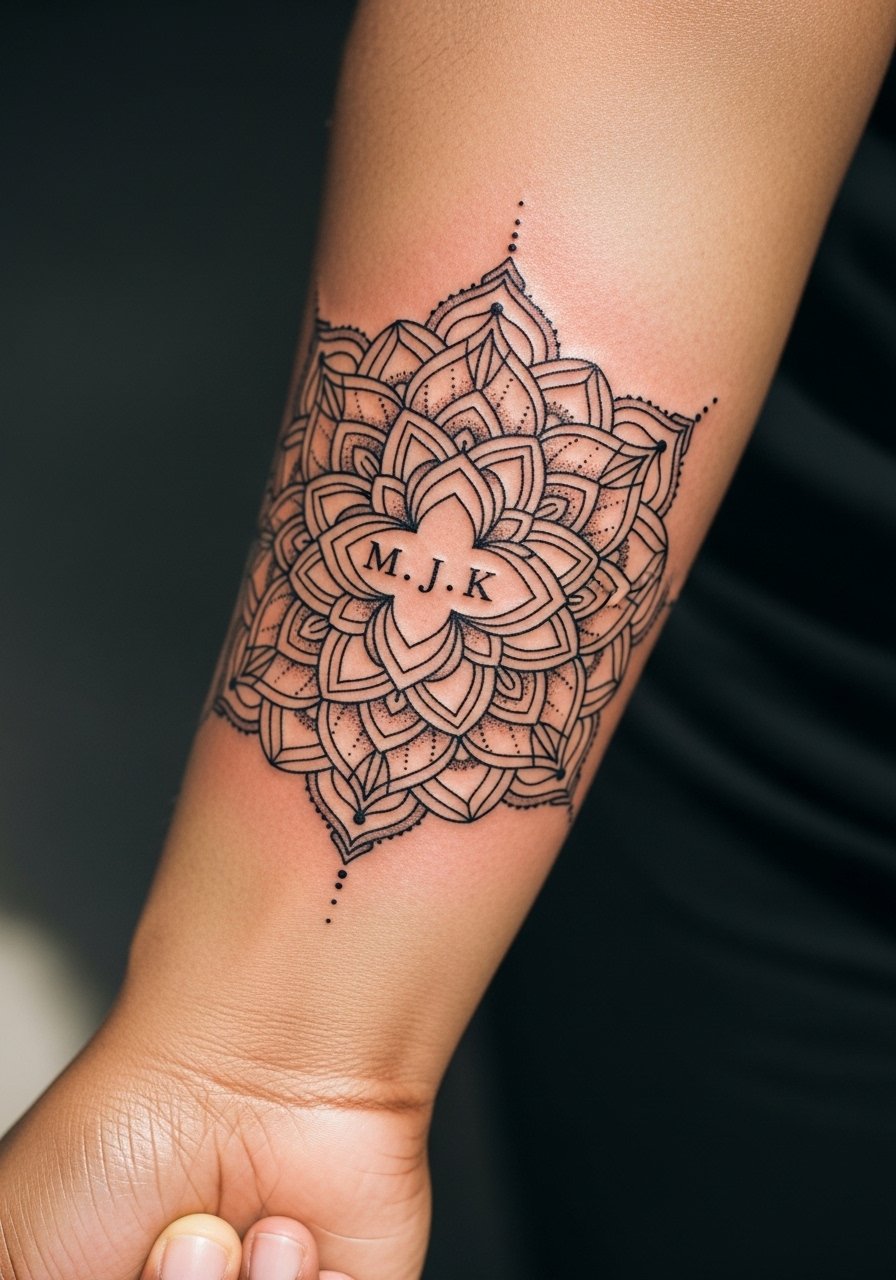
Geometric mandalas draw from cultural motifs and require sensitivity. This pattern traces to contemplative traditions, so some people choose stylized elements rather than direct replicas. In consultation, say you honor the origin and ask for a custom composition that respects the pattern while making it personal with initials. The forearm is a forgiving spot for crisp linework and dot work. Pain is mild. Over time, mandalas with tight linework can blur if lines are too close. Avoid requesting ultra-fine concentric rings. If you want long-term contrast, ask for slightly bolder outer rings to preserve the visual hierarchy.
9. Roman Numeral Birthdates on the Ribcage
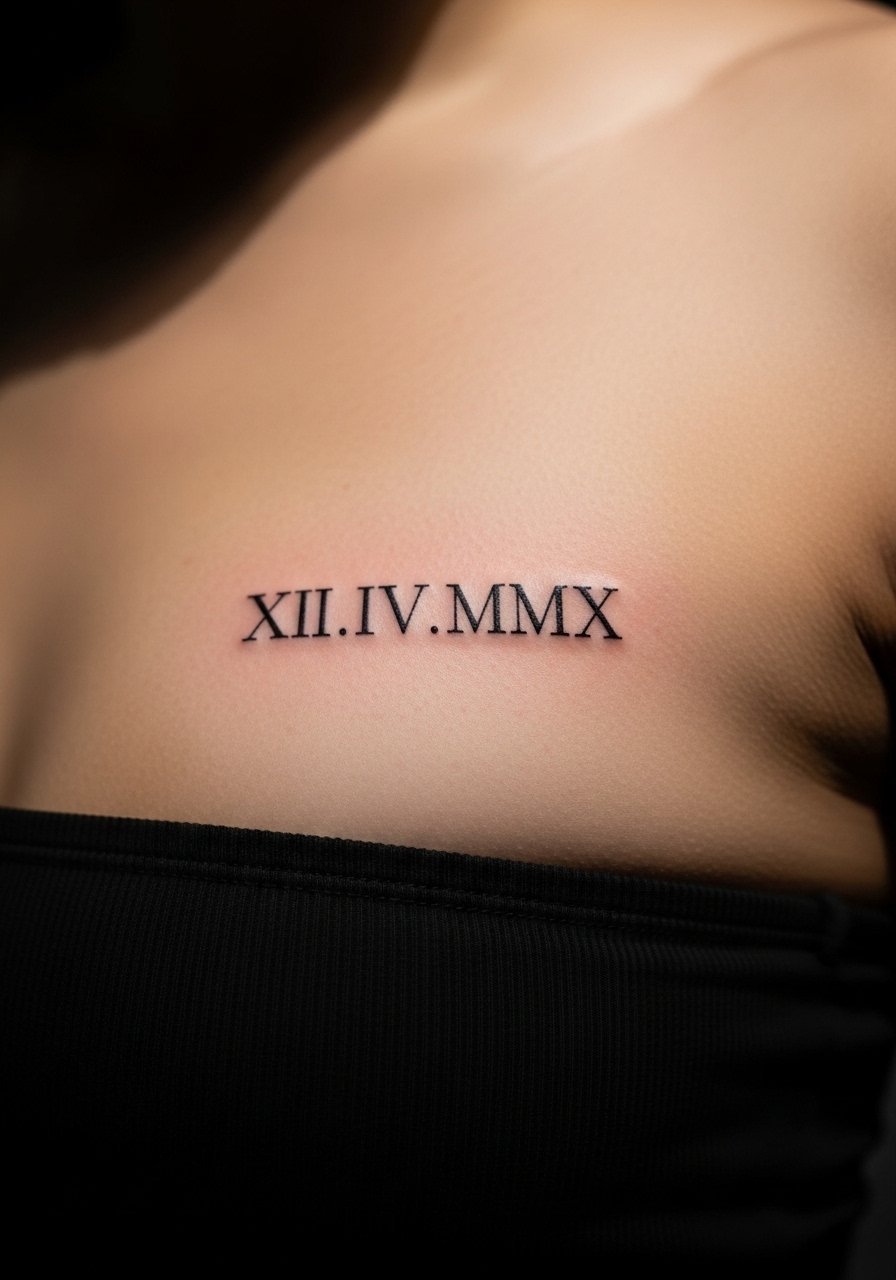
Controversy here is explicit. Fine line roman numerals on the ribcage split artists into two camps. One camp argues the skin in that area stretches and shifts enough that thin numerals blur within two years. The other camp says with the right needle depth and spacing they settle cleanly and keep legibility. The practical path is to ask your artist which camp they practice with and to see healed ribcage examples from them. Pain on the ribs rates high and sessions can be brief but intense. Expect numbness of the area and an initial softening at six months. Plan for a touch-up at year two if you care about crisp serif details.
10. Family Crest or Shield on the Shoulder Blade
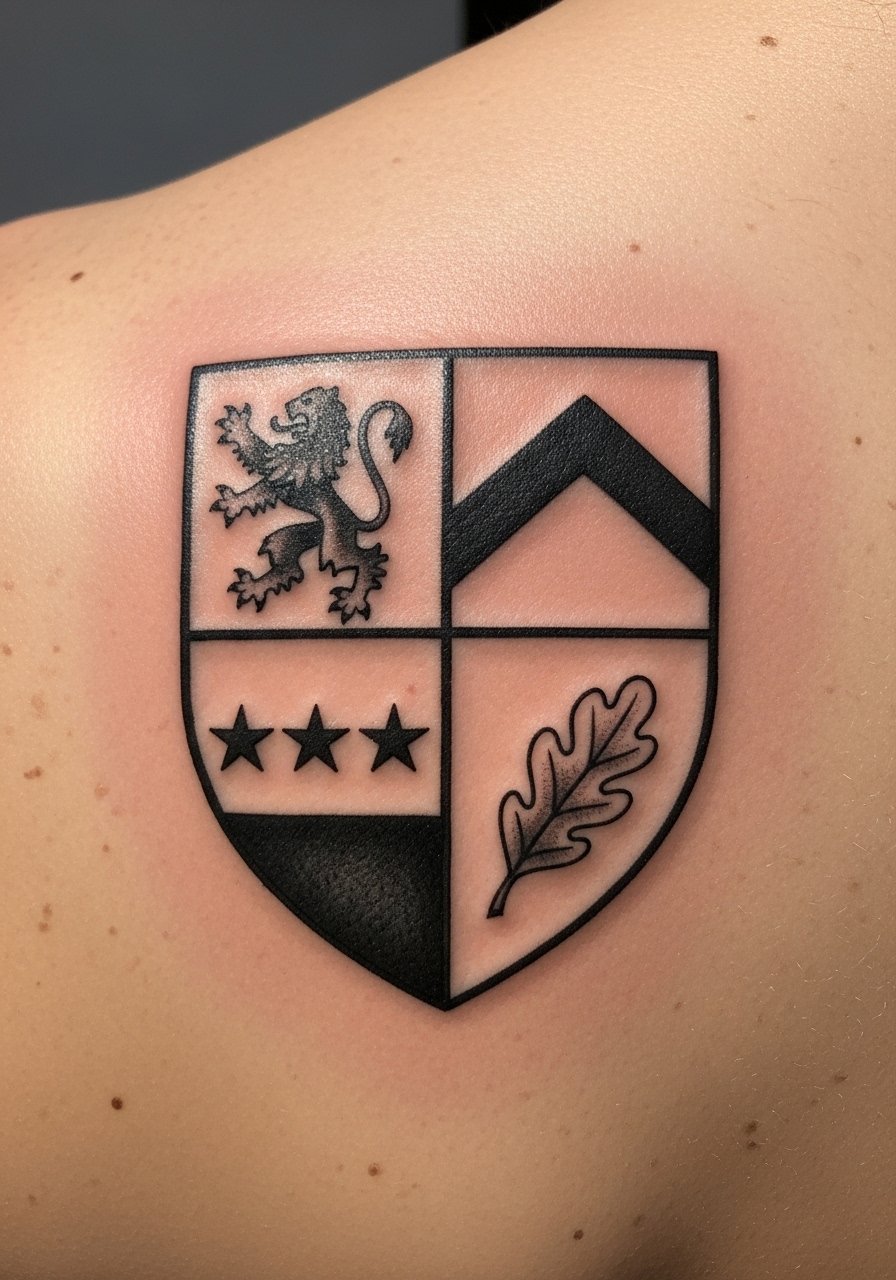
When you want an heirloom feel without a full sleeve, a crest on the shoulder blade reads like a wearable emblem. Consultation tip: define which elements are symbolic and ask for a version that reads at arm distance. Shoulder blade skin tolerates heavier saturation and crisp linework so this holds up well and resists blowout. Pain is low to moderate. Sessions are usually under three hours for a mid-sized shield. A common mistake is overloading the crest with tiny symbols that lose detail when viewed from further away. If you plan matching family crests, discuss scaling so pieces sit well together across different bodies.
Tattoo Prep and Aftercare Essentials
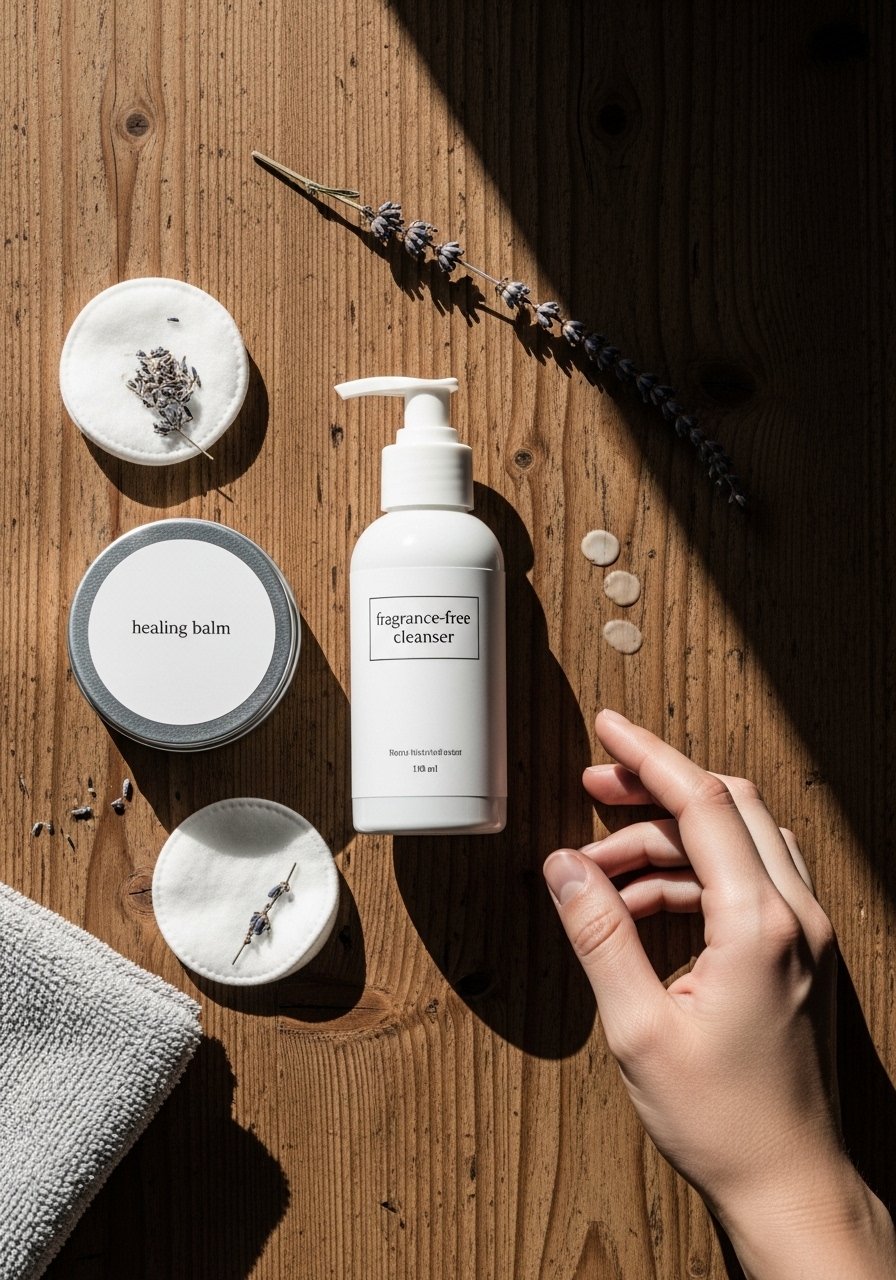
Fragrance-free gentle foaming cleanser. Use immediately after the initial bandage removal to remove plasma and ink residue without stripping skin. Clean twice a day for the first week.
Lightweight fragrance-free healing balm. Apply a thin layer to prevent scabbing from getting too thick. Use from day two through day five, then switch to a lighter lotion.
Medical-grade second skin bandage, 6-inch roll. Good for larger pieces that might rub on clothing during the first 48 hours.
Silicone-based scar and hydration gel. For raised or textured areas after healing, silicone can improve flatness and hydration.
Antimicrobial wound wash spray. Useful if you sweat heavily or have to clean a bandageed area on the go.
Fragrance-free moisturizing lotion SPF 30+. Long-term sun protection preserves saturation and prevents premature fading.
Lightweight breathable compression sleeve or cover. Useful during workouts to prevent friction on fresh upper-arm or shoulder pieces.
Every tattoo is different. Always follow your artist's specific aftercare instructions. Consult a dermatologist if you have skin concerns or unusual healing issues.
Frequently Asked Questions
Q: Will fine line script on the forearm blur into an unreadable mess after a few years?
A: It depends on line weight, spacing, and sun exposure. From what I've seen, slightly heavier fine line and ample spacing keeps letters legible at two years. Plan a touch-up at year two or three and use daily SPF to protect ink.
Q: Are hand and sternum family tattoos professionally risky?
A: Hand tattoos still affect hiring in some fields and sternum pieces can show with certain clothing. Think about your industry and wardrobe. If you need discretion, choose interior placements like the ribcage or inner bicep.
Q: How soon can I shower normally after a wrist footprint or forearm name?
A: You can shower the day after with gentle cleansing, but avoid long hot soaks and abrasive scrubbing for two weeks. Pat dry and apply a thin layer of healing balm as recommended.
Q: Do geometric mandalas require cultural permission or adjustment?
A: Some people choose to adapt elements rather than copy sacred designs. A respectful path is to request a custom composition that nods to the origin while being personal. Mention that to your artist during the consult.
Q: How often should I expect touch-ups for blackwork family trees or shields?
A: Blackwork tends to hold longer than delicate script because of saturation, but sun and friction still matter. From what I have seen, plan for a touch-up between three and five years if you want deep, consistent saturation.
Q: If I want a matching piece with a family member, what should I discuss with the artist?
A: Explain that you want complementary scaling and placement rather than identical copies. Show comparative body photos or reference placements and ask for mockups so the pieces sit cohesively across different body shapes.