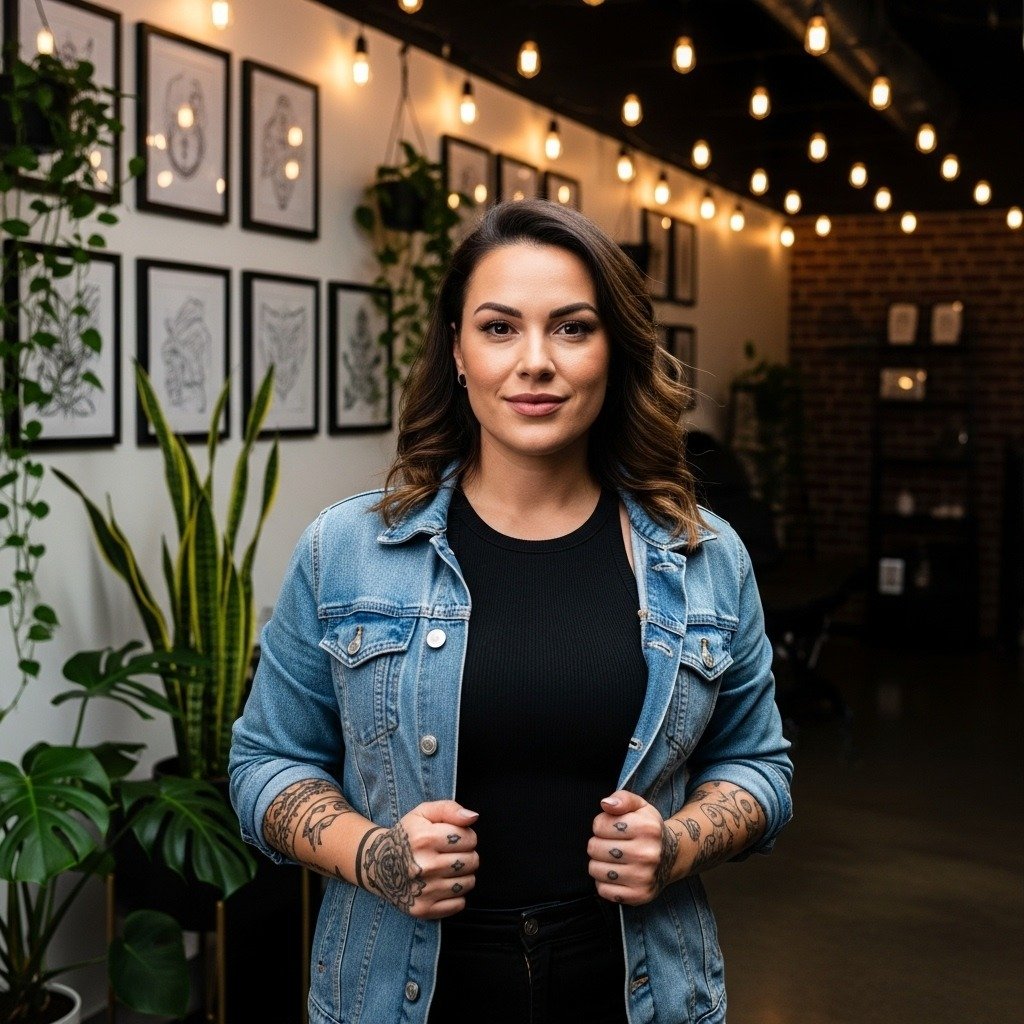
Someone I know spent eight months pinning designs, then realized the real problem was picking styles that still look crisp after a year. Fading, placement choices, and touch-up plans matter more than a single photo. I visited five shops across Brooklyn and spoke with artists at conventions to pull together watercolor shapes and placements that read well over time and suit different pain thresholds.
1. Peony and Rose Splash on Inner Forearm
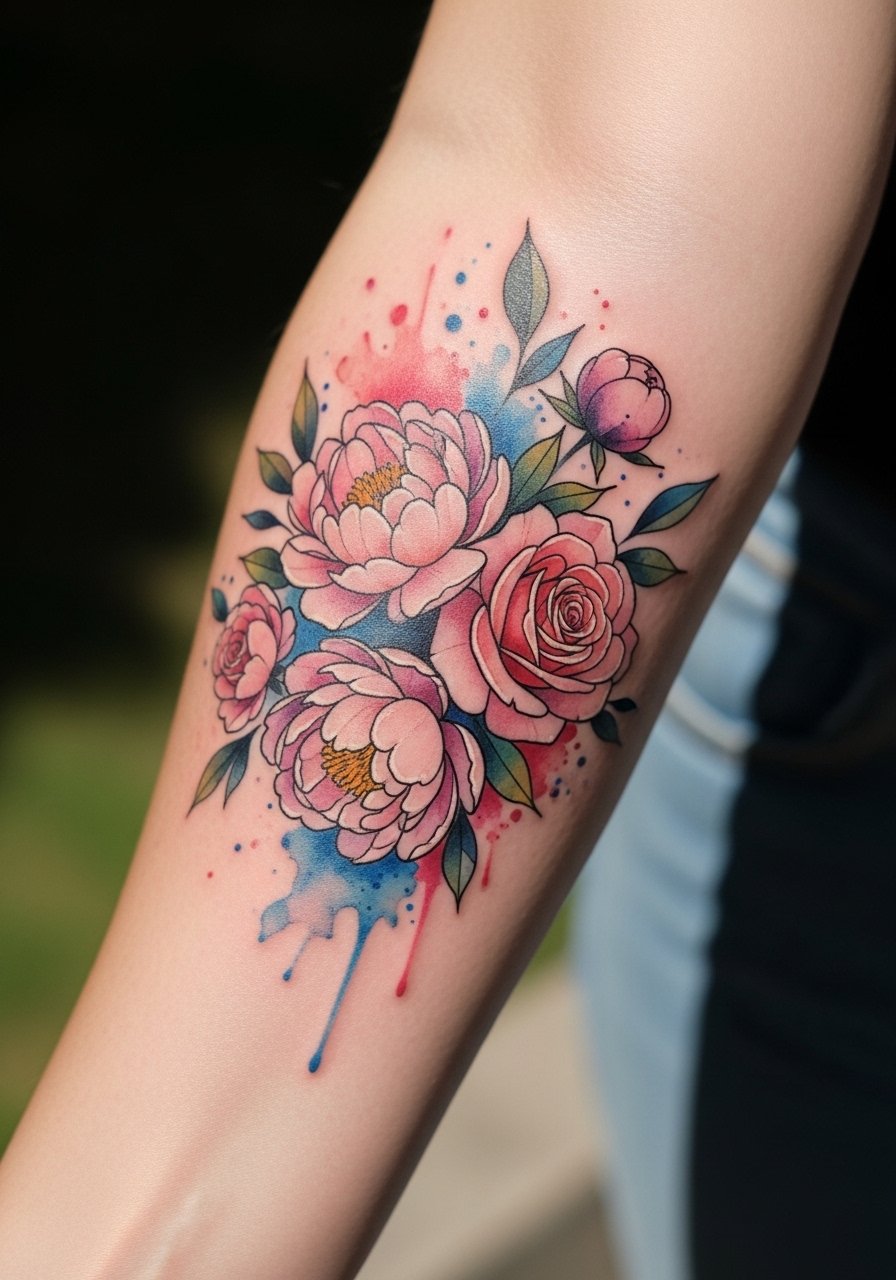
Someone I know first saw this style on a friend's forearm and booked the next week. Go slightly larger than you think so the petal edges have room to breathe, and ask for soft stipple shading behind the blooms to protect the color from migrating. Pain on the inner forearm is mild. Expect a one-session piece that takes about 60 to 90 minutes. A common mistake is asking for too fine an outline around every petal, which can age into a muddy edge. At six months the colors will soften, and by two years expect the pinks to need a light touch-up to restore saturation.
2. Pastel Kitten Portrait on Shoulder Blade
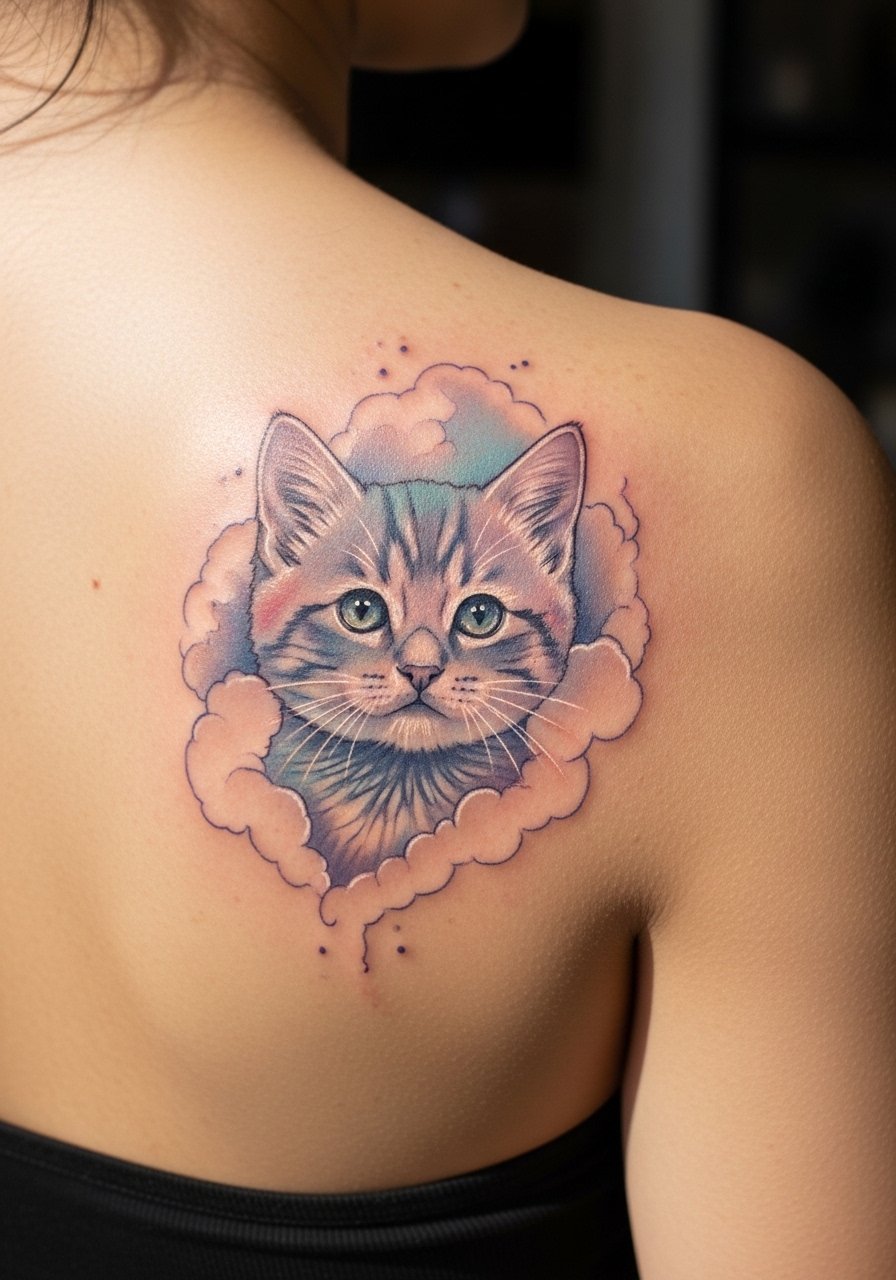
Fair warning, shoulder blade sessions feel uneven because you shift during the stencil placement. This medium-size portrait reads like a soft painting when the artist uses micro-realism for the eyes and watercolor washes around the fur. Tell your artist you want the color to bleed into negative space rather than sit in tight edges. That keeps the piece forgiving as it heals. Most people see settling at six months, and by year two the pastel lavenders will have dulled unless you plan a touch-up. The session is one to two hours and works well for cat lovers who want a gentle memorial or a playful pet piece.
3. Tree of Life in Sunset Hues on Ribcage
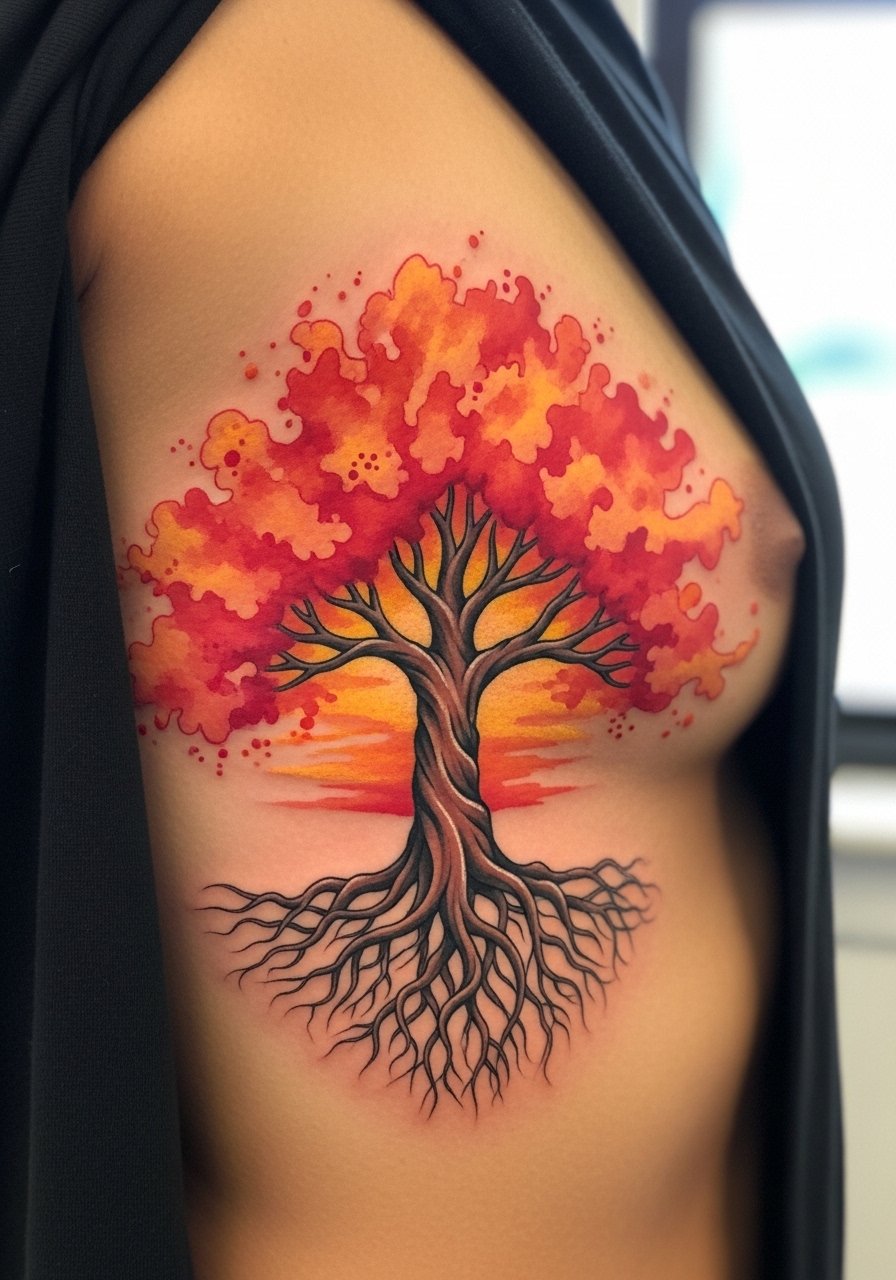
Fair warning, the ribcage is a 7 out of 10 on most pain scales. Artists split on fine work here. One group argues the constant stretch of ribs blurs fine line within two years. The other group says with proper spacing and depth it settles fine. Ask the artist where they stand before booking. For this neo-traditional take, request bold root anchors with watercolor sunset gradients behind the branches. Session time is usually two sessions. Expect the oranges near the edges to need a gentle refresh around year three.
4. Lotus Mandala Dripping onto the Wrist
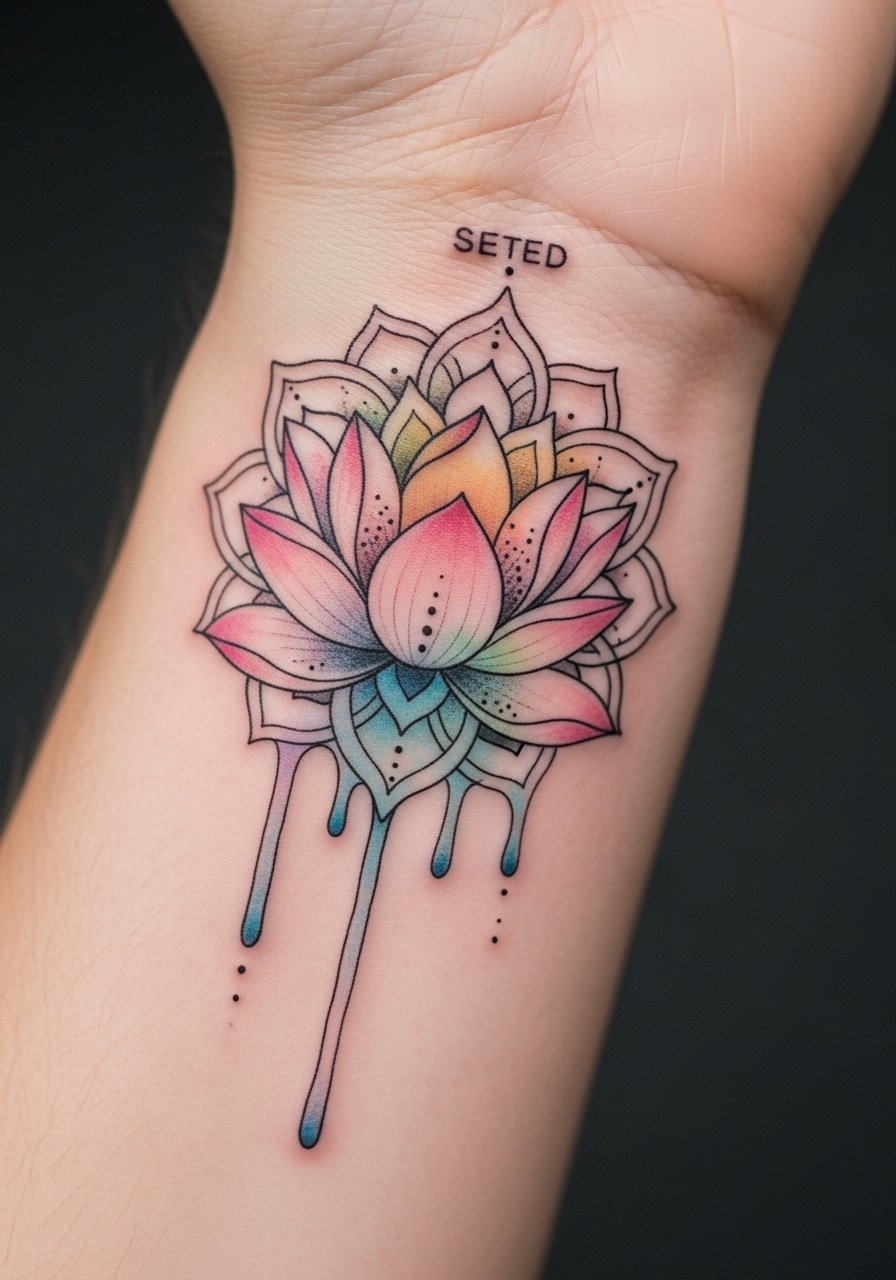
When you sit down with your artist for this one, bring photos that show the exact petal spacing you like. Mandala detail needs room, so the wrist size is best as small to medium, not micro. The main mistake is compressing a mandala so the radial linework blurs as it heals. Pain level on the wrist is moderate. The watercolor wash behind a mandala can help disguise slightly faded lines at two years. This design traces to Buddhist ornamental patterns, so some people opt for slight variations rather than direct sacred replicas.
5. Gothic Rose Outline with Watercolor Splash on Upper Arm
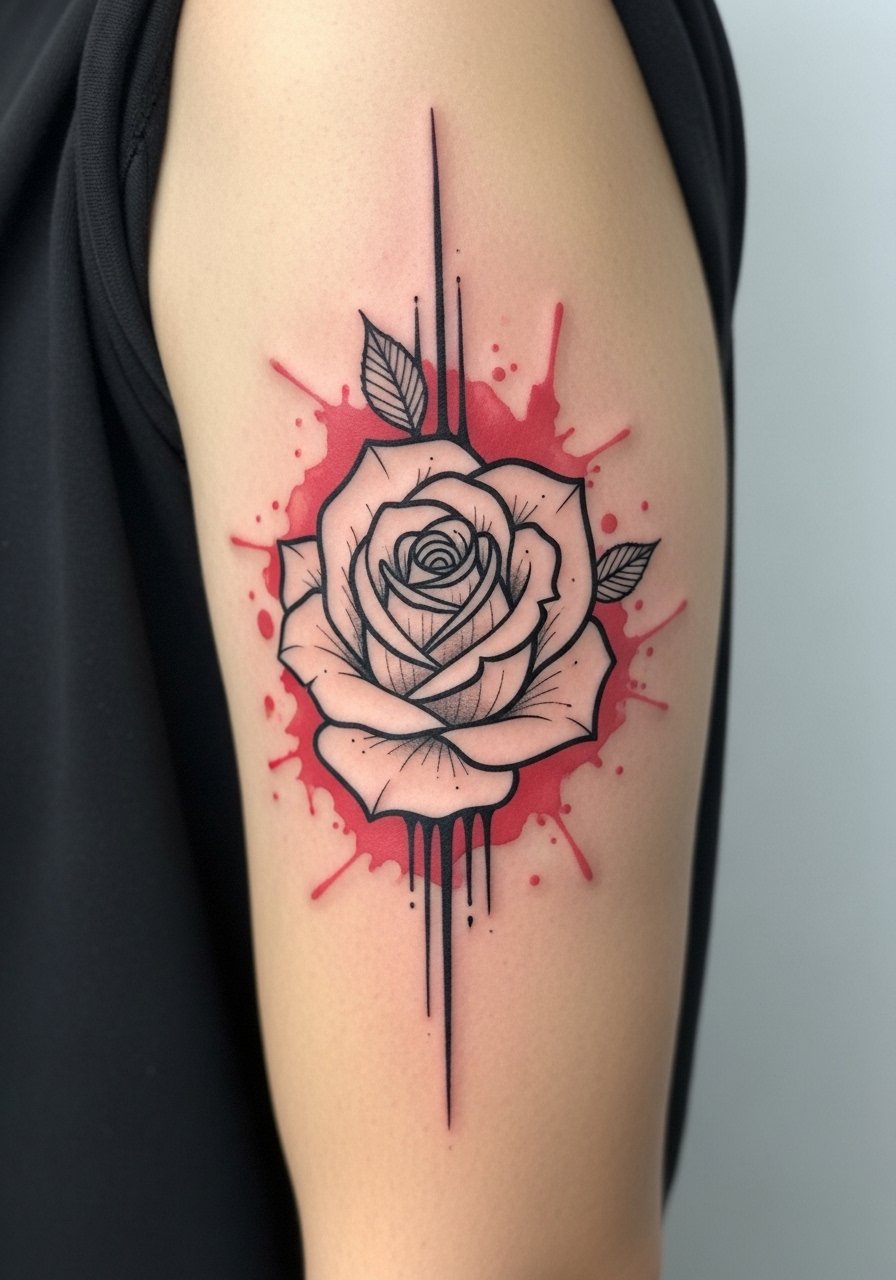
There is something about pairing heavy black contour with a loose color splash that reads from across a room. This hybrid works well for upper-arm placements where blowout risk is lower. During the consult, say you want the black saturated but not packed so deep that it creates a ridge under the color. Session time is often 90 minutes. A common error is asking for color too near dense black, which can pull pigment and dull hues. At two years the black holds, and the red splash will likely sit softer and may need a touch-up to regain punch.
6. Small Butterfly with Ink Splatter on Inner Wrist
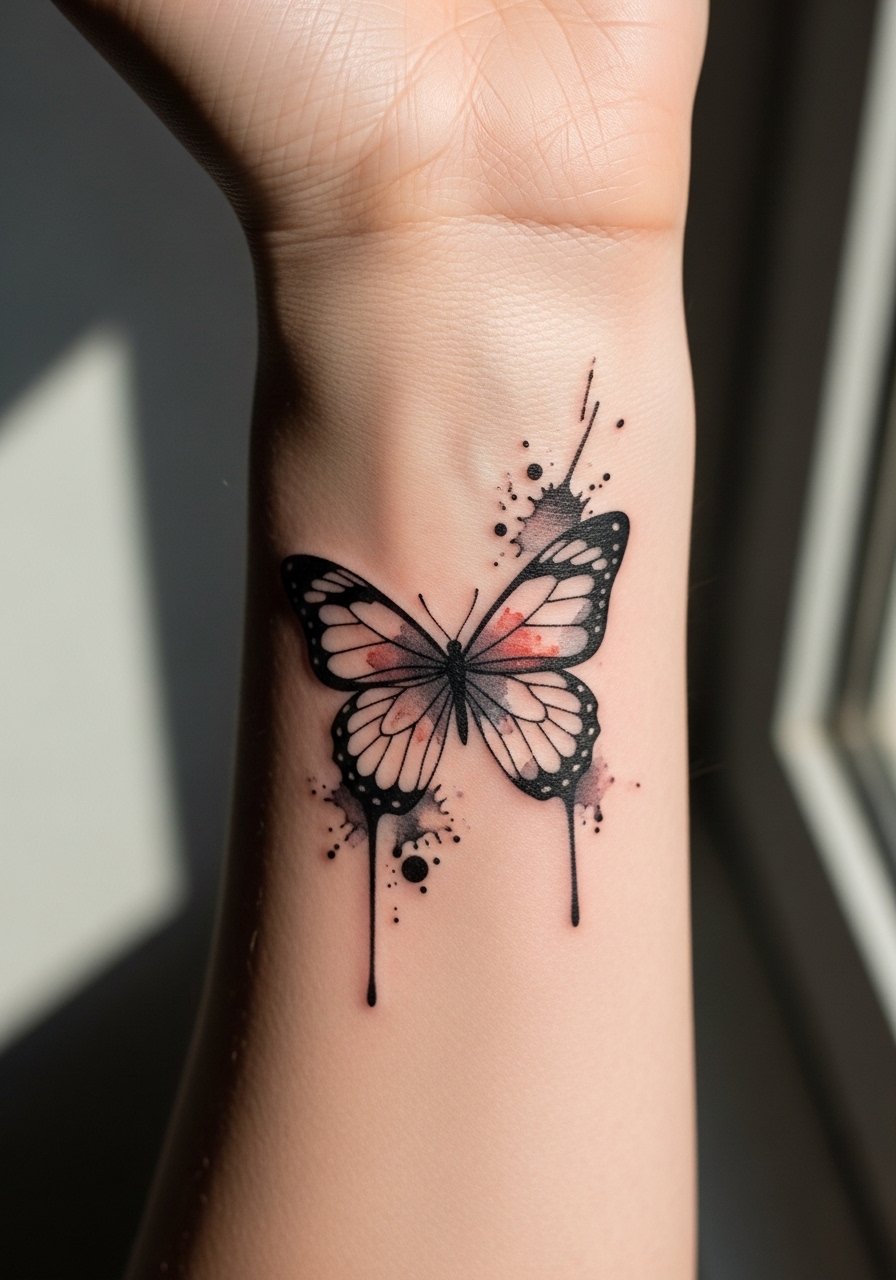
The inner wrist is a great place for a small transformation symbol because it is visible and easy to protect while healing. For this minimalist style, request a tiny amount of center linework with more emphasis on color bleed. Expect a single session under 45 minutes. A rookie mistake is choosing too many tiny color spots that merge on healing. Butterflies at six months keep their shape but may need a refresh by year three on the wrist due to frequent sun and friction from clothing.
7. Phoenix Rising Along the Calf
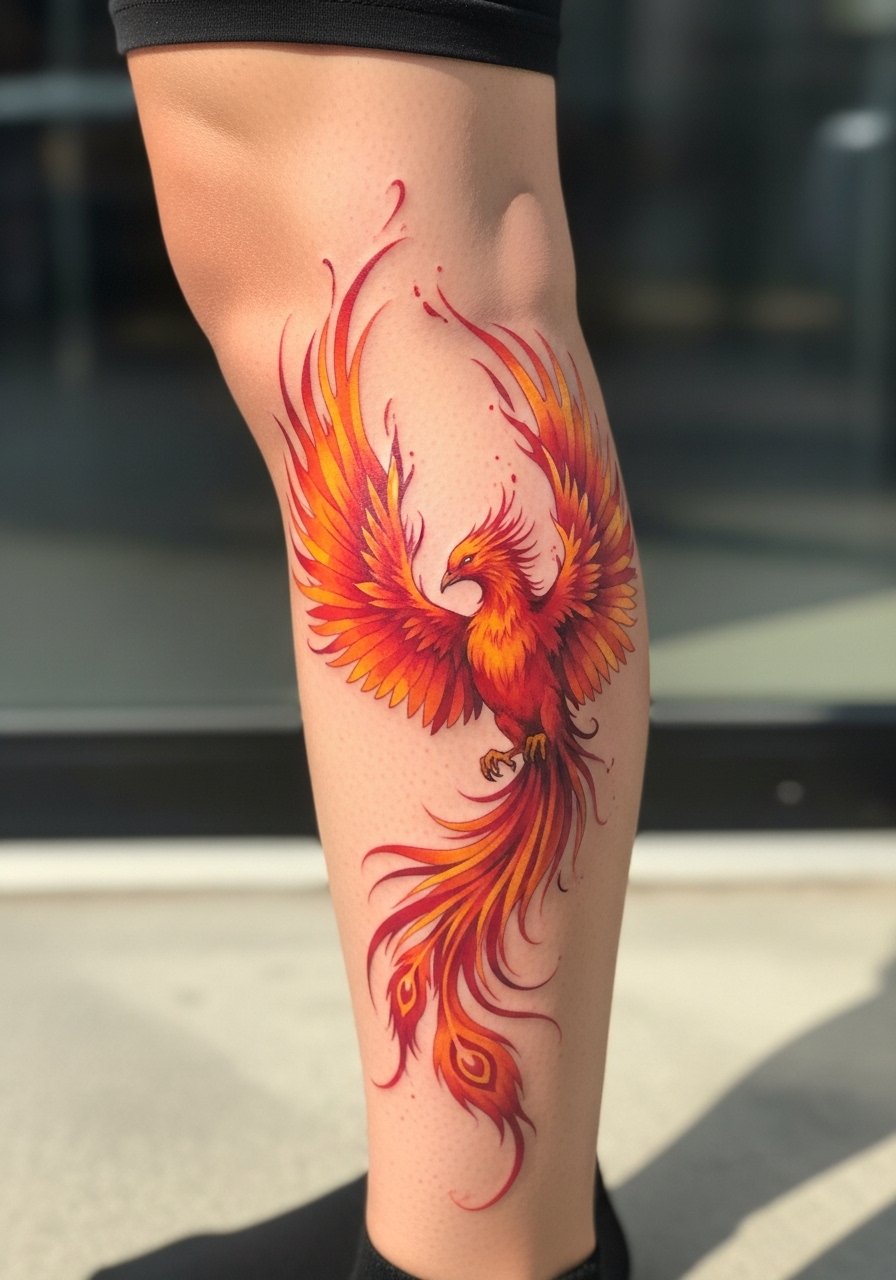
When you want a story that reads in motion, calf placement lets the phoenix stretch and follow muscle lines. Sessions for a large calf piece run two to three sittings. From what I've gathered, heavier saturation in the core feathers helps the motif read from a distance and keeps the outer washes forgiving as they fade. Pain on the calf is moderate. Expect noticeable softening at year two and a possible touch-up at year four if you want to restore full gradient intensity.
8. 80s-Inspired Blush Face on Collarbone
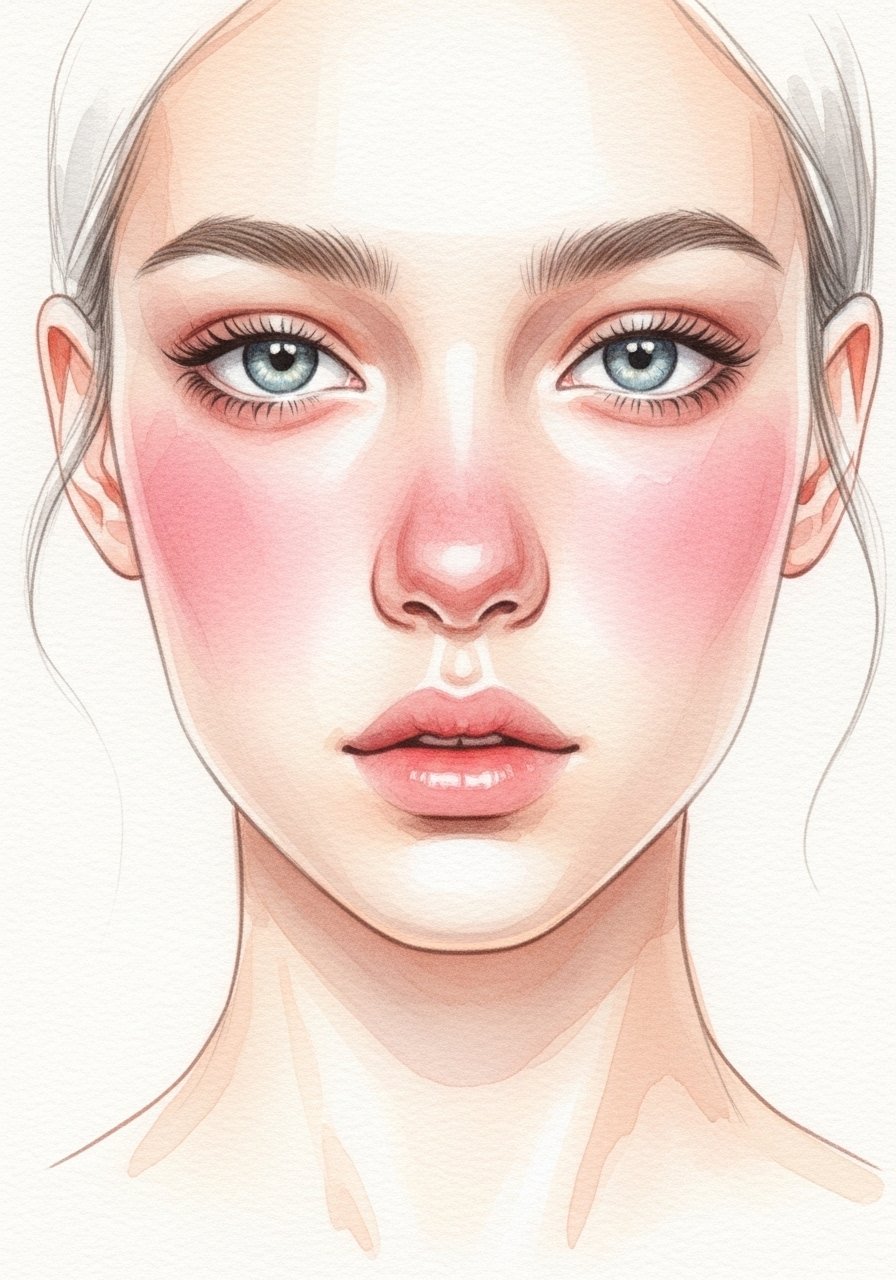
Most watercolor portraits on collarbones are small to medium and rely on micro-realism for facial features with watercolor blush for atmosphere. The collarbone can feel sharp under the needle, so pain is a four to six out of ten. Tell your artist you want the eyes crisp and the surrounding color to feather into negative space. The common mistake is over-detailing skin texture in a watercolor portrait, which can age oddly. At six months the blush will look softer, and at two years expect the pastels may need a refresh to keep the original pop.
9. Ocean Wave Crashing into Floral Foam on Forearm
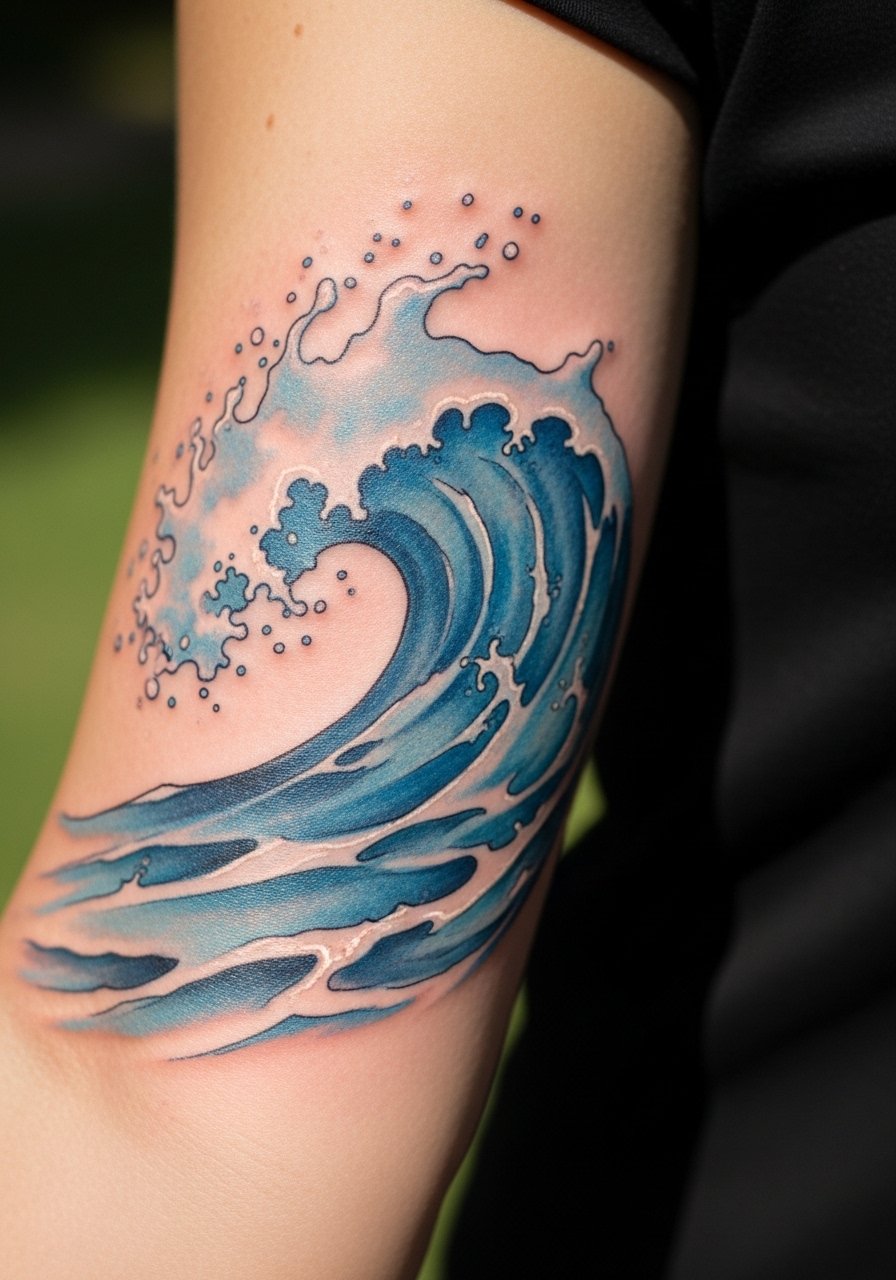
There's a practical side to nature pieces. Forearms are visible and easy to care for while healing. For this illustrative piece combine saturated blues for the wave crest with soft gray outlines for the floral foam. Ask for gradation that avoids tiny color islands that blur. Session time is typically one to two hours. A common mistake is placing too many thin whites which disappear as the skin heals. At two years the blues will soften and may need a touch-up to regain contrast.
10. Tiny Pink Heart with Dripping Paint Behind Ear
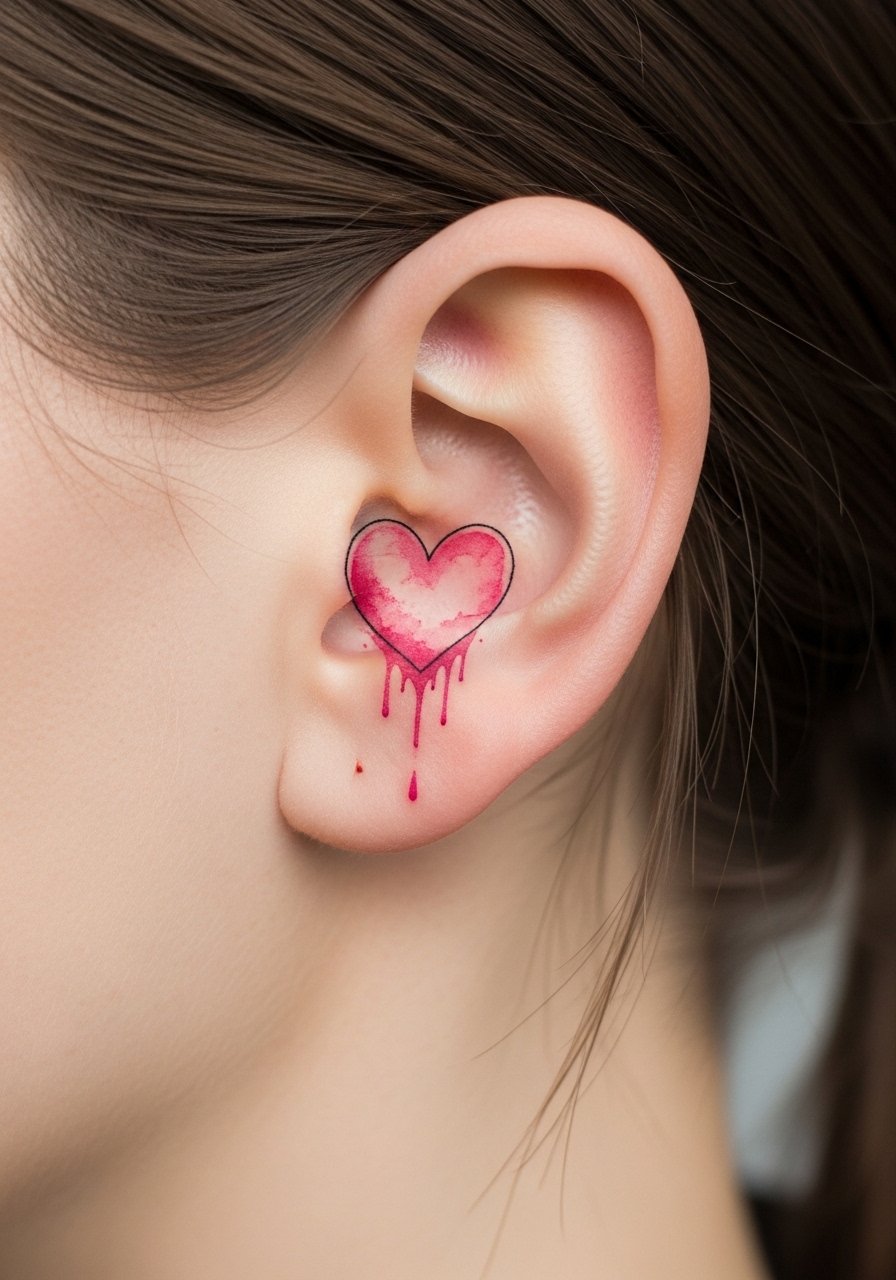
Behind-ear tattoos are subtle and easy to conceal, but the skin is thin and feels tender. Expect a short session under 30 minutes and a pain level around five. For longevity ask for slightly deeper pigment placement than a surface wash so the color holds beyond initial fading. A frequent error is picking an ultra-micro heart that fills in as it heals. At six months the pink will look muted, and at year two a tiny touch-up can help bring it back without changing the original look.
11. Mushroom Cluster in Psychedelic Fades on Thigh
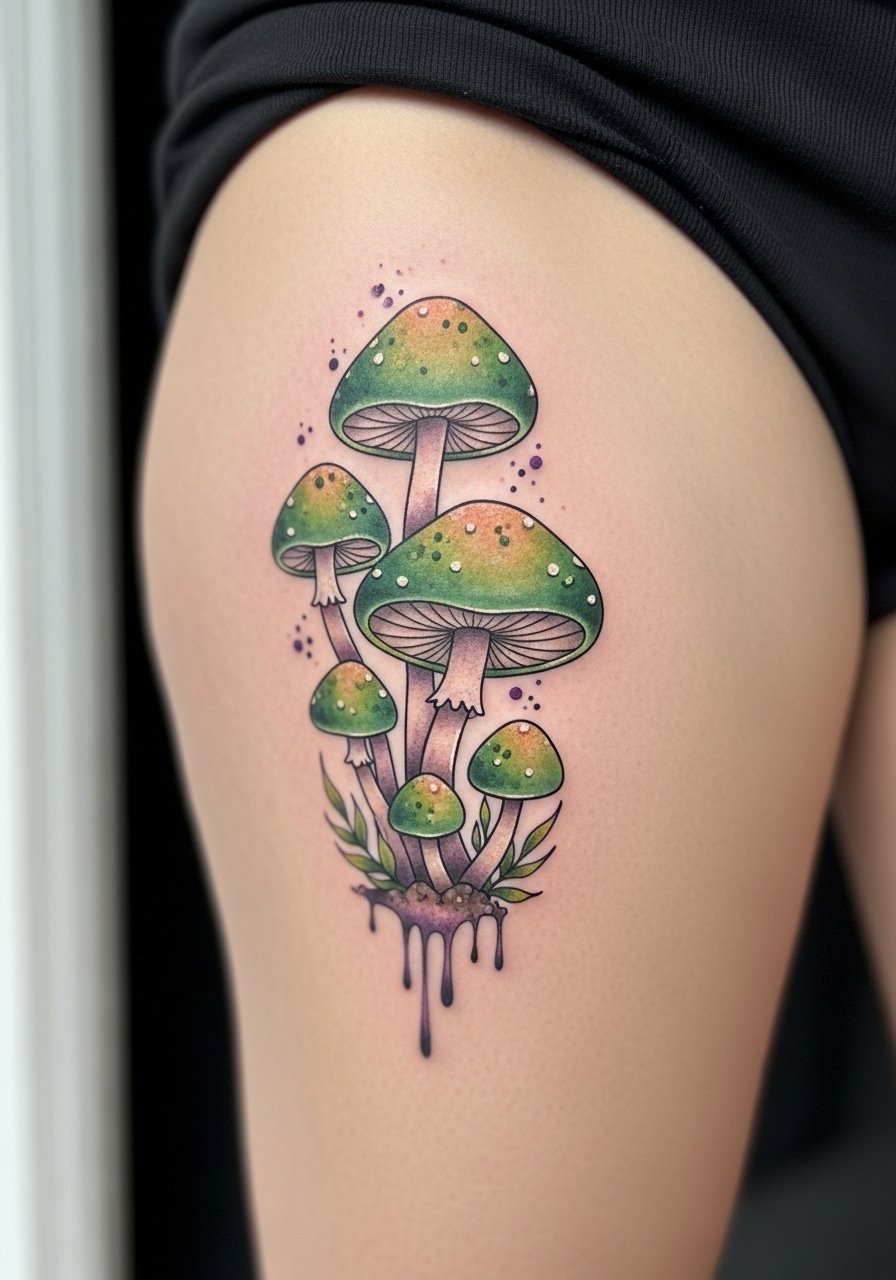
Thigh pieces are forgiving when it comes to size and healing. If you want festival vibes, ask for loose gradients that read as a soft field from a short distance. Expect a one-hour session for a small cluster. The biggest mistake is placing micro dots too close together which can merge in dense skin areas. At two years the fades look mellow, and a single touch-up session can restore vibrancy. Thigh also protects color from daily sun exposure, which helps reduce fade.
12. Angel Wings with Light Ray Bleeds on Shoulder Cap

I noticed some people choose shoulder caps because the area looks like a natural canvas for symmetrical wings. Two sessions usually do the trick for medium wings. The trick is asking for light rays to be painted as thin washes to avoid hard edges that age into visible lines. Pain is mild. A common mistake is asking for too much white highlight, which heals into subtle pale patches. After two years the golds will soften but remain readable if you apply sunscreen.
13. Cherry Blossom Branch with Spring Rain Effect on Ribcage
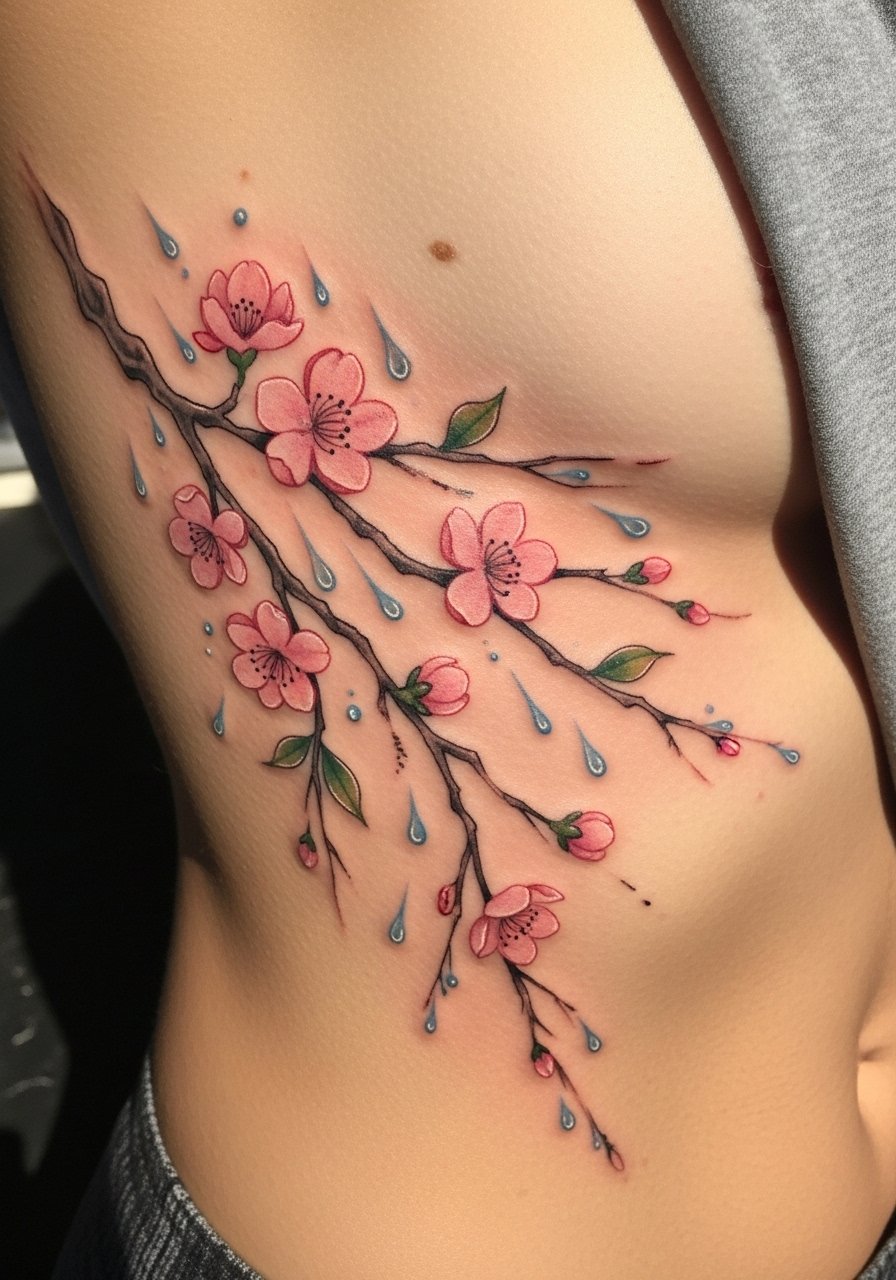
Most people pick cherry blossom for its seasonal symbolism and soft look. Because this sits on the ribcage, pain is high and sessions may be broken up. Artists disagree on how fine the branch should be on ribs. One group avoids ultra-fine twigs there because of stretch. The other group will do finer work if they space the lines carefully. Ask your artist about long-term line spacing. At six months the blossoms settle into a muted wash, and at two years the branch may need a minor touch-up if you want brighter pinks.
14. Crescent Moon with Star Shower on Ankle
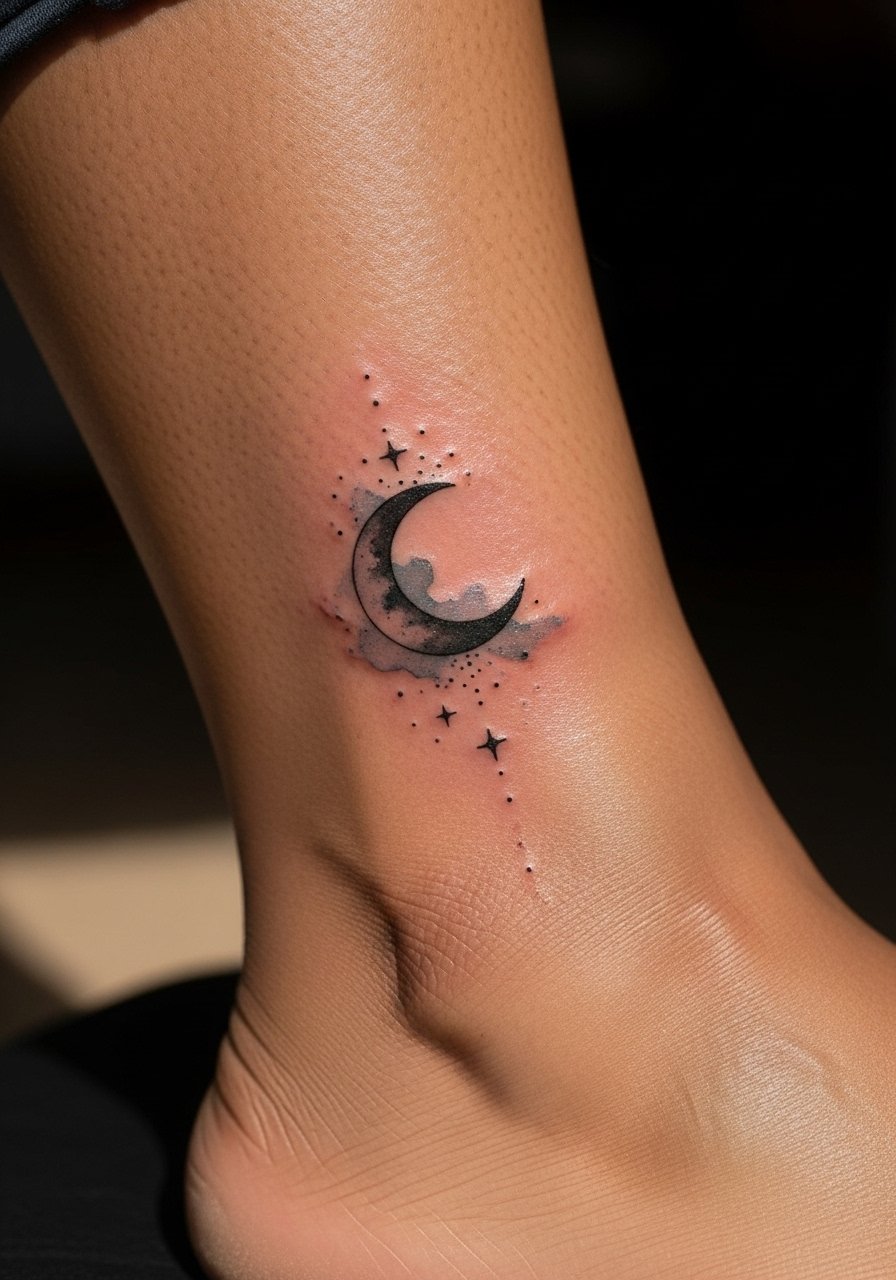
Ankle pieces are charming but subject to friction from socks and shoes. For a small moon try asking for a slightly bolder crescent edge with a light wash inside so the design keeps shape as it heals. Pain on the ankle is moderate. Expect a short single session. Many people make the mistake of choosing too many tiny stars that disappear under movement. At one year the moon will soften, and a yearly protective SPF when exposed helps keep the pigment from dulling.
15. Tiny Geode Slice with Metallic Veins on Thigh

Consultation lead. When you tell your artist you want metallic-like veins, show exact reference images so they can place micro-dots of color to mimic shimmer rather than paint in real metal. Thigh is a forgiving placement and the session is usually one hour. A mistake is asking for actual metallic ink which fades unpredictably. At six months the geode looks jewel-like, and at two years the outer washes may need a gentle refresh to maintain contrast.
16. Minimalist Constellation with Watercolor Nebula on Wrist
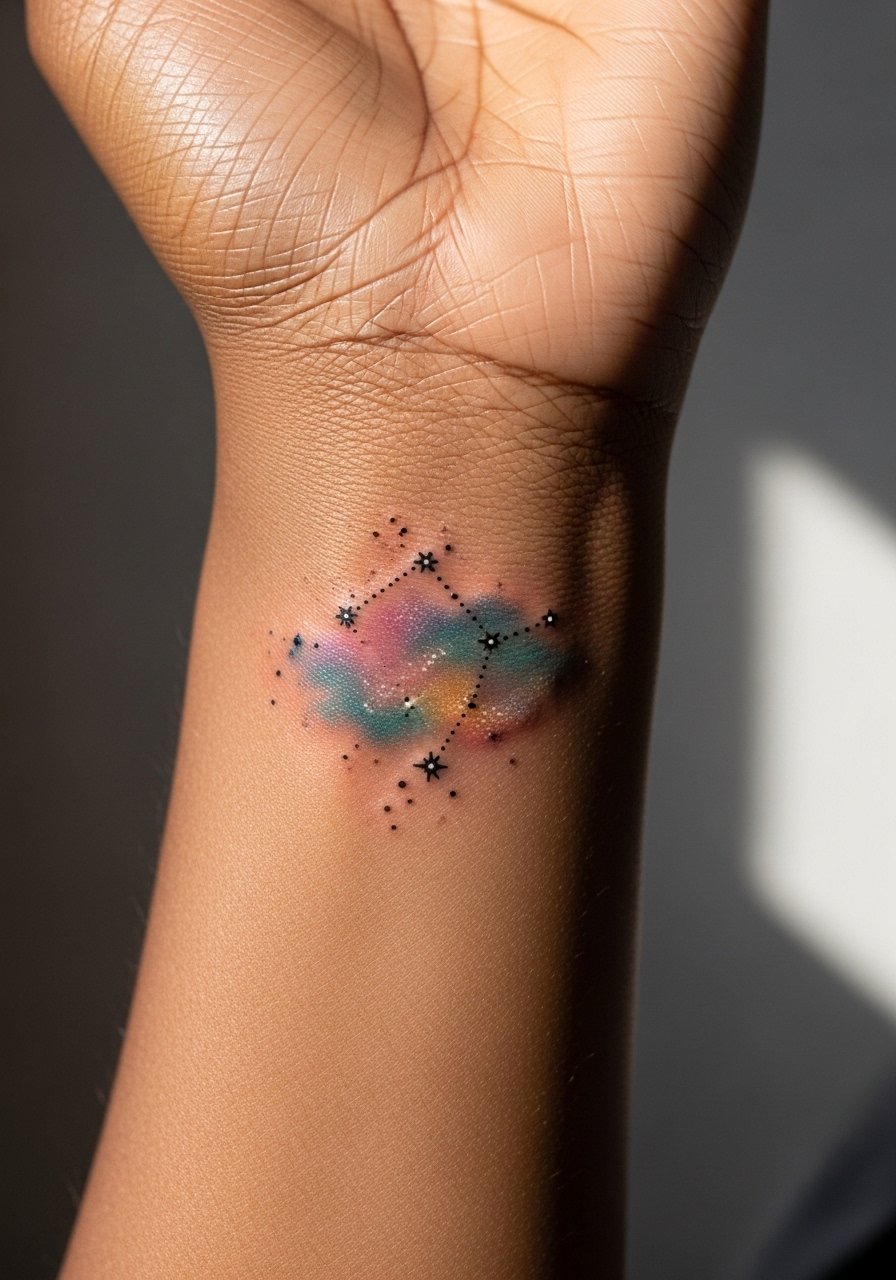
Aging and healing lead. Most tiny constellations benefit from a subtle nebula behind them because the color helps define the stars as the lines soften. On the wrist the pain is moderate. Ask for slightly larger star dots so they do not blur into a line in the first year. Common mistake is making the star points too thin. Expect softening at year two, and plan a touch-up if you want pin-sharp points again.
17. Sunflower Splash on Outer Bicep
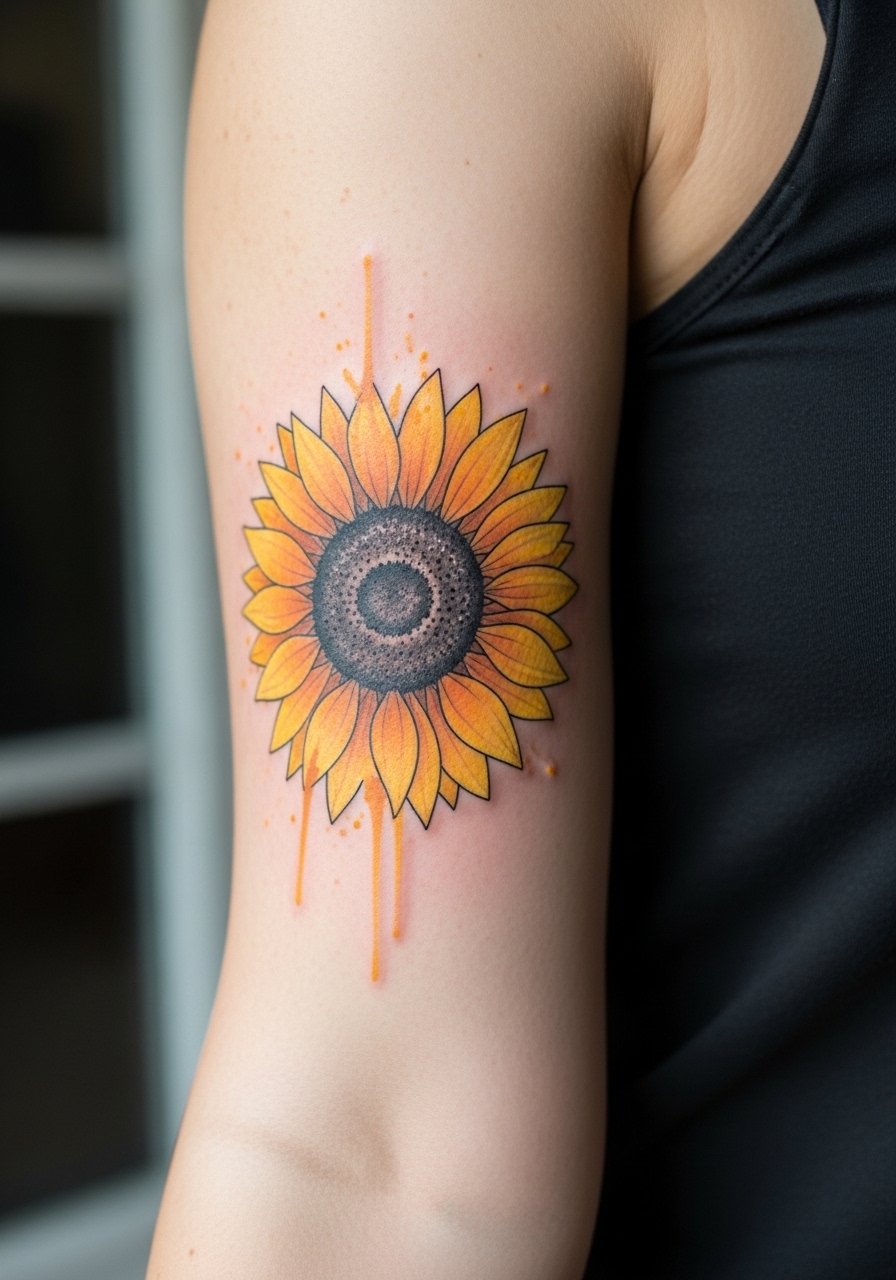
Visual impact lead. The outer bicep takes color well and allows for strong saturation in the sunflower center while keeping watercolor petals airy. Session time is about 60 to 90 minutes. A real mistake is requesting ultra-thin center lines which can bleed into the yellow. After six months petals smooth out, and by three years a touch-up can revive the yellow without touching the darker center.
18. Tiny Script with Watercolor Wash Behind Ear
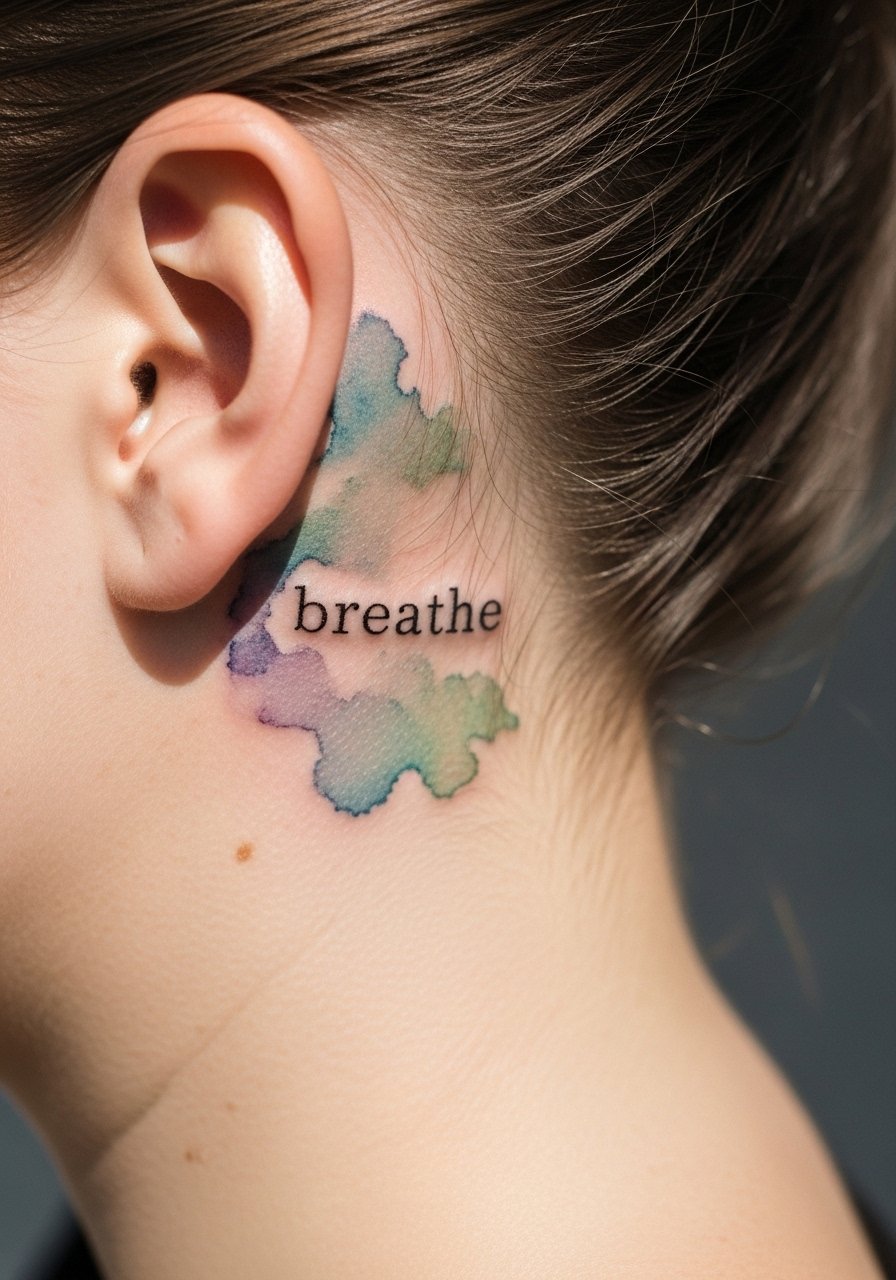
Consultation lead. When visible text is included, specify the exact word so photos and stencils match. Small scripts behind the ear need secure placement and slightly bolder strokes than you might expect. Pain is moderate. One common error is choosing a font that is too thin. At one year the word may soften and the wash will look like a muted halo. A single touch-up can restore clarity without changing the original hand-lettered style.
19. Hummingbird with Floral Watercolor Tail on Ribcage
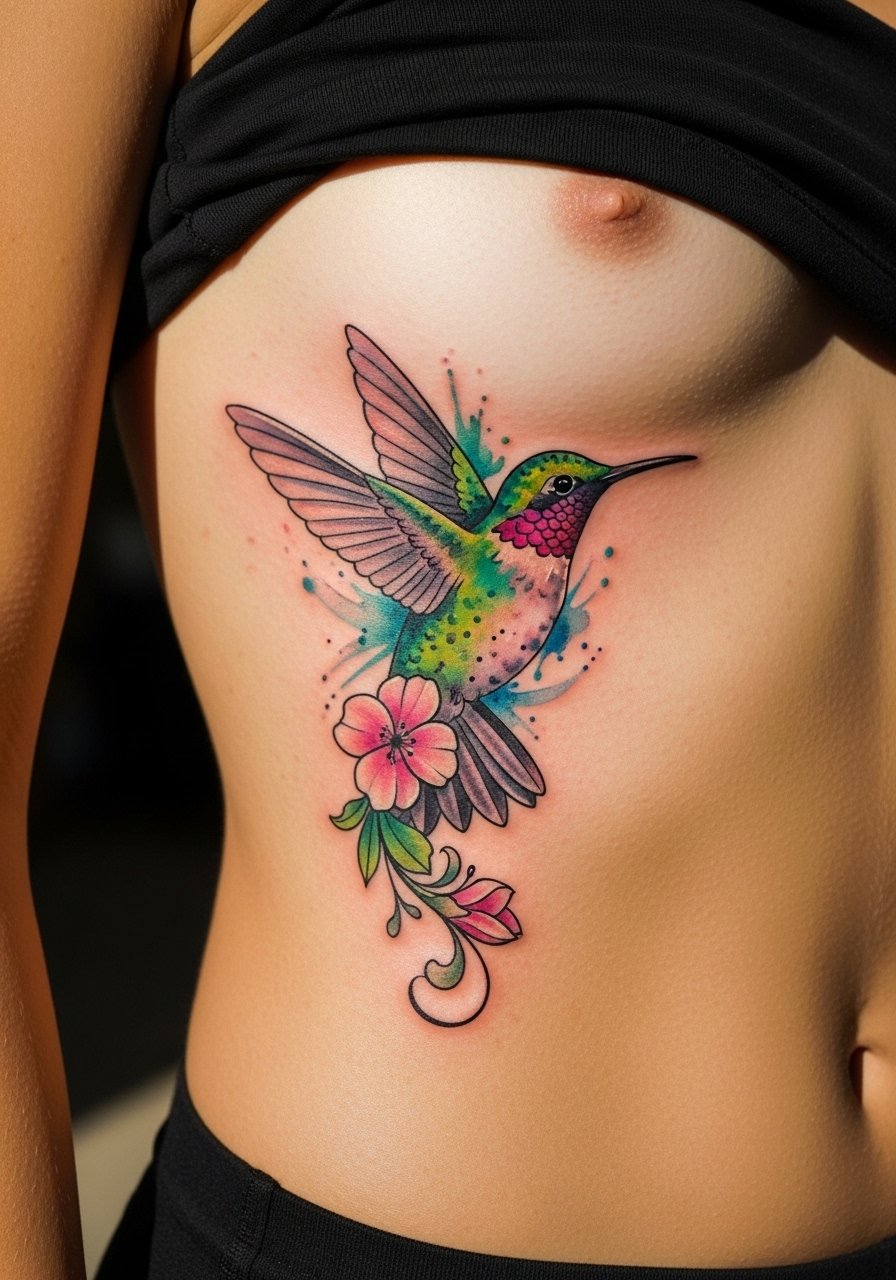
Mistake lead. The biggest mistake for hummingbirds is packing too much tiny feather detail into a small ribcage piece. Ask for a strong focal eye and softer tail washes so the motion remains readable as it heals. Pain is high on ribs. Sessions are often split. Expect subtle fading by year two, and a touch-up can restore the wing highlights. This design suits someone who wants motion without a heavy outline.
20. Abstract Color Bar with Fine Line Arrow on Forearm
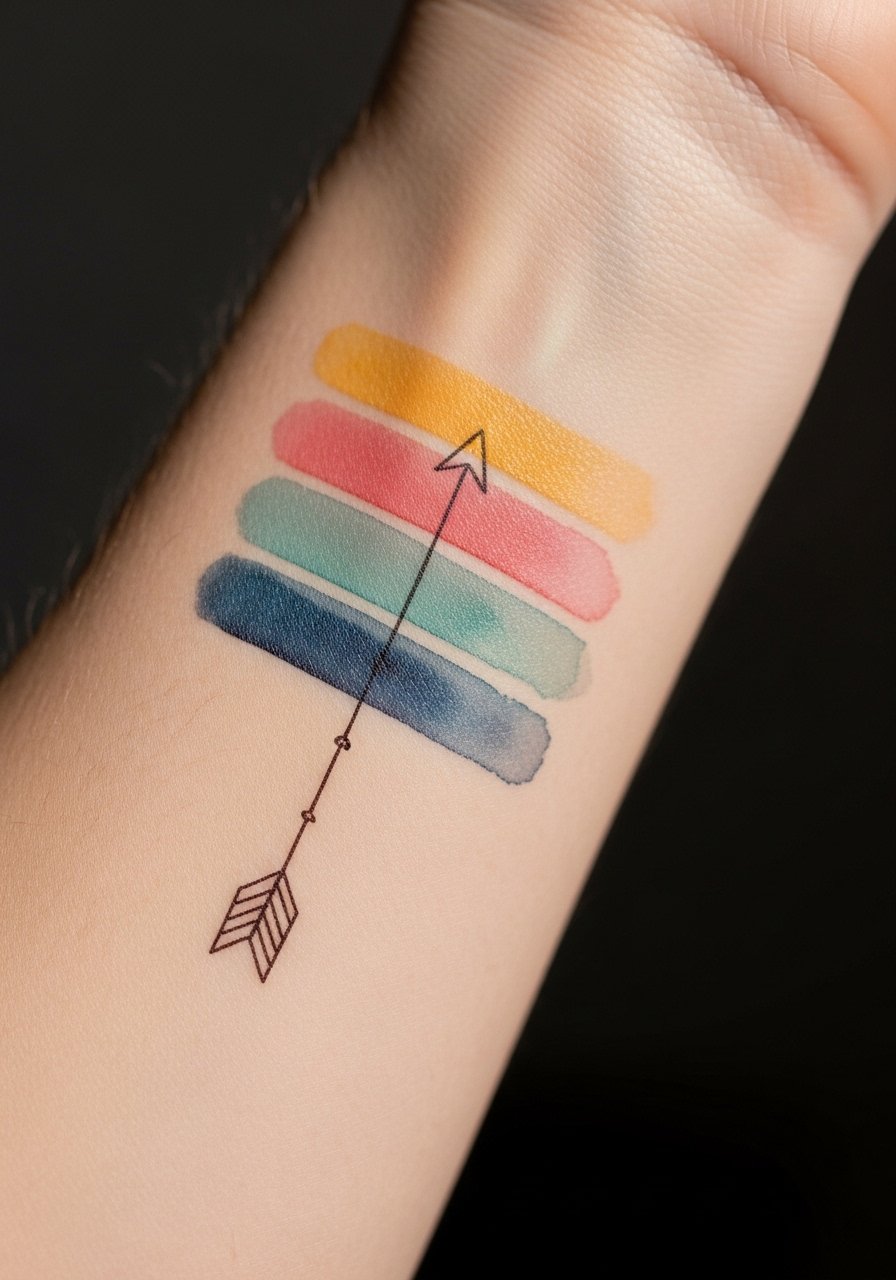
Visual impact lead. There is a useful contrast when pairing a simple fine-line arrow with a bold wash. On the forearm this reads modern and minimal. Tell your artist you want the arrow lines to be slightly thicker than "ultra-fine" so they remain crisp at two years. Forearm pain is mild. A common error is asking for multiple close parallel lines which merge. Expect the wash to soften and the arrow to need a light touch-up at a later date.
21. Watercolor Koi Swimming Up the Calf
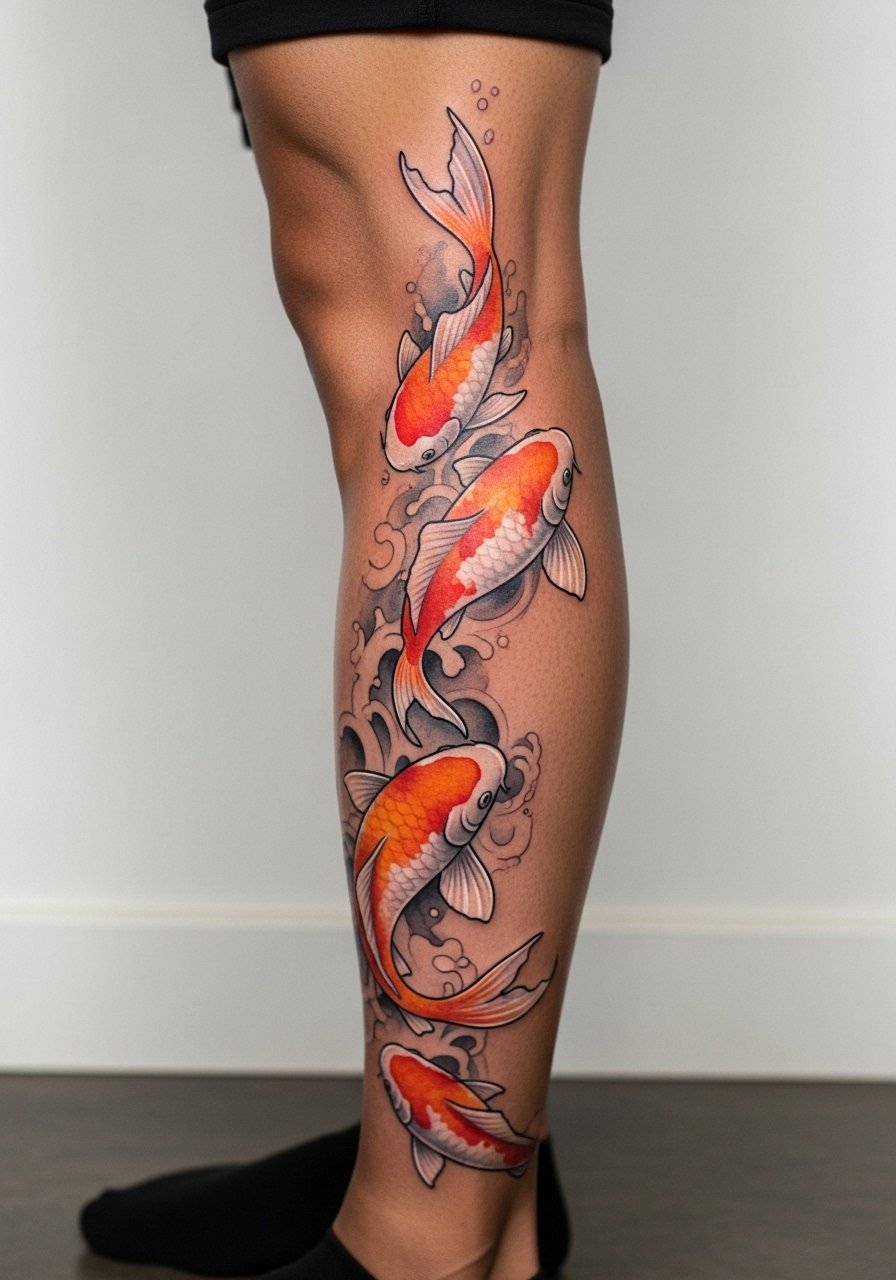
Personal observation lead. I have seen koi pieces that look like flowing paintings because the artist used muscle contours to guide the fish. Calf placement gives room for scale and dynamic movement. Sessions may run two sittings. A mistake is over-detailing scales in a narrow space which can blur. At two years the white highlights may need a touch-up to bring back contrast. This works well for someone who wants a larger piece with narrative motion.
22. Fine Line Arrow with Pastel Watercolor Tail on Inner Wrist
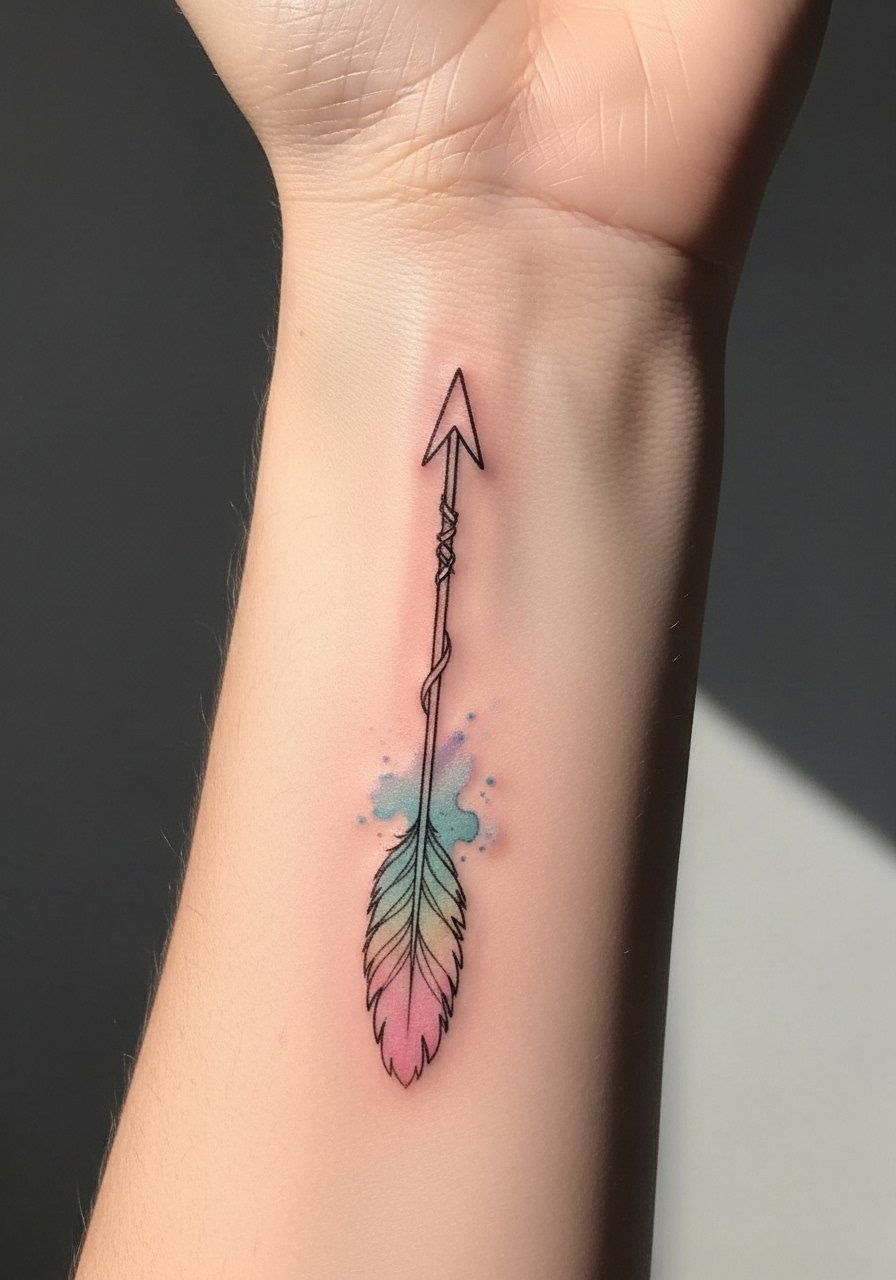
Mistake lead. The biggest mistake with fine-line arrows is going too small. Lines need room to breathe to avoid blurring. On the inner wrist pain is moderate and sessions are short. Request the arrow be drawn slightly bolder and the watercolor tail to start a touch away from the arrow shaft so the pigment does not bleed into the line. At six months the tail looks seamless and at two years the arrow may require a small touch-up to keep edges sharp.
23. Watercolor Map Coordinates Behind Shoulder
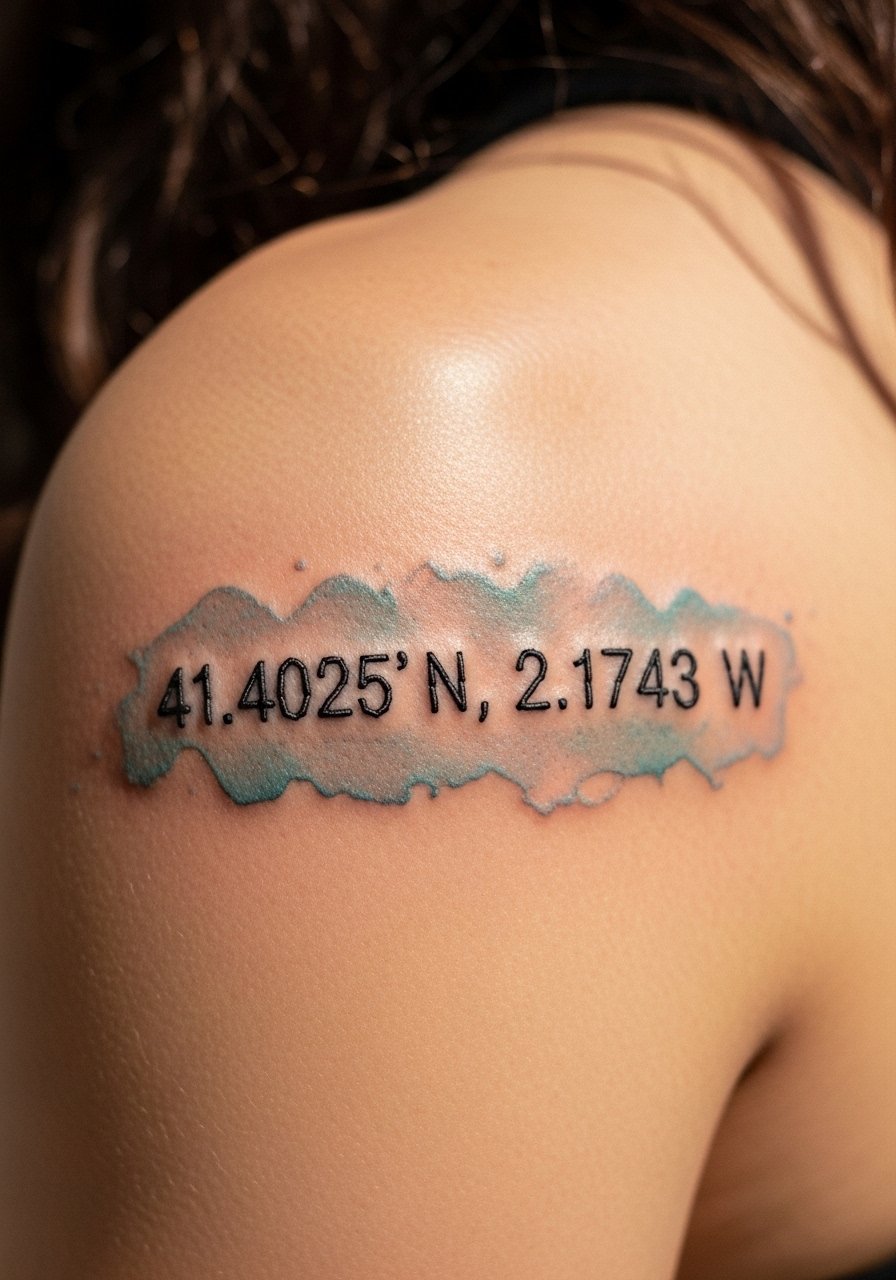
Consultation lead. When a tattoo includes coordinates be explicit about the numbers so stencils match. Behind the shoulder is a forgiving placement, and the session typically lasts under an hour for small script with a wash. A common error is picking minuscule numbers that blur. At two years the wash will soften and numbers may need a crisping touch-up. This is a discreet way to mark a meaningful place without heavy linework.
24. Mandala Lotus on Ankle with Soft Color Drips
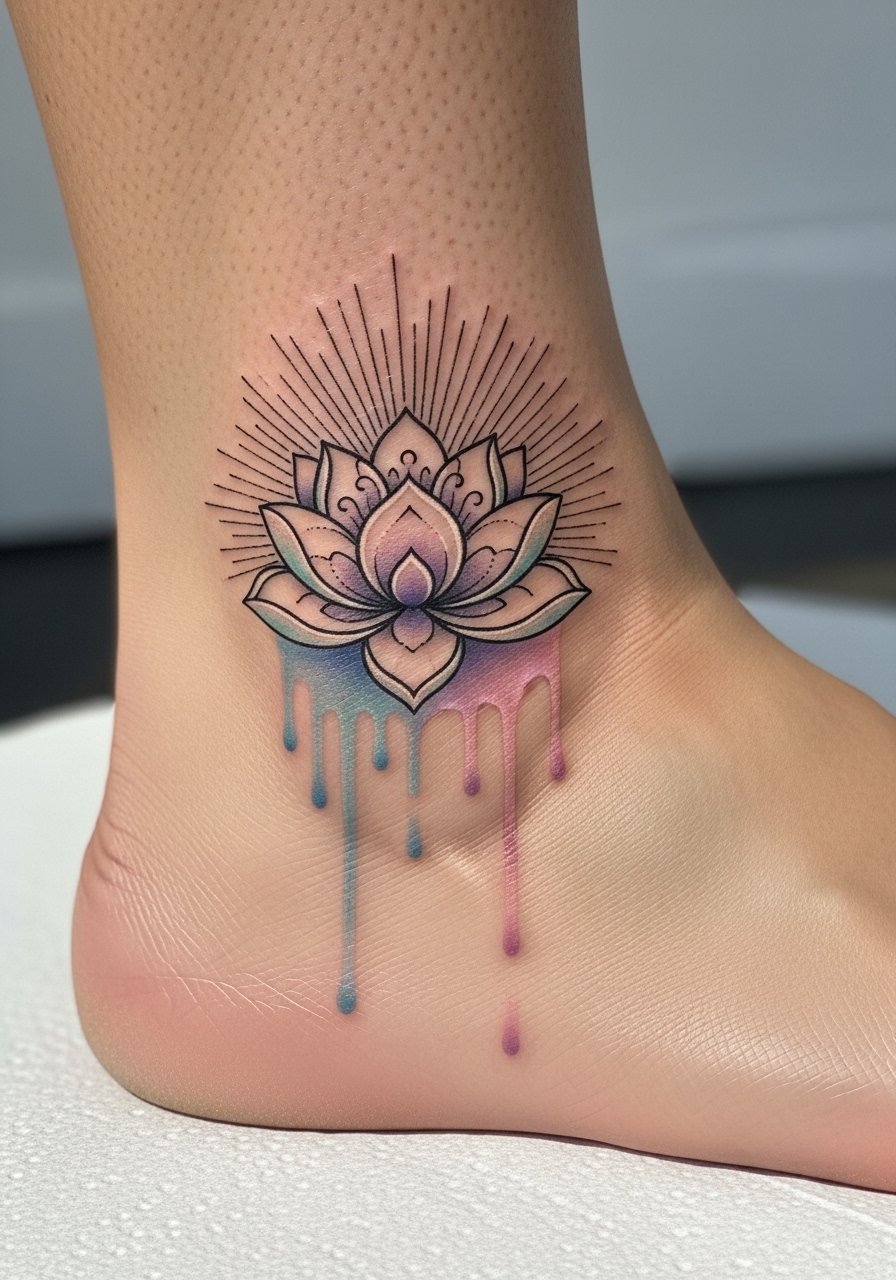
Controversy lead. Mandala work on mobile areas like ankles splits artists into two camps. One group warns that tiny radial lines can merge with skin movement and become indistinct. The other group says careful spacing and consistent depth keeps mandalas readable. If you pick ankle placement, ask the artist about long-term spacing and depth. Pain on the ankle is moderate. A common mistake is compressing too many petal rings into a tiny area. Expect the color drips to fade first and plan touch-ups accordingly.
25. Watercolor Leaf Chain on Side Rib to Hip
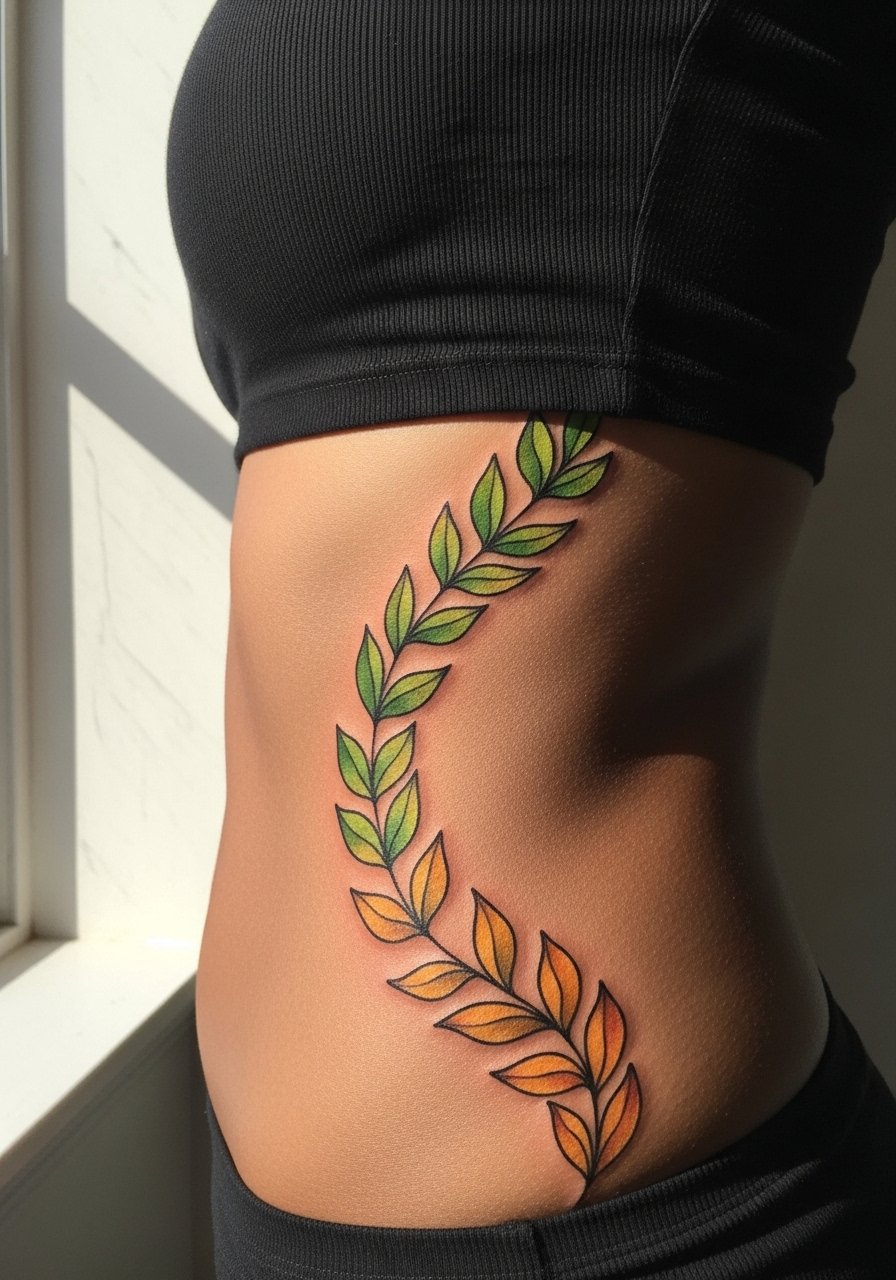
Aging lead. Side rib to hip allows a flowing chain that follows body curves, which helps the design age more gracefully. Because the area stretches with movement, ask for slightly bolder leaf veins to keep shape. Pain is high across ribs and lower on hip. Session time is usually split. Common mistake is requesting ultra-fine veins across the entire chain which fades into a smudge. At two years expect the softer gradients to remain readable and consider a touch-up if you want to restore saturation.
Tattoo Prep and Aftercare Essentials
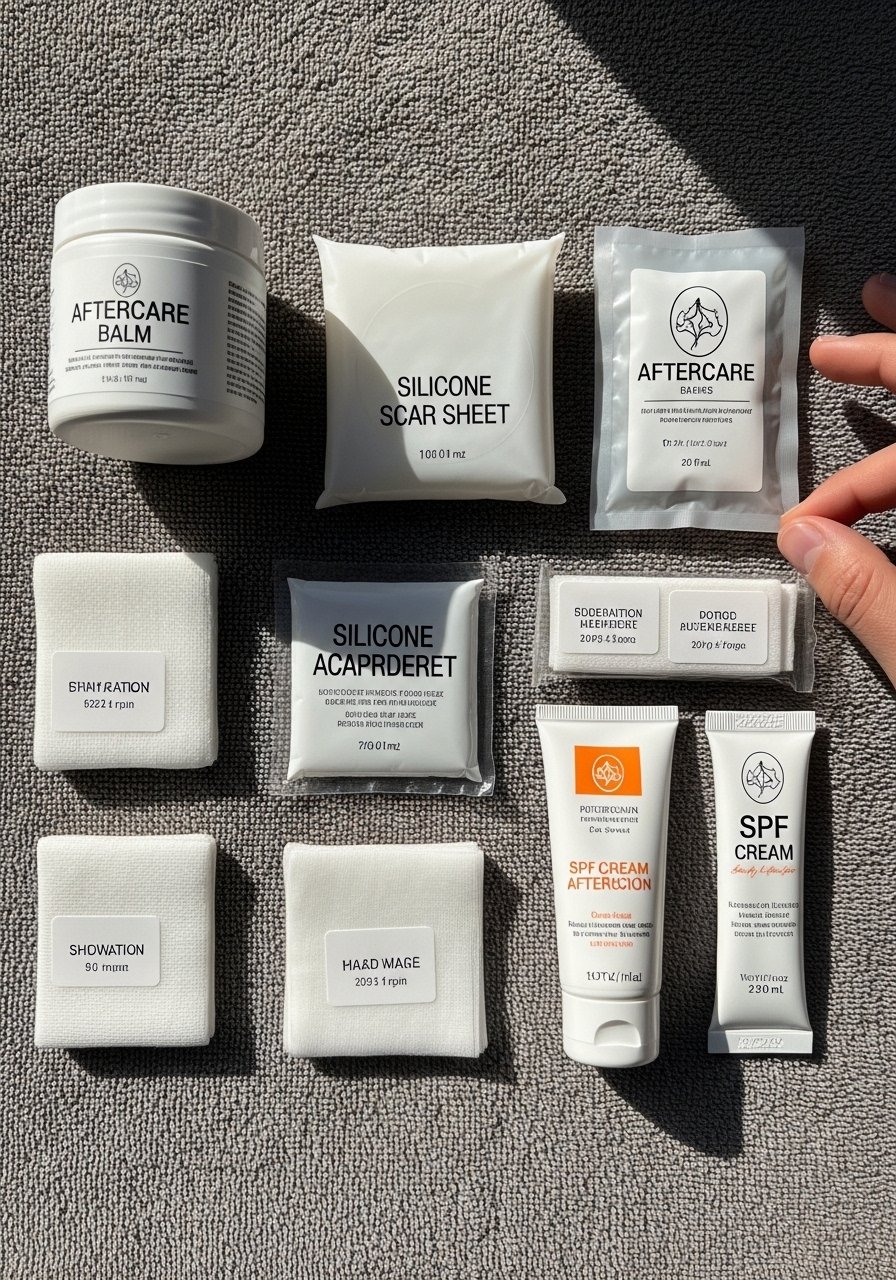
When planning a watercolor piece, think ahead about protection during healing and long-term color care. I recommend packing a small kit for the first week and a lightweight SPF for outdoor exposure after healing. Below are practical items that handle immediate healing, pre-appointment prep, and long-term maintenance. I included one mainstream option and several lesser-known or generically described essentials because many artists prefer these kinds of products for watercolor work.
Fragrance-free gentle balm for short-term healing. Use this sparingly in the first week to keep the surface moist without clogging pores, ideal for watercolor washes that need gentle protection.
Medical-grade second skin bandage, 6-inch roll. Useful for larger watercolor pieces when you need a breathable occlusive for the first 24 to 48 hours.
Sterile gauze pads, low-lint pack. Good for initial blotting after the session and for controlled drying if recommended by your artist.
Lightweight fragrance-free foaming cleanser. Gentle cleansing avoids stripping pigment during the first two weeks.
Silicone scar sheet for long-term maintenance. For raised areas this can help smooth texture months after healing.
Mineral SPF 30 sunscreen, tinted or clear. Apply once fully healed to protect watercolor pigments from UV fade.
Lightweight long-term moisturizer for color retention. Use daily on exposed ink to slow pigment loss.
Aquaphor Healing Ointment for immediate sealant use. One mainstream pick to use for the very first few hours when heavier occlusion is needed.
Every tattoo is different. Always follow your artist's specific aftercare instructions. Consult a dermatologist if you have skin concerns or unusual healing issues.
Frequently Asked Questions
Q: Do watercolor-style tattoos need different aftercare than traditional ones?
A: Short answer, not radically different. Watercolor pieces benefit from gentler cleansing and lighter ointment use because heavy occlusive products can trap pigment in certain washes. Follow the artist's protocol for the first week, use a fragrance-free balm sparingly, and protect healed color with SPF.
Q: Will fine line watercolor details blur faster on the ribcage compared with the forearm?
A: It depends on skin movement and spacing. Ribs stretch more, so ultra-fine work can blur sooner. One group of artists avoids ultra-fine lines there while another will do them with deliberate spacing. Ask your artist how they space and depth-test lines before booking.
Q: How often should I plan touch-ups for watercolor florals and pastels?
A: From what I've seen, expect a touch-up around year two to three for lighter pastels if you want to restore saturation. More saturated washes and pieces shielded from sun may not need work as soon. Plan a budget and a check-in with your artist around the one to two year mark.
Q: Are there placement choices that reduce blowout risk for watercolor pieces?
A: Yes. Areas with thicker dermis like the outer bicep and calf tend to handle watercolor saturation better. Thin or highly mobile areas like the ribs, ankle, and behind the ear carry higher blowout or blur risk. Discuss placement in person so the artist can adapt scale and linework.
Q: How should I find an artist who specializes in watercolor tattoos without relying on social handles?
A: Use style-specific searches on tattoo directories, search for "watercolor tattoo studio" with your city on Google Maps, and look through convention portfolios in person when possible. Hashtags and saved reels can show work, but in-person portfolio review is the best way to judge healed results and technique.
Q: Do watercolor tattoos require different long-term maintenance than blackwork pieces?
A: They do in that color pieces are more vulnerable to UV and abrasion. Regular sunscreen on exposed areas and a light daily moisturizer help preserve saturation. Blackwork tends to hold shape longer, while watercolor may need periodic touch-ups to keep gradients crisp.