Someone I know spent months picking chest art before realizing the real problem was not the design but how it would age on a moving canvas. Chest tattoos wrinkle with breathing, react to bras, and heal differently on darker skin tones. Below are 20 current dark chest tattoo ideas that account for body motion, healing realities, and common budget headaches, with what to tell your artist and when a touch-up is likely.
1. Fine line floral mandala over sternum
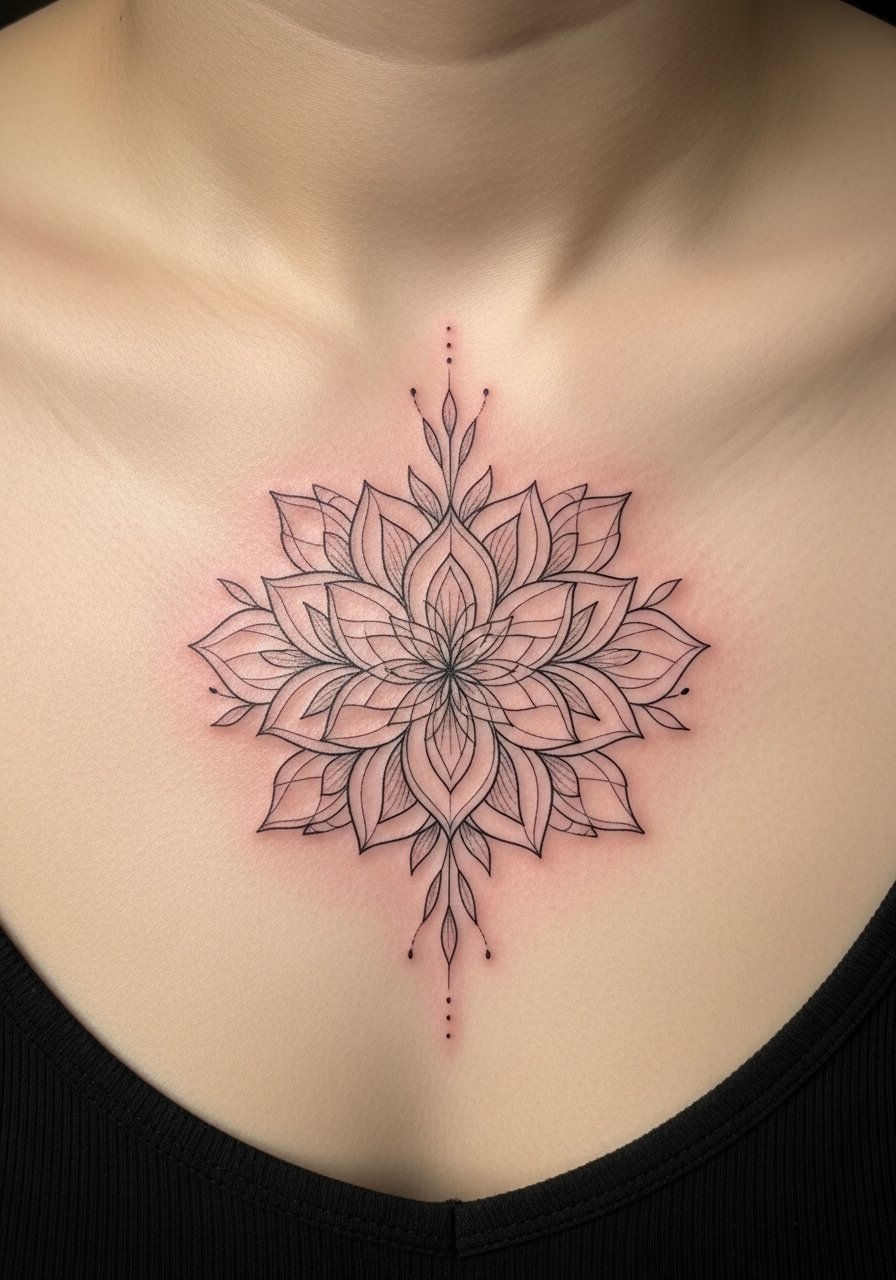
Someone I know first saw this sternum mandala on a friend and booked immediately. Expect a higher pain score near the bone and a one to two hour single session for a 2 to 4 inch piece. Tell your artist you want slightly heavier spacing between petals so the single-needle linework can resist merging as it heals. The common mistake is going too tiny; a smaller mandala loses its radial detail after a year. On darker skin, ask for more contrast or a thin ornamental frame. A cultural note: mandala patterns trace to Buddhist iconography, so consider a respectful variation rather than a direct replica.
2. Peony and snake wraparound collarbone
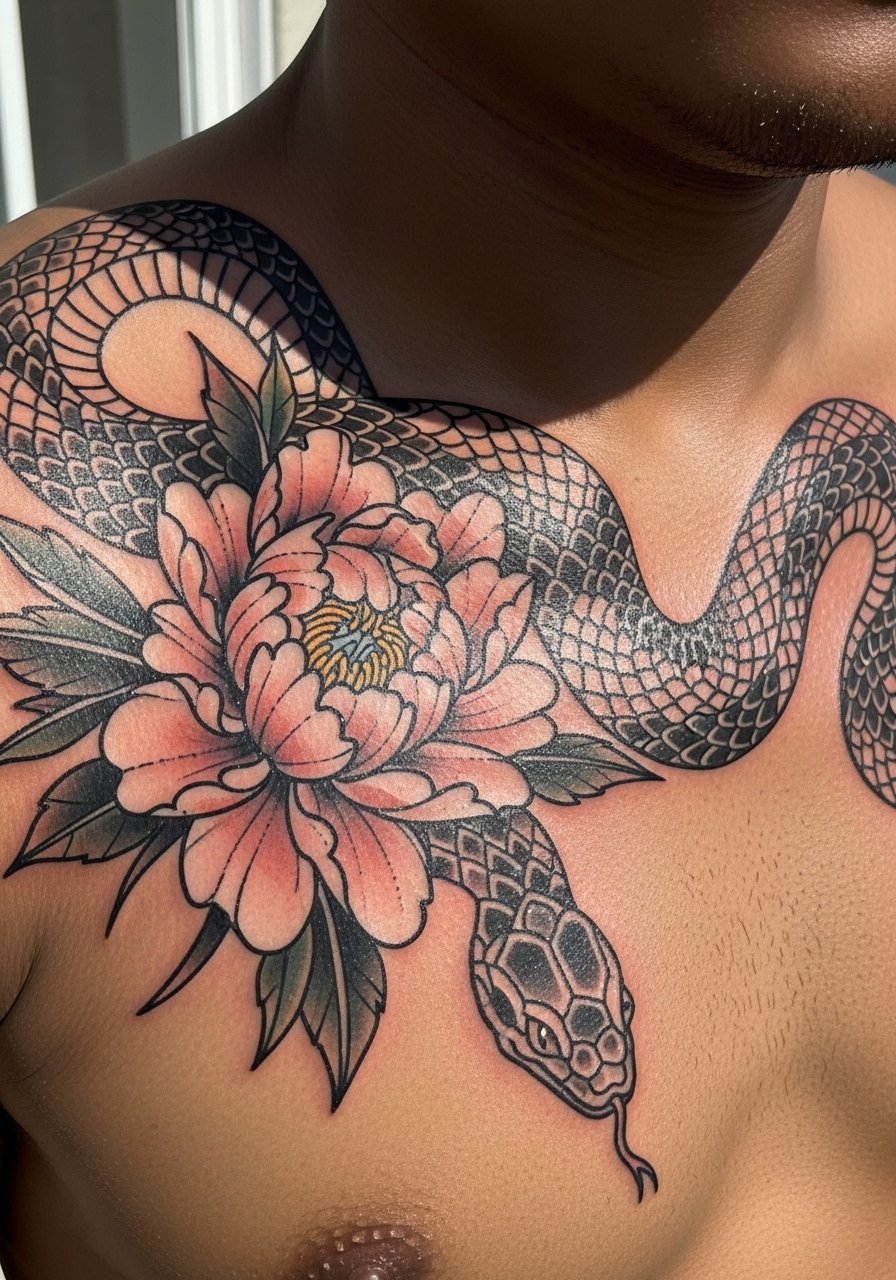
Fair warning: the collarbone junction can sting more than flat chest areas. This neo-traditional wrap reads well with bold linework and saturated black for the snake, then selective color for the peony. In consultation, bring images that show how the snake's curve follows the collar rather than cutting across it. Artists split on detailed color on very dark skin, so ask how they adjust saturation and whether they build color over two sessions. Expect three sessions for a 4 to 6 inch wrap and a touch-up in 18 to 24 months to restore color pop if needed.
3. Leafy twig branching to ribs
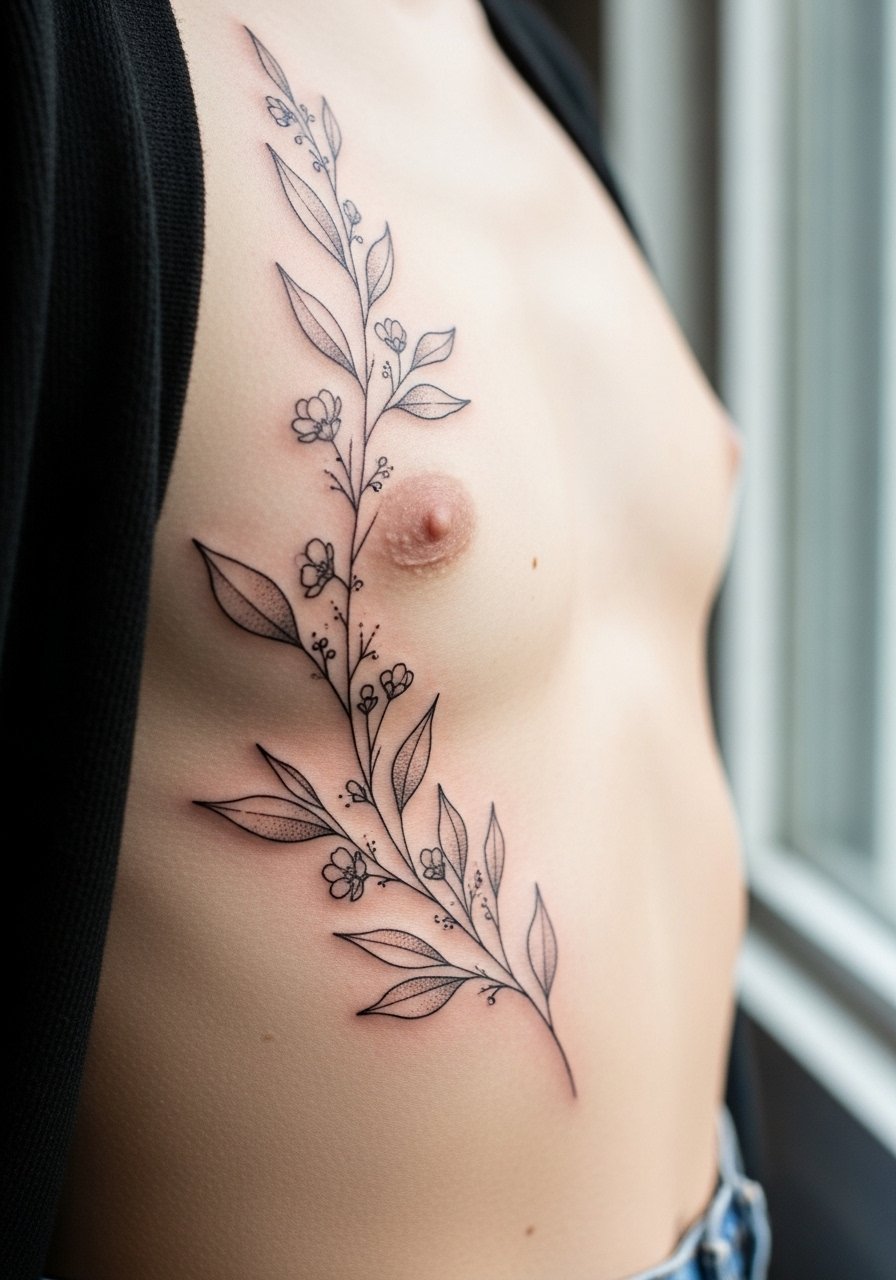
Most watercolor and ultra-fine twig work that looks ethereal right after healing will fade faster on high-movement areas like the ribs. I recommend a slightly thicker single-needle line and intermittent stipple shading to maintain silhouette when the skin stretches. This placement is low on session time, usually under 90 minutes for a 3 to 5 inch piece, and a common mistake is wrapping the twig too close to the bra edge which causes rubbing during recovery. For anyone planning weight change, size this piece up about 20 percent to avoid crowding when the torso shifts.
4. Colorful geometric abstract under bust
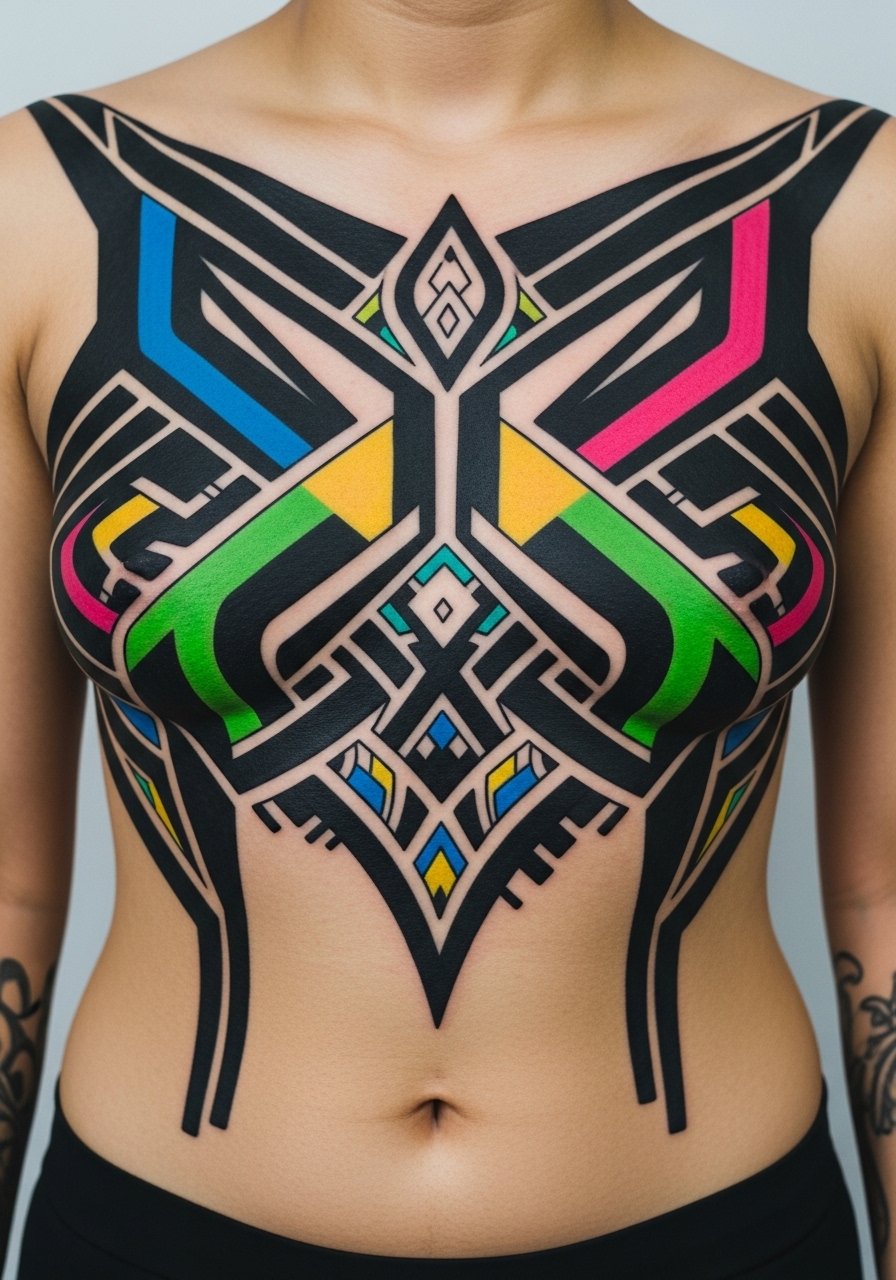
There is something about bold fills and clean negative space under the bust that reads from across a room. Expect medium pain around the soft tissue and about one to two sessions for a 4 inch composition. Ask your artist to test spacing on a temporary stencil while you sit to check bra lines and movement. The aging strength here is good if the shapes remain large; the mistake is insisting on tiny tight geometry which blurs at the edges when the chest moves. For active clients, plan sessions around lower activity weeks to reduce sweat-related scabbing.
5. Blackwork vine with negative space cleavage
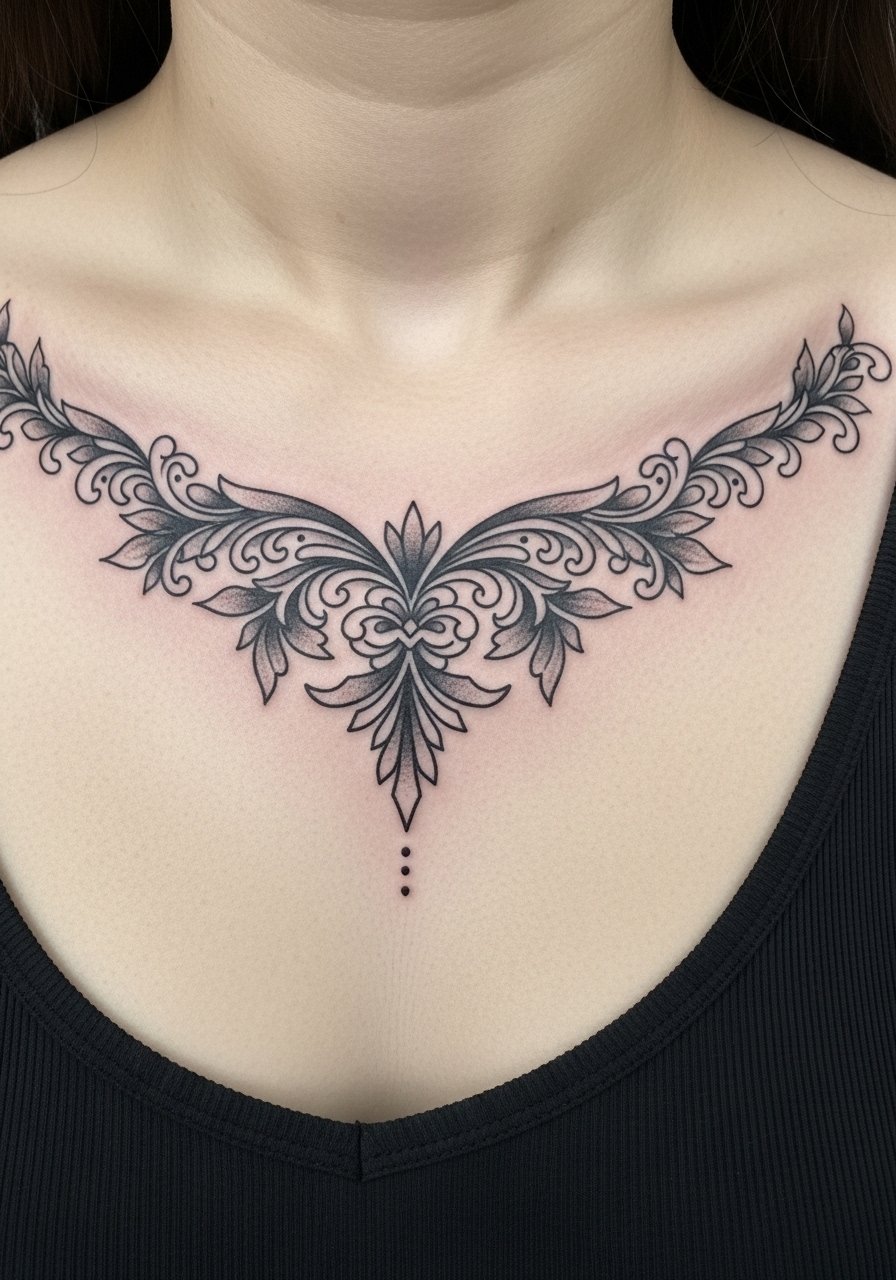
The visual trick here is negative space that sculpts rather than fills. When you describe this to an artist, specify the exact areas you want free of ink so the pattern breathes under clothing. Pain is moderate near the sternum and lighter toward shoulders. A typical build will be done over two sessions for a 5 inch design. A mistake I see often is overdoing dense black that puffs during healing and creates a solid block instead of a flowing vine. For darker skin, heavier outlines keep the pattern readable long term.
6. Micro-realism heart with dripping ink effect
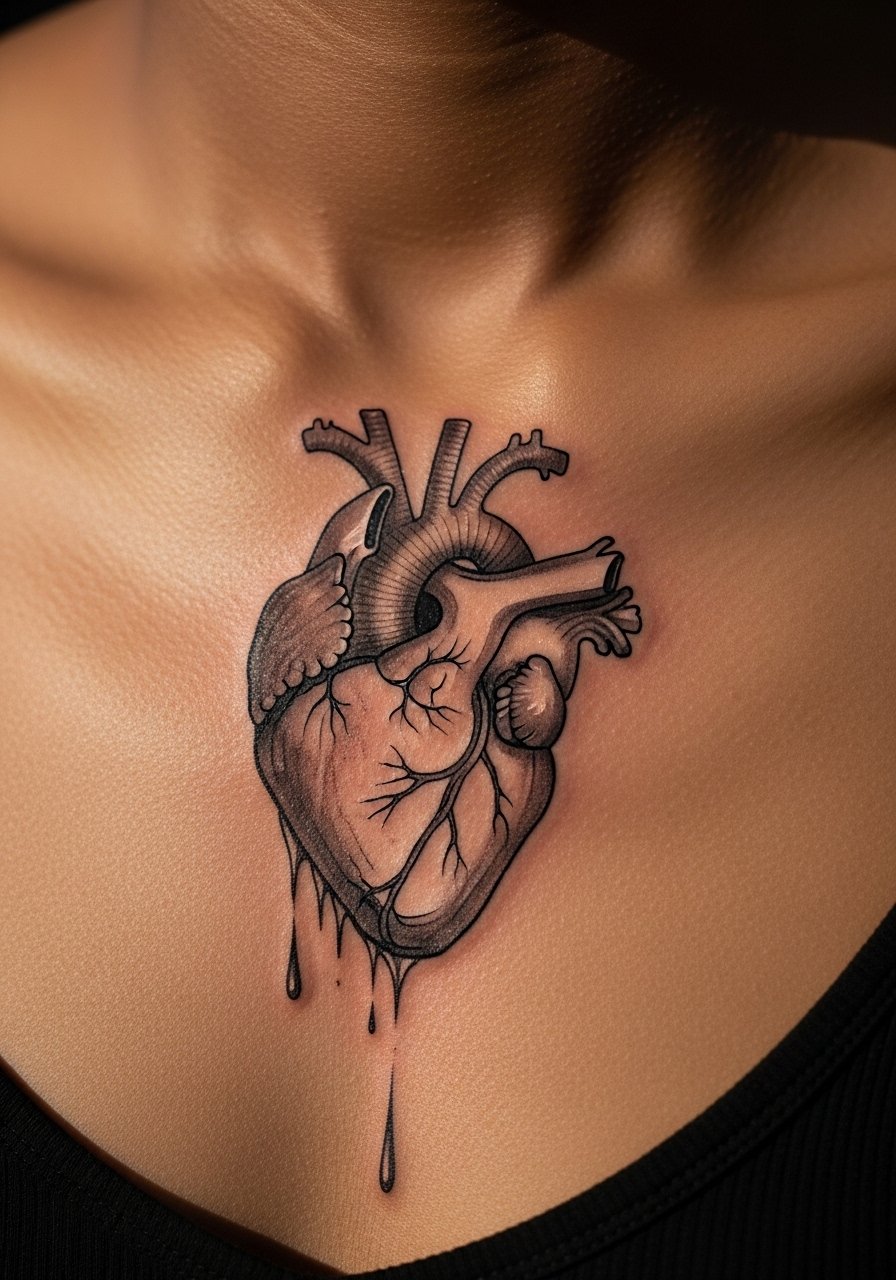
Aging and healing matter most with micro-realism at intimate placements. The sternum vibration and thin skin can blur tiny details, so expect a realist artist to plan for a carefully layered single session and a likely touch-up at one year. Tell the artist you want the drips to remain graphic rather than filled in, and ask about their healed photos on similar skin tones. Pain is high on the sternum but the session is short for a two inch piece. The common error is asking for micro detail at too small a scale, which loses definition as saturation settles.
7. Watercolor butterfly sternum piece
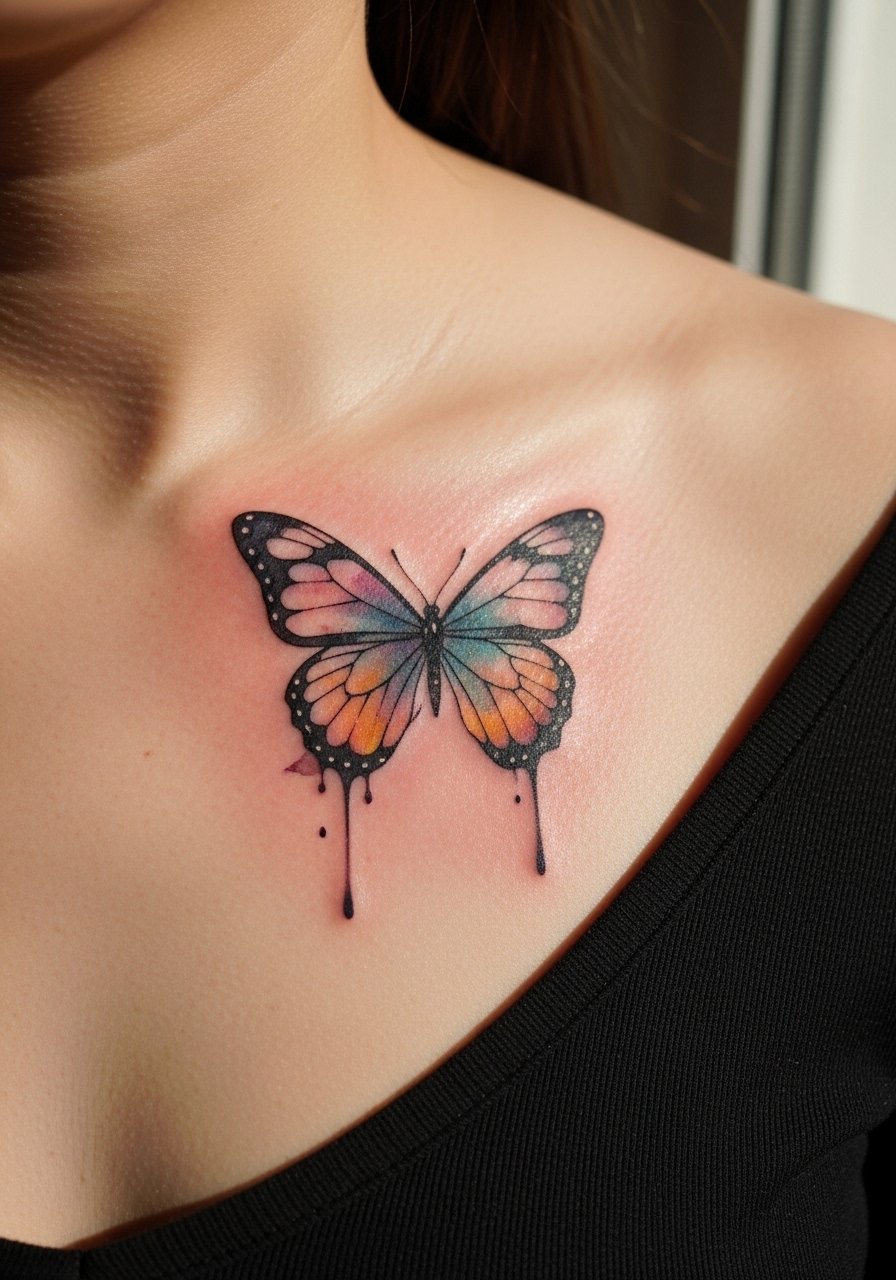
Most watercolor chest work that looked brilliant on day two becomes soft and shadowy as scabs fall away. To make a watercolor butterfly hold up, request strategic color anchors in black or dark gray so the pigment keeps a visible edge. Session time is usually one long appointment for a 3 to 4 inch piece. A mistake is skipping aftercare advice for color retention; certain balms work better on humid skin. If you plan to be in sunlight frequently, expect faster color loss and a potential touch-up at year two.
8. Minimalist script quote arched over breasts
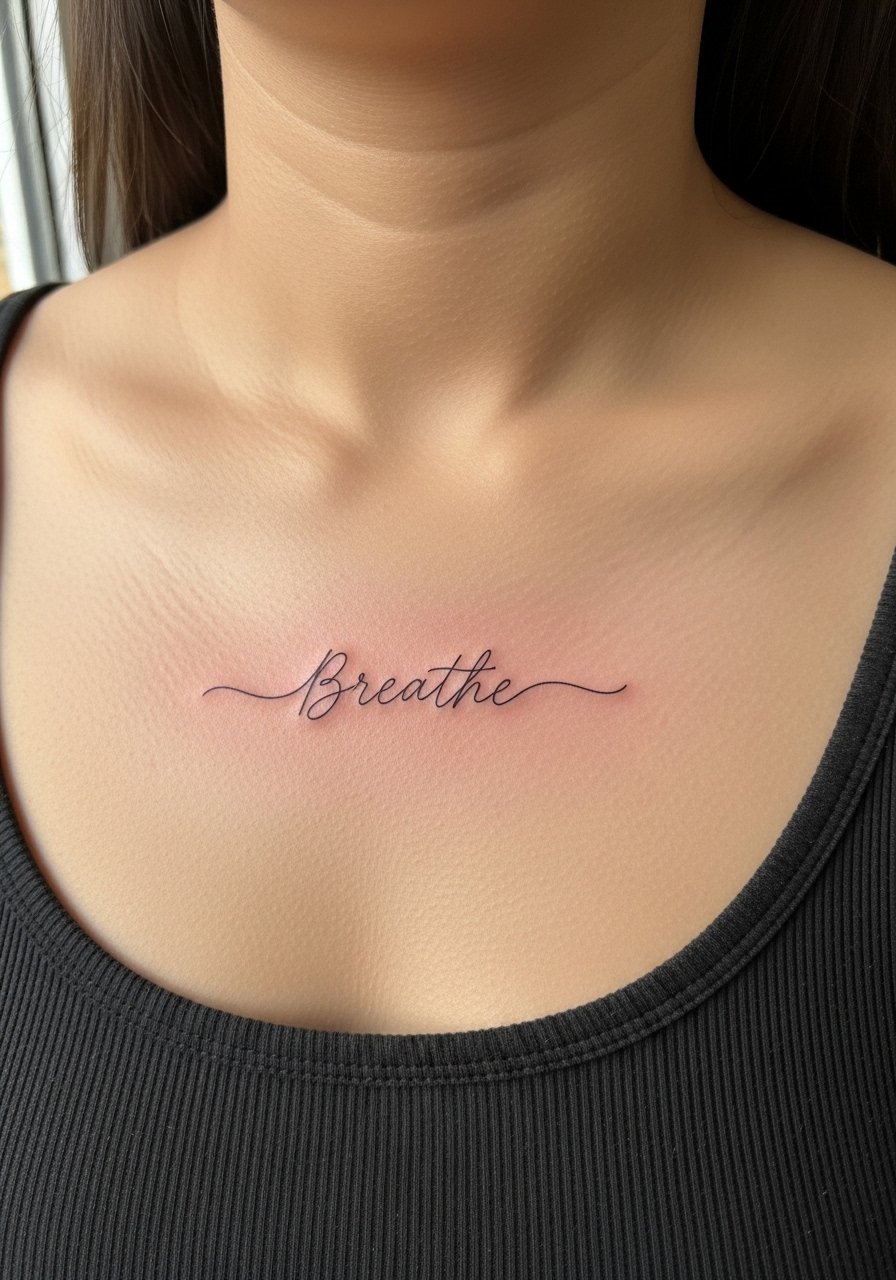
When you sit down with your artist for script, bring the exact font sample and the real text you want tattooed. Short quotes in an arc can age well if the letters are spaced and given slight weight. Pain is low on the soft tissue above the breasts and a single session usually suffices. A common mistake is using a super-thin script over a wide arc which compresses at the sides once skin settles. If the lettering will cross cleavage, ask to preview the placement while upright and in a bra to see how movement changes spacing.
9. Ornamental dotwork mandala center chest
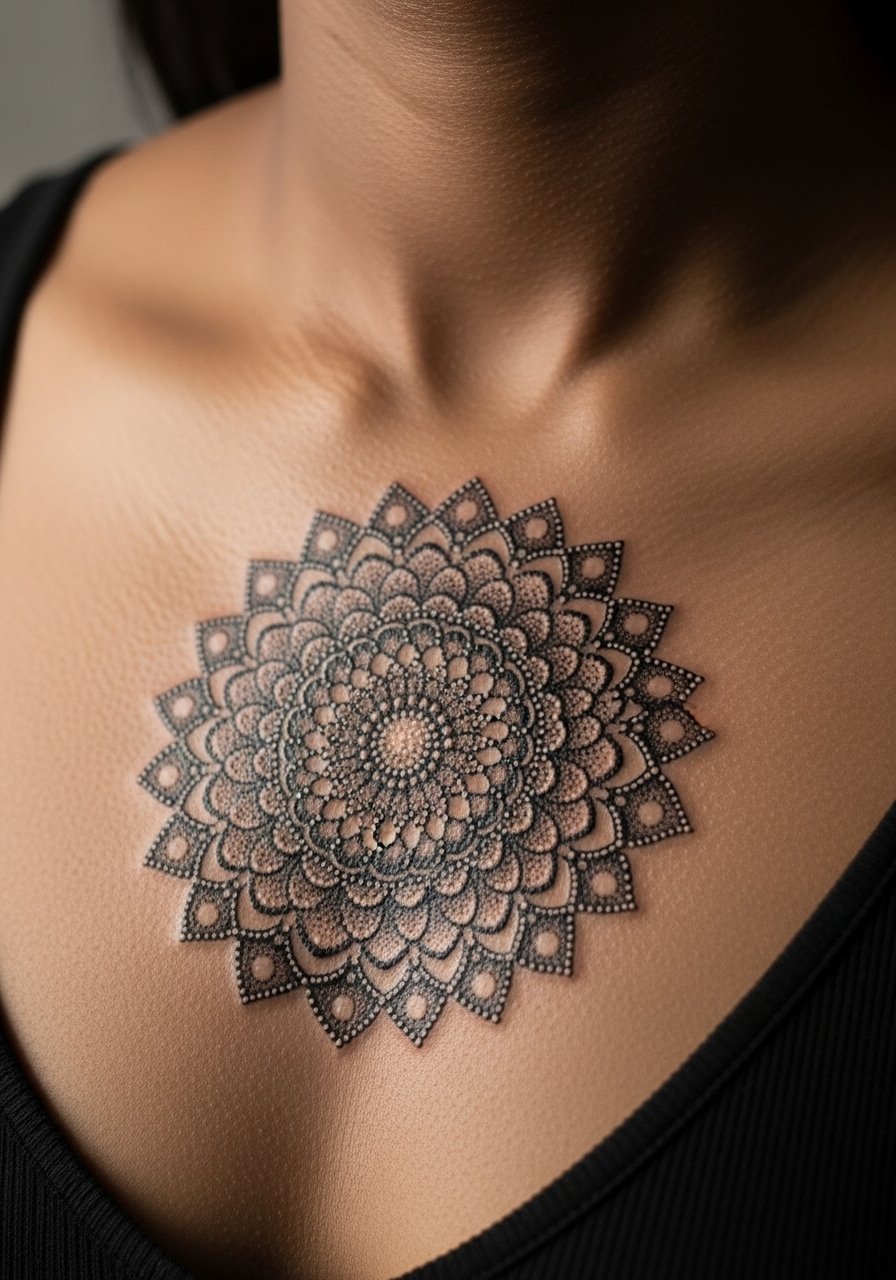
Most artists who specialize in dot work caution about the time needed to retain crisp stipple shading. Expect longer session times and possibly two sessions for a 4 inch mandala. The controversy here centers on whether dot work needs heavier initial saturation to avoid looking patchy on darker skin. Name both camps in your consultation and ask for healed progress photos on similar skin tones. A frequent mistake is insisting on a perfectly symmetrical stencil without allowing for the chest's natural curve, which throws off radial balance once healed.
10. Neo-traditional rose sternum with thorns
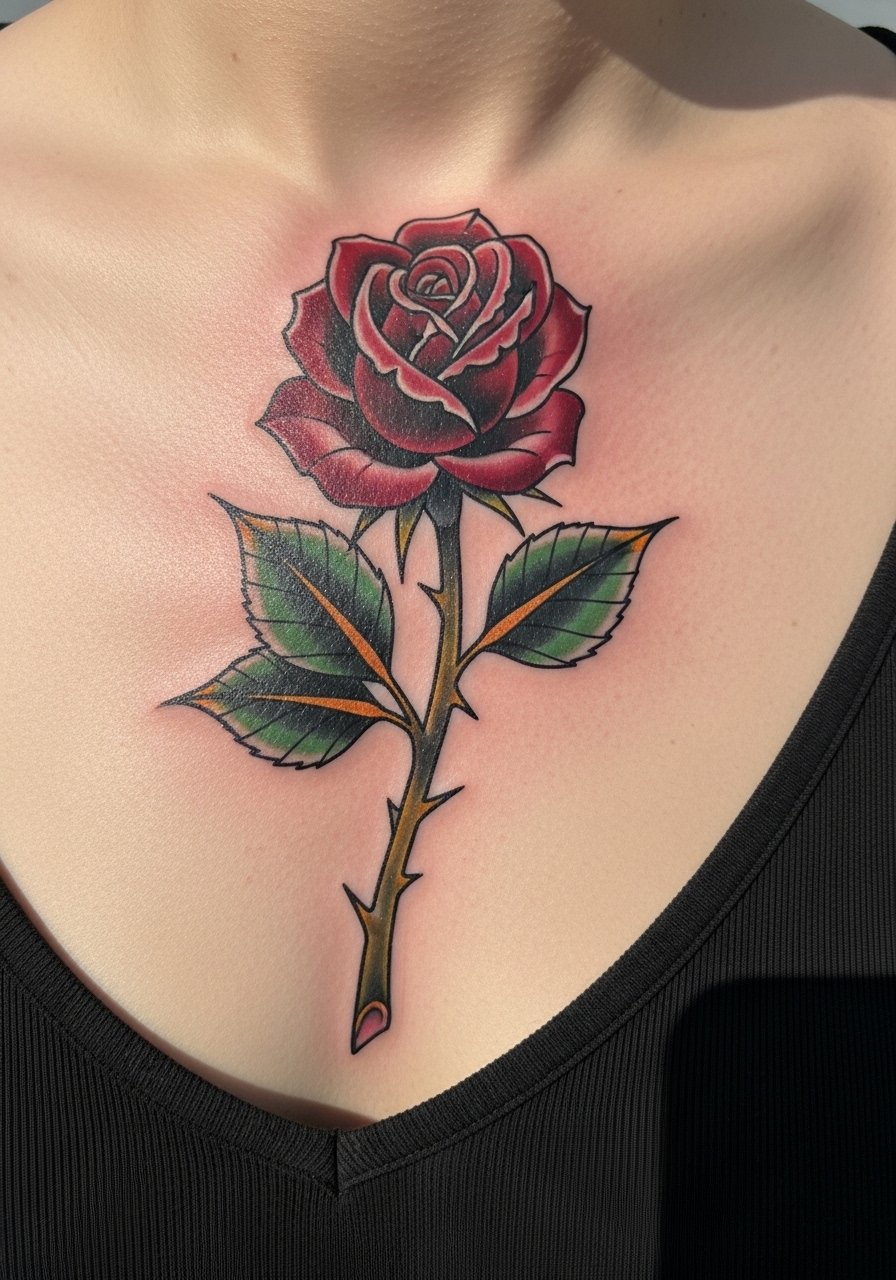
There is a clear visual impact when a rose balances soft petals with sharp thorns around the sternum. Pain ranges moderate to high near bone and plan for two to three sessions for color saturation that lasts. Tell the artist you want selective saturation so the center keeps depth without overfilling the outer petals. A common mistake is asking for too many small color gradients which blend into brownish tones as they age. For anyone who anticipates weight change, slightly larger petal shapes hold definition over time.
11. Black and gray koi fish under collarbone
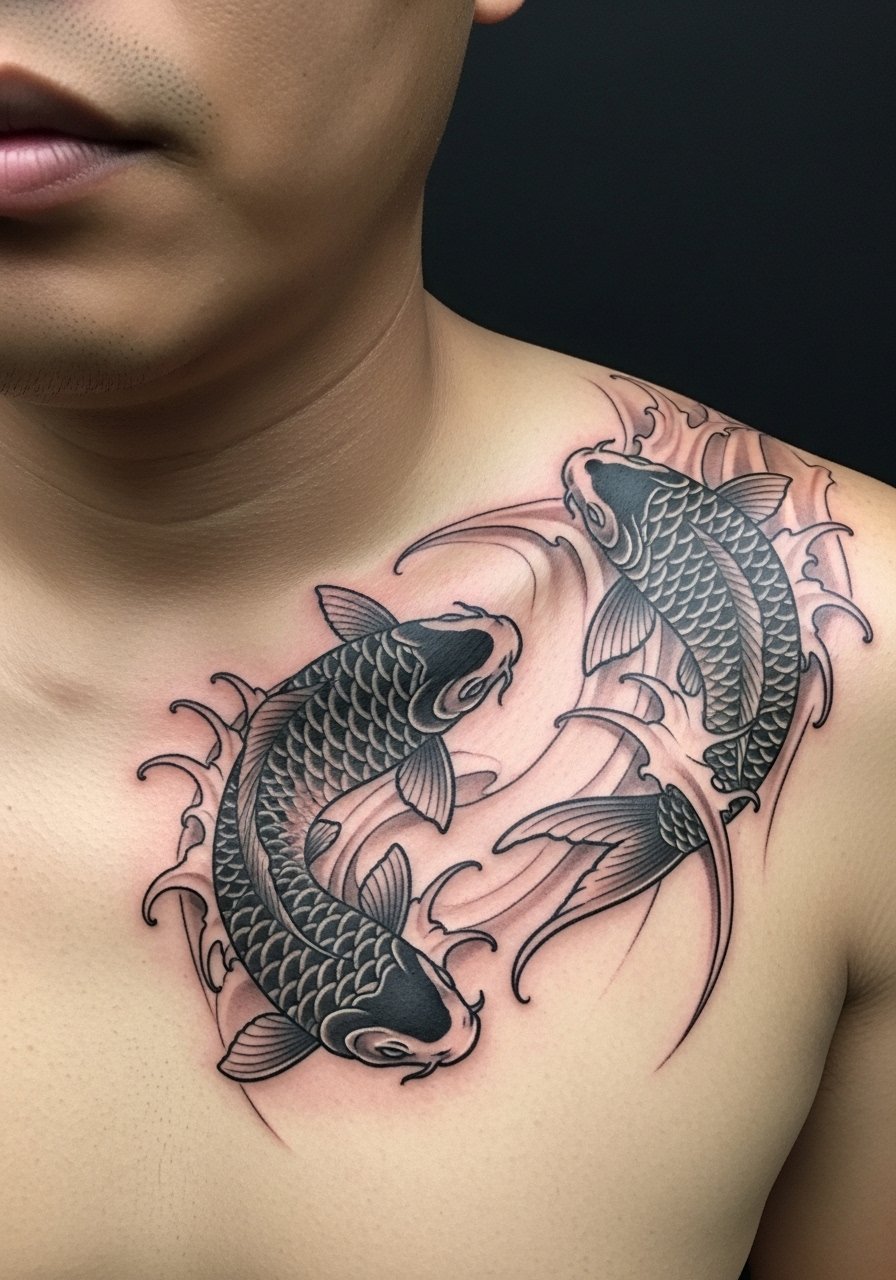
Most realism on chest takes time and patience. A koi across the shoulder-chest junction follows natural curves well but needs three sessions for full saturation and shading. Pain varies because parts ride over bone while others sit on softer tissue. Ask your artist about contrast windows within the design so darks and lights maintain separation as the piece heals. The mistake is compressing the composition into a smaller area which loses motion. Expect a touch-up at two to three years to re-establish mid-tones.
12. Fine line constellation mapping breasts
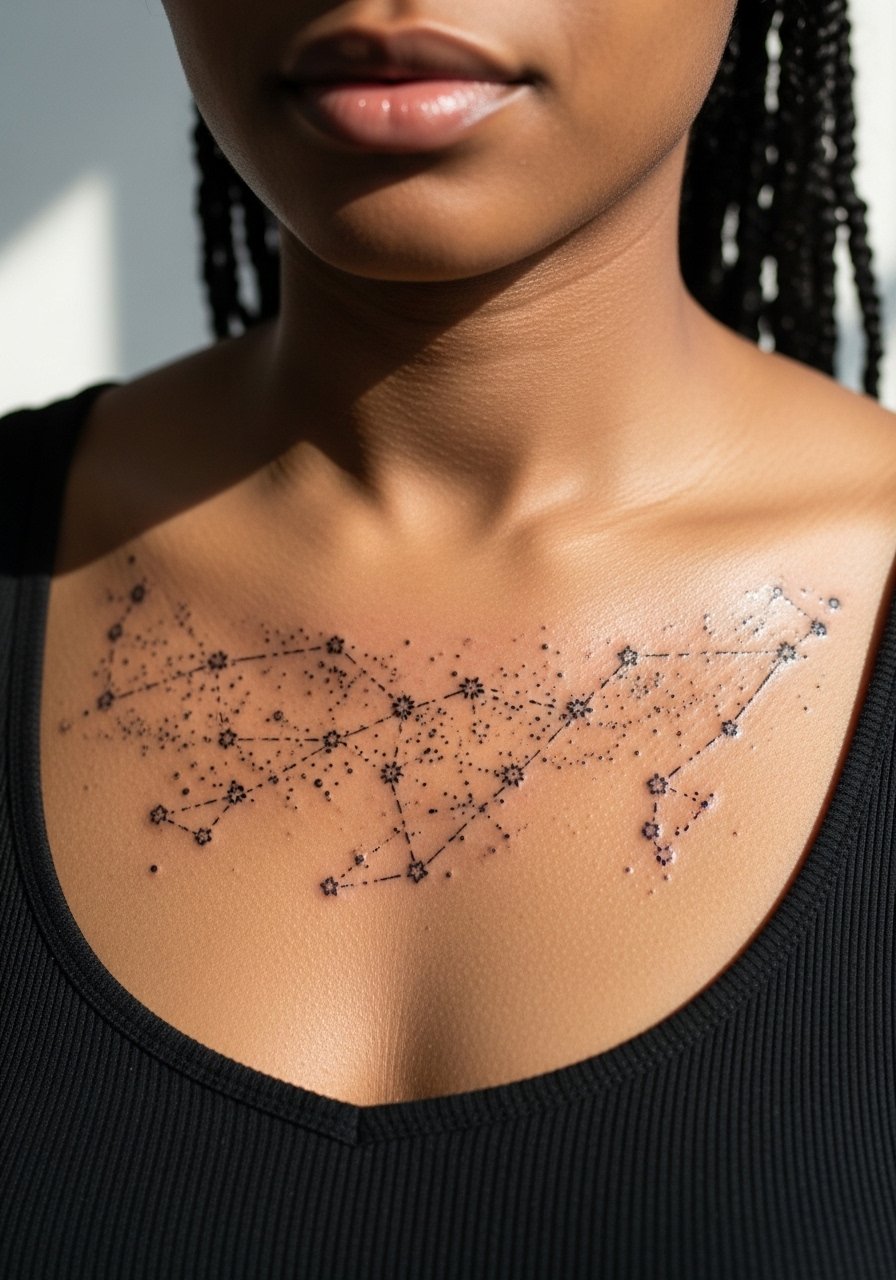
Most people like celestial mapping for its discreetness but fine dots and thin connectors can vanish on higher pigment skin if not planned. The session is short for a 3 inch spread, yet the touch-up timeline is sooner than bolder work. Ask for slightly thicker anchor stars and a heavier dot every few connections so the grid remains visible. A common error is placing the map too close to bra edges where friction causes scabbing. This placement is ideal if you want something subtle that can be scaled into a larger piece later.
13. Small ornamental filigree under the bust
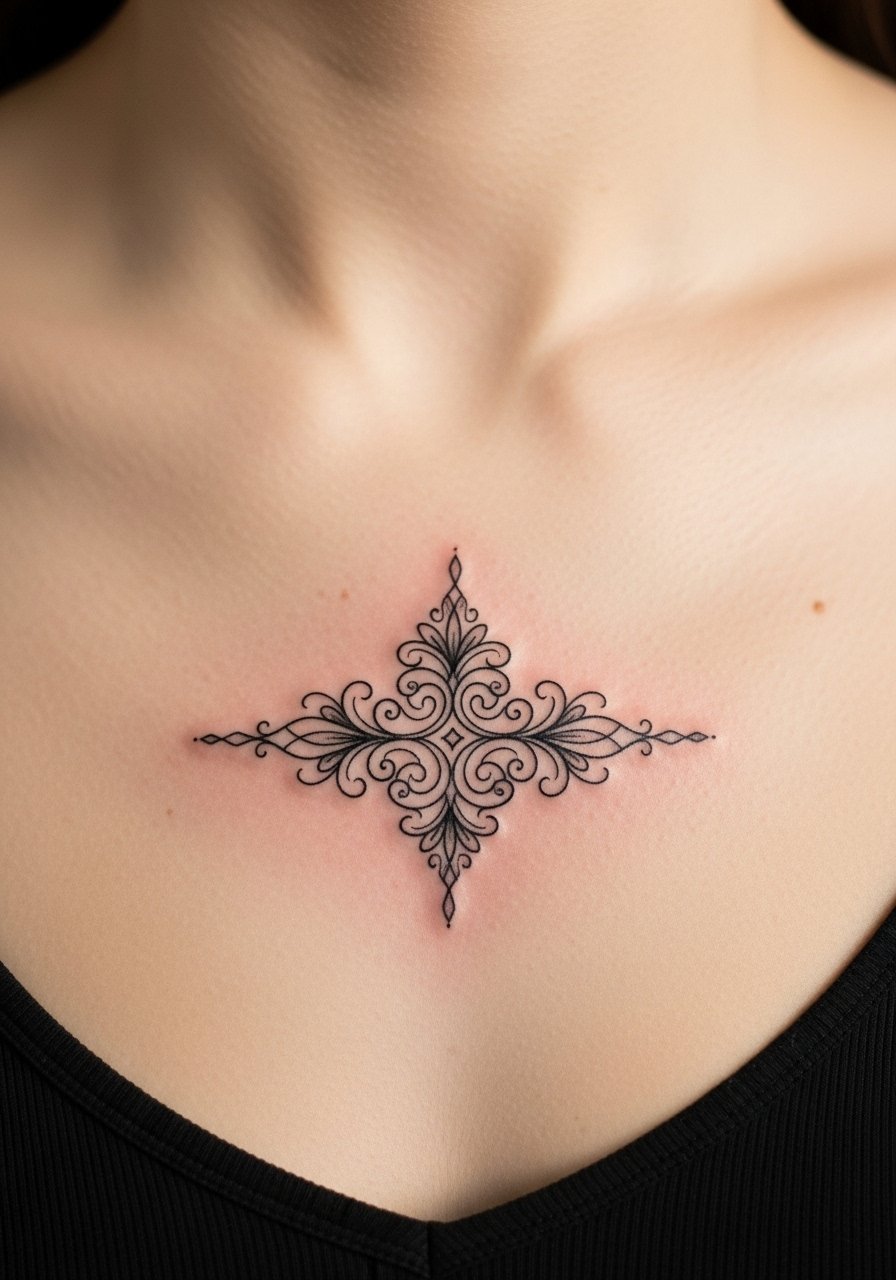
The biggest mistake with under-bust filigree is matching the pattern to one bra style only. Bring photos of the bras you actually wear so the negative space avoids constant rubbing. This is a low-pain area and often completed in a single session under 90 minutes. To age well, ask for slightly thicker filigree stems in areas prone to friction. Anyone with oily skin should ask about thinner balms for aftercare because heavy ointments can sit in grooves and trap sweat.
14. Geometric starburst sternum anchor
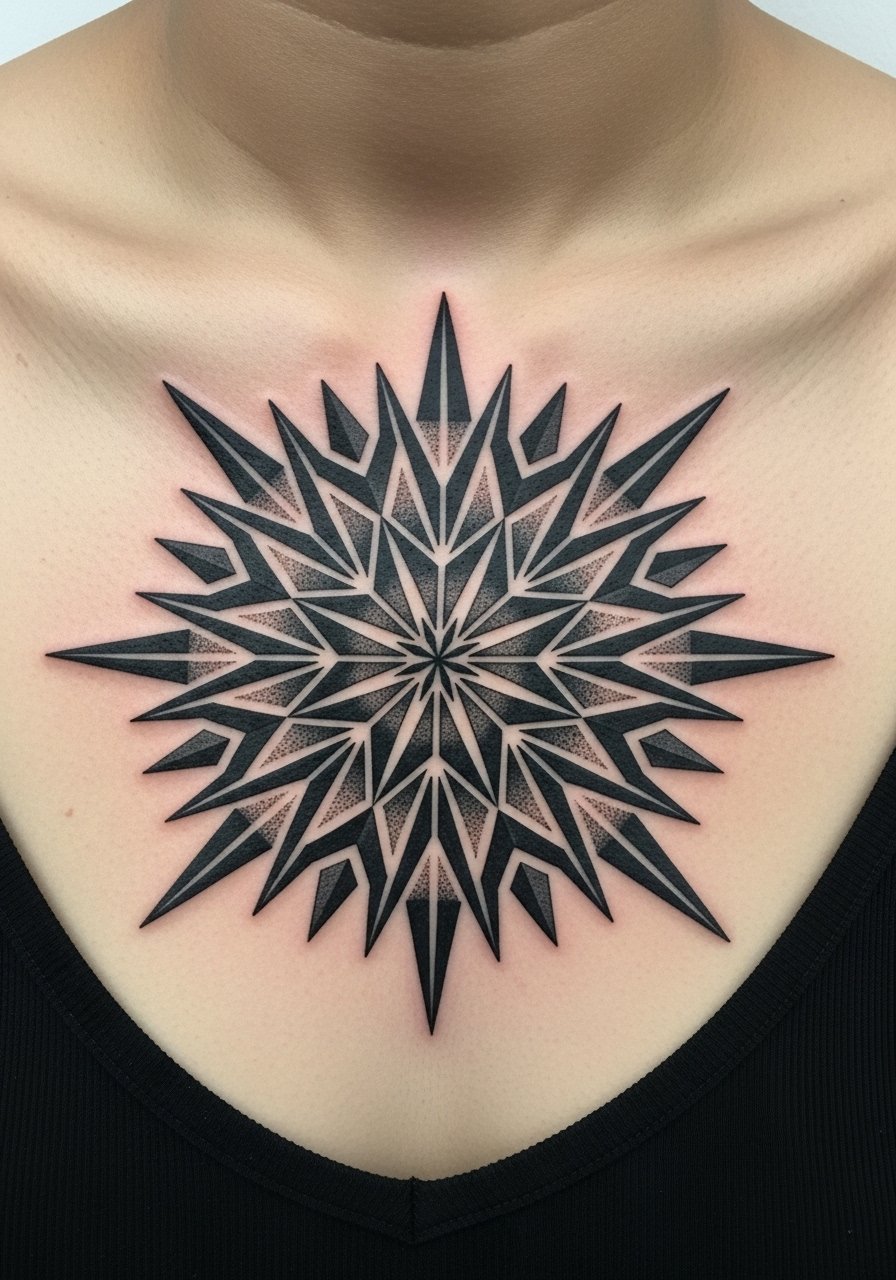
When I first saw this starburst at a convention, it read as armor on the chest. The visual is bold, so it often needs only one session for a 3 to 5 inch anchor. Tell your artist you want a clear negative ring to protect the central point from merging into a solid blob. The common mistake is making inner lines too close, which causes a muddied center after healing. Sternum placement is sensitive, so expect a higher pain report but long-term durability with solid blackwork.
15. Scripted memorial line tucked under bust
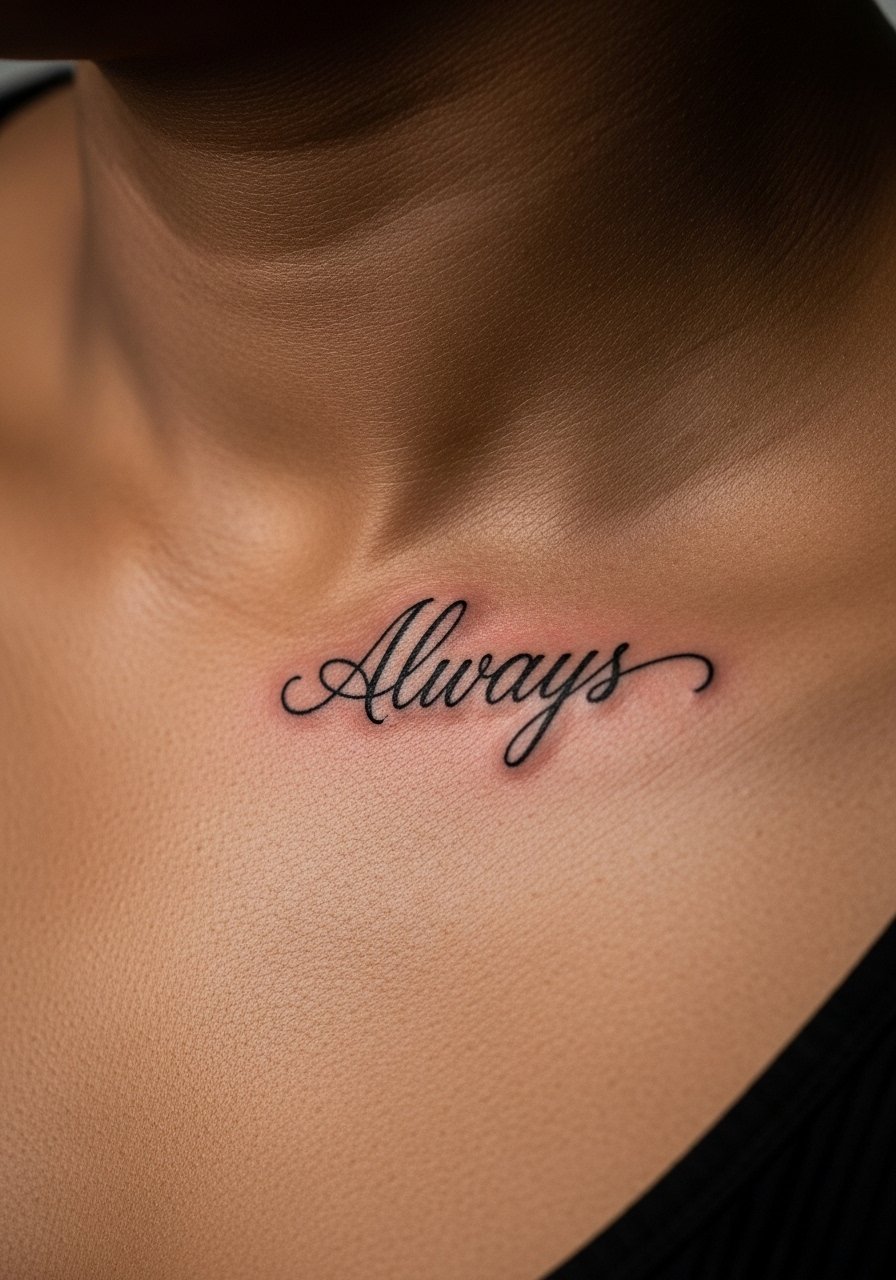
Artists disagree about the ideal line weight for memorial script on the chest. One camp prefers a slightly bolder cursive so letters do not blur. The other camp builds with micro-lines and trusts touch-ups later. When you book, ask which approach they use and request a healed portfolio on similar placements. This is a low-time session for a short word but consider a touch-up at year two if the letters sit atop high-movement tissue. Sensitive note: under-bust pieces may chafe during workouts, so plan recovery accordingly.
16. Dotwork crescent moon along clavicle
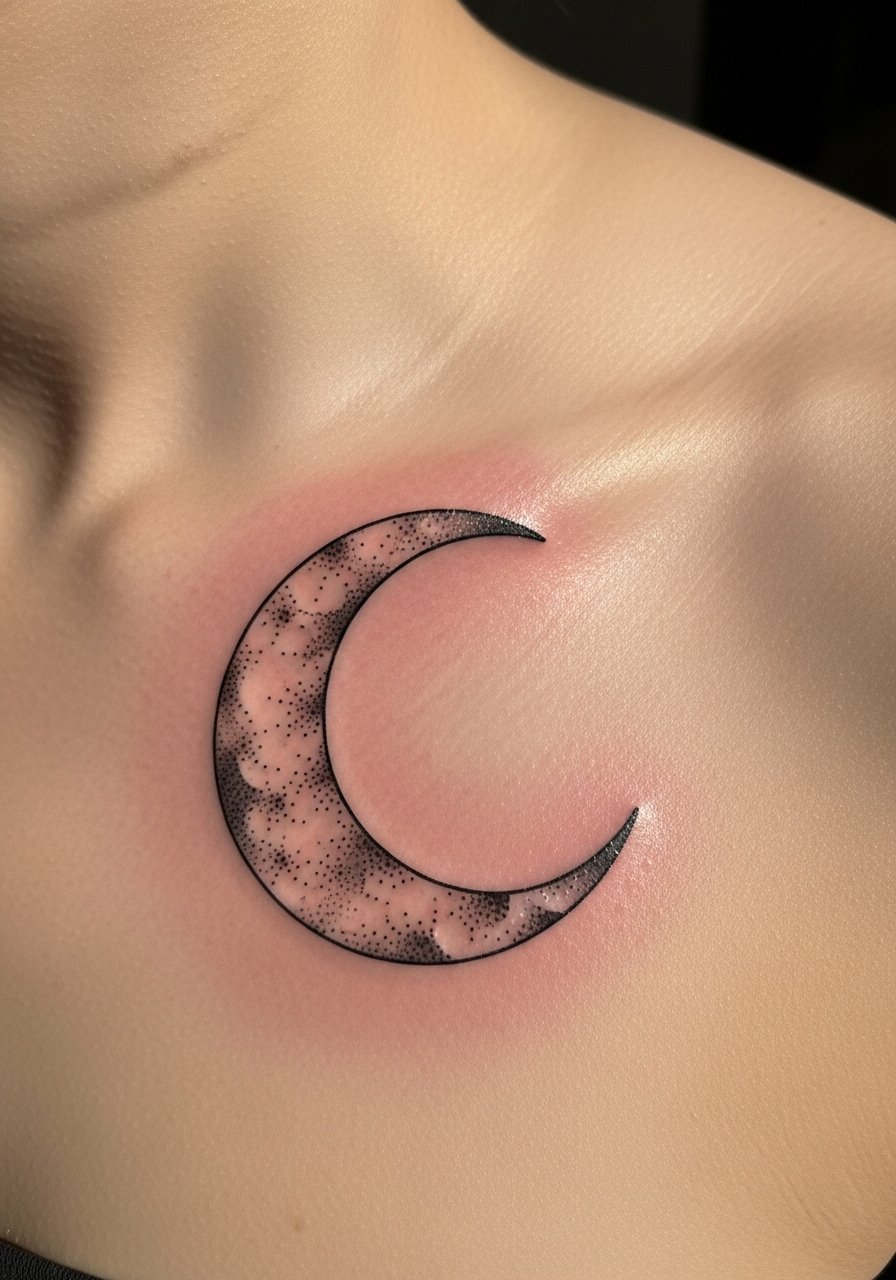
A mistake I see often is placing delicate dotwork across the highest point of a clavicle where clothes constantly brush. For a crescent moon, request the stipple to increase in density toward the inner curve and hold light at the tips. This is usually a short single session and low to moderate pain. Expect the dotwork to look softer after six months and plan for a tiny touch-up if you want crisp contrast at year one. For darker skin, heavier dot anchors preserve the overall silhouette.
17. Blackwork ornamental breastplate
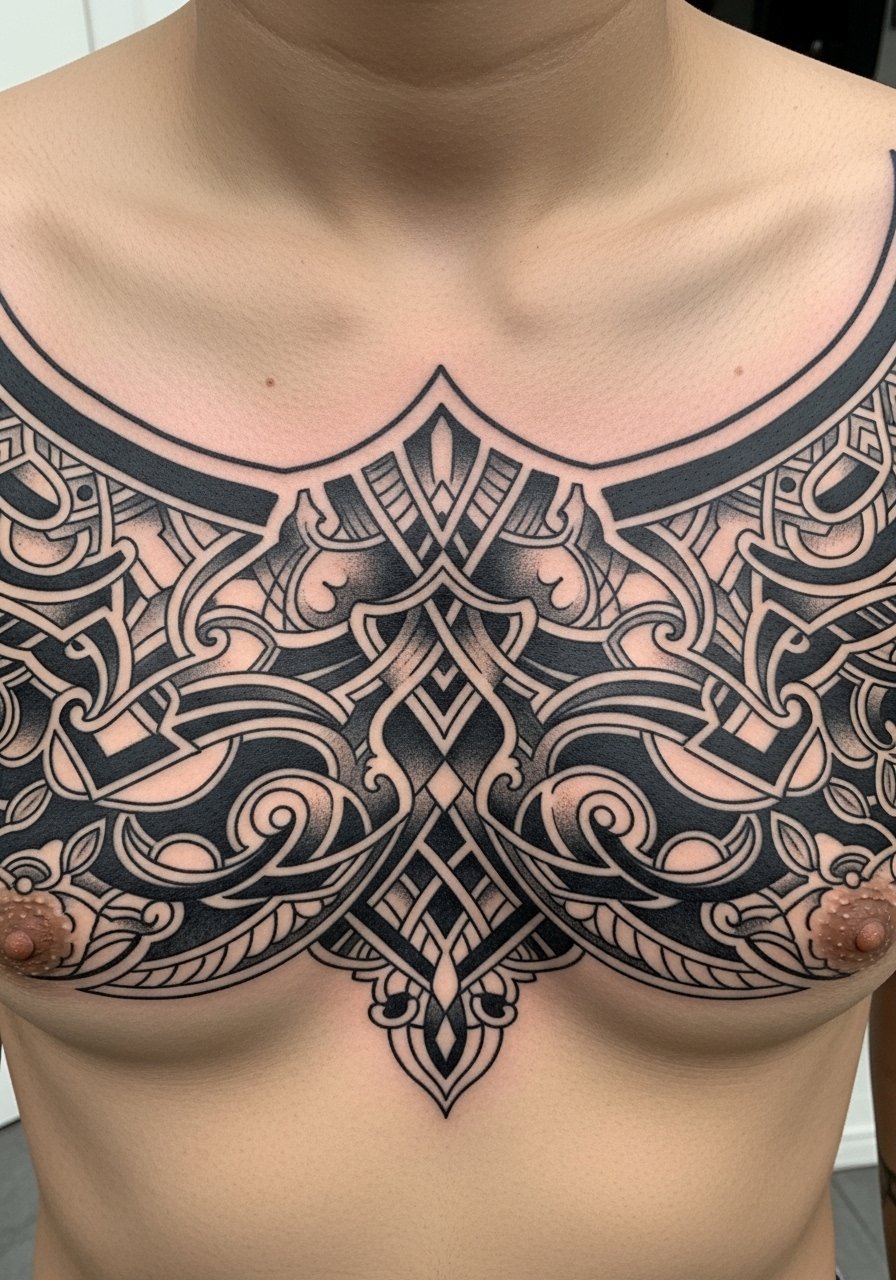
When you want impact that lasts, blackwork ornamental pieces often outperform delicate styles on the chest. Session time is longer, possibly two sessions for a five inch piece, and saturation is the priority. In consultation, ask how the artist will build layers so the large black areas do not pucker during healing. The common error is requesting ultra-fine internal detail inside a block of black which disappears as the skin settles. This style ages well if the composition leaves breathing room and has intentional negative zones.
18. Micro-portrait tiny face above heart
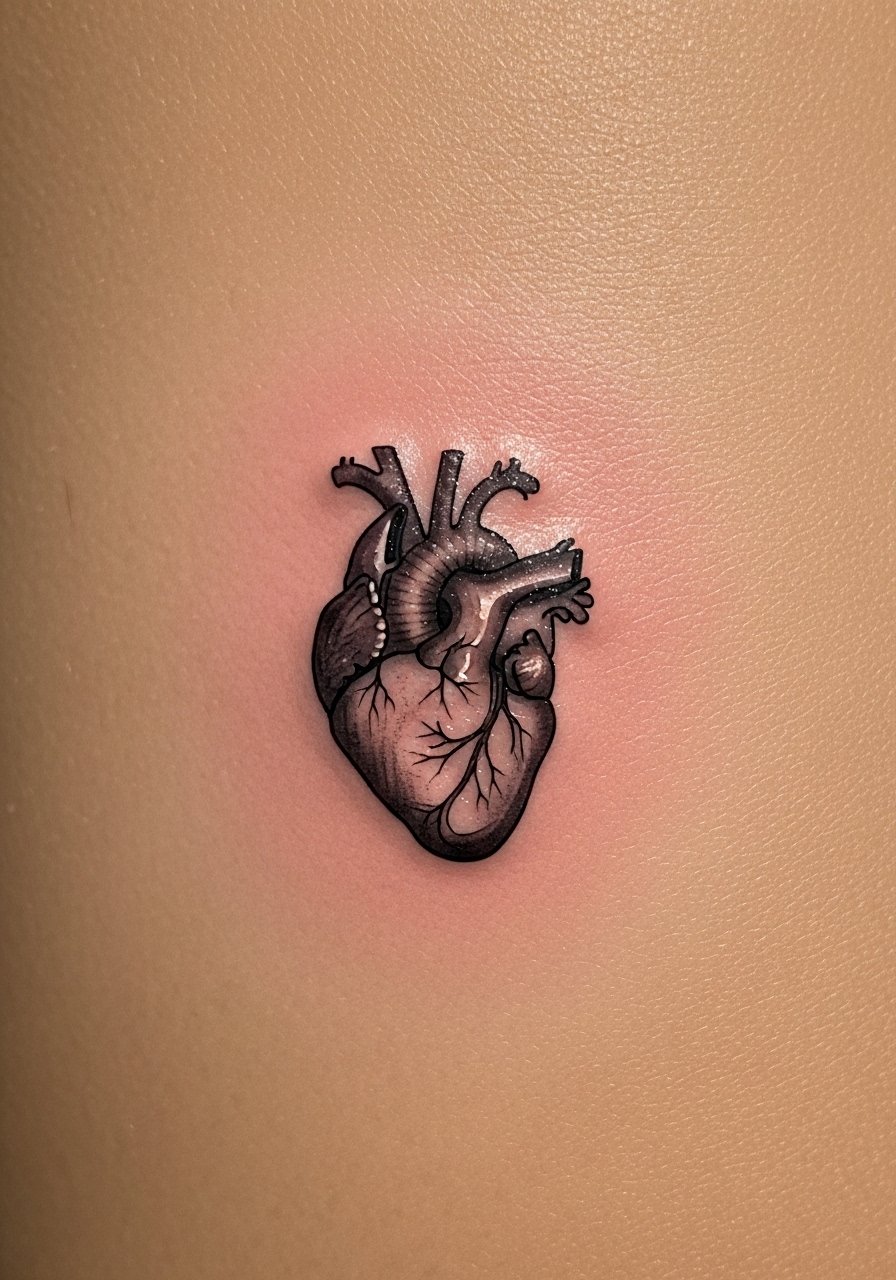
Most micro-portraits on the chest demand exacting reference photos and an experienced realist. Pain is moderate and session time can be two to three hours depending on size. Tell your artist you want simplified contrast around the jawline so the portrait reads at small scale. A common mistake is using a low-resolution photo which yields muddy facial features. Expect a touch-up at year one to sharpen mid-tones and re-establish highlights that healing tends to mute.
19. Bra-friendly negative space lace panel
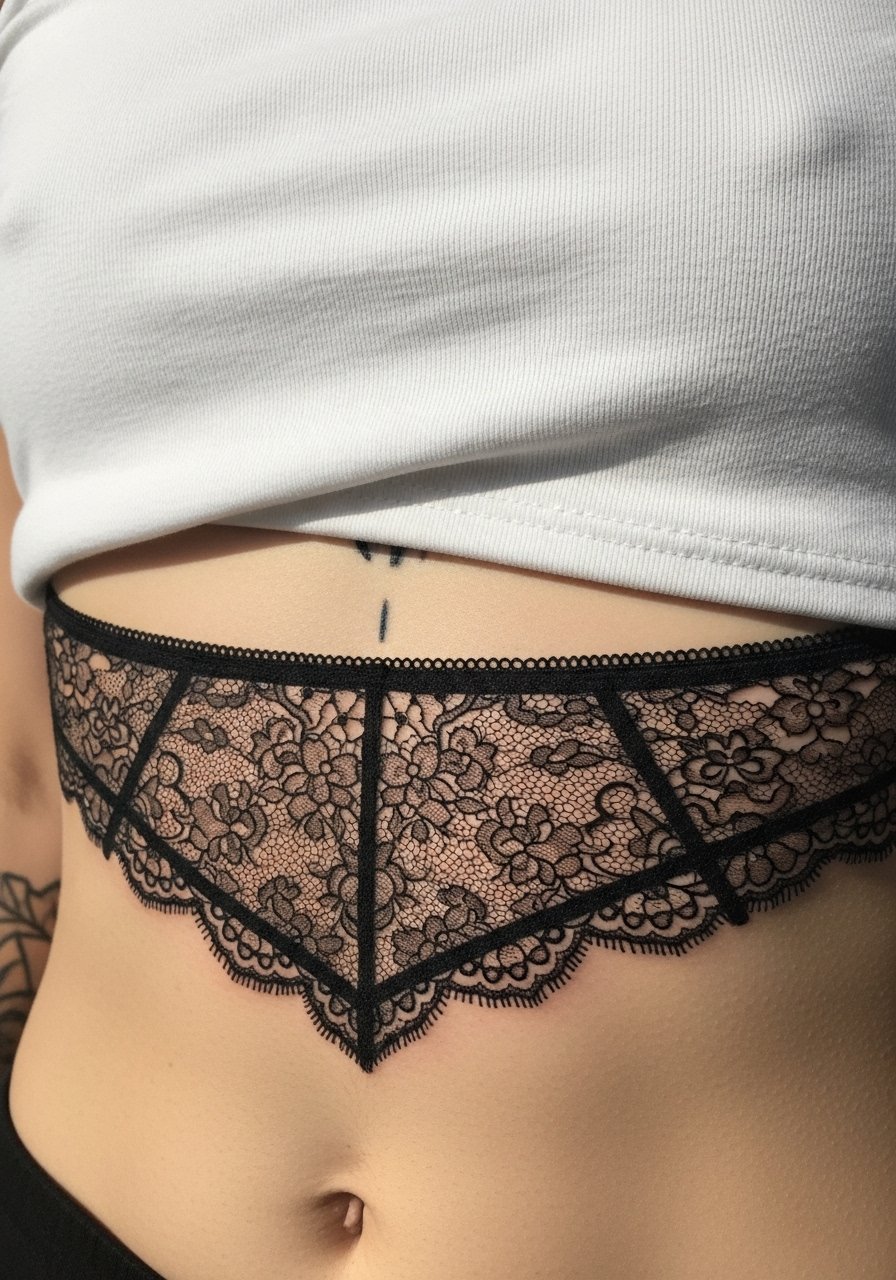
Someone I know designed a bra-friendly lace panel and wore it under every bra for months to check friction points with a temporary transfer. That pre-test avoids most rubbing problems during healing. This piece is moderate in pain and usually done in one session for a 4 to 6 inch area. Tell your artist the bras and sports gear you plan to wear so they can place the main lace elements out of high-friction zones. The mistake is going too dense with detail that traps sweat; keep channels of negative space to promote healing.
20. Abstract blackwork ribs-to-sternum connector
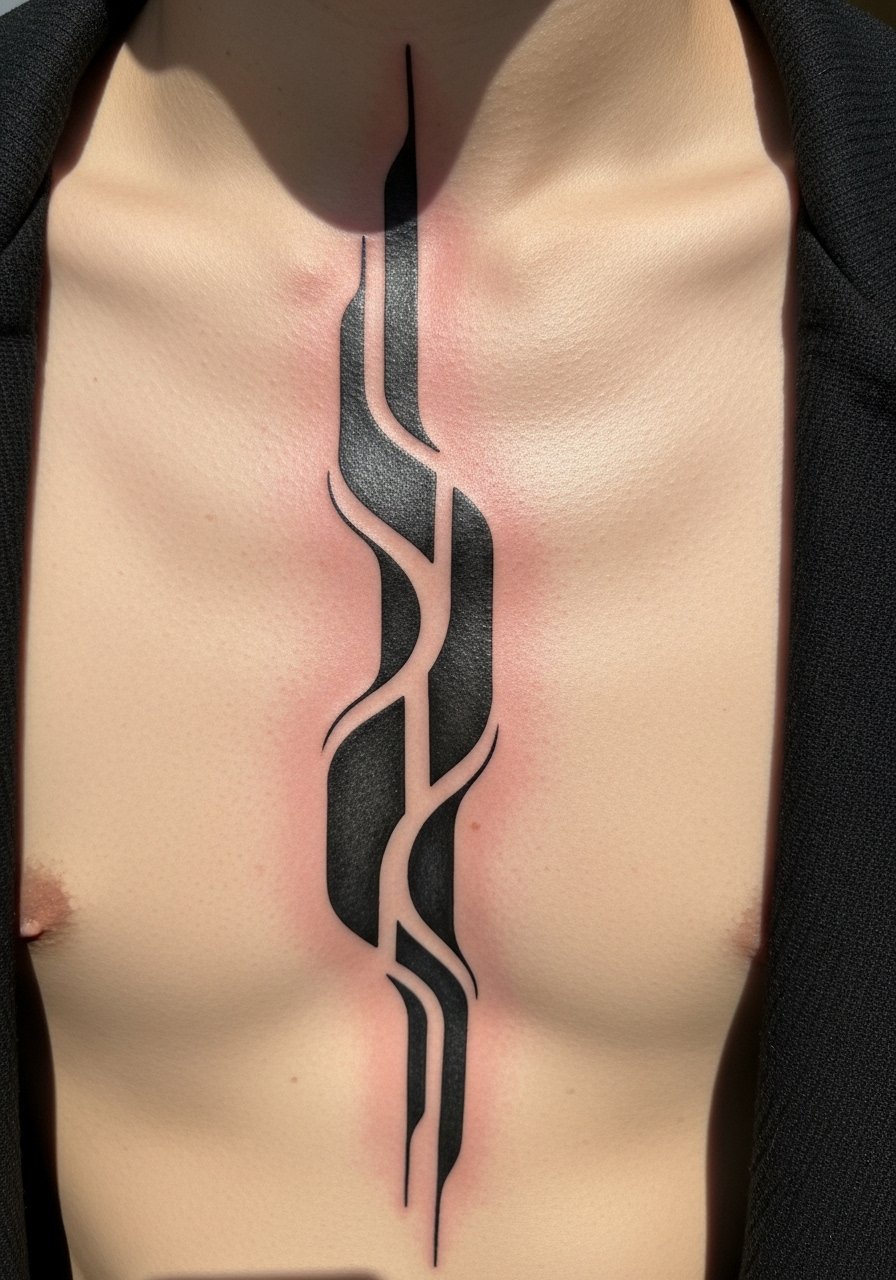
Fair warning: rib-to-sternum connectors can be a higher pain experience where the skin rides over bone. The payoff is a striking vertical anchor that scales well over time. Ask for mockups while standing to confirm how the connector tracks with your breathing. A common mistake is choosing heavy fill without breaks which causes intense scabbing on long curved pieces. Expect two sessions for a 6 inch connector and a likely touch-up after seasonal sun exposure.
Tattoo Prep and Aftercare Essentials
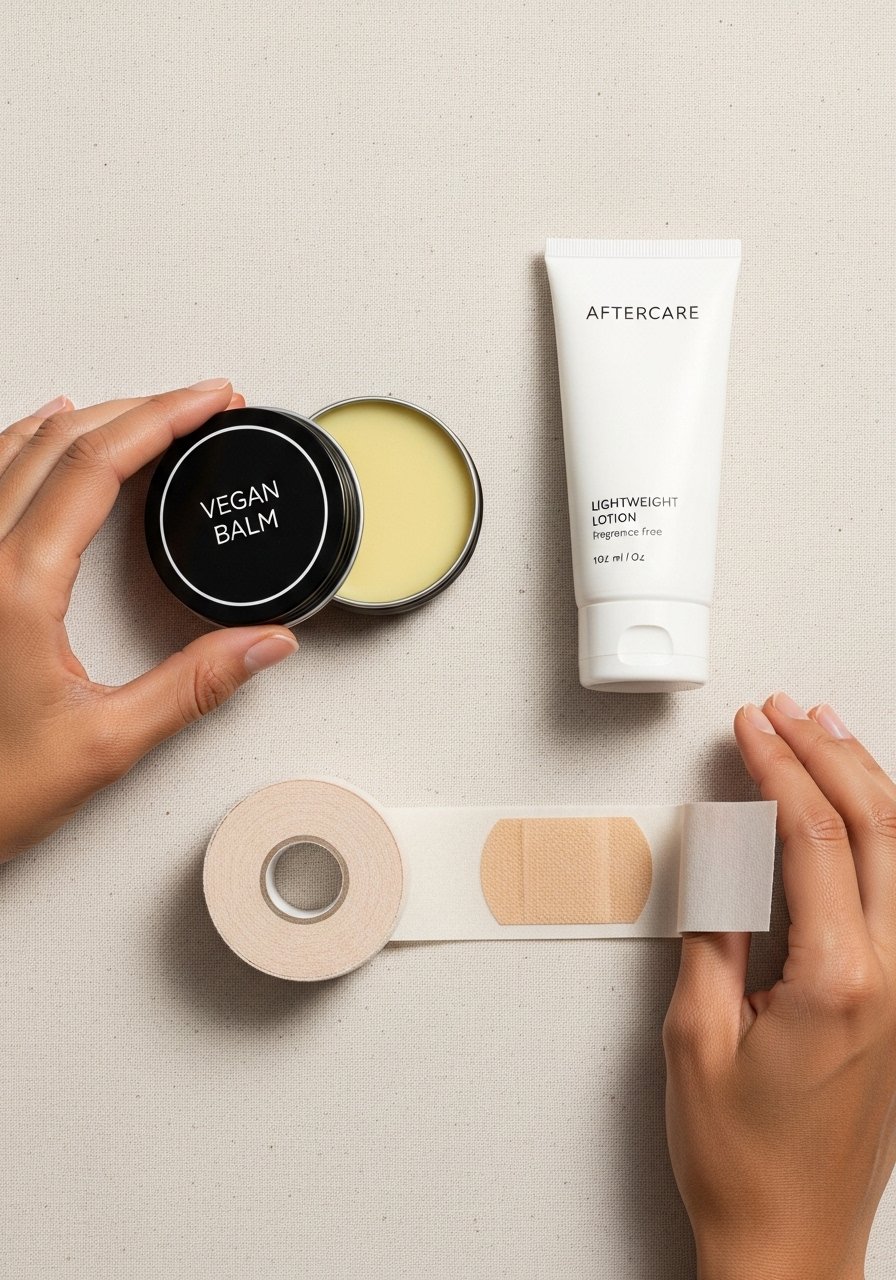
- Ink Fixx ointment. Reddit users praise its non-greasy feel that avoids caking on curved chest areas. Use it sparingly in the first week when your chest sweats more.
- Australian Gold H2O Tattoo Aftercare. A lighter balm option recommended by forum users for humid climates to avoid white residue.
- UK Tea Tree Tattoo Balm. Good for calming sternum irritation thanks to anti-inflammatory properties, apply only if your artist approves.
- Nipple Butter vegan balm. Niche pick for under-bust areas where chafing is an issue.
- Fragrance-free moisturizing lotion. Use for long-term skin hydration after the initial scabbing phase.
- Medical-grade second skin bandage, 6-inch roll. Use in the first 24 to 72 hours if your artist recommends an occlusive option to protect moving chest areas.
- Lightweight fragrance-free balm for daily care. Keeps chest skin supple without clogging pores.
- Gentle foam cleanser, fragrance-free. Use twice daily during the first two weeks to remove sweat and avoid pore buildup.
Every tattoo is different. Always follow your artist's specific aftercare instructions. Consult a dermatologist if you have skin concerns or unusual healing issues.
Frequently Asked Questions
Q: Will fine line mandalas or script blur faster on darker skin tones?
A: It depends on the contrast and the artist's approach. On darker skin, slightly heavier anchors and selective negative space help retain legibility. Ask to see healed photos on similar skin tones and plan for a touch-up timeline around year one to two for thin scripts or single-needle florals.
Q: Saniderm or dry healing for chest tattoos which is better?
A: Artists and clients split into two camps. One argues that occlusive dressings reduce scabbing and speed recovery on sweaty chest areas. The other warns that trapping moisture can increase blowout risk. My recommendation is to follow your artist's standard practice and discuss a hybrid approach like a short occlusive period followed by open air care if they support it.
Q: How should I size a chest floral if I expect weight fluctuation?
A: Scale up by roughly 20 percent compared with what you initially like. Larger petal shapes and bolder spacing tolerate a 10 to 20 pound fluctuation better, and they reduce the chance of details merging when skin shifts.
Q: Are there aftercare products that clog chest pores during humid summers?
A: Yes, heavier ointments can sit in chest creases and trap sweat. Lighter balms like the Australian Gold H2O option or a fragrance-free lightweight balm are better for humid climates. Use a gentle foam cleanser to prevent buildup during the first two weeks.
Q: What should I ask an artist about touch-ups for blackwork breastplates and under-bust designs?
A: Ask about their standard touch-up timeline, what they charge for touch-ups, and whether they include a complimentary session within a set window. Request healed photos of similar-scale blackwork on chests and clarify how they manage large fills to avoid long scabbing that affects saturation.
Q: Can I test placement with a temporary mockup to check bra friction and breathing effects?
A: Absolutely. Use a transfer stencil or henna mockup and wear the bras and sports gear you plan to use. That test reveals rubbing zones and shows how the design moves with your breathing, which reduces revision requests later.