
Someone I know spent three months staring at neck photos before realizing the real question was how the design would live on moving skin. Neck tattoos age differently than arms, and what looks crisp in the studio can soften with years of sun and motion. Below are 15 fine neck tattoo ideas that balance delicate linework with realistic longevity, plus what to ask your artist and when to expect a touch-up.
1. Fine Line Initial on Side Neck
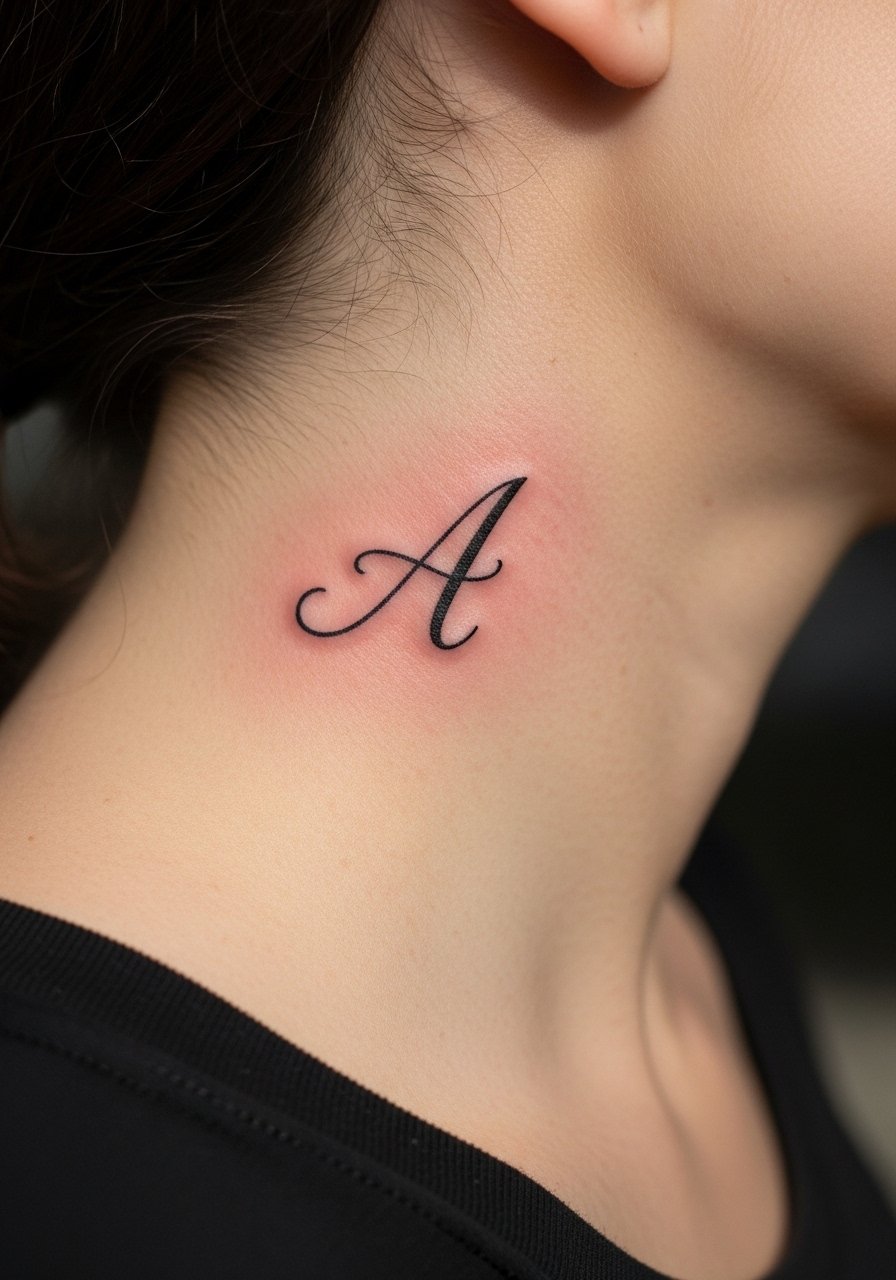
Someone I know got a tiny initial on the side of their neck because they wanted something private that peeks out with hair up. Expect a short session, often under 30 minutes, and mild to moderate pain because the skin is thin and rests over small muscles. Tell your artist you want consistent linework, slightly thicker than micro hairline, so the letter keeps shape as it heals. A common mistake is asking for ultra hairline script that blurs after a year. Ask about touch-up timelines up front, because fine script can need a touch-up around year two depending on sun exposure. Note on placement: neck tattoos are visible at interviews in some fields, so consider career implications.
2. Tiny Stippled Moon Behind Ear
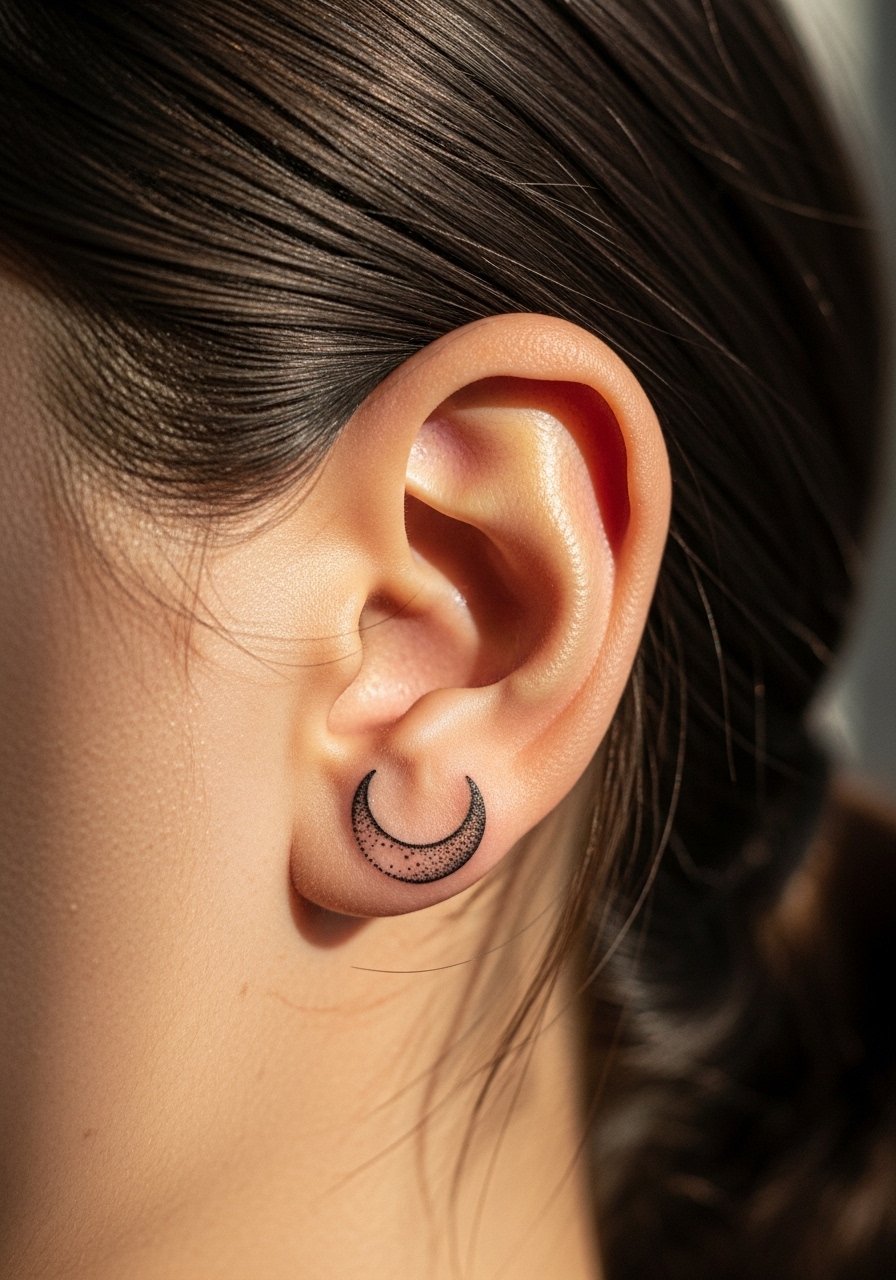
Fair warning: the area behind the ear has thin skin and sensitive spots, which gives sharp dots but can sting. I recommend stipple shading because dots age more predictably than continuous wash in that spot. When you consult your artist, ask for dot spacing that allows slight spreading. A common aging issue is dense shading that melts into a grey patch, so keep negative space. Session time is short, often a single small sitting, and touch-ups are usually needed at year three for density restoration. Sensitive placement note: needles near the ear feel different due to cartilage, so pick an artist who regularly tattoos ear and neck spots. Discovery tip: look through flash nights and small-shop portfolios rather than influencer reels.
3. Micro Floral Vine Along Nape
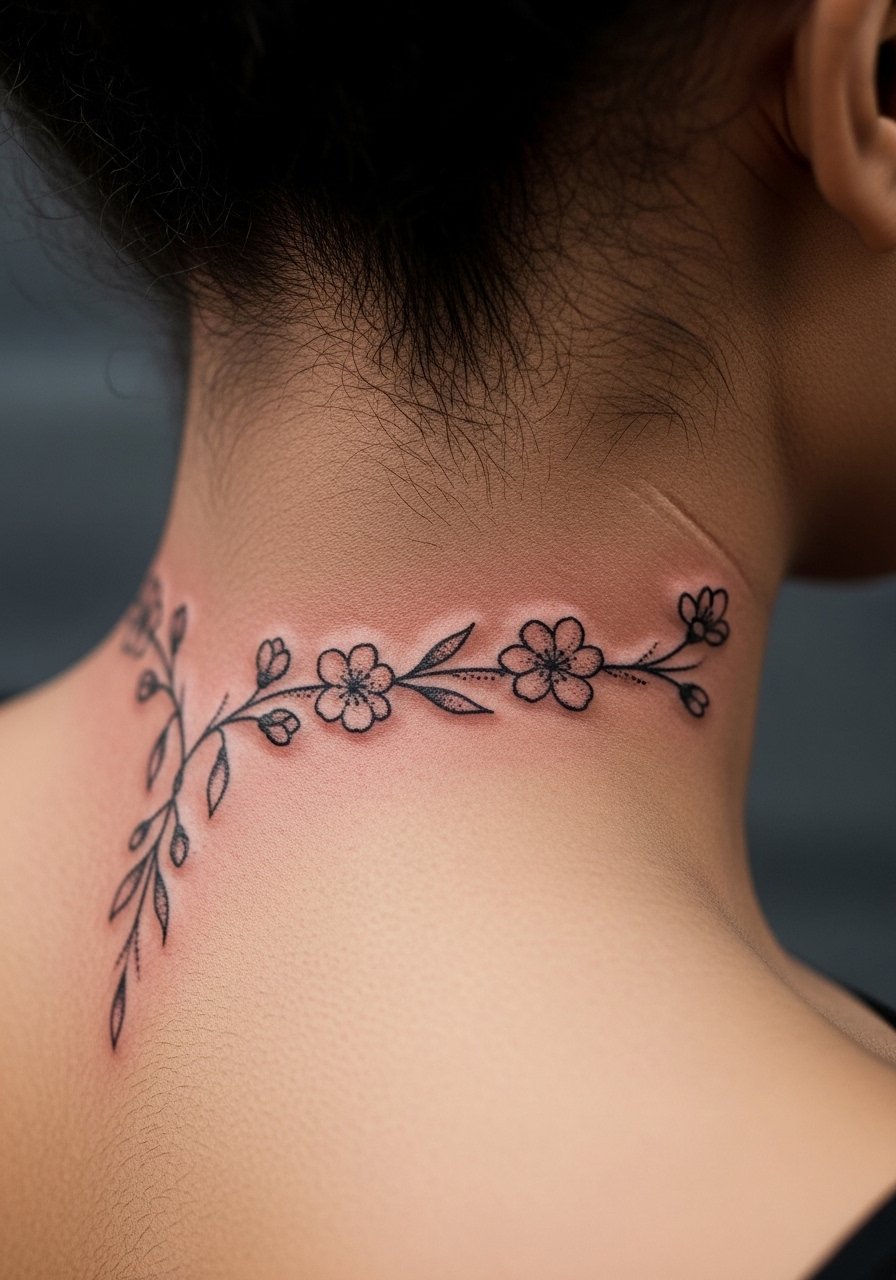
Most watercolor-like neck florals from five years ago have softened into vague patches. This micro floral vine holds up because it mixes clear linework with stipple shading instead of blurred color. I suggest asking for slightly bolder stems and open spacing between blossoms so the design keeps its silhouette as the skin moves. Session time is usually 45 to 90 minutes depending on length. Pain sits around moderate because the nape has nerve endings and moves with swallowing. People often ask for dense petals that look great fresh and then smudge. Plan for a touch-up at year two to reestablish contrast. Sensitive placement note: nape work may be covered by hair while healing, which can help scabbing management.
4. Thin Script Center Throat
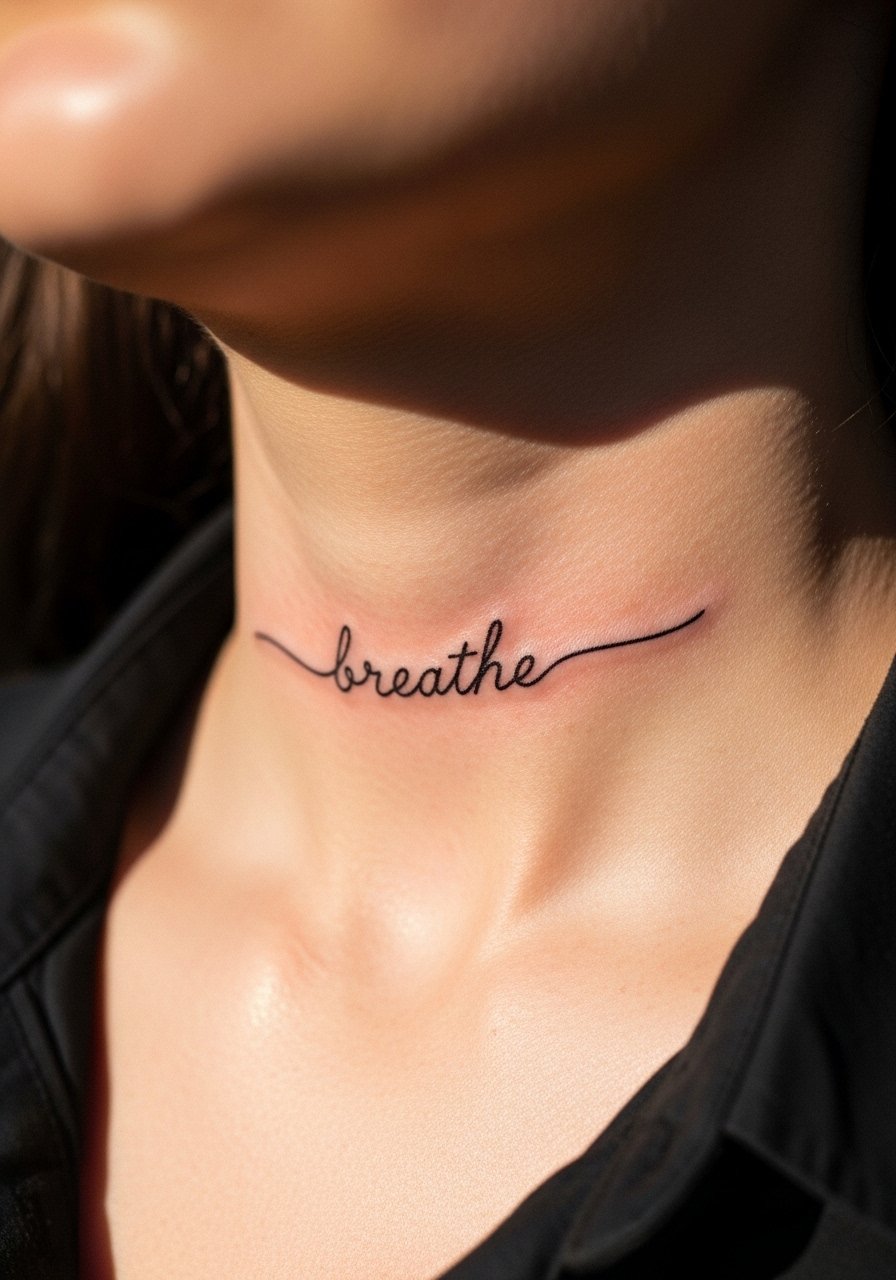
When you sit down with your artist for throat script, bring three font samples and pick one that reads well at small scale. The biggest mistake is choosing an ornate script that falls apart after healing. Expect moderate pain and a short session under an hour for a single word. Over time a thin script can spread slightly, so request a touch-up window in the consultation. One camp of artists says throat script needs room to avoid blurring, another camp says expert depth and spacing will keep it crisp. Ask where your artist stands before booking. Sensitive placement note: throat tattoos are highly visible, and some employers still ask about them.
5. Minimal Geometric Necklet
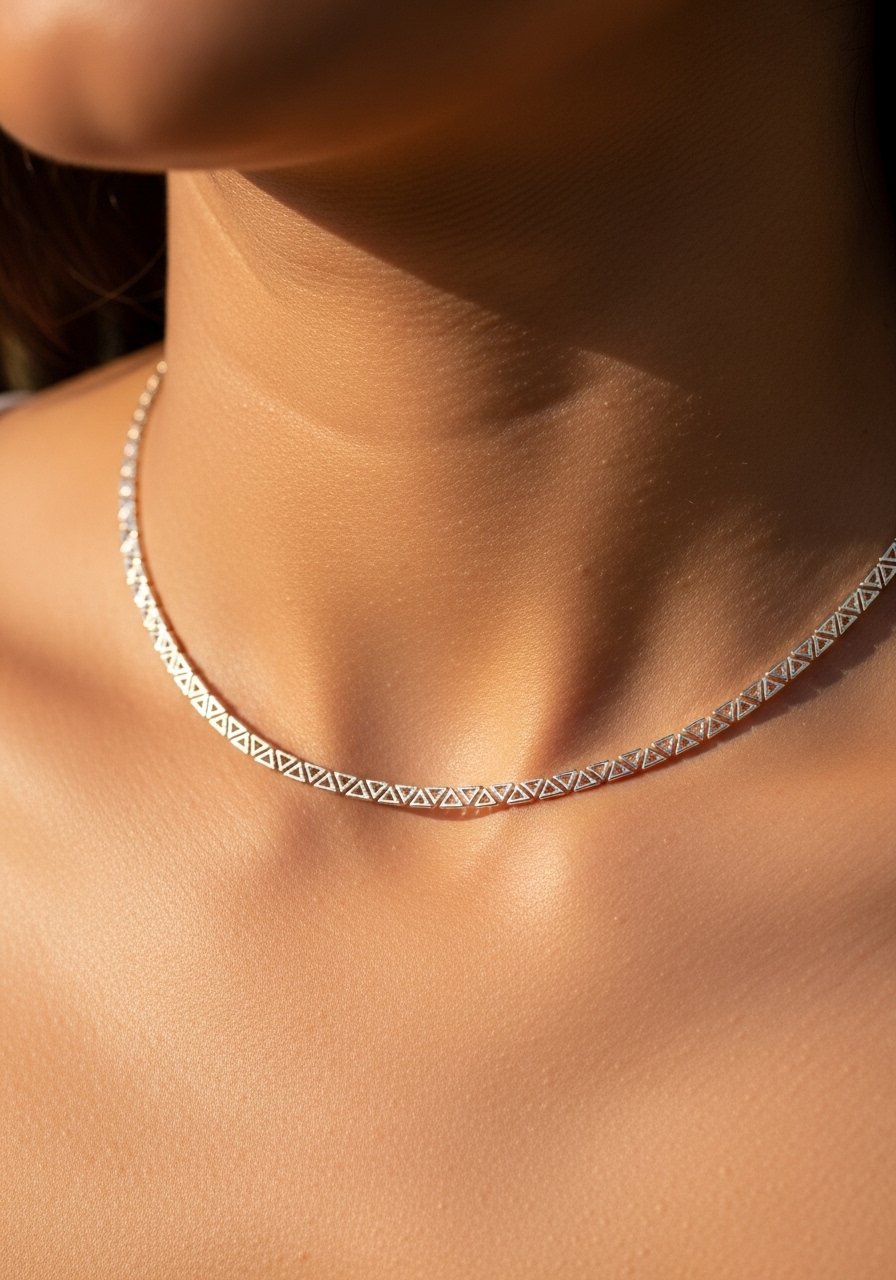
There is something about a geometric necklet that frames the collar and reads like jewelry. If you want this to age, tell your artist you prefer negative space between shapes and consistent linework rather than packed geometry. A common mistake is going too small with tightly packed geometry, which risks blowout on mobile neck skin. Sessions vary from 45 minutes to two hours for more complex wraps. Expect moderate pain along the lower neck. Plan a touch-up at two to three years to maintain crisp edges. Sensitive placement note: wraps cross movable skin, so ask about how the pattern flows with neck motion during consultation.
6. Micro-Realism Eye Near Collarbone

There is noticeable impact when micro-realism is placed near the collarbone because the skin sits flat and the piece reads clearly. Tell your artist you want tight contrast and minimal background shading so the small realism reads at arm's length. Mistakes happen when artists try to over-shade tiny realism on tacky skin and it loses detail healed. Expect a longer session, often 60 to 120 minutes, with moderate discomfort near bone. Healed at six months, the details should remain if saturation is reasonable. A touch-up at year two keeps highlights and tiny lines readable. Sensitive placement note: collarbone area is bony and can be more painful, so plan for breaks.
7. Tiny Constellation Curve Along Side Neck
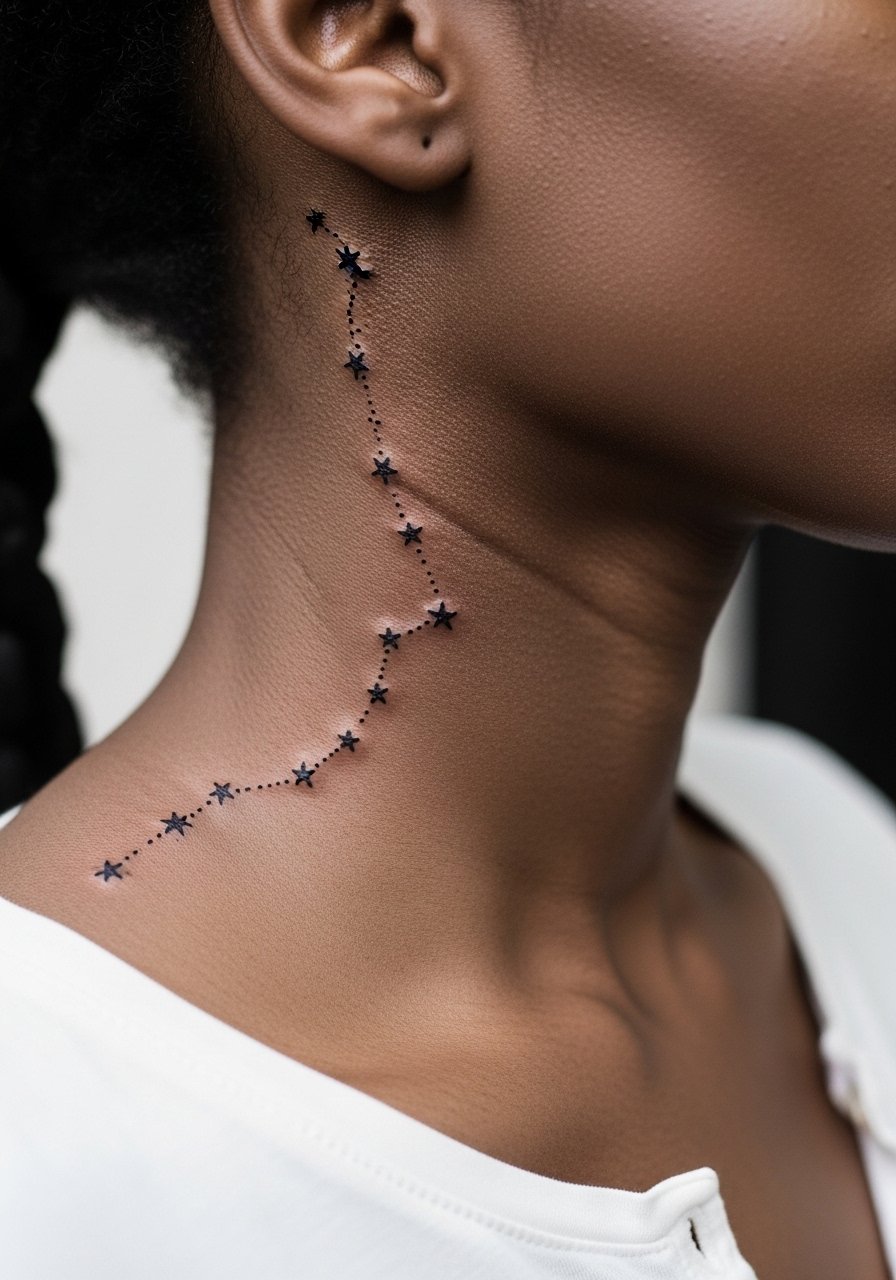
Someone I know picked a constellation because it follows natural neck contours and looks effortless with hair down. For longevity, request individual star dots with small spacing instead of long thin connectors that can blur. The main mistake is asking for hairline connectors across moving skin. Session time is short and pain moderate. Over two to five years stars can soften but remain recognizable if dots are spaced. Ask for a touch-up plan if you want crisp points later. Sensitive placement note: side neck work is visible at most collars, so think about clothing choices during early healing.
8. Single Whip-Shaded Feather at Nape
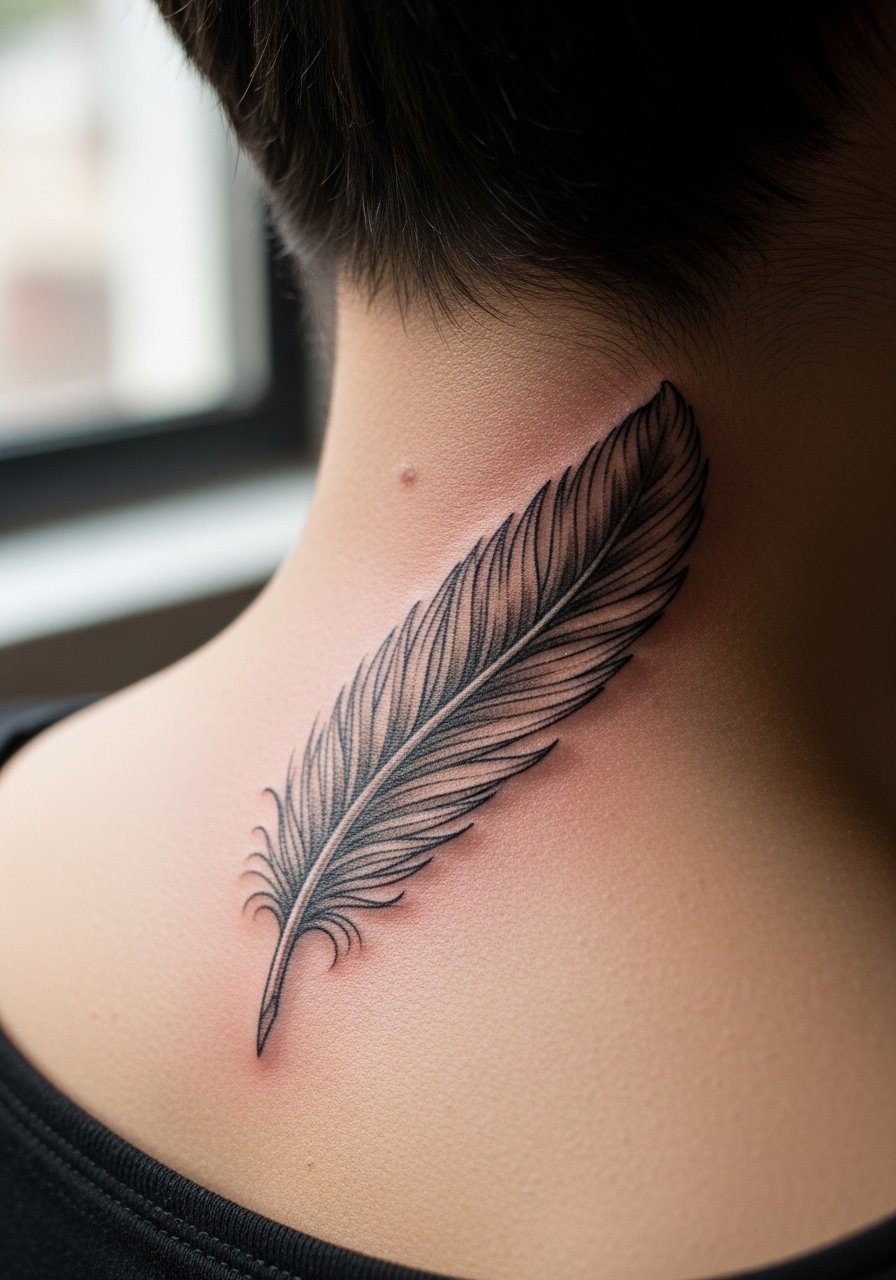
When artists debate feather styles, one group prefers whip shading for a feather's soft fall, another group worries whip shading on nape can wash out with movement. The safe approach is to ask for slightly denser base saturation and open barbs. Sessions often last 45 to 90 minutes and pain is moderate. A common error is too-light shading that looks ghosted after a year. For this spot expect a touch-up in two to three years to refresh contrast. Sensitive placement note: nape pieces can be hidden by hair while healing which can be helpful, but watch for friction from collars.
9. Minimal Blackwork Bar Under Chin
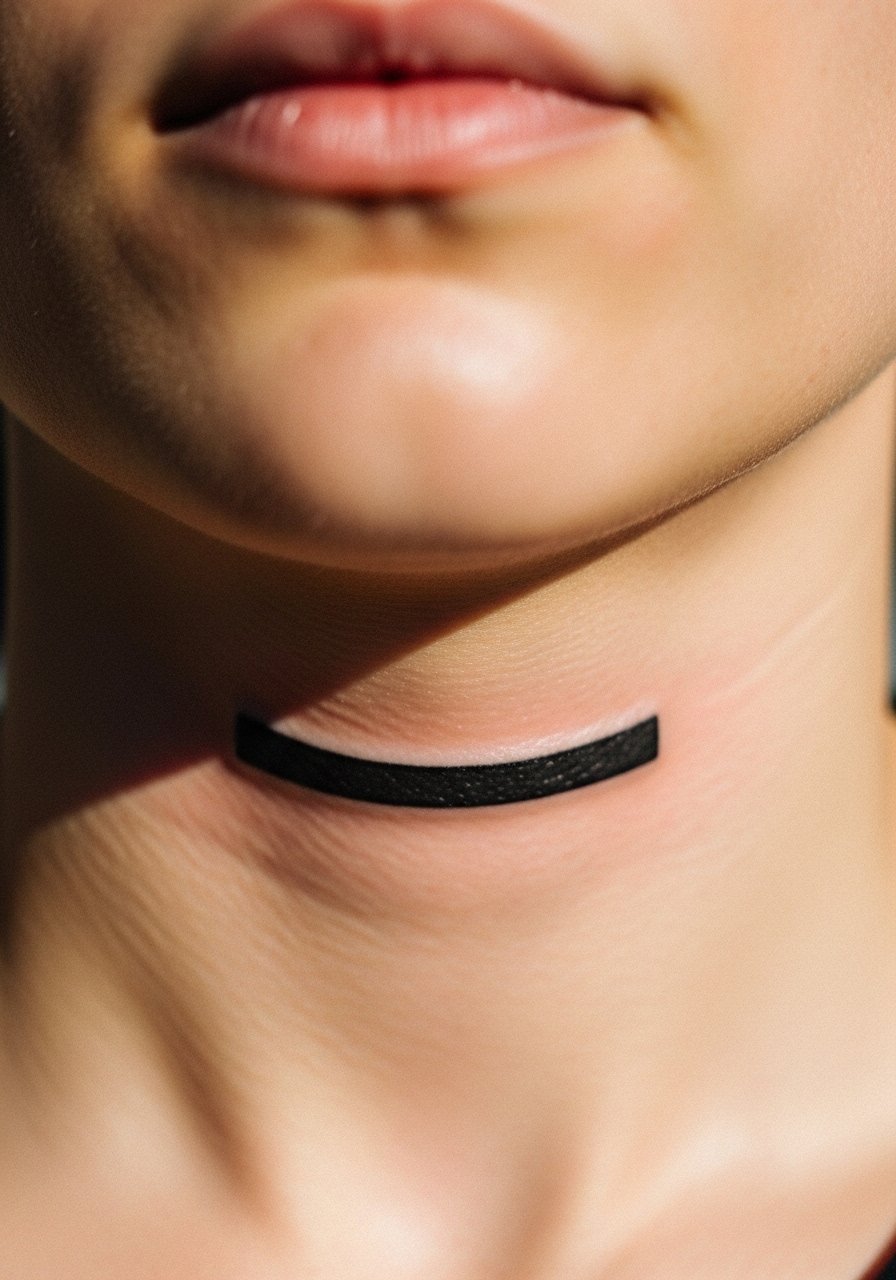
Visual impact lead: a thin black bar under the chin reads bold without large surface area. Tell your artist you want sharp edges and even saturation to avoid patchy healing. Common mistakes include uneven filling that heals patchy and needs a heavy touch-up. Pain near bone under the chin can be higher, and sessions run 30 to 60 minutes. Over time a single thin bar may need touch-ups to maintain saturation at the edges. Sensitive placement note: under-chin tattoos are hard to hide and may affect job perceptions in some professions.
10. Small Botanical Cluster on Side Neck
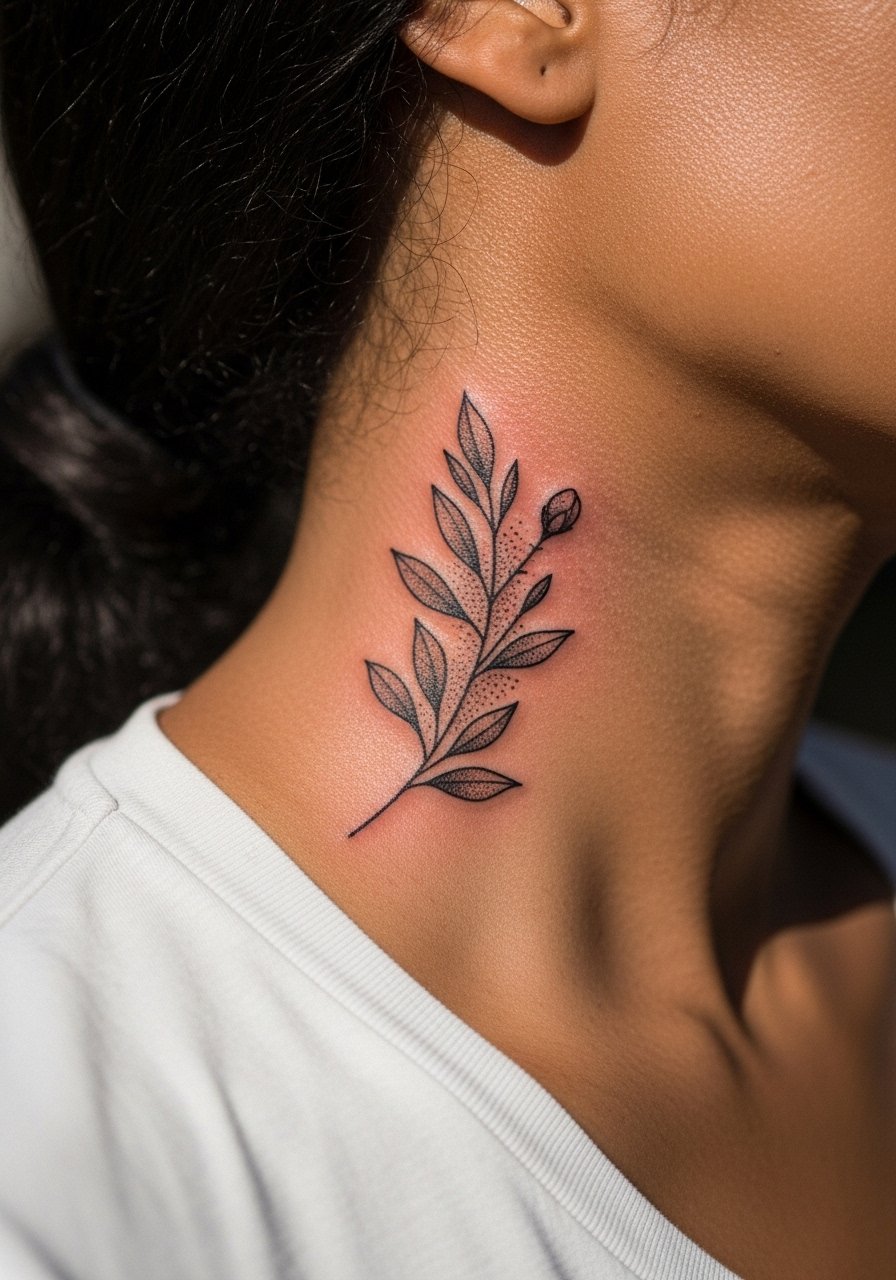
Aging lead: dense colored botanical clusters often blur on neck skin. This minimal cluster uses crisp linework with stipple shading to age cleaner. During consultation, ask for open negative space within and around leaves so the silhouette stays clear as it settles. Session time varies by size but often under 90 minutes. Pain is moderate because of thin neck skin. Expect a touch-up at year two to refresh saturation and contrast. Sensitive placement note: consider hairline and clothing friction when picking exact side placement.
11. Neck Wrap Dot Band in Dot Work
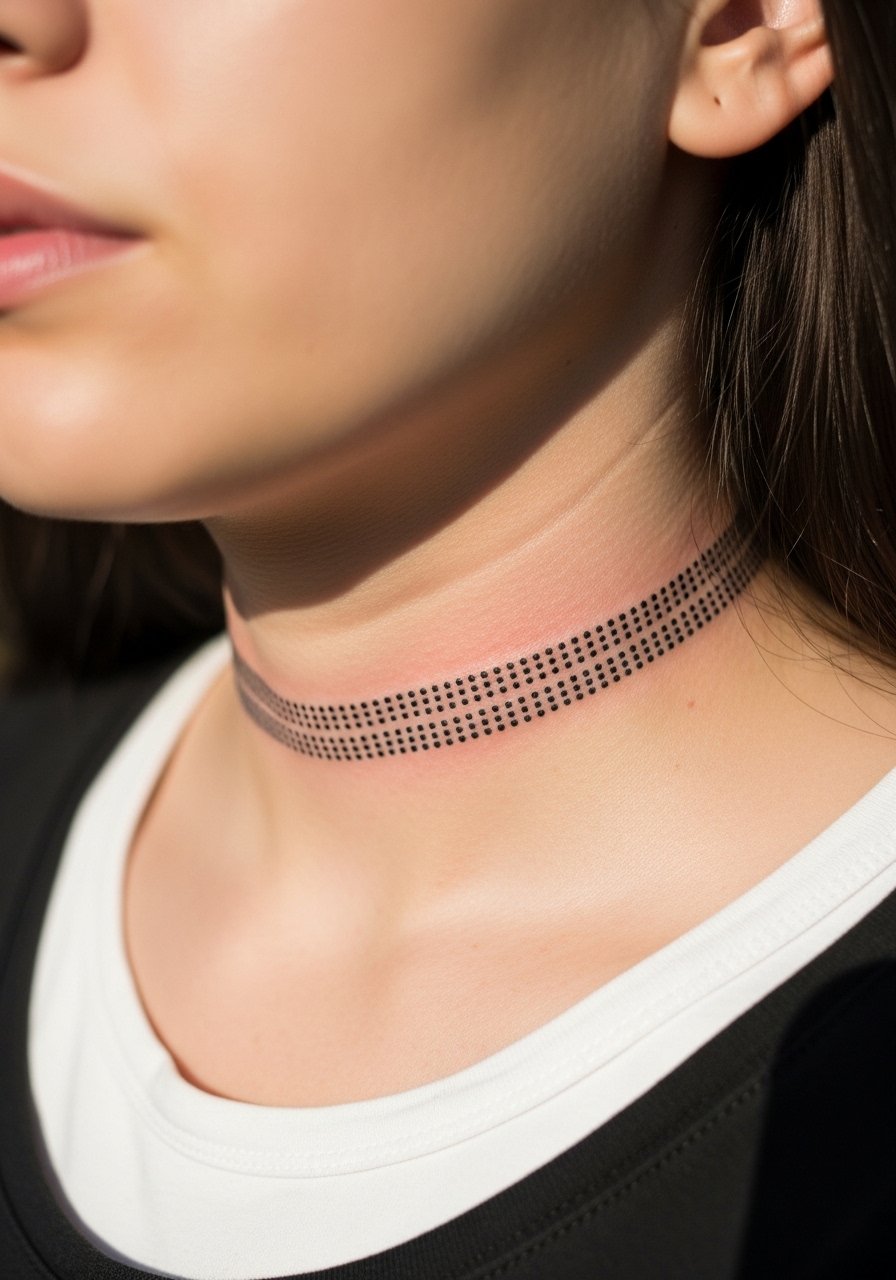
The biggest mistake with dot-work neck wraps is packing dots too close which leads to a grey block as the skin moves. Tell your artist you want dot spacing that lets the pattern breathe and ask to see healed dot work in similar placements. Sessions are often split into two short sittings for comfort and precision. Pain is moderate. Over time dot bands maintain texture better than solid fills, but expect periodic touch-ups to sharpen the rhythm of dots. Sensitive placement note: wraps cross regions of movement, so discuss how the band will sit when you tilt your head.
12. Minimal Zodiac Glyph Near Ear
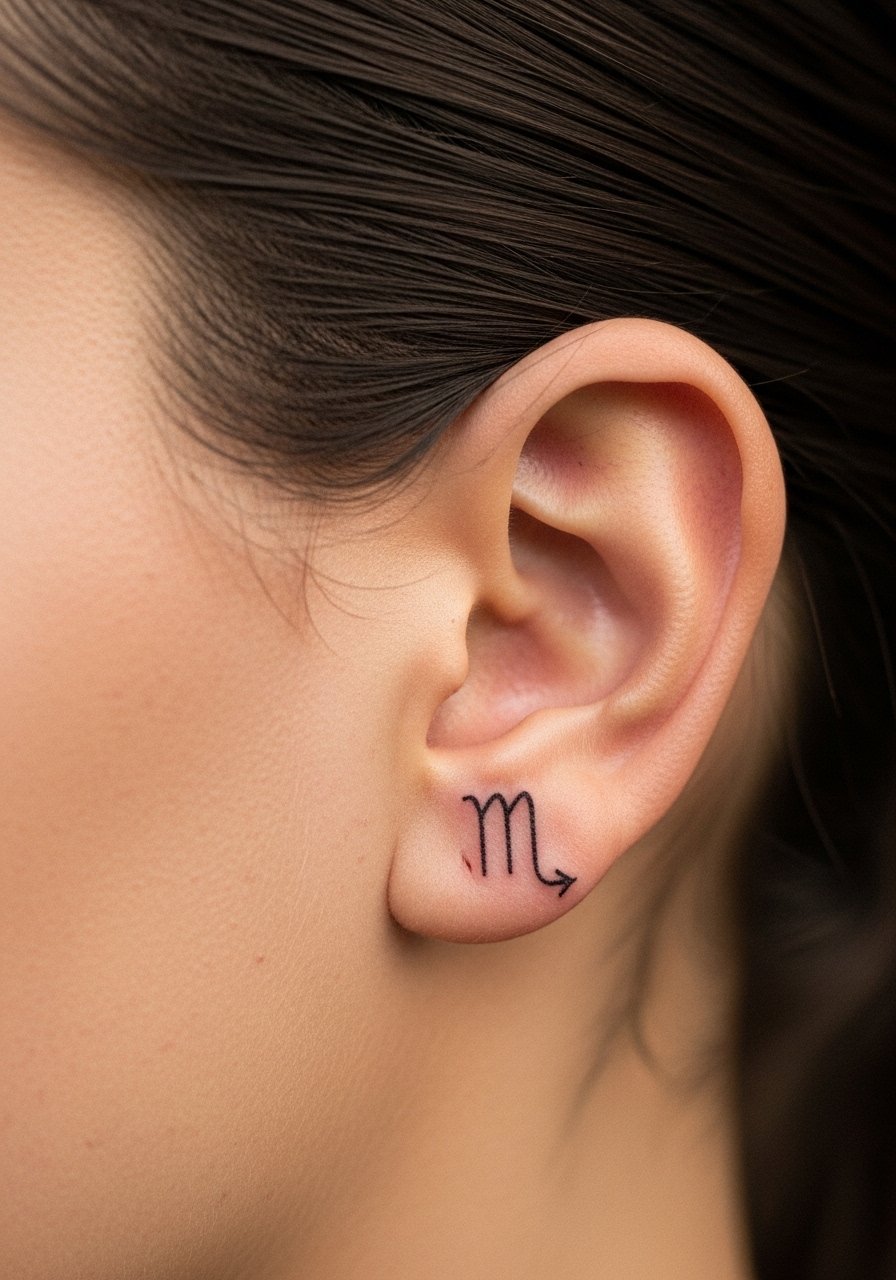
Consultation lead: bring an exact glyph you like, because small glyphs turn into indistinct marks if fonts vary. When a design includes lettering or glyphs, specify exact characters so the healed result is legible. Session time is brief and pain is mild to moderate. A common error is making the glyph too fine for the neck area which can blur in two years. Request a touch-up window during booking to maintain clarity. Sensitive placement note: small glyphs near the ear are often visible with short haircuts, so plan accordingly.
13. Tiny Anchor at Base of Neck
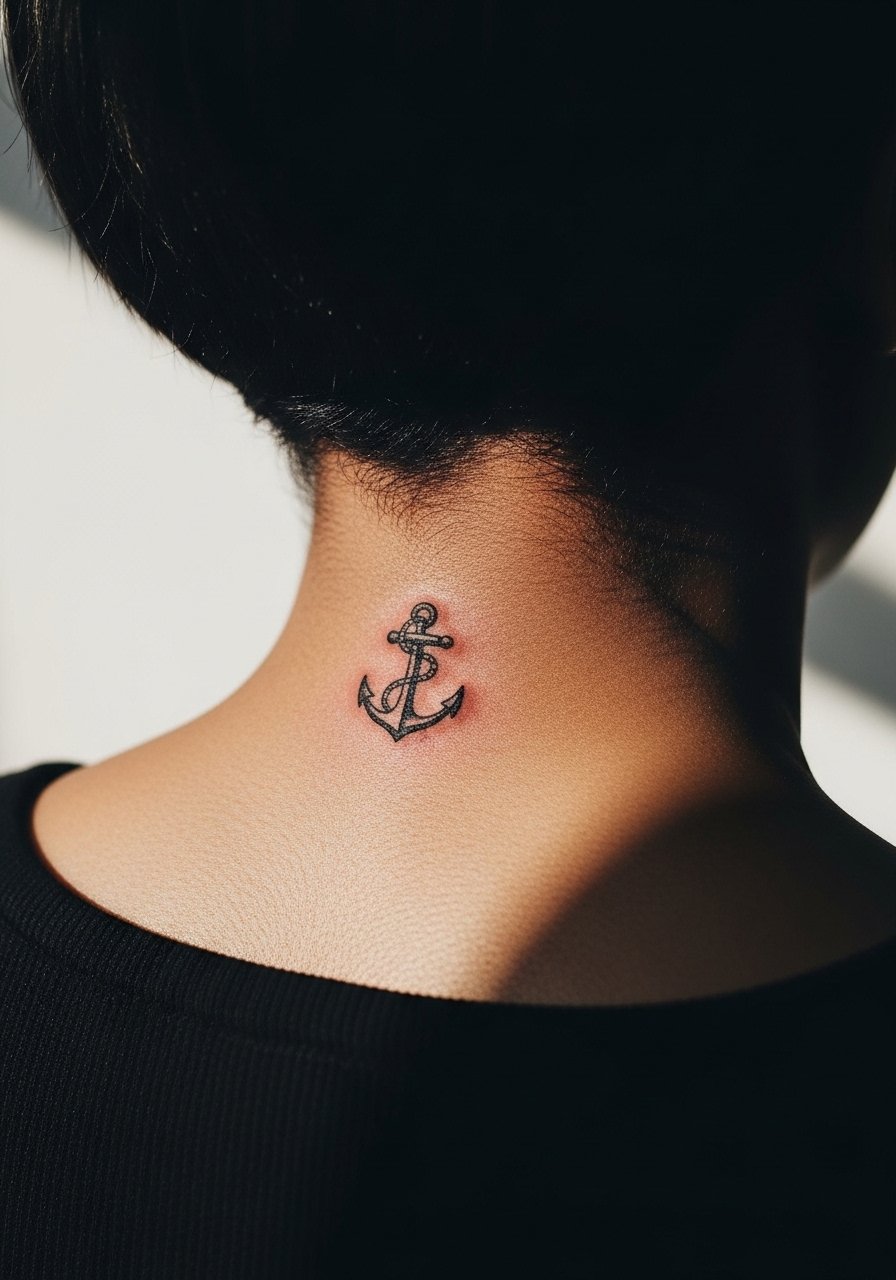
Mistake lead: people sometimes ask for anchor details too fine for the small neck canvas. Instead ask for simplified anchors with bold enough linework to hold over time. Expect a 30 to 45 minute session and moderate discomfort over the bony base. Healed at six months the silhouette should still read if spacing and linework were correct. Touch-ups at two to three years are common to retighten edges. Sensitive placement note: base of neck tattoos can be partially visible with certain collars so think about early healing clothing.
14. Discreet Morse Code Line Along Hairline
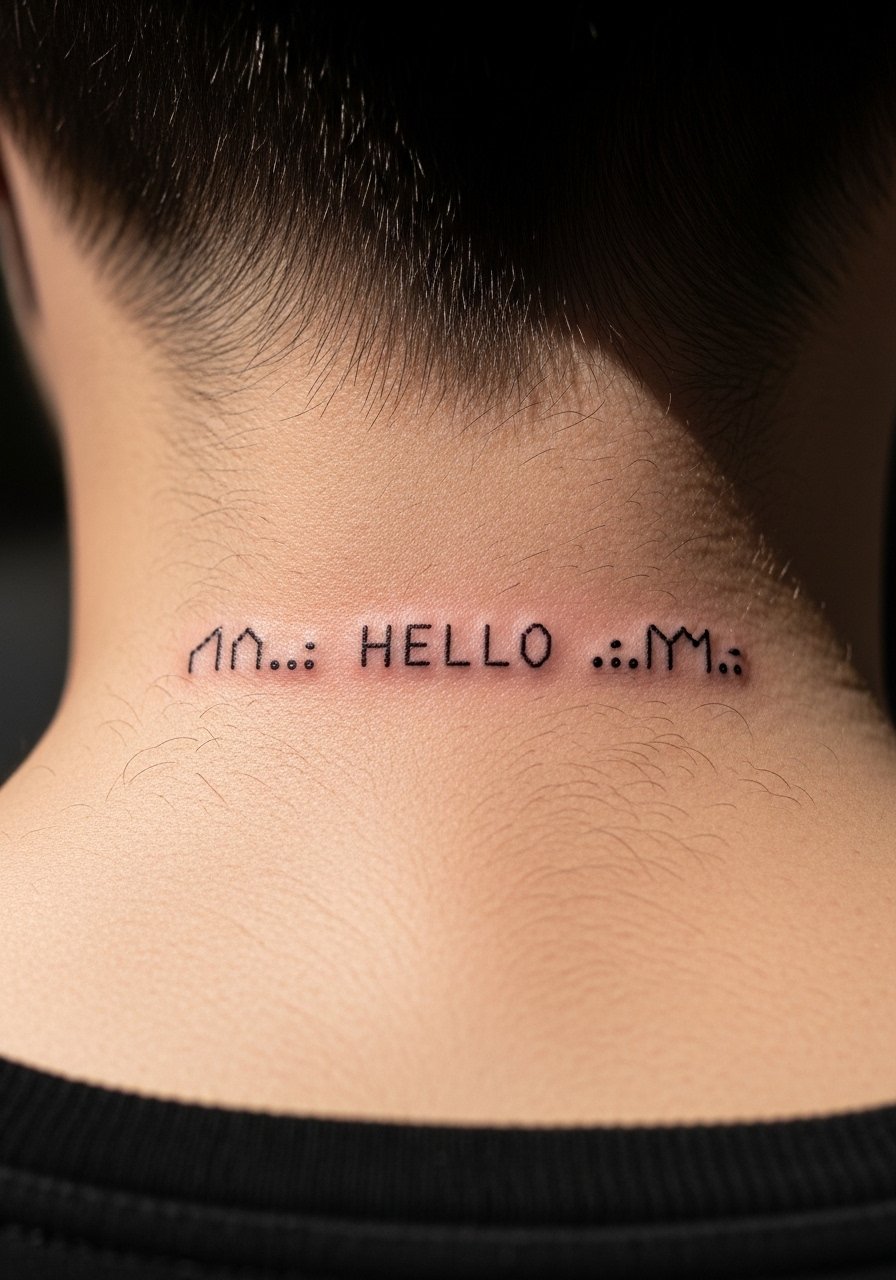
Consultation lead: when a tattoo includes text or encoded messages like morse code, specify exact characters so the artist can stencil accurately. This piece works because dots and dashes have small, readable shapes that age predictably. Sessions are short and pain is mild to moderate. A common mistake is wanting ultra-tiny dots that heal into smudges. Ask for slightly larger dots than you think you need. Touch-ups are usually at year three if any elements soften. Sensitive placement note: hairline placement may be rubbed by scarves, so protect the area during healing.
15. Fine Line Floral Chain Across Collarline
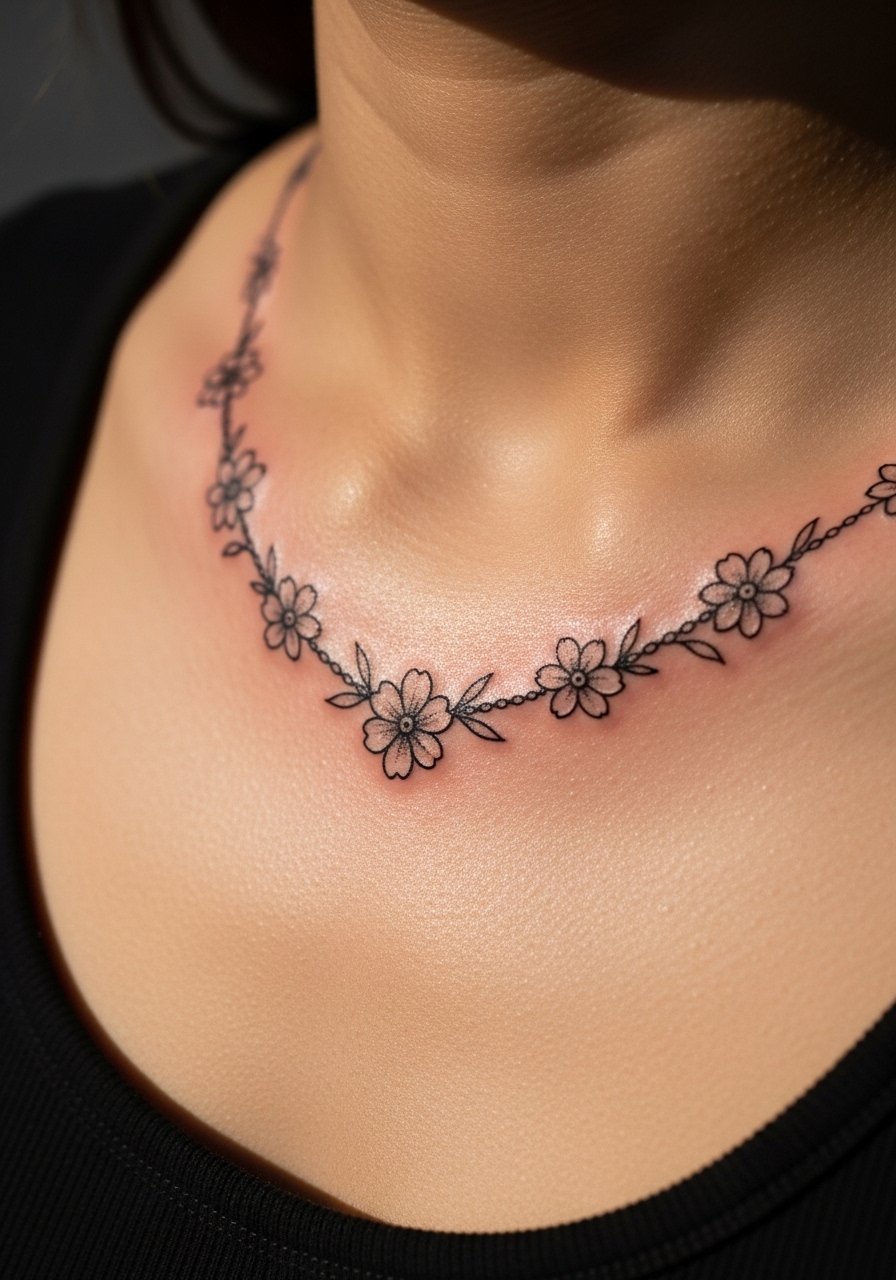
Visual impact lead: a floral chain that follows the collarline reads like delicate jewelry and photographs well. Tell your artist you want clear spacing between each bloom and minimal leaf fill to avoid clouding later. Sessions for a small chain often take 60 to 120 minutes. Pain is moderate because parts of the collarline rest near bone. The usual mistake is overfilling flowers which creates a blur as the neck moves. Expect a touch-up at two to three years to freshen outlines. Sensitive placement note: collarline pieces are visible in swimwear and open necklines, so keep that in mind.
Tattoo Prep and Aftercare Essentials
Below are practical items I suggest for getting a neck tattoo and keeping it healed. I learned these from visits to five shops across Brooklyn and conversations with artists who specialize in fine line work. The list focuses on gentle, non-irritating products and protective coverings that make neck healing less fussy.
Fragrance-free gentle foaming cleanser. Use to remove sweat and oil twice a day during the first week. A gentle foam gets into tiny hairline nooks without harsh rubbing.
Lightweight fragrance-free balm for tattoo aftercare. Apply a thin layer for the first five to seven days to keep the area hydrated and prevent heavy scabbing.
Medical-grade second skin bandage, small sheets. Helpful for the first 24 hours if your artist recommends occlusion, especially on necks that rub against collars.
Breathable silk neck scarf for protection while healing. Wear loosely over the tattoo when heading outdoors to reduce friction and sun exposure.
Reusable ice pack with soft cover for immediate swelling control. Use in short intervals the first few hours to reduce swelling and discomfort.
Hypoallergenic adhesive tape strips, small width. Keep a few strips to secure a thin barrier or to hold a loose scarf away from the healing site.
Aquaphor Healing Ointment. A familiar choice for heavy occlusive care. Use sparingly and only if your artist recommends occlusion, because it can trap moisture if overapplied.
Fragrance-free broad-spectrum sunscreen, high SPF. Once healed, sunscreen is the single most important step to preserve linework and saturation on exposed neck tattoos.
Every tattoo is different. Always follow your artist's specific aftercare instructions. Consult a dermatologist if you have skin concerns or unusual healing issues.
Frequently Asked Questions
Q: Will fine line neck tattoos blur faster than traditional work?
A: From what I have seen, fine line on neck skin can blur sooner because the area moves a lot and the skin is thinner. Ask your artist to use slightly thicker linework and to show healed examples on neck placements. A realistic expectation is a possible touch-up at two to three years, depending on sun exposure and aftercare.
Q: How painful is a neck tattoo compared to other placements?
A: Pain varies by exact spot, but neck tattoos generally rate moderate to high because of thin skin and proximity to nerve endings and bone. Areas at the base of the neck and under the chin often feel sharper. Plan short sessions and breaks if you are sensitive.
Q: Do different neck placements need different aftercare?
A: Yes, spots that rub against collars or get hair contact need extra protection in the first week. Nape pieces can often be covered by hair while healing, and front-throat pieces need careful sun avoidance. Use gentle cleansers and lightweight balms as recommended in the shopping list.
Q: How visible are neck tattoos for professional settings?
A: Visibility depends on placement and wardrobe. Side and lower-nape pieces are easier to hide with hair and high collars. Front throat and under-chin work are harder to conceal. Consider your job plans and discuss visibility during the design phase.
Q: What is the realistic touch-up timeline for small neck pieces?
A: Expect a first touch-up between one and three years for most fine neck work to restore crispness. Some people need one earlier if they have more sun exposure or if the piece sits over a high-motion zone. Ask your artist about their typical touch-up timing.
Q: Where should I look to find an artist who does fine neck work well?
A: Search local shop portfolios, attend regional conventions, browse curated flash nights, and read community threads on forums and subreddits to see healed neck examples. Look specifically for healed photos of neck placements and ask about the artist's touch-up policy during consultation.