Someone I know booked a fine line shoulder mandala and then had to reschedule twice when the artist ghosted her, so I learned to plan backups. I have also seen fresh shoulder linework fade after a single summer at the beach, and a rose warp after weight loss. Read on for shoulder tattoo ideas that factor in fading, stretch and flaky bookings, plus what to tell an artist to keep the ink honest.
1. Fine line floral mandala on upper shoulder

Someone I know first noticed this design on a friend and booked it for the way it wraps with the shoulder curve. Ask your artist to space the petals slightly wider than usual so single needle thin lines do not fuse as they age. Fine line fans and bold line advocates argue about longevity. One camp accepts subtle fading as part of the look. The other insists on stronger contour lines for shoulders that get sun. Expect a touch-up at six to twelve months if you spend time outdoors. Pain sits around medium for the cap, and sessions usually last under two hours.
2. Neo-traditional rose with banner on front shoulder
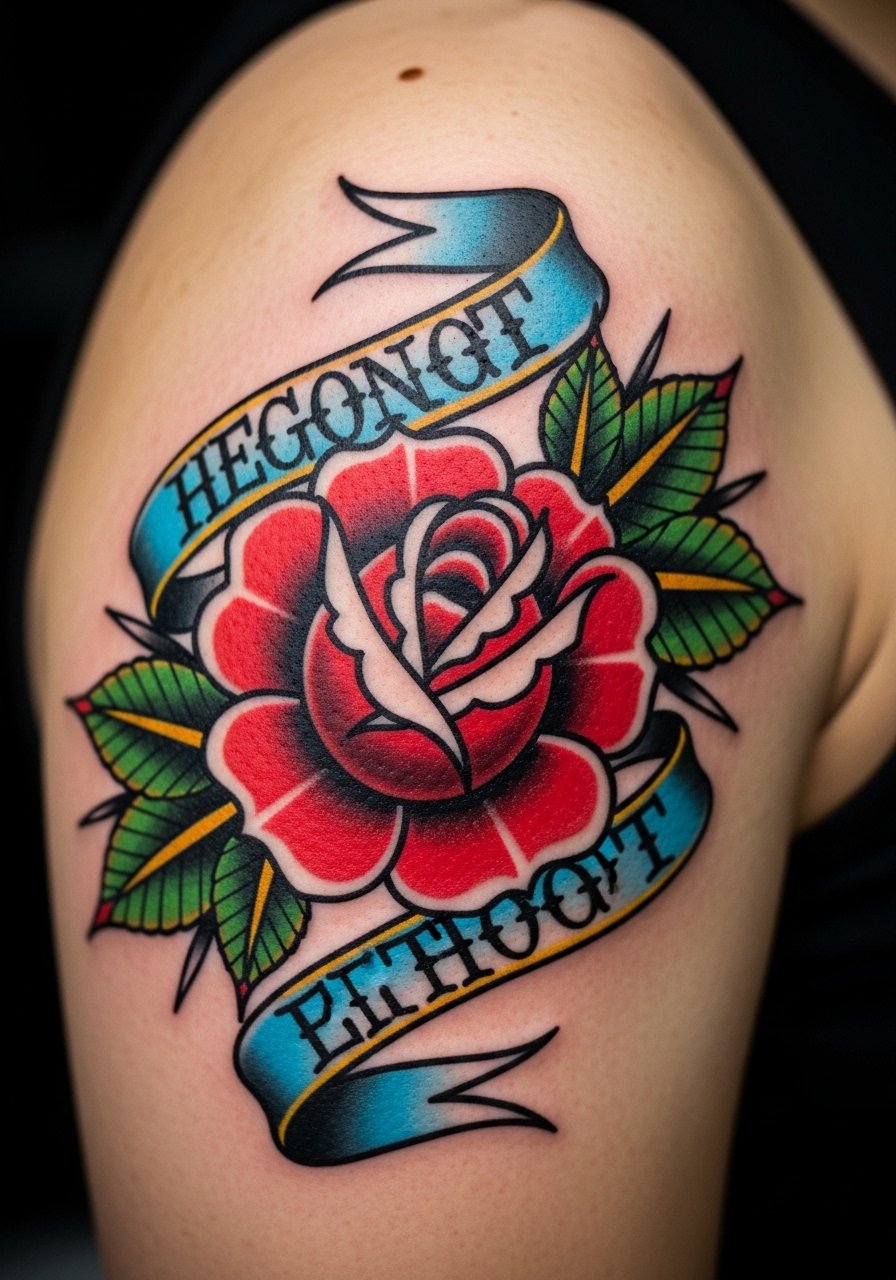
Visual impact leads here. Bold black outlines and saturated fills help the piece read from a distance. Tell the artist you want heavier outer linework and stipple shading inside the petals rather than faint hatch strokes. A common mistake is asking for micro details inside each petal, which can blur on the rounded shoulder cap. Pain is medium and the session often splits into two sittings for color saturation and healing. If you plan sleeve expansion later, request placement that allows ribbon tails to curve into the chest or upper arm.
3. Minimalist butterfly silhouette on back shoulder blade
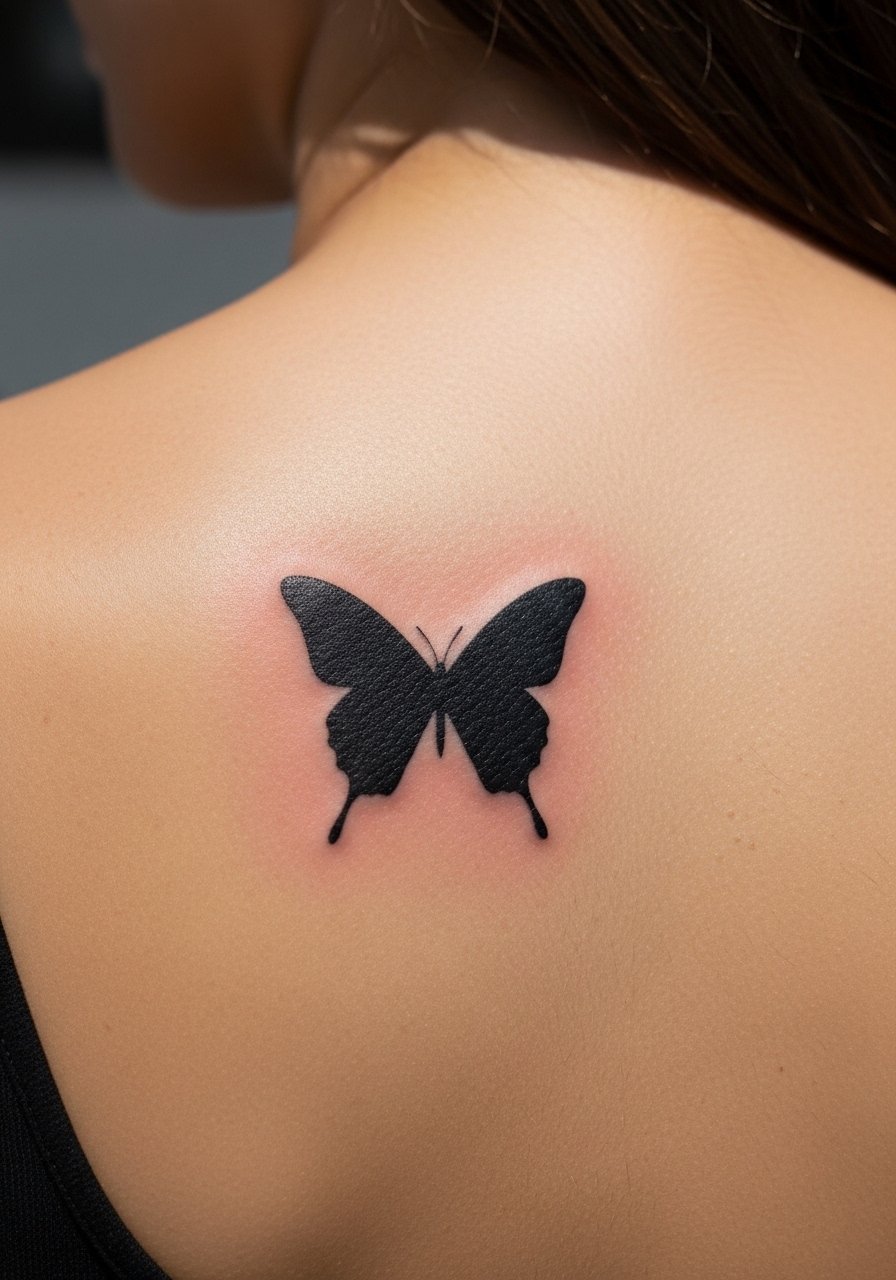
Aging and concealability make this a smart beginner pick. The scapula stays relatively protected from sun and gym friction so single-session pieces usually keep crisp linework longer. When you consult, bring photos showing the exact wing angle and scale, because tiny shifts change the silhouette dramatically. The main mistake is going too tiny, which risks loss of shape over a few years. Pain is low to medium and most artists recommend a single touch-up only if you notice line thinning at six to twelve months.
4. Watercolor peony bouquet cascading from shoulder cap

Most watercolor tattoos age differently than packed color. One useful trick is to ask for faint black anchors or soft outlines behind the washes so the design keeps definition as pigments settle. Artists split on aftercare for watercolor. Some prefer occlusive bandaging early, while others choose light moisturizers. Plan for two to three sessions for layering, and expect slightly more frequent touch-ups than with dense blackwork. If you have darker skin, request color tests and deeper saturation so the painterly fades still read without appearing patchy.
5. Blackwork geometric sun on outer shoulder

There is something about solid black saturation that holds up on shoulders that see sun and movement. Tell the artist you want crisp negative space and heavy saturation rather than thin lines. The biggest mistake is undersized geometry, which can cause blowout or loss of contrast as the skin shifts. Pain is medium and a single dense session often achieves the look. For darker tones, saturated blackwork usually reads best. If you plan to expand into a sleeve, line placement should account for future flow across the biceps.
6. Micro-realism portrait of a loved one on inner shoulder

When you sit down for this, bring several high-resolution reference photos and ask the artist how they plan depth and contrast. Realism on curved, moving skin behaves differently than on flat areas, so expect the artist to recommend multiple short sessions to lock in saturation without overworking. A frequent error is requesting ultra-small portraits under three inches, which lose facial nuance over time. Pain is medium to high for the inner shoulder and touch-ups at one year are common to restore midtones and soft shadows.
7. Traditional anchor with ribbon on shoulder cap

Visual impact lead applies here again because American traditional reads well with strong contouring. Tell the artist you want bold crowning lines and block color fills so the ribbon text remains legible after healing. Avoid asking for tiny script inside the ribbon unless the letter size is tested on healed skin. The shoulder cap handles this style well and usually needs a single session. Expect medium pain and long-term resilience, which makes this style a good starter for collectors who plan future chest or arm work.
8. Ornamental henna-style lotus on back shoulder

Consultation lead fits this one. When you meet the artist, show how you want the pattern to align with bra straps or clothing seams so the motif stays balanced. A lot of clients pick overly dense line patterns that end up looking muddy after a couple of years. Ask for breathing room in the design and a mix of stipple shading and dot work to keep the pattern readable. Pain is low to medium on the back shoulder and most work completes in two sessions for symmetry checks and final touch-ups.
9. Ignorant style abstract waves wrapping shoulder
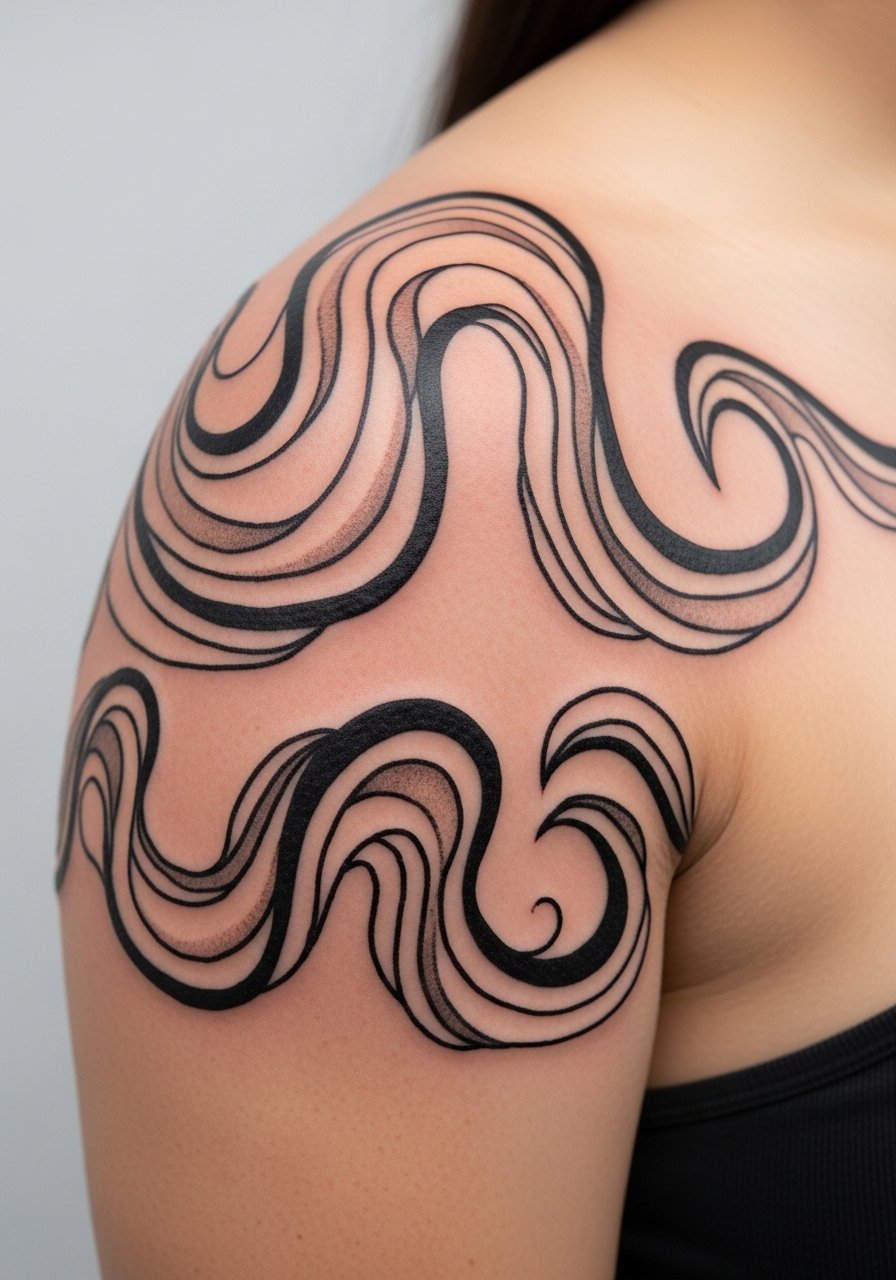
Mistake lead here. The biggest error with ignorant style is treating it like a tiny flash and not giving lines room to breathe when they wrap the muscle. Because the deltoid moves a lot, ask the artist to sketch the wrap while your arm moves so curves land where they should. This style is forgiving of minor blowout, but plan for a simple touch-up if lines soften after heavy lifting or weight shifts. Sessions are short and pain is usually moderate. It is low-commitment visually while still fun for seasonal sleeves.
10. Black and gray realism feather fading into birds on back shoulder

Aging lead fits this piece because gradients and soft shading show changes over time. Ask your artist to stack darker base saturation under the feather so the transitions stay visible after a year. A common misstep is asking for ultra-fine feather filaments that vanish once the skin settles. This design often needs two to three sessions to build depth and to prevent patchy fading. Pain ranges medium at the shoulder and a single touch-up one year in is standard to refresh midtone gradients.
Tattoo Prep and Aftercare Essentials
When I help friends plan shoulder work I always bring up the Saniderm versus dry healing debate. One camp prefers occlusive dressings for a cleaner week and faster re-bandage routines. The other camp worries about trapped moisture and irritation. I suggest a short occlusion period for shoulders that sweat a lot, then switching to a lightweight balm so pores do not clog. Avoid heavy lotions day one and keep sun exposure minimal for the first two weeks. If you train at the gym, bring loose clothing and delay overhead presses for ten to fourteen days so scabs do not rub.
Shopping list
Healing and short-term care
CeraVe Healing Ointment. A non-greasy moisture option that forum users praise for shoulder curves. Apply thin layers during the first few days after removing initial bandaging, especially where fabric rubs.
Australian Tattoo Goo. Fast-absorbing balm recommended for dry climates and darker skin tones to reduce shine while keeping pigment hydrated.
fragrance-free gentle foaming cleanser. Use for daily cleansing to remove sweat and oil without stripping new ink.
Pre-appointment prep
medical-grade occlusive bandage roll. Useful for artists who use wrap-on techniques or if you sweat under shirts post-session.
Saniderm adhesive dressing. Only mention this as the single occlusive product I recommend for short-term use. Follow the artist timeline for removal to avoid maceration.
Long-term maintenance
Green Sheep Balm. Natural ingredient balm some artists prefer for sensitive skin and to keep saturation lively after the initial healing.
Hada+Labo+lotion&tag=inkalerts-20. Lightweight hydration after bandage removal, no residue for layered coloring and post-Saniderm moisture.
lightweight fragrance-free balm. Keep one in rotation for days you need moisture without shine.
Every tattoo is different. Always follow your artist's specific aftercare instructions. Consult a dermatologist if you have skin concerns or unusual healing issues.
Frequently Asked Questions
Q: How do I avoid my fine line shoulder mandala fading quickly?
A: Avoid heavy sun exposure for the first two weeks and use a physical SPF once healed. Ask the artist to add slightly stronger outer linework during the consultation so the design keeps contrast. Plan a touch-up around six to twelve months if you are often outdoors.
Q: Will a shoulder tattoo distort if I gain or lose weight?
A: It depends on placement and size. Smaller pieces under four inches keep shape better on the deltoid. For larger wraps, talk to the artist about seam lines and placements that align with muscle rather than stretching zones.
Q: Do watercolor shoulder tattoos need different aftercare than blackwork?
A: Yes, watercolor tends to rely on softer saturation and may need gentler early moisturization. Many artists suggest a brief occlusive stage followed by a lightweight lotion or balm to avoid patchy fading. Test patches and artist guidance help find the right balance.
Q: What should I say during a micro-realism portrait consult to get a true likeness?
A: Bring several clear reference photos and ask the artist how they plan to build contrast on curved skin. Discuss session splits for shading and set a realistic touch-up window so midtones can be refreshed after healing.
Q: Is Saniderm safe for shoulder tattoos that sweat under clothing?
A: From what I have gathered, short-term use of an adhesive dressing can protect against sweat, but removal timing matters. Follow the artist's schedule and watch for irritation. If you have sensitive skin, mention that before the artist applies any occlusive product.
Q: How often will a blackwork geometric sun need touch-ups compared with a watercolor peony?
A: Blackwork usually keeps contrast longer because of dense saturation, so touch-ups tend to be less frequent. Watercolor often requires earlier refreshes to maintain painterly fades. Plan touch-ups based on your sun exposure and skin response.
Q: Where can I find artists who specialize in these shoulder styles?
A: Use hashtags like #FineLineShoulder and #ShoulderTattooWomen on Instagram to scroll style-specific portfolios. Check Tattoodo and Booksy for bookable guest spots, and post in r/tattoos if you want peer suggestions from your city.