
Someone I know got fine line music notes on their wrist and they blurred into a gray smudge inside a year. Another friend had a consult ghosted twice and finally booked via a convention guest spot. Prices jumped while we waited. This list focuses on 10 music related tattoos that work well for first timers, with practical notes on placement, aging, and what to tell your artist so you actually like the result.
1. Treble Clef with Cascading Notes on the Wrist
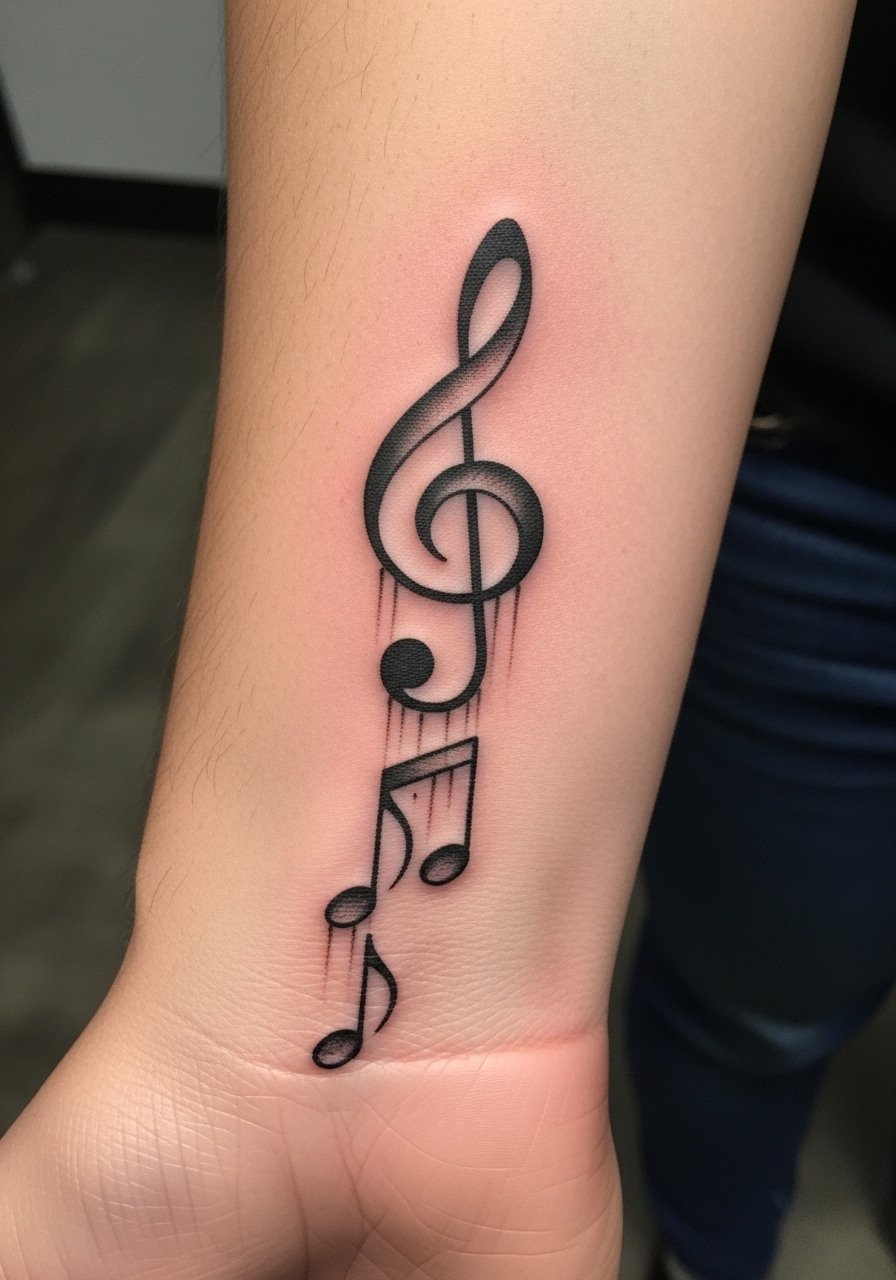
Someone I know first noticed this on a friend and asked for the same scale of detail. Fair warning, the wrist moves a lot so fine line can fade fast there. If you want the delicate look but better longevity, ask for slightly thicker linework and a small outline around the notes. Tell the artist the exact song if you want notes to match a melody, or bring a simple flash reference. Expect one short session that stings more than a forearm spot. Common mistake is asking for ultra-thin lines on the wrist and then wondering why it blurred. Plan for a touch-up around year one to two if you use thin lines.
2. Soundwave of a Favorite Song on the Inner Bicep

Most people pick soundwave for its private meaning. Artists split on fine line soundwaves. One camp says fine line holds if spacing and depth are right. The other camp warns that shallow linework on soft skin blurs within two years. When booking, bring the original audio file and ask how they verify the waveform match. Placement on the inner bicep moves less than the wrist so it keeps detail longer. Session time is usually short. A real mistake is scaling the waveform too small so the peaks merge later. Expect touch-up options if the peaks soften after six months.
3. Micro Music Staff on a Finger

Finger tattoos are discreet and festival-friendly, but they live in a high-friction zone. The short session feels like a sharp vibration more than a deep ache. Tell your artist you understand fingers need bolder spacing and stronger linework than you might want visually. The common version that ages poorly is ultra-fine staff lines with tight note spacing. If you plan to work with your hands, expect touch-ups as early as six months. Also remember some shops treat hand and finger work as specialized so ask about booking policies and deposit rules before you commit.
4. Guitar Neck Wrapping the Forearm

When you want a piece that looks like you could actually play it, contour the neck to the forearm curve. I saw a sleeve like this that still looked crisp after two years because the artist left breathing room around frets and used bold shadow for saturation. Forearm placement is forgiving for detail and reads well from across a room. Tell your artist how much realism you want, and whether you want the headstock visible when your arm is relaxed. The session is moderate in length and can be split into two. A common mistake is mapping a long neck too close to the inner-elbow crease where blowout risk rises.
5. Vintage Vinyl Record with Needle Drop on the Thigh
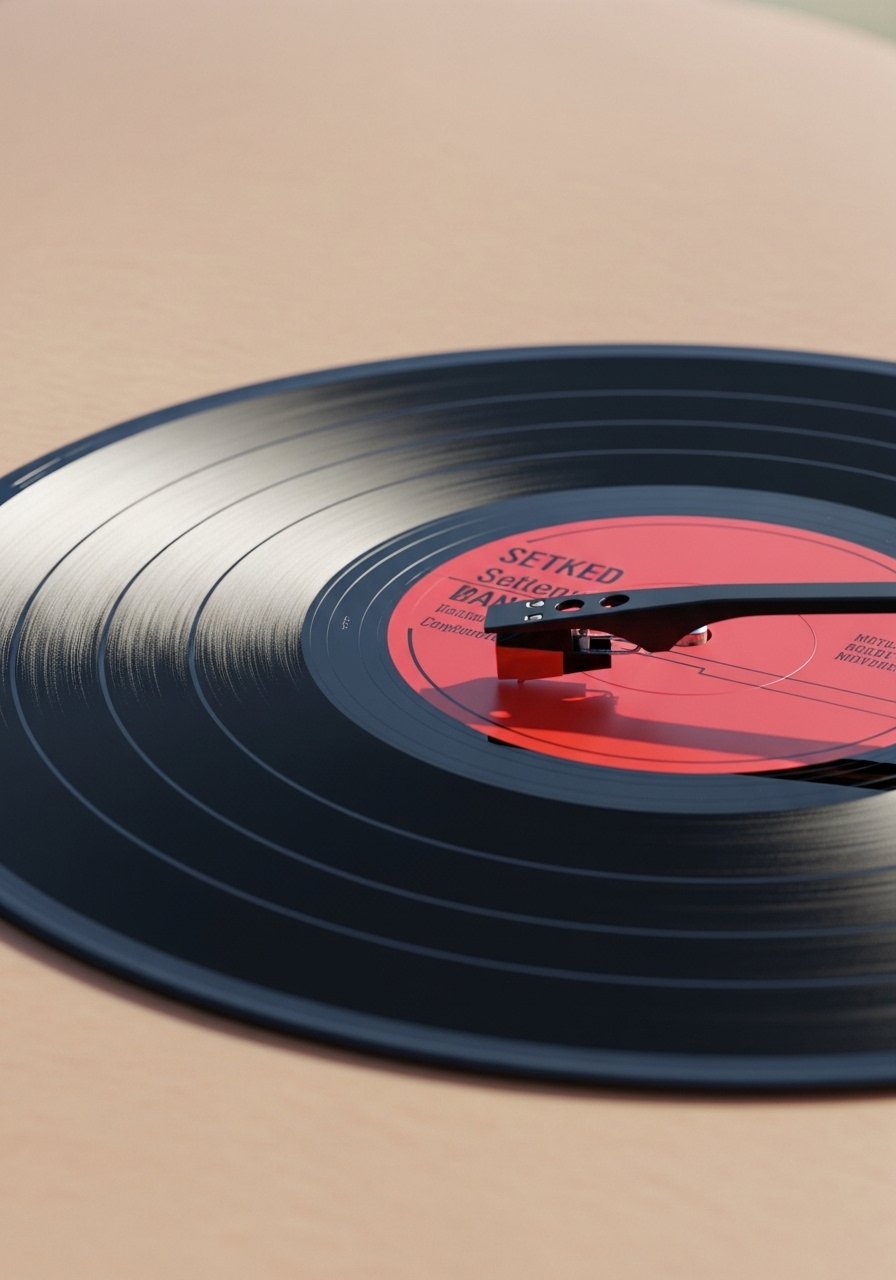
If you like analog aesthetics, a vinyl motif on the thigh or shoulder reads well and hides during dress codes. This design holds up because bold outlines and saturated black protect the record grooves from looking muddy over time. Ask for the label to be slightly larger than you think so the portrait details do not compress as the skin ages. Thigh placement is low pain and good for medium sessions. People regret tiny, overly detailed labels that blur into a dark circle. Expect color retention to vary and plan sunscreen once healed.
6. Headphones Draped over a Cassette on the Upper Arm

This design nods to portable music history and reads clearly on an upper arm. Upper arm flesh takes saturation well so color or blackwork both work. Tell your artist whether you want a worn cassette look or clean line art. Sessions usually run mid-length and feel moderate on pain. A common mistake is overcomplicating the cassette label with tiny text that loses legibility. For darker skin tones, request higher contrast and bold outlines to keep colors visible in photos and in person.
7. Lyric Script in a Handwritten Font on the Collarbone

Rib and collarbone scripts have different pain and visibility tradeoffs. The collarbone is visible and can hurt more than the forearm because the needle hits near bone. Bring the exact line and the font reference so the artist copies the rhythm of the handwriting. A common mistake is ordering tiny script that merges when the skin stretches. Test the size with a temporary tattoo first. If your lyric has cultural weight, be mindful of phrasing and context. Expect a single session but be prepared to book a touch-up if letters blur.
8. Piano Keys Running Down the Ribcage
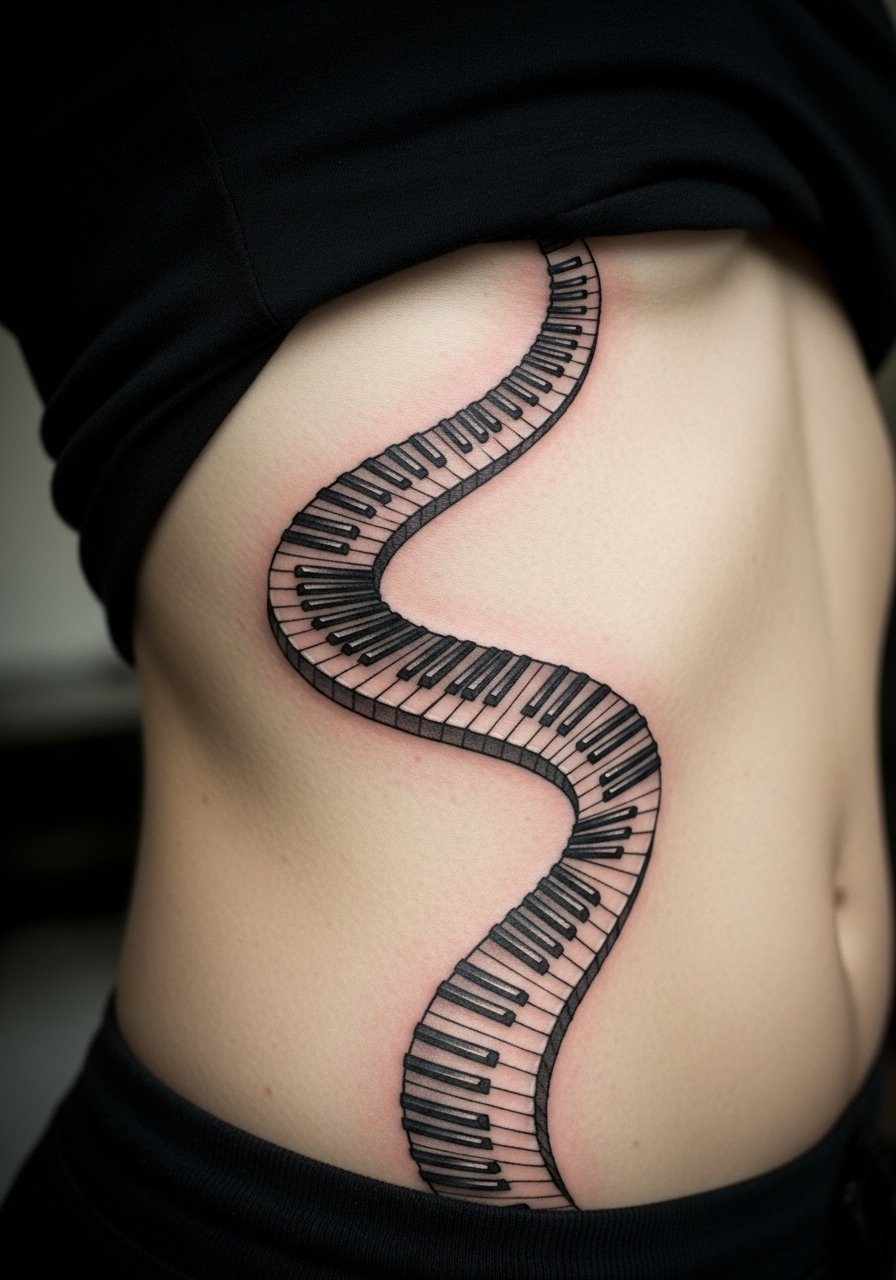
Fair warning, ribs tend to rate high on most pain charts. The result can feel worth it because the keys move with breathing and make the tattoo feel alive. Artists I talk to split on fine line on ribs, the debate centers on how much the skin stretches and how deep to set the ink. If you choose this, ask for bold key outlines and consider partial blackwork between keys for longevity. Sessions are longer and may need multiple visits. People often underestimate how much the design will stretch with weight changes so map the keys with your artist while standing and sitting.
9. Geometric Album Prism on the Forearm

Geometric album art reads well on forearms because the shape follows arm length and looks good in short sleeves. The trick is keeping line spacing wide enough so colors do not muddy together as the piece ages. Ask your artist for crisp negative space and steady stipple shading for transitions. Sessions typically split into outline then fill. A common mistake is shrinking album elements to fit into a small patch and losing the prism effect. For darker skin tones, push for heavier contrast and consider black anchors to keep the design visible.
10. Drum Set with Splattered Paint Effect on the Calf

Drummers often want energetic, live-show looks and the calf is a great canvas that flexes less than the forearm. Watercolor effects can look fantastic fresh and then soften over time. If you want lasting impact, ask for a black or dark gray backbone under the color fields. The calf session feels moderate and you can usually sit through a longer block. A common regret is choosing only soft watercolor without an underlying structure, which can make the piece look like a smudge after a few years. Plan on touch-ups for color refresh in year two to three.
Tattoo Prep and Aftercare Essentials

Healing is where most tattoos live or die. Below are practical products and when to use them. I pulled these choices from conversations on forums and artist recs across a few cities. Remember skin type matters so read labels and patch-test new balms.
Healing and short-term care
- InkHeal thin fragrance-free balm for tattoos. Thinner feel than heavy ointments so it is less likely to clog pores on fine line notes. Use light layers days 3 to 14 when the scabs start to form.
- Tattoo Goo Ultra Balm. Good for blackwork saturation and areas that want low shine. Apply sparingly after the initial dry phase.
- H2Ocean Tattoo Aftercare Spray. Saline-style spray that keeps soundwave and micro work from feeling dry. Use it instead of lotions during the first week when instructed.
Pre-appointment prep
- Fragrance-free gentle foaming cleanser. Use this the night before and the morning of your session to remove lotions and perfumes that can interfere with ink adherence.
- Medical-grade second skin bandage, single rolls or patches. For ribs or any spot you want extra protection in the first 24 to 72 hours.
Long-term maintenance
- Recovery Ink protective patch packs. Breathable second-skin for spots that rub against clothing, useful on ribs and collarbones during activity.
- Broad-spectrum mineral sunscreen SPF 30. Apply after healing whenever tattooed skin sees sun to slow fading.
One mainstream product has come up in debates and some artists recommend it for specific scenarios. If you want an occlusive option for color pieces, research single-use second-skin like Saniderm before you book.
Every tattoo is different. Always follow your artist's specific aftercare instructions. Consult a dermatologist if you have skin concerns or unusual healing issues.
Frequently Asked Questions
Q: Will fine line music notes blur if I get a full sleeve of them?
A: Fine line across a sleeve can blur where skin creases and rubs. It depends on spacing, depth, and the artist's lineweight choices. If you want a sleeve, ask for varied lineweights and strategic negative space so the melody reads even as tiny lines soften.
Q: Do soundwave tattoos from a phone audio file need proof the shop matched the clip?
A: Yes, ask how the artist verifies the waveform. Some studios export a screenshot of the waveform from your file and match it to the stencil. Demand that verification up front to avoid mismatches and check shop policies on audio-to-stencil services.
Q: What aftercare method should I pick, occlusive or dry healing?
A: Artists split into two camps. One camp favors occlusive options like second skin for faster sealing and fewer daily reapplications. The other camp prefers dry healing and minimal covering to let scabs form naturally. I suggest discussing both with the artist and picking the approach they use most successfully, then following their timeline.
Q: How much should I expect to pay for a small lyric or micro staff?
A: Prices vary by city, but a reasonable range for small script or micro staff typically lands around 100 to 400 depending on detail and shop minimum. Walk-in flash sheets can be cheaper, while custom fonts and exact matching can push you toward the higher end.
Q: Will color work on darker skin tones for music note tattoos?
A: Color can work but it needs higher contrast and often bolder outlines to stay visible in photos. For colored notes on melanated skin, request stronger saturation, anchor blacks, and consult portfolios showing healed color on similar tones before booking.
Q: My artist canceled after a deposit. What's a practical next step for first timers?
A: Use discovery pathways like convention guest lists, Tattoodo filters, and weekly r/tattoos threads to find alternatives quickly. Booking platforms like Booksy sometimes list guest spots. Keep communication professional and get cancellation policies in writing to avoid repeated rescheduling.