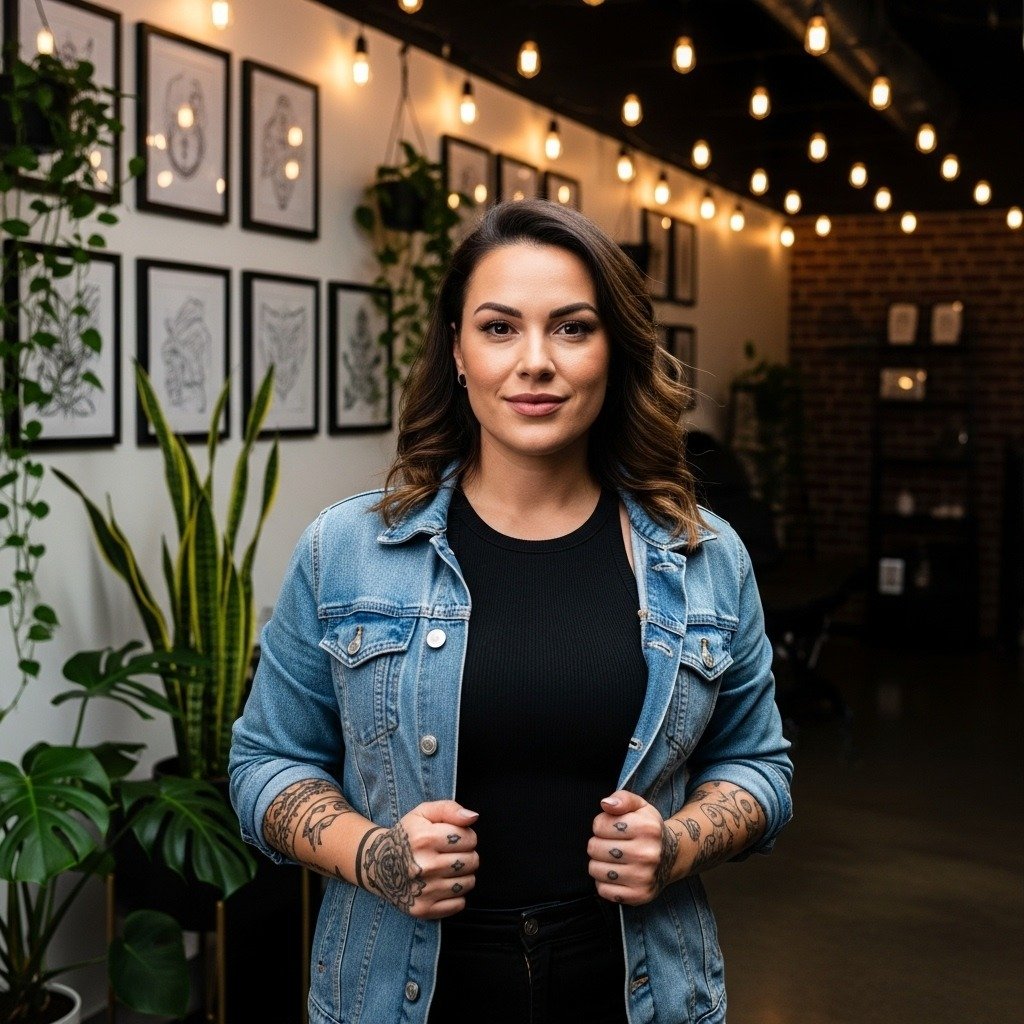
Fine-line birth flowers look effortless online, but small botanical pieces that still read clean after five years usually started with sensible spacing and slightly heavier linework. If you want a tiny violet or a wrist daffodil that keeps its shape, plan size, contrast, and placement before booking. The sections below map one month to a few design directions, session realities, and wardrobe tips so the tattoo you get now still reads like the tattoo you meant.
1. February Violet + Primrose, Fine Line Pairing
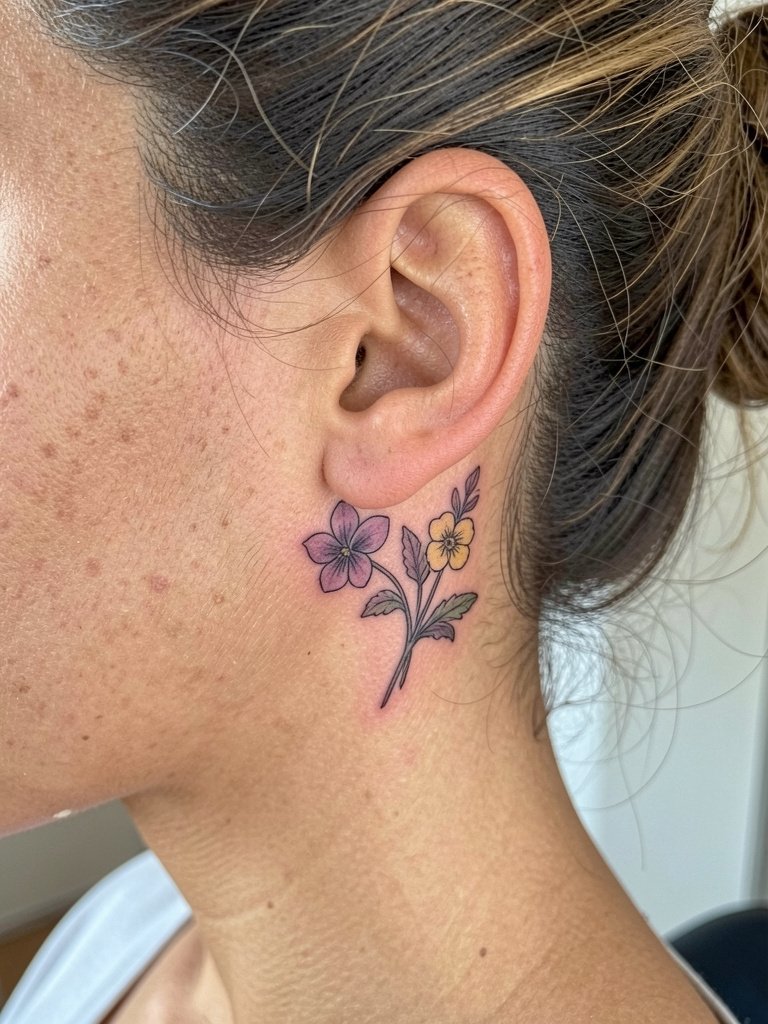
A paired violet and primrose behind the ear reads as a small set rather than two separate icons. Recommend slightly heavier single-needle linework than the thinnest Instagram samples so the tiny petals keep definition after a year. Common mistake is packing too many tiny petals into a tiny space, which softens into a blur as the ink settles. For the session wear a hair clip so the artist can work with the hair up, and bring a reference photo of the exact purple tone you want. The area is low on pain and high on friction from hair, so expect a touch-up by year two on the color.
2. March Daffodil, Minimalist Outline on the Ankle

A daffodil as a single-stem outline works well on the ankle because the form sits against a clean plane and does not fight shoe straps. Ask for a slightly thicker outline than you would on the wrist, the ankle has more movement and thin strokes can fade into thin ghost lines. The session is short for a small ankle piece and the main session discomfort comes from bone proximity when the artist nears the malleolus. Show-off styling: cropped jeans and strappy sandals frame this placement, try strappy sandals for warm-weather wear.
3. April Sweet Pea, Watercolor Accent on the Forearm
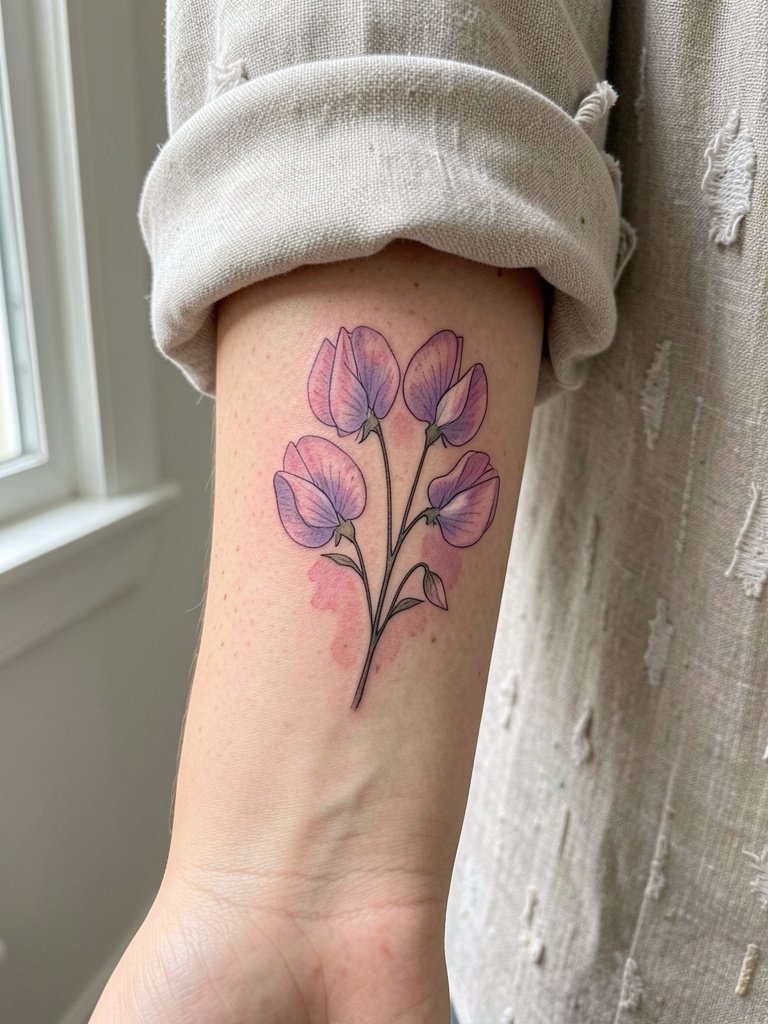
Sweet pea translates well into a small forearm bouquet with color accents because the forearm gives the design length and breathing room. Request that the watercolor sits behind clear linework rather than inside it, so the color can fade softly while the contour remains readable. A common mistake is saturating pastel tones without a supporting outline on mid-tone skin, which can look washed out later. Session feel is steady, the inner forearm is moderate on pain. For showing the piece, sleeves rolled to mid-forearm work best. Consider pairing with a linen button-down for casual outfits.
4. May Lily of the Valley, Tiny Memorial Stem on the Wrist
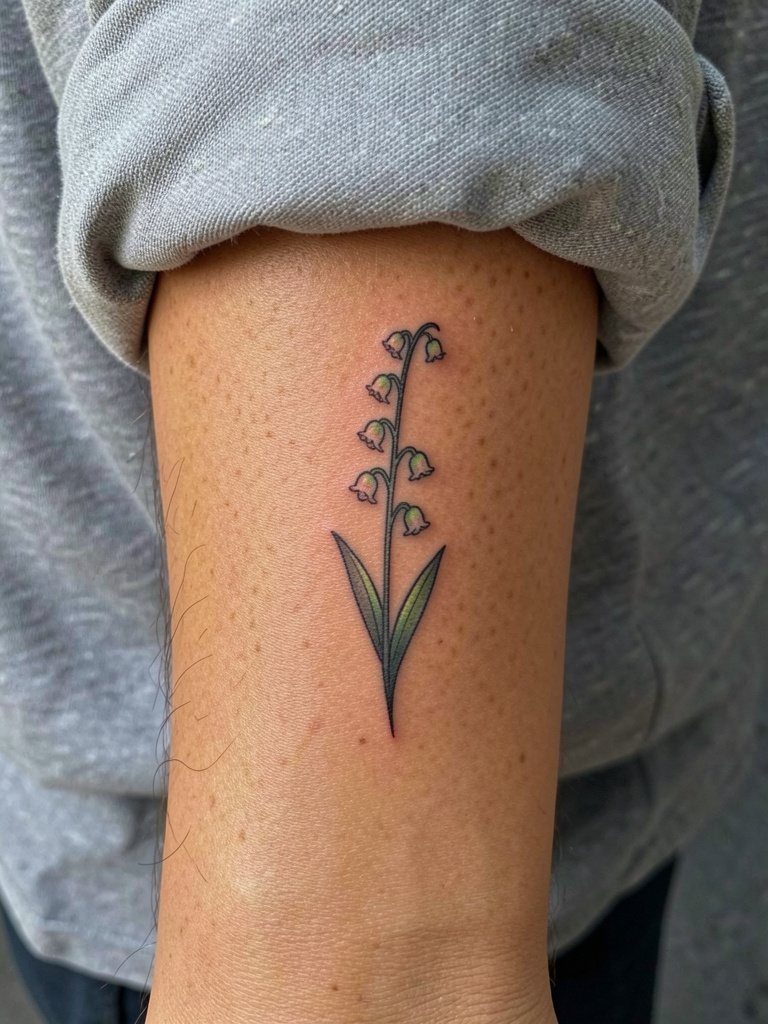
Lily of the valley is a classic choice for remembrance because its shape reads well even at small sizes. Make the bells fewer and slightly larger than botanical reference photos so the negative space survives healing. One mistake is asking for tiny internal details inside each bell, which fill in over time. The wrist sees lots of movement and washing, so expect a touch-up in the first year on very fine shading. For session comfort remove jewelry and wear a short-sleeve top. To style it publicly, a slim bracelet on the opposite wrist balances the visual weight without crowding the tattoo.
5. May Hawthorn Branch, Linear Forearm Sweep

A hawthorn branch makes a graceful linear piece that reads as one flowing element rather than separate blooms. For longevity, ask the artist to increase spacing between tiny petals and to avoid ultra-thin stemlets that disappear. Hawthorn can look busy if crammed; instead pick two bloom clusters and let negative space breathe. The session time is usually under two hours for a small forearm branch. For showing it off, neutral tanks and layered thin chains work well, try a thin chain necklace to keep the chest area simple so the forearm draws the eye.
6. June Rose, Micro-Realism on the Shoulder Blade

A micro-realism rose on the shoulder blade benefits from slightly stronger contrast in the first session because that contrast is what survives over time. If you want the rose to age cleanly, request a mix of stipple shading and modest linework rather than extremely thin contour lines. Discuss expected session length so you can plan a day without tight straps that rub the area. For visibility in summer, a scoop-neck top frames the shoulder blade nicely. Expect low blowout risk here compared with the wrist or fingers, and a touch-up after one to three years often refreshes saturation.
Studio Day Picks
The wrist, ankle, and forearm pieces above share session and healing needs, so these five items smooth chair-day logistics and the first week after ink.
- Stencil transfer paper kit. Lets you preview placement directly on skin so you can move a wrist or ankle piece an inch before the needle touches skin.
- Topical numbing cream. Applied about forty to sixty minutes before short sessions reduces sharp surface pain without interfering with line visibility.
- Thin protective film roll. Keeps ankle and wrist tattoos cleaner during the first days of friction from socks and watches.
- Fragrance-free body wash. Gentle cleansing during showers helps avoid irritation on new floral linework.
- Aquaphor healing ointment. A thin layer for the first two to three days locks in moisture for fine line pieces without clogging pores.
7. June Honeysuckle Vine, Ribcage Vertical

Honeysuckle works as a vertical ribcage piece because the body provides natural length and curvature. Fair warning, ribs are higher on most pain charts, so plan breaks and possibly numbing for comfort. For durability, ask for slightly bolder stems than a fine-line chest piece, because the ribs stretch with breathing and thin stems can blur. Artists split over super-fine work on ribs. One camp says the skin stretch blurs thin lines within two years. The other camp says with proper needle depth and slightly wider spacing it settles fine, and they point to healed photos to support that. If you want to show the vine occasionally, low-back tops and side cutout swimwear frame the area well.
8. July Larkspur Bouquet, Forearm Cluster with Gradient Color

Larkspur favors a small bouquet composition rather than a solitary bloom because the layered petals create reads with color. For longevity, pick at most three stems so the design does not become a mass of tiny edges. If you prefer the color-forward route, know that saturated blues and pinks need slightly larger petal shapes on medium and dark skin tones for contrast. The session feels moderate and often requires two short passes. Showing off a forearm bouquet works with rolled sleeves and neutral tanks. Consider a neutral tank top to let the color sing.
9. July Water Lily, Upper Arm Roundel

Water lilies ask for more space than a single-stem flower, so the upper arm is a practical placement for a round composition. One common oversight is shrinking the roundel too small, which causes petal overlaps and loss of center detail as it heals. For a water-themed palette, ask the artist to anchor the piece with a clean black contour that reads even if the color softens. Session time is longer than a wrist bloom but typically fits a single appointment. For summer visibility, wear a sleeveless tee or open-back top.
10. September Aster, Single-Stem Collarbone Accent
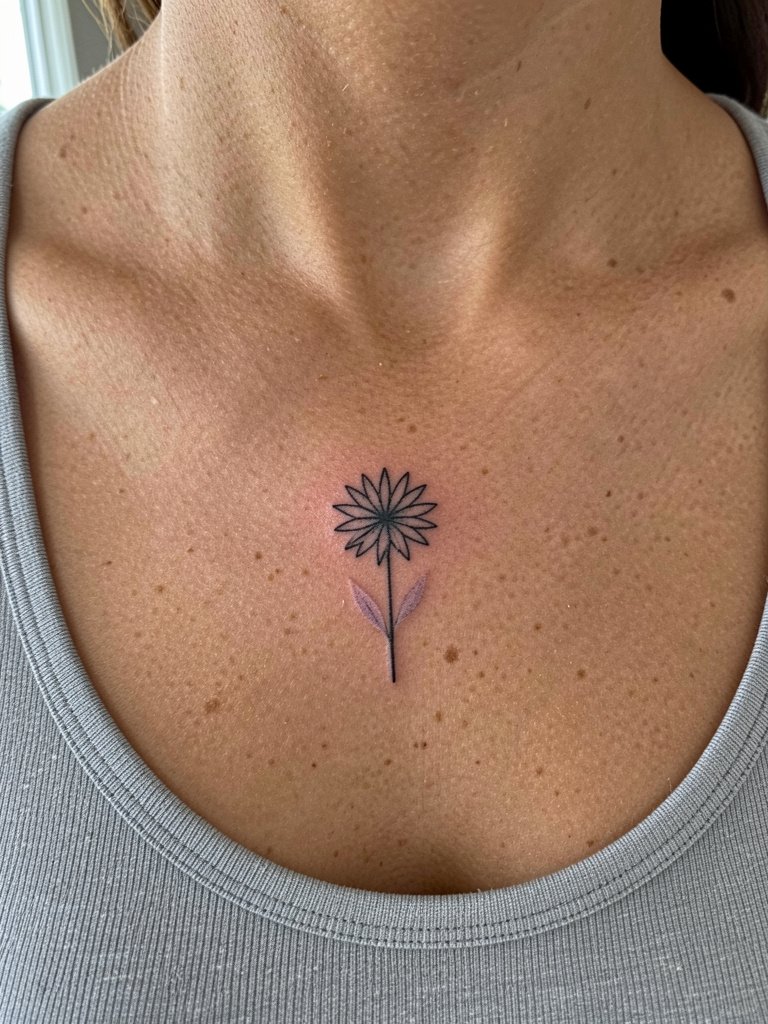
Aster is a good collarbone choice because the petals read horizontally across the bone line and create a light visual anchor for necklaces. When deciding color, understand the debate between color and black-and-grey. One camp prefers color because botanical hues instantly identify the month and make the image feel floral at first glance. The other camp favors black-and-grey because it ages in a more predictable way and avoids muddying on darker skin tones. For collarbone work, a clean outline with moderate negative space helps either choice hold up. Wear a delicate pendant or scoop-neck top to show it off.
11. October Marigold, Bold Color or Blackwork Cluster

Marigold can be approached in two clear styles, and the choice affects aging. Color-first marigold embraces the orange-gold palette that reads instantly, and many people choose it for seasonal clarity and immediate recognition. Blackwork marigold uses strong silhouette and negative space to make the form read even if color fades, which some clients prefer for longevity. If you lean color-first, ask for slightly larger petal shapes and denser saturation in the first pass. Outer bicep placement reduces daily rubbing and often needs only one touch-up in the first two years. For autumn outfits, marigold pairs well with warm-toned knits and a wide strap tank when you want to show it.
12. October Cosmos, Minimalist Wrist or Ankle

Cosmos reads as an airy option for wrists and ankles because of its open petal shapes. For wrists especially, avoid ultra-fine internal lines inside petals. Those lines tend to blur into one another in the first two years. Instead pick open petals and a clearer outline so the shape keeps its identity. Session comfort on the wrist ranges from easy to moderate depending on proximity to bone. For low-key styling choose slim bracelets on the opposite wrist or bare skin with a minimalist watch.
13. November Chrysanthemum, Ornamental Calf Piece
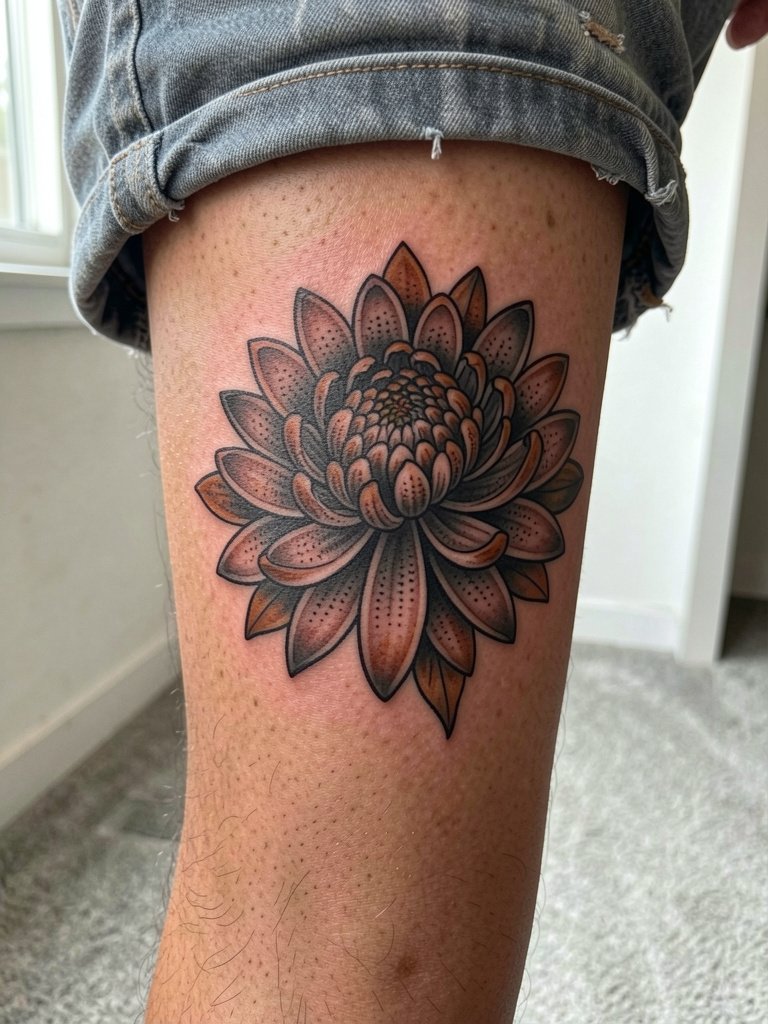
Chrysanthemum supports denser petal work, which can be great if you want an ornamental feel rather than a tiny token. The calf gives you a canvas to keep petal edges distinct, which helps the design avoid early merging. A common mistake is compressing too many petals into a narrow oval. For session planning, the calf is moderate in pain and often heals neatly because it does not see constant abrasion. For seasonal showing off, pair with shorts and ankle boots or a mid-calf skirt.
14. December Narcissus / Paperwhite, Negative Space Wrist

Paperwhite works well when the artist uses negative space to suggest white petals rather than using literal white ink. That approach ages more predictably across skin tones. The wrist and inner forearm expose the composition and allow the negative fields to read cleanly. If you want a memorial feel without heavy symbolism, keep the linework steady and understated. The session is short, and for showing the piece choose a scoop-neck or rolled sleeve top. Avoid tiny inner details that sit in the negative space because those are the first parts to soften.
15. Birth Flower Bouquet for Siblings, Mixed-Month Cluster
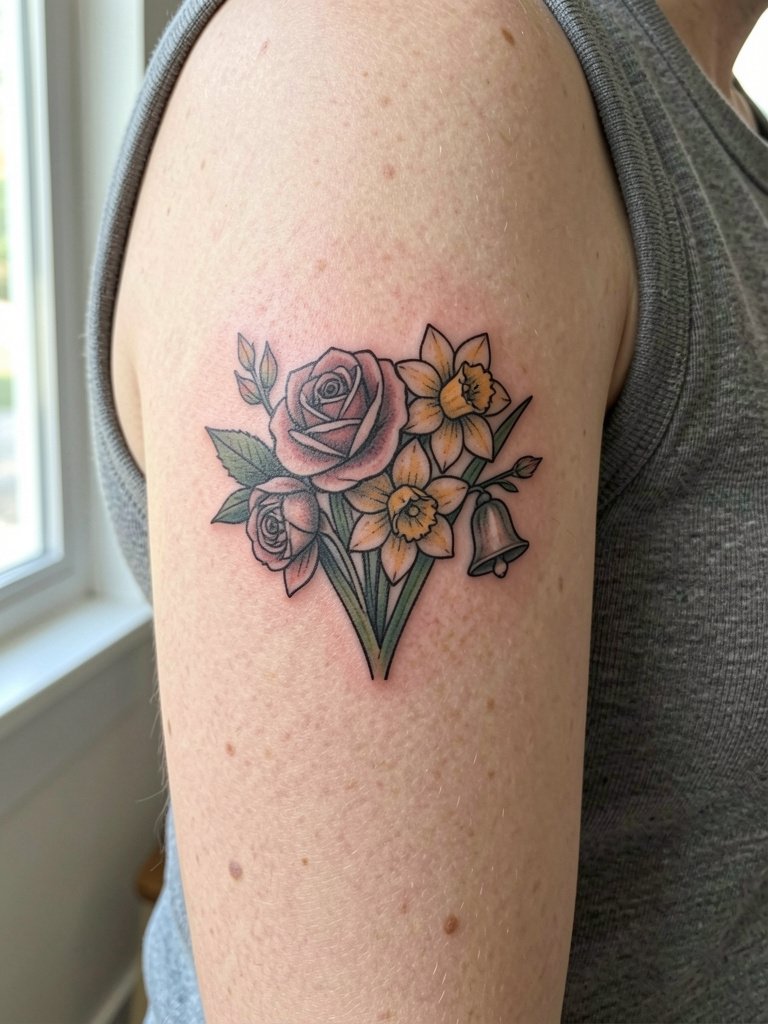
Combining family birth flowers into a single bouquet gives a cohesive composition and reduces the visual sense of a list. There is a debate here. One camp says a bouquet reads as a unified design and feels less like alphabetical labeling. The other camp says separate flowers preserve each birth month as its own symbol and avoid overcrowding. If you choose the bouquet route, plan negative space between stems and vary stem heights so each flower reads. The inner upper arm is forgiving, and sessions are comfortable. Wear a wide-armhole tank for easy access on appointment day, and for show-off pairing try a one shoulder top for warmer weather.
16. January Carnation, Neo-Traditional Wrist Panel

A neo-traditional carnation keeps its detail if you use bold outlines and flat color fills rather than tiny gradients. For wrists, outline-first designs hold up better than ultra-detailed micro-gradients. The mistake is asking for micro shading only inside many ruffled petals; that usually muddies. The session is quick but the wrist sees a lot of contact, so a protective film in the first days helps. For visible styling, slim bracelets on the opposite wrist and a minimal watch make the wrist feel curated without hiding the bloom.
17. February Alternative: Single Violet Finger Accent

Finger placements are tempting for tiny icons, but fingers are high friction and tiny details often fade fast. If you want a finger violet, request slightly heavier outline and minimal internal detail so the shape remains after repeated hand washing. The session is short and can feel sharp near knuckles. Expect more frequent touch-ups than wrist or forearm designs. For showing off, keep rings minimal and consider thin stacking bands that do not sit on the tattoo line.
18. March Jonquil, Small Shoulder Cap Accent
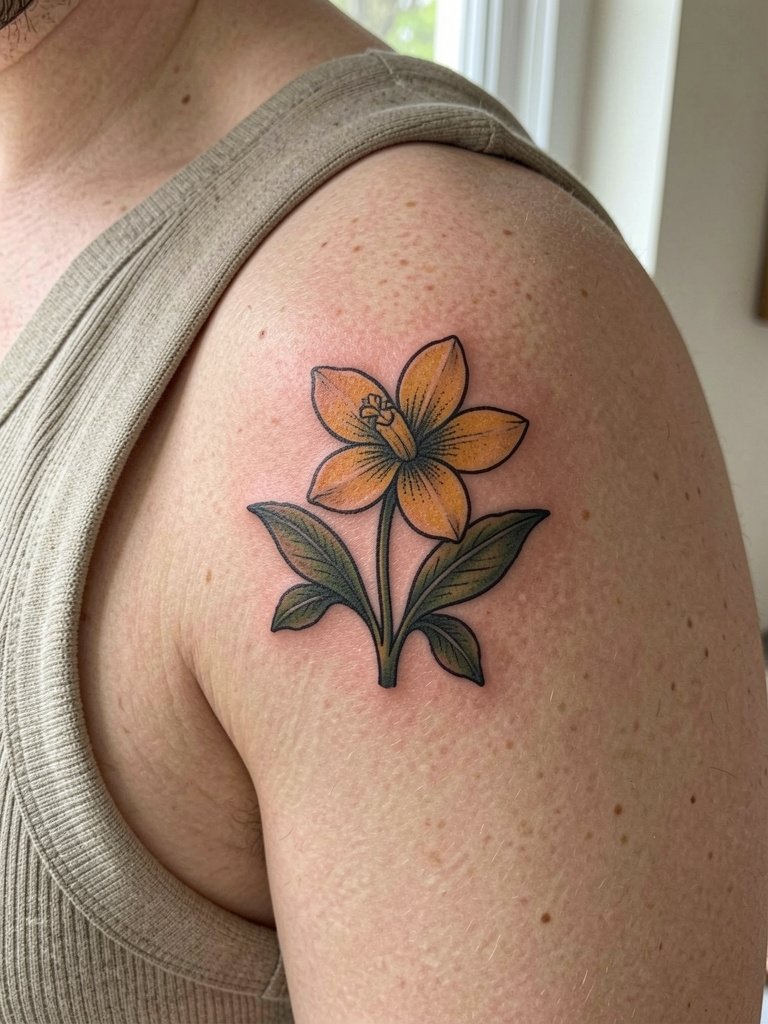
A jonquil on the shoulder cap is low-friction and holds linework well over time. Recommend a compact bloom size with a clear contour and a short stem so it reads as a single accent. A frequent error is elongating the stem on such a small design, which changes the balance and invites distortion. Session time is brief and pain is mild. For outfits, wide-strap tops and tank dresses let the shoulder accent show without competing jewelry.
19. April Sweet Pea, Behind-the-Knee Curve

Behind-the-knee tattoos are intimate and move every time you walk, which affects how the linework settles. For that area, choose slightly bolder stems and avoid fragile internal details. The session can feel tender because the skin there is thin and folds during the session. For showing, cropped shorts and mid-length dresses work. Be mindful that healed photos look different when the leg bends versus when it is straight, so ask to see mockups in both positions.
20. August Gladiolus, Vertical Thigh Stem

Gladiolus scales beautifully into a thigh placement, which gives you room for bloom detail and a vertical flow. For this intimate site, ask for moderate spacing between blooms because the thigh flexes and lines can compact. Session comfort is usually good because the thigh has more flesh to work through. For session wear, loose shorts or skirts that can be moved aside without pressure work best. Showing the piece pairs well with high-waisted shorts or swim bottoms.
21. August Poppy, Small Calf Accent
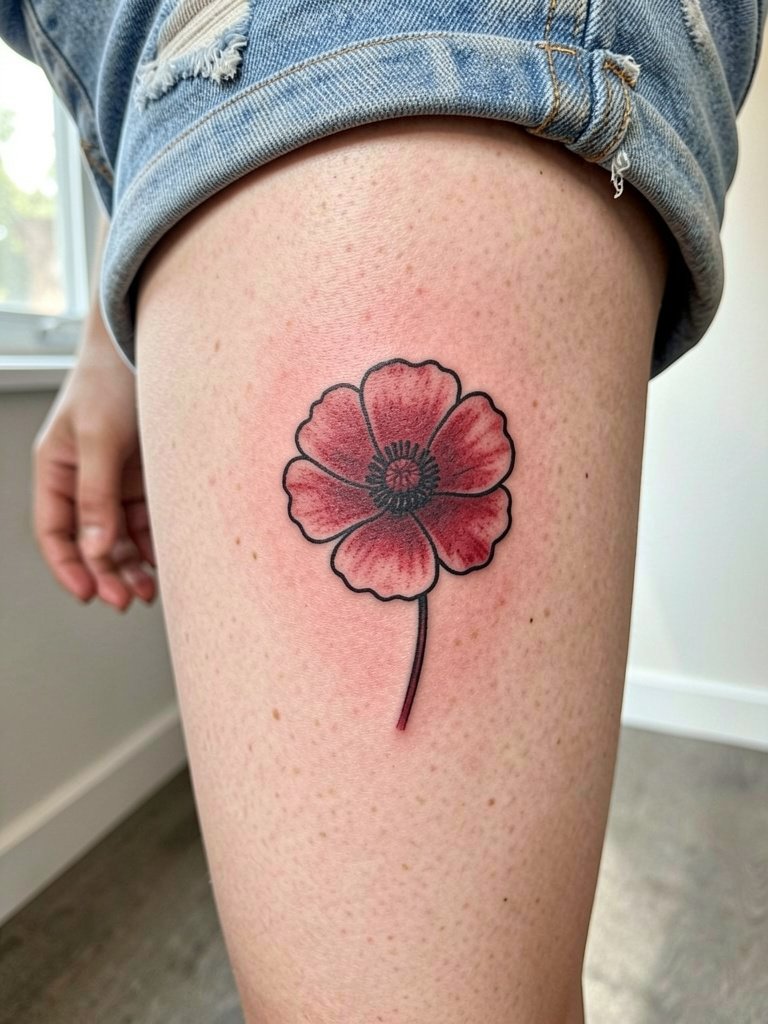
Poppy works as a small calf accent because its bold center anchors the composition even if petals soften. Prefer fewer petals with a defined center rather than a ring of tiny petal strokes. The calf is a forgiving canvas and the result ages predictably. For casual styling, pair with ankle boots and shorts or a midi skirt. Session time is moderate and blowout risk is low compared with high-movement sites.
22. September Aster Cluster, Ankle Wrap

Ankle wraps need clear spacing so the cluster does not merge during healing. Request a design that reads in profile and from above, because footwear and socks change how much of the wrap shows. The ankle is a high-friction area so protective film and careful sock choices in the first week matter. For footwear during show-off moments, cropped jeans or ballet flats help. Session is usually quick and the main step is keeping the area clean while it settles.
23. November Chrysanthemum, Thigh Panel with Dot Shading

A larger thigh panel allows for stipple shading across petals which preserves texture as it ages. The common mistake is compressing a large pattern into a tiny area on the thigh, which defeats the benefit of the extra canvas. For comfort, schedule a session when you can sit and rest, because thigh pieces can run longer than wrist work. For seasonal wear, shorts and swimwear show the panel effectively. Artists often recommend a one-year touch-up for intricate stipple pieces.
24. December Paperwhite, Collage on the Upper Chest
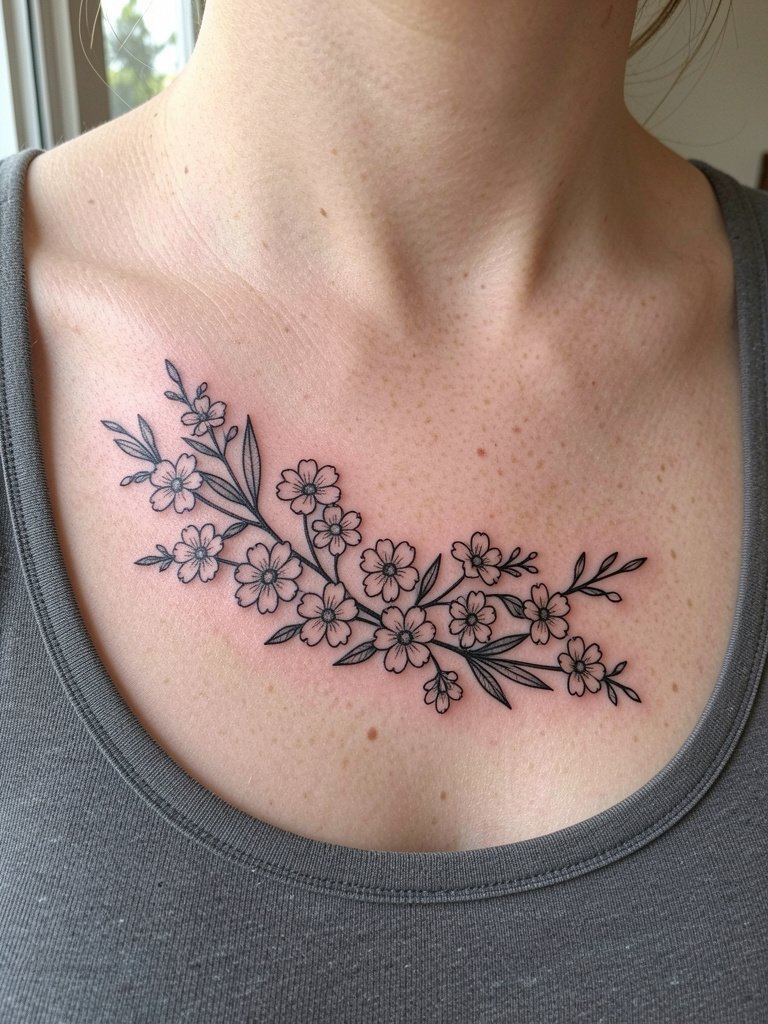
Upper chest collages show well when designed to sit along the collarbone, and paperwhites benefit from negative space to suggest pale petals. If you want the piece to look elegant rather than heavy, ask the artist for airy spacing and avoid dense filler. Expect moderate discomfort given the thin skin near bone. For outfits, scoop-neck and square-neck tops complement the placement without covering the work. Bring up healed examples in your consultation so you can see how negative space holds.
25. Family Stem Line, Multi-Month Linear Bracelet

A wrist band made of linked family birth flowers reads like jewelry and keeps multiple months cohesive. The critical choice is scale. Keep each bloom larger than micro-icon size so petals remain distinct after washing and movement. The wrist is visible daily, so the band gets a lot of sunlight and washing; a protective film in the first week reduces irritation. For showing, stack a thin bracelet on the opposite wrist rather than the inked wrist. Session time is short and touch-ups are common for fine wrist jewelry pieces.
26. Multi-Generation Bouquet, Large Upper Arm Patch
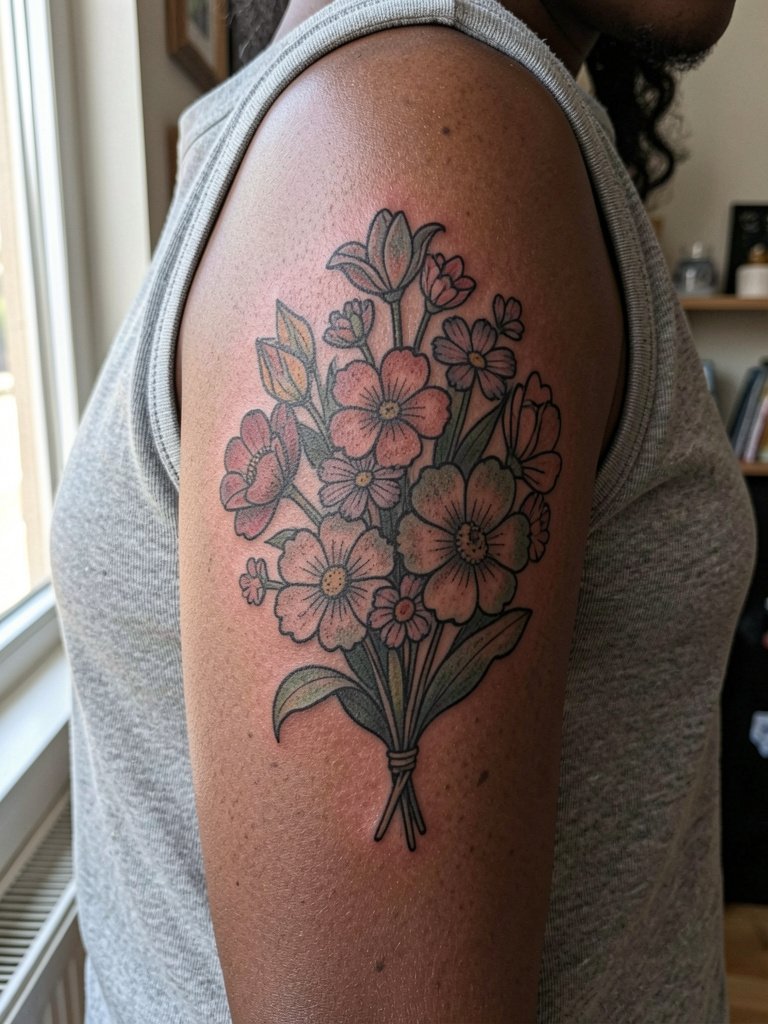
Large patch bouquets let you honor multiple family members while giving the composition room to breathe. Plan the layout so each flower has a moment of negative space; without that, the bouquet reads as a single blob. For comfort during longer sessions, wear loose, sleeveless clothing the artist can work around. The upper arm tolerates heavier saturation and usually needs fewer touch-ups. For styling, short-sleeve shirts and dresses with open sleeves keep the patch visible without competing accessories.
27. Personal Month Mix, Small Lumbar Cluster

A lumbar cluster is private by default and shows selectively, which suits people who want family symbolism without constant display. Keep the cluster compact and avoid chaining tiny stems along the spine because waistband friction can blur thin lines. For the appointment wear low-rise bottoms that stay fastened in normal position so the artist can access the area without you needing to hold clothing. Expect a low day-to-day friction site but schedule a follow-up to refine any lost petal edges.
Frequently Asked Questions
Q: How much should I budget for a small birth flower tattoo?
A: Small single-bloom tattoos often fall into a range that covers shop minimums and scale. Expect pricing in a range from about fifty to three hundred USD for very small pieces, and from about three hundred to seven hundred USD for small custom bouquets. Remember shops have minimums and custom design time can move you into the higher end of a range.
Q: How do I find local portfolios that show healed birth flower work and not just fresh photos?
A: Search hashtags like #birthflowertattoo and #finelinetattoo on Instagram and TikTok, then filter by location. Use Reddit communities for healed examples and ask for healed shots in local studio portfolio comments. Tattoodo-style keyword searches plus city names help you locate studio galleries that include both fresh and healed photos.
Q: What should I wear to my appointment for a ribcage or sternum flower piece?
A: Wear a fitted sports bra or a wide-armhole tank that you can keep on in its normal position so the artist can access the area without you holding fabric. For ribcage sessions avoid tight underwire and choose loose, comfortable bottoms. A practical option is a removable zip-up hoodie or a button-front shirt you can open without affecting the tattooed skin.
Q: Which placements need stronger contrast for darker skin tones?
A: On medium to dark skin, pick higher-contrast outlines and slightly larger petal shapes so the design reads from a distance. Avoid relying only on pale pastel fills as the main visual anchor; pair them with a clear contour. I have seen many healed examples where modestly stronger linework preserved detail across tones.
Q: How often will I need a touch-up on a fine-line birth flower?
A: For wrists, fingers, and ankles expect a touch-up within the first one to three years. Forearm, shoulder blade, upper arm, and thigh pieces usually need fewer touch-ups because the skin is more stable. Healed photos are a better guide than fresh shots, so ask to see two- and three-year examples during consultation.
Q: Can I style my new birth flower with clothing while it heals?
A: Yes, but keep the area exposed to air when directed by your artist and avoid abrasive fabrics. For collarbone and upper chest designs, scoop-neck tops or square-neck tees showcase the work. For an ankle or wrist tattoo, cuffed jeans and slip-on shoes let the area breathe and keep friction low.