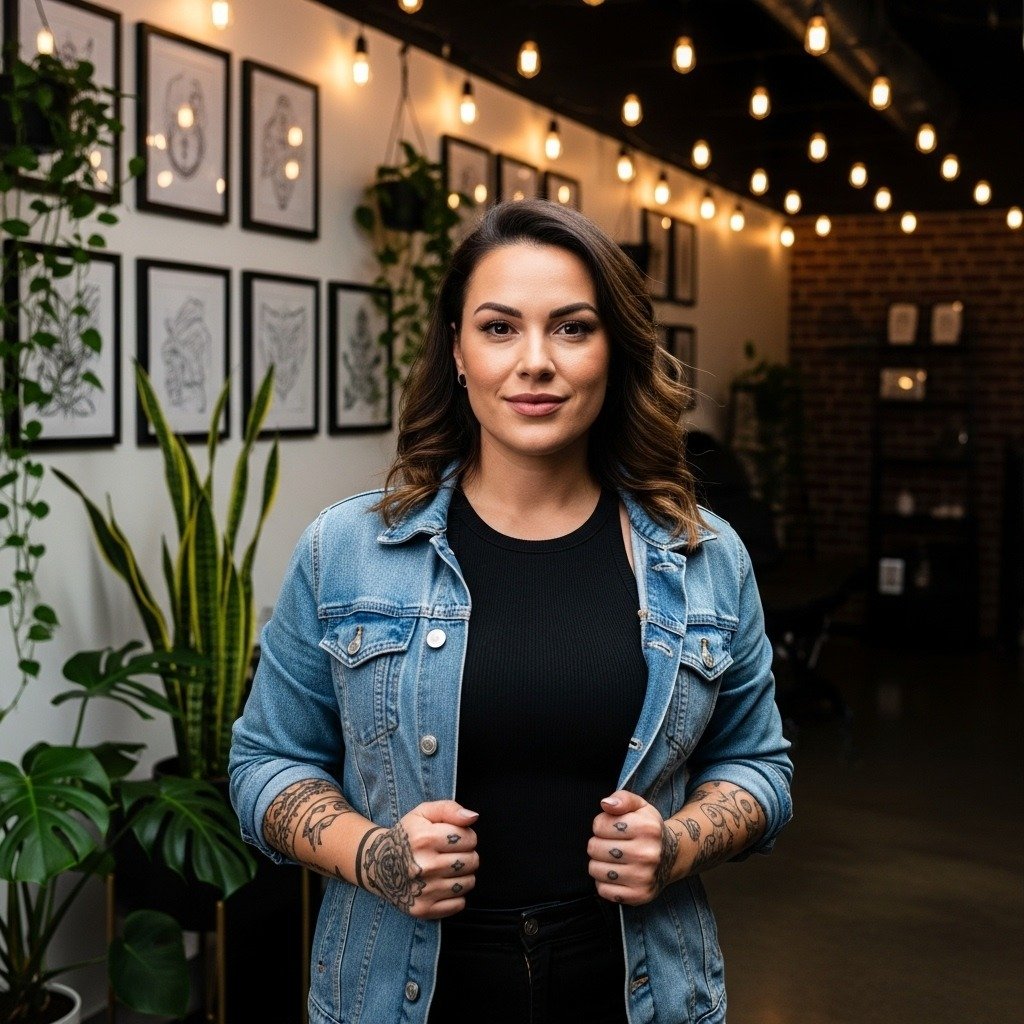
Someone I know spent months scrolling designs before realizing the real question was which mandala style would keep its shape on their skin. I've seen fine line peonies that blurred in a year and blackwork lotuses that still read crisp after five. Below are 15 bold mandala flower tattoo ideas that consider placement, healing, and how the design actually looks as it ages so you pick one that fits your life and your skin.
1. Dotwork Lotus Mandala on Outer Forearm
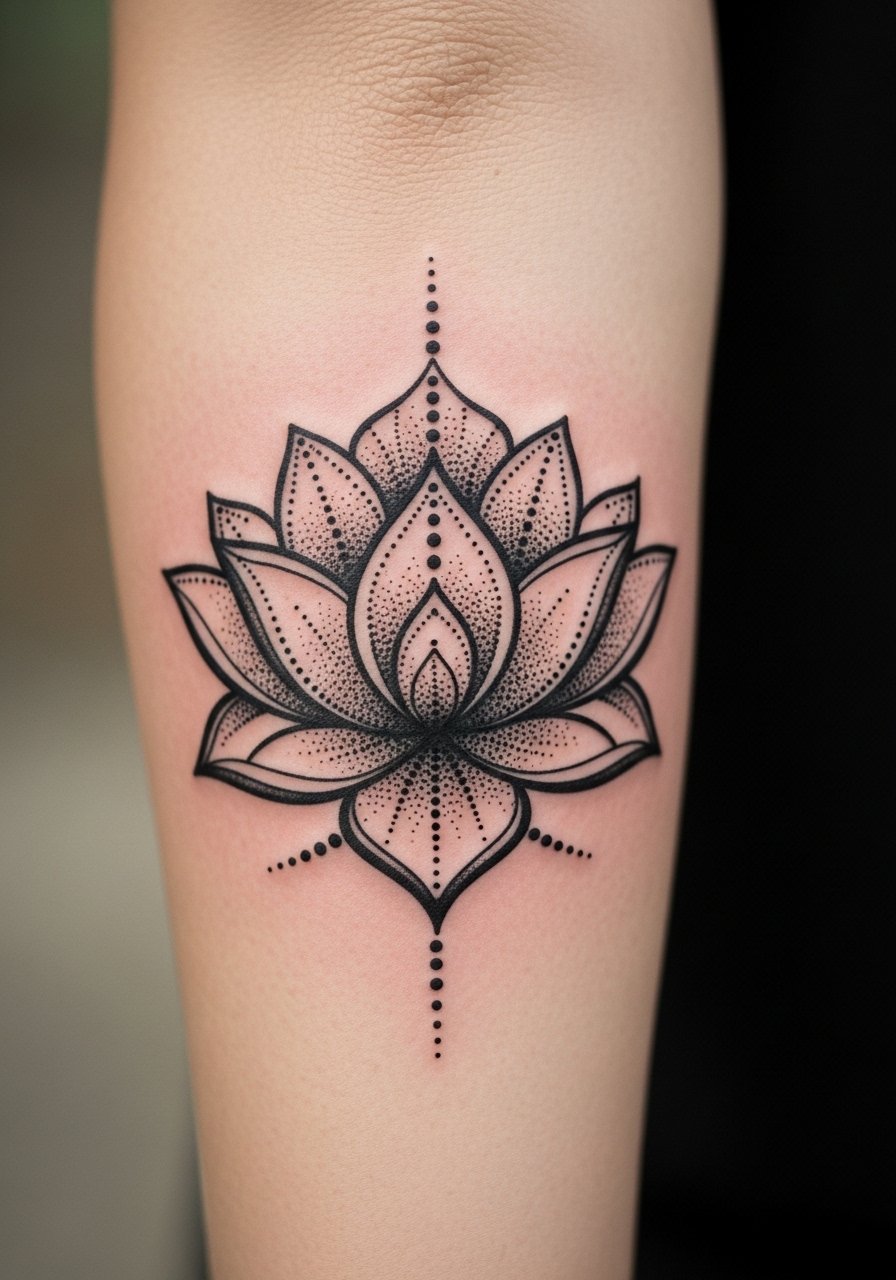
Someone I know chose this for a forearm that sees daily movement but not as much stretch as the thigh. The dot work lotus reads meditative and holds up because the black is concentrated, not feathered into thin single lines. Tell your artist you want spaced stippling and a strong outline at the petal bases so the form stays legible at two years. The session feels like steady outlines followed by patient dot rows, usually two sessions for a 4-6 inch piece. Common mistake is asking for too-fine dots and too-small diameter. Expect touch-up need at 1-3 years depending on sun exposure and friction from sleeves.
2. Fine Line Peony Mandala Wrist Piece

Fair warning, the wrist is a moderate pain area and fine line there has split opinions. One camp says single-needle lines age gracefully and look airy. The other camp says wrist skin and constant motion make single needles blur fast. If you want this, ask the artist to slightly thicken primary contour lines and keep inner detailing airy. It is a great choice for first mandala tattoo ideas if you want something small and readable. Expect a one-session outline plus touch-up at 6-12 months for most people. Avoid cramming too many mini petals into a 2-inch space or the details will smudge.
3. Watercolor Sunflower Mandala Shoulder Cap

There is a trade-off with shoulder color pieces. Shoulders tolerate color well but watercolor techniques can fade into a washed look on darker tones if saturation is shallow. Ask for layered saturation and slightly bolder anchors around the petals so the painterly fills keep contrast over time. Sessions usually span two visits for a five-inch cap. The shoulder moves but not as much as ribs, so blowout risk is low when linework is confident. If you plan to wear tanks a lot, protect the piece from sun early on. Expect color refreshes sooner than blackwork, especially for warm yellows.
4. Blackwork Geometric Rose Mandala on Thigh

Thigh pieces suit active bodies because this area hides weight fluctuation better than the abdomen. The blackwork rose hybrid reads bold from a distance and tolerates gym gains better if the design follows muscle curves. During consultation, emphasize solid saturation and ask the artist to orient key petal seams along the skin grain to reduce distortion with bulk shifts. Sessions commonly spread across three sittings for a 6-8 inch design. The mistake I see is trying to make a thigh mandala too small. Keep it generous so the negative space breathes and touch-ups are minor rather than massive.
5. Neo-Traditional Daisy Mandala on Ribcage

Fair warning, the ribs register high on most pain charts but the vertical canvas makes mandala forms dramatic. Neo-traditional lines add frame and prevent blurring on a tricky spot. Tell your artist you want strong black anchors on the outer petals and softer color fills inside. Expect outlines one session and color in a follow-up spaced 4-6 weeks after healing. Artists split on whether to use occlusive wrap on ribs versus dry healing. Name both camps in conversation and pick the method the artist has consistent success with on rib work. Plan touch-ups at year two if you sit in a lot of sun.
6. Micro-Realism Orchid Mandala at the Ankle
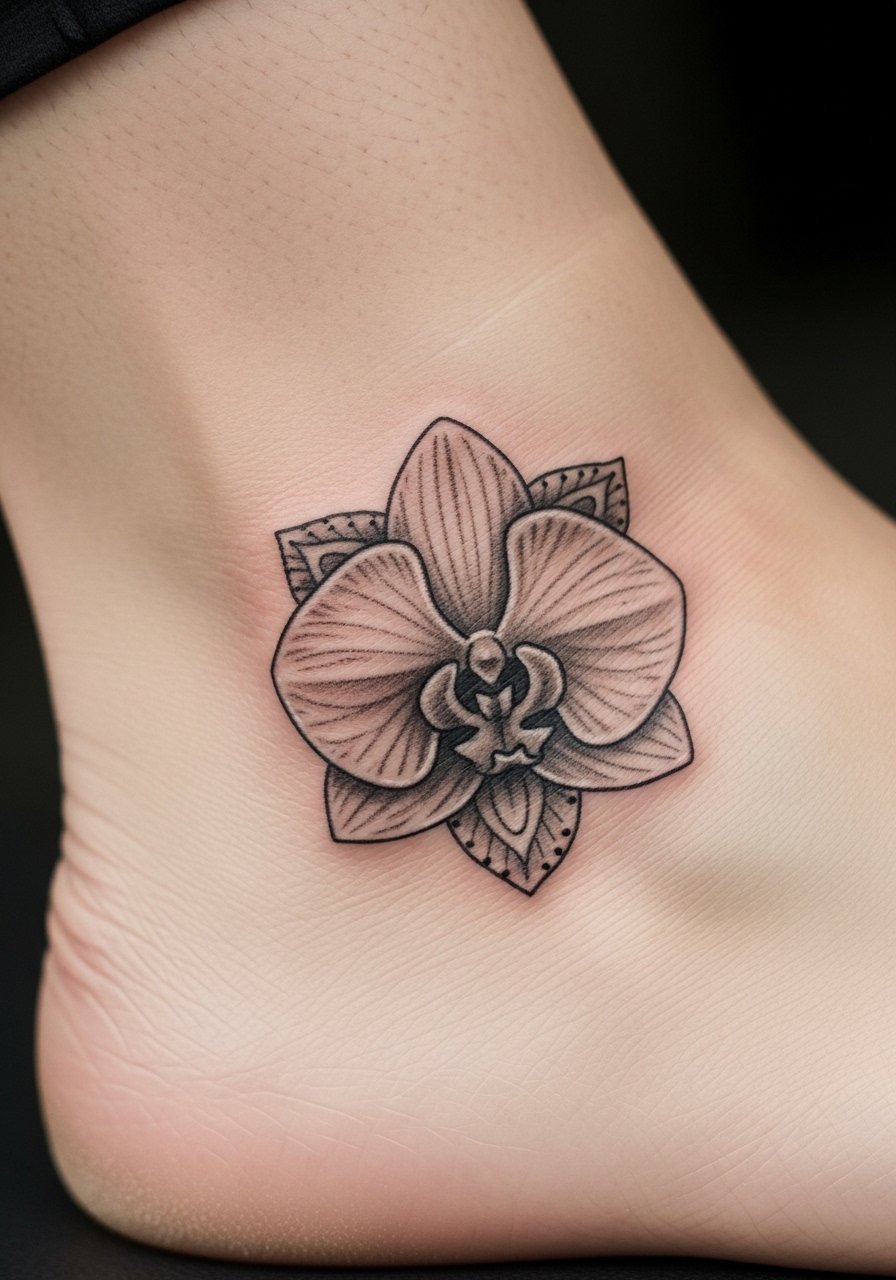
The ankle is great for tiny mandala tattoo ideas and first mandala tattoo experiences. Micro-realism brings delicate depth, but small shaded grays on ankles can soften faster due to friction from socks and shoes. Ask your artist to prioritize contrast in the outline and reserve micro shading for central petals only. Sessions are short, usually one visit under two hours. Expect a touch-up at 6-12 months if you notice softening. A common error is asking for photo-real shading across a two-inch footprint; scale down the shading ambitions and keep the silhouette decisive.
7. Ornamental Poppy Mandala Down the Spine

Most people choose spine mandalas for elongation and concealment options with festival season in mind. Designing for vertebrae curvature matters. Ask for the piece to be drawn on the body during consult so the artist can scale motifs to each vertebra. Healing a spine column takes multiple sessions and careful positioning of dot work to prevent edge lift near the lower back. Some pros recommend Second Skin on long spine sessions. Consider dry healing advocates and Saniderm users as two camps and discuss pros and cons with the artist before wrapping. Expect slow color retention if you pick pastel accents.
8. Ignorant-Style Violet Mandala on Inner Bicep
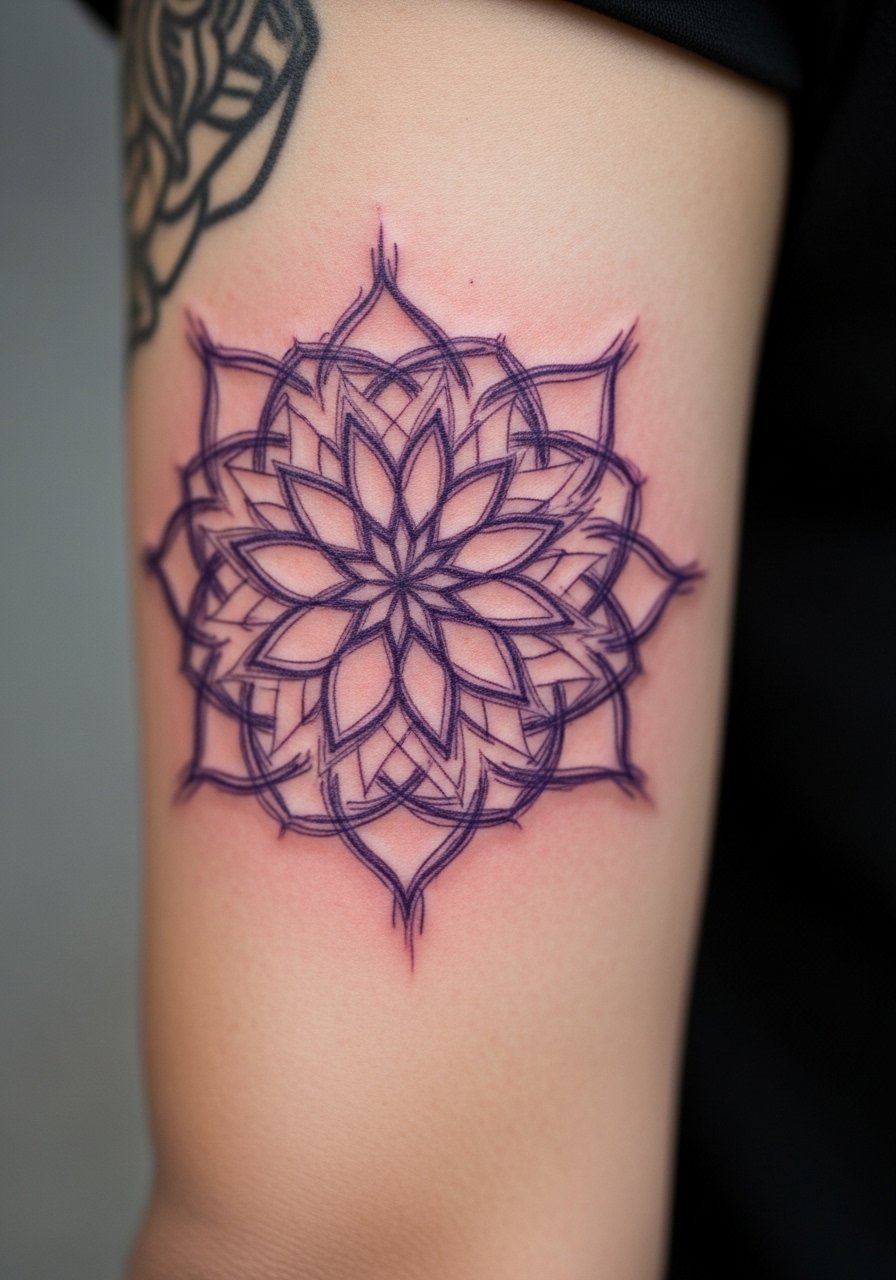
The inner bicep is forgiving for sketchy, raw line approaches because it hides under the sleeve when needed. Ignorant style thrives when the intent is playful and crude lineweight is intentional. During consult, show hand-sketched references to set the rough energy and ask the artist to keep the primary petals bold so age-related blurring reads as part of the aesthetic. Sessions are usually one to two visits. Mistake I see is asking for "messy" but demanding crisp symmetry. Decide which you want before booking and make that explicit.
9. Sacred Geometry Lily Mandala at the Collarbone

There is a subtle way negative space can follow the collarbone so the piece enhances bone structure. Ask for geometric anchors that mirror the clavicle curve so the mandala looks intentional when you move. The collarbone can be touchy pain-wise and the skin is thin so expect twinges during shading. One session typically handles a four-inch layout. A common aging issue is over-detailing inside the geometry which blurs into visual noise after a few years. Keep inner geometry open and use black anchors for longevity.
10. Patchwork Floral Mandala Forearm Sleeve Start

I've seen collectors build these over years and they work when each module stands alone yet connects visually. For a sleeve start, pick a focal mandala and allow space around it for future panels. Tell your artist the eventual layout you want and how large future modules might be so scale matches. Session spacing of 4-6 weeks is typical for layering and maintaining saturation. The mistake is booking a tiny first panel and then discovering later work must be larger to match scale. Plan the arc early so touch-ups remain localized rather than all-over.
11. Micro Mandala on Finger for Y2K Revival

Finger mandalas are trending but they come with high fade risk. The skin there renews often and grease exposure is constant. If you want a micro mandala, go bold on outline anchors and accept that touch-ups at 6-12 months may be necessary. Keep the motif simple and avoid too many tiny internal dots. The session is brief but the aftercare is strict to reduce early loss. If you work with your hands, consider a nearby placement rather than the finger pad.
12. Hybrid Negative-Space Collar Mandala to Accentuate Bone

One of the less-covered ideas is using negative space to make the collarbone read sharper. Ask for open petals that use skin as highlight rather than painted white. That approach reads well on darker tones and avoids muddy color patches. The session tends to be moderate for a chest piece and you should plan for two visits if color is added. A professional note on origin is appropriate since mandala motifs trace to traditional designs; many clients opt for a personal variation rather than a direct cultural copy.
13. Inverted Thigh Mandala for Underside Durability
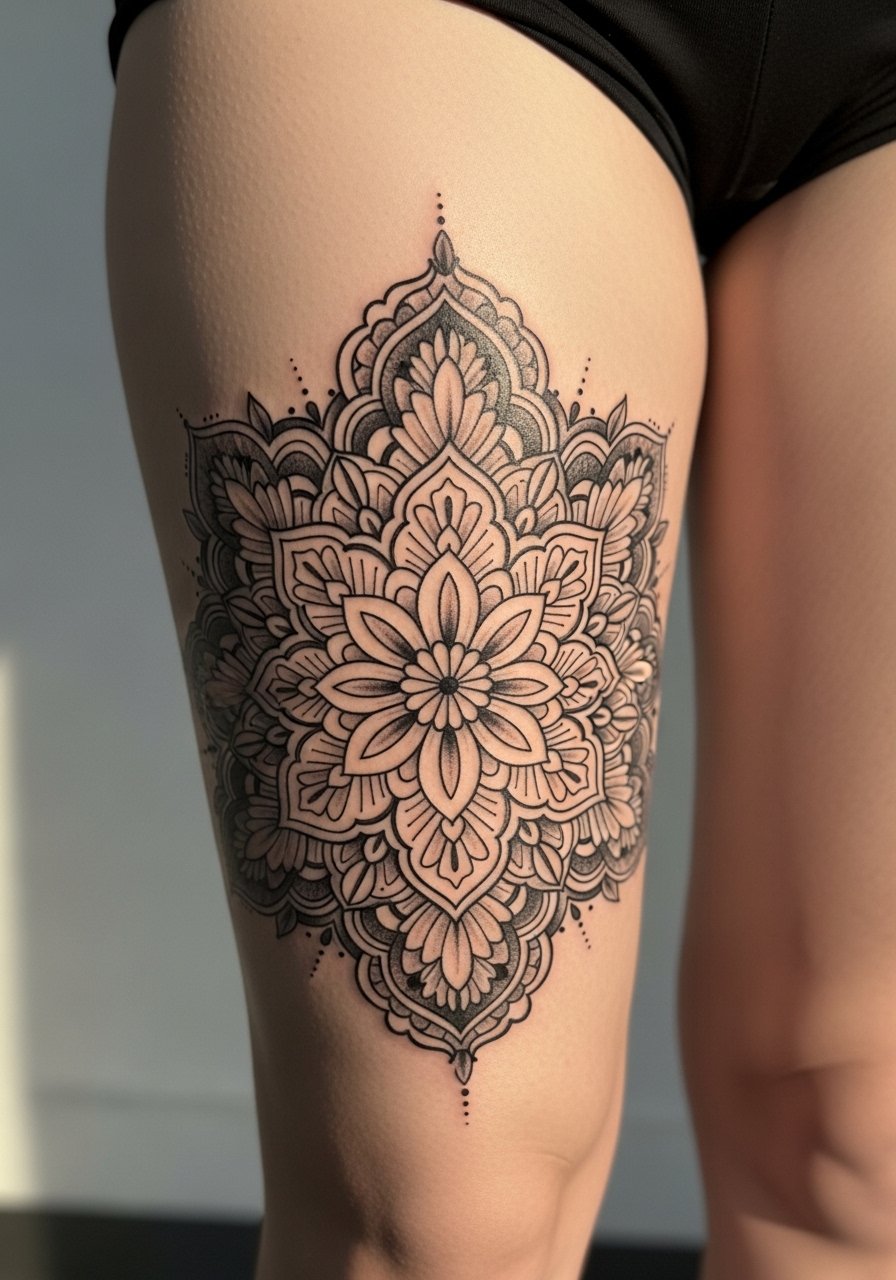
A smart trick for active bodies is inverting the mandala on the thigh underside so the artwork sits on firmer tissue during standing and squatting. That reduces stretch distortion when muscle bulk changes. Tell your artist you want the apex of the motif oriented toward the hip crease and avoid tiny filler elements that stretch out with mass gain. Sessions are often spread across multiple sittings for a large piece. The common error is mounting too close to seam lines of clothing which abrades fresh ink.
14. Dark-Tone Optimized Blackwork Mandala with UV Petals
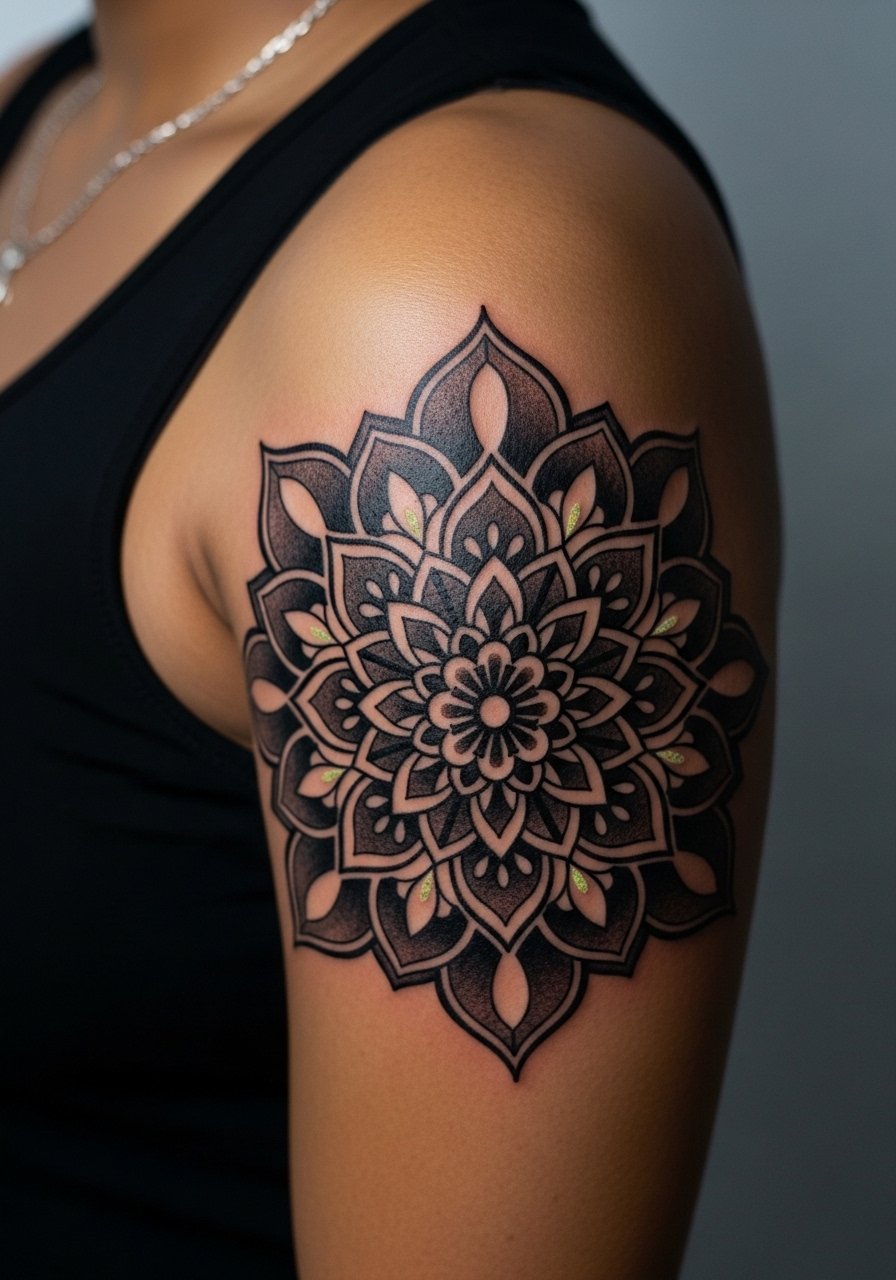
For darker skin tones, packed blackwork reads clean and maintains contrast. A newer experiment is adding UV-reactive accents that show under black light without compromising everyday visibility. If you consider this, ask your artist about pigment behavior on melanated skin and run a small patch test before large fills. Sessions are usually two to three visits. The risk is that some color pigments can appear muted in normal light, so keep the structure in black and use UV for playful highlights only.
15. Patchwork Spine-to-Shoulder Mandala Progression

This is for people building a longer-term portfolio and it solves the problem of single-session regrets. Space each module so it can live alone and also link via radial elements. I recommend mapping the progression across five sessions spaced months apart so healing informs the next design. A common issue is booking guest spots and then facing cancellations. Use discovery pathways like guest spot calendars on Booksy or TikTok city searches to confirm schedules at least three months ahead. Expect touch-ups woven into later sessions rather than separate appointments.
Tattoo Prep and Aftercare Essentials

- Ink-Eeze tea tree balm, lightweight non-greasy healing balm. Good for humid climates where heavier ointments pool. Use sparingly in week one after initial scab stage to avoid clogging.
- H2Ocean saline spray, sterile aftercare spray. Helpful for combined piercing and tattoo care or for gentle cleanse between ointment applications.
- Tsubaki aftercare oil, lightweight Japanese floral oil. Artists mention it for color retention on florals because it sinks in without heavy residue.
- SalveLife unscented salve, gentle fragrance-free balm. Recommended for sensitive skin during the shading phase when irritation risk is higher.
- Lightweight fragrance-free balm for daily moisturizing. Generic option to fill gaps when indie brands are unavailable.
- Medical-grade second skin bandage roll, breathable occlusive dressing. For curved spine pieces or long sessions where sterile coverage helps prevent edge lift.
- Hustle Butter Deluxe, thinner balm for color work. Lighter than some petroleum options and can reduce pore clogging on color florals. This is the single mainstream product in the list.
- Fragrance-free mineral sunscreen, broad spectrum SPF for long-term protection. Key for preserving saturation once healed.
Every tattoo is different. Always follow your artist's specific aftercare instructions. Consult a dermatologist if you have skin concerns or unusual healing issues.
Frequently Asked Questions
Q: Will a fine line mandala on my wrist blur faster than a dotwork lotus on the forearm?
A: From what I've seen, yes. Wrist skin and constant motion speed softening so fine line on wrists often needs a touch-up in the first year. Dotwork on the forearm usually holds better because the skin there is more stable and the black concentration resists fading.
Q: How should I decide between Saniderm and dry healing for a spine mandala column?
A: Artists split into two camps. One camp prefers a breathable film like Second Skin for long spine sessions to control edge lift. The other camp favors dry healing to avoid maceration. Ask how the artist manages multi-session spine work and pick the method they consistently use with good healed photos.
Q: If I want a sunflower mandala on dark skin, should I pick watercolor or blackwork?
A: For darker tones, blackwork anchors read with more contrast over time. Watercolor can look beautiful but needs heavier saturation and bold anchors around petals to stop washes from muddying the motif. Consider a hybrid: black anchors with painterly inner fills.
Q: How often will a patchwork forearm sleeve need touch-ups as I add modules?
A: Expect localized touch-ups as you add new modules, often timed with the next session. Many collectors plan minor retouching every 12-24 months, but this depends on sun exposure and activity. Mapping scale early reduces the need for sweeping fixes.
Q: Are there special considerations for getting a mandala on the ribs if I plan to lose or gain weight?
A: Ribs and thighs both change with body composition. For anticipated weight shifts, place core motifs on firmer tissue and keep filler elements flexible. Communicate weight plans with your artist so they can orient linework along natural skin folds.
Q: Can I use the aftercare oil and also sunscreen once healed?
A: Yes. Use a recommended aftercare oil during the healing window as instructed. Once fully healed, switch to a broad-spectrum mineral sunscreen for daily protection to preserve saturation. If you want, the lightweight oil can be part of long-term skin care but not as a substitute for SPF.