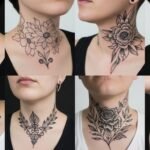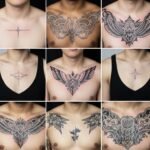
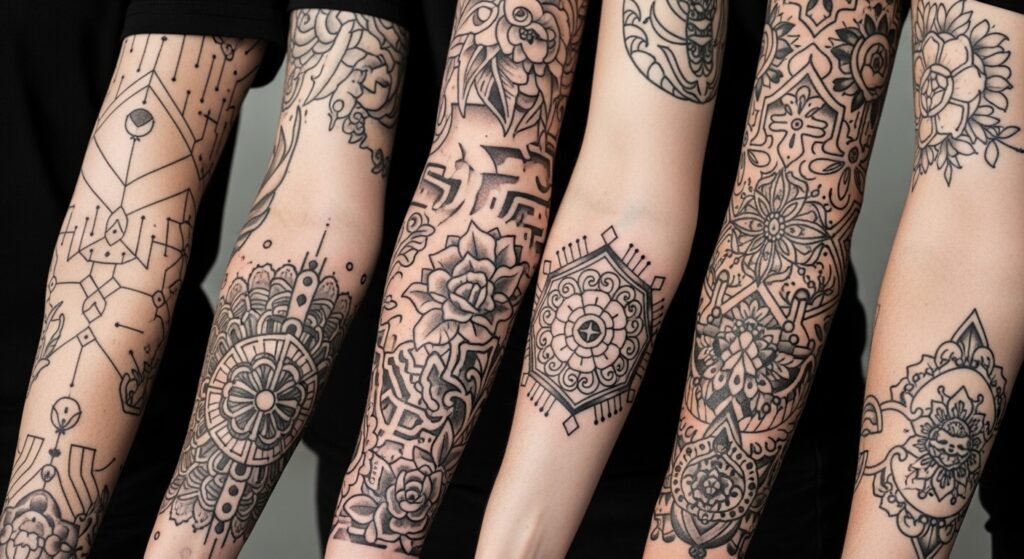
I spent months saving photos and asking tattooed friends one simple question: which sleeve ideas actually look good healed, not just fresh off the day-of shot. The hard part wasn’t finding styles — it was knowing which styles age well and match real skin movement. These 24 half sleeve tattoo ideas mix what I’ve seen on healed skin with 2025 trends so you can pick something that lasts.
These ideas focus on high-impact half sleeve tattoos for the arm—forearm wraps, bicep-to-elbow pieces, and shoulder-to-elbow layouts. I leaned into fine line botanicals, blackwork geometry, and modular patchwork—styles I’ve seen hold up best during sleeve tattoo healing and over years of wear.
Fine Line Botanical Sleeve on Inner Forearm
Style/Technique: Fine Line / Illustrative
Pain Level: Medium (3-4/10)
Session Time: Multiple short sessions (1.5–3 hrs)
Best For: Subtle coverage, personal symbolism
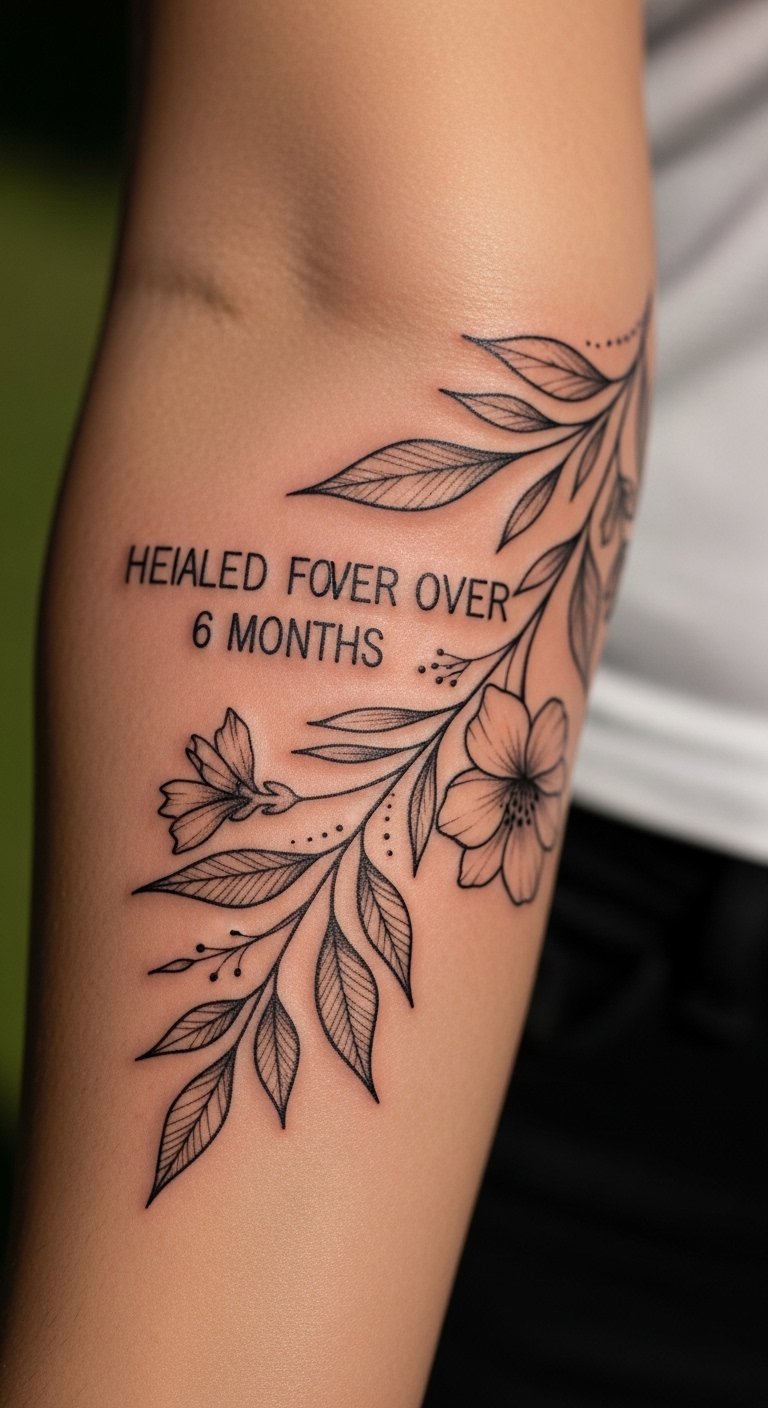
I picked this style because I’ve seen it look very personal without shouting. Fine line botanicals flow with the arm’s curve and read as elegant when you move. Expect sharper pain on the inner forearm but overall tolerable. Healing is gradual—surface healing in 2–3 weeks, full settling over a few months—so wash gently and moisturize with a thin layer of tattoo balm 2–3x daily. Fine line can blur over many years if lines are too close; ask for slightly heavier primary lines and spacing. This is great if you want meaningful half sleeve tattoo ideas that age gracefully. Ask your artist for healed photos of fine line work on similar skin tones.
Bold Traditional Rose on Upper Arm
Style/Technique: Traditional / American Traditional
Pain Level: Low-Medium (2-3/10)
Session Time: 1–3 sessions, 2–4 hrs each
Best For: High-visibility, classic statement
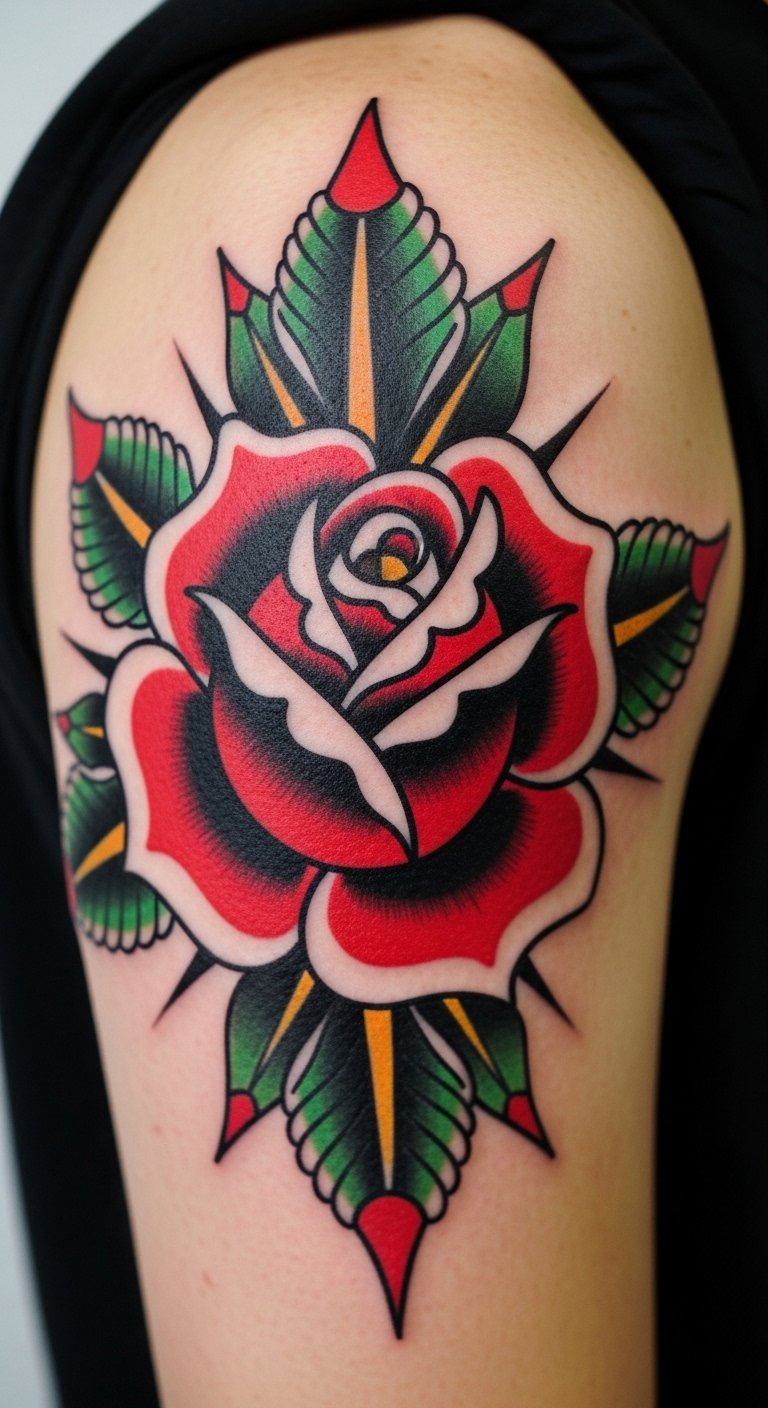
Traditional roses are timeless. I’ve watched these hold their shape far better than very thin-line pieces. The upper arm handles needles well, so pain is lower and sessions are shorter. Traditional work uses bold outlines that resist early blur, so it’s a smart choice if you want color that lasts. During healing, avoid heavy sun and don’t pick flaking skin—this protects the strong lines. If you want a dramatic half sleeve tattoos look that stays readable, request classic shading and clear negative space from your artist.
Geometric Mandala Half Sleeve on Inner Bicep
Style/Technique: Blackwork / Dotwork
Pain Level: Medium-High (4-6/10)
Session Time: Several sessions, 2–5 hrs each
Best For: Symmetry lovers, meditative designs
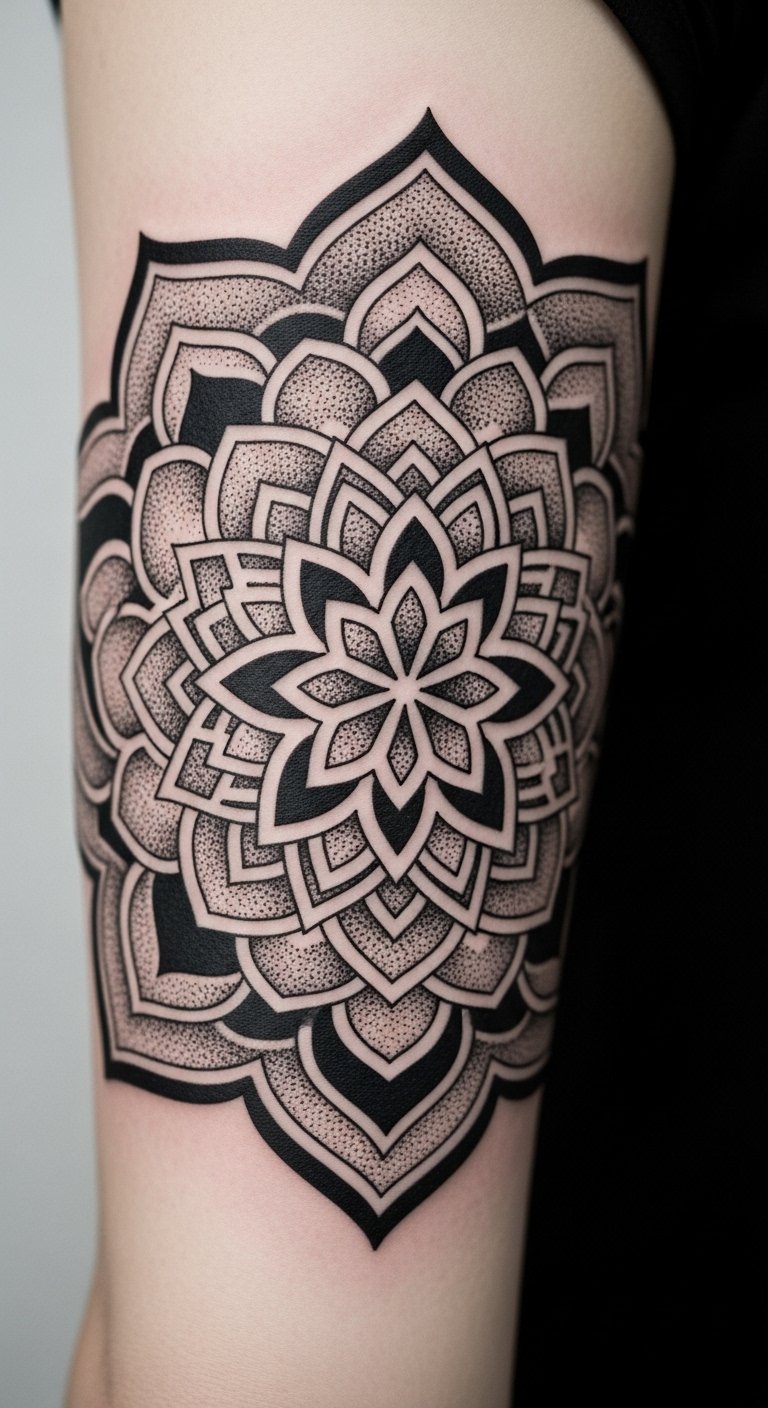
Mandala geometry reads as calm and deliberate. Inner bicep placement makes it intimate and shows symmetry when the arm is turned. Expect more sensitivity than the outer arm—plan shorter sessions and breaks. Dotwork holds up if stippling is properly spaced; dense stippling can scab heavier, so follow half sleeve aftercare closely (wash gently, thin moisturizer). Avoid overly thin mandala lines that merge over time. Ask for healed references and space around the elbow curve to prevent distortion.
Minimalist Wave Wrap on Outer Forearm
Style/Technique: Minimalist / Line Art
Pain Level: Low (2-3/10)
Session Time: 1–2 sessions, 1–3 hrs
Best For: First-time half sleeve starters, low-commitment wraps
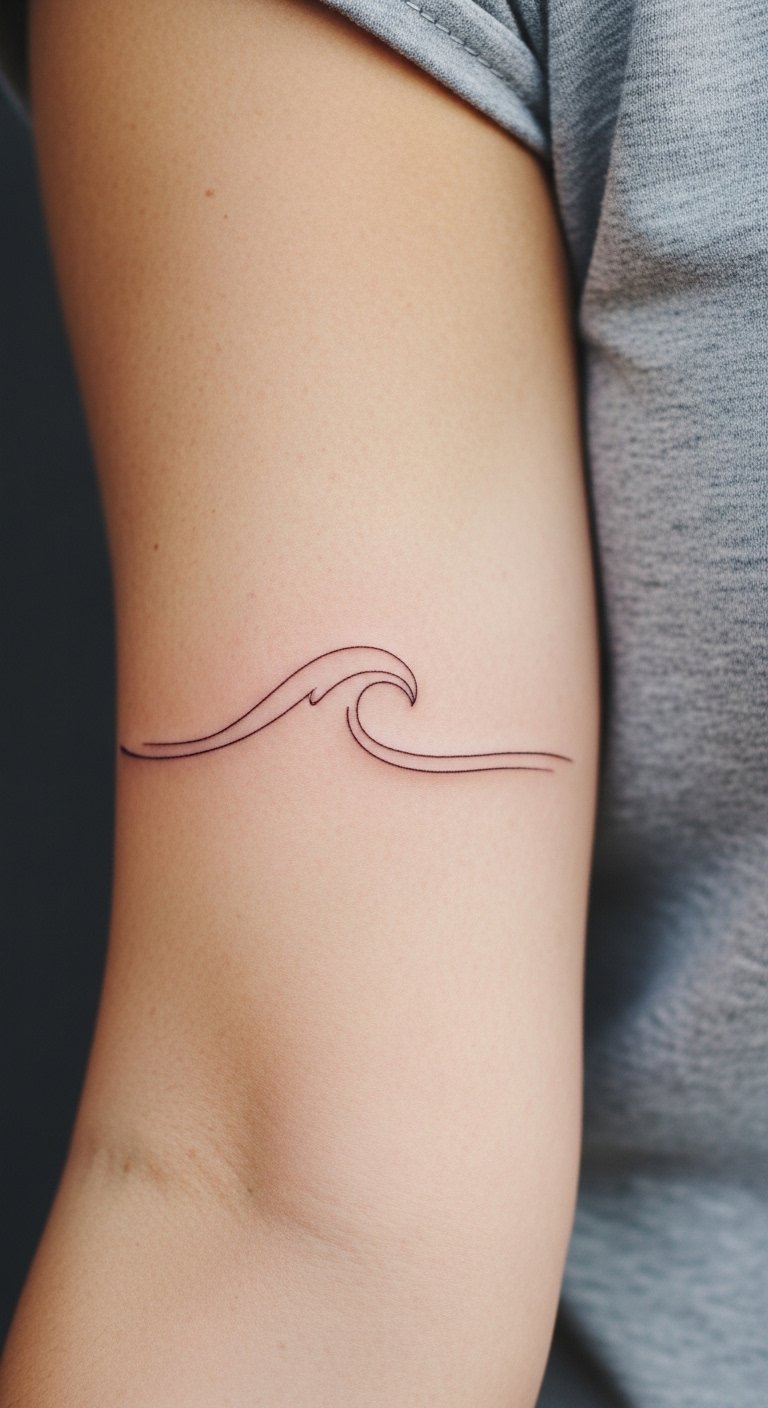
I recommended minimalist waves to friends who wanted a half sleeve vibe without heavy coverage. It wraps naturally and moves with the forearm. Pain is low on the outer forearm. The catch: tiny lines can fade or blur, so ask your artist for slightly bolder primary strokes to improve longevity. Aftercare is straightforward—wash gently, avoid soaking, and apply tattoo balm in a thin layer. This style is great if you want a calming, wearable half sleeve tattoo ideas option.
Neo-Traditional Animal Sleeve on Shoulder to Elbow
Style/Technique: Neo-Traditional / Illustrative Color
Pain Level: Medium (3-5/10)
Session Time: Multiple sessions, 3–5 hrs each
Best For: Narrative pieces, bold color storytelling

Neo-traditional animals give a strong narrative feel. I’ve seen lions and wolves read as strength; color placement across the shoulder-to-elbow area looks cohesive when the arm moves. Sessions are longer, but the area takes color well. Colors like red and black hold best; be cautious with pastel watercolor accents—those fade faster. For healing, protect from sun and switch to fragrance-free lotion after peeling. Discuss color saturation and healed examples with your artist to avoid disappointment.
Blackwork Skull Half Sleeve on Outer Bicep
Style/Technique: Blackwork / High-Contrast
Pain Level: Medium (3-5/10)
Session Time: Several sessions, 2–4 hrs each
Best For: Bold, high-contrast statement pieces
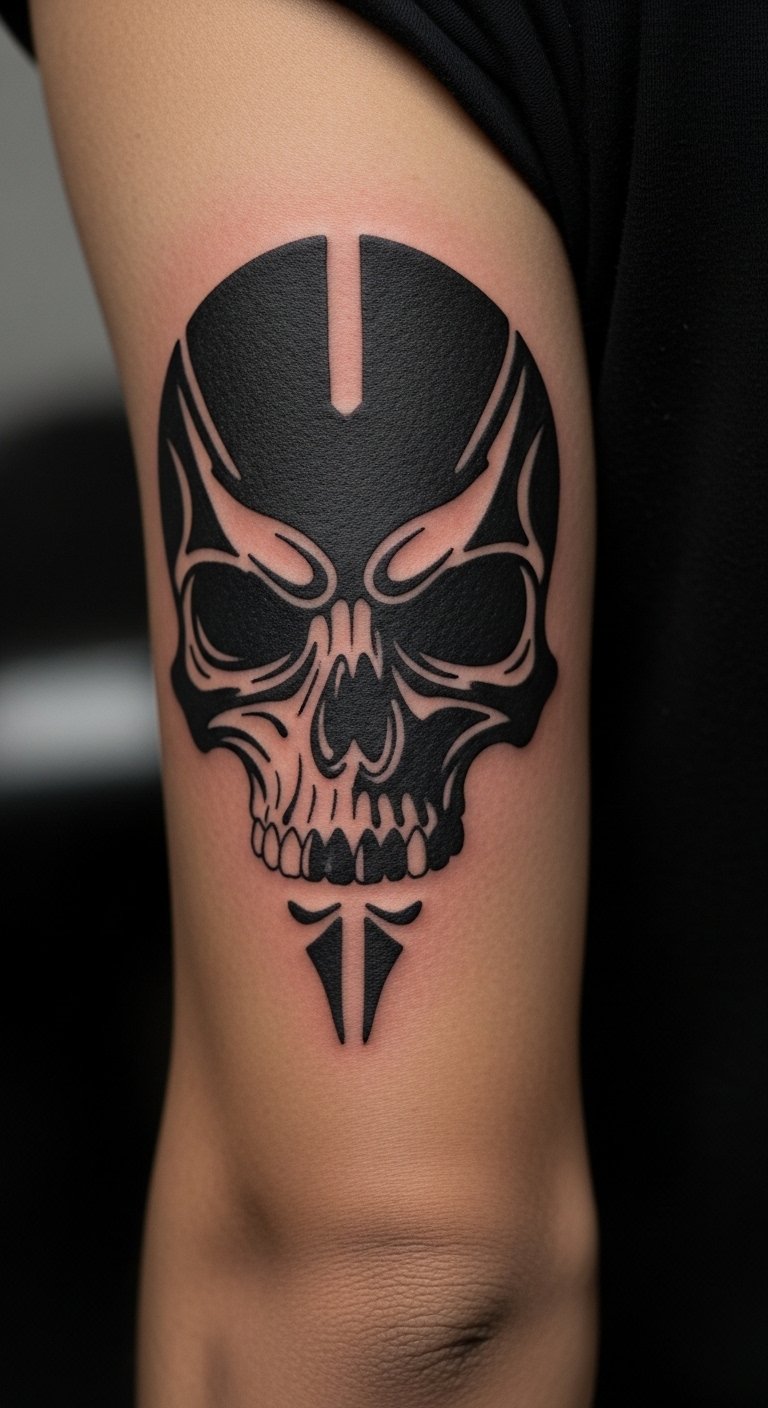
Blackwork skulls make a visual punch. Solid blacks age well and are forgiving on a range of skin tones. The outer bicep is less painful and a good canvas for dense fills. Expect more scabbing on heavy-black areas—don’t pick. Black fills can sometimes “weep” a bit of plasma and ink in the first few days; that’s common in large solid pieces. Use second-skin bandage for 3–4 days if recommended and follow up with tattoo balm. This is a reliable option if you want a dramatic half sleeve that keeps strong contrast.
Watercolor Floral Sweep on Outer Arm Curve
Style/Technique: Watercolor / Painterly
Pain Level: Low-Medium (2-4/10)
Session Time: 2–4 sessions, 2–4 hrs each
Best For: Artistic, soft color learners
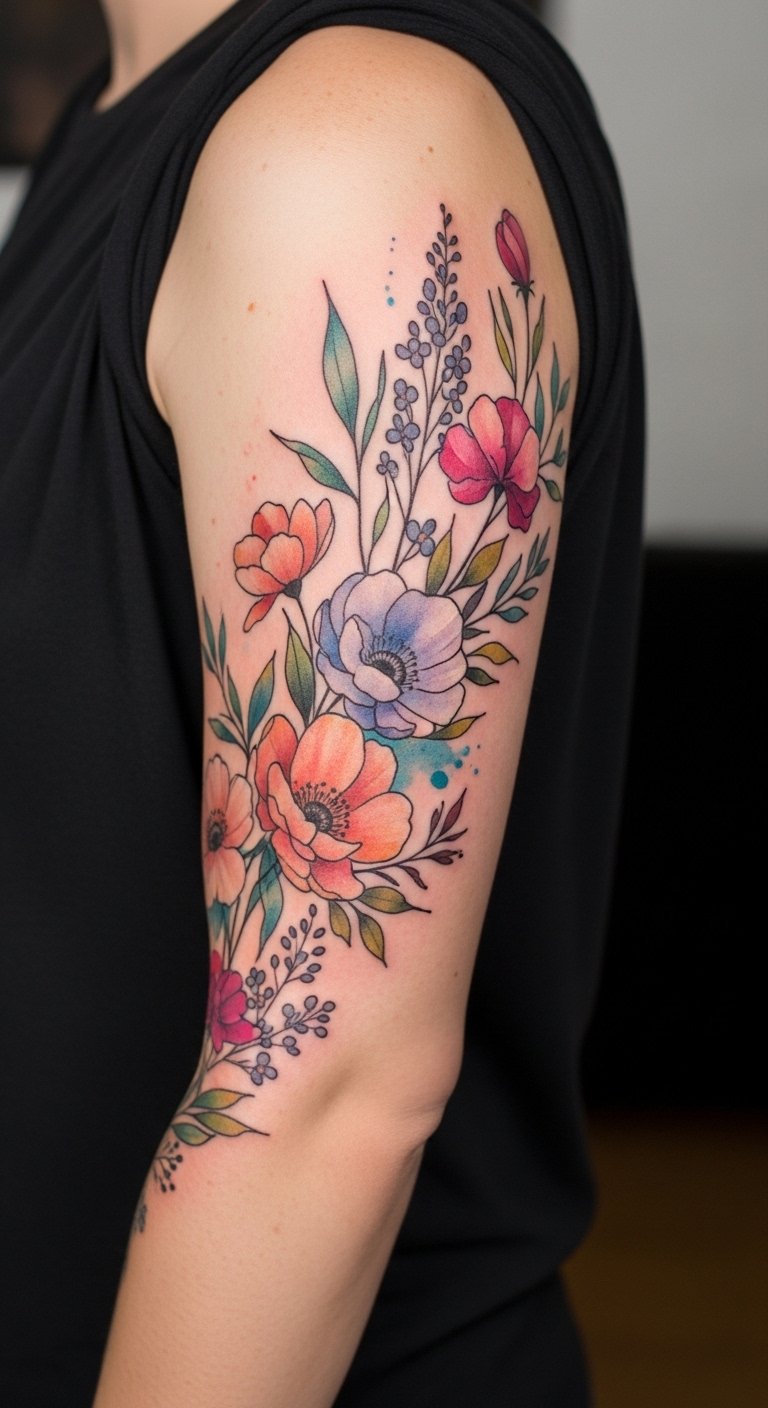
Watercolor sleeves look like paintings. I love how soft blooms flow across the arm. The downside is colorfastness—watercolor fades faster than bold traditional color. If you choose this, ask for layering with subtle outlining or neo-traditional anchors to retain structure over time. Healing requires strict sun protection once healed. If you dread heavy maintenance, consider neo-traditional alternatives. For long-term results, discuss pigment choices and touch-up plans.
Script Quote Sleeve on Inner Forearm
Style/Technique: Fine Line / Script
Pain Level: Medium (3-4/10)
Session Time: 1–2 sessions, 1–3 hrs
Best For: Personal mantras, legible vertical pieces

A quote sleeve can be deeply personal. Inner forearm placement makes it readable and often lower pain than ribs. The critical point I learned: spacing and font choice determine how it ages. Avoid ultra-thin scripts with tight kerning—letters can blur together. Ask for a slightly heavier line weight and request a stencil so you can read the flow before inking. During healing, don’t pick at flaking letters. Switch to fragrance-free lotion after peeling to keep lines crisp.
Ornamental Pattern Sleeve Around Elbow to Wrist
Style/Technique: Ornamental / Dotwork
Pain Level: Medium (3-5/10)
Session Time: Several sessions, 2–4 hrs each
Best For: Cultural motifs, cohesive filler work

Ornamental sleeves read as intricate and wearable. They’re great for building over time—one session at a time. Elbow-to-wrist placements flex, so designers must account for movement to avoid distortion. Dotwork looks amazing healed if stippling isn’t overdone. Follow wash-gently routines and apply thin moisturizer often. Artists experienced in ornamental work can show you mockups for elbow folds—ask for those during your consult.
Realism Portrait Half Sleeve on Upper Arm
Style/Technique: Realism / Black & Gray
Pain Level: Medium-High (4-6/10)
Session Time: Multiple long sessions, 3–6+ hrs each
Best For: Memorial tributes, photorealistic pieces

Realism portraits are powerful and personal. I’ve seen them move people to tears. They demand an artist skilled in tonal gradients—don’t compromise on experience. Upper arm placement handles long sessions better. Healing needs patience; shading can scab more than linework, so wash gently and avoid scratching scabs. Micro-realism elements can be integrated into larger sleeves for added detail. Ask to see long-term healed portraits on similar skin tones.
Botanical Vine Wrap on Forearm
Style/Technique: Illustrative / Botanical
Pain Level: Low-Medium (2-4/10)
Session Time: 2–3 sessions, 1–3 hrs each
Best For: Organic flow, connection motifs
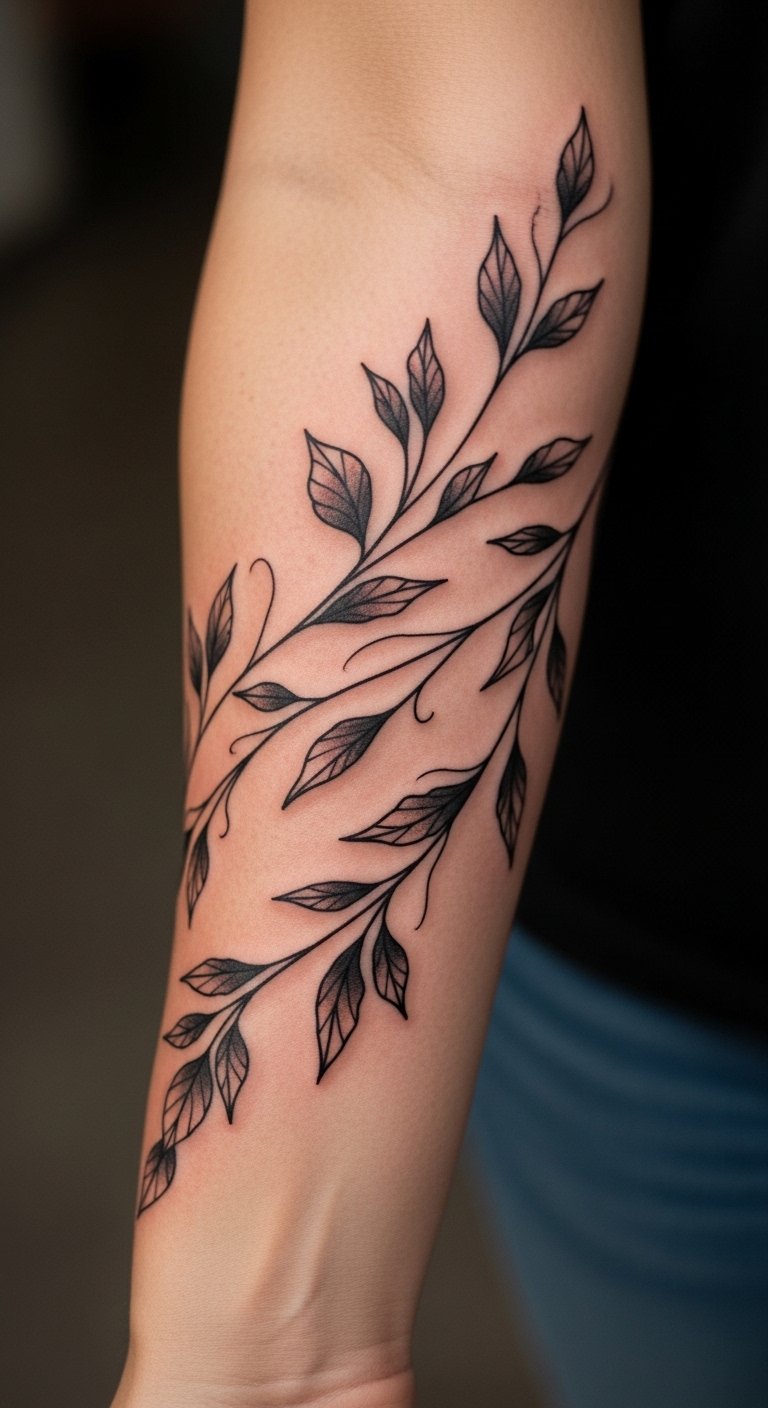
Vine wraps move with your arm and look effortless. I like how they can thread between other pieces if you plan future add-ons. Forearm placement keeps pain manageable. Keep leaves spaced to prevent blurring, and rotate moisturizer use during peel to prevent tightness. This style works as a standalone half sleeve or a modular starter.
Tribal-Inspired Abstract on Outer Arm
Style/Technique: Tribal / Blackwork
Pain Level: Low-Medium (2-4/10)
Session Time: 2–4 sessions, 2–4 hrs each
Best For: Bold graphic statements, cultural motifs
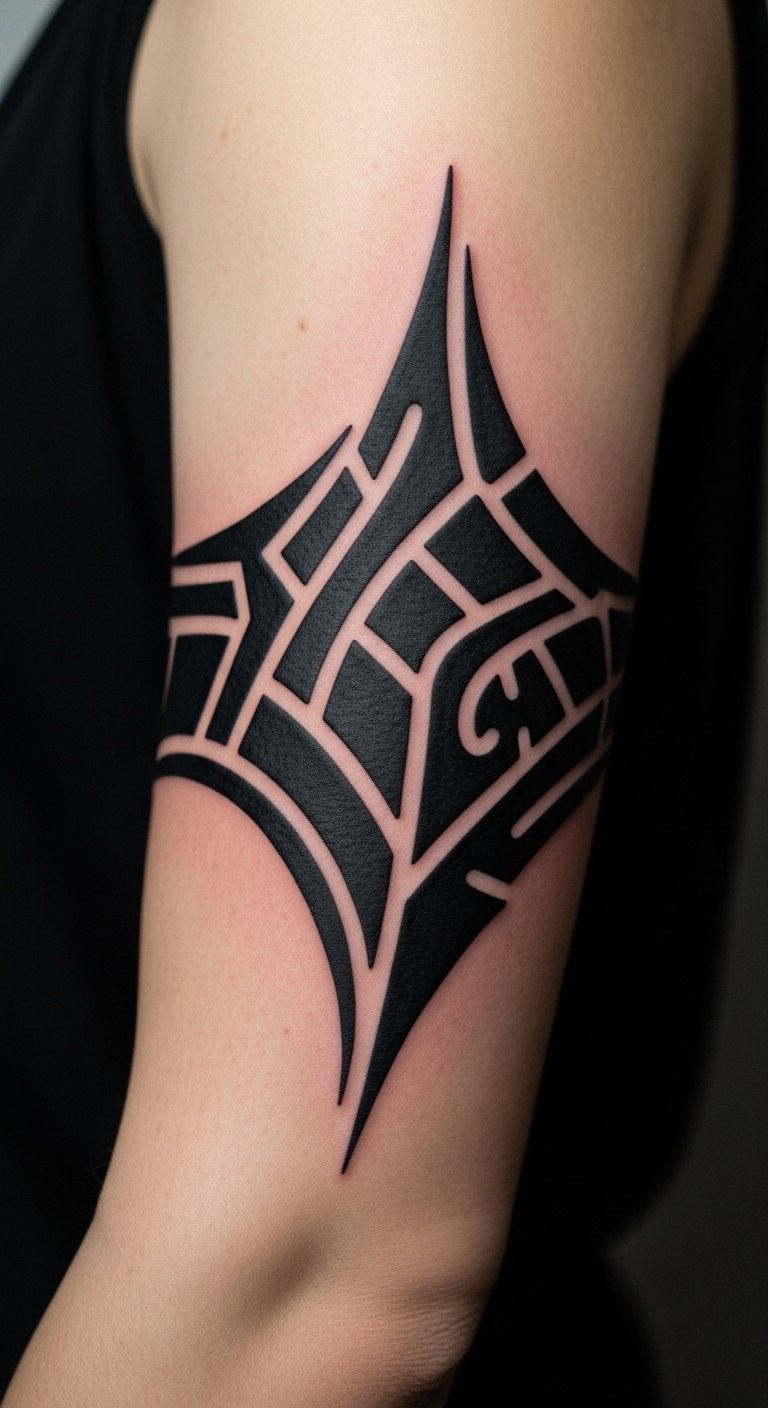
Bold tribal shapes deliver immediate visual weight. They’re forgiving over time because thick lines age predictably. Place them on the outer arm for lower pain and strong visibility. Avoid copying sacred symbols without cultural understanding—if you choose traditional motifs, research meaning or work with an artist who respects those roots. Heavy blackwork can “weep” early on; using second-skin bandage for initial days can limit mess.
Patchwork Modular Half Sleeve on Bicep
Style/Technique: Patchwork / Neo-Traditional Mix
Pain Level: Low-Medium (2-4/10)
Session Time: Built over time, multiple short sessions
Best For: Collectors who add gradually
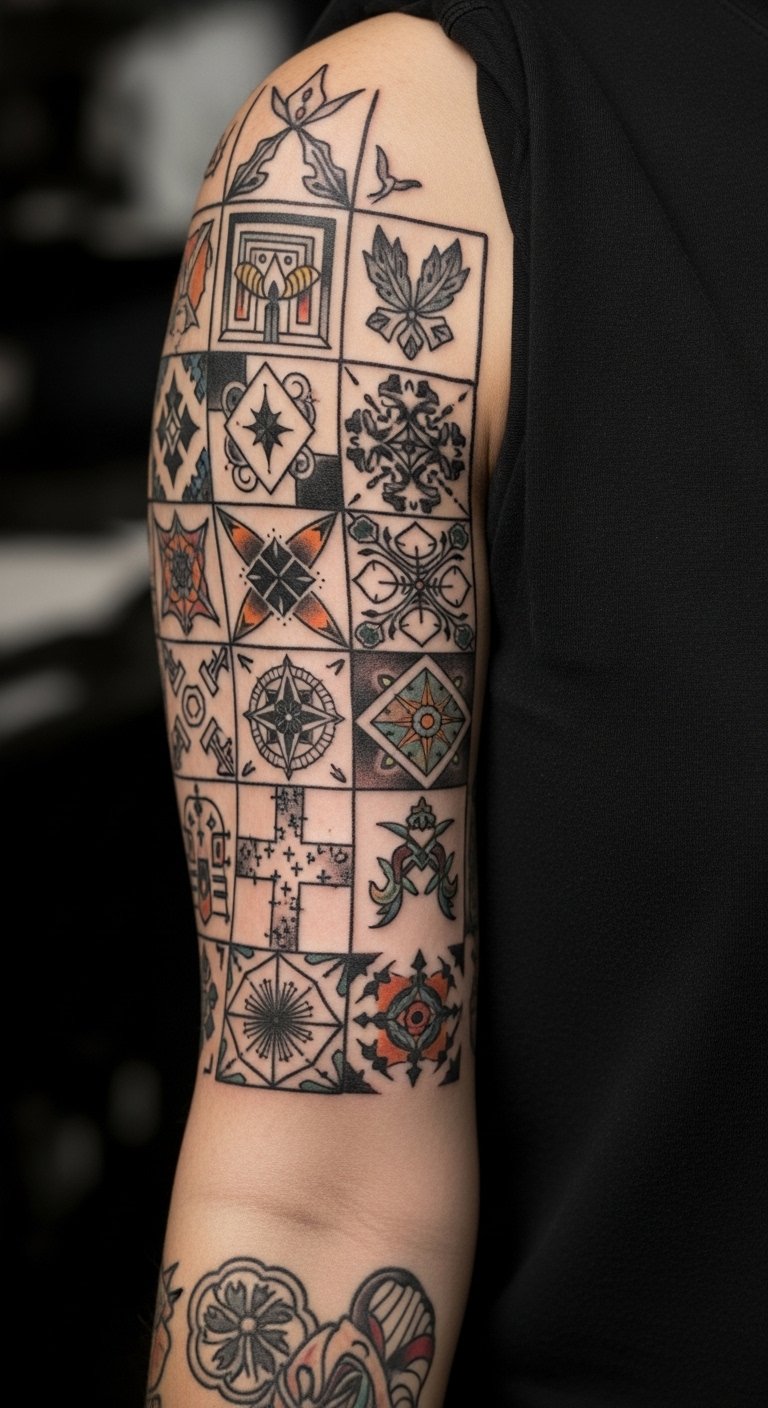
Patchwork sleeves are my top pick for people unsure about full commitment. You can add pieces as you go. The risk is visual cohesion—ask an artist to design linking elements or a consistent color palette to tie patches together. Healing is the same as individual tattoos—wash gently, moisturize thinly, and avoid picking. This approach reduces fear of big sessions and lets you test styles.
Micro-Realism Inserts in Half Sleeve
Style/Technique: Micro-Realism / Detail Work
Pain Level: Medium (3-5/10)
Session Time: Short focused sessions for each insert
Best For: Tiny portraits or objects within larger sleeves
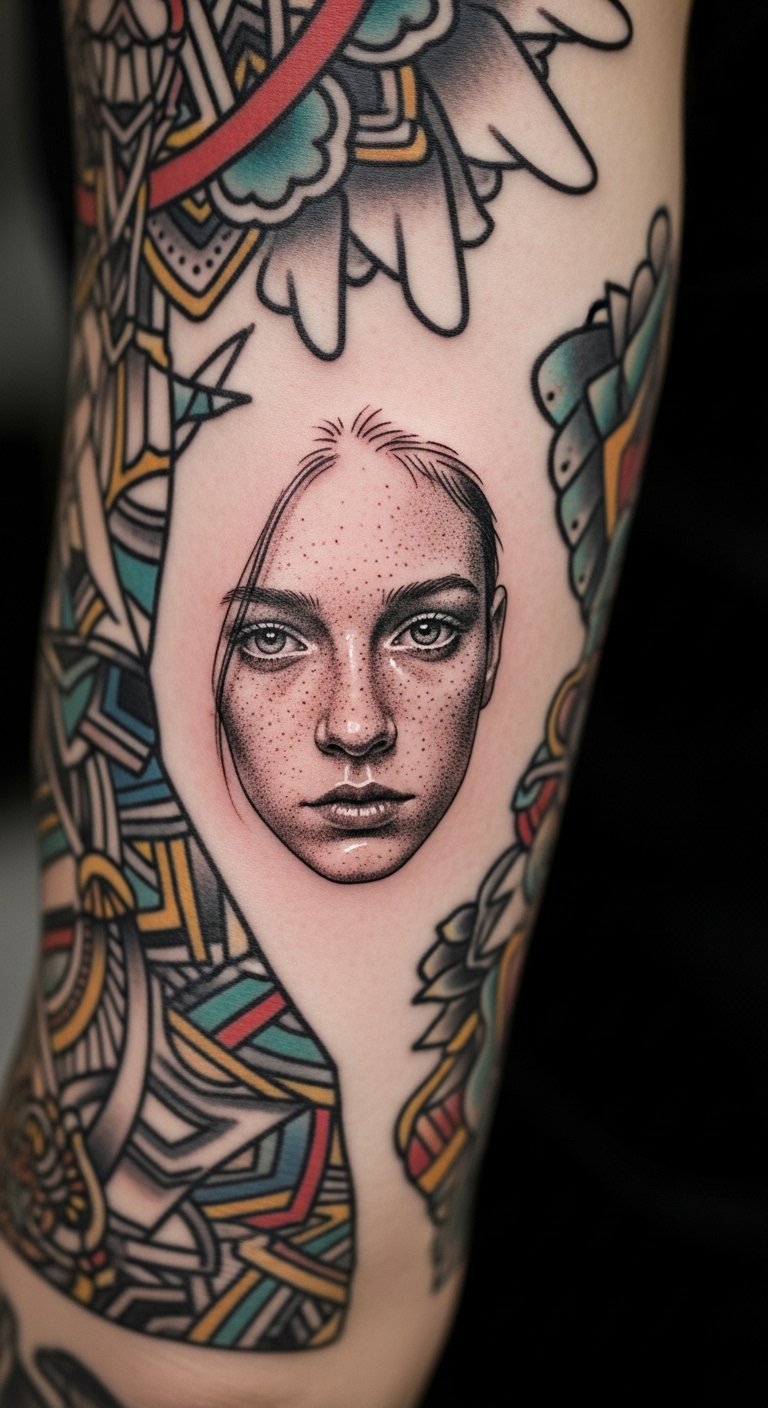
I love micro-realism for adding emotional accents inside a sleeve—tiny portraits or symbols that reward close viewing. They require an experienced hand and careful placement to avoid shrinking with time. These elements need proper aftercare to protect fine shading—think thin layers of tattoo balm and sun protection once healed. Integrate them into a larger blackwork or ornamental flow for balance.
Handpoke Textured Botanical on Outer Forearm
Style/Technique: Handpoke / Organic Texture
Pain Level: Low-Medium (2-4/10)
Session Time: Multiple short sessions
Best For: Handmade texture, softer healed look

Handpoke gives an organic texture different from machine lines. Healed work often feels softer and more subtle. Sessions are typically shorter but may be more frequent. Because the technique places pigment differently, expect a unique aging pattern—often gentle fading that looks natural. Use fragrance-free lotion after peeling for sensitive skin. This is a solid option if you want a less mechanical finish.
Memorial Symbolic Half Sleeve on Upper Arm
Style/Technique: Illustrative / Mixed Styles
Pain Level: Medium (3-5/10)
Session Time: Multiple sessions depending on elements
Best For: Personal tributes and keepsakes
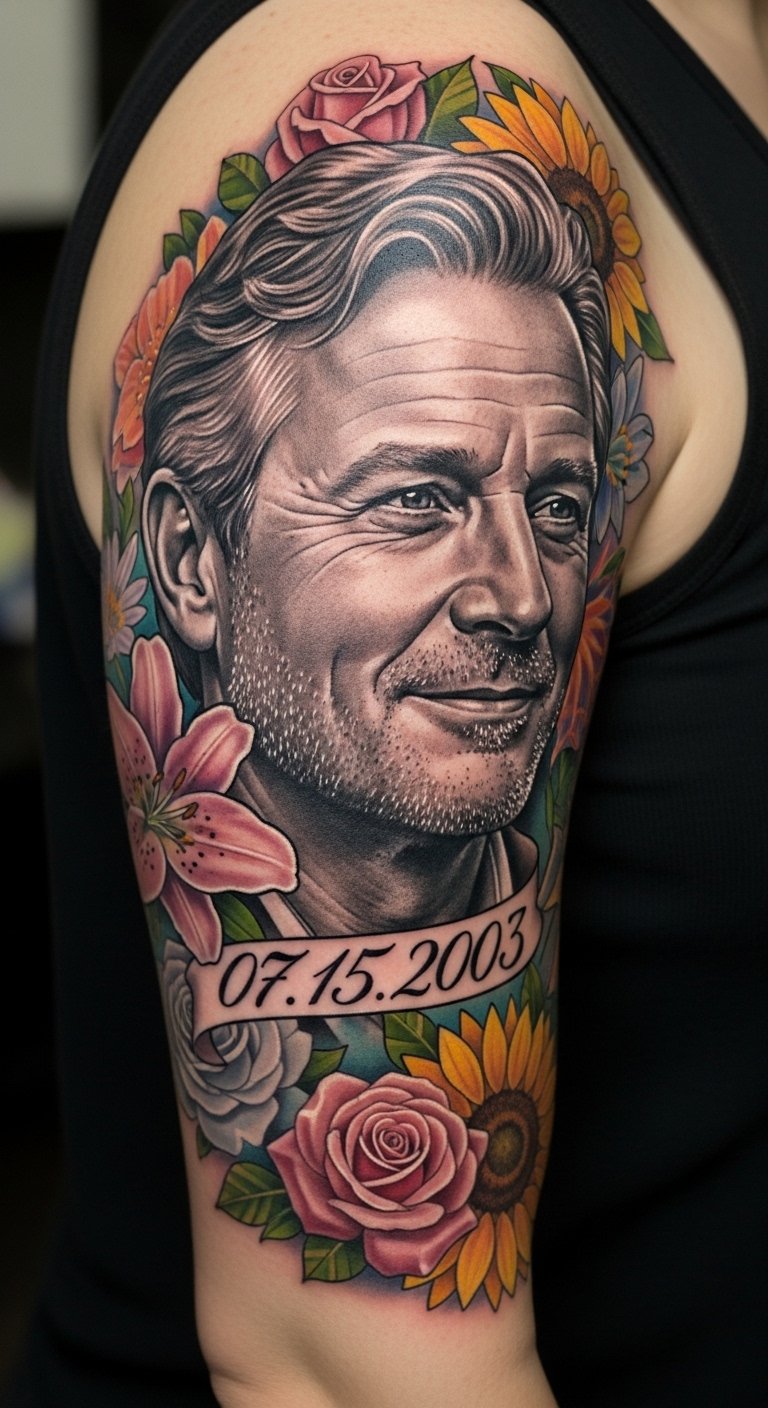
Memorial sleeves are deeply personal. When I helped a friend plan theirs, the mix of portrait, symbols, and script created a narrative that worked visually even years on. Discuss placement for each element so names and dates remain legible. Expect emotional weight during sessions—take breaks. Aftercare is crucial to protect portrait detail; wash gently and don’t pick scabs.
Blackwork Geometric Armor Plate on Outer Arm
Style/Technique: Blackwork / Geometric Panels
Pain Level: Medium (3-5/10)
Session Time: Multiple sessions, long fills
Best For: Sculptural, architectural looks
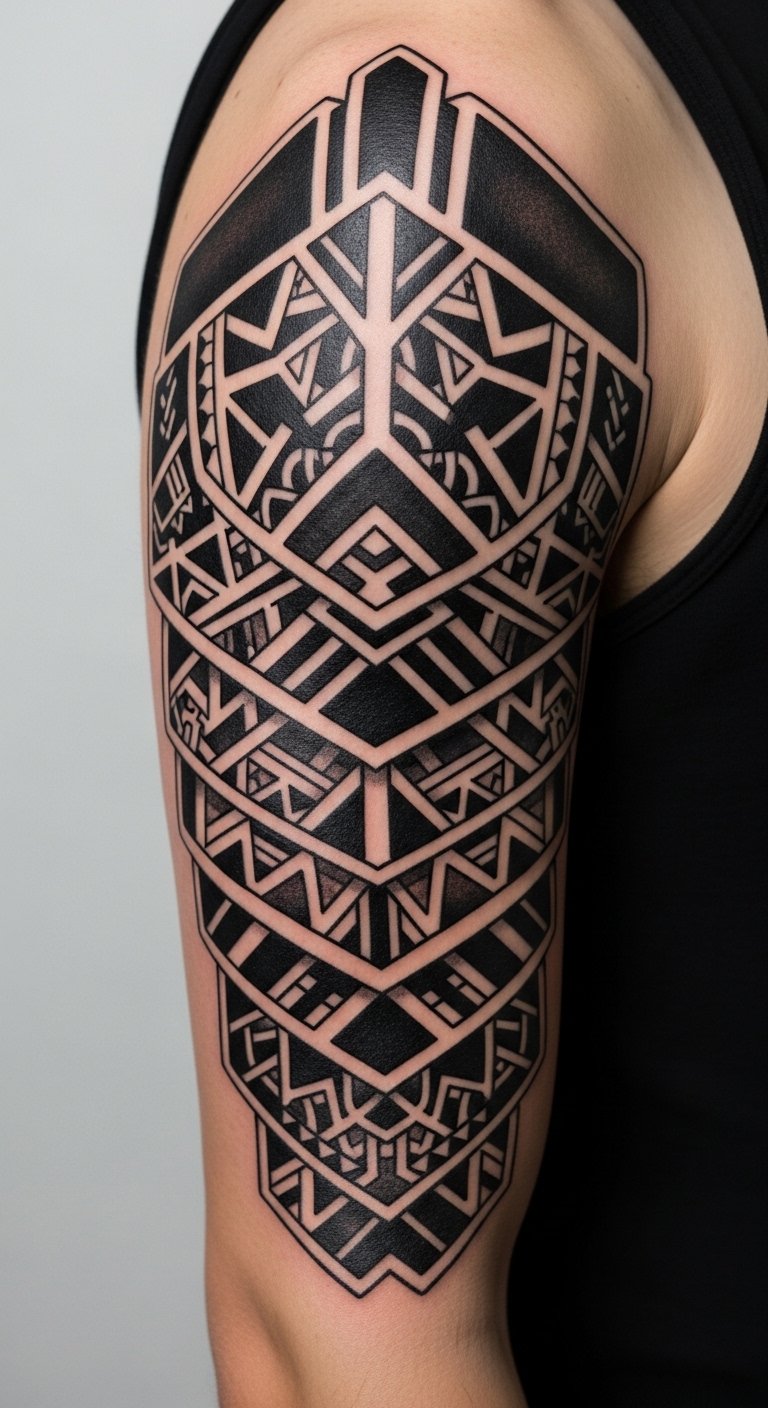
Armor-style blackwork creates a sculptural illusion. I’ve seen these work well on people who want a strong, structured half sleeve. Thick blacks and negative shapes age predictably. Heavy fills can scab more—follow bandage time guidance and apply thin layers of ointment. If you sweat a lot or work physically, give extra healing time before heavy activity.
Neo-Traditional Mythical Creature on Shoulder
Style/Technique: Neo-Traditional / Color
Pain Level: Medium (3-5/10)
Session Time: Multiple sessions, 2–4 hrs each
Best For: Storytelling, bold color narratives
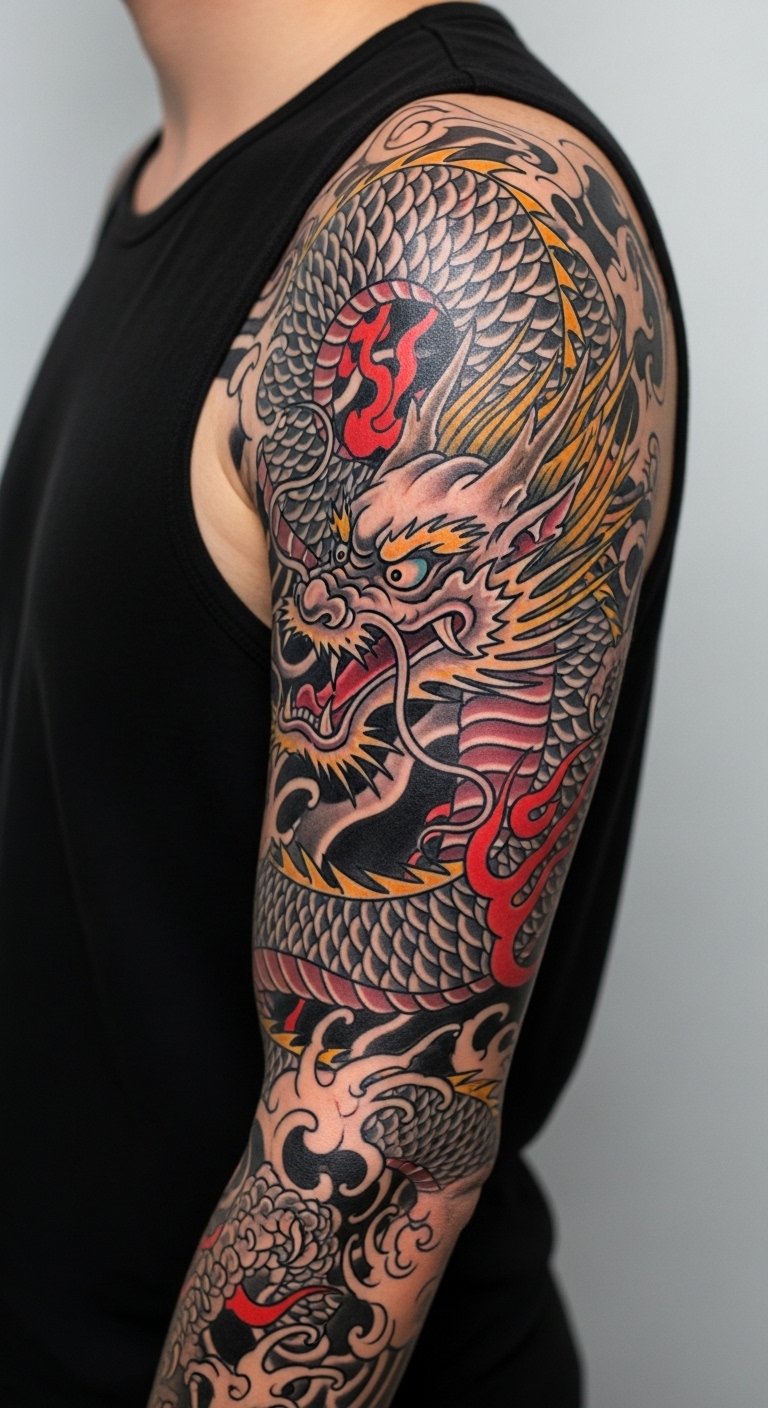
Mythical creatures read as epic and symbolic. Shoulder placement allows sweeping composition. Neo-traditional shading keeps color clarity longer than watercolor. Protect from sun and switch to fragrance-free lotion after the peel. Ask your artist about color longevity and touch-up plans for vibrant pigments.
Japanese-Inspired Half Sleeve on Upper Arm
Style/Technique: Traditional Japanese / Irezumi Elements
Pain Level: Medium (3-5/10)
Session Time: Multiple long sessions
Best For: Bold cultural motifs, large narrative pieces
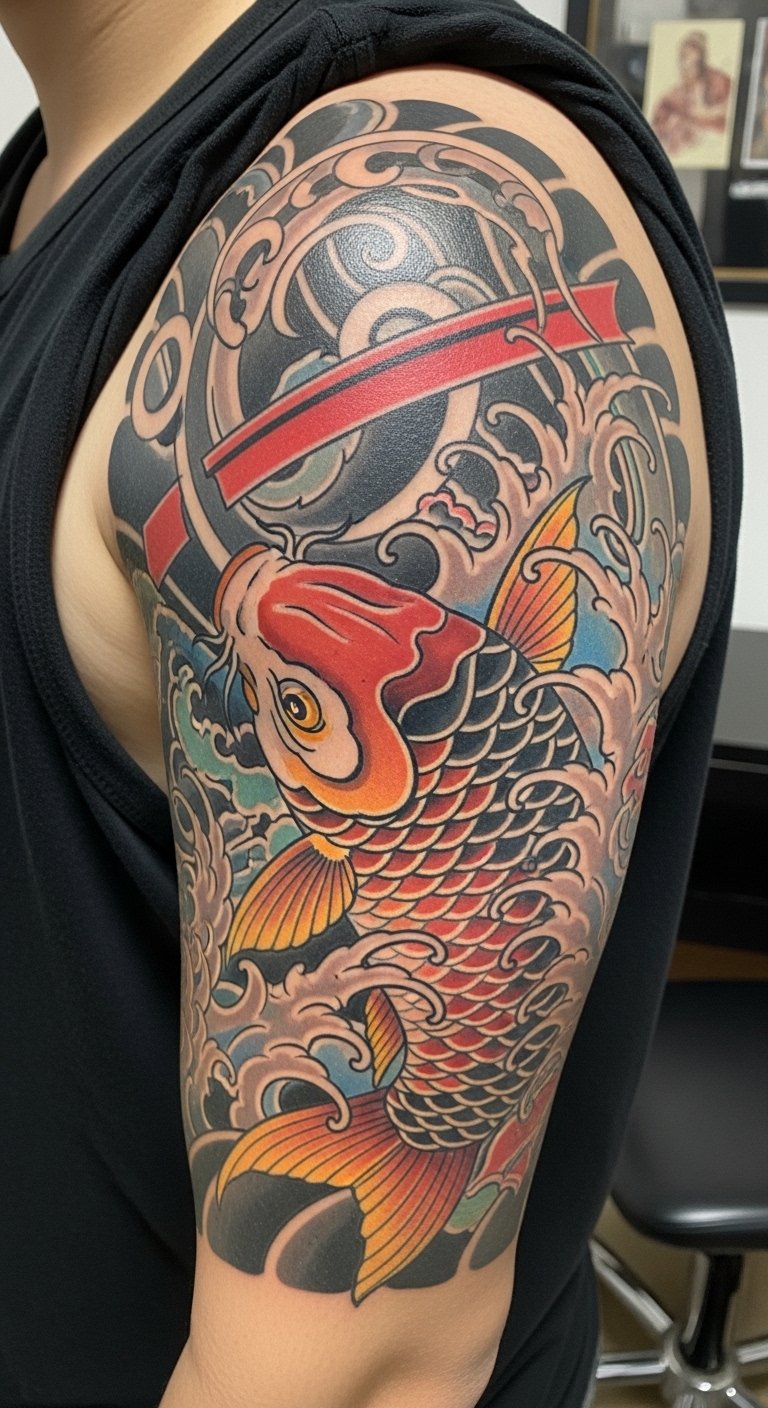
Irezumi-style sleeves are timeless if done respectfully. The bold motifs and flowing composition fit the arm’s shape naturally. Because of the scale, plan for multiple sessions and strict aftercare to protect large color areas. Artists often pace these to avoid overworking tissue—listen to their pacing advice.
Surreal Collage Half Sleeve on Outer Arm
Style/Technique: Surreal / Mixed Media Look
Pain Level: Medium (3-5/10)
Session Time: Several sessions, varied durations
Best For: Artistic statements, layered narratives
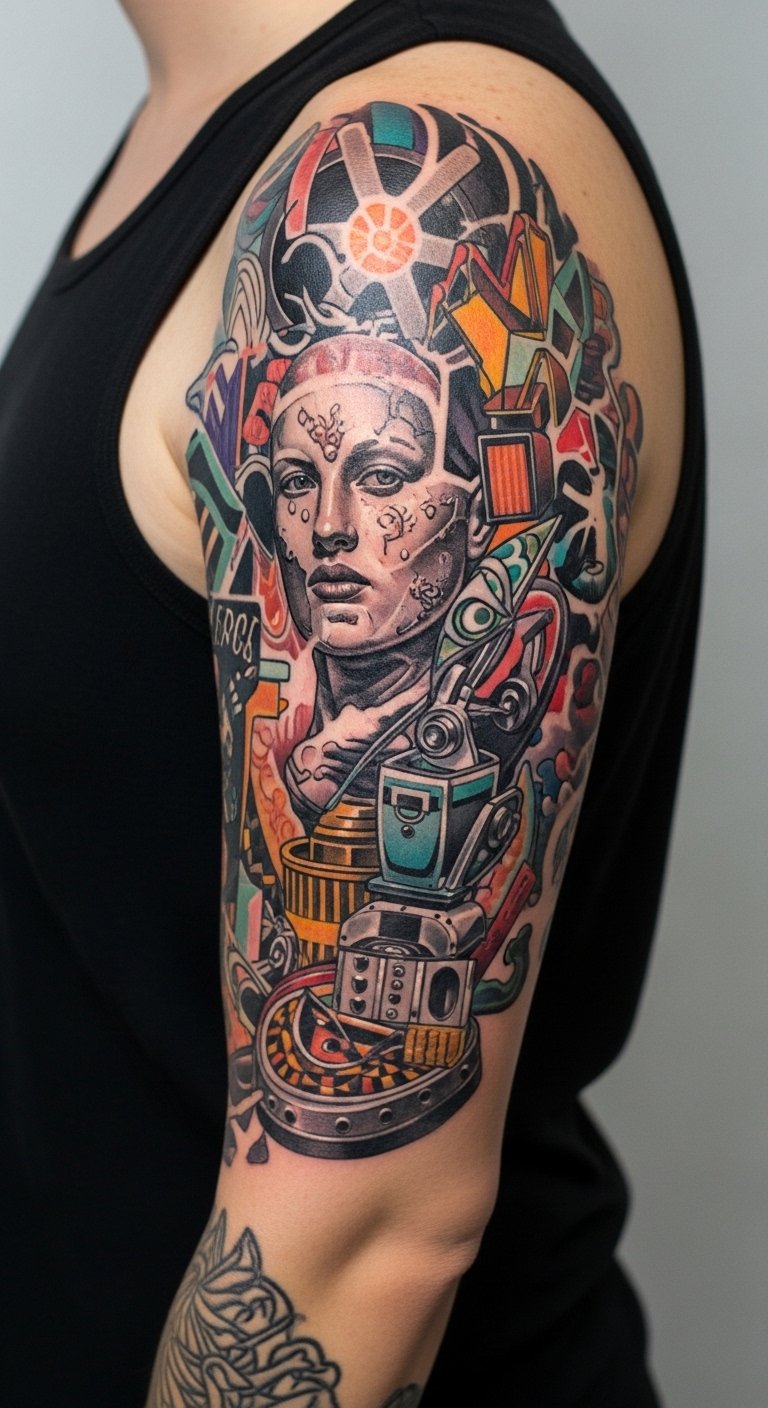
Surreal sleeves are conversation starters. I like how they layer micro-realism with illustrative elements. Healing varies across elements—realistic parts may scab differently than flat blacks—so follow tailored aftercare per zone. When planning, ask how pieces will sit when the arm bends to avoid awkward placement.
Stained-Glass Neo-Traditional Half Sleeve
Style/Technique: Neo-Traditional / Color Blocking
Pain Level: Medium (3-5/10)
Session Time: Multiple sessions for color blocks
Best For: Graphic color work, bold light play
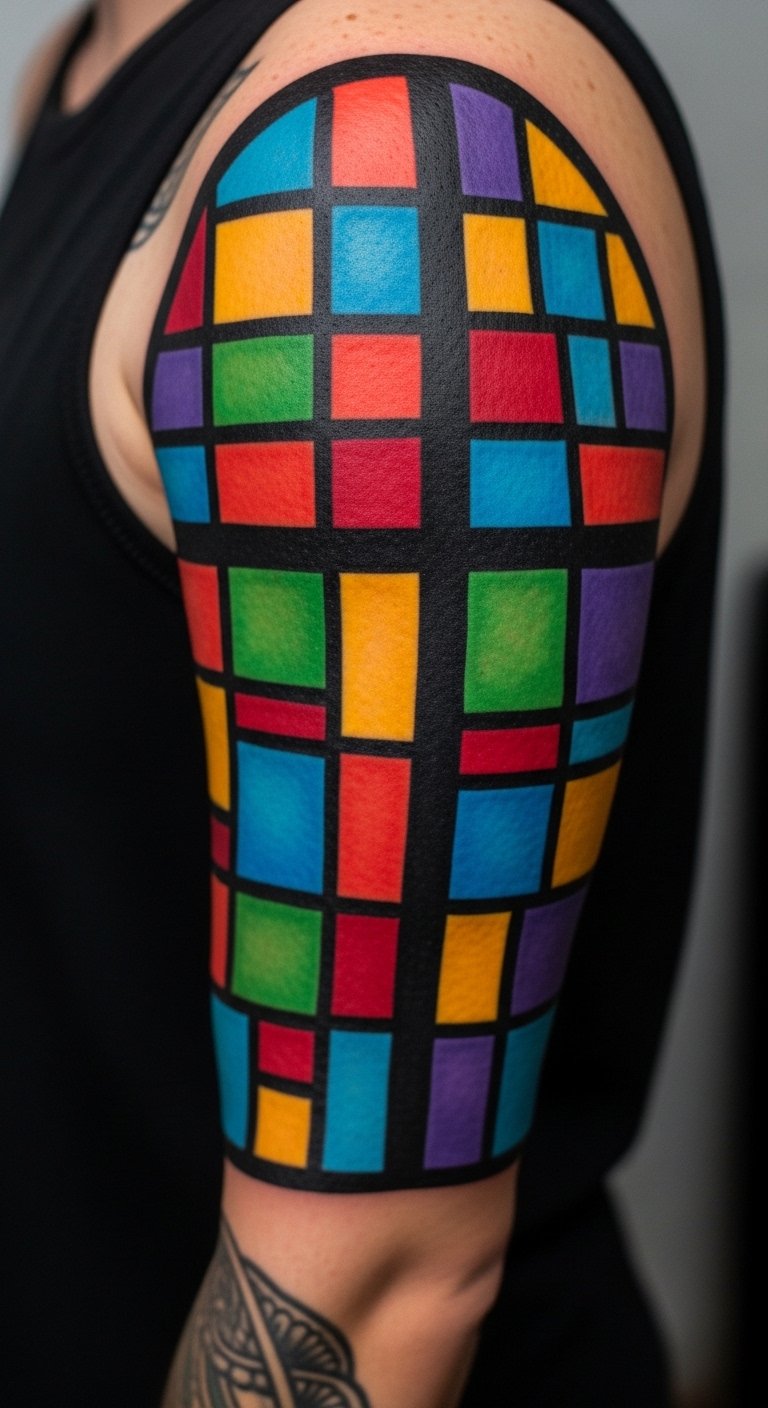
Stained-glass sleeves use bold outlines with segmented color. I’ve seen them age well if outlines are confident and color is saturated. Avoid tiny color gradients that blur; go for distinct blocks. Sunscreen is key for color longevity—use a high-factor stick once healed.
Celestial Phases Fine Line Forearm Wrap
Style/Technique: Fine Line / Celestial Motifs
Pain Level: Low-Medium (2-4/10)
Session Time: 1–3 sessions
Best For: Subtle symbolism, minimalists with a sleeve feel
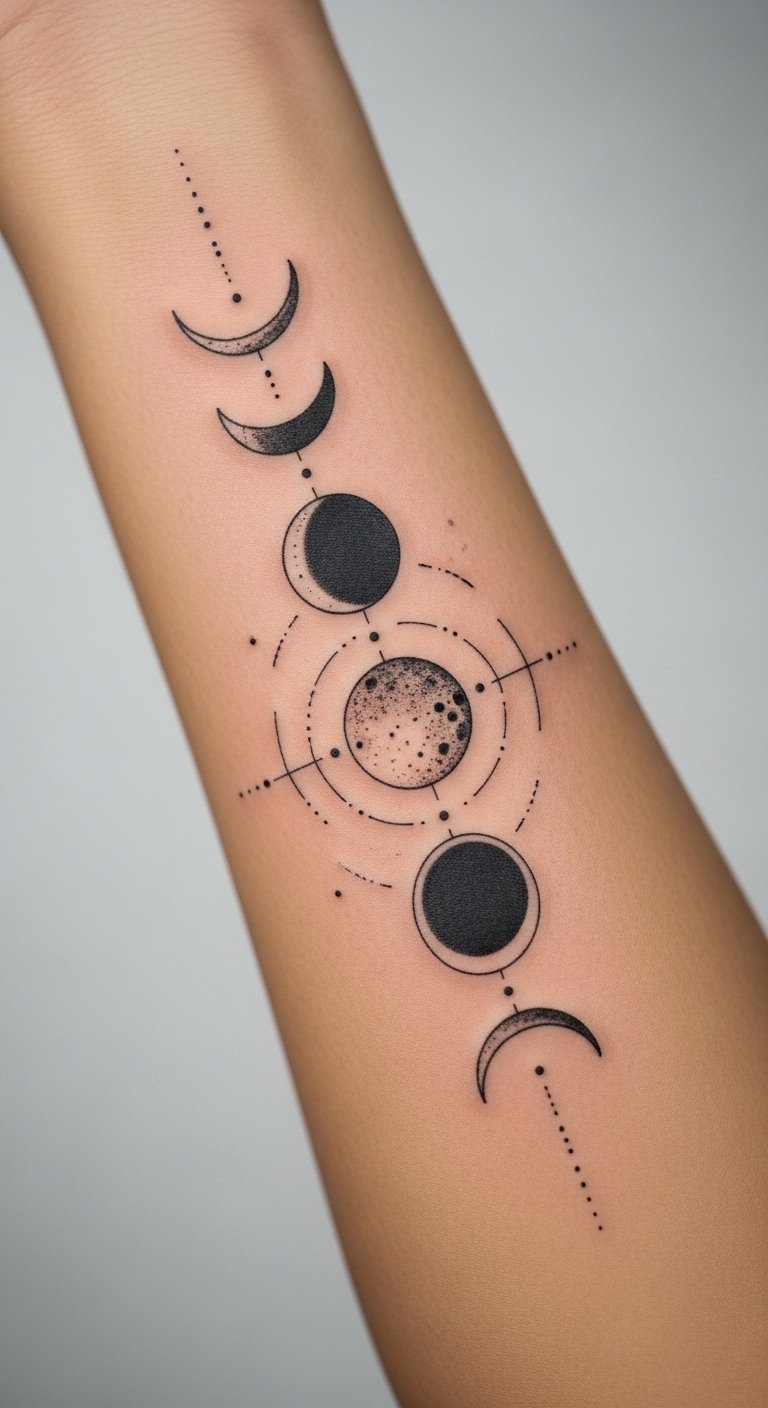
Moon phases and stars wrap elegantly around the forearm. Fine line needs careful spacing to avoid merging later—request slightly bolder key lines. Keep moisturizer thin and consistent to prevent heavy scabbing on dotty details. This is a tasteful half sleeve tattoo ideas option for low visual weight.
Armor Plate Blackwork on Shoulder
Style/Technique: Blackwork / Solid Panels
Pain Level: Medium (3-5/10)
Session Time: Multiple sessions focused on large fills
Best For: High-impact, sculptural coverage
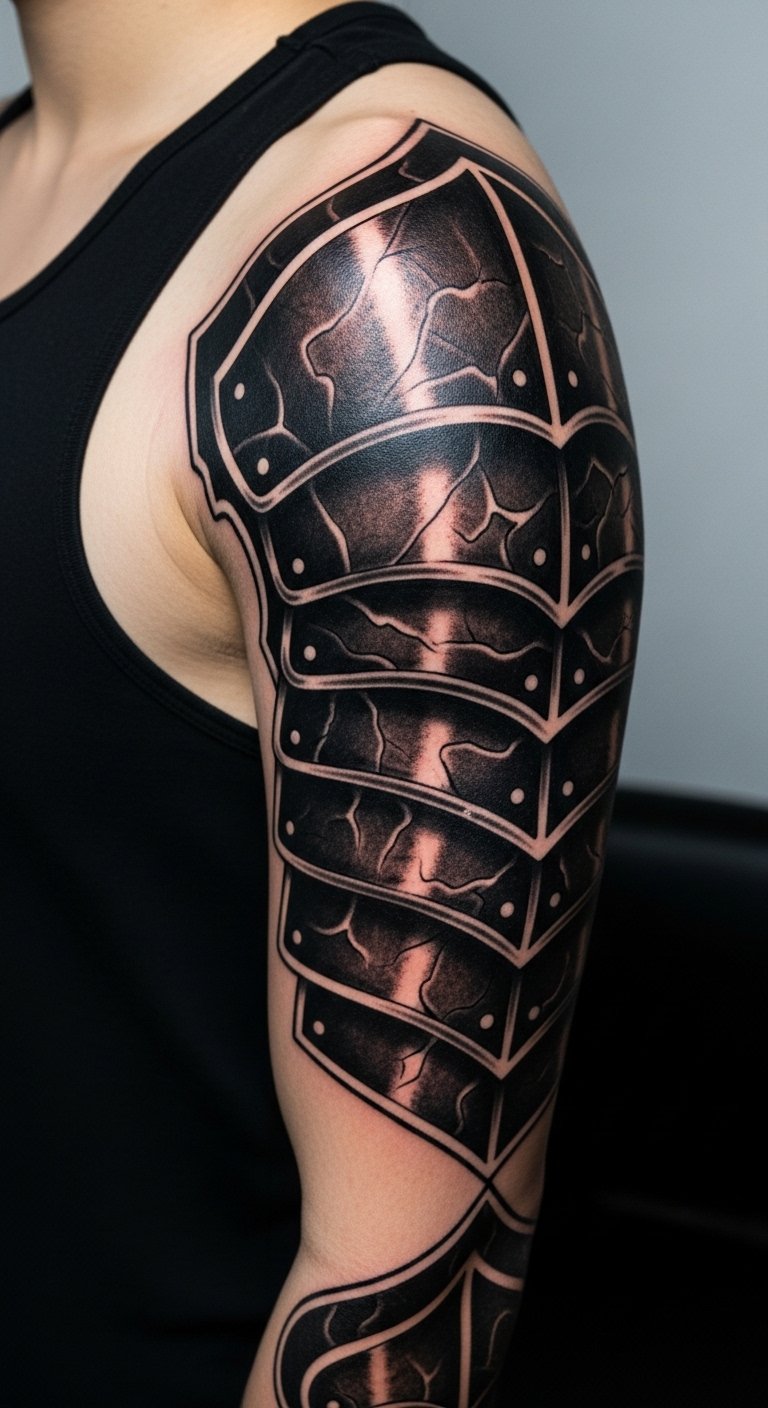
Large black panels create a strong silhouette. Shoulder areas tolerate filling well. Large fills need careful aftercare to prevent heavy scabbing—consider second-skin for initial days if your artist recommends it. Blackwork ages predictably and looks striking on healed skin.
Floral Watercolor With Bold Anchors on Outer Arm
Style/Technique: Watercolor + Neo-Traditional Anchors
Pain Level: Medium (3-5/10)
Session Time: 2–4 sessions
Best For: Painterly look with improved longevity
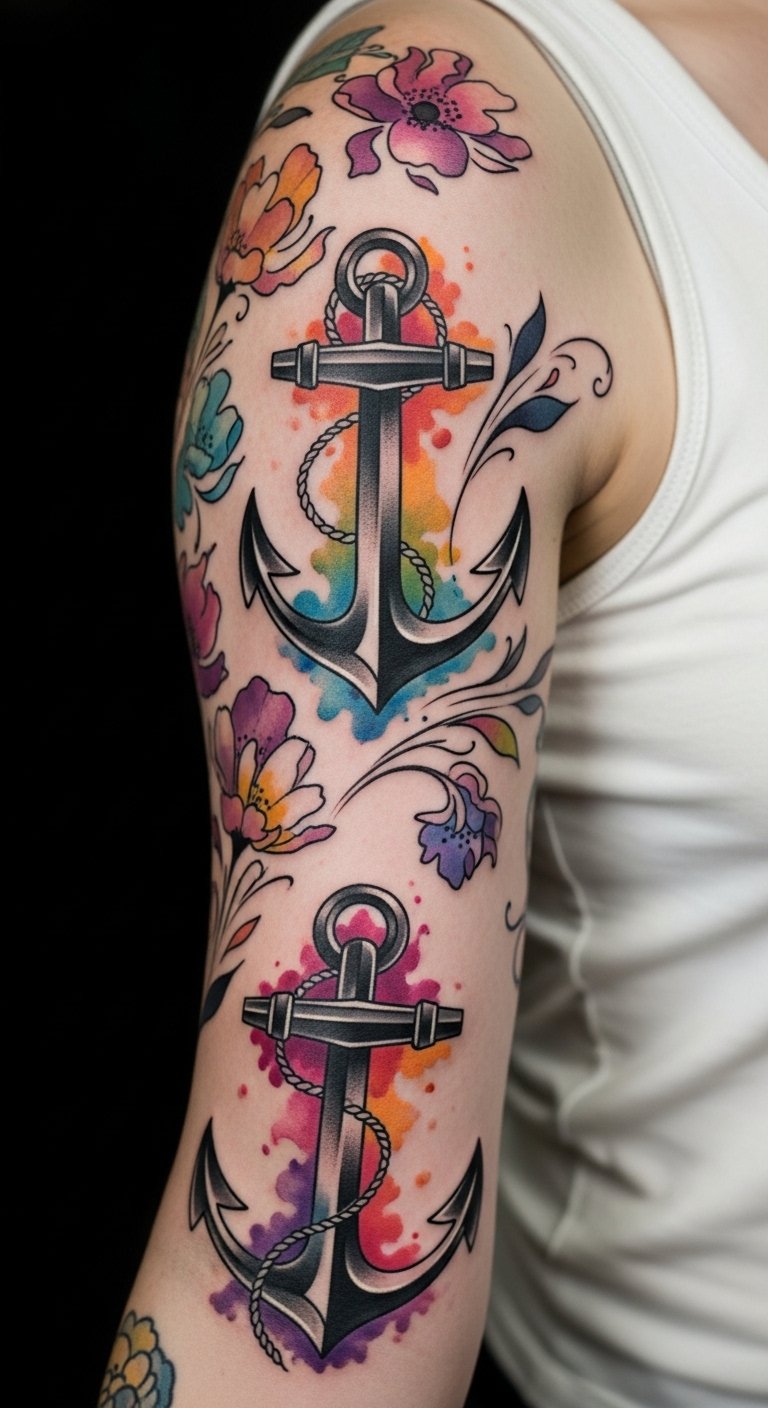
If you love watercolor, I recommend pairing it with bolder anchors. That balances the dreamy look with structure that keeps a piece readable as it ages. Aftercare and sun protection are non-negotiable—colors soften without both. Ask about touch-up schedules for delicate pigments.
Patchwork With Micro-Realism Inserts on Bicep
Style/Technique: Patchwork / Mixed
Pain Level: Low-Medium (2-4/10)
Session Time: Built over many shorter visits
Best For: Highly personal collections, evolving sleeves
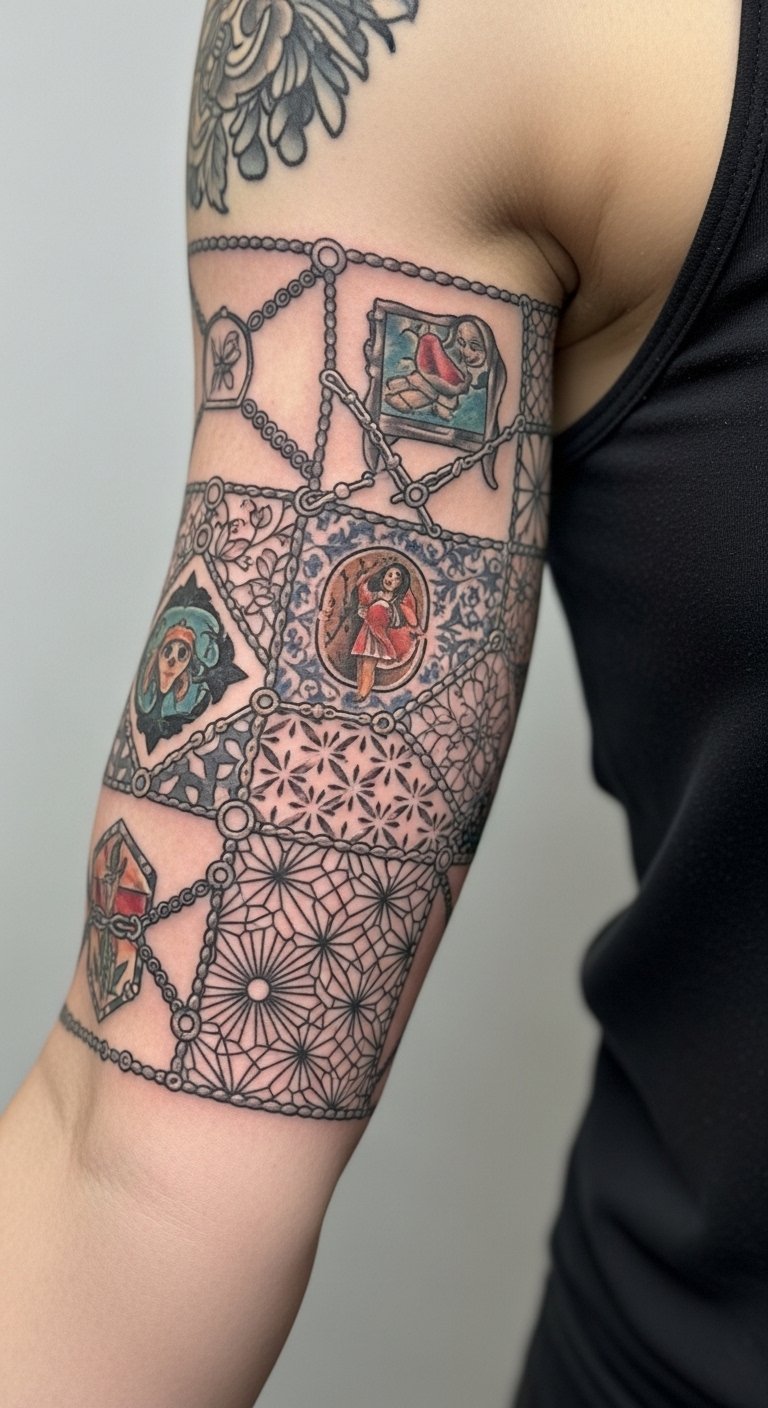
This combines modularity with fine detail. I like it because you can prioritize meaningful pieces first. Make sure linking filler is planned early so the sleeve reads cohesive rather than random. Follow standard aftercare across inserts to keep micro-realism crisp.
Botanical Blackwork With Negative Space on Forearm
Style/Technique: Blackwork / Negative Space
Pain Level: Low-Medium (2-4/10)
Session Time: 2–4 sessions
Best For: Graphic botanicals that read from a distance
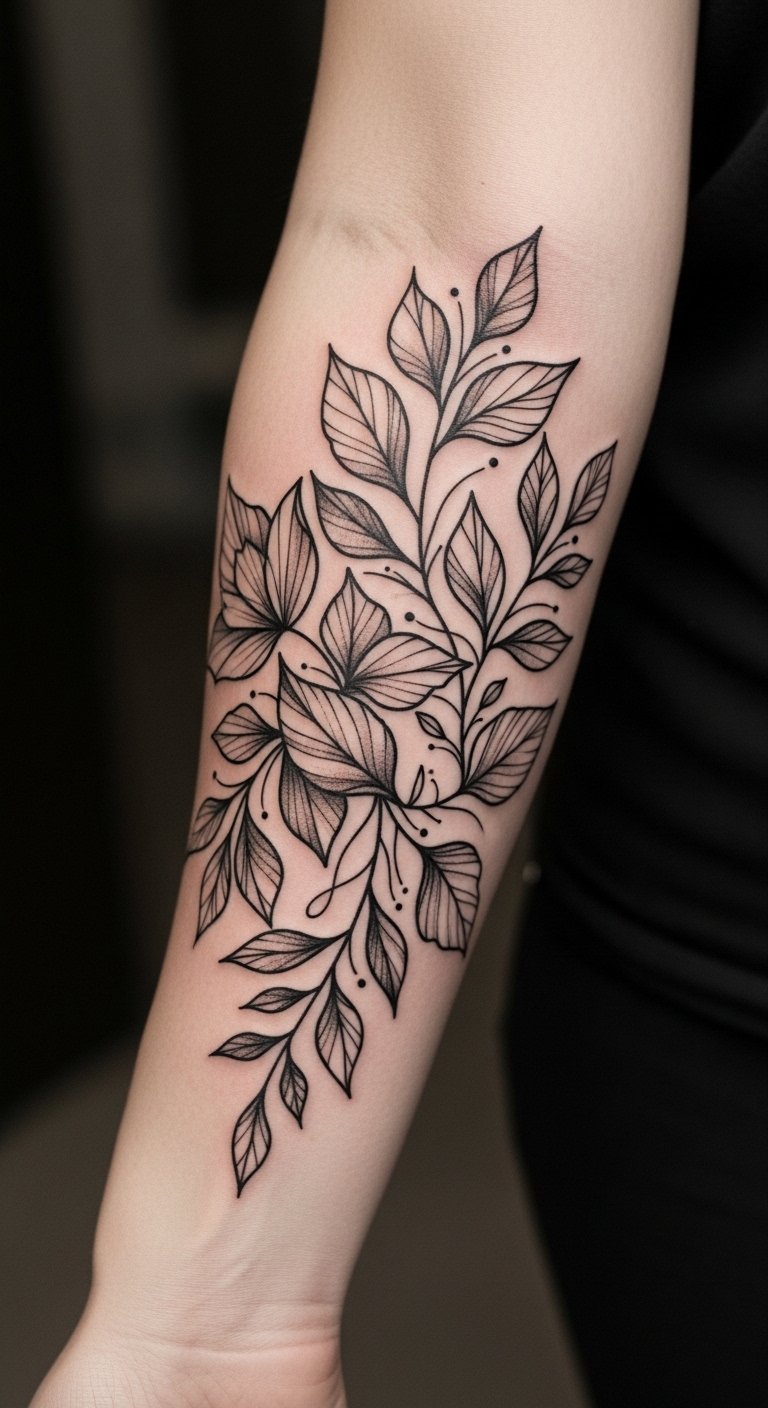
Negative space botanicals look striking and age well because the design relies on clear silhouette rather than tiny lines. They suit people who want bold tattoos without color. Keep healing simple—wash gently, pat dry, and apply a thin layer of recommended balm.
Handpoke Textured Memorial Vine on Inner Arm
Style/Technique: Handpoke / Textured
Pain Level: Medium (3-5/10)
Session Time: Several short sessions
Best For: Intimate memorial pieces with organic texture
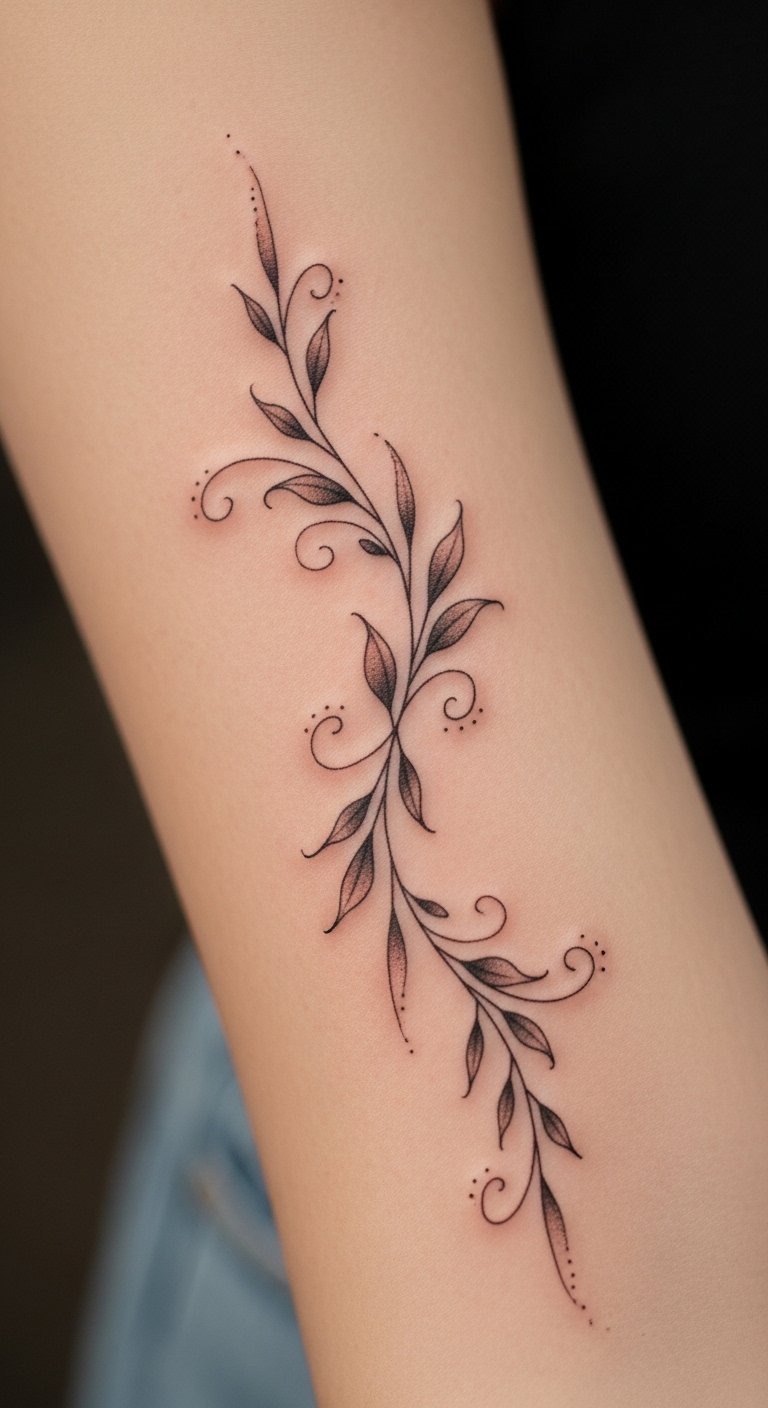
Handpoke memorials have a softer, handmade feel. Inner arm placement gives privacy but higher sensitivity. Healed texture often looks quietly detailed. I’d recommend fragrance-free lotion post-peel and CBD-infused foam for itch control if your skin is reactive.
Tattoo Prep and Aftercare Essentials
Aftercare Essentials:
- Aquaphor Healing Ointment, 14oz tube — Recommended for initial 1–3 days to lock moisture
- Saniderm Transparent Adhesive Bandage, 6-inch roll — Second-skin option for 3–4 day protection (ask your artist)
- Hustle Butter Deluxe, 4oz — Artist-favored tattoo balm for early healing
- Mad Rabbit Tattoo Balm, Travel Size — Keeps healed tattoos vibrant and hydrated
- Dr. Bronner's Unscented Castile Soap, 8oz — Gentle antibacterial wash for daily cleansing
- CeraVe Fragrance-Free Moisturizing Lotion, 12oz — For weeks 2–6 after peeling
- SPF 50+ Sunscreen Stick for Tattoos — Essential for long-term color protection
- Hush Anesthetic Numbing Cream (5% lidocaine) — Use only if your artist approves, 30–45 min before session
- Hydrocolloid Bandages (large) — For small spot protection during peels
- Lubriderm Fragrance-Free Lotion, 18oz — Post-peel daily hydration
- Tattoo Aftercare Kit (multi-product) — Handy for travel and post-session care
Notes: Artists often recommend Saniderm for large half sleeves to reduce friction and weeping. Use Aquaphor or Hustle Butter right after bandage removal unless told otherwise. Switch to fragrance-free lotion once scabs have fallen (weeks 2–4). For persistent itch, CBD-infused foam soap can ease inflammation but check ingredients.
Frequently Asked Questions
Q: How bad does a tattoo actually hurt?
A: Pain depends on placement and tolerance. Outer forearm/upper arm = lower pain (around 2–4/10). Inner bicep, elbow areas, and near bone = higher (4–7/10). Break sessions into short blocks and consider Hush Anesthetic 5% lidocaine only if your artist approves.
Q: How long does a half sleeve take to heal?
A: Surface healing is typically 2–3 weeks; full sleeve tattoo healing can take 2–3 months. Follow wash gently routines and thin-layer moisturize 2–3x daily. The American Academy of Dermatology notes tattoos take several weeks to heal and need sun protection afterward (https://www.aad.org).
Q: How do I stop itching without ruining my sleeve?
A: Moisturize thinly with a recommended tattoo balm and resist picking. Cold compresses and fragrance-free lotion help. CBD-infused post-wash foam can reduce inflammation for large areas—ask your artist before use.
Q: What if ink weeps or there's plasma on big blackwork?
A: Slight weeping is common on large fills. Keep it clean, use second-skin for the first 3–4 days if advised, and avoid re-bandaging with cling wrap. If heavy redness or fever appears, contact a medical professional.
Q: When can I exercise after a half sleeve?
A: Wait 48–72 hours minimum; longer if the piece is in a flex area. Sweat can introduce bacteria and cause ink loss. Resume intense exercise after initial scab phase—usually a week—while monitoring for irritation.
Q: How do I keep my half sleeve from fading long-term?
A: Daily sun protection is essential—use an SPF 50+ sunscreen stick once the tattoo is fully healed. Maintain skin hydration with fragrance-free lotion to keep colors vibrant.
Q: Are second-skin wraps better than cling wrap?
A: Yes. Products like Saniderm are designed for tattoos and reduce friction and contamination compared with cling wrap.
Conclusion
Start with a clear visual and a short list of must-haves for your sleeve. I always recommend sitting with a design for a few weeks, then checking healed photos from your chosen artist. Protect new ink with Aquaphor or Saniderm and use an SPF 50+ stick long term to preserve color. Which half sleeve tattoo ideas are you leaning toward?