
A friend of mine spent months saving images, then realized the real question was which style would still read clean on skin three years from now. I talked to artists at five shops across Brooklyn and sat through portfolios that showed what fades and what holds up. Below are 25 Christian tattoo approaches women actually choose, with placement notes, aging realities, consultation tips and clear mistakes to avoid so you get a healed piece you still like.
1. Floral cross on the collarbone

Someone I know first saw this on a friend and booked a collarbone piece the next month. I recommend a neo-traditional approach with bold cross linework and softer floral saturation around it. Tell your artist you want the cross to have slightly thicker lines than the petals so the silhouette stays readable as the ink spreads with time. Common mistake is putting too many tiny petals tight against the cross. At six months the color will still pop, at two years you may see softening of petal edges. Expect one touch-up within 2 to 4 years for saturation recovery. Collarbone is a moderate pain area and takes about one to two sessions depending on size.
2. Crown of thorns outline on the finger
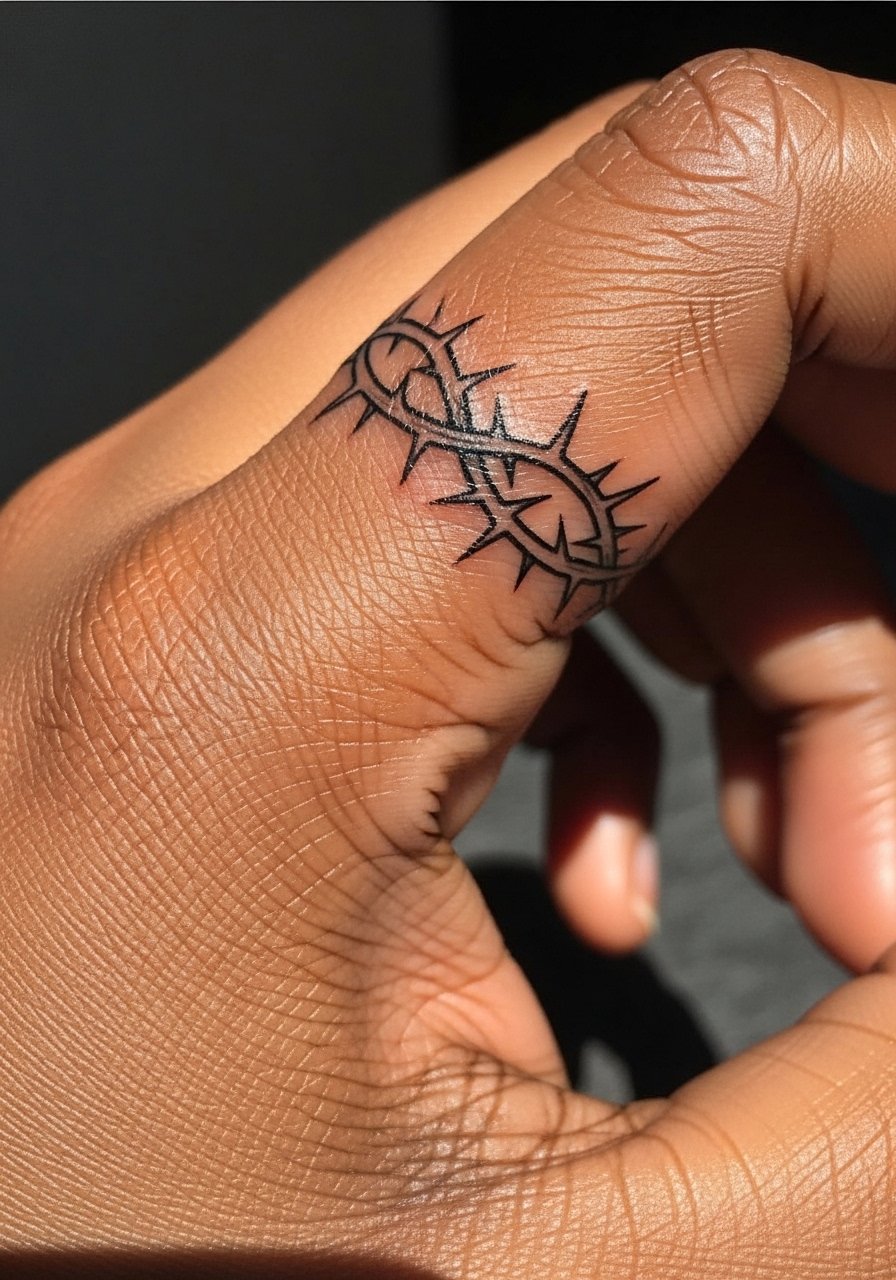
Fair warning, fingers age differently than other spots on the body. The crown of thorns outline is raw and compact. Ask the artist for slightly bolder spacing between thorn points to avoid blurring into a solid band later. The common version that fails uses hairline thorns packed tightly, which usually fades into a gray smudge within a year. For fingers you will likely need annual touch-ups. Hands and finger pieces can affect professional impressions in some workplaces, so consider placement carefully. Session time is short but expect a tender week of healing.
3. "God is greater than the highs and lows" script on the forearm

When you bring a phrase this long, bring multiple font samples into the consult. The biggest mistake is choosing a script that looks elegant in print but becomes illegible when scaled for skin. Ask for slightly heavier downstrokes and open spacing so letters do not join as the ink settles. Forearm placement lets the line breathe and heals predictably. At two years the phrase should remain readable if touch-up time is planned around year three. Mention you may want the text mirrored for private visibility if you prefer subtlety.
4. Scripture in calligraphy on the ribcage

Fair warning, the ribcage is a high pain area, but it is ideal for discreet scripture. Artists split on whether fine line on ribs holds up, so name both camps and ask where your artist stands. One group says the skin stretches and blurs thin lines within two years. The other group says with correct needle depth and slightly wider letter spacing, it settles fine. For this placement plan for 1 to 1.5 hour sessions. Test the wording as a temporary before committing. Many women prefer shorter verses or single words to avoid long healing lines.
5. Trinity knot with regional wildflowers on the ankle

Try a trinity knot hybrid that adds two or three local wildflowers for a regional touch. Tell your artist the flowers should read as accents and not overwhelm the knot so the symbol remains clear from a distance. The ankle is a small canvas with movement that can soften fine details, so avoid hairline loops. Expect one session for a compact design and a touch-up around year two for line crispness. Foot and ankle tattoos can feel tender during sessions and might need extra aftercare to avoid rubbing from shoes.
6. Delicate dove outline behind the ear or on the wrist
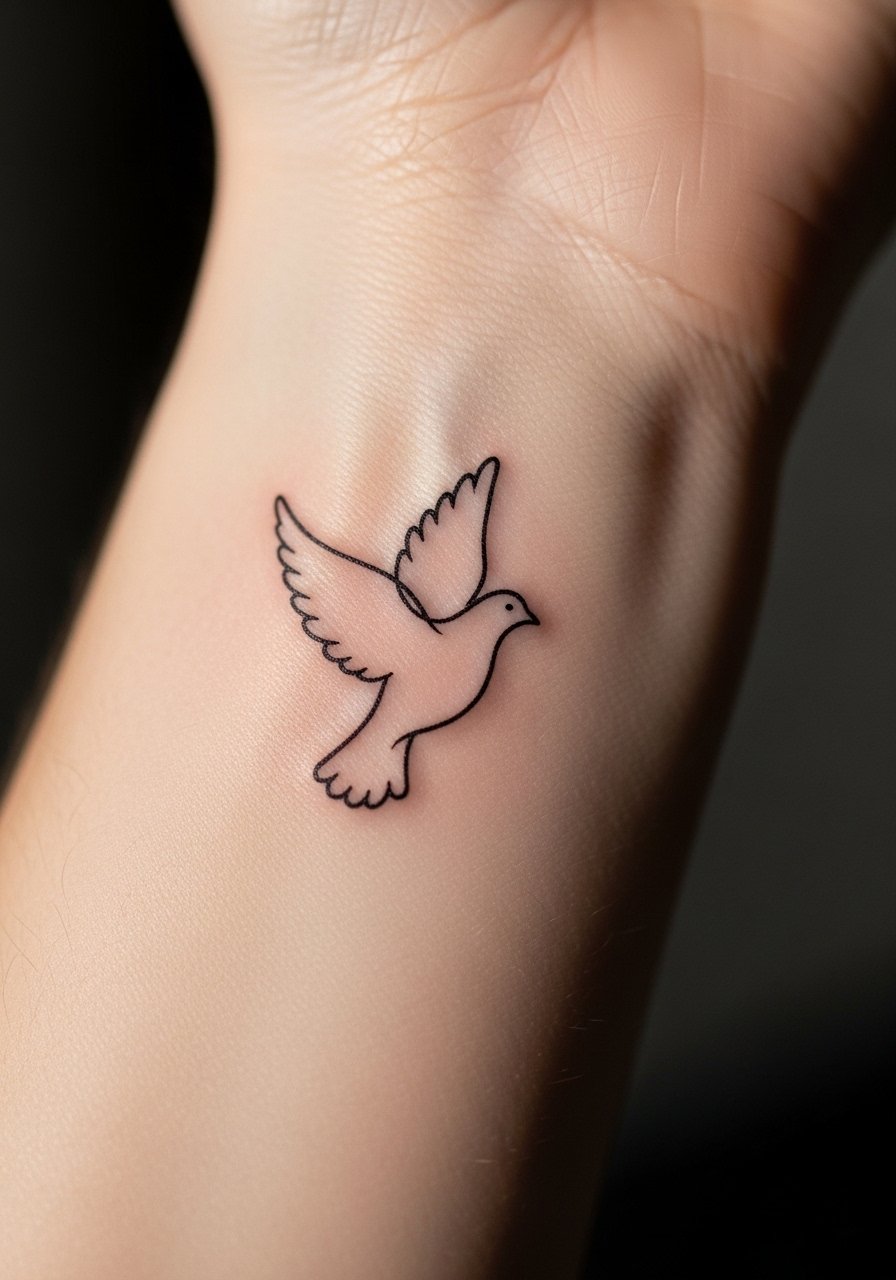
I've seen this dove executed as a tiny wrist motif and also tucked behind the ear for privacy. Tiny doves work best when the linework is slightly bolder than super-fine hairlines so the shape reads after a year. A common mistake is requesting the smallest possible outline without discussing blowout risk. For wrists expect moderate pain and one short session. Behind-ear placements may blur faster due to softer skin. Plan for a touch-up at year two if you want crisp wings.
7. Mustard seed dot or micro real dotwork on the wrist

The mustard seed is a discreet parable-inspired choice that ages well because it is essentially simple dotwork. Tell your artist you want a single concentrated dot with no haloing or surrounding shading. The mistake people make is adding tiny script or flourishes that crowd the small mark. This is a safe first tattoo and usually heals in a single short session. If you later expand the concept into a tree progression, the original dot can serve as the seed reference. Dotwork holds well on low-motion areas like the wrist.
8. Ichthys fish in fine line on the ankle
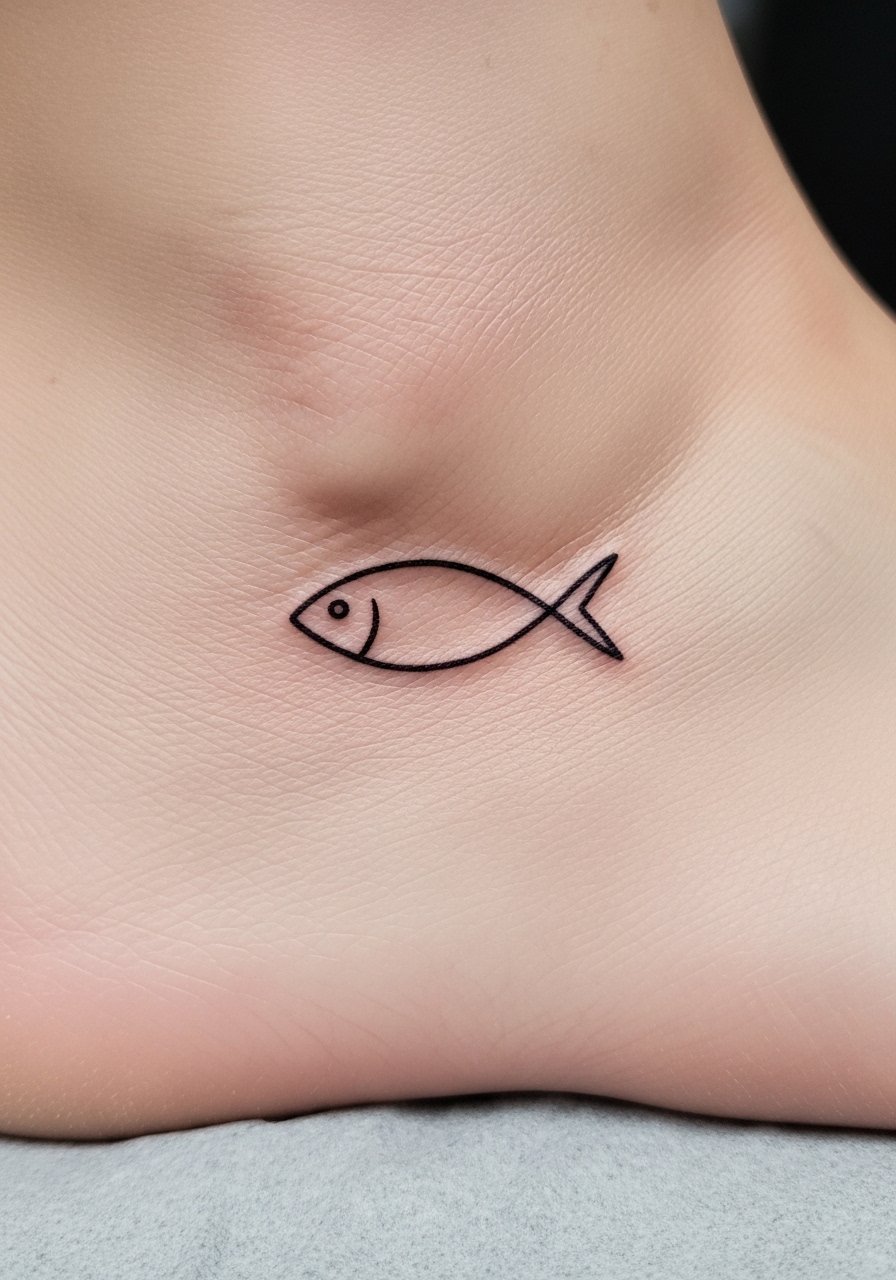
The Ichthys fish is a classic that reads understated and modern when done in fine line. For ankle placement tell the artist to leave slightly more spacing in the curve to prevent the top and bottom lines from merging after healing. A frequent error is using hairline strokes that disappear on darker or thicker skin. Ankle pieces tolerate movement well but can fade with friction from socks, so avoid low socks during the first two weeks. Expect a single session and a possible touch-up at year two.
9. Small cross with trailing vines on the collarbone or ribs

There's a nice balance when the cross keeps its silhouette while vines add organic motion. When you consult, ask for vine spacing that does not cross the cross's main strokes. The common version that ages poorly wraps vines tightly around the cross and creates visual clutter as the vines blur. At six months you will see vine edges soften, at two to five years the cross should remain the focal point. Collarbone placement reads well in most clothing. If you pick ribs expect more pain but greater privacy.
10. Dove holding an olive branch across the forearm

This composition is a little larger and works well on the forearm where the shape can stretch along the limb. Tell the artist you want moderate saturation in the olive leaves to avoid patchy color loss later. A mistake is asking for intense watercolor greens that may fade unevenly. At two years you may need a saturation touch-up. Forearm sessions are comfortable and healing is straightforward if you avoid heavy sweating the first week. This design reads as a clear symbol from a distance.
11. Anchor cross on the wrist or ankle
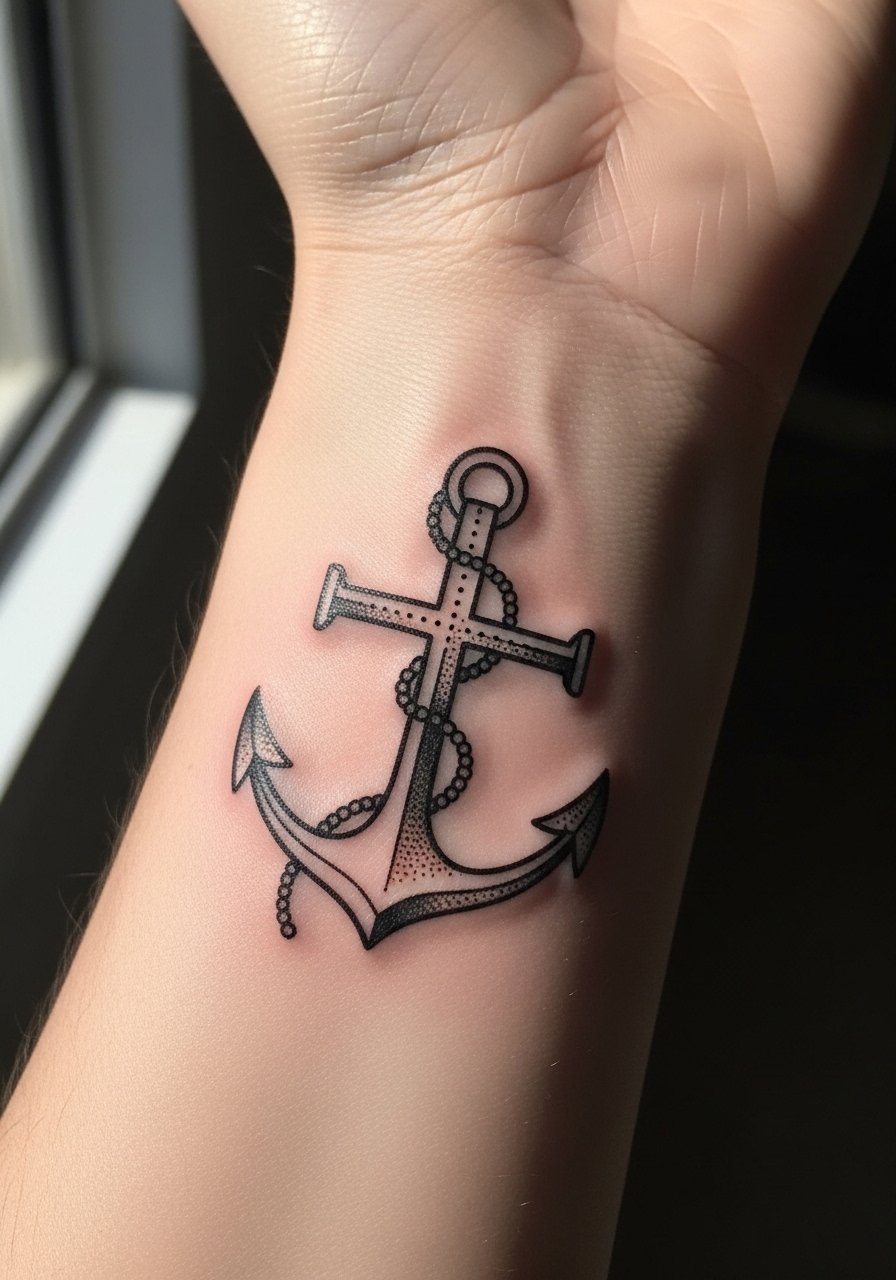
The anchor-cross mixes maritime imagery with the cross symbol and is sturdy for small placements. Recommend to your artist a compact silhouette with solid blackwork for longevity. A common fail is using fine shading that fades into a gray blob. Solid fill holds up better on high-motion areas like the wrist. Session time is short, but hands and wrists often need touch-ups sooner than mid-arm spots. Mention if you want the anchor stylized or literal so the artist can show examples from their portfolio.
12. Rosary wrap around the wrist or ankle
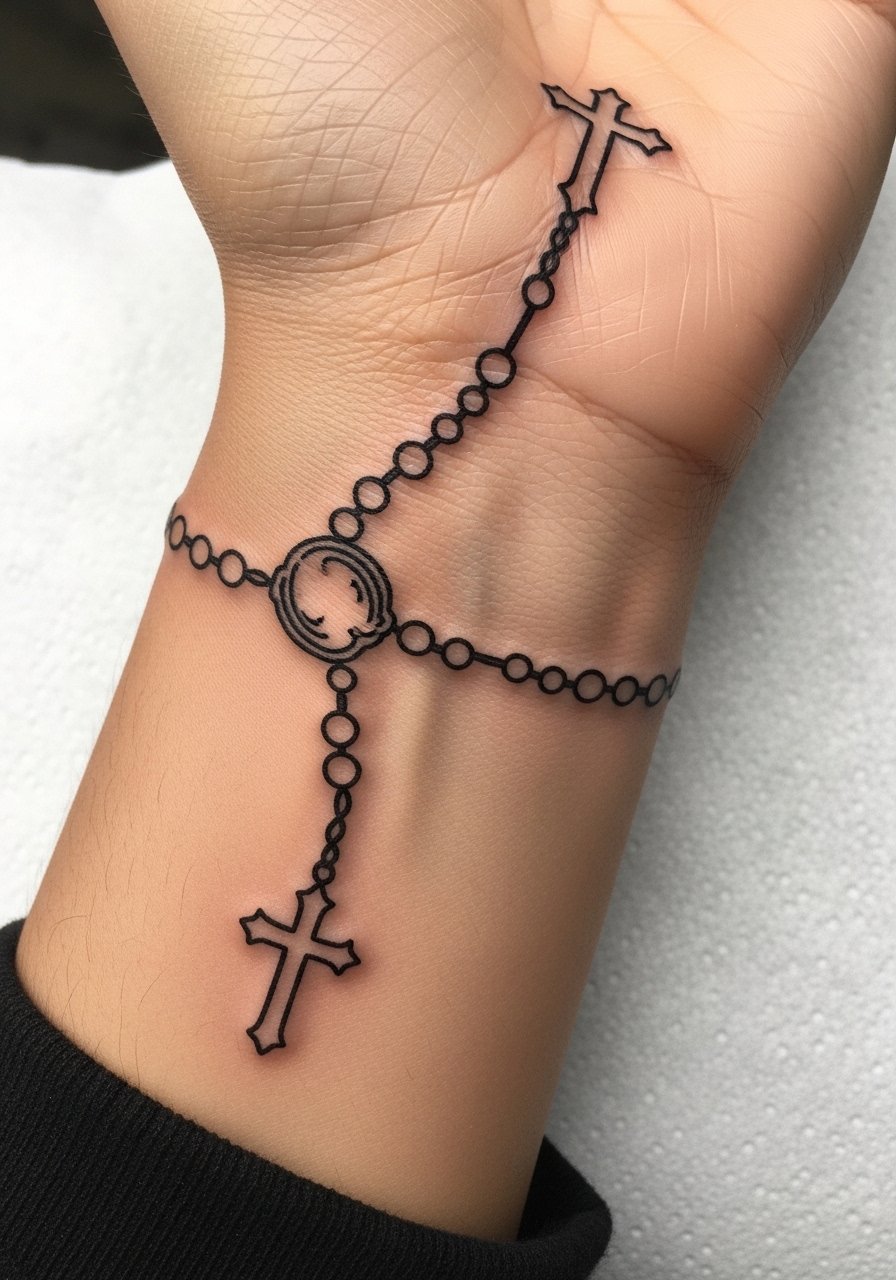
A rosary wrap reads well as a bracelet motif. Tell the artist you want individual bead spacing preserved so the beads remain distinct as the ink spreads. The biggest mistake is making the beads too small and close together. For wrist wraps expect more frequent touch-ups than ankle wraps because of constant movement and washing. If your workplace has conservative dress rules, ankle placement hides the design. Single session for simple wraps, longer for detailed beadwork.
13. Saint medal outline as minimalist pendant on the chest

A simplified saint medal avoids the clutter of full portraits and still references tradition. Ask for the medal rim to be slightly thicker than internal details. Many people ask for tiny portrait faces which lose definition quickly. Chest placement gives space for clean detail and is less prone to blowout than neck or hand spots. Expect a moderate session and a touch-up around year two for crisp rim restoration. If you want more realism, plan a larger piece.
14. Chi Rho monogram on the inner forearm

This ancient monogram is graphic and holds up well when executed with strong linework. During consultation specify the stroke width you want so the intersection does not fill in. The common mistake is requesting ultra-fine monogram strokes that merge into a dark blot. Inner forearm placement heals predictably and shows clearly. Session time is usually brief. If you want a softer edge, pair the monogram with faint stipple shading behind it.
15. Lamb symbol with soft dot shading on the thigh

Thigh canvas lets a gentle illustrative lamb breathe with dot work for texture. Tell the artist you prefer stipple shading rather than heavy gray wash for longer-lasting texture. People often ask for minute facial details that disappear; keep faces simple. Thigh tattoos age well because of less sun exposure. Session time varies by size, commonly one to two hours. The sensation during the session is low to moderate and healing is comfortable with roomy clothing.
16. Open Bible linework on the shoulder blade
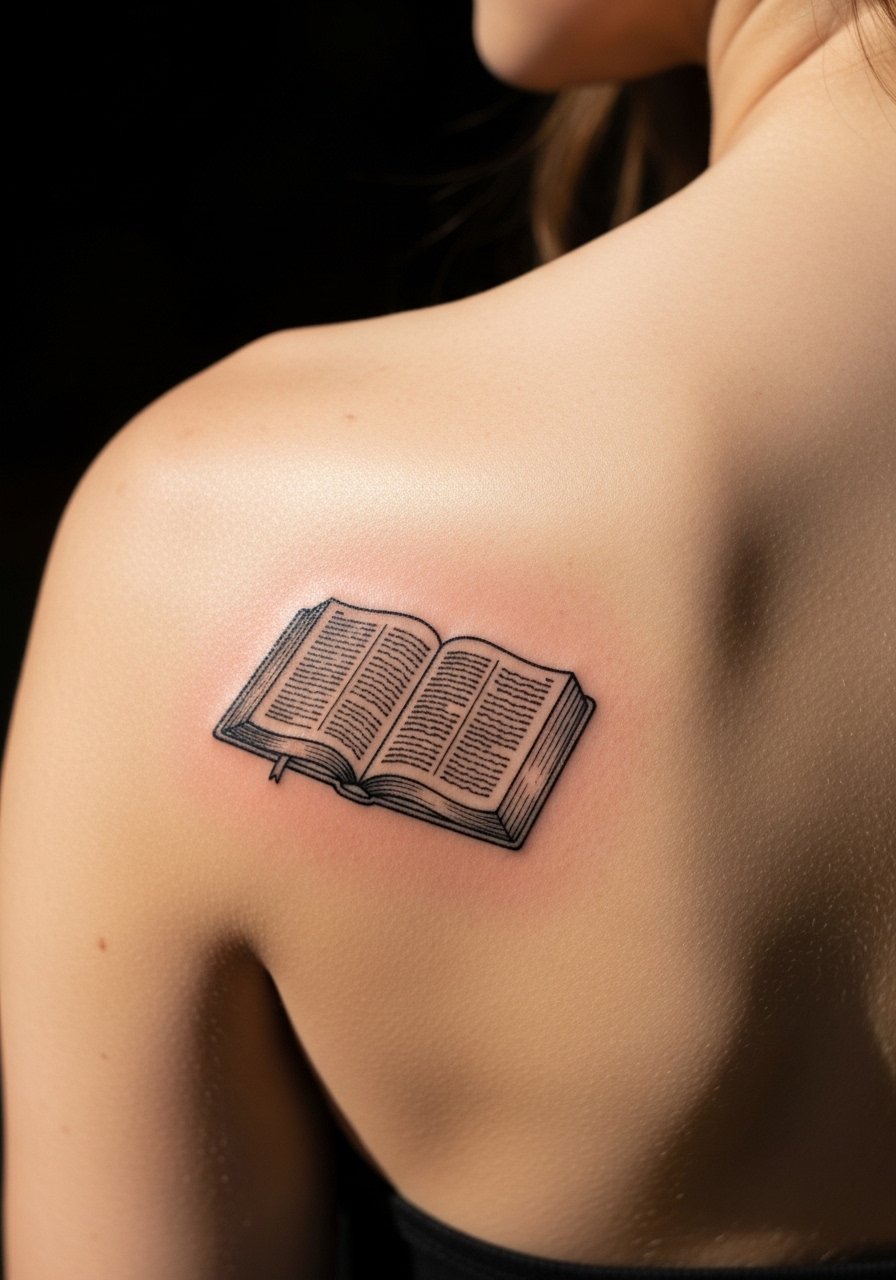
An open Bible linework piece reads clean when lines are slightly bolded and pages have space between them. Tell the artist you want readable page edges and no tiny interior text. The mistake is seeking miniature text that will not stay legible. Shoulder blade placement hides well under most clothing and heals predictably. Expect a one-hour session for a small to medium size. For larger open book pieces you can add a few words on the pages with explicit exact text provided to your artist.
17. Arrow-cross hybrid on the ribcage
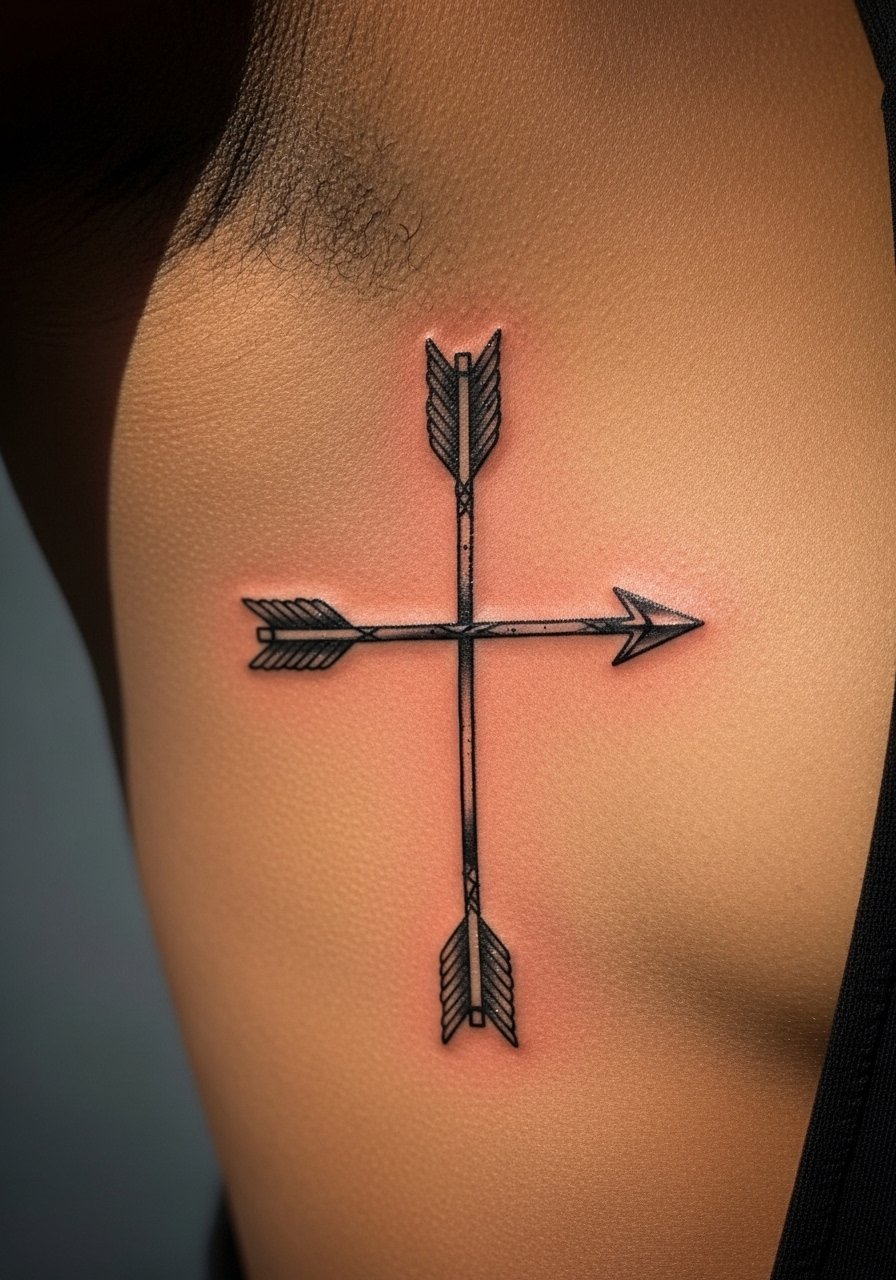
When the cross and arrow combine you get an angular silhouette that still carries symbolism. Tell the artist you want the arrowhead and crossbar to remain distinct and not merge at the center. A common error is making center details too fine which lose shape with skin stretch. Ribcage movement makes fine lines vulnerable, so expect a possible touch-up sooner than on the arm. The ribcage hurts more but offers privacy and a dramatic placement when you want it.
18. Prayer hands with small rosary on the forearm
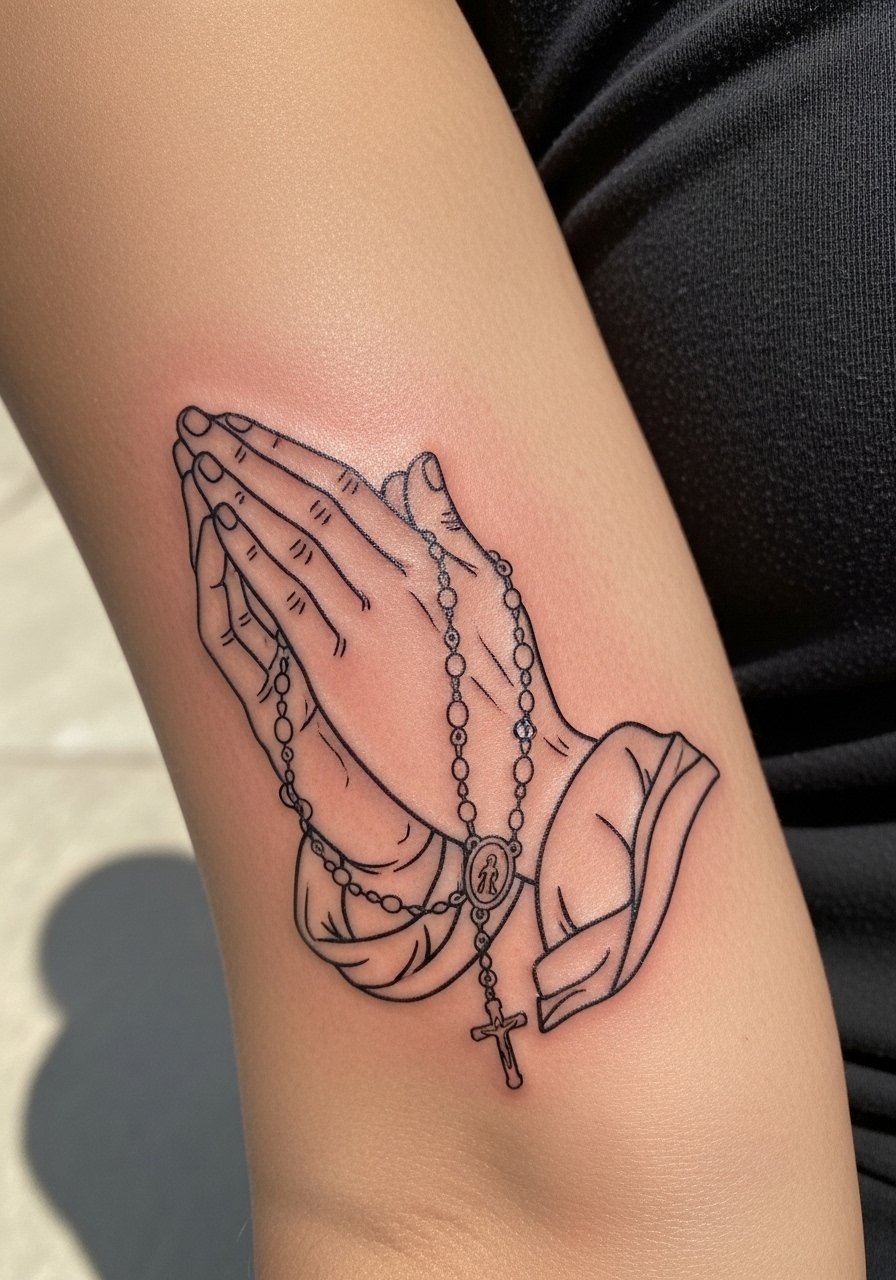
This classic composition benefits from simplified hands and clear bead spacing. Ask the artist to avoid heavy stipple in the fingers so the hands keep shape as the ink settles. Many ask for tiny bead detail that becomes indistinct; larger beads read better. Forearm placement makes the piece visible and easy to show or hide. Session time is moderate. If you are considering a larger devotional sleeve later, discuss how this will integrate with future pieces.
19. Heart-locked cross on the sternum
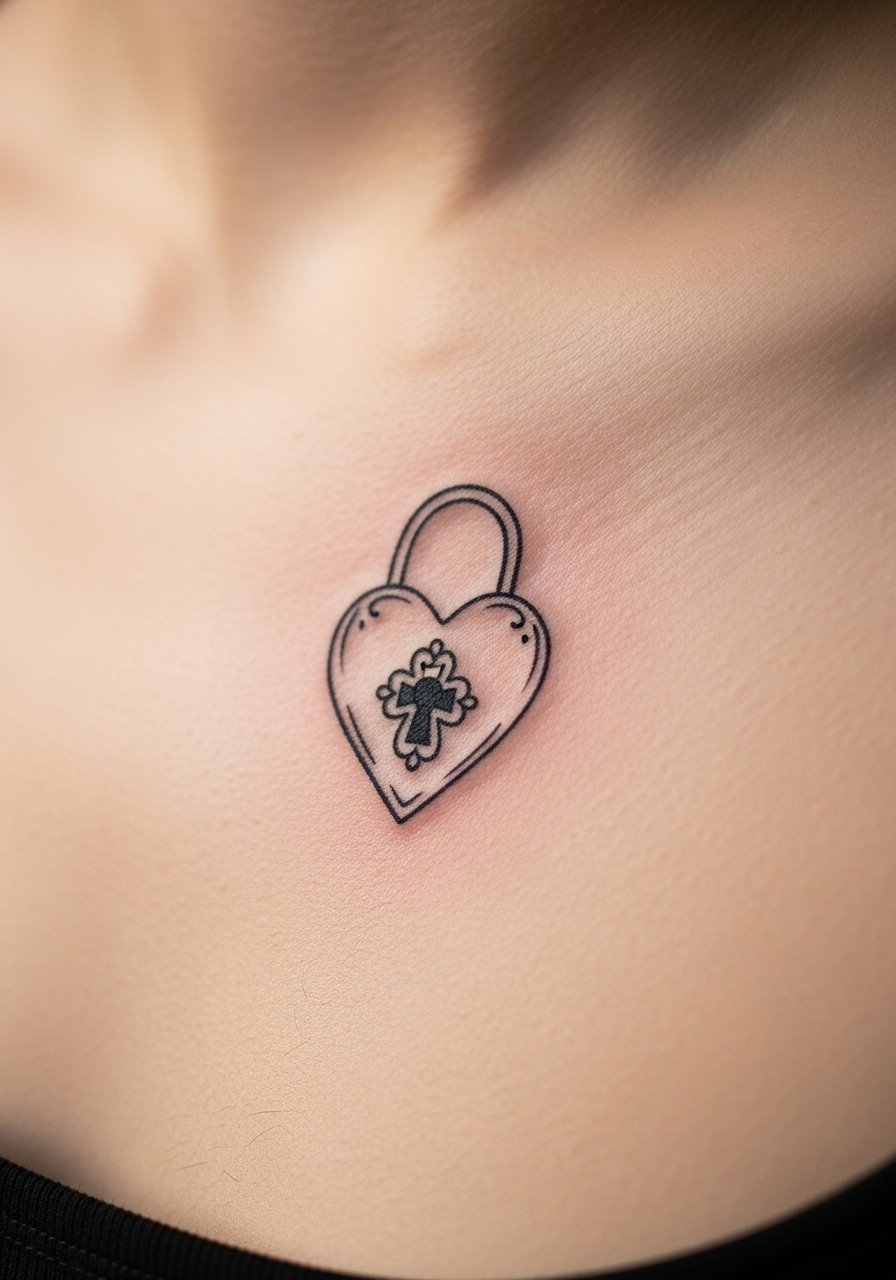
Sternum pieces are intimate and heal with a few extra care steps. Tell your artist you want the lock silhouette bolder than interior details to keep the keyhole visible over time. A frequent mistake is over-detailing in a small chest design. The sternum can be sharp in pain and sits near clothing seams, so plan for gentle garments during healing. If you work in a setting where visible chest art is sensitive, consider a slightly higher or lower placement.
20. Shepherd's crook with tiny sheep silhouette on the calf

Calf placement offers stability for linear designs that follow the leg. When you consult, specify the crook length so the tiny sheep remains proportionate. The mistake is shrinking secondary motifs too much. Calf tattoos tolerate thicker lines and hold saturation well. Sessions are comfortable and healing is straightforward with loose clothing. If you plan active hiking or gym time, delay strenuous activity during the first two weeks to prevent scabbing issues.
21. Footprint path with tiny cross accents along the arch
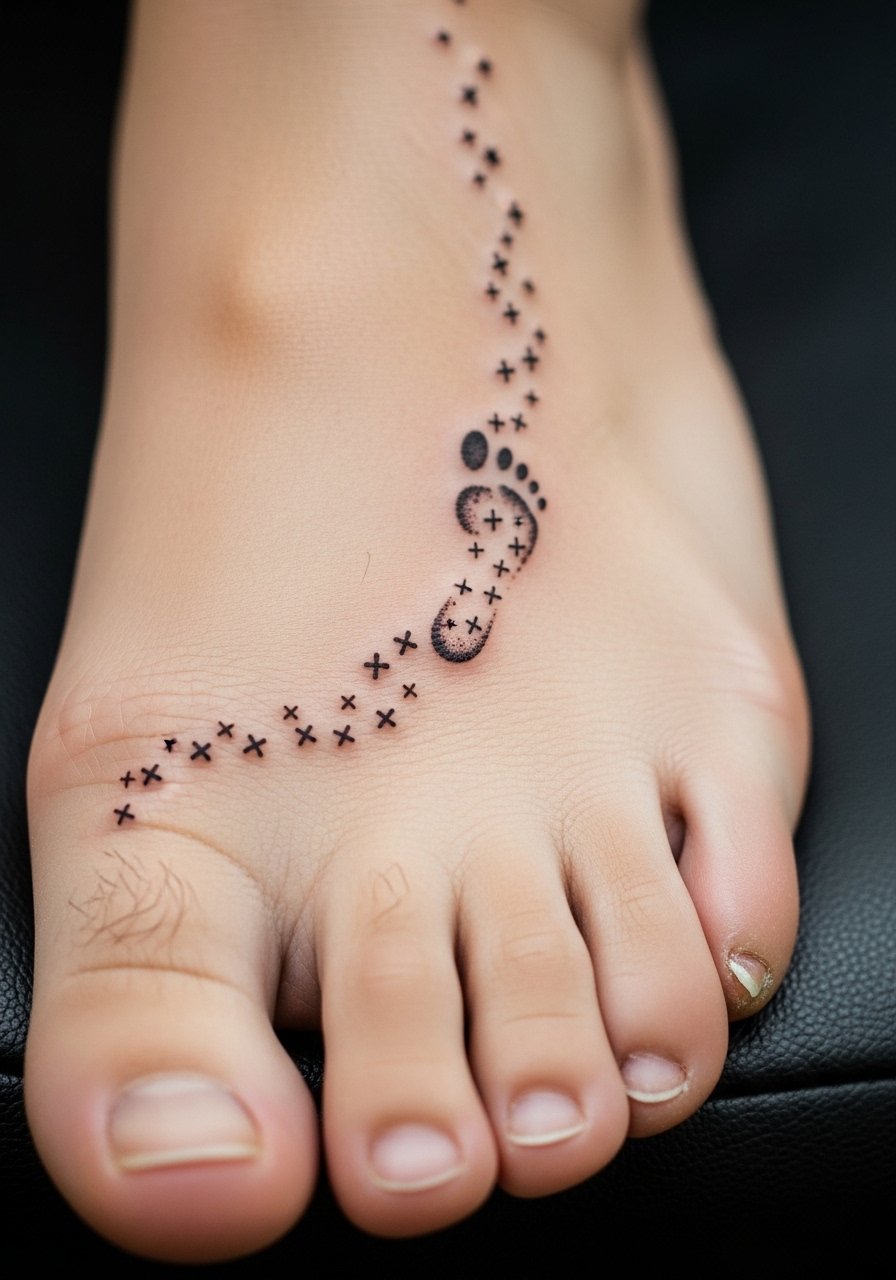
This "walking in faith" arc plays well across the foot where the path can curve naturally. Feet face heavy friction so I advise slightly bolder micro crosses and wider spacing. The common failure is relying on ultra-fine marks on the arch which blur from shoe rub. Foot tattoos can be painful and need extra aftercare to stay dry and clean. Expect touch-ups earlier than mid-limb pieces. If you want a longer trail expand to the ankle to reduce friction risk.
22. Palm branch wrist band, stylized blackwork

A palm branch band is graphic and repeats well as a cuff. Ask for even negative space between fronds so the band remains legible from a distance. Bands that use ultra-fine fronds tend to soften into indistinct texture. Wrist bands interact with bracelets and watches so consider how jewelry will sit. Sessions are short to moderate, but wrists often need refresh work sooner than upper arm pieces.
23. Alpha and Omega monogram behind the ear or nape

Behind ear or nape placements are subtle and private. When you ask for a monogram keep the strokes bold enough to resist merging with skin texture. Tiny intricate knotwork will disappear on softer skin. If you pick the nape, think about haircuts and how the piece will peek through. Sessions are brief but expect slight tenderness around the nape. Touch-ups may be needed at year two depending on sun exposure and hair coverage.
24. Watercolor ichthys with soft color bleed on the forearm

Color versus black and gray splits artists into two camps. One camp prefers color watercolor for vibrancy and modern look. The other favors black and gray for timeless crispness. Name both camps to your artist and ask which they maintain longer. In my experience watercolor can look beautiful for a few years but will need saturation touch-ups sooner. Forearm placement shows color well, but avoid very pale washes that fade unevenly. Plan for touch-ups between years two and four for color pieces.
25. Mustard seed growing into a small tree across multiple sessions on the thigh
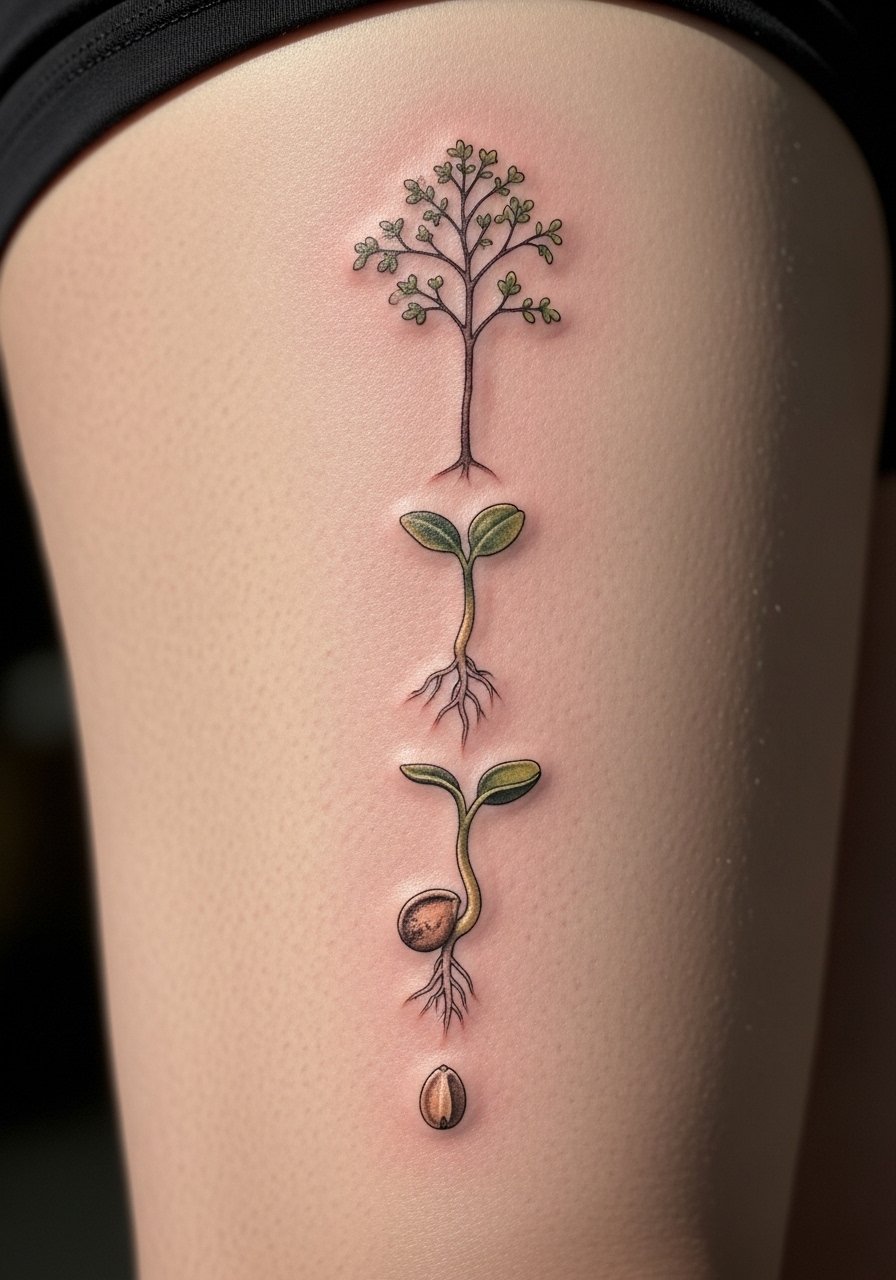
This multi-session narrative is a less covered idea that physically maps a faith journey. Start with a single micro seed and schedule a follow-up session after healing to add a sapling, then branches later if you want. Tell the artist you want the seed to be simple and bold enough to anchor later detail. Many forget to plan negative space for future growth which makes expansions crowded. Thigh placement is ideal because it gives room and hides changes over time. Session times vary by stage, often one to two hours each visit.
Tattoo Prep and Aftercare Essentials
fragrance-free gentle foaming cleanser for sensitive skin. Use this for the first week to keep the area clean without stripping moisture. Gentle foam helps remove ointment residue and sweat after light activity.
lightweight fragrance-free moisturizing balm. Apply a thin layer during the first four to seven days as directed by your artist. A breathable balm that is non-comedogenic prevents over-occlusion.
medical-grade second skin bandage, single-use sheets. Useful when your artist recommends an occlusive wrap for the first 24 to 48 hours. It protects from friction and bacteria during the initial crusting phase.
breathable tattoo healing ointment petroleum-free. For those who prefer a non-petroleum option this type soothes and supports re-epithelialization without heavy tackiness.
silicone scar-minimizing sheets for healed tattoos. If you have raised scarring after healing these sheets can help flatten and smooth over months of wear.
SPF 50 mineral sunscreen stick. Protecting healed ink from UV is essential for longevity. A stick is handy for small areas and travel.
CeraVe moisturizing lotion, fragrance-free. A lightweight, widely available lotion for long-term hydration and daily maintenance.
soft non-abrasive cleansing pads pack. Use these to gently pat the tattoo dry without scrubbing during the first two weeks.
Every tattoo is different. Always follow your artist's specific aftercare instructions. Consult a dermatologist if you have skin concerns or unusual healing issues.
Frequently Asked Questions
Q: Will fine line Christian tattoos blur faster on the wrist than on the forearm?
A: They often do because the wrist experiences more repetitive motion and thinner skin. In practice I tell people to ask for slightly heavier linework on the wrist and to budget a touch-up around year two to three. If you want to minimize revisit sessions, choose bolder linework over hairline strokes for wrist placement.
Q: How should I size scripture calligraphy so the verse stays readable after five years?
A: Plan for wider letter spacing and thicker downstrokes than you think you need. Try a temporary transfer at the intended scale for several days to see readability in real life. In my experience artists who favor calligraphy will recommend specific minimum font heights for each placement.
Q: Is color worth it for floral crosses or is black and gray better for longevity?
A: It depends on your priorities. Color florals read vibrant and modern but will usually need touch-ups sooner than black and gray. Black and gray tends to keep contrast longer. Speak with your artist about pigment choices and how they manage saturation during the session.
Q: Are foot and ankle Christian symbols a bad idea if I wear shoes all day?
A: Not necessarily, but foot and ankle areas get more friction and moisture which can affect healing. If you wear tight shoes daily, plan for extra aftercare and expect earlier touch-ups. Choosing ankle over the arch can reduce rubbing.
Q: How do I find artists who specialize in fine line script or micro-realism without relying on Instagram handles?
A: Use discovery pathways like hashtag searches such as #FineLineCross or #ChristianTattooWomen, check tattoo directories that filter by style, and preview temporary designs on Etsy or Pinterest. Booksy-style apps also let you search studio portfolios by style tag. Bring examples to consultations and ask for healed photos.
Q: If I want a multi-stage mustard-seed-to-tree piece, how should I plan sessions?
A: Start with a bold, simple seed and wait the full healing period before adding the sapling stage. Schedule follow-up sessions at least three to six months apart to allow for skin settling and to reassess spacing. Discuss negative space planning with your artist so future layers fit without crowding.