A small Chinese character on the wrist often looks perfect in the mirror and soft on camera. Real life is less forgiving. Thin scripts that hug the skin can blur where the wrist bends, and compact calligraphy can lose its internal contrast on darker tones. Read these ideas with an eye for line weight, placement, and what to show your artist so the symbol still reads in five years.
1. Single-character wrist character for "Courage"

A single-character wrist tattoo is a classic starter pick because it reads clearly when sized correctly. For this placement plan for a slightly heavier line than a micro script so the structure of the character keeps its counters as it heals. Bring two reference images showing the exact stroke thickness and whether you prefer simplified or traditional form. A common mistake is asking for the smallest possible version, then needing a touch-up once the strokes soften. Expect the first six months to look crisp, then slower softening by year two if the lines were ultra-thin. For showing it off, pair the wrist with a slim cuff or thin chain bracelet set so the jewelry frames the character and does not cover it.
2. Bold calligraphic character on inner forearm
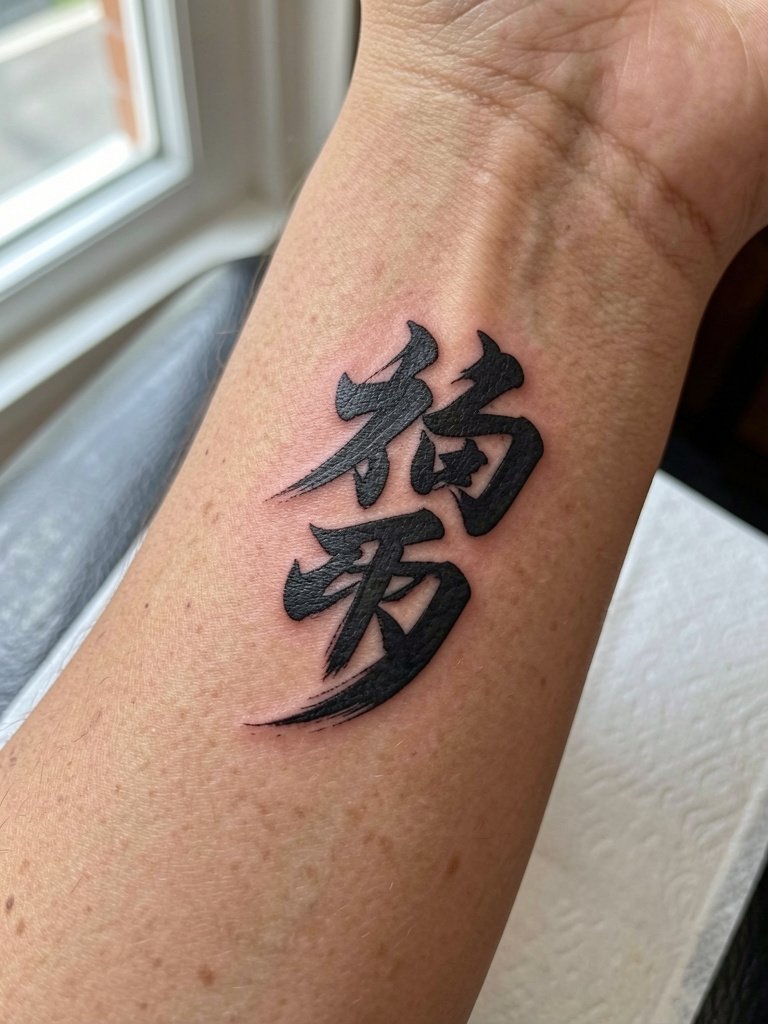
People split on whether to use traditional or simplified characters for scripts like this. One camp prefers traditional characters for their ornamental complexity and historical shape. The other camp prefers simplified characters because they reduce line complexity and can read cleaner at small sizes. If you lean toward calligraphy, ask for a healed example of the artist's script work rather than a fresh photo. Inner forearm placement gives room to scale the strokes, and a bolder brush style resists the softening that tiny single-needle work often shows. For a wardrobe cue bring a rolled-sleeve linen shirt like a linen button down shirt so the forearm is visible without tugging.
3. Vertical spine column, single-character line

A vertical spine line plays with natural flow and reads elegantly when characters are stacked. I recommend modest spacing between characters so each retains its structure when the back moves. Be specific about scale during the consult and have the artist print a life-size stencil to check the spacing along your spine. The pain level here is higher than the forearm, but most clients tolerate short sessions when the stencil alignment is right. Over time the central strokes in tightly packed columns can merge, so spacing upfront reduces touch-up need. For show-off styling choose backless dresses or backless dress women that expose the vertical flow.
4. Fine-line "Peace" character behind the ear

Fine-line micro placements like behind the ear split opinion when it comes to aging. One group of artists warns that too-fine strokes here blur or vanish within a couple of years because of skin texture and frequent movement. The other group says fine line can hold if the artist slightly increases needle depth and leaves breathing room around the strokes. For this area ask the artist to show healed photos on similar skin tones to yours rather than fresh stencils. Session time is short but precise, and the most common regret is asking for lines too fragile for the spot. For session wear keep hair clipped up and consider small hoop earrings like the ones you wear afterward.
5. Small "Love" character with red accent on collarbone

A collarbone spot reads delicate and becomes part of jewelry layering. Size is everything here. Ask the artist to proof the character at actual scale on your skin so you can see whether the red accent will still pop after healing. The sternum-collarbone area moves with breathing, so a slightly heavier single-stroke keeps the shape intact. Common mistakes include cramming decorative color into an area too small to support it. For a night-out frame pair the piece with a square neck tank to let the collarbone line show.
6. Koi with vertical character on the ribcage
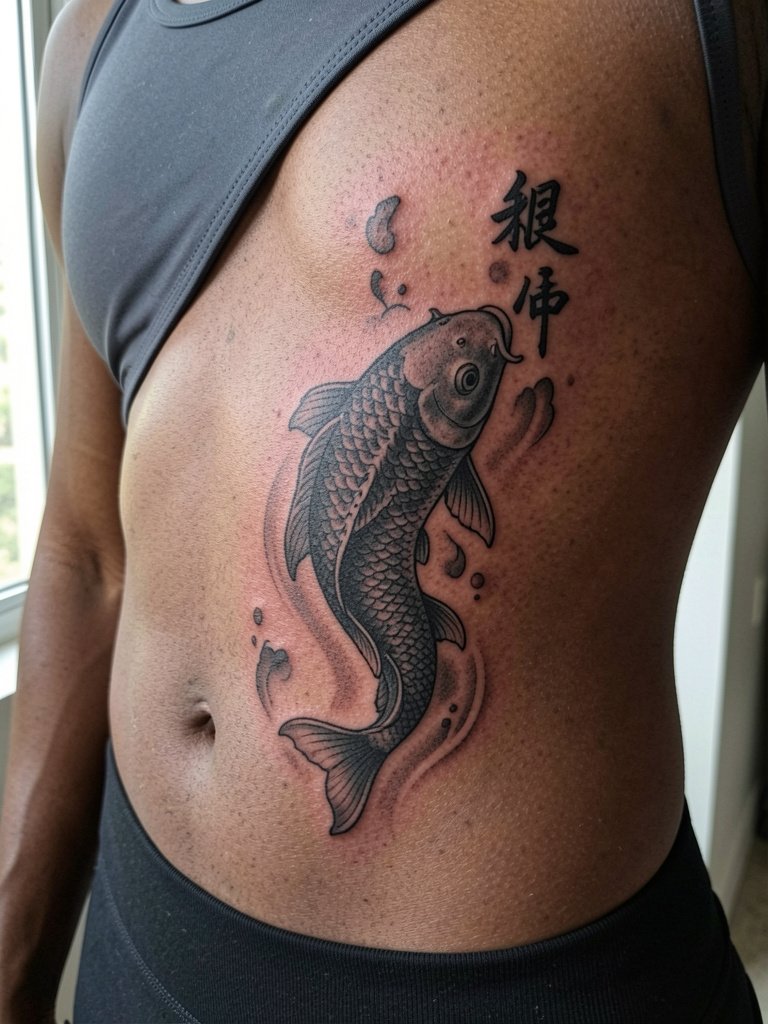
Ribcage compositions let you pair a symbol with narrative imagery like koi to anchor the character visually. Plan the negative space around the character so the fish does not crowd the strokes. This placement is notorious for higher pain and for subtle line migration if the strokes are too fine. When you sit with your artist bring references showing how the character sits inside a larger motif so the balance reads healed. Expect one to two sessions depending on size and shading. For session comfort wear a loose button-down you can drop off one shoulder without tugging.
Before You Book
These first six ideas show wrist, chest, and rib placements that heal differently. A few small studio essentials cut risk and make the first week smoother.
- Stencil transfer paper kit. Lets you preview exact character scale and stroke weight on skin before the needle touches down, which matters for stacked or vertical layouts above.
- Topical numbing cream. Applied as directed before ribcage work eases the session without masking the artist's feel.
- Thin protective film roll. Useful for wrists and ankles that face friction during the first week.
- Fragrance-free body wash. Gentle cleansing avoids irritation on fresh linework and reduces scab thickness.
- Aquaphor healing ointment. Trusted product for the initial moist healing phase on small script pieces.
7. Dragon tail curling around a character on the shoulder blade

Pairing a character with a dragon creates motion and gives the symbol context within a larger piece. When you request this, specify how much space the character needs so it does not get swallowed by scales or shading. A common mistake is letting decorative elements invade the character counters. Shoulder blade skin takes shading well and ages better than high-friction spots. For session wear pick a racerback tank top so the artist can access the shoulder without fabric pulling.
8. Small lotus-and-symbol sternum piece
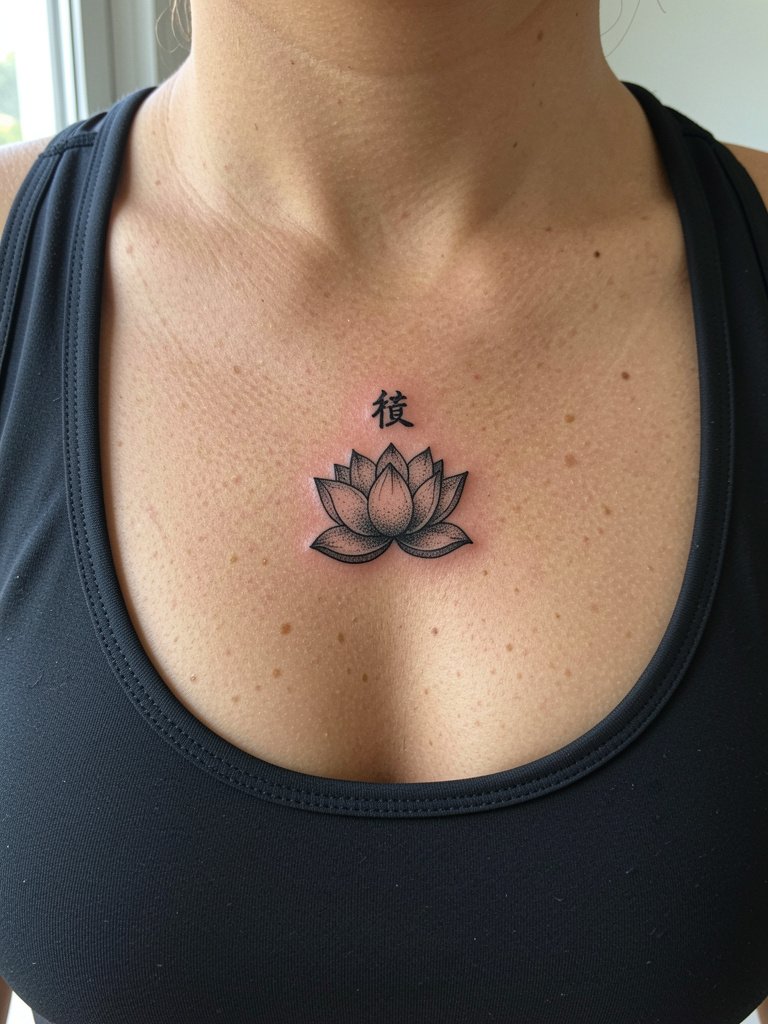
Sternum placements read as intimate and spiritual to many people. When adding an image like a lotus, keep the character slightly separate so it retains its own negative space. Expect higher sensitivity during the session and plan a short break after the first pass. Artists will often recommend slightly bolder strokes here because chest skin shifts during breathing. The most common regret is packing ornament into a compact area. For post-session comfort a strapless or wide-neck top makes getting dressed easy without rubbing the region.
9. Ankle micro symbol with anklet framing
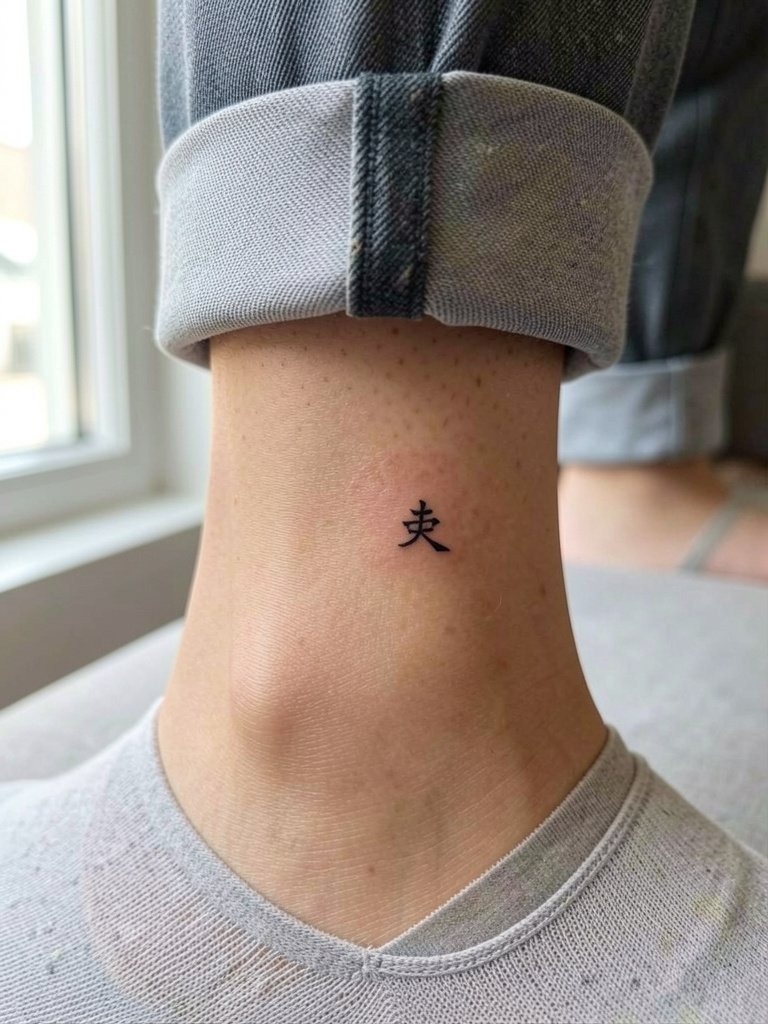
Ankle micro symbols are discreet and easy to hide, but the spot sees friction from socks and shoes. I suggest a slightly bolder stroke than you would pick for the wrist so the character does not break down under abrasion. The typical session is quick and localized. For styling choose low-top sneakers and a delicate ankle chain like an anklet chain women to frame the symbol without covering it. If you plan on long days of walking right after the session protect the area with breathable film.
10. Large negative-space character on the back
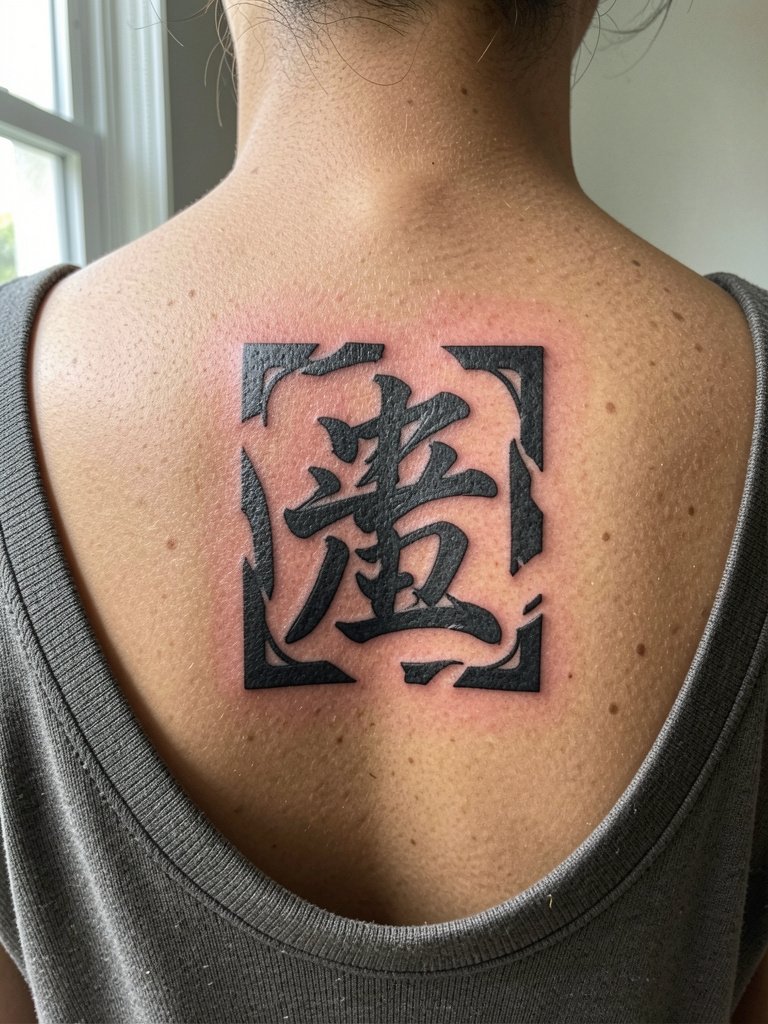
Large back characters use negative space to maintain legibility across scale. For this composition plan the character to be big enough for each stroke to breathe. Tell the artist you want negative space preserved around the main structure so shading does not creep into the counters. This work often takes multiple passes but keeps contrast well long term. A common error is crowding the character with decorative backgrounds before the main form is finalized. Consider clothing choices like open-back tops to display the geometry.
11. Lateral hip character with low-rise styling
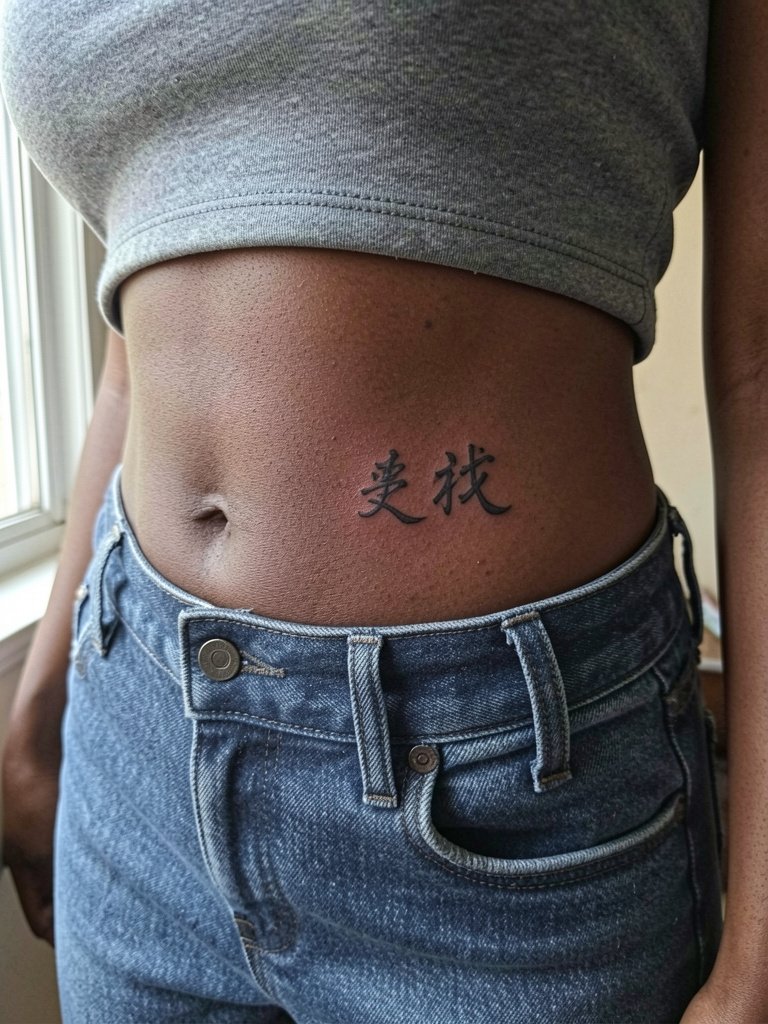
Hip characters sit in a tricky zone near waistlines, so check exactly where the waistband falls on your body during the consult. Ask the artist to place the stencil while you wear the clothing you plan to style with the piece so the tattoo will be visible when you want it to be. The skin here is forgiving and the area hides well for work. For styling try high-slit skirts or low-rise jeans for editorial looks, and consider the waistband when selecting placement. A fit issue I see often is choosing a spot that disappears under most waistbands.
12. Freedom concept on outer calf with small fox motif

Calf placements let you scale up character-plus-animal motifs without crowding. If you want an animal companion, specify how close the illustration sits to the character so neither element competes. Calf skin handles shading and ages with less friction than ankles, but long socks and boots can rub at first. Session time may span two short visits for medium-sized pieces. For everyday styling, cuffed jeans or midi skirts reveal the calf elegantly, and a cuffed jeans women look pairs casually with this area.
13. Micro character on the nape for hidden wording

Nape tattoos are easy to conceal with hair down and striking with hair up. Because the area sits under the hairline, make sure you see healed examples on similar hair types and tones. The main mistake is choosing ultra-thin strokes for a spot that moves with hair and pillow contact. During the consult ask the artist whether they prefer traditional or simplified forms for the character, and have them place a stencil while your hair is in the style you normally wear. For styling bring a hair claw clip so you can expose the piece for photos without tugging.
14. Yin-yang medallion with short text at the sternum edge

Pairing symbols like yin-yang with a short phrase adds clarity when the characters are spaced along a curve. The key is to map how the text follows the medallion so each character stands alone visually. A common aging issue is cramming the text too tight to the circle, which causes the inner strokes to merge. Expect modest sensitivity and plan for one session if the area is small. For wardrobe keep a scoop or bandeau top handy for easy access and minimal fabric movement during the appointment.
15. Large character with wind motifs on the thigh

Outer thigh canvases are forgiving and allow for bold characters paired with flowing elements like wind or cloud lines. When designing, ask the artist to mock up the character at the scale you want and to show how the motifs will frame without touching the counters. Thigh skin usually takes shading well and ages slowly because of lower daily abrasion. Common session notes include using breathable shorts to avoid rubbing after the first day. For session comfort wear loose shorts that the artist can roll up without pressure on the area.
Frequently Asked Questions
Q: How can I verify a Chinese character translation before booking?
A: Have a native speaker of the written language confirm the exact characters you plan to use and ask the artist to tattoo the character as written, not a font approximation. Bring both simplified and traditional versions to the consult so you can compare how each reads at the chosen scale. If you cannot find a native reviewer, use a reputable language forum and request screenshots of the character in standard fonts for clarity.
Q: Which placements age best for tiny characters on different skin tones?
A: Inner forearm and shoulder blade usually keep linework sharper over time for most skin tones because they face less constant friction. Lighter skinned areas show fine contrast easily while medium and darker tones benefit from slightly bolder strokes and higher saturation. Ask the artist to show healed photos on similar skin tones when evaluating line weight and contrast.
Q: Where do I find local artists who do Chinese calligraphy or healed script examples?
A: Search style and location hashtags like #chinesecalligraphytattoo and #chinesesymboltattoo then add your city name to the query. Filter results for healed photos rather than fresh work. Use tattoo directories and booking platforms to search by keyword and look for portfolios that include text-heavy tattoos, and read Reddit threads for real-client experiences.
Q: Do I need to size up a character compared with my reference image?
A: Yes, slightly increasing scale helps preserve the character's inner counters and prevents early blurring. Ask the artist to print a life-size stencil on your skin so you can see how the stroke weight reads at the actual size before they start.
Q: What should I wear to the session for collarbone, shoulder, and leg placements?
A: For collarbone or upper chest choose a scoop or square-neck top that exposes the area without tugging. For shoulder pieces wear a racerback tank to allow full access while keeping you covered. For thigh or calf sessions wear loose shorts that roll up comfortably. If you plan to show the healed piece in photos, consider an outfit like a linen button down shirt for forearm pieces for easy styling and comfort.
Q: How often will small character tattoos need touch-ups?
A: Touch-up timelines vary by placement and line weight, but many small characters need a touch-up at two to five years if the strokes were extremely fine. Choosing slightly heavier weight and placing the character on lower-friction areas reduces the likelihood of early touch-ups.