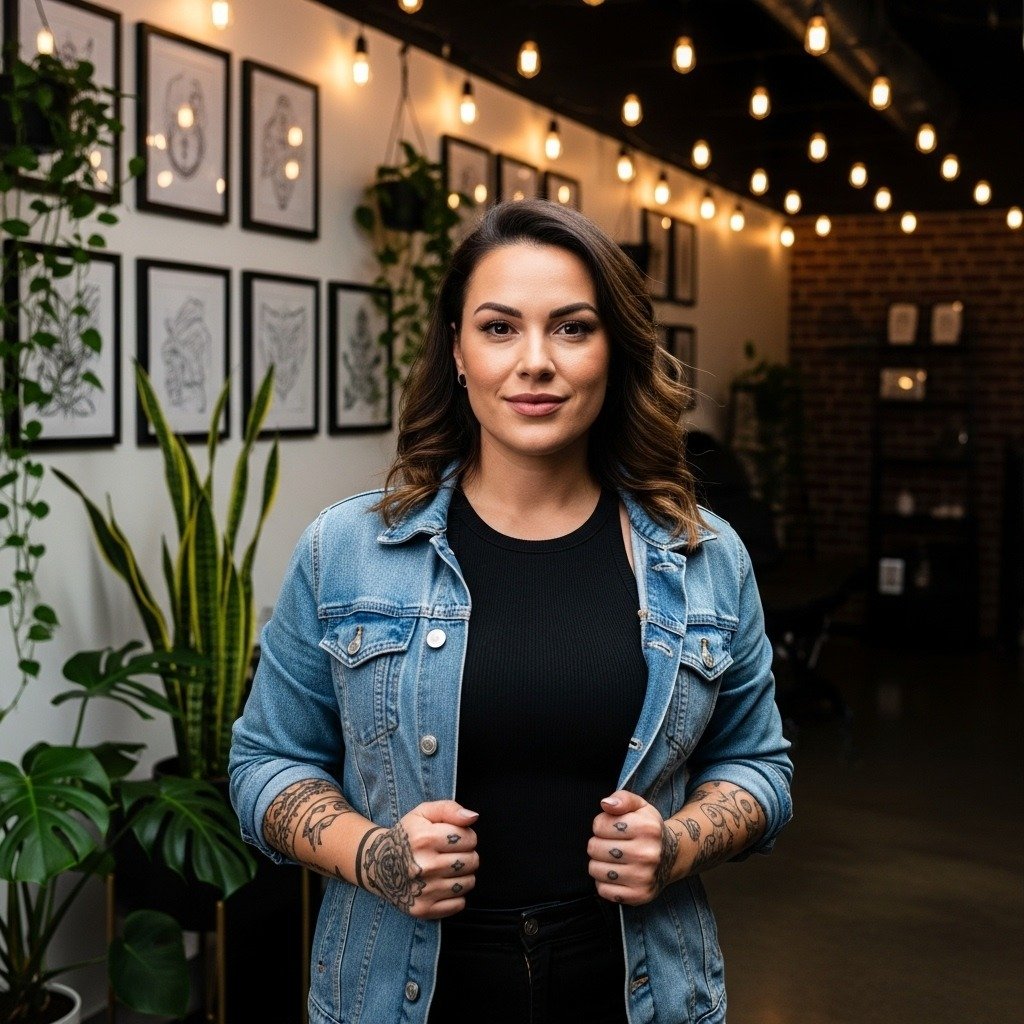
Fine-line Roman numerals flood feeds but many small date tattoos blur into smudges after a few years. Line weight, spacing, and placement decide whether a birth year reads clean at year one or becomes an unreadable gray by year five. I picked fifteen treatments of the format that favor legibility, sensible ornamenting, and wardrobe tips that make the design feel deliberate on day one and sensible after healing.
1. Single-line wrist numerals for everyday wear

A single-line Roman date on the inner wrist is the cleanest option if you want the year visible without ornament. Choose a slightly heavier single-needle line than the feather-thin Pinterest samples so the numerals keep separation as the skin settles. During a consultation bring a ruler photo of the exact wrist width so the artist can mock up spacing at true scale. The session often takes 20 to 40 minutes and feels like steady buzzing with occasional sharp spots near the wrist bone. Common mistakes are compressing numerals to fit a narrow band and using hairline script that loses contrast. For showing the piece, a thin bracelet stack balances the wrist without obscuring the numerals, try thin bracelet stack for a similar vibe.
2. Forearm numerals with airy spacing

The outer forearm gives room to breathe and makes even slightly bolder numerals look intentional. Ask for airy spacing so adjacent numerals keep shape as the ink spreads microscopically over time. A common aging pattern is numerals squeezing together when the stencil is set too narrow. The session is usually under an hour and feels moderate, with less sharpness than the wrist. Styling-wise, rolled-up linen shirts or a relaxed blazer with sleeves pushed up frame the piece well. Try linen button down shirt options to keep the forearm visible without looking staged.
3. Upper back centered numerals for private display

Centering numerals on the upper back keeps the design private and easy to reveal. For a medium-size piece plan for a one-session layout and discuss vertical alignment so the numerals sit on the spine axis. Healed comparisons show that slight asymmetry in stencil placement becomes more obvious with time, so insist on an actual alignment mockup before needles touch skin. The area is low friction in daily life but needs care under bras and straps during the first week. For evenings out, racerback or open-back tops let the numerals be the focal point without competing details.
4. Wrist micro numerals for very discreet marking

Micro numerals work when you want a private marker that still reads up close. The trade-off is longevity. Very small single-needle work can soften within two to three years when placed in high-motion zones. Bring a printed reference at life-size so the artist can show you how the numerals function at three different widths. Session time is short but the sensitivity near the wrist can be sharp. For a discreet look pair it with a slim watch on the opposite wrist so the micro numerals do not feel like isolated dots.
5. Inner forearm with name or initials stacked vertically

Stacking a birth year with a name or initial on the inner forearm creates a compact memorial composition that still reads like a person rather than a label. Specify scale so the initials do not crowd the numerals. Artists often recommend slightly more spacing between stacked elements than flat text because the inner forearm moves and stretches with elbow motion. Healed variation shows that upright stacks usually age cleaner than cramped horizontal combos. For the appointment wear a loose tee with sleeves that roll easily so the artist can access the palm-up surface without tugging.
6. Numerals with a butterfly accent
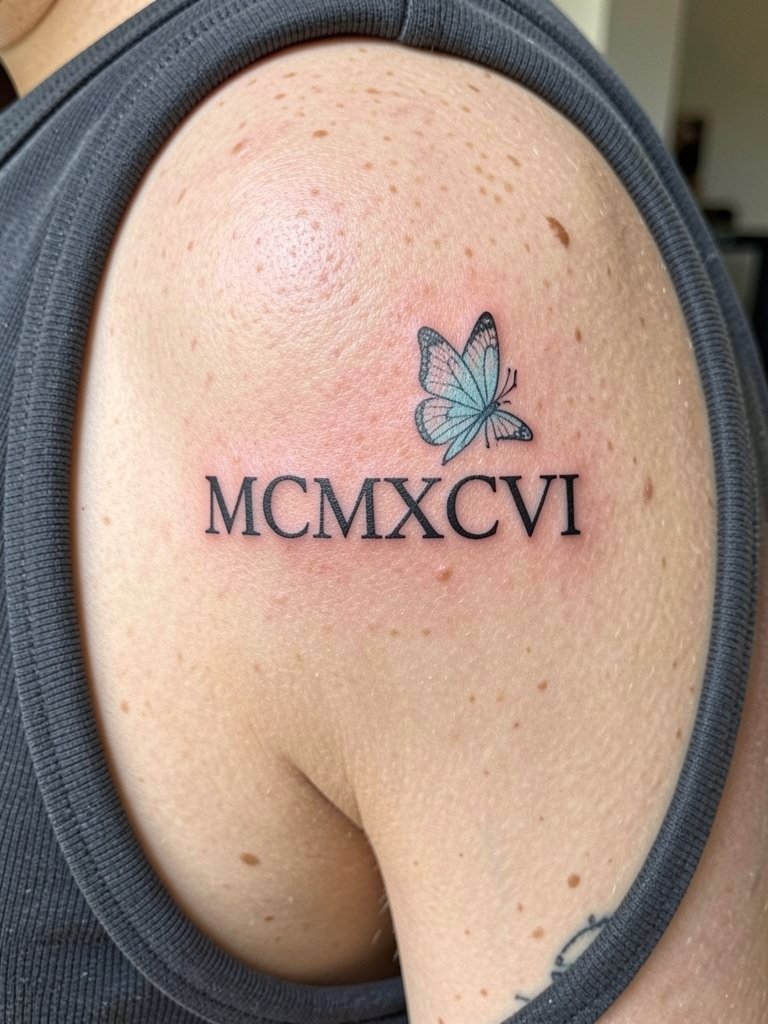
Adding a tiny butterfly softens a date and gives the piece a decorative cue. On the color debate there are two clear camps. One camp argues black ink is best because it retains contrast and is easier to read years later. The other camp prefers subtle color accents because they personalize a small piece and age gracefully if the color saturation is conservative. Both positions are valid. If you choose color, request a low-saturation wash and a healed-photo portfolio so you can see how that pigment looks on skin over time. For sessions on the shoulder blade wear a tank top so the artist can work without fabric interference.
7. Vertical name plus year on the calf

A vertical calf composition lets you include a name and year without widening the piece. The outer calf is lower on the pain scale than ribs or collarbone and tends to hold crisp lines if the numerals have modest spacing. A common mistake is placing script too close to numerals, which blends after healing. Session time for a calf piece is typically 45 to 90 minutes depending on script length. For showing this piece in warm months, longline shorts and open hem styles let the tattoo peek without being the whole outfit.
8. Small ribcage numerals for intimate placement

Ribcage numerals read as intimate and private because they are easy to conceal. Artists split on fine-line ribs into two camps. One camp says the thin single-needle approach blurs faster on ribs because the skin stretches and moves with breathing. The other camp says that with proper needle depth and slightly wider spacing, fine line can settle nicely and remain legible. Both positions appear in shop conversations and the right choice often depends on the artist's healed portfolio for ribs. Expect a higher pain level and plan for a calm breathing strategy during the 30 to 60 minute session.
9. Collarbone-adjacent tiny numerals
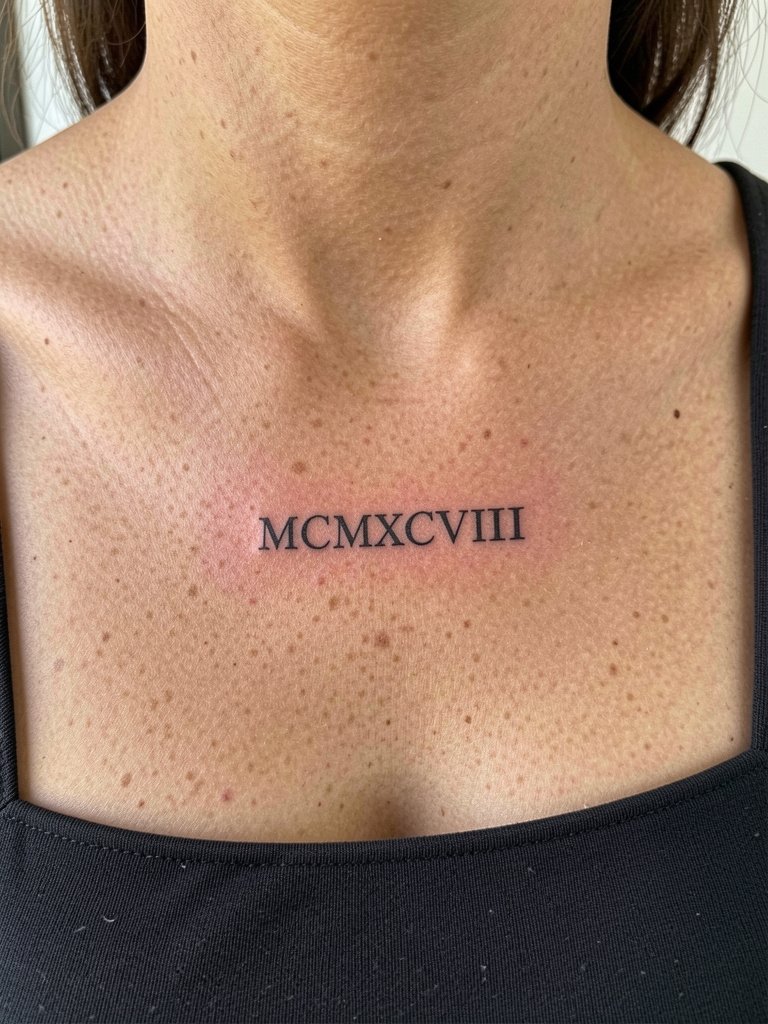
Placed beneath the clavicle, numerals frame the collarbone and read delicate but present. The collarbone area can be sharp during the session because there is minimal padding over bone. Ask the artist to show a life-size stencil so you can see how the numerals sit with necklaces and shirt necklines. If you want to hide the tattoo for work, choose top styles that cover the immediate collar area. A good stylist pairing is a square-neck top or layered delicate necklaces that accent the placement without covering the numerals.
10. Outer upper arm band of numerals

A band of numerals around the upper arm reads bold without needing heavy ornament. This placement tolerates slightly thicker linework which helps prevent blowout in the long run. For a band design specify spacing and separator marks so the artist does not compress characters. The session usually takes under an hour for simple text. Pair the finished band with a boxy tank or vintage tee to keep the outer arm visible in a casual way. Try boxy tank top looks that echo the band aesthetic.
11. Micro numerals behind the ear for hidden ink

Tattoos behind the ear are ultra-discreet and work for tiny numerals that only show when hair is up. The mastoid skin is thin so stipple shading or dense detail will not hold well. Keep the numerals very small and simple and expect the session to be quick but with a high ticklish factor. If you plan to reveal the piece with an updo, include hair styling choices in your timeline for the photo you want after healing.
12. Lower back centered numerals for private homage

Lumbar lower back placement is discreet and lets you keep a memorial private. Avoid overly detailed ornamentation because the area tends to move with lower-back flex. One common complaint is choosing an intricate font that looks great in a flat photo but blurs with normal body movement. The session is comfortable for most people and touch-ups are straightforward if you allow good healing and sun protection. For wardrobe, low-rise jeans and cropped tops can reveal the design intentionally.
13. Thigh-side numerals with floral framing

A thigh-side composition gives room for botanical framing that does not overwhelm the numerals. Floral elements age well on the thigh because there is less constant friction than on the wrist or ankle. Plan for one to two sessions depending on floral density and specify stipple shading rather than heavy saturation for a softer healed result. For session wear choose loose shorts or skirts that the artist can move aside without pressure on fresh ink. For showing off later, longline shorts or an oversized linen shirt pair well with this spot.
14. Back-of-neck tiny numerals under the hairline

The nape is easy to hide with hair down and easy to show with an updo. Tiny numerals work well here but be mindful of hair rubbing during healing. A frequent mistake is scheduling the first shampoo too soon or sleeping on high-friction pillows. For session prep put hair up in a claw clip and wear a crew neck or button-down that you can remove without pulling over the head. A claw clip updo is a quick styling trick for revealing the nape without altering your usual wardrobe.
15. Numerals with a subtle halo or star cluster

Adding a halo or small star cluster gives context without turning the date into a scene. For small ornamental dots use stipple shading and request previewed healed photos from the artist so you know the halo scale. A mistake is piling too many tiny stars close to thin numerals, which results in muddled contrast after healing. The outer calf or forearm handles dot work well, and a fitted skirt or longline shorts make great show-off pairings.
Session Day Picks
A few items smooth out the appointment and the first week of healing for the wrist, forearm, and shoulder pieces above.
- Multifunction stencil transfer paper kit. Useful for printing life-size layouts so you can see how spacing works at the scale used in ideas 1 through 6.
- Topical numbing cream option. A low-dose topical applied per directions helps with rib and collarbone sensitivity when you prefer to stay in the chair.
- Thin protective film roll for first 24 hours. Keeps wrist and forearm pieces clean during the first day of heavy activity and hand washing.
- Fragrance-free gentle body wash. Good for showering without irritating fresh linework on the back, ribs, or thigh.
- Aquaphor Healing Ointment. Thin layers in the first 48 hours help fine-line work keep moisture without smothering the needle channels.
Frequently Asked Questions
Q: How do I make sure the Roman numerals are converted correctly before the stencil is cut?
A: Convert the year yourself and write it on paper in the exact style you want. Then ask the artist to show the stencil on your skin at the intended scale and orientation. Bring a second person to proofread if you can, because small transpositions are easy to miss on the day.
Q: Which placements hurt the most and how should I prepare?
A: Ribs and collarbone usually rate highest on most pain charts because the skin is thin over bone. Forearm, outer calf, and thigh are lower on the scale. For higher-pain spots get a good night's sleep, avoid alcohol the day before, and eat a filling meal so your body tolerates the session better.
Q: Where can I find portfolios and healed photos that match these Roman numeral looks?
A: Search Instagram and TikTok hashtags like #romannumeraltattoo, #birthyeartattoo, #minimaltattoo, and #finelinetattoo then filter by city for local artists. Look for posts that explicitly show healed photos at six months or older rather than only fresh stencils. Reddit tattoo threads are also useful for seeing real-world healing experiences and cost conversations.
Q: Will a tiny numeral age badly on darker skin tones, and how should I adapt the design?
A: On deeper skin tones choose slightly heavier line weight and stronger contrast so the numerals remain readable. Single-needle micro work can fade into texture on very dark skin, so ask for a proof of healed work on similar skin tones and consider small bold separators to keep digit boundaries clear.
Q: How often do small Roman numerals need a touch-up?
A: Expect a possible touch-up within 1 to 3 years for very small single-needle pieces, and a less frequent touch-up schedule for slightly bolder work. Touch-ups depend on placement, sun exposure, and how the skin moves. Most artists will show their touch-up policy during booking.
Q: Can I pair the numerals with a subtle accessory style from day one?
A: Yes. For wrist and forearm placements pair with thin bracelets or a minimalist watch to balance the piece. For upper back and nape choose hair-up accessories like a claw clip that reveal the tattoo without rubbing it during healing.
Q: Is black ink always best for a birth year tattoo?
A: Black keeps contrast high and is the safest general choice for long-term readability. If you prefer color accents, opt for low-saturation washes and review healed photos that show how that pigment looks after one year.