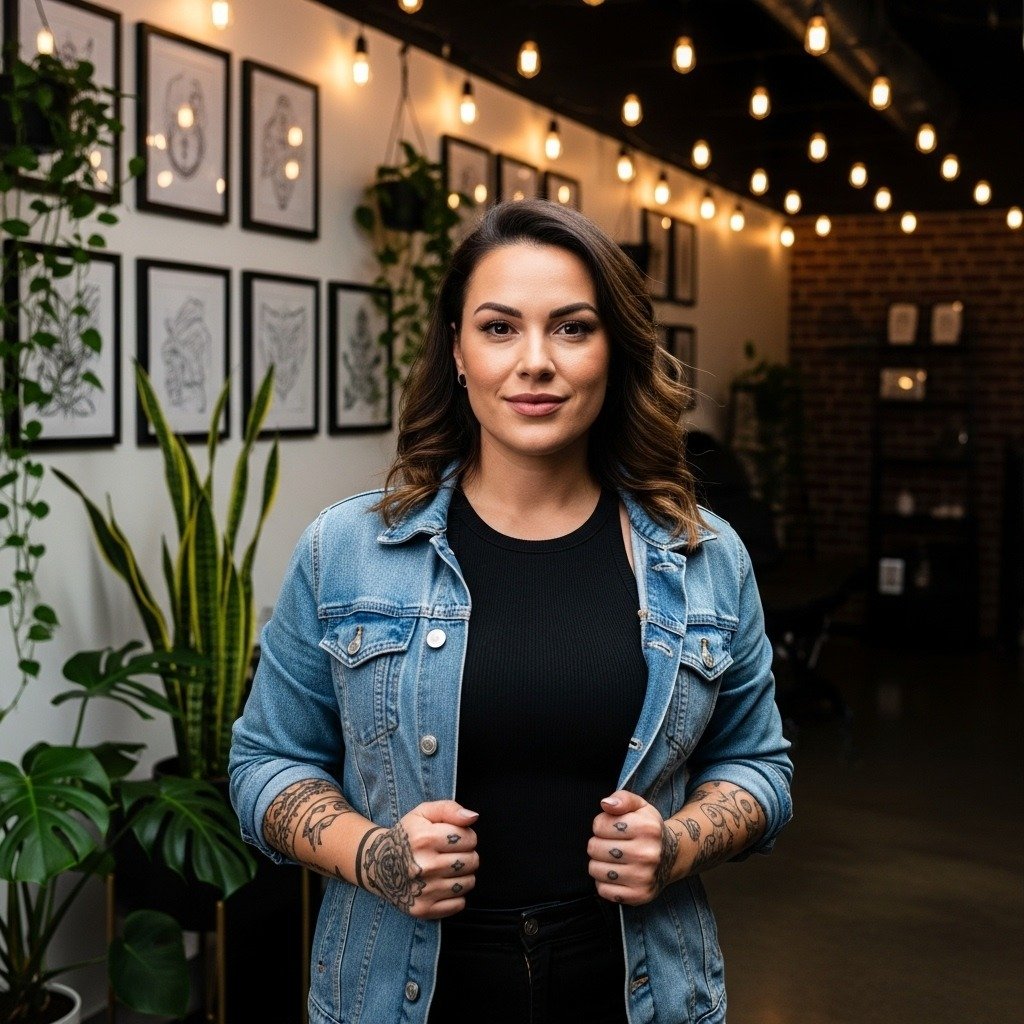
Someone I know spent months bookmarking angel designs only to realize the real problem was which style would still read crisp in two years. I have seen forearm wings blur from fine line choices, watched small ankle halos heal clean, and heard people struggle to find bold options that show up on darker skin. Read these ten ideas and the practical notes that help each choice age better.
1. Fine line angel outline on the wrist
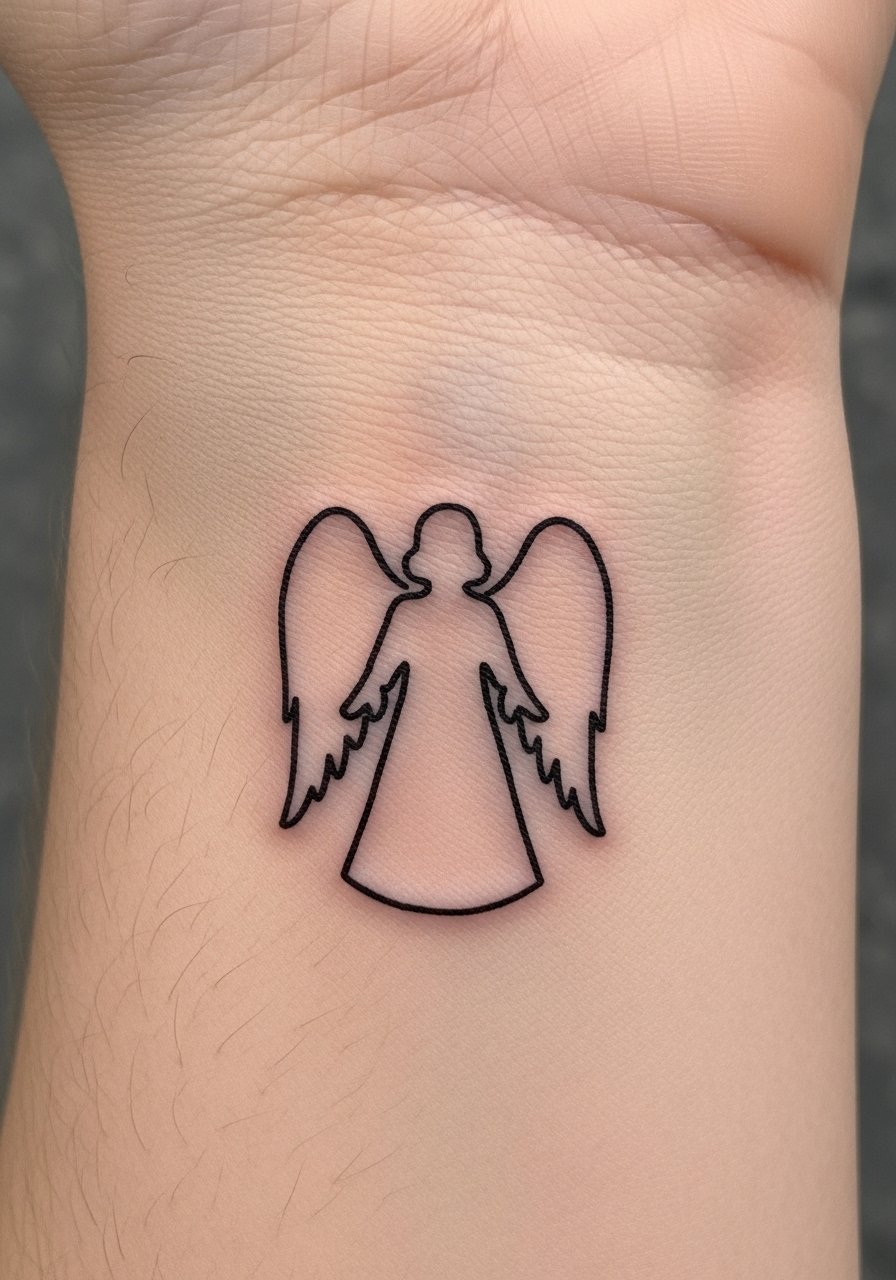
Fine line on the wrist splits the community into two camps. One group says the wrist moves too much and fine lines blur within two years. The other group says proper depth and slightly thicker spacing keeps the silhouette crisp. If you like a delicate look, ask for a thin-but-not-skin-deep outline and plan a touch-up at year two. Expect a short session and higher pain because the wrist is bony. A common mistake is asking for lines that are too tight together. At six months the outline should still read clean, at two years thin areas may feather, and at five years plan on a small touch-up to restore linework and saturation.
2. Old school angel with wings and halo on the forearm

Someone I saw at a shop chose this after their fine line forearm faded. Old school holds up because thick linework and heavy saturation resist blowout and sun. Tell your artist you want bold outlines and solid color blocks, not watercolor blending. This placement is low to medium pain and usually done in one to two sessions. The biggest upside is longevity. At six months the color will pop, at two years you will still have readable saturation, and most people only need a light touch-up after several years. Avoid asking for tiny, detailed shading inside the wings, because small dots can soften into blur on the forearm over time.
3. Blackwork angel wings mandala on the upper back

Fair warning: large blackwork pieces need strong contrast to sit well on darker tones. This is where solid fills and negative space win. Ask for clear negative spaces and bold stipple shading instead of faint gradients. Sessions are medium length and usually spread over multiple appointments. Blowout risk drops with larger line weight, but expect heavier aftercare and more time under the needle. At two years the design will generally hold better than pale color work. If you want a meditative frame effect, the mandala geometry keeps the composition readable even as minor touch-ups happen later.
4. Watercolor angel with serene face on the ribcage
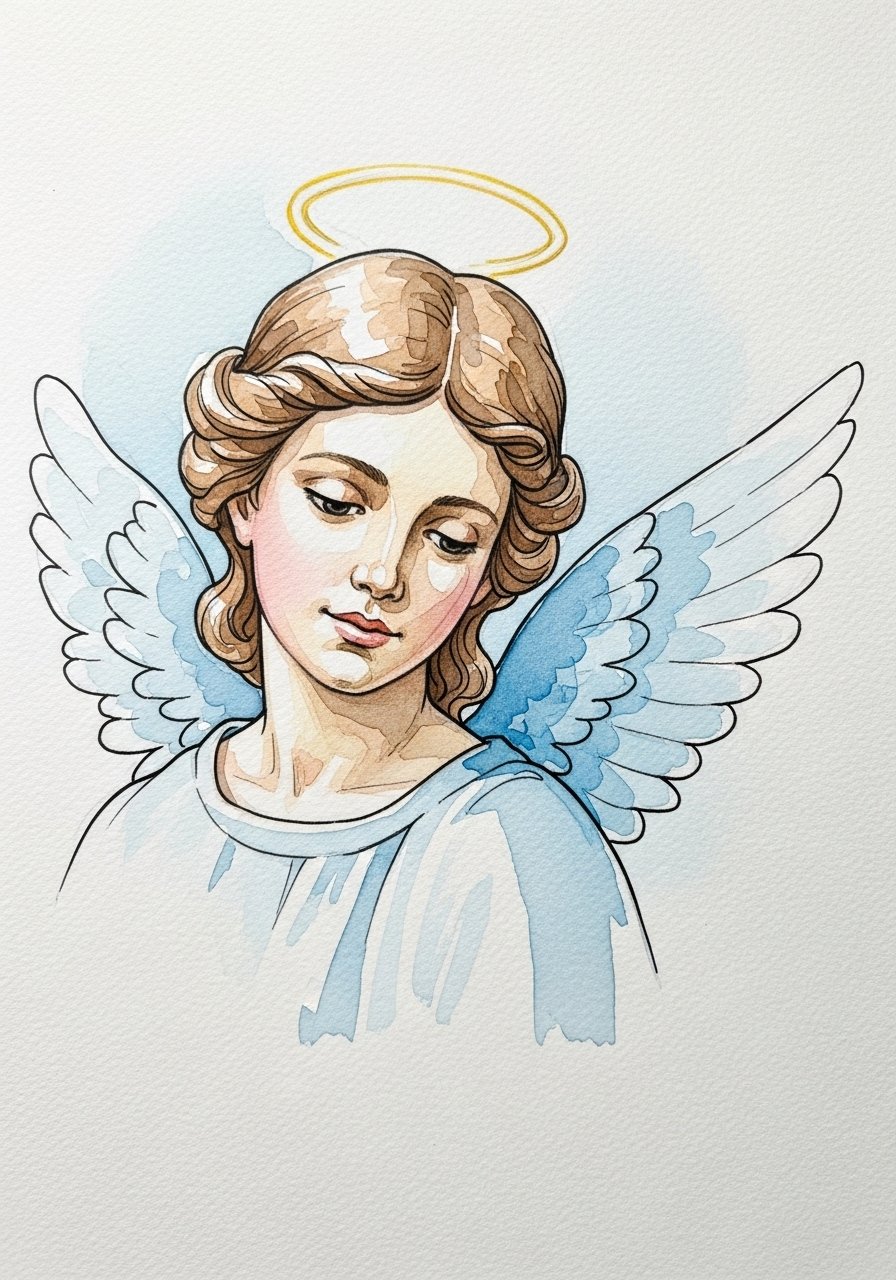
The ribcage hurts more than other spots, so this choice is for someone who cares about placement more than pain. In my experience watercolor looks dreamy at first but can lose saturation from sun or friction. To keep it lasting, ask for stronger anchor lines around the face and a touch of black shading to hold the colors. Expect two sessions and variable pain. A common mistake is making watercolor too diffuse without anchors, which ages into faded bruises. At six months the colors are vivid, at two years expect softening, and at five years you may want a color refresh to restore midtones.
5. Neo-traditional angel with banner script on the bicep
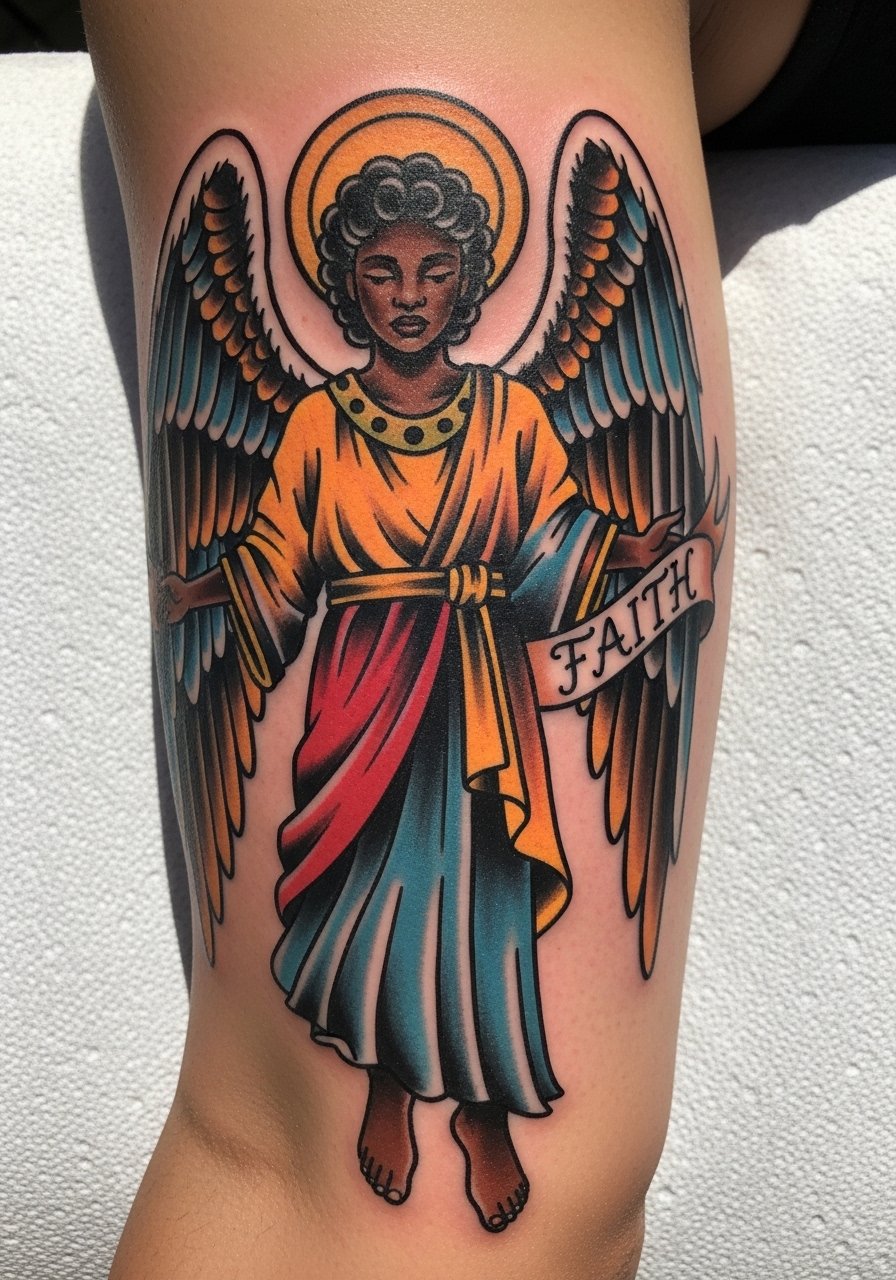
There is room to customize old-school motifs with banners and lettering. When you book, bring the exact script style you want and tell your artist the exact wording and size. For visible text specify the real word in the consultation, for example the word "Faith" in flowing cursive. This placement is medium pain and usually finishes in one session if sized right. Avoid very fine script inside a busy motif because the letters can smudge over time. If your arm expands or contracts the banner will warp slightly, so plan placement across flatter parts of the bicep for better long-term legibility.
6. Ornamental angel frame on the sternum with floral elements

When you sit down with your artist for a sternum frame, be specific about how symmetric you want the florals and whether the piece should taper toward the rib line. Sternum work needs precision and often two short sessions to let ink settle. Note that sternum pieces can compress or shift with weight changes. Professionals who take this work know to plan for the body contour and use slightly bolder lines where the skin creases. Also be aware some artists specialize in chest symmetry, so ask where they have done similar frames before booking. This placement is higher on the pain scale but reads beautifully tucked under clothing.
7. Ignorant style abstract wings on the hand

Hand tattoos are outspoken and come with career considerations for some people. If you work in a conservative field think carefully about visible placement. Ignorant style thrives on raw strokes and imperfect edges. Ask for thicker linework with intentional gaps so the style stays legible as the hand ages. This is a single-session design but expect faster fading due to hand use and frequent washing. A typical mistake is requesting too-small wings that lose their character when the lines blur. Plan on touch-ups more often than for forearm work.
8. Micro-realism angel portrait on the upper arm
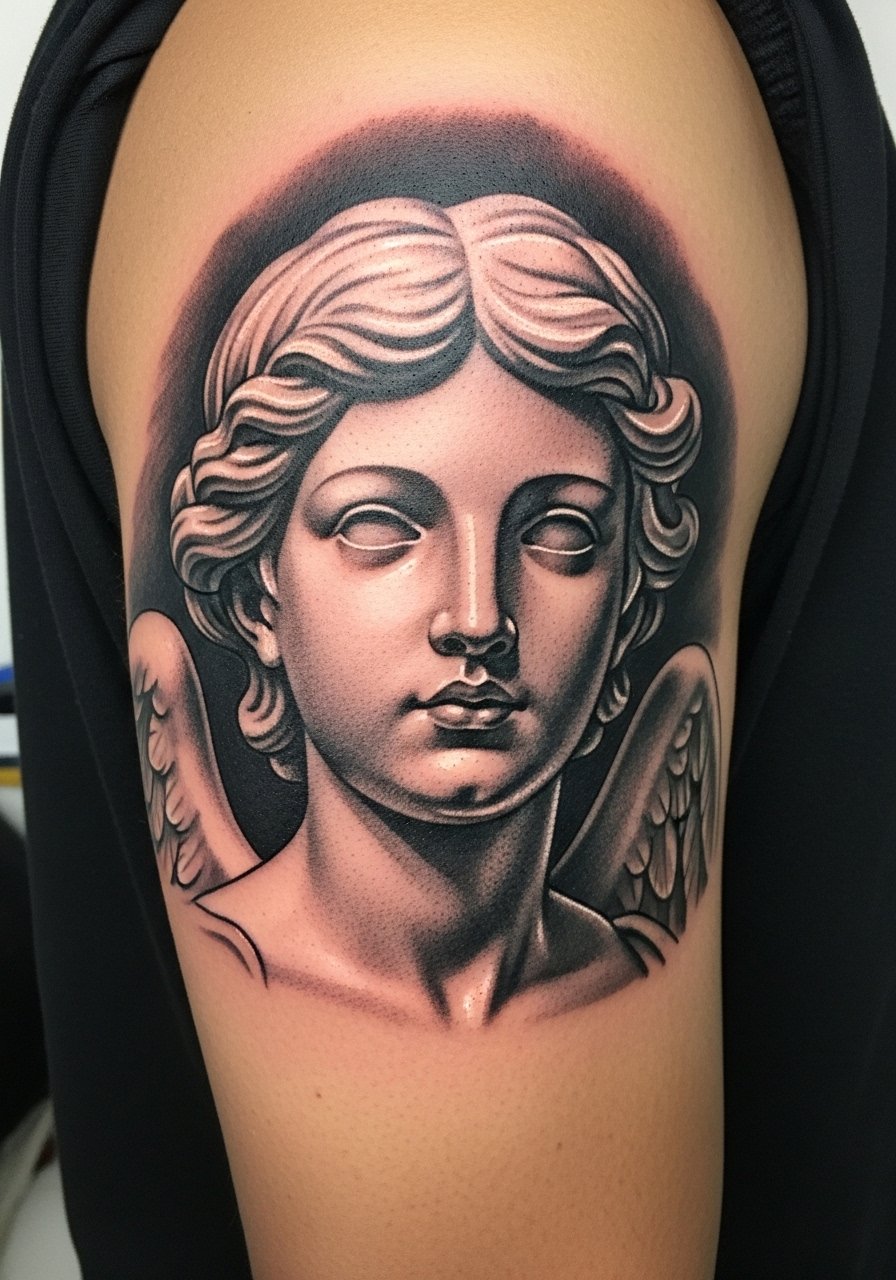
People who want a memorial portrait tend to prioritize realism over speed. Expect multiple sessions and detailed conversations about reference photos. Tell your artist which facial features must stay prominent and bring several high-resolution images to the consult. There is debate about numbing creams for long realism sessions. One camp says numbing helps clients sit through longer hours for better detail. The other camp views numbing as masking reaction that can change how skin holds ink. Ask your artist where they stand and what they recommend for multi-hour realism work. Realism portraits need precise stipple shading and controlled saturation to read over time.
9. Traditional angel with heart and banner on the chest

There is something about bold flash that reads immediately. For chest placement ask for classic linework and clean color blocks rather than tiny tonal shading. That helps the heart and banner retain contrast as skin changes. Pain is moderate and sessions are usually short. A common mistake is cramming too many tiny details into the banner. Keep script legible by sizing letters larger and choosing a heavy enough stroke. Over five years the bold fills tend to age better than washed-out pastels, and most people report only needing a small touch-up to restore saturation.
10. Patchwork angel sleeve integration across the arm
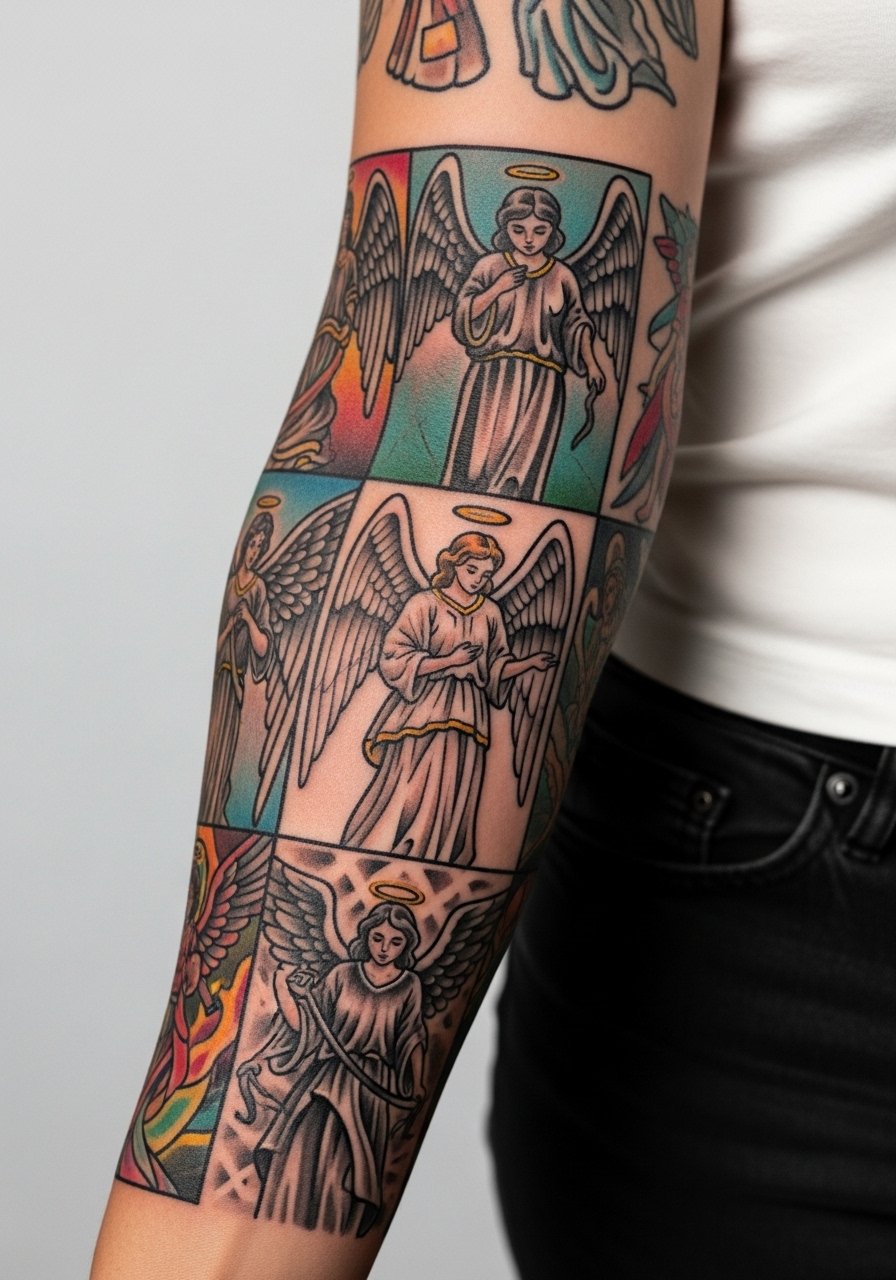
If you are building a sleeve, think in progression rather than one day. Start with a small angel motif that can scale into larger pieces. I have watched sleeves evolve over five years from spotty fragments into cohesive narratives when artists design negative space bridges and matching linework. A practical tip is to request design notes about how future elements will connect and to book touch-ups at 18 to 24 months. The process can involve many sessions and steady budget planning. For collectors, patchwork sleeves solve gaps and let you experiment with multiple angel styles without committing to a single large piece.
Tattoo Prep and Aftercare Essentials

Fragrance-free gentle foaming cleanser for tattooed skin. Use this during the first week to remove oils and ointment without stripping pigment. Clean gently twice a day as your artist recommends.
Lightweight fragrance-free moisturizing balm. Apply sparingly after cleansing to keep the area from drying out. Choose a non-comedogenic balm for areas that sweat easily.
Medical-grade second skin bandage, single-use sheets. Useful for the first 24 to 48 hours if your artist recommends occlusion. It reduces scabbing and keeps contaminants off fresh ink.
Breathable dressing tape, hypoallergenic. Handy for securing bandages on curved placements like sternum or ribs.
Fragrance-free daily lotion with SPF 30+. Once healed, daily sun protection preserves saturation and prevents premature fading.
Silicone scar-reducing sheets, small size pack. For raised scabs or keloid-prone areas talk to your artist or a dermatologist before use.
Aquaphor Healing Ointment. This classic ointment is useful for short-term sealing during the first day if your artist approves, and it absorbs faster than heavier balms.
Every tattoo is different. Always follow your artist's specific aftercare instructions. Consult a dermatologist if you have skin concerns or unusual healing issues.
Frequently Asked Questions
Q: Will a fine line wrist outline blur into a bracelet look if I wear a watch every day?
A: It depends on how tight the lines are and how much friction the area gets. Watches and bracelets increase rubbing and sweat, which can soften thin lines. If you want a wrist piece and wear jewelry, ask for slightly bolder spacing and expect a touch-up at year two.
Q: Do blackwork mandalas show up well on darker skin tones?
A: Yes when executed with solid fills and clear negative space. I have seen mandalas read beautifully on darker tones because heavy black saturation creates the contrast needed. Ask your artist for sample healed photos on similar skin and consider slightly thicker linework to reduce blowout risk.
Q: Should I choose black anchors for watercolor ribs to make them last longer?
A: Anchors help. Watercolor benefits from a few defined contour lines or muted black shading to hold color boundaries. Without anchors, pastel washes can fade into indistinct patches after sun exposure. Plan for a color refresh beyond year two if you want lasting vibrancy.
Q: How often will a hand ignorant-style wing need touch-ups compared with a chest piece?
A: Hands are used, washed, and sun-exposed more, so they typically need touch-ups more frequently. Expect maintenance every one to three years versus a chest piece that often goes longer between sessions. Think about placement detail and line weight when planning.
Q: Is it safe to use occlusive bandages like second skin versus dry healing?
A: Artists split on this. One camp prefers occlusive dressings for cleaner healing and less mess. The other camp argues dry healing leads to more natural scab formation. Follow your artist's recommendation and your skin response. If you react badly to adhesives or notice unusual irritation, stop and consult a dermatologist.
Q: For a memorial micro-realism portrait, should I consider numbing cream for long sessions?
A: There is debate here. Some artists support numbing so clients can sit for long, steady sessions that improve realism. Other artists caution that numbing can mask the skin's reaction and affect how ink settles. Discuss duration, numbing effects, and realistic session goals with the artist before booking.