
Bold linework and careful spacing beat tiny, showy detail when you want a geometric piece that still reads after three years. Start with how the design will sit on moving skin and the wardrobe you wear most, not just the pretty stencil you posted. Below are focused ideas you can show your artist, with placement notes, aging realities, and outfit tips that actually help the tattoo read in photos.
1. Bio-Geometric Armor Flow on Smooth Inner Upper Arm
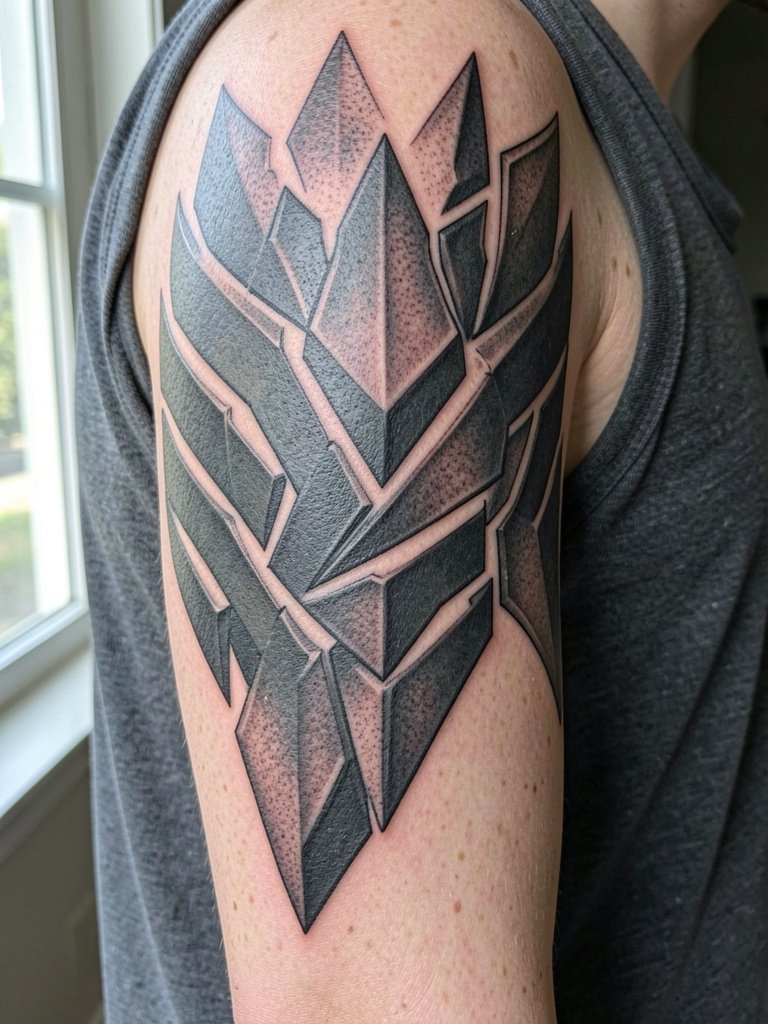
A bio-geometric armor piece works when you want bold presence and structure rather than delicate filigree. Recommend this over a fine-line sleeve if you plan long-term wear and heavy visual impact. Tell the artist you want heavy saturation and clear plate edges so stitches and muscle curves read as 3D on the inner arm. Common mistake is packing tiny panels too close together. Six months in the black will settle slightly. At two years expect the edges to soften a touch, and at five years a touch-up restores crispness. For session wear, go sleeveless so the artist has full access and no cuff pressure. This placement is forgiving on blowout risk if the artist maintains depth.
2. Dotwork Mandala Sphere for Inner Forearm
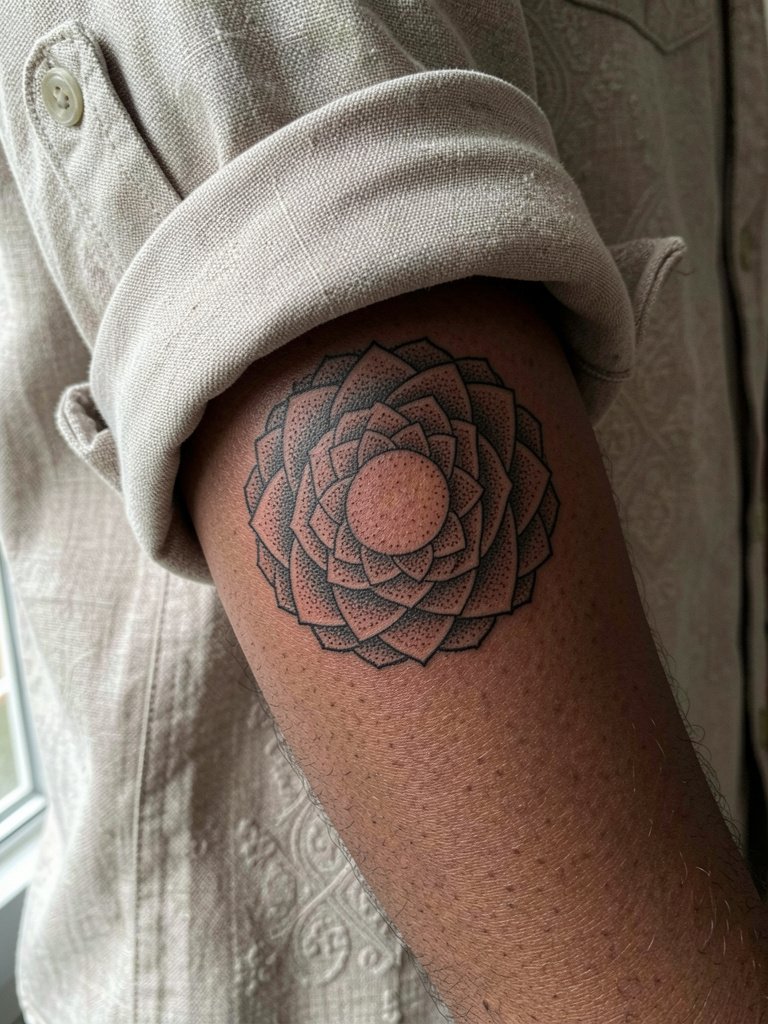
Pick dotwork mandala when you want symmetry that ages with texture rather than thin lines that disappear. One camp argues dotwork outlasts fine line because texture reads on darker and stretchy skin. The other camp says finely executed single-needle work can hold if the artist spaces dots correctly and shows healed shots. For your consult, bring a healed dotwork photo scaled to the exact diameter you want so the artist can match stipple density. Six months healed shows a soft matte texture. At two years the pattern keeps structure better than ultra-fine line. Wear a linen button down shirt to show the design off in neutral tones.
3. Abstract Falcon and Tree Fusion on Inner Forearm or Lateral Hip
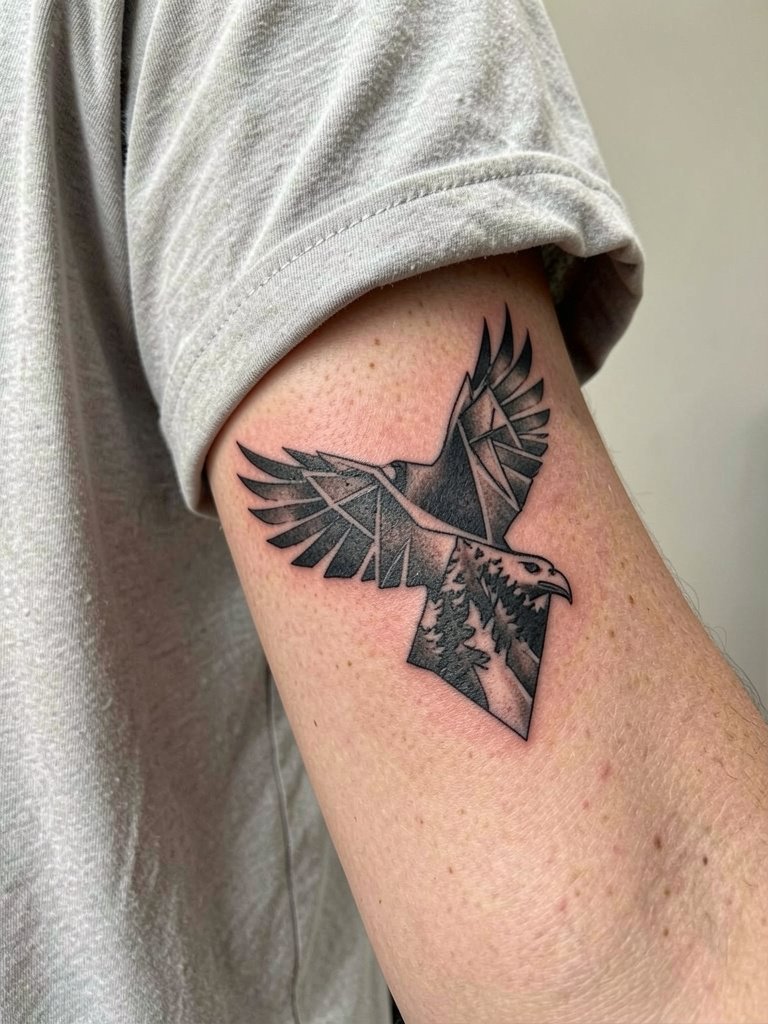
This abstract fusion solves the "generic bird" look by forcing contrast and negative space. Recommend it for someone who wants an emblematic image without literal feathers. During the consultation bring two scaled references: one showing silhouette balance and one showing negative space placement. A common mistake is compressing the bird and tree into one tight patch; that causes early merging. On the hip the geometry can breathe, and on the forearm it needs slightly thicker outlines. Session time feels moderate, mostly linework with selective shading. For showing it off on warm days try black drawstring shorts when the design sits on the thigh.
4. Memento Mori Falling Angel on Side Torso Ribcage
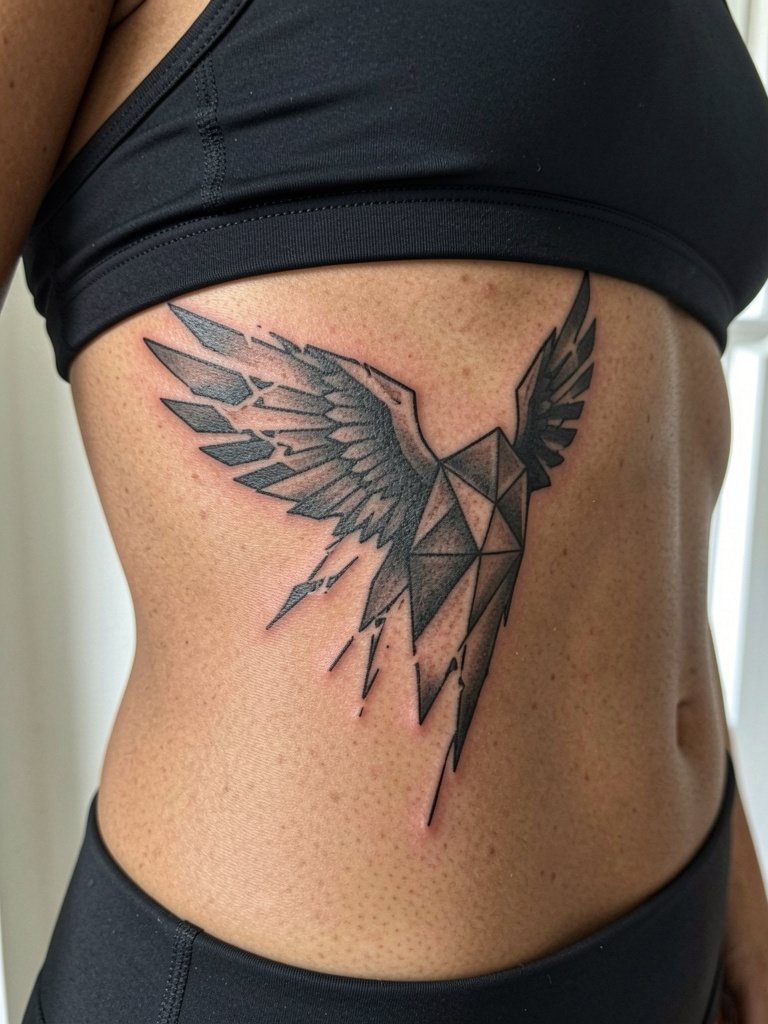
Ribcage pieces read dramatic when built with extra spacing and contrast. One group of artists warns that fine line on the ribs blurs within two years because the skin stretches with breathing and movement. Another group counters that correct needle depth and slightly wider spacing let fine line survive and they point to multi-year healed examples. If you choose this motif, specify how much negative space you want between fractured lines so the artist can scale the stencil. Expect a painful session with long shading passes. For wardrobe, plan on an open button-down shirt that you can fully unzip for the session. Ask about staged breaks and numbing strategies if you need them.
5. Tiger Eyes Hand Geometry on Dorsal Hand or Fingers
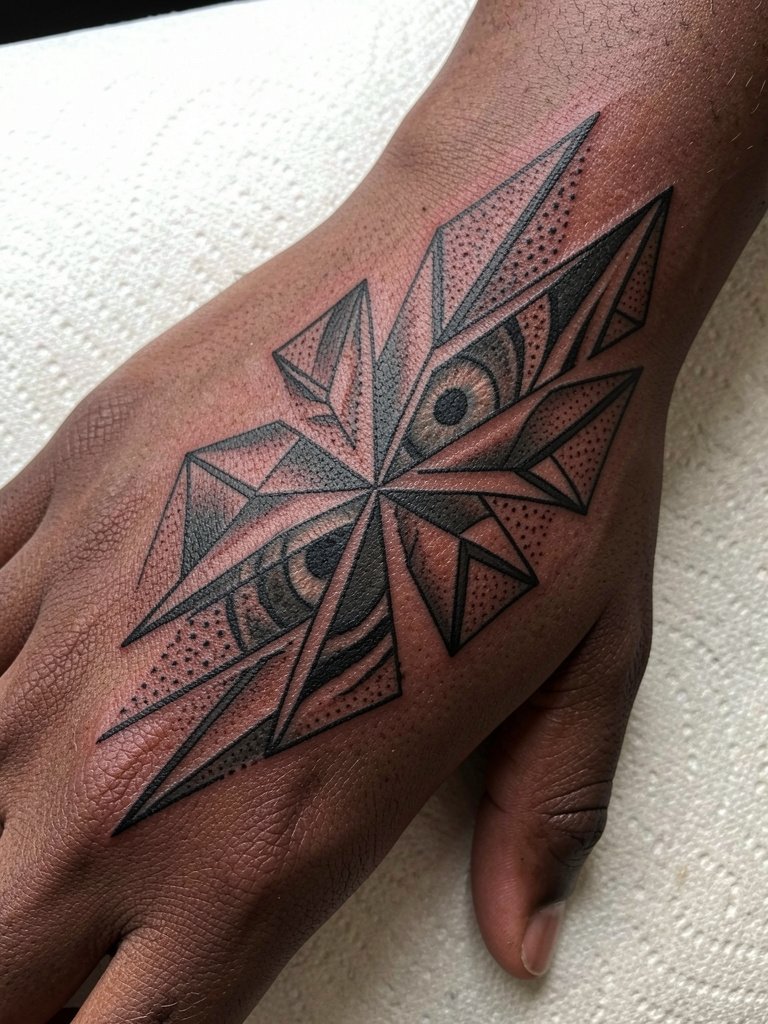
Hand work makes an immediate impression but carries specific risks. Expect faster fading because hands face constant washing and friction. Tell the artist you want bolder linework and avoid ultra-fine filigree. A common pitfall is underscaling detail for a small hand canvas. Healed at six months the contrasts remain but soften. By two years you may need a touch-up to restore punch. For session day wear short sleeves and skip rings. Show-off pairings include a thin chain bracelet set on the opposite wrist to balance attention.
6. Da Vinci Human and Planets on Inner Forearm or Inner Upper Arm
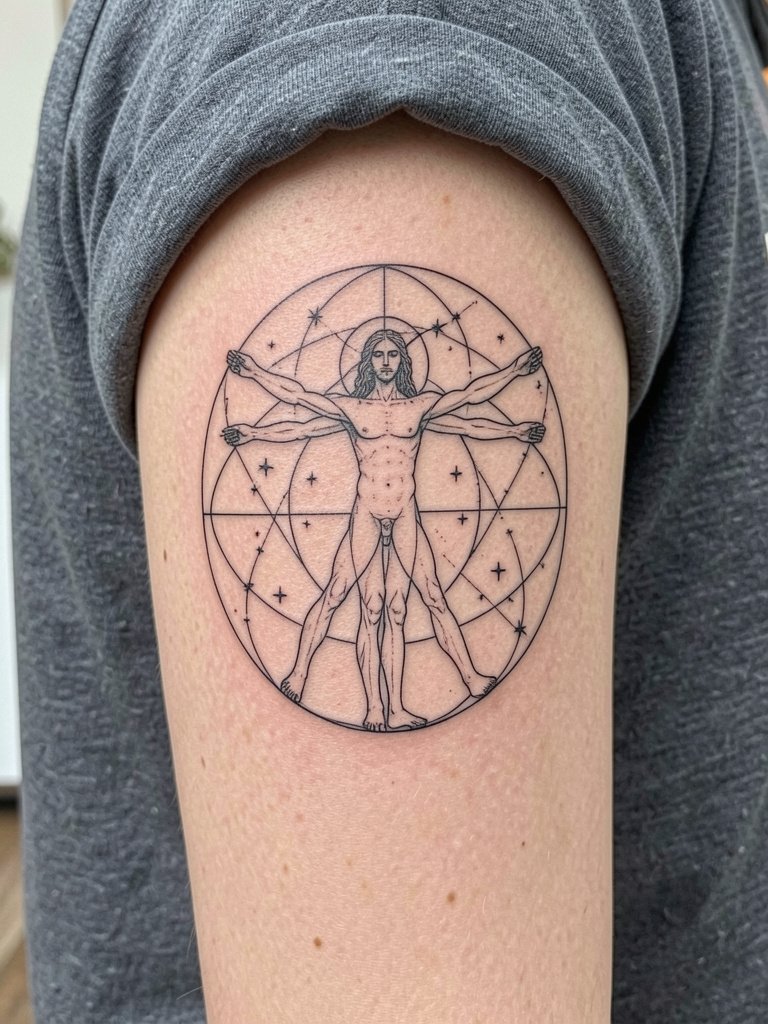
This piece suits clients who like intellectual, diagram-style geometry. It reads best at medium size so orbits and body proportions do not merge. During consultation bring scaled prints of the planetary grid so the artist can show how the pattern reads at three versus five inches. Fine line versions on the forearm can blur faster if spacing is too tight, so request slightly thicker contour lines around the planetary circles. For casual wear, rolled sleeves on a linen button down shirt highlight the design without overcrowding the forearm. Touch-ups every few years are normal for fine-line pieces on the forearm.
Studio Day Picks
The inner forearm pieces and hand geometry above face different healing pressures than large blackwork, so a short kit helps both session flow and the first week.
- Mahalo Tattoo Balm. A thinner balm many people prefer during dotwork healing because it does not feel greasy on tattooed skin and it photographs well on darker tones.
- Cosmetic Saniderm. Second-skin film that protects fine line areas from friction, especially useful for forearm pieces that rub cuffs.
- Emla Numbing Cream. Used by clients for long dotwork sessions, but note it can change skin texture and your artist may ask to skip or adjust depth when it is applied.
- Japanse Aftercare Stick. Lightweight, less occlusive than heavy ointments, helpful for maintaining contrast on dark skin during the first week.
- Hustle Butter Deluxe. A widely recommended option for balancing moisture and breathability during dotwork healing on larger pieces.
7. Leg Sleeve Bio-Geometric Flow from Thigh to Calf
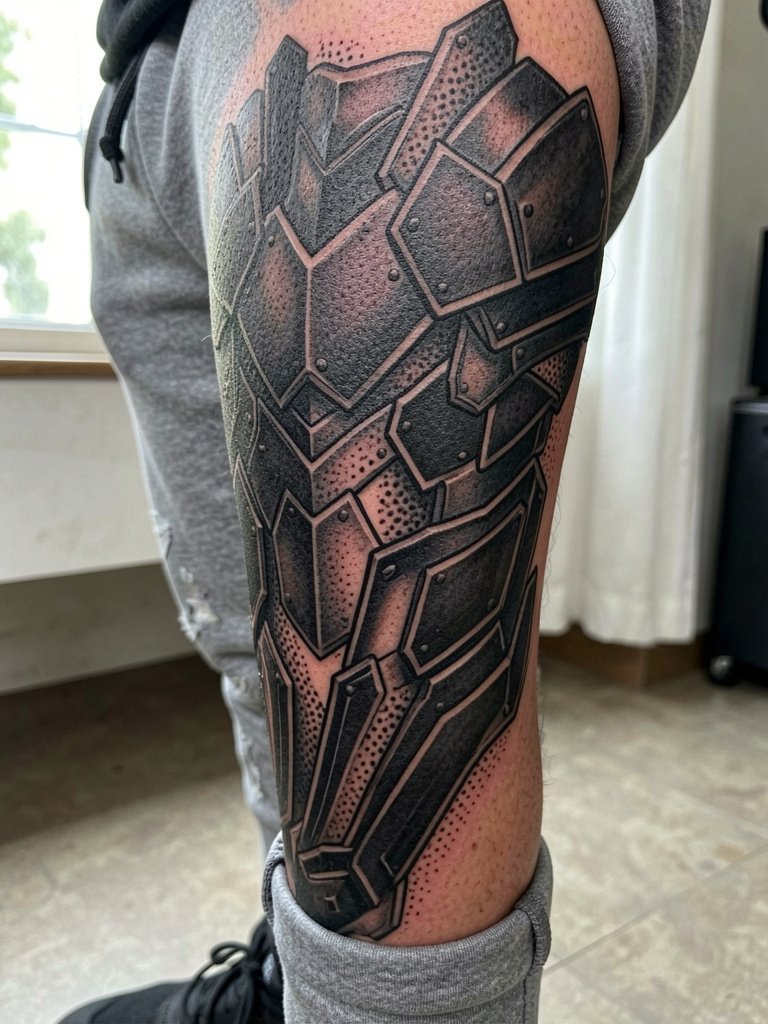
A full leg narrative is for collectors who want flow across body curves. Plan flow lines with the artist so armor plates read with leg movement rather than against it. A common error is treating thigh and calf as separate patches, which breaks cohesion. Sessions will be long and require breaks; numbing creams are debated because they can change skin feel during shading. For show-off pairing, short shorts or rolled joggers in black or olive make the plates visible. Expect multiple sessions over months and heavy saturation that ages well compared with ultra-fine patterns.
8. Spartan Geometric Helmet on Outer Forearm or Inner Upper Arm
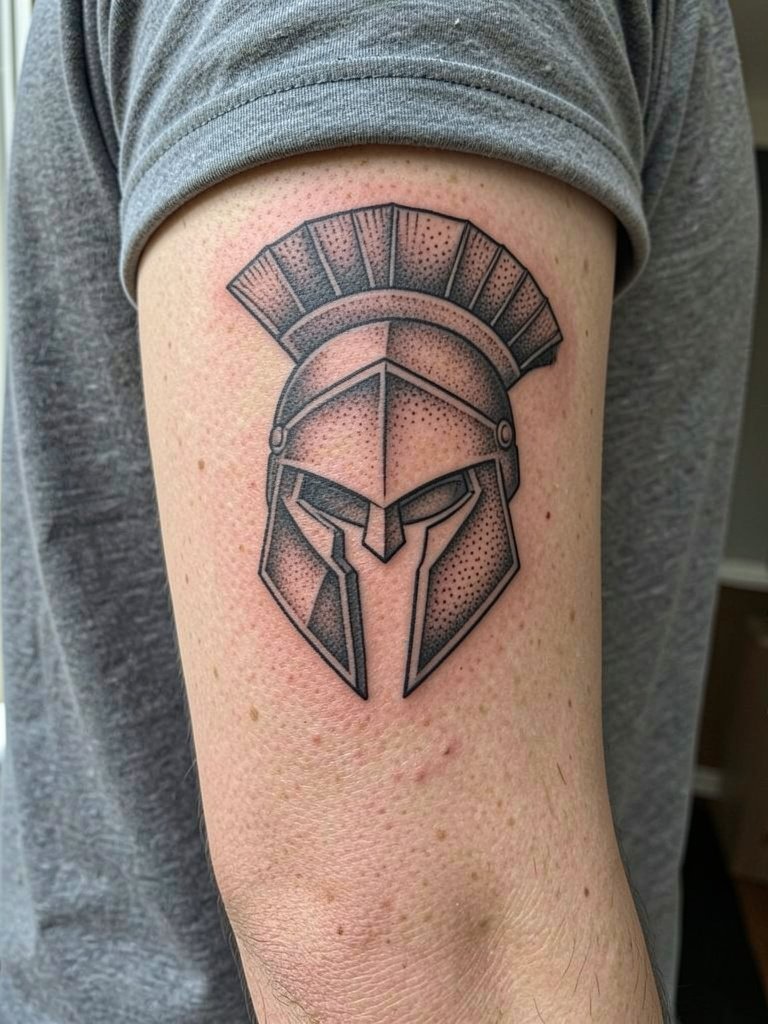
This design leans masculine through geometry and bold contrast. The outer forearm is a good canvas because the skin is relatively stable and photos well. During consult specify triangle scale and stipple density so the helmet reads from arm length. A mistake is making the crest too narrow, which warps when the arm turns. Healed at six months the contrast remains strong. For casual looks, a black sleeveless tank keeps the shoulder and forearm silhouette clean. Touch-ups can restore stipple that softens after repeated sun exposure.
9. Hourglass Fracture on Inner Forearm or Medial Inner Thigh
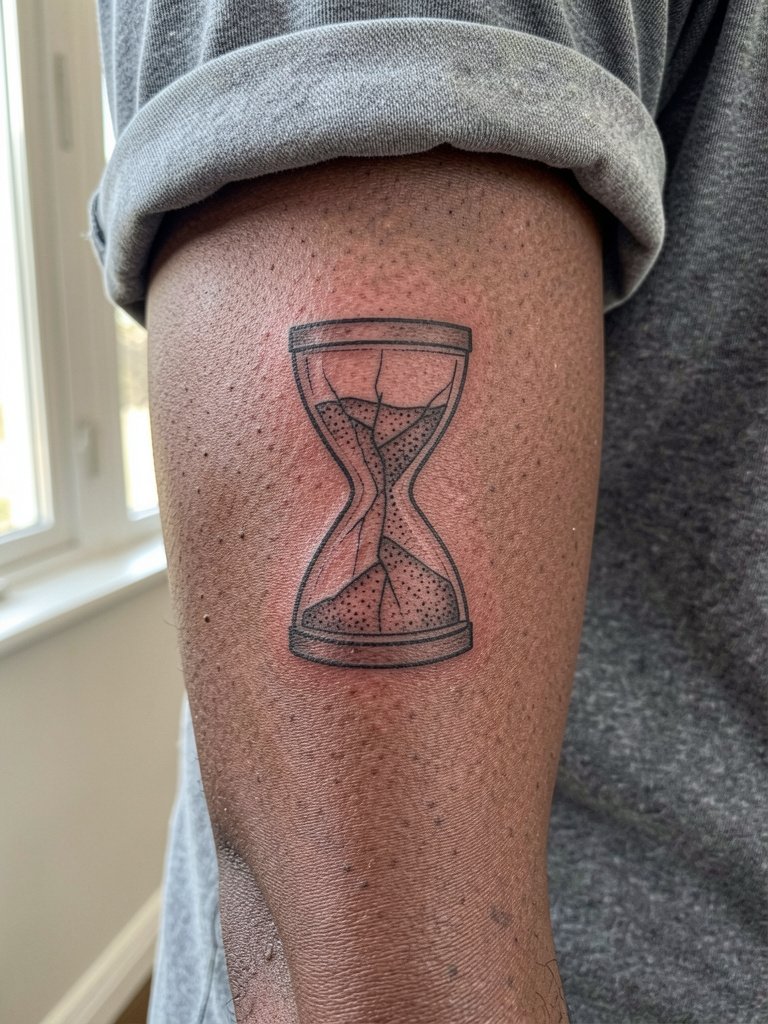
A fractured hourglass reads poetic without cliché when you pick the right scale. Opt for medium-weight lines rather than micro single-needle if you place it on the inner forearm. A common error is using 0.3mm single-needle contours on stretchy skin which can blur in two years. For the inner thigh, the design benefits from body curvature and looks more like an emblem. During the consult show examples of healed hourglasses at a similar body location so the artist can match spacing. Session time is short, but aftercare matters because tight clothing can rub the area.
10. Wolf Geometric Portrait on Outer Shoulder or Upper Thigh
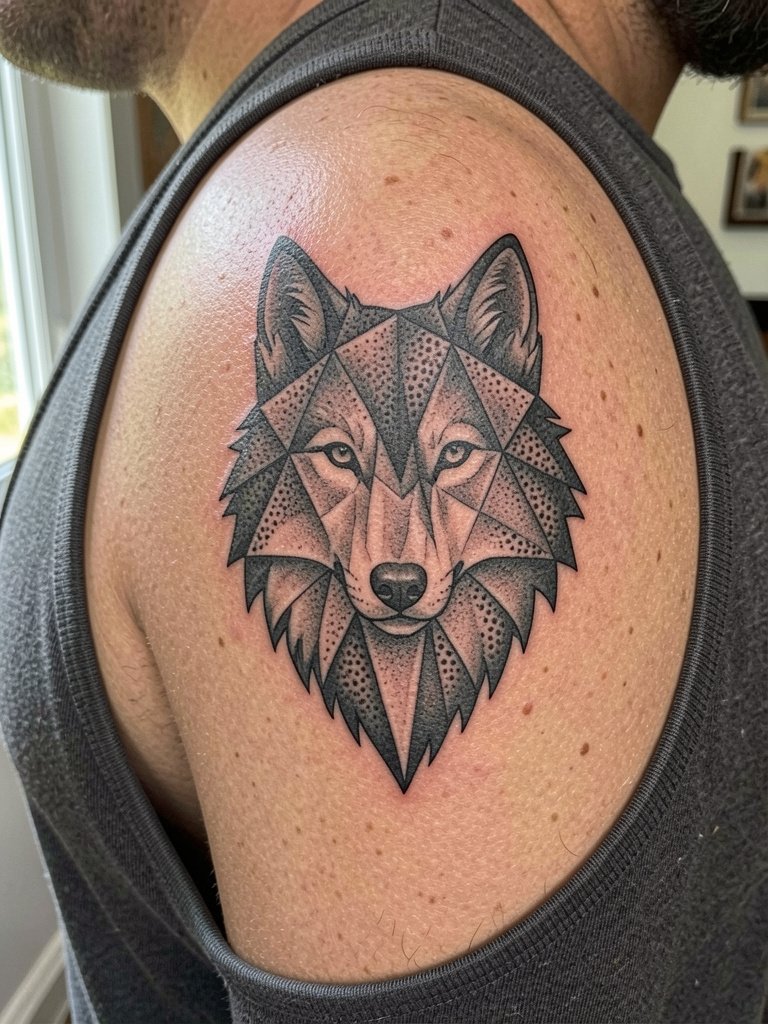
A wolf portrait translated into geometry keeps the animal motif fresh. Recommend medium size on the shoulder so facial planes read from across a room. The mistake is compressing too many triangles into a small patch, which loses definition when healed. Ask the artist to mock up the face at actual scale so eyes and snout hold spatial relationships. Session feels like long line passes with layered dot shading. For show-off fits try an open collar black shirt or sleeveless tank to frame the shoulder.
11. Abstract Angel with Geometric Wings on Upper Chest
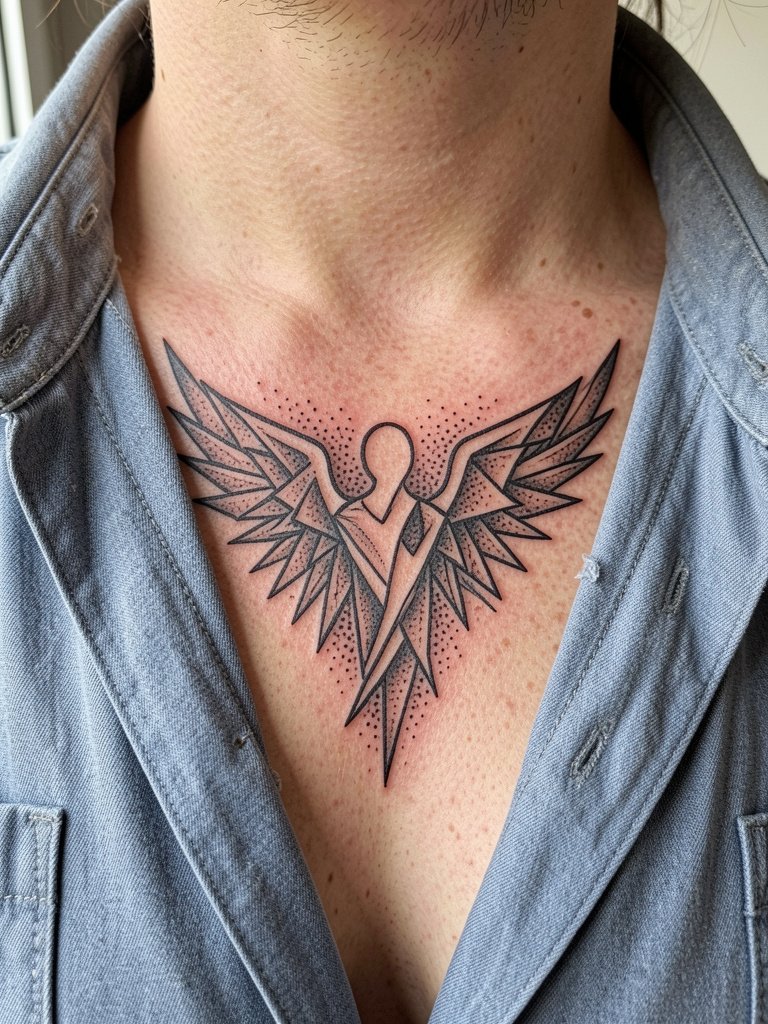
Chest pieces need careful scale so wings do not cross into collarbone creases and blur. Specify how far below the clavicle the design should sit when you consult. A common aging issue is lines breaking at the sternum because of tension from breathing and posture. For showing it off, an open button down cream shirt or fitted tank complements the upper chest without crowding the wings. Note that chest skin can feel sensitive during shading sessions.
12. Atlas Geometric Globe on Inner Forearm or Inner Upper Arm
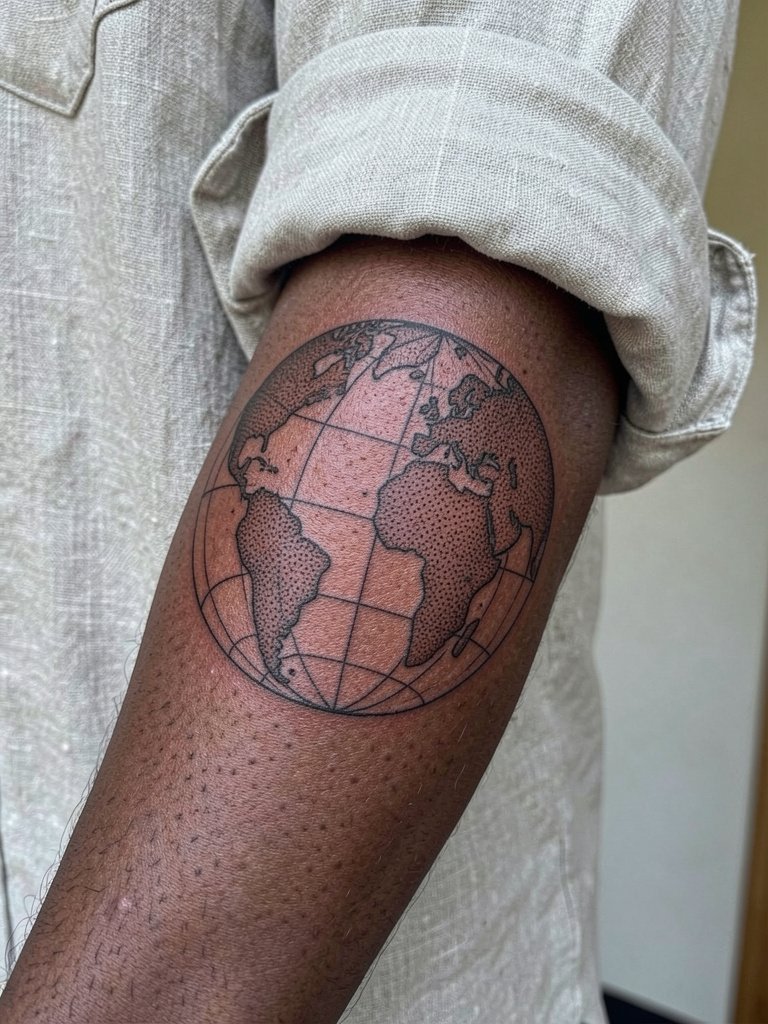
Geometric maps age like diagrams when scaled correctly. For longevity ask for medium-weight longitude and latitude lines so coastlines do not blur into each other. A common mistake is cramming continents into a small circle which loses legibility after healing. At six months the atlas keeps crisp lines if your artist used correct depth. For casual wear, rolled cuffs on a linen button down shirt keep the forearm visible and photo-friendly.
13. Arm Sleeve Geometric Armor from Shoulder to Wrist
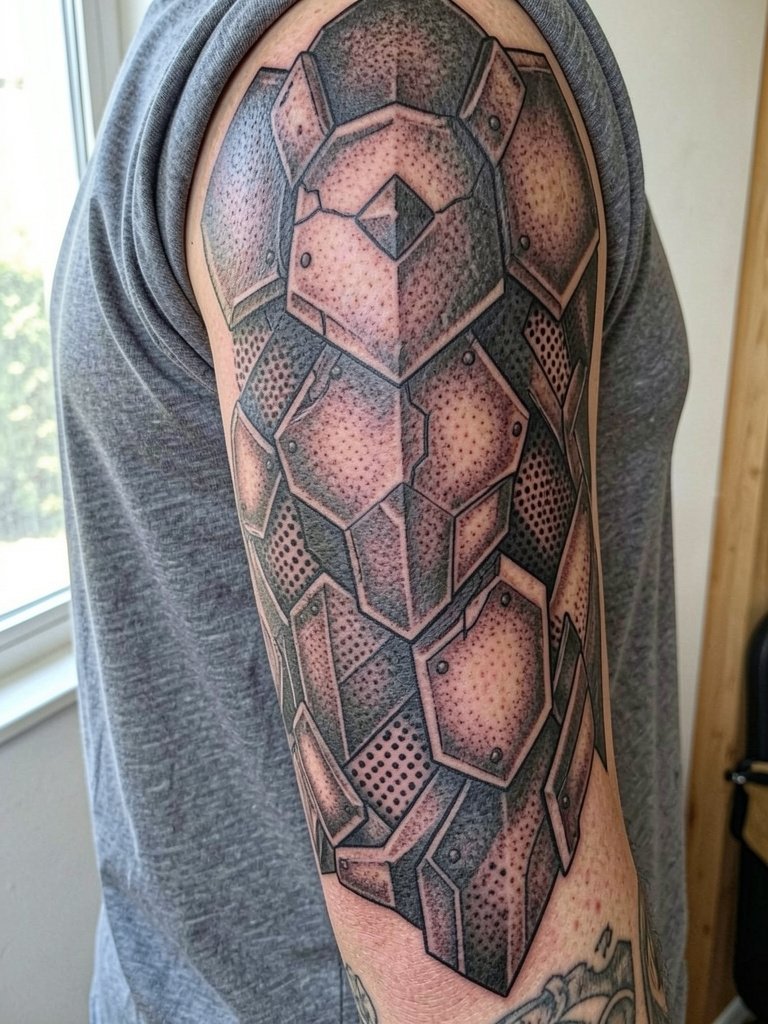
A full-arm sleeve is a planning exercise in flow. In the consult map how plates cross the elbow fold so the sleeve reads as continuous when you bend your arm. A frequent error is mismatching scale between shoulder and wrist panels which breaks the narrative. Sessions will be multiple and long. Wear short sleeves that are easy to remove so the artist can access shoulder through wrist cleanly. Heavy blackwork like this tends to age better than ultra-fine sleeves because saturation preserves form.
14. Small Symbols Hand or Knuckles for First-Time Ink
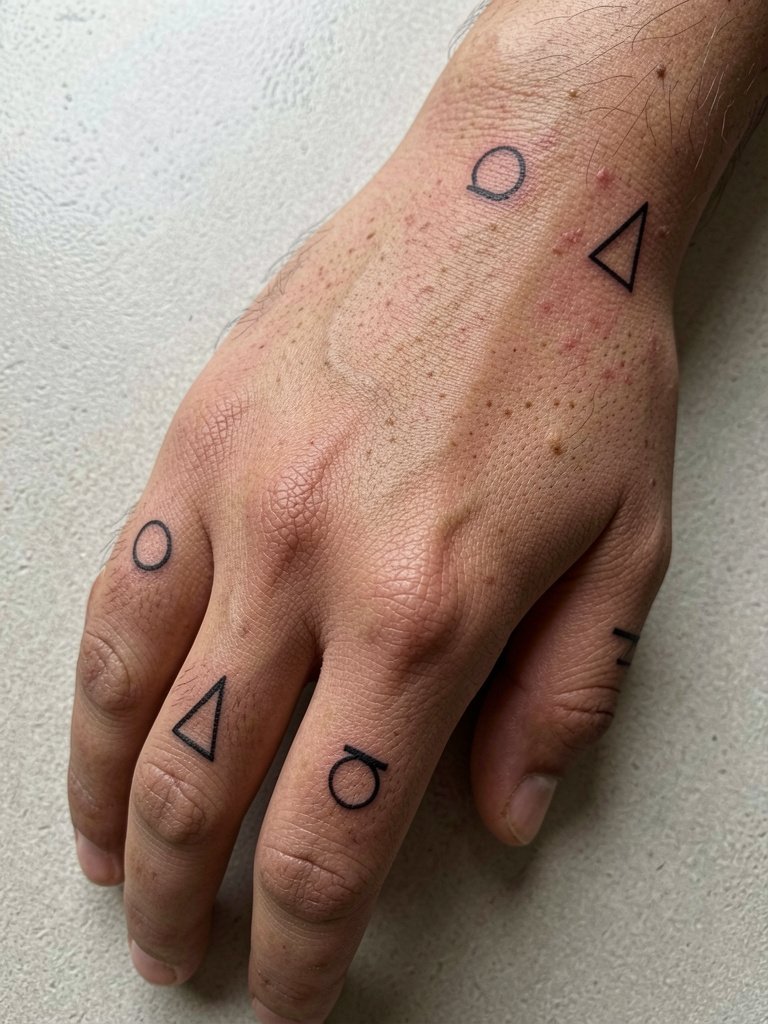
Small hand symbols are an accessible first tattoo, but shops often have minimums and hands need bolder line weights. Ask for line thickness recommendations and a healed photo portfolio of hand pieces to check longevity. Common mistake is copying a wrist-sized reference into a knuckle area without scaling. Hands see friction and washing, so expect touch-ups sooner than other spots. For session wear choose short sleeves and avoid rings that get in the way. Minimalist looks pair well with thin bracelets or a minimalist watch on the opposite wrist.
15. Tree with Birds Geometric on Inner Forearm or Lateral Hip
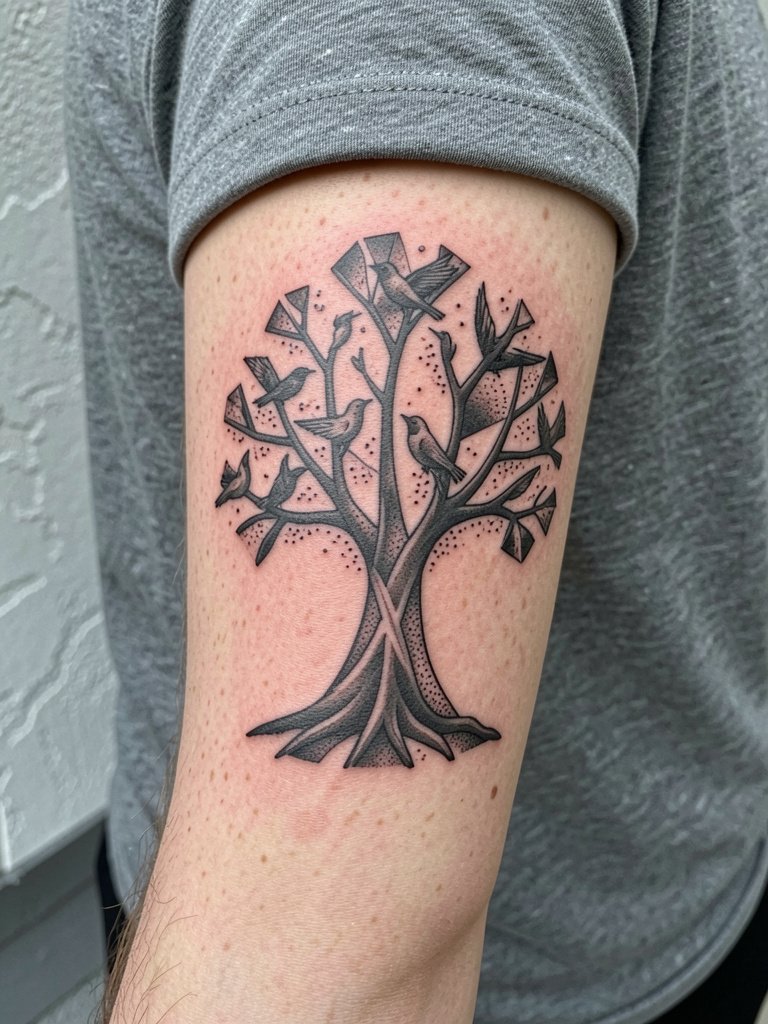
This nature-meets-geometry idea balances organic lines with structural panels. For the hip version, the trunk can curve with the body for dramatic flow. In consultation show the artist where limbs should wrap the contour so birds read in negative space. Error to avoid is over-detailing small branches which merge over time. The inner forearm option photographs well with rolled sleeves. If you plan beach season looks, pair the hip piece with low-rise shorts to reveal the lateral hip.
16. Micro Geometric Symbol Cluster Behind the Ear or Nape
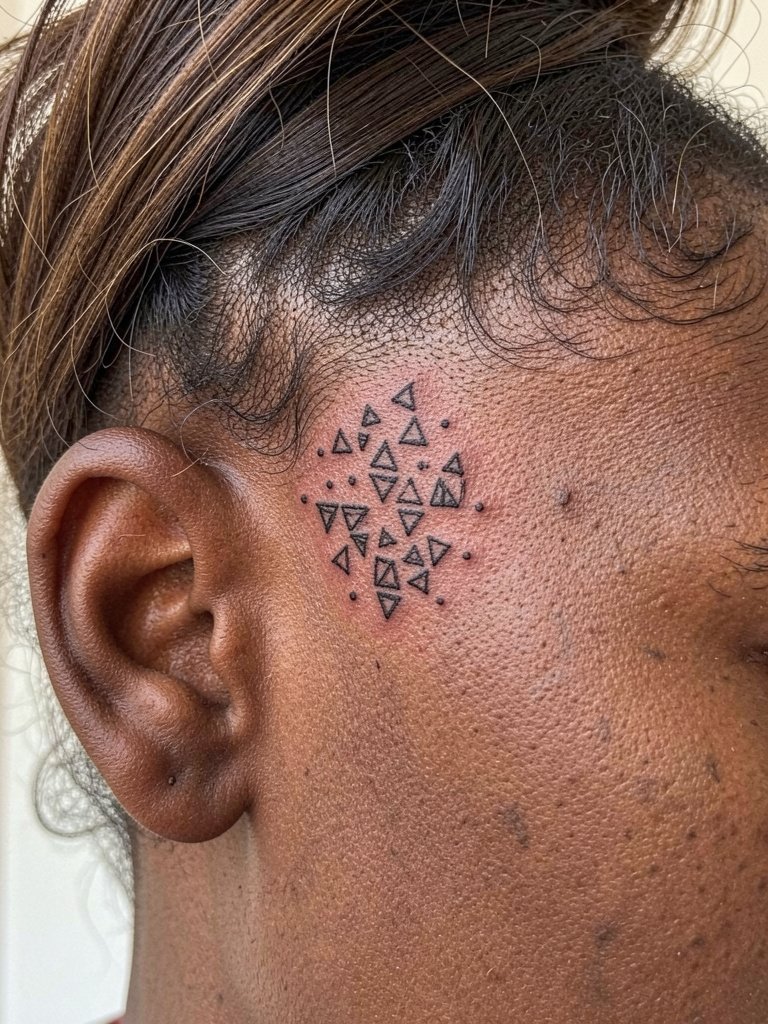
Small clusters behind the ear read intimate and subtle. The skin there is thin so tiny lines can blur if the artist overuses single-needle work. Ask for slightly bolder dot spacing and a healed example on similar skin tone. A common oversight is expecting a perfectly sharp micro design after weeks of hair growth rubbing the area. Session time is short and healing is fast if you avoid sleeping on that side. For professional needs this placement is easy to hide with hair down.
17. Calf Geometric Panel or Totem
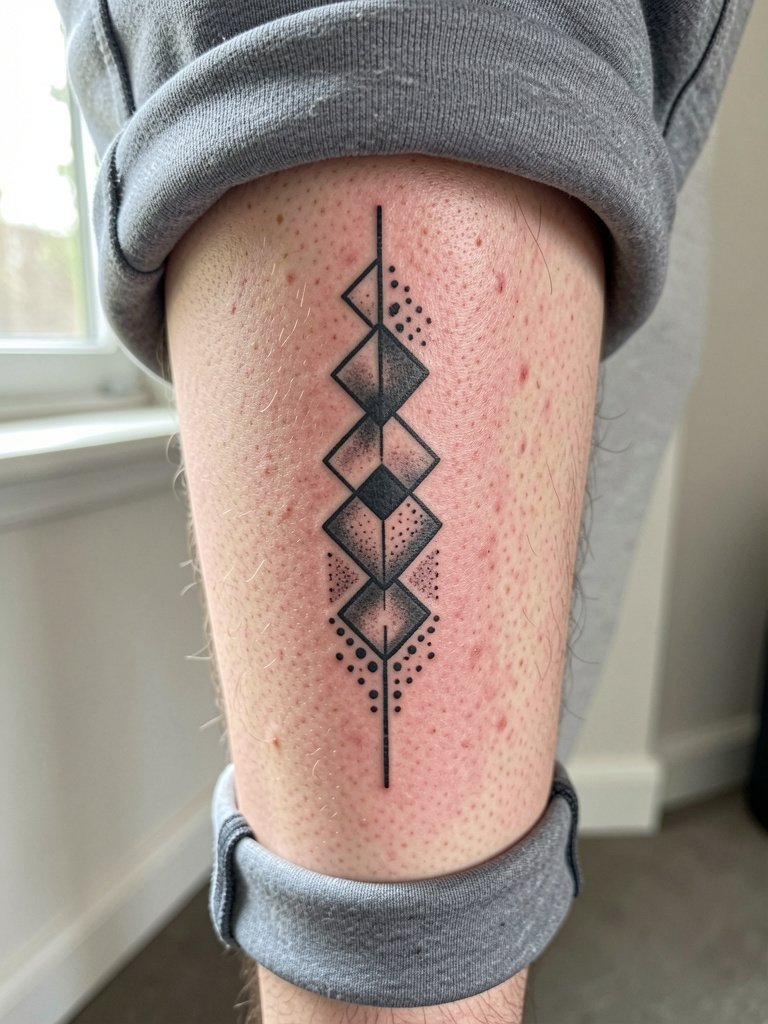
Calf panels are forgiving for bold geometry because the surface is long and flat. Tell the artist if you want the design to align with boot height or swim shorts so the bottom edge lands intentionally. Mistake to avoid is placing the main focal point too low where shoes cut the silhouette. Session feels mid-level in pain and usually single-session for moderate sizes. For showing it off consider rolled joggers or short boots to expose the calf. Saturated blackwork here keeps shape through years of wear.
Frequently Asked Questions
Frequently Asked Questions
Q: Will fine-line geometric tattoos on the forearm blur quickly?
A: Fine line on forearms has two camps. One camp says forearm skin moves and stretches enough that ultra-thin lines can merge within two years. The other camp points to experienced fine-line artists who use slightly wider spacing and proper depth and show three-year healed examples that look intact. For practical planning ask for healed photos at the same placement and a plan for touch-ups every 2 to 3 years if you choose a very fine approach.
Q: Should I pick dotwork or fine line for dark skin tones?
A: Dotwork generally reads stronger on darker skin because texture and saturation hold contrast. Fine line can work if the artist uses thicker contours and pushes saturation without overworking the skin. If photography matters, ask the artist to show healed images on similar skin tones and consider slightly bolder spacing so the geometry survives camera exposure.
Q: How do I find an artist who specializes in geometric styles without naming names?
A: Search style-specific hashtags like #geometrictattoo, #dotworktattoo, and #biogeometrictattoo on Instagram and TikTok and filter by location. Use Tattoodo and local directories to search keywords such as "bio-geometric armor" or "dotwork geometric." Reddit threads in r/tattoos and r/tattooadvice also surface healed examples and booking tips. Booksy and the Inked app let you filter studios by specialty if you want a local search.
Q: What should I wear to a thigh or ribcage session?
A: For thigh sessions wear loose drawstring shorts that can be pulled to the knee and not compress the area afterward. For ribcage, bring a button-down or open top you can remove without stretching the new tattoo. Choose fabrics that stay put in their normal worn state so the artist can work without fabric pulling or tugging the skin.
Q: Are numbing creams safe for long dotwork sessions?
A: Numbing creams help some clients stay steady during long dotwork sessions, but they can alter skin texture and make it harder for an artist to judge depth. If you want to use one, plan to discuss timing and application so the artist can adjust depth or shading approaches accordingly. Expect differing opinions and an artist who knows their healed results will advise the safer route for their technique.
Q: How often will these geometric styles need touch-ups?
A: Touch-up timelines depend on line weight and placement. Bold blackwork armor typically needs fewer touch-ups over a decade. Fine-line pieces on forearms or ribs often require a touch-up every 2 to 3 years. Hands and knuckle symbols commonly need earlier retouches because of friction. Plan touch-up windows with your artist when booking if longevity is a priority.
Q: Any red flags when booking a geometric specialist?
A: Watch for artists who post only fresh photos without healed shots, studios with frequent last-minute cancellations, and portfolios that mix healed dotwork with poor linework elsewhere. A solid sign is a portfolio showing multi-year healed pieces at the placement you want and clear communication about spacing and saturation up front.