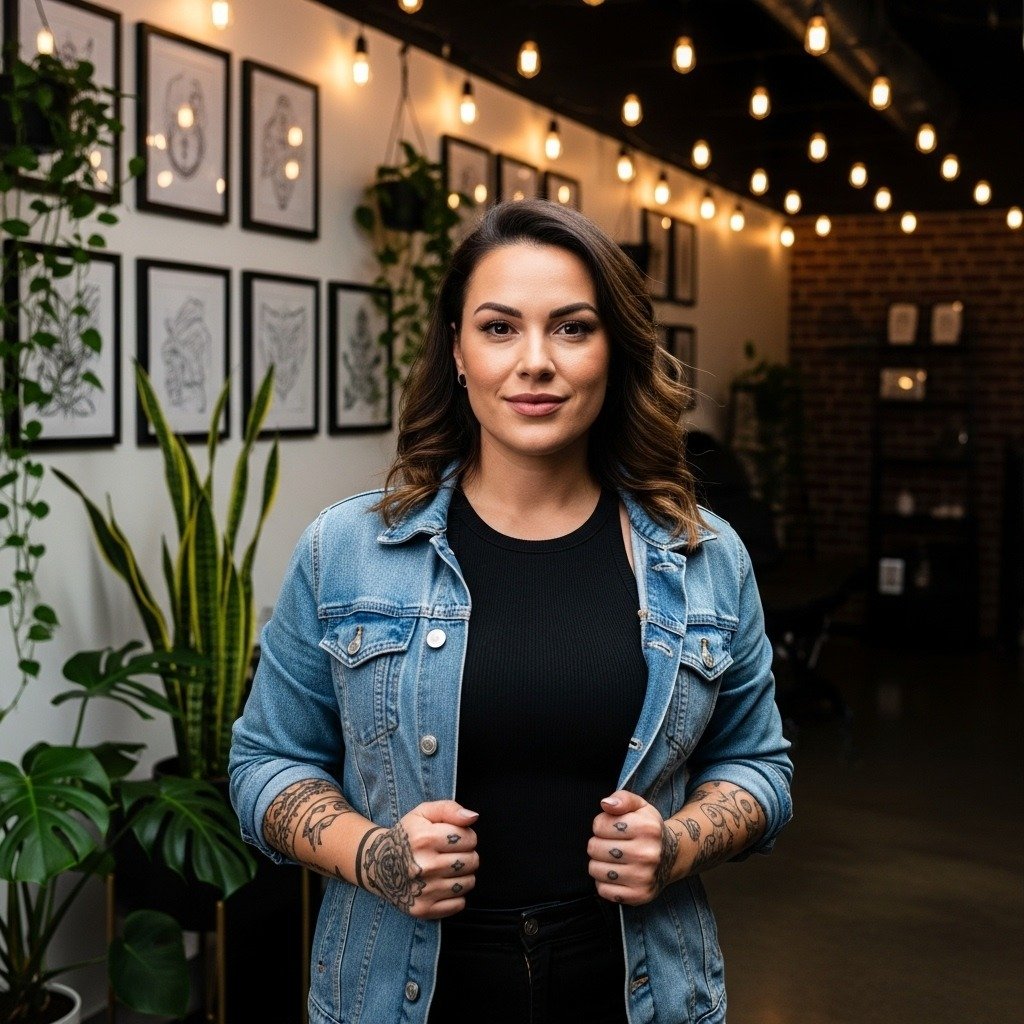
Fine line shamrocks and tiny Celtic knots flood feeds, but the tattoos that still read like crisp marks after five years are the ones planned with spacing, contrast, and placement in mind. Minimalist Irish designs can mean anything from a single continuous line forming a harp to a thin-lined triskelion tucked behind the ear. Read these ideas as practical options, with notes on aging, session feel, and how to actually wear them day to day.
1. Tiny Shamrock at the Inner Wrist
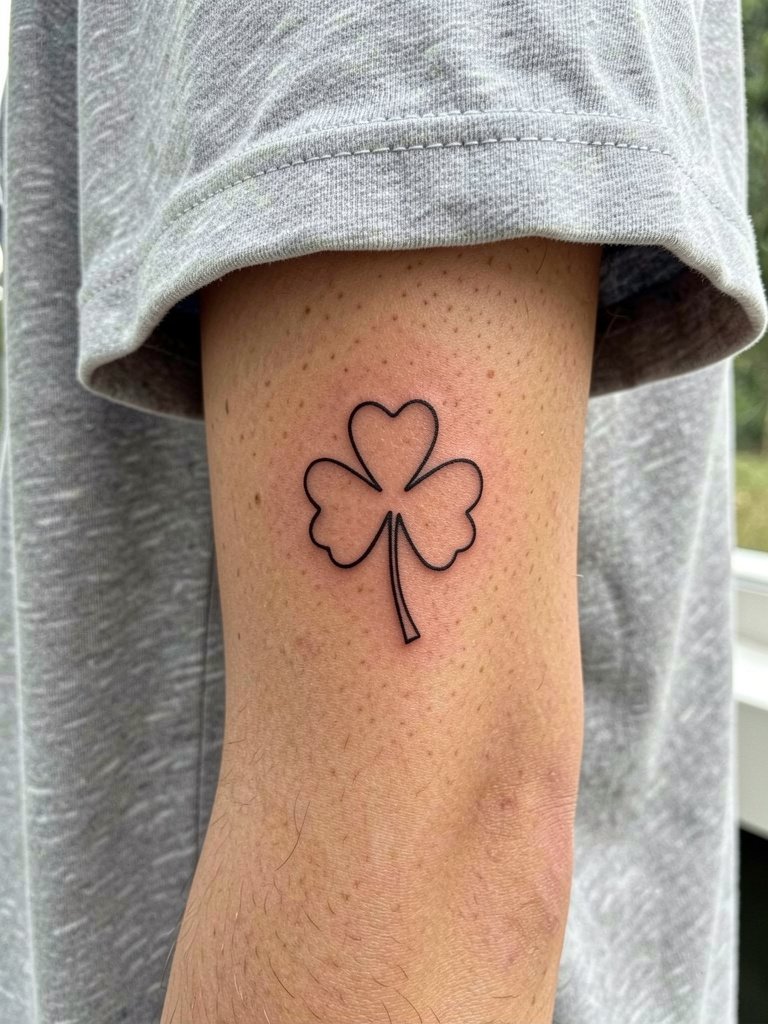
A tiny shamrock at the inner wrist reads like an everyday charm and is a good first minimalist piece. I prefer the line weight to sit a touch heavier than the ultra-fine Pinterest examples, because the wrist is subject to frequent washing and friction. Bring two scale references so the artist can show how the clover looks at one inch versus two inches, and ask for slightly wider spaces between leaf lobes to avoid merging as the skin stretches. Expect a 30 to 45 minute session and light soreness that fades overnight. The common mistake is asking for hairline filigree that vanishes by year two. For showing it off, pair with a delicate cuff bracelet that draws the eye without covering the ink.
2. Single-Needle Gaelic Word Along the Side of the Finger
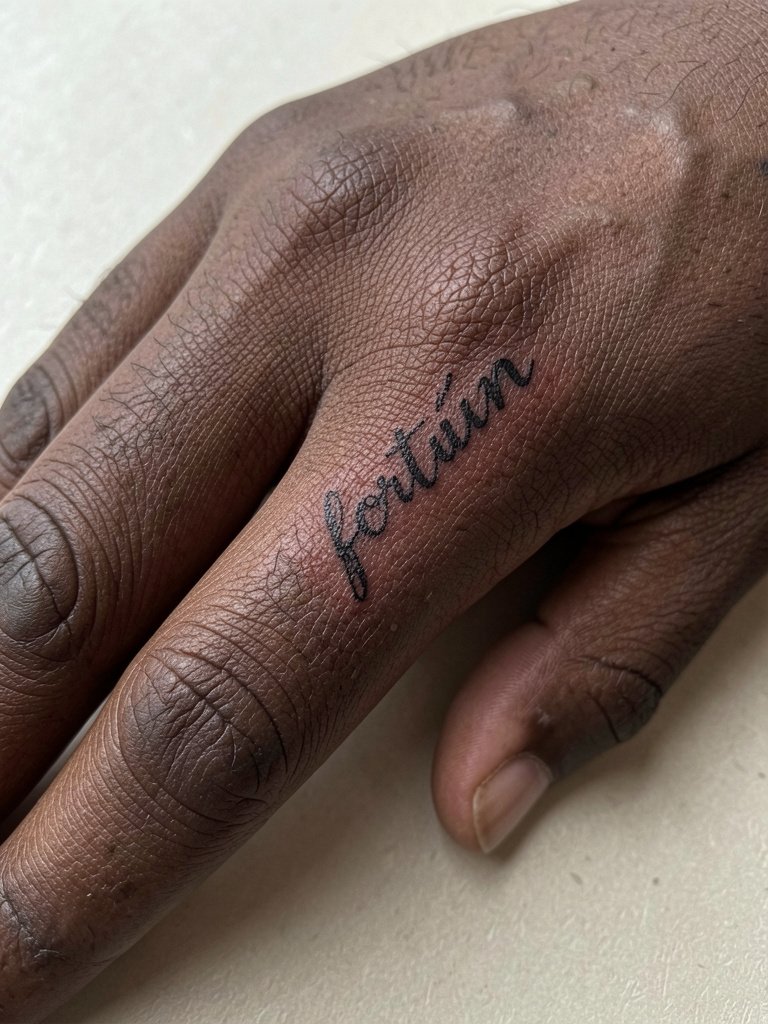
Finger script looks intimate and reads as a personal charm, but the skin there sheds and moves. If you want a word on the finger, ask the artist to space the letters slightly wider than your reference and to avoid hairline connections between characters. The session is short but the healing is fussy, with daily hand washing and friction from rings. Expect the first-year touch-up to be likely. A common mistake is requesting ultra-tiny cursive that looks illegible within months. Wear thin stackable rings for evening looks and bring a soft cotton glove to protect the area during the first few nights if you sleep with your hands under a pillow.
3. Continuous-Line Harp Over the Ribcage
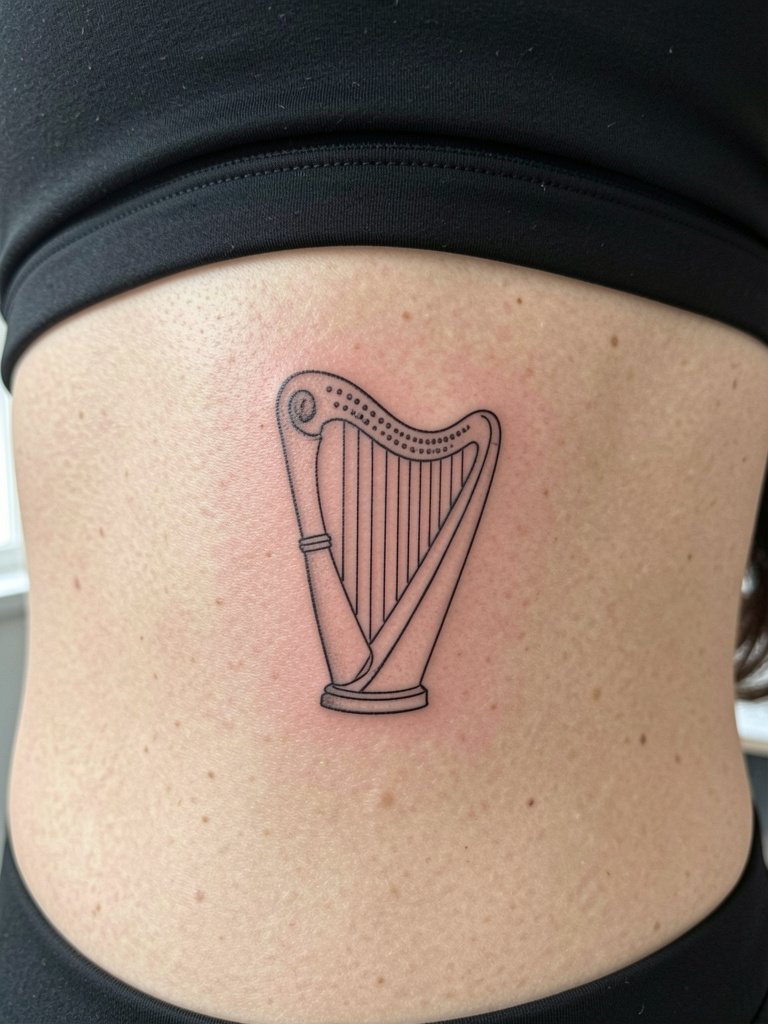
A linear harp on the ribs reads like a quiet emblem when you sit and like a hidden detail when you move. The ribs are known for being sensitive, so plan for a 60 to 90 minute session with breaks. Placement here benefits from slightly heavier line anchors where the strings attach, because the skin flexes when you breathe. One high-risk aging mistake is choosing a too-small harp with overly fine interior lines, which tends to blur into a smudge. If you want to show it off in summer outfits, pair the placement with cropped linen tops that naturally expose the side torso without tugging at the skin during the first week.
4. Tiny Triskelion Behind the Ear
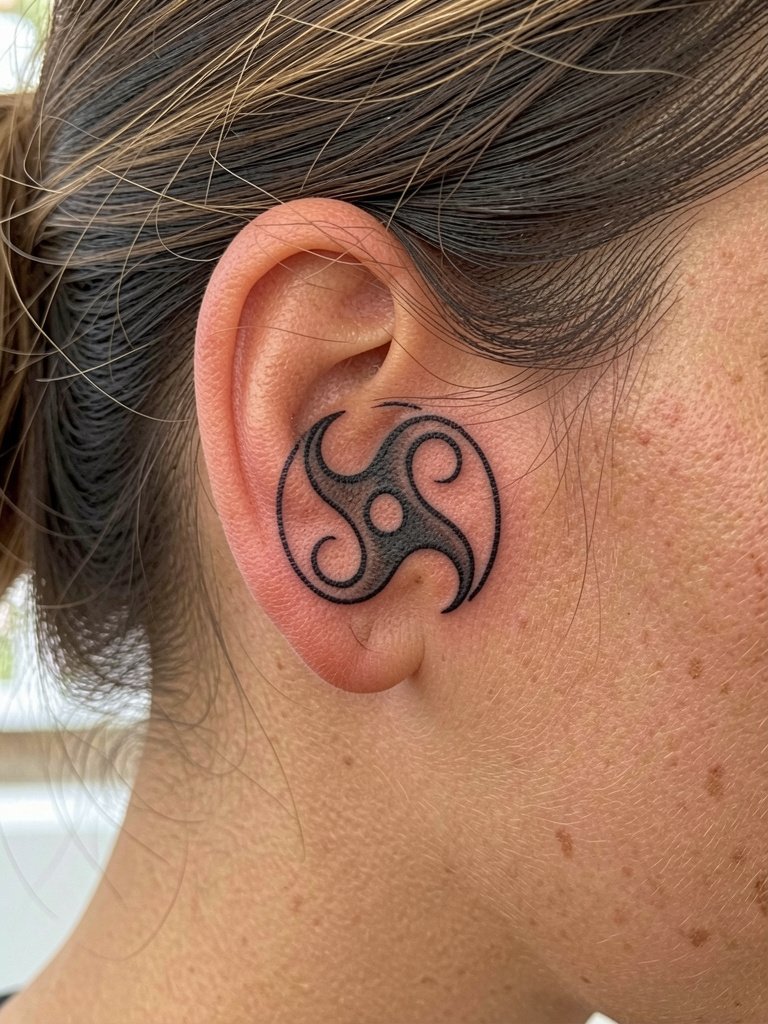
Behind-the-ear placements are discreet and age well when the linework is bold enough to survive hairline blurring. The session itself is quick but the area is sensitive to touch while healing. A standard mistake is asking for featherweight lines that disappear into the hairline or show as faint dots later. If you want it to last, increase the line weight slightly and ask the artist to map the piece to the curvature of the mastoid area. For styling, short hair or a half-up bun will reveal the symbol, and a fine hammered hoop earring complements the scale without overpowering it.
5. Minimal Celtic Band on the Outer Forearm
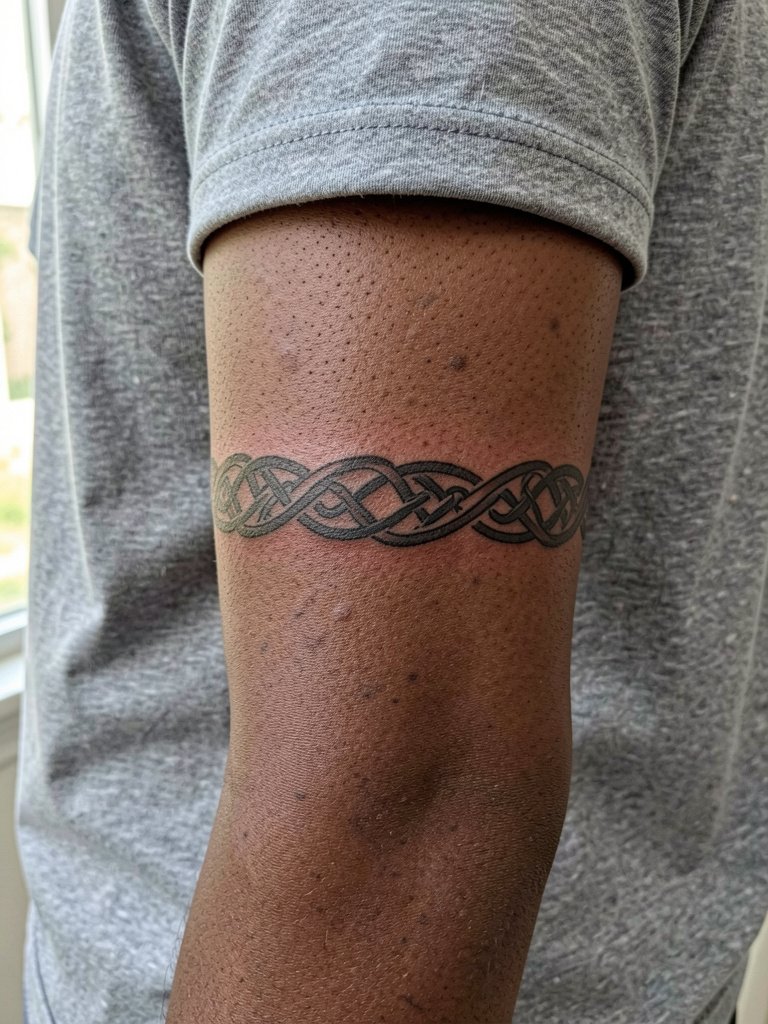
An open Celtic band on the forearm plays well with sleeves and bracelets and tends to hold up if you give the knots room. I suggest asking for slightly thicker connecting nodes so they do not blur into the parallel lines over time. Forearm skin is forgiving, and a 45 to 75 minute session is typical. The mistake I see most is squeezing complex knotwork into too narrow a band. For outfits, roll sleeves or pick three-quarter linen shirts to reveal the pattern. Complement the band with a simple leather wrap bracelet for a grounded look.
6. Micro-Harp on the Collarbone
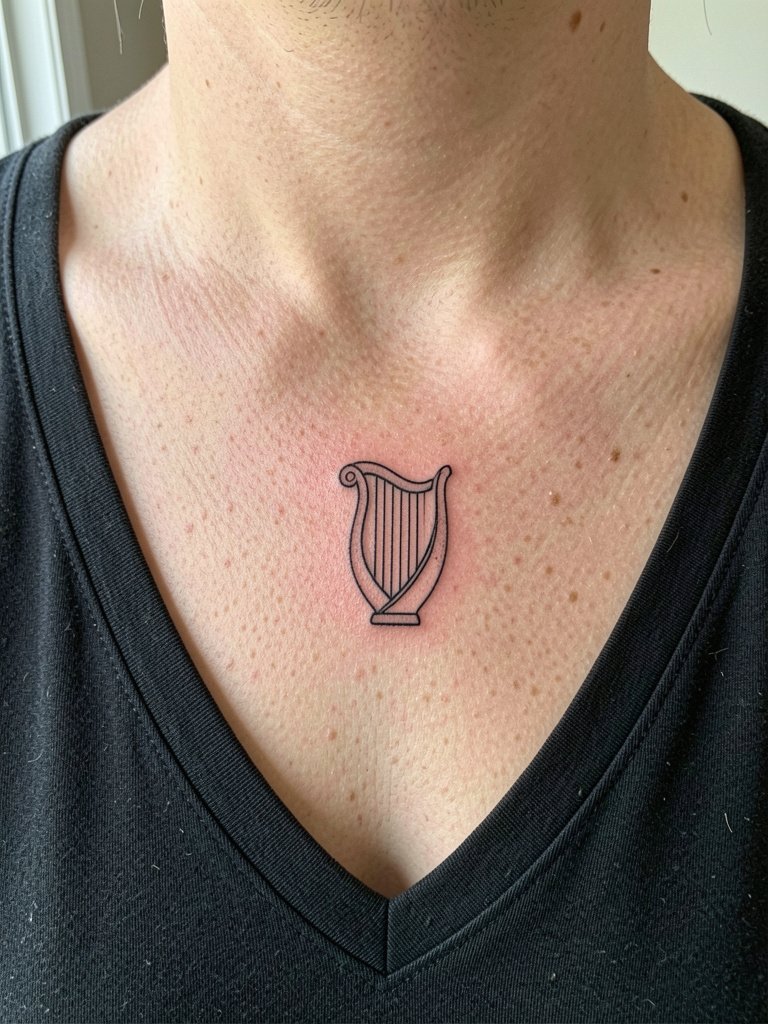
The collarbone is visible and photographic, so plan for a design that reads at a glance. Micro-harps need slightly bolder base lines to avoid the filament effect as the skin moves. Sessions can be 30 to 60 minutes depending on detail. A typical error is placing the harp too close to the clavicle edge where movement accelerates fading. This placement pairs well with open-neck blouses and delicate chains, and a thin cable chain necklace frames the area without competing with the ink.
Session Day Picks
Those first six placements vary in friction and exposure, so a few targeted items make the appointment smoother and the first week less fussy.
-
Disposable stencil transfer sheets. Useful when you want to preview scale and orientation for collarbone, wrist, and forearm pieces before any line is set.
-
Non-medicated barrier film roll. Helps protect small hand and finger work during the first day of heavy contact.
-
Breathable cotton shirts pack. Wear one so you can change into clean clothing after the session, which is especially helpful for sternum or rib work.
-
Comfortable slip-on shoes. Practical for appointments that leave your lower body sensitive, and they avoid wrestling with laces after a long session.
-
Aquaphor healing ointment. A mainstream, widely used option for the very first few days of scabbing and itch management for fine line work.
7. Crescent Harp Near the Ankle
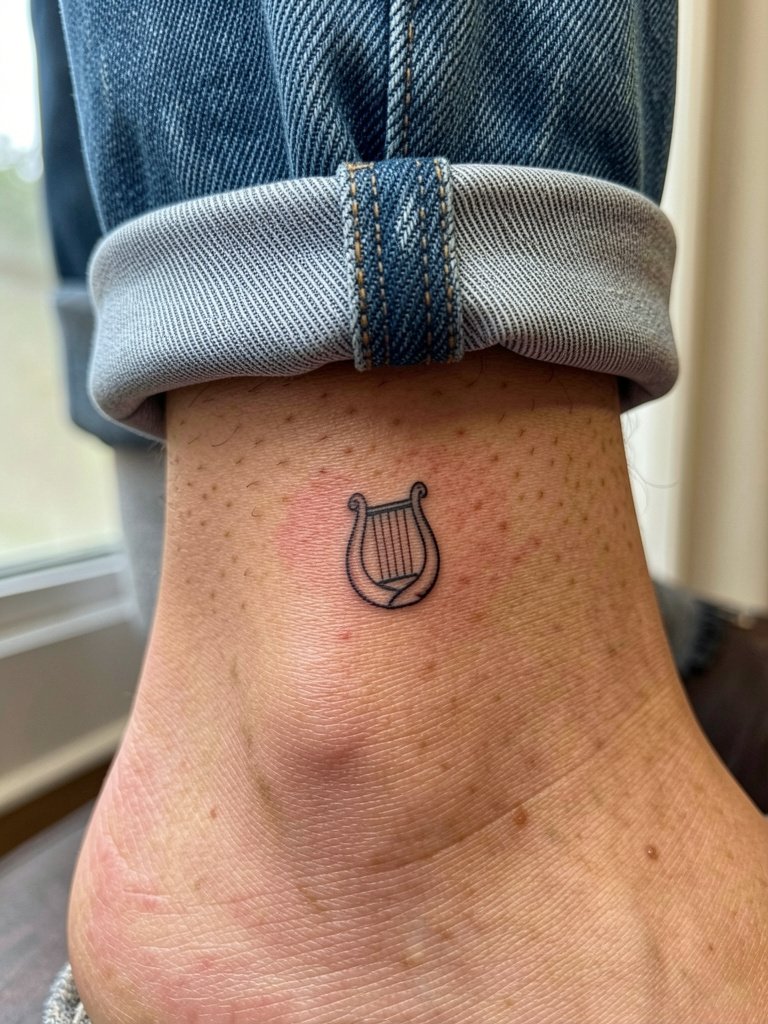
An ankle harp is a low-visibility spot that ages nicely because there is less daily stretching than on wrists. The ankle can be an awkward angle for the needle, so expect a 30 to 60 minute session and mild localized tenderness. The main mistake is putting too much interior detail in a small silhouette. For sessions, wear slip-on shoes and cuffed jeans so the artist can work without you wrangling fabric. For showing it off, a stackable anklet set feels natural and frames the area without rubbing the fresh ink.
8. Single-Line Claddagh on the Inner Forearm
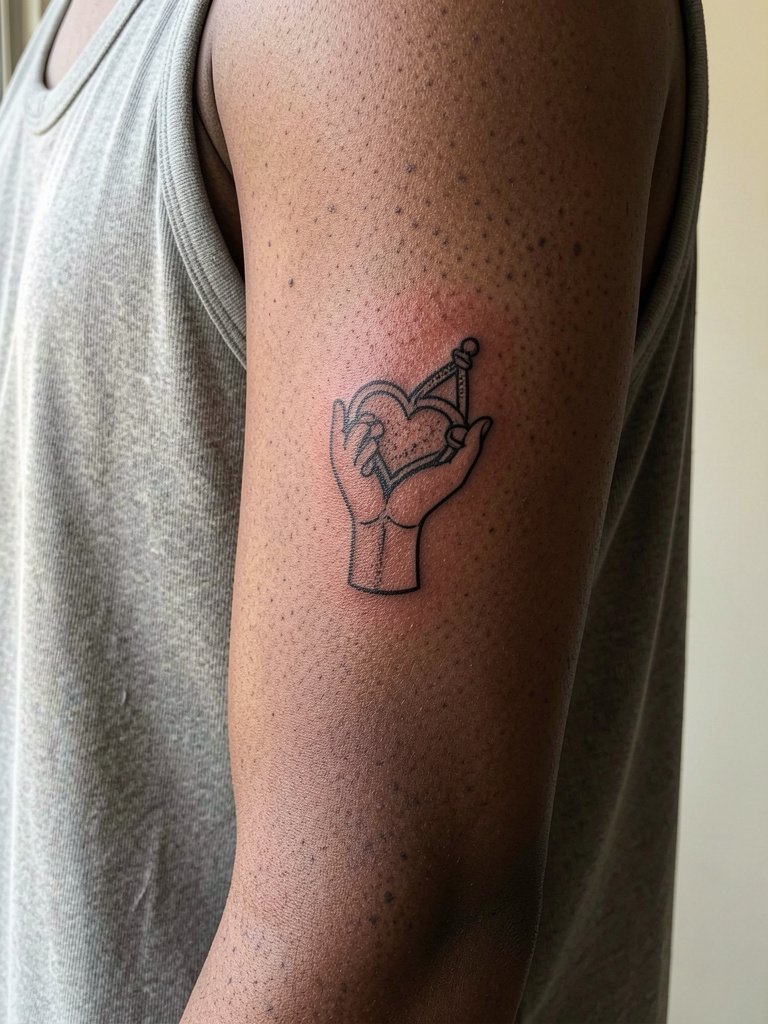
The Claddagh is a classic symbol that reads well as a single-line icon on the inner forearm. Inner forearm skin holds linework well if you avoid ultra-fine internal details. A good consultation point is to agree on the knot points where hands meet the heart so those spots are slightly thicker. Expect a 45 minute session and predictable healing. A common mistake is compressing the icon too small, which turns the hands and heart into an indistinct blotch over time. Pair the forearm piece with rolled sleeves and a lightweight blazer for an office-friendly reveal.
9. Stippled Tracing of an Irish Coastline on the Upper Thigh
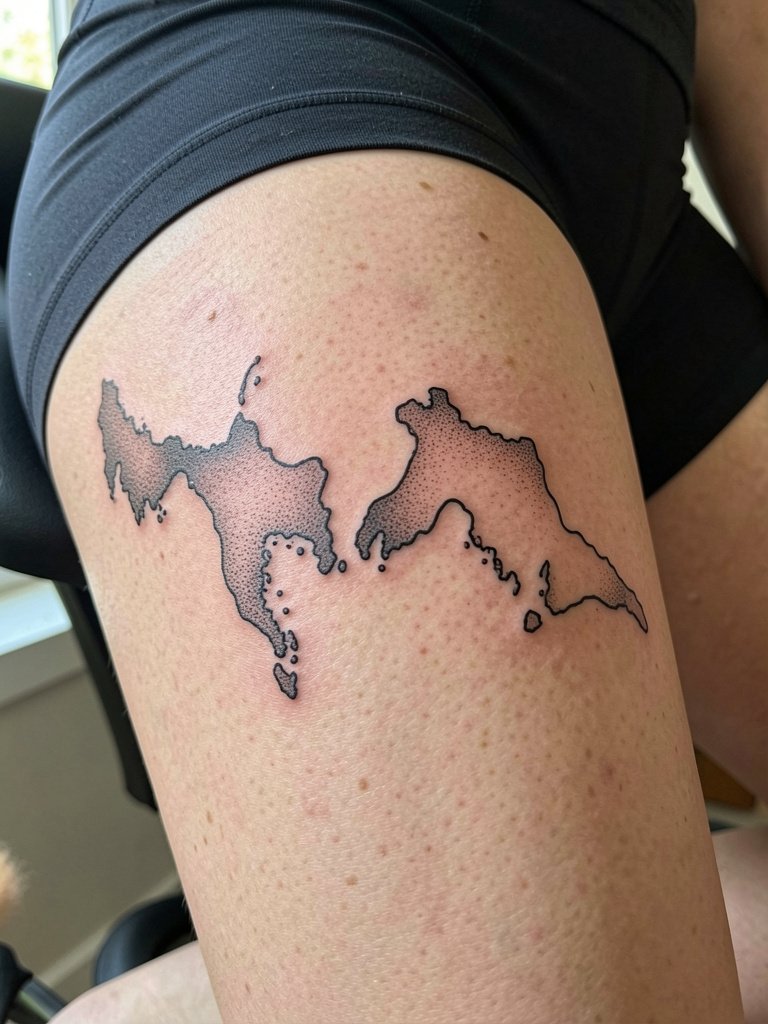
An upper-thigh coastline is a low-friction area that tolerates stipple shading well. The inner thigh requires careful placement away from the underwear line to avoid rubbing during the first two weeks. For this piece, ask the artist to map the coastline while you are seated so the composition reads when you stand. People often pick a coastline with excessive micro-detail that looks muddy after healing. Session time will vary from 60 to 120 minutes depending on dot density. For reveal looks, midi skirts and side slits show the placement elegantly, and a high-waisted slip skirt avoids pressure on the area while healing.
10. Geometric Knotwork Over the Sternum
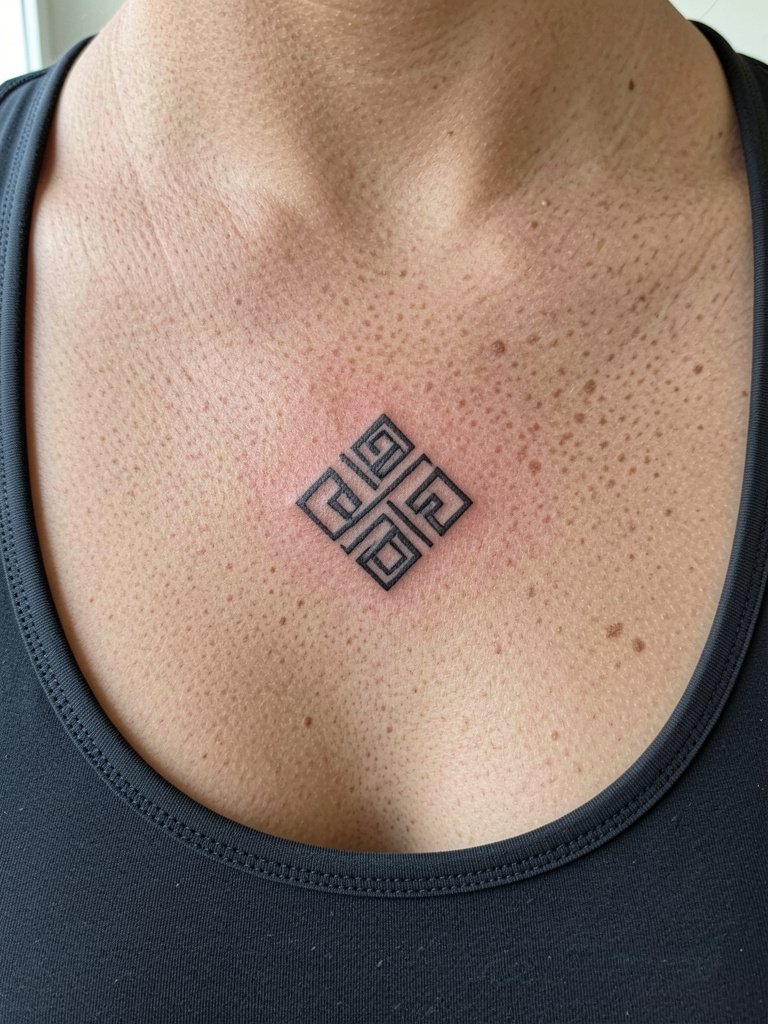
Sternum knotwork reads strong when centered and when lines have small breathing room. This placement draws a meaningful debate among artists. One camp argues that sternum and underbust skin shifts and stretches too much, especially with body changes, which causes tight knotwork to blur within a few years. The other camp counters that with slightly wider spacing, proper depth, and a staged touch-up at year one, geometric knotwork can hold up and look intentional even as the body changes. Because this is a sensitive area, plan for an experienced artist who can map spacing and offer realistic touch-up timelines. Wear a fitted sports bra to the session for easy, modest access.
11. Minimal Celtic Cross on the Back of the Arm
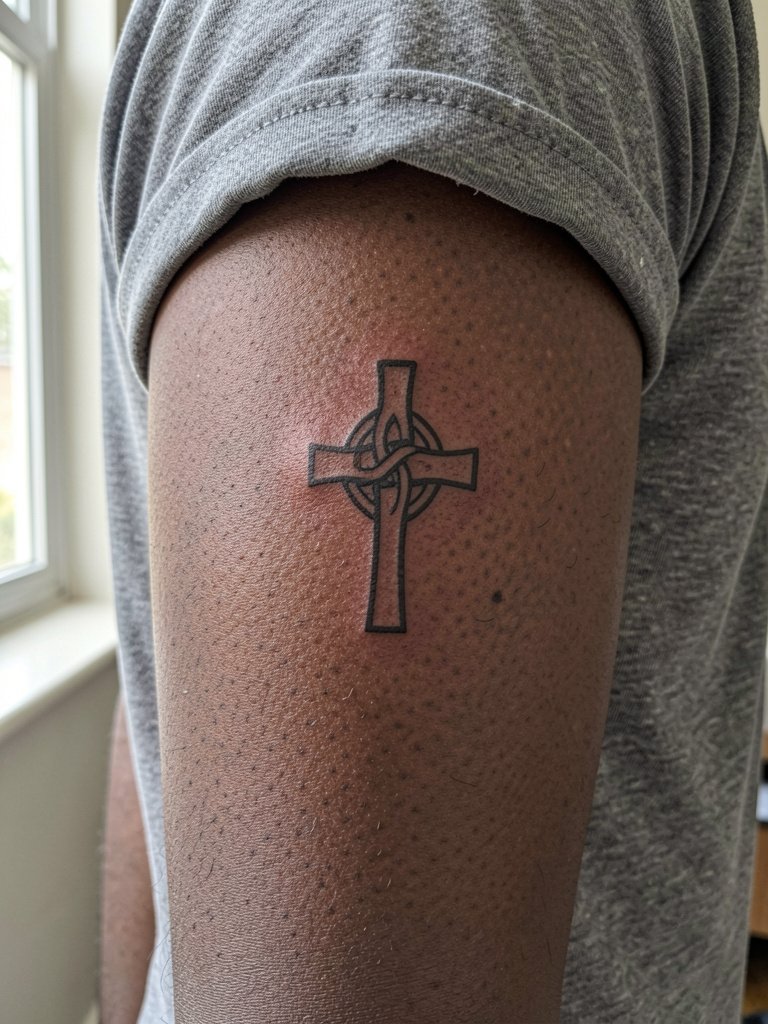
The back of the upper arm is a forgiving canvas for small crosses and reads like a subtle emblem when you move. Triceps area sees moderate sun exposure if you wear sleeveless tops, so plan for sunscreen after healing. Request slightly stronger knot junctions so the cross retains geometry through minor blowout risk. The session is usually 30 to 60 minutes and pain level is moderate. A common misstep is compressing Celtic knotwork into a tiny medallion, which can smear into a blob. For dates you want the piece visible at, choose short-sleeved button shirts that naturally reveal the triceps and add a braided leather cuff when you want an accent.
12. Small Dot-Work Harp at the Nape
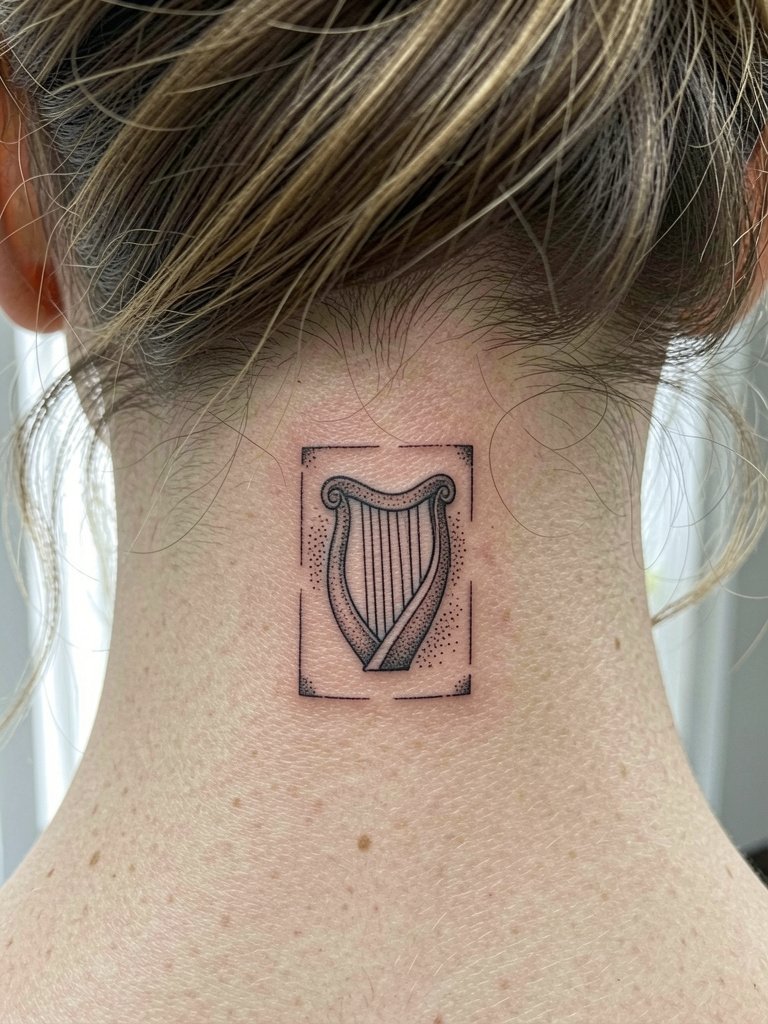
A nape placement is discreet and works well with stipple because the dot work tolerates occasional sun exposure and hair coverage. Ask the artist to position the harp just below the hairline so it remains visible with updos and hidden with loose hair. The risk is picking a design with too much micro-shading that looks patchy if you forget touch-ups. Sessions are brief and the area can be tender. For styling, a natural updo or cropped haircut reveals the piece, and a silk hair scarf is a gentle complement during the first month.
13. Single-Line Map Coordinates on the Rib Flank
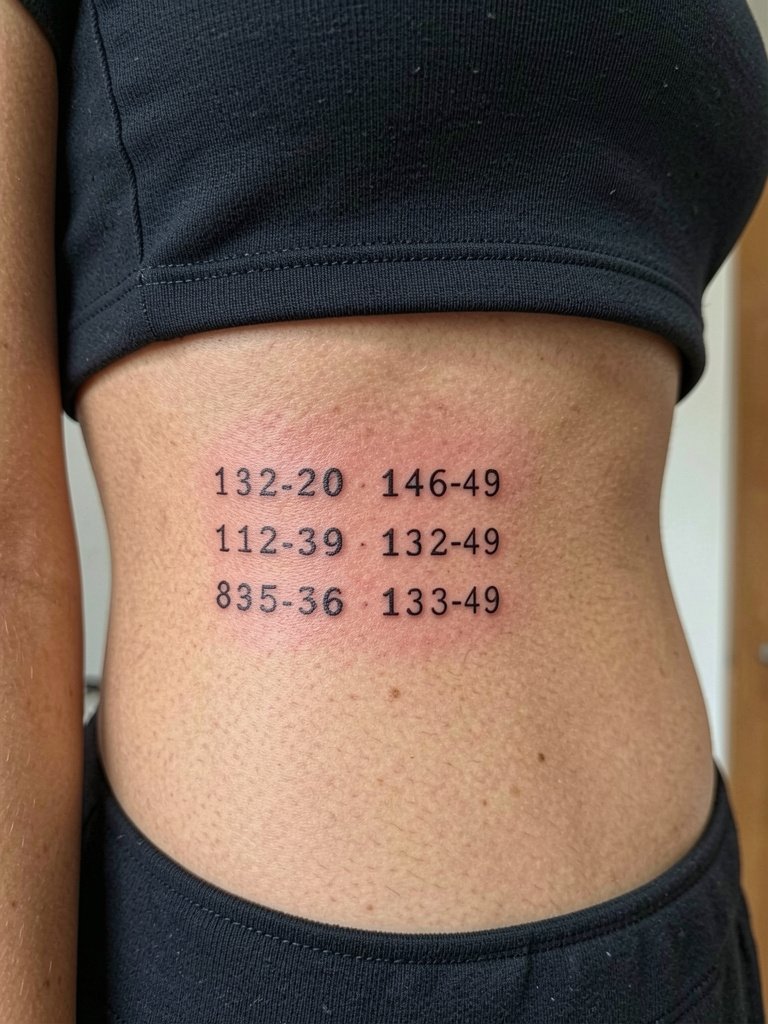
Coordinates on the ribs can hold personal meaning and the numeric font must be legible. Because ribs stretch with breathing, request numerals slightly larger than your reference and set in a clear monospace so each digit stands apart. A common error is using a decorative script that becomes unreadable with movement. The session will require controlled breathing and short breaks, and a touch-up within the first year is normal for thin scripts in this spot. For outfit pairing, cropped tops and wrap dresses show the placement without adding pressure while it heals.
14. Minimal Knot Behind the Knee
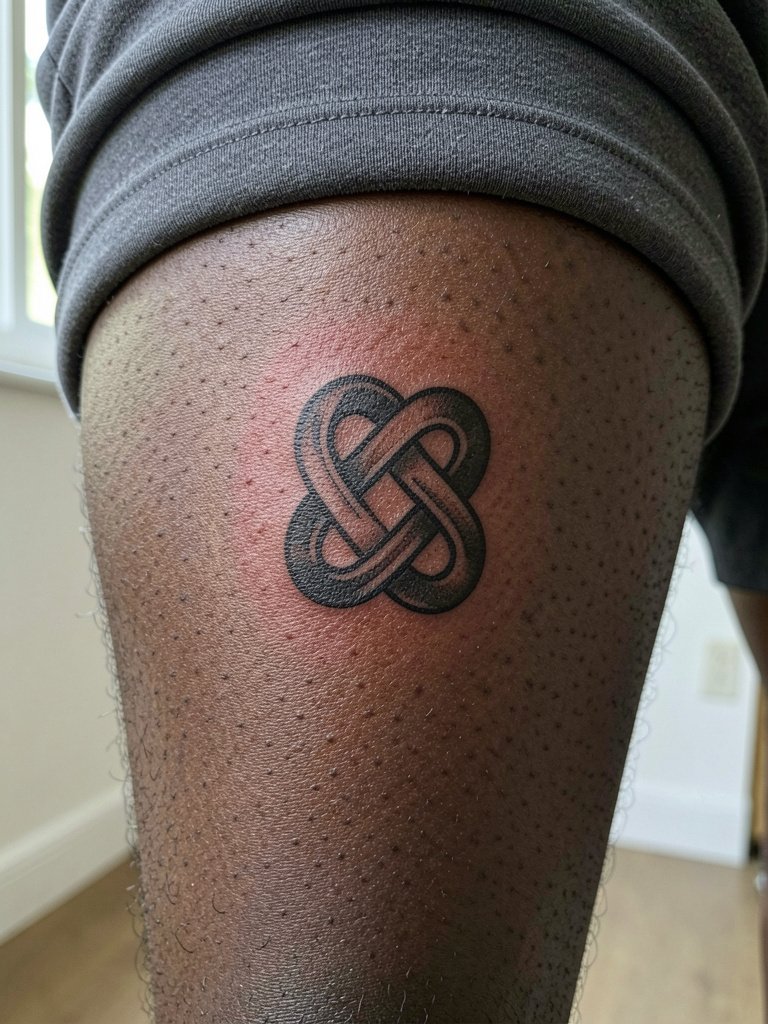
Behind-knee ink sees a lot of motion and occasional sweat, so bold outlines are your friend. The main mistake with this placement is picking interior micro-detail that will break apart with skin movement. Ask for stronger borders and expect the session to be a bit uncomfortable when the leg is flexed. Healing takes care to avoid tight clothing or athletic bands rubbing the area for two weeks. For shows in summer, wear midi skirts or athleisure shorts that leave the back of the knee free and reduce friction.
15. Subtle Wave-Line Around the Calf
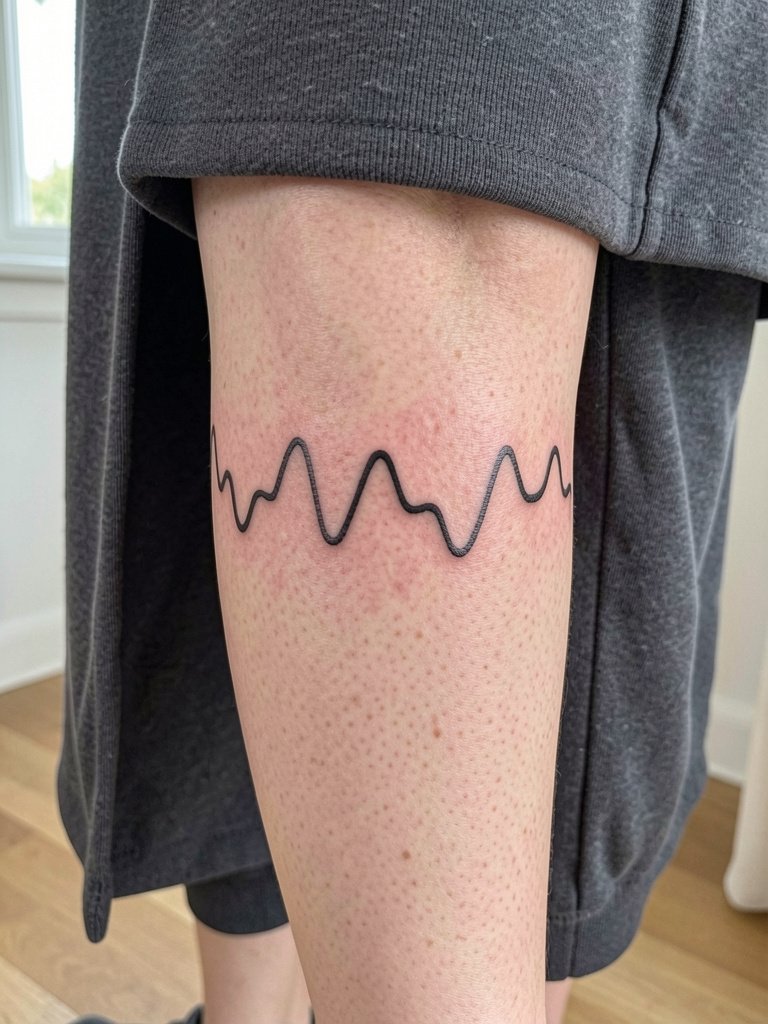
A calf band made from a single wave line sits nicely on rounded muscle and tends to age predictably. The trick is to avoid making the line too thin where the calf's contours cause focal pressure. Ask your artist to preview the wrap with you standing and seated so the flow reads from both angles. Sessions are often 45 to 90 minutes depending on the wrap length. People often underestimate how a thin wrap looks after repeated sun exposure. For pairing, cropped trousers and sandals put the piece on display, and a woven slide sandal completes an easy summer look.
Frequently Asked Questions
Q: How do these minimalist Irish line designs hold up over time, especially fine single-needle work?
A: Fine single-needle work can look crisp for several years if the artist uses slightly heavier anchors and leaves breathing room between elements. Placement matters more than the style. High-motion or high-friction zones like fingers and wrists need wider spacing, while the inner forearm and calf usually retain line clarity longer.
Q: I want an Irish symbol but worry about cultural sensitivity. How should I approach design choices?
A: Some people treat Celtic symbols as decorative and adapt them freely. Another group insists these motifs carry cultural and historical meanings that deserve accurate representation and respectful credit. To balance both, learn a bit about the symbol you want and share that context with the artist so the final piece feels informed. If you are unsure, request a simplified, non-sacred interpretation that avoids sacred knots used in ceremony.
Q: Where can I find portfolios and healed examples without naming specific artists?
A: Search social platforms using targeted hashtags and location filters to find healed work. Try tags like #IrishLineTattoo, #CelticFineLine, and add your city or region. Reddit tattoo threads often host photo threads of healed pieces and can point to shops with documented healed portfolios.
Q: What should I wear to the appointment for placements like sternum, ribs, or inner thigh?
A: Wear clothing that gives the artist clear access without you disrobing during the session. For sternum and ribs, a fitted sports bra or cropped top works. For inner thigh, fitted bike shorts are practical. Pack a fresh loose shirt to change into after the session for comfort.
Q: How often should I expect touch-ups for minimalist linework?
A: Many fine-line pieces benefit from a one-year touch-up, especially in exposed or high-motion areas. After that, touch-up frequency depends on sun exposure, skin type, and how dense the original linework was. Plan conservatively and budget time, not just money.
Q: Can I pair these tattoos with daily jewelry and accessories while healing?
A: Keep accessories away from the fresh area until the scabs fall naturally. After healing, pieces like wristbands, thin chains, and anklets can frame the work. If you want accessory ideas before your session, try a thin cable chain necklace for collarbone pieces or a delicate cuff bracelet for wrist tattoos.