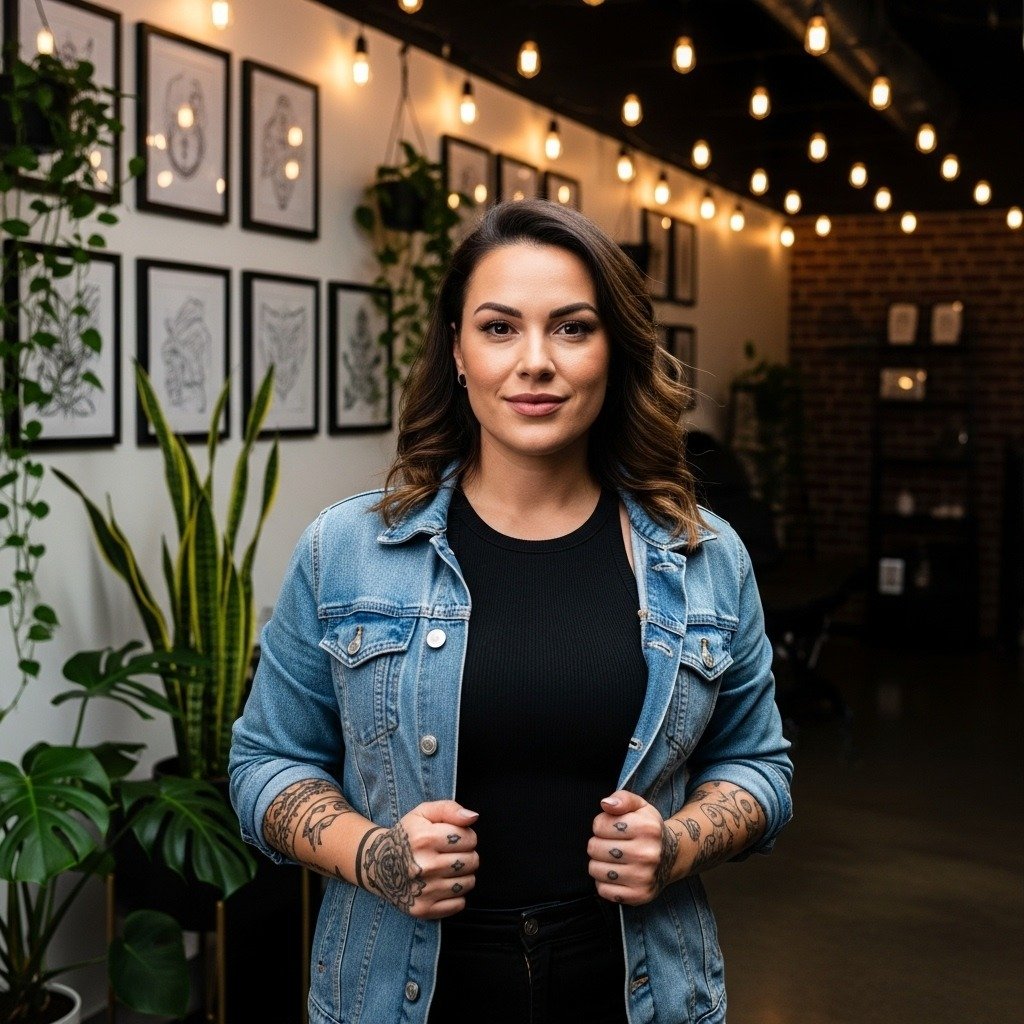
A clean shoulder crane with saturated black wings reads like a quiet statement in natural light, not a trend piece. I find that people who pick Korean motifs because they want subtle cultural reference usually prefer simplified shapes and anchored negative space so the design keeps its identity at six months and at five years. These ideas mix traditional motifs, modern hangul scripts, and wardrobe-ready placements so you can pick a piece that actually grows with you.
1. Fine Hangul Script on the Collarbone
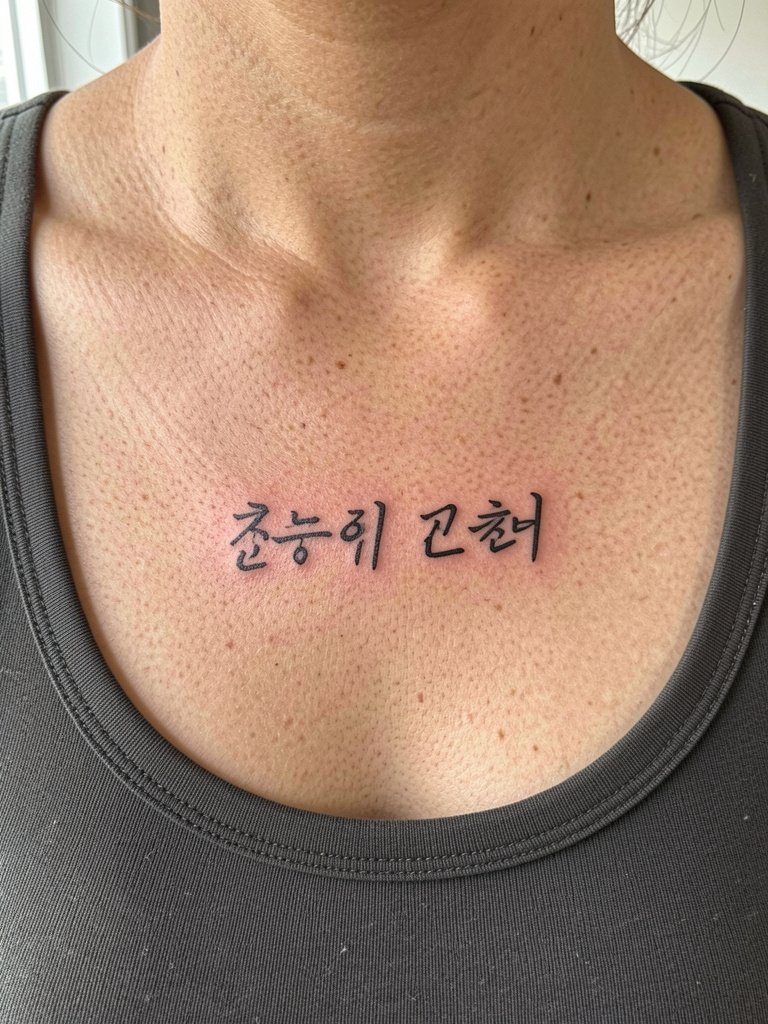
A short Hangul word in single-needle script makes a quiet center over the collarbone. Recommend slightly thicker single-needle weight than the reference so letters hold without turning blunt at year three. Discuss letter spacing and exact stroke endings so the characters do not crowd when the skin moves with breathing. Session time is usually short, around 30 to 60 minutes, and pain is low to moderate on the collarbone. This placement pairs well with open-neck blouses for evenings, try a wide scoop-neck top that frames the word without competing with it.
2. Mugunghwa Bloom on the Upper Arm
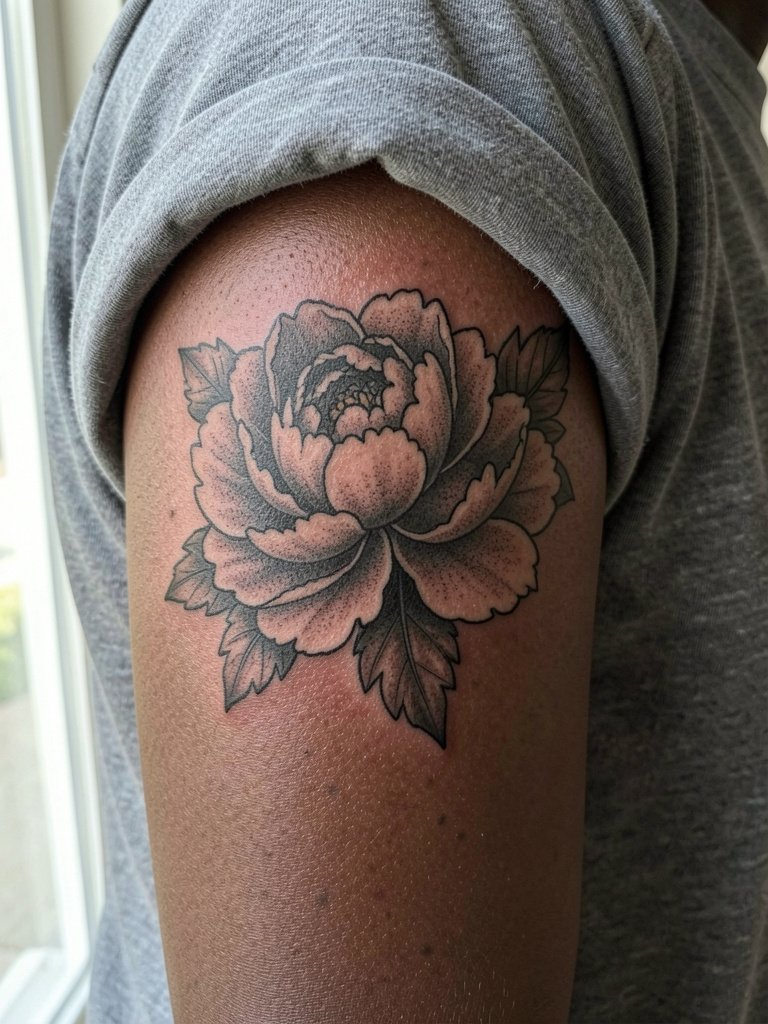
A Mugunghwa-inspired bloom in stipple shading reads well on the outer arm because the surface is flat and ages predictably. I recommend scaling the petals slightly larger than the reference so the stipple and mid-tones do not merge over time. Expect a single 90 minute session for a mid-sized piece and light redness for the first 48 hours. This works with rolled-sleeve denim shirts when you want to show it off. Try pairing with a relaxed denim jacket that lets the bloom peek under the cuff.
3. Minimal Taeguk Wrist Band
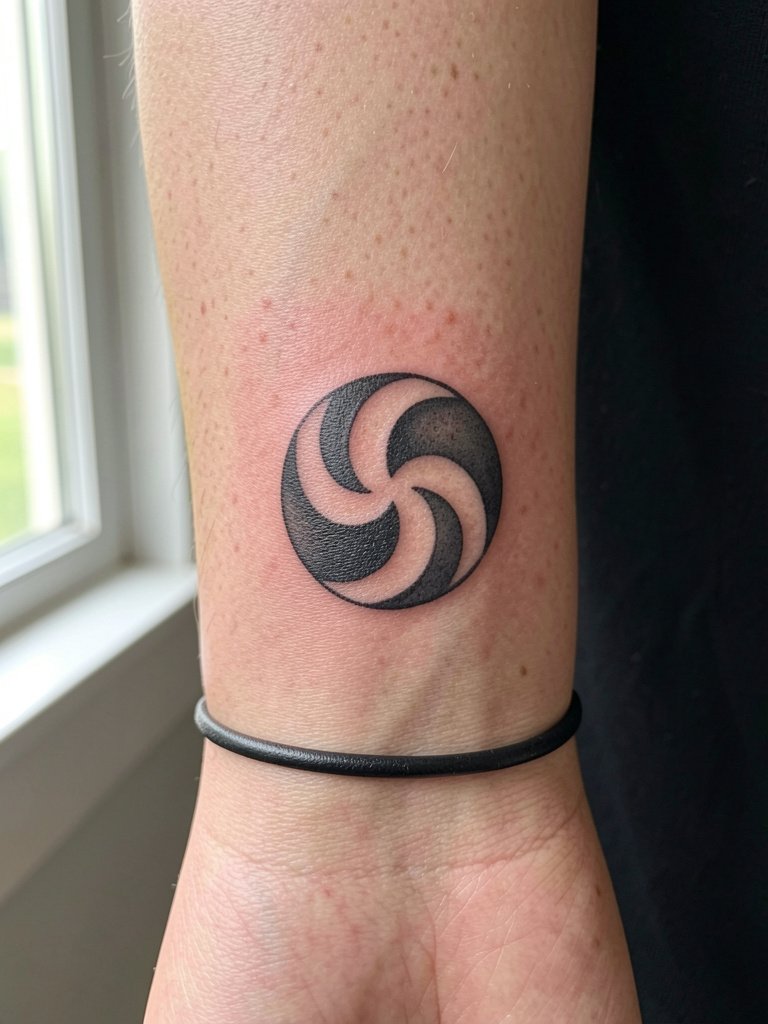
A thin taeguk band is a subtle nod to Korean symbols while staying graphic. Keep spacing between the band and circle wider than it looks in photos so the wrist motion does not blur the edges within two years. The wrist is wash-heavy, so touch-ups are commonly needed at year two. For session comfort wear a short sleeve or a sleeve that can be rolled up easily and bring a soft wrist cuff to rest the arm on. For showing off pair it with a minimal leather watch that sits just below the band.
4. Blackwork Crane Behind the Shoulder Blade
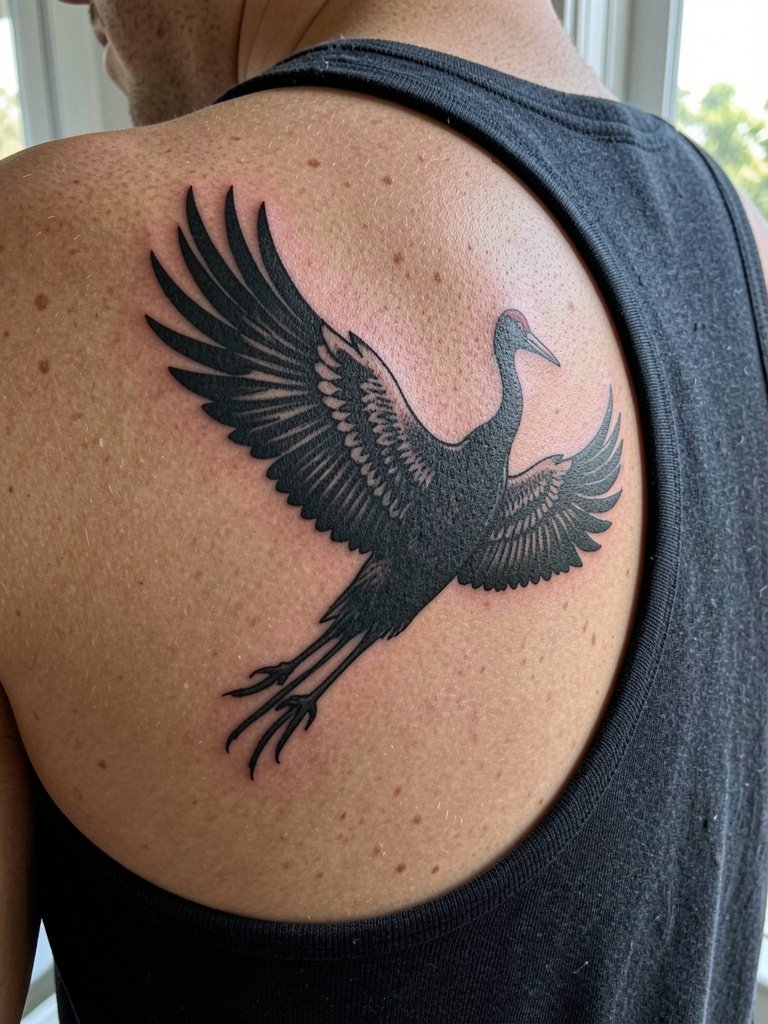
The shoulder blade gives room for bold blackwork that stays readable over years because saturated fills age into a crisp silhouette. Discuss negative-space feather breaks so the wing reads even if the fill softens. Expect a two to three hour session for a solid crane with breaks. The spot can be sore during the session when the shoulder blade is active, plan for a firm table and short rests. Pair this with open-back dresses for evenings. Try a wide-back tank dress to show the silhouette.
5. Stippled Korean Mask Forearm Sleeve Accent
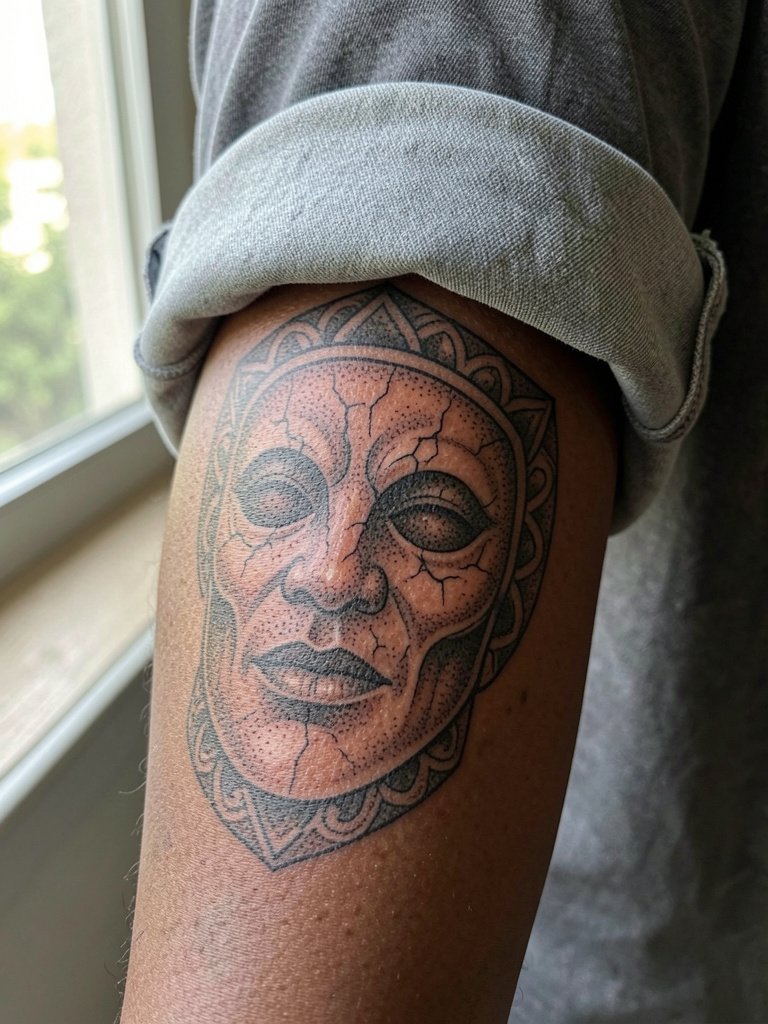
A mask fragment in stipple plays well as a forearm focal point because the arm's canvas shows texture without distortion. Ask the artist to map the stipple density so the darkest areas are slightly more spread than a flat photo, that keeps grainy detail visible at five years. Forearm sessions vary one to three hours depending on coverage and are low to moderate pain. For daily style this pairs with short sleeve shirts and layered bracelets. Consider a slim woven bracelet set to accent the piece without covering the focal area.
6. Hanbok Patterned Rib Panel
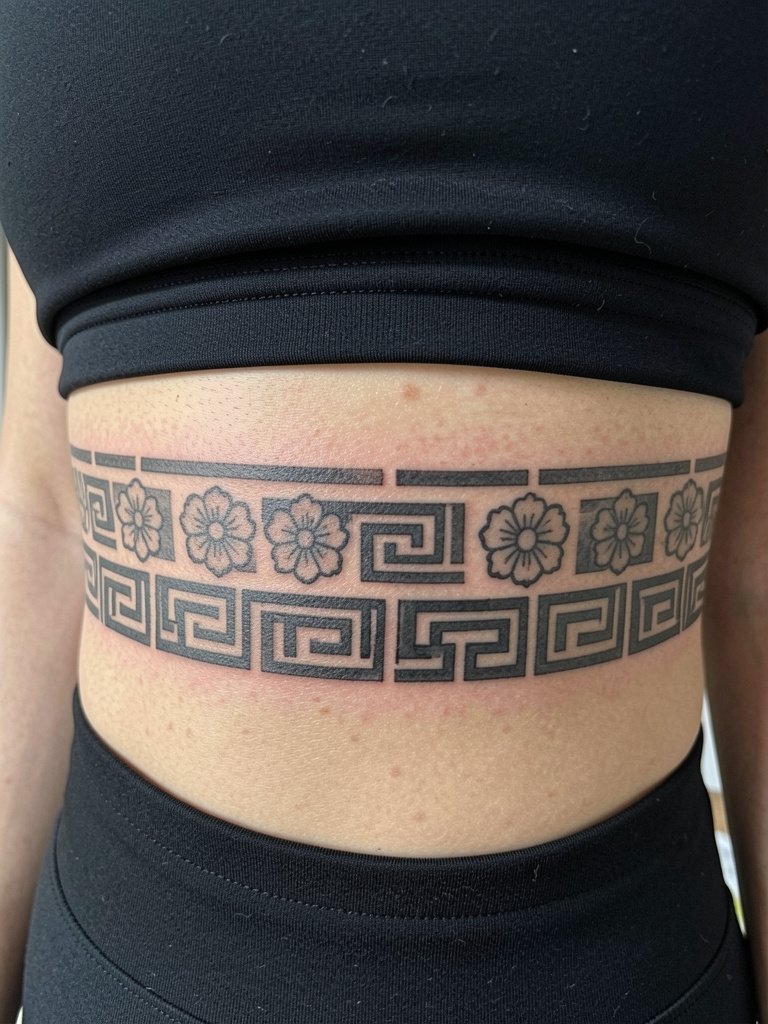
Dancheong-inspired bands on the ribs look striking when scaled to take advantage of the torso curve. Fair warning, ribs are a high-pain zone and small fine-line detail there risks blurring faster. One group of artists says fine line on ribs blurs within two years because the skin stretches and breaths deeply. The other group argues that with slightly wider spacing and careful needle depth it can settle cleanly, and they will show healed photos as proof. Plan for a longer session with breaks and wear a fitted sports bra on session day to expose the area without moving fabric. Avoid tiny, delicate filigree in this spot unless you accept a likely touch-up window at year two.
Pre-Session Essentials
The upper-arm and rib ideas above involve different fabrics and session comfort concerns, so a few items smooth the day and the first week.
-
Stencil transfer paper kit. Lets you preview the exact placement on skin before the needle, useful for collarbone script and wrist bands.
-
Topical numbing cream. Applied as instructed before a rib or sternum session eases the early minutes so you can complete longer outlines.
-
Thin protective film roll. Keeps wrist and finger pieces protected from friction during the first 48 hours.
-
Fragrance free gentle body wash. Cleans the area without stripping the delicate early crusting of linework.
-
Aquaphor healing ointment. Recommended for a thin layer in the first days to protect fine line areas without heavy clogging.
7. Geometric Bojagi Thigh Panel
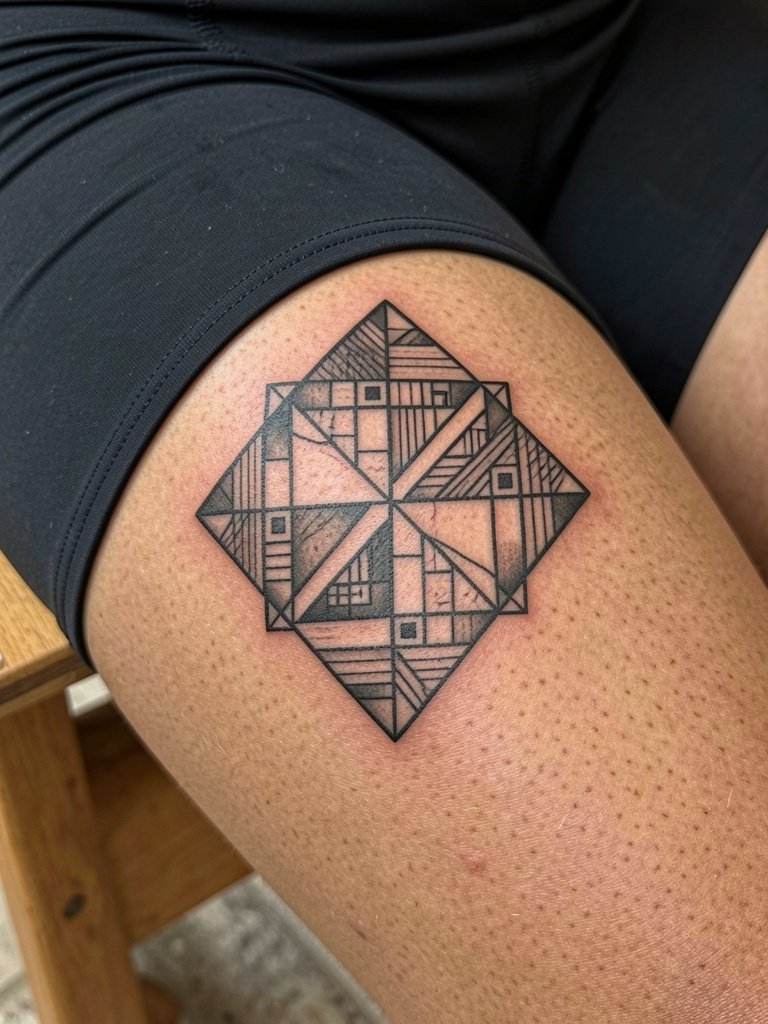
Bojagi-inspired geometry works on the thigh because the skin is stable and large scale preserves crisp linework. Ask for the pattern to be previewed at life-size so tessellations retain negative space when you move. Thigh sessions are moderate pain and can be completed in one long appointment. Long skirts and high-slits make this an evening show-off; try a wrap midi skirt to frame the panel.
8. Micro-Realism Lotus on the Wrist
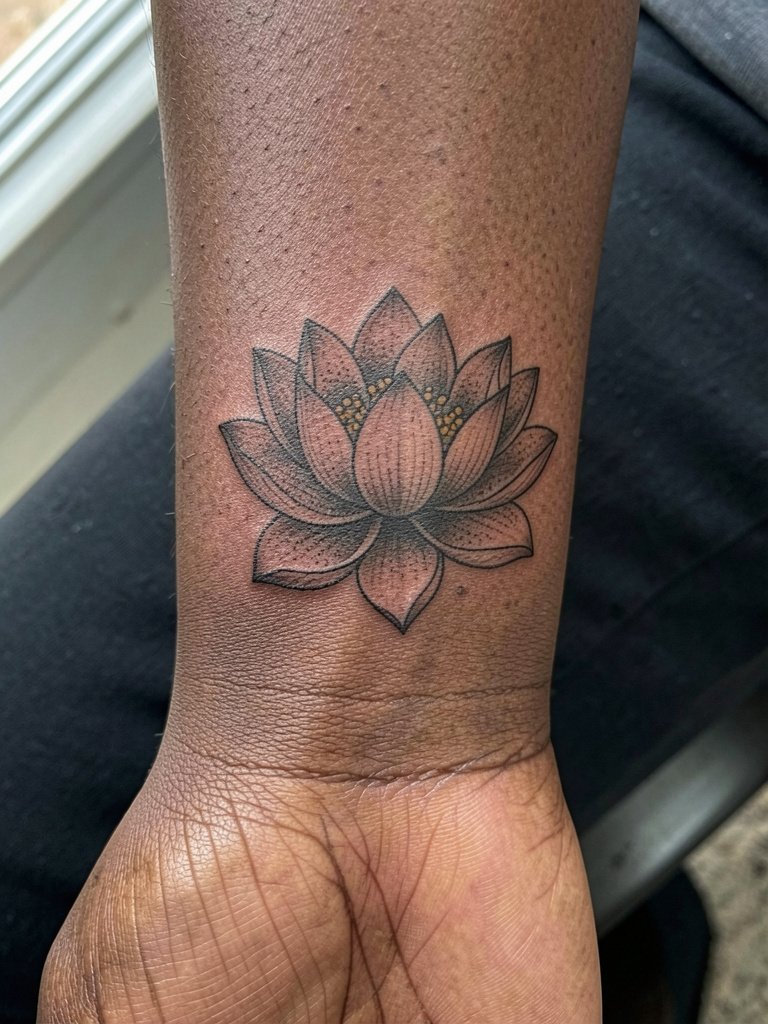
Micro-realism on the wrist can be beautiful, but the wrist's frequent washing and friction eat detail. Scale slightly larger than a thumbnail and ask for reduced micro detail so the petals keep shape at year two. Sessions are short and sensitive. For the session wear a sleeve you can roll without tugging, and consider a thin cotton wrist wrap to rest the arm during the appointment.
9. Hanji Paper Texture Back Panel
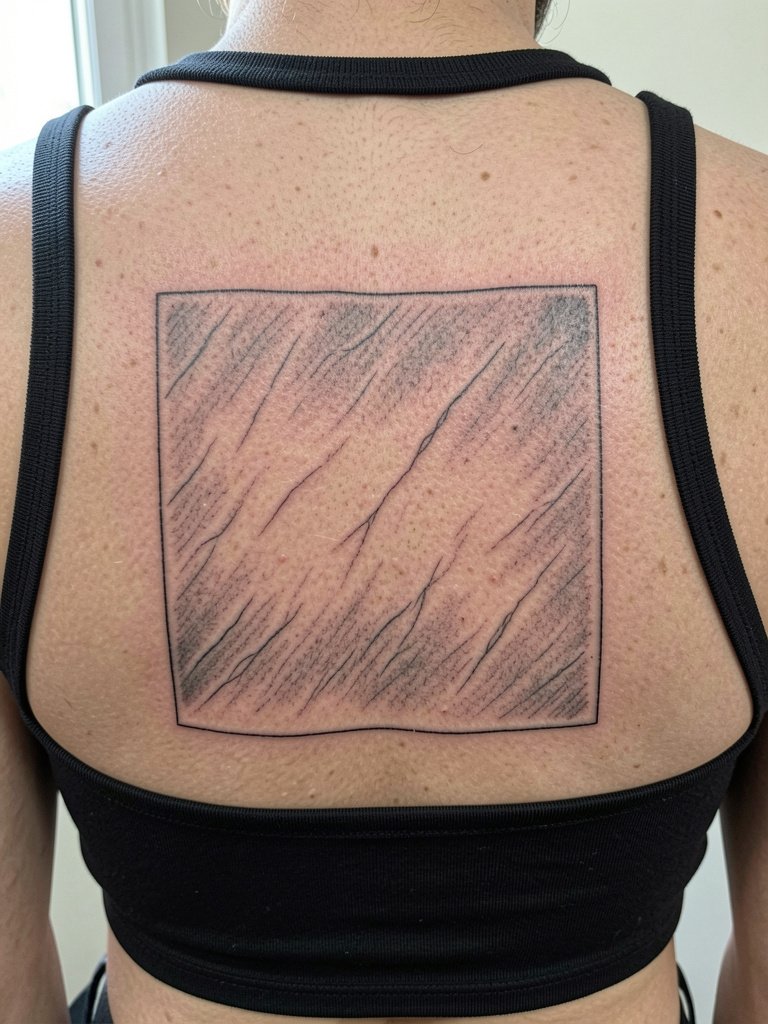
A hanji-inspired texture uses linear shading to create an aged-paper look that resists obvious blurring because the whole panel shares the same grain. Discuss how dense you want the grain so the panel does not look like uniform fading at year three. Back panels often require multiple sittings. For show-off outfits choose low-back tops. A low-back slip dress highlights the texture without covering it.
10. Traditional Korean Fan on the Calf
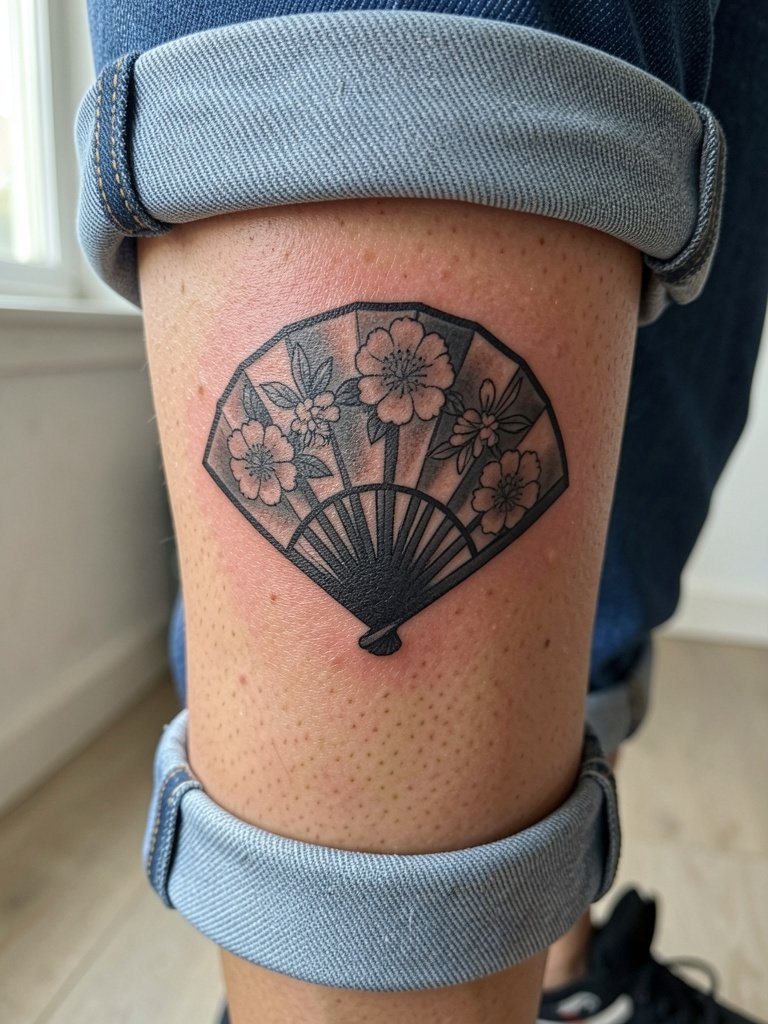
A fan motif looks dynamic on the calf where movement animates the curve. Keep the fan ribs bold so they do not bleed into each other at five years. Calf sessions are low to moderate pain and easy to schedule. For streetwear show the design with cropped trousers or summer sandals. Try a pair of rolled-cuff chinos that sit above the calf.
11. Bold Black Taeguk Chest Piece
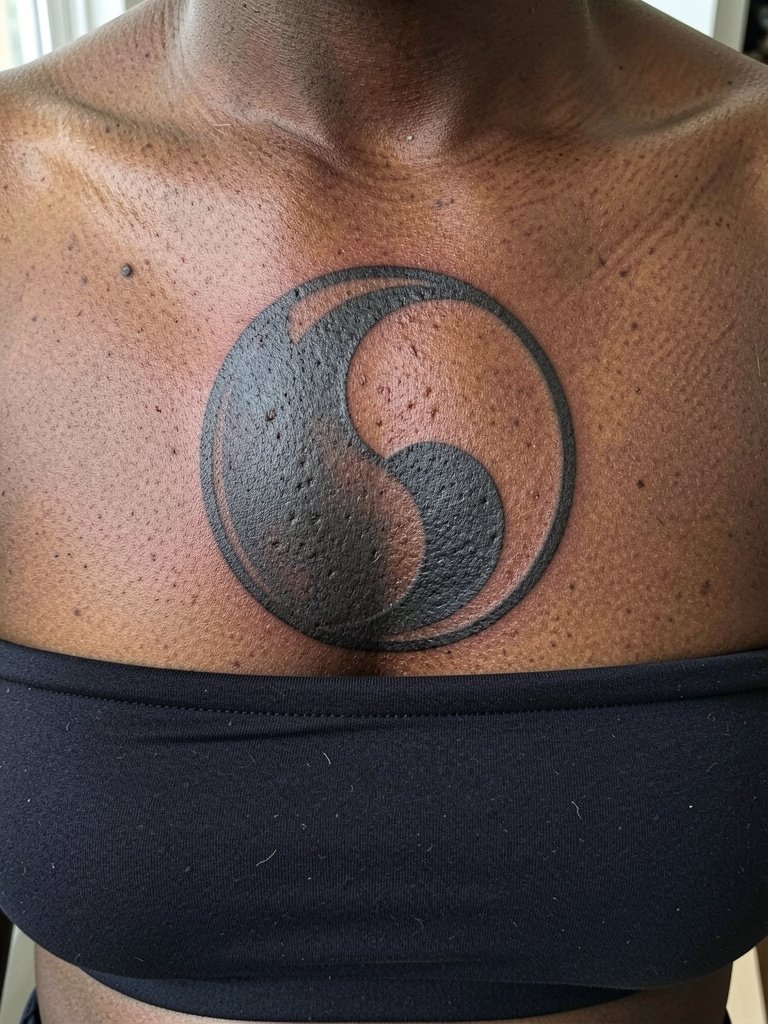
A saturated taeguk across the chest holds because solid masses age into readable contrast. The sternum area is sensitive so plan for breaks and a session that may be split. Discuss the vertical placement relative to the collarbone and the breastline so the emblem does not curve awkwardly with body changes. For show-off wardrobe consider open-front shirts or strapless tops. A strapless bandeau dress keeps the chest in focus.
12. Calligraphic Brushstroke Shoulder Cap
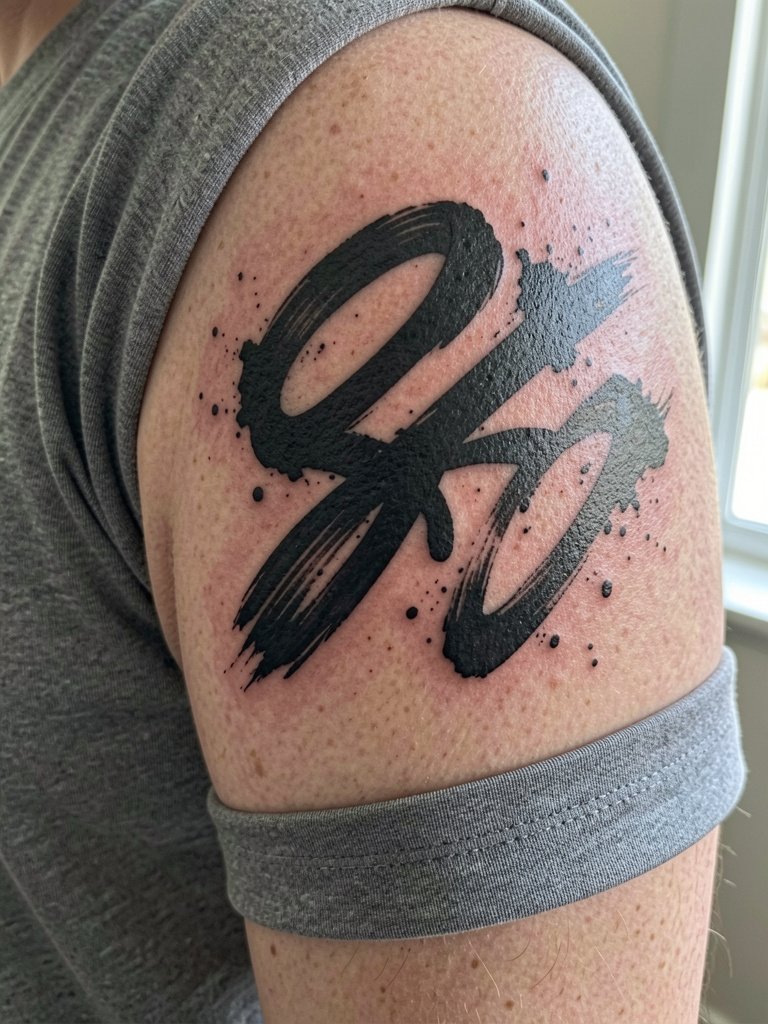
Brushstroke-style calligraphy plays with motion and reads well on the shoulder because it uses broad marks that survive slight spreading. Artists are split on cultural use for calligraphic motifs. One camp says these marks are modern interpretations and can be worn as accessible abstract art. The other camp insists on deep respect and context because the brush language carries cultural meaning and history. If you choose this direction, ask for brushwork that intentionally avoids reproduced original characters and instead focuses on motion and texture. For session wear choose a top that can be removed without pulling across the shoulders and bring a button-up linen shirt to put on afterward.
13. Peony and Crane Half-Sleeve Accent
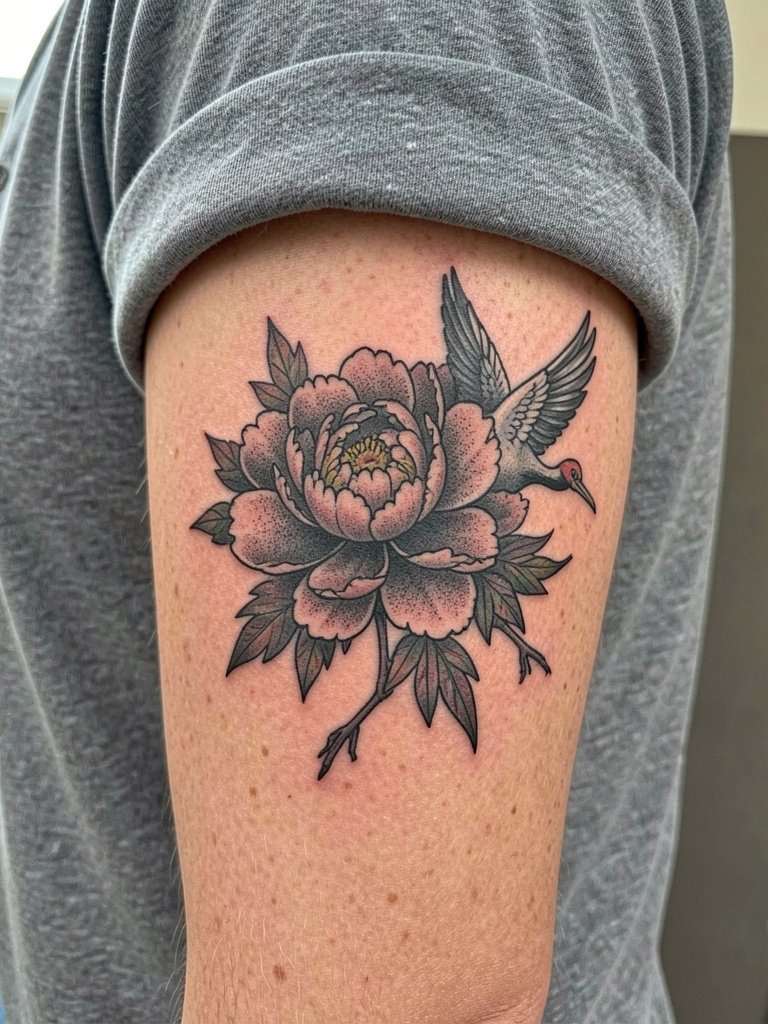
A peony paired with a small crane gives traditional balance and reads well as a half-sleeve because the bicep provides a tall canvas. Plan composition so the bloom anchors when you flex and the crane follows the arm's natural flow. Expect multi-hour sessions and a touch-up window at year two for color refresh if you add muted tones. For outfits try cropped sleeves or sleeveless layers. A structured linen blazer looks modern with a half-sleeve peony.
14. Small Lantern Behind the Ear
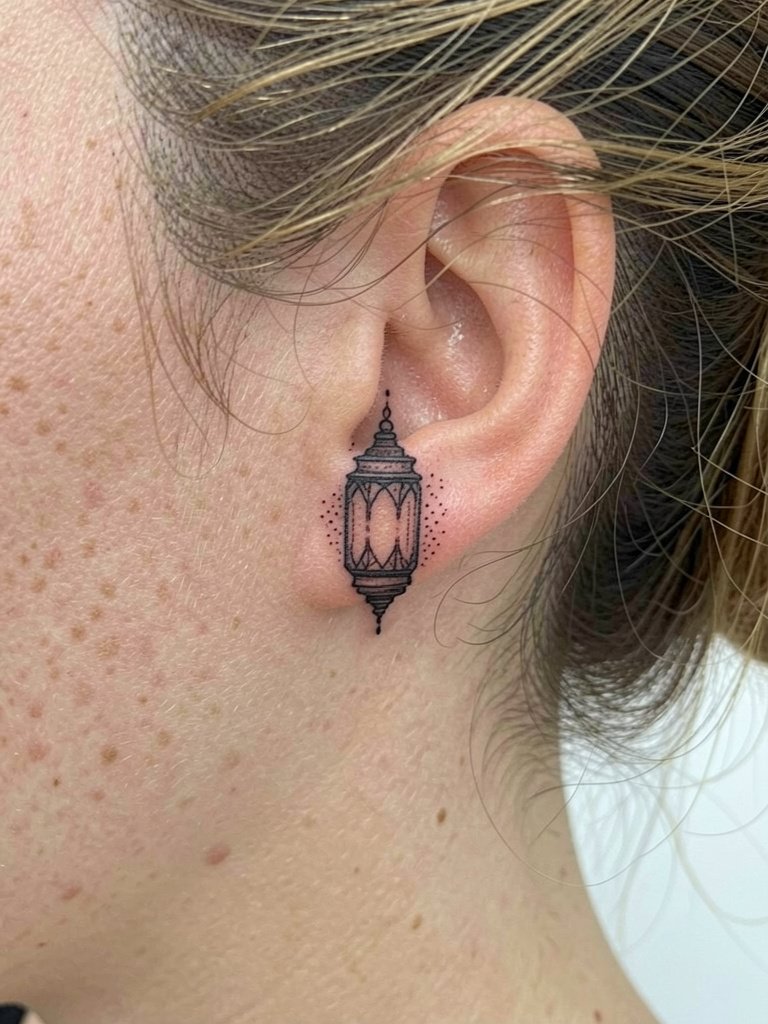
Small motifs like a lantern behind the ear are discreet and age well because the area sees limited friction. The session is quick and mildly sensitive. Specify exact dimensions and an up-close life-size stencil so the artist knows the intended scale relative to the ear. For style, hair-up looks that reveal the area; a simple silk scrunchie set keeps hair tidy without hiding the piece.
15. Minimal Script on the Side Rib
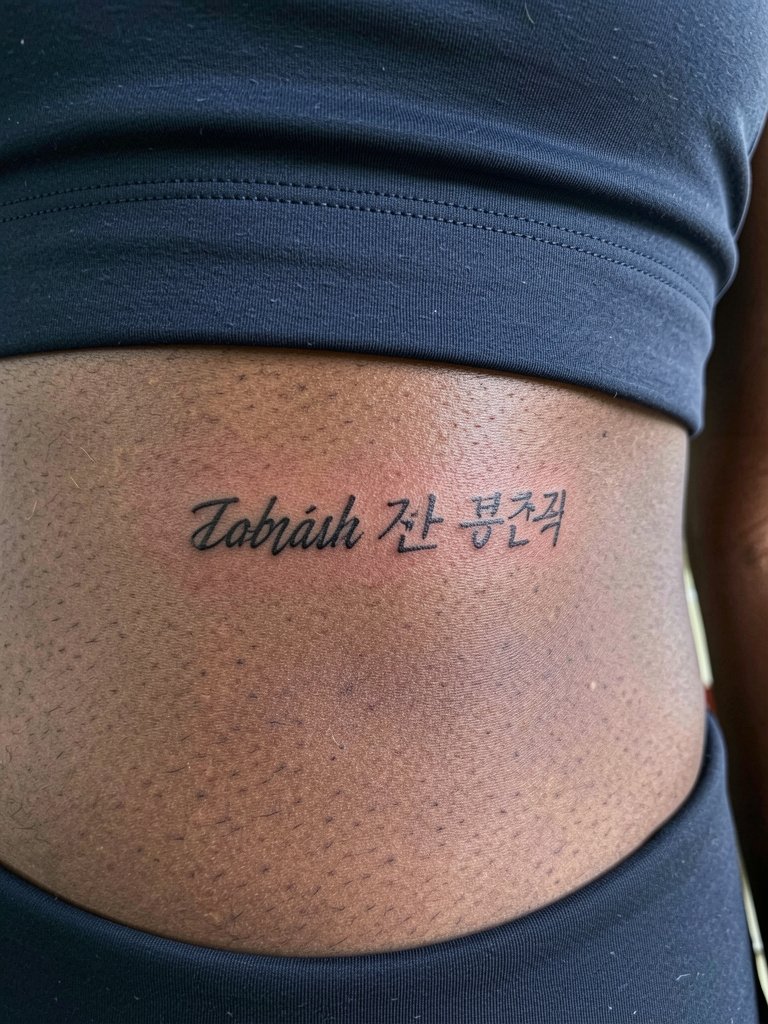
Thin script on the ribs is intimate and sensitive to placement. The common mistake is copying a tiny online example exactly without scaling for the torso. Request a life-size stencil and try the phrase angled to sit with your natural curve. Pain is high and sessions must be paced. For appointment comfort wear a fitted sports bra and bring a zip-up hoodie to put on after the session. A lightweight zip hoodie keeps the area warm without rubbing.
16. Stacked Seal Motifs on the Neck
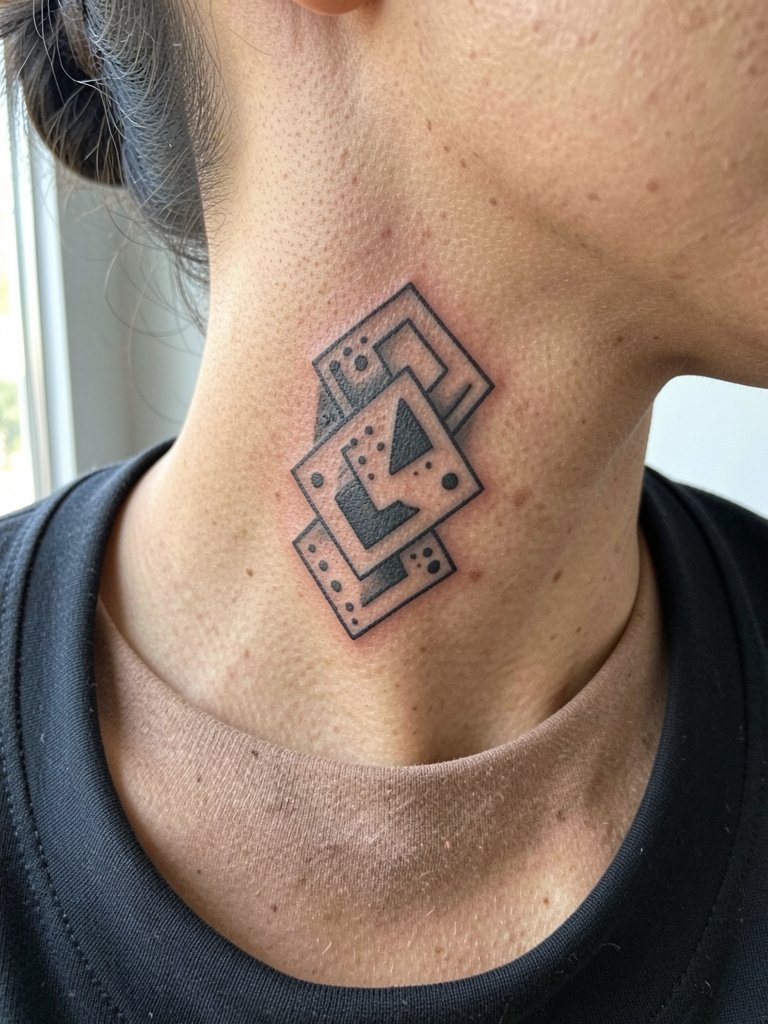
Neck seals can be bold despite small size because contrast matters more than detail. A common error is over-detailing seals that then blur. Ask for simplified negative shapes and ask to see three different scale mockups at the stencil stage so you can choose the strongest. Neck sessions are sensitive and visible, so expect healing attention. For styling, wide-neck tops show the stacks; try a wide-neck sweater.
17. Folded Ribbon Forearm Script
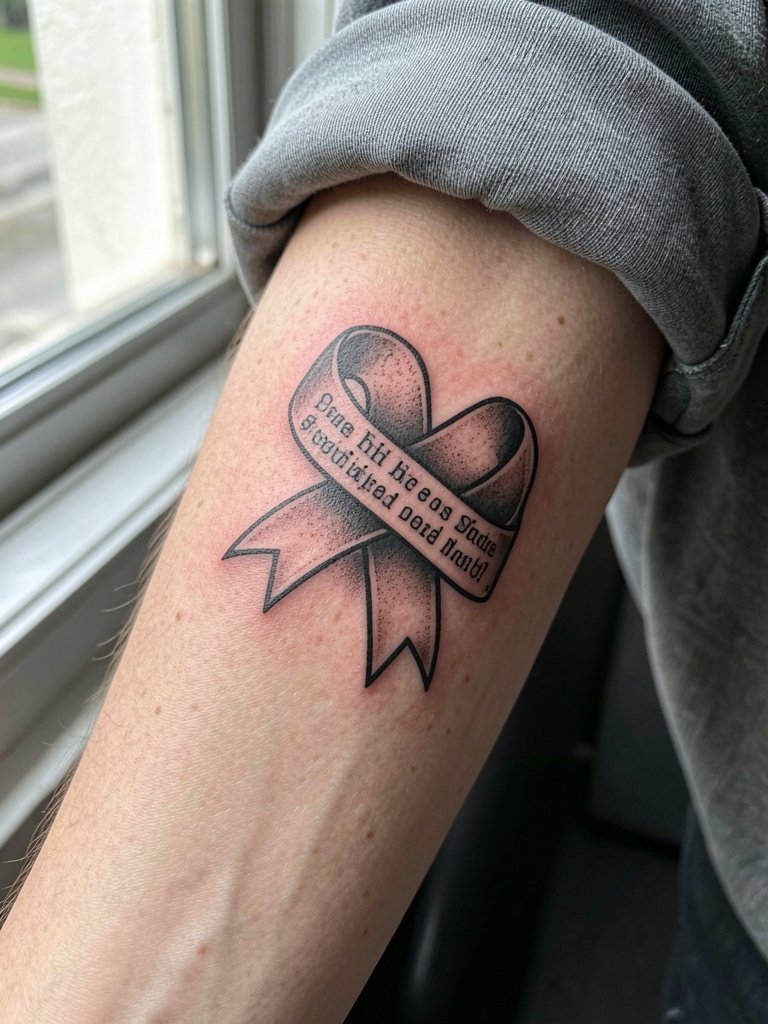
A ribbon with embedded script works on the inner forearm where there is less curvature. Avoid tiny script within thin ribbon lines; have the type set at a legible height for future readability. Forearm sessions are low to moderate pain and often finish in a single appointment. For showing off pair with rolled sleeves or a watch. Choose a slim minimal watch band that sits just above the ribbon without covering it.
18. Moon Jar Crescent on the Calf
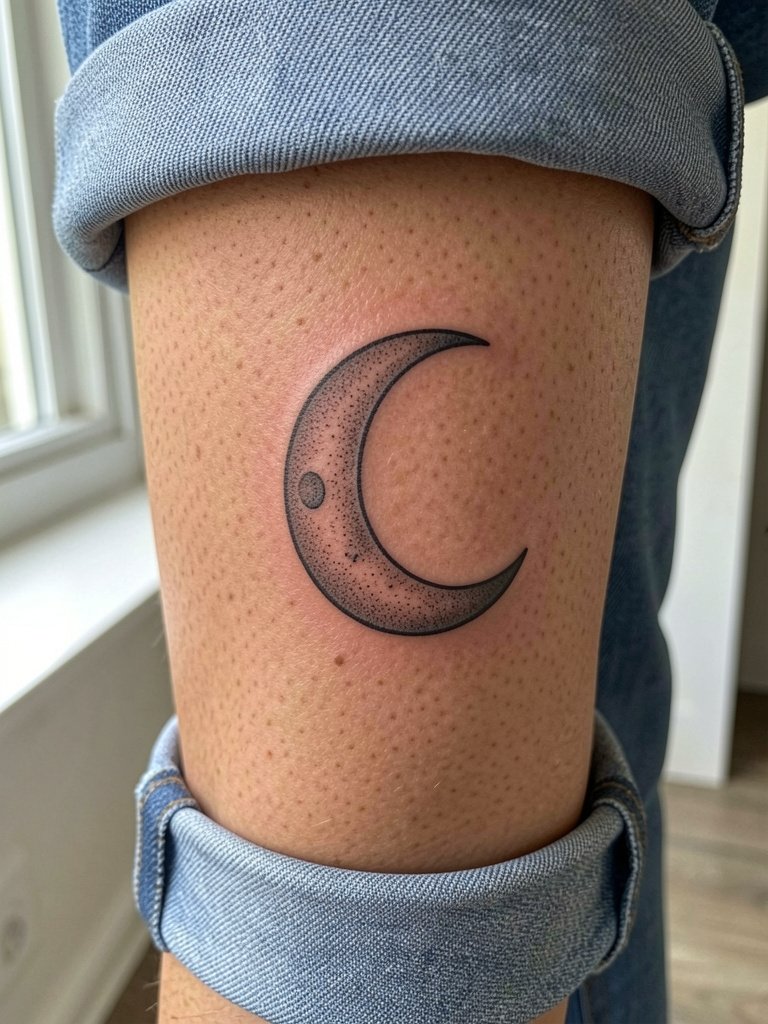
The moon jar crescent uses gentle texture and works where the calf can carry soft shapes. The mistake is overworking texture so the crescent appears muddy after healing. Keep texture sparse and ask for healed photos of similar grain. Calf pieces tolerate time well but can require color touch-ups if muted tones are used. For footwear pair with low-cut sneakers. A pair of canvas low sneakers shows the piece effectively.
19. Layered Fans on the Shoulder Blade
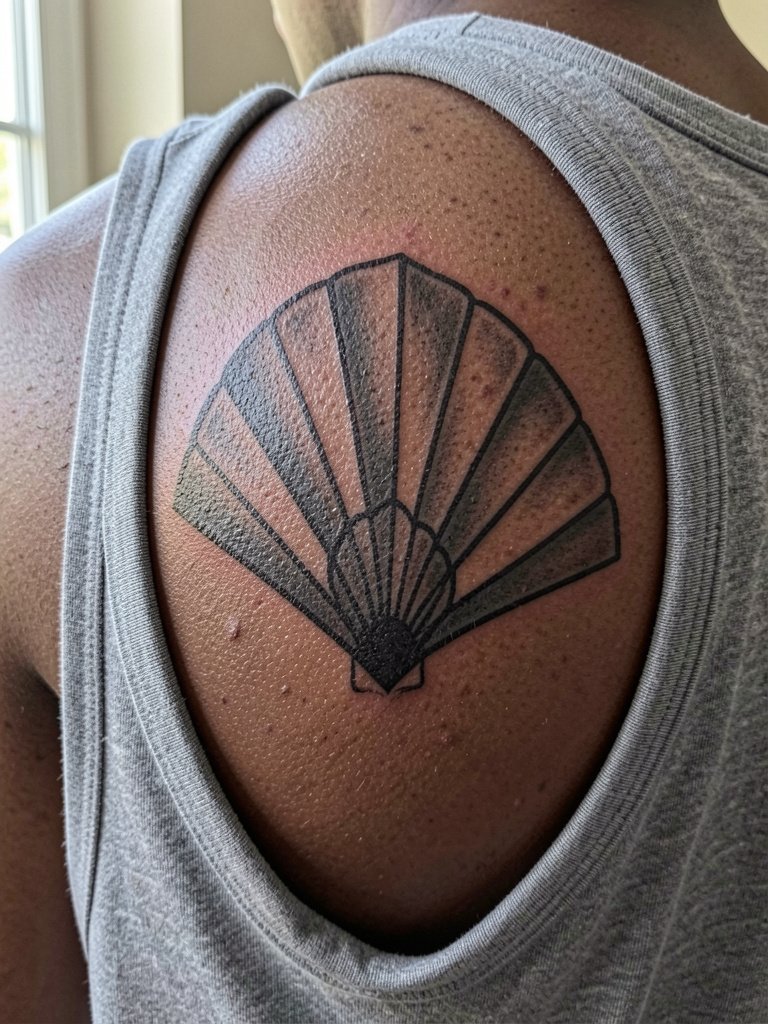
Overlapping fan shapes work because the shoulder blade tolerates layers without distortion, but the composition must stagger contrasts to avoid single-area blur later. A common recommendation is to space overlapping edges by a few millimeters. Sessions are moderate and healing is straightforward. Pair with backless or low-back pieces for formal wear. A backless cami reveals the layers without hiding them.
20. Small Geometric Knot on the Ankle
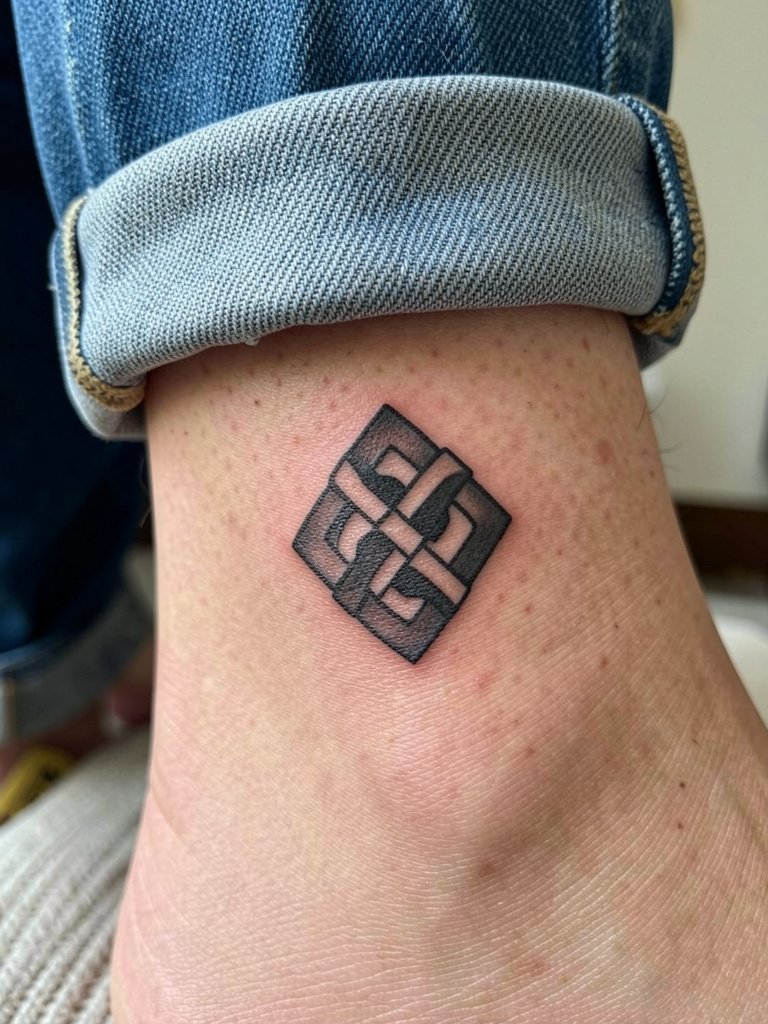
Ankle knots are charming but very exposed to footwear friction. Avoid tiny interior shapes that will blur quickly and instead opt for clearer negative space. The ankle is low- to moderate-pain and often needs a small touch-up after heavy walking seasons. For show-off footwear, sandals work best, and a set of minimal leather sandals keeps the knot visible.
21. Bold Crest on the Thigh Side
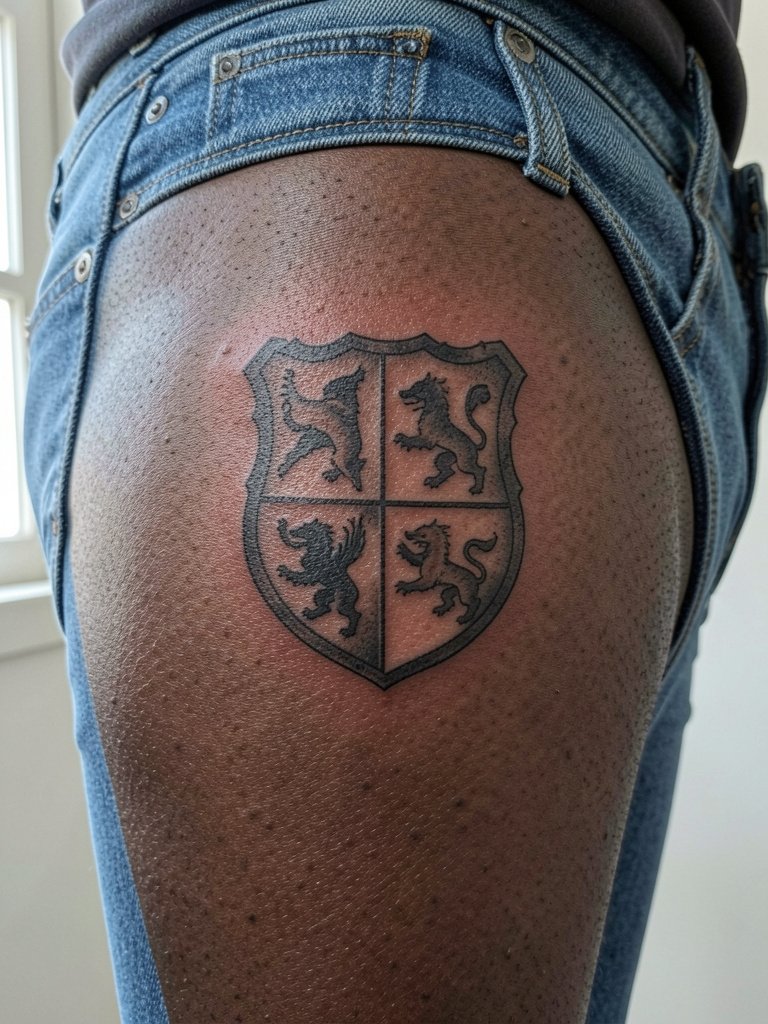
Thigh crests allow for statement scale and fine-detail quadrant work that ages reliably because the skin is less exposed. Make sure the crest's interior panels have distinct spacing so the animal silhouettes do not merge. Thigh sessions are moderate and easily staged over a couple of sittings. Wear low-rise jeans on session day so the artist can access the hip without fabric moving. A pair of low-rise denim shorts helps both during and after the appointment.
22. Stippled Moon and Waves on the Lower Back
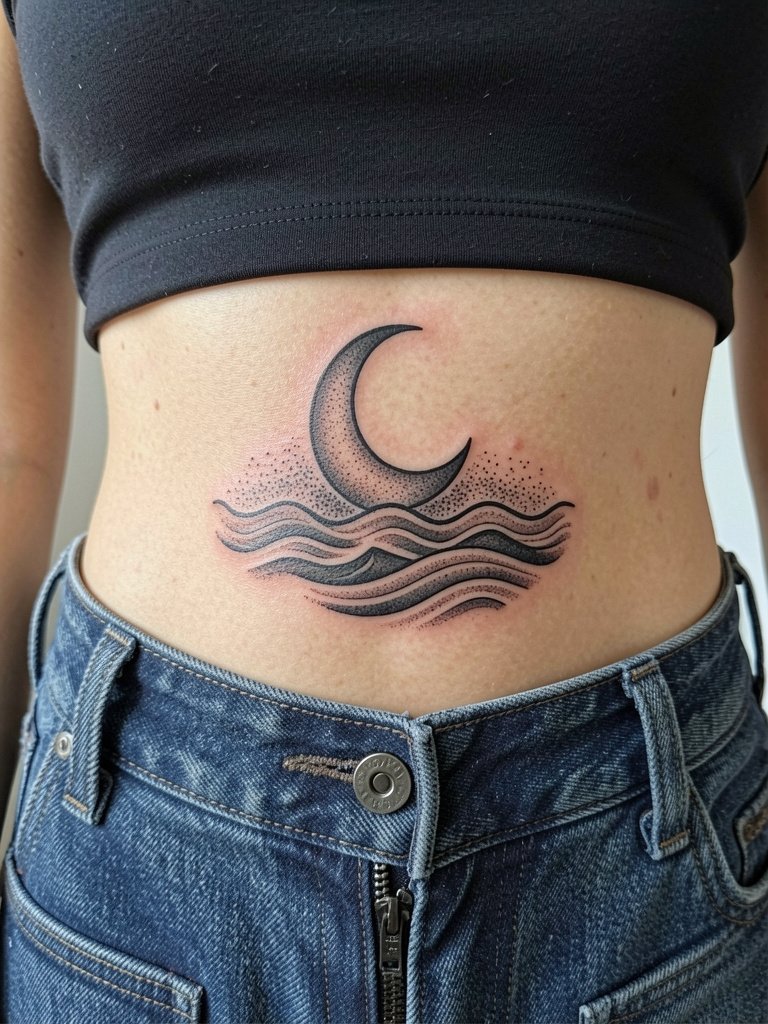
Lower back ripple and moon compositions use scale to avoid loss of stipple detail. A common mistake is making the stipple too dense; keep dot spacing intentional so the area reads at distance. Lower back sessions can be longer and require careful positioning on the table. For clothing, low-rise bottoms help show the moon on occasion. Consider a breathable cropped tank.
23. Minimal Brush Dot on the Finger
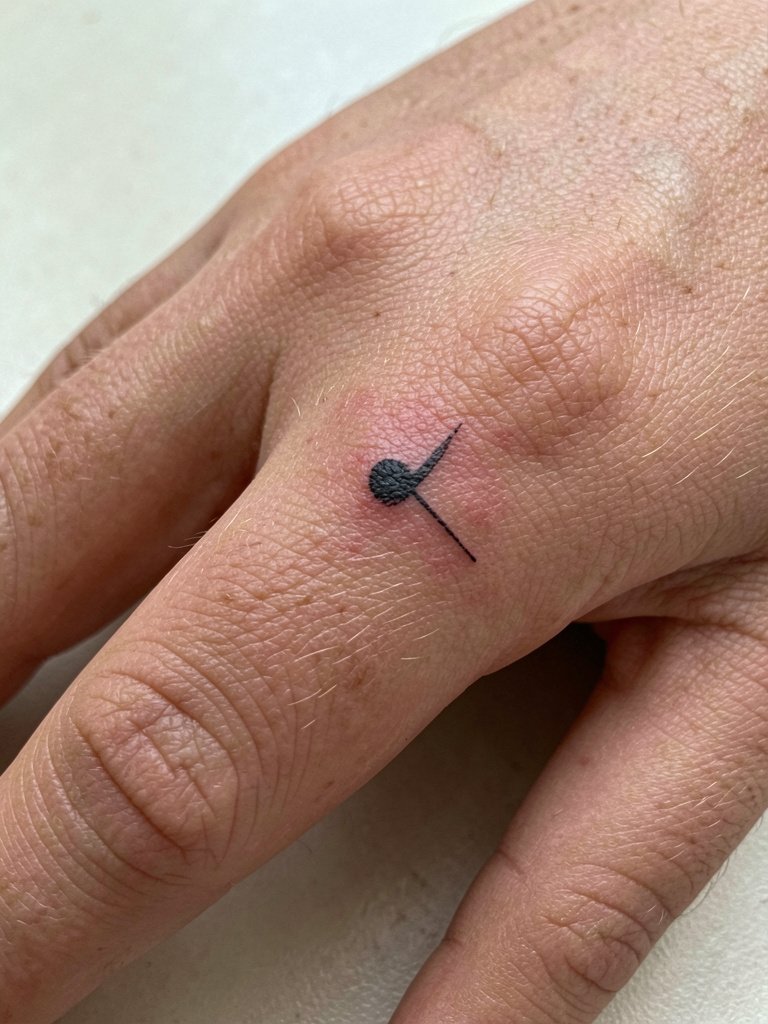
Finger brush dots are extremely exposed to washing and abrasion, so choose strong, simple marks that still read when slightly faded. The usual mistake is requesting micro detail on a finger. Expect touch-ups sooner than for other placements. For the session wear gloves-ready clothing and keep hands moisturized after healing. A slim silicone ring complements small finger marks without rubbing them.
24. Crescent Moon Jar Thigh Band
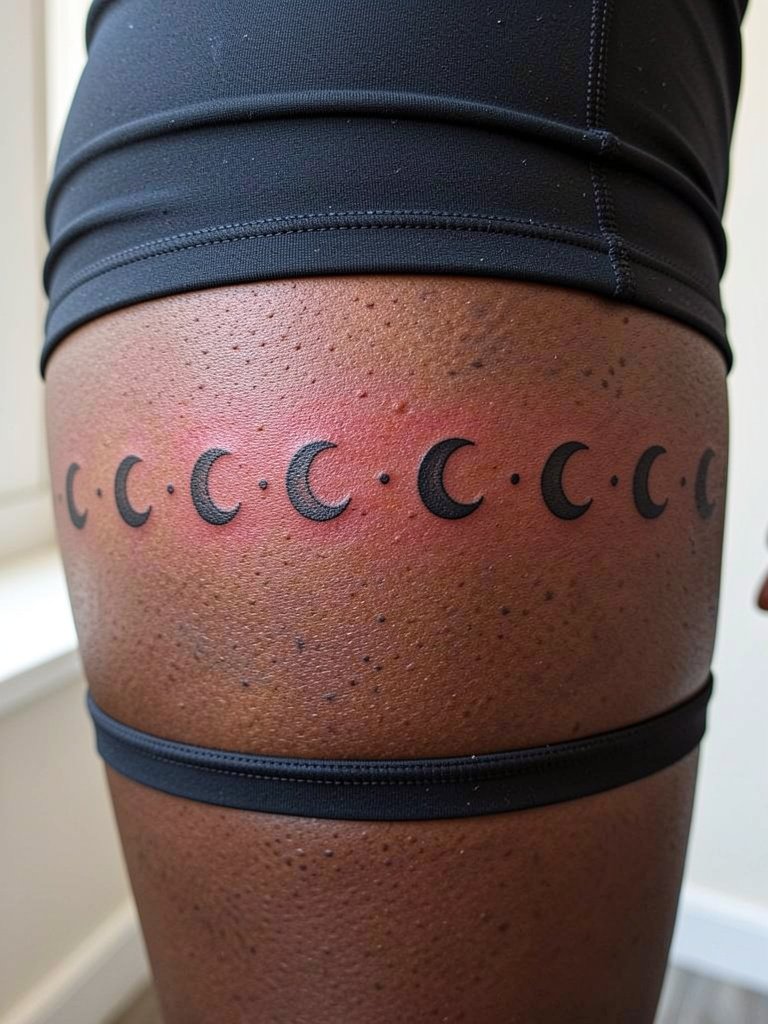
A thigh band of crescents reads well when repeated rhythmically. Ask for spacing mockups so the moons do not compress when you sit. Thigh bands are low pain and durable. For show-off looks consider hemlines that reveal the band. A high-slit skirt can frame the repeat pattern.
25. Ceramic Crackle Texture on the Forearm
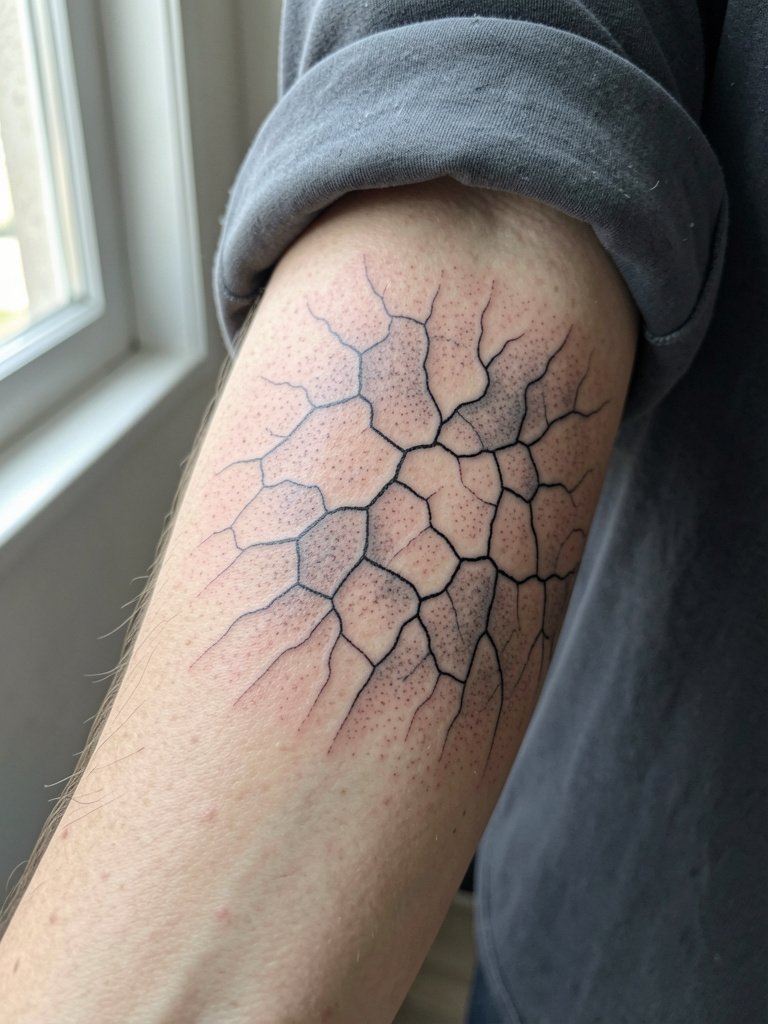
Ceramic crackle effect is an overlay idea that works as a skin texture motif because it avoids precise pictorial detail. Ask the artist to place the heaviest crackle along the forearm's flatter plane where it will not pool into wrinkles. Forearm healing is easy but heavy hand use means the piece should be moisturized regularly. For styling try a rolled sleeve with a soft cotton tee that frames the crackle.
26. Negative Space Hanbok Sleeve Tip
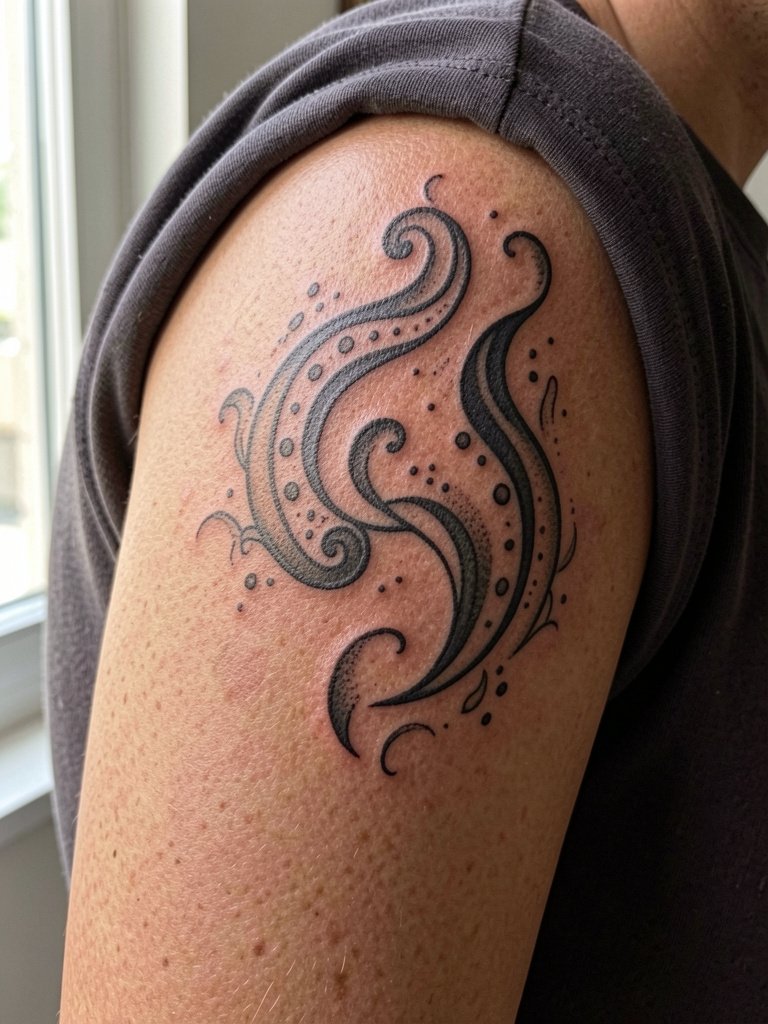
Negative-space motifs inspired by hanbok sleeve lines play with the shoulder joint and keep contrast high so the marks last. The mistake is making the negative areas too slender. Ask for measured negative widths so the skin retains clarity. This is low to moderate pain and often a single session. Showing it with sleeveless layers works best; pair with a sleeveless vest.
27. Delicate Plum Blossom Ankle Wrap
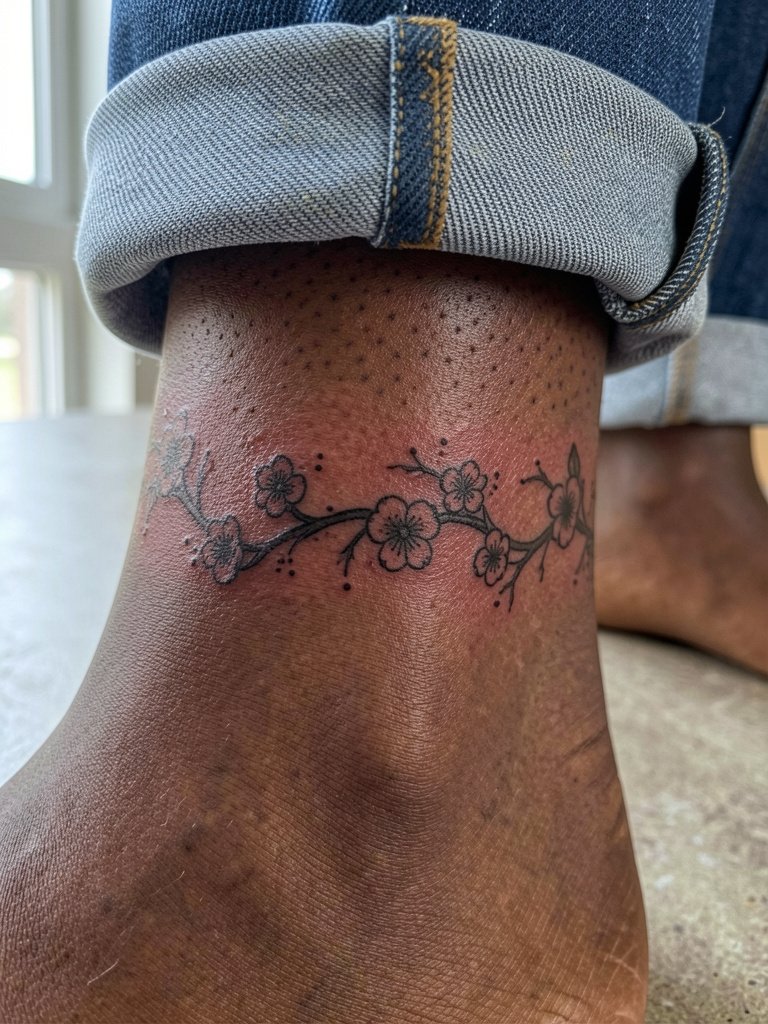
Ankle wraps of small blossoms are delicate and decorative, but they face heavy washing and shoe friction. Space the vine lines more generously than the reference so it survives a year without significant merging. The ankle is low to moderate pain and very visible. For shoes choose sandals or low-cut sneakers that do not rub the area. A pair of minimal sandals complements the wrap.
Frequently Asked Questions
Q: How do I find Korean-style healed examples in different skin tones without naming artists?
A: Search social platforms with targeted tags like #KoreanInk, #HanbokTattoo, and #HangulTattoo and use location filters for nearby portfolios. Tattoo communities on Reddit and portfolio sites show healed shots and sometimes tag the photography skin tone in the captions so you can compare how linework reads on varied skin.
Q: Will single-needle Hangul scripts blur faster than bold letters on the collarbone?
A: In my experience single-needle scripts can blur sooner if they are too thin or too small on collarbone skin, so I recommend slightly heavier single-needle weight and previewing a life-size stencil. If you want longevity pick moderate weight and allow space between strokes for breathing.
Q: Are Korean-inspired motifs cultural appropriation if I am not Korean?
A: There is a conversation and two clear perspectives. One side views motifs like hanbok lines, Mugunghwa flowers, or traditional seals as universal design elements that can be respectfully appreciated when done thoughtfully. The other side believes these specific forms carry cultural context and should be chosen with respect, study, and sometimes direct collaboration with Korean artists. If you are concerned, choose simplified, non-sacred motifs and talk about origin and intent when you commission the piece.
Q: How often will I need touch-ups on wrists, fingers, and ankles for these ideas?
A: Small extremity placements usually need a touch-up within one to three years depending on lifestyle, daily washing, and sun exposure. Plan for shorter touch-up timelines on fingers and ankles and slightly longer intervals for thigh or back pieces.
Q: What should I wear to a rib or sternum session for comfort and easy access?
A: Wear a fitted sports bra or bandeau that you can remove or adjust without tugging the area. A lightweight zip hoodie to put on after the appointment keeps you warm without rubbing. A breathable zip hoodie is a practical choice for session day.
Q: How does calligraphic brushwork age compared with solid blackwork?
A: Brushwork that uses broad strokes and high contrast tends to age more predictably than delicate single-needle calligraphy because the mass holds up better. If you prefer brush-like motion but want longevity, ask for bolder strokes with intentional negative breaks that mimic brush texture without relying on micro detail.