
Someone I know waited a year to book a sugar skull because they worried about fading, unexpected pain, and rising shop prices. I see those same worries a lot. Colors that washed out after a summer, a small skull costing more than expected, and someone flinching through a rib session come up all the time. Read on for 12 approachable sugar skull tattoo ideas that balance longevity, pain, and placement so your first one actually heals the way you hope.
1. Neo-traditional sugar skull with floral crown on the forearm

Someone I know first saw this style on a friend and booked it because it reads well from a distance. The forearm gives room for 4 to 6 inch scale so the facial details do not crush into each other. Tell your artist you want bold contour linework with saturated color fills and clear petal shapes. A common mistake is asking for watercolor washes inside tiny petals. That fades faster on sunny, exposed skin. Expect a one to two hour session for a medium piece and a touch-up at about six to twelve months if saturation looks thin. Forearm movement can cause slight softening after two years, so ask for stronger black outlines if you plan to wear short sleeves often.
2. Fine line sugar skull outline on the wrist

Fair warning, fine line on the wrist is a commitment. The skin there is thin and moves a lot. Artists split into two camps on this. One group says that thin lines blur within a year on wrists. The other group says with the right line weight and spacing it can hold for years. When you consult, ask about line spacing and ask for slightly thicker single lines than the flash. This version keeps the skull minimal while avoiding a muddled look after movement. Sessions are quick, often under an hour. Expect touch-ups earlier than on the forearm. If you want low visibility while working, pick a behind-wrist placement that tucks under shirts.
3. Traditional sugar skull with dots and hearts on the shoulder

There is something about clear black outlines filled with bright spots of color that ages predictably on shoulders. The shoulder gives more flesh to hold pigment, so saturation tends to stay truer than on ribs or hands. Tell the artist you want classic dot and heart motifs with even spacing and a firm outline. The mistake I see is shrinking the motif too small. At less than four inches, dots blur and the hearts lose shape. Sessions are usually one hour for a medium-sized piece. At two years the black will still read strong and colors may need a gentle top-up if you spend lots of time in the sun without protection.
4. Watercolor sugar skull splash on the ribcage
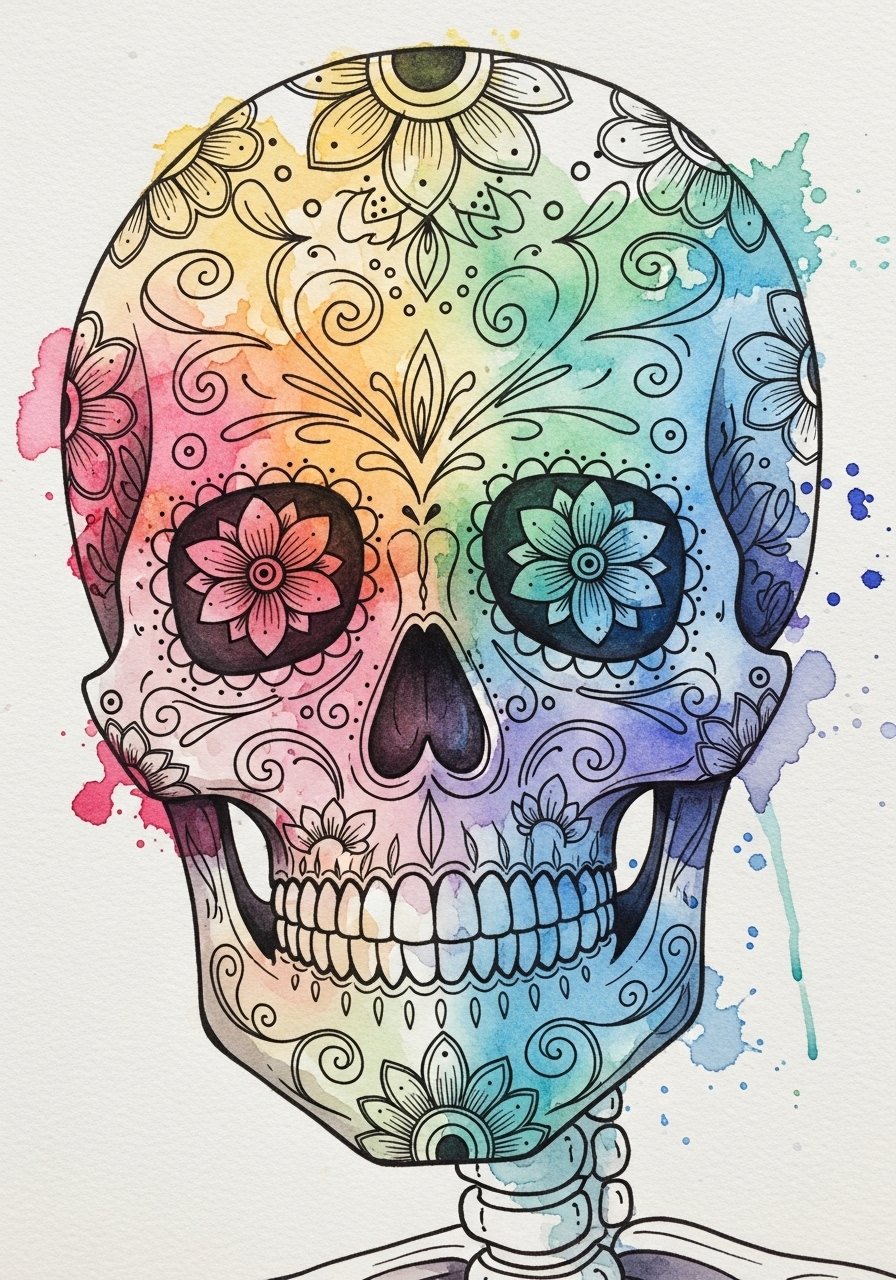
Most watercolor pieces from several years ago went soft quickly on exposed skin. On ribs, the skin quality and lower friction can keep washes looking painterly longer. The trade-off is pain. Ribs score higher on most pain scales, so plan for breaks. When you book, bring reference photos that show exactly how sharp you want the edge between wash and linework. A common mistake is expecting watercolor to hold as vividly as neo-traditional pigments. Expect two sessions for a medium rib piece and a follow-up touch-up at around one year to re-saturate bright areas. Numbing discussion is worth having if you are nervous about the rib session.
5. Blackwork sugar skull mandala on the upper arm

If you want contrast that reads well on darker tones, bold blackwork mandalas do the job. This pattern borrows from circular geometry and favors negative space for lifespan. A common misuse is cramming too many tiny mandala layers into a small area. Tell the artist you want deliberate spacing and emphasize stipple shading where you want texture. This piece usually takes two sessions for a larger upper arm version. Culturally this pattern pulls from traditional mandala forms, so some people opt for stylized nods rather than exact replicas. Expect excellent longevity and touch-ups mainly to crisp the outermost rings after a couple of years.
6. Micro-realism sugar skull portrait on the inner bicep
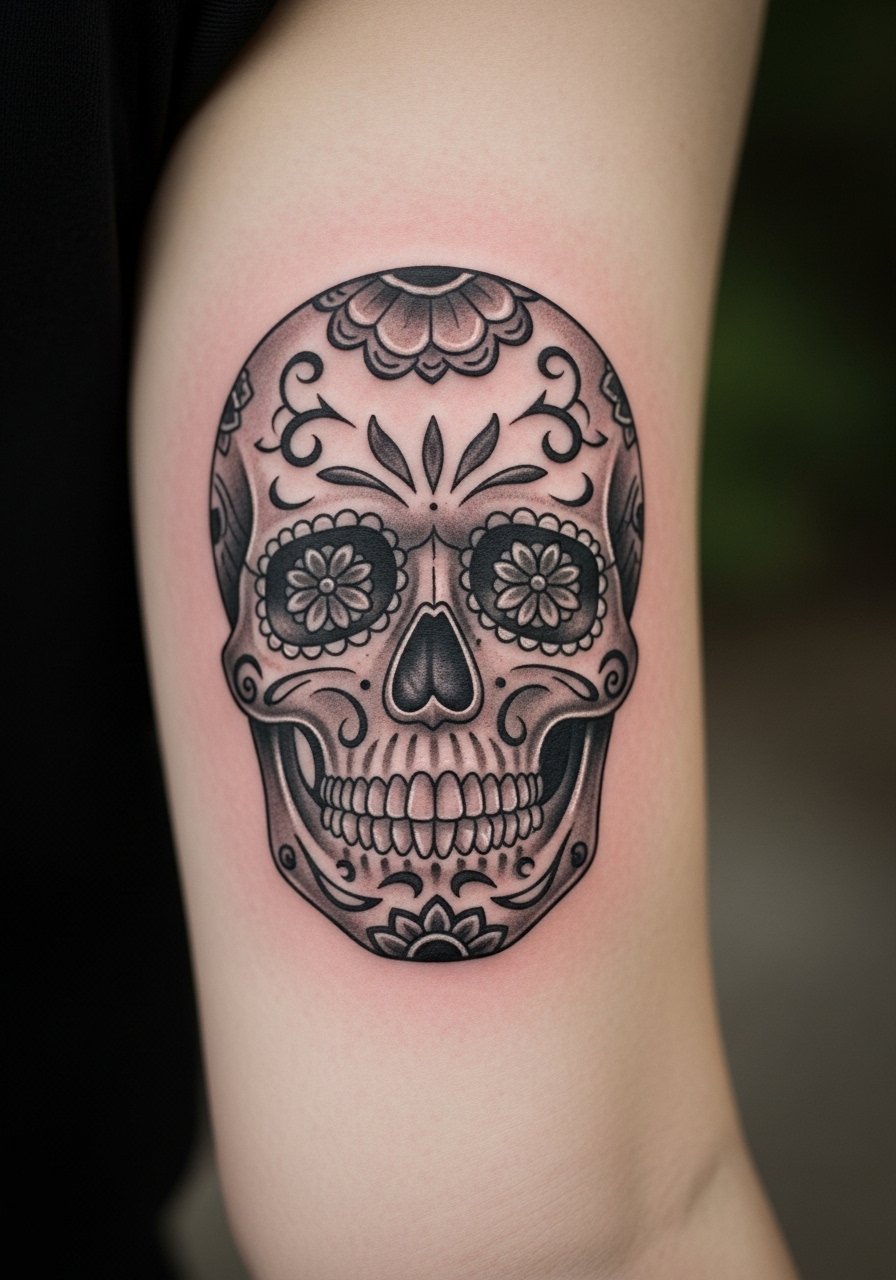
Micro-realism is chosen when people want a lifelike homage without full-size portrait scale. The inner bicep shelters the ink and helps fine shading read longer. When you book, bring clear photos and ask the artist how they handle contrast in small portraits. The big mistake is expecting extreme tiny detail to age like a larger piece. Because of depth and skin movement, expect at least two to three sessions and a touch-up at one year to restore tiny shadow lines. The session feels slower and more precise. If you gain or lose significant weight, the portrait can warp, so discuss body changes before you lock the placement.
7. Ornamental sugar skull with gem accents on the ankle
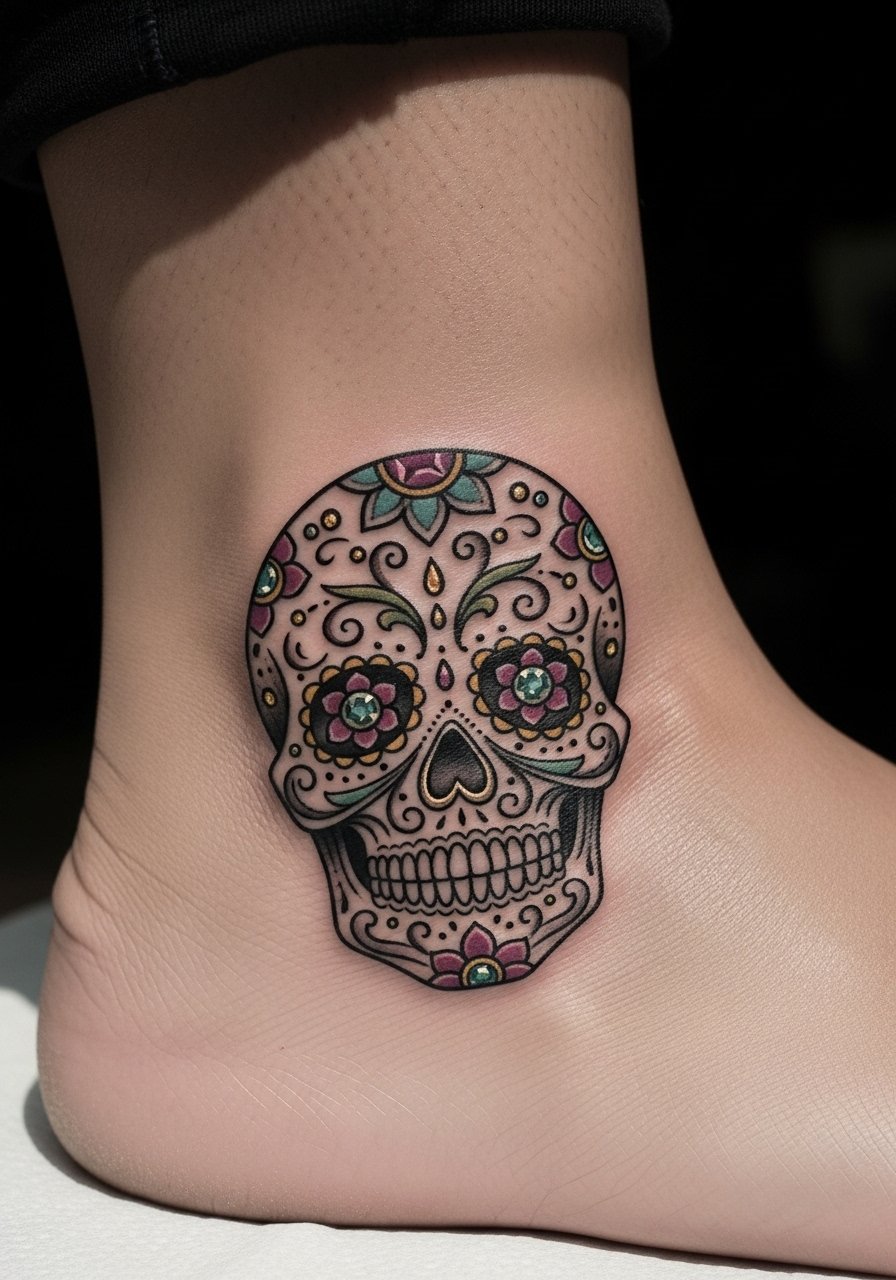
Ankle placements are discreet for conservative workplaces but the area sees lots of friction from shoes and socks. This ornamental approach uses jewel-like dots that pop at small scale. Tell your artist you want raised dot shading and color micro-accents placed away from areas that rub. A common mistake is stacking bright dots where socks reach. Sessions are short and usually done in a single sitting. Expect the first six months to show wear where footwear rubs. If you plan long-term saturation, schedule a touch-up after six to nine months. For people seeking concealment the ankle balances visibility and personal meaning.
8. Ignorant-style sugar skull doodle on the hand or forearm

Ignorant style brings a punk, sketchbook vibe to sugar skull themes. Hand placements are trending for their everyday visibility but they come with professional considerations. Hand tattoos still affect hiring in some industries, so think about career impact before committing. When you consult, ask for bolder linework to account for faster fading on hands. The mistake I see is asking for very thin sketch lines that vanish within months. Sessions are fast and feel sharp due to minimal flesh over bone. Expect higher touch-up frequency and plan for a casual refresh every year or so.
9. Patchwork sugar skull sleeve starter on the outer arm
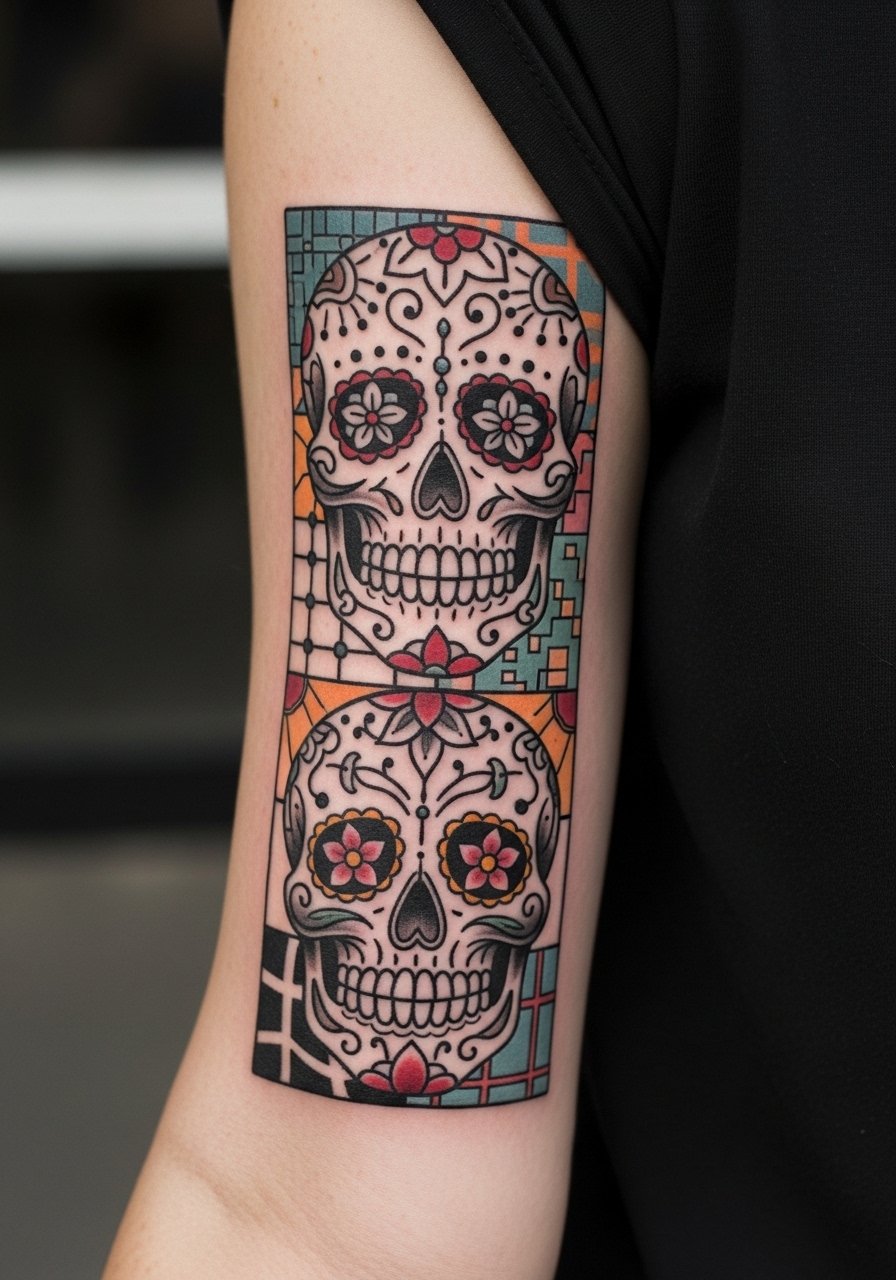
If you plan to collect tattoos over time, use a patchwork approach that leaves negative space for future pieces. The outer arm gives good canvas area and helps each skull breathe. During consultation, map out how a single panel will sit with future top-ups or adjoining pieces. A big mistake is starting too small. At sleeve scale you want each skull at least four to six inches. Expect multiple sessions over months and schedule touch-ups after initial healing to maintain saturation across adjacent panels. For first-timers this method lets you build confidence before committing to a full sleeve.
10. Minimalist sugar skull crossbones for fingers or behind the ear
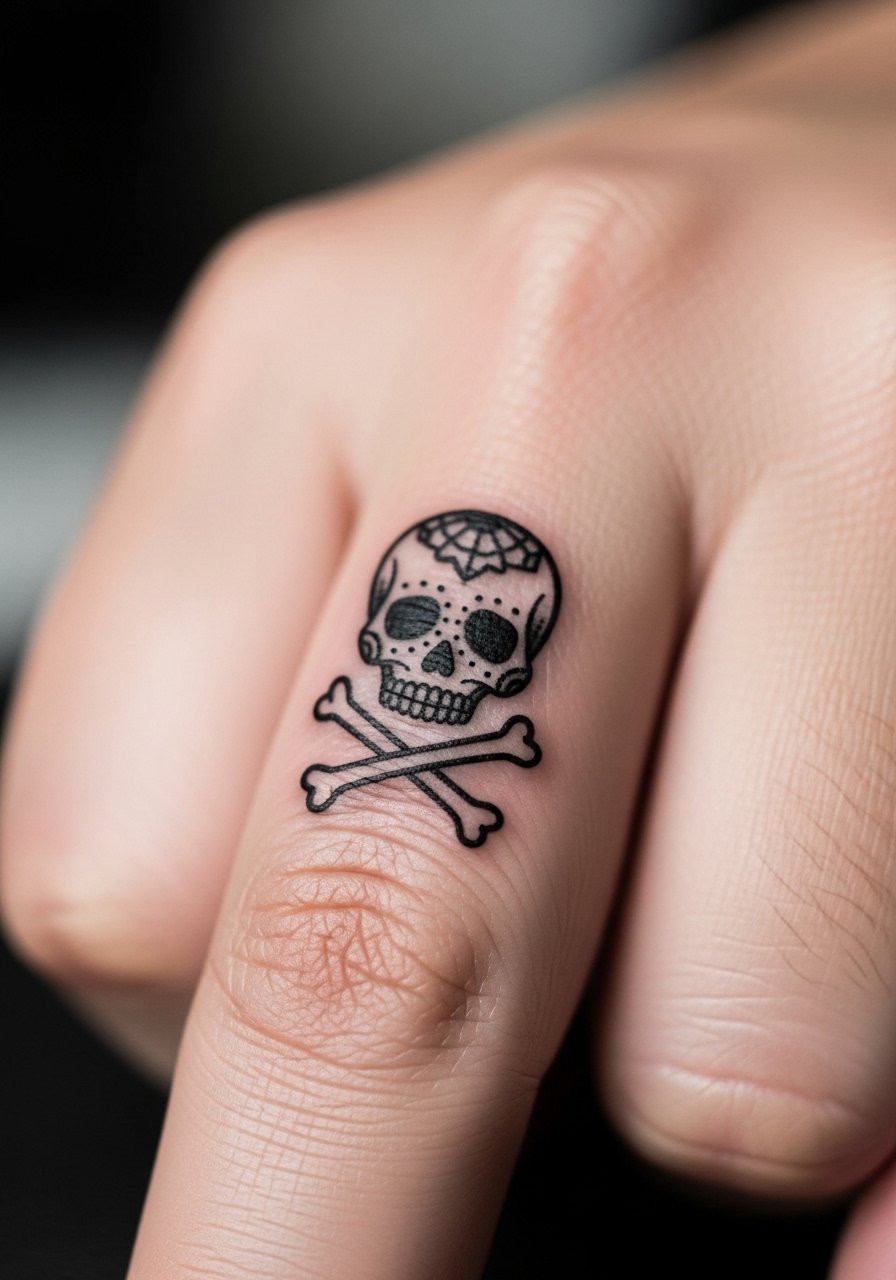
Small sugar skulls are a popular first-timer choice because they are quick and easily concealed. Fingers and behind-ear spots are easy to show minimally but they age differently. Fingers have high wear due to washing and friction. If you want a tiny piece that keeps its shape, ask for a slightly thicker outline and avoid excessive interior dot work. Sessions take under an hour and may sting more than expected on the finger. Touch-ups are common within a year for fingertip placements. Behind the ear is gentler and often needs fewer refreshes.
11. High-contrast blackwork sugar skull adapted for darker skin on the calf
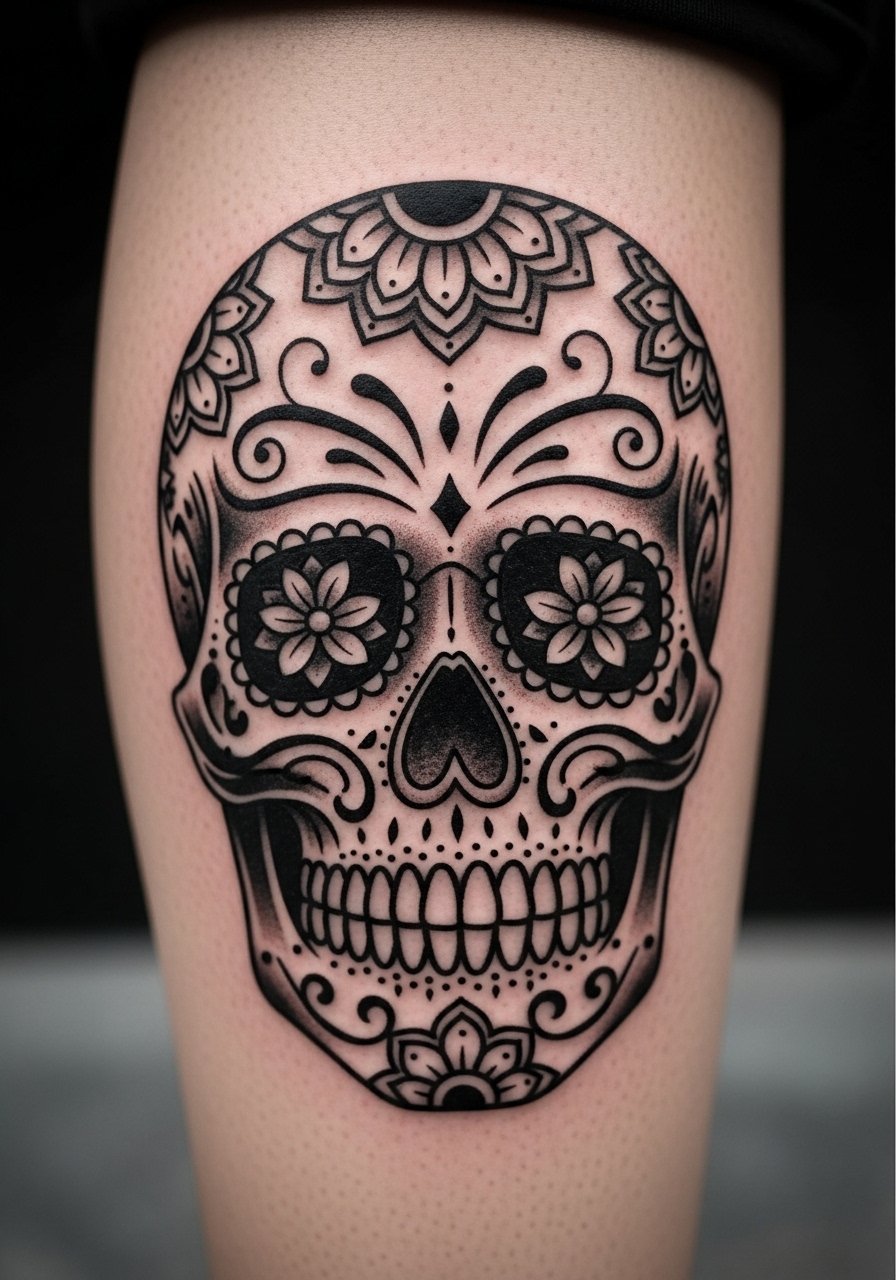
One under-covered approach is designing with darker skin in mind. High-contrast blackwork uses solid fills and negative space to read clearly. When you meet your artist, ask how they plan contrast and saturation so patterns remain legible on darker tones. A frequent error is using small, gray-shaded details that disappear. Sessions can be longer if large black fills are involved. Expect excellent longevity because saturated black holds well on the calf, and touch-ups mainly refine edges after a couple of years. This approach makes the skull motif visible without relying on subtle color shifts.
12. Ornamental memorial sugar skull framed with script on the thigh
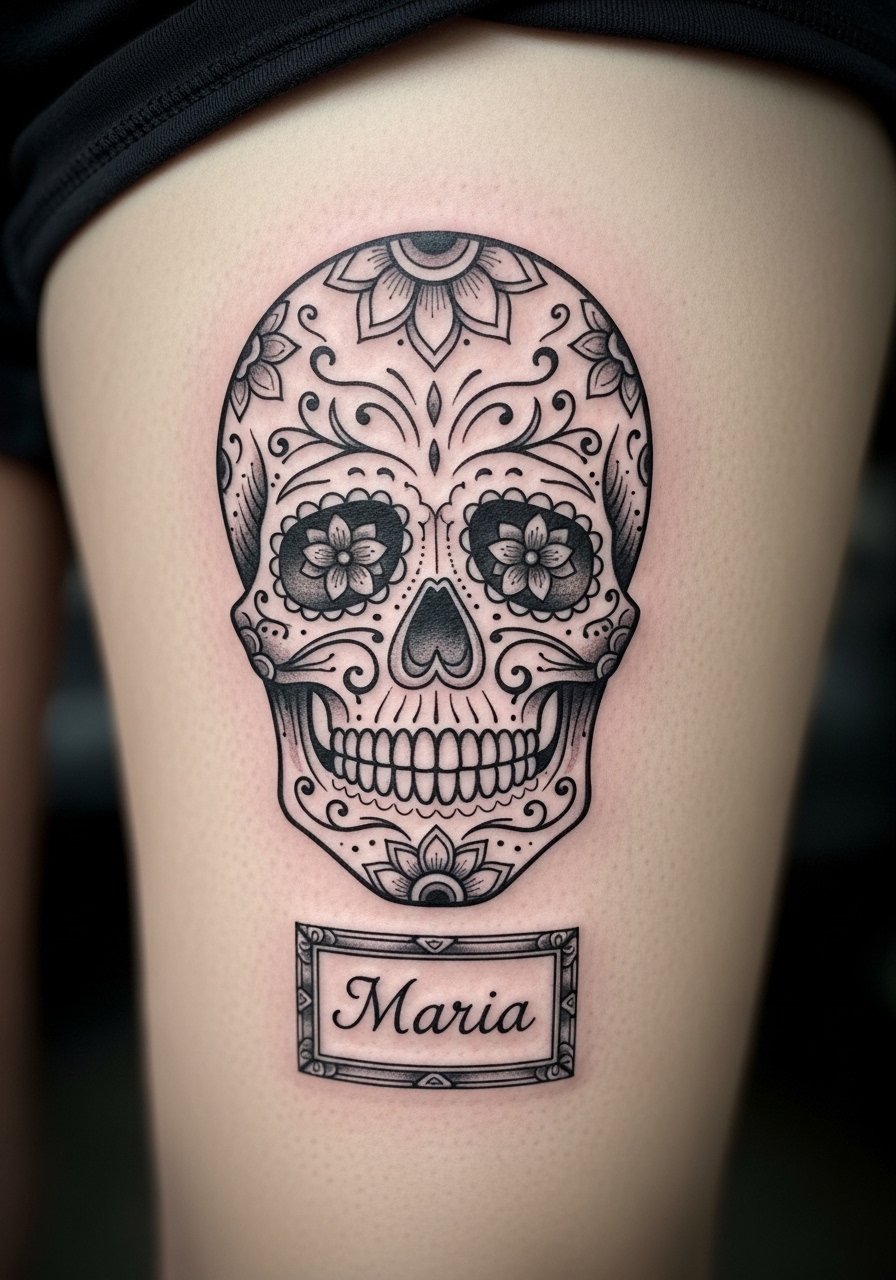
Pairing a skull with a name or date in an ornamental frame is a quiet way to personalize the motif. When the design includes text specify the exact wording during the session. For example, request the name "Maria" in a clean cursive so the artist lays out spacing correctly. Thigh placement tolerates detail and soft shading because the area sees less sun and friction. A common mistake is choosing tiny lettering that fills into the surrounding ornament at small scale. Expect a one to two hour session and a touch-up around the one-year mark to keep the script crisp. If the memorial aspect matters, bring references for both frame style and script.
Tattoo Prep and Aftercare Essentials

Shopping list
Fragrance-free gentle foaming cleanser for tattooed skin. Use within the first 48 hours to keep the area clean without stripping pigment. I recommend a pH-balanced formula and gentle lather to remove ointment and sweat.
Lightweight fragrance-free balm formulated for tattoos. Apply thin layers after the initial scab stage. This helps avoid clogged pores while keeping skin supple.
Medical-grade second skin bandage, small sheets. Useful for high-friction spots like hands and ankles during the first 24 to 72 hours when you want a sterile barrier.
Saline tattoo soak packets for gentle cleaning. Great for removing ointment residue and soothing inflamed areas in the first week.
Aquaphor Healing Ointment for initial sealing. This is the one mainstream product I include. Use sparingly and only as your artist recommends because it is heavier than some specialty balms.
Wide-brim hat or UV protection clothing for newly healed color work. Sun protection is the single most effective step to preserve saturation over years.
Soft, breathable bandages for travel recovery. Keep a few in your kit if you need to protect a fresh piece while in transit.
Fragrance-free moisturizing lotion for long-term maintenance. After the initial healing phase, daily hydration helps color look healthier and less flaky.
Small travel sunscreen SPF 30 or higher for finished pieces. Use on healed color to slow fading from UV exposure.
Every tattoo is different. Always follow your artist's specific aftercare instructions. Consult a dermatologist if you have skin concerns or unusual healing issues.
Frequently Asked Questions
Q: Will a fine line sugar skull blur faster if I want a full sleeve later?
A: Fine line details do risk softening when packed into a sleeve because lines sit closer together. If you plan a sleeve, ask for slightly stronger line weight and deliberate spacing during the consult. That approach preserves definition as you add neighboring panels and reduces how often you need touch-ups.
Q: Do watercolor-style sugar skulls need different aftercare than traditional ones?
A: The immediate aftercare is the same for both styles, but watercolor pieces often rely on lighter saturation which can fade faster. Protect healed watercolor with sunscreen and avoid heavy friction. I prefer scheduling a six to twelve month check-in for watercolor to judge if a touch-up will restore intended vibrancy.
Q: How should I handle pricing conversations without overpaying for a small skull?
A: From what I've heard, get quotes from three studios and ask whether the artist charges flat rate or hourly. Describe size and placement precisely and request an estimated session time. That makes comparing quotes easier and helps avoid surprises on the day.
Q: Is there a clear split between Saniderm users and dry healers for sugar skulls?
A: Artists are divided into two camps. One camp embraces occlusive dressings for cleaner early healing and less scab handling. The other prefers dry healing so you can see scab progress and manage flakes. Ask your artist which method they prefer and why, then follow their instructions for the best outcome.
Q: What's a realistic touch-up timeline for a neo-traditional forearm skull with color?
A: Expect the first touch-up window between six months and one year to re-saturate any soft spots. After that, most people need minor color refreshes every two to five years depending on sun exposure and how well they moisturize. Regular sunscreen greatly extends the time between touch-ups.