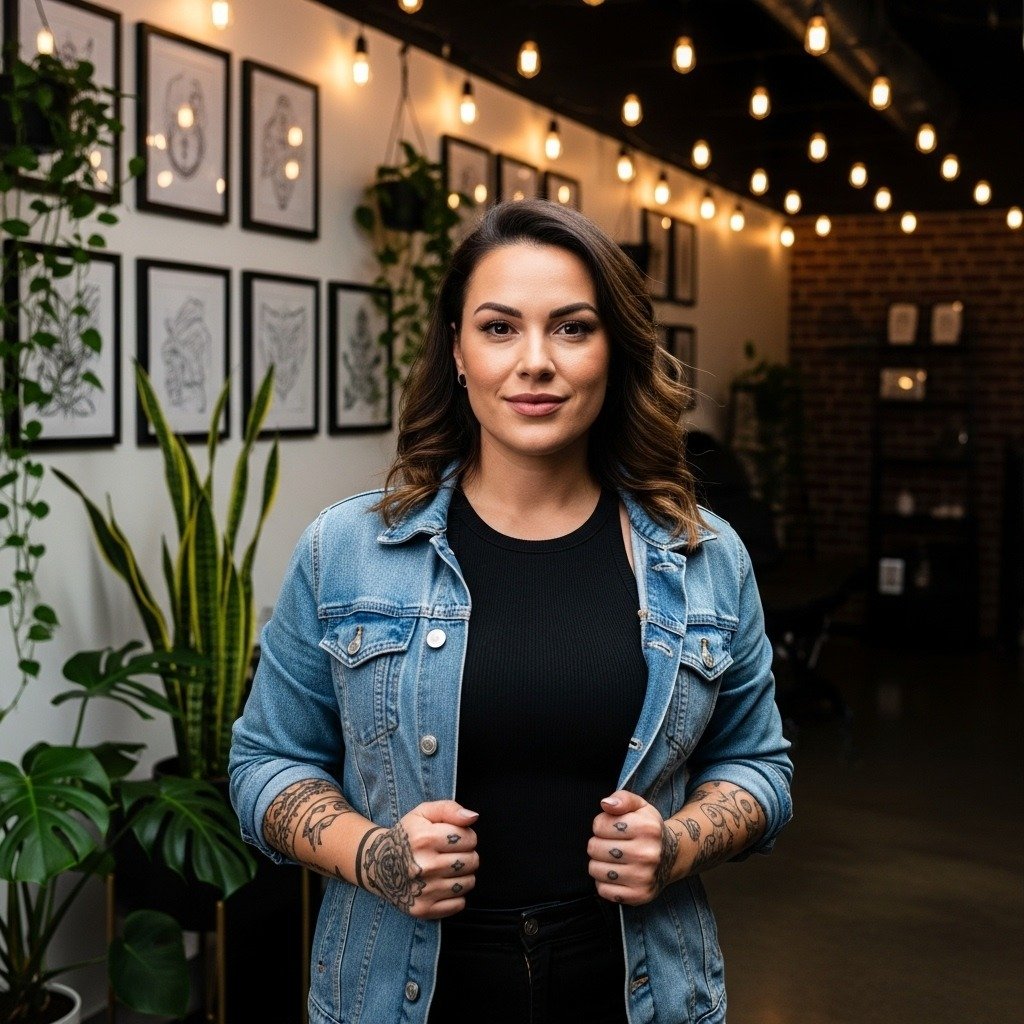
I spent weeks scrolling through portfolios before I realized the problem: I loved dreamlike tattoos, but I wasn’t sure which surreal styles actually heal well on skin. These 27 surreal, trippy tattoo ideas are the ones I keep saving—and the ones artists I follow still recommend for visible, long-lasting impact.
This list focuses on surreal and trippy styles—fine line surrealism, neo-surrealism, psychedelic watercolor, and micro-realism mashups. These ideas work on arms, ribs, thighs, backs, and smaller spots like behind the ear. From my experience following 2026 tattoo trends, artists are favoring layered imagery (double-exposure, floating objects) and high-contrast blackwork for longevity.
1. Fine Line Dreamscape on Inner Forearm
Style/Technique: Fine Line / Surreal Illustrative
Pain Level: Low-Medium (3-4/10)
Session Time: 2-4 hours
Best For: First surreal piece, easy to conceal with sleeves
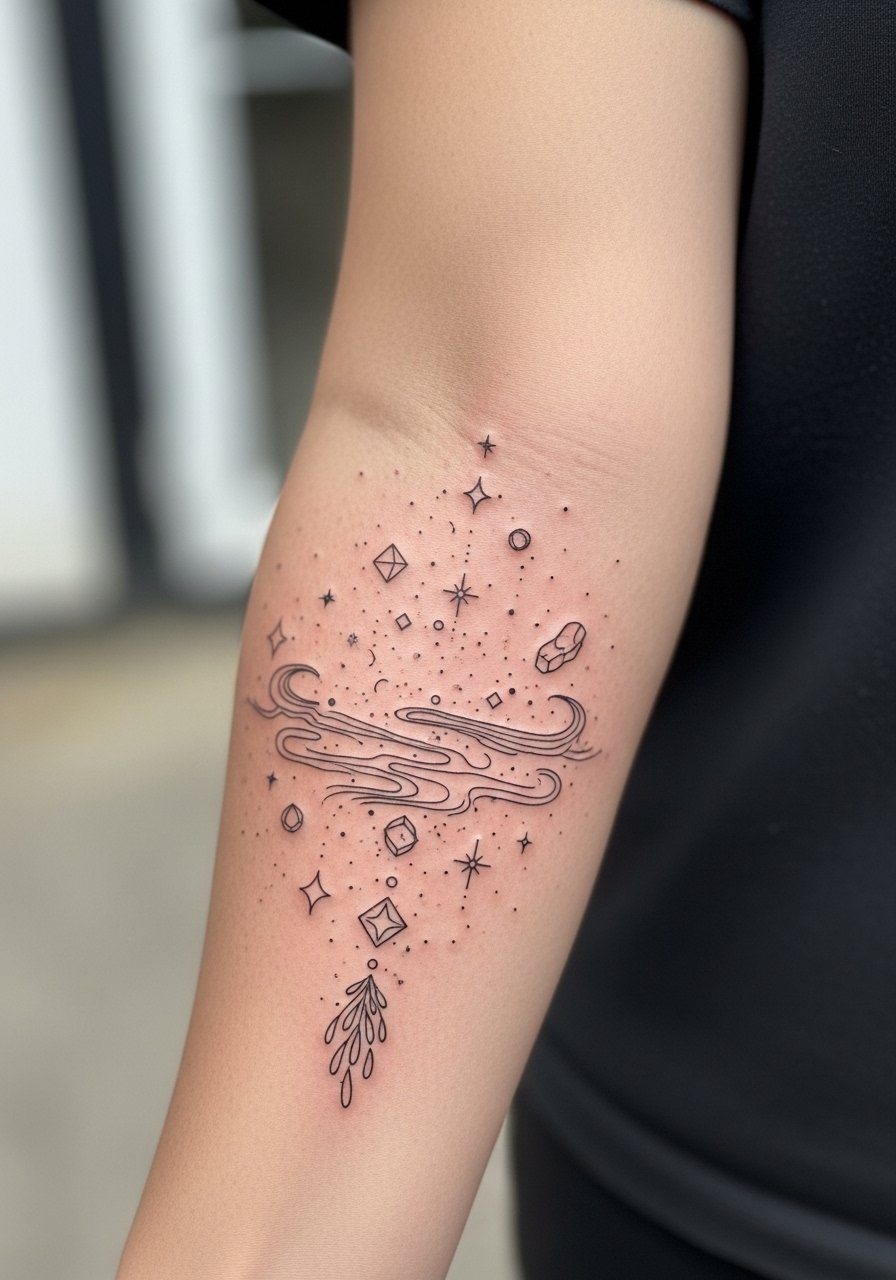
I picked this because fine line surrealism reads delicate and introspective. The inner forearm lets the design flow lengthwise—perfect for elongated dream motifs like floating islands or melting clocks. Pain is manageable here; expect some soreness for a few days. Healing takes 2–3 weeks for surface skin; keep it moisturized with fragrance-free lotion. From what I’ve seen, ultra-fine lines can blur over years, so ask your artist to slightly thicken the primary contour lines for longevity. Avoid overcrowding tiny details—they look great fresh but can merge when healed. Ask for an artist experienced in illustrative fine line and subtle dotwork to get that airy, dreamlike feel.
2. Double-Exposure Portrait on Upper Arm
Style/Technique: Micro-Realism / Double-Exposure
Pain Level: Low (2-3/10)
Session Time: 3-5 hours
Best For: Statement piece that’s easy to hide
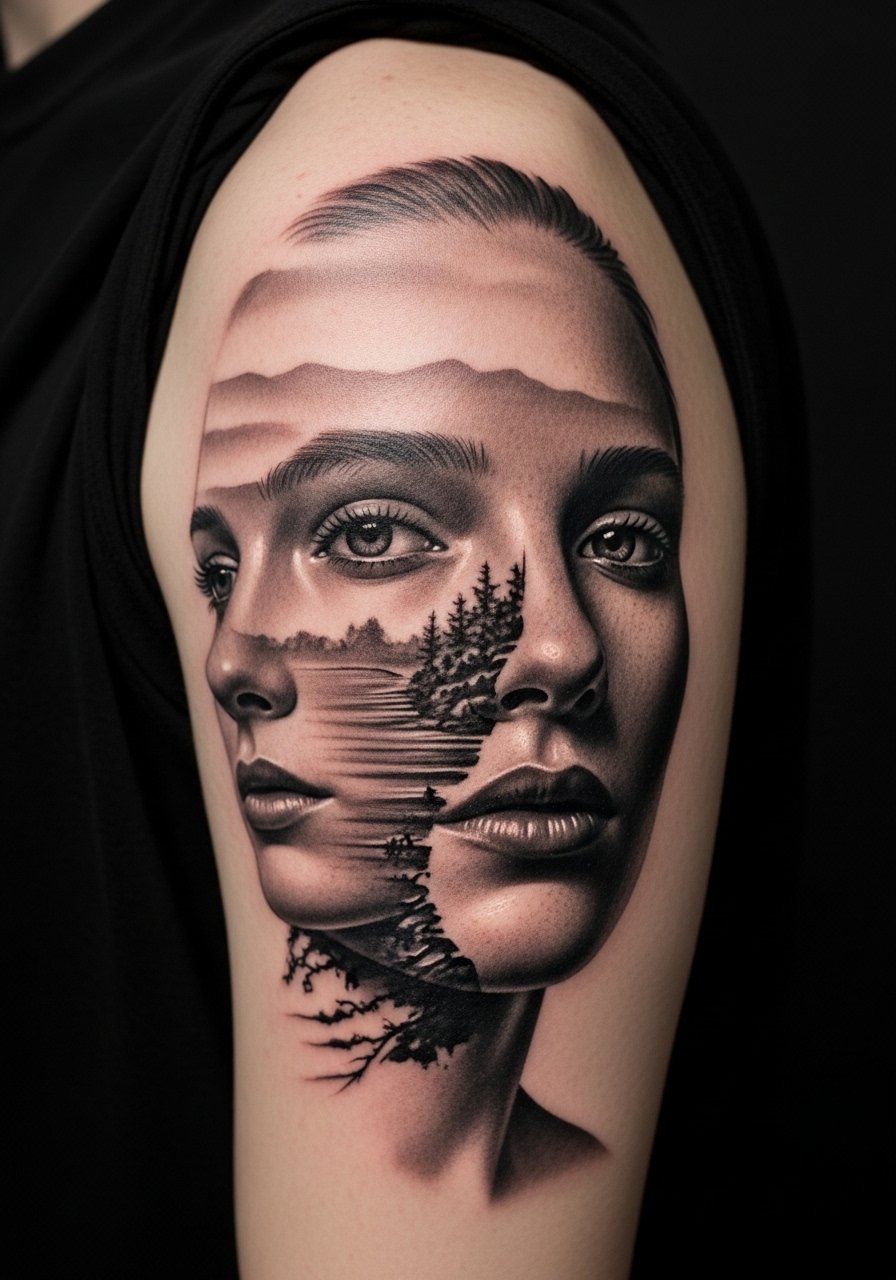
I love double-exposure tattoos for their cinematic, surreal impact. On the upper arm you get enough canvas for facial detail plus a second image—trees, galaxies, or waves—that seems to sit inside the portrait. Pain is low; the outer arm is forgiving. Expect layered shading to need precise aftercare—gentle cleansing and hydration keeps tonal work crisp. Over time, micro-shading softens; heavier contrast in the portrait areas helps it maintain form. A common mistake is asking for too many tiny highlights; they may fade. When consulting, ask to see healed double-exposure examples so you know how transitions hold up on lived skin.
3. Psychedelic Watercolor Ribcage Bloom
Style/Technique: Watercolor / Psychedelic
Pain Level: High (7-8/10)
Session Time: 3-6 hours (may split)
Best For: Bold, private statement pieces
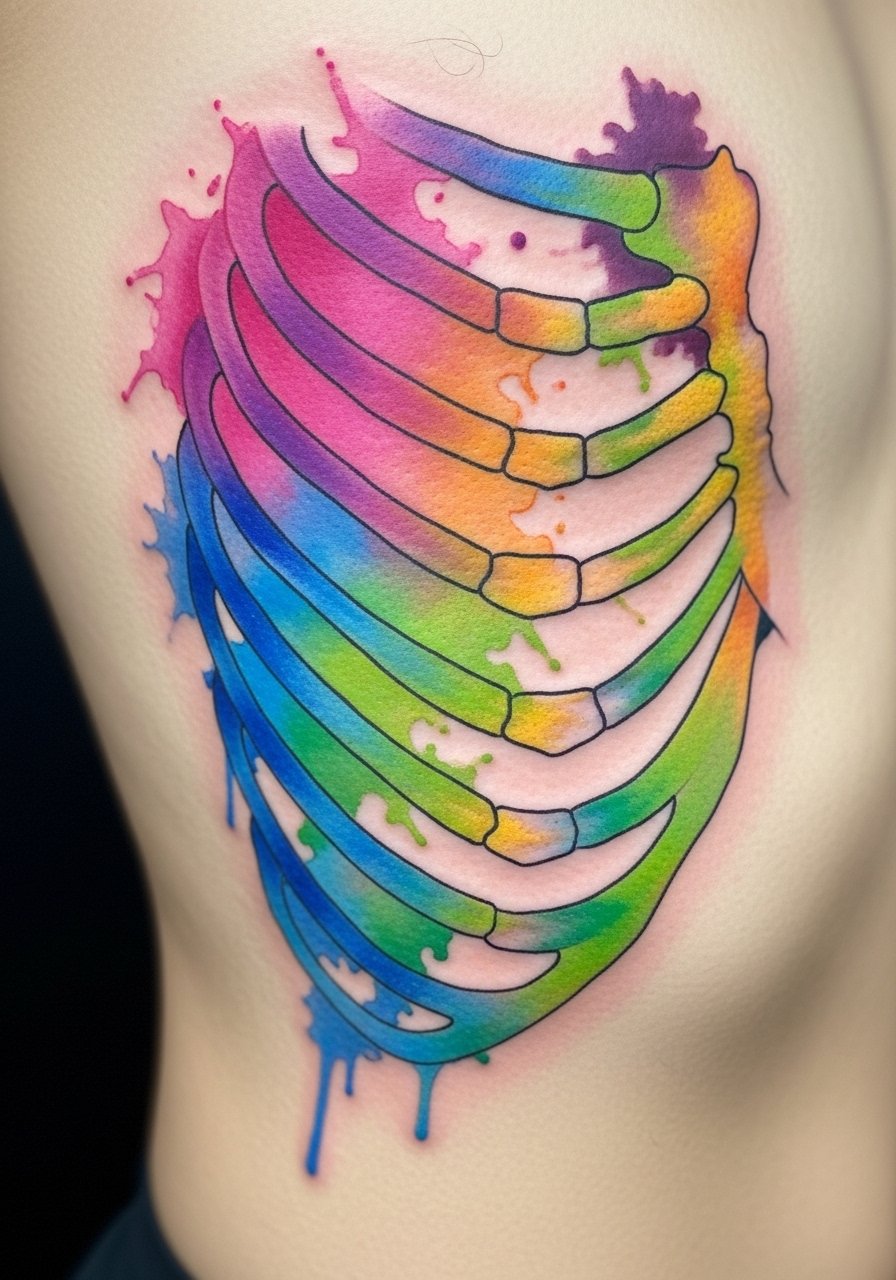
Ribcage blends are dreamlike because color pools feel like they’re breathing with your body. The ribs are painful—expect intense sessions and breaks. Healing needs careful movement management: avoid heavy stretching and sleep positions that press on the area. Vibrant watercolor areas can fade faster if not saturated well; in my experience, artists compensate with solid anchoring outlines or contrast. A common mistake is tiny watercolor patches without supporting structure—they spread into each other and lose definition once healed. Look for artists who specialize in color blending and healed-color photos on ribs.
4. Blackwork Surreal Sleeve on Outer Arm
Style/Technique: Blackwork / Graphic Surreal
Pain Level: Medium (4-6/10)
Session Time: Multiple sessions
Best For: Long-lasting bold statement
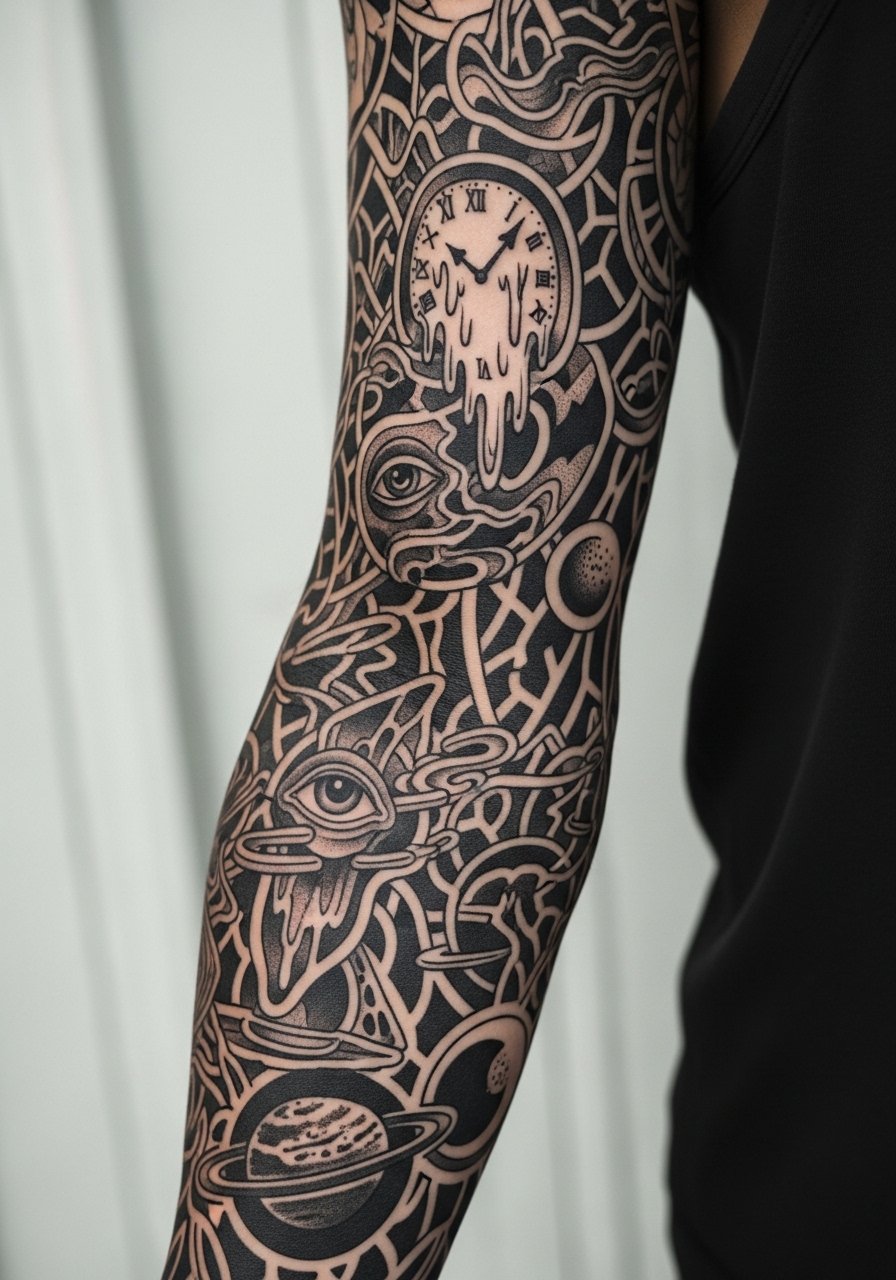
Blackwork thrives for surreal themes—bold shapes, repeating motifs, negative space creating floating elements. A sleeve lets the artist build a narrative around the arm. Pain is moderate across the outer arm but expect higher intensity near inner elbow and wrist. Black ink ages the best; thick fills keep the design readable years from now. Healing time spans weeks between sessions; heavy black areas take a while to settle. Don’t ask for tiny, overly intricate textures inside dense black fills—they won’t translate well when healed. Ask for artists who do strong contrast and clean fills; that skill keeps surreal patterns readable over time.
5. Mini Surreal Eye Behind Ear
Style/Technique: Micro-Realism / Minimal Surreal
Pain Level: Medium (5/10)
Session Time: 1 hour
Best For: Subtle, hidden detail
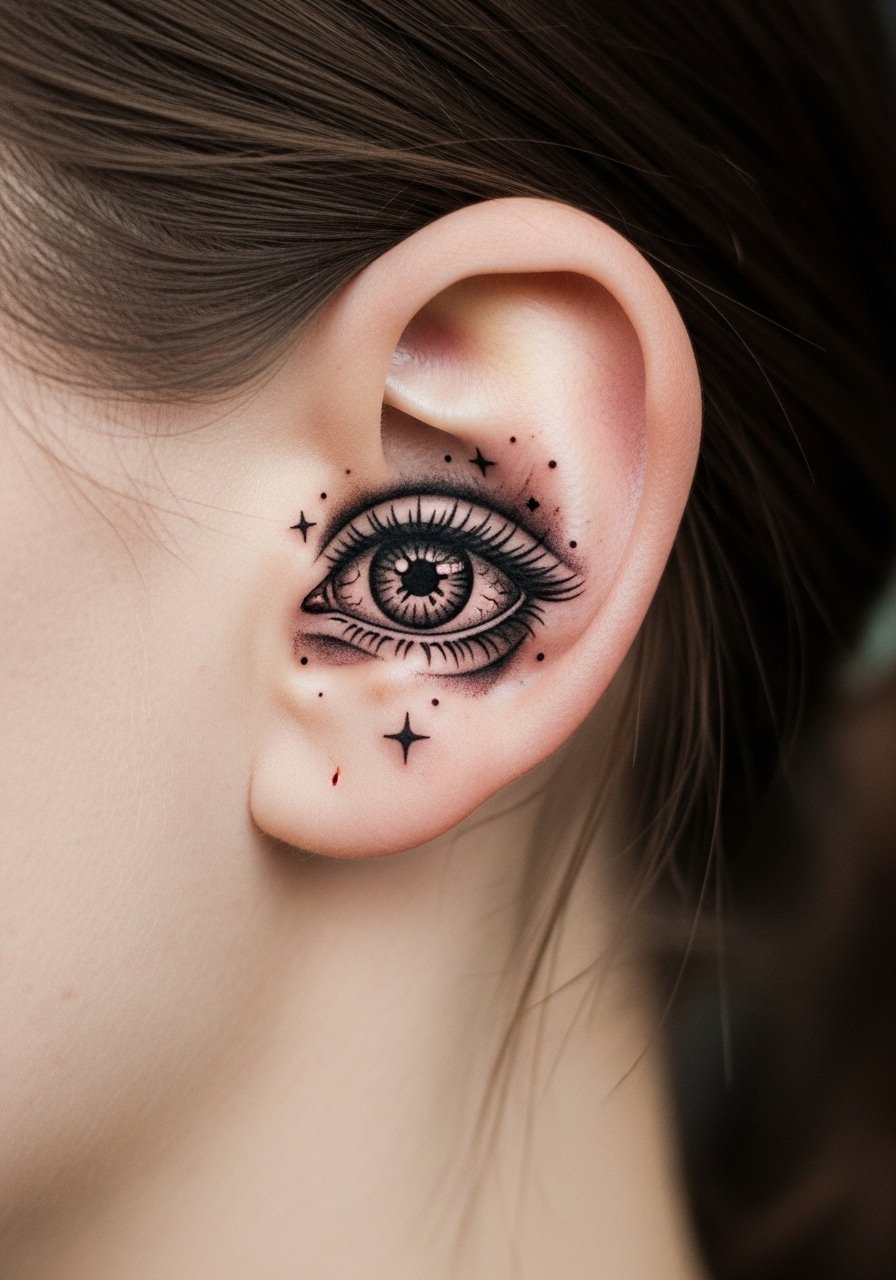
Behind the ear is a secret spot that reads intimate and oddly dreamlike. Small realistic eyes, moons, or whisper motifs look like a private signal. Pain is medium—thin skin and bone make this sharper than forearm work. Healed skin can lose crisp micro-details, so choose slightly bolder lines and soft shading rather than ultra-fine texture. Keep hair and ointment off the area during the first days to avoid clogging. Artists who do piercing-like placements and small micro-realism will deliver the clean finish this spot needs.
6. Melting Object Thigh Piece
Style/Technique: Neo-Surreal / Bold Linework
Pain Level: Low (2-4/10)
Session Time: 2-4 hours
Best For: Large, concealable artwork
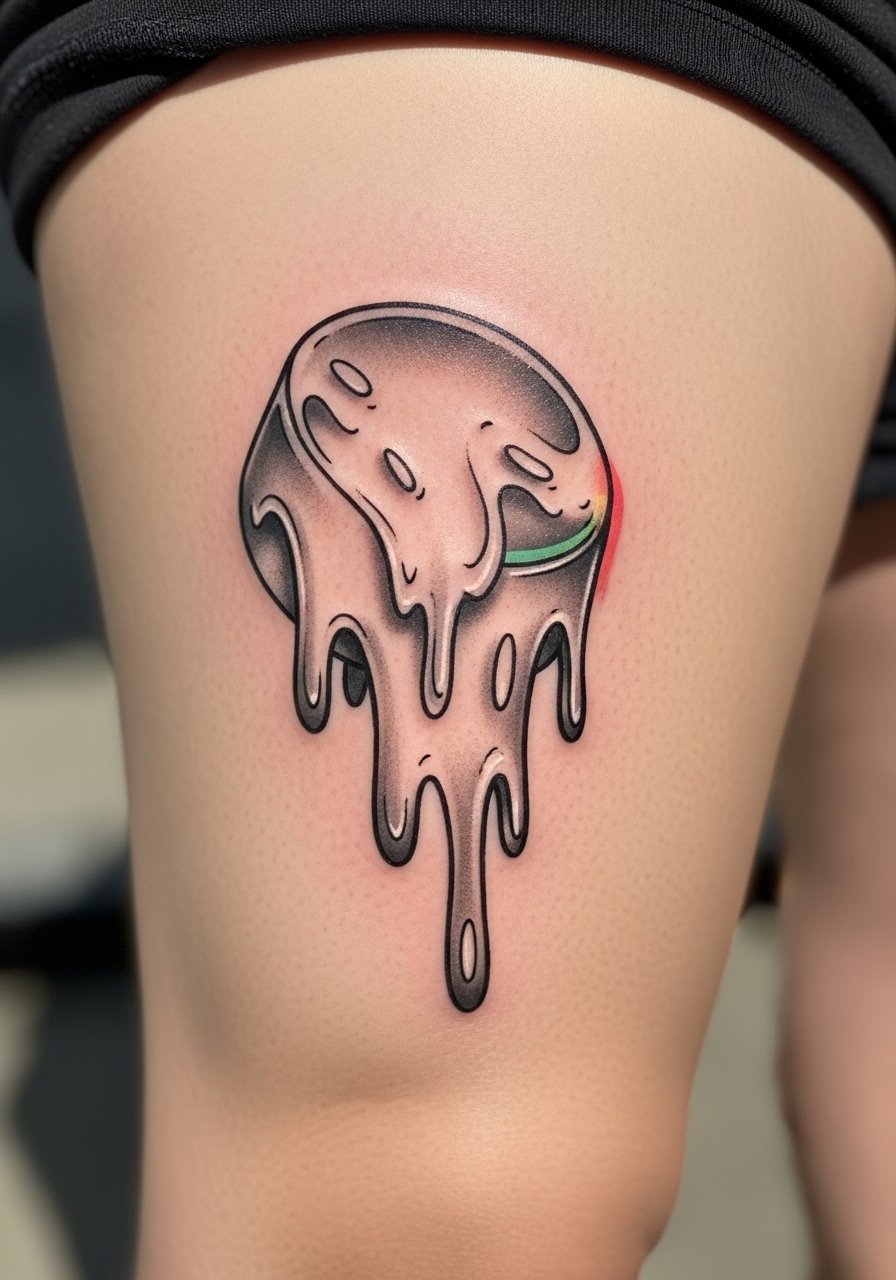
The thigh is forgiving for surreal forms that melt or warp—clocks, teacups, houses dripping into landscapes. Low pain and a large canvas make for one-session possibilities. Because skin here holds ink well, detailed shading ages nicely. Expect surface healing in a couple of weeks; avoid tight clothing that rubs the piece while it’s sealing. A mistake I see is extreme fine detail in moving areas—test how the design reads standing and sitting to ensure the visual effect stays coherent. Ask for artists who understand body curvature so melting edges read consistently across movement.
7. Floating Island Sternum Panel
Style/Technique: Fine Line / Illustrative Surreal
Pain Level: High (7/9/10) — sternum sensitive (Note: scale 7-9)
Session Time: 2-4 hours
Best For: Private, central surreal statement
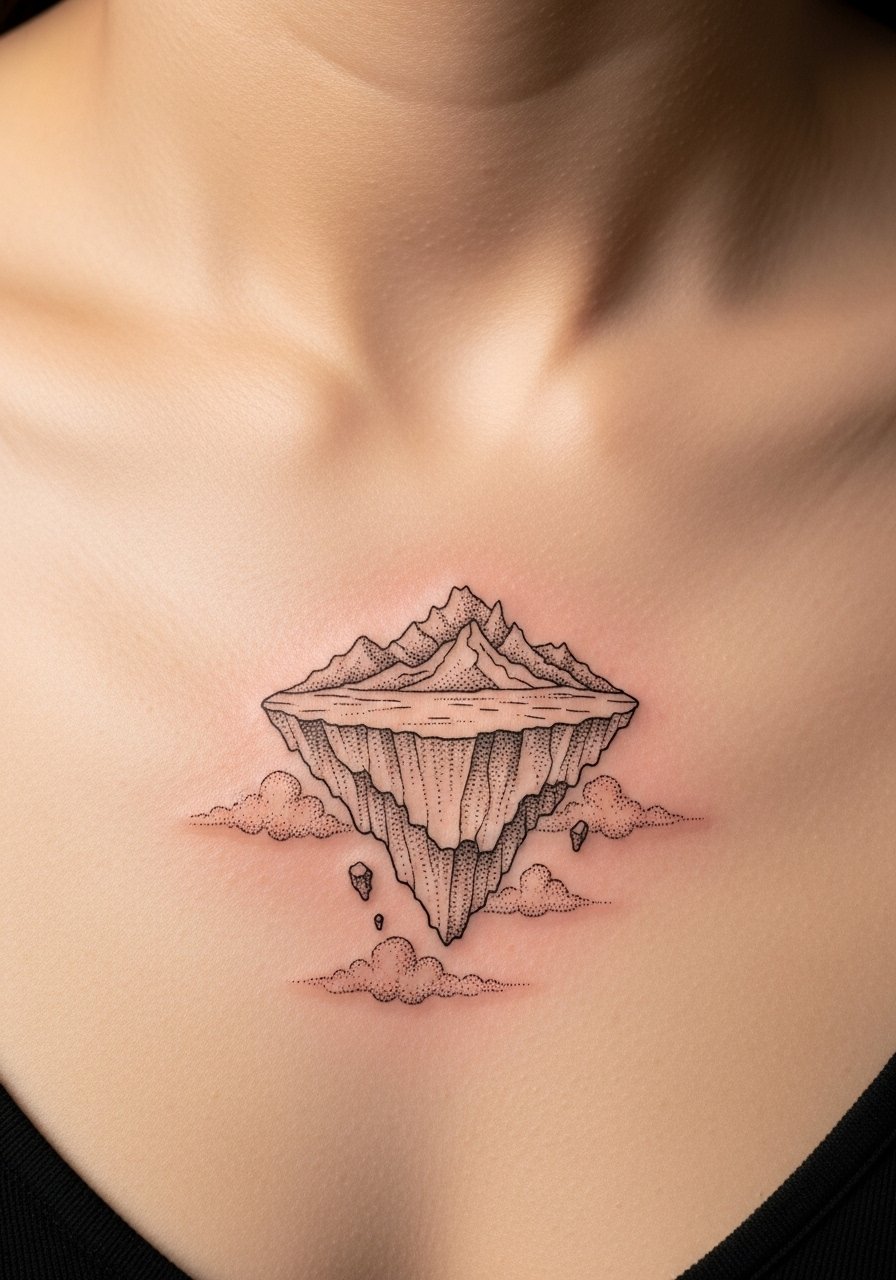
Sternum placements look otherworldly—floating islands, tiny ecosystems, and architectural ruins read like personal dream maps. Pain is intense; the sternum is bony and thin. Healing requires breathable tops and sleep positioning care to avoid friction. Fine lines here may blur; request slightly heavier key lines to hold through healing. Overloading with tiny stippling can end up muddy, so prioritize clear negative space and anchor points. If you want a symmetrical dream-panel, bring photos of healed sternum work to your consult.
8. Surreal Neck Collarbone Band
Style/Technique: Linework / Surreal Geometric
Pain Level: High (7/10)
Session Time: 1-3 hours
Best For: Visible, bold neckline art
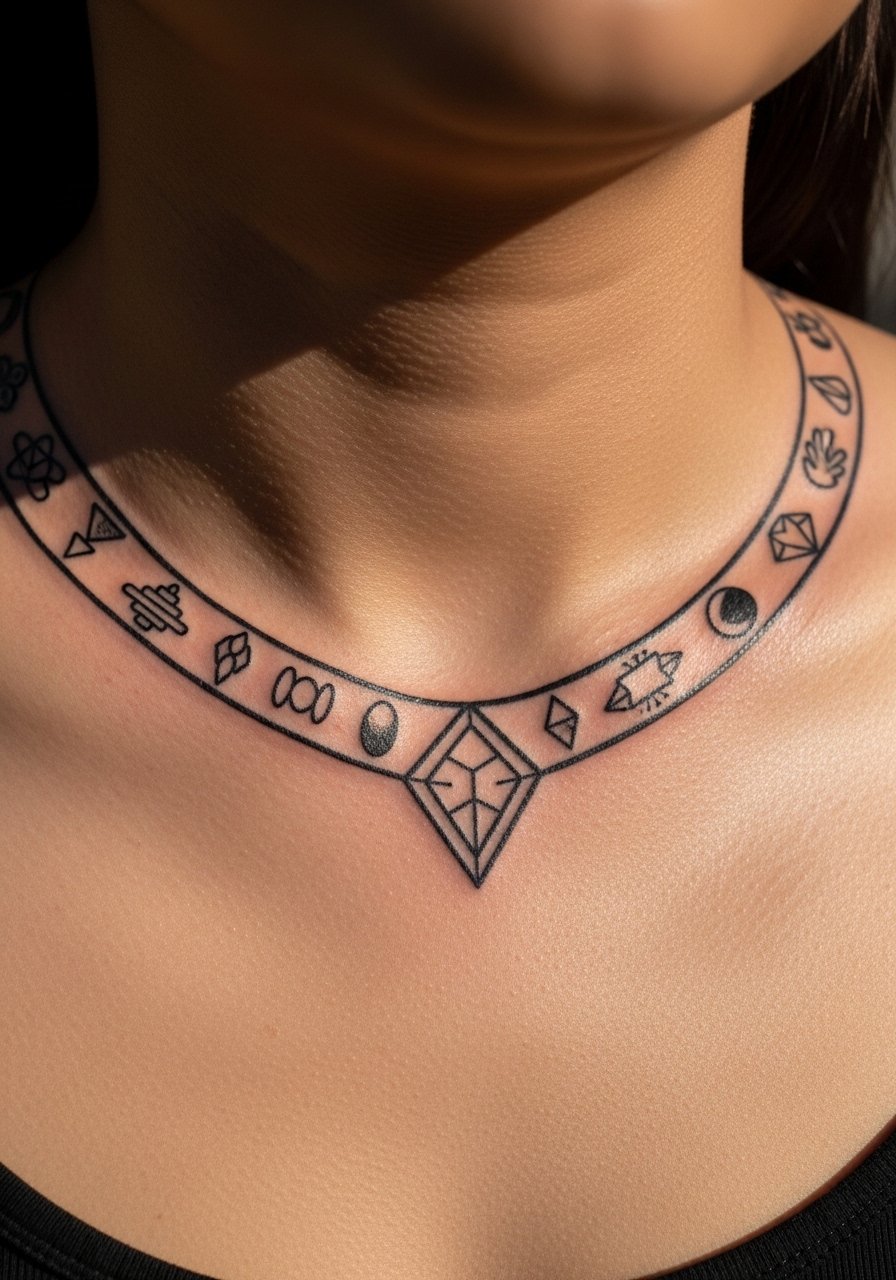
Collarbones frame surreal necklaces and bands that peek from shirts—floating geometry, eye motifs, and dripping shapes work well here. Expect sharp pain around the bone and longer healing if the band crosses the joint. Because it’s highly visible, aim for boldness: thin chains of detail won't last as crisply. I’ve seen artists recommend clean black anchors plus small color touches for staying power. Keep sunscreen in your long-term maintenance to maintain contrast; the collarbone is often exposed and UV accelerates fading.
9. Surreal Sleeve Split-Scene (Inner/Outer Arm)
Style/Technique: Mixed (Micro-Realism + Blackwork)
Pain Level: Medium (4-6/10)
Session Time: Multiple sessions
Best For: Narrative, wearable artwork
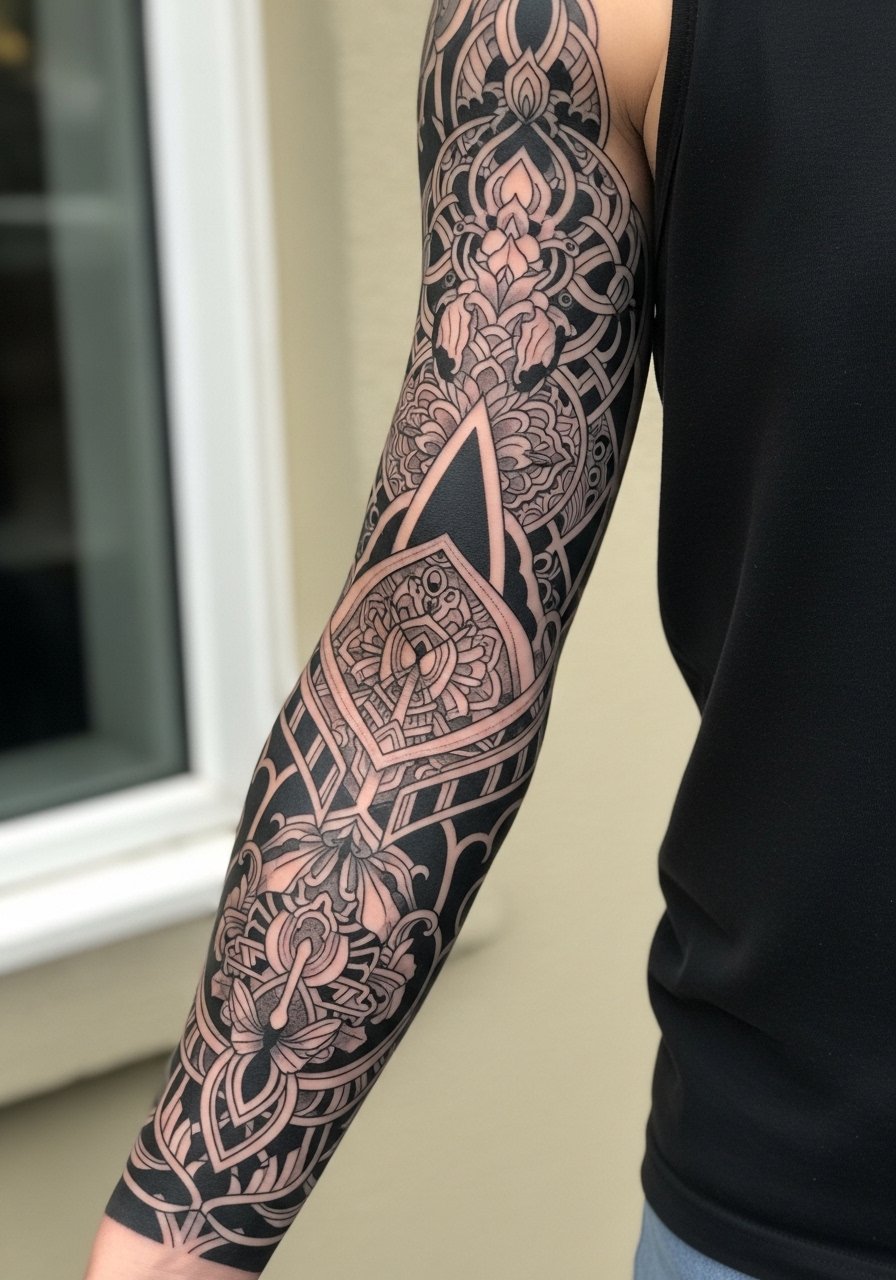
A split-sleeve lets you contrast a soft, dreamlike inner-arm scene with graphic outer-arm silhouettes. I love how artists use this to create day/night narratives—one side soft and detailed, the other bold and stark. Expect multiple sessions and varying pain zones; inner arm bites more. For aftercare, stagger sessions to avoid too much simultaneous swelling. One common slip is trying to pack too many motifs—let the composition breathe so each surreal element reads after healing. Ask artists skilled in both fine portraiture and heavy blackwork for a balanced result.
10. Mirrored Face Calf Piece
Style/Technique: Micro-Realism / Symmetrical Surreal
Pain Level: Medium (4-6/10)
Session Time: 2-4 hours
Best For: Visible vertical canvas
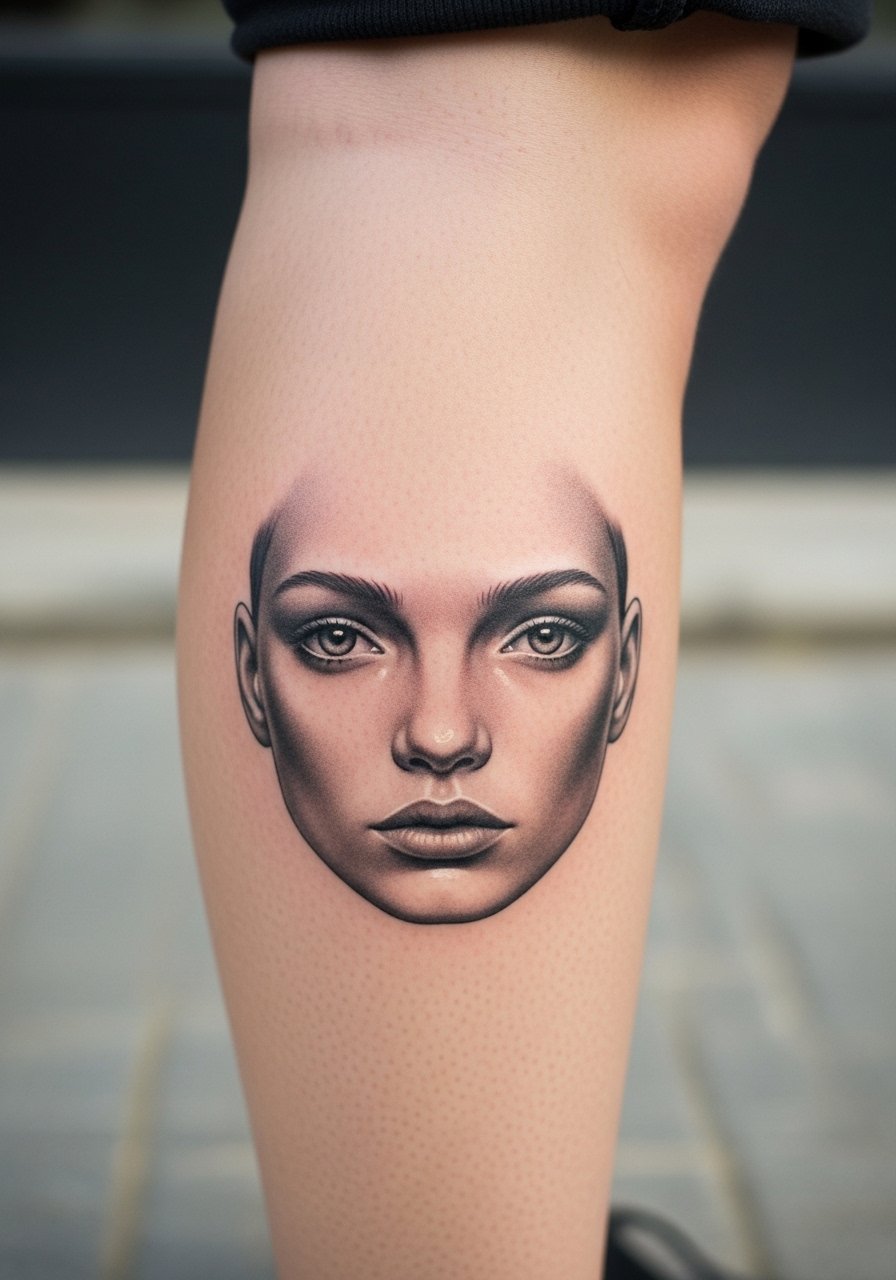
Calves are excellent for vertical surreal portraits—mirrored faces, split-mask motifs, or reflections. Pain is moderate; calves tolerate longer sessions. The extra flesh helps shading hold well, so gradation ages nicely. When healed, mirrored images can merge if linework is too fine—insist on slightly bolder separation lines. Keep compression socks off during the first 48 hours to avoid irritation. Artists who do portraiture and symmetry-focused layouts make these read properly when standing or walking.
11. Dreamlike Hand Outline On Knuckles
Style/Technique: Minimal Surreal / Linework
Pain Level: High (8/10)
Session Time: 30–90 minutes per knuckle cluster
Best For: Visible, rebellious small motifs
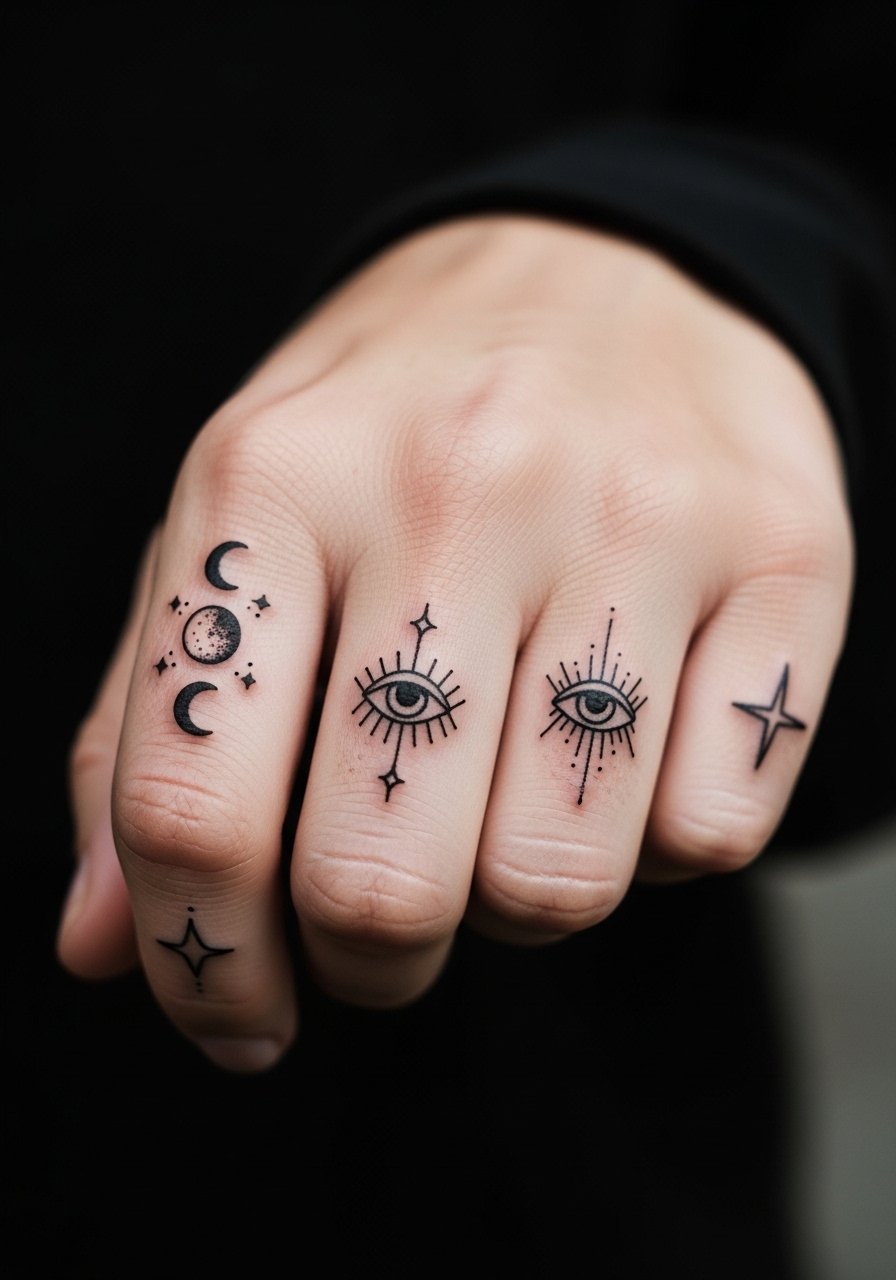
Hand tattoos look striking but they age fast—knuckles and fingers see a lot of wear. I only recommend bold, simple surreal symbols here: a single melting moon across knuckles or a tiny eye near the thumb. Pain is high and healing tricky—hands wash constantly and scab management is harder. Expect touch-ups. A frequent mistake is cramming complex detail into a tiny hand area. If you want longevity, choose bold shapes and plan for maintenance. Artists who specialize in hands can advise ink depth and line thickness to help longevity.
12. Floating Objects Shoulder Blade
Style/Technique: Illustrative Surreal / Fine Line
Pain Level: Low-Medium (3-4/10)
Session Time: 1-3 hours
Best For: Easily hidden, graceful placement
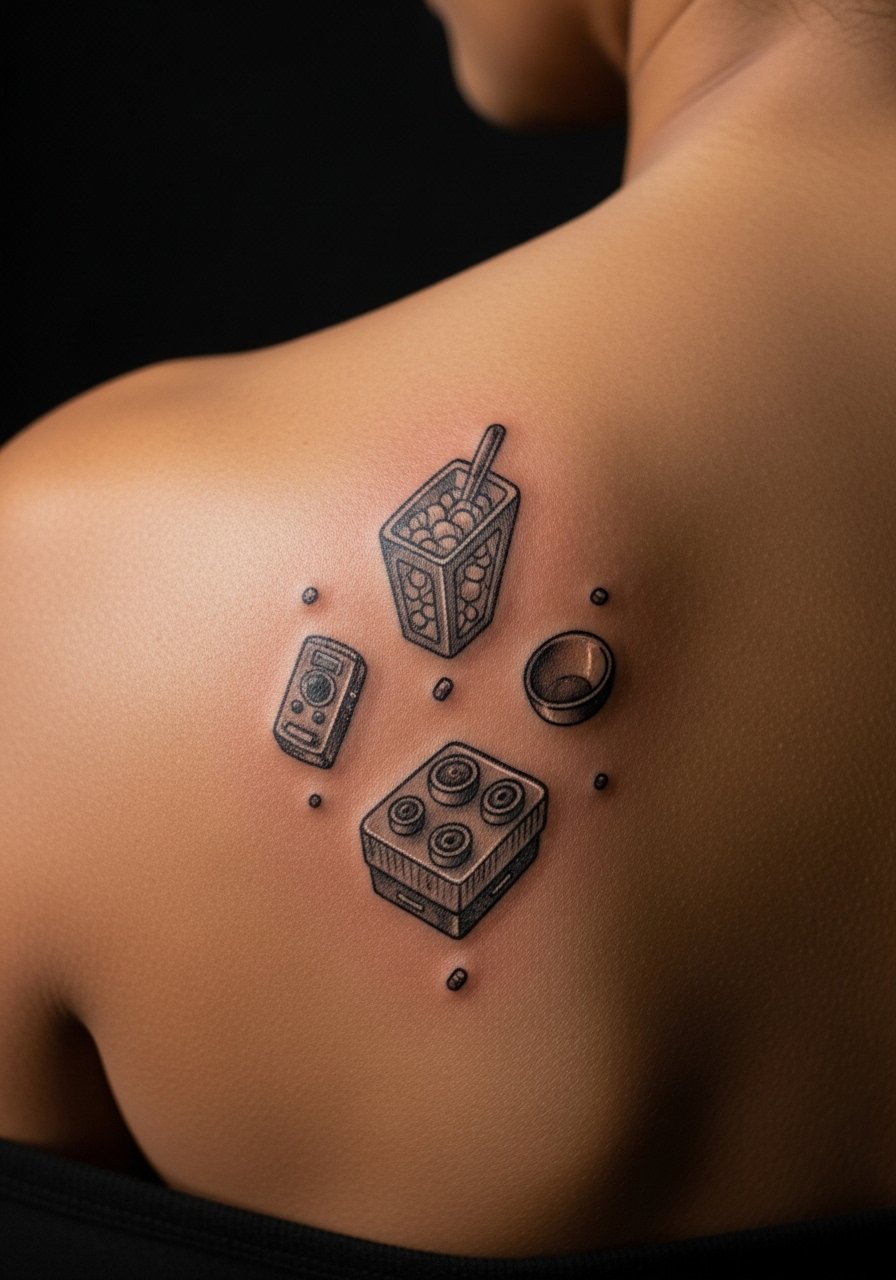
The shoulder blade is a forgiving, low-pain spot that flatters floating surreal collections—keys, tiny houses, and moons arranged like constellations. The area moves with your shoulder, so make sure the layout reads in both relaxed and raised positions. Fine lines here age decently; the skin isn’t overly stretched. Avoid too-heavy stippling directly over bone edges; it can look patchy healed. For aftercare, avoid backpack straps in the first week. Look for artists who compose with negative space so motifs feel suspended rather than jammed together.
13. Surreal Sternum-To-Stomach Flow
Style/Technique: Neo-Surreal / Organic Flow
Pain Level: High (8/10)
Session Time: Multiple sessions
Best For: Personal, flowing body art
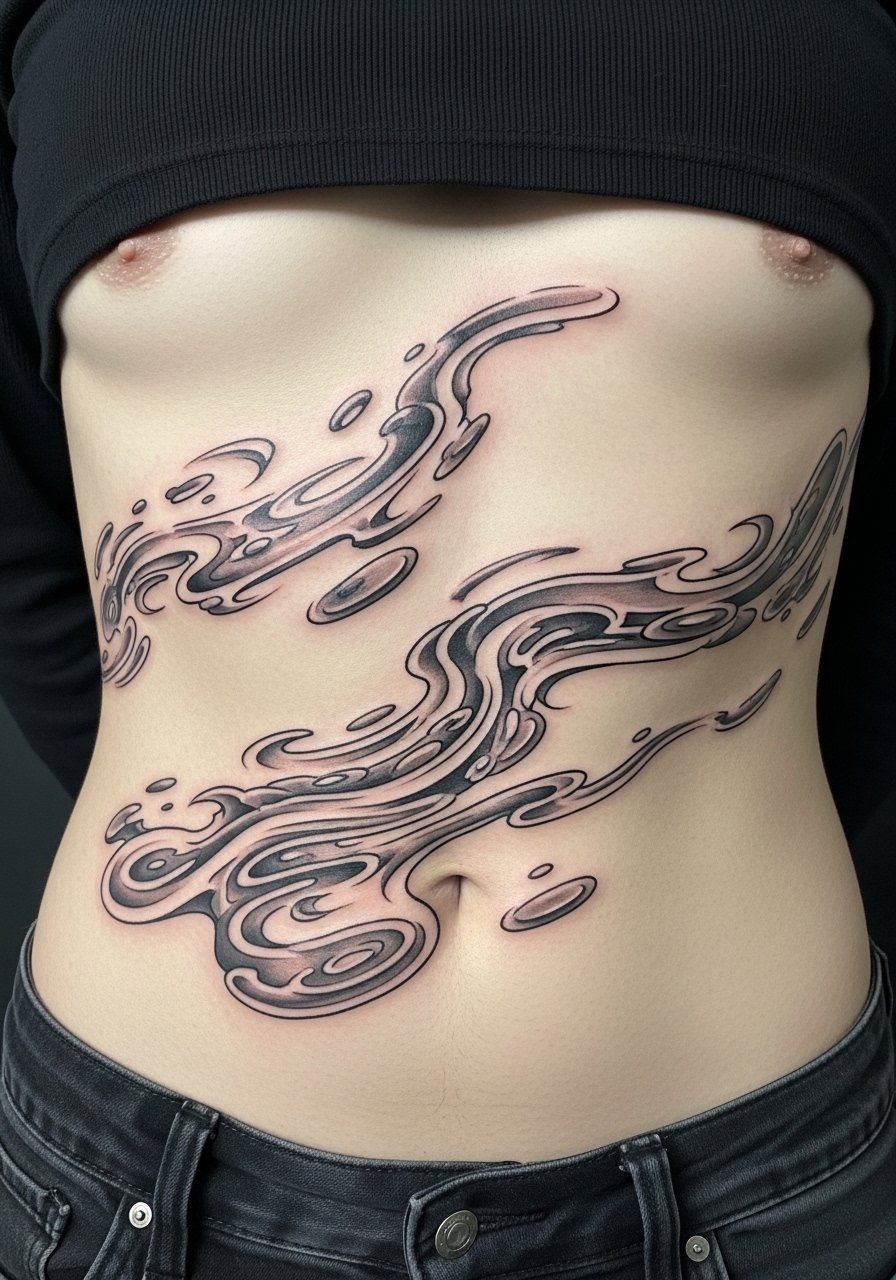
This vertical flow uses body curves to sell a dreamlike cascade—flowers melting into galaxies across the sternum and stomach. Pain varies: sternum and lower abdomen can be sharp. Because of the stretchiness of stomach skin, expect some detail movement with weight changes. In my experience, artists plan bolder anchors and softer fill to accommodate this. Tight-fitting clothing is a no-go during healing; give the area 2–3 weeks of gentle care. Avoid tiny line clusters; they tend to blur on elastic skin surfaces.
14. Collage Thigh Patchwork
Style/Technique: Mixed Media Surreal / Neo-Surreal
Pain Level: Low (2-4/10)
Session Time: Multiple smaller sessions
Best For: Mixed motifs and experimentation
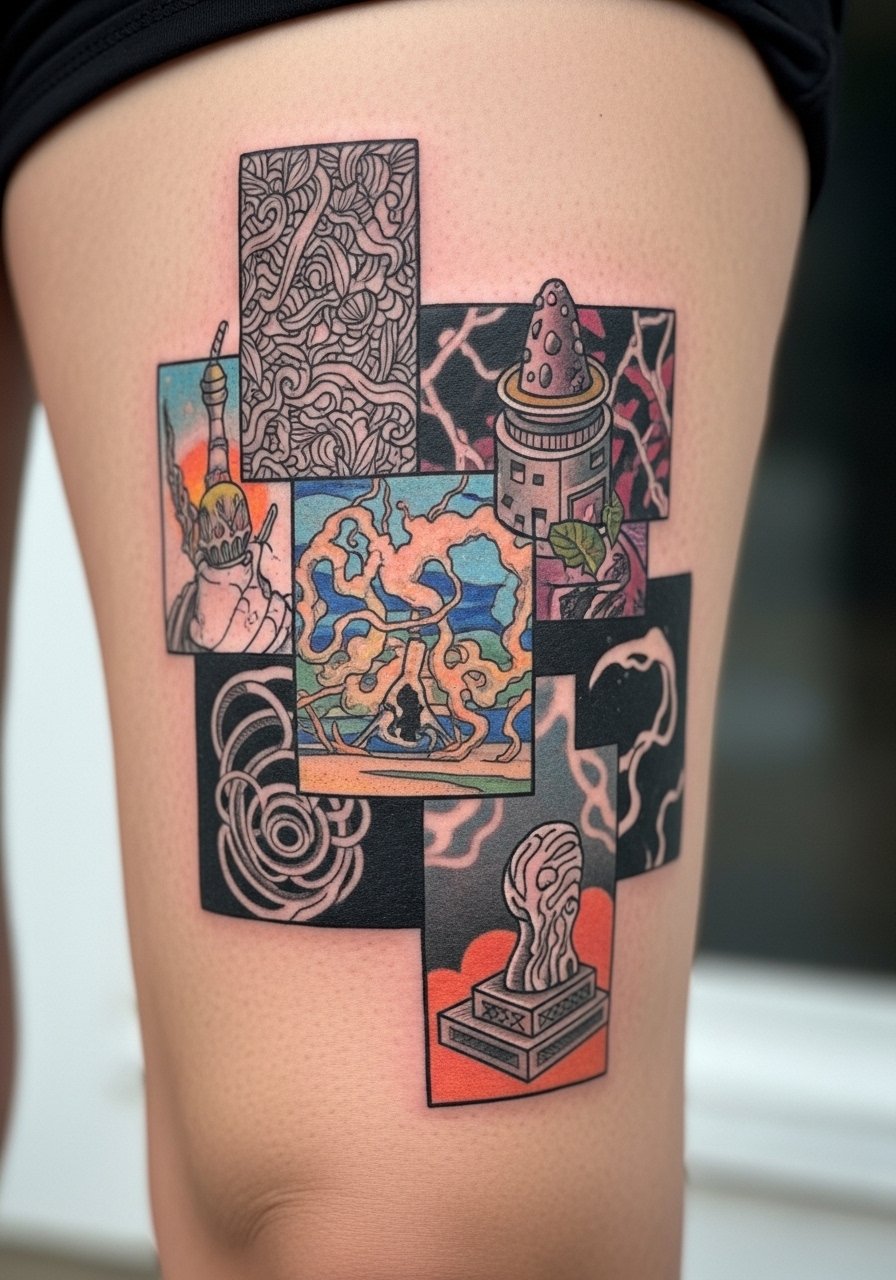
The thigh is perfect for a collage approach—stacked surreal vignettes that together tell a dream narrative. Low pain and ample surface mean you can experiment across sessions. Healed pieces keep definition well; colors hold better here than on hands or feet. Be careful mixing extremely different styles without clear separators; they can visually fight once healed. I’ve seen artists use thin negative-space bands to separate motifs and keep the overall piece legible over time.
15. Cosmic Eye Chest Panel
Style/Technique: Blackwork + Dotwork / Cosmic Surreal
Pain Level: High (7/10)
Session Time: 2-4 hours
Best For: Center-front focal surreal art
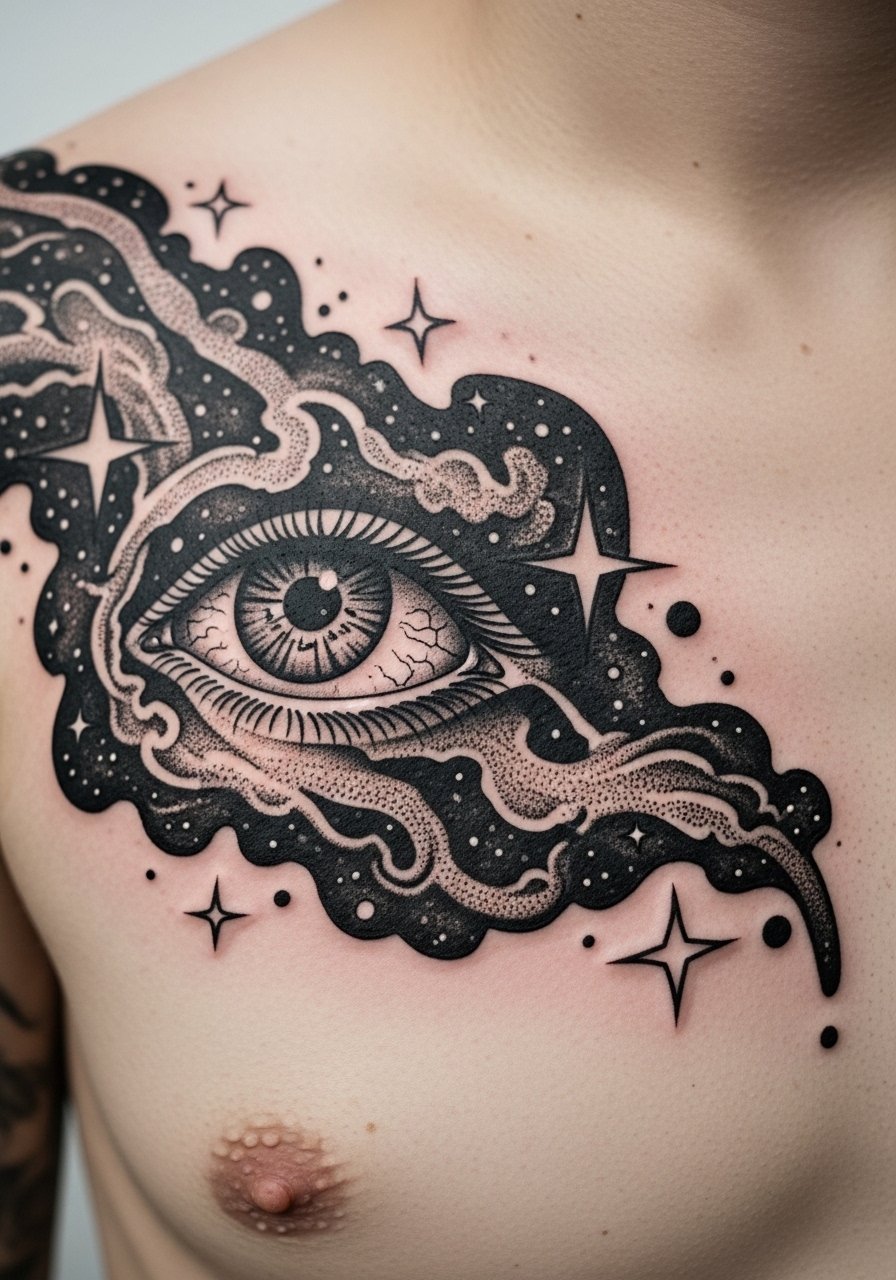
A chest eye with cosmic elements reads like a dream center. The chest can be painful near bone and sternum; expect an intense session. Heavy blacks and dotwork hold well when healed; dot gradients soften but retain texture. Watch for movement across the chest—ask the artist to preview the design with you standing and taking a breath so proportions remain balanced. Keep bandages loose the first night to avoid pressure. Artists who do sacred-geometry dotwork will make this feel otherworldly without losing clarity.
16. Surreal Palm Micro Motif
Style/Technique: Minimal Surreal / Bold Lines
Pain Level: Very High (9/10)
Session Time: Short sessions, touch-ups likely
Best For: Highly visible, ephemeral motifs
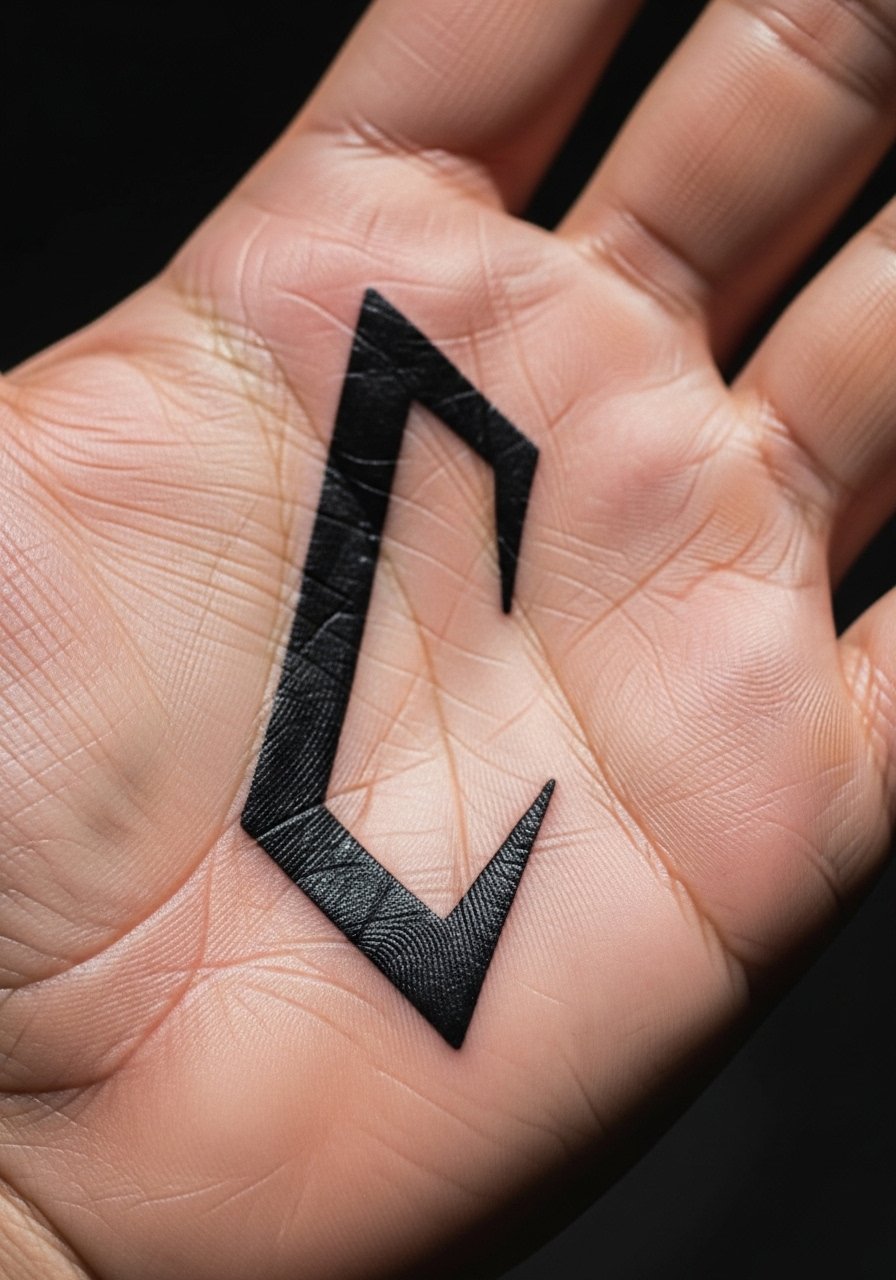
Palm tattoos are notorious for rapid fading due to constant wear and skin regeneration. If you want a trippy palm symbol—like a tiny portal or simplified eye—keep it extremely bold. Pain is intense. Expect frequent touch-ups; in my experience many artists caution clients that palms act almost like temporary pieces. Consider the palm only if you accept recurring sessions and a very lived-in look.
17. Dream Corridor Backpiece
Style/Technique: Large-Scale Surreal / Mixed Techniques
Pain Level: Medium-High (5-8/10) depending on area
Session Time: Multiple long sessions
Best For: Large narrative dreamscapes
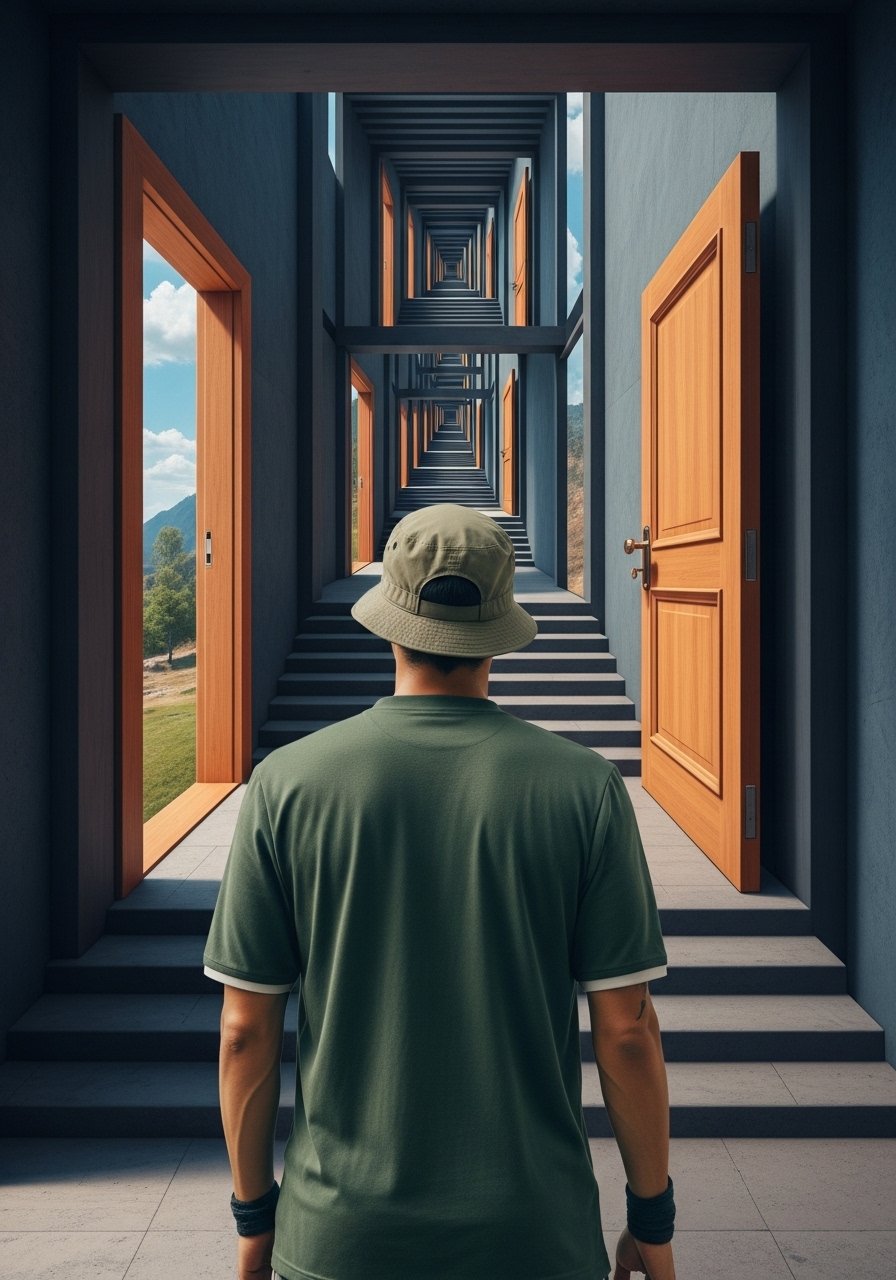
A backpiece lets you build an immersive dream corridor—hallways, floating staircases, doors to miniature worlds. Sessions vary by area; the lower back is fleshier and less painful than spine and shoulder blades. Expect months to complete and schedule healing time between sessions. Backpieces age well if anchored with strong contrast; washed-out midtones are the most common aging issue. Don’t cram literal detail across the whole back—let focal points breathe. Artists who do large narrative pieces will plan negative space to preserve the story over time.
18. Surreal Ear Cuff Micro Art
Style/Technique: Minimal Surreal / Micro-Line
Pain Level: Medium-High (6/10)
Session Time: 30–60 minutes
Best For: Tiny visible accents
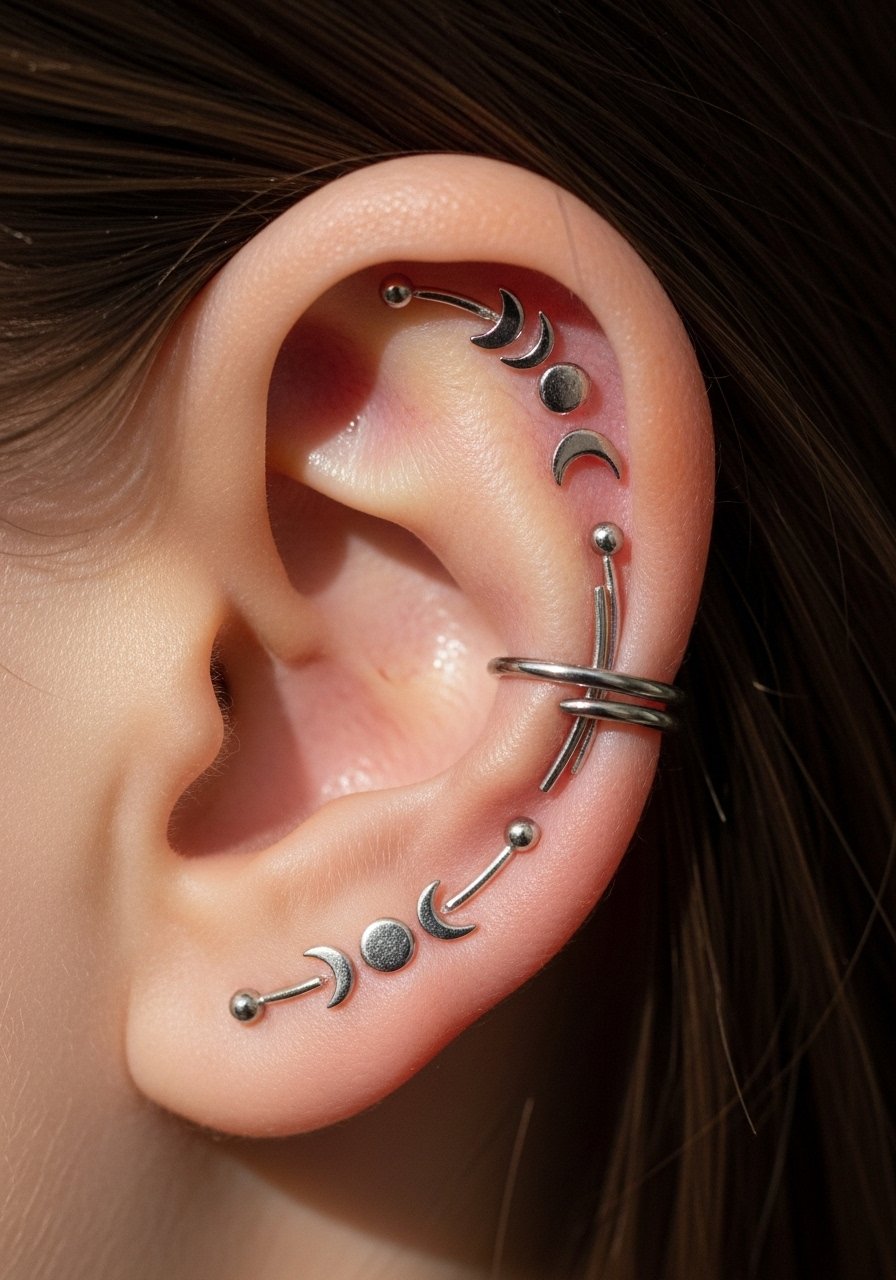
Ear tattoos hug cartilage and look like living jewelry. Small surreal crescents or tiny faces can be very effective. Cartilage is sharp to tattoo—expect higher pain and longer healing. Tiny lines tend to slightly blur; ask for compact, slightly thicker key lines. Avoid over-detail; the ear contours will alter how the design reads when you move your head. Artists experienced in ear placements understand how to size work to last.
19. Surreal Pocket Watch on Wrist
Style/Technique: Neo-Surreal / Illustrative
Pain Level: Medium (5/10)
Session Time: 1-2 hours
Best For: Wrist visibility and personal symbolism
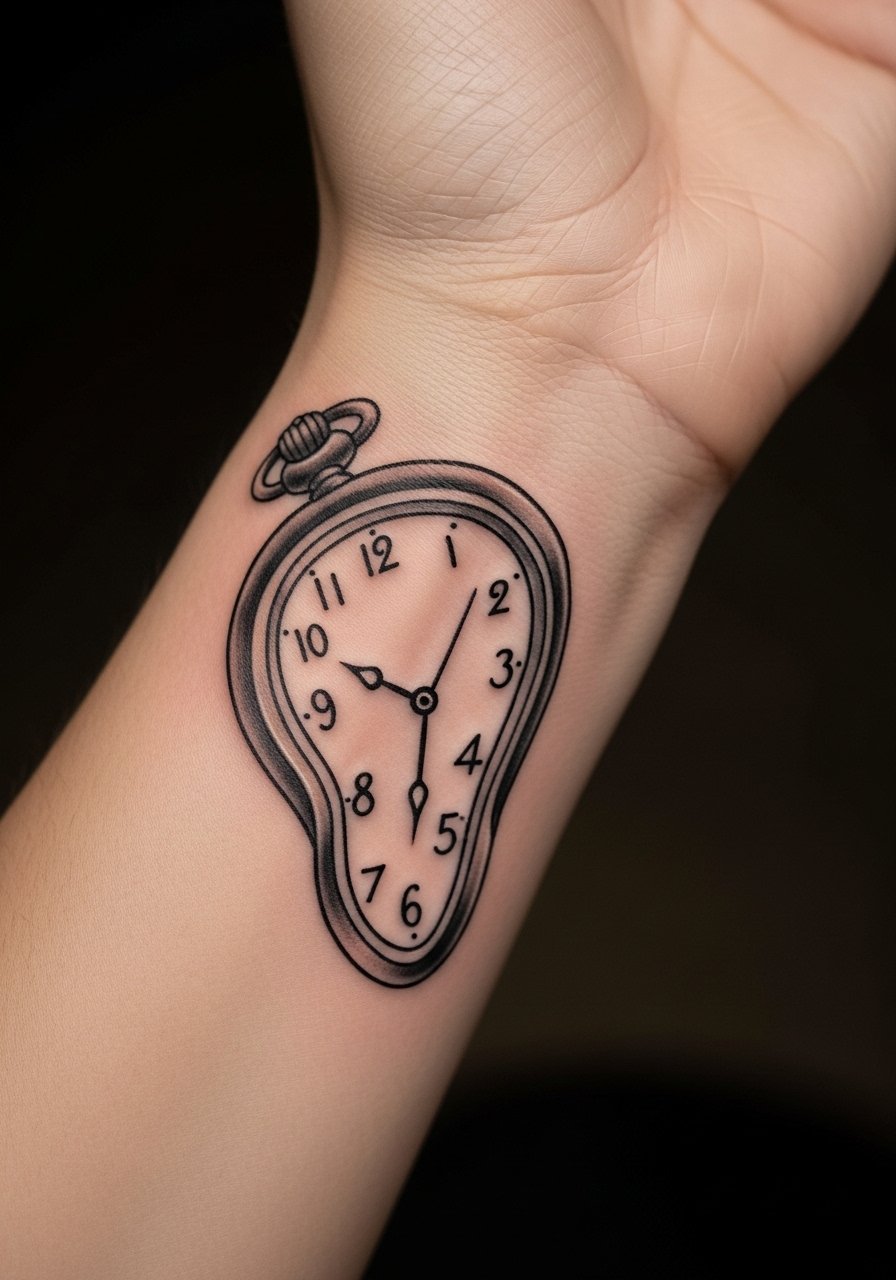
The wrist reads personal and intimate—surreal pockets watches, clocks, or warped time motifs feel like a wearable thought. Pain is moderate; thin skin and bone make this sting a bit. Healed lines can blur with constant movement, so ask for slightly bolder outlines and simple shading to retain the essence. Daily application of sunscreen once healed will help maintain contrast, as wrists are often exposed.
20. Floating Architecture Upper Back
Style/Technique: Micro-Realism / Architectural Surreal
Pain Level: Medium (4-6/10)
Session Time: 2-5 hours
Best For: Structured surreal cityscapes
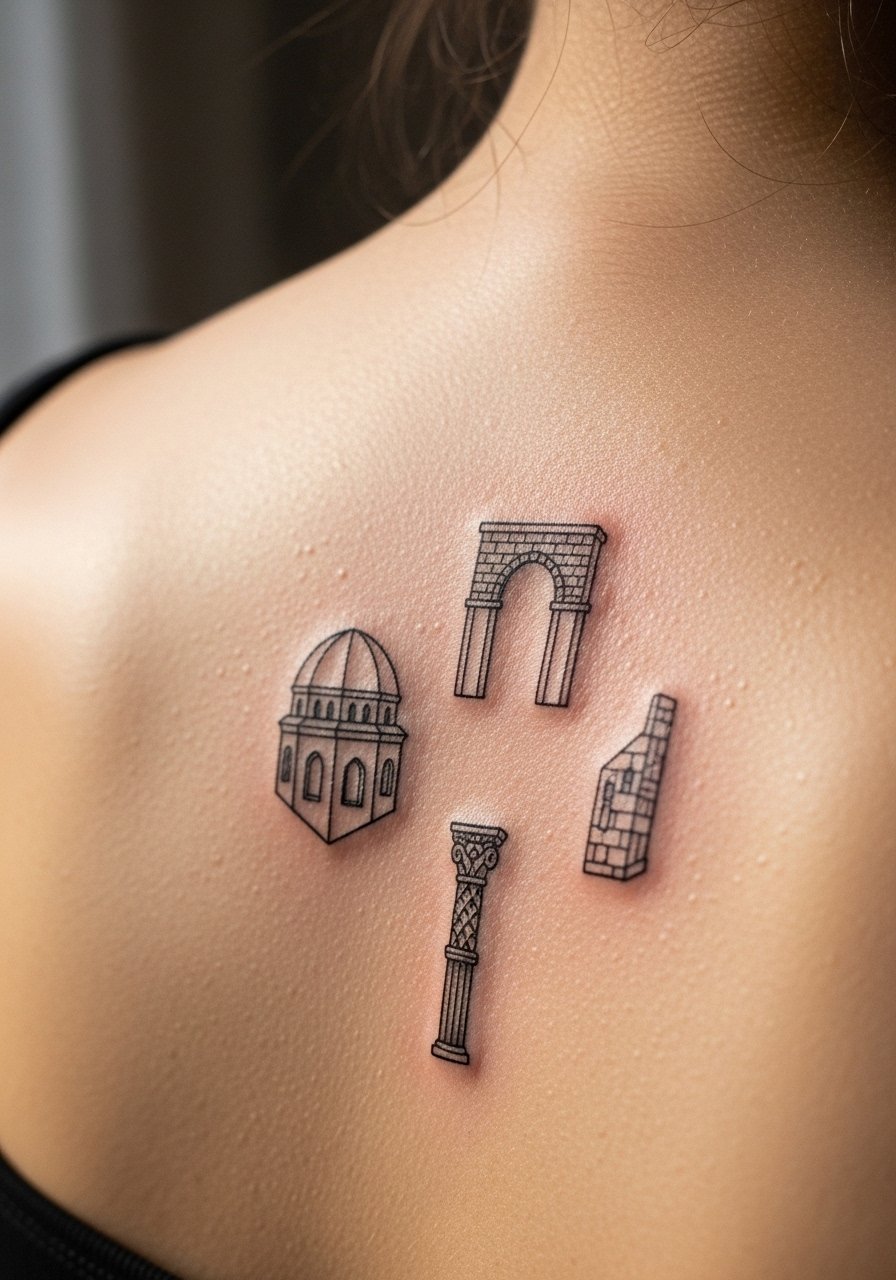
Upper back tattoos give designers room for architectural surrealism—tiny floating houses, bridges that don’t connect. This area tolerates detail well and ages predictably. Pain is moderate; avoid the spine area if you want less discomfort. Artists often pair crisp architecture lines with dotwork skies; that combo reads beautifully even after several years. Keep tops loose while healing and moisturize to prevent scabby texture in the lines.
21. Surreal Collarbone To Shoulder Transition
Style/Technique: Linework + Color Accent / Dream Motif
Pain Level: High (7/10) across the collarbone
Session Time: 1-3 hours
Best For: Visible shoulder-flowing pieces
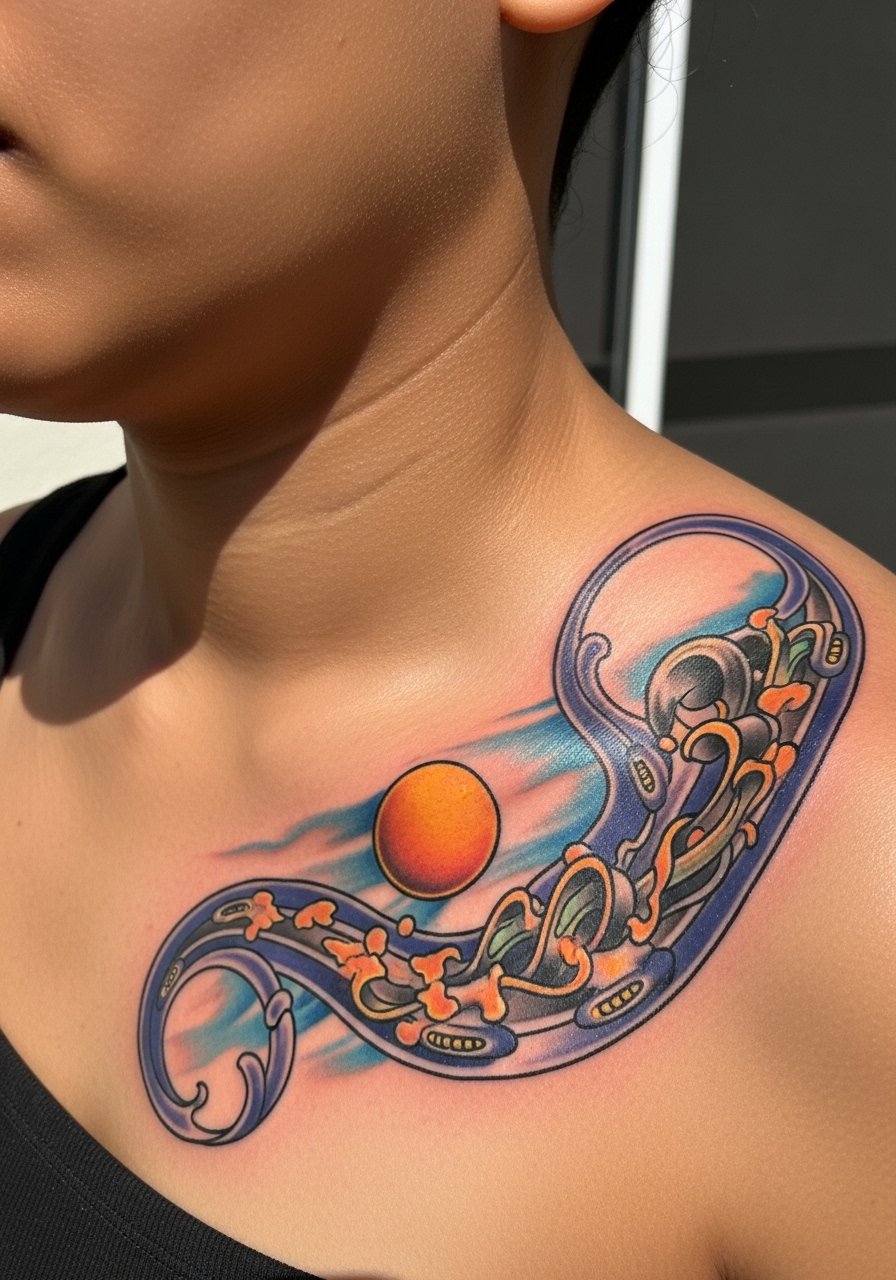
Flowing designs from collarbone to shoulder look like jewelry from a dream. The collarbone is sharp and painful, while the shoulder pad is easy. For longevity, use bold anchors over the bone and finer detailing on the shoulder. In my experience, artists suggest color anchors to keep the composition readable as lines soften; small color accents tend to hold if saturated properly. Watch for friction from straps during early healing.
22. Surreal Finger Tip Symbols
Style/Technique: Minimal Surreal / Bold Simple Shapes
Pain Level: Very High (9/10)
Session Time: Very short per finger, touch-ups likely
Best For: Tiny, high-visibility statements
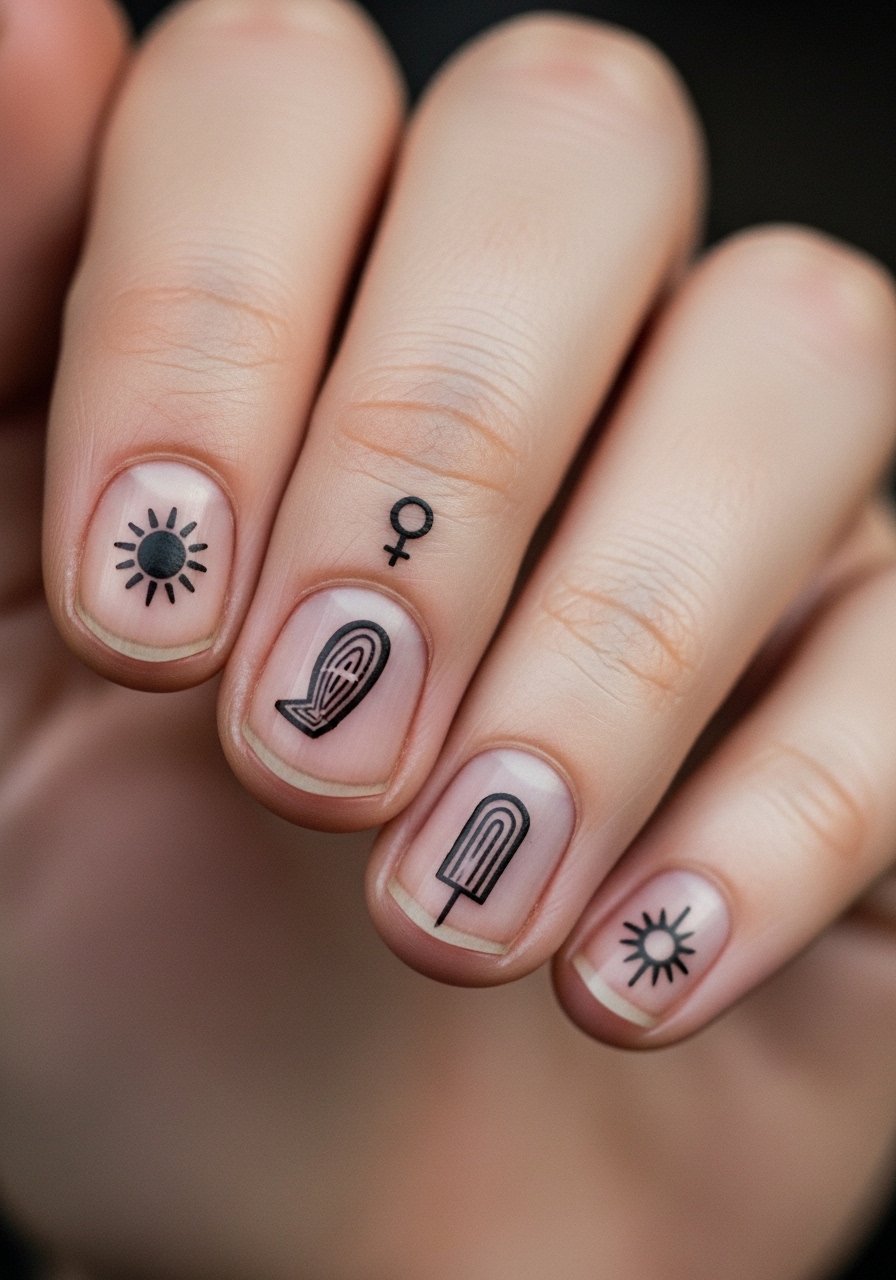
Fingertip tattoos are extremely visible but ephemeral. The skin regenerates quickly and these spots require revisits. Pain is intense and healing is tricky since you use your hands constantly. Keep designs extremely simple and accept that they may blur or lighten significantly. Artists sometimes recommend micro-black saturation and fewer tiny lines to help longevity.
23. Surreal Flowing Calf Band
Style/Technique: Blackwork Band / Organic Surreal
Pain Level: Low-Medium (3-5/10)
Session Time: 1-2 hours
Best For: Wrap-around surreal motifs
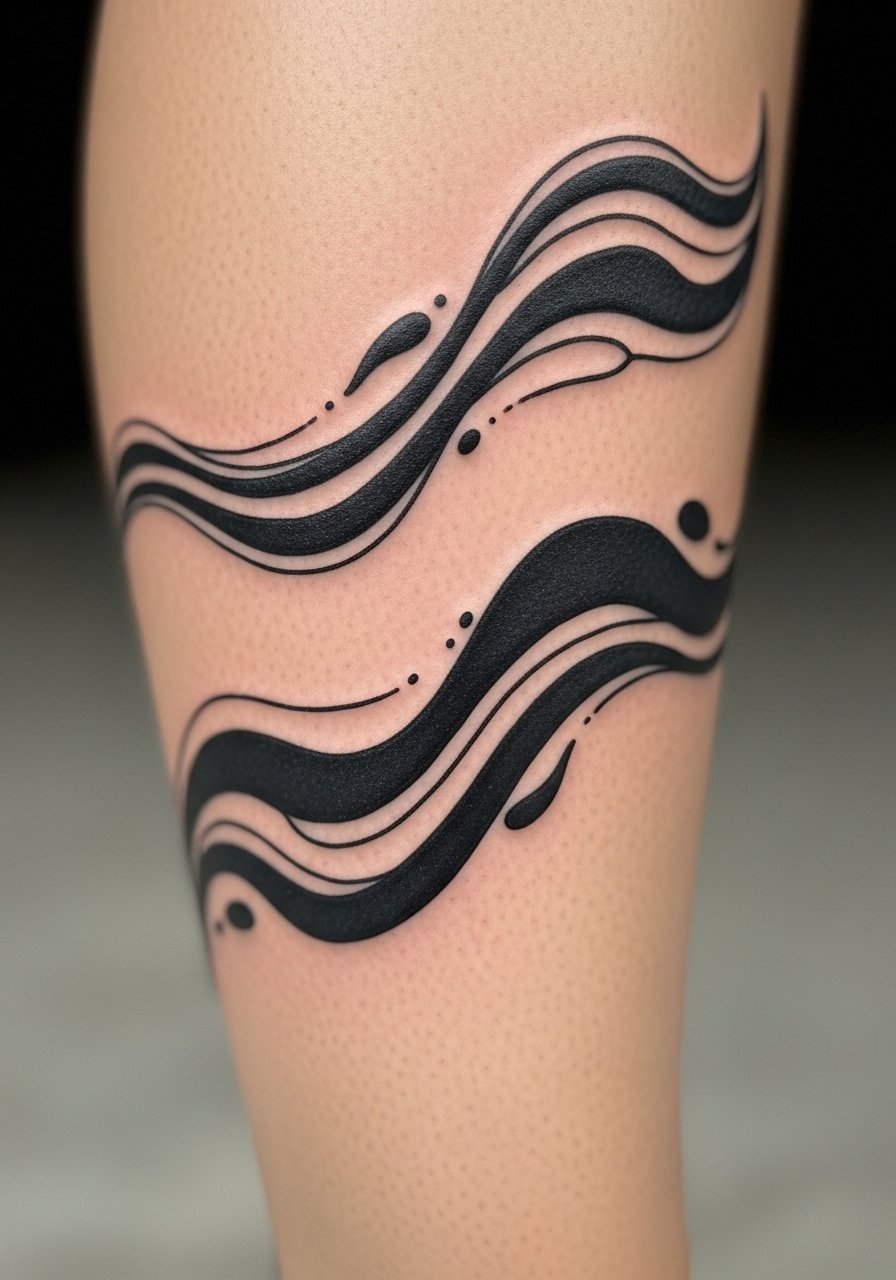
A calf band that uses negative space to suggest movement feels trippy in motion—think floating ribbons or ribbons turning into birds. Calf tissue holds ink well; shading ages attractively. The band format helps anchor the composition so motion doesn’t ruin the visual. Avoid micro-line detail near the back of the leg where wear can blur thin strokes. Ask for bold anchors to maintain shape as you move.
24. Surreal Micro Realism on Ankle
Style/Technique: Micro-Realism / Tiny Surreal Scene
Pain Level: High (7/10)
Session Time: 1–2 hours
Best For: Small visible artworks
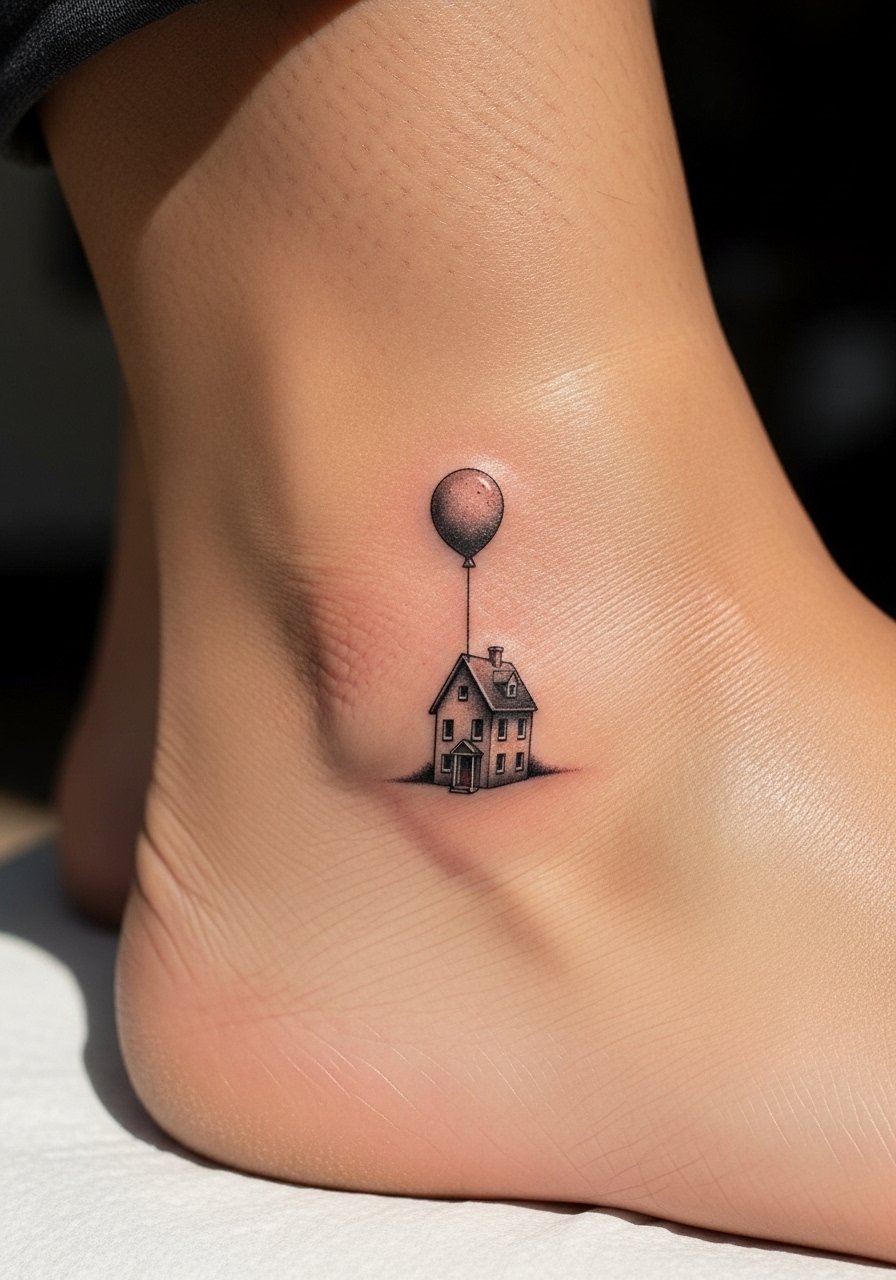
Ankle tattoos are prone to movement and friction from socks and shoes. Tiny realistic surreal scenes can work if kept minimal and with bold primary lines. Pain hits near bone but is short-lived. Keep footwear loose during early healing and expect touch-ups because of skin abrasion in that area. Artists who show healed ankle work are best to consult.
25. Surreal Neck Nape Mural
Style/Technique: Illustrative Surreal / Flowing Motifs
Pain Level: Medium-High (6-8/10)
Session Time: 1-3 hours
Best For: Flirtatious visibility when hair is up
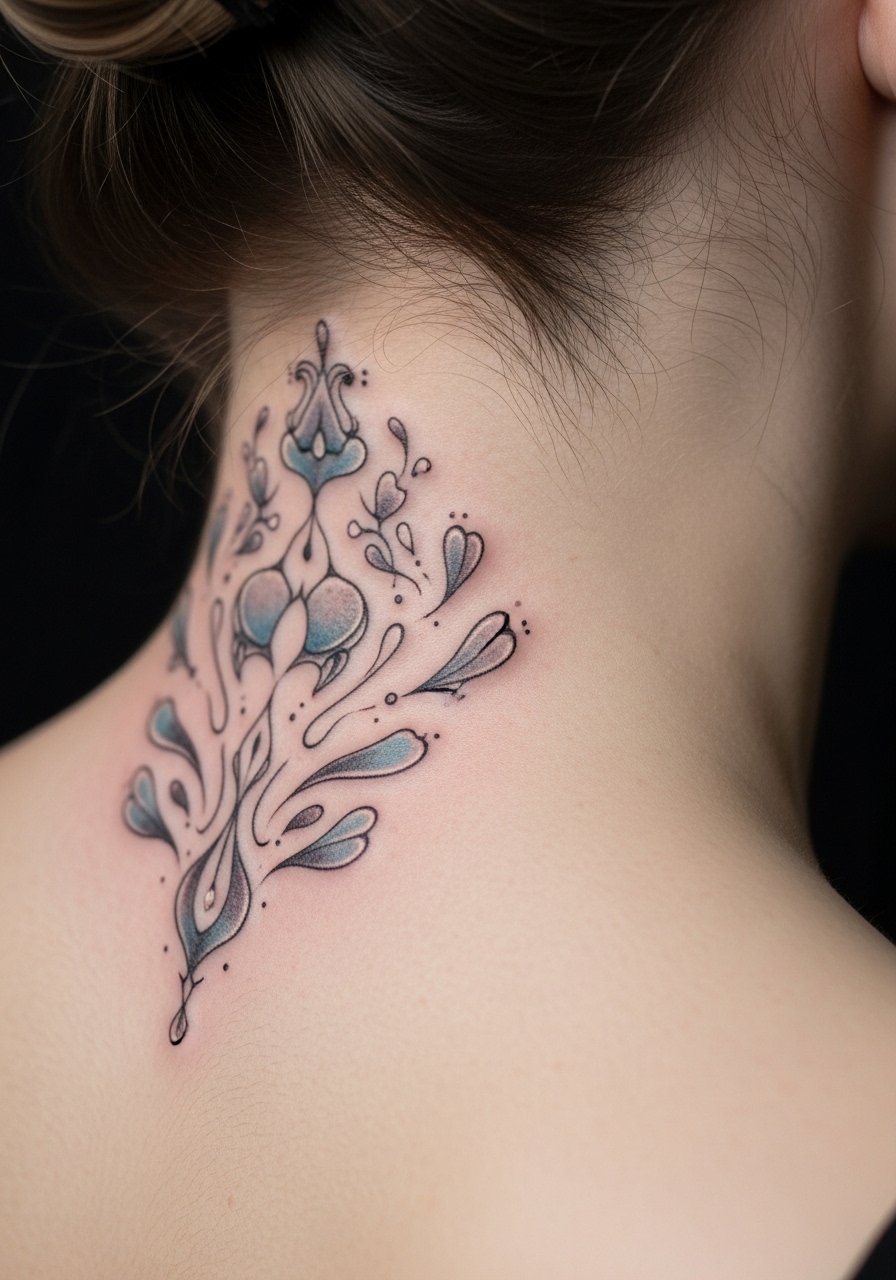
Nape pieces peek out from hair and feel intimate. Pain is variable—closer to the skull is more sensitive. Designs that mirror the hairline or form a subtle crown age well with less direct sun exposure. Keep hair clean and avoid hair products on the fresh tattoo to prevent irritation. Artists skilled in small murals will map the design to hair growth patterns to maintain the visual effect.
26. Surreal Eye In Palmistry Style On Forearm
Style/Technique: Linework + Dotwork / Esoteric Surreal
Pain Level: Medium (4-6/10)
Session Time: 1-2 hours
Best For: Symbolic forearm placement
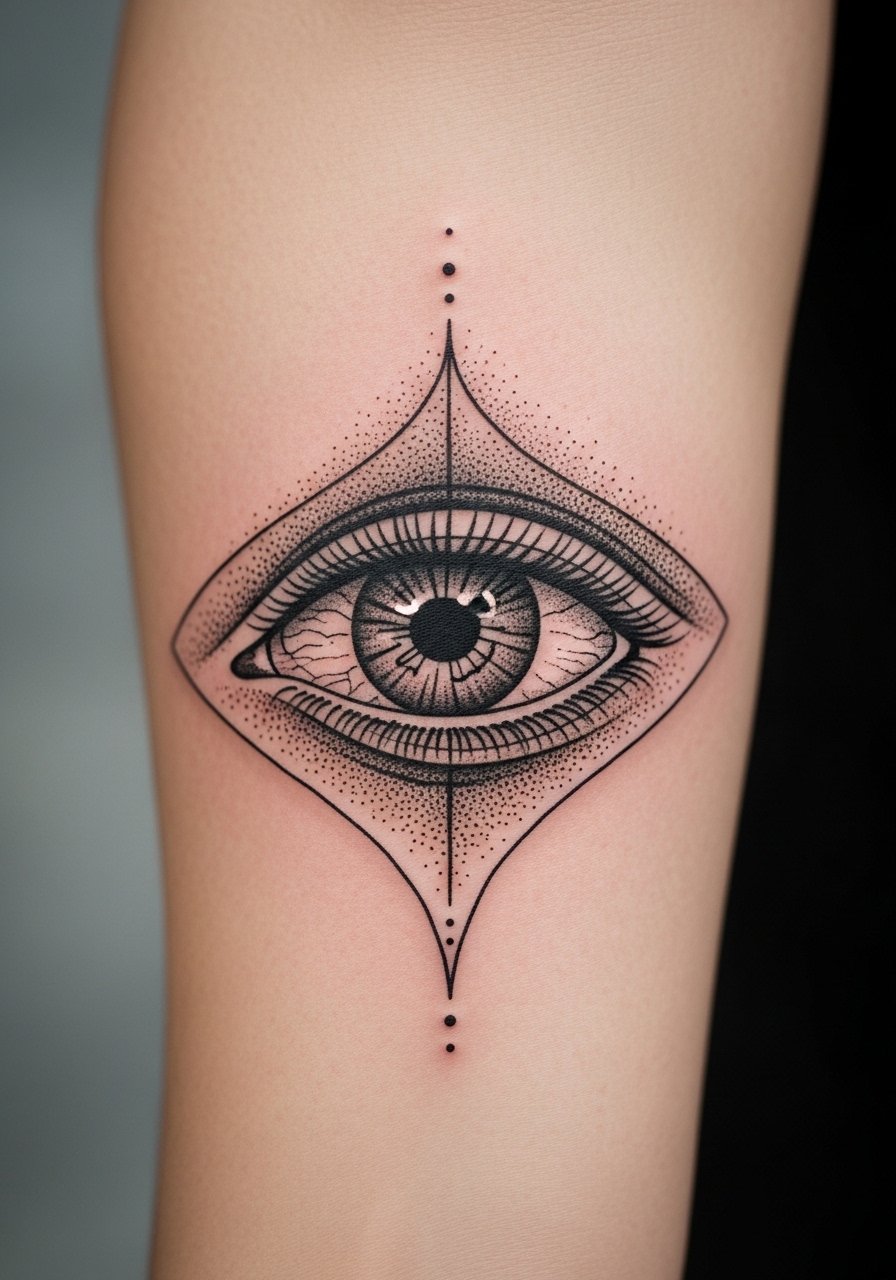
This forearm placement reads like a modern talisman—an eye with palmistry lines and small surreal elements. Forearms hold ink well and are visible without being extreme. Pain is moderate. Dotwork tends to soften, but when balanced with strong lines it retains texture. Avoid too-dense dotfields that can look muddy when healed. Ask an artist experienced in esoteric symbolism to maintain readability.
27. Surreal Minimalist Ankle Band
Style/Technique: Minimal Surreal / Clean Line Band
Pain Level: Medium (5/10)
Session Time: 1 hour
Best For: Subtle surreal accent
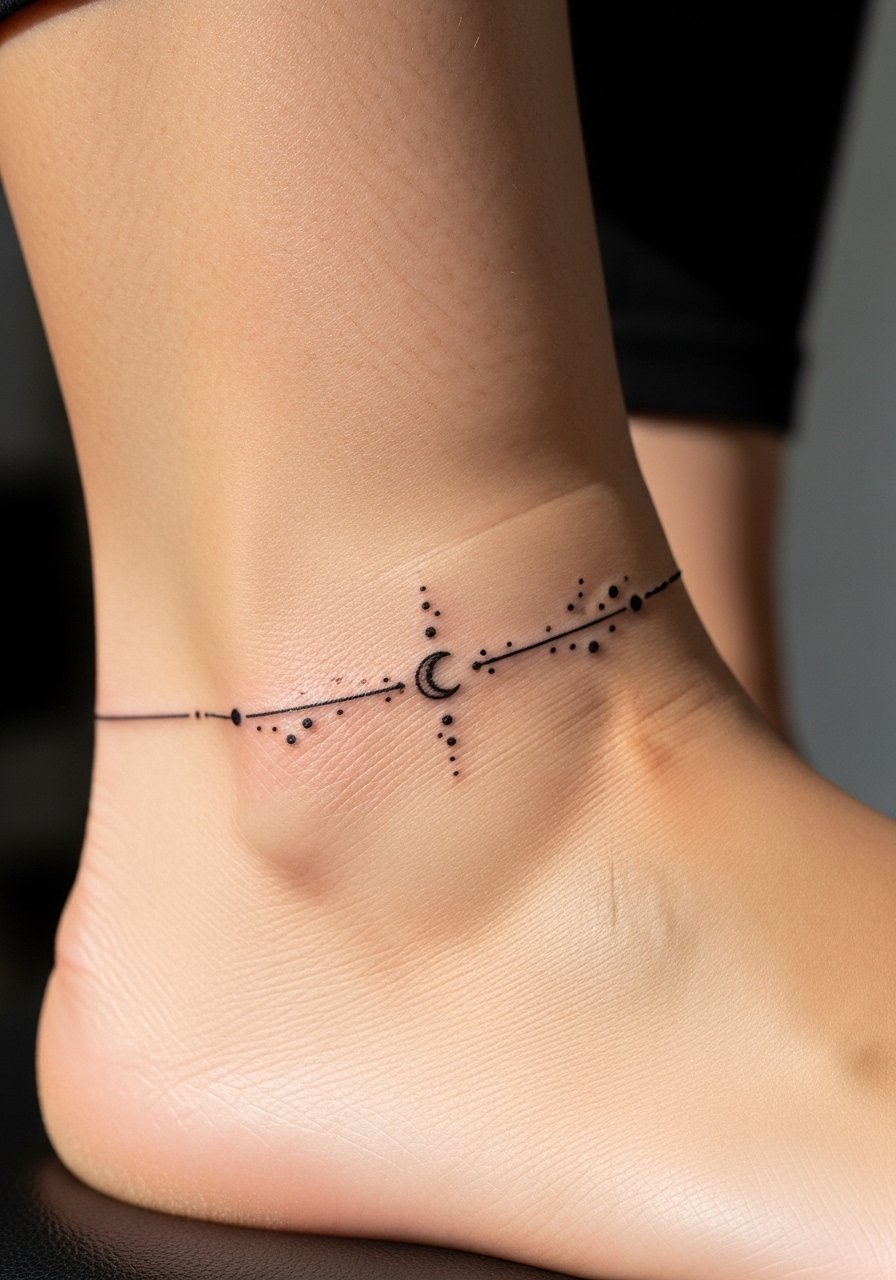
Ankle bands give a subtle, dreamlike hint without dominating your look. Keep lines a little bolder than you might expect because ankle lines can blur with time. Pain is brief but sharp around the bone. For durability, request slightly thicker anchors and ask to see healed band examples. Bands that include negative space or small motifs hold character as they age.
Tattoo Prep and Aftercare Essentials
Aftercare Essentials:
- Aquaphor Healing Ointment, 14oz tube — Industry standard first 3–5 days
- Saniderm Transparent Adhesive Bandage, 6-inch roll — Second-skin method some artists prefer
- CeraVe Fragrance-Free Moisturizing Lotion, 16oz — For days 4–14 healing
- Dr. Bronner's Unscented Castile Soap, 32oz — Gentle cleaning
Before Your Appointment:
- Tattoo Numbing Cream 5% Lidocaine (30g) — Use only after artist approval
- Tattoo Stencil Transfer Paper 8.5×11 — If you’re prepping designs at home
Long-Term Maintenance:
- SPF 50 Sunscreen Stick for Tattoos — Non-negotiable for color retention
- Mad Rabbit Tattoo Balm, 2oz — Popular long-term moisturizer
- Hustle Butter Deluxe, 4oz — Vegan aftercare option
Optional Comfort & Repair:
- Tattoo Numbing Spray (Topical) — For touch-ups or sensitive areas
- Hydrocolloid Bandages (Large) — Alternative to Saniderm for small spots
From conversations with artists and from my own healing, Aquaphor and Saniderm come up most often—Aquaphor for the first few days if you’re not using a second-skin method, Saniderm for sealed healing. For long-term vibrancy, sunscreen and regular lightweight moisturizing are the habits I always follow.
Frequently Asked Questions
Q: How bad does a tattoo actually hurt?
A: Pain depends on placement and tolerance. Outer arm/thigh = lower (2–4/10). Sternum, ribs, hands, and feet = much higher (7–9/10). It’s more of a sharp-scratch or burning sensation than something you can’t handle. For sensitive spots ask about numbing cream 5% lidocaine—it helps but doesn’t remove everything.
Q: How long before a tattoo looks normal again?
A: Surface healing usually 2–3 weeks. Full settling takes 2–3 months. The first week is the most critical—clean gently with mild soap like Dr. Bronner's Unscented Castile Soap and follow your artist’s instructions. Expect peeling around day 3–7; don’t pick.
Q: Will surreal fine lines blur faster than bold designs?
A: From what I’ve seen, very fine lines tend to soften more quickly than bold work. If you want a delicate surreal look, ask the artist to thicken main contours slightly and rely on negative space for detail so the piece stays readable when healed.
Q: How do I keep colors from fading?
A: Sunscreen is essential. I use an SPF 50 sunscreen stick on visible pieces daily. Also keep skin moisturized with a fragrance-free lotion—such as CeraVe—to maintain skin health and color vibrancy.
Q: What if I don’t like my tattoo after it heals?
A: Give it time—ink looks different when swollen vs. fully healed. If regret persists, consult an artist about cover-up options or removal; both require thoughtful planning. I usually recommend sitting with a design for months before committing to very visible placements.
Q: Can I work out after getting tattooed?
A: Wait at least 48–72 hours before strenuous workouts, longer for sweat-heavy sessions. Sweating can harbor bacteria and disturb scab formation. For spots that flex a lot (elbow, knee), give it a week or more before intense movement.
Q: Which aftercare products do artists actually recommend vs. hype?
A: In my experience, most artists consistently recommend either the Saniderm method or Aquaphor for the first few days, then a gentle lotion like CeraVe as the skin peels. Mad Rabbit and Hustle Butter are commonly suggested for long-term moisturization rather than aggressive marketing claims.