St Patrick’s Day family tattoos are a sweet way to mark heritage, togetherness, and shared memories—without going over the top. The best designs feel personal, stay readable for years, and work for different comfort levels in your family. Below are meaningful ideas you can adapt for siblings, parents, kids (as matching symbols, not identical placements), and even chosen family. Each one includes simple ways to keep it affordable, plus DIY steps you can do at home before you ever book an appointment.
1) Tiny Shamrock Trio for Three Generations

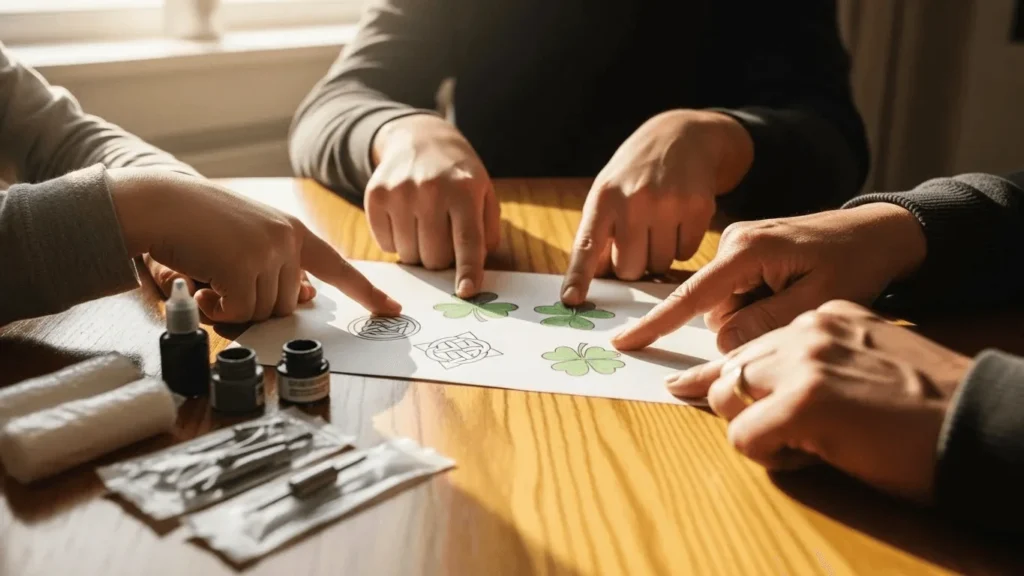
A tiny shamrock trio works when you want matching energy without matching placement. Pick one clean outline shamrock and keep the lines bold enough to heal well. Each person can place it where they feel comfortable—wrist, ankle, behind the ear, or inner arm. That flexibility helps family members with different jobs, ages, or comfort levels still feel included. To make it more meaningful, let each shamrock have a small twist: a dot, a tiny heart-shaped leaf, or a slightly different stem curve. It still reads as one set. Budget tip: choose a simple black line design with no shading. Those cost less and heal faster. DIY idea: print the shamrock at 3 sizes and tape them to your skin for a day. Take photos in natural light and choose the size that stays clear from arm’s length. If someone is nervous, start with a temporary version for a week. It turns the decision into a calm family moment instead of a rushed choice.
2) Celtic Knot Heart for “We’re Tied Together”
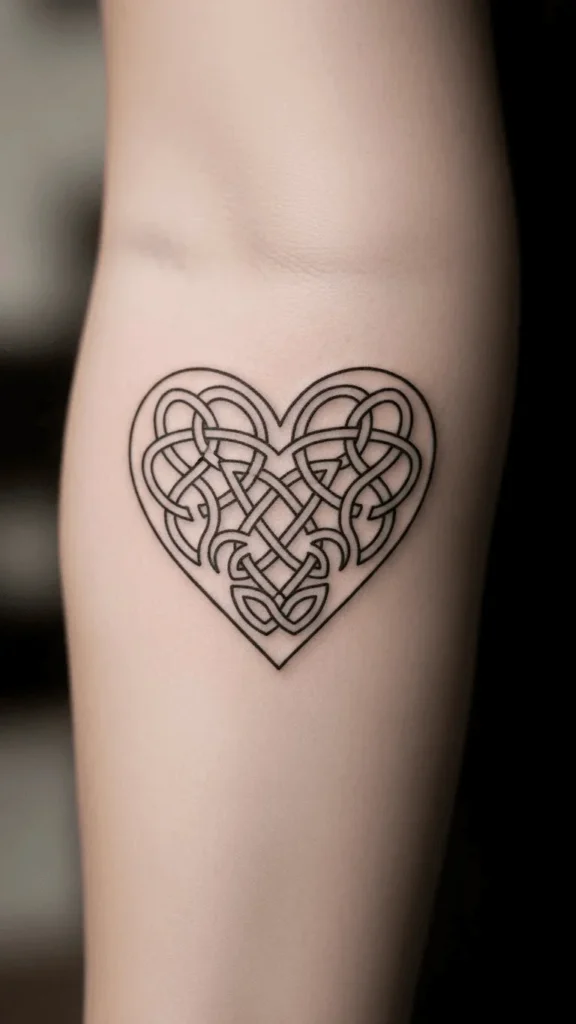
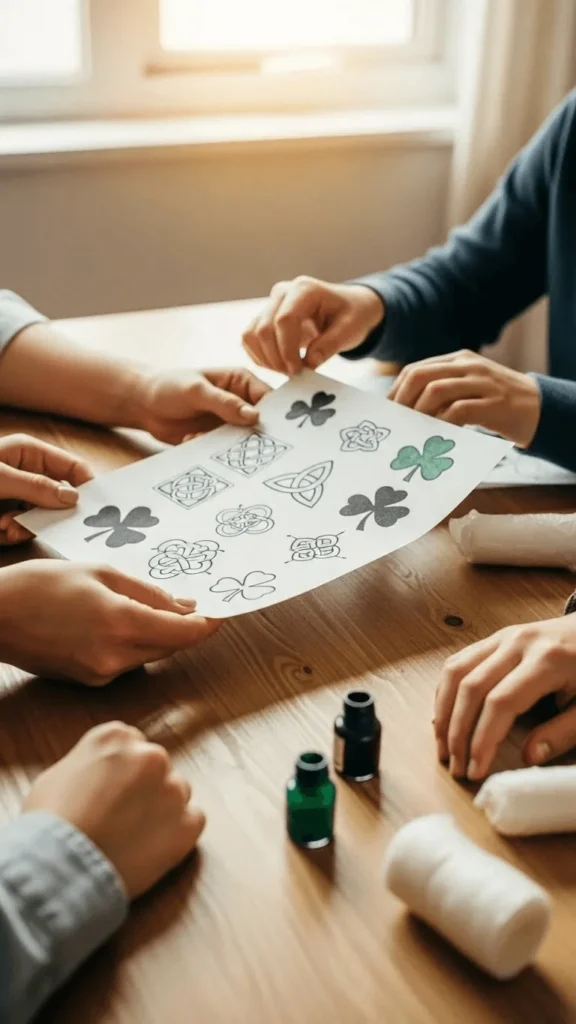
A Celtic knot heart says “family bond” without needing names. The continuous line feel fits St Patrick’s Day perfectly and also works year-round. Keep the knot simple—too many loops can blur as it heals, especially if it’s tiny. Aim for a size about the width of two fingers so the negative space stays open. You can match the same heart knot across the family, or keep the heart shape the same while letting each person pick a different knot pattern inside. Budget tip: skip micro-details and ask for thicker lines. It’s faster for the artist and often cheaper. DIY idea: grab a black pen and draw the knot heart on tracing paper, then rub it onto skin using a little lotion to preview placement. For families, turn it into a mini “design night.” Everyone votes on the cleanest version. If you want extra meaning, choose a knot with three loops to nod to the holiday without going cartoonish.
3) Claddagh-Inspired Hands Without the Crown
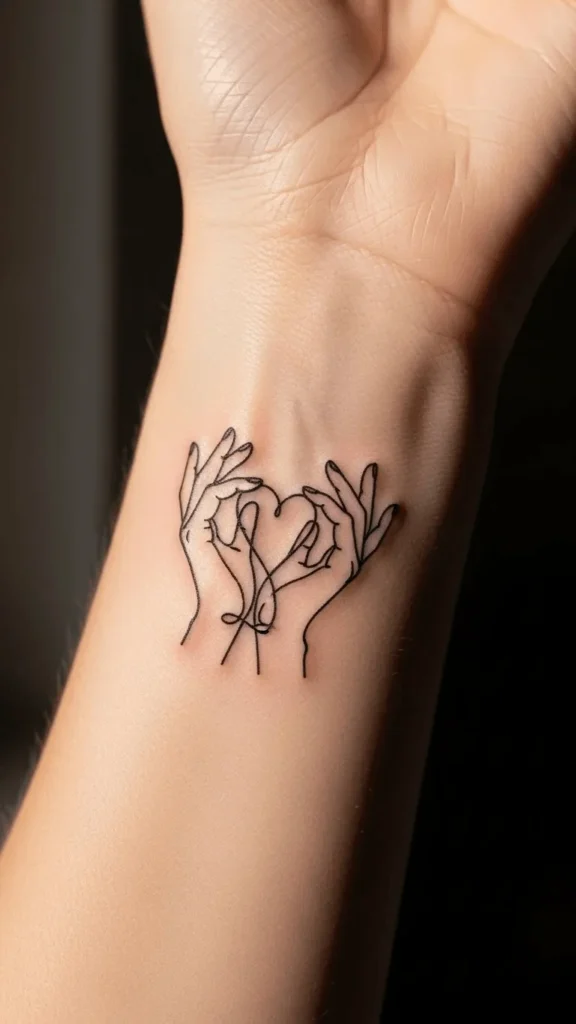
The Claddagh is classic, but you can make it more family-focused by simplifying it. Use two hands holding a heart, and skip the crown so it feels less like jewelry and more like a shared symbol. This design works well for parents and adult kids because it stays mature and clean. Keep the hands stylized, not super realistic, so it doesn’t turn into a long, expensive session. Budget tip: choose a single-line style with minimal shading. DIY idea: take a photo of two family members holding hands or holding a small heart-shaped object. Use that pose as inspiration for a simple outline. Your artist can translate it into clean lines. If you want matching but not identical, each person can have the hands angled differently—like a little “family photo” in tattoo form. It also looks great as a small forearm piece or near the collarbone.
4) Three-Leaf Clover Made From Fingerprints

This one is deeply personal: each leaf of the clover represents a family member through a fingerprint swirl pattern. It feels like you’re literally carrying part of each other. To keep it readable, don’t use real fingerprint detail lines exactly as-is. Instead, simplify them into gentle swirl textures that hint at fingerprints. That prevents the design from turning muddy. Budget tip: keep it small-to-medium and avoid heavy shading. DIY idea: use an ink pad at home and stamp fingerprints onto paper. Pick three prints, then trace the outer clover shape around them. Take a clear photo and bring it to the artist as a reference. If you have more than three people, you can make a four-leaf clover, or tuck extra tiny fingerprint dots along the stem. It’s meaningful, subtle, and still very St Patrick’s Day without looking like a holiday sticker.
5) Minimal Harp Outline for Irish Roots
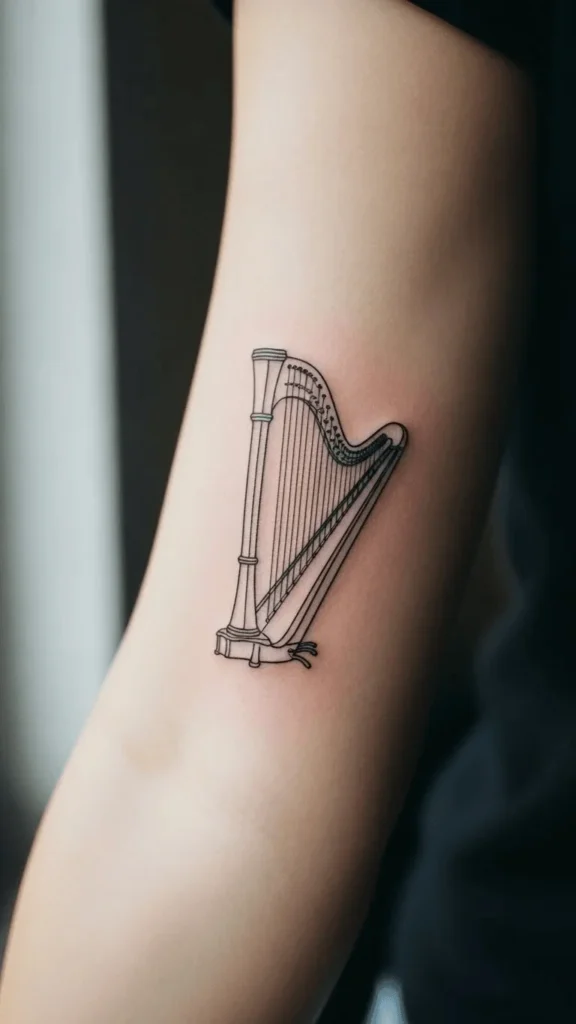
A harp outline is a strong nod to Irish identity and works well as a shared family symbol. It’s elegant and recognizable, even in a small size. Keep it minimal: outer harp shape, a few clean strings, and no tiny decorations. That keeps cost down and helps it age well. Budget tip: choose one-needle style only if your artist is known for it; otherwise pick standard line thickness for better healing. DIY idea: print three harp options—super minimal, medium detail, and slightly ornate—and have each family member circle what feels “right.” Then combine the best parts into one final version. Matching doesn’t have to mean identical. You can keep the same harp shape but change placement—ankle for one person, upper arm for another. It becomes a family theme rather than a strict uniform.
6) Shared Rainbow Arc With Different End Symbols
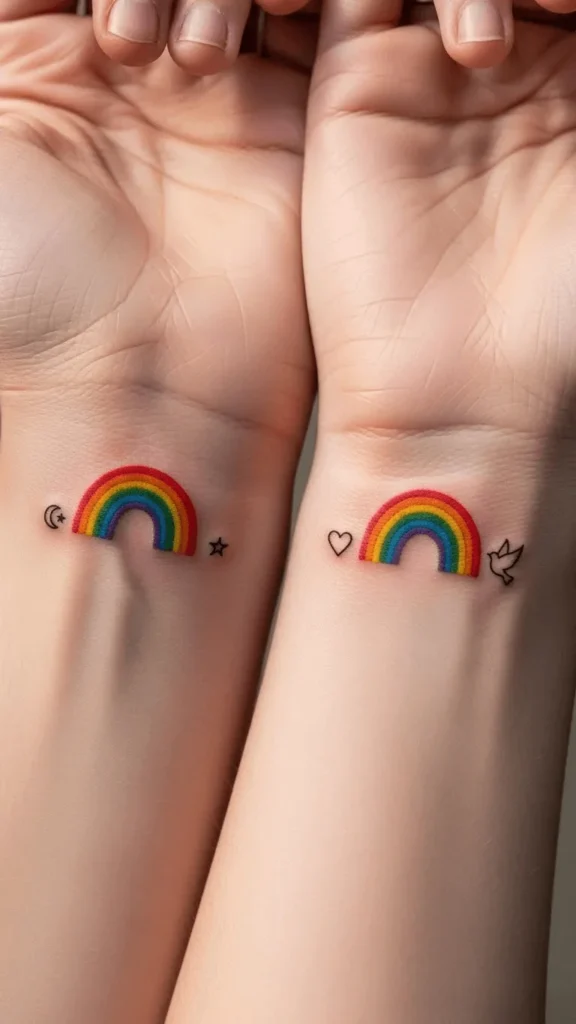
Rainbows can feel playful, but you can keep them clean and meaningful with a single arc line and no color. Each family member gets the same arc, but the end symbol changes—tiny clover, tiny knot, tiny star, tiny heart. That way it feels connected but still personal. Budget tip: black ink only, no color packing. Color takes longer and can cost more. DIY idea: use a thin marker and draw the arc on your wrist for a day to check the curve. People often pick arcs that are too steep or too flat. A gentle curve usually looks best. If your family wants a shared placement, the inside wrist is common, but you can also do the ankle or shoulder. This idea is great for families who want a simple symbol that doesn’t feel loud, yet still ties to the holiday through the rainbow theme.
7) “Lucky Stars” Constellation in a Shamrock Shape
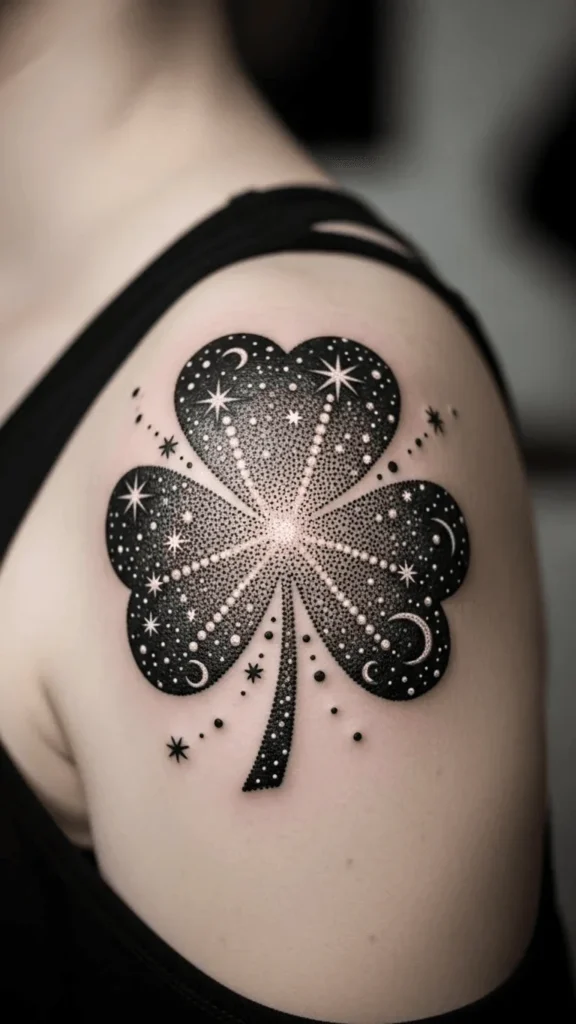
Instead of a solid clover, use tiny dots like stars, arranged to hint at a shamrock outline. It feels modern and softer than a traditional clover. This also gives you a built-in family meaning: each dot can represent a person, or a shared milestone. Keep the dot spacing wide enough so it doesn’t blur. Budget tip: dotwork is quick when it’s simple, and often priced lower than shading-heavy pieces. DIY idea: place small sticker dots on your skin to preview the shape. Take a photo and see if the shamrock reads clearly. If it looks like “random dots,” add a few connecting lines. Families can make it matching by keeping the same shamrock constellation, then each person can choose how many dots they want. Someone who wants subtle can get fewer dots; someone who wants bigger can add more “stars.”
8) Family Initials Hidden in a Celtic Knot Loop
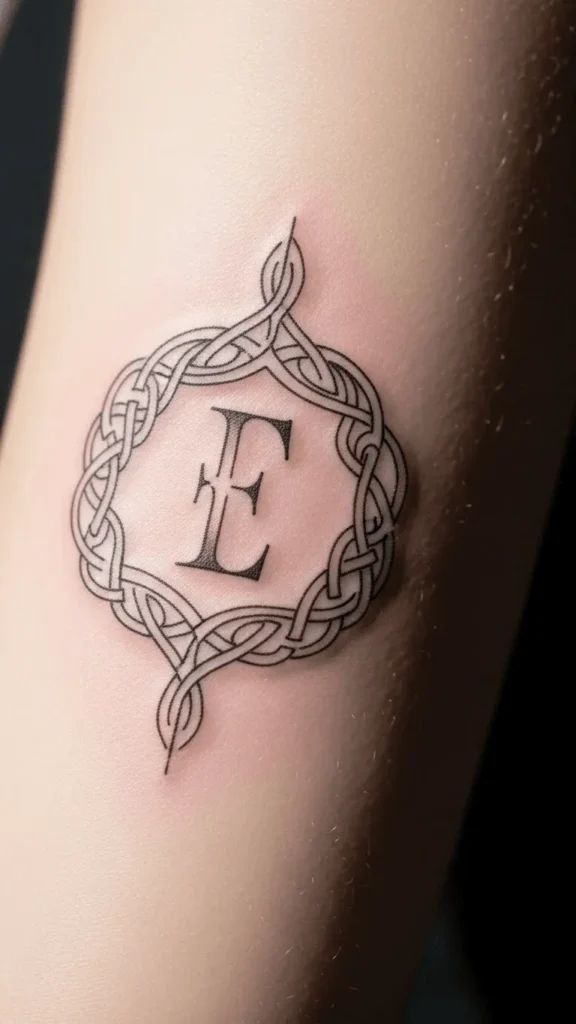
If you want a hidden personal layer, you can shape a simple Celtic knot loop so the negative space suggests initials—without actually writing letters. This keeps it timeless and avoids names that might feel too direct. Ask for a clean knot with one or two intentional gaps that form your family’s initials when you look closely. Budget tip: keep it to one loop knot, not a full band. DIY idea: sketch a simple loop knot and mark where gaps could form letter shapes. Bring 2–3 options to your artist. Matching approach: everyone gets the same knot loop, but each person’s gap pattern can reflect their role—parent, sibling, child. It becomes a shared code. Placement ideas: inner bicep, upper back, or ankle are great because the knot stays crisp and doesn’t get stretched constantly by movement.
9) Matching Tree Roots in a Small Oval Frame
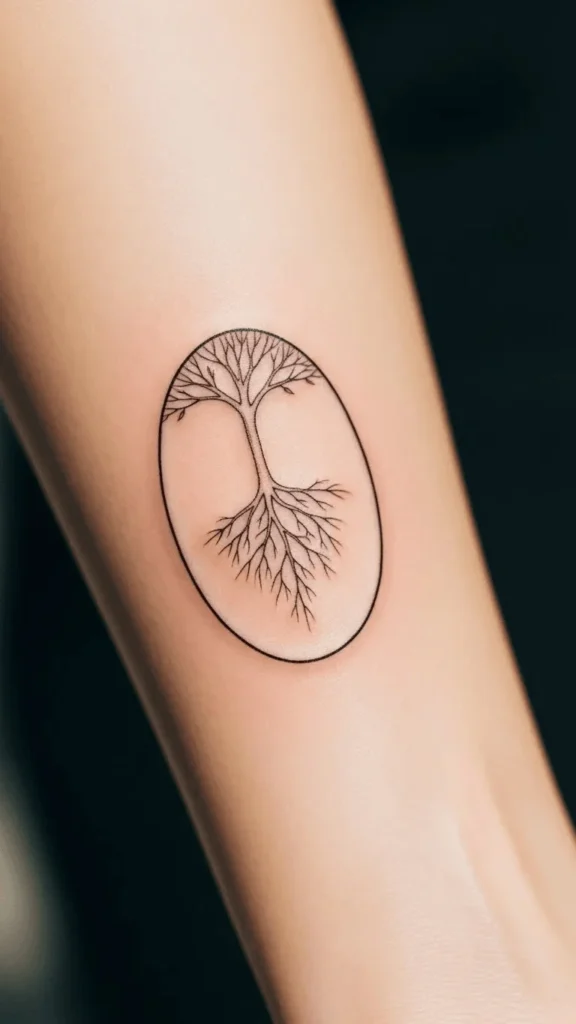
A family tree idea doesn’t have to be a full tree. Just the roots inside a small oval frame can say “where we come from.” Roots also fit St Patrick’s Day nicely because they pair well with clovers, fields, and heritage themes. Keep the roots simple and bold so they don’t turn into a messy scribble later. Budget tip: avoid heavy shading; use clean lines and a few thicker root branches. DIY idea: draw an oval on paper, then add 6–10 root branches. Keep space between them. You can give each branch meaning (siblings, parents, kids) without making it literal. Families can match by using the same oval and root style, then each person can add one tiny detail: a clover leaf tucked near a root tip, or a single dot. It’s subtle, meaningful, and easy to keep affordable.
10) Shamrock “Patch” Like a Sewn Fabric Outline
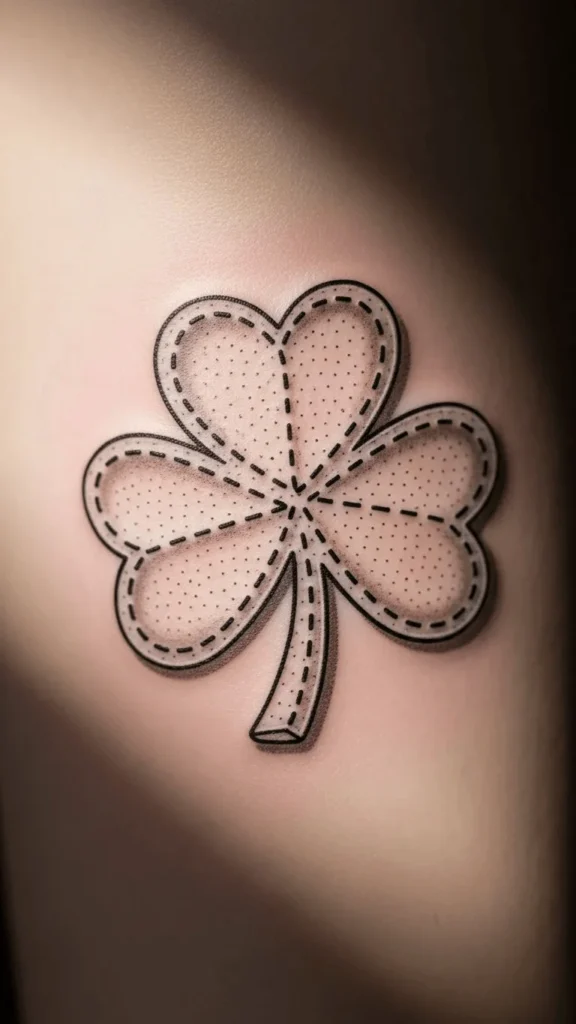
A stitched shamrock outline looks like a small fabric patch sewn onto the skin. It’s playful but still clean if you keep the stitch dots even and the outline bold. This works well for families who like warm, handmade vibes. Budget tip: stick to black ink and simple stitch dots. DIY idea: use a dotted pen to draw a shamrock outline made of tiny dots, then outline it once more with a slightly thicker line. Take a photo and see if it reads like stitching. Matching approach: everyone gets the same stitched shamrock, but each person chooses the “patch location,” like a real jacket patch would move. It’s a sweet nod to shared traditions, like family crafts, holiday baking, or childhood memories, without using any words.
11) Four-Leaf Clover With One Shared Leaf Shape
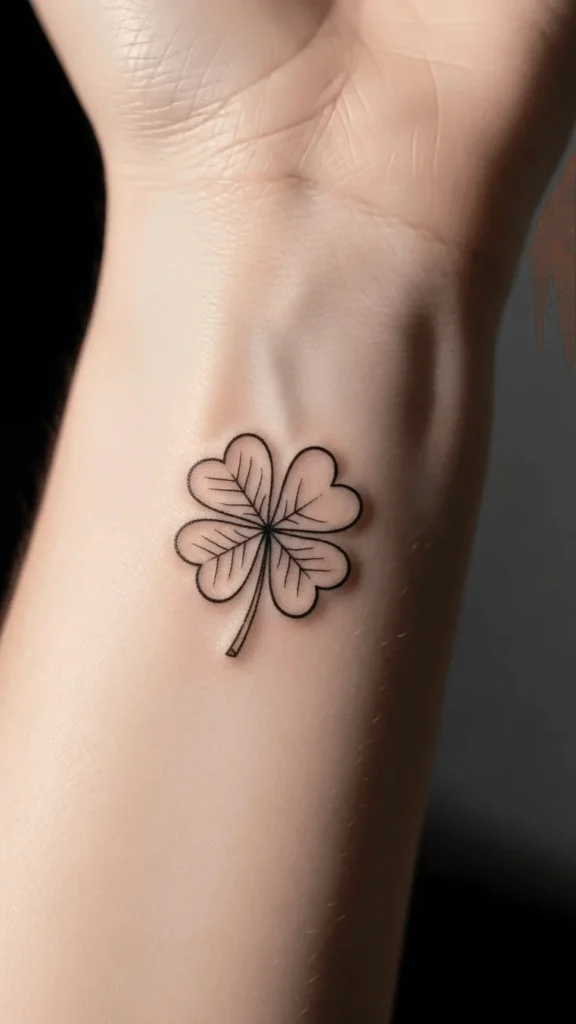
A four-leaf clover is the classic luck symbol, but you can make it family-specific by giving one leaf a shared shape across everyone’s tattoo. For example, one leaf is always a tiny heart. The other three leaves can vary slightly per person. That creates a “family stamp” that’s easy to recognize. Budget tip: keep the design small and simple, no gradients. DIY idea: print clover outlines and have each person doodle their leaf variations. Pick one shared leaf style and lock it in. This is great when not everyone wants the same tattoo, but everyone wants one consistent detail. Placement can be different for each person. A heart-leaf is especially nice for parents and kids because it reads as love plus tradition.
12) Celtic Band Segment (Not a Full Band)
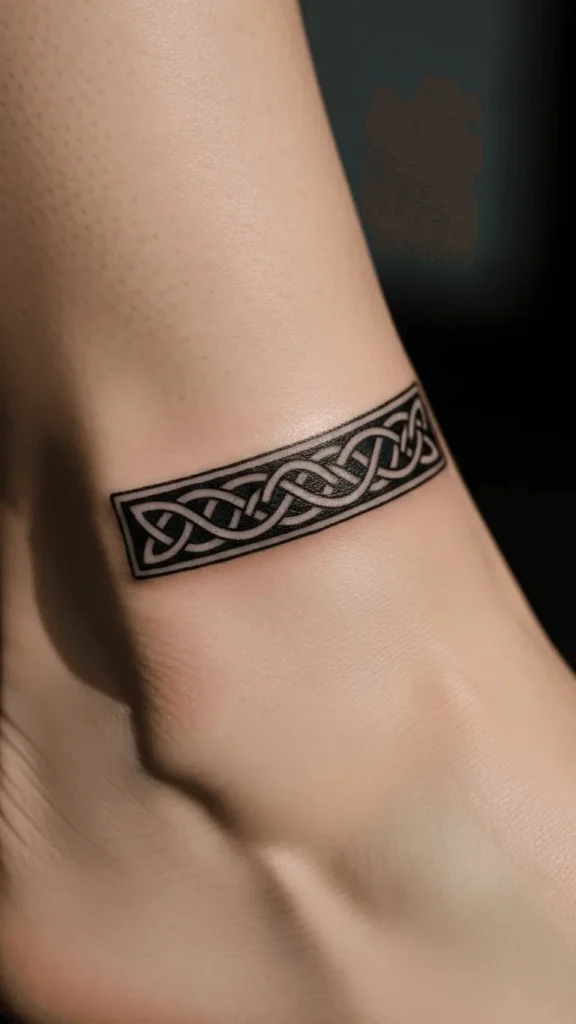
Full bands can be expensive and take longer. A short Celtic band segment—like a 2–3 inch “slice”—gives the same vibe with less time and cost. It can sit on the ankle, wrist side, or behind the arm. Keep the pattern chunky enough so it doesn’t blur. Budget tip: choose one repeating knot pattern, not a mix. DIY idea: wrap a strip of paper around your wrist or ankle and draw a simple band pattern on it. Cut it down until it looks balanced. Families can match by using the same band segment but placing it in different spots, or rotating the pattern so it’s unique to each person. It’s a clean, traditional nod that still feels modern when kept small.
13) “Family Shield” Crest With Simple Shapes Only
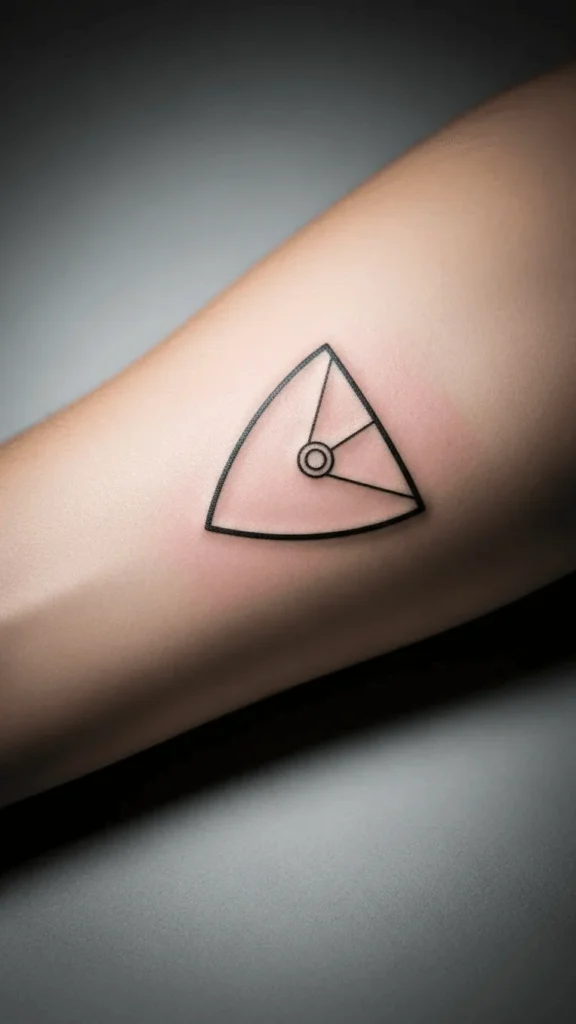
Instead of a detailed coat of arms, create a minimalist family shield with 2–3 simple symbols inside: a clover, a knot, a small star, a harp outline. No fine lines, no tiny patterns. That keeps it readable and budget-friendly. DIY idea: sketch a basic shield shape, then divide it into two sections. Put one symbol in each section. Families can share the same shield shape but change the internal icons based on personality—one person picks the harp, another picks the clover. You still share the “crest” concept, which feels united. Budget tip: avoid shading and keep everything line-based. This is also a good option if you want a slightly larger tattoo that still stays simple.
14) Matching “Home” Clover Stem That Points Toward the Heart
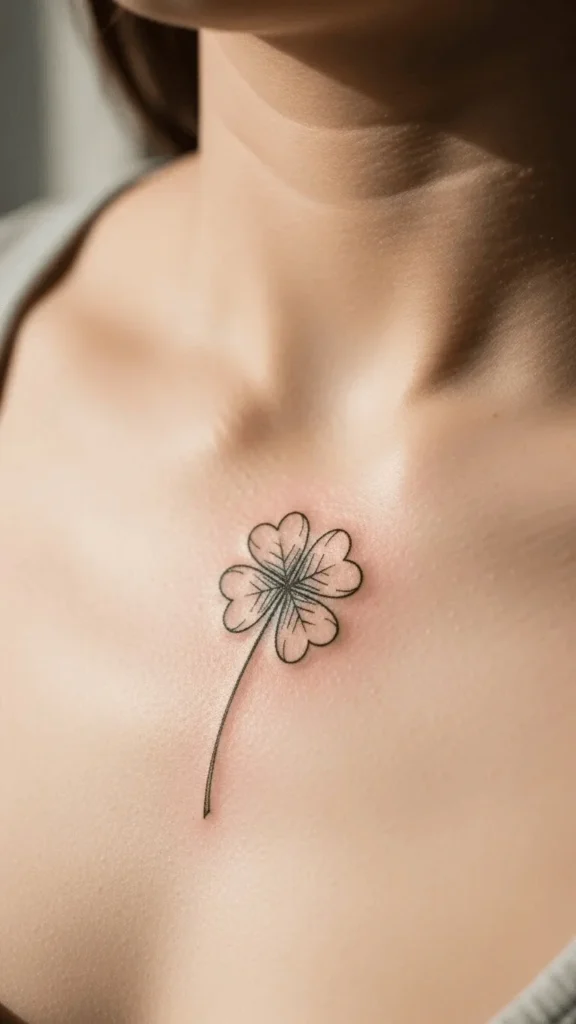
A small clover near the collarbone or upper chest can feel like a quiet “home” symbol—especially if the stem is angled toward the heart. Families can match the clover shape, and each person can choose left or right side based on preference. Budget tip: one simple outline, no fill. DIY idea: use a washable marker and draw the clover in two placements for a day—collarbone and upper arm. See which feels more natural. If your family wants to add meaning, use different stem lengths to represent birth order, or add one tiny dot near the stem for each child. It’s subtle, and it doesn’t rely on letters.
15) “Linked Circles” Knot for Siblings
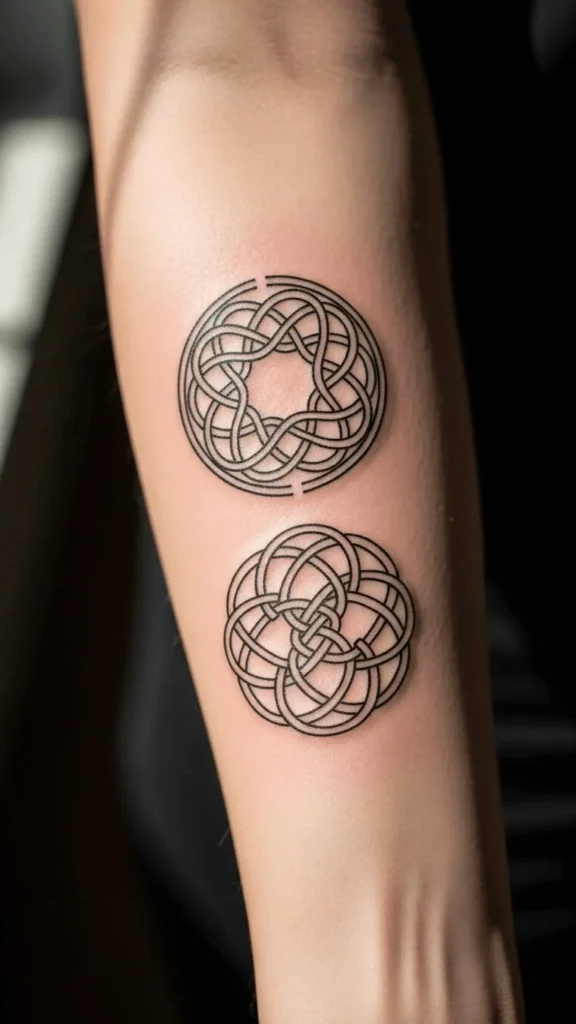
Two or more linked circles, drawn as a simple knot, can represent siblings or a tight family unit. This is great when you want something that reads like connection, not a holiday icon. To bring in St Patrick’s Day energy, make the circles slightly Celtic with small over-under crossings. Budget tip: keep crossings minimal so it’s fast to tattoo. DIY idea: draw two circles on paper, then add 3–4 crossing points. Make sure it still looks clean from a distance. If you have three siblings, do three circles. If you’re including parents too, you can place the circles in a small cluster rather than a chain. Matching approach: everyone gets the same number of circles, or everyone gets the same cluster but one circle is slightly thicker in each tattoo to represent “me.”
16) Tiny Spiral Triskele for Family Strength

A triskele (three spirals) can represent family strength, shared history, and movement through life together. It also fits Celtic tradition nicely. Keep the spirals bold and not too tight. Tiny tight spirals can heal blurry. Budget tip: choose a medium size, simple lines, no dot shading. DIY idea: print a triskele and test it at 1 inch vs 2 inches. Most people find 2 inches keeps the spirals clean. Families can match the same triskele, then each person can rotate it differently. It’s the same symbol, but each person’s version faces a slightly different direction, which feels personal without breaking the matching theme.
17) “Recipe of Us” Symbol Set (3 Mini Icons)
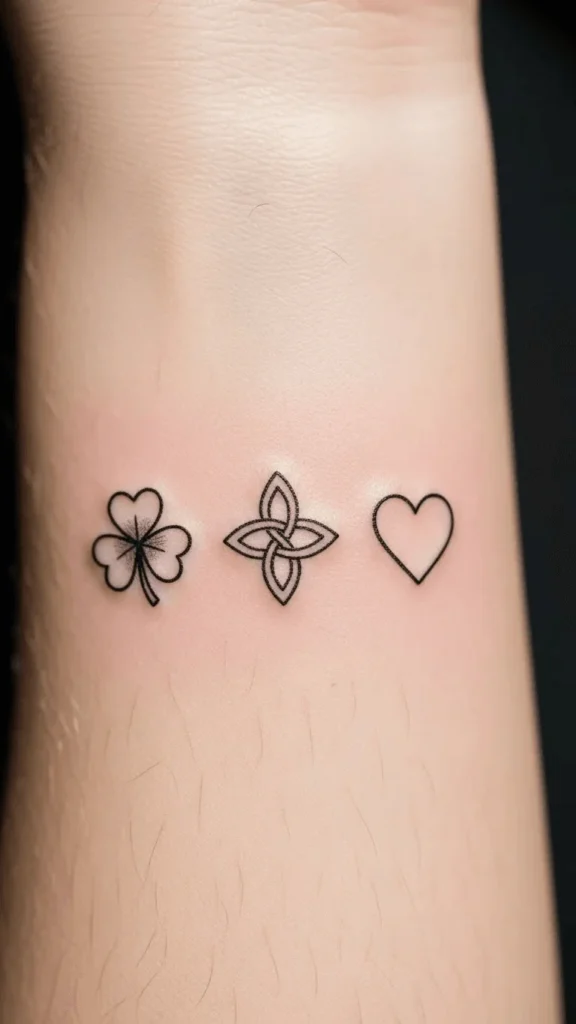
Instead of one tattoo, do a set of three tiny icons that represent your family. Example: clover (heritage), knot (bond), heart (love). Keep them simple and evenly spaced, like little stamp marks. Budget tip: three mini icons can still be quick if they’re tiny and line-only. DIY idea: pick three icons and draw them on sticky notes. Move them around your arm and take photos. Spacing matters more than people think. Matching approach: everyone uses the same three icons, but they can change the order. That makes it feel like “same ingredients, different mix,” which is a fun family meaning.
18) Matching “Irish Coastline” Wave With a Hidden Clover
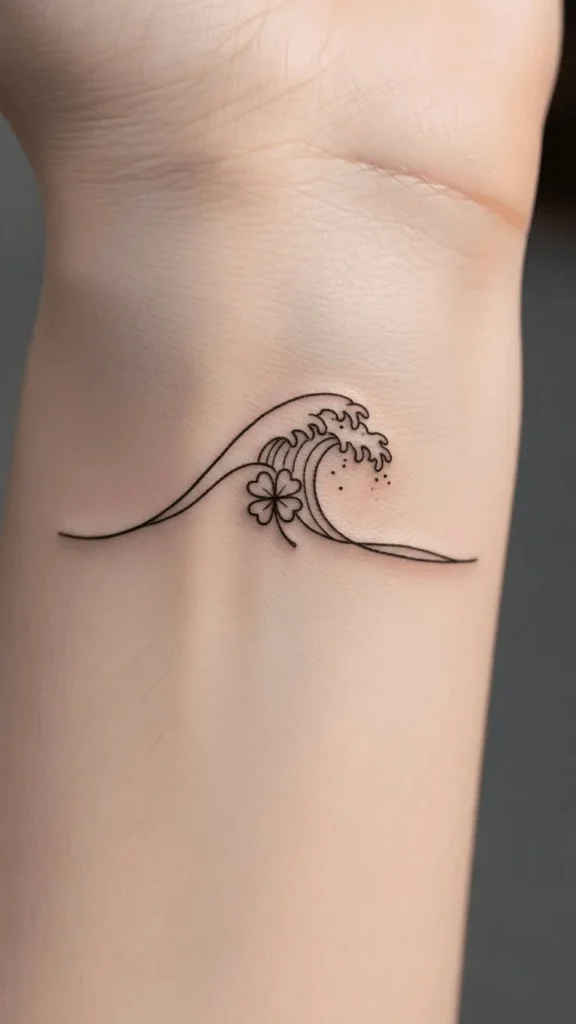
If your family connects with travel, ancestry, or seaside memories, a simple wave line can carry a lot. Hide a tiny clover inside one wave curve to tie it to St Patrick’s Day. Keep it minimal so it stays clean. Budget tip: single-line tattoos are often faster. DIY idea: draw a wave line with a thin marker, then see where a small clover could fit without looking like clutter. Matching approach: everyone gets the same wave line, but each person can put the hidden clover in a different curve. It becomes a shared secret detail and still looks stylish even if someone doesn’t notice the clover at first glance.
19) “Handprint Clover” Using Negative Space
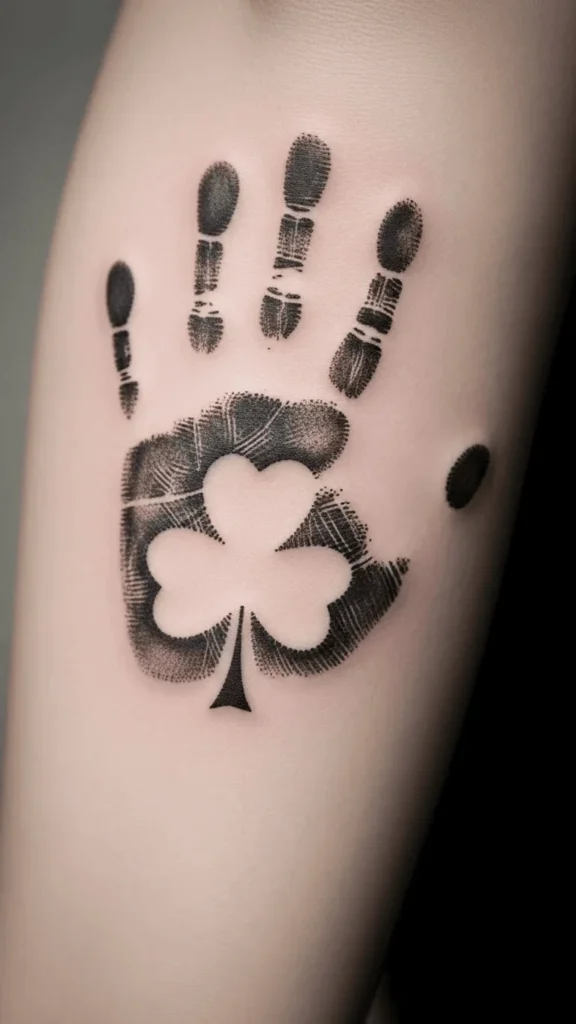
This concept uses negative space to form a clover, while the surrounding texture hints at a handprint or gentle brush pattern. It’s a family idea because it suggests care and support without showing literal hands. Keep the texture very light so it doesn’t overpower the clover. Budget tip: limit shading time by using simple stippling instead of full gradients. DIY idea: paint a small handprint on paper with watered-down paint, then cut a clover shape out of paper and place it on top. Photograph the result. That photo gives your artist a clear direction. Matching approach: everyone keeps the same clover negative-space shape, but the texture pattern around it can vary slightly.
20) “Family Path” Knot Line That Never Breaks
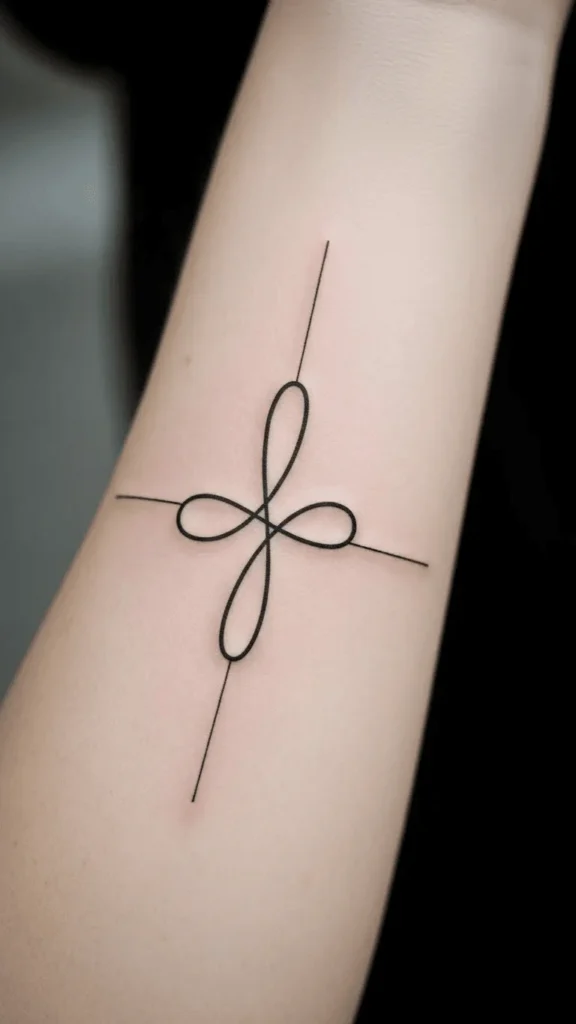
A single continuous knot line that loops and returns can represent a family path—separate turns, shared direction. This looks modern and calm. Keep the loops wide and the line weight consistent. Budget tip: fewer crossings means faster work. DIY idea: draw one line without lifting your pen and aim for 2–3 big loops with one crossing. If it looks messy, simplify. Families can match by using the same loop “route,” but each person can add one tiny dot on the line to represent their place in the family. It’s a meaningful detail that doesn’t rely on letters or dates.
21) Matching “Lucky Penny” Coin Outline With a Clover Stamp
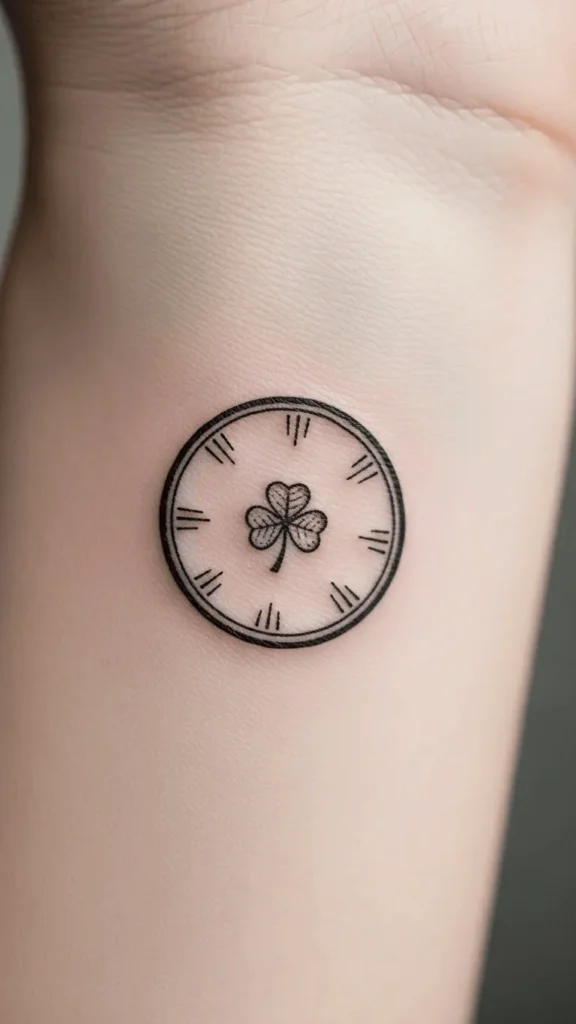
A coin outline with a tiny clover stamp in the middle feels like a simple luck token you carry with you. It’s not a holiday cartoon. It’s more like a family charm. Keep the coin as a plain circle with one inner ring. Skip any tiny ridges. Budget tip: simple circles and one small icon are quick to tattoo. DIY idea: trace a real coin at home and test sizes on your skin with marker. Many people choose too small, and circles can heal uneven if they’re tiny. Matching approach: everyone uses the same coin size, but each person can pick a different clover style—three-leaf, four-leaf, or a minimal dot clover.
22) “Joined Hands” Pinky Promise Outline
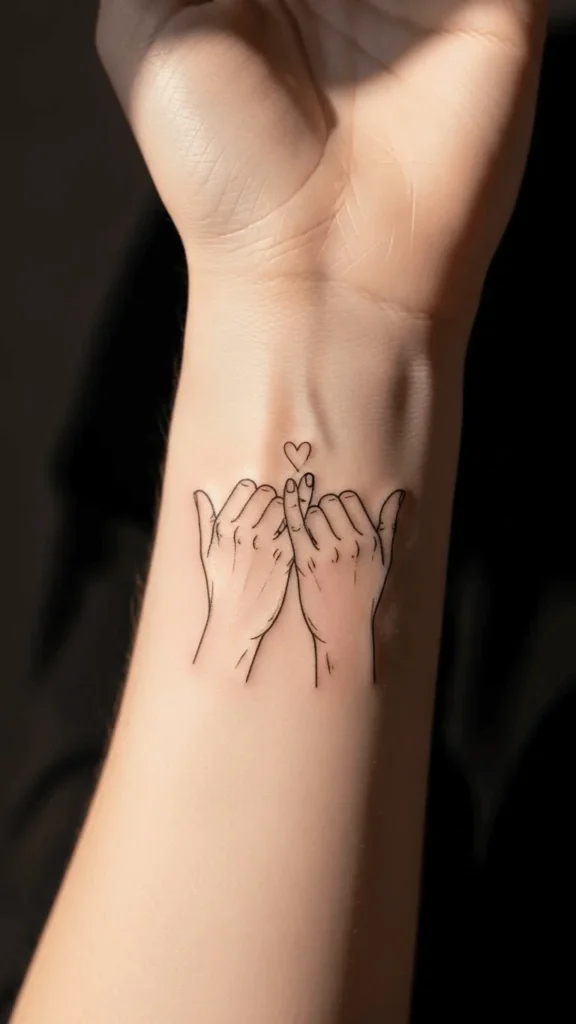
A pinky promise outline is a strong family symbol for “we’ve got each other.” Keep it minimal—just the outline, no realistic wrinkles. To tie it to St Patrick’s Day, add a tiny clover near the linked fingers or a small knot loop at the base. Budget tip: minimal line art keeps sessions short. DIY idea: take a photo of two family members doing a pinky promise. Then trace it into a simple outline using any basic drawing app. Bring that to your artist. Matching approach: siblings can match this easily, and parents can also join. Different pairings in the family can even get the same design in different places, like a shared bond map.
23) “Birth Flower + Clover” Combo for Each Person
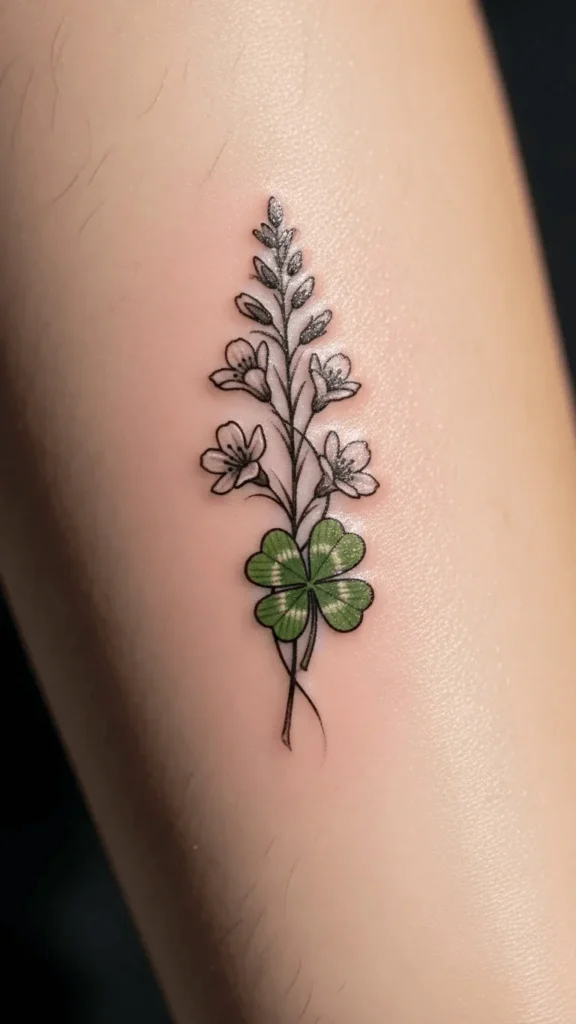
Pair a tiny clover with each person’s birth flower sprig. That keeps the St Patrick’s Day theme while making it personal for every family member. The clover stays consistent across everyone, and the flower changes. Keep the flowers simple so they don’t turn into fine-line clutter. Budget tip: choose small sprigs with minimal petals and no heavy shading. DIY idea: search flower references as photos (not detailed drawings) and pick the simplest silhouette. Tape a printed flower and clover to your skin to test the look. Matching approach: everyone places the clover in the same spot relative to the flower—like at the base of the stem. It becomes a shared design rule, and the results still feel unique.
Conclusion
Family tattoos for St Patrick’s Day work best when the meaning is clear, the design stays simple, and everyone gets room to choose comfort and placement. Pick one shared symbol rule—like a clover detail, a knot loop, or a matching shape—and let the rest reflect each person’s style. Do a quick DIY preview at home, keep the lines readable, and you’ll end up with tattoos that feel connected long after the holiday passes.