
I spent months bookmarking gothic tattoos and then cross-referencing what actually held up on real skin. The problem was never inspiration. It was knowing which gothic pieces age into the same bold statement they make fresh. These 26 ideas pull from what artists are doing in 2026, plus a few under-the-radar twists I keep seeing heal well.
This list leans into blackwork, fine line, micro-realism, and neo-traditional takes on gothic imagery. Placements range from subtle behind-ear marks to full-back cathedral scenes. From what I've seen, dark, contrast-heavy pieces and smart negative space keep their drama the longest.
1. Fine Line Gothic Arch Window on Upper Arm
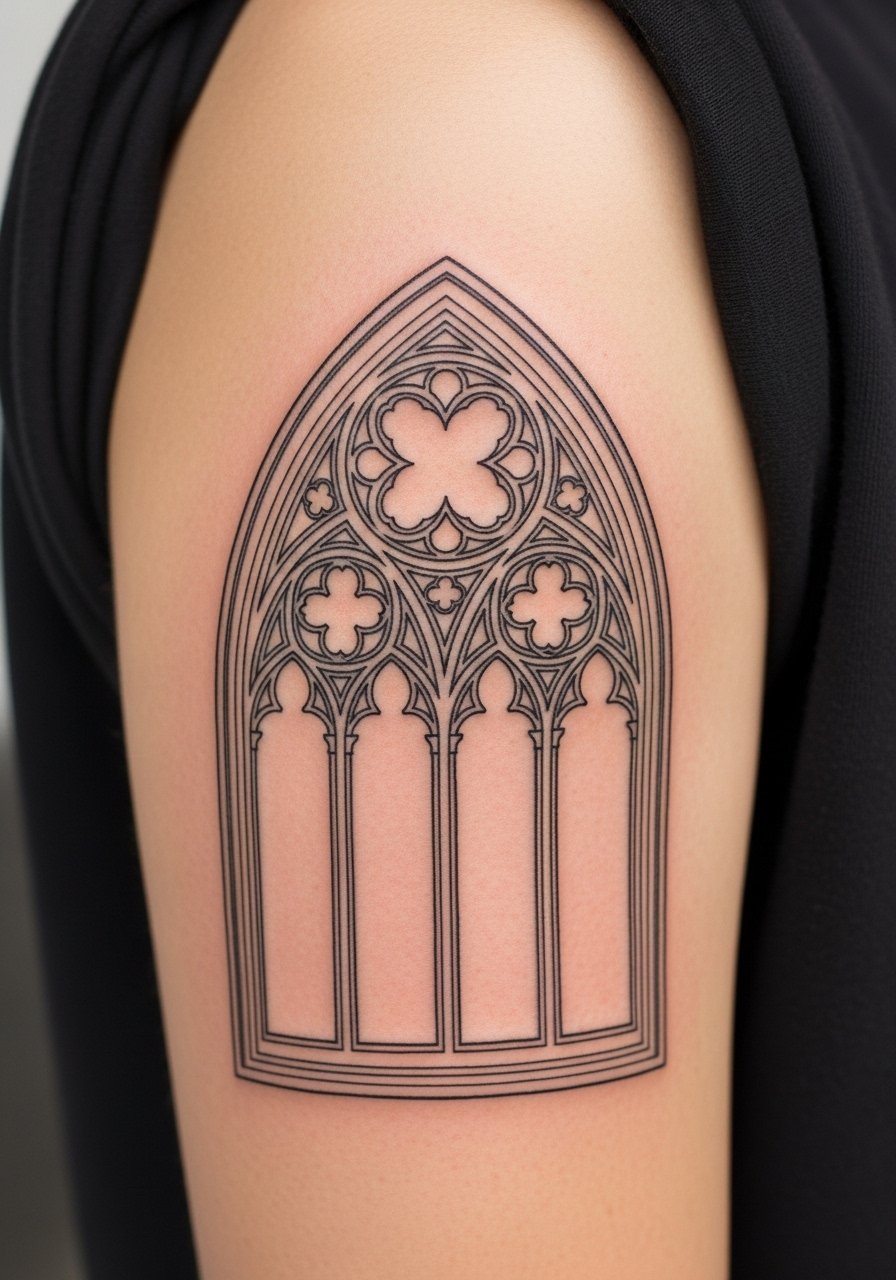
I first saw this on a friend and loved how the arch framed their bicep. Fine line works here because the architecture reads delicate and dramatic. Expect a 2 out of 10 pain level on the upper arm. You can often finish this in one 90-minute session. Ask your artist for slightly heavier outer lines and delicate inner tracery so it survives two years and beyond. A common mistake is asking for ultra-thin spires across curved muscle. They blur into each other when the arm moves. If you want a sleeve later, tell the artist to leave 1.5 centimeters of spacing for future fills. Heals in about two weeks, but expect settling at six months.
2. Blackwork Gargoyle on Shoulder Blade
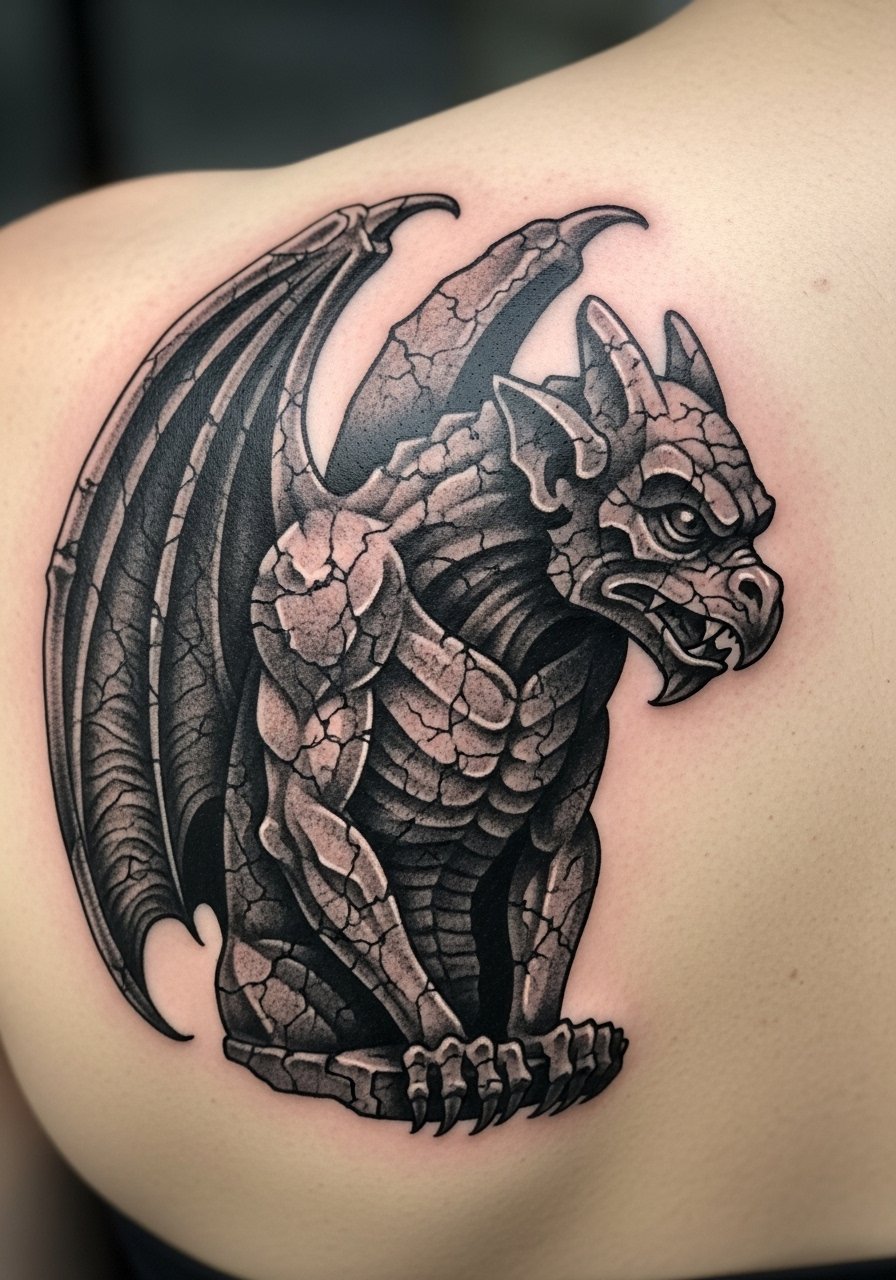
Fair warning, the shoulder blade can ping sore during long back sessions. Still, blackwork gargoyles read like armor from across a room. I recommend this for people who want bold contrast. Pain sits around a 5 out of 10 when you reach the spine edge. Session time runs two to three hours for a medium piece. Ask for saturated blacks and layered stippling rather than single flat fills. One mistake I see is asking for too-small details inside solid black fields. They disappear as the ink settles. Over time the blacks hold well if the artist packs consistently. Keep sun off it during the first year.
3. Ornamental Filigree Ribcage Piece
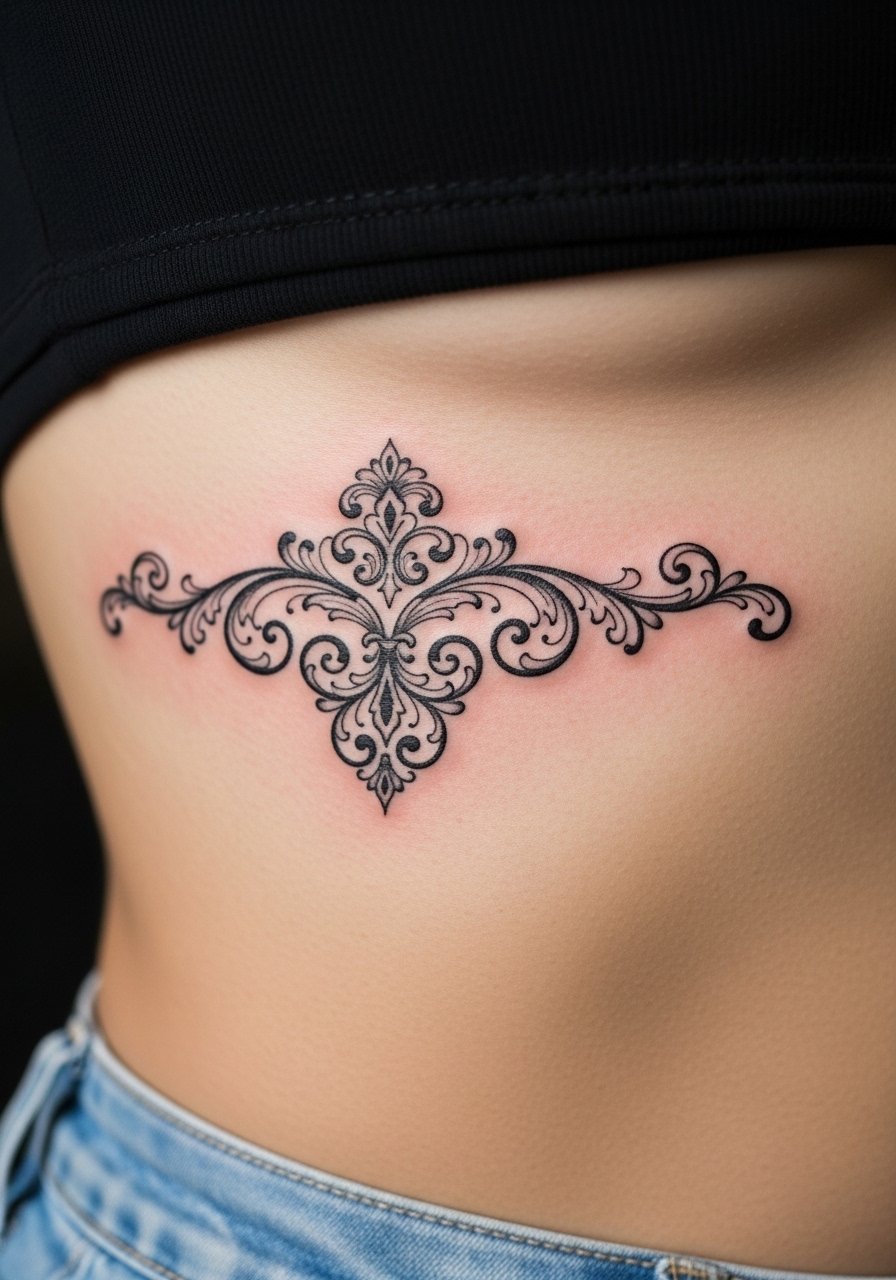
Fair warning, the ribcage is a 7 out of 10 on most people's pain scale. But ornamental filigree wraps the ribs in a luxurious, gothic way. I've had clients request this to mimic a Victorian corset. Expect two shorter sessions or a single long one if you can sit. Tell your artist to use varied line weights so the main motifs stay crisp after a year. Many people make the mistake of packing tiny loops right against the bone. Those lines blur into a mush when healed. For aftercare I trust Aquaphor the first few days. Use a barrier bandage for the initial 48 hours if your artist recommends it.
4. Stained Glass Rose on Sternum
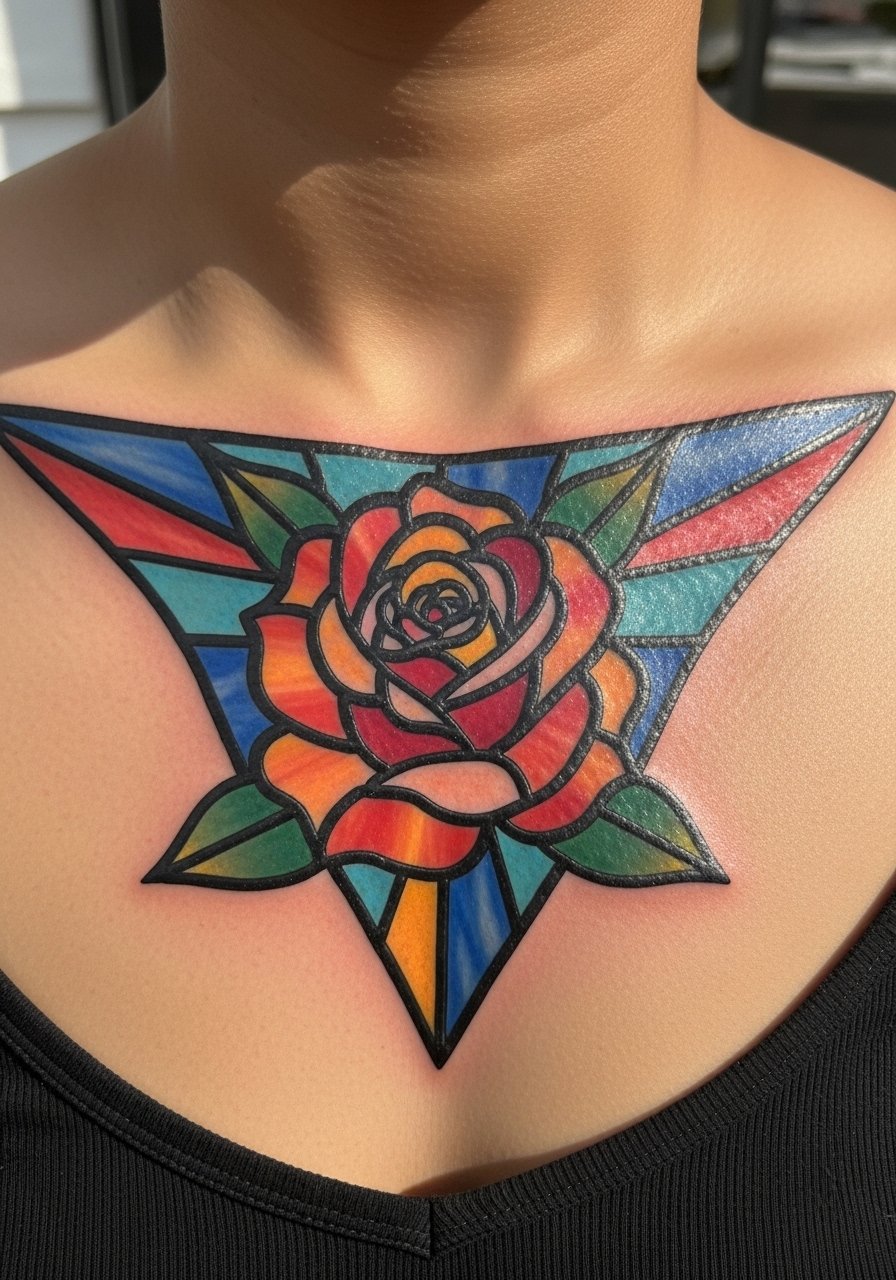
There's something about stained glass motifs on the sternum that reads cathedral and intimate at once. I recommend saturated black outlines paired with selective color fills. The sternum is sensitive. Expect a 6 to 8 out of 10 pain rating. Small designs take 60 to 90 minutes. Ask your artist to avoid filling every pane with color. Let negative space mimic reflected light. A common error is over-coloring tiny cells that later bleed together. After six months, crisp outlines will remain while colors mellow. For people who sweat a lot, tell the artist so they can plan inks and placement to reduce early scabbing.
5. Dark Botanical Sleeve on Inner Forearm
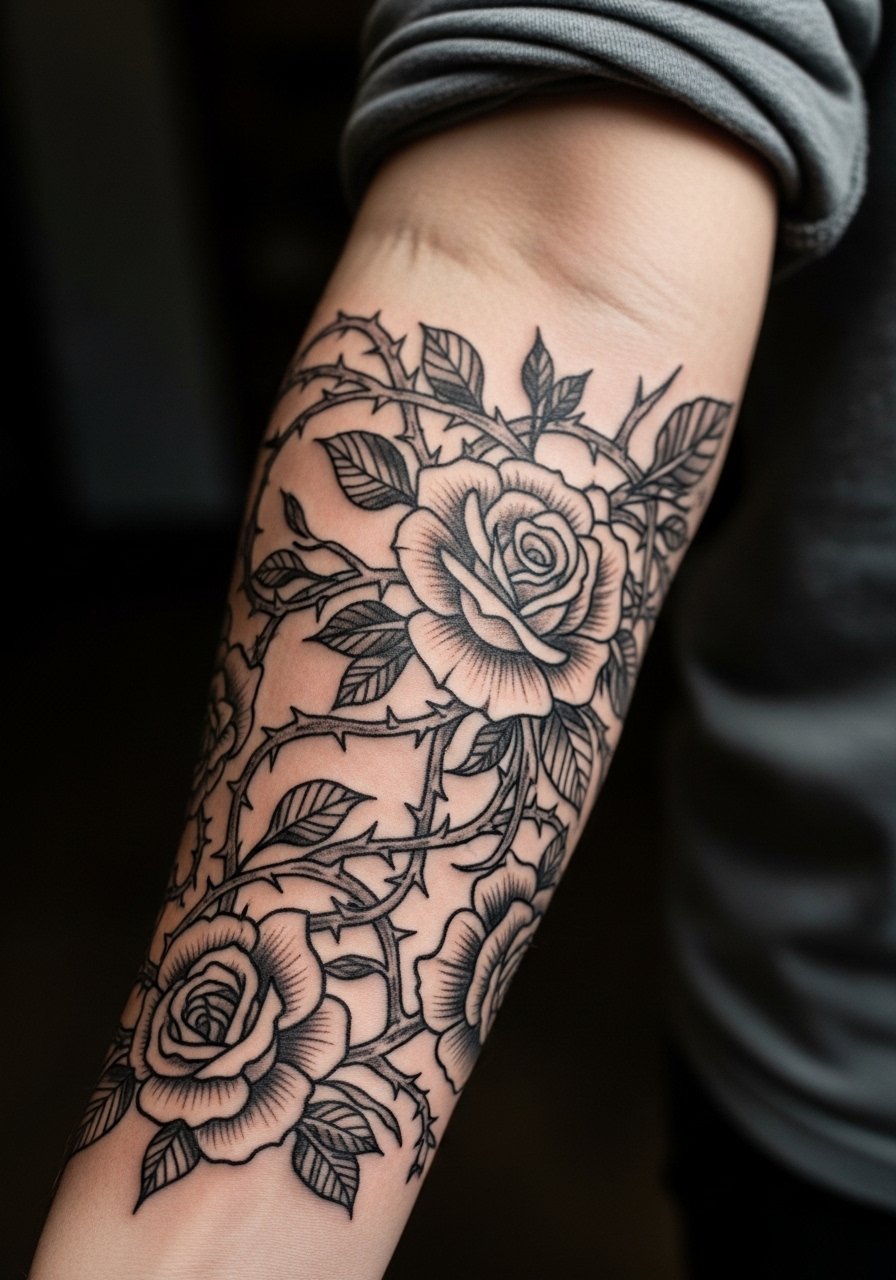
I saw a version of this at a shop and the contrast pulled right away. Inner forearm is forgiving for detail. Pain is moderate, a 3 to 4 for most. A half-sleeve usually needs two to three sessions. Ask for strong negative space to keep the roses readable at two years. New artists often make the mistake of using too many tiny dots in shadow areas. They flatten into gray patches after healing. Tell your artist you want bold silhouettes and textured fills. Aftercare matters because forearms get sun. Invest in a good tattoo SPF stick for long-term color protection.
6. Micro-Realism Marble Statue on Calf
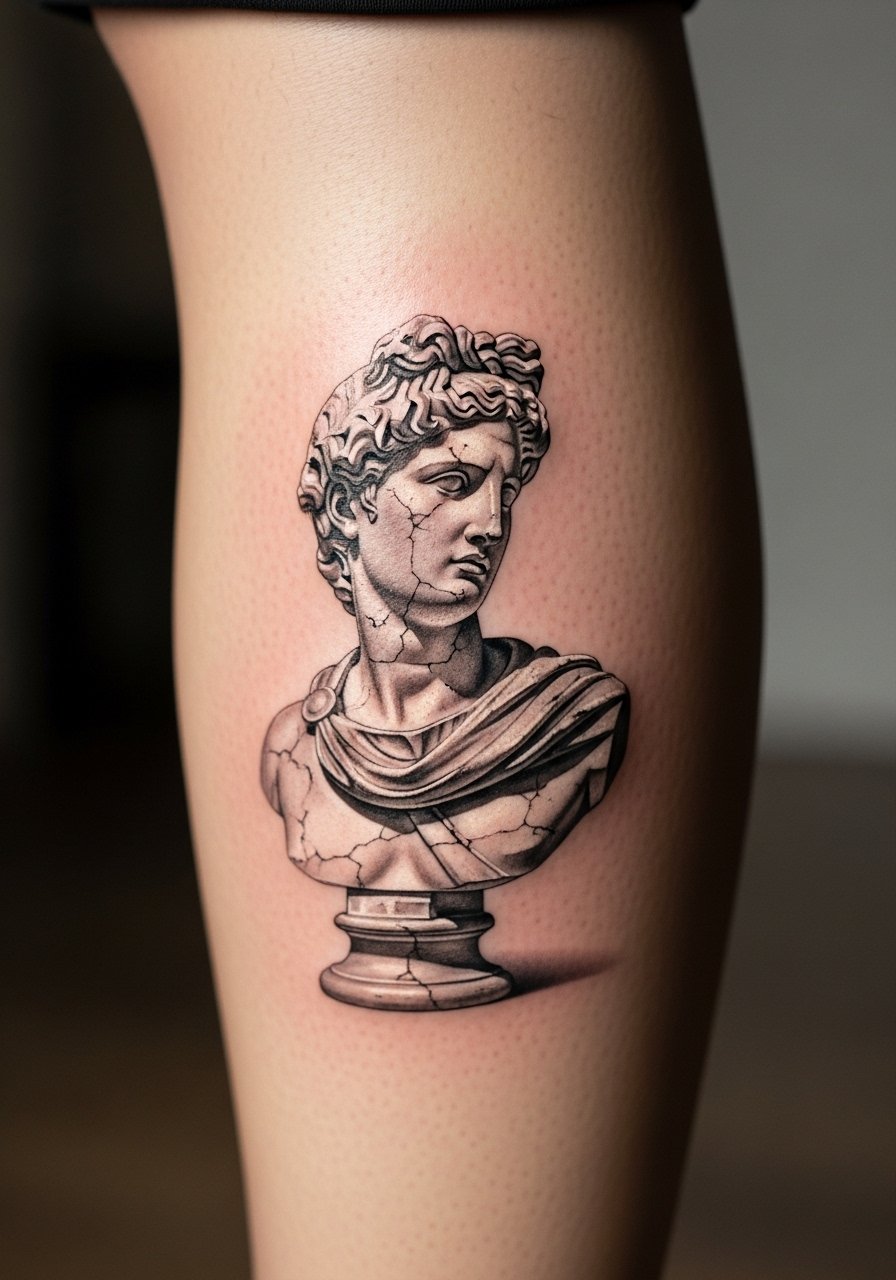
Most marble statue pieces read like relics when done small and detailed. The calf feels like an ideal canvas because it stretches. Pain at the calf is usually a 4. Sessions can run two to three hours for tight detail. Tell your artist to mimic cracked stone textures and to leave soft highlights as skin tone. I warn people that tiny hairline cracks drawn too fine will vanish after a year. The smart move is to ask for slightly exaggerated contrast in the first session so the piece keeps depth when it settles. Heals in two weeks but shows its full character around six months.
7. Gothic Script Name on Side Rib
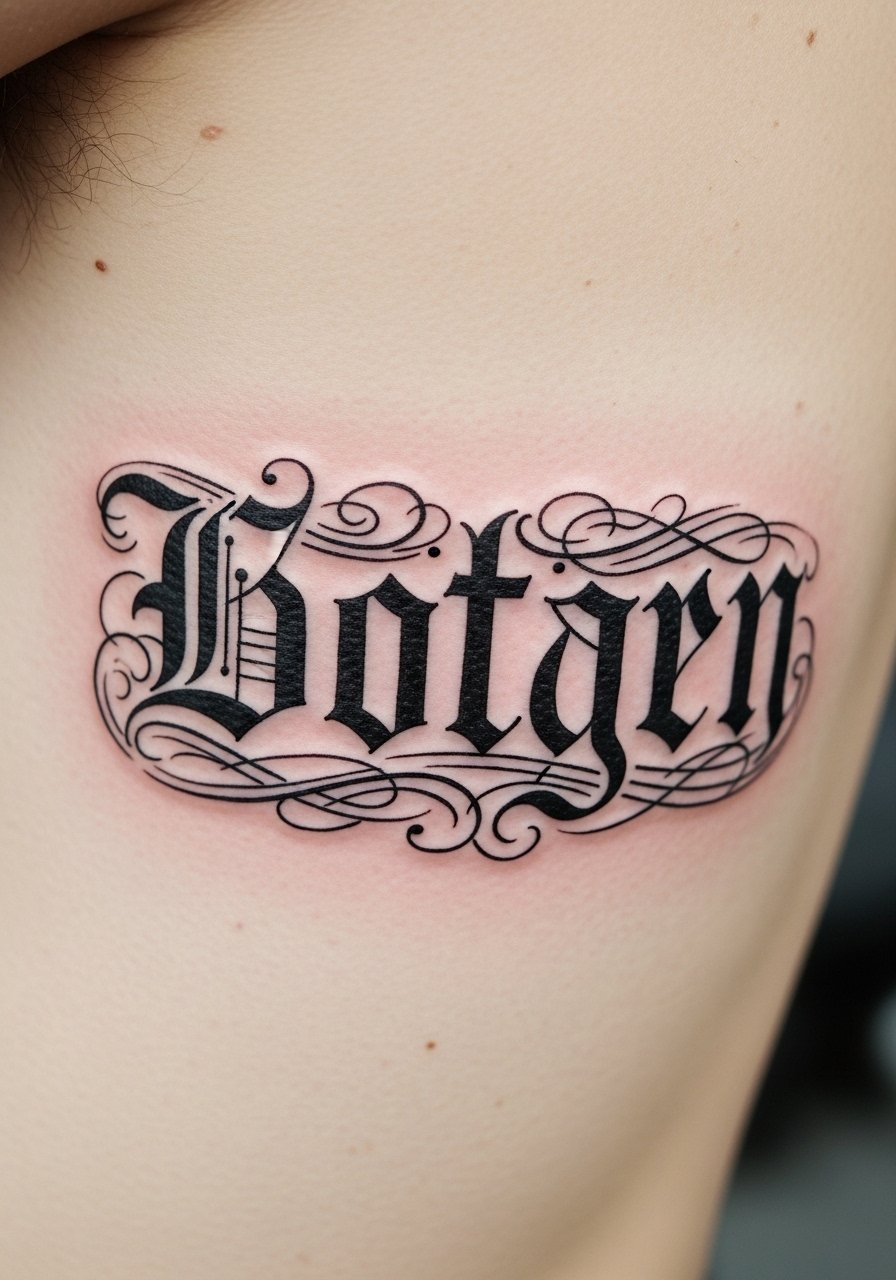
I first saw a script like this as a memorial. The rib placement makes names feel private. Pain can spike to 7 during lettering. Short words take 30 to 60 minutes. Tell your artist which historical letterforms you like, and bring examples of letter weight. A common mistake is using fonts intended for print without adjusting for skin movement. Letters can warp across ribs if the spacing is too tight. After a year, a slightly heavier baseline will read cleaner than ultra-fine calligraphy. Consider stretch tests with your artist when sitting for the stencil.
8. Heraldic Crest on Chest
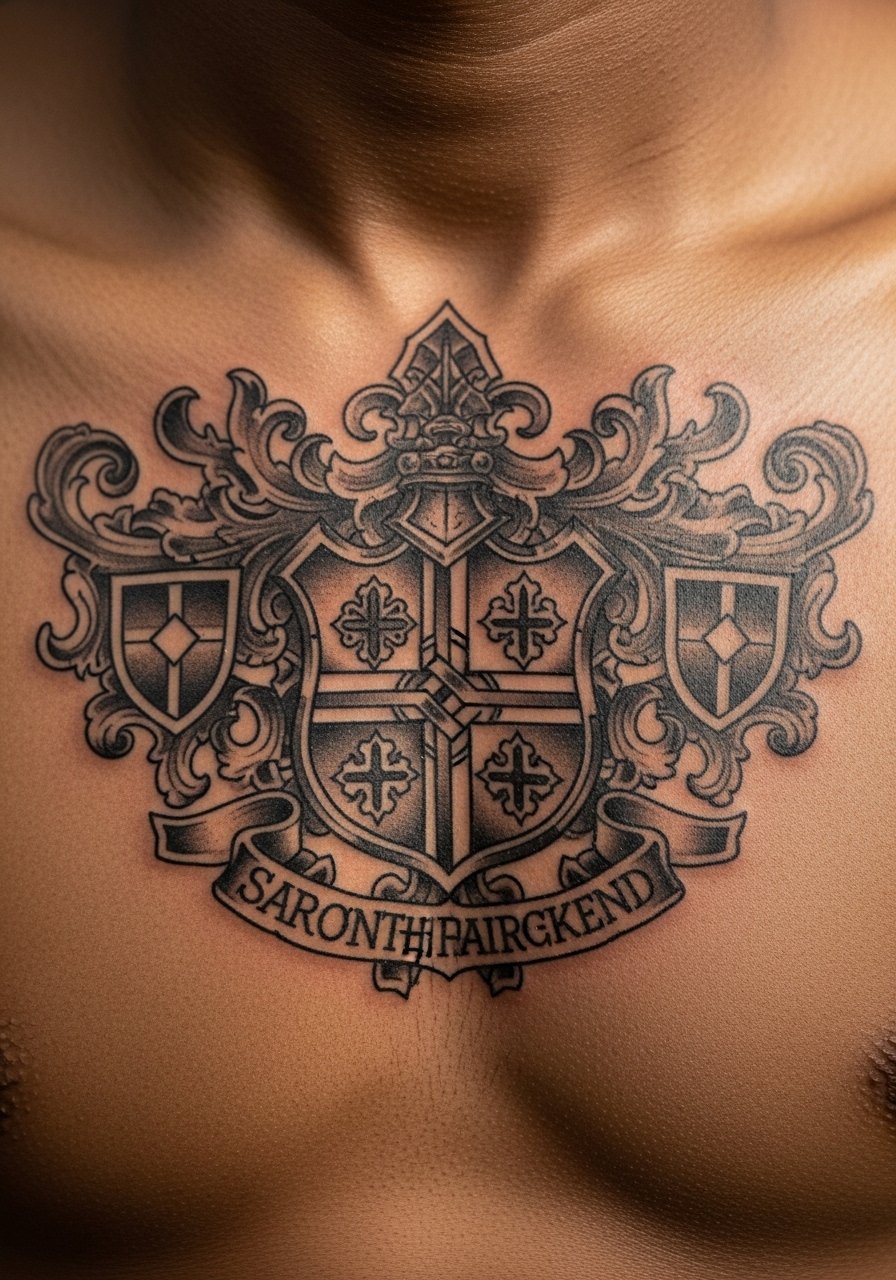
I love how a chest crest reads like identity. This placement is great for symmetrical designs. Expect a 5 out of 10 pain rating near the sternum. Medium-sized crests usually take one to two sessions. Ask your artist to define heavy outer borders and simplified inner motifs so the crest stays readable five years out. A mistake I see is overfilling crests with tiny lettering. That text becomes blotchy as the chest moves. If you want later additions, leave room under the crest. Heals solidly if you avoid chest-stripping garments the first two weeks.
9. Hourglass and Roses on Thigh
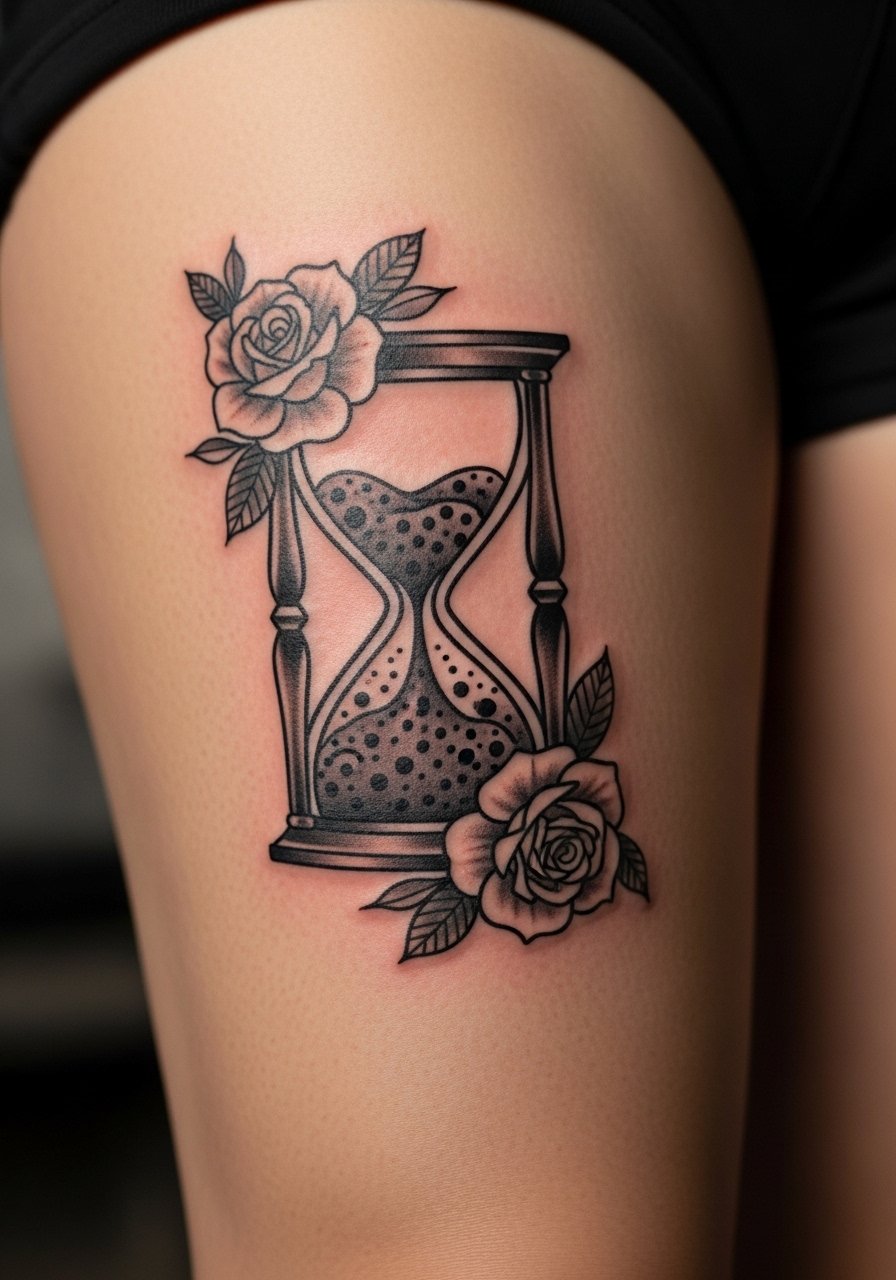
When I wanted a dramatic thigh piece, an hourglass felt symbolic and gothic. The thigh tolerates long sessions well. Pain is usually low, a 2 to 3. Expect two hours for a medium composition. Tell your artist you want contrast between crystal highlights and matte shadows. A common mistake is making the hourglass too small. Tiny glass details blur when the skin stretches. Over time, bold outlines preserve the silhouette. Thigh pieces heal with minimal sun exposure if you keep them covered for the first month.
10. Memento Mori Skull on Back of Hand
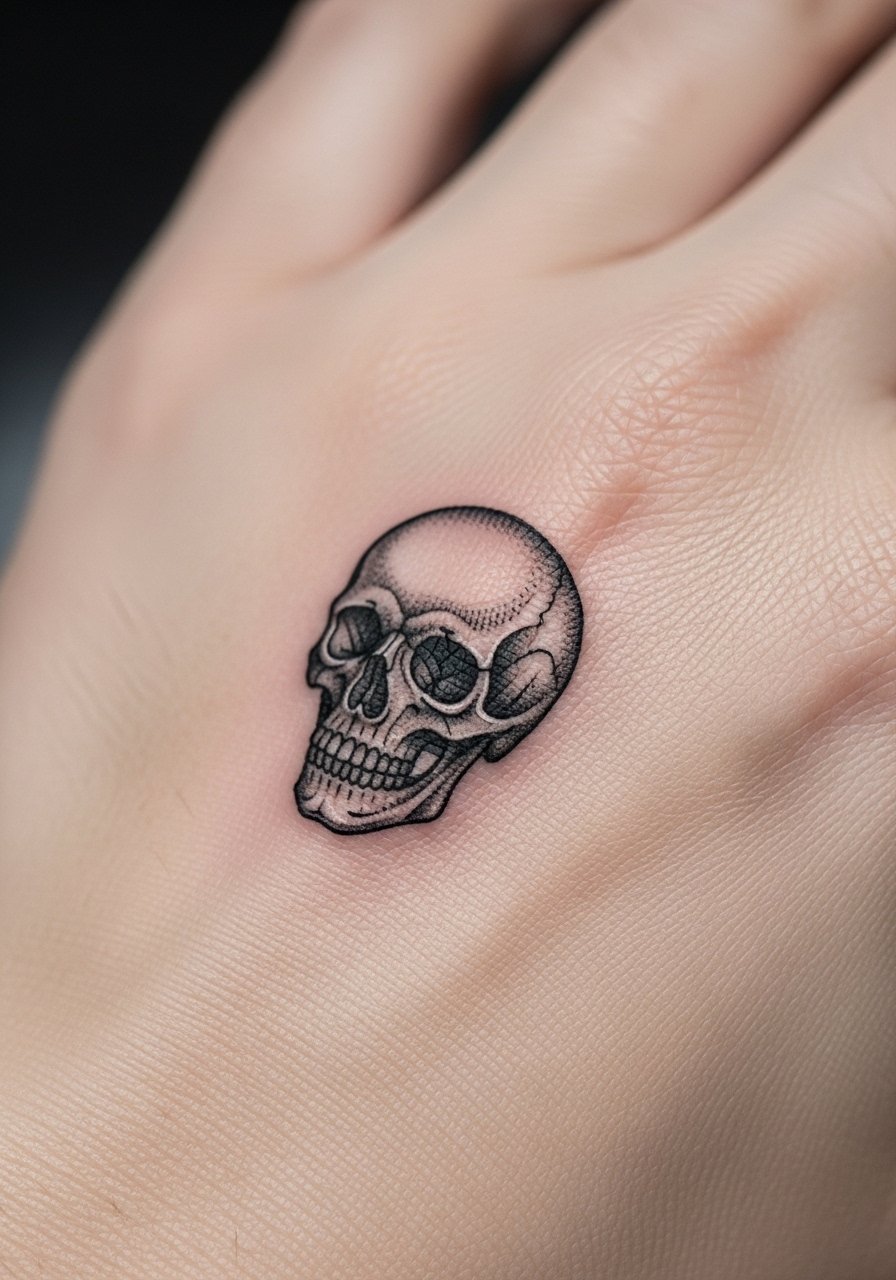
Hands age tattoos faster. I have a friend who got a hand skull and saw daily fading by year two. Expect high pain where bones sit. Short sessions of 30 to 60 minutes are standard. Tell your artist you want heavy outlines and spare interior detail. A common mistake is packing too many hairlines into a palm-facing design. Those thin lines disappear faster than artists promise. For long-term vibrancy, plan touch-ups and accept this as a piece that requires maintenance. Consider darker, simpler motifs for hand work.
11. Thorned Rose and Dagger on Wrist
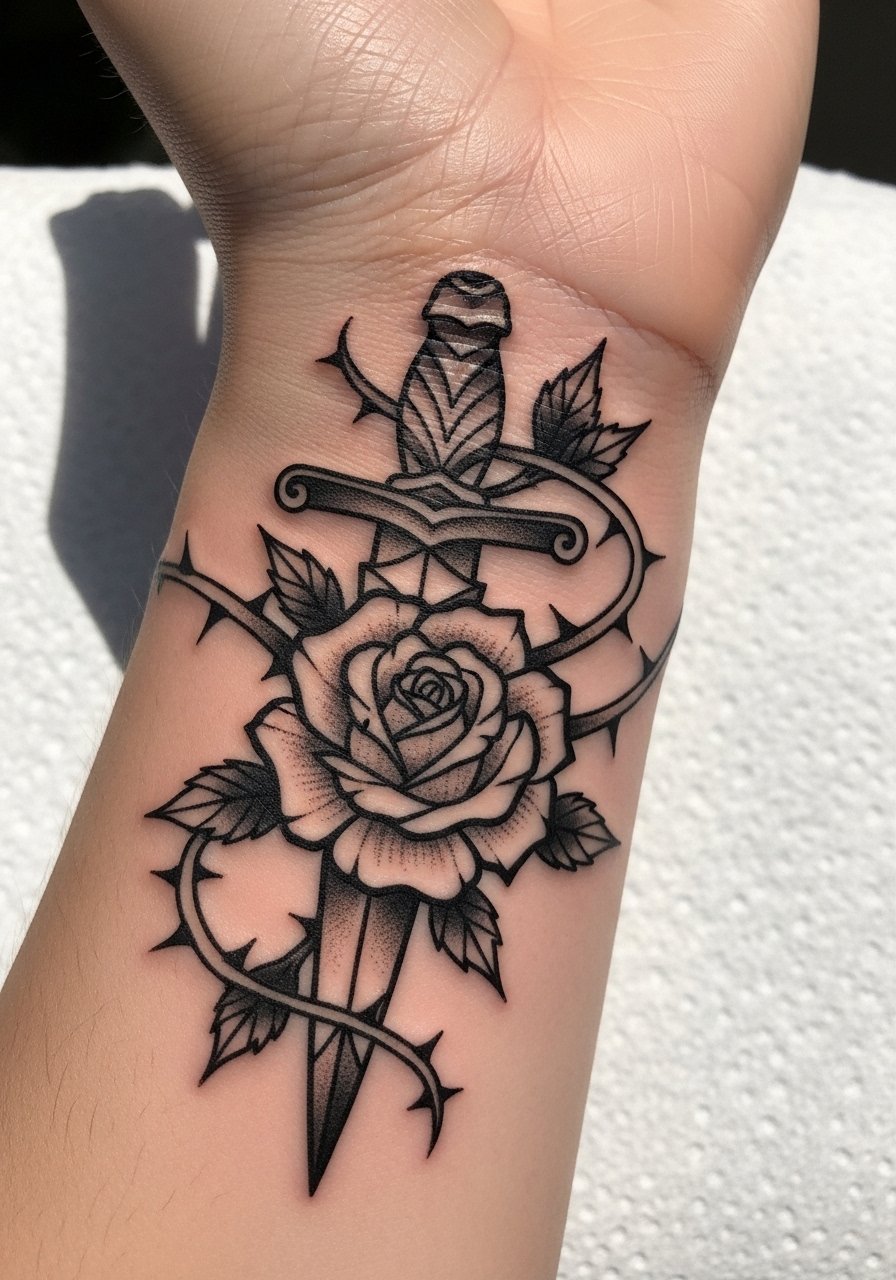
I first saw this motif on a concert poster and later on real skin. The wrist stings more than the forearm, about a 5 out of 10. A small dagger piece is a compact 60-minute session. Ask for slightly thicker outlines and limited small shading near the blade. People often request razor-fine thorns that blur into a dark line after healing. If you want the knife edge to stay visible, tell the artist to keep some highlight gaps. For this placement, I use a thin coat of Aquaphor the first three days, then switch to a fragrance-free lotion after day four.
Aquaphor Healing Ointment, 14oz tube
12. Crescent Moon and Moth Behind Ear
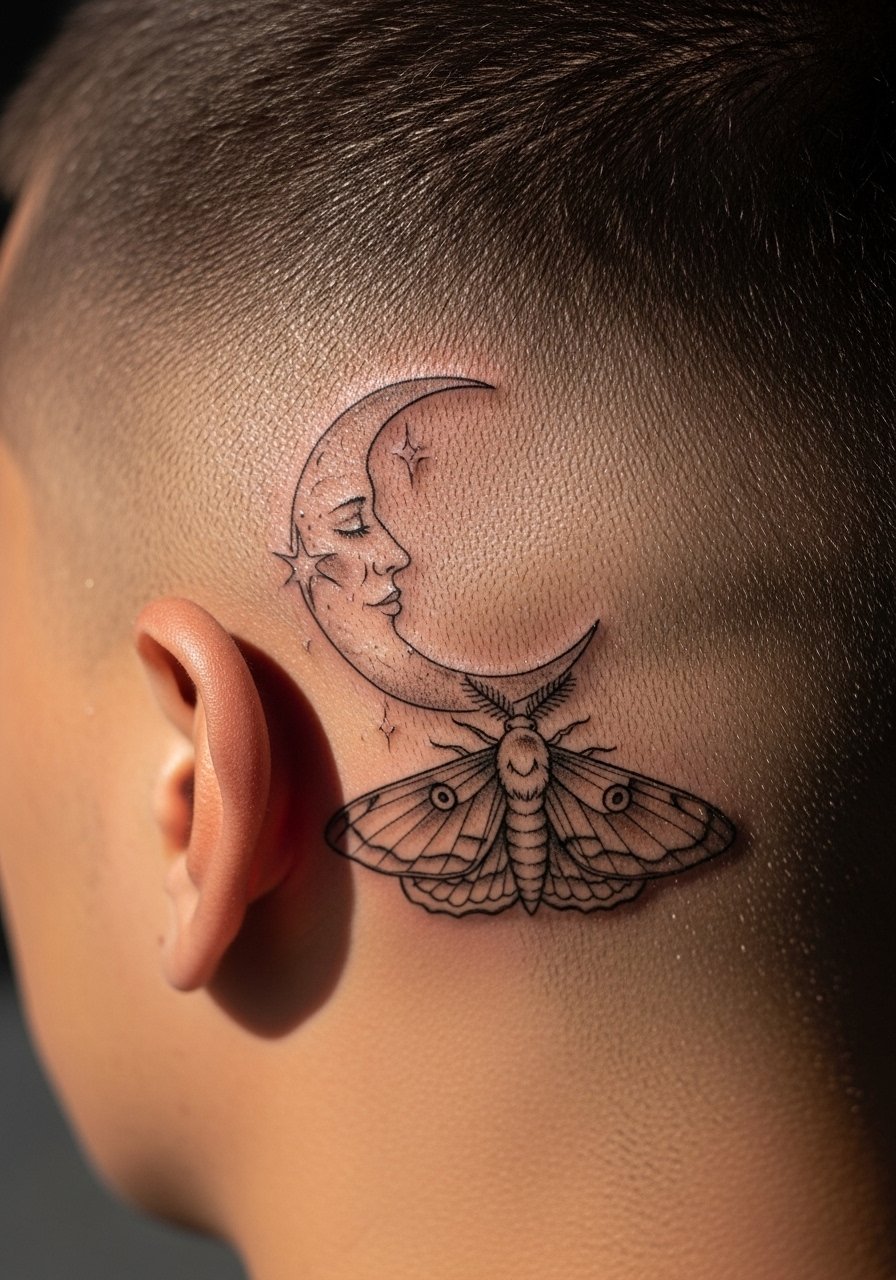
Behind the ear reads intimate and a little secretive. I recommend moth motifs for a gothic whisper. Pain is sharp and quick, a 6 out of 10 in that spot. Tiny tattoos work well because the area is small. Tell your artist to keep the antennae slightly heavier so they remain visible after settling. One mistake is asking for extreme micro detail in a hair-thin area. The moth's texture will simplify as it heals. Expect the true look to emerge around three months. For styling, this placement pairs well with nape pieces later.
13. Black Lace Choker on Neck Nape
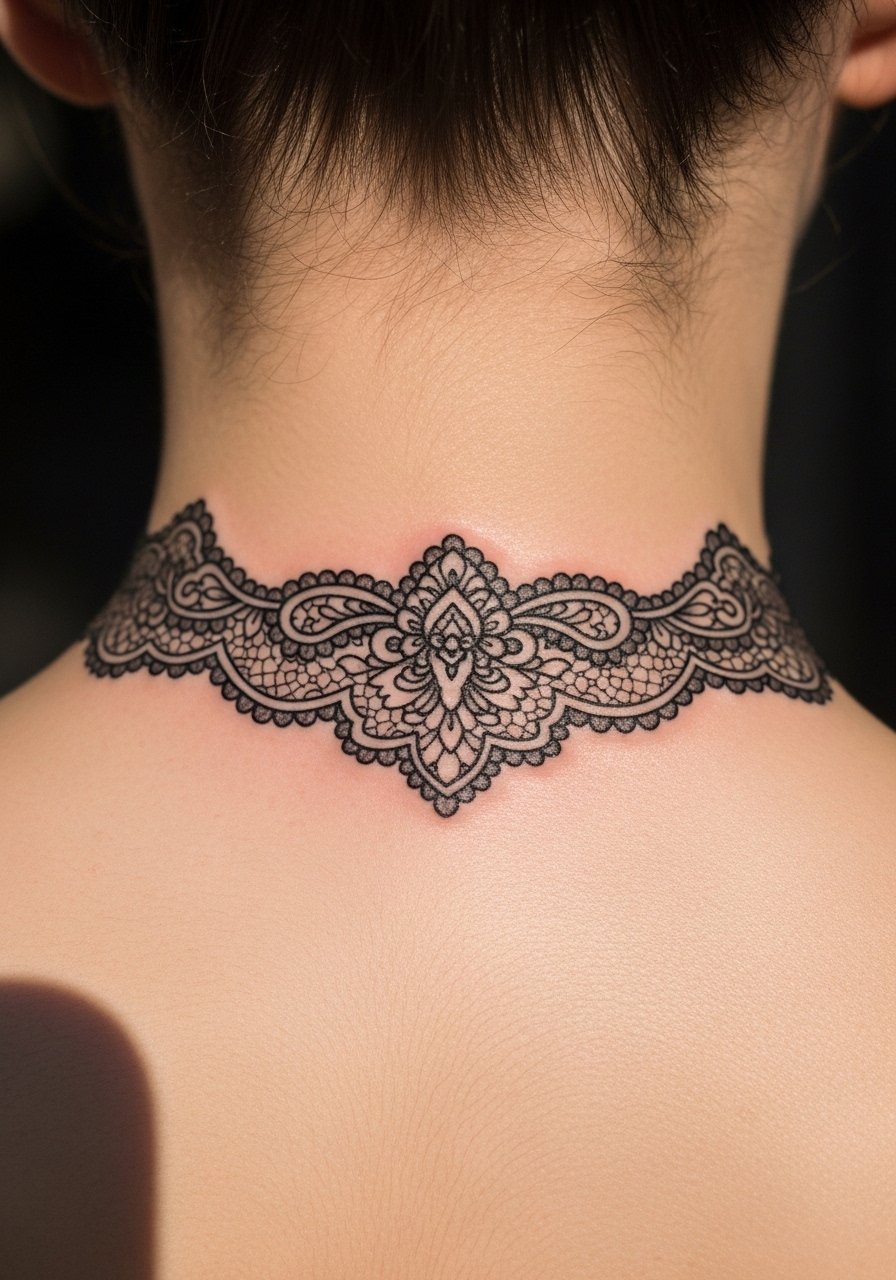
A nape choker feels gothic and wearable. I saw several that mimic real lace. Pain is moderate, around a 6 when near the spine. Short to medium sessions of 60 to 90 minutes are typical. Ask the artist to use bolder outer motifs and lighter internal meshes. People often ask for ultra-fine lace, which loses texture after a year. A better approach is to stylize lace so it reads clearly from a distance. Healed chokers look classier when lines have room to breathe.
14. Cathedral Window Full Back Piece
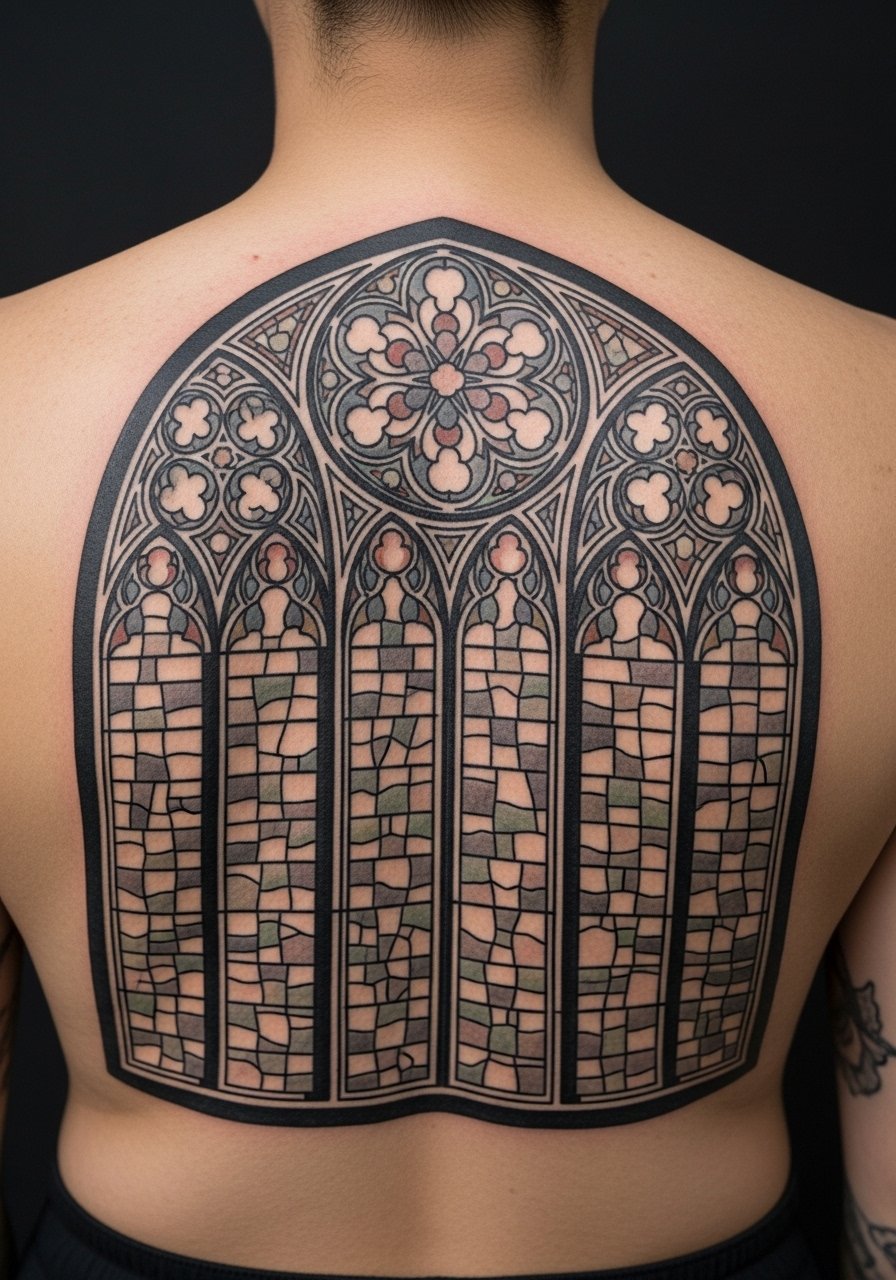
I once watched an artist lay out a cathedral window as if planning stained glass. Back pieces are marathon sessions. Pain fluctuates across the scapula and spine, average 6 out of 10 when they reach the center. Expect multiple sessions. Tell your artist you want bold leading lines and selective color panels, not a full rainbow every pane. A common error is over-detailing small sections that blend over time. With strong contrast and planned negative space this idea keeps its drama for years. Plan healing breaks and hydration between sessions.
15. Sigil Linework on Spine
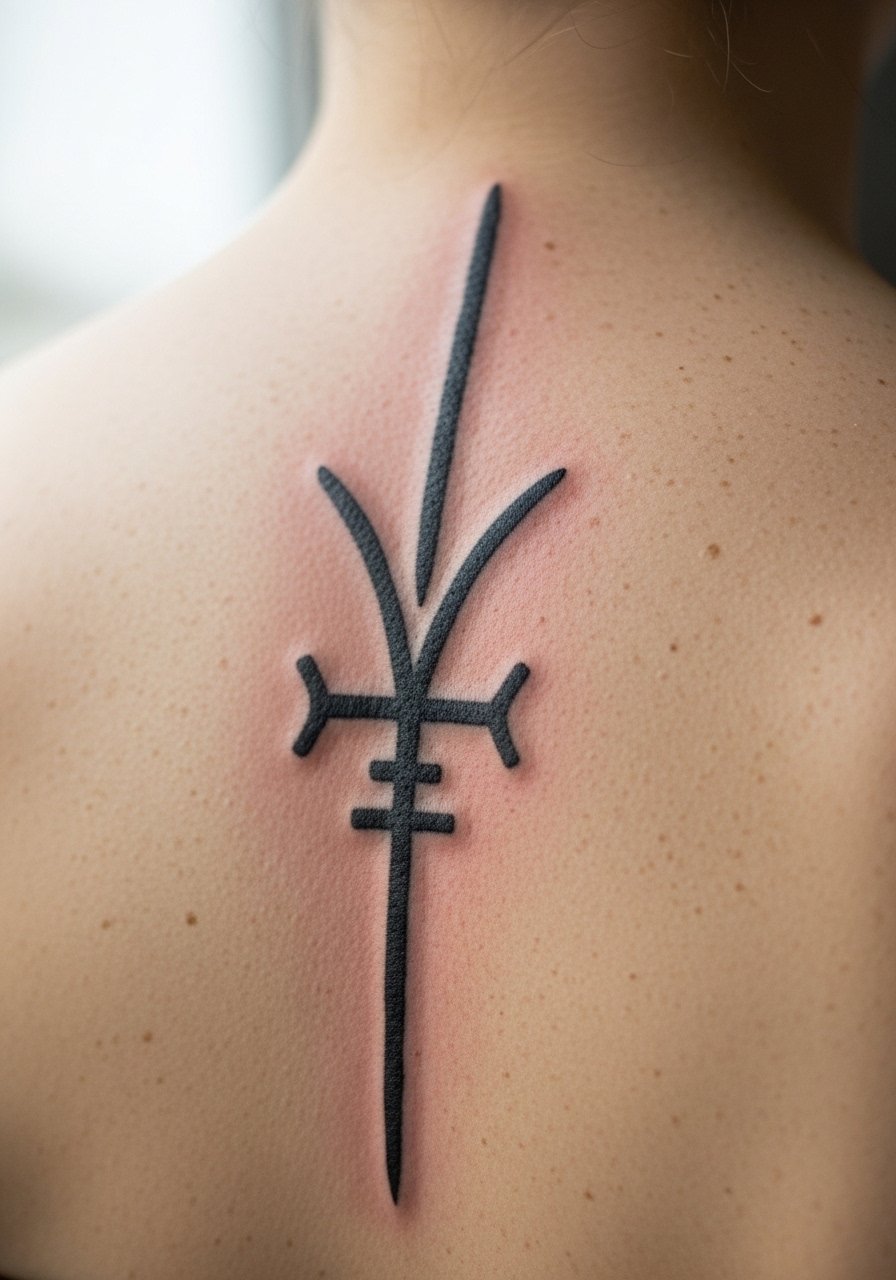
When a client wanted a protective motif, sigil linework down the spine read fitting. The spine is sensitive, pain peaks near vertebrae. Sessions are generally one to two hours. Tell your artist to emphasize spacing and avoid cross-hatching that can muddy. Mistake people make is compressing symbols too close together for a full spine run. When the body moves, cramped sigils blur. I advise leaving breathing room so each motif stays distinct at two years. Expect settling in about six months.
16. Neo-Traditional Raven on Upper Arm
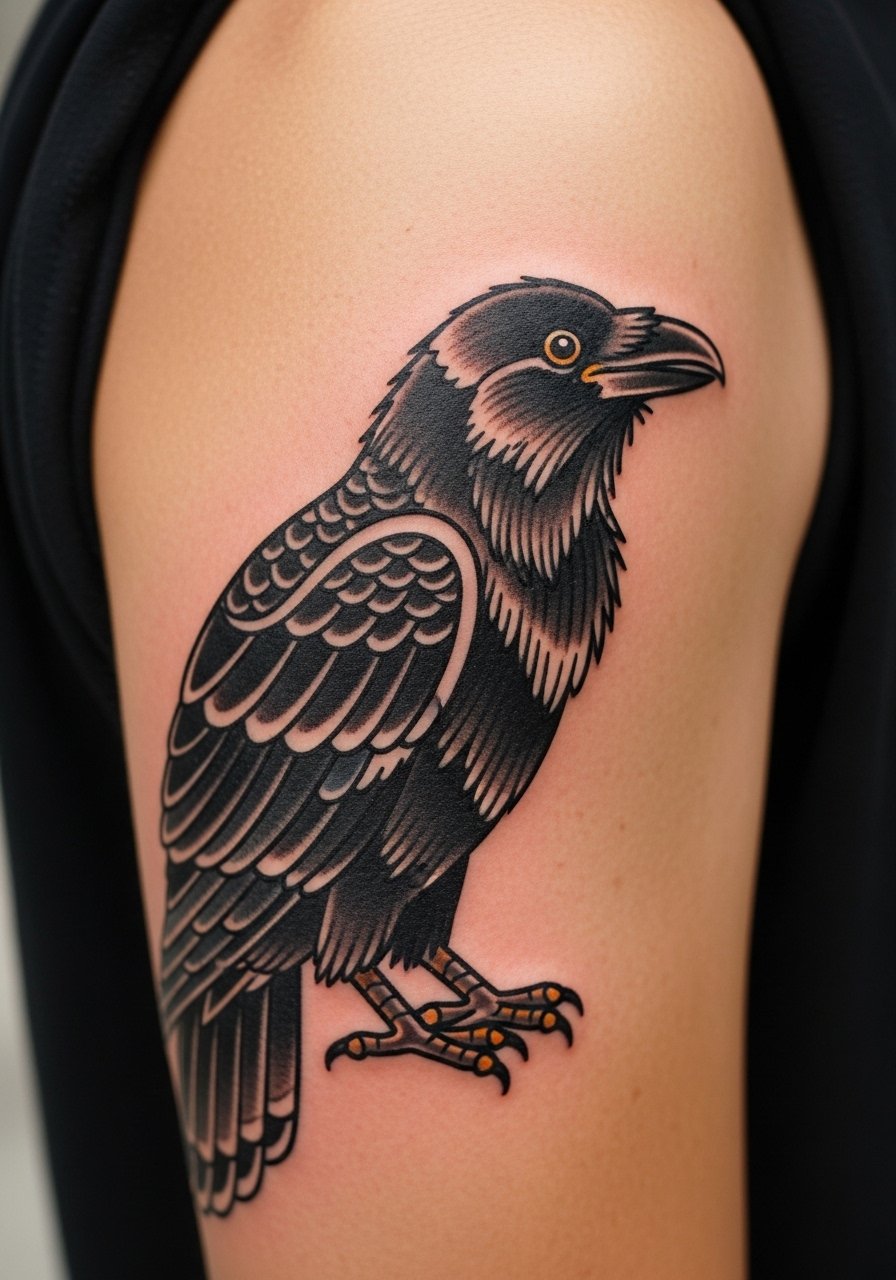
I love ravens done neo-traditional for their theatrical presence. Upper arm placement softens pain and shows well. Sessions of 90 minutes to two hours are common. Ask for heavy leading lines and blocky shadow masses that read clean as the piece ages. Tiny feather details can get lost over time if overworked. The common mistake is requesting feather micro-shading that becomes muddy after a year. Neo-traditional choices last because of their strong shapes. Keep your sleeve plan in mind during consultation.
17. Alchemy Symbols on Inner Forearm
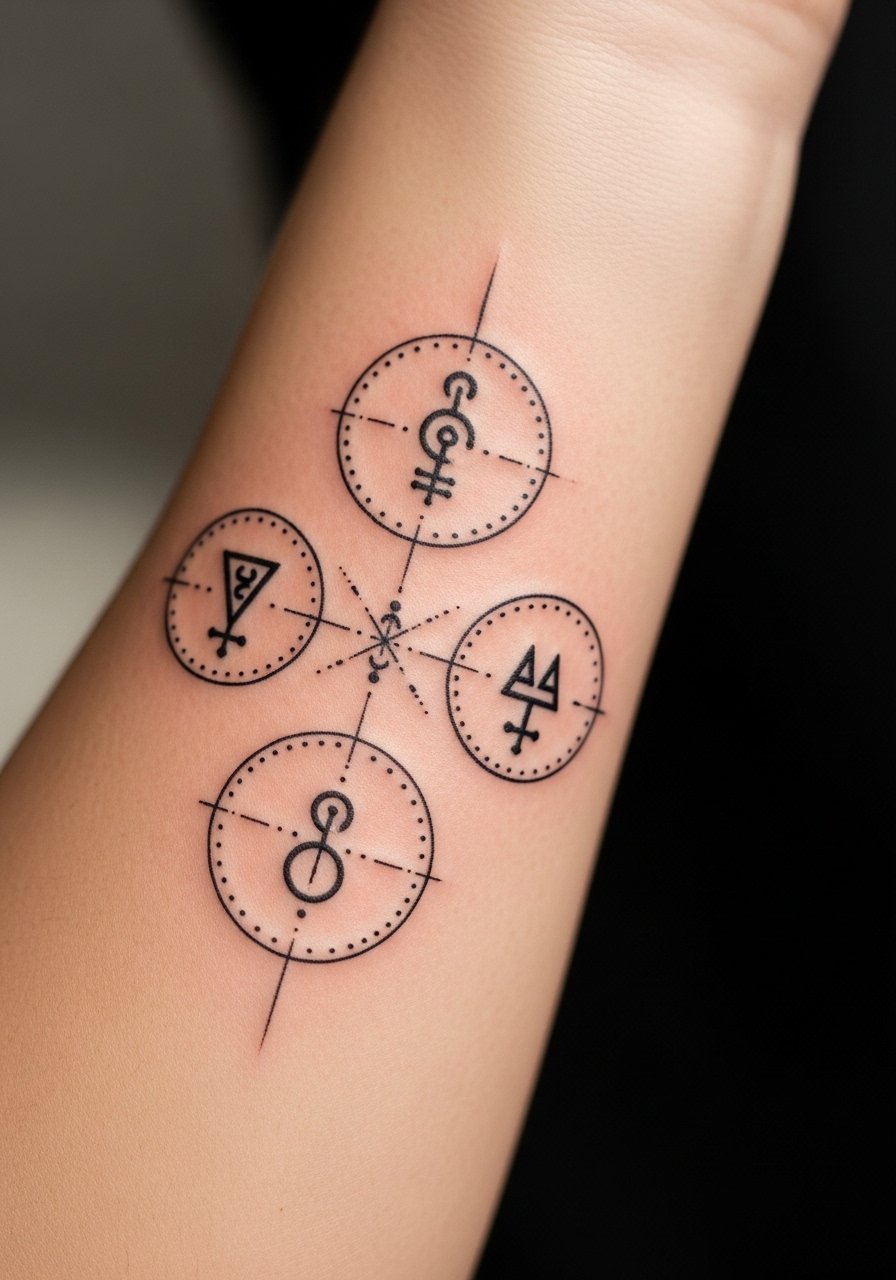
I recommend alchemy sets for people who want modular tattoos. The inner forearm tolerates frequent viewing. Pain is low to moderate, about a 3. You can do several small symbols across a single session. Tell your artist you want crisp geometry and consistent stroke weight. The mistake is tiny, inconsistent geometry that distorts as lines spread. These pieces age well if lines are balanced and sized for skin grain. Consider touch-ups at year two to refresh crispness.
18. Ornamental Cross on Sternum
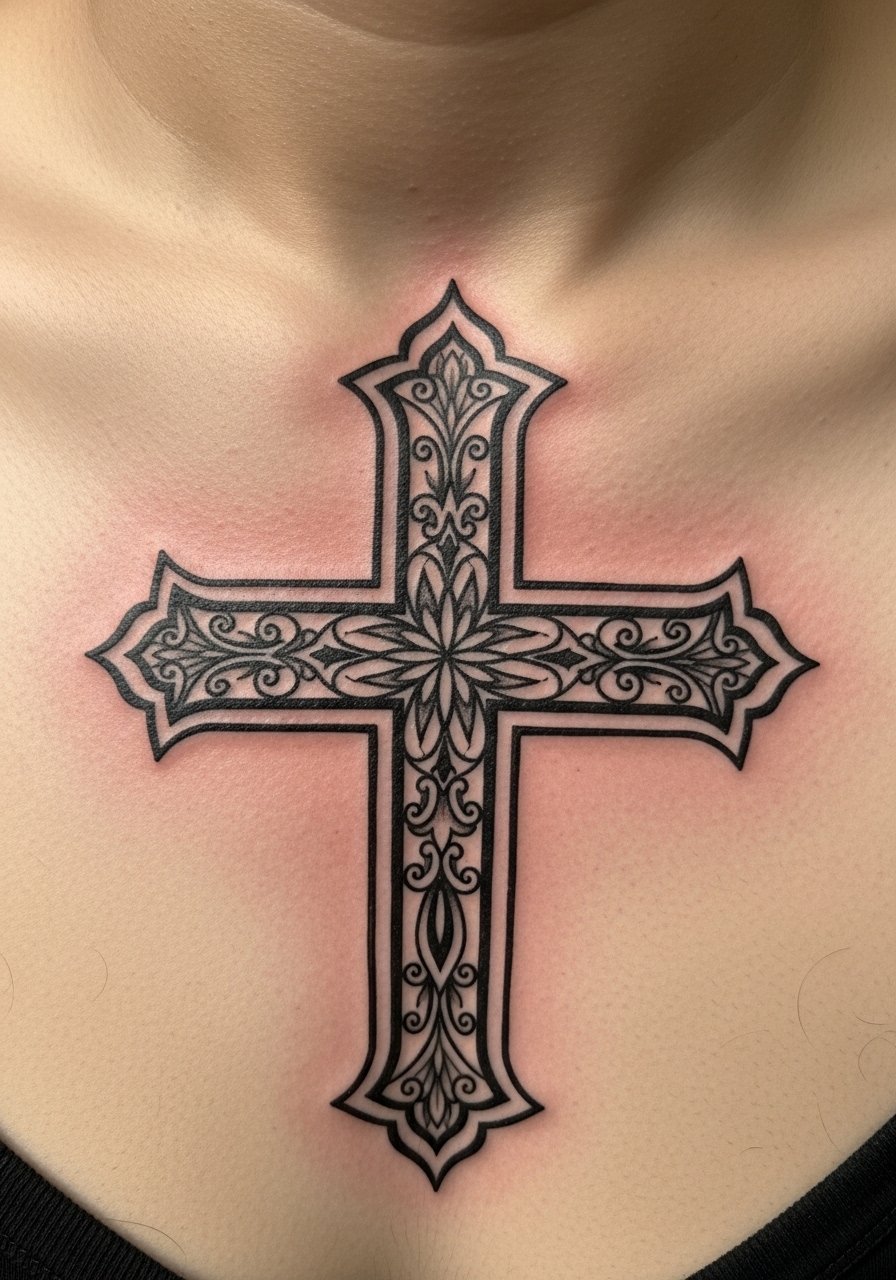
When my client wanted a statement on the chest, an ornamental cross felt both gothic and personal. Sternum work pain ranges 6 to 8. One to two sessions will get you a medium cross. Ask for strong negative spaces around the cross to prevent crowding during healing. People often pack too much filigree into a small central area. That filigree turns into a gray blur over time. For aftercare on chest pieces I recommend using a fragrance-free lotion after the first three days and avoiding tight collars.
19. Gothic Geometric Sleeve on Arm
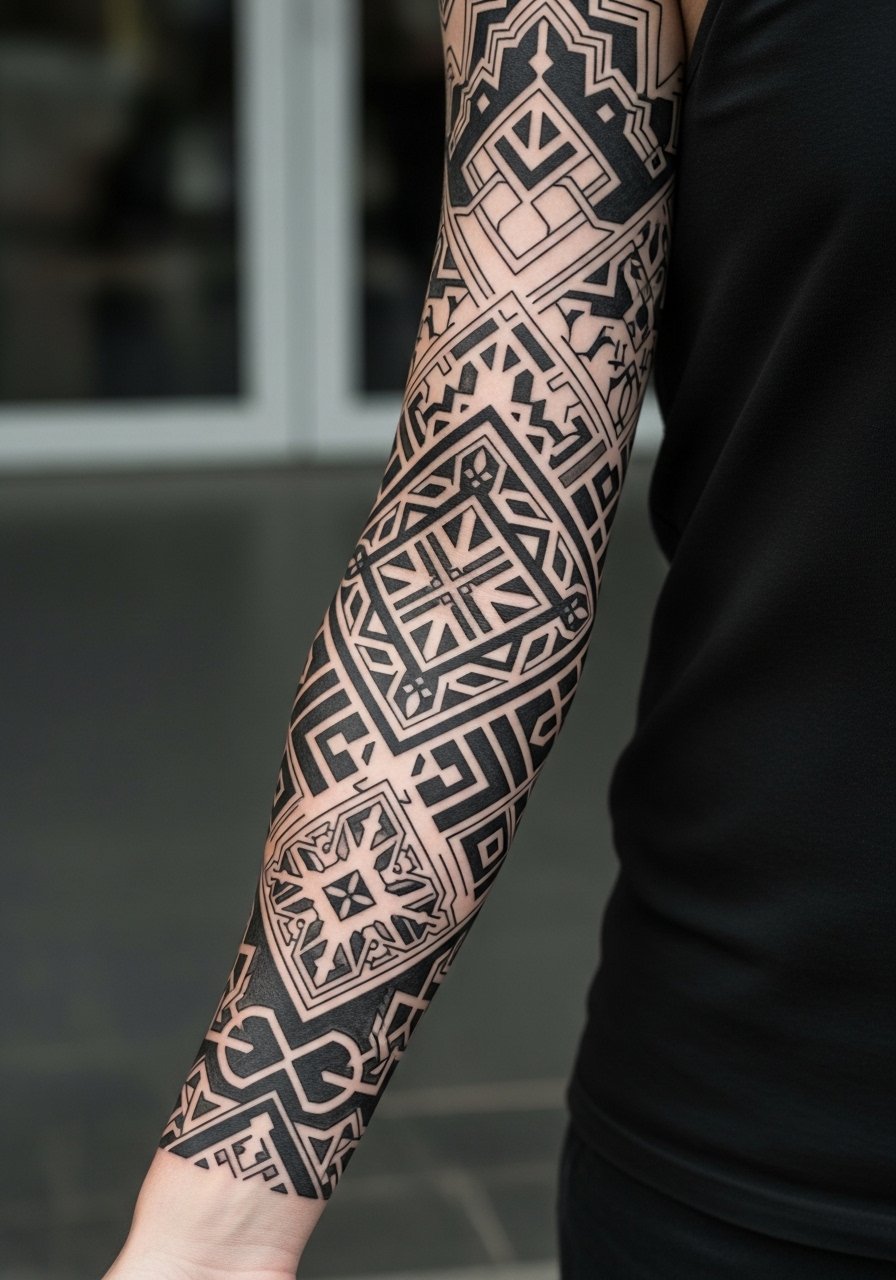
Geometric sleeves read like modern cathedral plans. I saw a few that wrap the arm in repeating arches and they aged well because the shapes were large. Pain varies across the arm. Expect multiple sessions across months. Tell your artist you want consistent line rhythm and room between shapes. The common mistake is over-fragmenting the sleeve into many tiny polygons. Those elements fuse into noise by year two. When done with large forms, geometric sleeves stay readable and dramatic.
20. Stipple Dotwork Orbital Eye on Nape
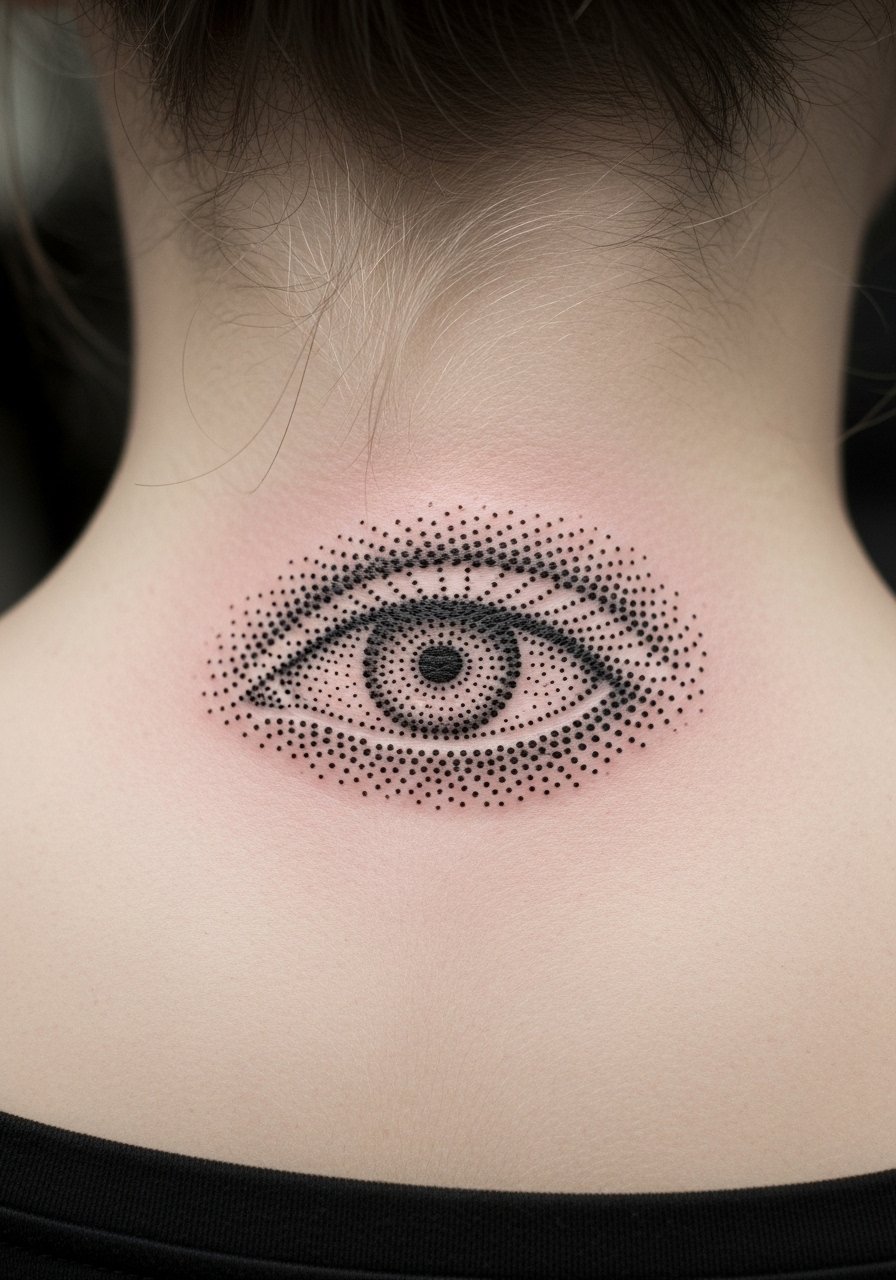
I noticed dotwork holds depth when dots are spaced intentionally. The nape is ticklish but looks great. Pain is moderate, a 5 out of 10. Small to medium pieces can be finished in one session. Ask the artist to use denser dots in shadow and sparser dots in highlights. A mistake I see is overcrowding dots too closely. That creates heavy gray areas later. After six months the stippling should still show gradation if the artist planned density well.
21. Shadowed Portrait of Saint on Chest
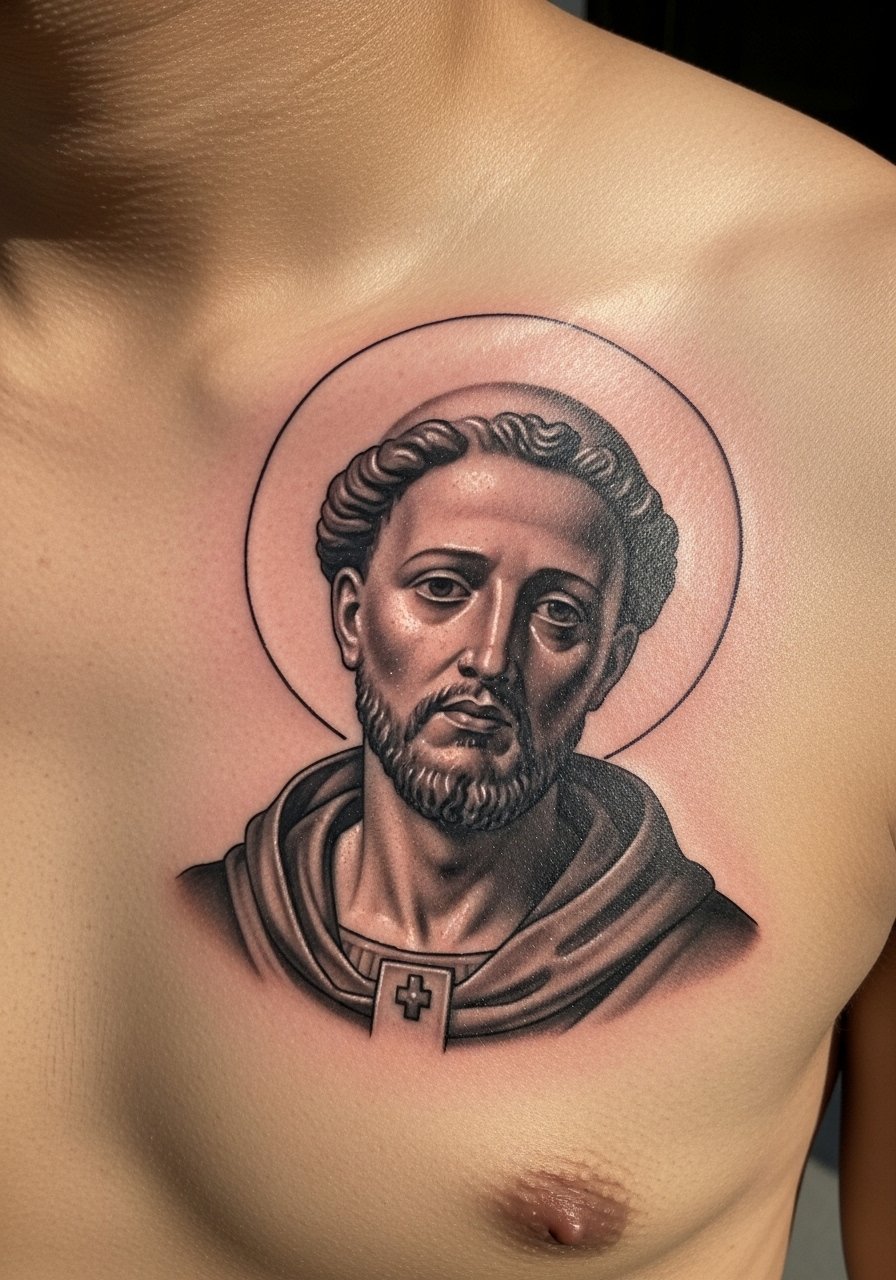
Portraits read as narrative on the chest. I recommend micro-realism for folks who want recognizable features. The chest can be tender near the sternum, pain a 6. Large portraits take multiple long sessions. Tell your artist to prioritize strong, simplified planes rather than endless tiny hairlines. Too much micro-detail in early sessions makes touch-ups harder. Around two years portraits need touch-ups to maintain high contrast. For a gothic saint, keep the surrounding negative space moody to let the face pop.
22. Gothic Fairytale Scene on Thigh

I love storytelling on the thigh because the surface allows scale and drama. Pain is low. Large scenes run several sessions. Ask your artist to design a clear focal point and avoid over-detailing background textures. People often request dense foliage that becomes a greenish blur after healing. If you want longevity, choose strong silhouettes and selective detail around faces or windows. Thigh scenes keep their narrative when artists use contrast and layered shading. Cover them up in sunlight during the first year.
23. Corset Lacing Ribcage Illusion
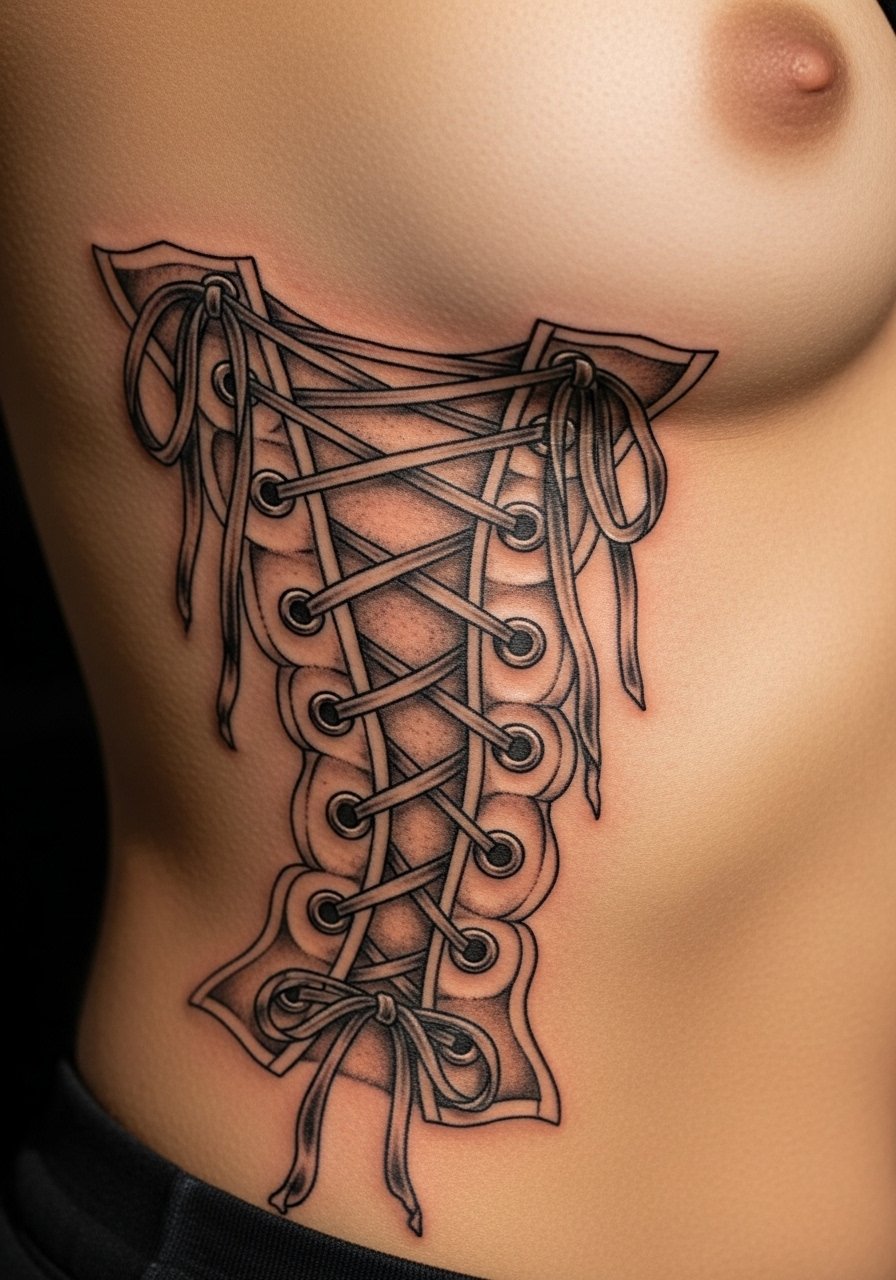
I first saw corset lacing in vintage fashion edits and then on skin. This illusion works because it follows the rib curve. Pain rates high across ribs. Short, staggered sessions help. Tell the artist to space eyelets and knots so they remain distinct after healing. A common mistake is placing tiny stitches too close. They blur into a dark line as the skin shifts. When spaced properly, the lacing ages gracefully and keeps the illusion of depth long term.
24. Architectural Column on Side Torso
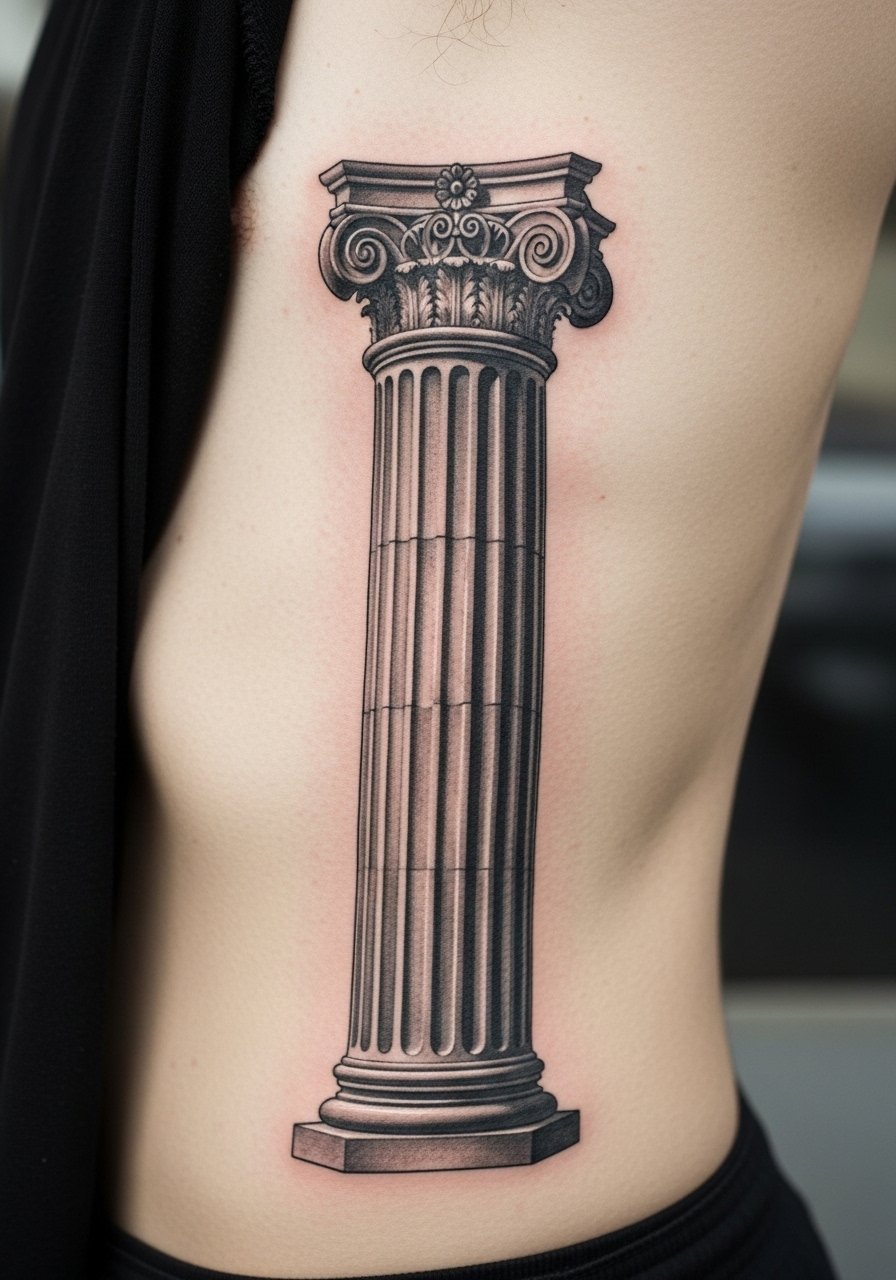
There is something about a column that anchors a body visually. Side torso work hurts more when close to the hip. Pain average is 6. Ask the artist to emphasize shadow planes and avoid tiny fluting lines that later wash out. The mistake I see is using print-scale fluting on curved, moving skin. Over time the column should still read structural because of strong contrast and simplified details. Expect full character by six to nine months.
25. Blackout Negative Space Rib Band
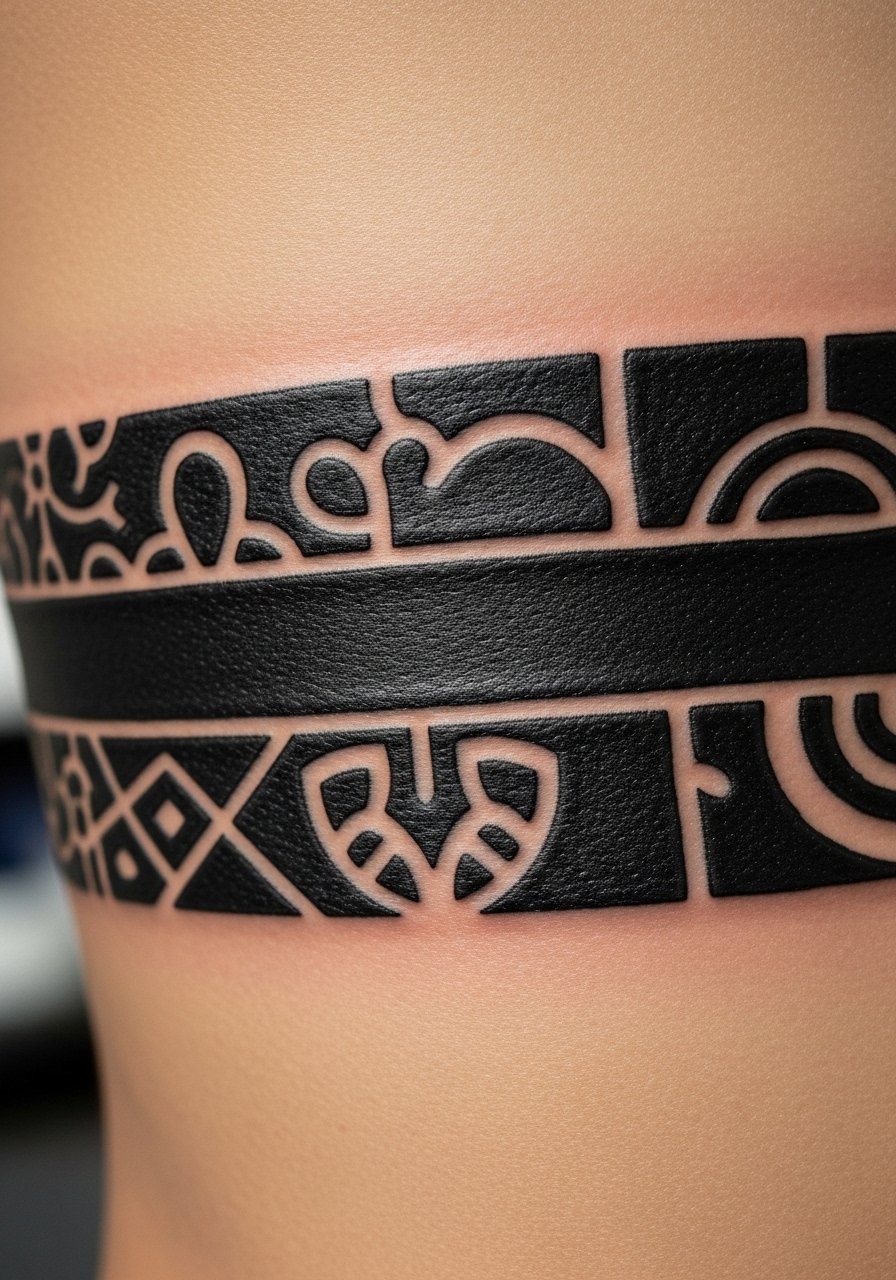
Blackout bands make a bold gothic statement. On ribs, expect a 7 out of 10 pain level. A medium band may need one long session or two short ones. Tell your artist you want crisp negative-space motifs cut out of the black, not drawn on top. A common mistake is asking for intricate cutouts that are too delicate against a large black field. Those thin cutouts can close up as ink settles. Blackout ages predictably if the black is consistently packed and you follow sun protection.
26. Mini Blackwork Symbols on Fingers
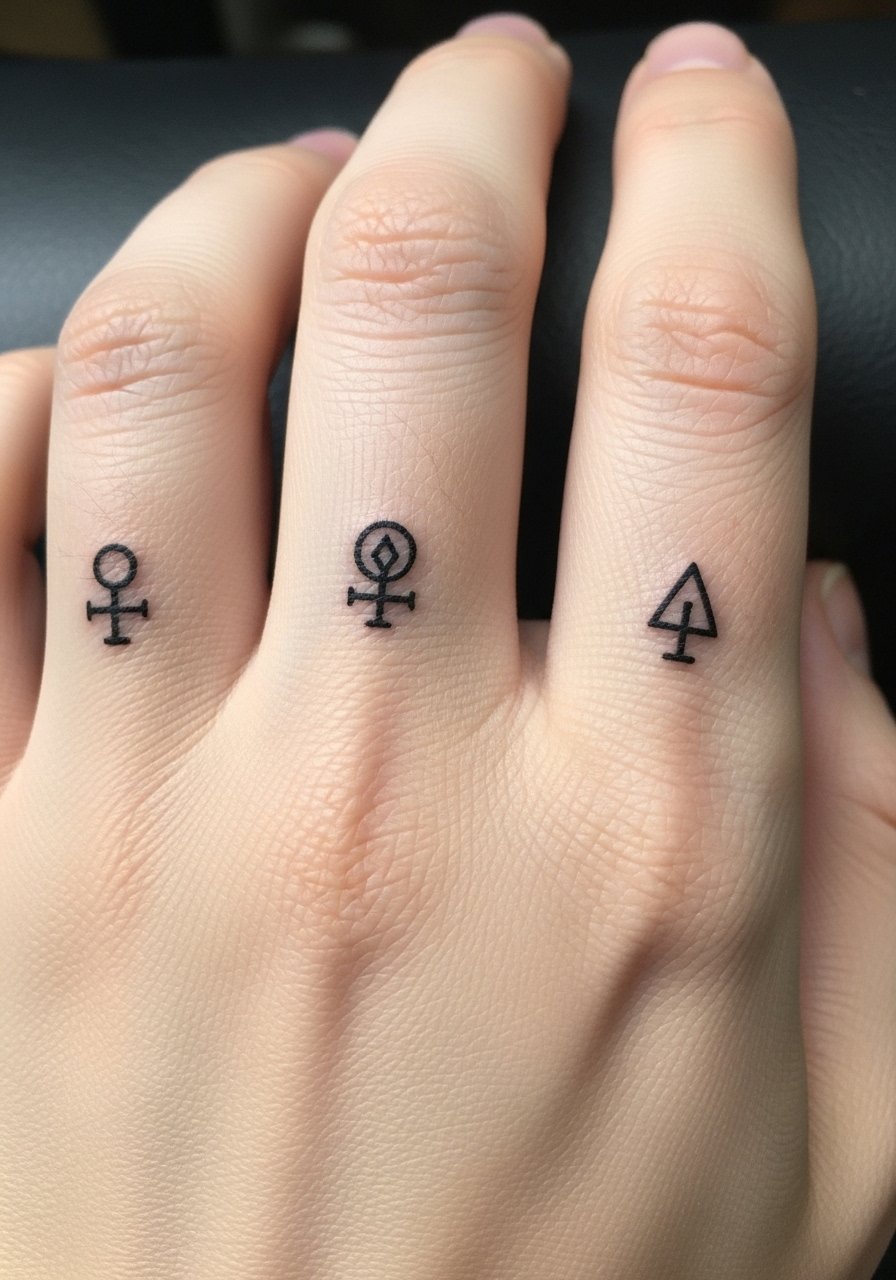
Finger tattoos fade faster than most places. I have clients who accept this and plan for annual touch-ups. Pain is high and focused, a 6 to 7 when on knuckles. Sessions are short. For longevity ask for slightly larger, simplified motifs and heavy outlines. The mistake is asking for ultra-fine symbols that disappear within months. If you want a long-lasting finger piece, commit to bold shapes and be prepared to refresh them after a year.
Tattoo Prep and Aftercare Essentials
Aftercare Essentials:
- Aquaphor Healing Ointment, 14oz tube — Use first 3 to 5 days for heavy scabbing and dry spots. I've recommended this to tattoo clients who need a breathable ointment.
- Saniderm Transparent Adhesive Bandage, 6-inch roll — Second-skin method for the first 48 to 72 hours, many artists recommend this for chest and rib work.
- CeraVe Fragrance-Free Moisturizing Lotion — Use days 4 to 14 when the tattoo starts to dry and flake.
- Dr. Bronner's Unscented Castile Soap, 18oz — Gentle daily clean. I use a tiny amount and rinse well.
Before Your Appointment:
- Numbing Cream with 5% Lidocaine, 30g — Apply 30 to 45 minutes before if your artist allows it. Ask them first.
- Tattoo Stencil Transfer Paper, 50 Sheets — Useful if you want to test placement at home before committing.
Long-Term Maintenance:
- SPF 50 Sunscreen Stick for Tattoos, 1.0 oz — I recommend daily use on exposed tattoos to prevent fading.
- Mad Rabbit Tattoo Balm, 2 oz — Artists I trust suggest this for healed tattoo moisturizing.
- Hustle Butter Deluxe, 2 oz — Vegan aftercare for ongoing hydration.
Optional Comfort Items:
- Tattoo Numbing Spray, 1 fl oz — For touch-ups or extra-sensitive areas.
- Hydrocolloid Bandages, Large Pack — Good for small spot repair or protecting a scab.
Every artist I talked to emphasized sun protection and scent-free moisturizers for long-term vibrancy. I keep a small aftercare kit for travel that includes a soap, ointment, and SPF stick.
Frequently Asked Questions
Q: Will fine line gothic tattoos blur if I get a full sleeve?
A: From what I've seen, fine line sleeves blur faster when details are crammed too tightly. If you're planning a sleeve use slightly heavier main lines and ask your artist to space secondary details. Also, plan on touch-ups after one to three years. For daily protection, I use a sunscreen stick designed for tattoos, it helps maintain line contrast. SPF 50 Sunscreen Stick for Tattoos, 1.0 oz
Q: Do stained glass or colored gothic pieces need different aftercare than blackwork?
A: I treat them the same in the first two weeks, gentle soap and a thin ointment. Color tends to fade more under sun exposure, so long-term I recommend a pigment-friendly balm and strict SPF. Artists I've seen suggest avoiding heavy exfoliation on colored panels. For healed color maintenance I often recommend Mad Rabbit balm. Mad Rabbit Tattoo Balm, 2 oz
Q: Will ribcage filigree hold up if I'm thin or heavily muscled?
A: Skin that stretches frequently will affect filigree more than static areas. For thin or athletic builds ask your artist to avoid ultra-fine loops directly over the most mobile spots. When I design rib pieces I prefer slightly larger motifs and clear spacing. Also plan for how clothing sits across the ribs while healing.
Q: Are hand, finger, and rib tattoos worth it if I hate touch-ups?
A: From what I've observed, hands and fingers require maintenance. Ribs can also need touch-ups depending on how detailed the piece is. If you dislike touch-ups choose bold, simplified motifs and accept that small micro-detail will soften. Some gothic designs translate well into simpler shapes that still read dramatic without frequent refreshes.
Q: Which aftercare products do artists actually recommend versus marketing hype?
A: Every artist I talked to mentioned fragrance-free lotions and either Aquaphor or a thin second-skin for the first few days. Saniderm got frequent name-checks for high-movement areas like ribs and chest. Hustle Butter and Mad Rabbit were recommended for healed skin maintenance by a few neo-traditional artists. I link to a starter kit above that covers most scenarios. Saniderm Transparent Adhesive Bandage, 6-inch roll
Q: How soon after getting a gothic chest or sternum piece can I wear shirts that touch the area?
A: I avoid tight collars for at least two weeks. For sternum work I usually tell people to sleep in loose shirts and wait until scabs start to flatten, usually day seven to ten. If you have a job that requires uniforms, plan the appointment around lighter work weeks.
Q: For dark botanical or blackwork sleeves, what should I ask my artist in the consultation?
A: Show reference for overall weight and spacing of black and negative space. Ask them to map out where solid black fields will sit versus textured fills. From what I've seen, telling them which existing pieces you plan to connect can prevent over-crowding. If you want brand suggestions for maintenance, I often use Aquaphor early, then a fragrance-free lotion for weeks two through four.