
I spent months pinning Gothic designs and talking to artists before I committed to any dark ink. The hard part wasn't picking a motif—it was knowing which Gothic styles actually age well and which look like a regret after a year. These 26 Gothic tattoos lean into bold contrast, ornamental linework, and moody symbolism that survive healed life.
This list focuses on Gothic, blackwork, neo-traditional, and micro-realism approaches. Placements range from sternum and ribs to forearm and hand. From what I've seen in 2026 trends, high-contrast blackwork and detailed filigree keep their impact as they settle—while ultra-fine single-needle Gothic scripts need expert hands to avoid early blur.
1. Blackwork Victorian Locket on Sternum
Style/Technique: Blackwork / Ornamental
Pain Level: High (7-8/10)
Session Time: Multiple sessions, 2-4 hours each
Best For: Statement piece, center-chest visibility
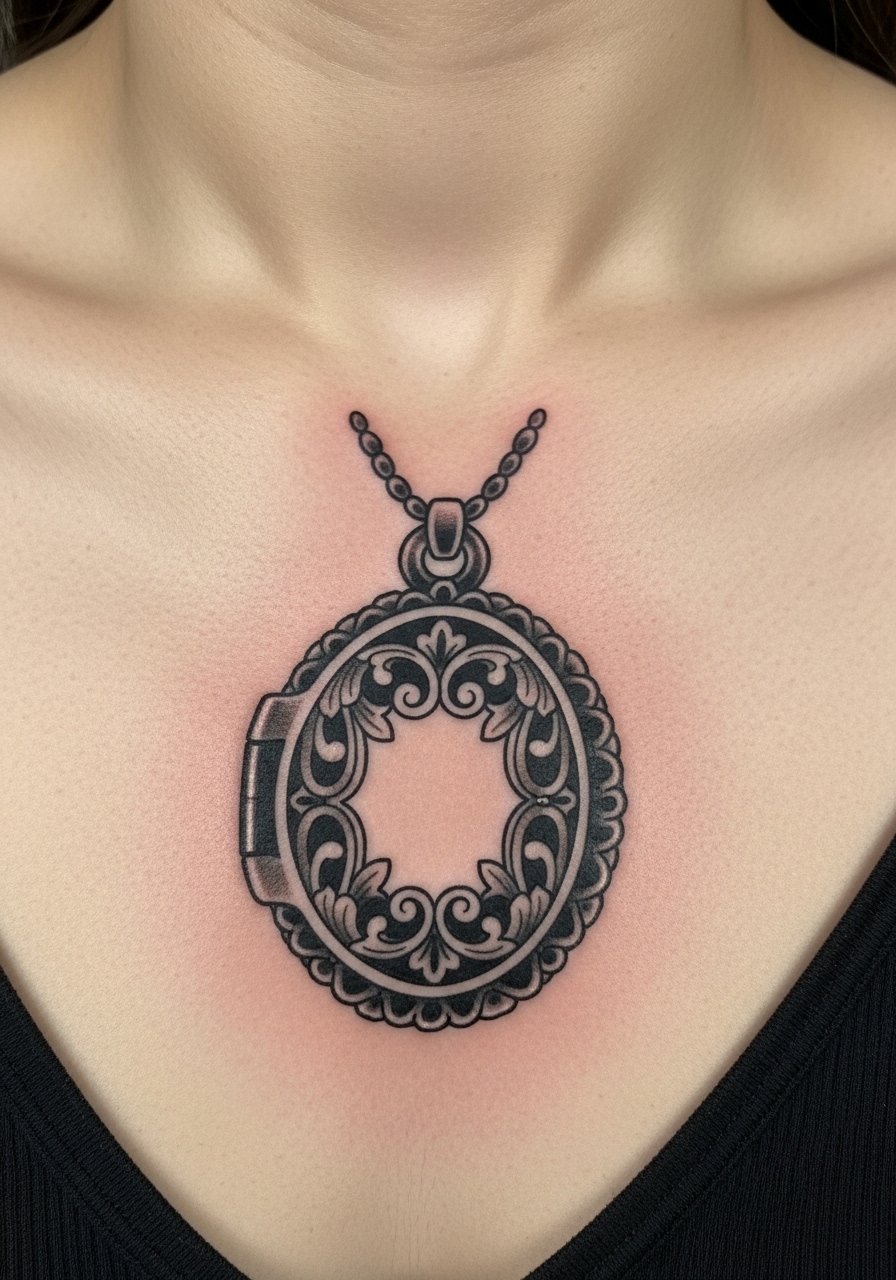
I chose a sternum locket when I wanted a central Gothic anchor. Sternum gives dramatic negative-space options and looks like jewelry under clothing. Expect heavier pain—bone and thin skin concentrate sensations. Healed black fills hold up well here, but edges can soften; ask your artist for slightly bolder line weight than you think you want. Healing needs careful hygiene—moisture can pool in the sternum crease and cause scabbing. Common mistake: asking for overly intricate micro-detail that will blur at this scale. Ask for bold contrast, filigree work, and a locket clasp that reads clearly once the skin settles. This style reads timeless and meaningful, especially when paired with matching collarbone pieces.
2. Gothic Script Name on Ribcage
Style/Technique: Fine Line / Script
Pain Level: High (8/10)
Session Time: 1-3 hours
Best For: Hidden, personal piece
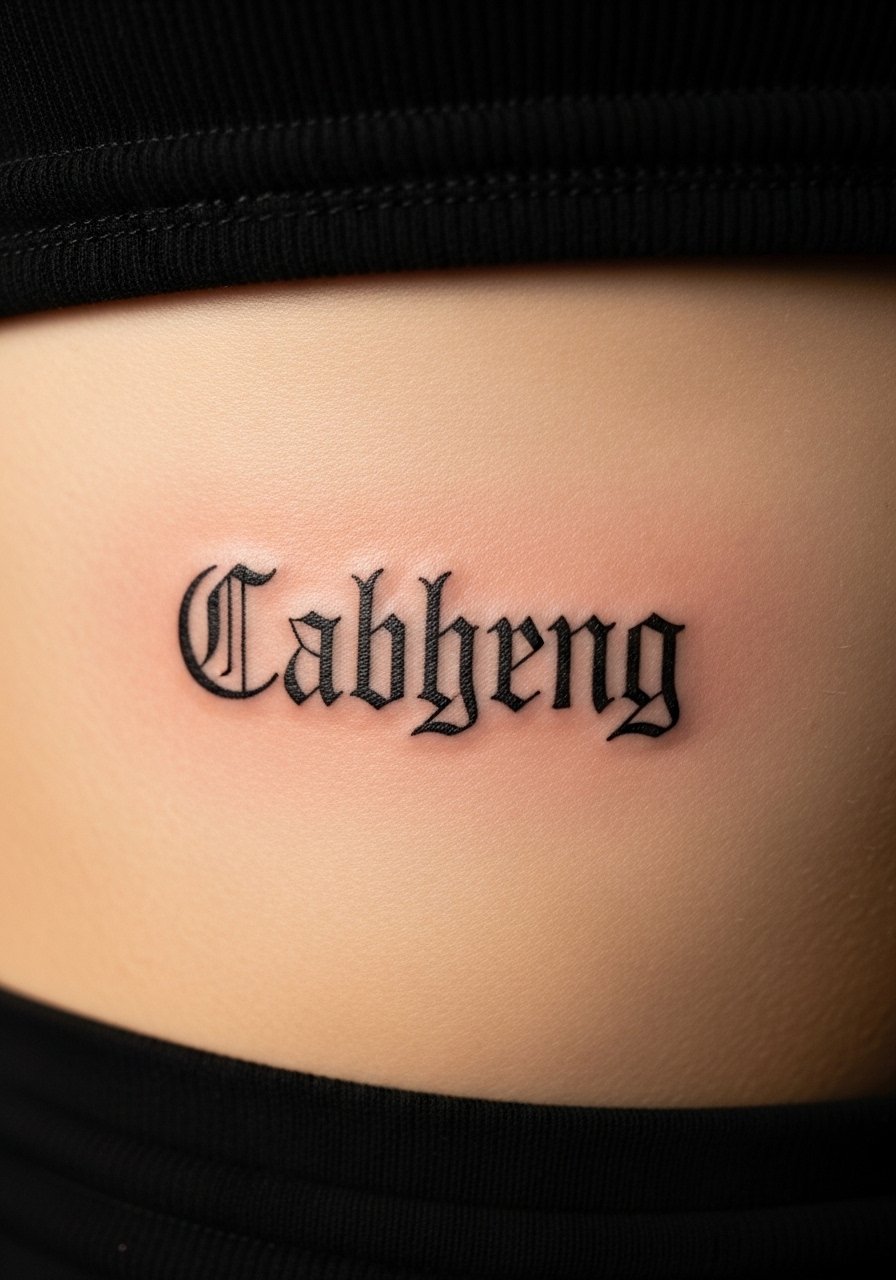
Ribcage script looks intimate and dramatic. I picked rib placement for the way fabric can reveal or hide it. Ribs are painful, so expect sharp sensitivity and breathing to affect the session. Fine Gothic lettering needs spacing—single-needle scripts often blur if letters are too thin or too close. From what I've seen, ask for slightly thicker strokes and clear spacing. Healing takes longer due to movement; wear loose clothing and avoid friction. Common mistake: choosing a tiny, ultra-ornate script that becomes unreadable. If you want a timeless feel, pair the name with subtle filigree or a shadowed drop to keep legibility long-term.
3. Dark Rose Bouquet on Upper Arm
Style/Technique: Neo-Traditional / Bold Color
Pain Level: Low-Medium (3-4/10)
Session Time: 2-4 hours
Best For: Bold yet classic, hides well over time
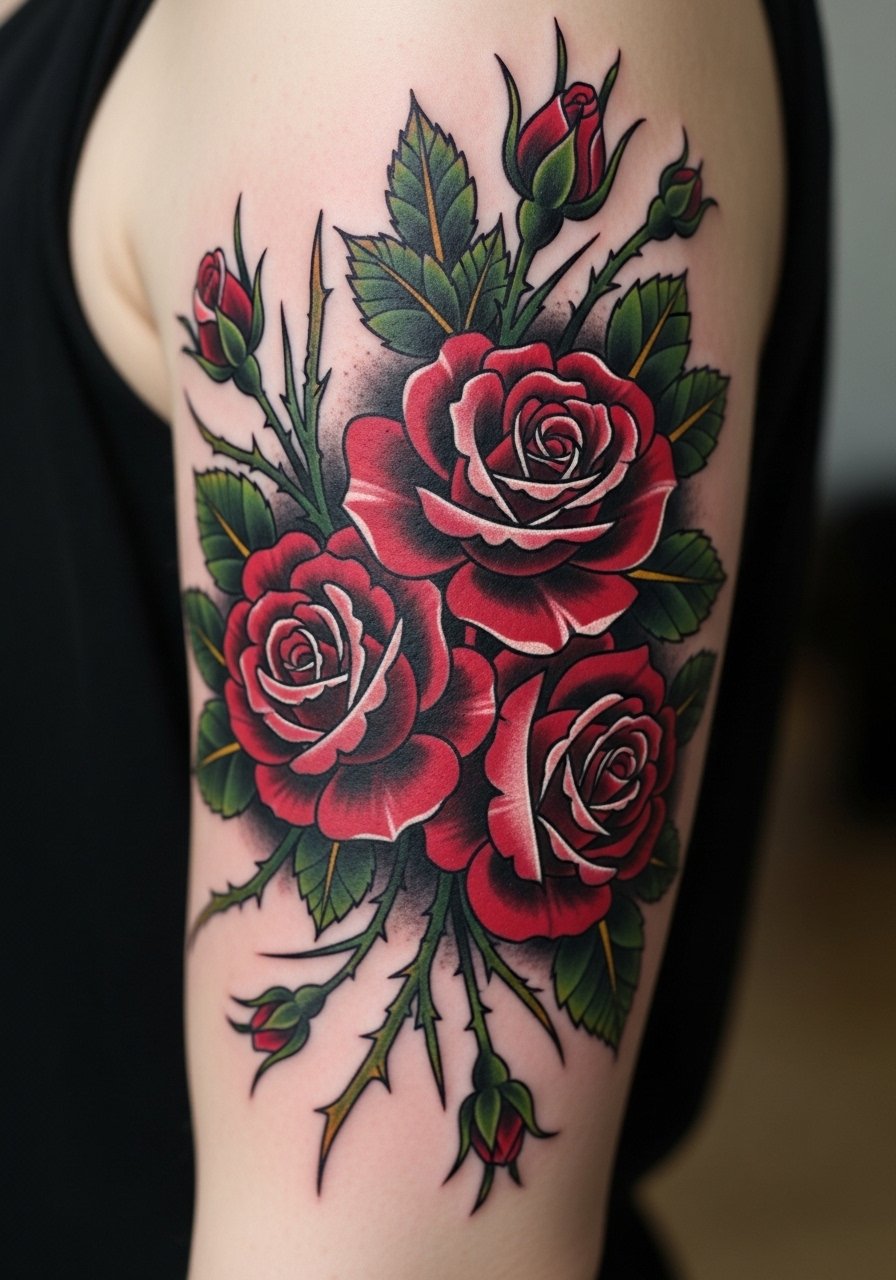
A dark rose bouquet reads Gothic without being literal. I like this placement because the upper arm handles saturation and heals reliably. Heavy blacks and deep reds age well; expect minimal pain and fast sessions. Colors can soften—reds shift more than black—so ask your artist about pigment saturation and layering. The style looks meaningful and classic, and it’s forgiving if you want future additions. Common mistake: tiny petals with thin highlights; they often blur and lose the Gothic silhouette. If you want drama, choose deeper shadows and bold outlines that keep shape as it heals.
4. Stained-Glass Cathedral Window on Back
Style/Technique: Micro-Realism / Color Blackwork Mix
Pain Level: Medium-High (6-7/10)
Session Time: Multiple sessions, 3-5 hours each
Best For: Large back piece, statement work
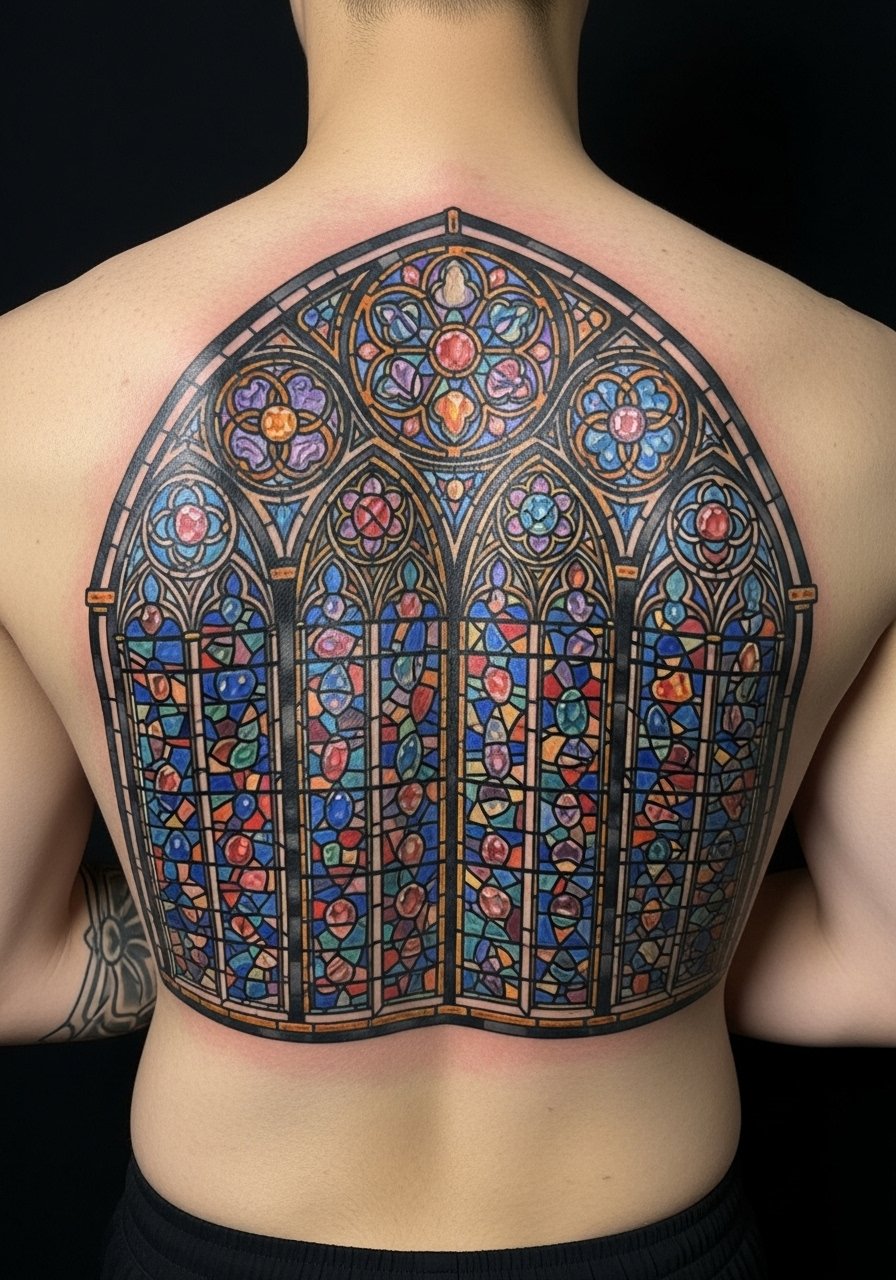
I fell for stained-glass because it mixes color with heavy black outlines—perfect for Gothic vibes. On the back, an arched window reads architectural and cinematic. Expect multiple sessions and mid-range pain. Healed color looks jewel-toned but slightly muted compared to fresh ink. Artists who can do clean color separation and heavy lead lines are ideal; otherwise, color bleeds. Common mistake: too many tiny panes—scale matters. Keep panels larger so the lead lines stay crisp. This piece feels timeless and churchlike without leaning religious unless you want that symbolism.
5. Gargoyle Profile Behind Ear
Style/Technique: Blackwork / Micro-Realism
Pain Level: High (7-8/10)
Session Time: 1-2 hours
Best For: Subtle, edgy placement
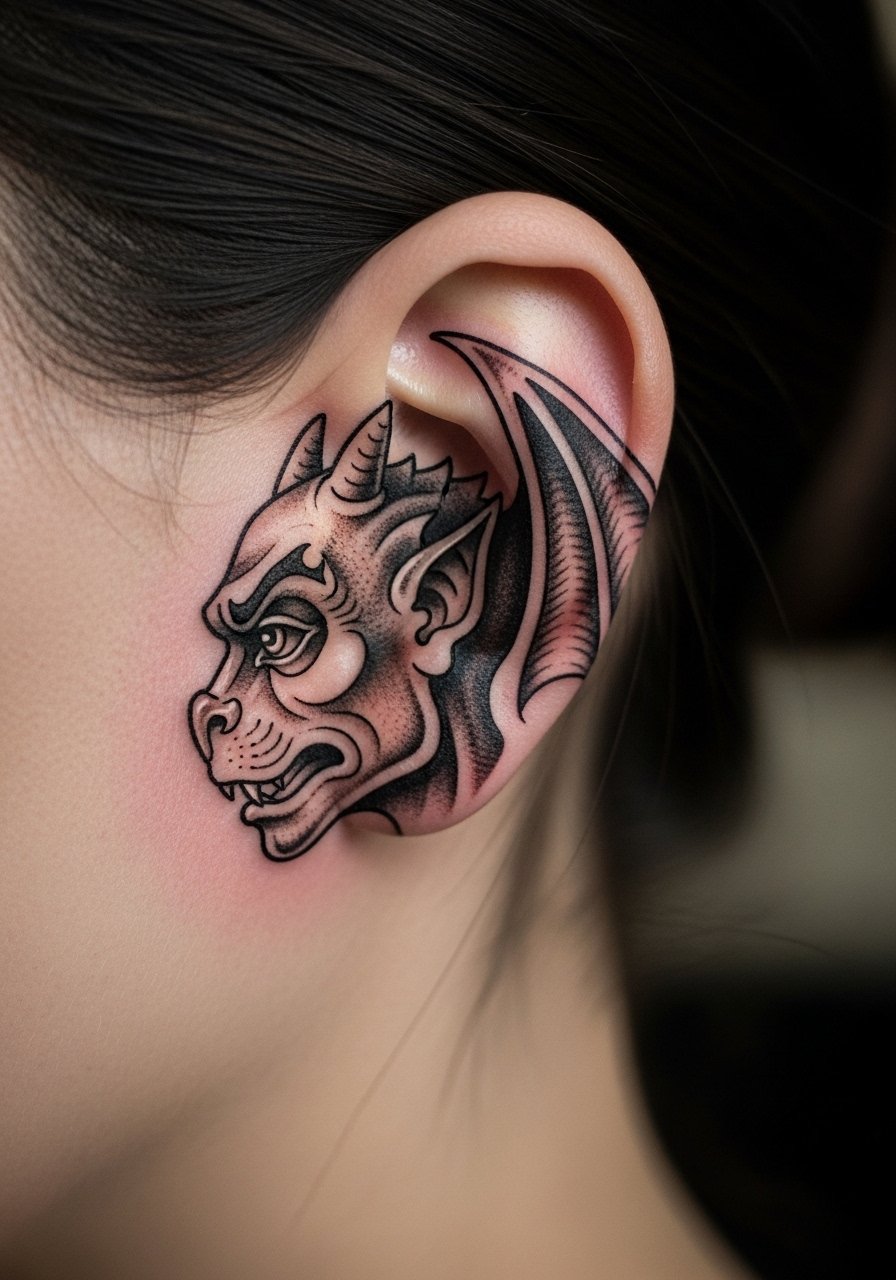
Behind-the-ear gargoyles are a stealthy Gothic choice. I chose this to add a mischievous accent I can reveal with my hair. Expect sharp pain—thin skin and bone proximity amplify sensation. Healed detail can soften quickly, so keep the design bold and avoid tiny textures. Healing needs careful moisture control; hair oils can irritate the area. A common mistake is over-detailing; behind-ear tattoos benefit from simplified silhouettes. Ask for a bold outline and clear eye or horn elements so the image reads from a short distance.
6. Baroque Filigree Armband on Forearm
Style/Technique: Fine Line / Ornamental Blackwork
Pain Level: Medium (4-5/10)
Session Time: 2-3 hours
Best For: Visible, wrap-around statement
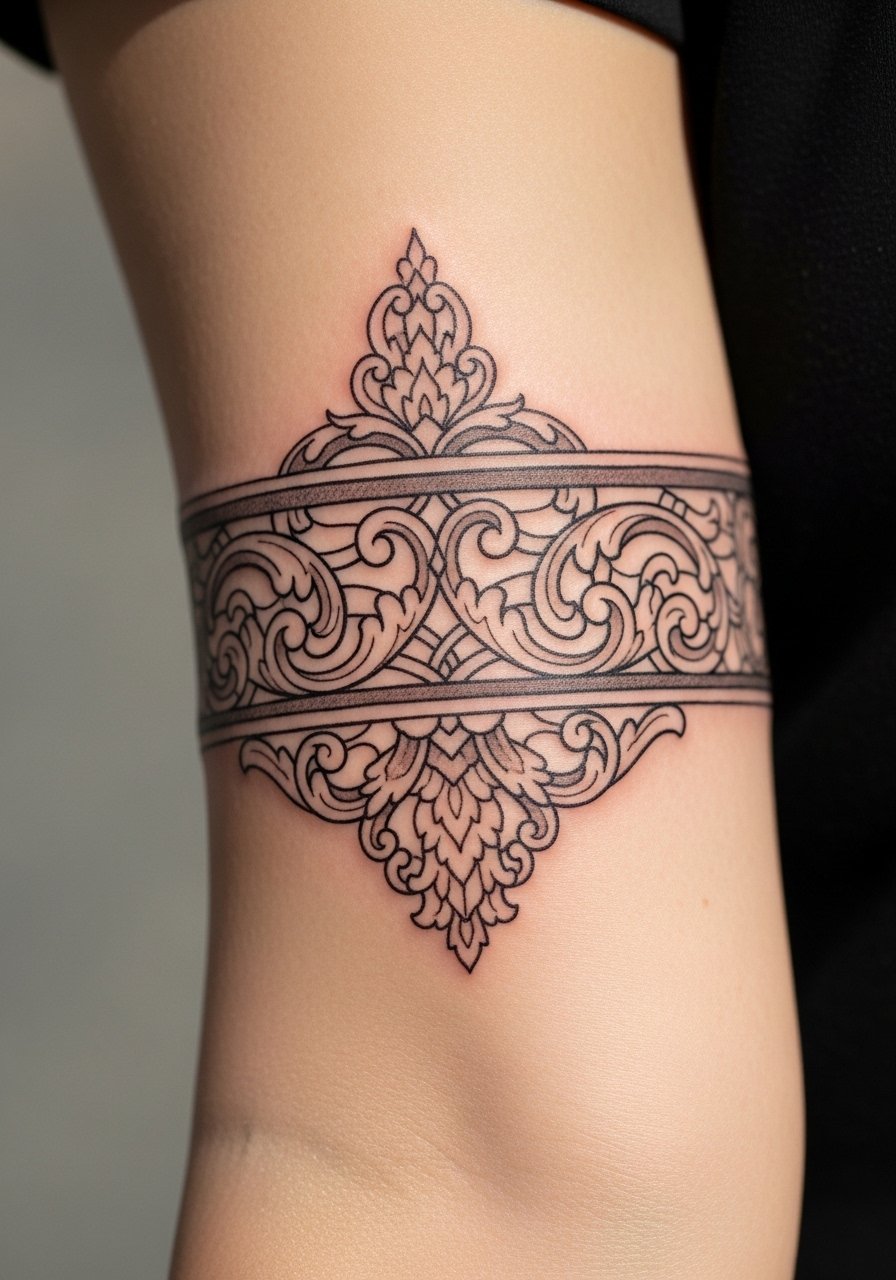
A filigree armband gives Gothic lace energy without being fragile. I went for forearm so it’s visible and easy to show. Forearm pain is moderate, and the skin tolerates fine lines well. Over time, super-fine scrollwork can blur, so ask your artist for a balance between delicacy and crispness. Healed armbands look like wearable jewelry; avoid narrow single lines that can disappear. Common mistake: not testing the wrap—have the artist map it while your arm is in natural position. That keeps decoration flowing and comfortable.
7. Mourning Portrait Cameo on Thigh
Style/Technique: Micro-Realism / Neo-Victorian
Pain Level: Medium (5-6/10)
Session Time: 3-5 hours
Best For: Private, sentimental piece
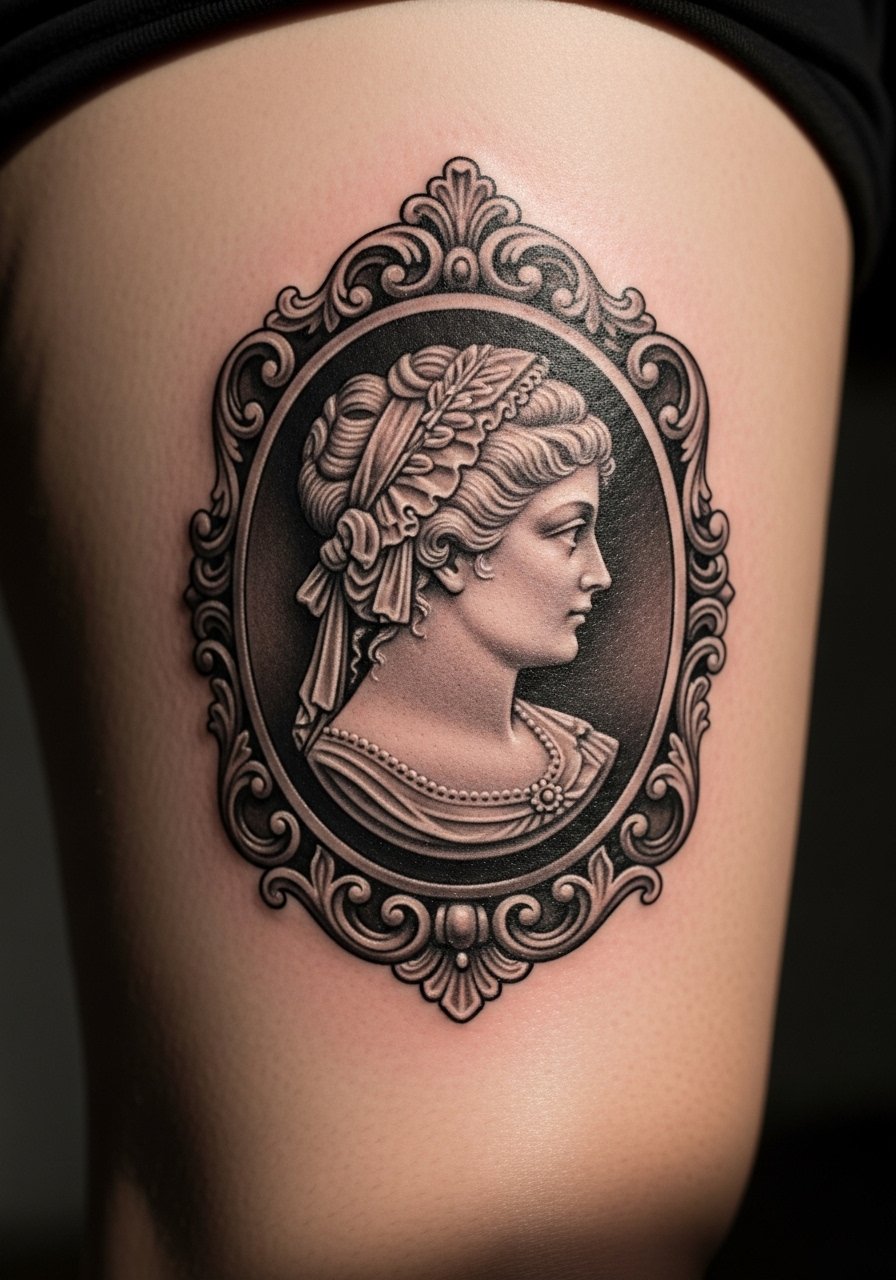
A mourning cameo on the thigh reads like a keepsake. Thighs handle shading and look great healed. I picked this for a piece that’s intimate but large enough for facial detail. Pain is manageable and sessions are comfortable since you can lie down. Micro-realism ages depending on line fineness—faces need enough contrast to stay defined. Common mistake: tiny facial features at small scale; they often blend. Ask for slightly stronger shading cues and a clear oval frame to preserve the cameo look as it settles.
8. Black Rose Hand Cluster
Style/Technique: Blackwork / Neo-Traditional
Pain Level: High (8/10)
Session Time: 1-2 hours
Best For: Bold visible statement
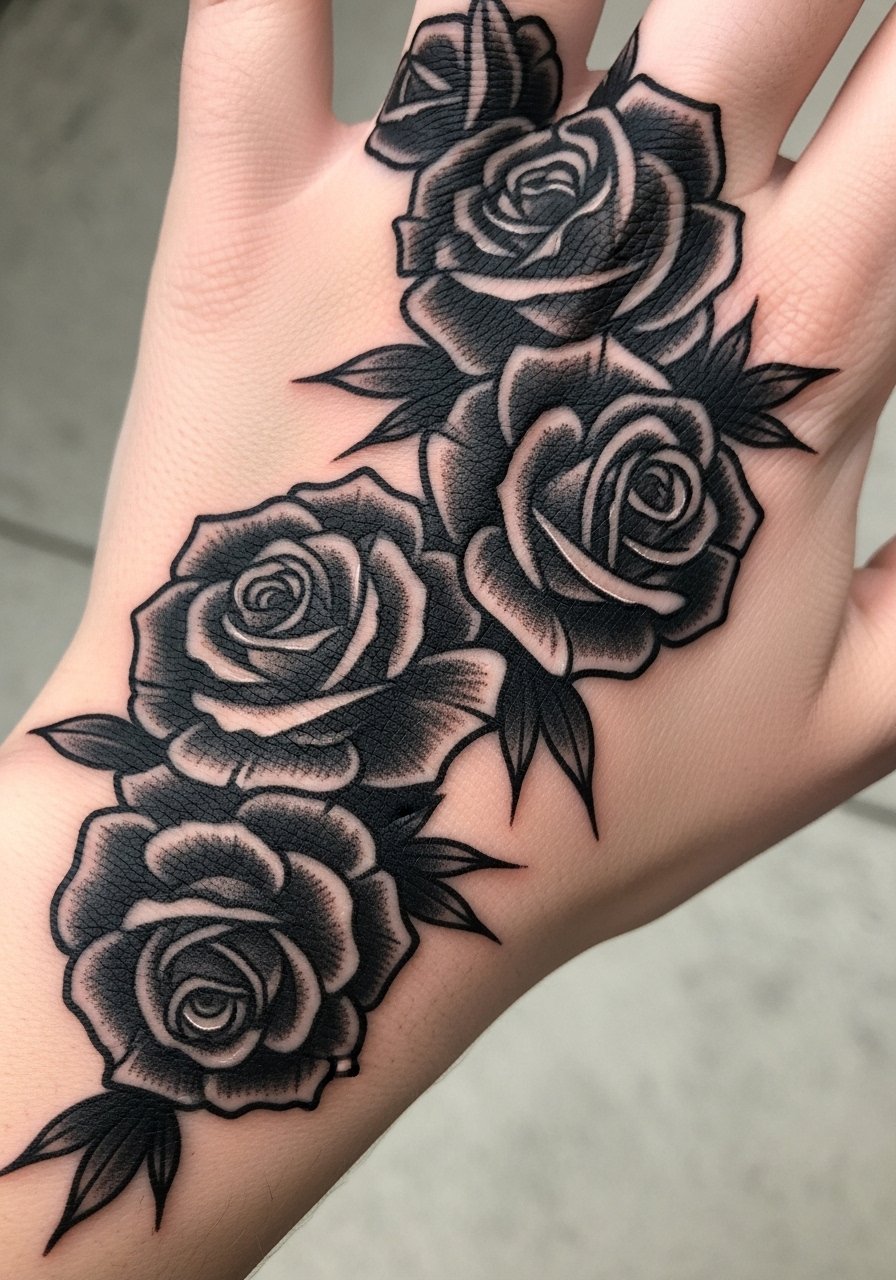
Hands scream commitment. I chose a black rose cluster because roses read Gothic and hands emphasize the drama. Expect high pain and faster fading—hands get sun, washing, and abrasion. Healed black tends to hold shape but will lighten; touch-ups are common. Artists often advise simplified shapes and heavy contrast for longevity. Common mistake: tiny details between knuckles; they rarely survive. If you want a bold, meaningful piece, go for clear silhouettes and heavy black fill to anchor the design.
9. Coffin With Thorns on Calf
Style/Technique: Illustrative Blackwork / Traditional Influence
Pain Level: Low-Medium (3-4/10)
Session Time: 1-2 hours
Best For: Visible when wearing shorts, easy to hide with pants
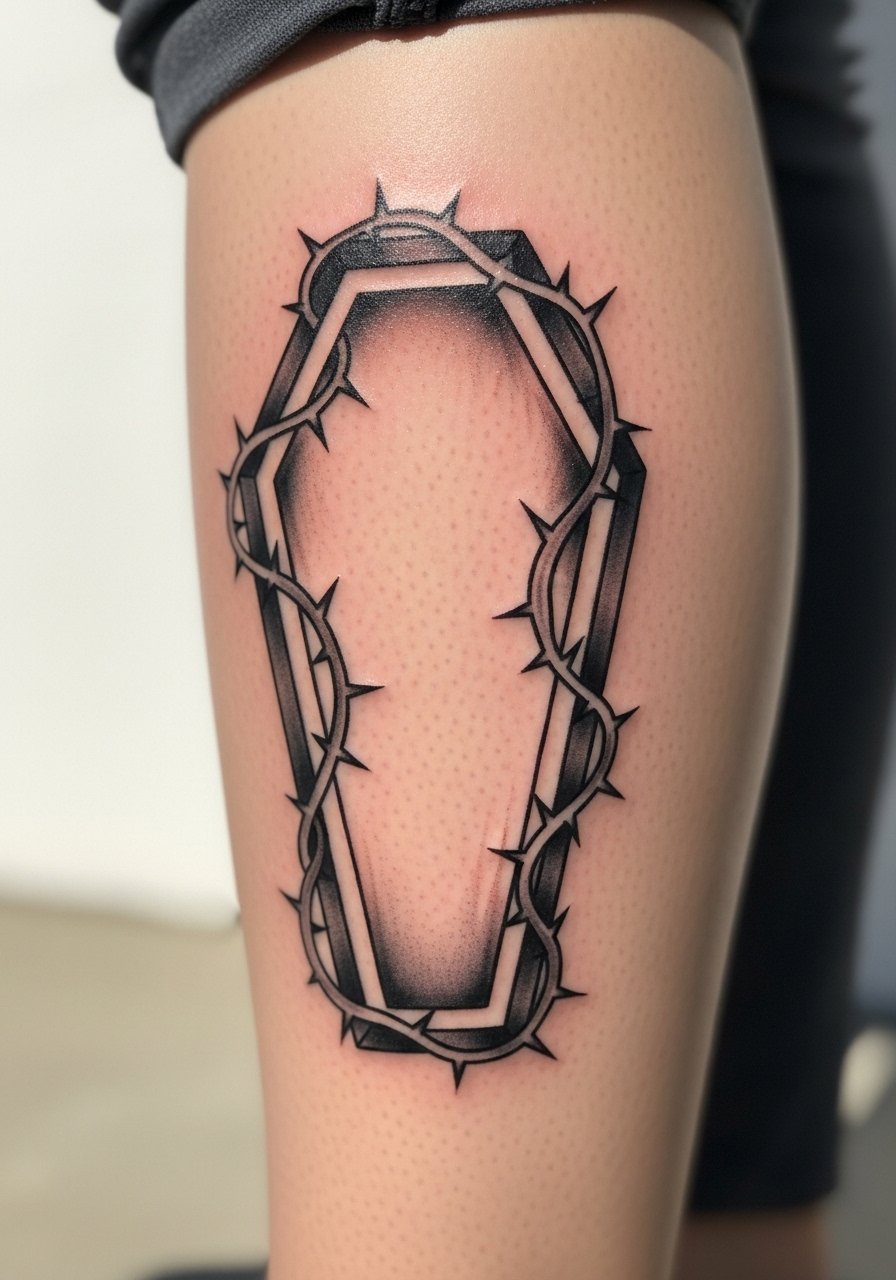
A coffin framed by thorny vines hits Gothic symbolism without being overtly graphic. Calf placement is comfortable and ages well. I picked this for its silhouette potential—the coffin reads from a distance. Pain is manageable and healing is straightforward. Overly fine vine tendrils can blur into one another; scale up details so they remain distinct. A common mistake is placing it too low near the ankle where abrasion is higher. Keep it mid-calf and let the thorns breathe.
10. Raven With Open Wings on Shoulder Blade
Style/Technique: Neo-Traditional / Black & Gray
Pain Level: Medium (5/6/10)
Session Time: 2-4 hours
Best For: Dramatic back accent that pairs with other pieces
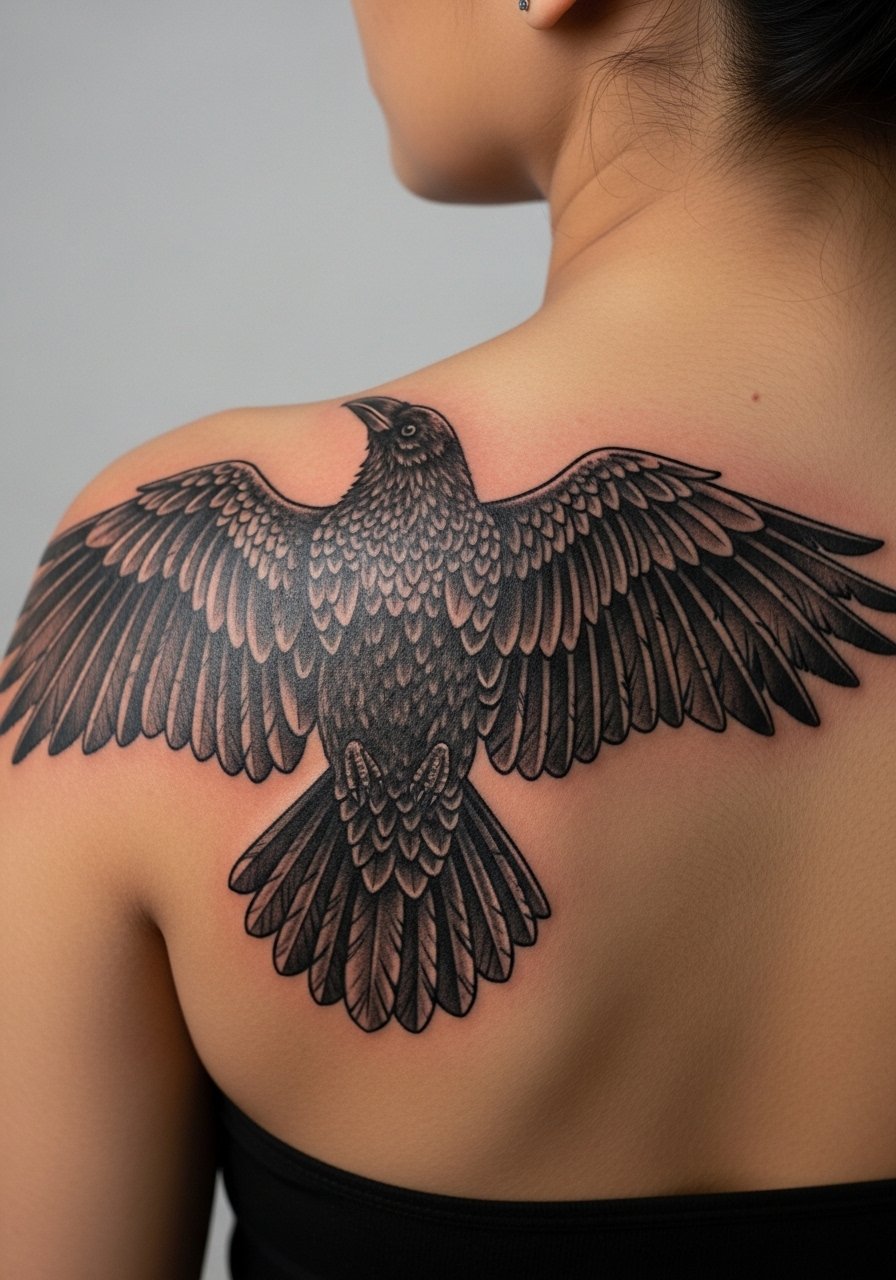
I love ravens for their Gothic symbolism and motion. Shoulder blade offers a canvas for wing spread that looks powerful healed. Pain is moderate; sessions are tolerable. Feather detail can soften; ensure the artist uses distinct contrast for the wing tips and body. Common mistake: too many micro-feathers—simplified feather groups read better long-term. This design pairs well with script, moons, or filigree frames for a layered Gothic bodypiece.
11. Inverted Cross Cluster on Inner Wrist
Style/Technique: Minimalist Blackwork / Symbolic
Pain Level: Medium (4-5/10)
Session Time: 30-60 minutes
Best For: Subtle statement, easy to hide with sleeves
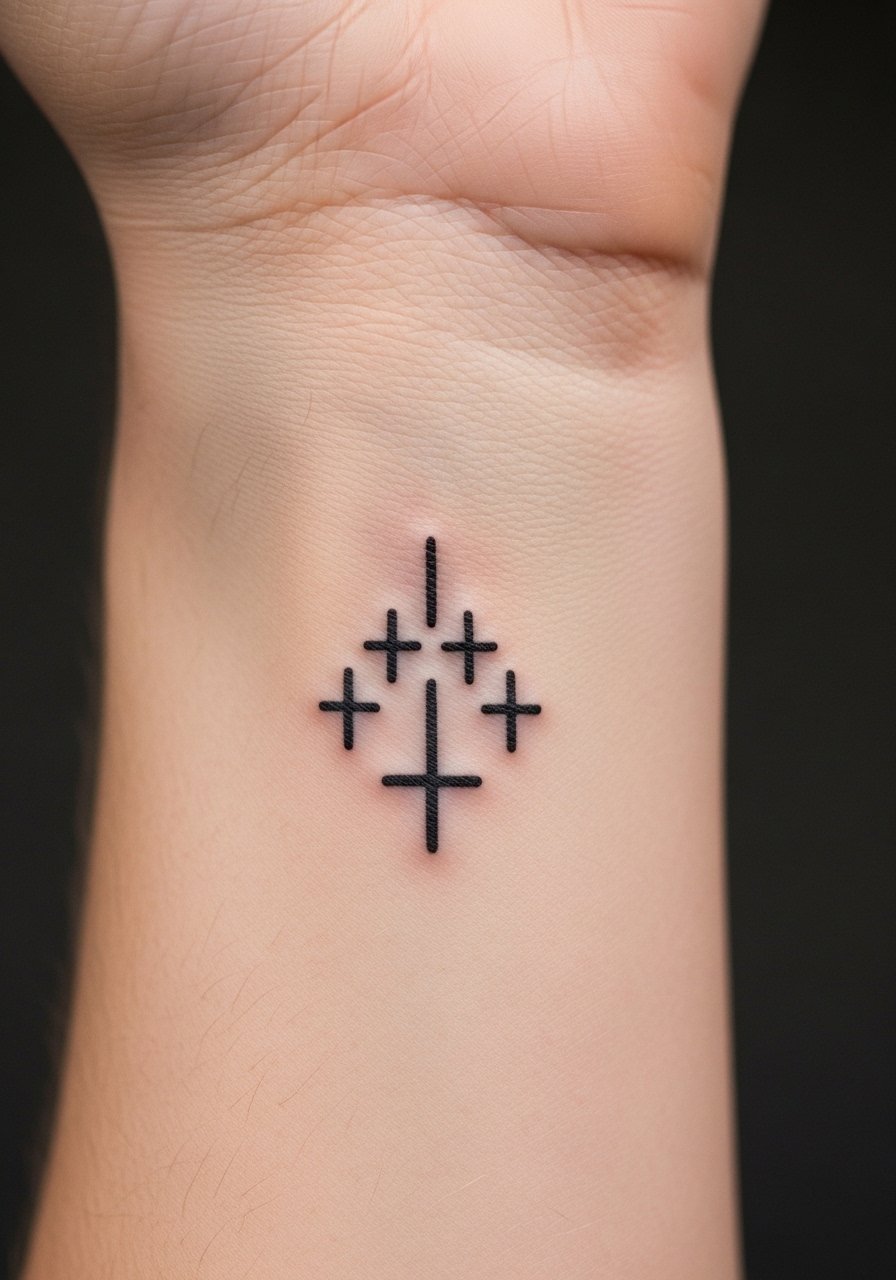
Inner-wrist symbols sit close to daily sightlines. I picked a small inverted cross cluster to lean into Gothic iconography without being ornate. Pain is moderate—thin skin near veins can sting. Small minimalist marks can blur or migrate, so spacing matters. A common mistake is packing too many tiny symbols in a confined wrist area; they merge. If you want subtle meaning, place the crosses with breathing room and ask for slightly denser ink to keep edges crisp as it heals.
12. Candlelit Skull With Drips on Ribcage Side
Style/Technique: Illustrative Blackwork / Neo-Realism
Pain Level: High (7-8/10)
Session Time: 2-4 hours
Best For: Dramatic, private art piece
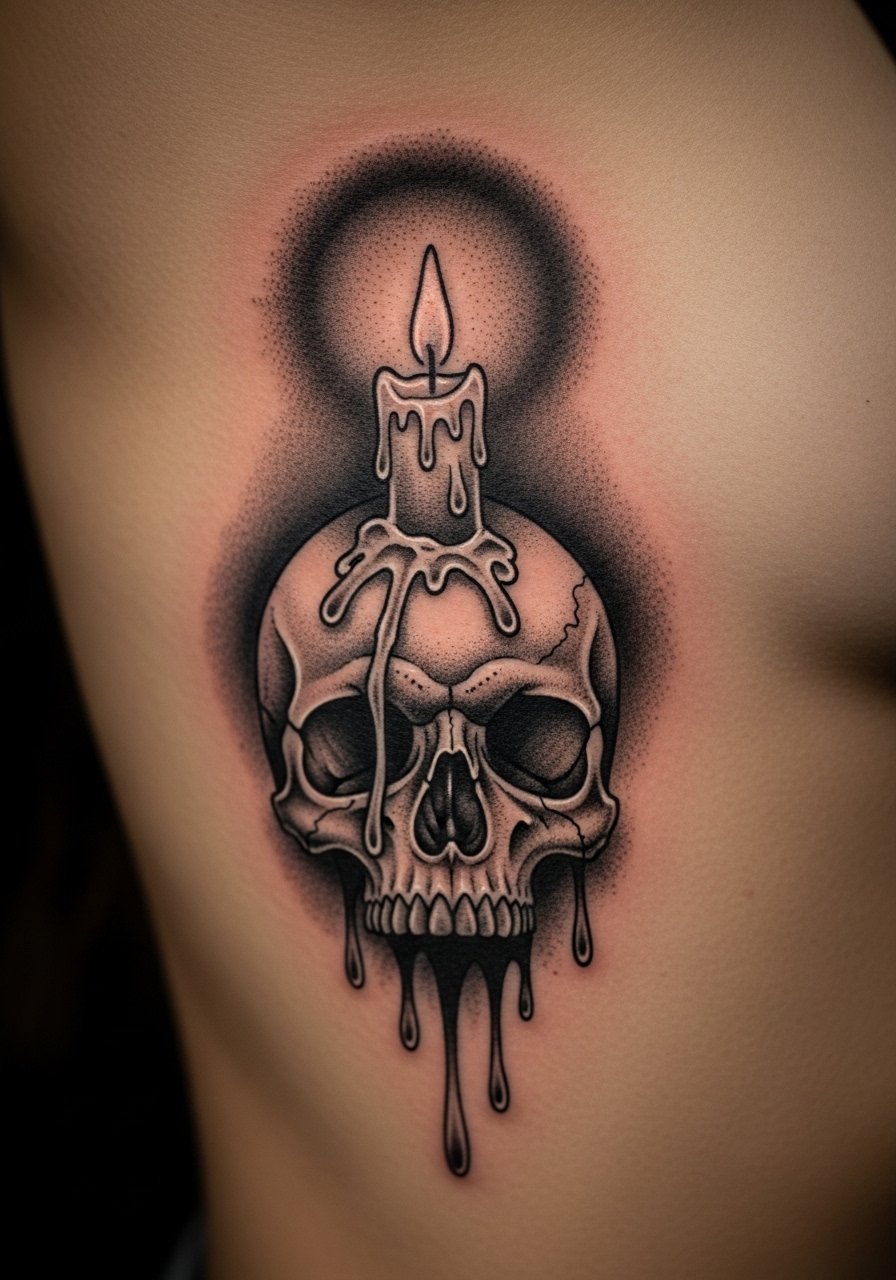
Skulls with melting candle wax are Gothic staples. I loved the way the drips create motion. Rib side is painful, but the elongated shape suits wax flow. Healed high-contrast shading keeps the skull readable; tiny cracks can soften so bold shadow choices help. Avoid micro-hatching that will blur into gray patches. Common mistake: making the wax too detailed; keep the silhouette clear. This reads moody and meaningful, especially when paired with script or roses.
13. Stippled Moon Phases With Filigree on Spine
Style/Technique: Dotwork / Fine Line Ornamental
Pain Level: High (7/10)
Session Time: Multiple short sessions, 1-2 hours each
Best For: Vertical placement, mystical vibe
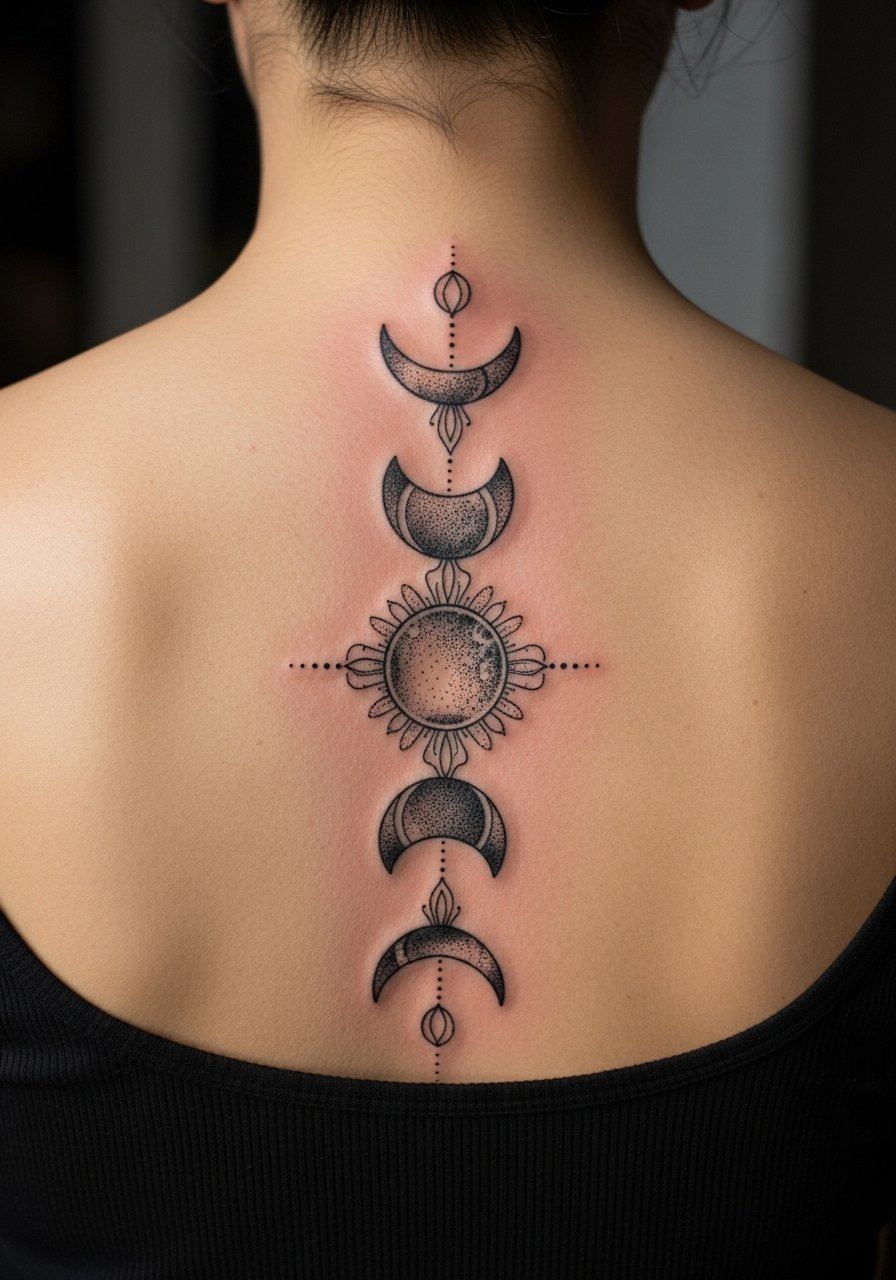
I went for moon phases along my spine because the vertical flow feels ritualistic. Spine tattoos are painful near bone but look powerful. Dotwork stippling ages nicely if the artist spaces dots correctly—too tight and it becomes a gray block. Expect several short sessions so the artist can manage comfort. Common mistake: overloading filigree with tiny lines next to stippling; let negative space separate textures. This piece feels timeless and symbolic—great for someone drawn to ritual, cycles, and Gothic ornament.
14. Chiaroscuro Portrait of a Hooded Figure on Upper Arm
Style/Technique: Micro-Realism / Black & Gray
Pain Level: Medium (5-6/10)
Session Time: 3-6 hours
Best For: Statement portrait, cloak and shadow work
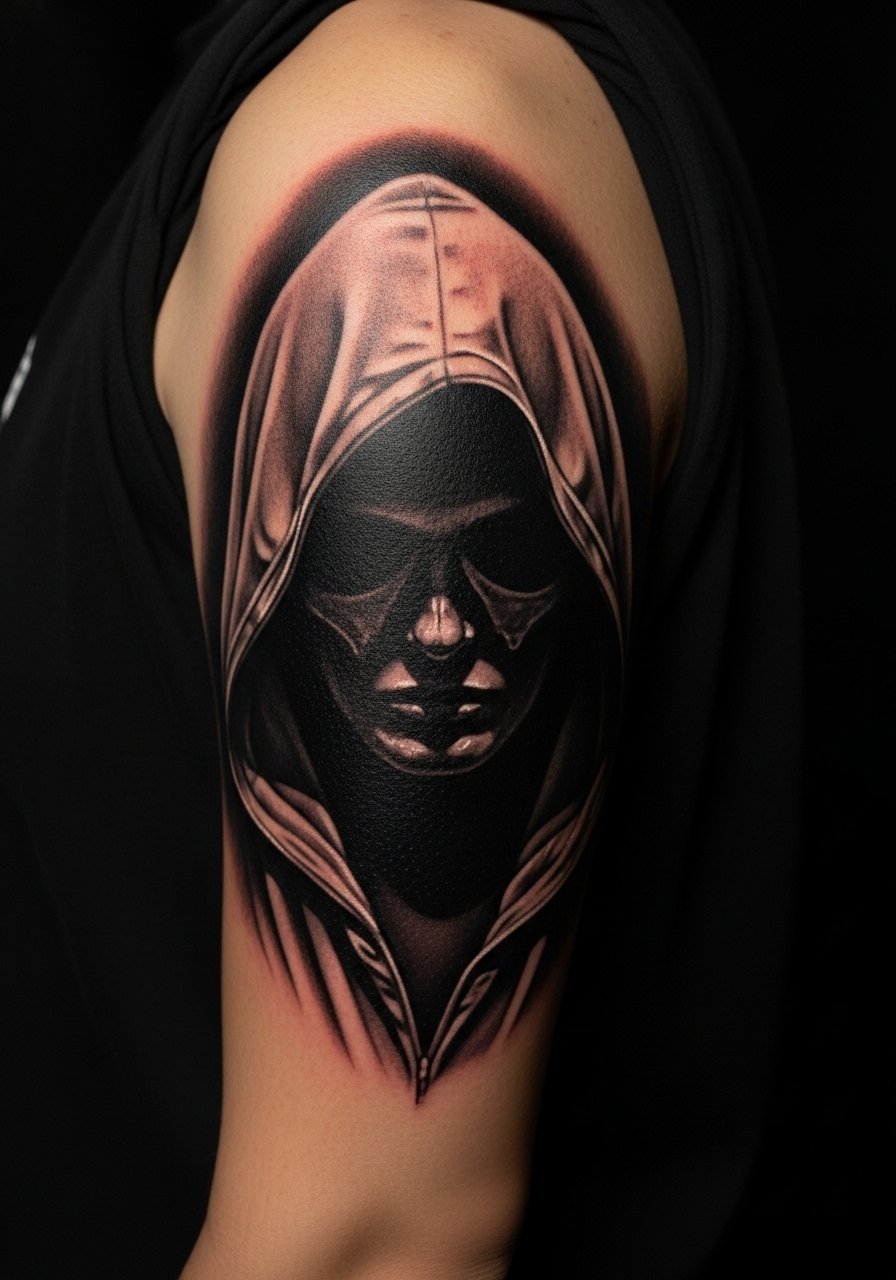
A hooded portrait reads like a story fragment. I wanted a face half-hidden in shadow. Upper arm is forgiving for portraiture and heals predictably. Micro-realism needs crisp contrast so faces don’t flatten; ask for distinct light sources in the design. Pain is moderate; sessions can be long. Common mistake: tiny facial details without enough shadow anchors—they wash out. For longevity, prioritize bold mid-tones and deep blacks to keep the portrait dramatic as it ages.
15. Gothic Lace Collar on Neck
Style/Technique: Fine Line / Ornamental
Pain Level: High (8/10)
Session Time: 1-3 hours
Best For: Visible, delicate statement with high commitment
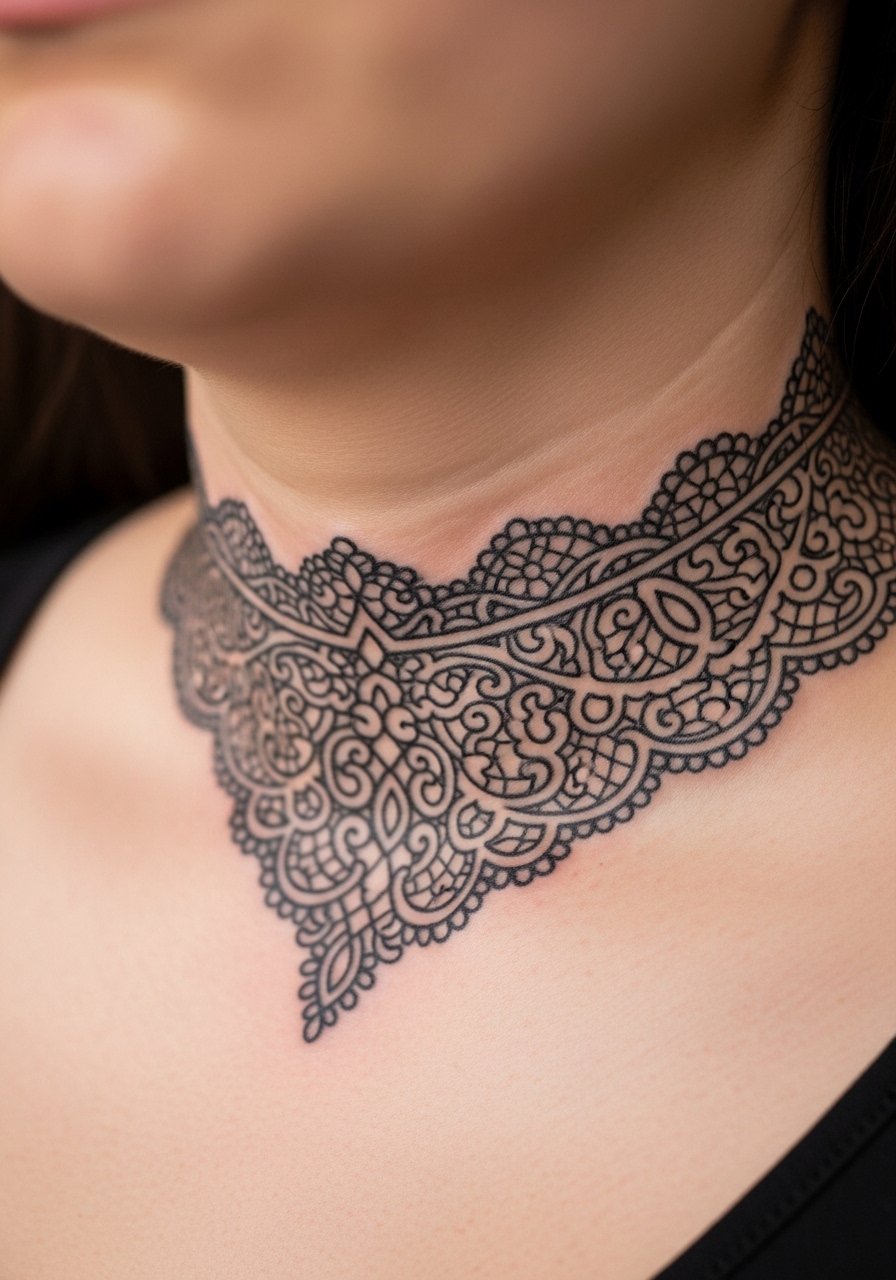
Neck lace is a visible commitment. I picked a collar lace to frame the face like vintage jewelry. Neck pain is high and healing requires avoiding friction from collars and jewelry. Fine lines settle quickly on the neck, so ask the artist to slightly thicken the key pattern lines. Common mistake: over-detailing in a small neck band—designs need breathing room. This is a bold, elegant Gothic look that reads delicate but demands care and confidence.
16. Coffin Rose Sleeve Accent on Inner Forearm
Style/Technique: Neo-Traditional / Blackwork Accents
Pain Level: Medium (4-5/10)
Session Time: 2-4 sessions, 2-3 hours each
Best For: Sleeve component, cohesive Gothic arm
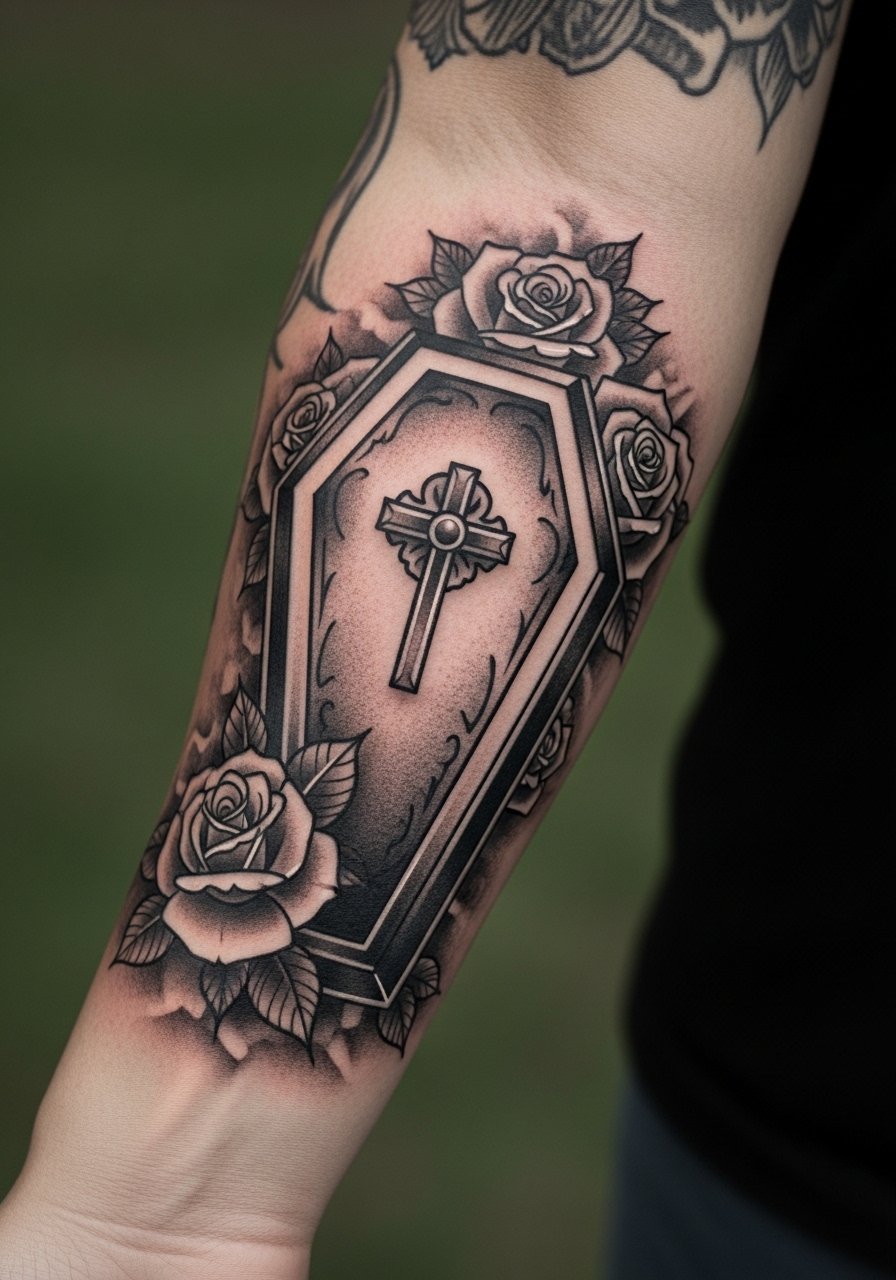
An inner-forearm coffin paired with roses works great for sleeve narratives. I used it as an anchor piece and then added filigree to connect. Forearm pain is fair, and healing is straightforward. The roses give softness while the coffin gives motif. Common mistake: isolating the coffin without flow—design should follow the arm’s natural lines. This placement stays visible and meaningful, and ink here tends to age predictably if you protect it from sun.
17. Stenciled Sigil on Collarbone
Style/Technique: Minimalist Blackwork / Symbolic
Pain Level: Medium (5/10)
Session Time: 30-90 minutes
Best For: Low-key, personal emblem
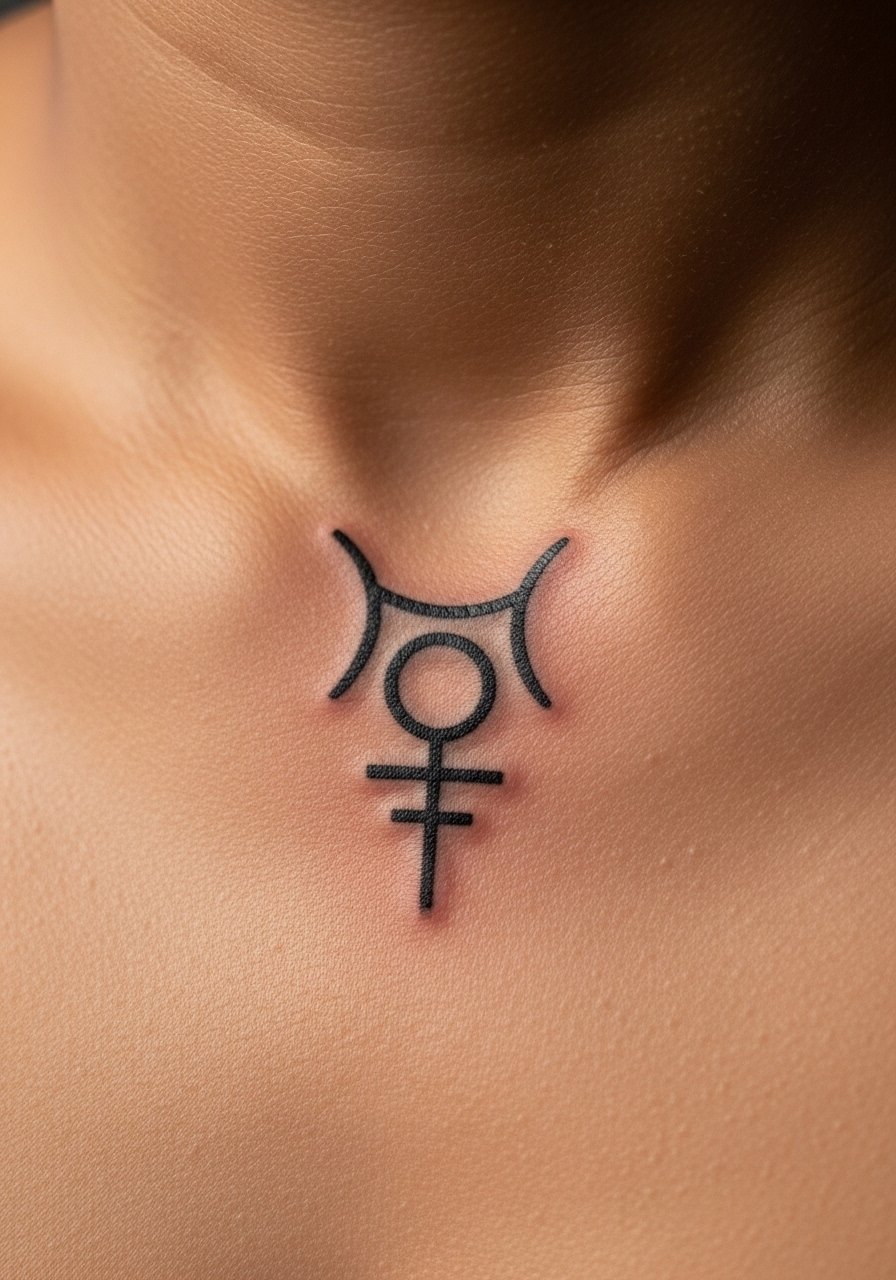
A small sigil on the collarbone sits in plain sight and feels personal. I favored this for its ability to double as jewelry or emblem. Collarbone pain is tolerable but hits near bone. Fine geometric lines must be spaced properly; if they're too tight they'll blur. Common mistake: using hairline strokes for a regular sigil—bolder lines keep the symbol readable. This is a minimalist Gothic option that still packs meaning.
18. Bleeding Heart With Thorns on Sternum
Style/Technique: Neo-Traditional / Black & Red Accents
Pain Level: High (7-8/10)
Session Time: 2-3 hours
Best For: Center-chest drama
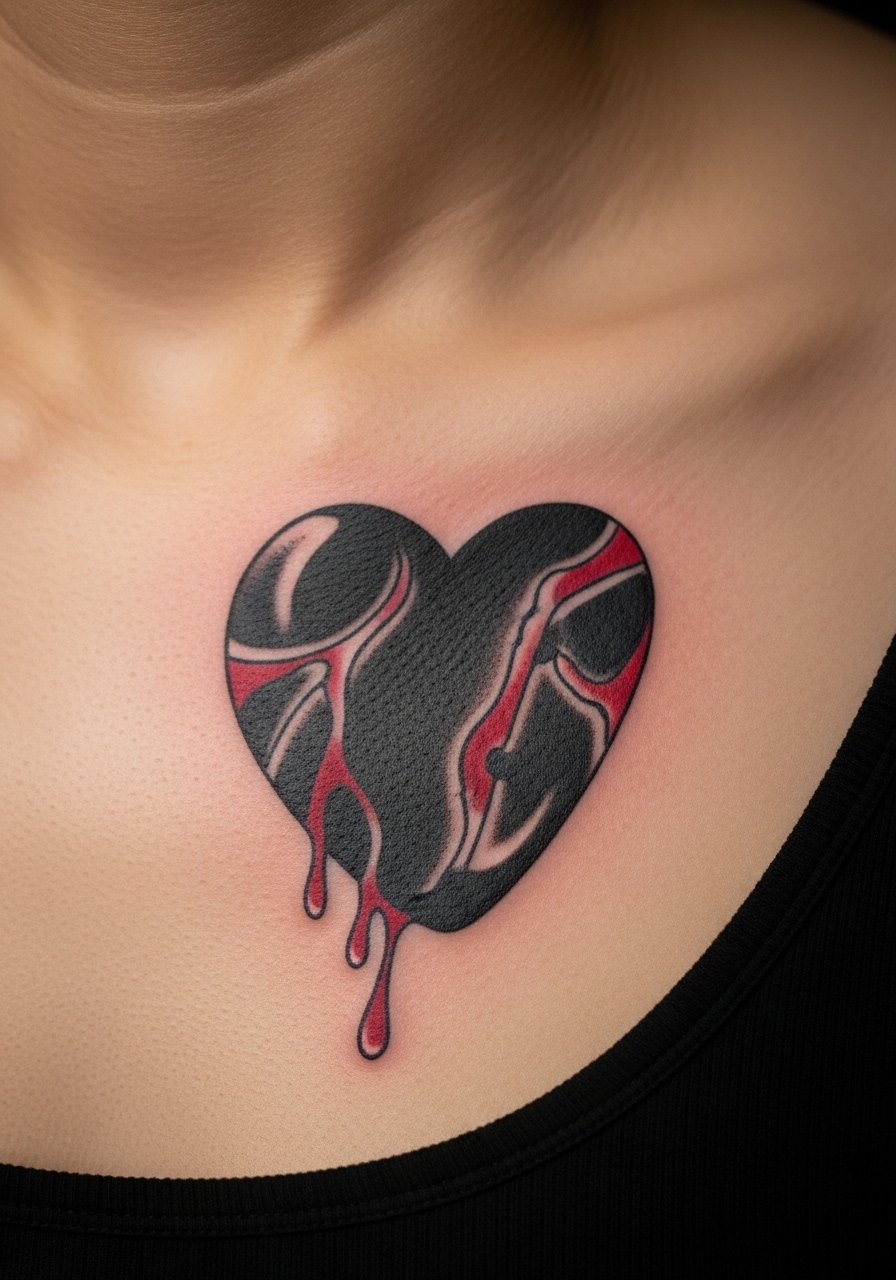
A bleeding heart centered on the sternum reads like an emblem of weight and dedication. I chose it because chest placement offers central symmetry. Pain is intense, so plan for breaks. Reds can fade faster; healed color will be subtler than fresh ink. Common mistake: overly fine blood lines—they often blur. For longevity, request bold outlines and saturation in key shadow areas. This piece feels theatrical and intentionally Gothic.
19. Baroque Mirror Frame on Ribcage
Style/Technique: Ornamental Blackwork / Decorative Realism
Pain Level: High (7/10)
Session Time: 2-4 hours
Best For: Framing another motif or leaving empty for reflection
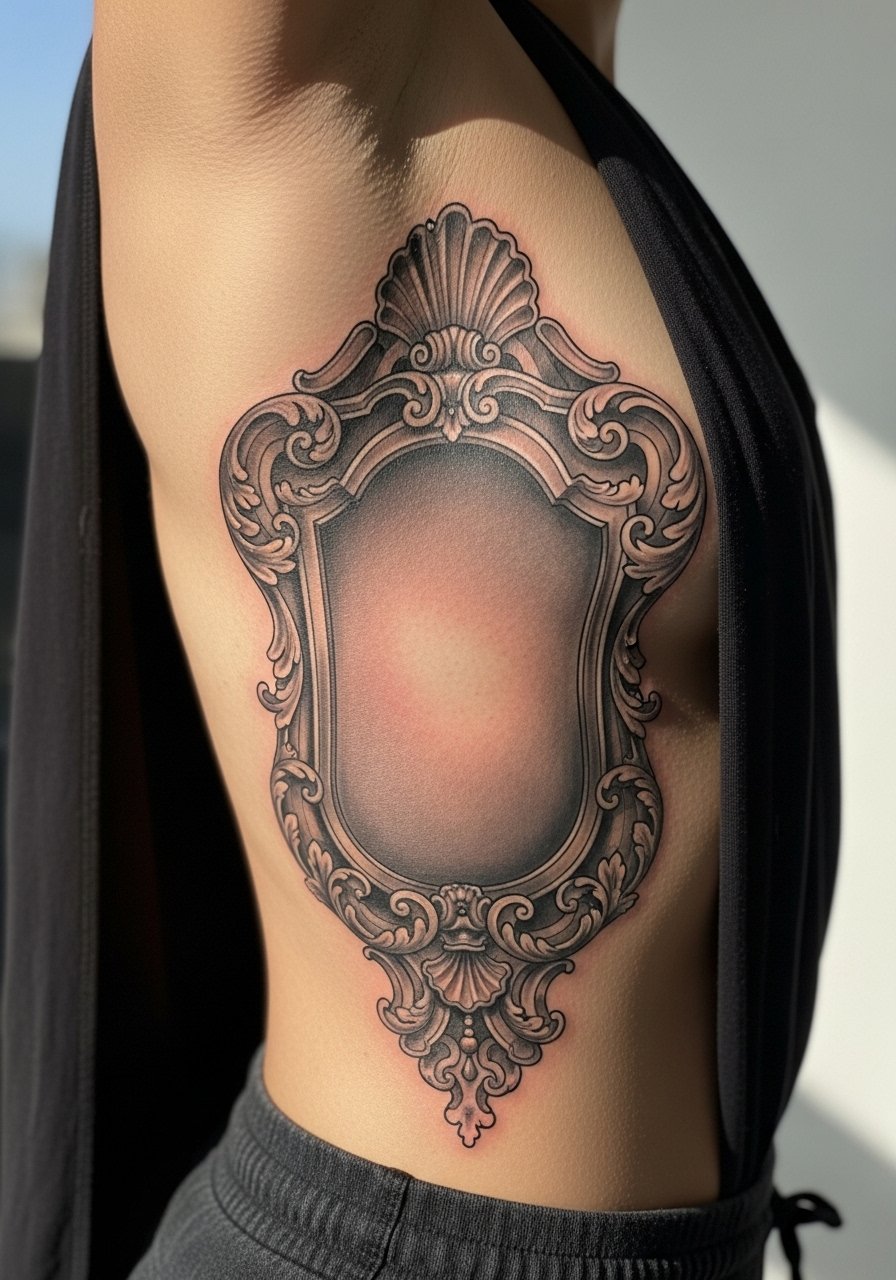
A decorative mirror frame frames the idea of reflection. I used it to surround a future portrait—frames work as standalone Gothic art too. Ribcage placement is painful but the frame’s sweeping curves suit the torso. Details can flatten; ask for stronger negative spaces so scrolls don’t merge. Common mistake: tiny ornamental knots—they fade into indistinct texture. A bold frame ages into a clear silhouette, creating an antique look.
20. Bats in Flight Across Collarbone
Style/Technique: Silhouette Blackwork / Minimalist Movement
Pain Level: Medium (4-5/10)
Session Time: 1-2 hours
Best For: Motion-focused, flexible visibility
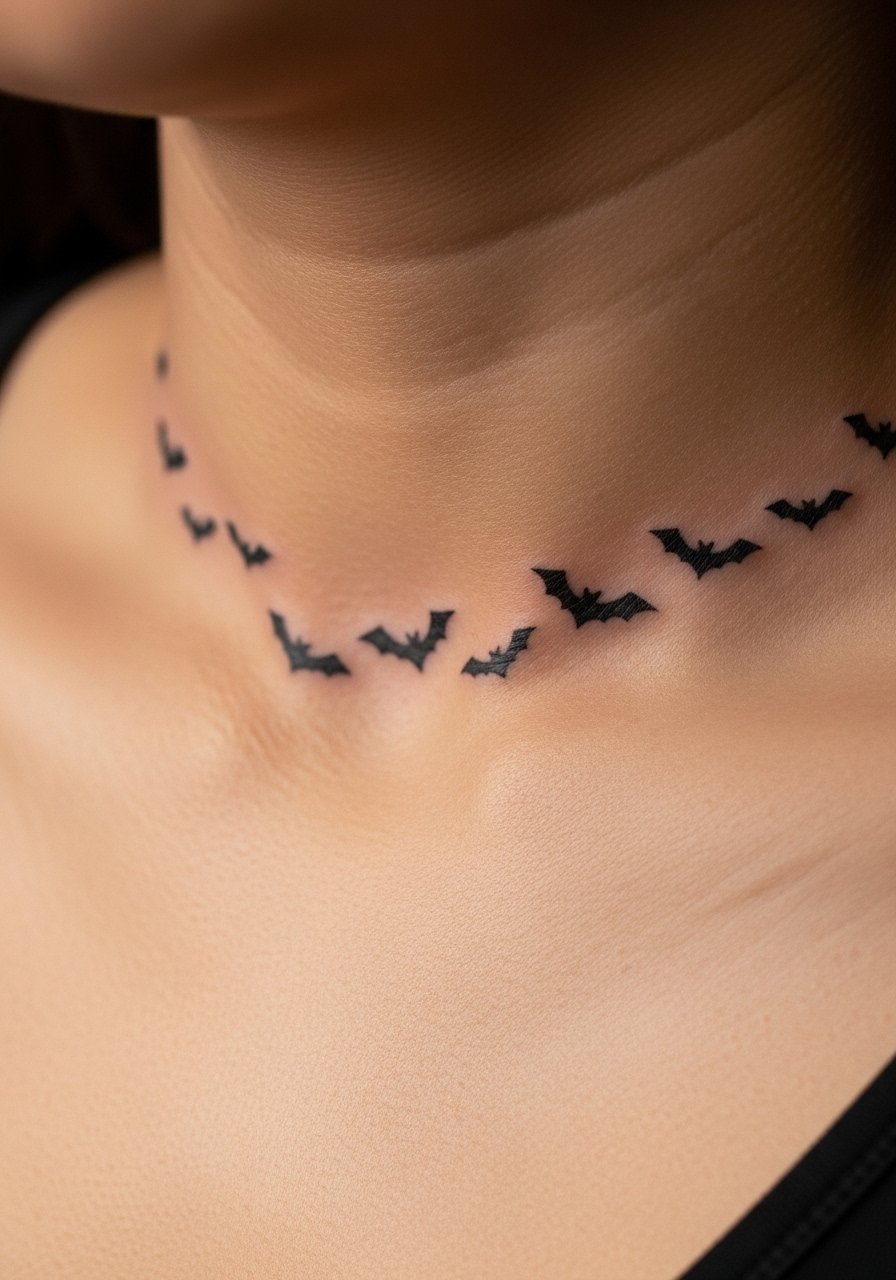
A flock of bats feels cinematic. I like collarbone placement because the line follows the bone and fabric reveals it. Pain is moderate. Solid black silhouettes fare well over time—little detail is needed. Common mistake: tiny wing notches; they can wash out. For a timeless look, pick varied bat sizes and spacing so the flight reads as movement even when healed.
21. Gothic Chandelier on Back of Neck
Style/Technique: Blackwork / Ornamental
Pain Level: High (7-8/10)
Session Time: 1-2 hours
Best For: Hidden unless hair is up, elegant accent
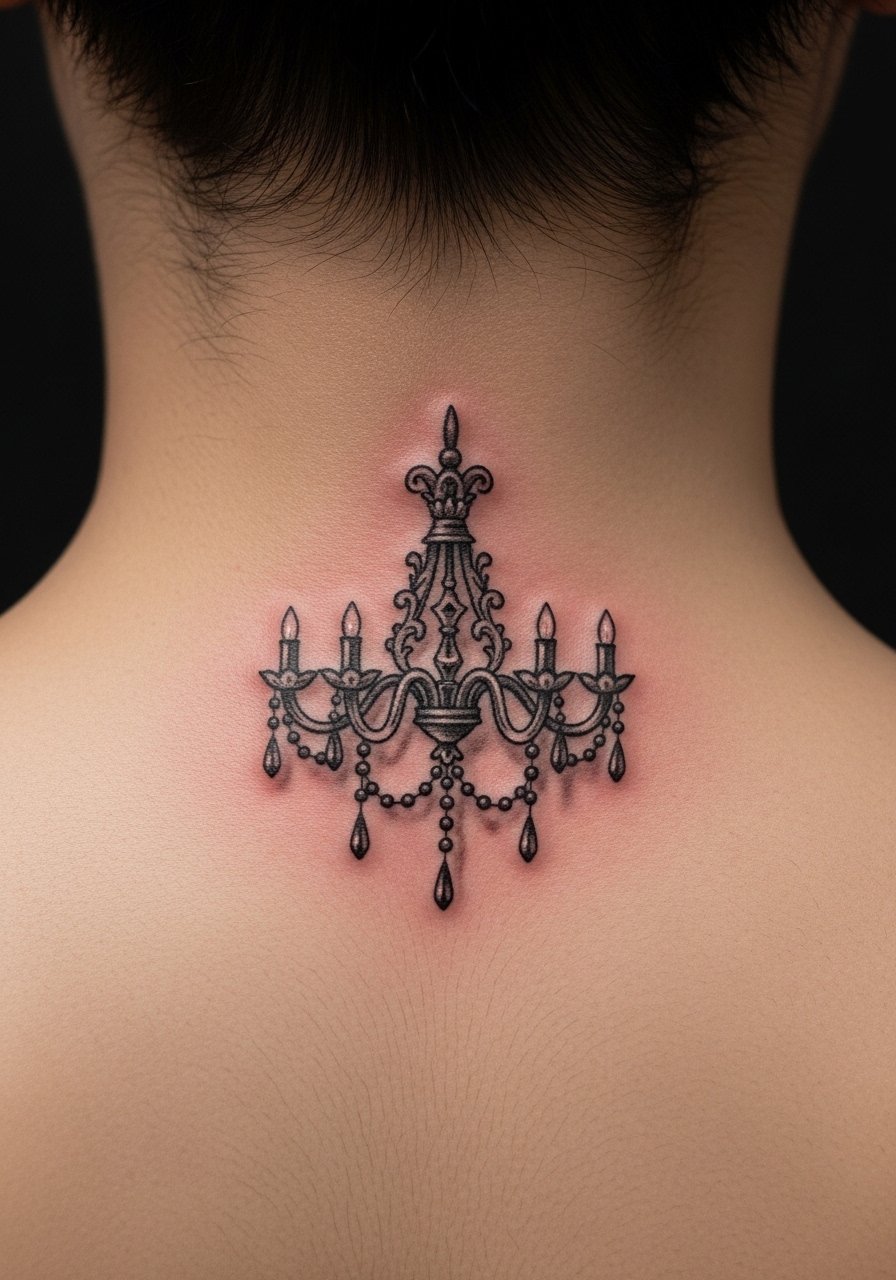
I wanted a chandelier because it says Gothic interior design and old-world opulence. Back-of-neck placement is painful near bone and heals under hair—keep it dry to avoid irritation. Fine chains and beads can blur, so emphasize larger beads and bold drop shapes. Common mistake: tiny dangling highlights—these vanish. This piece reads delicate from far away and ornate up close.
22. Cloister Archway Landscape on Side Rib
Style/Technique: Architectural Blackwork / Line and Wash
Pain Level: High (7/10)
Session Time: Multiple sessions, 2-3 hours each
Best For: Scenic, contemplative Gothic piece
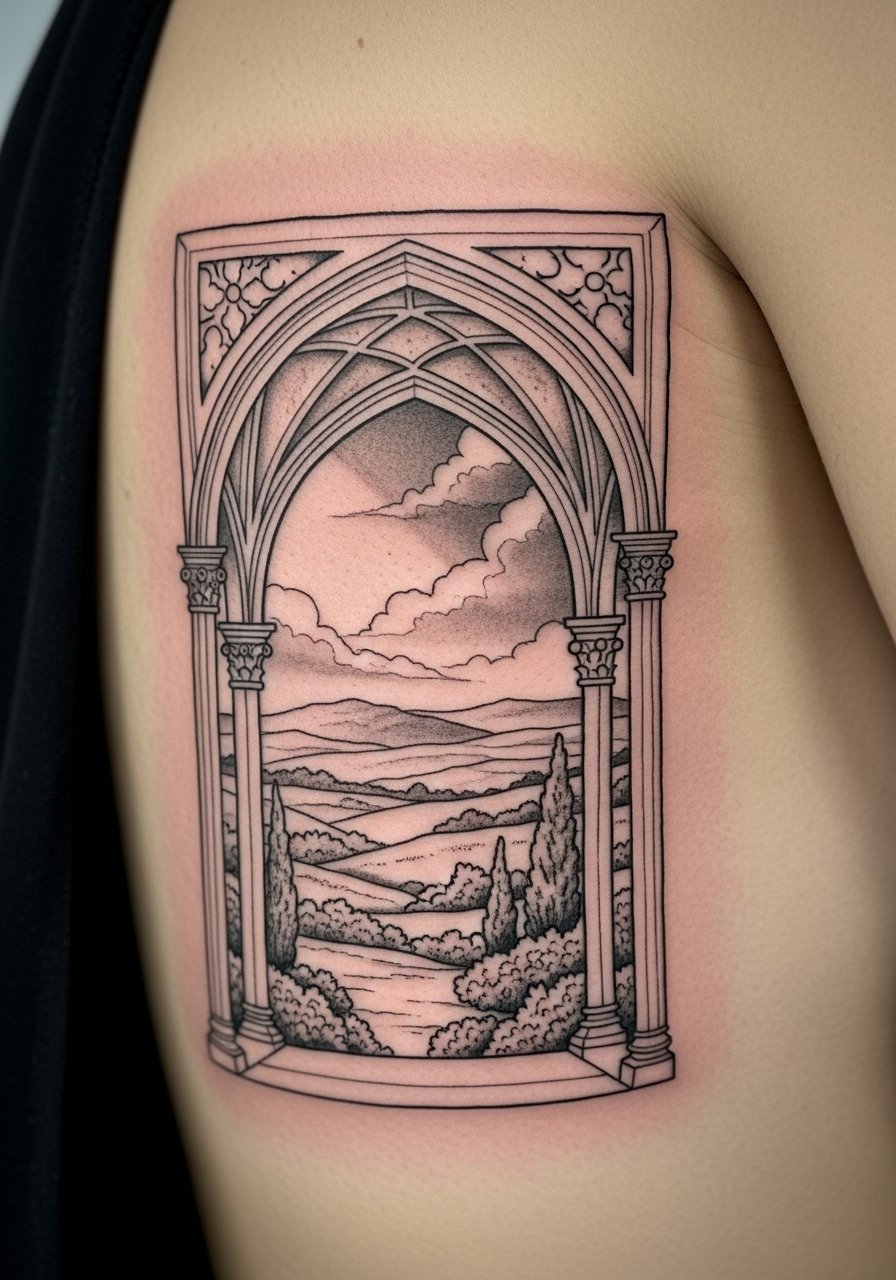
An archway scene evokes solitude. I chose a cloister to suggest shelter and history. Side rib placement allows vertical composition but is sensitive. Architectural linework needs proper spacing so columns don’t blur together. Ask for strong anchors—arches and pillars—to maintain clarity. Common mistake: over-texturing the background; simple washes keep the arch the focal point. Healed, this piece keeps its storybook mood if protected from sun.
23. Anatomical Heart Wrapped in Thorns on Sternum
Style/Technique: Micro-Realism / Black & Gray
Pain Level: High (8/10)
Session Time: 2-4 hours
Best For: Intense, visceral Gothic symbolism
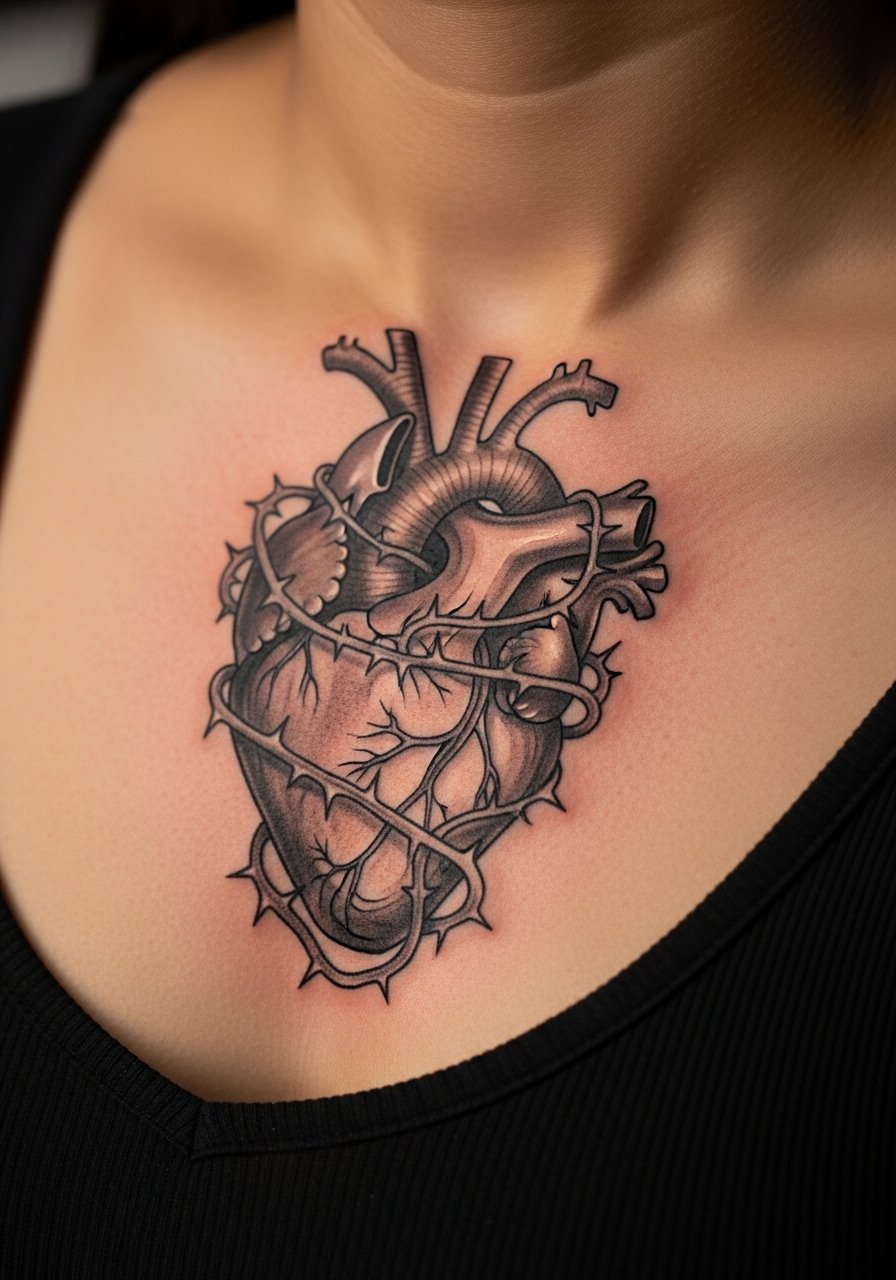
An anatomical heart is visceral and very Gothic when encased in thorns. I picked sternum for the chest-center symbolism. Expect high pain and careful healing. Micro shading must be bold enough to survive; delicate cross-hatching can bleed into gray patches. Common mistake: making veins and capillaries too tiny—keep structural contrast. Over time, this piece reads emotive and bold when the blacks hold up.
24. Cathedral Gargoyle Sleeve Panel on Outer Arm
Style/Technique: Neo-Traditional / Blackwork Panel
Pain Level: Medium (5-6/10)
Session Time: Multiple sessions, 3-6 hours total
Best For: Sleeve focal point, Gothic narrative
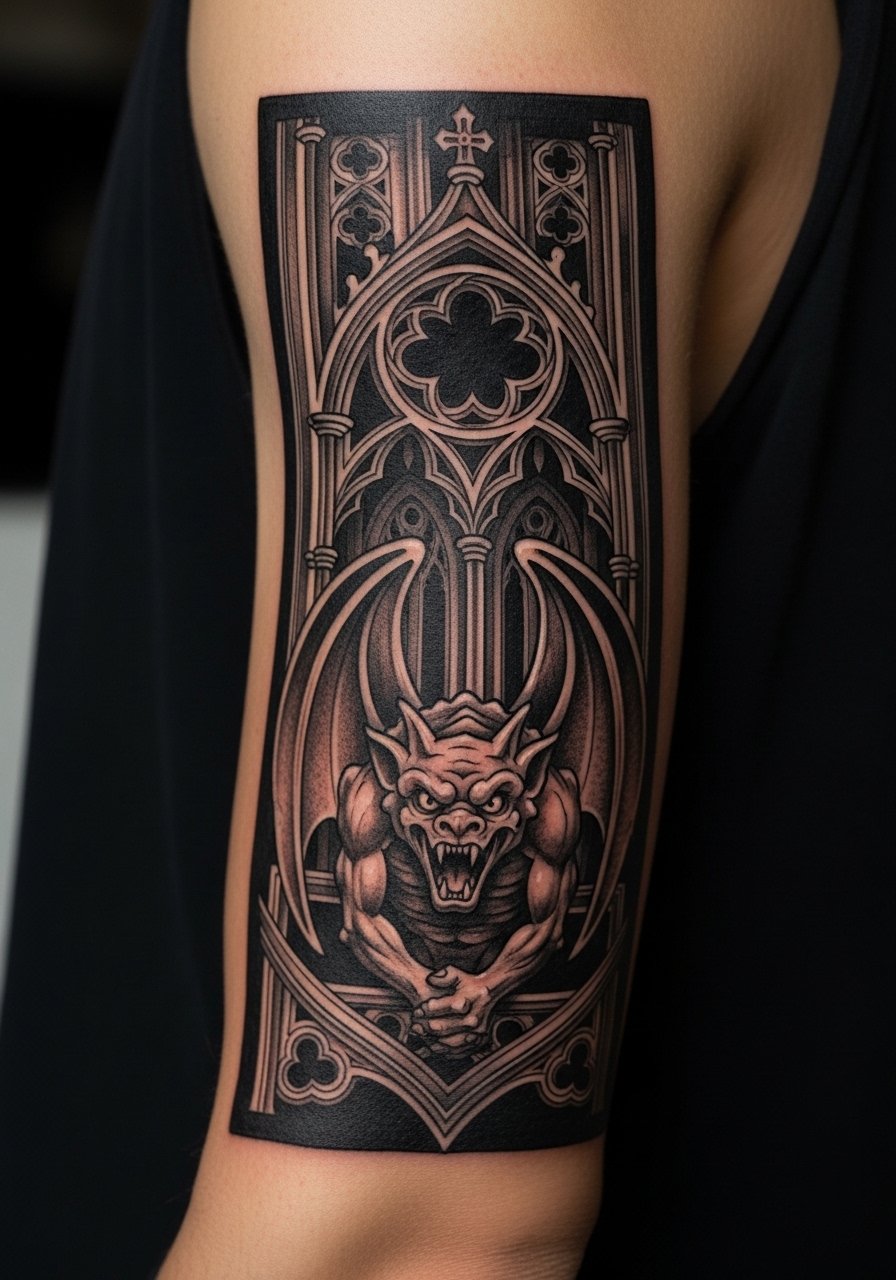
A gargoyle panel anchors a sleeve with Gothic lore. Outer arm placement is forgiving and visible. Pain is moderate and sessions can be split. Bold shading and strong outlines preserve the gargoyle’s personality as it heals. Common mistake: surface textures that read like noise once healed—prioritize silhouette and major shadow masses. This fits collectors who want cohesive Gothic storytelling across the arm.
25. Barbed Heart Pendant Behind Ear
Style/Technique: Micro-Symbolic / Blackwork
Pain Level: High (7-8/10)
Session Time: 30-60 minutes
Best For: Tiny, private Gothic accent
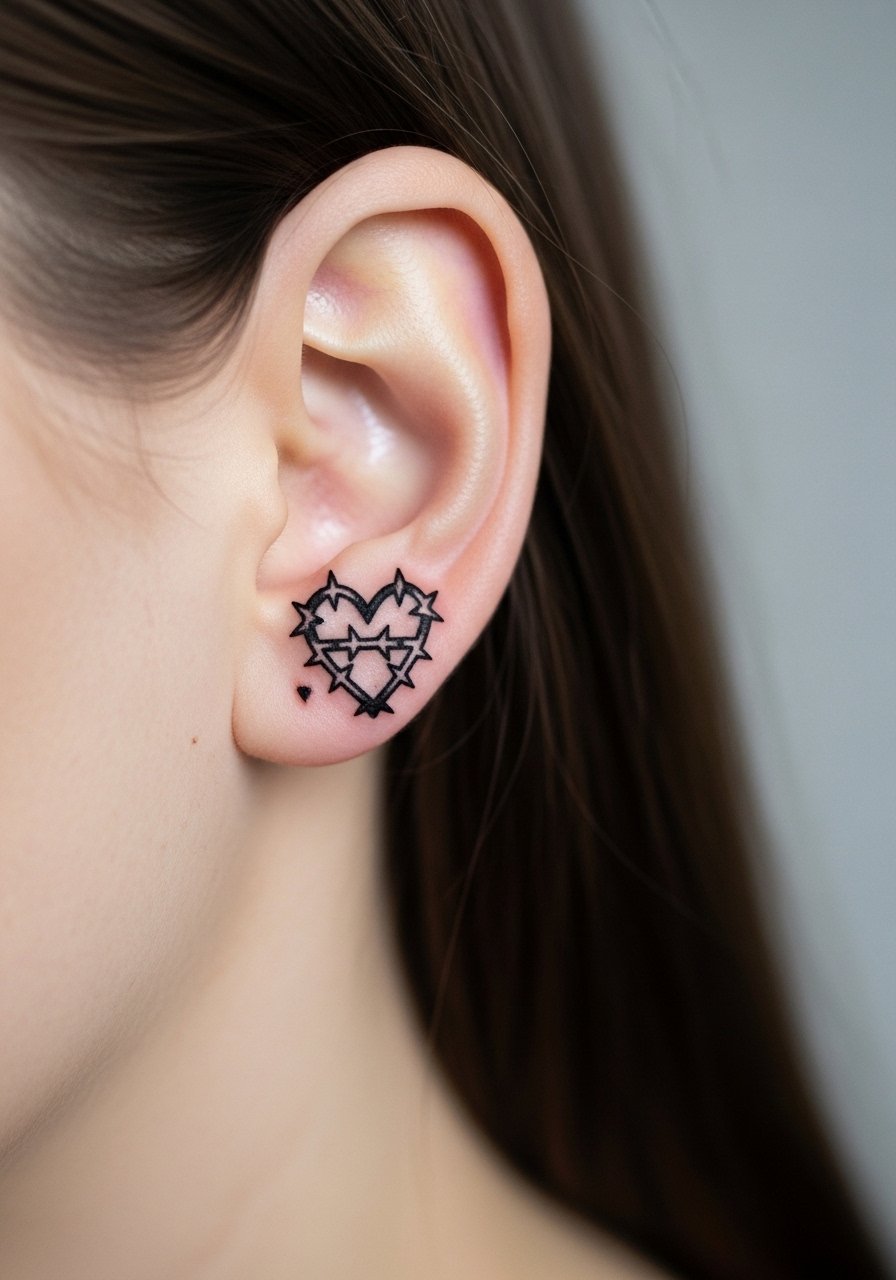
Tiny pendants behind the ear are intimate and a bit secretive. I went tiny so it could be revealed only when I wanted. Pain is sharp due to thin skin. Keep linework bold even for small motifs—ultra-thin lines disappear. Common mistake: too much micro detail; keep the pendant iconic. Healed, this is a subtle Gothic mark that feels personal.
26. Stained Black Rose on Ankle
Style/Technique: Blackwork / Neo-Traditional
Pain Level: High (7/10)
Session Time: 1-2 hours
Best For: Visible when wearing dresses, hides with socks
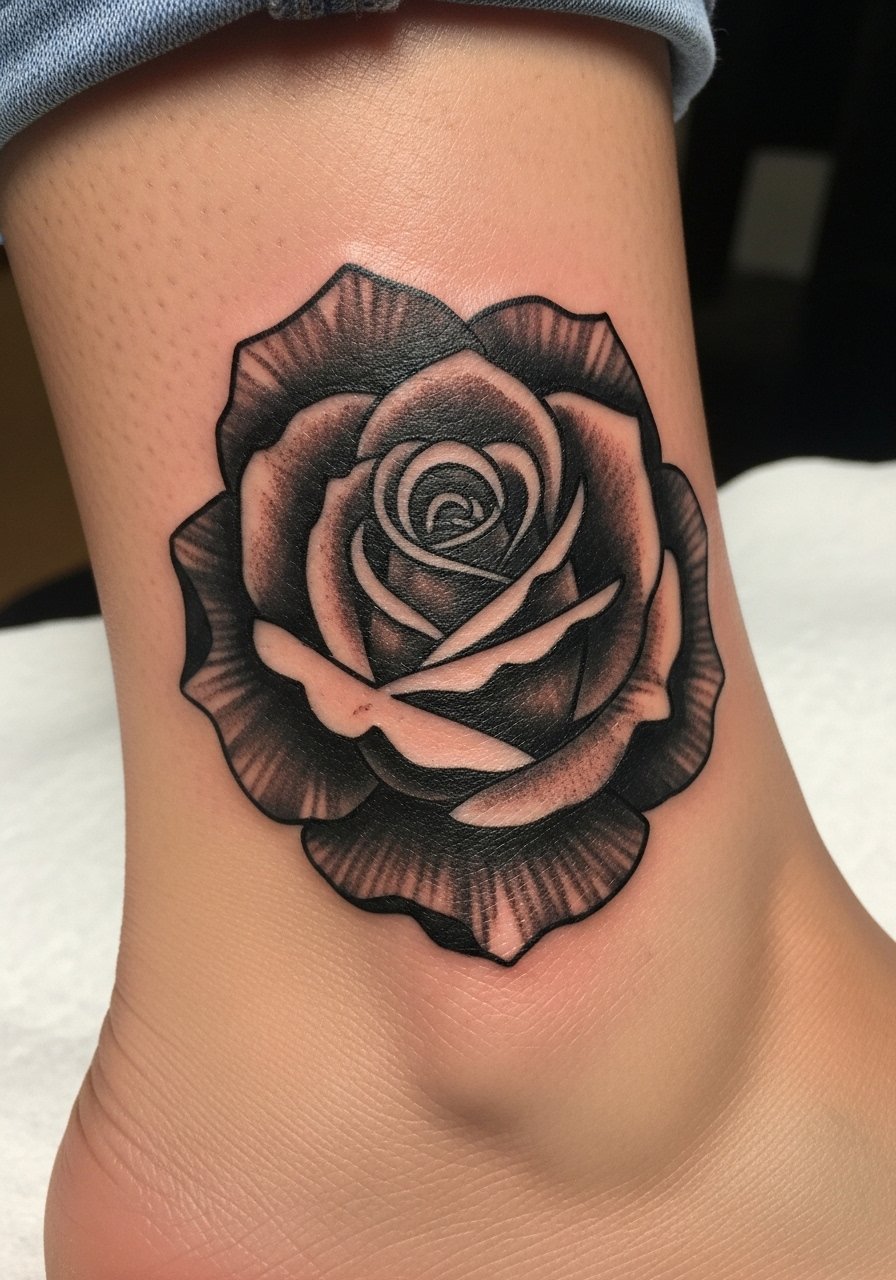
I chose an ankle rose to marry Gothic floral with footwear-based reveals. Ankles sting more because of proximity to bone and thin skin. Healed black roses look dense but will fade faster than arm pieces due to shoes and movement—ask for bold contrast. Common mistake: placing too much subtle petal texture; keep petal blocks bold and layered so they read despite friction. This design stays dramatic and wearable if you protect it from constant rubbing.
Tattoo Prep and Aftercare Essentials
Aftercare Essentials:
- Aquaphor Healing Ointment, 14oz tube — Use first 3-5 days for moisture control
- Saniderm Transparent Adhesive Bandage, 6-inch roll — Second-skin protection option I’ve seen artists recommend
- CeraVe Fragrance-Free Moisturizing Lotion, 12oz — For days 4-14 to keep skin supple
- Dr. Bronner's Unscented Castile Soap, 32oz — Gentle cleaning without irritation
Before Your Appointment:
- Numbing Cream with 5% Lidocaine — Apply 30-45 minutes before only if your artist approves
- Tattoo Stencil Transfer Paper — Handy if you plan to test placement at home
Long-Term Maintenance:
- SPF 50 Sunscreen Stick for Tattoos — Daily sun protection keeps blacks crisp
- Mad Rabbit Tattoo Balm — Ongoing vibrancy and skin conditioning
- Hustle Butter Deluxe Tattoo Aftercare — Vegan aftercare option many artists mention
Optional Comfort Items:
- Tattoo Numbing Spray — For touch-ups or very sensitive spots
- Hydrocolloid Bandages (large) — Alternative small-area guard to Saniderm
Frequently Asked Questions
Q: How bad does a Gothic tattoo actually hurt?
A: Pain depends on placement. Outer arm/forearm = 3-4/10. Ribcage/sternum/neck/hand = 7-9/10. It’s more of a persistent burning or scratching than sharp electric pain. For sensitive areas try a numbing cream with 5% lidocaine if your artist approves.
Q: How long till a Gothic blackwork piece heals?
A: Surface healing usually 2-3 weeks. Full internal healing 2-3 months. Heavy black fills scab and need careful moisture control early—use Aquaphor first few days, then switch to fragrance-free lotion.
Q: Will Gothic scripts blur on darker skin tones?
A: Script can blur if lines are too fine. From what I’ve seen, bold strokes and slightly wider spacing keep Gothic lettering readable on all skin tones. Discuss contrast and ask to see healed examples on similar skin.
Q: How do I keep blackwork from fading?
A: Sunscreen is non-negotiable. Use an SPF 50 sunscreen stick on healed tattoos daily. Also moisturize regularly with a gentle lotion like CeraVe.
Q: Can I work out after a big Gothic session?
A: Wait 48-72 hours minimum. For chest, ribs, and heavy sweating areas wait longer—up to a week. Sweat can irritate and increase infection risk. Keep the area covered or clean immediately after light activity.
Q: What’s a common mistake first-timers make with Gothic pieces?
A: Picking ultra-fine detail at tiny scales. Gothic ornamentation looks amazing large, but small filigree and single-needle scripts often lose definition. If you’re nervous about placement, test a slightly larger version first.
Q: How often will I need touch-ups for high-friction spots like hands or ankles?
A: Those spots fade faster. From conversations with artists I follow, expect touch-ups at some point for hands and ankles if you want the original darkness back. Good daily sunscreen and reducing abrasion help slow the need.