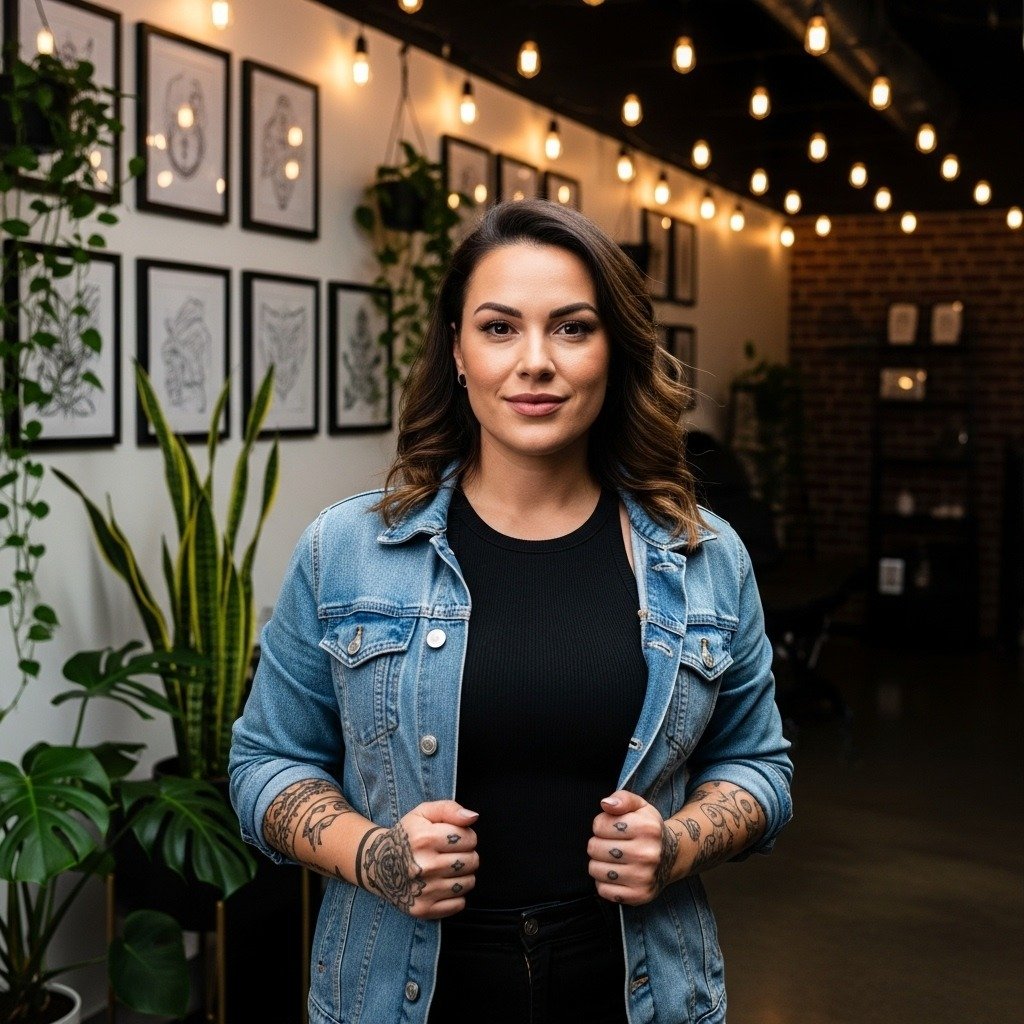
I spent months collecting friendship tattoo ideas and watching how they age on real skin. I learned that the hard part is picking a design that still feels meaningful after years. These 27 friendship tattoos focus on emotion, practical placements, and how they look healed.
This list leans into fine line, traditional, and micro-realism styles. Most pieces work well on wrists, forearms, ankles, and behind the ear. From what I’ve seen, tiny matching marks remain relevant when they have an emotional story or a design that can age cleanly.
1. Fine Line Interlocking Hearts On Inner Forearm
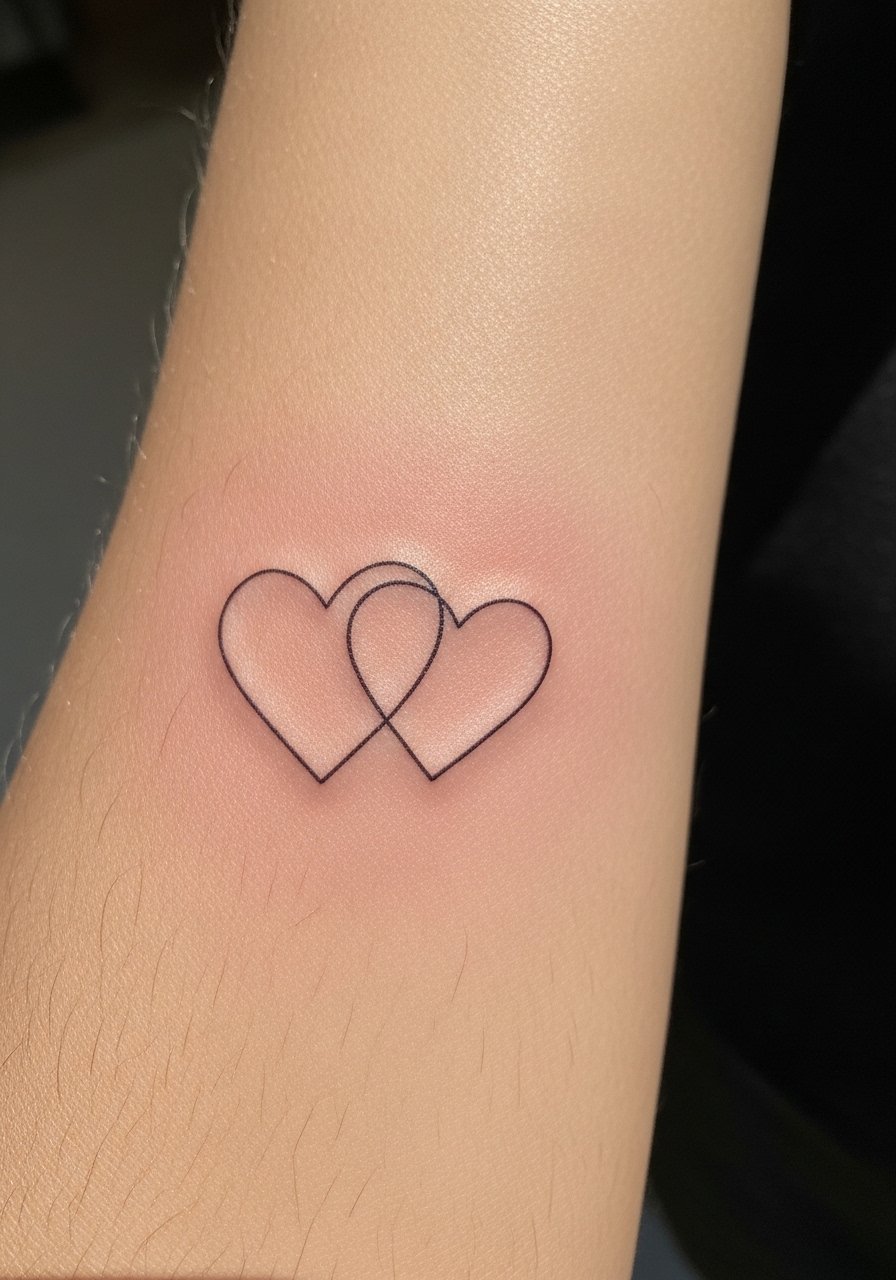
I first saw this on two friends who wanted something subtle that read as one image when their arms touched. Fine line works because it feels intimate and low-profile. Expect low to moderate pain on the inner forearm, and a single 30-45 minute session for small pieces. Ask your artist for slightly heavier initial line weight. From what I’ve noticed, the thinnest lines blur into a soft gray over two years. A common mistake is shrinking the hearts too small. That steals the detail. Tell your artist you want crisp but not paper-thin lines, and plan for touch-ups after 2–3 years.
2. Minimalist Coordinates On Ankle
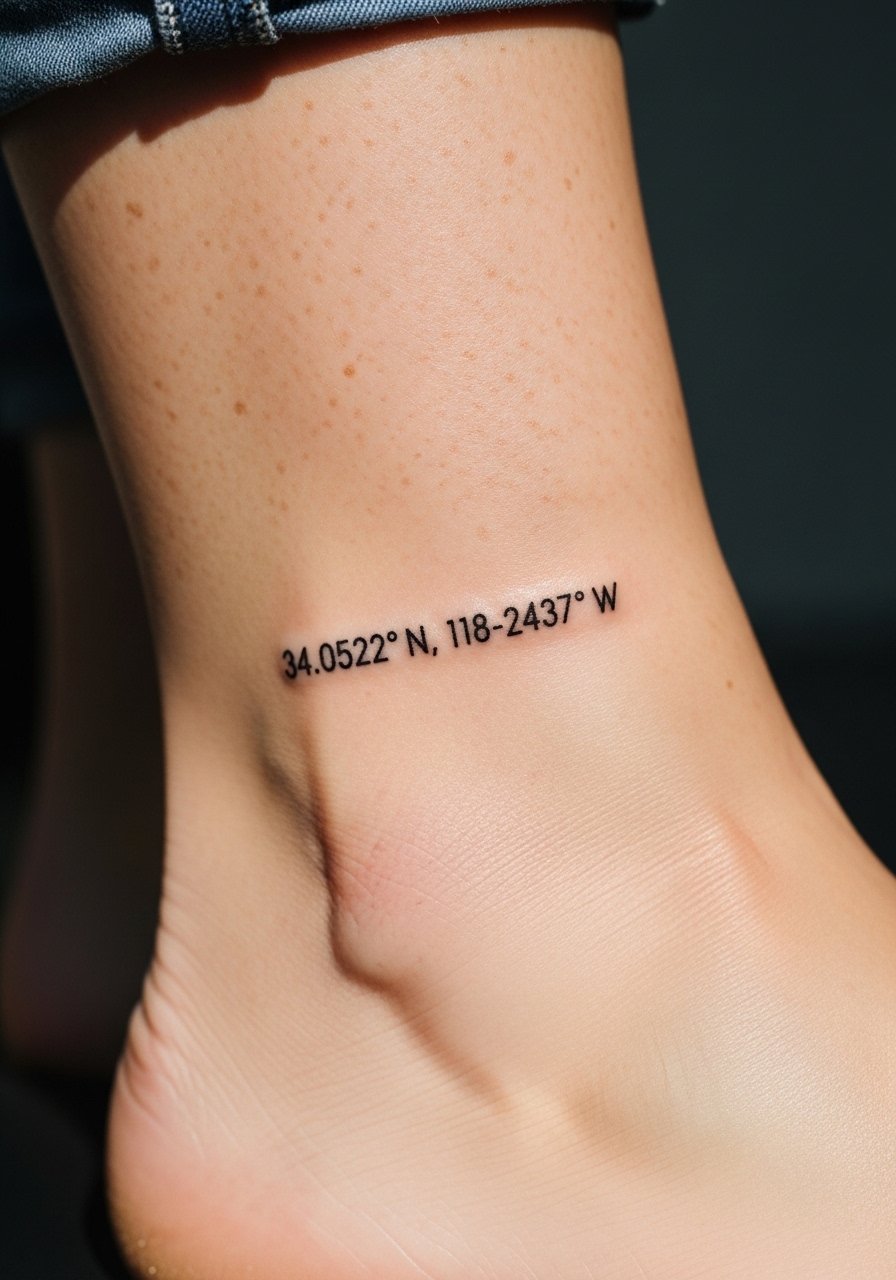
Fair warning, ankles are bony and sting more than the forearm. I recommend coordinates for friends who share a particular place, like where they met. This fits small on the outer ankle and usually takes 15-30 minutes. I’ve seen people go too tiny, which leads to blurring. Ask for clean numerals and a slight gap between numbers. Heals in two weeks on average, but the ankle needs careful sock and shoe choices while healing. If you want longevity, get the numbers spaced for line breathing, not cramped.
3. Micro-Realism Mini Portrait Halves On Upper Arm
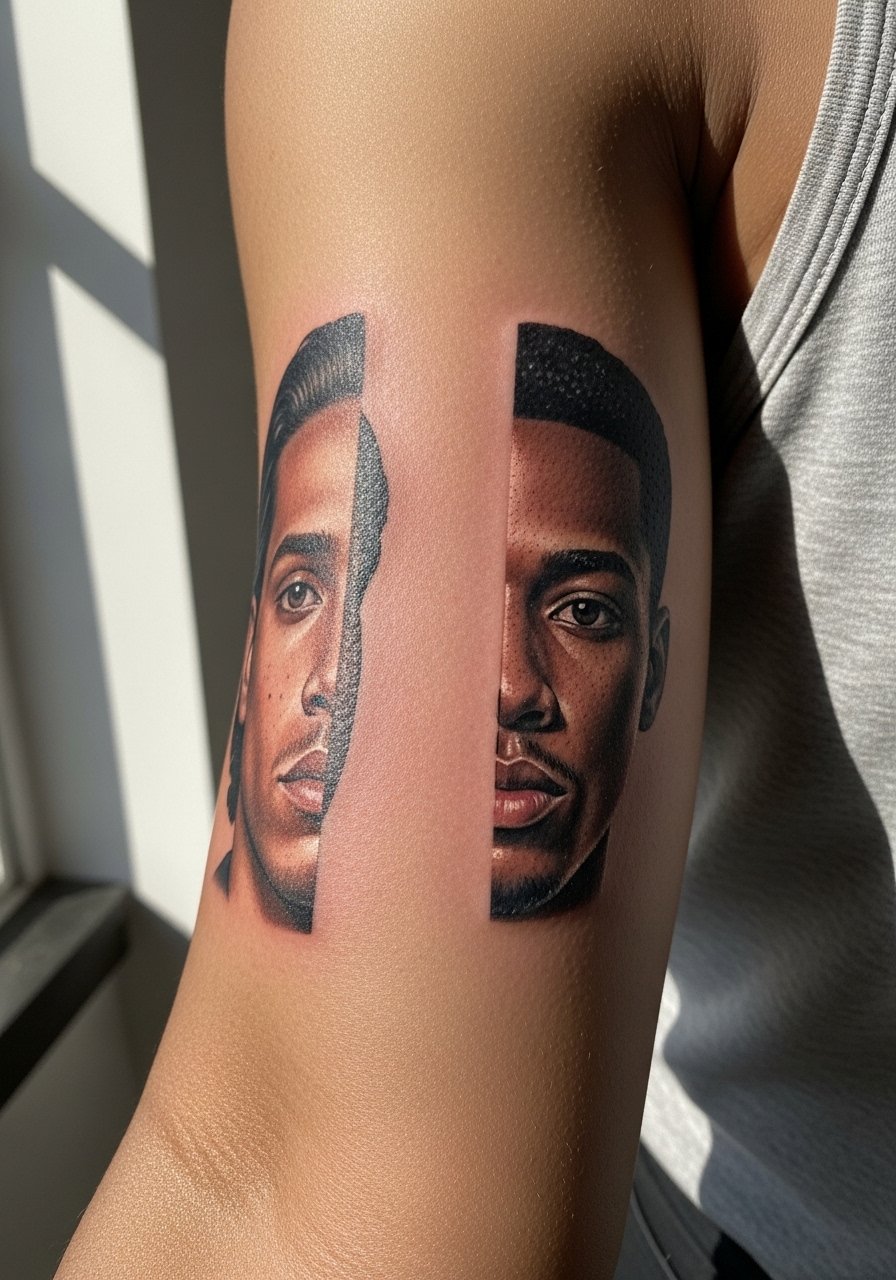
I saw this idea when two friends had halves of each other’s faces inked so arms align and complete a portrait. Micro-realism on the outer upper arm tolerates slightly longer sessions. Pain is moderate. Expect a 1.5 to 3 hour sitting depending on detail. Tell your artist you want simplified features for longevity. Overly detailed micro faces can blur into an unrecognizable smudge after five years. The smart version uses high contrast and fewer tiny hairs. Bring high-quality photo references and mention aging as a concern in the consultation.
4. Traditional Anchor Pair On Calf
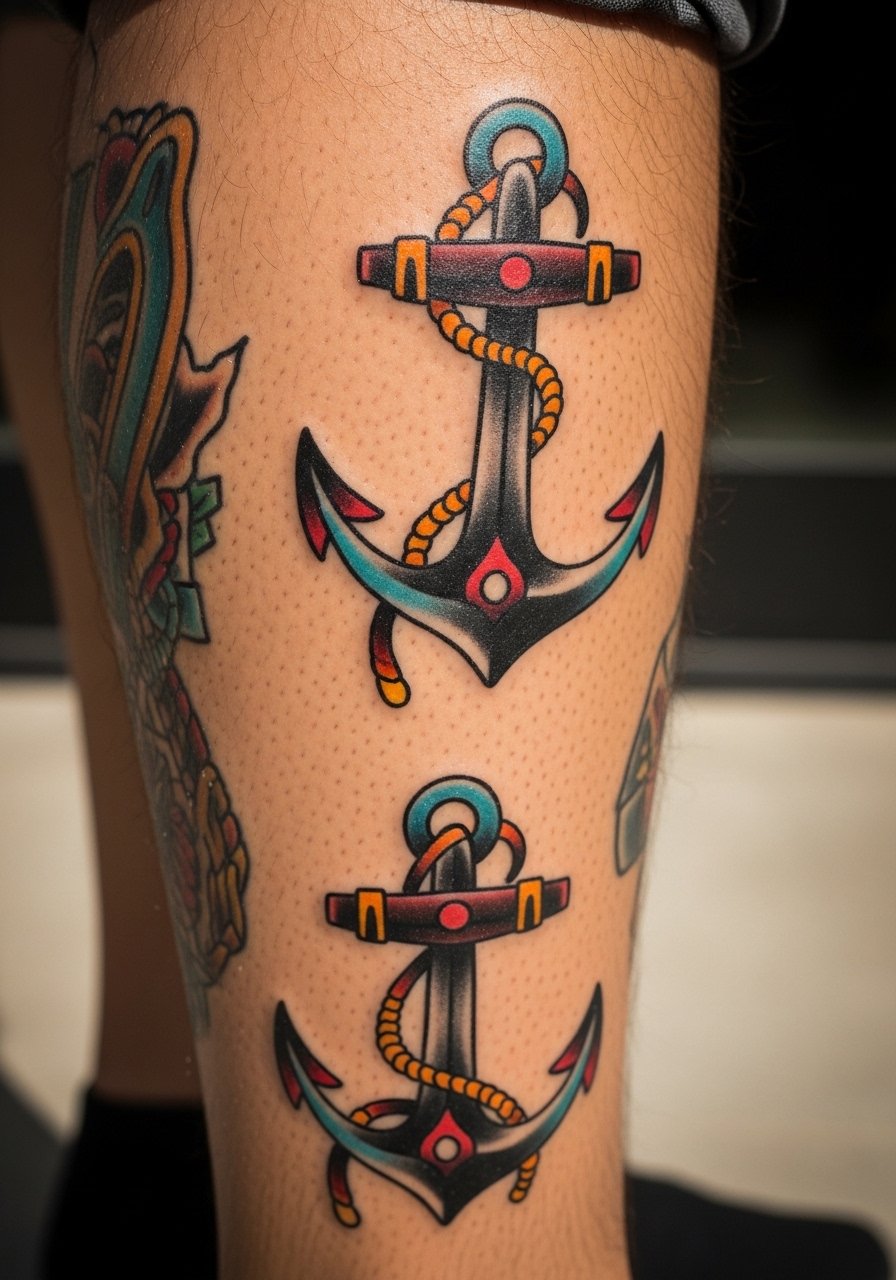
There is something steady about bold, old-school anchors. I found these on friends who promised to stay steady for each other. The calf handles color and bold blackwork well. Pain is low to moderate. Sessions run 45-90 minutes. Traditional inks age predictably. The thick outlines keep definition even as pigments soften. A mistake I see is asking for too many tiny details inside the anchor. Keep the center simple. Tell your artist you want bold line weight and saturated color for long-term clarity.
5. Watercolor Complementary Splotches Behind Ear
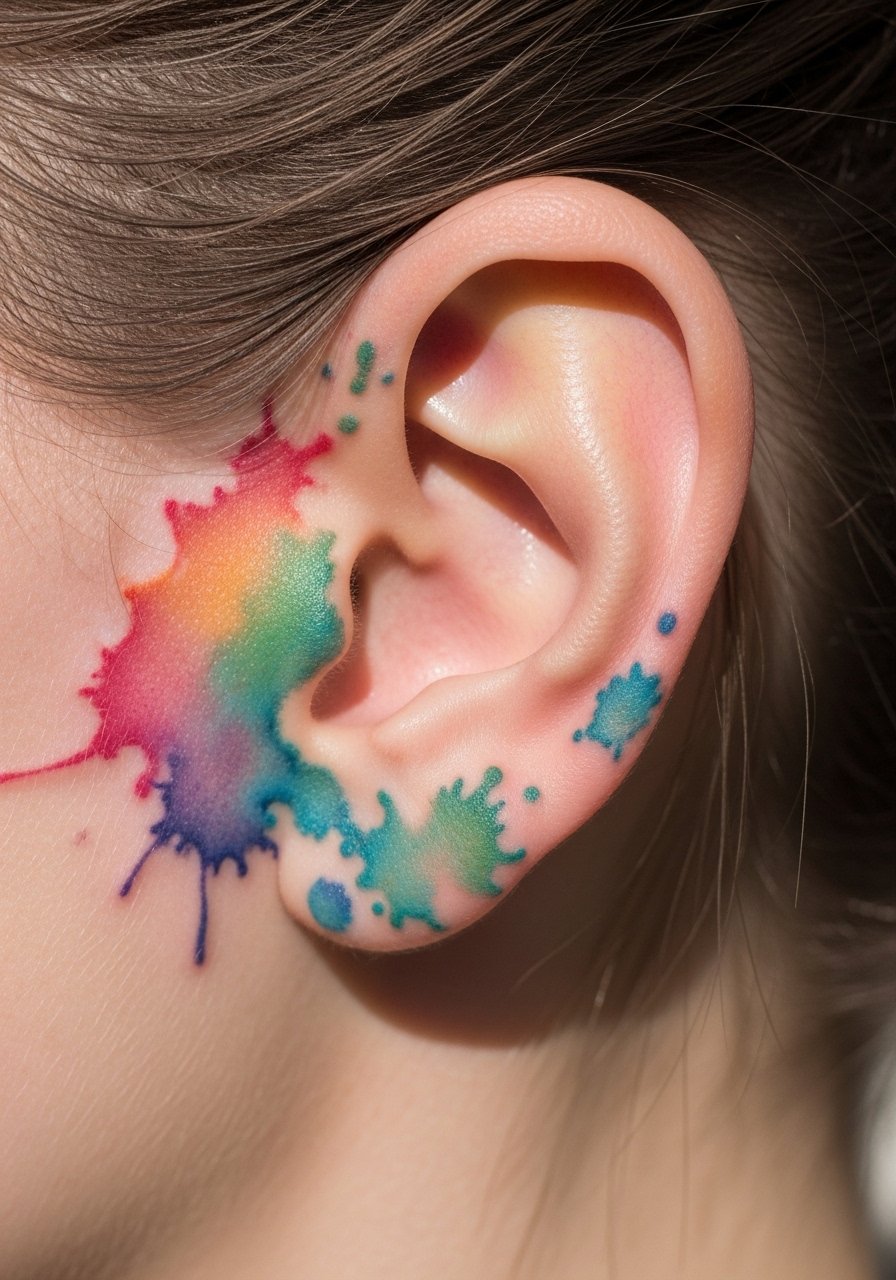
Most watercolor fades faster than black work. I picked this because it reads emotional when placed behind the ear, where it’s seen in close conversation. Pain is mild. Sessions are short, 20-40 minutes. Expect color to soften noticeably by year two unless you opt for stronger pigments near edges. The poor version has very blurry, low-contrast washes. Ask for a small black anchor or thin outline to hold shape. Tell your artist you want color maintenance in two-year intervals.
6. Matching Morse Code Bands On Inner Wrist
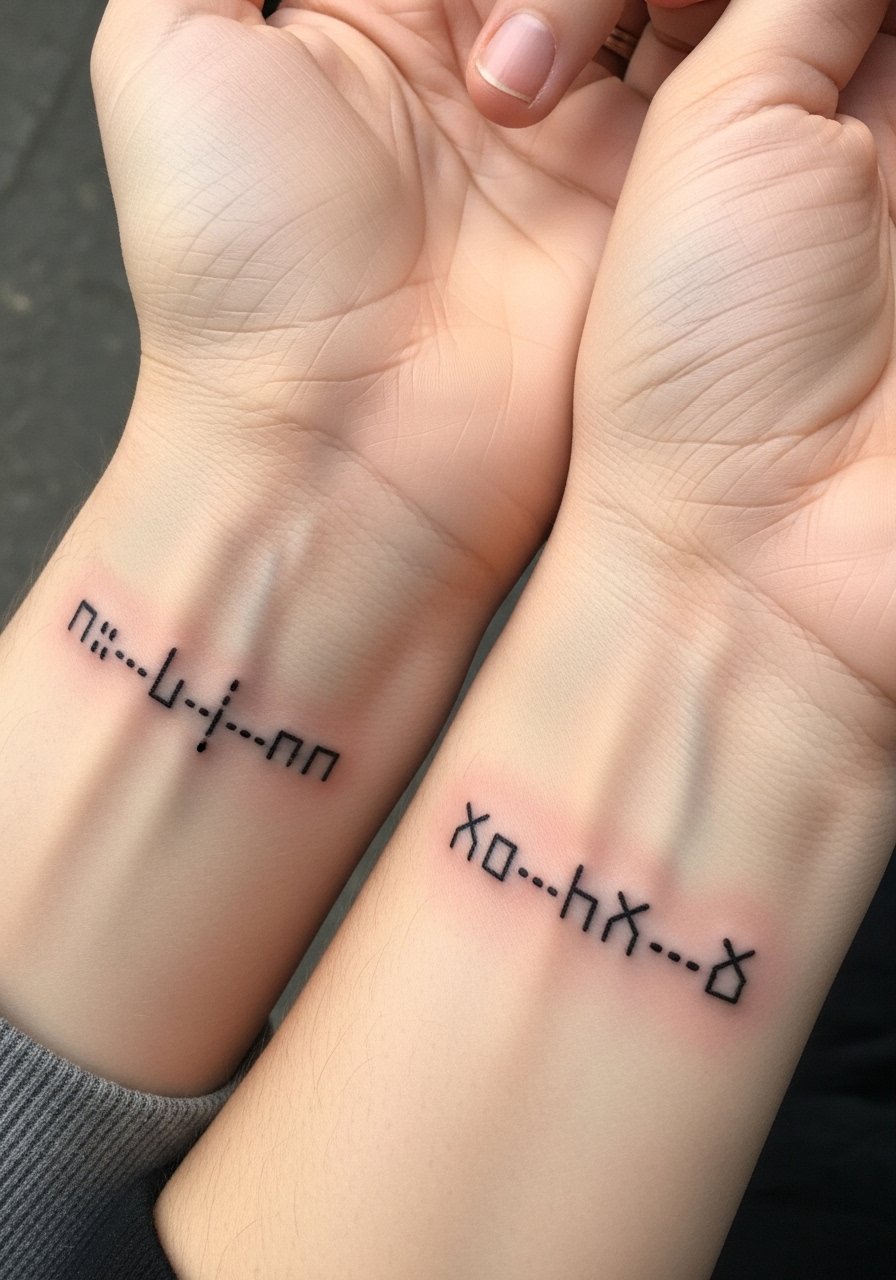
The idea here is cryptic emotion. I first noticed Morse bands at a small convention. The wrist is visible and social. Pain is low to moderate. These usually take 20-40 minutes. From what I've seen, the key is spacing. Too-close dots and dashes merge when healed. Ask your artist to increase the gap slightly compared to the stencil. A common mistake is making the code too thin. Ask for bold dots that will age without turning into a gray line.
7. Blackwork Chain Link Around Bicep
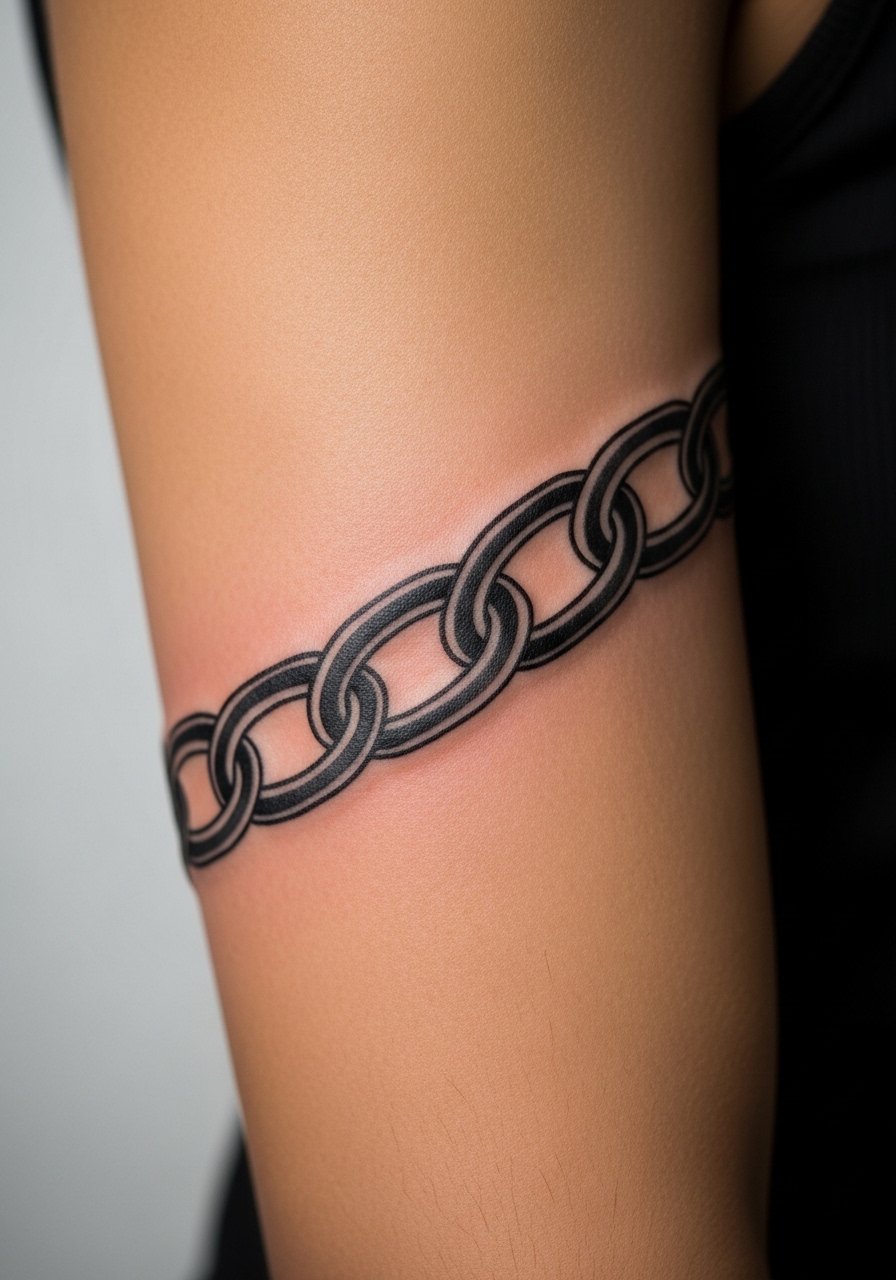
I saw this on a friend who wanted strength as a shared theme. The bicep tolerates a wrap nicely and pain is moderate. These need a full hour for a single band. Blackwork holds up best when lines are confident. I've noticed mid-sized links age better than tiny ornate ones. A mistake is asking for intricate interior shading, which blurs. During consult, specify link thickness and ask to see healed blackwork portfolios.
8. Tiny Matching Paw Prints On Side Foot
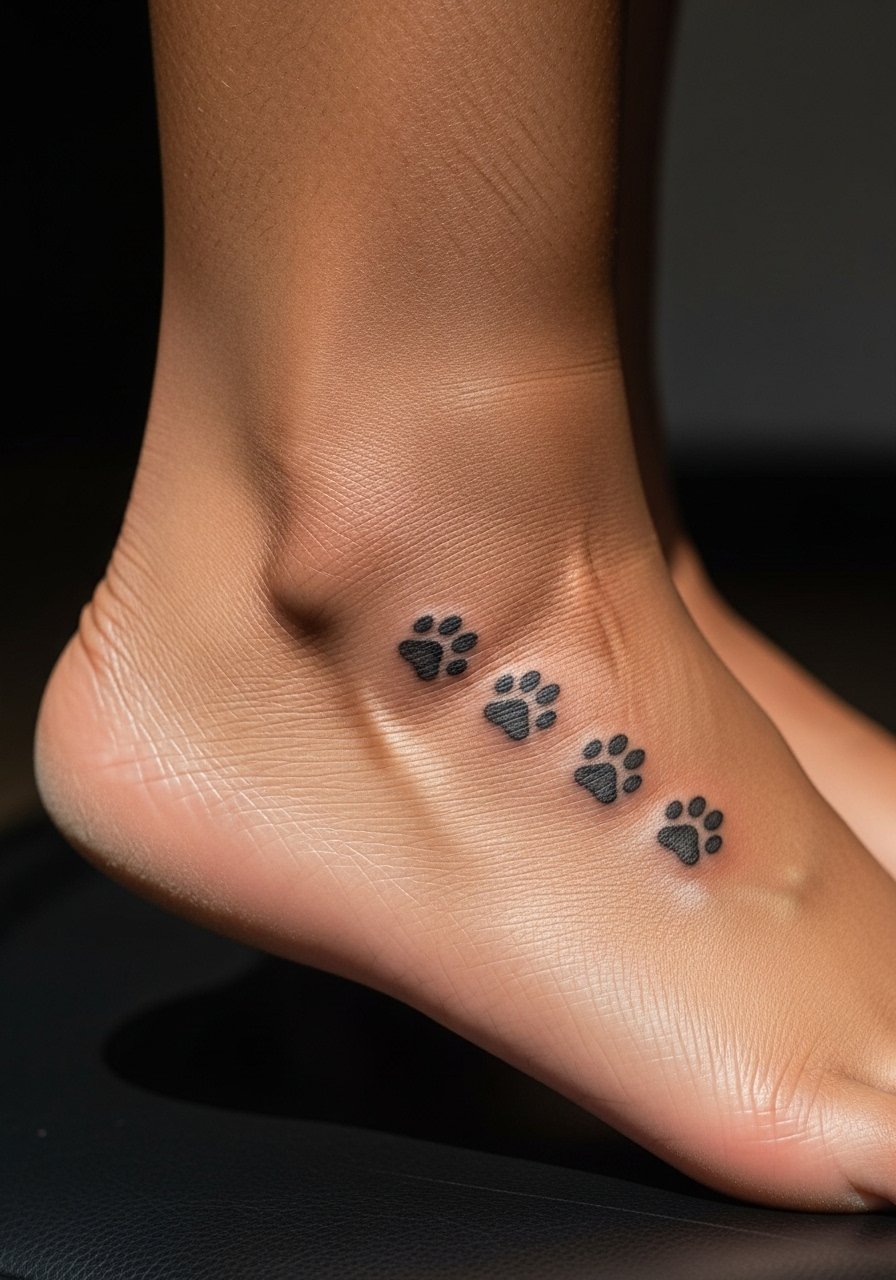
Feet are annoying to heal. I suggest paw prints only if both friends can baby the area. Pain is high on the top of the foot. Session time is 15-30 minutes. From my experience, friction from shoes causes early fading. A common mistake is placing them too close to the shoe seam. Tell your artist you plan to avoid tight shoes for two weeks and request slightly denser ink to offset rubbing.
9. Fine Line Lock And Key On Collarbone
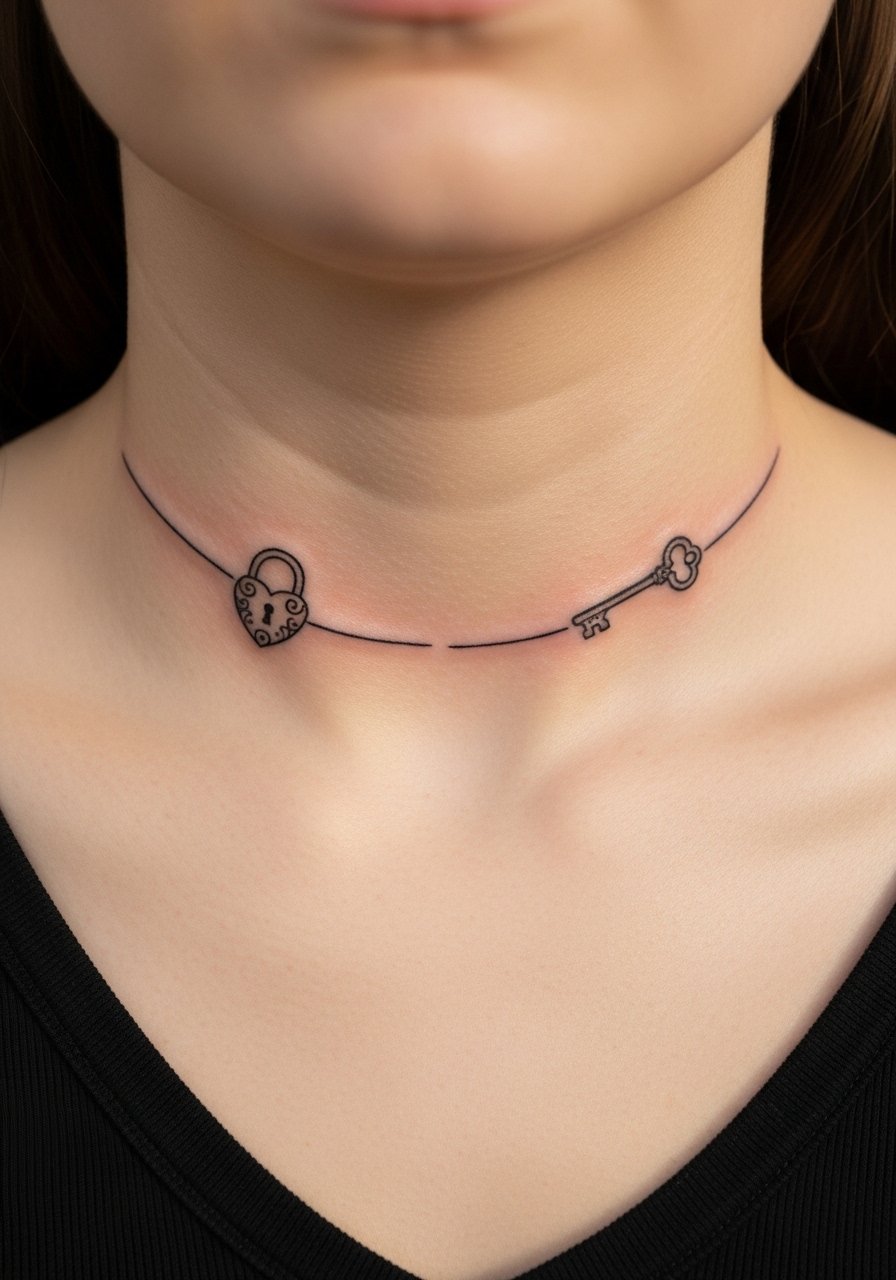
I first saw a lock and key on a pair who wanted symbolic compatibility. The collarbone area has high visibility and a flirt of pain. Expect moderate pain for both placements. Sessions run 30-60 minutes. Thin locks and keys can blur at the delicate collarbone. From what I've seen, the fix is modest line weight and clean negative space. Bring images showing the exact key teeth you want. Ask your artist how the piece will look after a year so you can adjust line weight accordingly.
10. Minimalist Wave On Ribcage
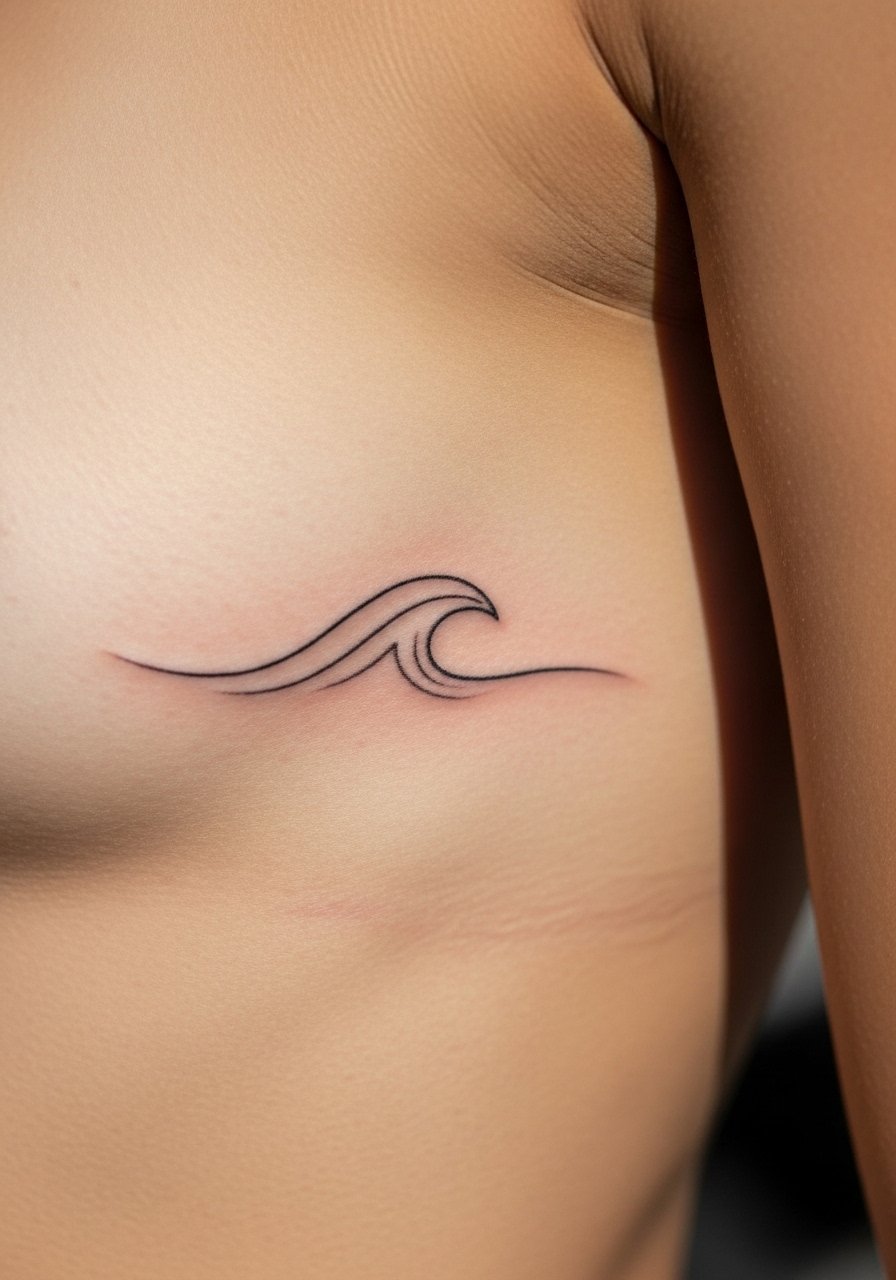
Fair warning, ribs hurt. Really. I mention that up front because many friends back out mid-session. Small wave lines look emotional and are easy to hide. Sessions are 20-40 minutes. Expect swelling and soreness for a few days. Thin waves can spread on the ribcage. I’ve seen them become faint curves that lose character. Ask your artist for a slightly bolder initial stroke and plan no heavy lifting for 48 hours after. This placement ages gracefully if line weight is chosen with healing in mind.
11. Split Constellation On Shoulder Blades
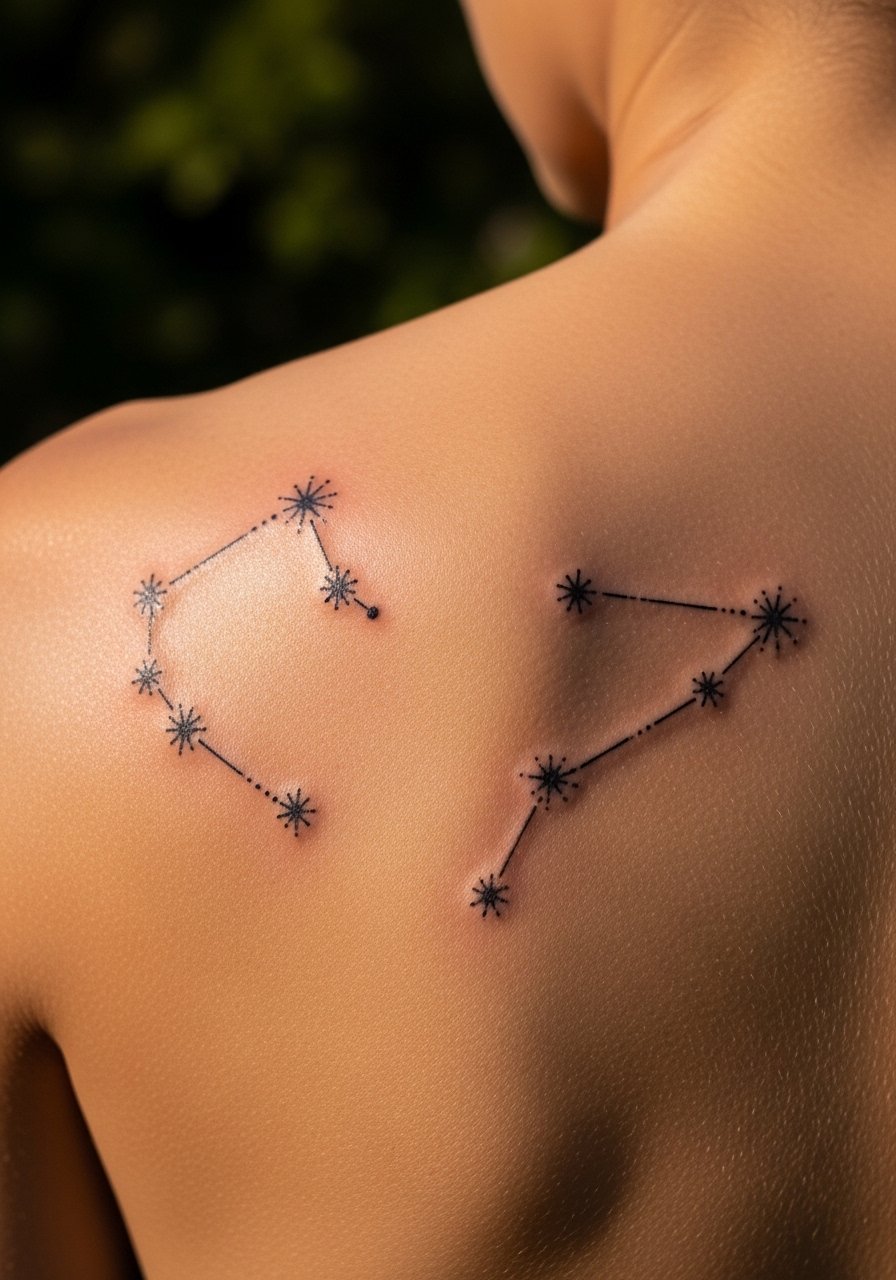
I found this idea on a forum where friends wanted cosmic connection. Shoulder blades tolerate dots and small lines well. Pain is moderate. Sessions are short per side. Dots tend to heal as small raised bumps then settle. The mistake is spacing stars too tightly. When stars are jammed together they can merge. During the consult ask for slightly larger dot size and clear negative space between clusters. Tell your artist you want them matched so the two halves align when you stand together.
12. Minimalist Puzzle Pieces On Hip
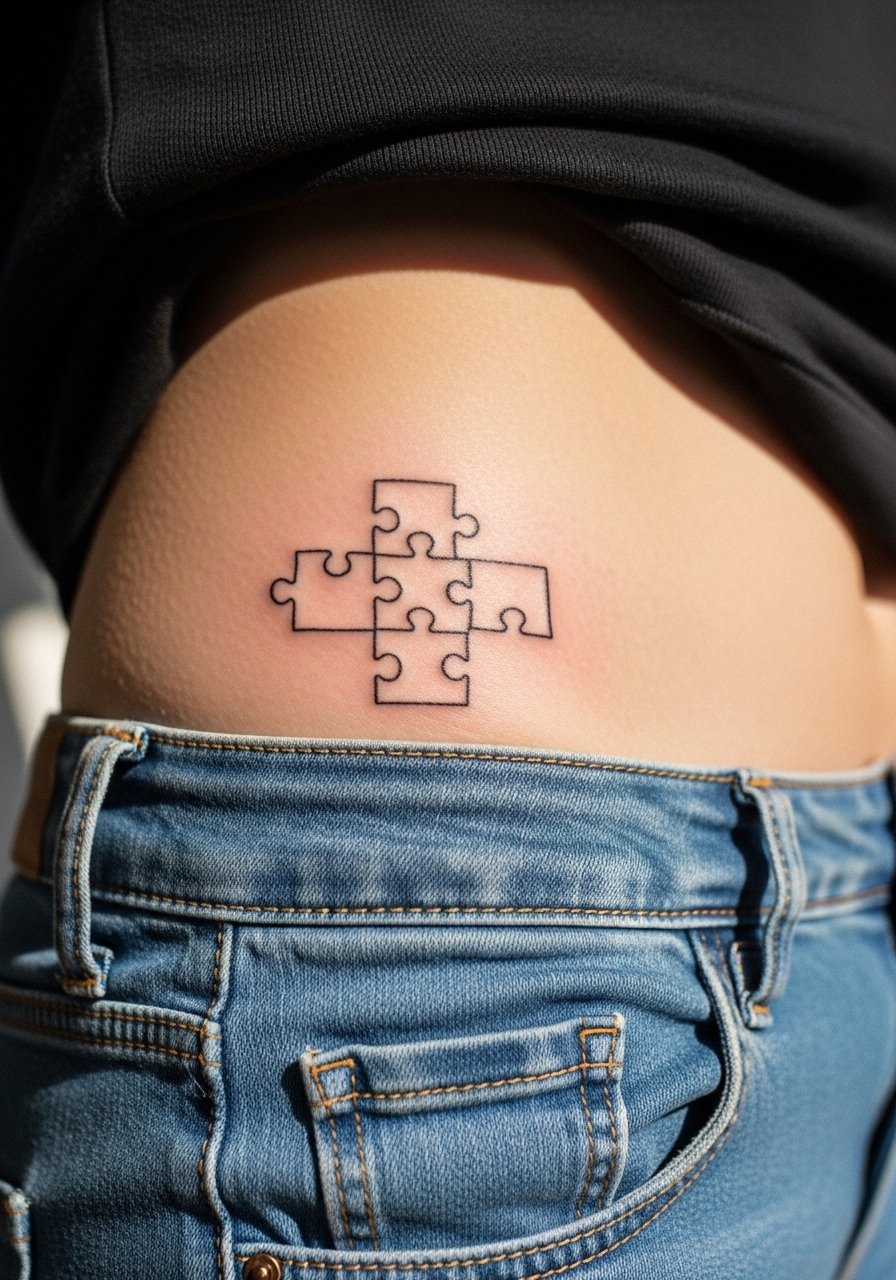
Hips can hide personal pieces. I recommend puzzle pieces for friends who feel like parts of a whole. Pain varies. The hip can be tender while sitting. Sessions are 20-45 minutes. Tiny puzzle tabs are a common mistake because the interlock detail is lost when lines soften. Ask for slight spacing and thicker tabs. Tell your artist about clothing that might rub there so they can advise on placement for healing.
13. Micro-Realism Flower Halves On Thigh
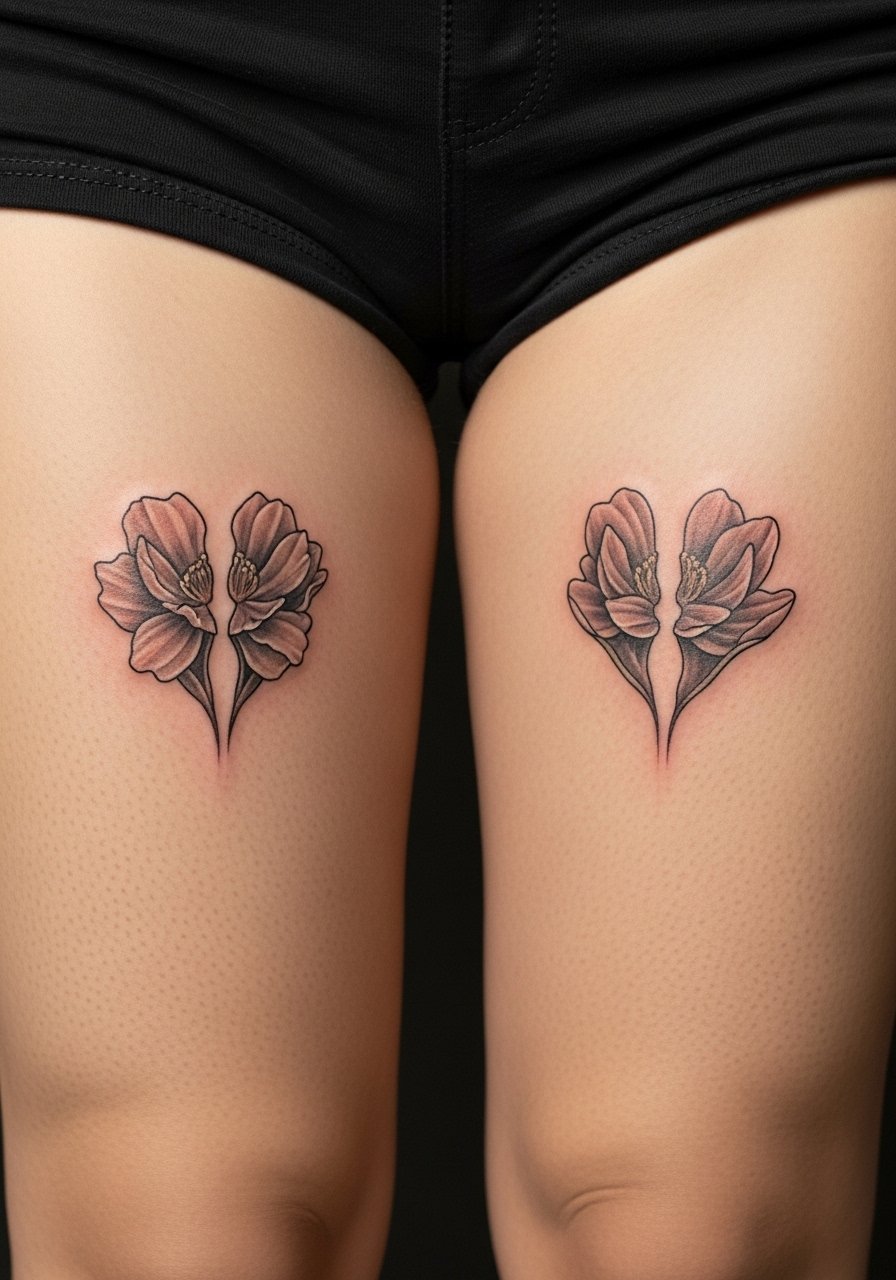
I noticed thigh halves look impressive when friends stand side by side. The thigh is forgiving in pain. Sessions can be 1–2 hours depending on detail. Micro shading holds well on thicker skin. The error I see is overworking tiny petals. Simplify petal edges so the flowers keep shape after a year. Bring a color palette you like. Ask the artist for bold shadow anchors rather than dozens of faint lines.
14. Line Art Faces Behind Ear And Nape
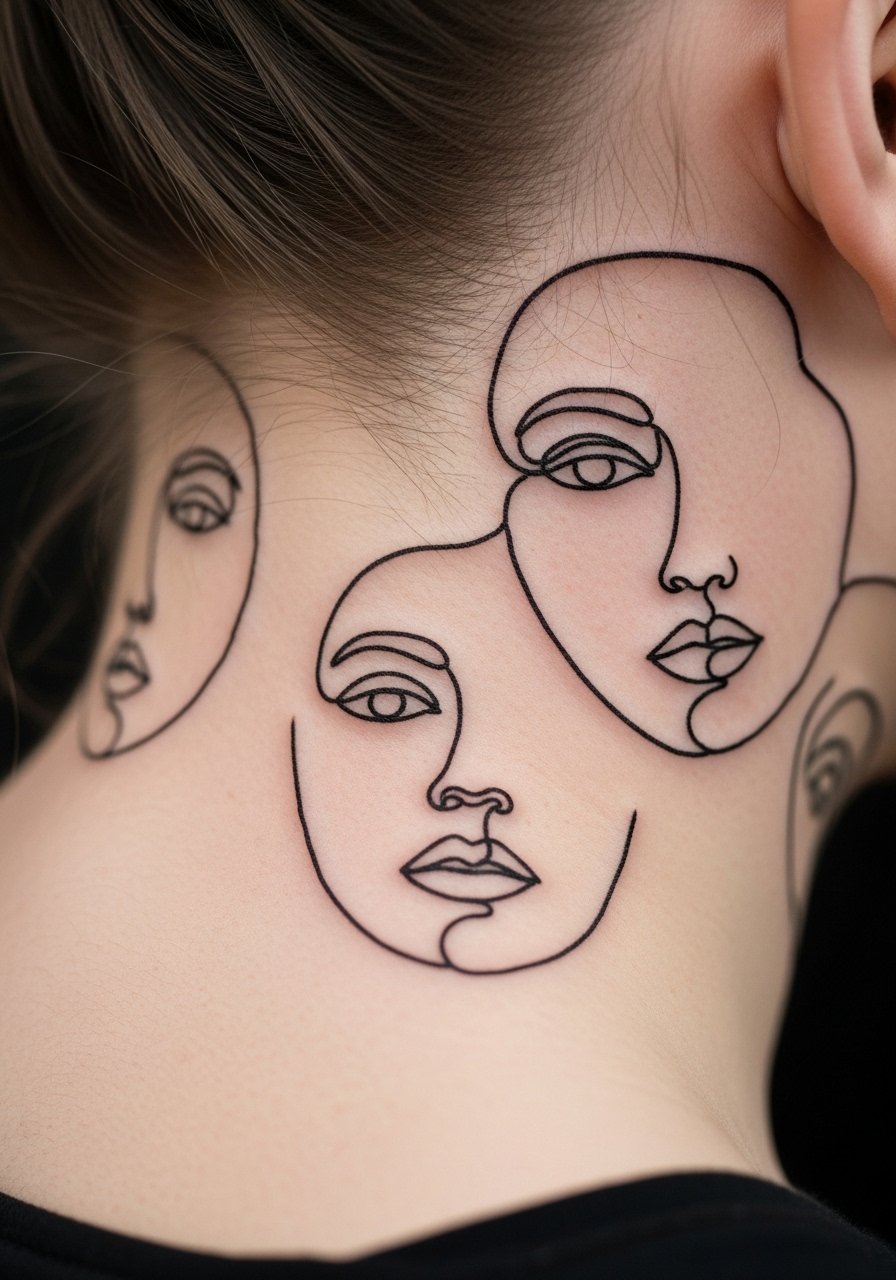
I encountered single-line face tattoos on a duo who wanted emotional mirroring. Behind the ear is low pain and discrete. Nape is a bit more tender. Each small face takes 20-40 minutes. The problem with single-line faces is going too thin. Over the years those lines can soften into a scribble. Request slightly thicker strokes where the line changes direction. Ask for design samples on similar skin tones so you can judge healed outcomes.
15. Traditional Swallows On Chest
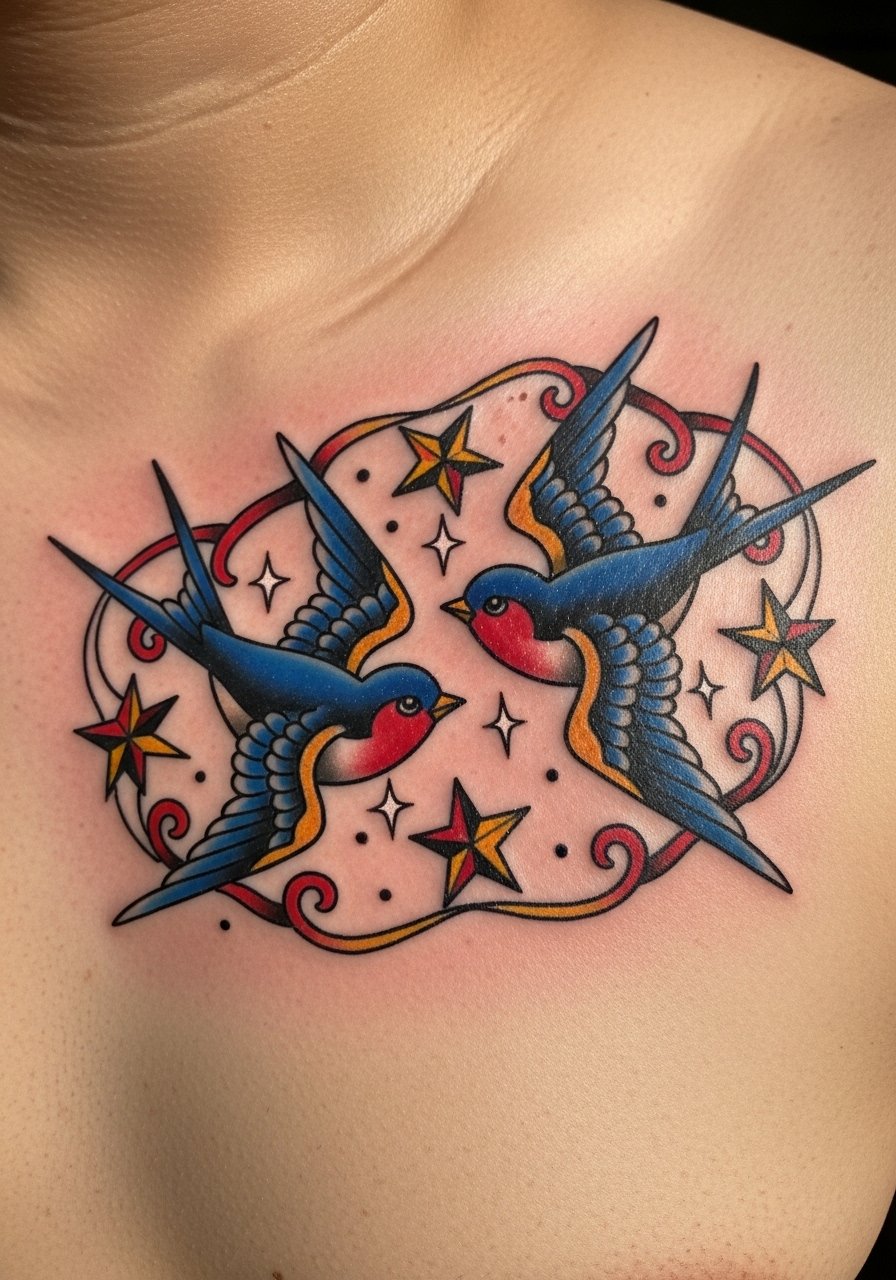
I picked traditional swallows because they read like lifelong travel or loyalty. The chest is more painful near the sternum. Sessions are around 45-90 minutes. Bold outlines and saturated fills hold up well. A bad choice is using a pastels-only palette. Pastels fade faster and lose contrast. Ask for solid blacks and long-lasting pigments. Tell your artist you want long-term visibility and they will plan for linework that ages.
16. Matching Finger Initials In Fine Line
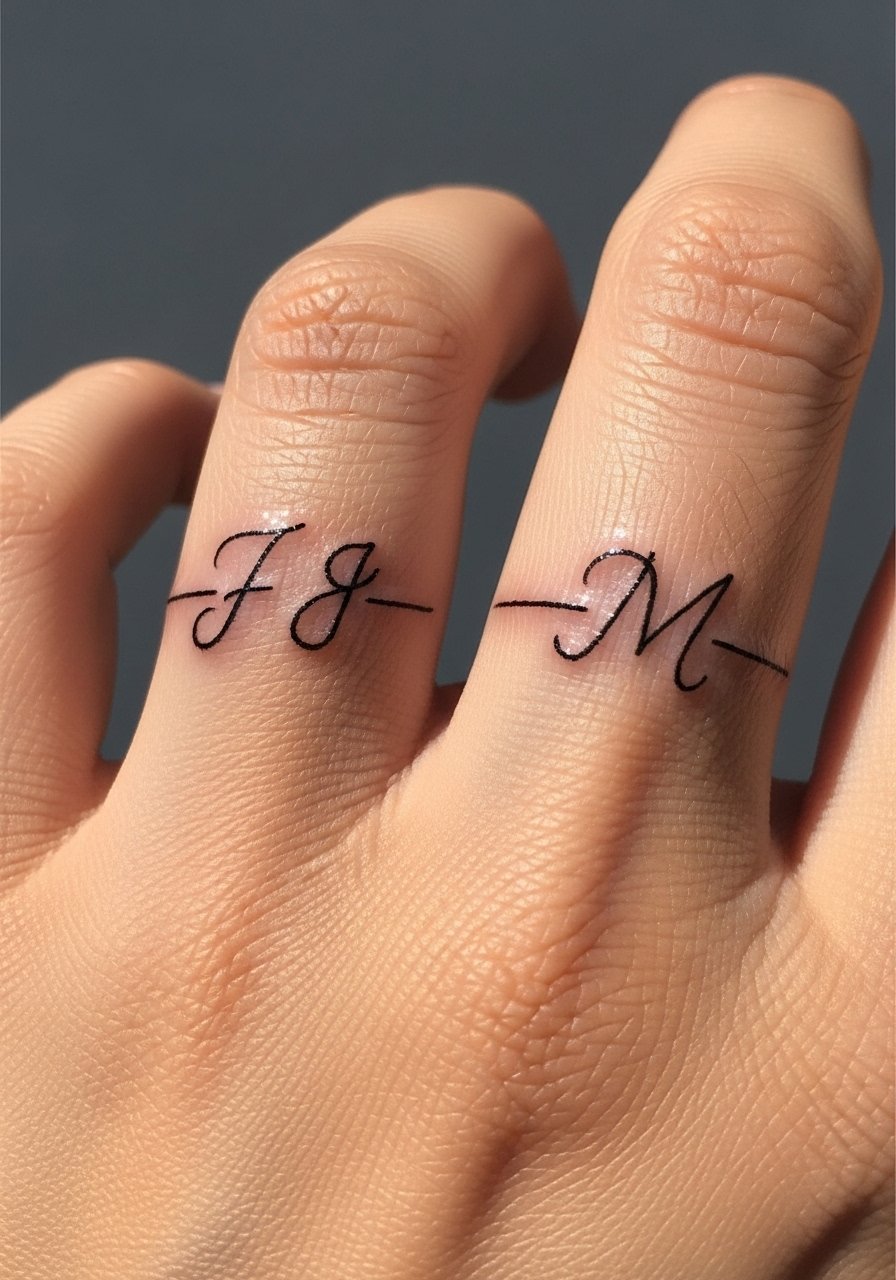
Fingers are tricky. I advise small initials only if both people accept regular touch-ups. Pain is sharp and intense. Sessions are quick, 10-20 minutes, but ink on fingers fades fast. I’ve noticed that the ink often blurs into a soft gray within a year. The mistake is expecting permanence. If you want longevity, pick thicker letters and be ready for touch-ups. Ask your artist about alternative placements if you want low-maintenance results.
17. Geometric Sun And Moon On Forearm
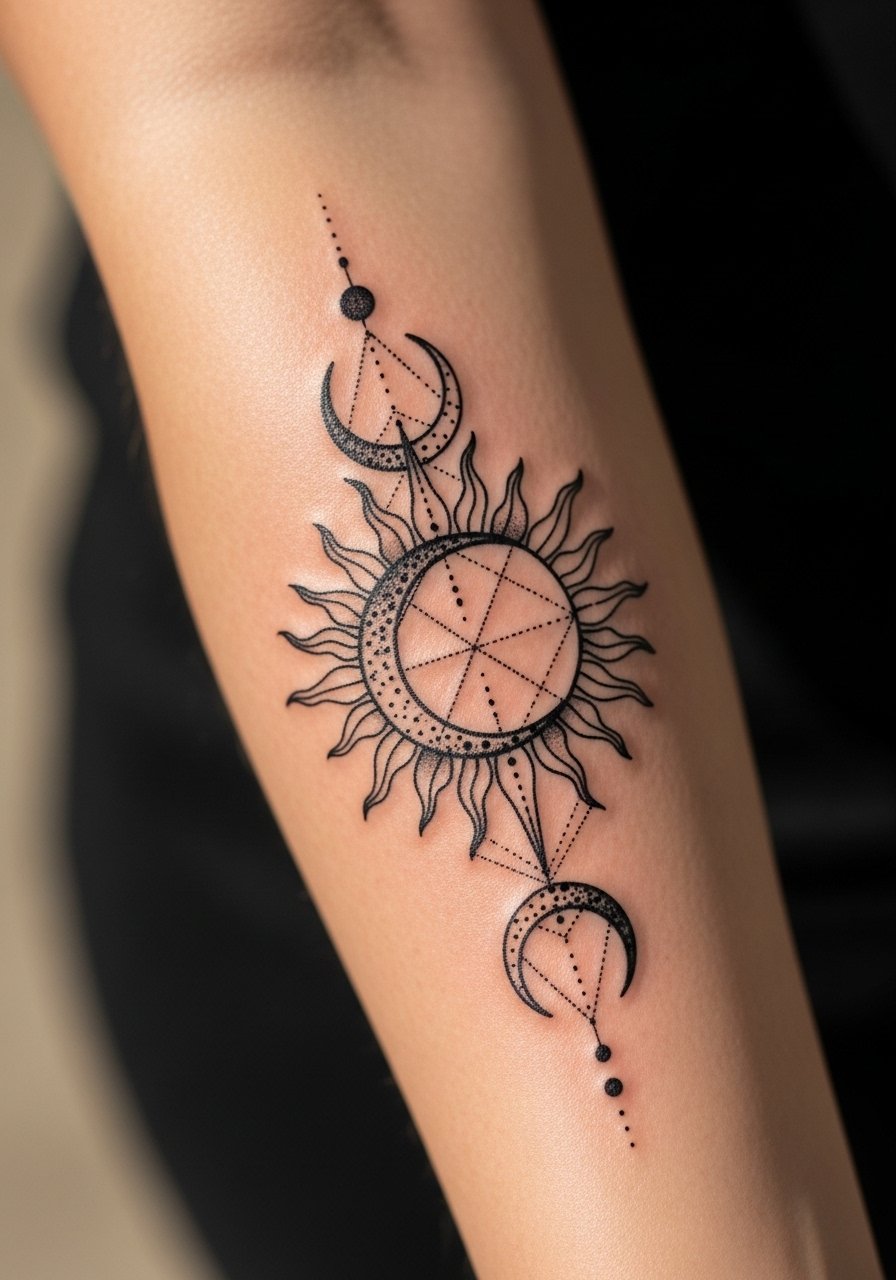
Geometry brings balance. I saw a pair who split a sun and moon, one per forearm, which looks strong together. Forearms handle line work well. Pain is moderate. Sessions are 45-60 minutes. Tiny triangle details can merge after a few years. I recommend keeping shapes a bit larger than you think. During consult, ask for a bold outline to hold the pattern. Also ask how the piece will look healed at six months and two years.
18. Watercolor Brush Strokes On Thigh Side
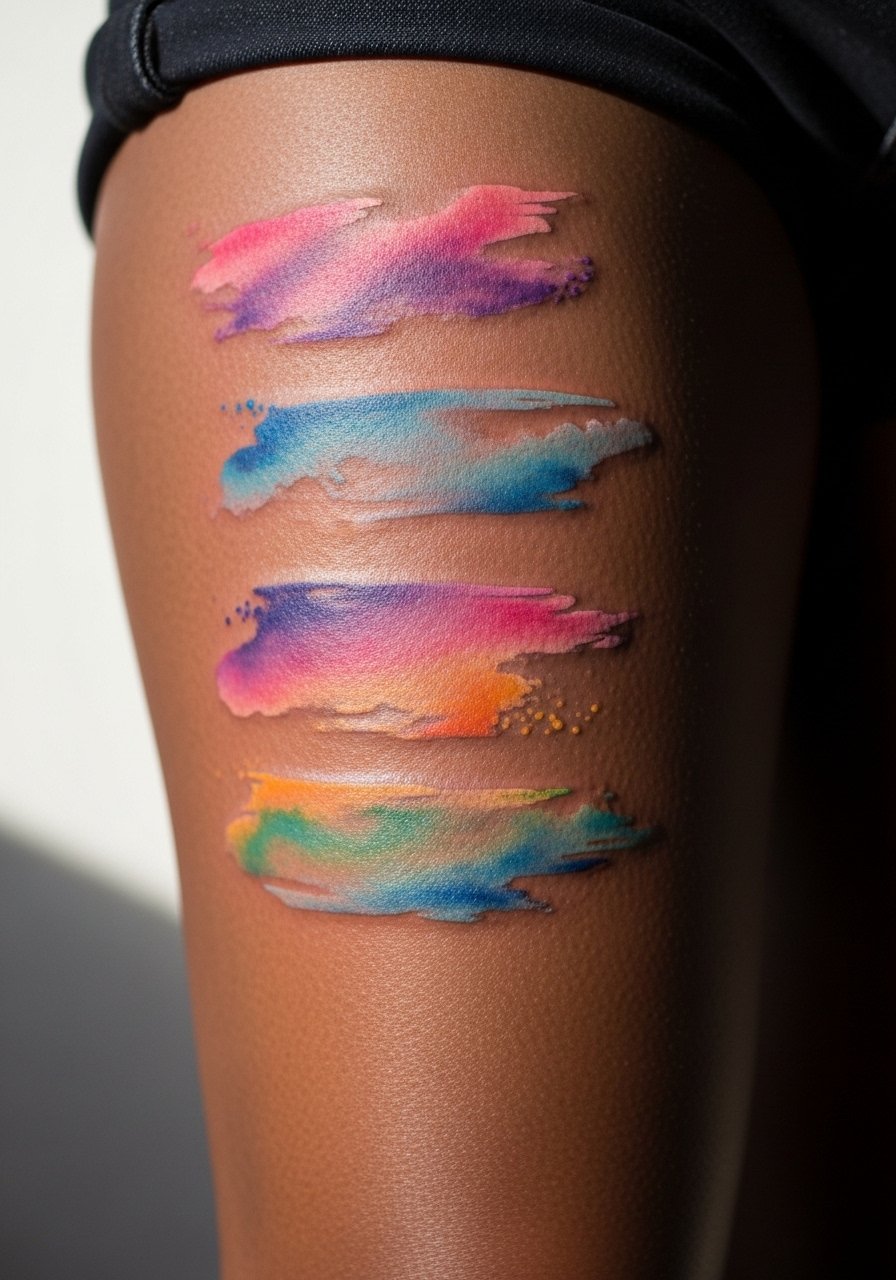
I include this because it reads emotional in a non-literal way. Thighs heal well and tolerate color. Pain is low to moderate. Sessions are 30-60 minutes. Watercolor edges can feather with time. A common mistake is skipping any black anchor. If you want longevity, ask the artist to include subtle black outline elements or denser pigment near edges. Tell them you plan to keep sun off the area while healing.
19. Minimalist Arrow Duo On Ribcage And Side
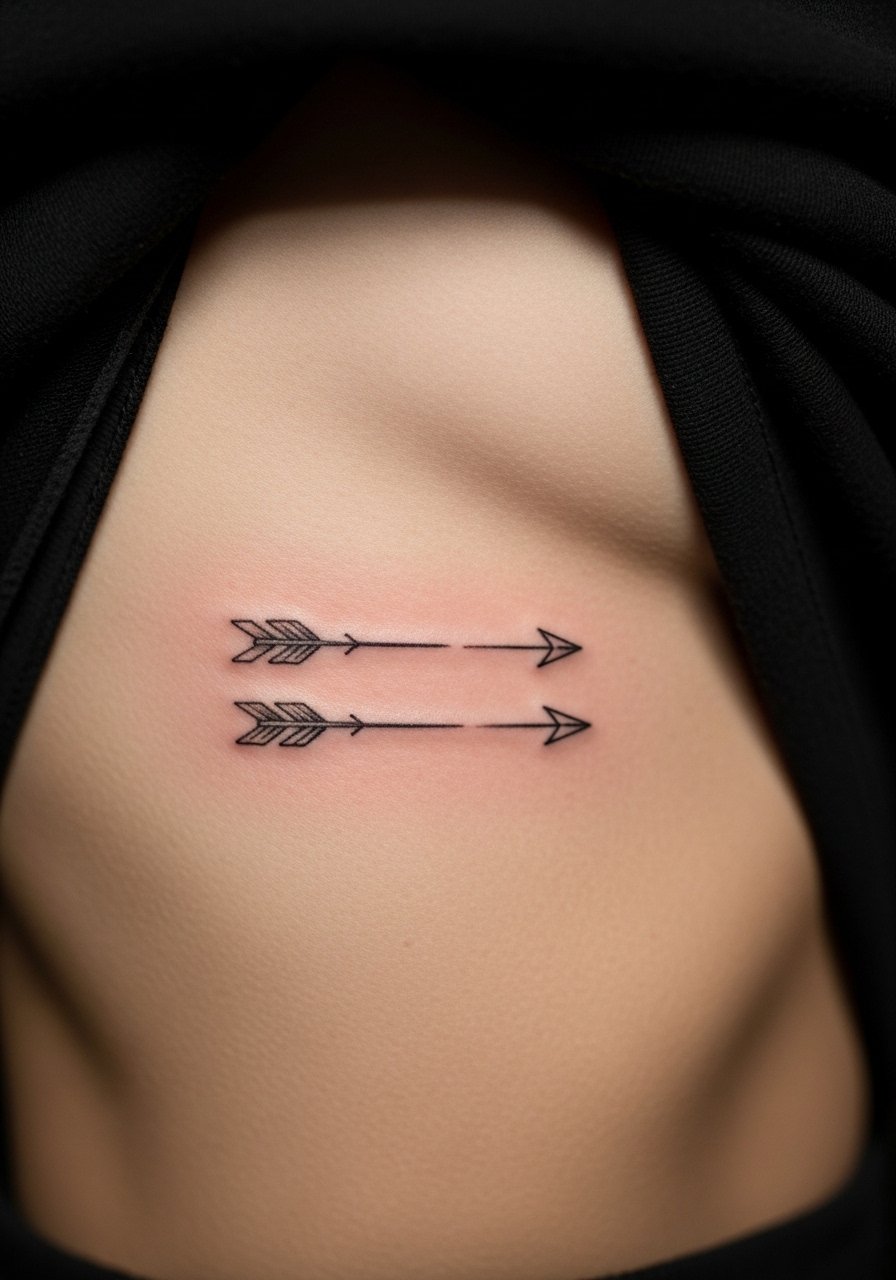
I once recommended arrows for two friends who wanted direction as a theme. Ribcage and side placements hurt more than forearms. Expect moderate to high discomfort and 15-30 minute sessions. The thin arrow shaft often fades. I suggest asking for a slightly thicker shaft or a dotted texture that reads longer. A frequent error is making the arrowhead too ornate. Keep it clean. Mention that you'll avoid heavy exercise for a few days so the lines settle cleanly.
20. Tiny Lockets On Inner Wrist With Photo Insert
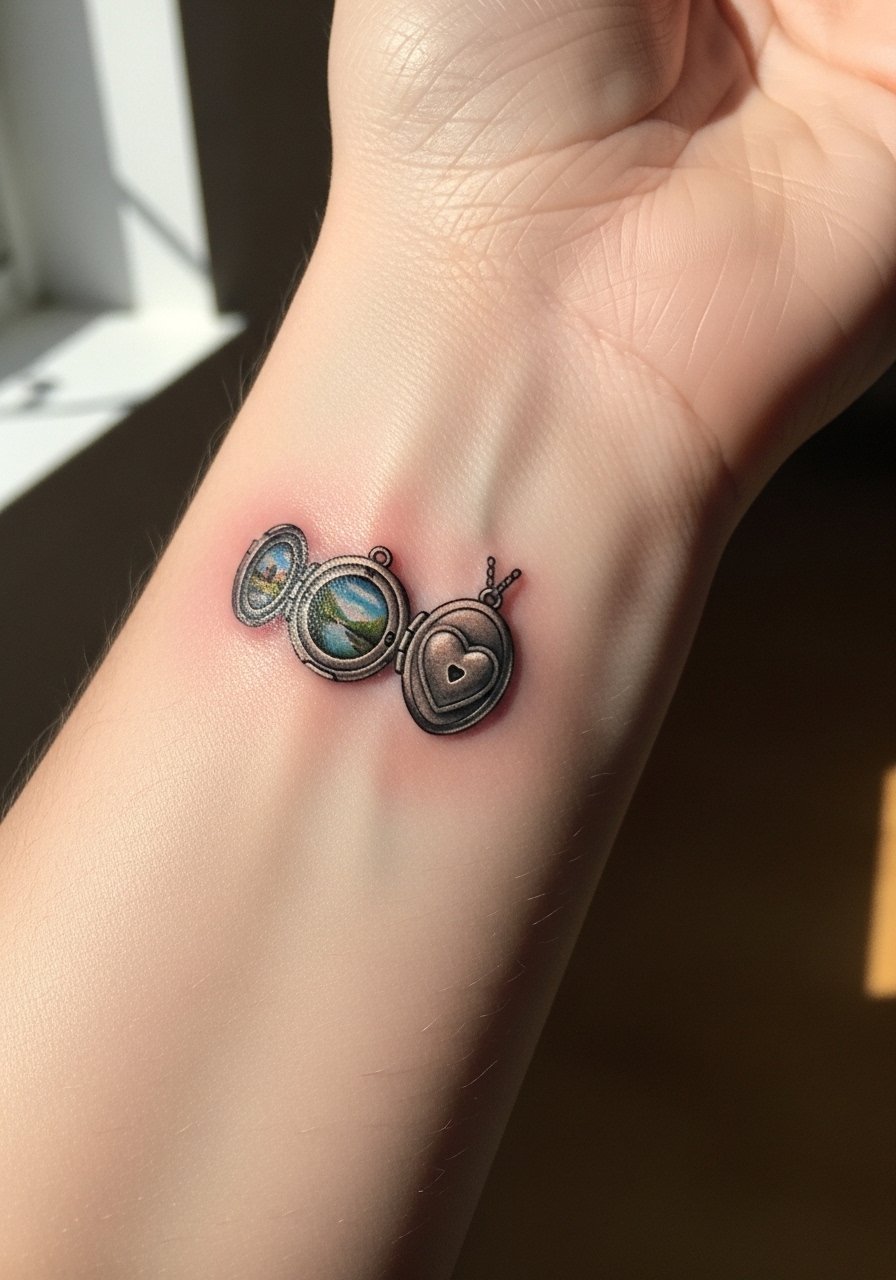
I noticed tiny lockets with micro-portraits feel very intimate. The inner wrist is moderately painful and visible. Micro-realism here needs an experienced artist. Sessions may be 1–2 hours for crisp detail. The main issue is packing too much tiny detail. Simplify faces and boost contrast. During consult, bring the photo you want shrunk and ask the artist to adapt it for long-term legibility. Budget time for a touch-up if the tiny details soften.
21. Continuous Script Quote Along Collarbone
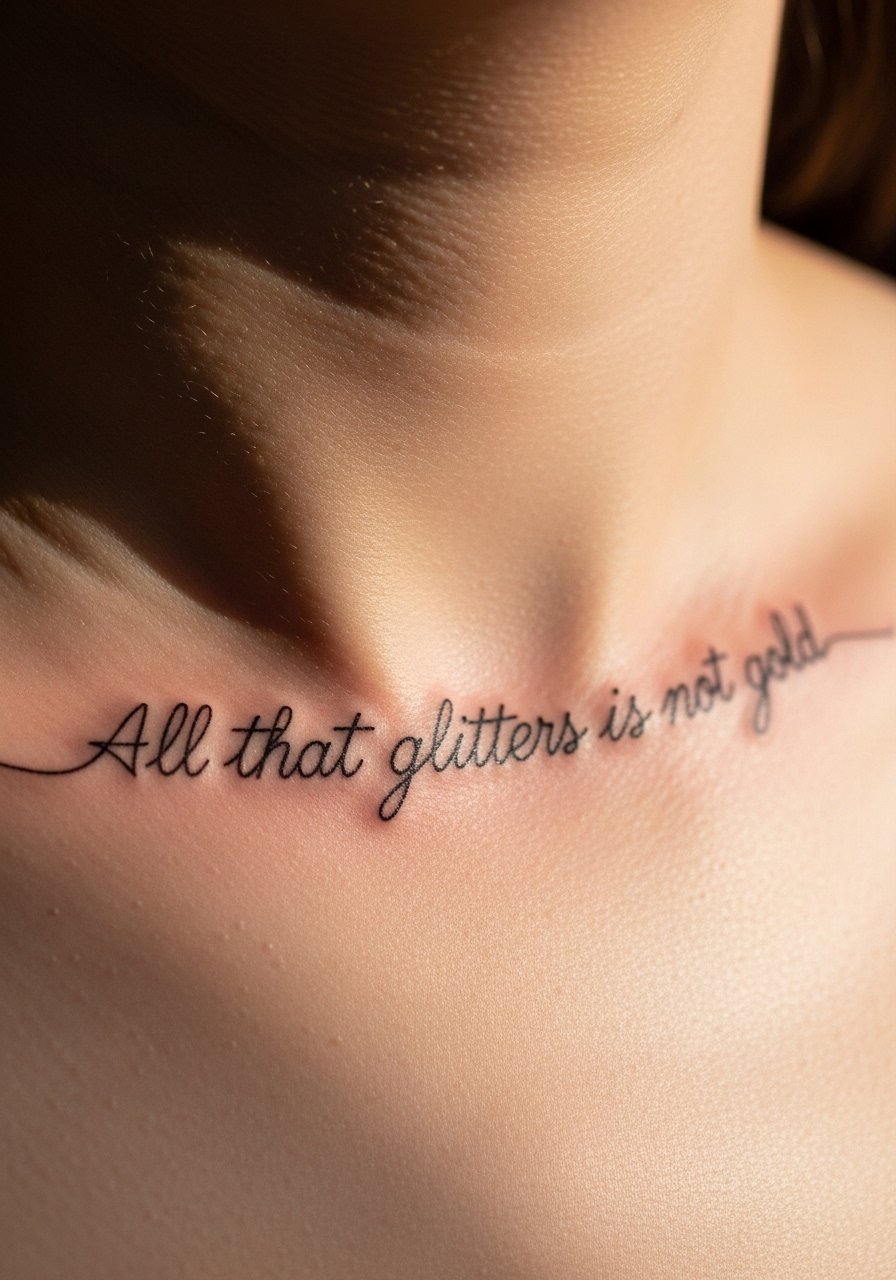
I found that quotes feel personal and emotional on the collarbone. Pain is moderate. Script needs space to breathe. Tiny cursive lines can thicken and smudge over time. The common mistake is choosing a font that looks good on screen but is unreadable when inked. Bring printed examples and ask your artist to test a small patch. Expect touch-ups later if you want the script to remain crisp.
22. Matching Botanical Sprigs On Inner Forearm
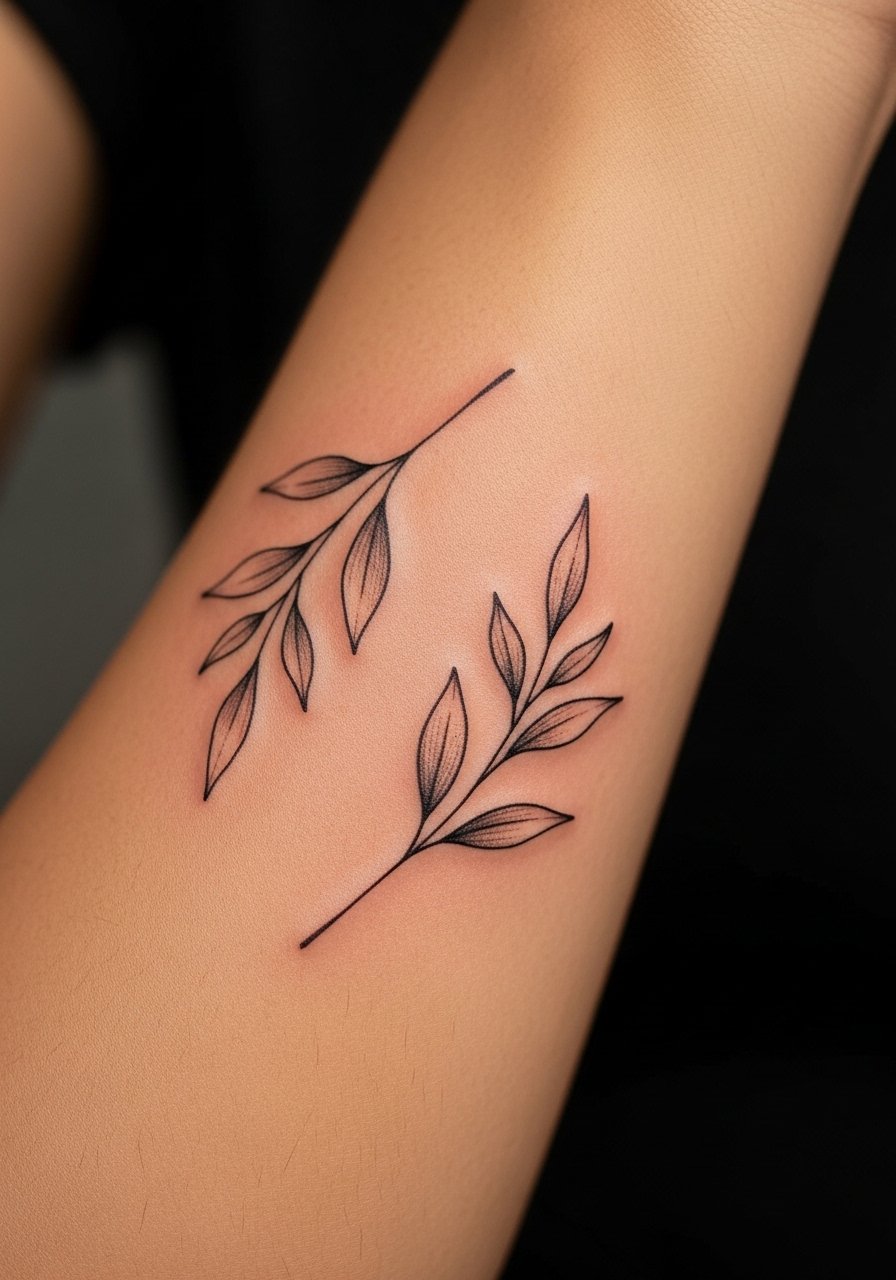
I first saw these at a market where friends had sprigs that mirrored each other. Forearms are forgiving and low pain. Sessions are 30-60 minutes depending on length. Tiny leaf veins often blur, so I suggest simplified vein work and slightly thicker stems. A frequent mistake is over-detailing leaves. Ask your artist to prioritize bold silhouette and leave delicate veins minimal. That keeps the design readable at six months and two years.
23. Puzzle Heart In Blackwork On Sternum
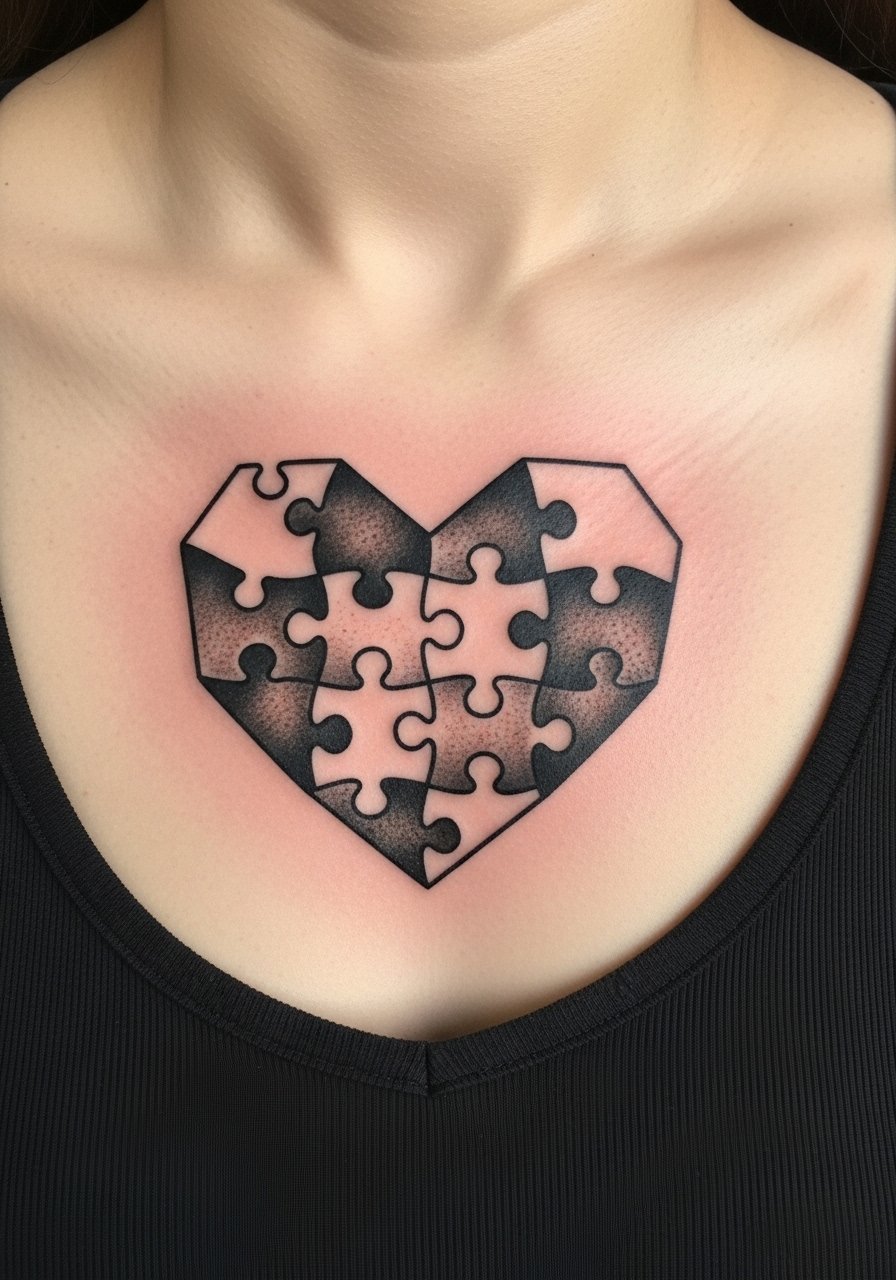
The sternum can be painful and visible. I recommend blackwork puzzle hearts for friends who want an intense shared symbol. Sessions take 45-90 minutes. Solid black ages well and keeps form. A mistake is adding thin interior lines inside the black, which disappear. Tell your artist you want a strong silhouette. Also expect more soreness while healing because the chest moves when you breathe.
24. Split Watercolor Bloom Over Wrist And Hand
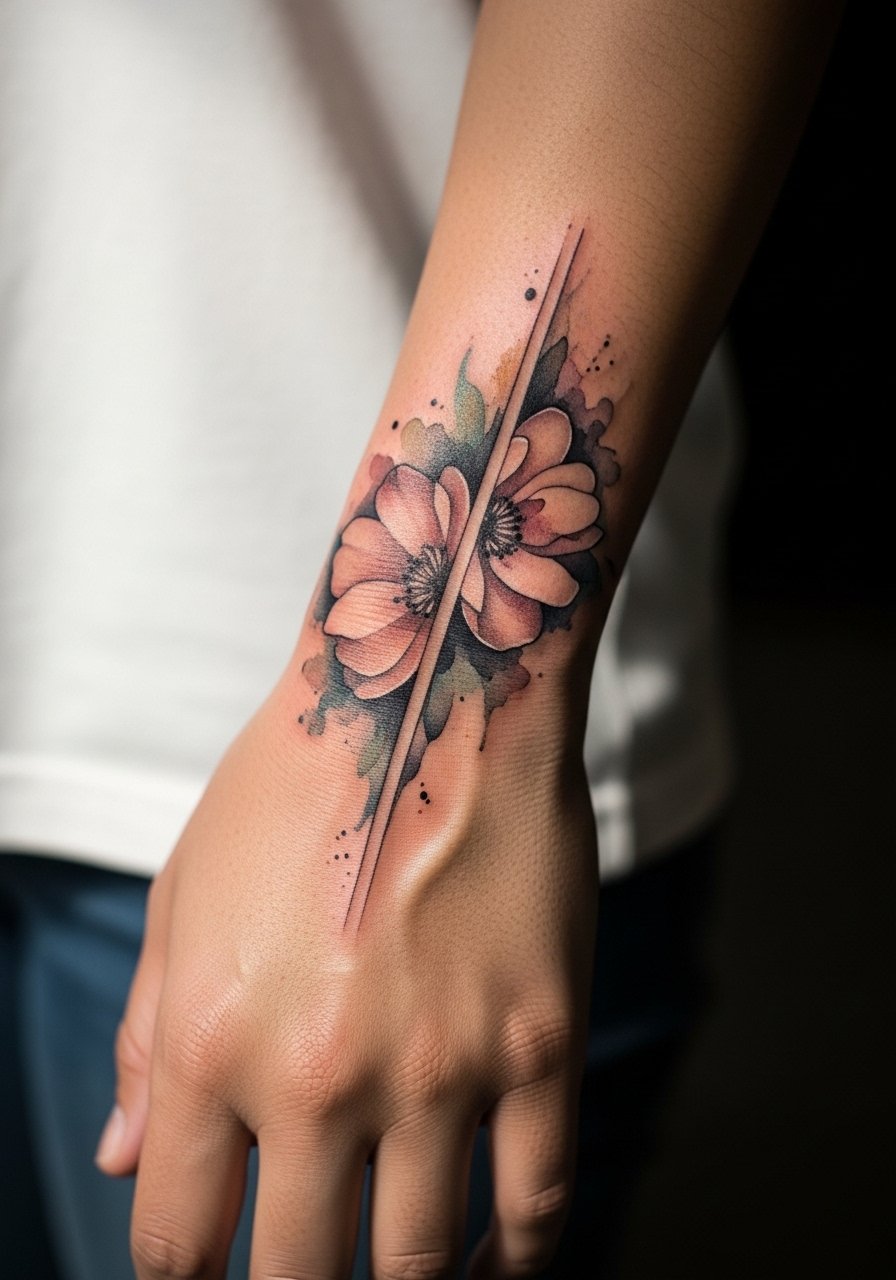
This emotional design reads dramatic when friends high-five. Hands and wrists are high-maintenance. Pain varies. Sessions are 30-60 minutes. Watercolor blooms on hands fade faster due to washing and sun. Many clients regret this when the piece looks patchy at year one. If you love color, plan on touch-ups every 1–2 years, and ask the artist for denser pigments near high-wear areas. Discuss your daily hand use during the consult.
25. Fine Line Paper Plane On Shoulder
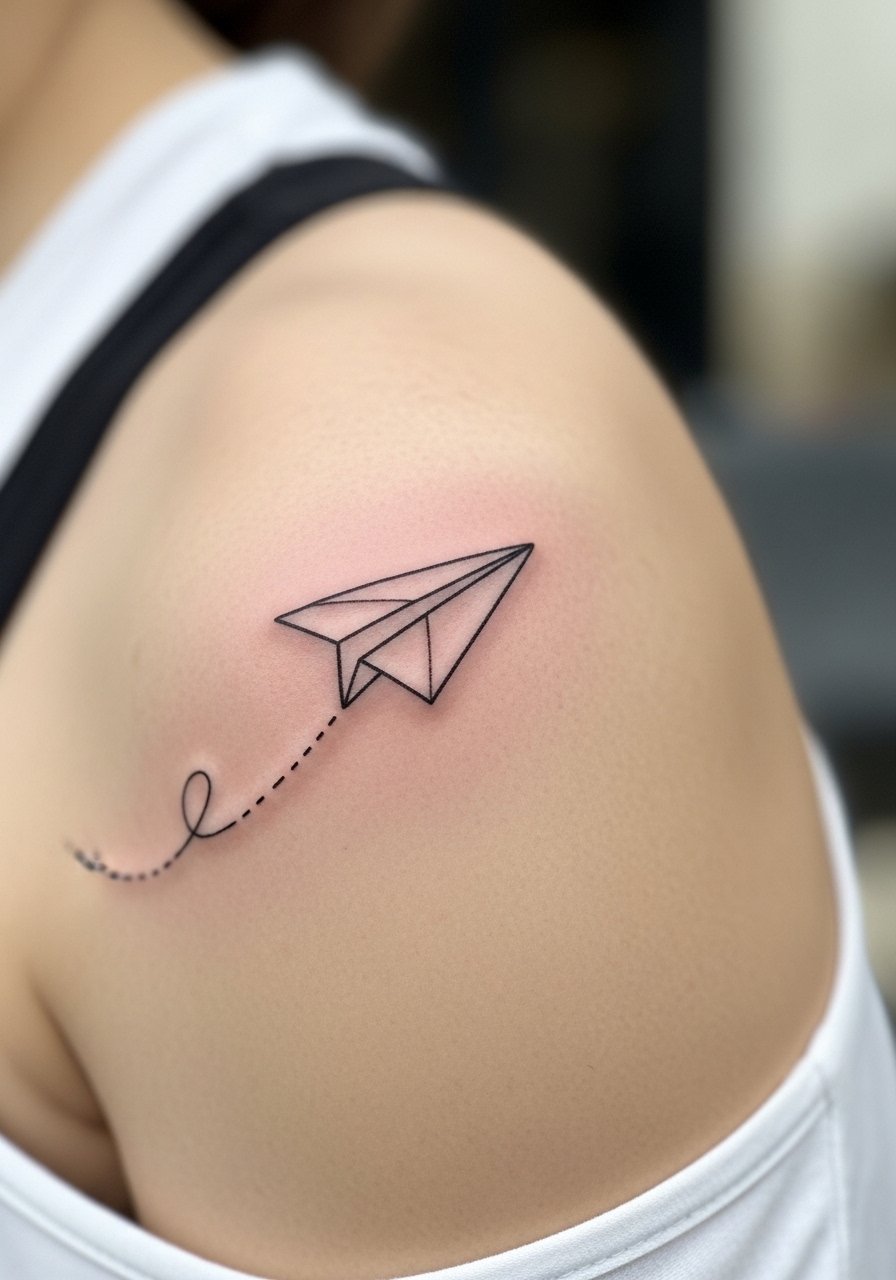
I picked the paper plane for friends who share a sense of adventure. The shoulder is a low-pain, low-maintenance spot. Tiny planes can get lost though. From experience, the trick is to make the plane slightly larger than you imagine. Sessions are quick, 15-30 minutes. A mistake I see is overly delicate folds. Ask for clear edges and a small shadow to give dimension that lasts. Mention if you want the plane angled when the arm is relaxed or lifted.
26. Matching Soundwave Bands On Upper Arm
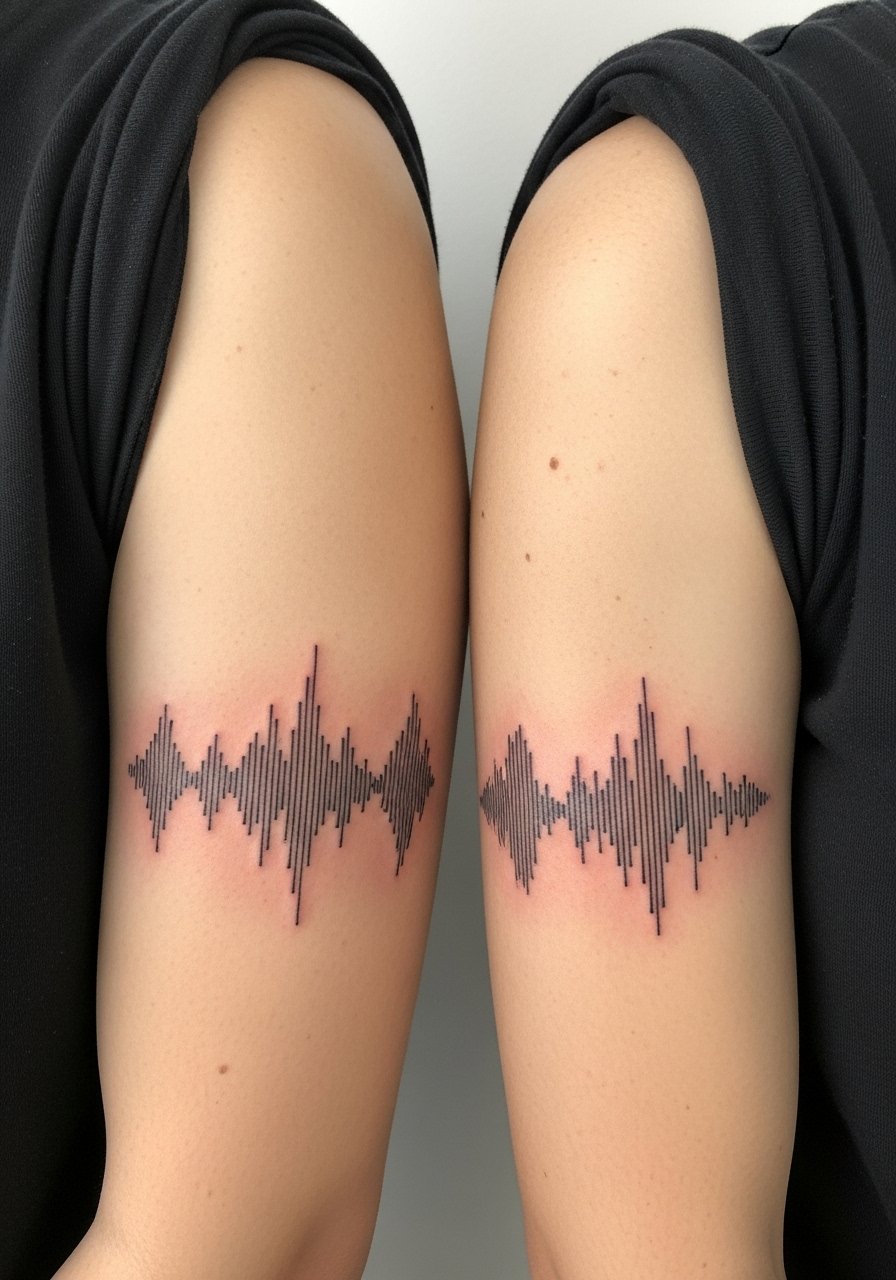
I encountered soundwaves of a shared song at a reunion. Upper arms hold bands and soundwave shapes well. Pain is moderate. Sessions depend on length, usually 30-60 minutes. Tiny jagged waves can blur into blocky lines over time. Request slightly thicker peaks and consistent spacing. Bring the exact audio file and ask your artist to convert it into a simplified waveform that keeps character after healing.
27. Fingerprint Line Art Connecting On Ribcage And Side
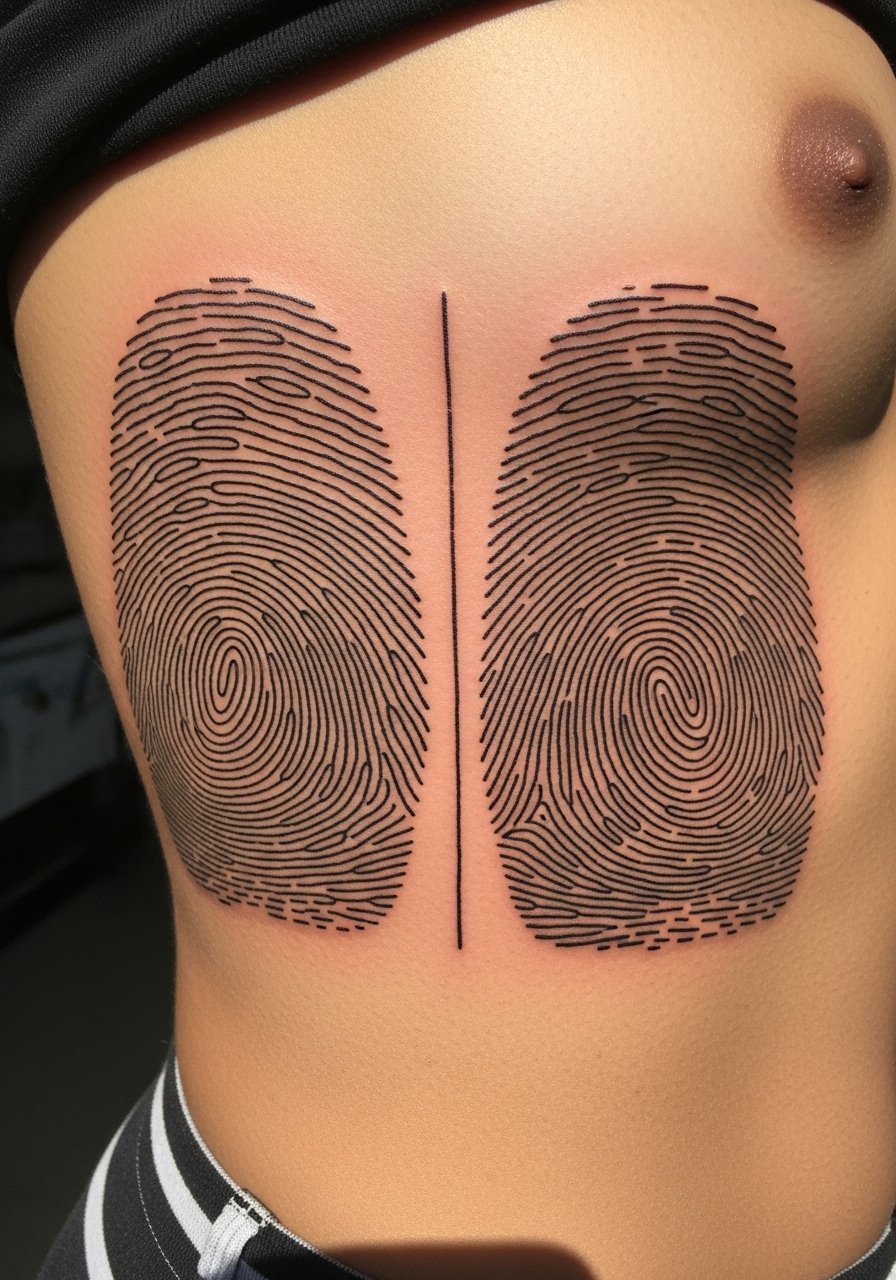
I saved this for last because it’s a less common but emotional idea. Two halves of a fingerprint that meet when hugged read like identity and belonging. The ribcage and side placement is intimate and more painful. Sessions can be 1–2 hours. Fine ridge details can blur, so ask for stylized ridge patterns rather than exact micro-detail. Avoid tiny ripples that will soften. Tell your artist you want the ridges bold enough to remain visible at two years.
Tattoo Prep and Aftercare Essentials
Aftercare I actually recommend, based on what artists and collectors repeat. I grouped items for each stage.
Aftercare Essentials:
- Aquaphor Healing Ointment, 14oz tube — Industry standard for the first 3-5 days. Artists mention this often.
- Saniderm Transparent Adhesive Bandage, 6-inch roll — Second skin option for longer initial protection.
- CeraVe Fragrance-Free Moisturizing Lotion, 12 oz — For days 4-14 when you switch from ointment to lotion.
- Dr. Bronner's Unscented Castile Soap, 32 oz — Gentle cleanser for daily washing.
Before Your Appointment:
- Topical Numbing Cream 5% Lidocaine, 30g — Use only if your artist approves, apply 30-45 minutes prior.
- Thermal Tattoo Stencil Transfer Paper, 8.5"x11" — Useful if you want to mock up placement at home ahead of the consult.
Long-Term Maintenance:
- SPF 50 Sunscreen Stick For Tattoos, 0.5 oz — Apply after healed to prevent fading, artists stress this.
- Mad Rabbit Tattoo Balm, 2 oz — Popular for keeping healed ink vibrant.
- Hustle Butter Deluxe, 2.65 oz — A vegan option artists recommend for healed skin maintenance.
Optional Comfort Items:
- Tattoo Numbing Spray, 2 oz — For touch-ups or very sensitive areas.
- Hydrocolloid Bandages, Large 10-pack — Good for small spots and preventing scab picking.
Every artist I’ve talked to said the essentials are gentle soap, light moisturizer, and sun protection. I’ve noticed people overdo ointment beyond the first week and that slows proper healing.
Frequently Asked Questions
Q: Will fine line friendship tattoos blur if I get a full sleeve later?
A: From what I’ve seen, fine line pieces on a sleeve can blur if you later crowd the area with heavy blackwork. If you plan a sleeve, tell your artist up front. Ask them to space the fine line design so future work can weave around it. Consider slightly bolder initial lines to help the tattoo read after adjacent pieces are added. For maintenance, I use Mad Rabbit Tattoo Balm, 2 oz on healed ink.
Q: Do watercolor-style friendship tattoos need different aftercare than traditional ones?
A: Yes. Watercolor relies on softer color transitions. I recommend avoiding heavy ointment after day three so colors settle without smudging. Use gentle soap and a thin layer of fragrance-free lotion like CeraVe Fragrance-Free Moisturizing Lotion, 12 oz during the long heal. Also plan for touch-ups sooner than you would with blackwork.
Q: Are matching finger tattoos worth it?
A: In my experience, matching finger tattoos look meaningful short term but need upkeep. Fingers see frequent washing and sun, and the ink migrates faster. If you want low maintenance, move the design to a nearby low-wear spot. If you insist on fingers, ask for thicker letters or a small black symbol and accept a likely touch-up at one year.
Q: How painful is a ribcage placement for matching friendship tattoos?
A: The ribcage is one of the more painful spots I've witnessed. Expect sharp, intense sensations during the session. That said, the area heals nicely and can be hidden easily. Short sessions are more manageable. Bring a friend for support and schedule aftercare supplies like Aquaphor Healing Ointment, 14oz tube for initial protection.
Q: What should I tell my artist when asking for a matching micro-realism portrait?
A: Bring high-resolution photos and clarify that you want simplified features for longevity. Ask to see healed examples of micro portraits on similar skin tones. Tell the artist you prefer contrast over tiny hair detail. If possible, schedule a follow-up touch-up. I also recommend Hustle Butter Deluxe, 2.65 oz for keeping healed skin supple.
Q: Can Saniderm be used on small friendship tattoos like wrists or ankles?
A: Yes, Saniderm works well on small areas and many artists recommend it. It protects against friction and keeps scabbing minimal. Apply the patch as your artist instructs and leave it in place for the suggested time. I use Saniderm Transparent Adhesive Bandage, 6-inch roll when I travel after a fresh tattoo.
Q: How do I plan for tattoos that match emotionally but not stylistically?
A: From what I’ve seen, couples or friends often choose one motif to match, then personalize color, scale, or placement. During your consult say you want a shared theme with individualized execution. Bring reference images showing the range you like. That makes the final pieces feel connected but still personal.