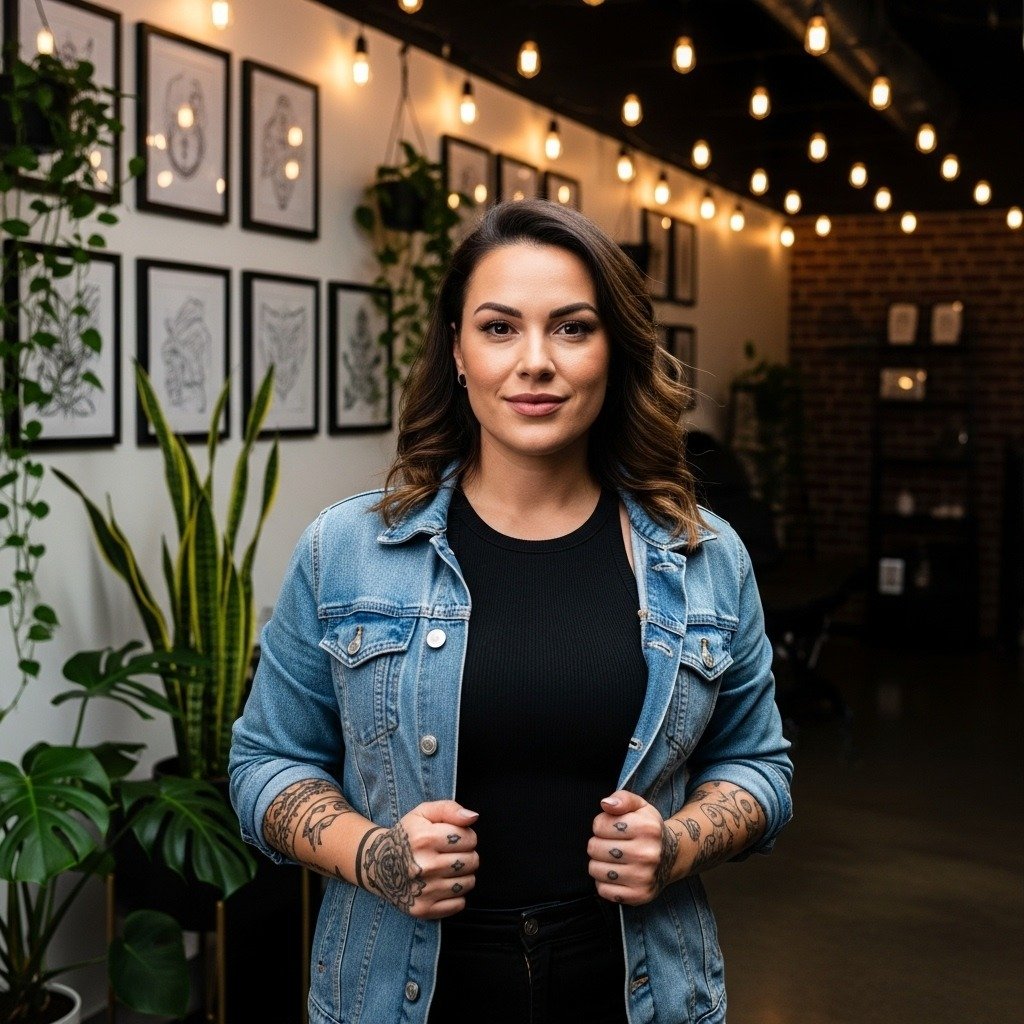
I spent months swapping ideas with friends before I understood the real question: which friendship tattoo will still feel true in five years? I learned to favor designs that read well healed, match a shared story, and don’t scream trend-only. Below are 27 friendship tattoo ideas that carry emotion—and age gracefully.
This list focuses on meaningful, wearable pieces—fine line, traditional, micro-realism, and minimalist work. These ideas fit forearms, wrists, ankles, ribs, and behind the ear. From what I’ve seen in 2026, small symbolic pairs and matching micro motifs are still trending—and they tend to heal and hold up best.
1. Fine Line Botanical Pair on Inner Forearm
Style/Technique: Fine Line / Illustrative
Pain Level: Medium (3-4/10)
Session Time: 1-2 hours each
Best For: First shared tattoo, visible but easy to cover
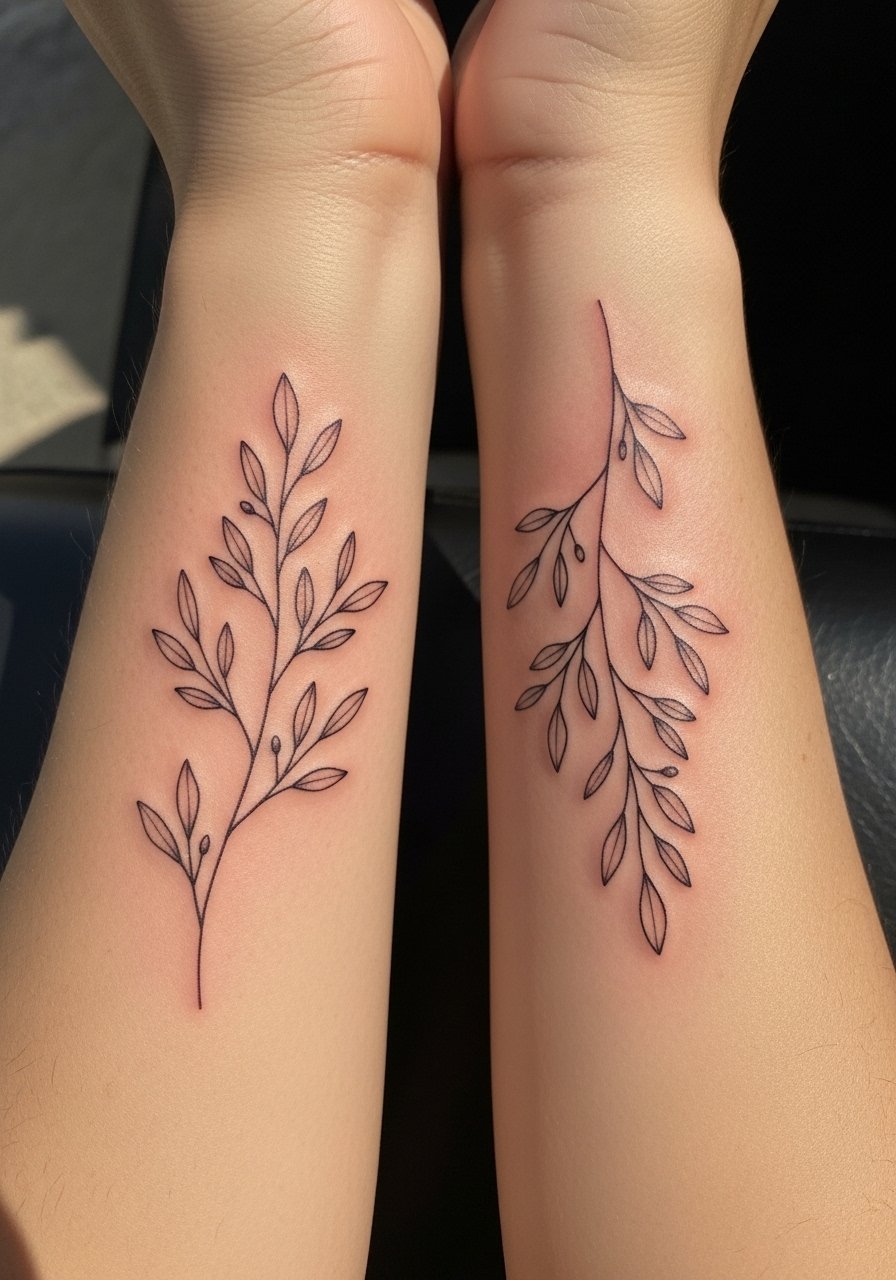
I love matching delicate sprigs because they read personal without shouting. Fine line gives a gentle, intimate feel—perfect for friends who want the same motif without identical scale. Inner forearm placement is forgiving and heals predictably. Expect light soreness during inking and a week of scabbing; lines can blur slightly over years if too thin. Ask your artist for slightly varied line weight so the two pieces feel cohesive but unique. Common mistake: going too tiny with single hairline strokes—give the leaves a bit of thickness so they stay crisp healed.
2. Minimalist Interlocking Dots Behind Ear
Style/Technique: Minimalist / Single Needle
Pain Level: Low-Medium (3-5/10)
Session Time: 20-45 minutes
Best For: Subtle matching, easy to hide
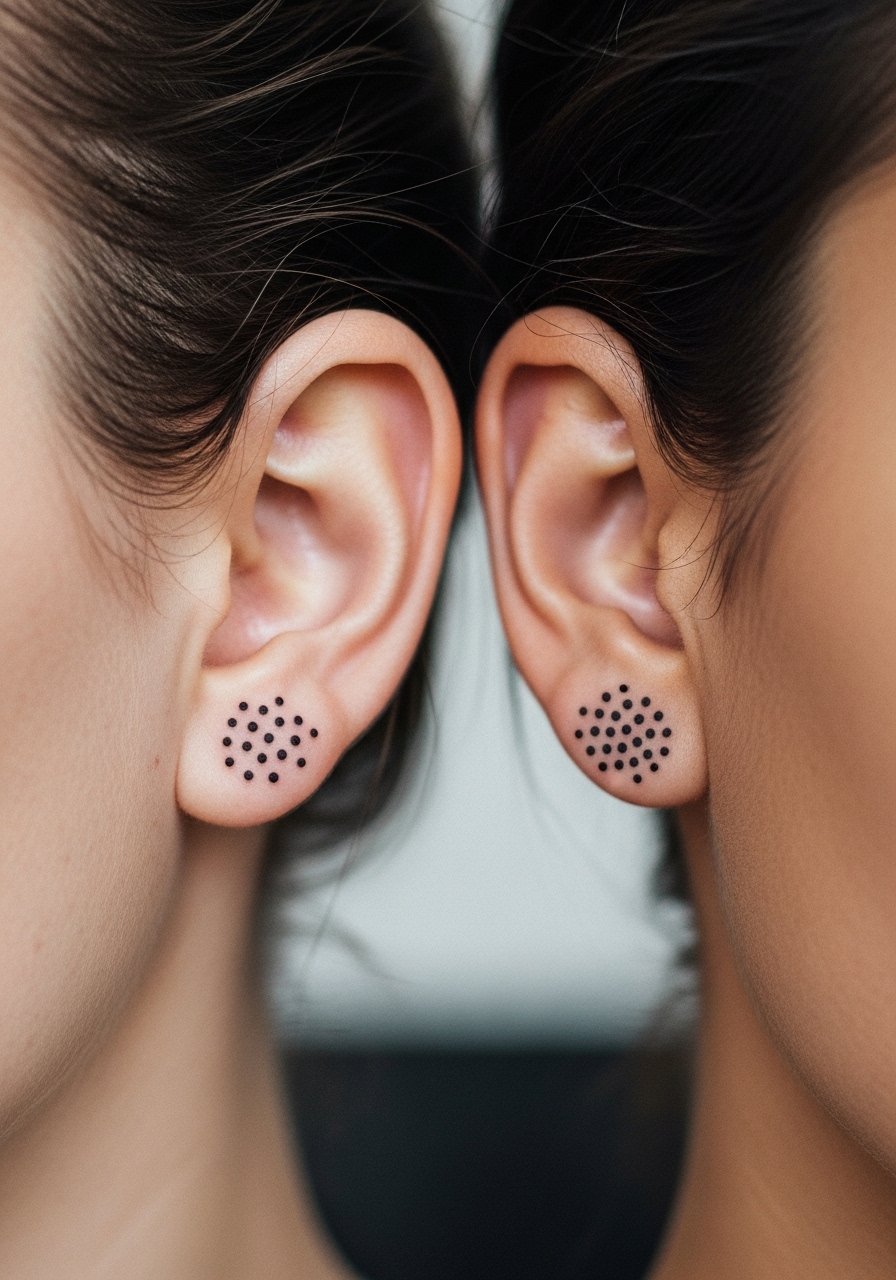
Tiny interlocking dots are a quiet way to symbolize connection. Behind the ear is discreet and surprisingly low-pain for many people, though cartilage can be twitchy. Healing is fast—about 1-2 weeks for surface repair—so keep it moisturized. These hold up well if dots are placed with intentional spacing; avoid pinprick-thin dots placed too close or they may merge when healed. Tell your artist you want healed examples of dotwork on similar skin tones before booking.
3. Traditional Matching Roses on Upper Arm
Style/Technique: Traditional / American Traditional
Pain Level: Low (2-3/10)
Session Time: 1-3 hours
Best For: Bold, timeless shared statement
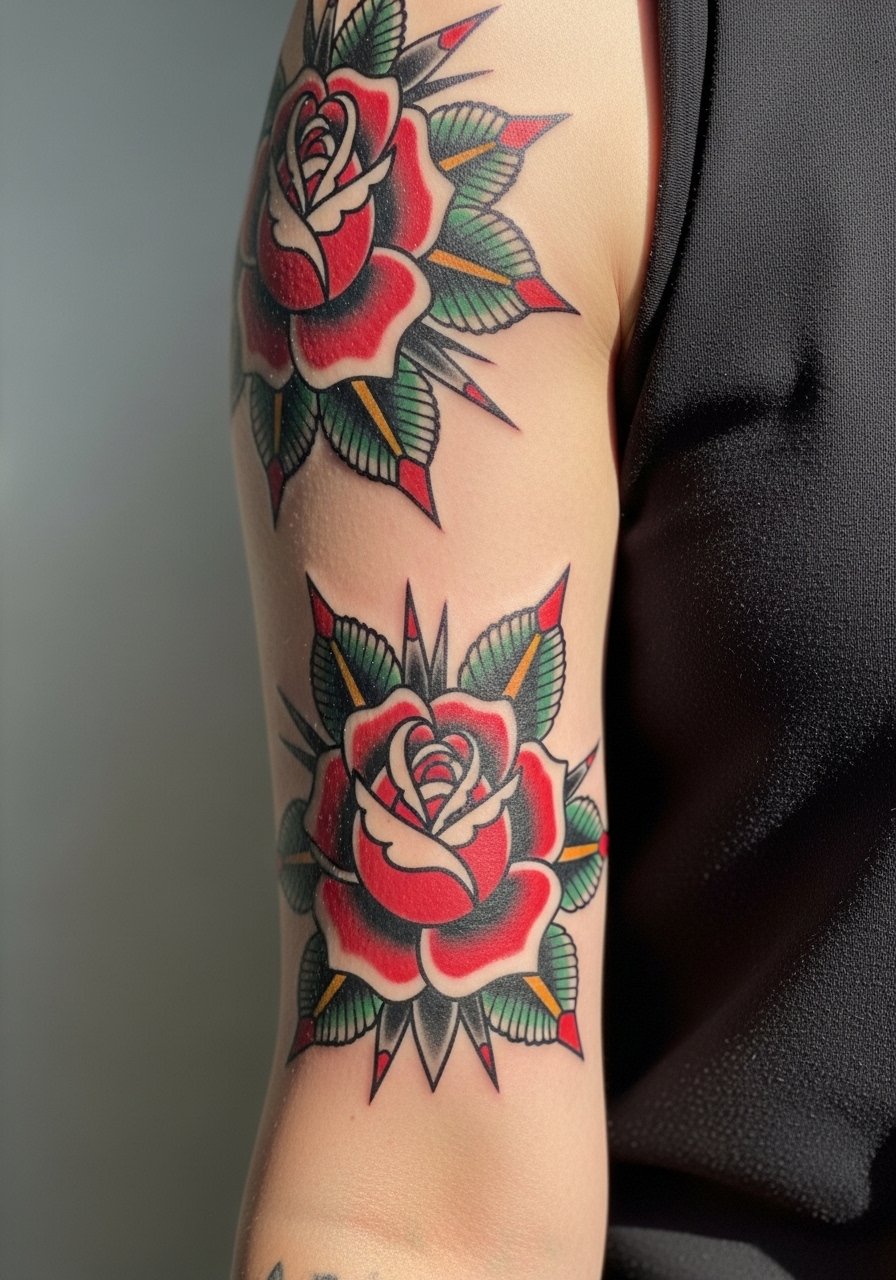
Classic roses age well because bold lines and saturated color resist blur and fade. Upper arm placement is forgiving—low pain and easy to show or hide. For friendship tattoos, matching roses with small tweaks (different buds or subtle initials) keeps them personal. Colors can mellow over time; black outlines keep the shape intact. A common misstep is requesting tiny, highly detailed roses in traditional style—scale matters. Ask an artist experienced in neo-traditional work for healed photos.
4. Micro-Realism Portrait Lockets on Chest
Style/Technique: Micro-Realism / Portrait
Pain Level: High (6-8/10)
Session Time: Multiple sessions
Best For: Deep emotional tribute, statement pieces
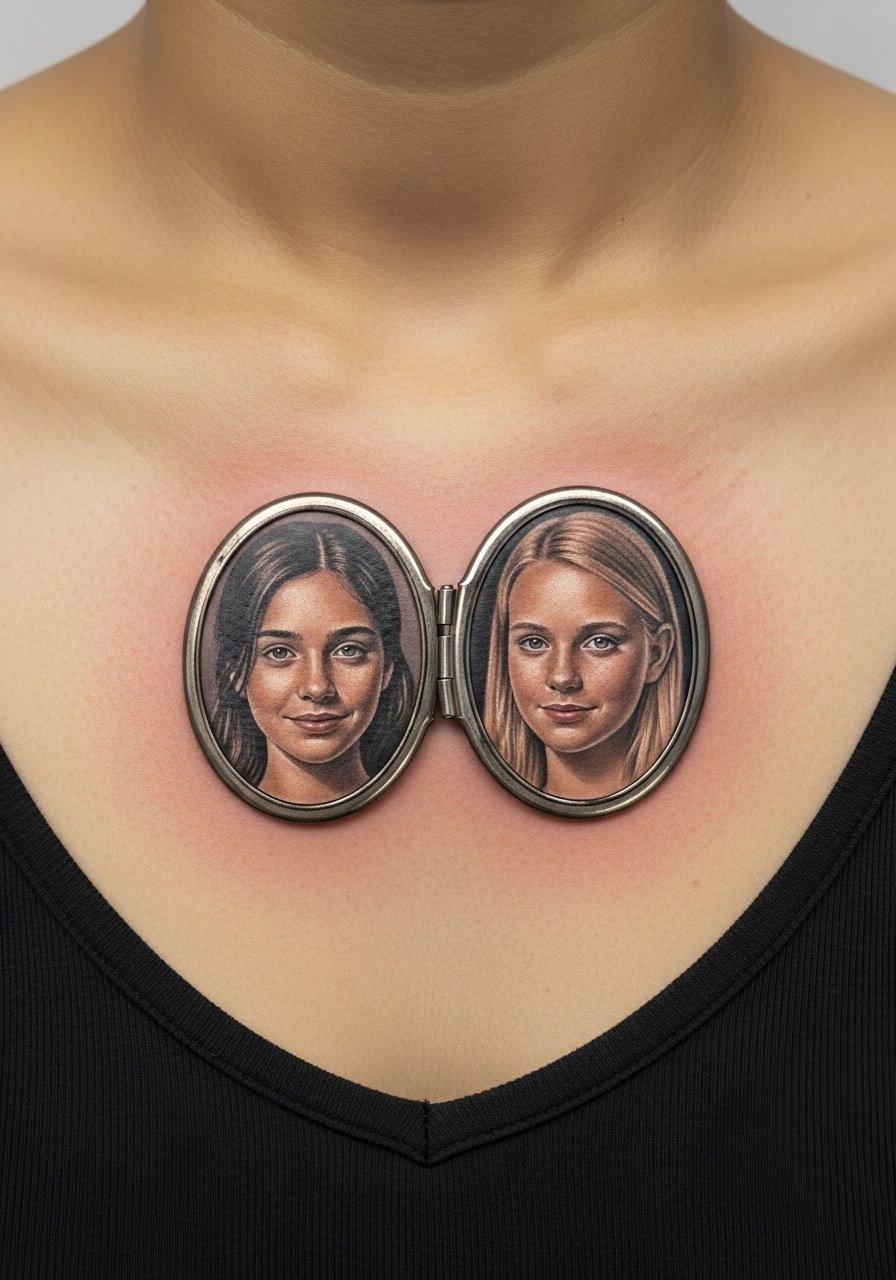
Micro-realism lockets mimic photo detail and can be a moving way for friends to honor a shared memory or loved one. Chest placement is intimate and can be painful near the sternum. Expect multiple sessions and thorough touch-ups. Realistic pieces demand an artist who routinely tattoos portraits—look for healed work on similar skin tones. Healing needs careful moisturizing; dense shading can scab heavier. A common mistake is choosing a low-resolution photo—bring a crisp reference and ask the artist about composition for the body curve.
5. Blackwork Geometric Bond on Back of Neck
Style/Technique: Blackwork / Geometric
Pain Level: Medium (4-6/10)
Session Time: 1-3 hours
Best For: Bold, graphic matching marks
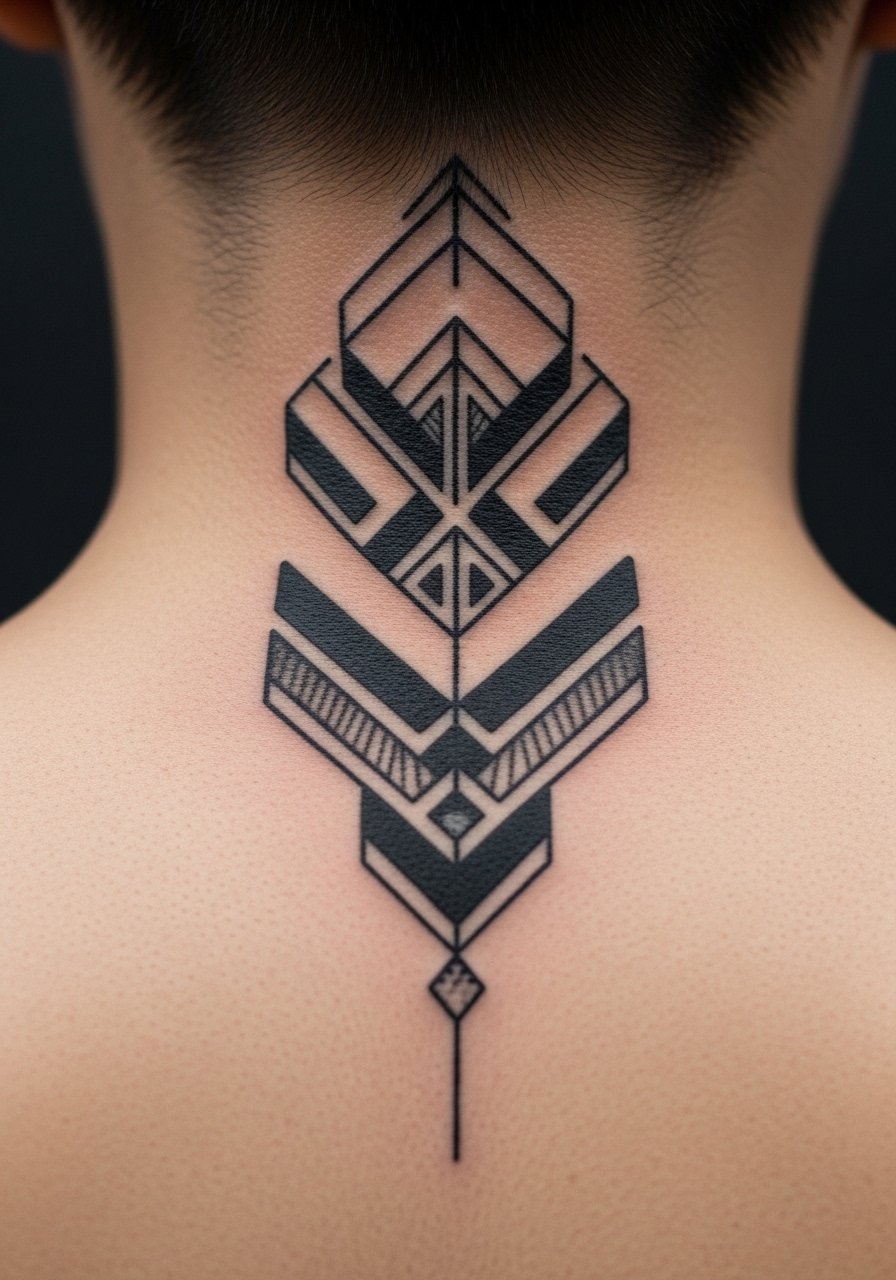
Geometric blackwork reads as modern and almost emblematic when two friends get matching pieces. The back of the neck is visible with short hair and easy to hide with collars. Pain varies with proximity to spine. Blackwork ages well when the artist uses strong fills and clean edges; small gaps may blur if lines are too tight. Avoid overly intricate repeating dots in small areas—scale up the pattern so it remains readable when healed. Ask for stencils to preview placement on both bodies.
6. Tiny Script Word on Inner Wrist
Style/Technique: Fine Script / Minimalist
Pain Level: Low (2-4/10)
Session Time: 30-60 minutes
Best For: Shared phrase or single meaningful word
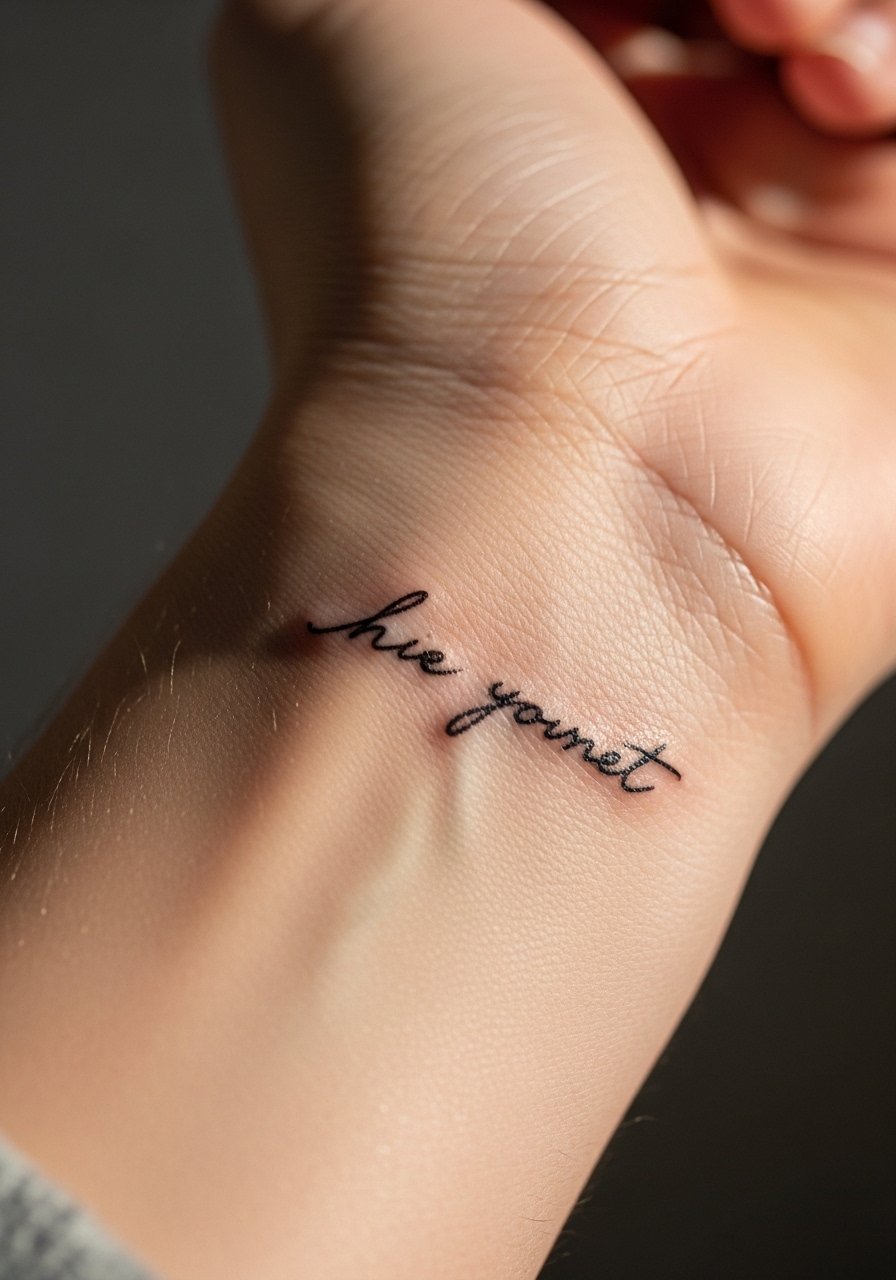
Small wrist scripts are a classic friendship pick—shared words like "always," "anchor," or a private nickname. Inner wrist skin is thin; expect stinging but quick sessions. Fine script can blur if letters are too close; I recommend slightly bolder hairlines and asking the artist to space letters for healed clarity. Sunscreen and moisturize to prevent early fading. A common error is copying a trendy font without checking legibility when healed—ask for a test stencil.
7. Watercolor Constellation on Ankle
Style/Technique: Watercolor / Minimalist
Pain Level: Medium (4-6/10)
Session Time: 1-2 hours
Best For: Color lovers, symbolic shared stories
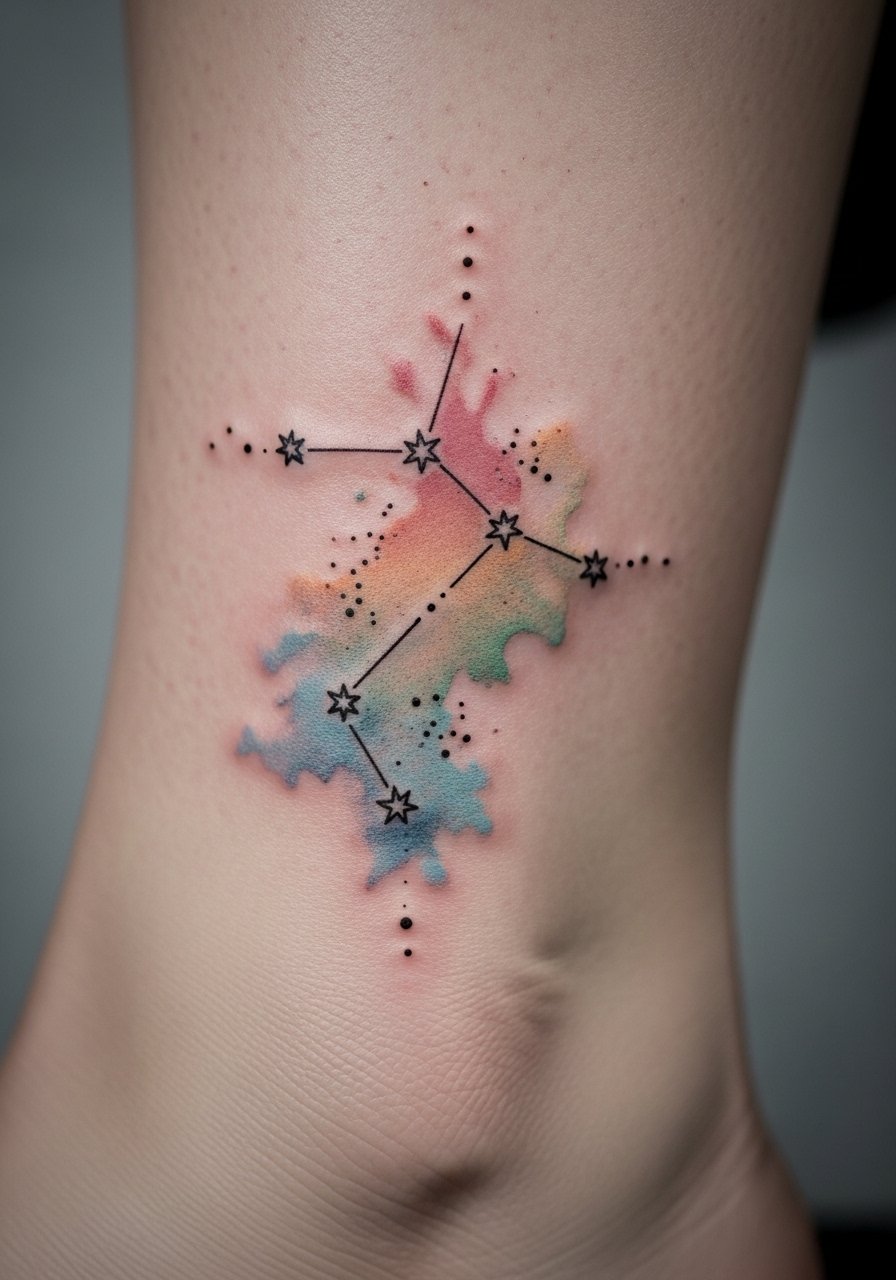
Constellations in watercolor feel dreamy and can represent a shared night or inside joke. Ankles are fairly painful for some due to bone proximity and take about 2 weeks to surface-heal. Watercolor fades faster than black, so plan for possible touch-ups. Ask the artist to anchor the piece with fine black stars so the composition remains readable as colors soften. Don't request tiny water splashes with zero contrast—watercolor needs a graphic anchor to last.
8. Matching Semicolon Bracelets on Inner Wrist
Style/Technique: Minimalist / Symbolic
Pain Level: Low (2-3/10)
Session Time: 20-40 minutes
Best For: Supportive, emotional shared meaning
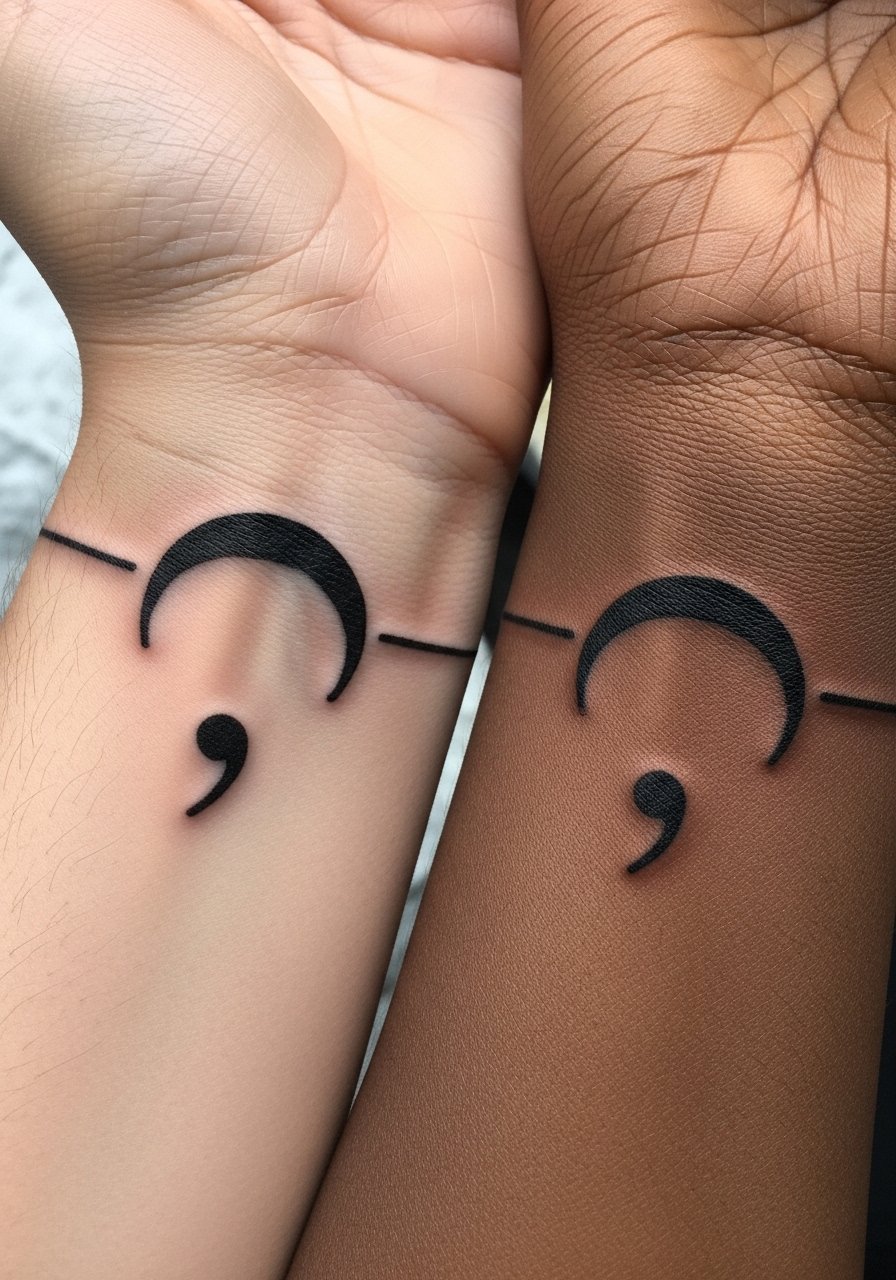
Semicolon tattoos carry strong emotional meaning for many friends—discrete and powerful. A small semicolon band around the wrist reads like jewelry and is low-pain. These hold well if lines are bold enough; ultra-thin bands can fade into faint lines. I recommend asking the artist to slightly thicken the mark so it remains a clear symbol years out. Keep the area moisturized and avoid picking any scabs during the week of healing.
9. Minimalist Mountain Range on Collarbone
Style/Technique: Minimalist / Line Art
Pain Level: Medium (4-6/10)
Session Time: 30-60 minutes
Best For: Friends who share adventure memories
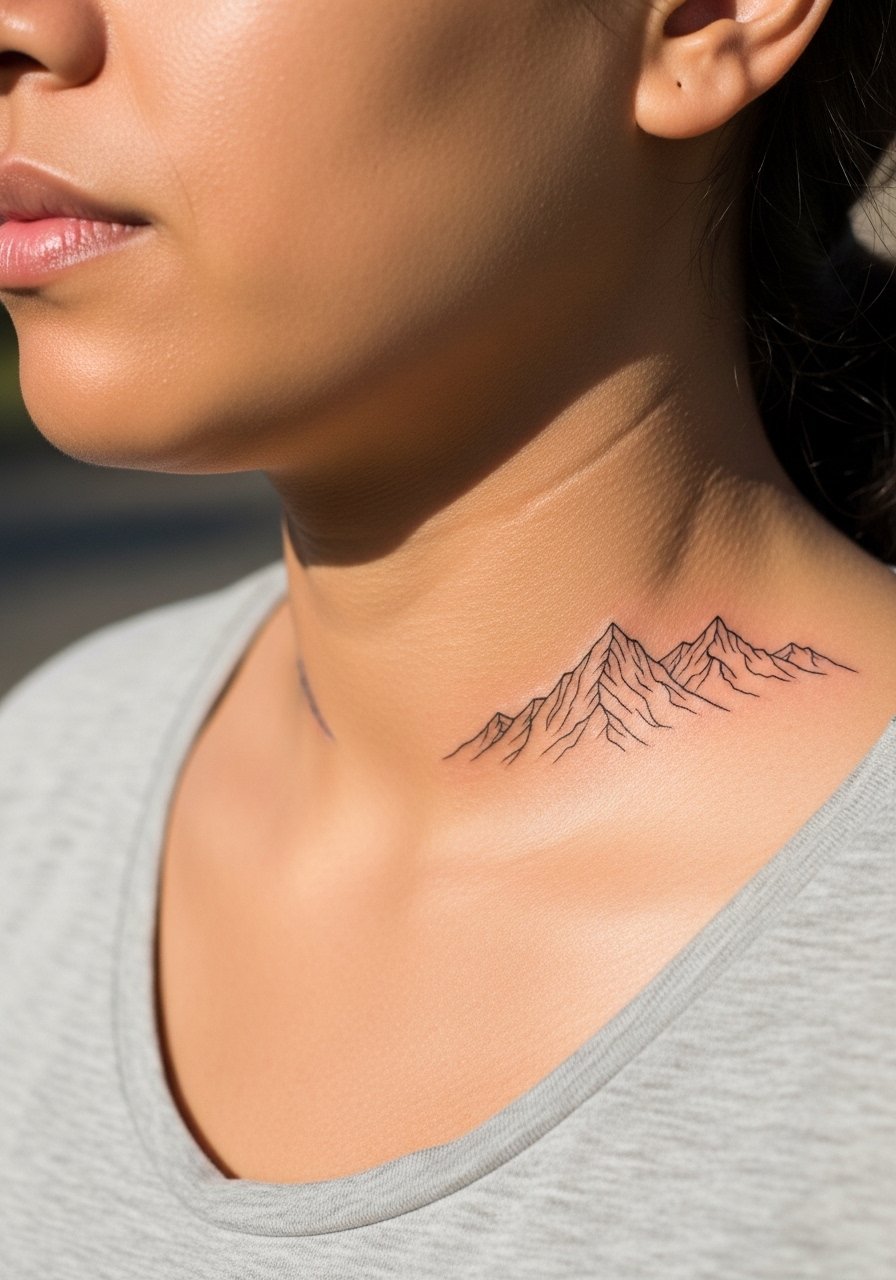
A slim mountain silhouette across the collarbone feels like a shared promise to climb together. Collarbone can be stingy—expect higher pain as the needle crosses bone. Heals in 1-2 weeks on the surface but full settling is months. Thin lines need slight weight so peaks don't blur; otherwise the signature look is kept. Common mistake: placing the range too close to clavicle topography—work with your artist to contour the piece to your anatomy.
10. Micro-Realism Flower on Ring Finger
Style/Technique: Micro-Realism / Tiny Realism
Pain Level: High (6-8/10)
Session Time: 30-60 minutes with touch-ups
Best For: Tiny, intimate matching tokens
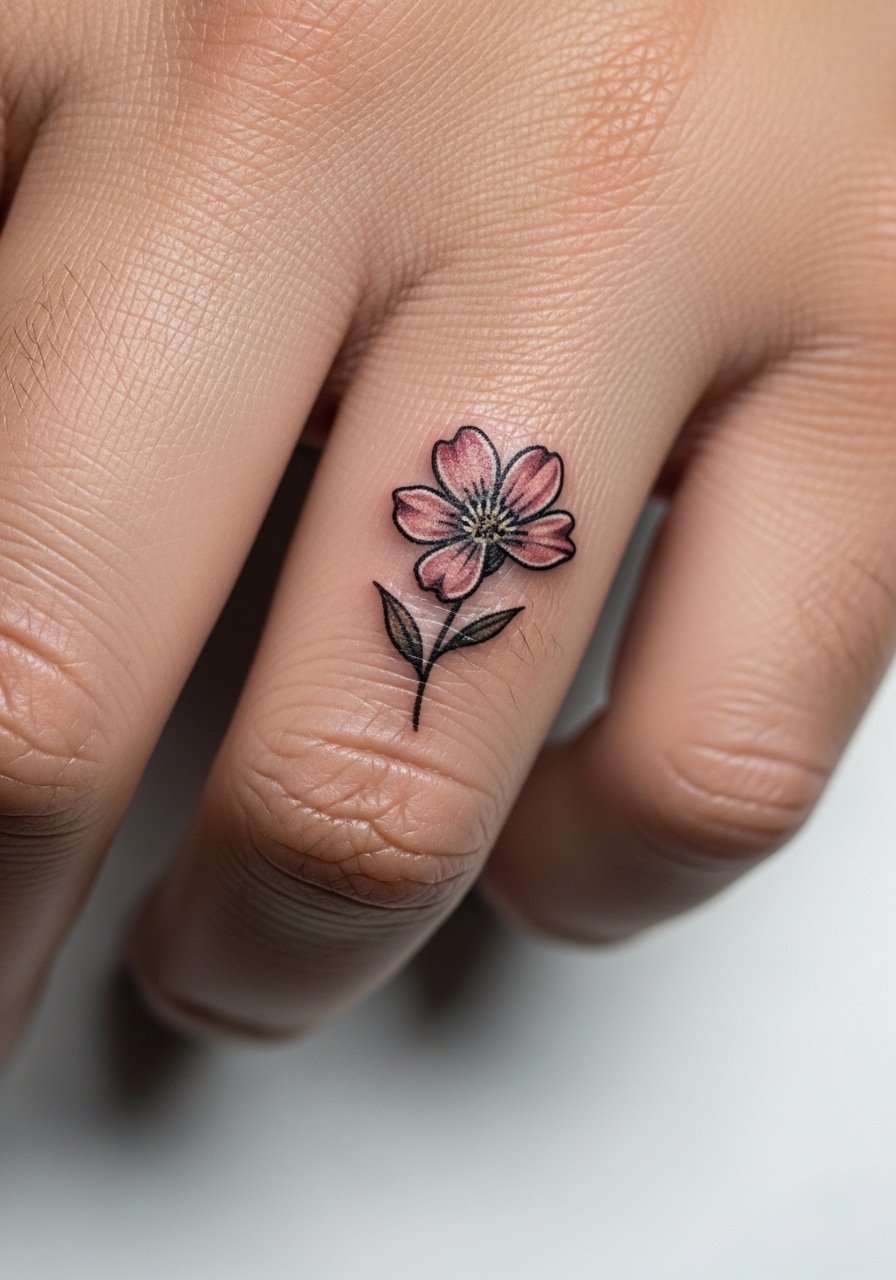
Finger tattoos are intimate but notoriously prone to fading. A micro-realistic tiny flower is meaningful but expect touch-ups; the skin here regenerates fast and rubs against surfaces. I only recommend finger placements if you accept possible future refreshes. Pain is higher on fingers, and healing can be fiddly—avoid hand-heavy work and use hydrocolloid patches if needed. If you want longevity, choose bold outlines and limit tiny internal detail.
11. Line Art Wave on Ankle Bone
Style/Technique: Fine Line / Minimalist
Pain Level: Medium-High (5-7/10)
Session Time: 30-60 minutes
Best For: Shared travel or ocean memories
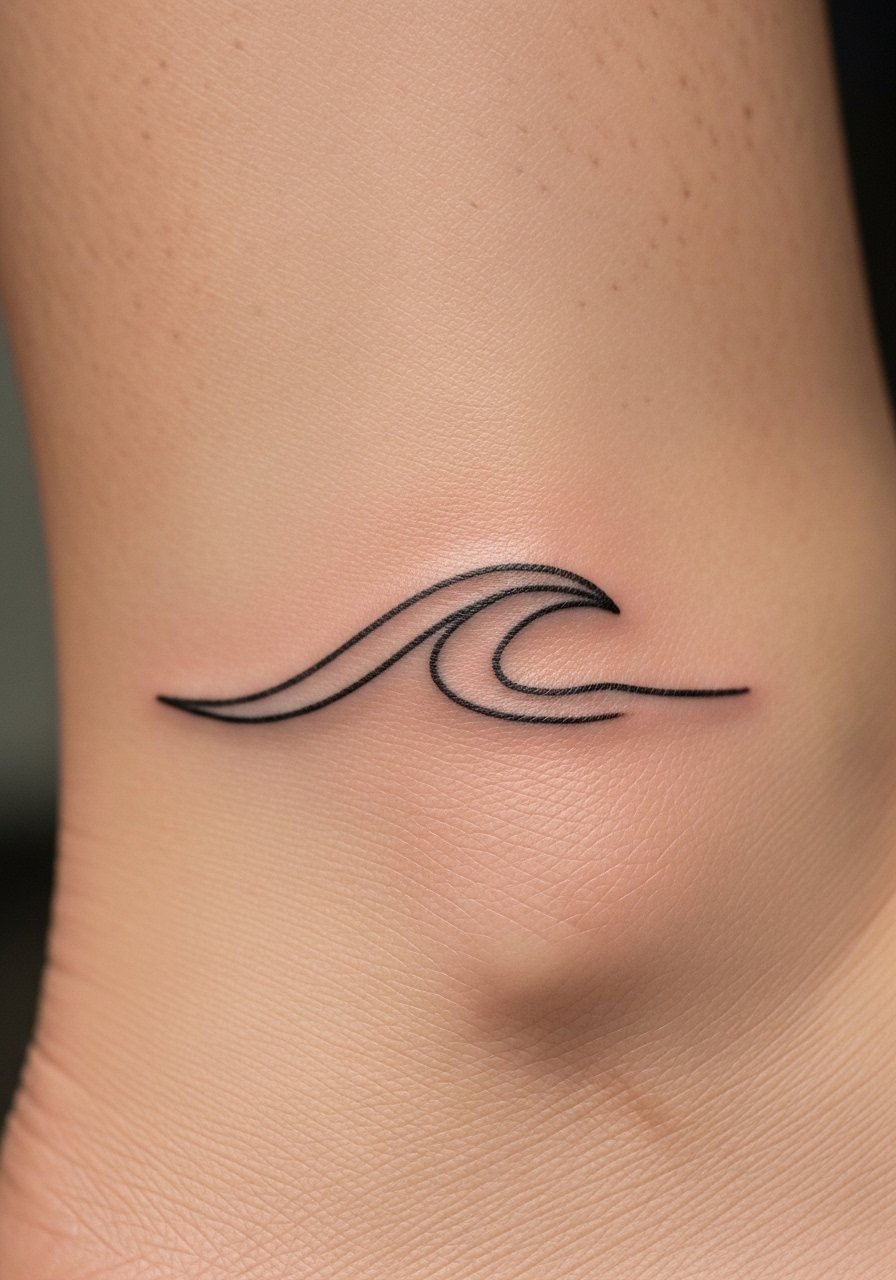
A single flowing wave is a subtle symbol for friends who met by water or share surf memories. On the ankle bone, pain can spike over bone but heals quickly. Fine line waves look great when done with slight weight—ultra-thin single lines may blur. I suggest matching placement symmetry for friends so pieces read like partners when sitting side-by-side. Keep the area protected from boots and rough socks while healing.
12. Neo-Traditional Animal Pair on Thigh
Style/Technique: Neo-Traditional / Color
Pain Level: Medium (4-6/10)
Session Time: 2-4 hours
Best For: Bigger shared portraits or mascots
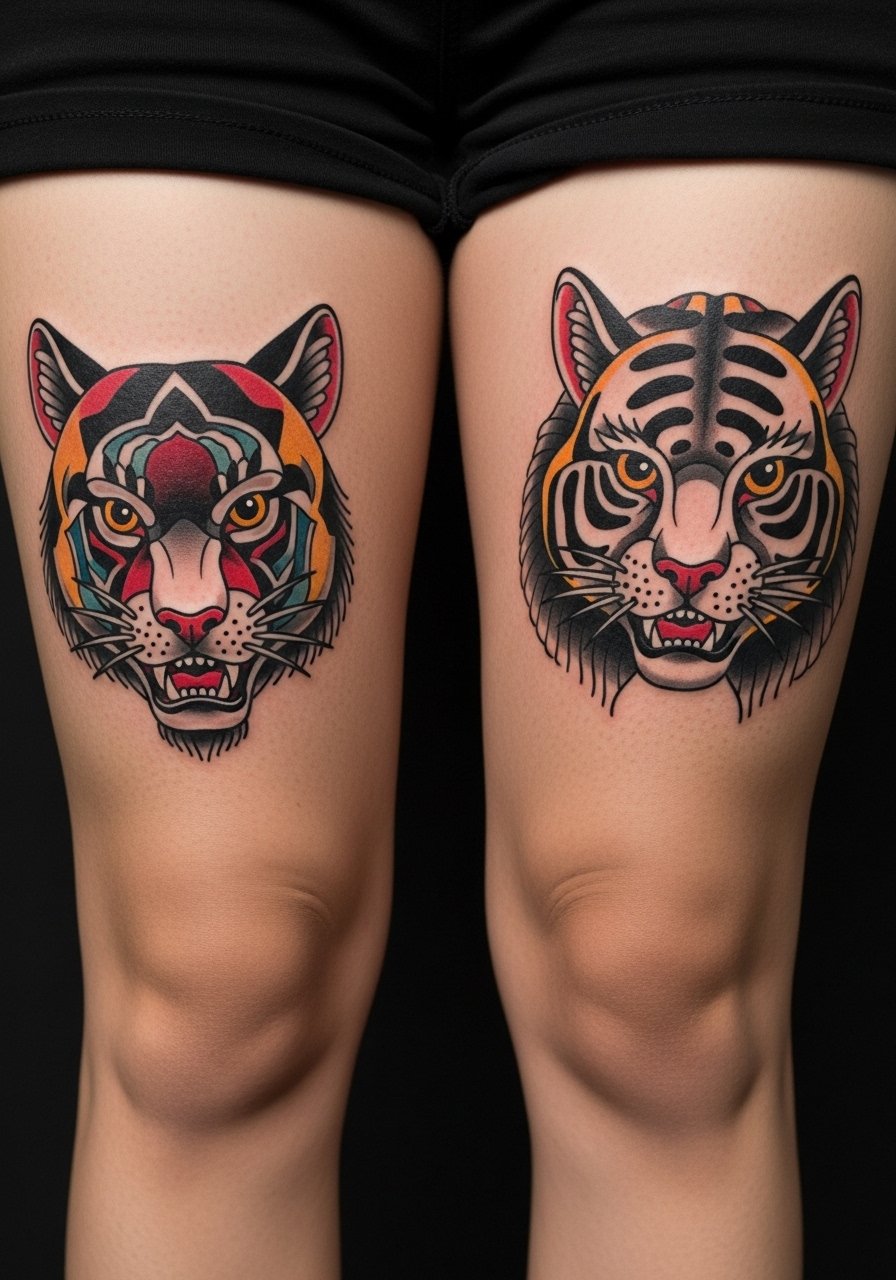
Neo-traditional animals—foxes, owls, or koi—make expressive friendship markers. Thigh placement is comfortable and heals well, with low day-to-day irritation. Bold color and thick outlines help these designs stay vivid. These pieces are forgiving: the style masks minor aging, so they’re good if you want a colorful statement. A common error is packing tiny shading inside a small animal head—scale the artwork for the body canvas.
13. Matching Coordinates on Ribcage
Style/Technique: Minimalist / Fine Line
Pain Level: High (7-9/10)
Session Time: 30-90 minutes
Best For: Secret shared places or first-trip memories
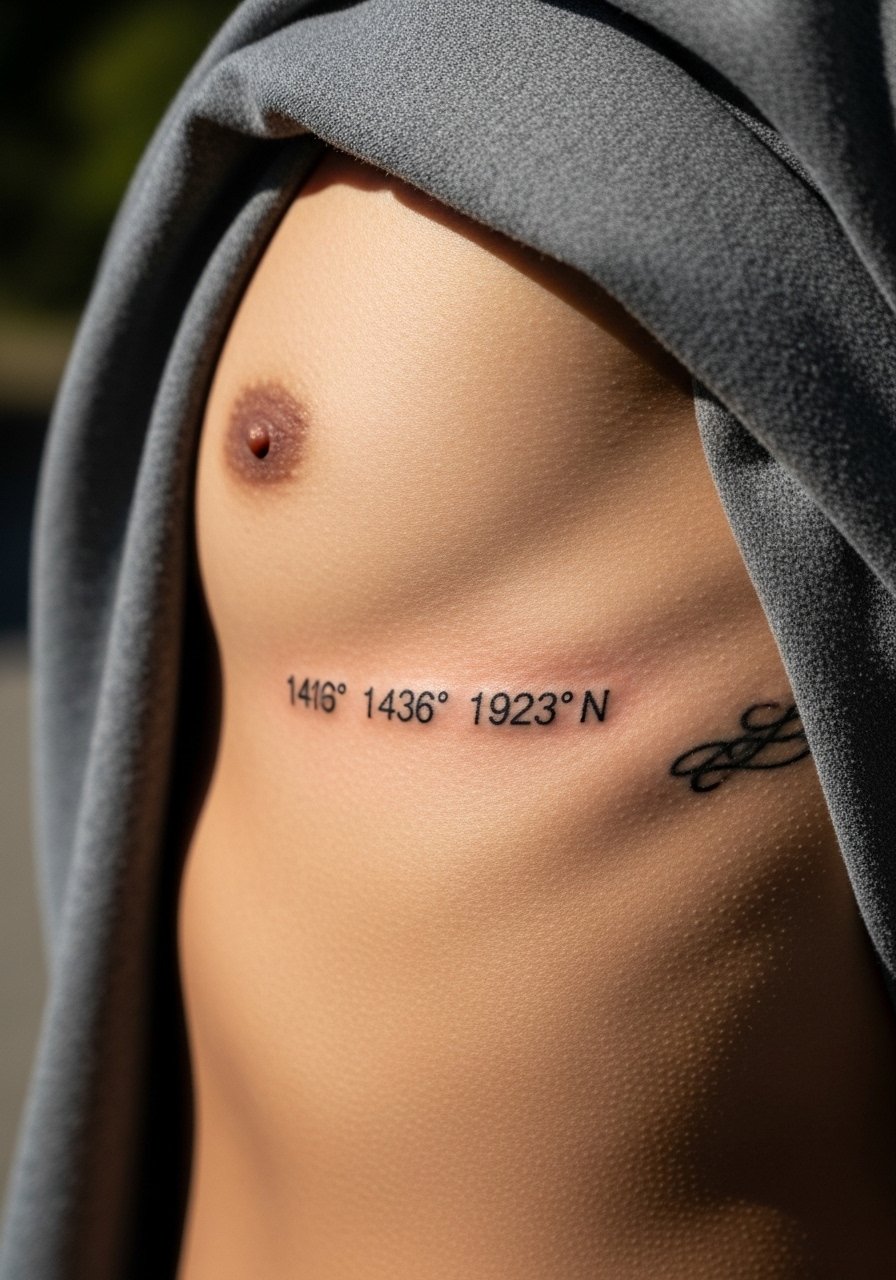
Coordinates are discreet and deeply personal—great for friends who share a place that matters. Ribcage is a higher-pain area and can take longer to heal due to movement and clothing friction. Keep sessions shorter and plan for proper aftercare; expect tenderness when breathing for a few days. For longevity, pick a clean, slightly bold numeric font so digits remain legible after skin settling. Ask to see healed ribcage numbers from the artist first.
14. Matching Tiny Infinity Knots on Finger Side
Style/Technique: Minimalist / Tiny Symbol
Pain Level: High (6-8/10)
Session Time: 20-40 minutes
Best For: Continuous bond symbol, discreet
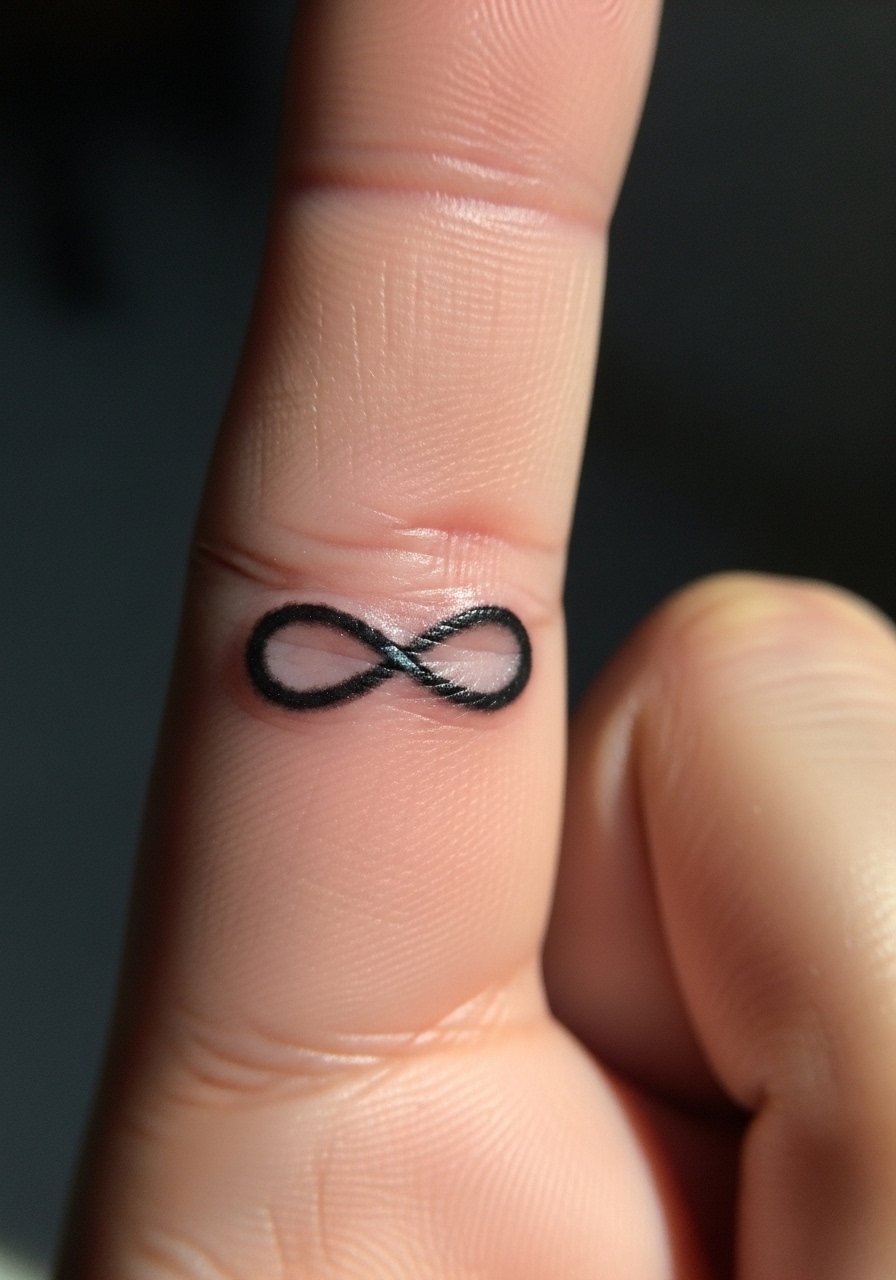
Infinity knots are obvious symbols of connection. Fingers are convenient but high-maintenance: expect blurring and possible yearly touch-ups. Choose the side of the finger rather than top to reduce surface wear. Use bold single-line construction instead of intricate cross-hatching—clarity beats tiny detail on mobile skin. If you want a low-maintenance option, consider inner wrist or behind-ear versions instead.
15. Matching Paper Plane Behind Shoulder
Style/Technique: Minimalist / Illustrative
Pain Level: Medium (4-6/10)
Session Time: 30-60 minutes
Best For: Travel buddies or shared youth memories
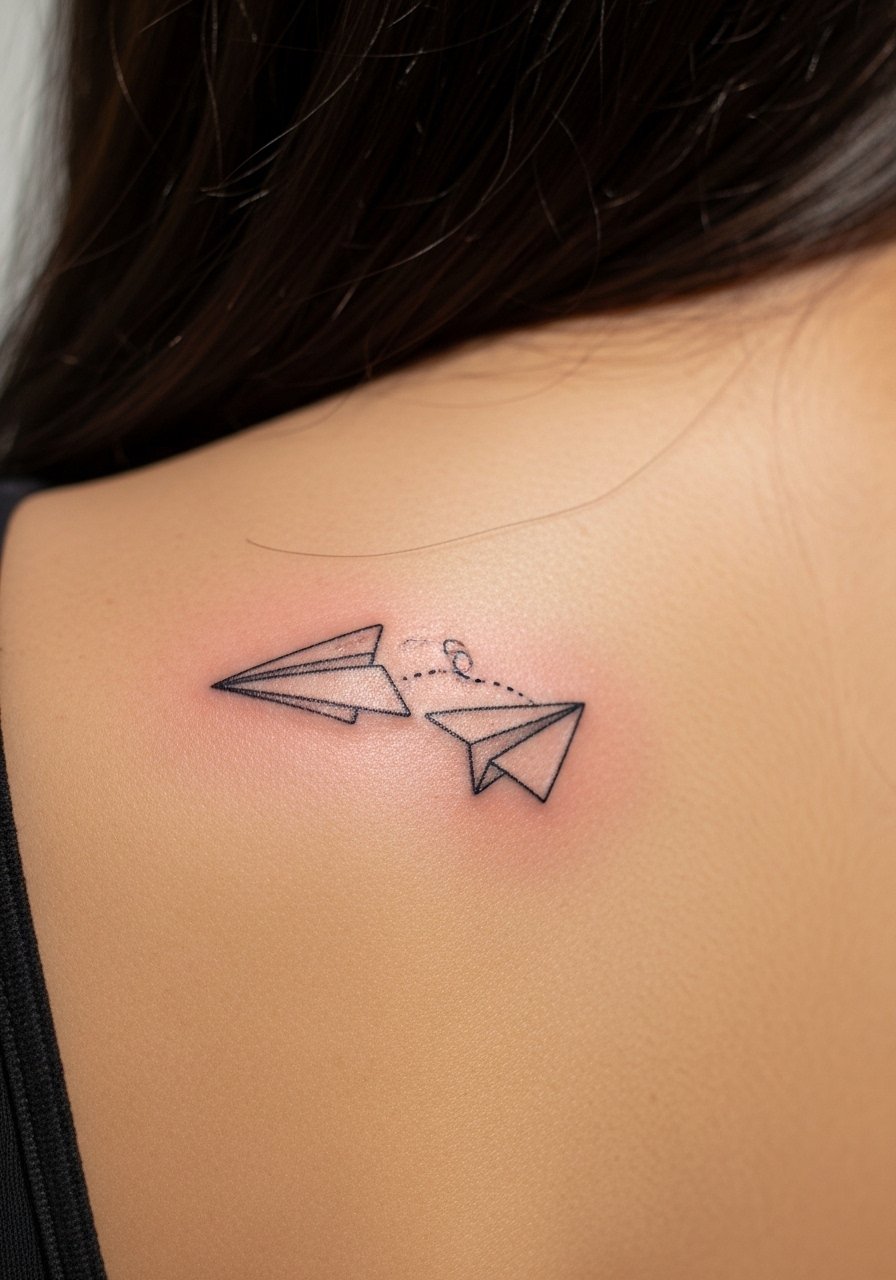
Paper planes are playful and carry nostalgic weight. Behind the shoulder is moderate pain and heals with minimal daily friction. These are great when friends want the same symbol without exact mirroring—scale or trajectory change keeps pieces individual but related. Lines should be slightly thicker than ultra-fine to avoid loss of shape. Avoid tiny dashed trails that can blur into a smudge; ask for a clean, simple path.
16. Matching Anchor Silhouettes on Calves
Style/Technique: Traditional / Silhouette
Pain Level: Low-Medium (3-5/10)
Session Time: 45-90 minutes
Best For: Maritime themes, reliability symbolism
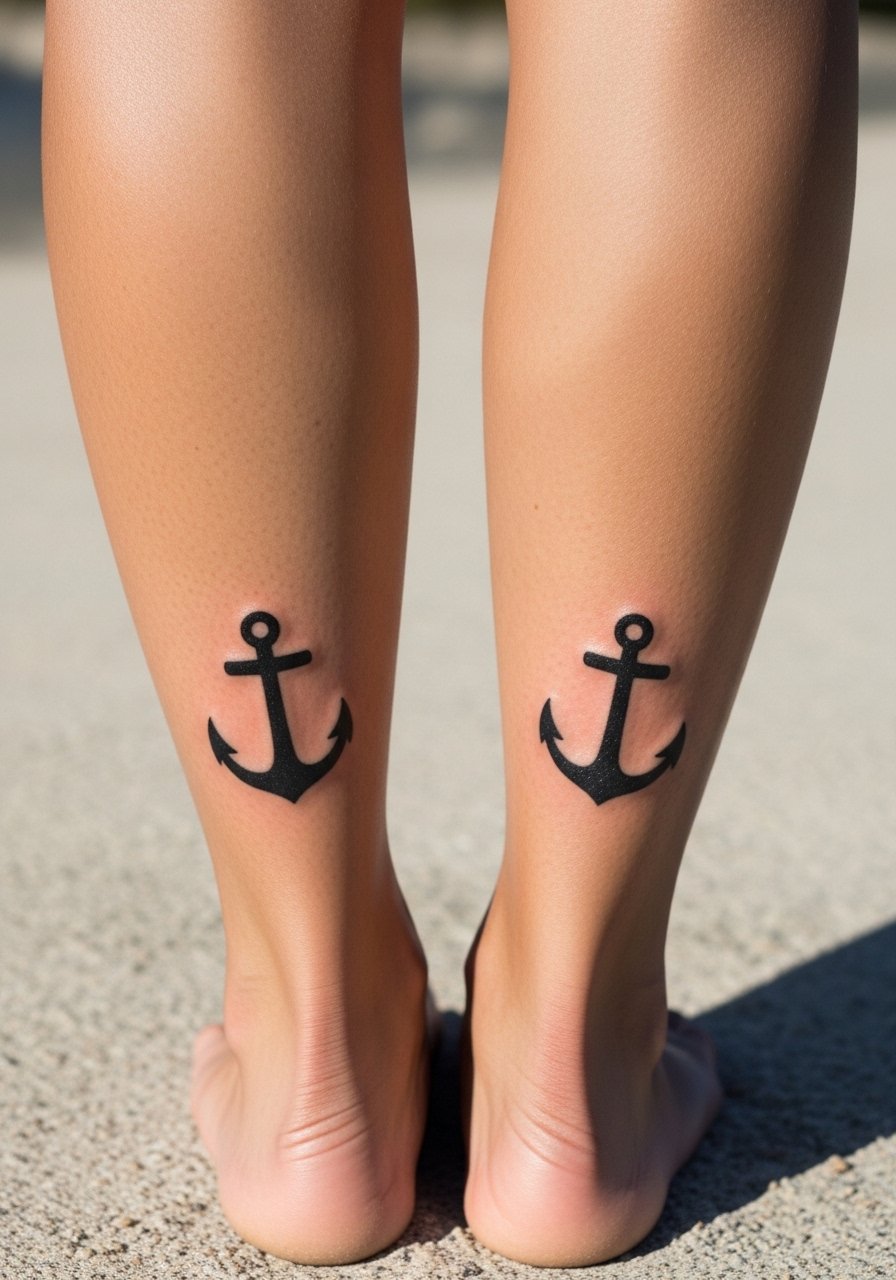
Anchors symbolize stability and have a timeless look. Calves are low-pain and ideal for slightly larger matching marks. Solid black silhouettes maintain clarity and resist fading better than tiny color fills. If you want color, keep it simple. Avoid over-detailing the anchor's interior—silhouette strength is the point. Calf placement is easy to show during warm months and hides under pants.
17. Matching Soundwave of a Shared Song on Ribcage
Style/Technique: Micro / Line Art
Pain Level: High (7-9/10)
Session Time: 30-60 minutes
Best For: Musically bonded friends
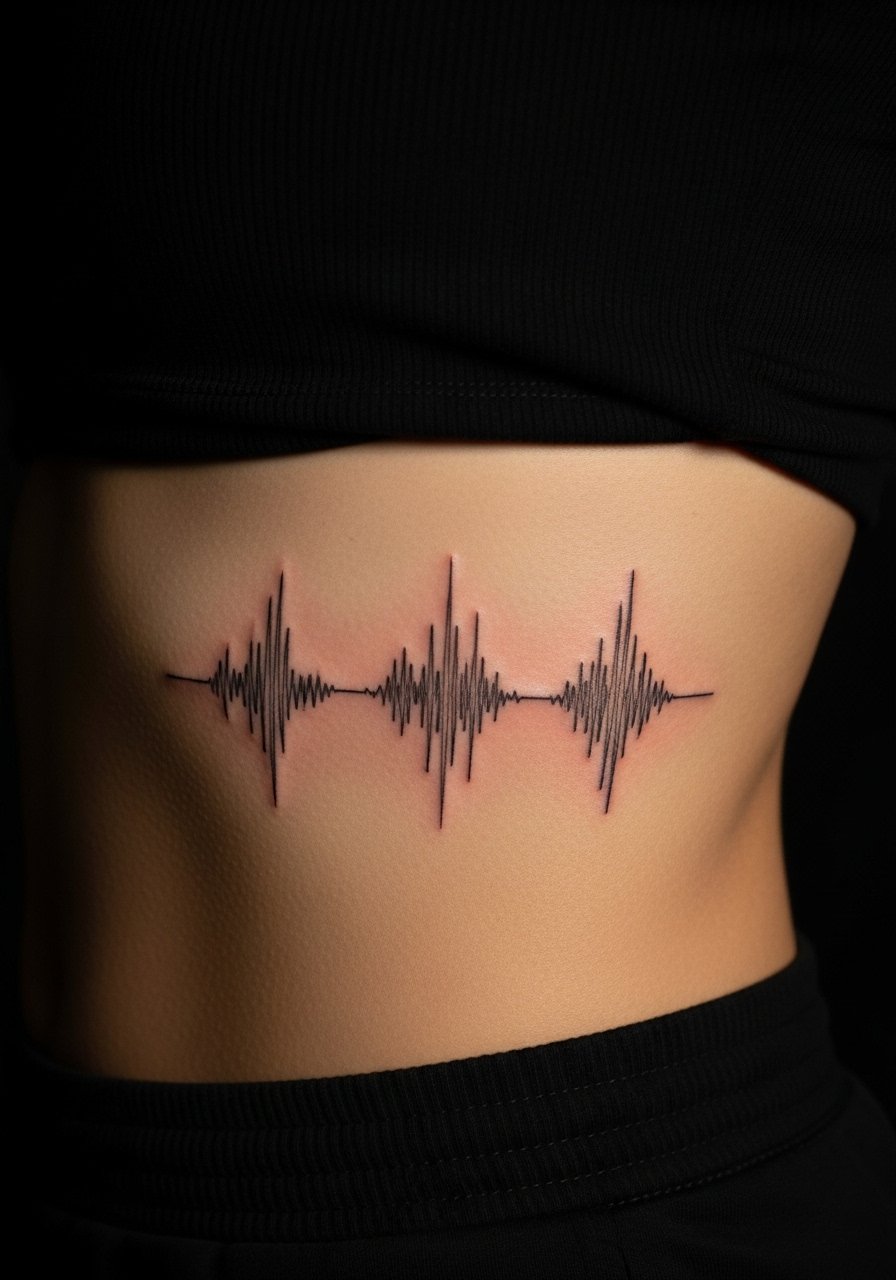
A soundwave of a private voice memo or song chorus is uniquely intimate. The ribs are painful for many, so prepare mentally and physically. The lines must be bold enough; thin spikes can blur into one another when the skin settles. Ask the artist to map the wave for legibility and to include negative spacing. Expect a longer aftercare period because torso movement flexes the skin frequently.
18. Small Matching Key and Lock on Inner Arm
Style/Technique: Illustrative / Minimalist
Pain Level: Medium (3-5/10)
Session Time: 30-90 minutes
Best For: Symbolic pairs, complementary designs
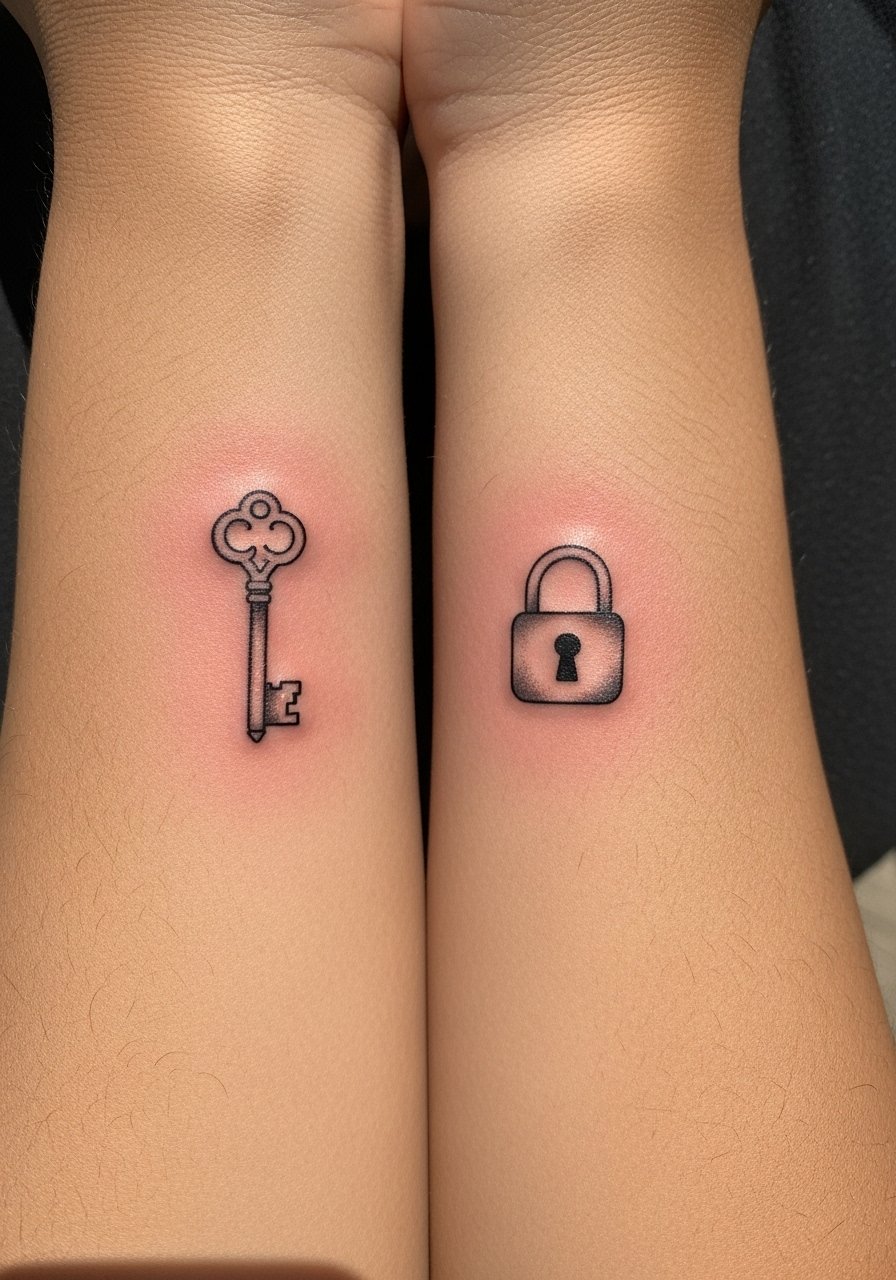
Key-and-lock pairs read like a shared secret—one friend gets the key, the other the lock. Inner arm placement is low-pain and sits flat for easy healing. Simple silhouettes keep the idea readable; avoid tiny ornate details that won't survive healing. Ask for slightly bolder outlines to preserve shape over time. Placement symmetry can be exact or mirrored depending on how you want the connection to look.
19. Matching Crescent Moon and Sun on Ankles
Style/Technique: Neo-Traditional / Small Color
Pain Level: Medium (4-6/10)
Session Time: 45-90 minutes
Best For: Opposite-but-complete symbolism
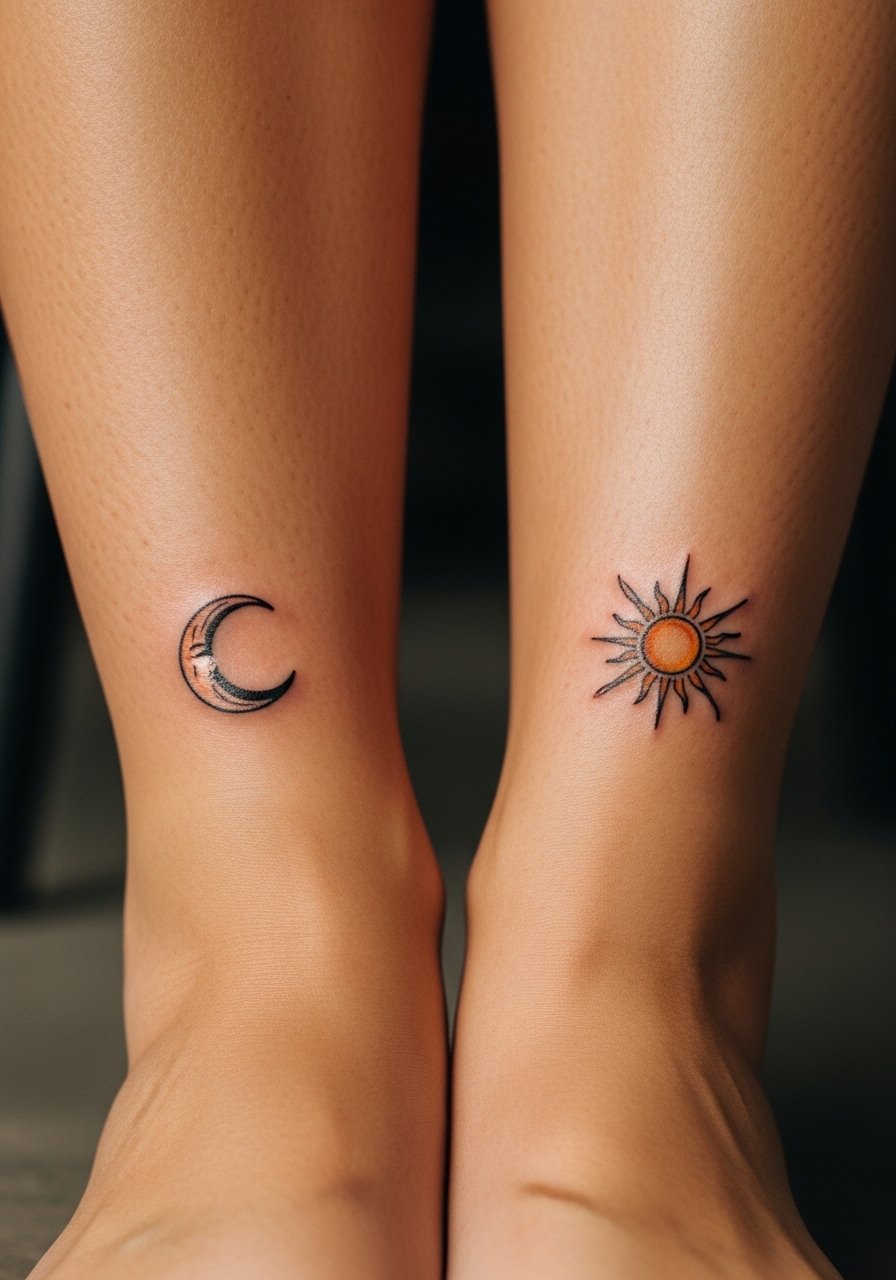
Sun and moon combos show complementary personalities. Ankles are convenient but can be sensitive on bone—expect some sharp spots. Small color accents age differently; darker pigments last longest. To keep the design timeless, balance bold outlines with minimal internal detail. I recommend healed examples of similar colorwork from your artist, especially on matching skin tones.
20. Matching Morse Code Bands on Upper Arm
Style/Technique: Minimalist / Dot-Line
Pain Level: Low (2-4/10)
Session Time: 30-60 minutes
Best For: Hidden messages, subtle matching
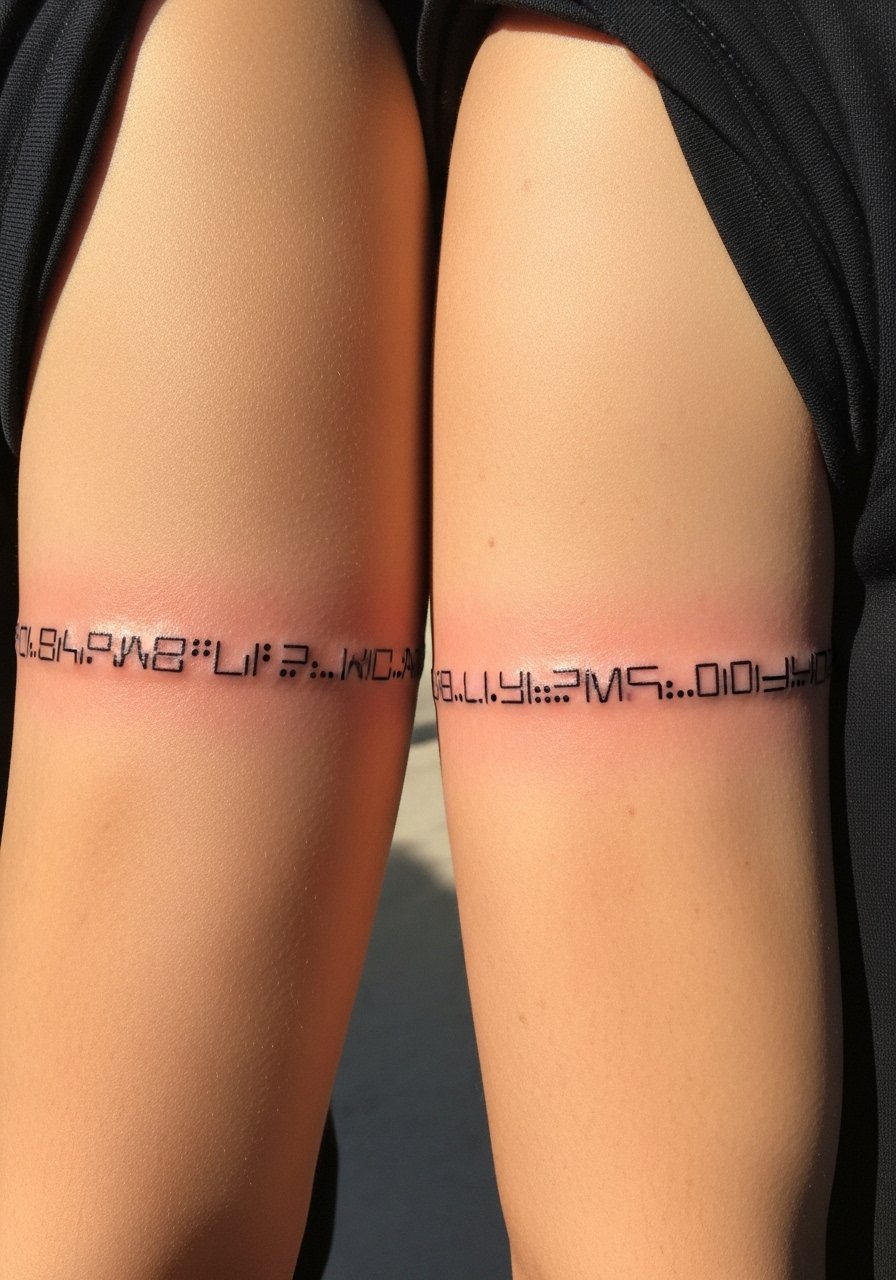
Encoded messages in Morse code make for a private, meaningful bond. Upper arm bands sit well and hurt less than inner arm or ribs. Precision in spacing is critical—ask the artist to stencil spacing exactly to prevent lines from running together later. Bolden the dots and dashes slightly to keep separation after healing. This is a low-visibility, high-meaning option.
21. Matching Tiny Hearts Near Collarbone
Style/Technique: Minimalist / Tiny Symbol
Pain Level: Low (2-4/10)
Session Time: 15-30 minutes
Best For: Cute, visible tokens of affection
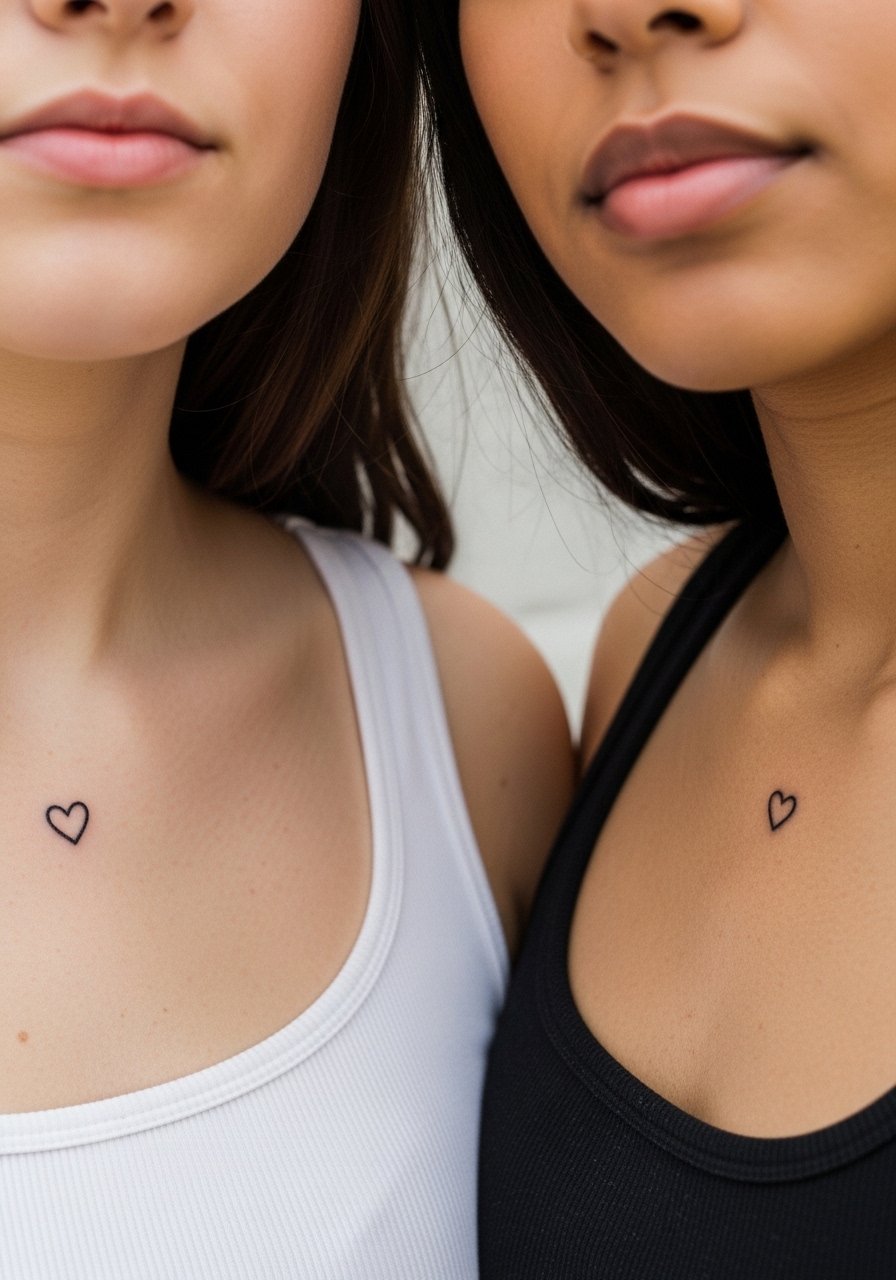
Tiny hearts near the collarbone are a direct but subtle choice. That area is moderate in pain but heals quickly. Because hearts are so simple, opt for a slightly thicker line to avoid the shape softening into a blot. This placement reads as jewelry and is easy to coordinate—choose mirrored positions or both on the left for a shared orientation.
22. Minimalist Arrow Duo on Forearm
Style/Technique: Fine Line / Minimalist
Pain Level: Medium (3-5/10)
Session Time: 20-60 minutes
Best For: Direction, moving forward together
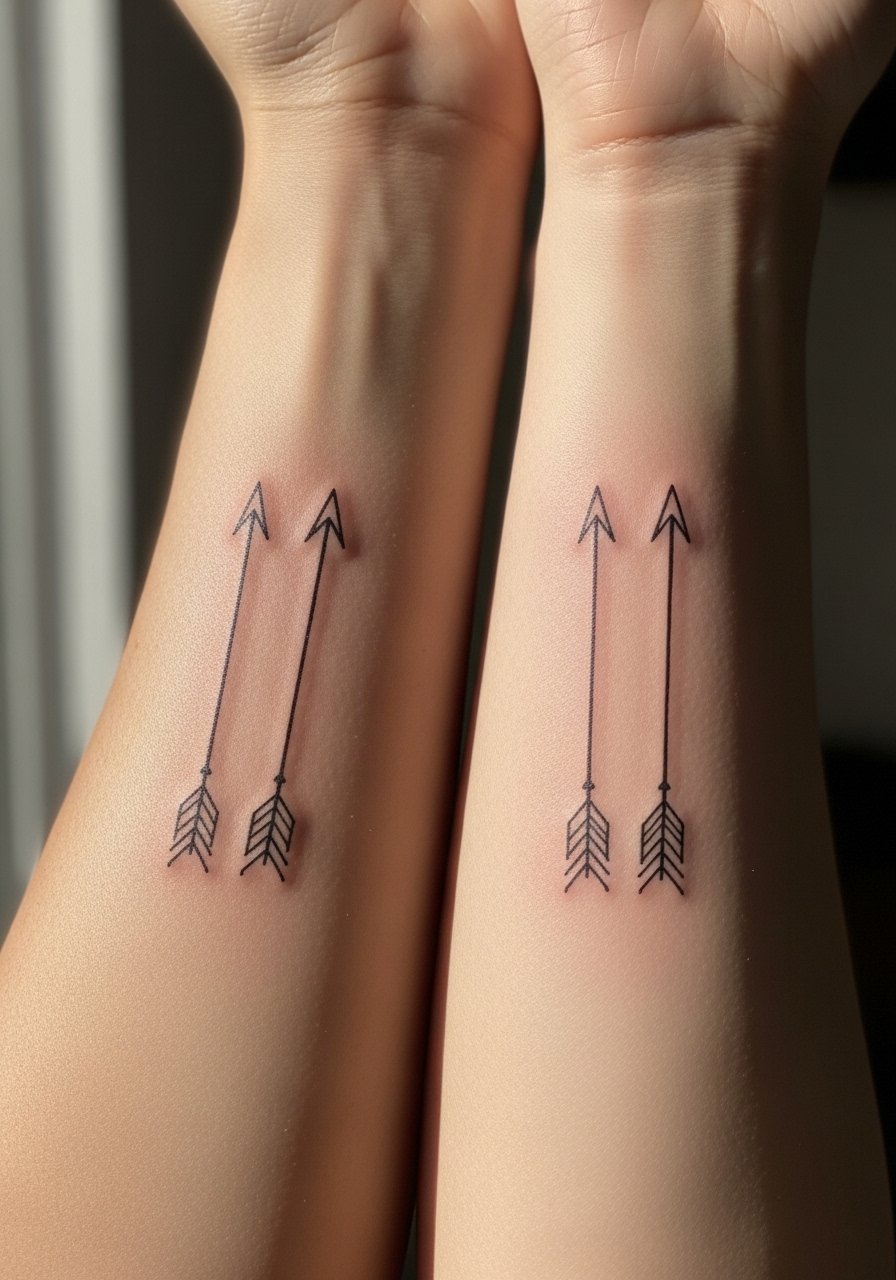
Parallel arrows symbolize moving forward or protection. Forearms are versatile and relatively low-pain. Keep the shaft and head simple—intricate fletching doesn’t hold well at small scales. Slightly bold shafts keep the shape intact; arrows that are too thin can blur. This is a good option for friends who want visible, coordinated pieces.
23. Matching Floral Anklet Bands
Style/Technique: Illustrative / Fine Line
Pain Level: Medium (4-6/10)
Session Time: 1-2 hours
Best For: Feminine, decorative shared pieces
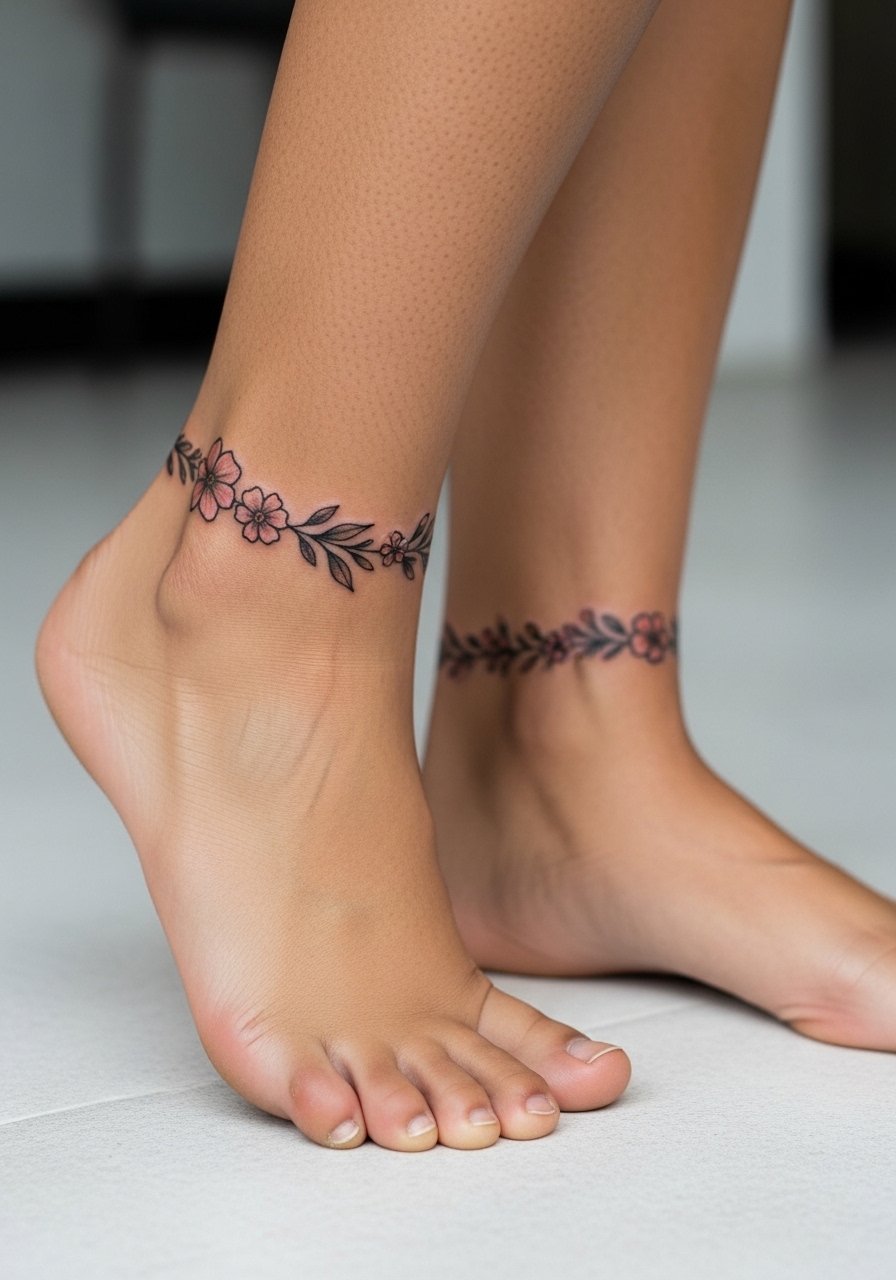
Floral anklets look like permanent bracelets and are flattering on many body types. While ankles bite a bit on pain, bands tend to heal cleanly if the artist avoids tiny petals and heavy dotwork. Choose flowers with simple petal shapes so they don’t merge. Keep in mind footwear and socks during healing; gentle daily care reduces irritation.
24. Matching Tiny Compass on Wrist
Style/Technique: Minimalist / Micro
Pain Level: Low (3-4/10)
Session Time: 20-45 minutes
Best For: Guiding friendship symbolism
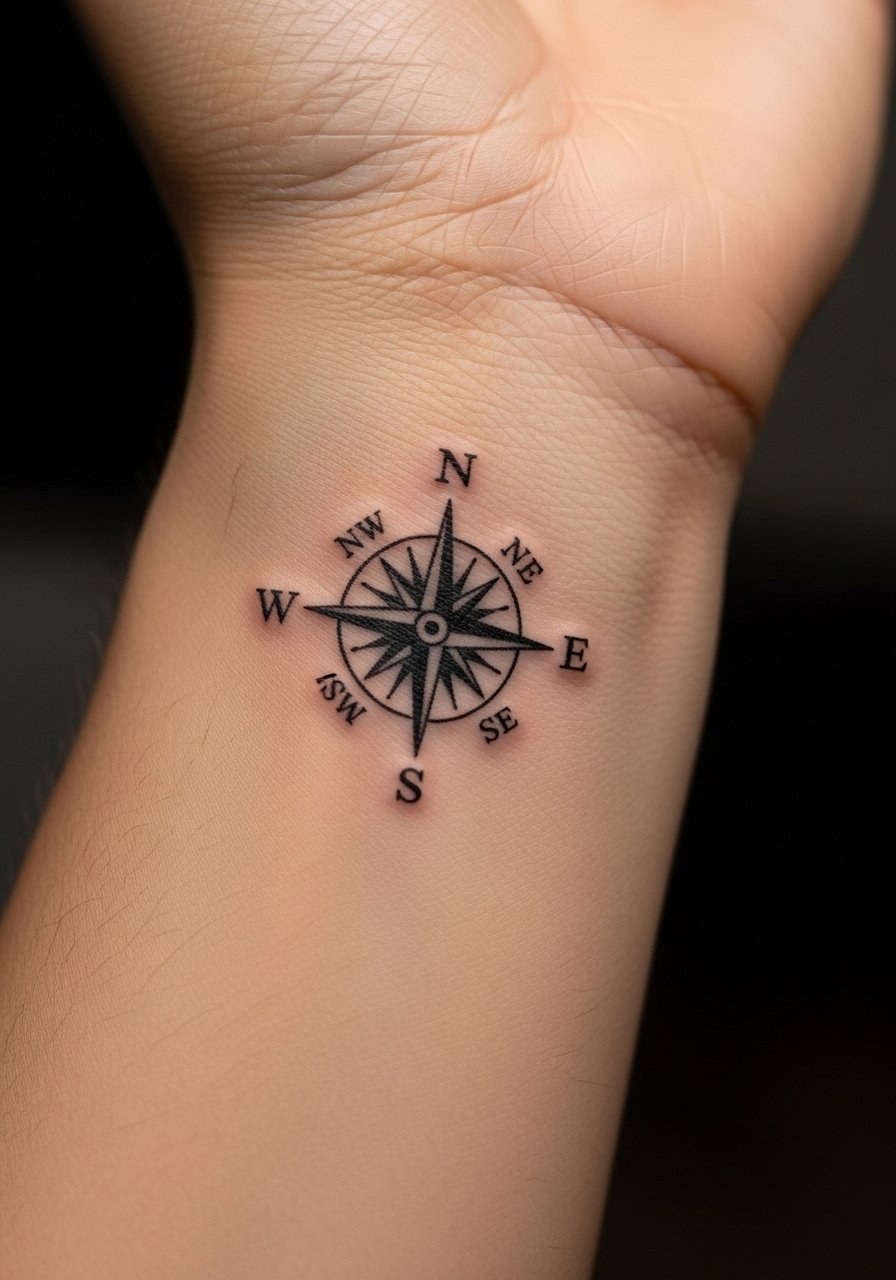
A tiny compass is a neat metaphor for direction and shared guidance. The inner wrist is sensitive but straightforward to care for. For durability, avoid ultra-thin needlework on the tiny directional points—ask for slightly thicker points so cardinal markers remain distinct. This design works well as a matching small presence.
25. Matching Minimalist Paw Prints on Shoulder Blade
Style/Technique: Minimalist / Silhouette
Pain Level: Medium (3-5/10)
Session Time: 20-45 minutes
Best For: Friends who share a pet memory
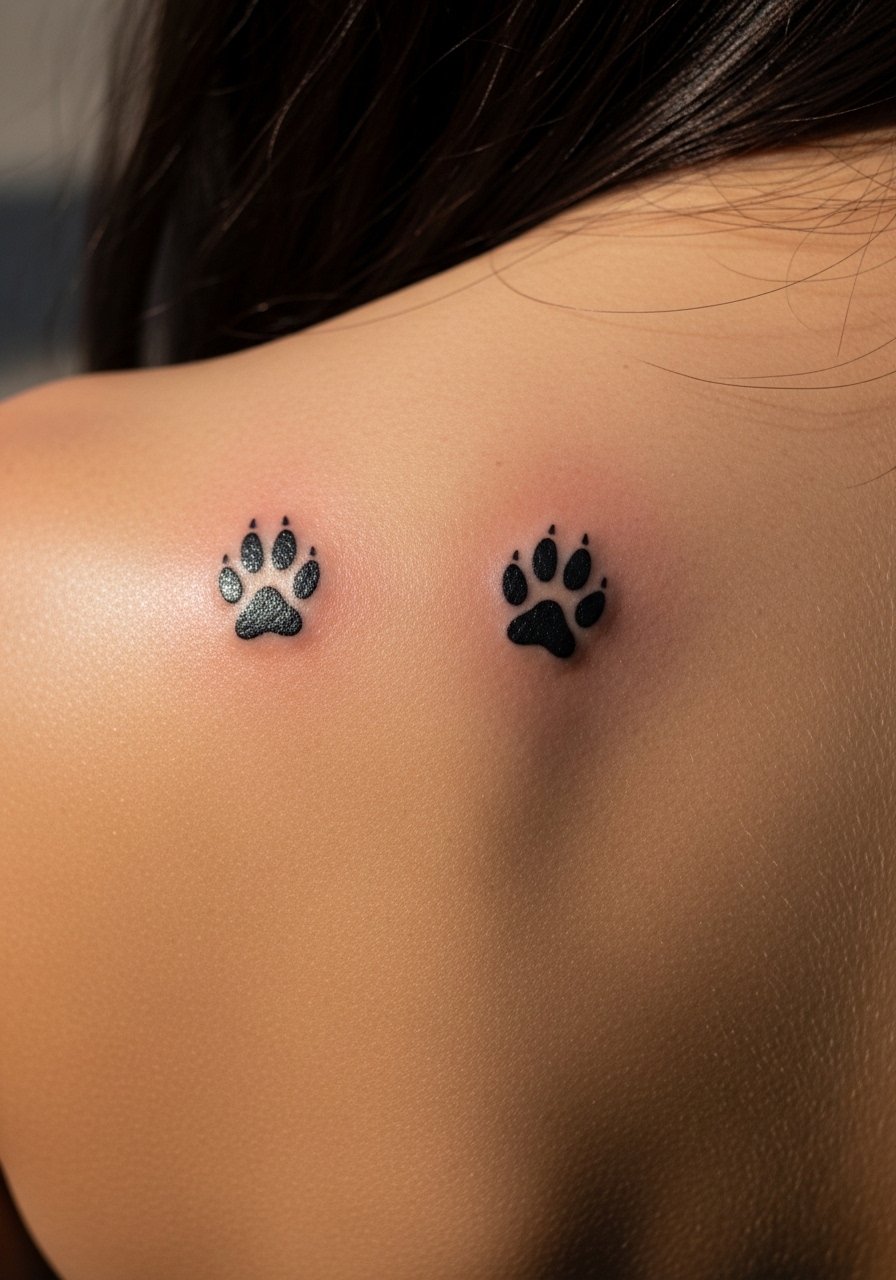
Paw prints are a sweet way to honor a furry friend you both loved. Shoulder blades are relatively low-pain and heal cleanly. Black silhouette style keeps the footprint obvious as the skin ages. Keep prints slightly larger than you think to maintain definition—tiny prints can become indistinct.
26. Matching Broken Line Heart on Ribcage
Style/Technique: Minimalist / Fine Line
Pain Level: High (7-9/10)
Session Time: 30-60 minutes
Best For: Complex emotional stories, mended bonds
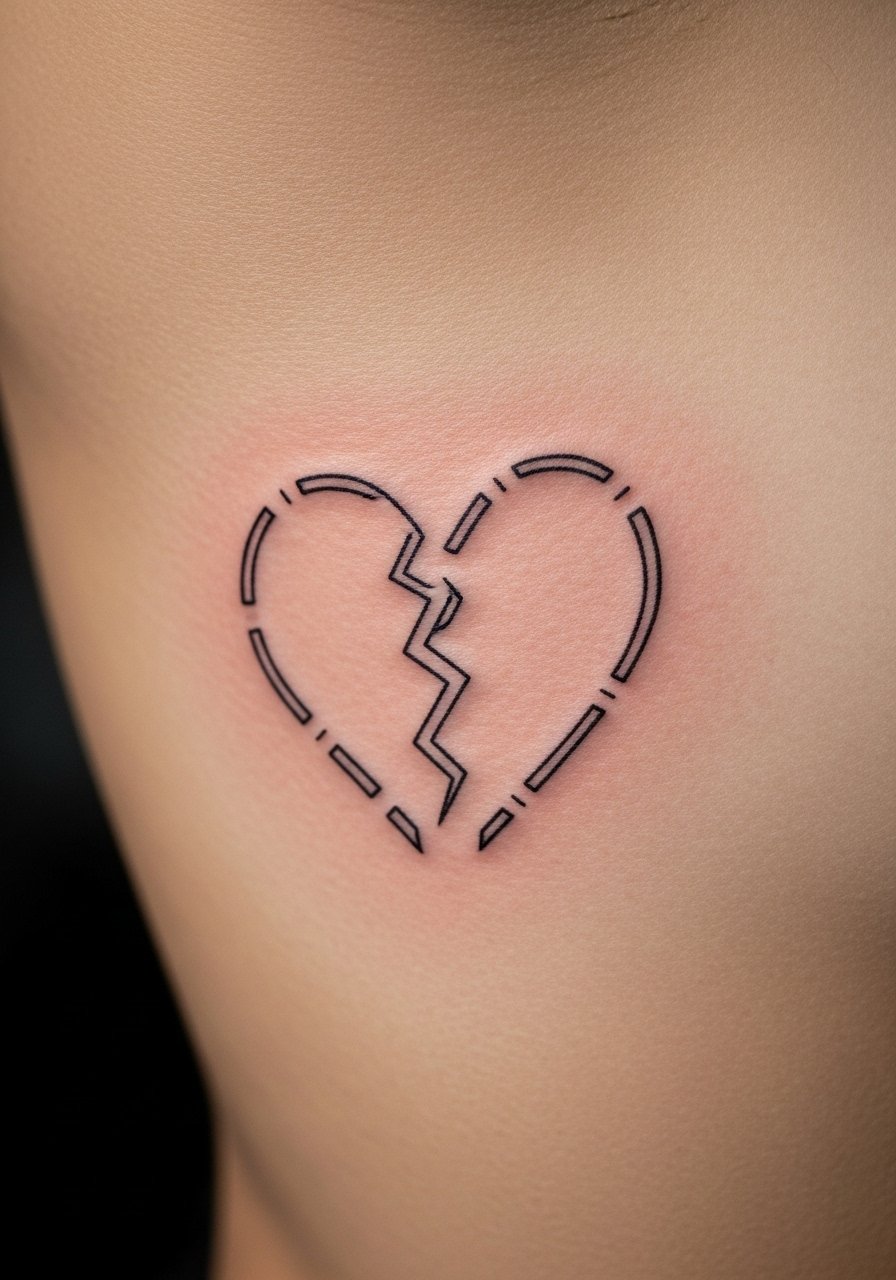
A broken-line heart can represent hardship and healing you faced together. Rib placement means higher pain and careful aftercare. The linework should be bold enough so gaps remain intentional, not accidental. The common mistake is splitting the line so finely that healing fills the negative space—ask your artist to space the breaks deliberately for long-term clarity.
27. Matching Tiny Paperclip on Thumb
Style/Technique: Minimalist / Tiny Symbol
Pain Level: High (6-8/10)
Session Time: 15-30 minutes
Best For: Everyday reminder, discreet and quirky
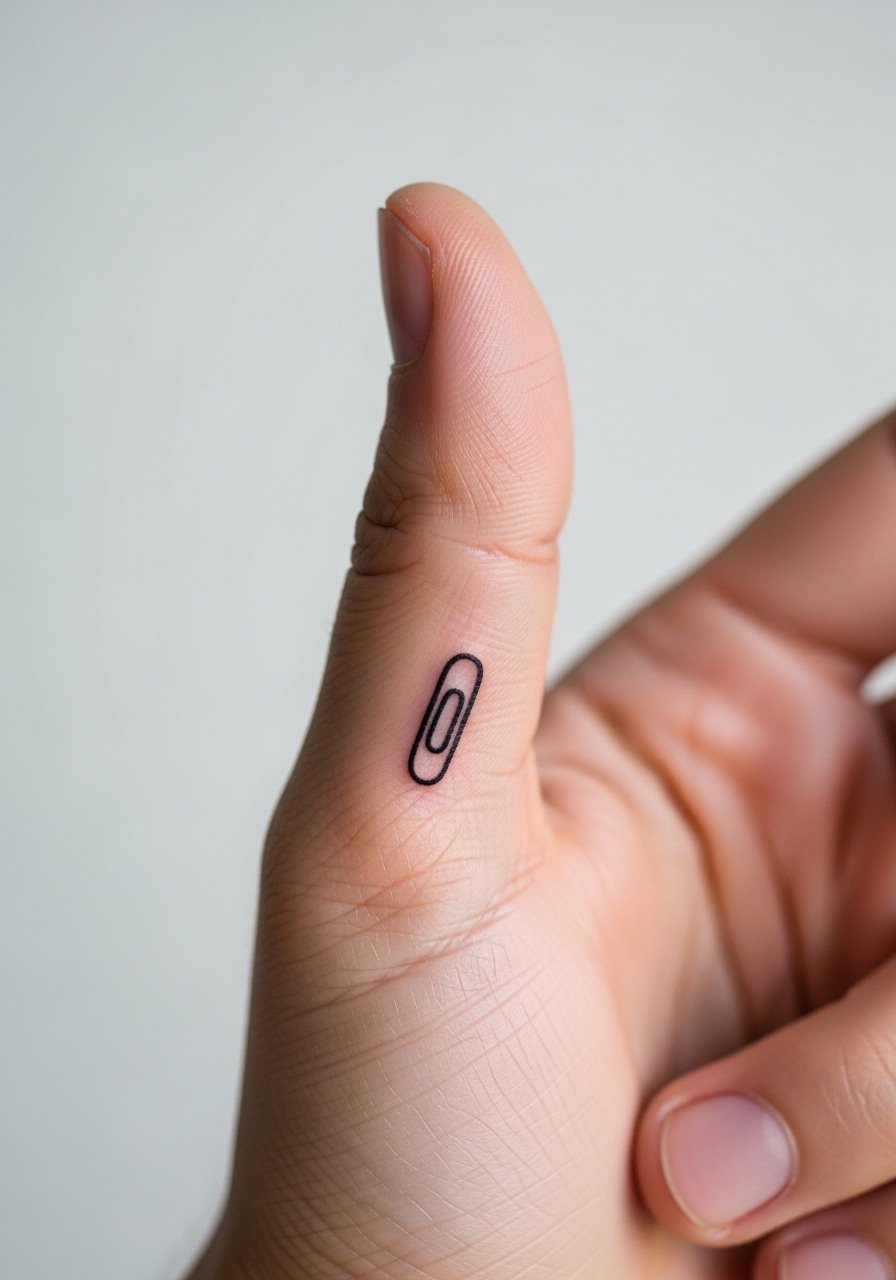
Small, quirky marks like a paperclip are low-key but carry private meaning—maybe an inside joke. Thumbs are painful and prone to fading; expect the need for touch-ups if you use your hands heavily. Keep the design bold and simple to survive hand wear. If you want something truly low-maintenance, consider placing the same motif on the inner wrist instead.
Tattoo Prep and Aftercare Essentials
Aftercare Essentials:
- Aquaphor Healing Ointment, 14oz Tube — Industry standard for first 3-5 days
- Saniderm Transparent Adhesive Bandage, 6-Inch Roll — Second-skin healing method many artists recommend
- CeraVe Fragrance-Free Moisturizing Lotion, 12oz — For days 4-14 of healing
- Dr. Bronner's Unscented Castile Soap, 16oz — Gentle cleaning without fragrances
Before Your Appointment:
- Tattoo Numbing Cream with 5% Lidocaine — Apply 30-45 minutes before only if artist approves
- Disposable Razors for Prep, Pack of 10 — If you need to shave the area carefully
Long-Term Maintenance:
- SPF 50 Sunscreen Stick for Tattoos, 0.47oz — Daily protection to slow fading
- Mad Rabbit Tattoo Balm, 2oz — Keeps healed tattoos vibrant
- Hustle Butter Deluxe, 4oz — Vegan aftercare option artists mention often
Optional Comfort Items:
- Hydrocolloid Bandages for Small Tattoos, 10 Pack — For spot protection during early healing
- Tattoo Aftercare Kit (Travel Sized) — Handy for weekend touch-ups or travel
Frequently Asked Questions
Q: How bad does a tattoo actually hurt?
A: Pain varies by placement and tolerance. Forearm/upper arm is often 2-4/10. Ribcage and fingers trend higher, around 7-9/10. It’s usually a sharp scratching rather than sudden unbearable pain. If you’re nervous, talk to your artist about pacing breaks or approved numbing cream.
Q: What if I regret a friendship tattoo later?
A: Sit with the design for months before committing. If regret happens, options include cover-ups or removal, both of which require time and tolerance. Choosing slightly hidden placements (upper thigh, behind shoulder) can reduce visible regret while you assess long-term feelings.
Q: How do I keep a tattoo from fading?
A: From what I’ve seen, daily sunscreen is the most reliable defense—use a SPF 50 stick. Also moisturize with a fragrance-free lotion like CeraVe and avoid prolonged sun exposure, especially in the first year.
Q: Can I work out after getting inked?
A: Wait 48-72 hours at minimum; longer for big pieces or rib/underboob work. Sweat and friction increase infection risk and can interfere with healing. Swap intense sessions for light walks until scabs fall off.
Q: Should I get a small tattoo first to test pain?
A: Only if you truly want a small tattoo. Pain is more about placement than size. A tiny wrist or finger piece could hurt more than a larger forearm piece. If nervous, choose a less sensitive area for your first test.
Q: How long does a tattoo take to heal fully?
A: Surface healing is typically 2-3 weeks. Full settling and color return can take 2-3 months. The first week is crucial—clean gently with unscented castile soap and use light ointment like Aquaphor for the initial days.
Q: Do tattoos look different on different skin tones?
A: Yes. Black and gray work shows reliably across tones. Bright pastels can read differently on deeper skin and may need stronger saturation. I always recommend viewing healed examples on similar tones and asking artists who regularly work with your skin tone to show healed portfolios.
Q: What common mistakes should friends avoid when matching tattoos?
A: Don’t rush. Avoid extremely tiny or intricate details that won’t survive healing. Don’t copy trends you might regret—pick symbols with personal meaning. Also, plan placement to match how you want the pieces to relate visually when you’re next to each other.