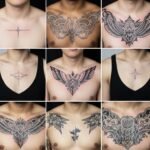
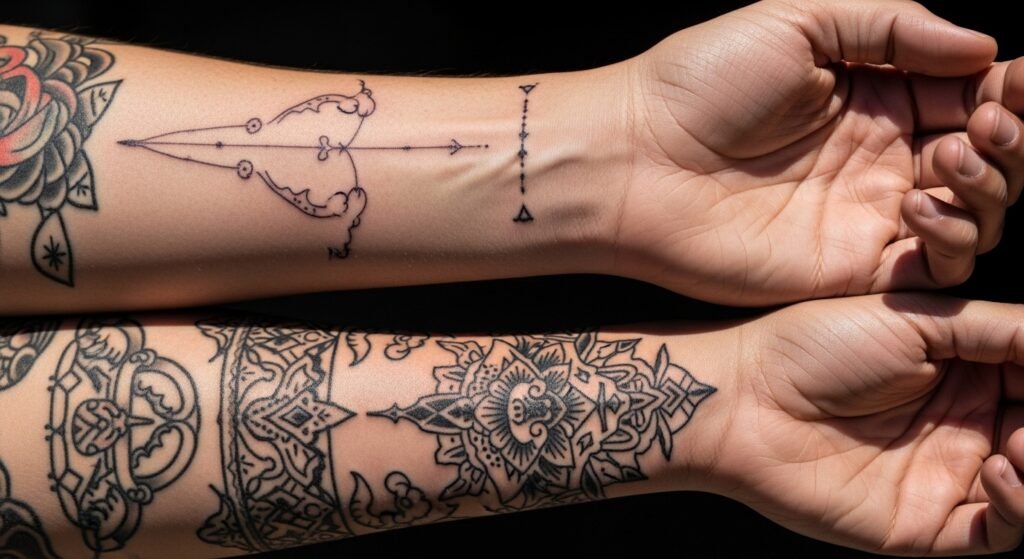
I spent months saving forearm tattoo photos before getting inked. The real issue wasn’t finding designs — it was picking styles that age well and suit everyday life. These 30 forearm tattoo ideas pull from current trends I’ve seen in studios and on artists’ feeds, plus a few under-the-radar picks that actually look better healed.
Quick context: I focus on forearm tattoos that work for first timers or collectors — fine line, neo‑traditional, blackwork, and micro‑realism. These placements (inner vs outer forearm, wrist-to-forearm) affect pain and longevity; fine line and blackwork are trending for how they heal and hold up in 2026 (trend notes from industry roundups).[1][2][4]
Fine Line Snake Crescent On Inner Forearm
Style/Technique: Fine Line / Minimalist
Pain Level: Low (2-3/10)
Session Time: 1 session
Best For: First forearm tattoo, subtle symbolism
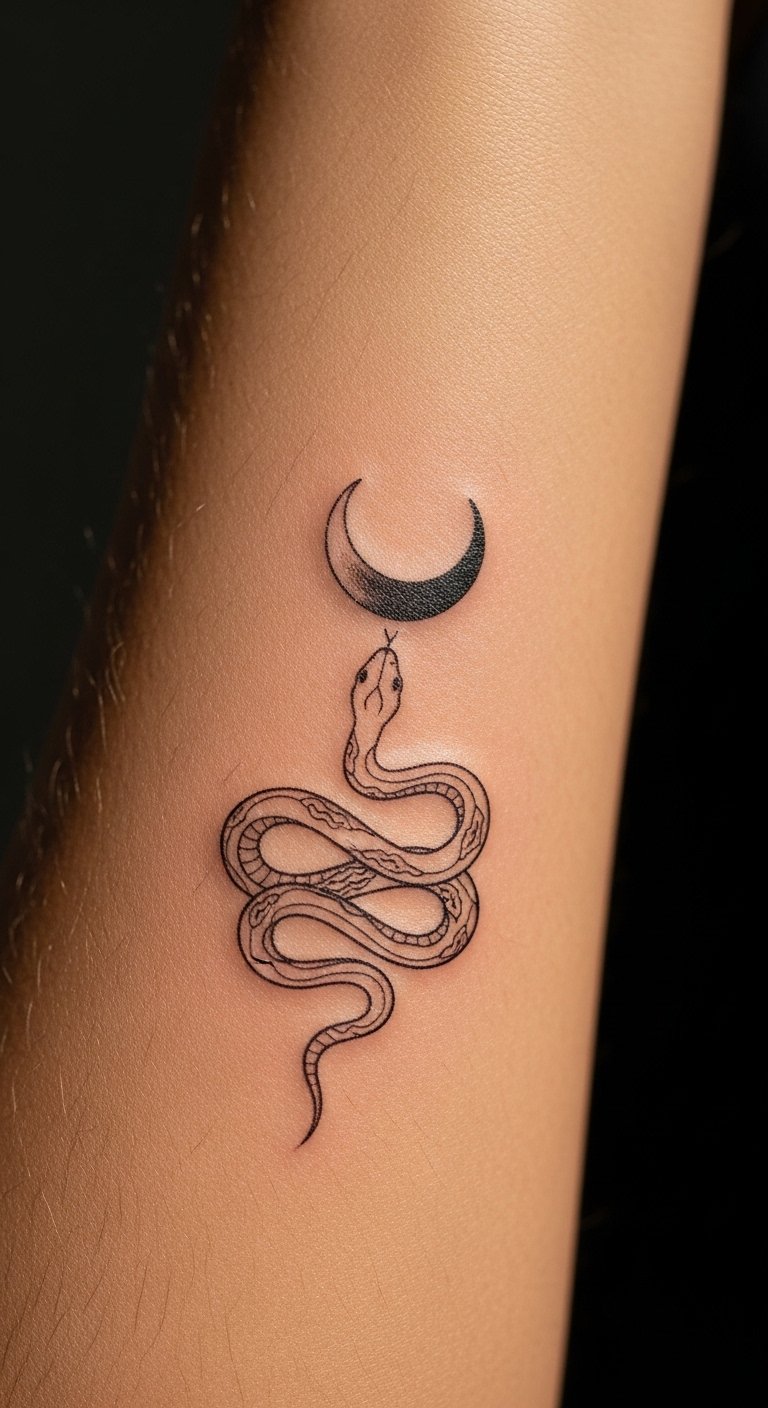
I picked this design as my first forearm piece — it reads quiet but meaningful. Inner forearm placement reduces pain and keeps lines intact if your artist uses a steady single needle. Avoid overly thin details too close together; healed fine line needs room. Ask for healed examples from portfolios like @sav.ttt for reference.
Old English Lettering Heart On Outer Forearm
Style/Technique: Traditional / Lettering
Pain Level: Medium (3-4/10)
Session Time: 1–2 sessions
Best For: Bold text, tributes

Old English lettering gives vintage weight. Outer forearm takes less friction than the wrist, so letters keep crisp edges longer. Expect some softening at letter serifs as it heals; ask your artist about slightly bolder linework to preserve detail. I saw great examples from @tatted.v when researching tribute pieces.
Skull And Chains Forearm Wrap
Style/Technique: Blackwork / Realism
Pain Level: Medium-High (4-6/10)
Session Time: Multiple sessions
Best For: Edgy full‑forearm statement

A full wrap like this reads bold and dramatic. Blackwork holds contrast well over time, although textured shading can soften. This placement can be stingy near the wrist bones — expect longer sessions. I followed @peruaano for blackwork reference images.
Neo‑Traditional Compass Lion On Outer Forearm
Style/Technique: Neo‑Traditional / Color
Pain Level: Medium (3-4/10)
Session Time: Multiple sessions
Best For: Adventurous symbolism

Neo‑traditional brings vivid color and bold outlines that age predictably if shaded well. Outer forearm is prime for large motifs like compasses and shields. Discuss color saturation with your artist — colors soften over time, so deeper saturation helps long‑term.
Minimalist Numbers On Inner Forearm
Style/Technique: Fine Line / Minimalist
Pain Level: Low (2/10)
Session Time: 1 session
Best For: Dates, coordinates, memorials
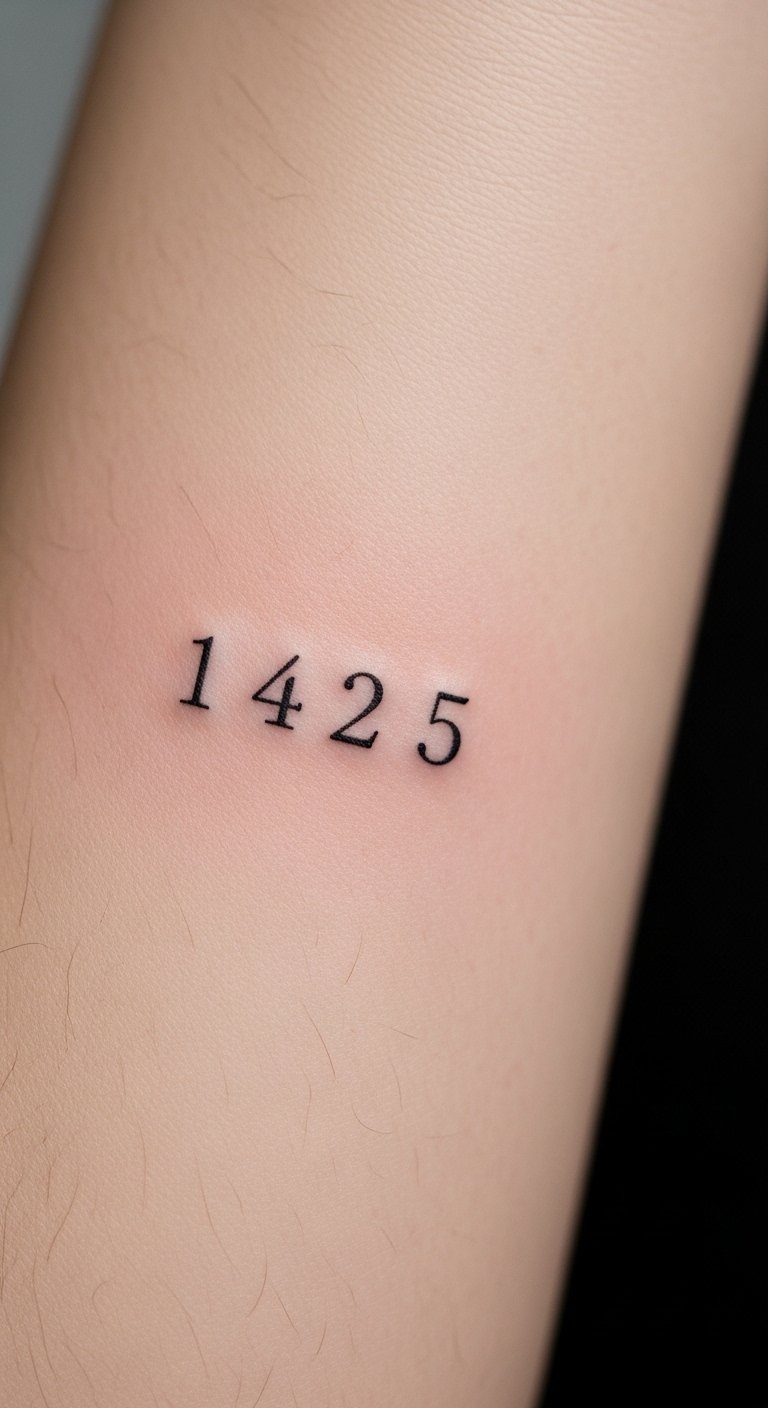
Tiny numbers are perfect for testing pain tolerance and visibility. Inner forearm keeps these subtle. The common mistake is making digits too thin — slightly thicker lines last longer. I used temporary transfers to live with the placement first.
Latin Quote With Scales On Forearm Start
Style/Technique: Neo‑Traditional / Script + Figure
Pain Level: Medium (3-4/10)
Session Time: Multiple sessions
Best For: Intellectual or justice symbolism
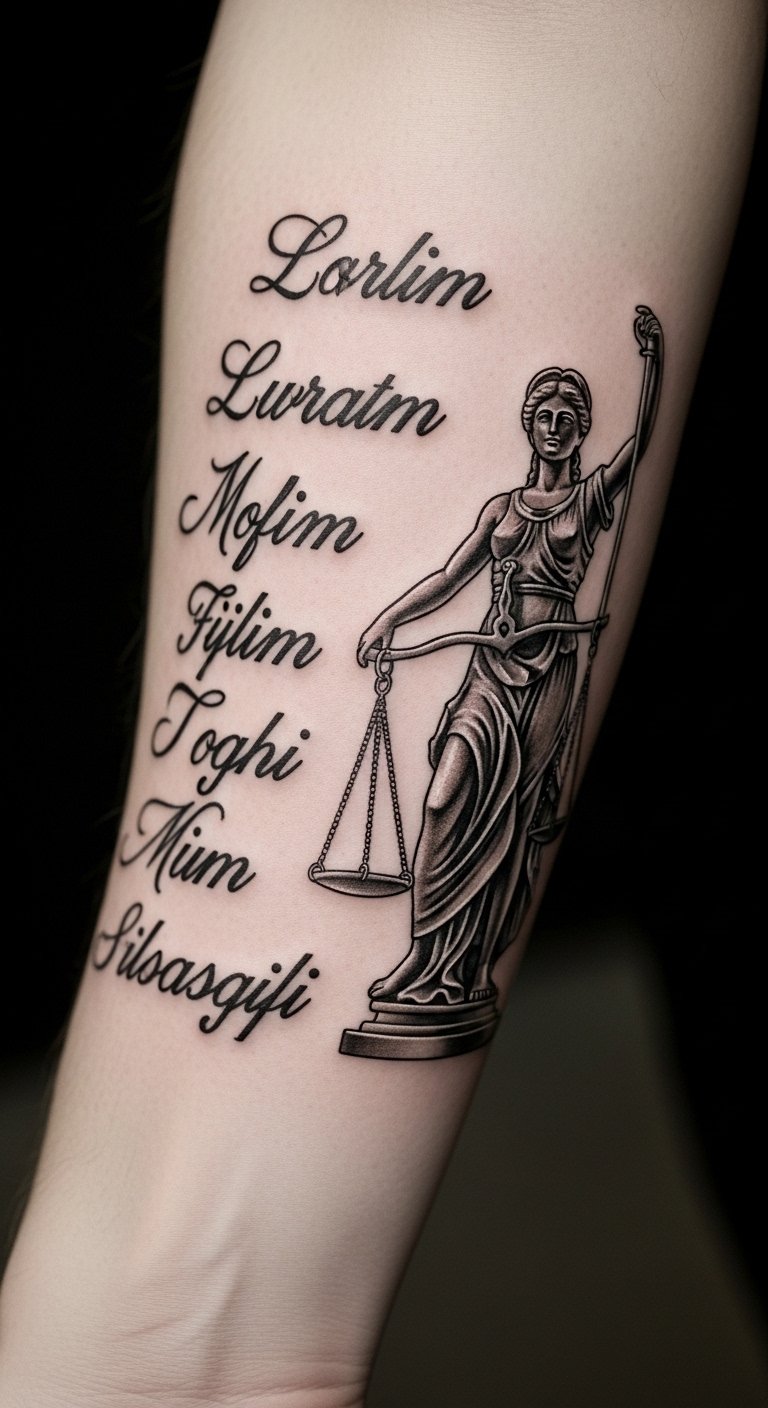
A Latin phrase combined with scales reads timeless. Script placement needs steady spacing; check how letters flow along forearm curves. This style benefits from an artist experienced in lettering and neo‑traditional shading.
Blackwork Lamb Near Wrist
Style/Technique: Blackwork / Minimalist Figure
Pain Level: Low-Medium (3/10)
Session Time: 1 session
Best For: Gentle, symbolic pieces
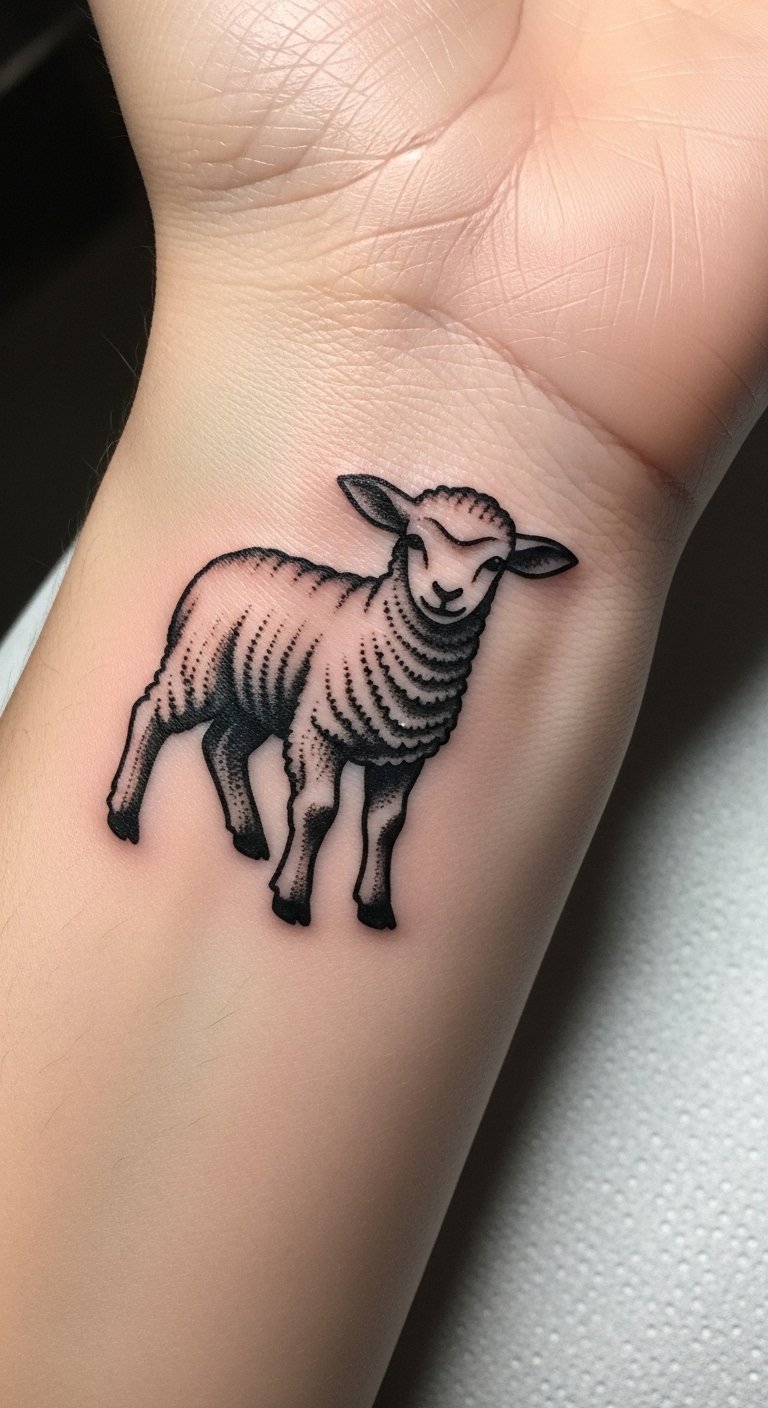
A lamb in solid black is unexpected and very personal. Solid fills heal well on forearms but avoid tiny negative spaces that can blur. This is one of those under‑covered motifs I keep seeing in portfolios.
Mandala Pattern On Inner Forearm
Style/Technique: Mandala / Dotwork
Pain Level: Medium (3-4/10)
Session Time: Multiple sessions
Best For: Meditative symmetry, sleeve starts
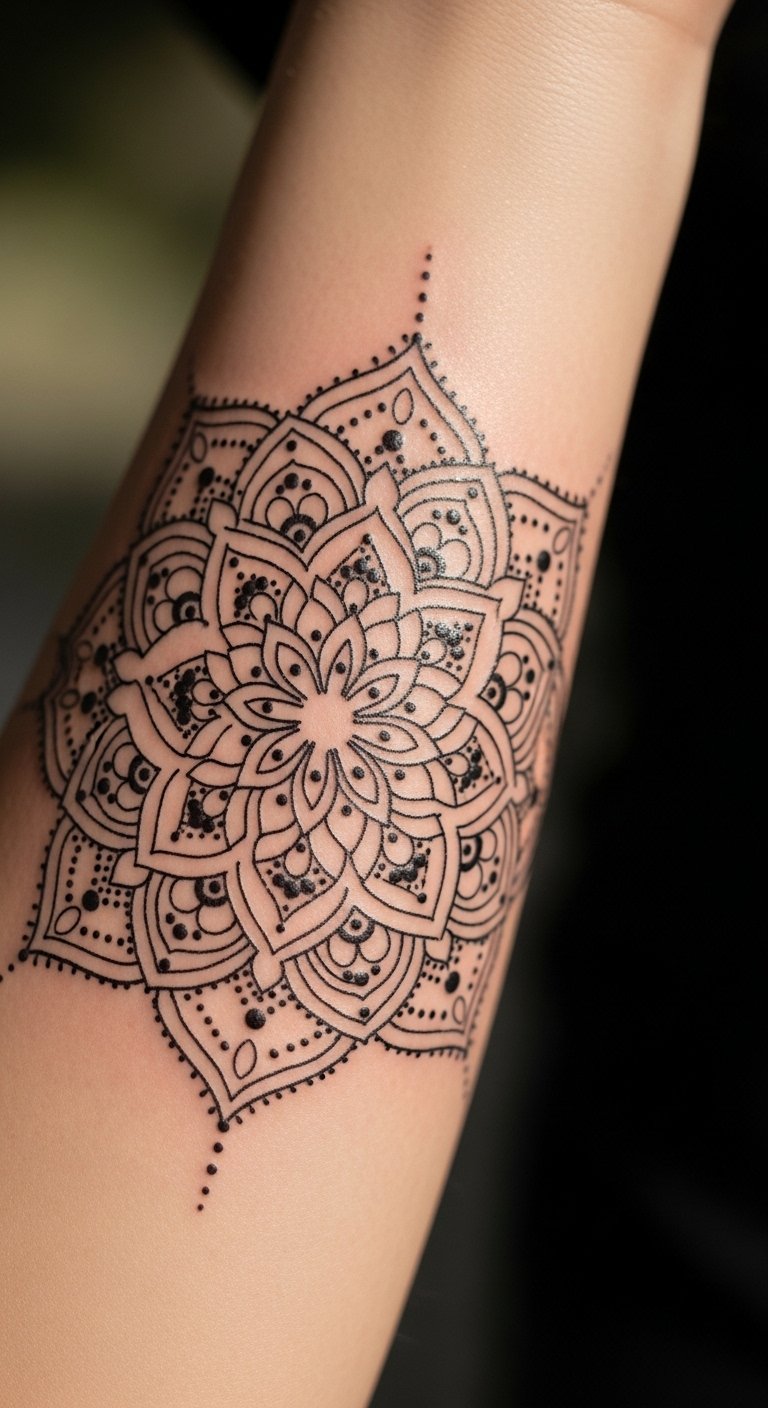
Mandalas age gracefully when spacing and dot density are balanced. Inner forearm offers a flat canvas for symmetry. Busy mandalas can blur if dots are too close together; ask to see healed dotwork examples.
Mandala Skull On Outer Forearm
Style/Technique: Mandala / Blackwork
Pain Level: Medium (3-5/10)
Session Time: Multiple sessions
Best For: Edgy, meditative contrast

Combining skull motifs with mandala geometry gives edge plus ritual symbolism. Blackwork contrast keeps the design readable as it ages. This is a co‑occurrence I’ve noticed trending in studio galleries.
Geometric Angel And Cage Full Forearm
Style/Technique: Geometric / Blackwork
Pain Level: Medium-High (4-6/10)
Session Time: Multiple sessions
Best For: Conceptual, full‑forearm stories
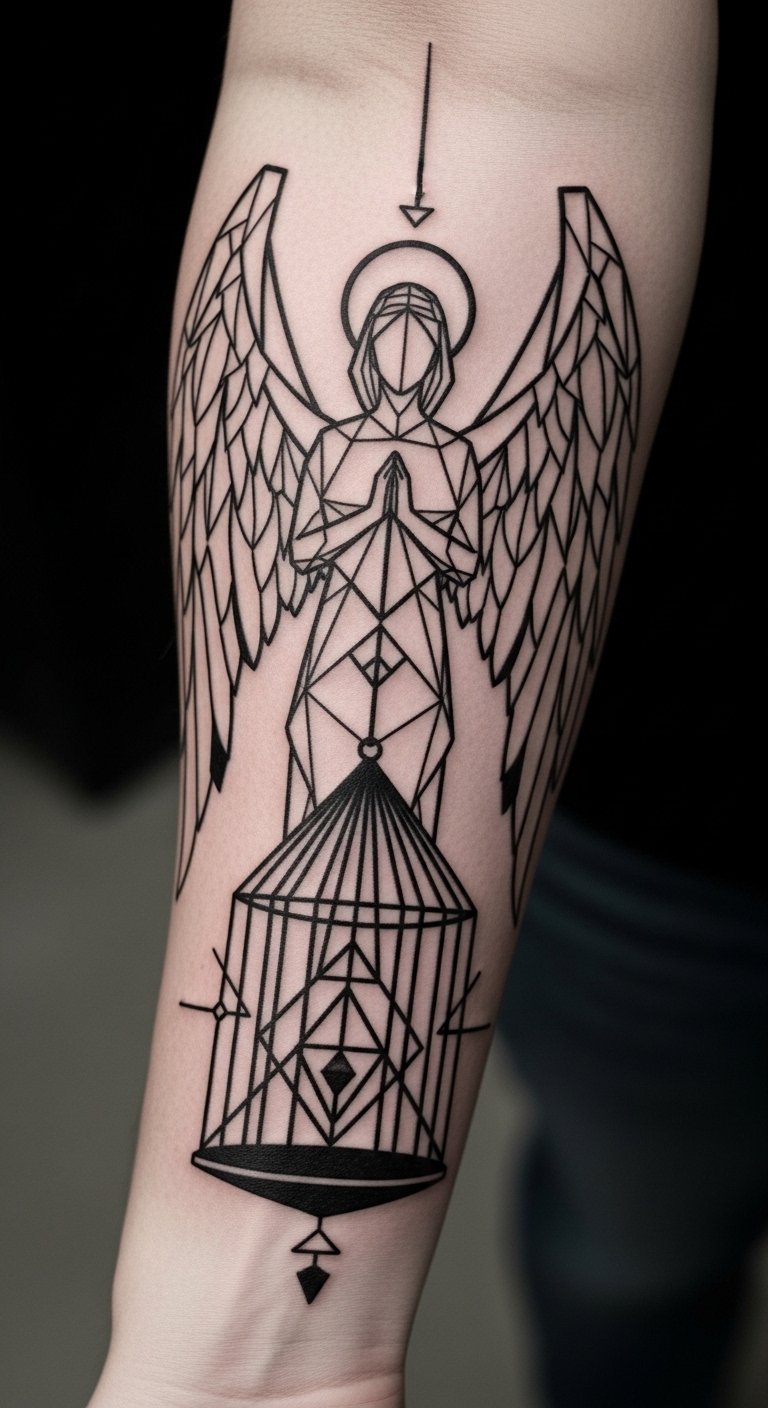
Geometric themes translate well on the forearm’s length. Crisp linework and bold negative space help longevity. Expect some tenderness near wrist/ulna during long sittings.
Neoclassical Armillary Sphere Wrap
Style/Technique: Neoclassical / Linework
Pain Level: Medium (3-5/10)
Session Time: Multiple sessions
Best For: Celestial, intricate forearm wraps
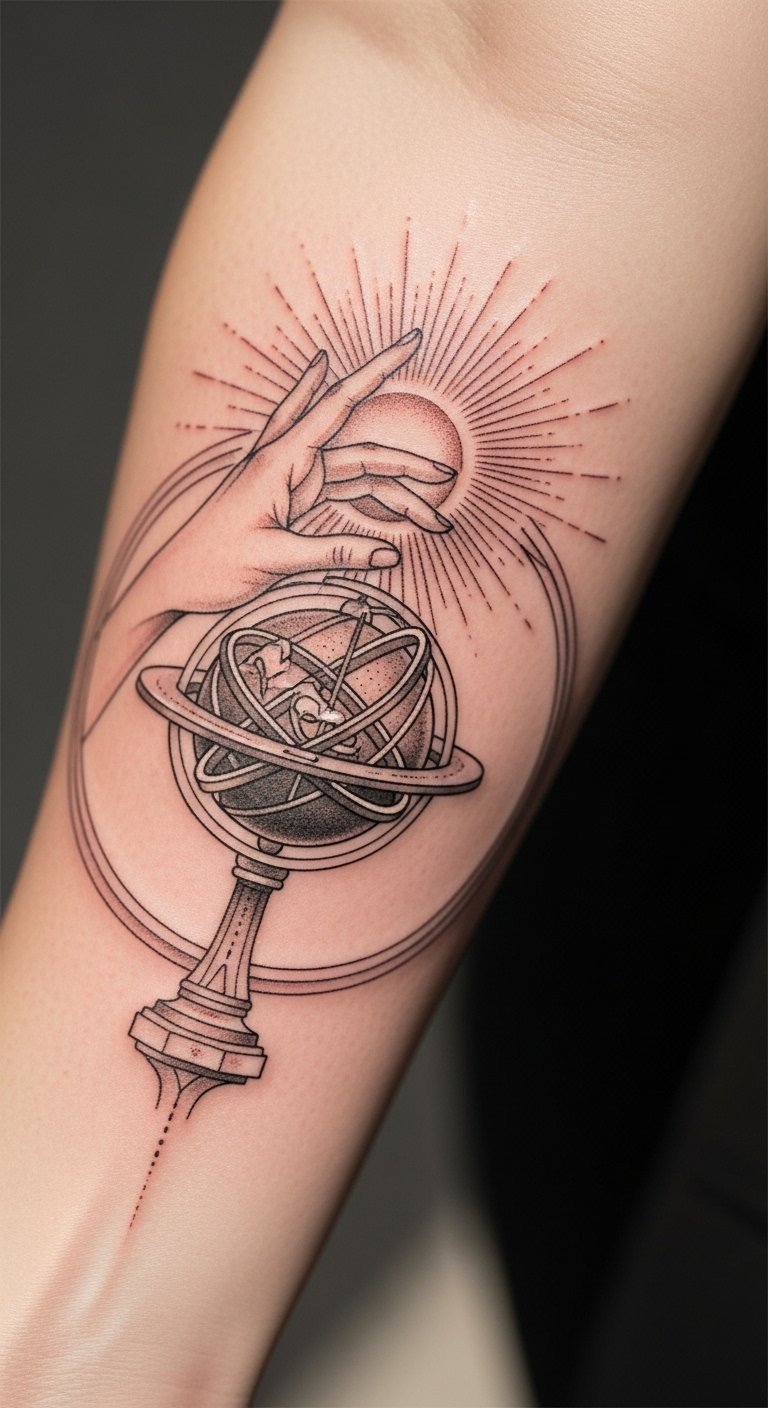
This is one of my favorite under‑used ideas — it reads scholarly and timeless. Complex rings need breathing room so lines don’t blur. Ask to see healed neoclassical work; it’s easier to mess up than it looks.
Fine Line Fern And Flowers Inner Forearm
Style/Technique: Fine Line / Botanical
Pain Level: Low-Medium (2-3/10)
Session Time: 1–2 sessions
Best For: Nature lovers, gender‑neutral pieces

Botanical forearms are quietly striking and age well if line weight is consistent. For men, ferns on the inner forearm offer a fresh, gender‑neutral look. Avoid overly thin veins that disappear when healed.
Fine Line Script Quote Along Forearm
Style/Technique: Fine Line / Script
Pain Level: Low (2-3/10)
Session Time: 1 session
Best For: Affirmations, names
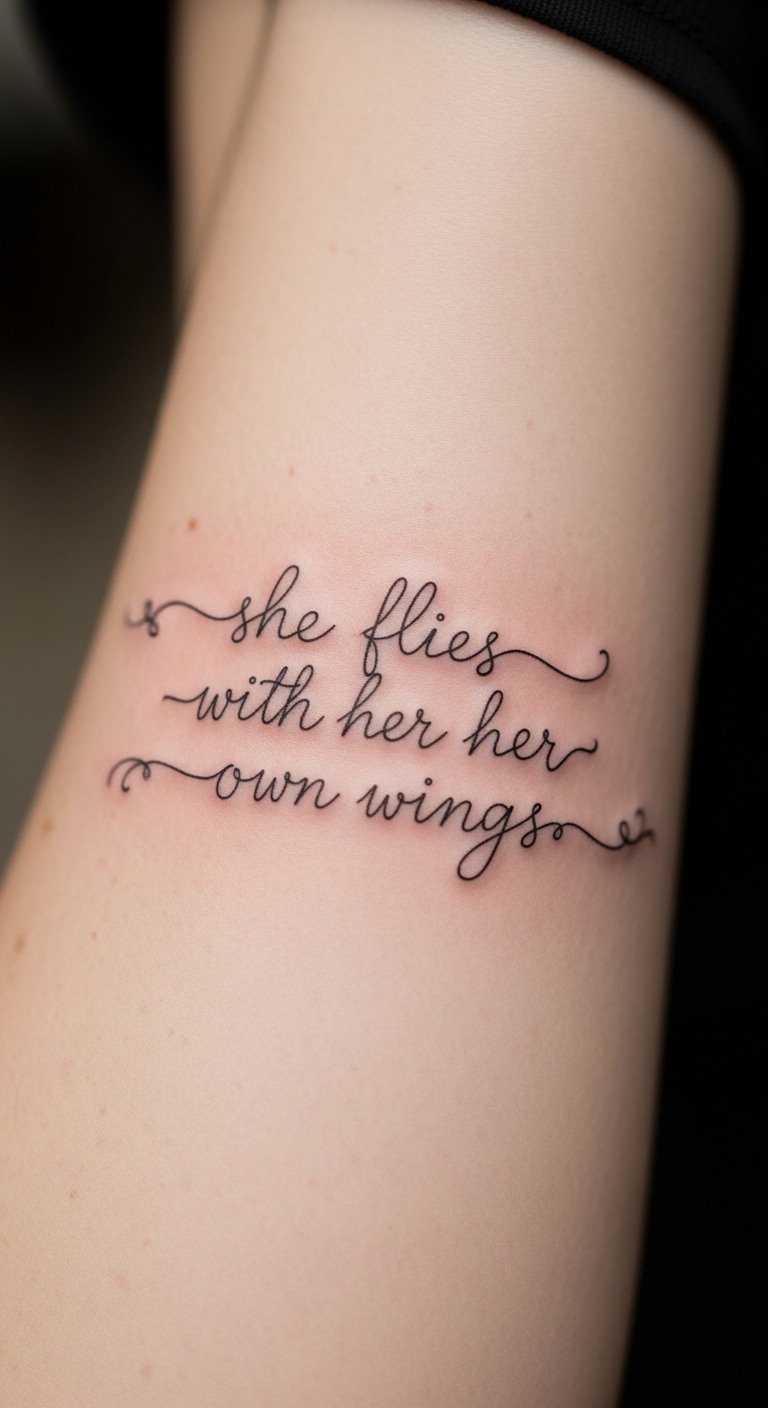
Signature‑style scripts are extremely popular. Short phrases work best — long lines can wrap awkwardly. I recommend living with the quote in temporary form first.
Micro‑Realism Pet Portrait On Outer Forearm
Style/Technique: Micro‑Realism / Portrait
Pain Level: Medium (3-5/10)
Session Time: Multiple sessions
Best For: Memorials, pet lovers
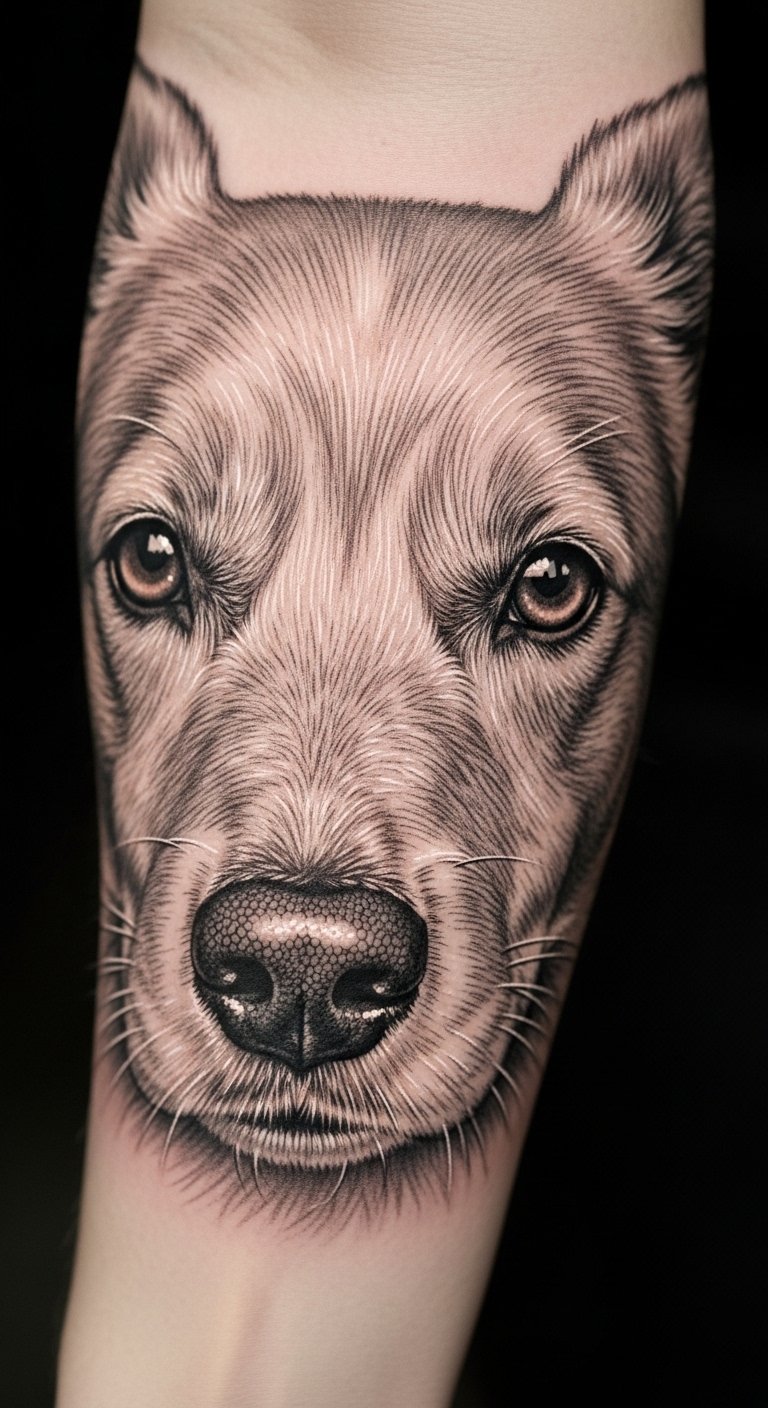
Portraits read personal and powerful. Micro‑realism needs an artist who shares healed portfolio shots on similar skin tones. Avoid tiny portraits that lose detail when healed.
Minimalist Mountain Range On Inner Forearm
Style/Technique: Minimalist / Line Art
Pain Level: Low (2/10)
Session Time: 1 session
Best For: Travel symbolism, subtle bands
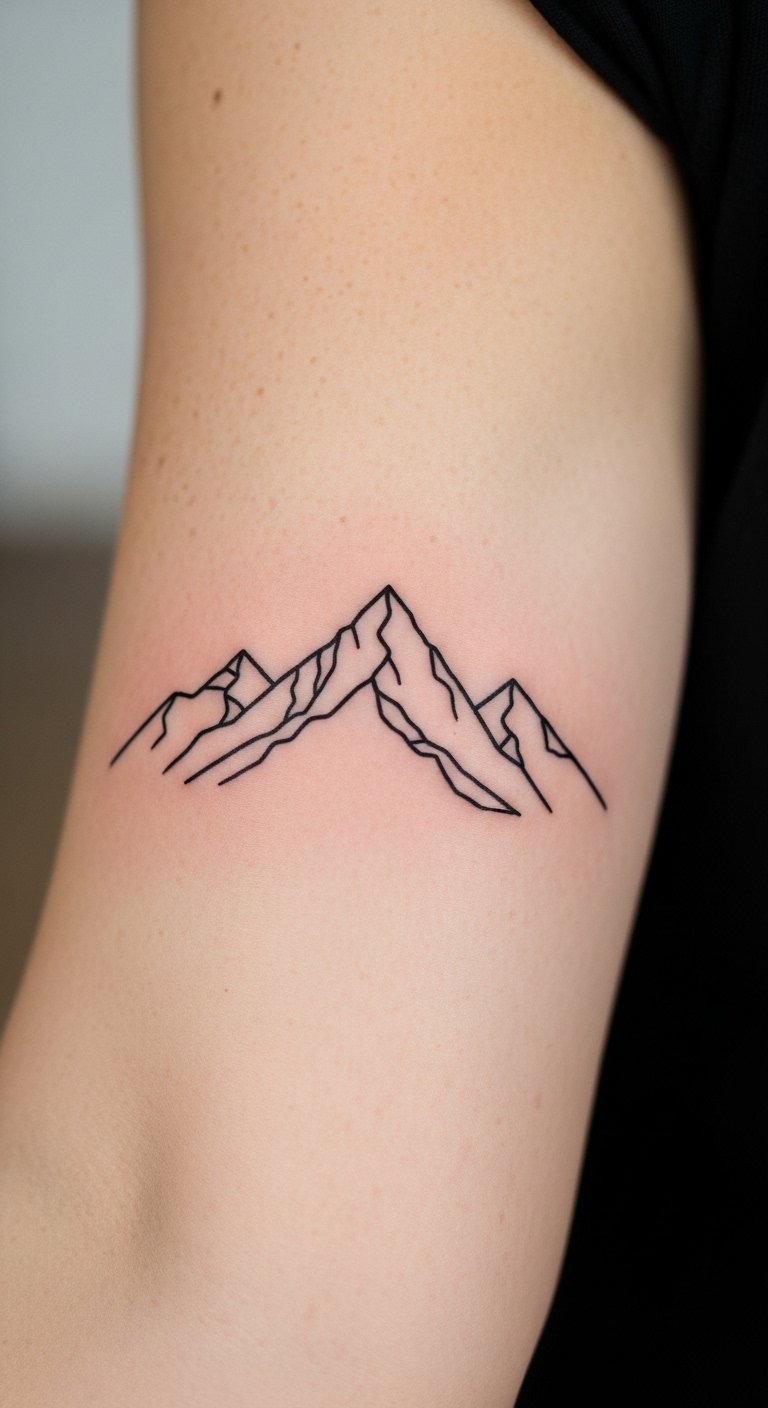
Mountain bands are easy to live with and low pain. They translate well into wrap or band designs. Keep lines spaced so they don’t merge as skin ages.
Snake Wrap Around Outer Forearm
Style/Technique: Linework / Minimalist Wrap
Pain Level: Medium (3-4/10)
Session Time: 1–2 sessions
Best For: Movement, transformation themes
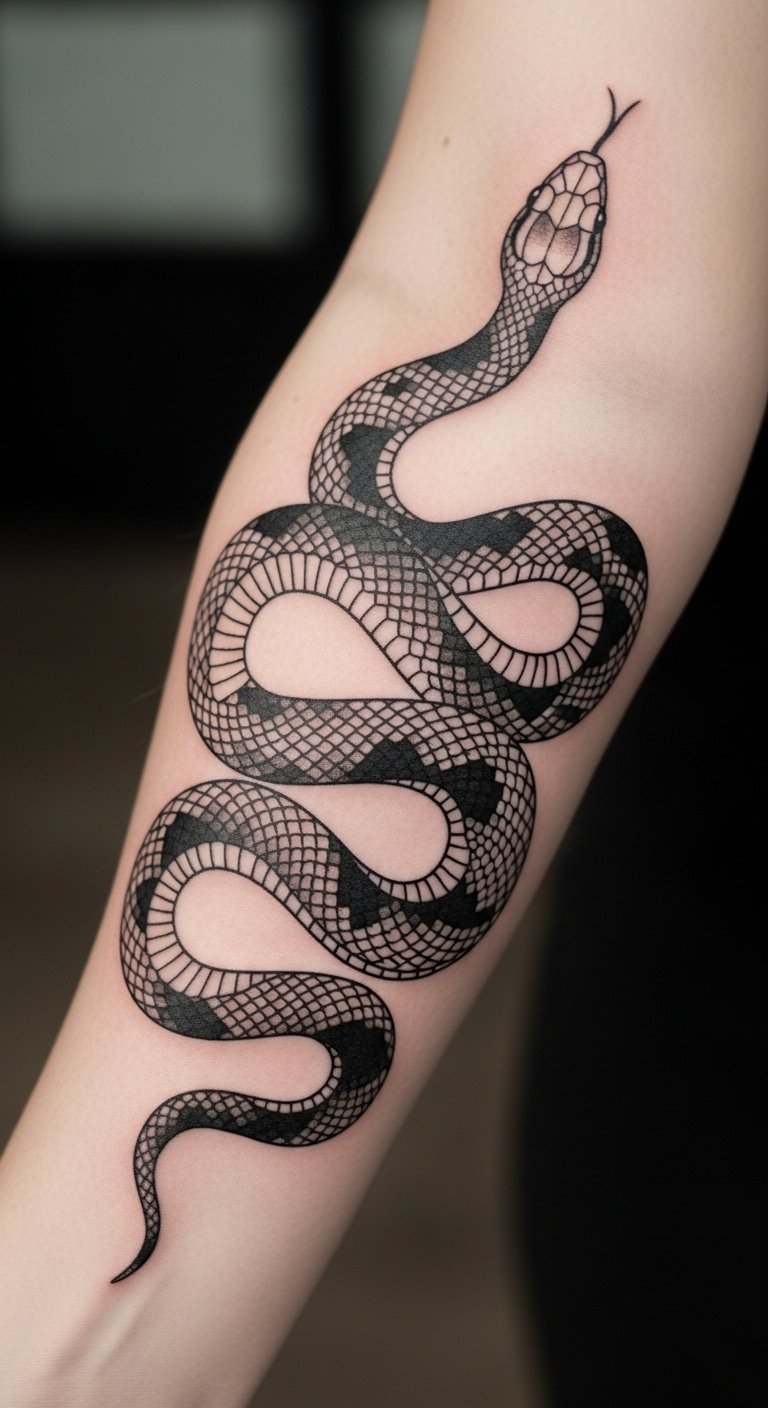
A wrap highlights forearm anatomy. Flow and scale are crucial — poor flow looks awkward healed. I asked my artist to stencil and test positioning before committing.
Tiny Symbol On Wrist‑To‑Forearm Junction
Style/Technique: Minimalist / Micro
Pain Level: Low (2-3/10)
Session Time: 1 session
Best For: Discreet, first tattoos
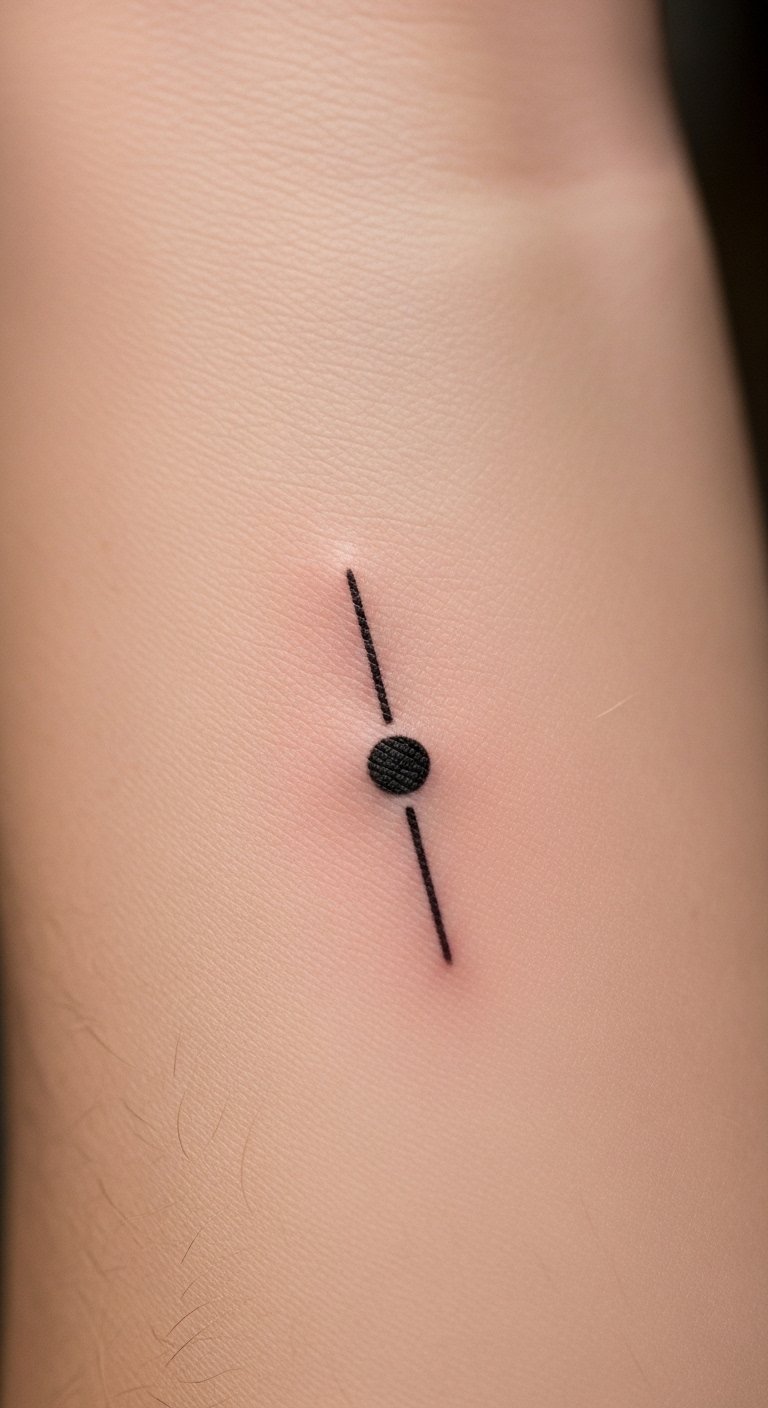
Tiny motifs are great starter pieces. The wrist junction is visible but can be covered with sleeves. Beware of tiny details that blur; bigger dots help longevity.
Mandala Cuff Band Around Forearm
Style/Technique: Mandala / Band
Pain Level: Medium (3-4/10)
Session Time: 1–2 sessions
Best For: Decorative wraps, sleeve starters
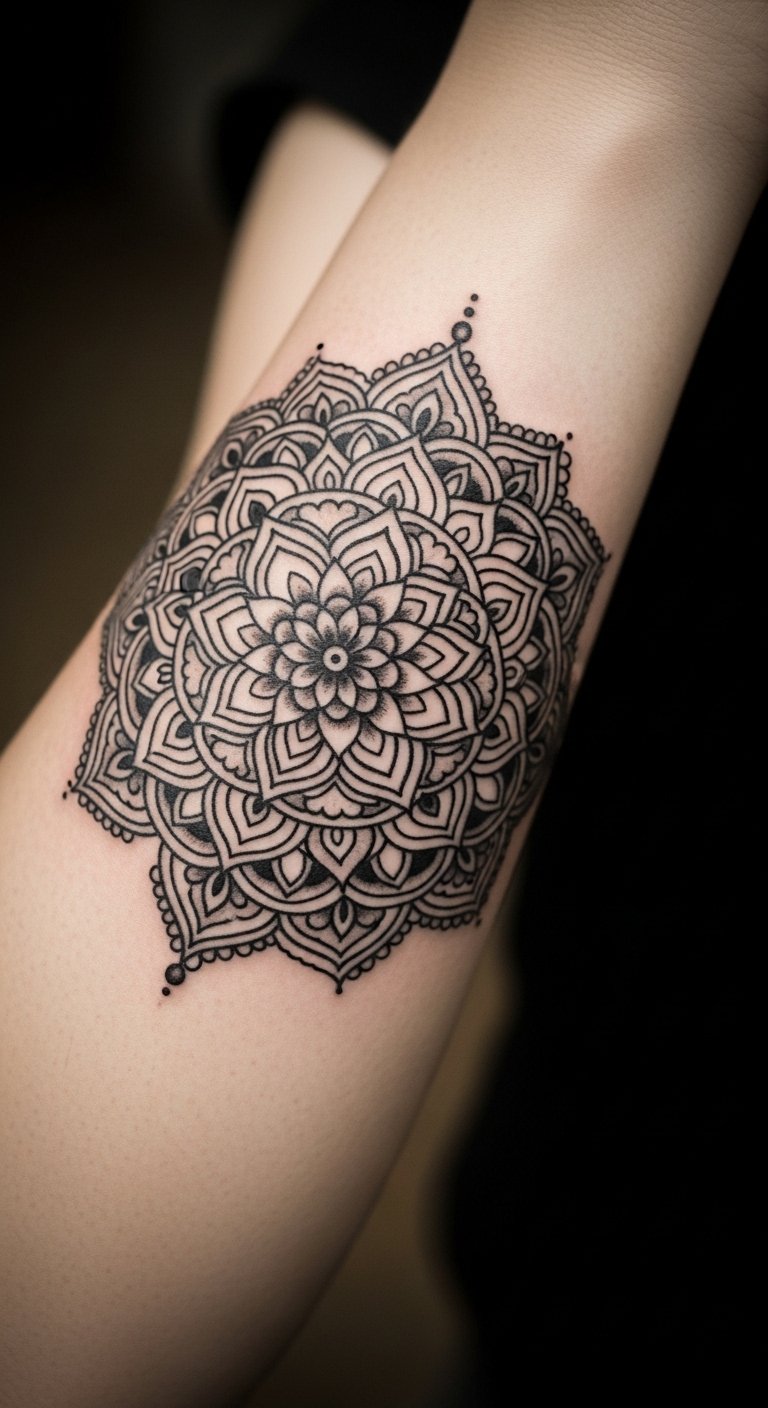
A cuff uses the forearm like jewelry. Symmetry is key; uneven spacing becomes obvious as it heals. Dotwork cuff examples heal differently — consult on spacing.
Watercolor Floral Strip On Outer Forearm
Style/Technique: Watercolor / Botanical
Pain Level: Medium (3-4/10)
Session Time: 1–2 sessions
Best For: Painterly, colorful strips
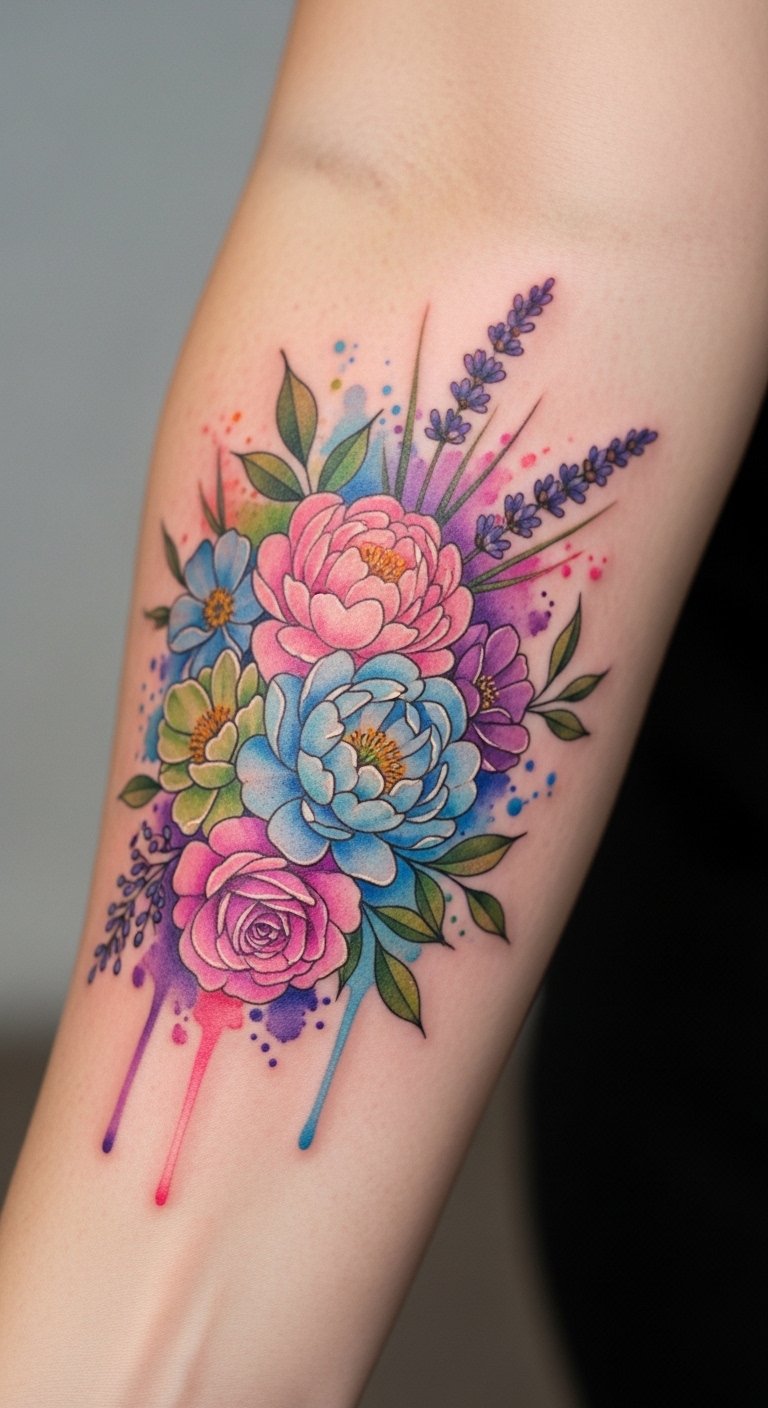
Watercolor looks great fresh but can fade faster; I recommend combining color with fine black outlines for longevity. Discuss color placement and healed photos with your artist.
Cybersigil Inner Forearm Script
Style/Technique: Cybersigilism / Minimalist Glyphs
Pain Level: Low (2-3/10)
Session Time: 1 session
Best For: Digital natives, unique codes
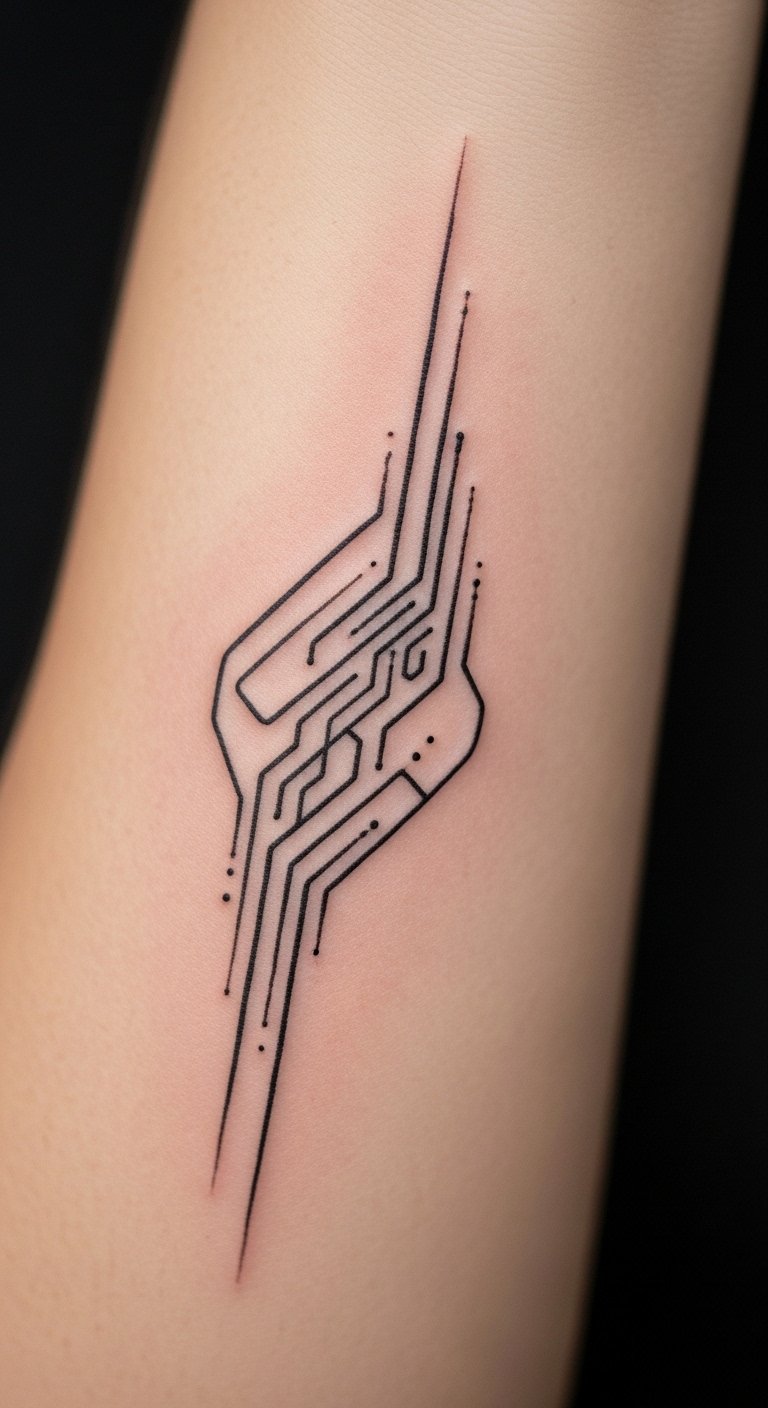
Cybersigilism — encrypted glyphs — is an emerging trend I saw in 2025 feeds. It’s personal and modern. Since it’s new, check healed examples and spacing to avoid early blur.
Nautical Anchor And Chain On Lower Forearm
Style/Technique: Traditional / Nautical
Pain Level: Low-Medium (3/10)
Session Time: 1 session
Best For: Classic maritime motifs
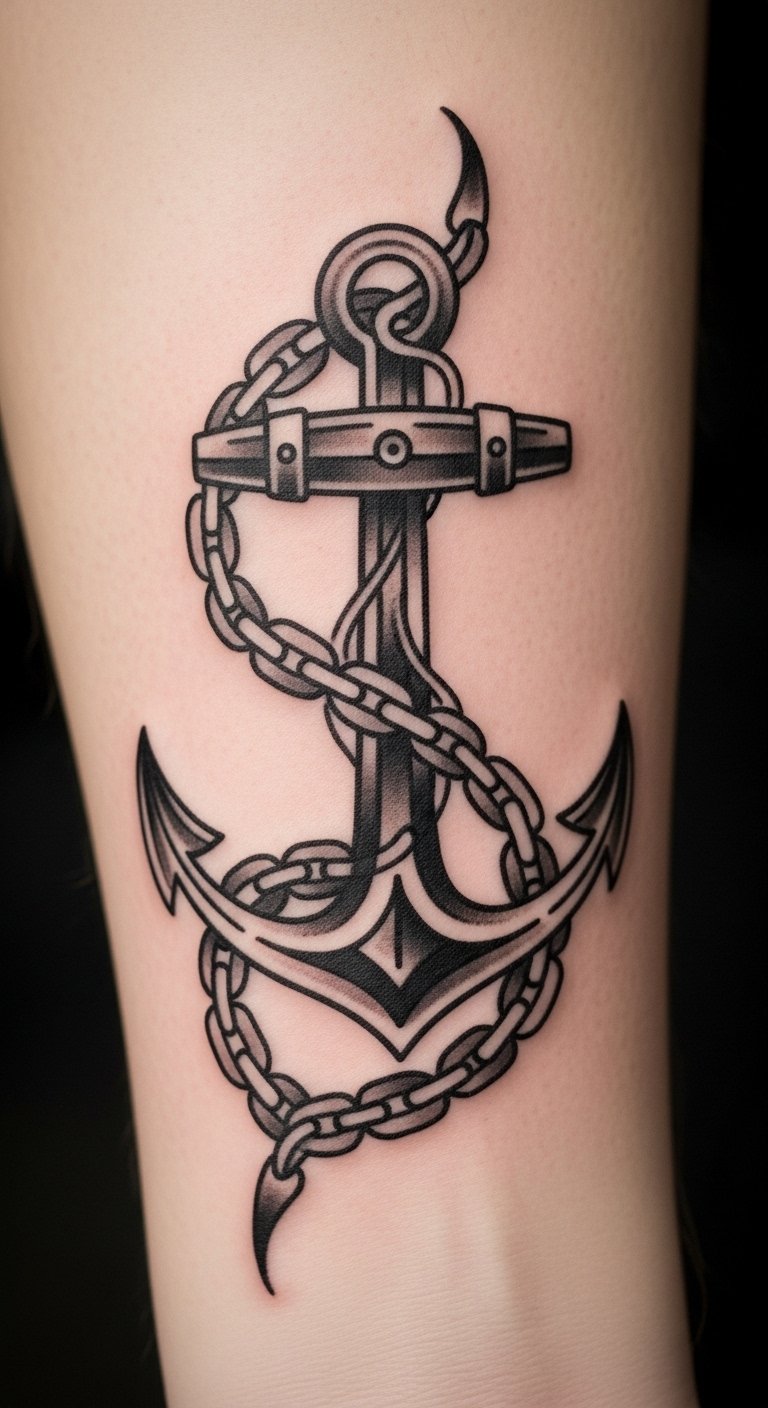
Classic nautical pieces age predictably with bold outlines. Lower forearm placement avoids heavy flex zones, helping lines stay crisp.
Anatomical Heart Realism On Outer Forearm
Style/Technique: Realism / Anatomical
Pain Level: Medium (3-5/10)
Session Time: Multiple sessions
Best For: Medical or emotional symbolism

Anatomical hearts read intimate and scientific. Fine shading demands an artist experienced in realism; healed shading softens and benefits from stronger contrast initially.
Compass Rose Neo‑Trad On Forearm
Style/Technique: Neo‑Traditional / Nautical
Pain Level: Medium (3-4/10)
Session Time: 1–2 sessions
Best For: Travel and direction symbolism

Compass roses are timeless. Neo‑traditional outlines keep shapes defined as color settles. Outer forearm is ideal for showing off the radial design.
Constellation Line Art On Inner Forearm
Style/Technique: Minimalist / Astro
Pain Level: Low (2/10)
Session Time: 1 session
Best For: Zodiac and memory marks

Constellations are subtle and low‑pain. Use slightly larger dots for star points so they remain readable after healing.
Blackwork Geometric Sleeve Element
Style/Technique: Blackwork / Geometric
Pain Level: Medium-High (4-6/10)
Session Time: Multiple sessions
Best For: High contrast, meditative patterns
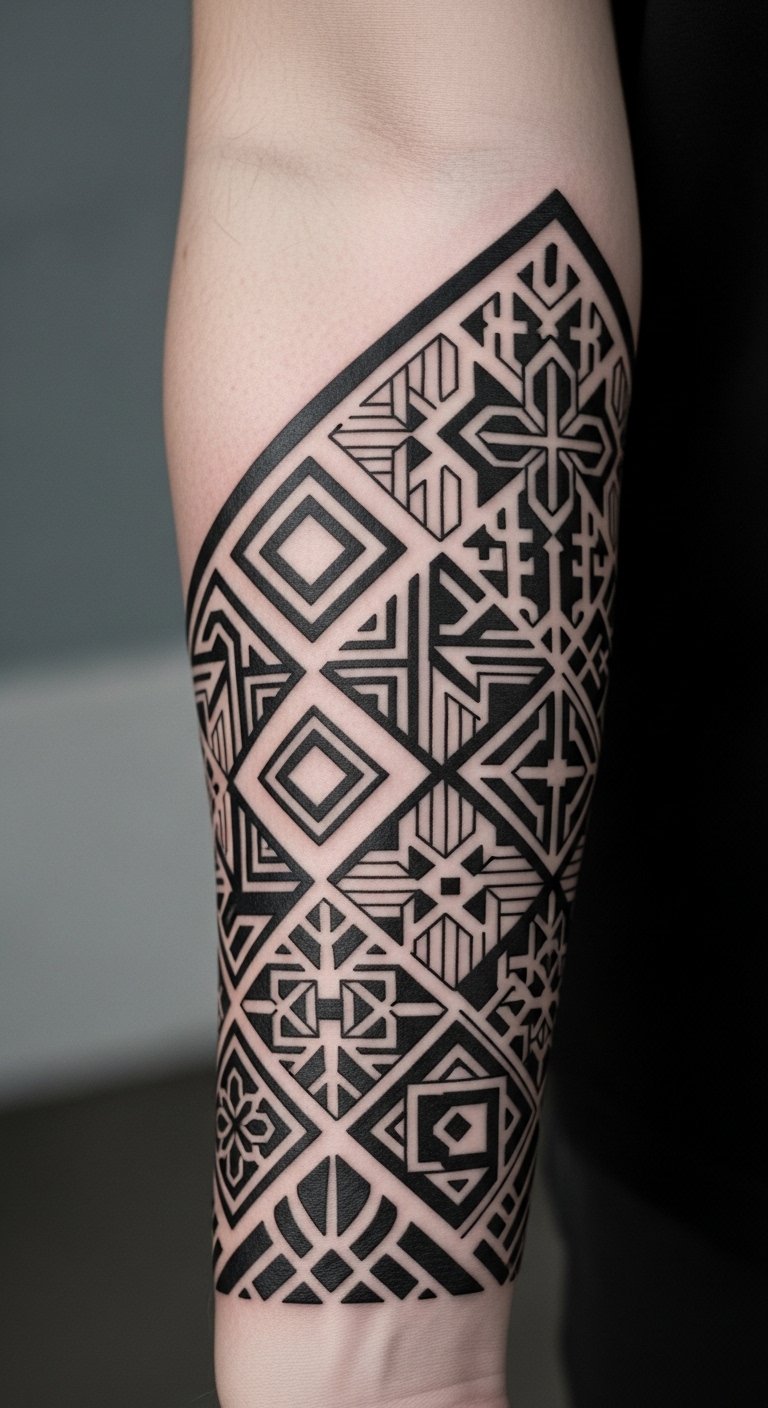
Blackwork demands bold shapes to maintain clarity. Geometric slabs on the forearm make strong visual statements and age predictably.
Modern Tribal Flame Strip On Forearm
Style/Technique: Linework / Modern Tribal
Pain Level: Low-Medium (3/10)
Session Time: 1 session
Best For: Nostalgic revivals with a refined look
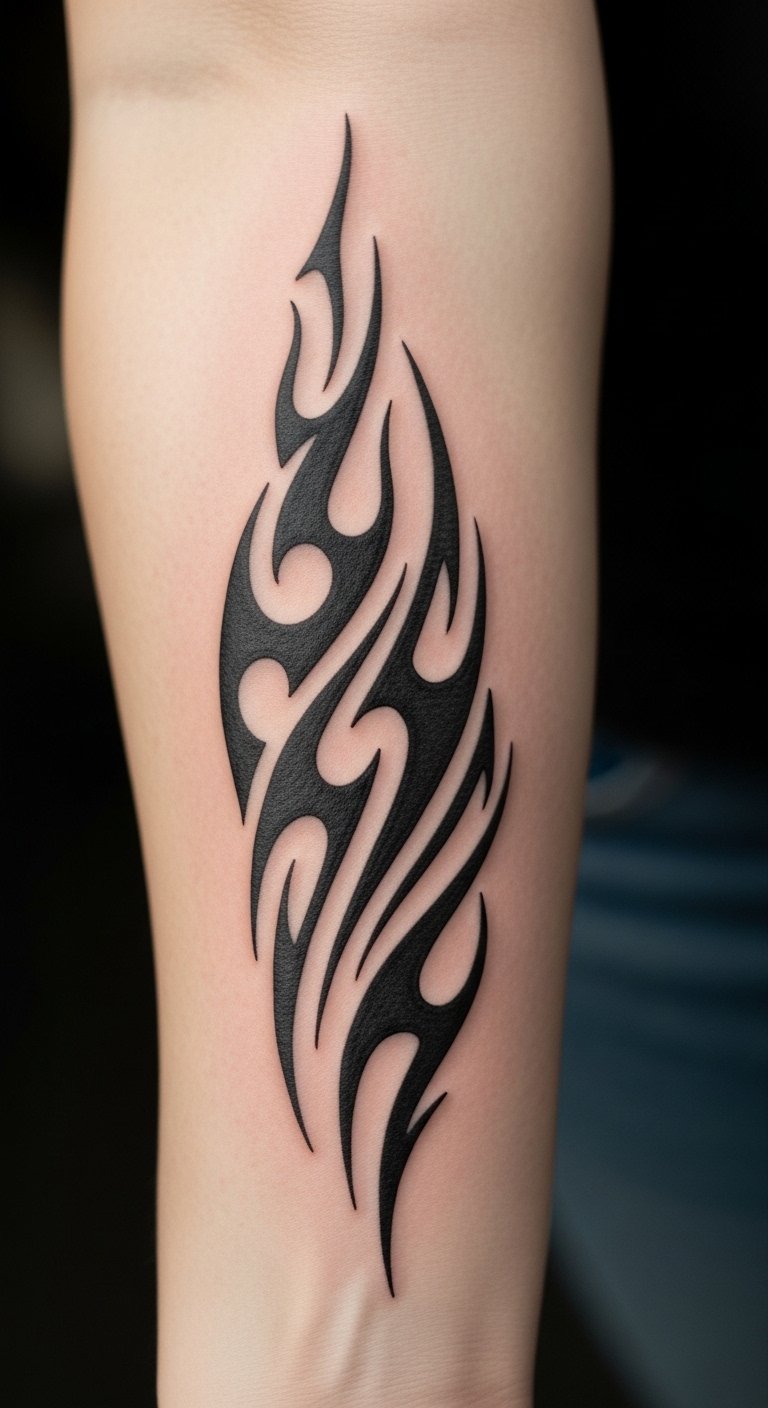
Tribal motifs in fine line form feel nostalgic yet contemporary. Keep negative space between lines to avoid merging during healing.
Micro‑Realism Portrait Small On Outer Forearm
Style/Technique: Micro‑Realism / Portrait
Pain Level: Medium (3-5/10)
Session Time: 1–2 sessions
Best For: Small meaningful portraits
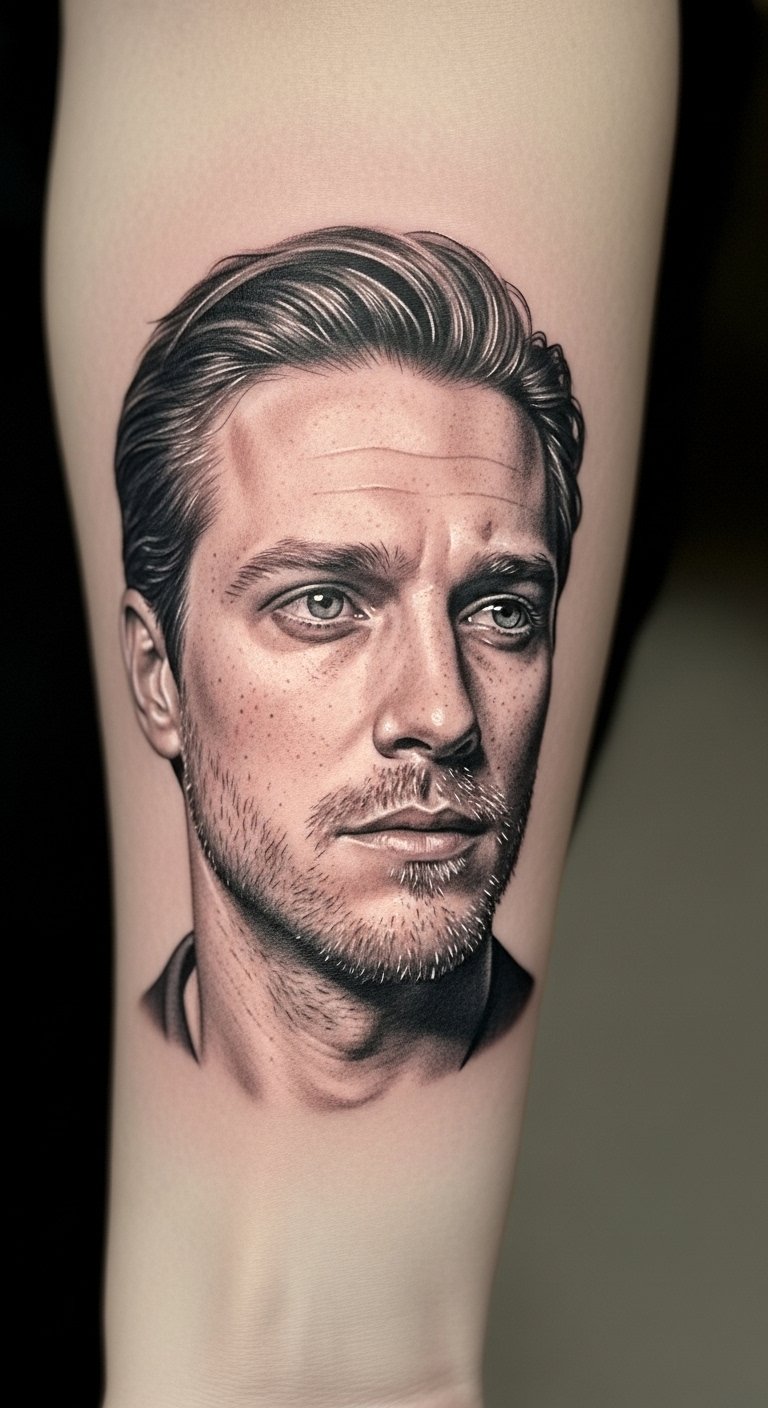
Small portraits require an expert. I always ask to see healed portraits on similar skin tones before booking.
Botanical Vine Wrap Along Forearm
Style/Technique: Fine Line / Botanical Wrap
Pain Level: Low-Medium (2-3/10)
Session Time: 1–2 sessions
Best For: Wraps that follow forearm flow
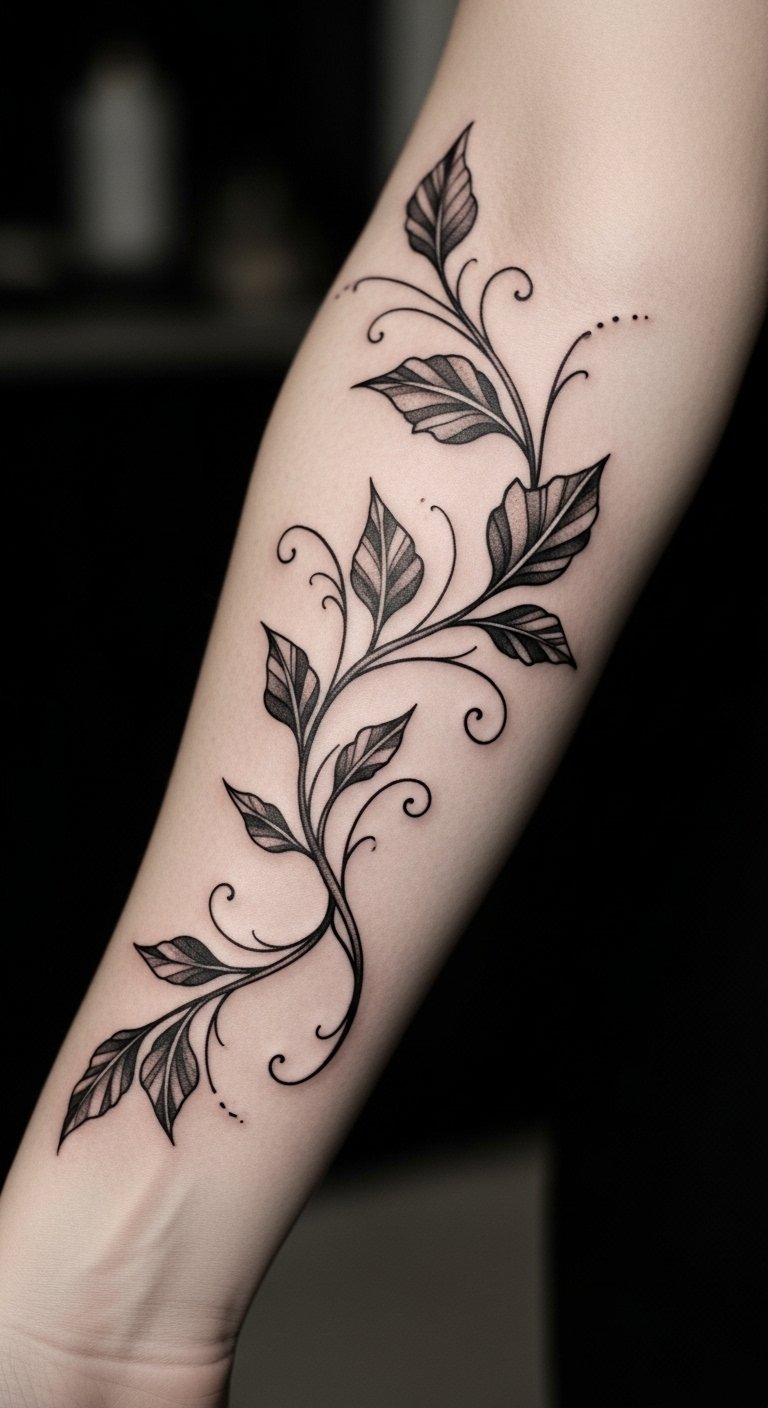
Vines use the forearm’s length to good effect. Flow and scale are key; too dense foliage blurs.
Memorial Script Band Around Wrist
Style/Technique: Script / Band
Pain Level: Low (2-3/10)
Session Time: 1 session
Best For: Memorial or mantra bands

Bands are discreet and constant reminders. Tight script can look cramped; allow spacing so letters breathe.
Sun And Moon Dotwork On Inner Forearm
Style/Technique: Dotwork / Minimalist
Pain Level: Low (2-3/10)
Session Time: 1 session
Best For: Balance symbolism, subtle contrast
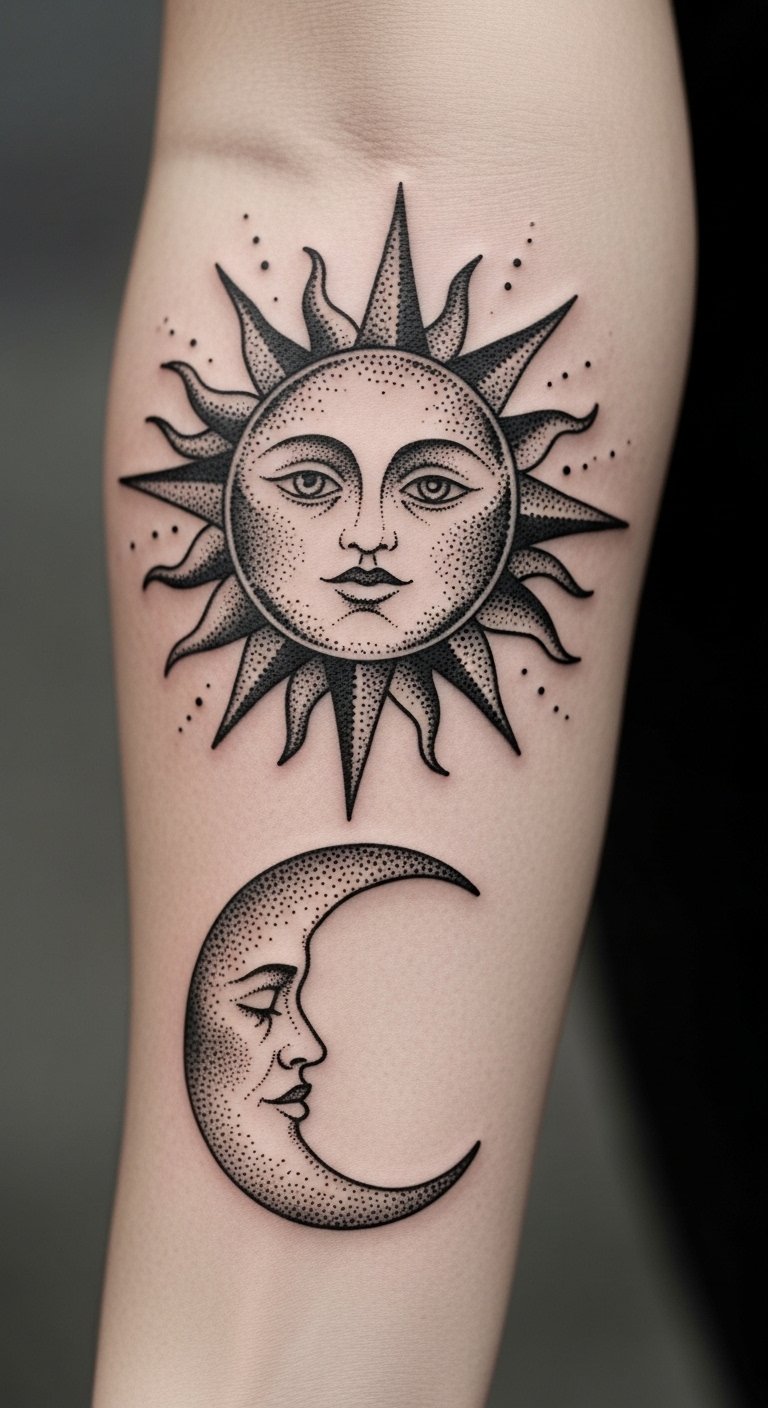
Sun/moon pairings in dotwork create elegant contrast. Check dot density — too dense and details merge.
Tattoo Prep and Aftercare Essentials
Aftercare Essentials:
- Aquaphor Healing Ointment, 14oz tube — Recommended for first 3–5 days by many artists
- Saniderm Transparent Adhesive Bandage, 6-inch roll — Second‑skin option for early healing
- CeraVe Fragrance-Free Moisturizing Lotion, 12oz — Daily moisturizer after initial healing
- Dr. Bronner's Unscented Castile Soap, 8oz — Gentle cleaning during first week
- Mad Rabbit Tattoo Balm, 2oz — Long‑term color maintenance
- Hustle Butter Deluxe, 2.75oz — Vegan aftercare alternative for healed skin
- SPF 50 Sunscreen Stick for Tattoos — Daily protection to prevent fading
- Tattoo Numbing Cream with 5% Lidocaine — Use only after checking with your artist, 30–45 min prior
- Hydrocolloid Bandages (large) — For small spot coverage after peeling
- Tattoo Aftercare Kit (multi-product) — Good starter bundle for first timers
Artists I followed usually recommend Aquaphor and Saniderm for the initial days, then fragrance‑free lotion and sunscreen long term.
Frequently Asked Questions
Q: How bad does a forearm tattoo actually hurt?
A: Forearm pain level is generally low to medium (about 2–4/10). Inner forearm is usually less sharp than wrist bones. For anxious clients I mention a numbing cream with lidocaine — ask your artist first.
Q: How long does a forearm tattoo take to heal?
A: Surface healing is 2–3 weeks; full settling can take 2–3 months. Keep it clean with gentle soap like Dr. Bronner's Unscented and moisturize after the first few days.
Q: Will fine line tattoos fade faster?
A: Fine line can blur if lines are too close. Choose slightly bolder single‑needle work and check healed examples from your artist’s portfolio.
Q: Can I work out after getting a forearm tattoo?
A: Wait 48–72 hours minimum and avoid heavy sweating that rubs the fresh ink. Keep the area clean and dry for the first week.
Q: Do tattoos look different on darker skin tones?
A: Yes. Black and gray shows consistently; bright colors can appear muted. Ask to see healed examples on similar skin tones.
Q: What product prevents fading most?
A: Consistent use of an SPF 50+ stick like SPF 50 Sunscreen Stick for Tattoos is the single best daily habit to slow fading.
I’ve seen trends shift from heavy color to fine line and blackwork in 2025–2026, and credible sources note fine line and minimalist pieces dominating feeds (industry roundups, artist blogs).[2][4]
I’ll be honest: don’t rush. Book a consult, test a temporary stencil, and prioritize healed examples over fresh photos. Invest in aftercare like Aquaphor and daily sunscreen — those two steps keep forearm tattoos sharp for years. Which forearm style are you leaning toward?