I spent months curating family tattoo ideas after a close friend's memorial piece had so much feeling but fell apart after a few years. The hard part wasn't picking a symbol. It was choosing a style that keeps that emotion readable as skin changes. These 25 designs are ones I've seen age well, tattooists recommend, or I got feedback on in 2026.
This list leans toward fine line, micro-realism, traditional, and blackwork. I focus on placements that carry meaning, like over the heart, inner forearm, and ribs. From what I've gathered, artists are favoring readable designs that leave room for touch-ups down the line. These are practical family tattoos, not just trendy flashes.
1. Fine Line Family Tree on Inner Forearm
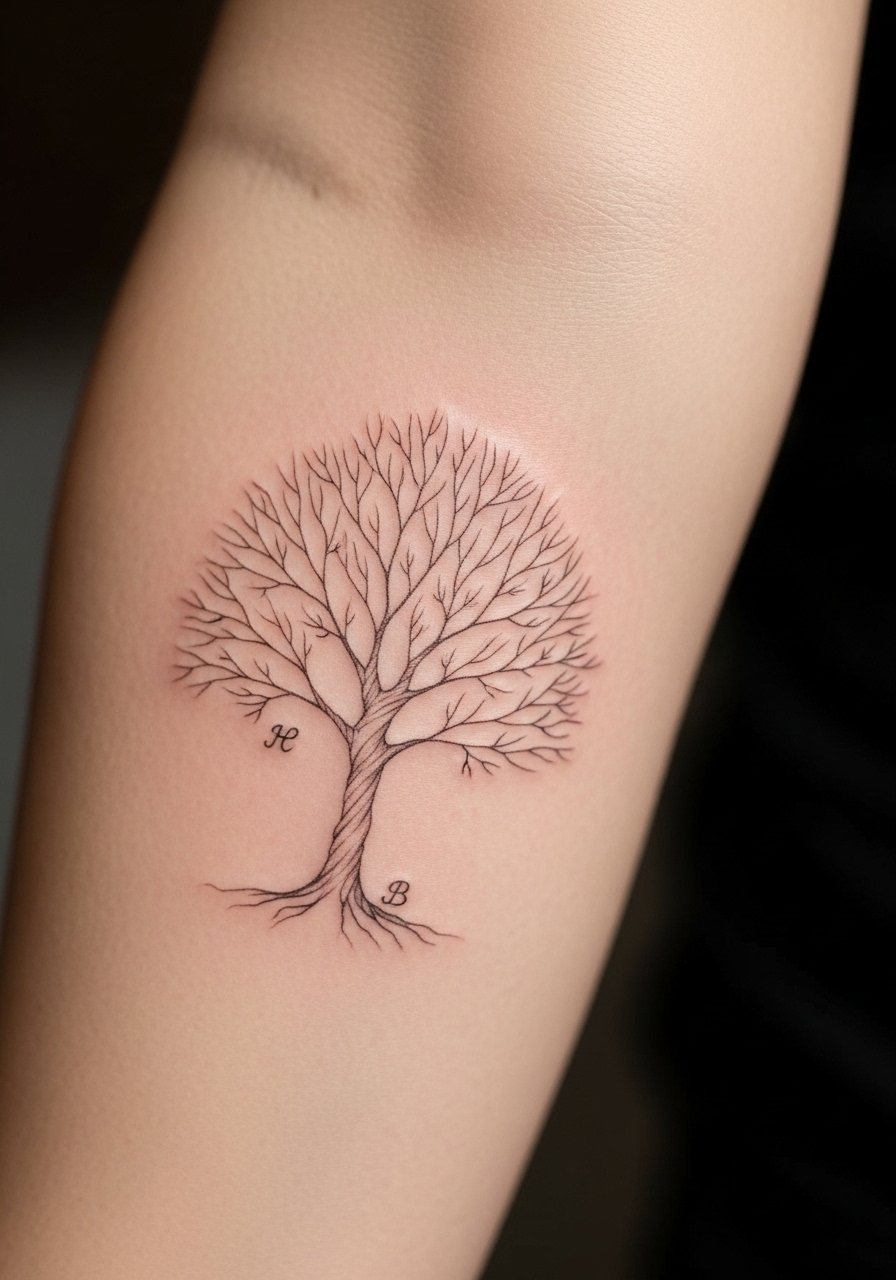
I first saw this on a cousin's arm and loved how intimate it read at arm's length. Fine line works because you can fit names or tiny birthdates into branches. Expect moderate pain for the inner forearm and plan a 1.5 to 3 hour session for a detailed tree. Tell your artist you want slightly thicker primary branches and hairline secondary twigs. Thin all-over lines blur faster. From what I've seen, adding a bit of bold outline on main branches preserves shape at two years. A common mistake is making the leaves too detailed. Keep negative space. Heals in about two weeks but looks softer at six months. Best for people who want visible but personal family ink.
2. Micro-Realism Portrait on Upper Arm
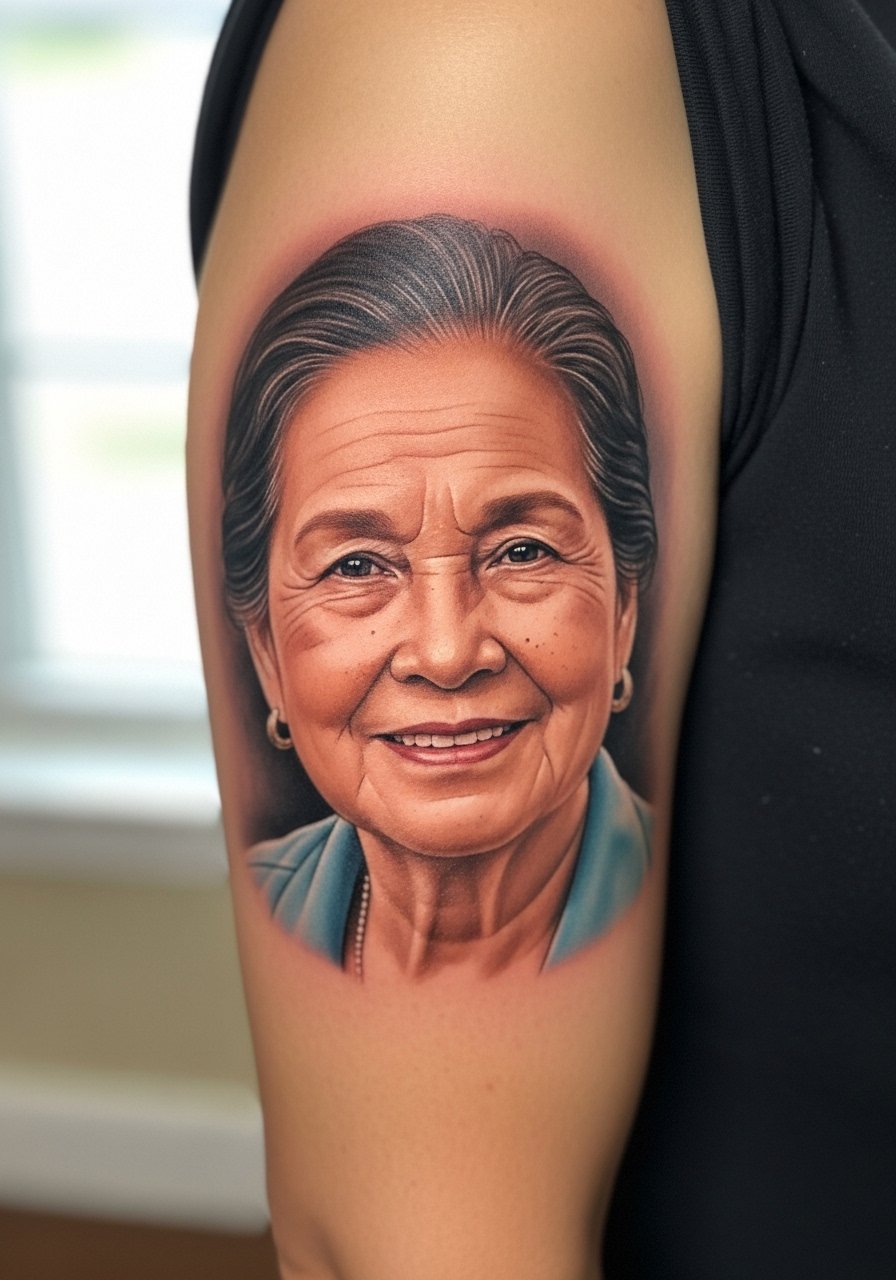
Fair warning, portraits demand a skilled artist. I booked three consultations before committing. Pain is low to moderate on the outer arm. Sessions take 3 to 6 hours depending on size. Tell your artist to preserve subtle contrast in hair and eyes. Many portraits look great fresh but flatten after a year when contrast is lost. Ask for slightly stronger darks and softer midtones so the image still reads at two years. A mistake I see is shrinking a face too small. Keep it at least palm-size for longevity. Heals slower than linework because of shading. Perfect for honoring a parent or grandparent.
3. Minimalist Line Art Hands on Ribcage
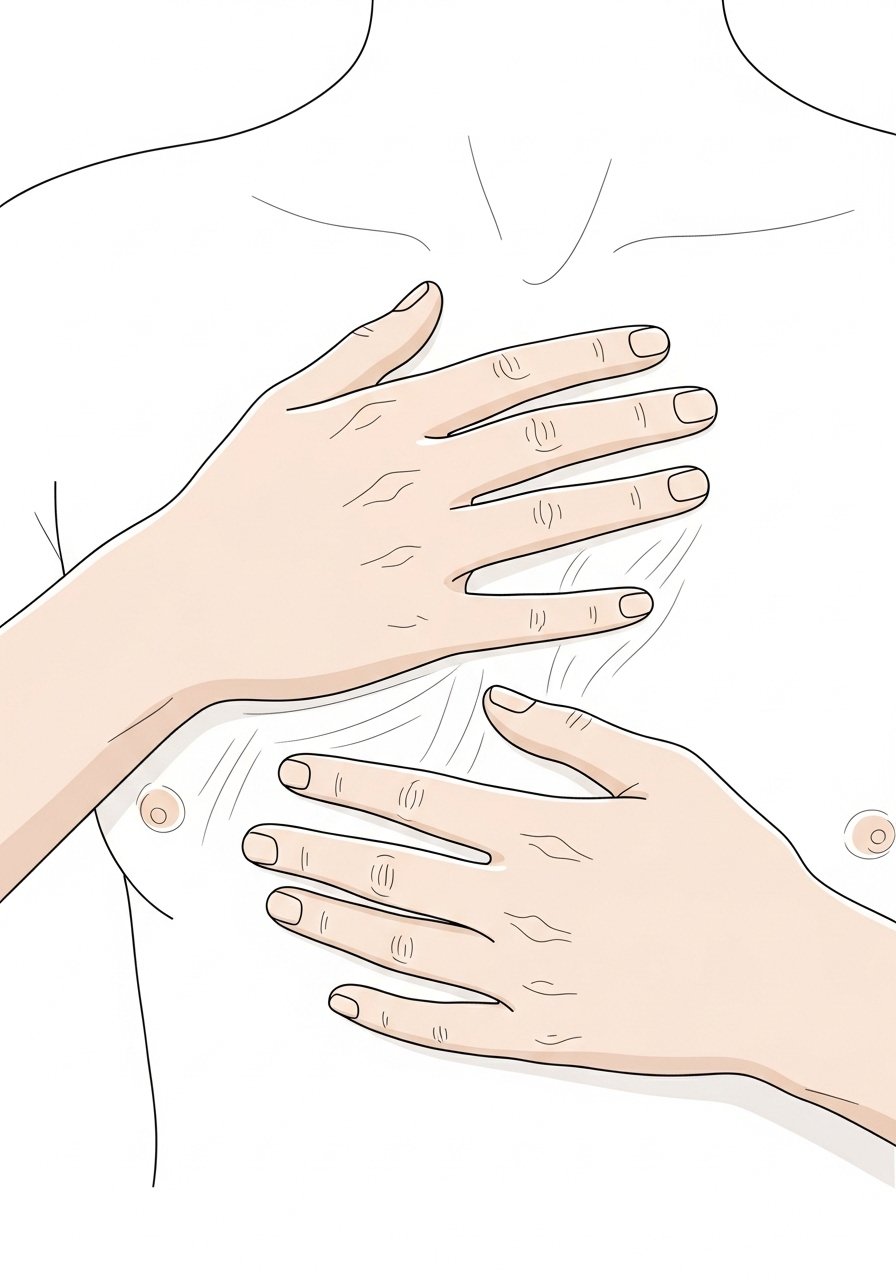
Ribcage can be painful. I will say that up front. But a small, minimalist hands piece hugs the body in a way that feels private. For me this was a ceremony symbol after my niece was born. Session time is short, 45 to 90 minutes. Ask the artist for a slightly heavier top line so the shape survives the chest's stretching and movement. A lot of people ask for ultra-thin single-line art and then regret blurring at 12 to 24 months. The rib area heals slower because of movement while breathing. Keep clothing loose for the first week. Best for those who want a meaningful piece that can stay hidden.
4. Traditional Family Crest on Chest Over Heart
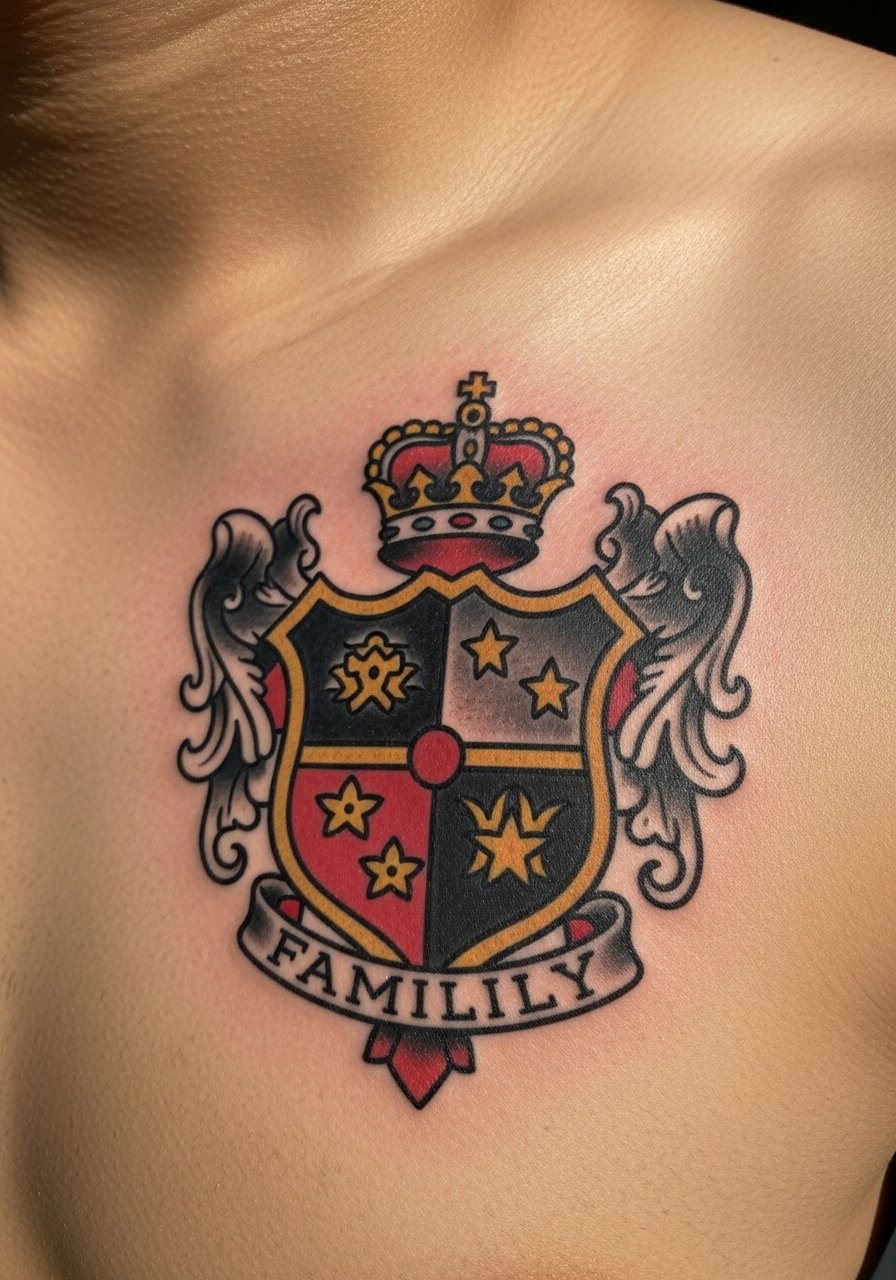
There's something about bold traditional lines that reads from across a room. I saw this style at a shop and it felt like a modern heirloom. Chest over the heart has moderate pain. Expect two sessions for color saturation if you want deep hues. Tell your artist to prioritize bold outlines and flat color blocks. That keeps the crest readable at five years. The mistake I see is tiny intricate scrollwork inside the shield. It muddies. Heals in two to three weeks. Ideal for someone who wants a classic, visible family symbol that won't blur into mush.
5. Micro Script Names Behind Ear
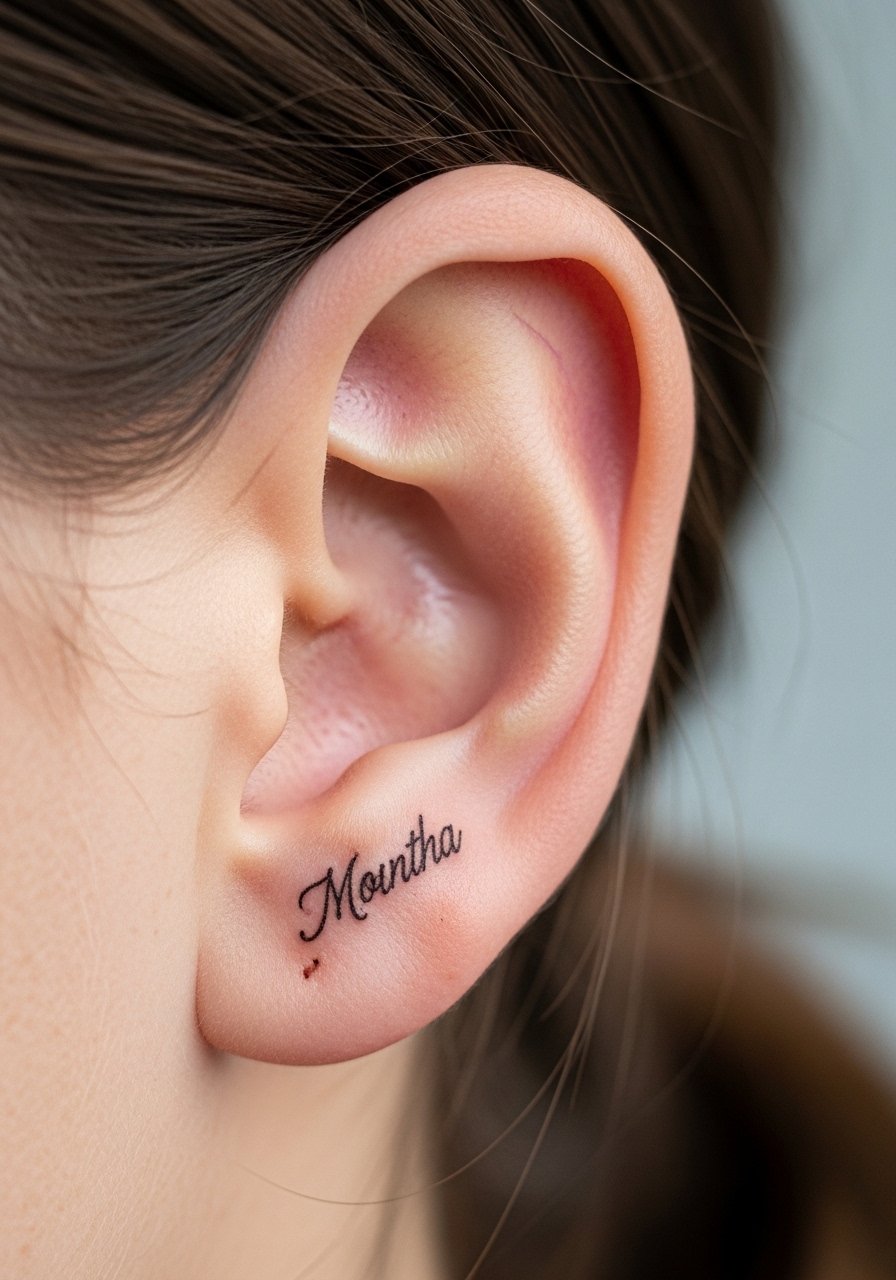
I started getting small name tattoos behind my ear after seeing family members do it. Pain is sharp but short. Sessions are quick, under 30 minutes for a single name. Ask for clear spacing in letters and slightly rounded terminals so the script stays legible after a year. The common error is ultra-tiny cursive with tight joins. That blurs first. At six months the ink settles and looks softer. Best for someone who wants discreet family names that can be hidden by hair. Keep expectations realistic for long-term legibility.
6. Blackwork Surname Band on Wrist
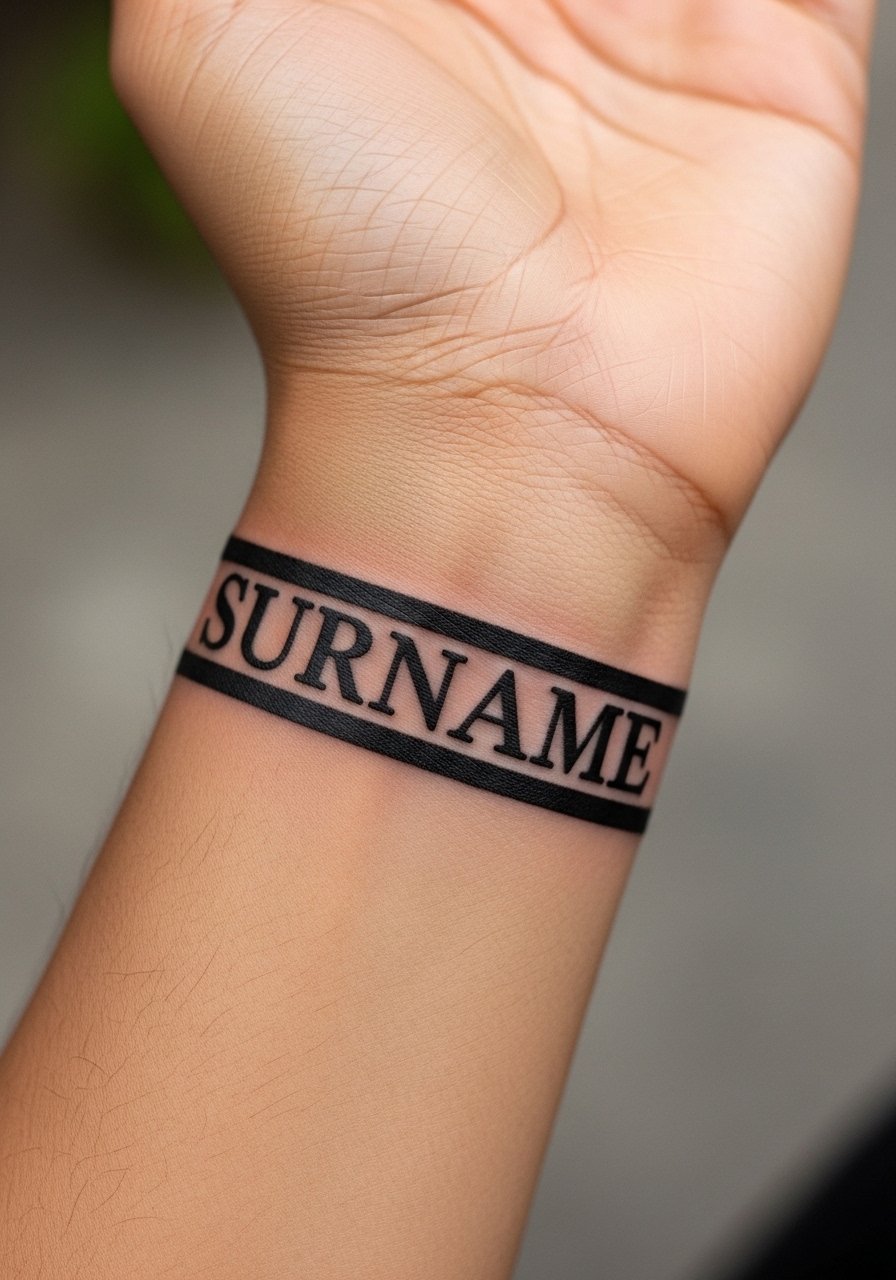
I noticed wrist bands read like rings. They sit where people look often. Pain on the wrist is moderate. A surname band usually fits in one session under two hours. Ask your artist to space letters generously and avoid tiny serif details. Solid blackwork maintains contrast as skin ages. A mistake is wrapping extremely tight text that moves when the wrist bends. That placement will fade quicker with sun exposure. Use sunscreen after healing. Heals in two weeks. Best for those who want a visible daily reminder.
7. Watercolor Family Quote on Ribcage
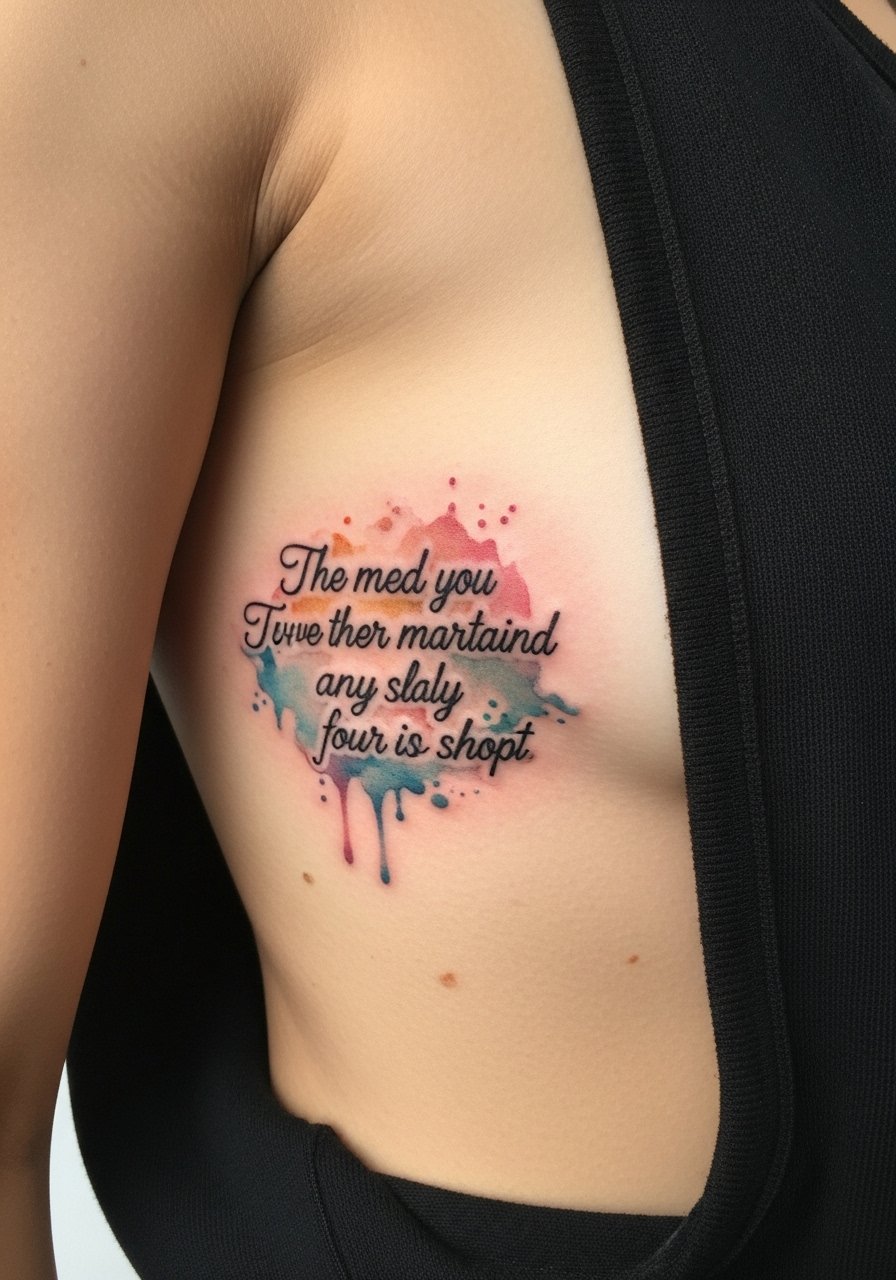
Most watercolor tattoos I saw five years ago have faded into muted bruises. I still like this style when combined with crisp script. The ribcage placement hurts. Expect longer sessions because the colors need layering. Tell your artist to anchor the quote with solid black script and let the color washes be secondary. That contrast helps the quote stay readable at two years. A common mistake is relying on only washed color with no linework. That fades first. Healing takes three weeks. Best for sentimental quotes tied to family mantras.
8. Minimalist Birth Coordinates on Ankle
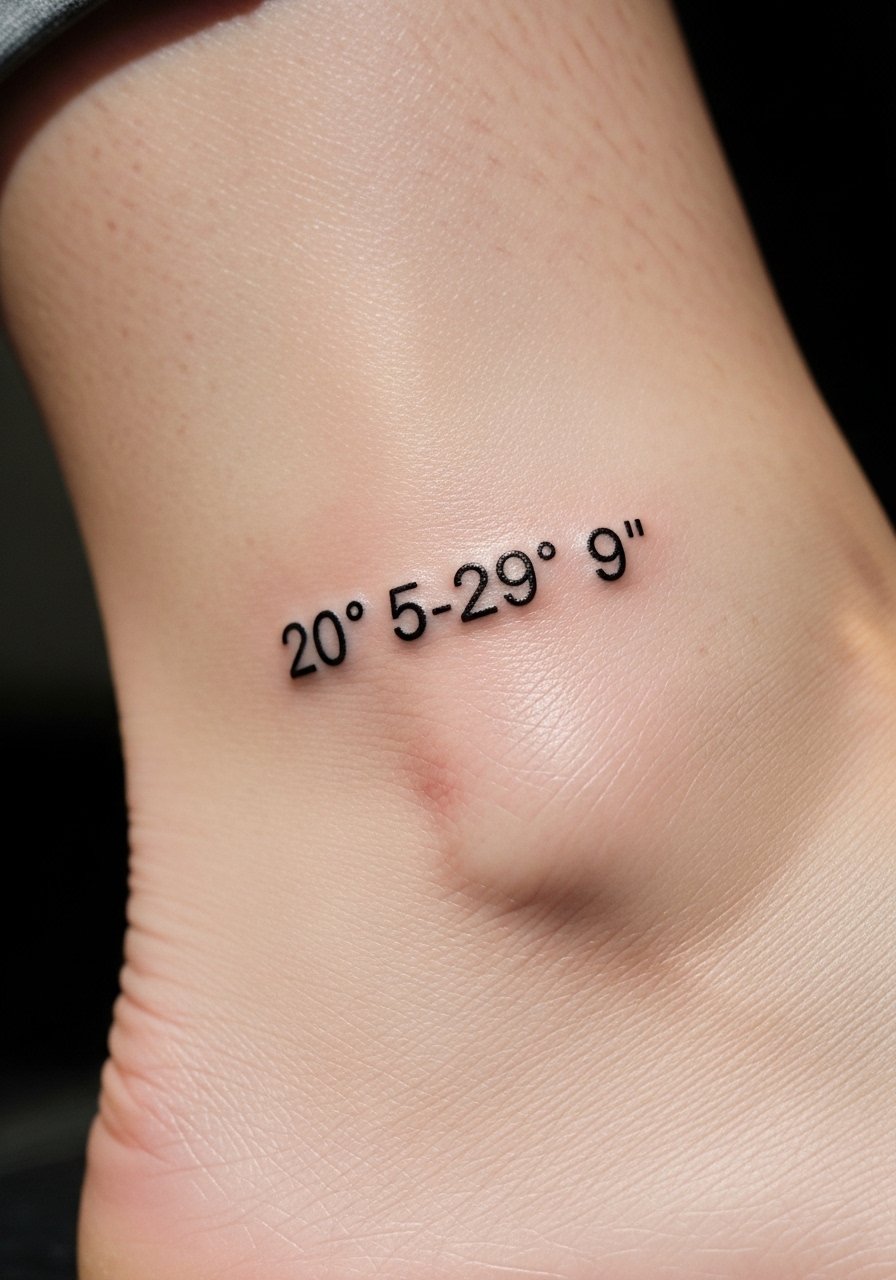
I put coordinates of my childhood home on my ankle and get comments all the time. Pain is low to moderate for the ankle. Sessions are quick, about 30 to 60 minutes. Ask your artist to use slightly bolder numerals and keep spacing open. Very thin numbers tighten up and blur by year two. The ankle moves and takes wear from socks. Expect touch-ups sooner than forearm work. Heals in about two weeks. Best for people who want a subtle location-based family memory.
9. Micro-Realism Pet Portrait on Thigh
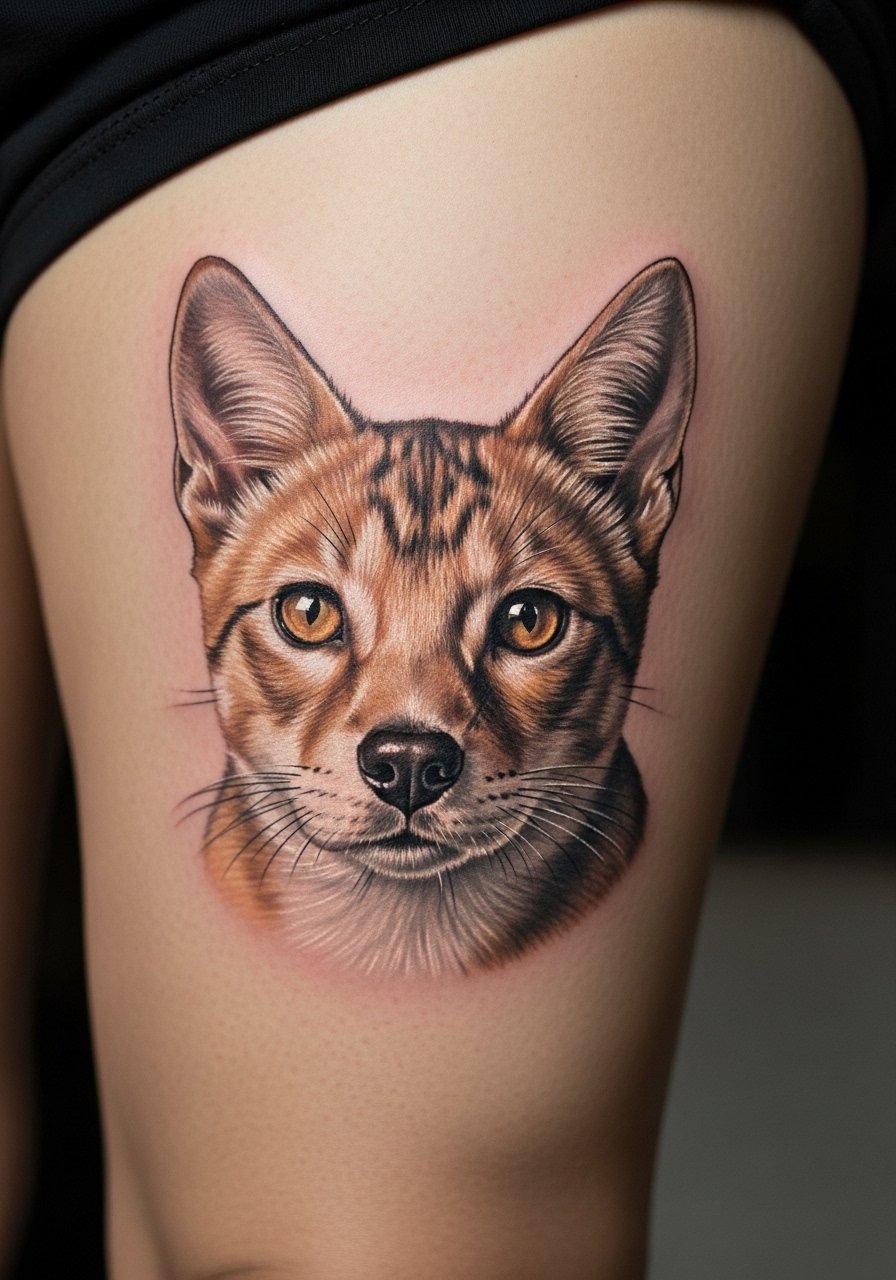
My family lost a dog and a thigh portrait was a gentle tribute. The thigh is forgiving for session length and pain. Expect a 2 to 4 hour session for good detail. Tell the artist you want texture in the fur and not just flat shading. The mistake I see is over-inking small areas, which becomes patchy at two years. Thigh pieces rarely get as much sun, so they age nicely. Healing is easier because dressings are low agitation. Great for pet tributes that stay private or can be shown selectively.
10. Line Art Family Silhouette on Upper Back
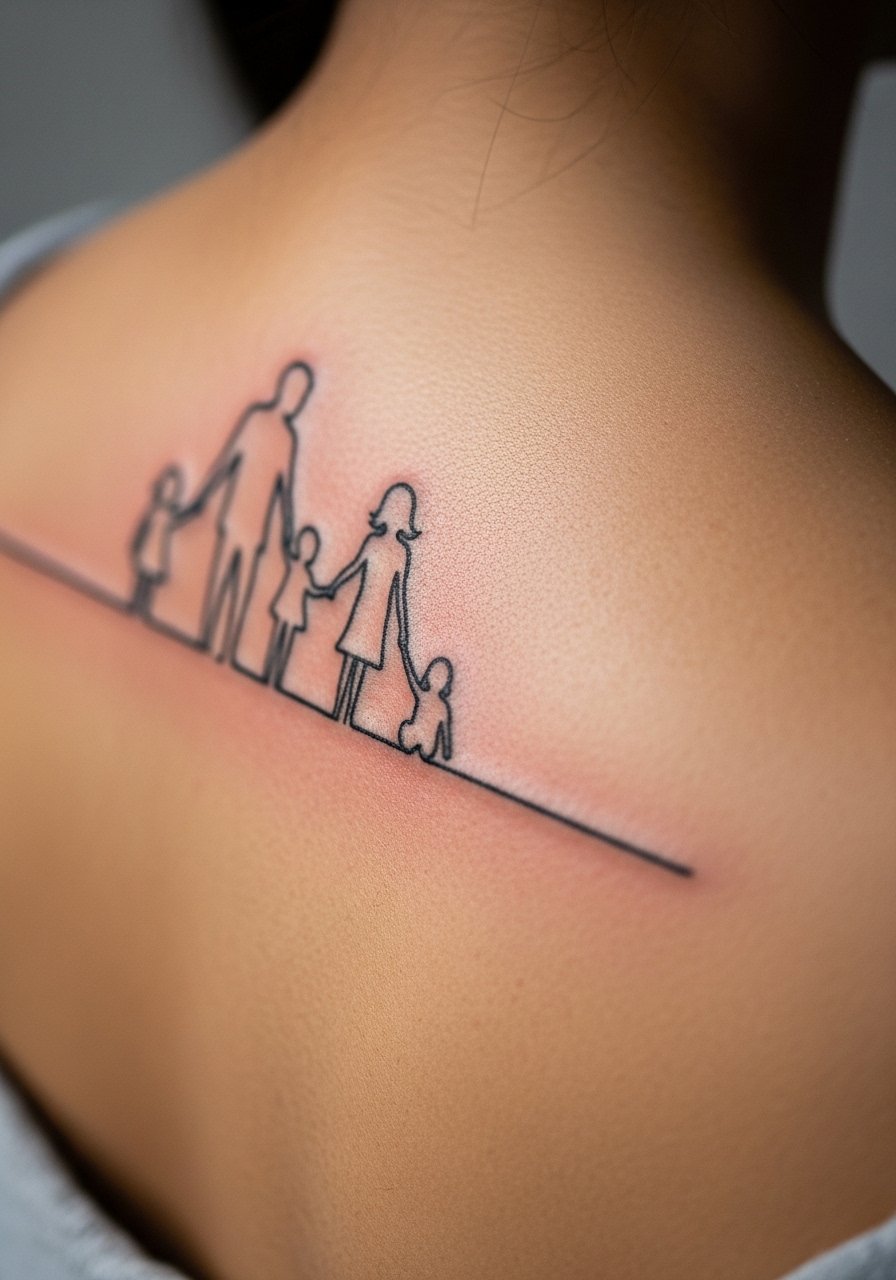
I remember seeing a mother and child silhouette on someone's back and it felt like a soft statement. Upper back sessions are moderate with low day-of pain. Plan a 1.5 to 3 hour session based on width. Ask the artist for slightly bold negative outlines to keep silhouettes crisp when the skin stretches. A common error is cramming too many figures into a narrow area. That becomes a blob over time. At six months the lines soften. Works well for family groups and looks good with a subtle background wash.
11. Traditional Rose With Initials on Shoulder
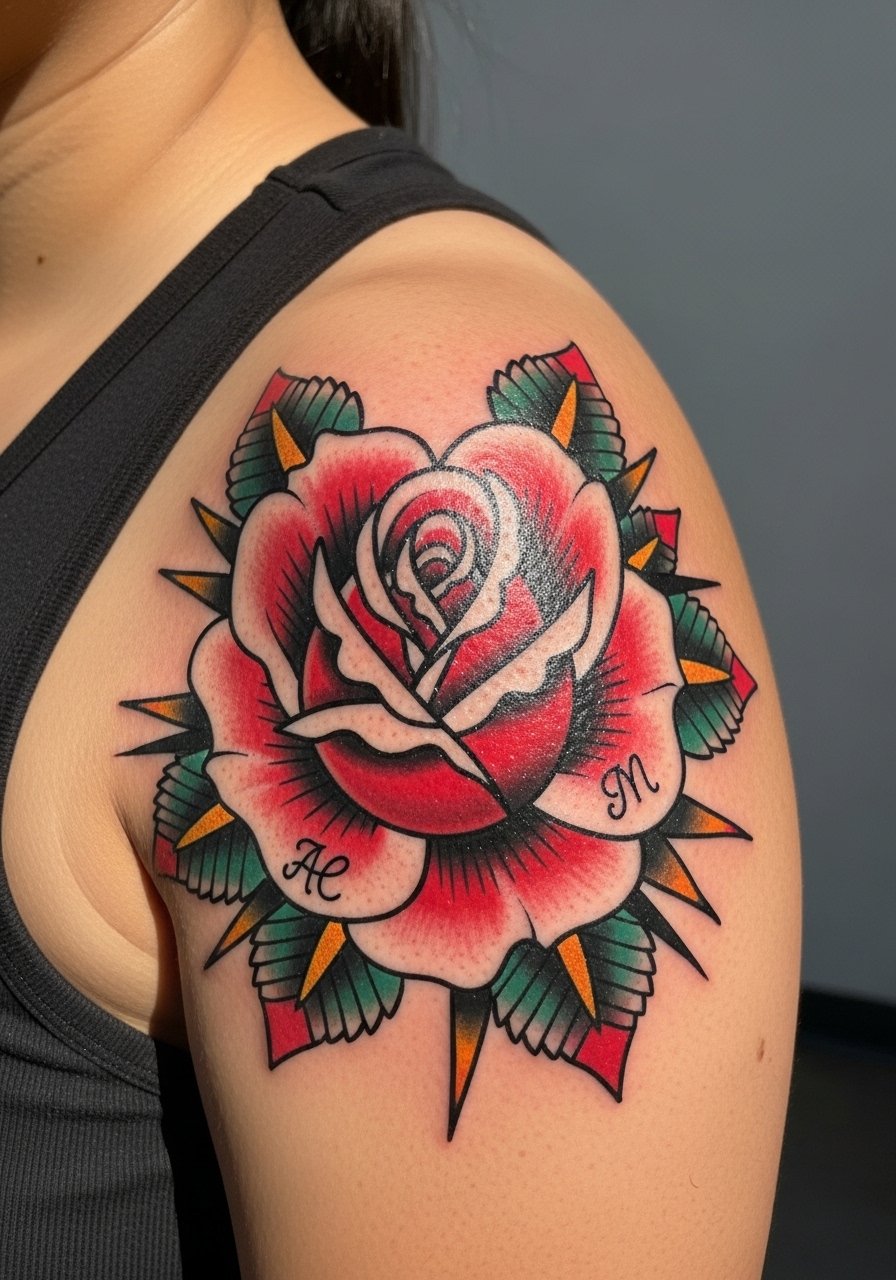
I saw this classic at a shop and loved how paired initials feel tucked but visible. Shoulders are lower pain and great for color saturation. Sessions vary from one to two hours. Tell the artist to keep the initials slightly apart from petals and not too ornate. Overly tiny initials inside petals blur first. Traditional bold outlines help the rose age gracefully. Heals in two weeks. Good for couples or parent-child initials that you want to show off with sleeveless shirts.
12. Fine Line Family Constellation on Collarbone
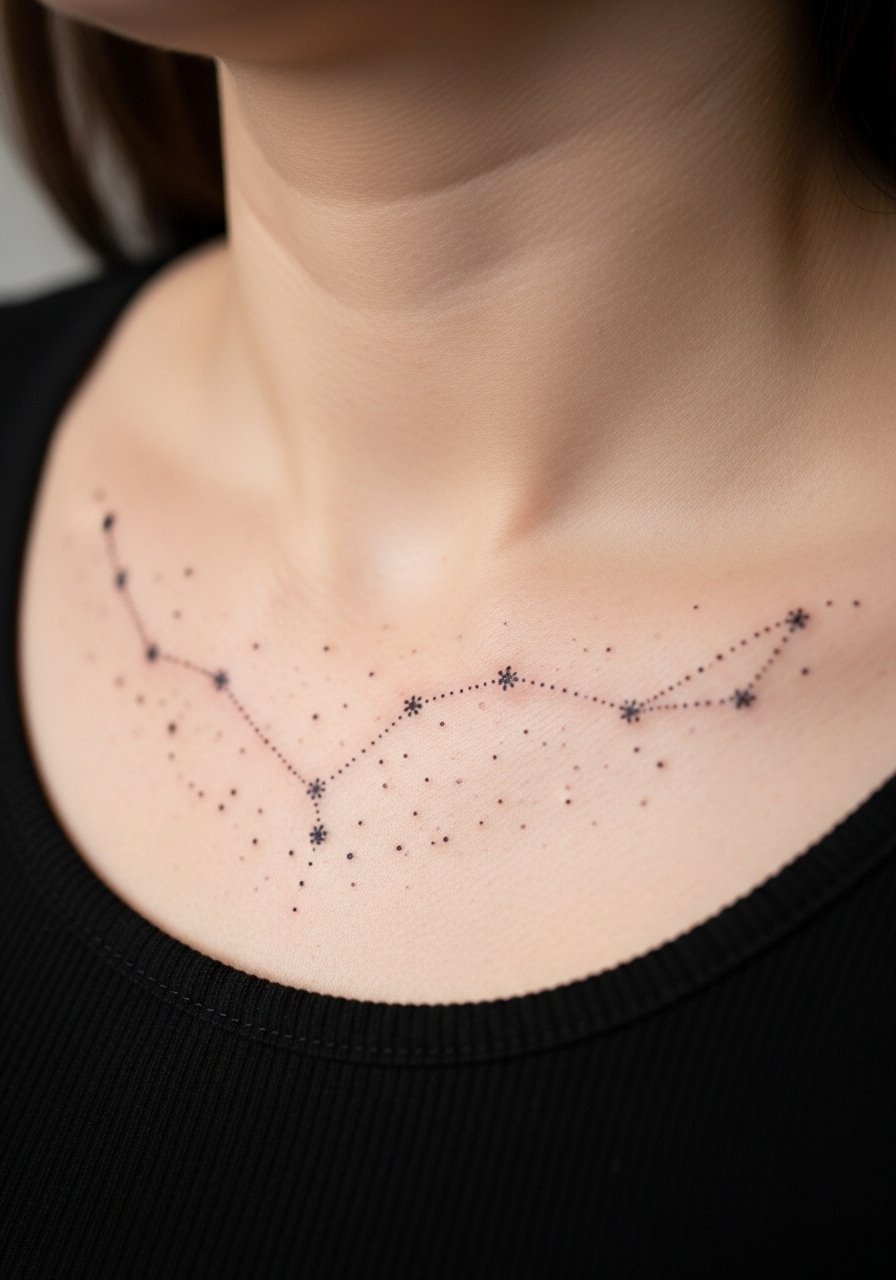
I sketched constellations for family birthdays and got it inked across my collarbone. Collarbone feels sharp during the session. Expect short sessions of 30 to 60 minutes. Tell the artist to use spaced dots and slightly thicker connector lines. Thin continuous lines can break up and blur over years. A common mistake is wanting the lines too close to the bone detail. That looks great fresh but fades faster. This placement shows in open necklines. Heals in about two weeks. Perfect for subtle star-themed family link tattoos.
13. Blackwork Hugging Arms Band for Siblings
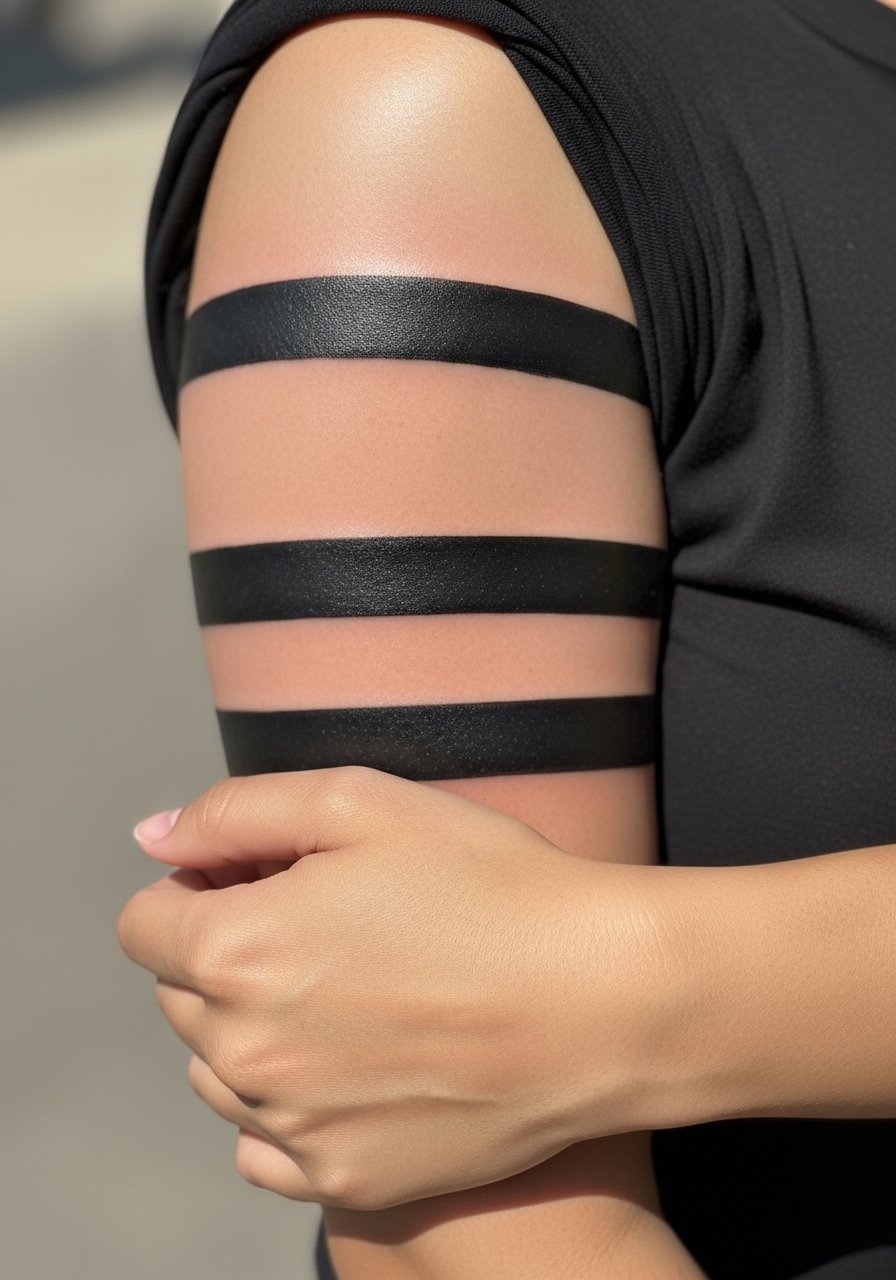
When my siblings and I got matching bands we wanted something bold. Upper arm blackwork reads like a band of connection. Pain is mild to moderate. Sessions are about one hour each. Ask your artist to leave a thin negative space line to prevent the band from turning into a thick block over time. People often request very thin bands that later break up. Solid black holds up well. Heals in two weeks. Best for siblings who want matching visible pieces that age predictably.
14. Micro Script Birth Dates on Inner Wrist
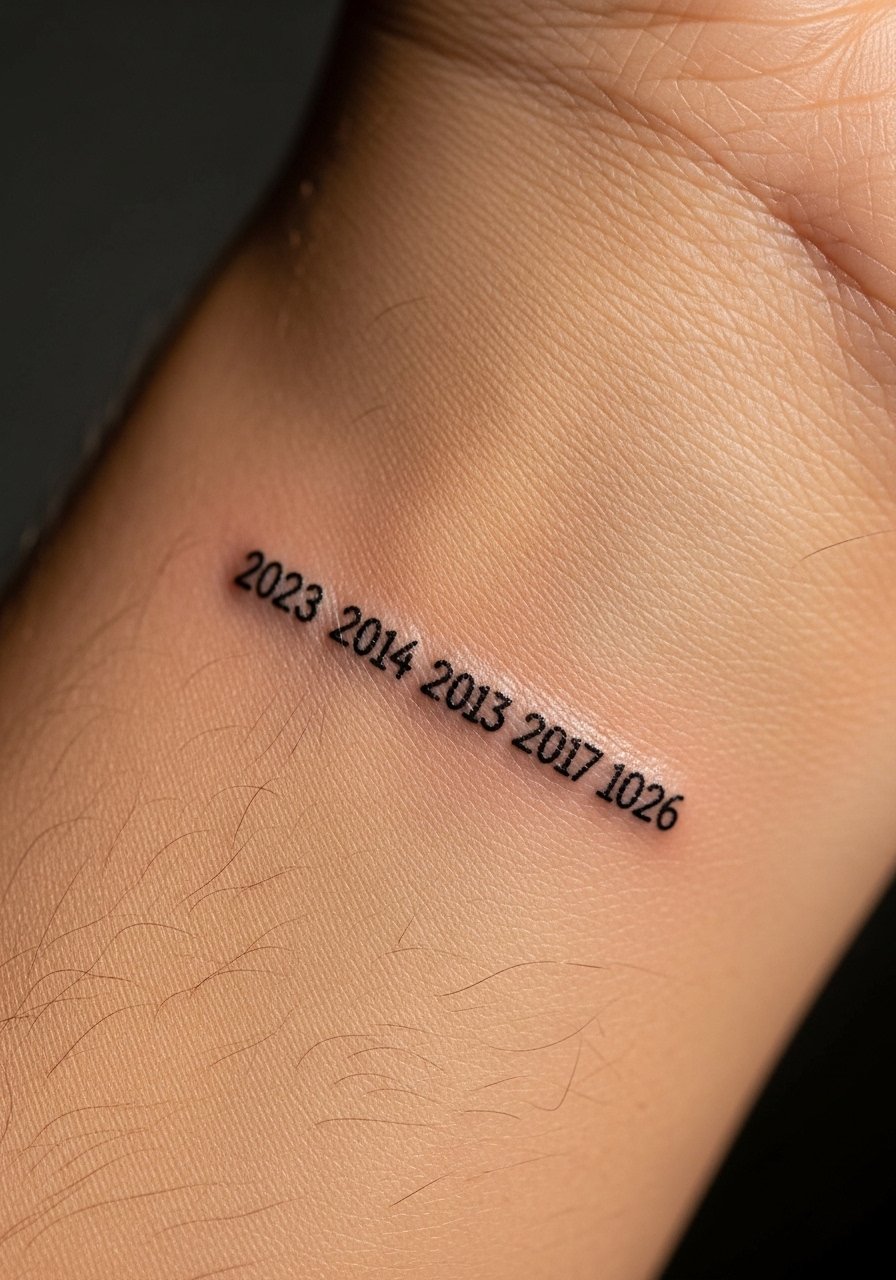
I get asked how legible wrist dates stay. They do when you size them right. Inner wrist is a high-visibility spot with a sting during tattooing. Expect 30 to 45 minute sessions. Tell the artist you want open spacing and rounded terminals so the numerals don't close. Too small and they'll blur by year two. Regular sun exposure speeds fading. Heals in two weeks. Great for parents who want constant reminders of children's birthdays.
15. Minimalist Family Line Portrait on Calf
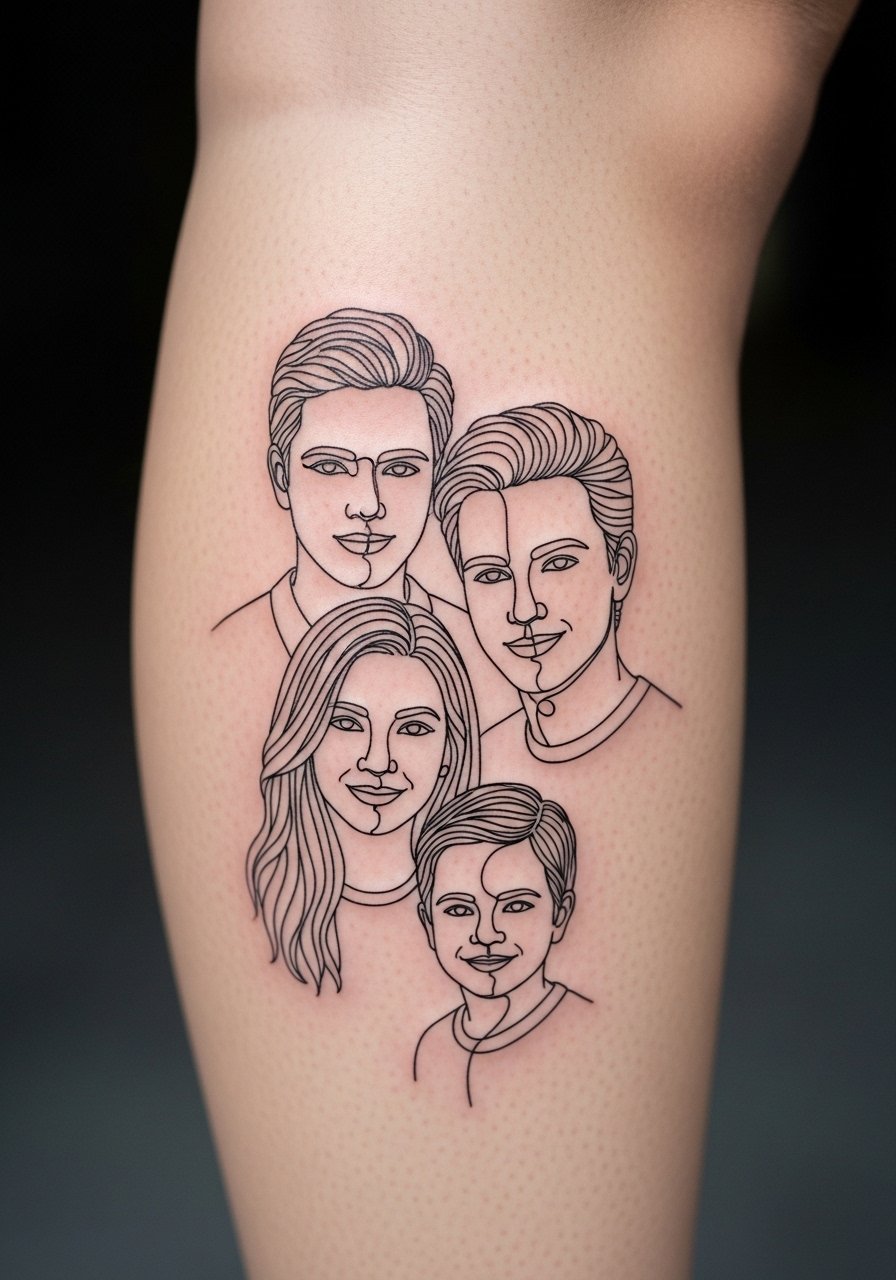
A friend had a continuous single-line family portrait on their calf that read beautifully at a distance. Calf is forgiving for length and has low pain. Sessions for a mid-sized portrait take 1.5 to 2.5 hours. Ask for a line thickening strategy so the single stroke keeps shape at three years. I often see artists draw ultra-fine lines that fragment with movement. At six months the line softens but remains recognizable if drawn bold enough. Best for those who want an artistic, wearable family image.
16. Micro-Realism Handwritten Note on Forearm
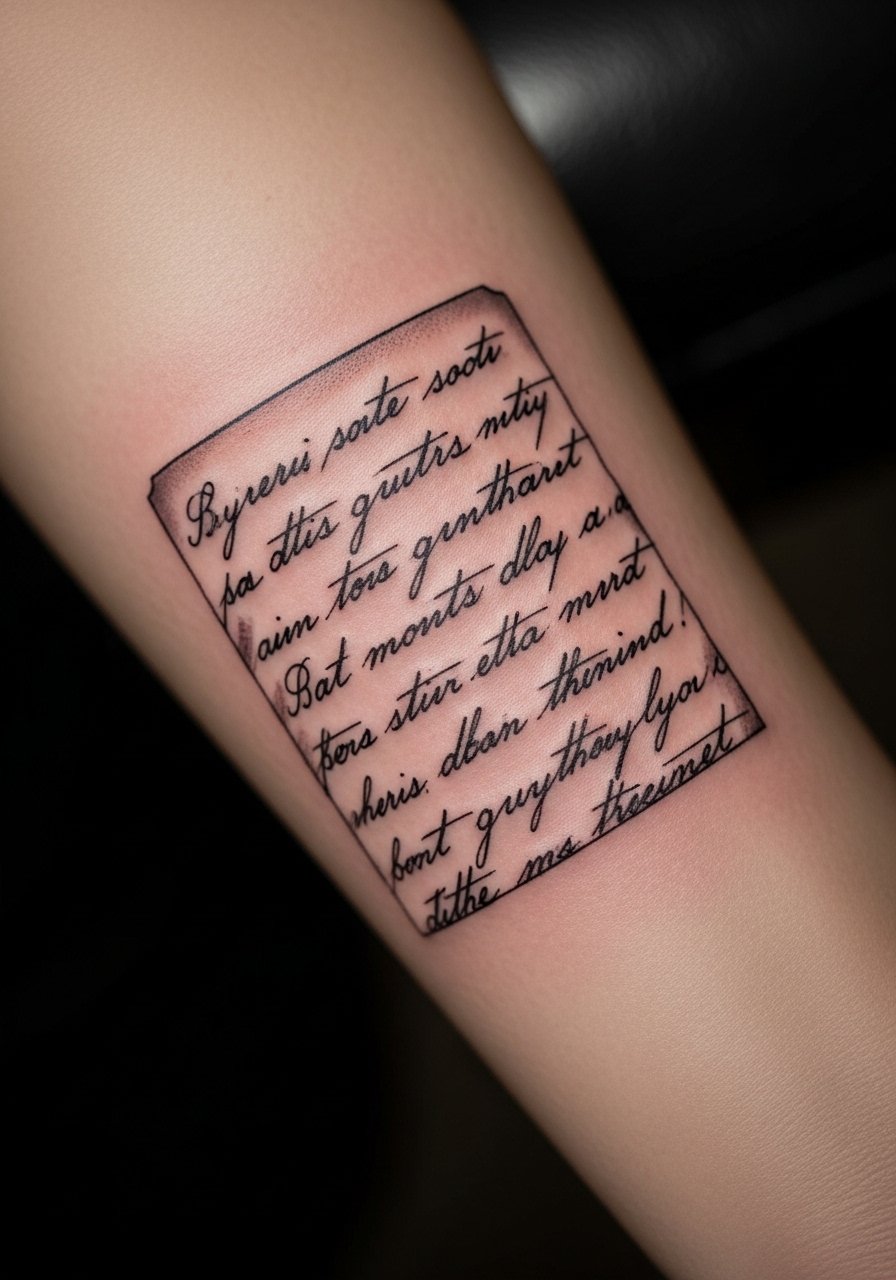
I had my late grandmother's scrawl turned into a forearm piece. Forearm pain is mild and sessions vary from one to three hours. Tell your artist to preserve stroke weight and not over-smooth the handwriting. Many versions lose the character when artists convert script to standard fonts. At one year the ink relaxes and looks softer, but legible if stroke weight was maintained. A common mistake is shrinking the note too small. Make it readable. Heals in two weeks. This is personal and works well in visible placements.
17. Traditional Anchor With Family Banner on Calf
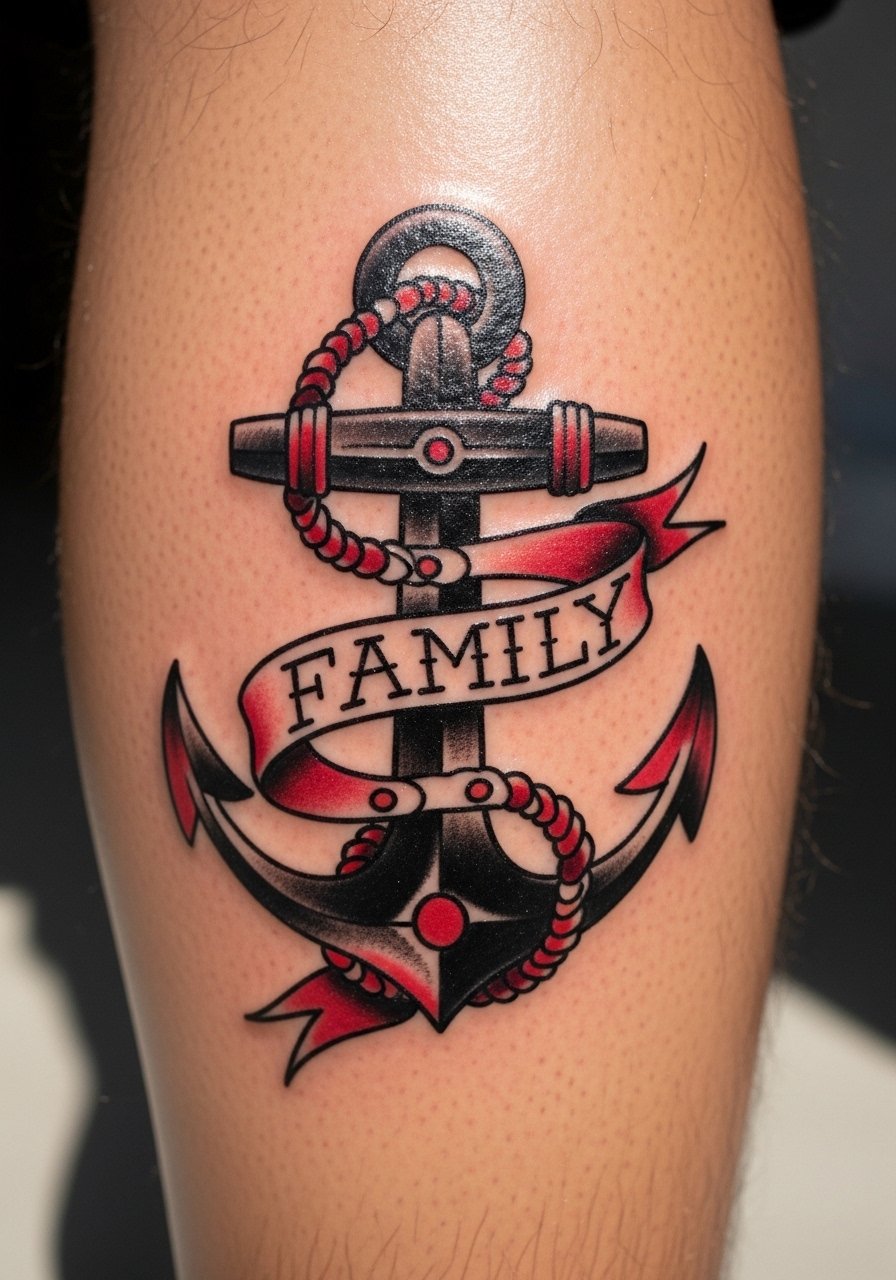
I grew up near the sea and saw families use anchors to signify roots. The calf gives you room for a banner and bold color. Pain is low. Sessions usually fit in one visit for medium pieces. Ask the artist to thicken banner edges and avoid tiny script inside the banner. Tiny letters inside curved banners blur first. Traditional color blocks last well with touch-ups. Heals in two weeks. Ideal for families with nautical ties or symbolism tied to home.
18. Blackwork Finger Initials for Immediate Family
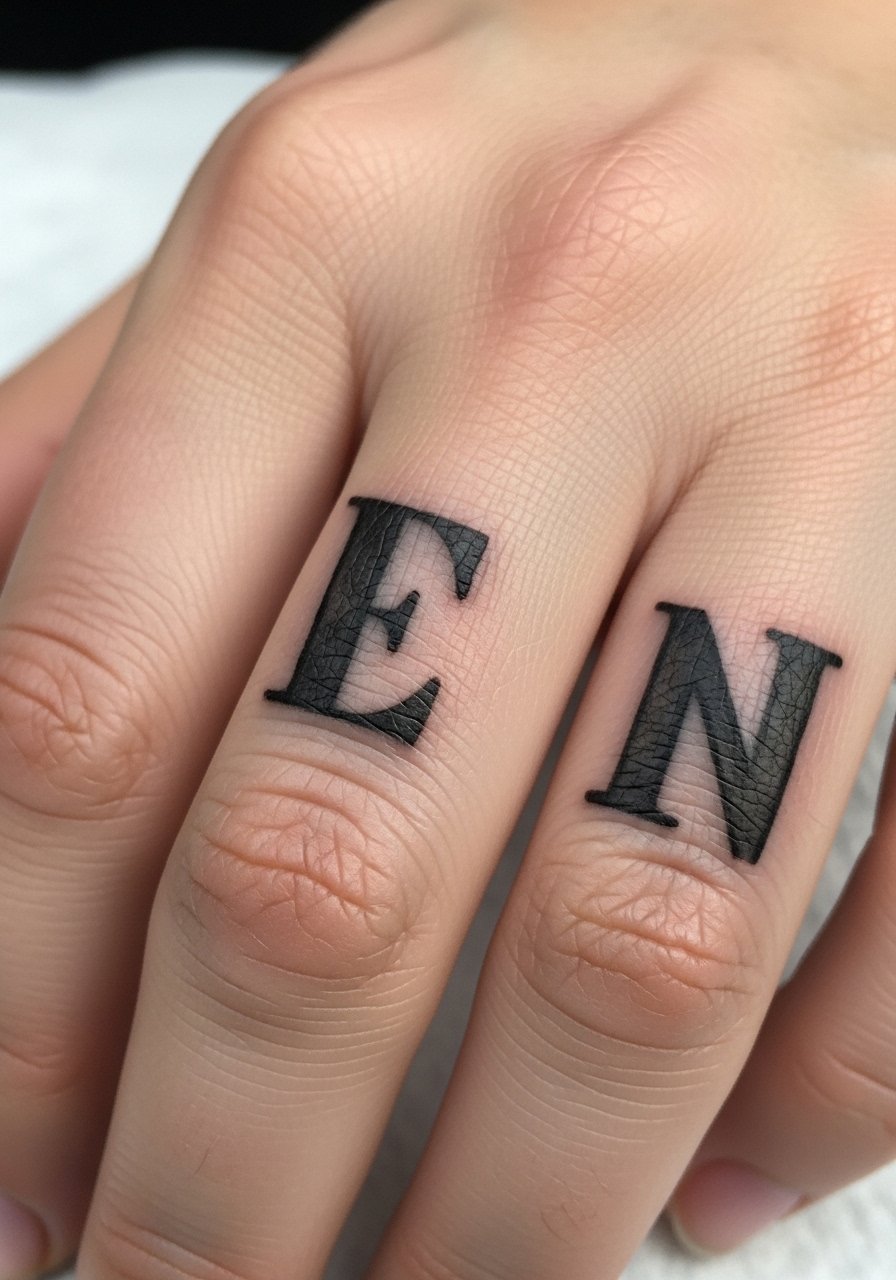
Fingers are visible and demanding. I have seen initials wear unevenly on fingers. Pain is sharp. Sessions are short but may need touch-ups. Tell your artist to use chunky lettering with spacing rather than delicate scripts. The common error is choosing filigree fonts that vanish in months. Expect touch-ups at six to 12 months. Heals quickly but stains from hand use are common. Great for partners or parents who want a daily small reminder.
19. Fine Line Family Silhouette Sleeve on Inner Arm
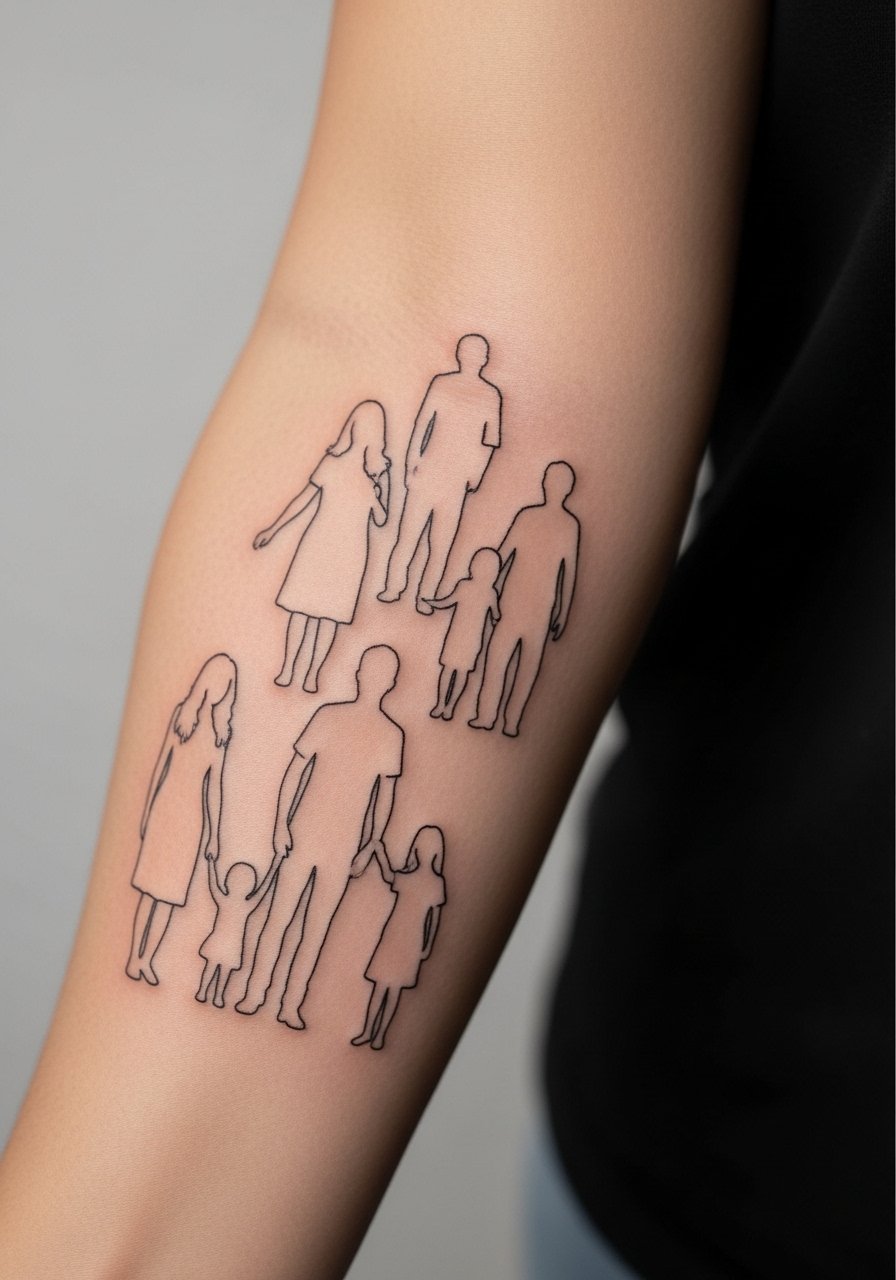
I watched an inner arm sleeve develop over sessions and saw how continuity matters. Inner arm sleeve placement can be tender. Sessions will be multiple, 2 to 6 hours each. During consultation, ask for negative space breaks and focal silhouettes rather than continuous tiny figures. Overcrowding is the error I see. At two years, sleeves with breathing space age much better. Heals in stages between sessions. This is for collectors who want a layered, emotive piece that tells a family story.
20. Micro-Realism Lockets on Sternum
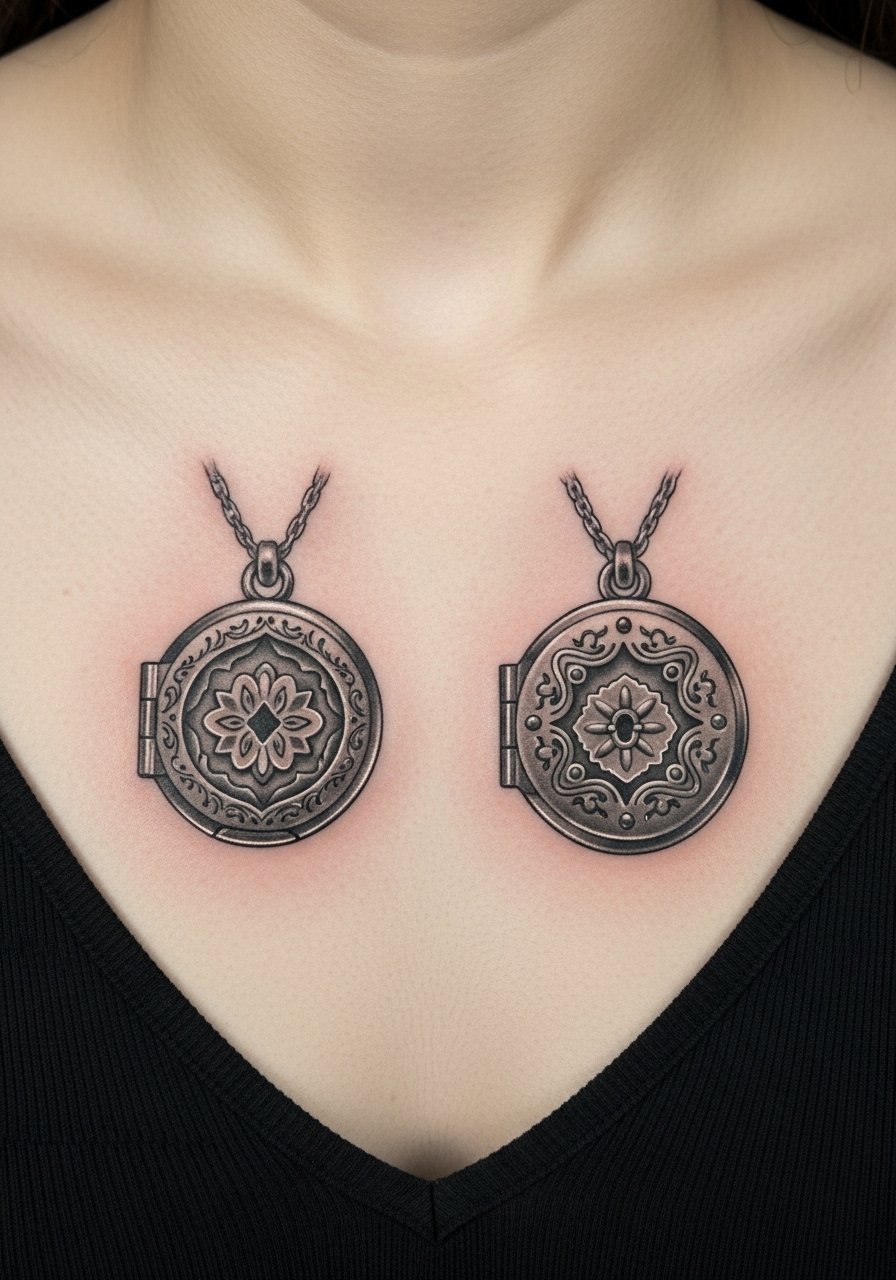
Sternum feels intense during tattooing. I learned that during a memorial piece. Sessions can be long, 3 to 5 hours. For lockets, tell the artist you want strong midtone contrast and avoid extremely delicate chain links. Chains are a common mistake because they thin out and vanish. Lockets held in darker midtones stay readable longer. Healing takes a bit longer due to clothing friction. Best for central, emotional family symbols worn in the heart area.
21. Minimalist Infinity Family Knot on Ankle
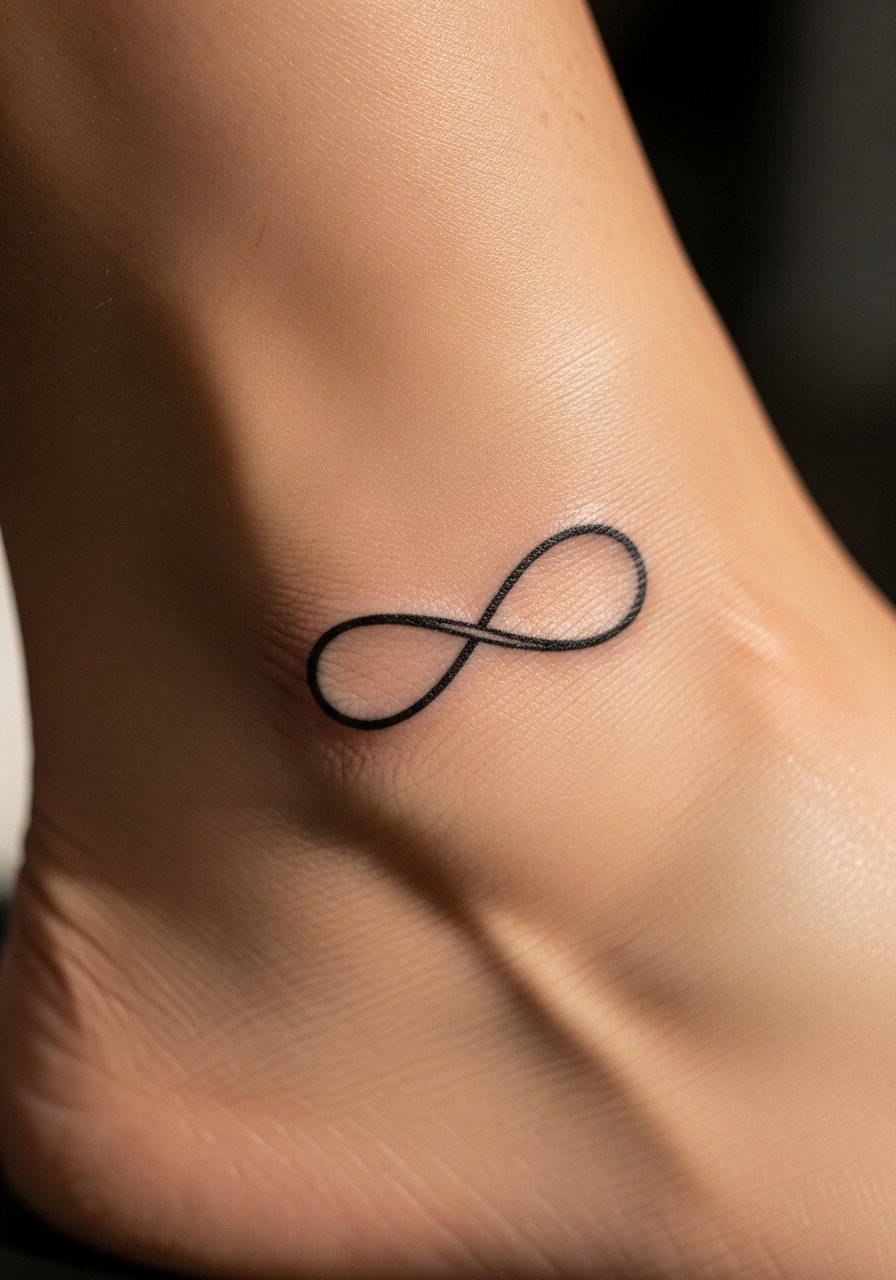
I chose a family knot as a simple daily symbol and it sits well near a shoe line. Ankles can be sensitive but sessions are fast. Ask your artist to thicken the crossing points of the knot for longevity. The mistake is ultra-thin crossings that blur into a mess at the one-year mark. At six months the knot softens but remains readable if drawn with intention. Heals in two weeks. Works for people who want a discreet, symbolic band.
22. Fine Line Family Tree Ring on Finger
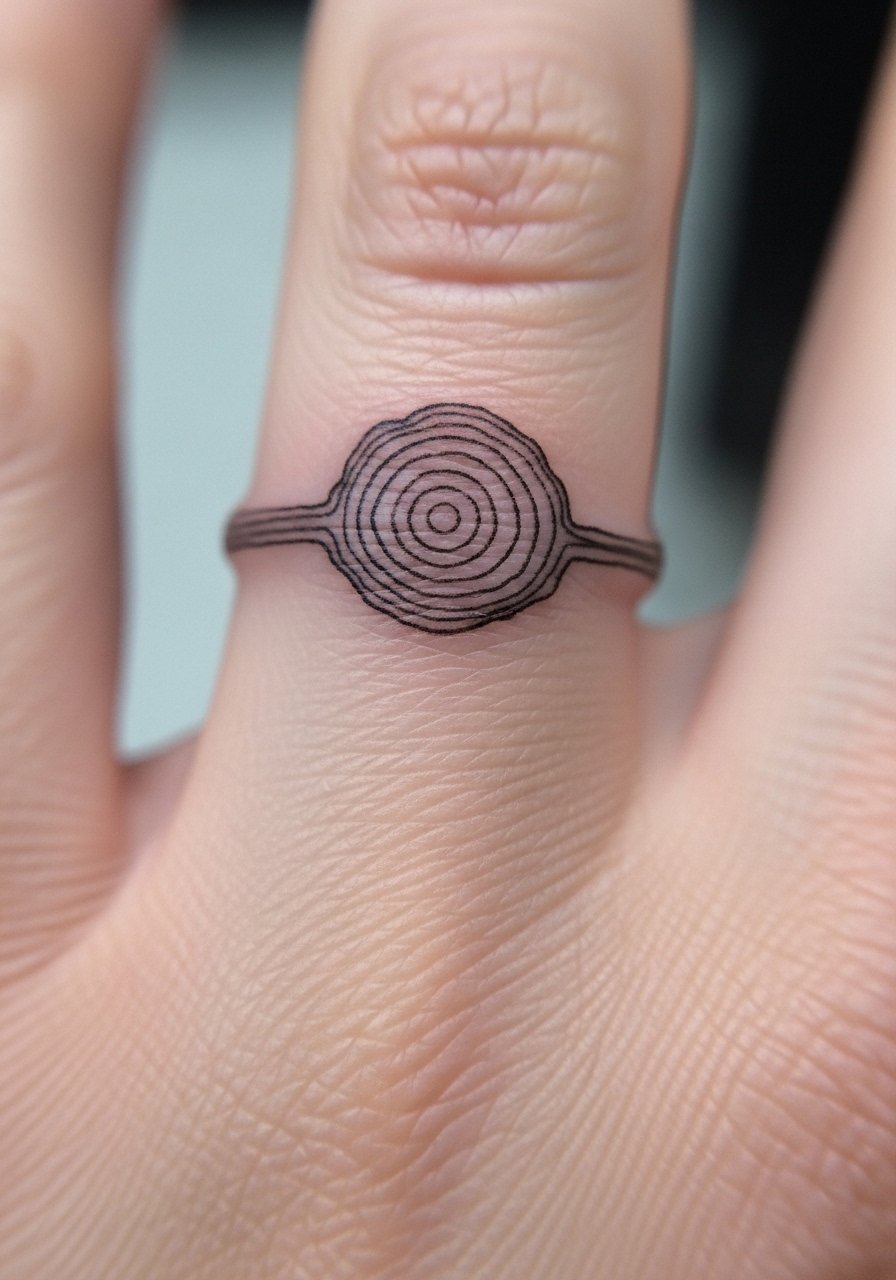
Finger rings age fast. I learned this after getting tiny bands in my twenties. Pain while tattooing is sharp. Sessions are short. For a tree ring, request a slightly bolder trunk and open leaf spacing. Many clients choose ultra-fine detail and then need touch-ups within a year. Finger placements absorb oils and friction. Expect maintenance. Best for folks who love ring-like symbolism and accept periodic refreshes.
23. Blackwork Family Crest on Thigh
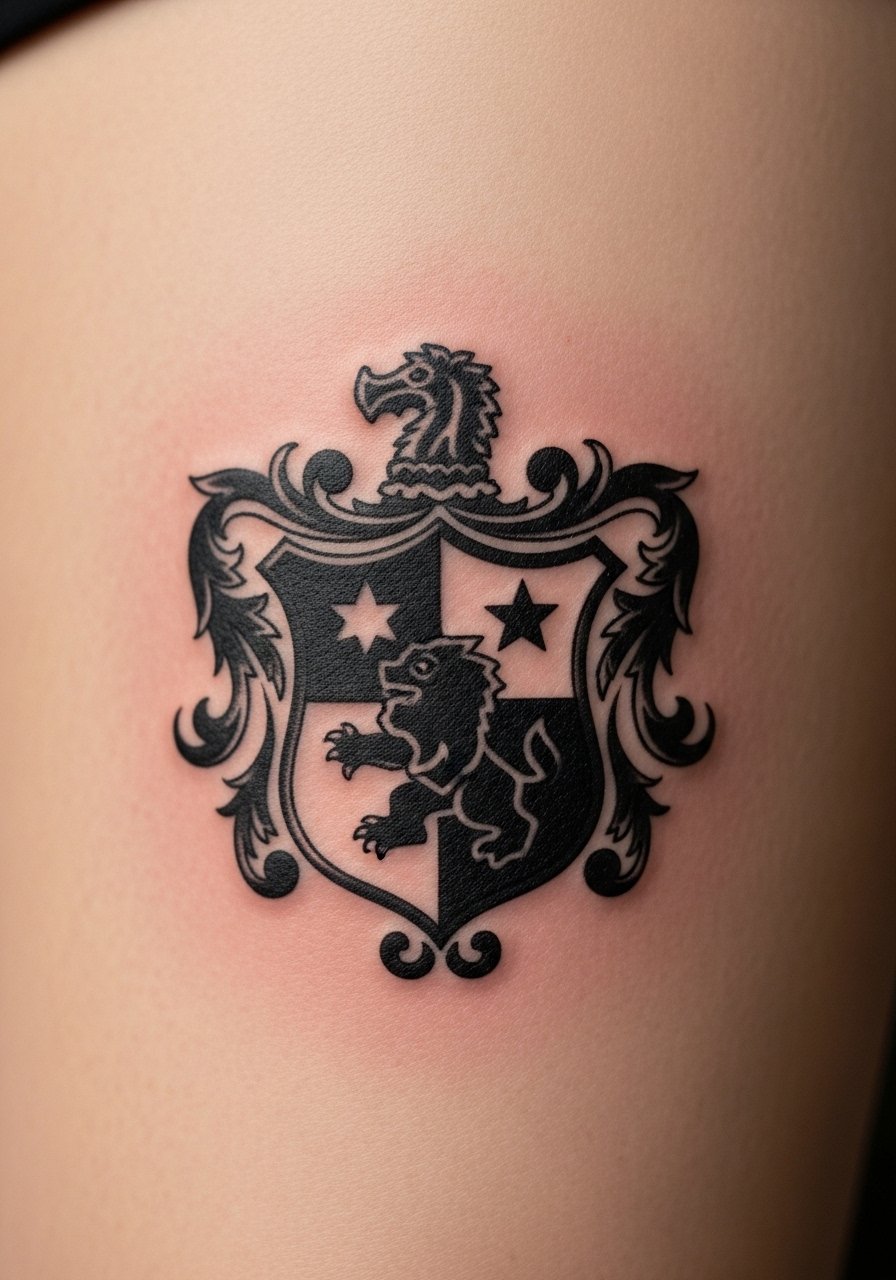
I prefer thigh crests because they stay private and hold up. Thigh skin tolerates big blocks of black. Pain is mild. Sessions vary with size, usually 2 to 4 hours. Ask for bold anchors and avoid tiny filigree inside the crest. Filigree gets lost at two years. The advantage is that thighs avoid constant sun. Heals well with little friction. Great for people who want an heirloom-sized piece that can be shown selectively.
24. Micro Script Coordinates With Tiny Heart on Clavicle
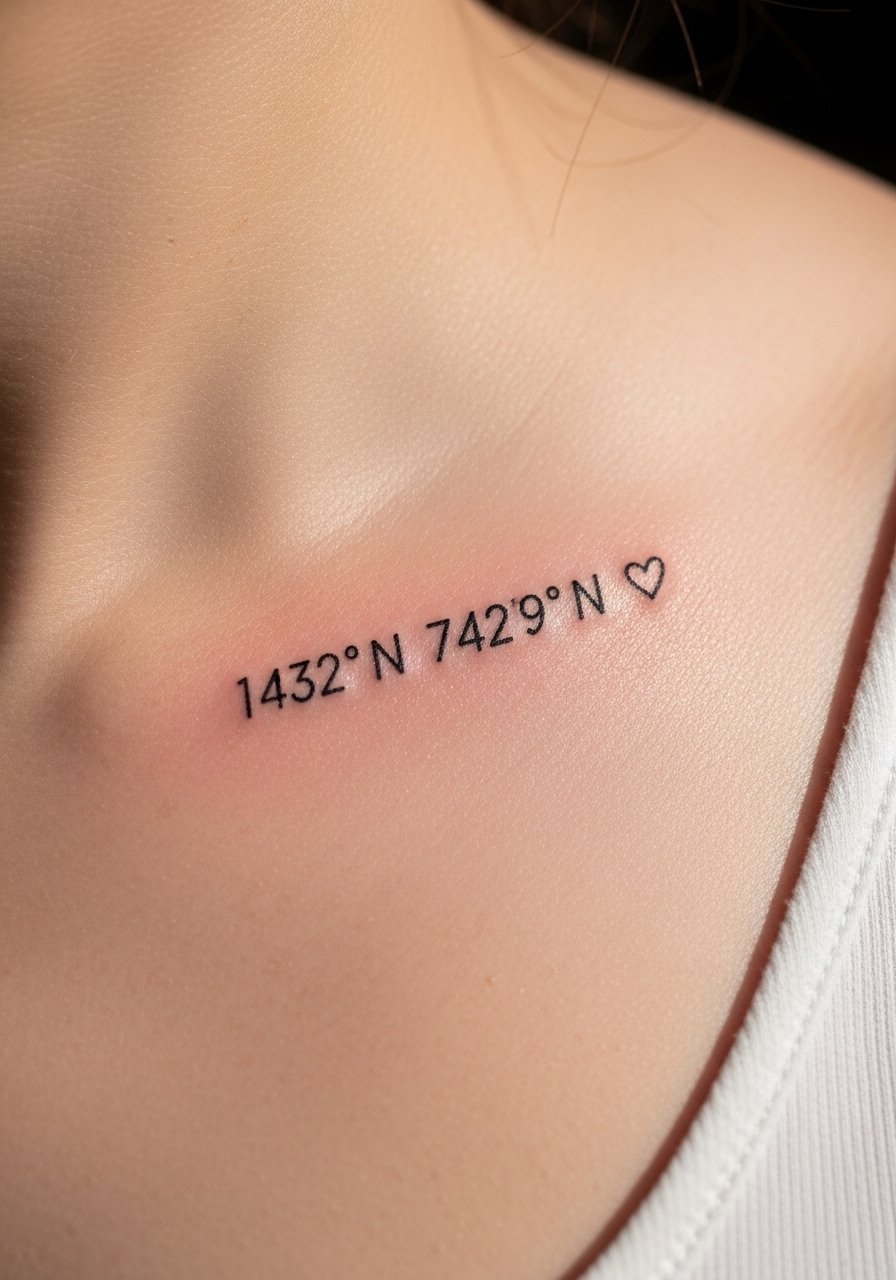
I saw coordinates inked with a small heart and liked the subtlety. Clavicle tattooing hurts but sessions are brief. Ask for slightly heavier script weight and a tiny but solid heart. Thin hearts disappear first. Many choose hairline script that blurs in months. At six months the ink settles and looks softer. Keep sunscreen in mind for long-term vibrancy. Best for those who want a visible, sentimental accent near the neckline.
25. Minimalist Line Family Circle on Back of Neck
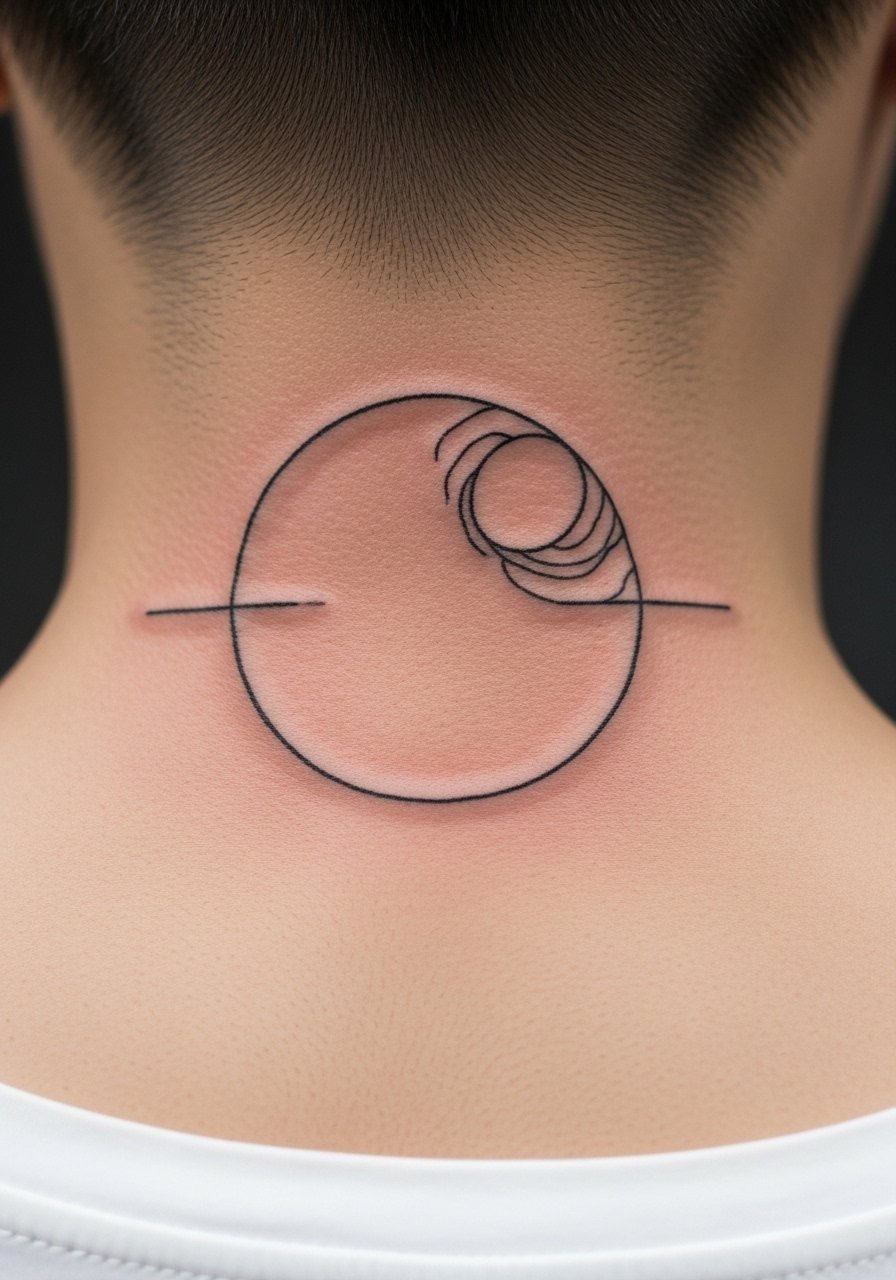
I ended up with a small circle knot at the nape after seeing friends with similar marks. The back of neck has moderate sting. Session time is short. Tell the artist to thicken the outer ring and keep inner negative space. Thin rings merge with skin texture over time, which is a common mistake. Heals in about two weeks if you avoid tight collars. This placement is easy to hide under hair. Great for someone who wants a simple visual anchor for family.
Tattoo Prep and Aftercare Essentials
Aftercare, prep, and long-term maintenance matter more than you think. From what I've seen, artists recommend a short list of reliable products and avoid hype items. Below are products I use or recommend based on conversations with artists and my own healing experiences.
Aftercare Essentials:
- Aquaphor Healing Ointment, 14oz tube — Industry standard for first 3-5 days
- Saniderm Transparent Adhesive Bandage, 6-inch roll — Second skin healing method
- CeraVe Fragrance-Free Moisturizing Lotion, 12 oz — For days 4-14 healing
- Dr. Bronner's Unscented Castile Soap, 32 oz — Gentle tattoo cleaning
Before Your Appointment:
- Topical Numbing Cream 5% Lidocaine, 30g — Apply 30-45 minutes before if your artist okays it
- Tattoo Stencil Transfer Paper, 8.5×11 pack — Useful when finalizing custom designs
Long-Term Maintenance:
- SPF 50 Sunscreen Stick for Tattoos, 0.5 oz — Prevents fading long term
- Mad Rabbit Tattoo Balm, 2 oz — Keeps healed tattoos vibrant
- Hustle Butter Deluxe, 4 oz — Vegan aftercare option
Optional Comfort Items:
- Tattoo Numbing Spray, 100 ml — For touch-ups or sensitive spots
- Hydrocolloid Bandages Large, 10 pack — Alternative to Saniderm on small spots
Every artist I talked to said simplicity wins. Use gentle soap, a light ointment for the first days, then a fragrance-free lotion. Keep sunscreen as a long-term habit.
Frequently Asked Questions
Q: Will fine line family tattoos blur into each other if I do a full sleeve of initials or tiny portraits?
A: From what I've seen, fine line pieces can blur together if they sit too close. Give each element breathing room. Tell your artist to scale initials so each has at least a half inch of clear spacing. For portraits, keep them palm-size or larger. Use Aquaphor Healing Ointment, 14oz tube in the first days and then switch to CeraVe Fragrance-Free Moisturizing Lotion, 12 oz during weeks 2-4.
Q: Do watercolor-style family tattoos need different aftercare than traditional ones?
A: In my experience, they heal similarly. The important part is contrast. For watercolor washes, ask for anchored linework or slightly denser midtones. That keeps the piece readable as color fades. Use gentle cleaning with Dr. Bronner's Unscented Castile Soap, 32 oz. Avoid abrasive scrubs while it heals.
Q: How often will I need touch-ups for finger, neck, or rib tattoos that represent family?
A: Fingers and ribcage usually need touch-ups sooner. From what I've seen, fingers often need refreshes at 6 to 18 months. Ribs depend on how much movement and sun they get. Neck fine lines can last longer if spaced and drawn slightly bolder. Artists I trust say plan for one small touch-up within the first two years.
Q: What's the best thing to tell my artist when I want a family portrait that ages well?
A: Bring clear reference photos and say you want preserved contrast. Ask for slightly stronger darks and softer midtones, not ultra-fine hairline detail. Request to see healed photos of similar work in their portfolio. If they only show fresh work, ask about healed examples. Consider a palm-sized portrait for longevity.
Q: Can Saniderm or hydrocolloid bandages help heal large family pieces like chests or sleeves?
A: Yes. I've used Saniderm on a chest piece and it cut down scabbing and cleaning time. For large areas, artists I know recommend multi-day coverage with Saniderm followed by gentle lotion. Hydrocolloid bandages work well on smaller spots or touch-ups. Follow your artist's specific guidance.
Q: Will adding color to a family crest on the chest make it fade faster than blackwork?
A: Color can fade faster with sun exposure, but chest placements get less direct sun than arms. If you want long life, ask for saturated, flat color blocks and bold outlines. That combination preserves form as the color softens. Use an SPF 50 Sunscreen Stick for Tattoos, 0.5 oz on exposed areas after healing.
Q: Are numbing creams safe for sensitive placements like ribs or sternum when getting a family memorial piece?
A: Many artists are cautious. I've used a 5% lidocaine cream once with my artist's blessing. Always ask your artist first. If they approve, apply 30 to 45 minutes before. I also keep a Tattoo Numbing Spray, 100 ml on hand for touch-ups if needed.