Dragon tattoos carry strong themes of courage, protection, and personal transformation. They show up in every culture, from Japanese serpents curling around waves to Chinese dragons tied to prosperity. Many people pick them because they want ink that reminds them of inner strength during tough moments. This list brings practical ideas you can actually use—designs that fit different budgets, pain levels, and styles. Each idea includes simple ways to visualize your piece, talk to your artist, and avoid regret later.
1. Power-Driven Dragon Back Piece
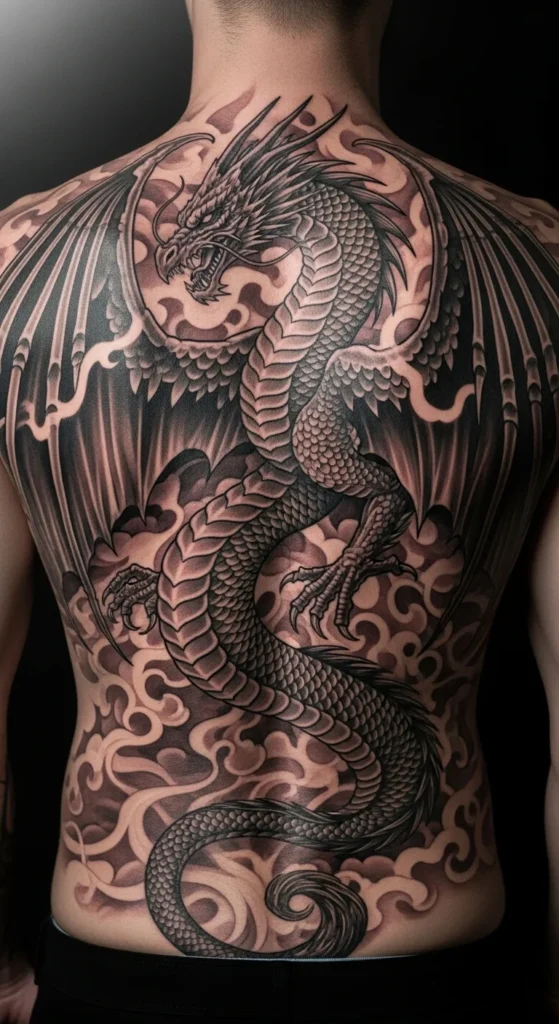
A full-back dragon gives you space for long lines, smooth curves, and large areas of shading. It’s a strong pick if you want something that stands out but still hides under clothing. Keep the design flowing across the shoulder blades so the body moves naturally when you stretch. If you’re on a tight budget, split the work into sessions. Start with the outline first, then return later for shading. A simple trick: bring printouts of dragons you like so your artist understands your style. Add soft clouds or waves to fill empty space without extra cost. If you prefer something lighter, stick with a single serpent shape instead of wings or flames. Use photos from nature—like snakes or lizards—as references for realistic textures. Talk through pain spots early, such as near the spine. A gel pack the night before helps calm the area. Many people choose black and grey for affordability since color raises the time needed. The finished look feels bold and symbolic without going overboard.
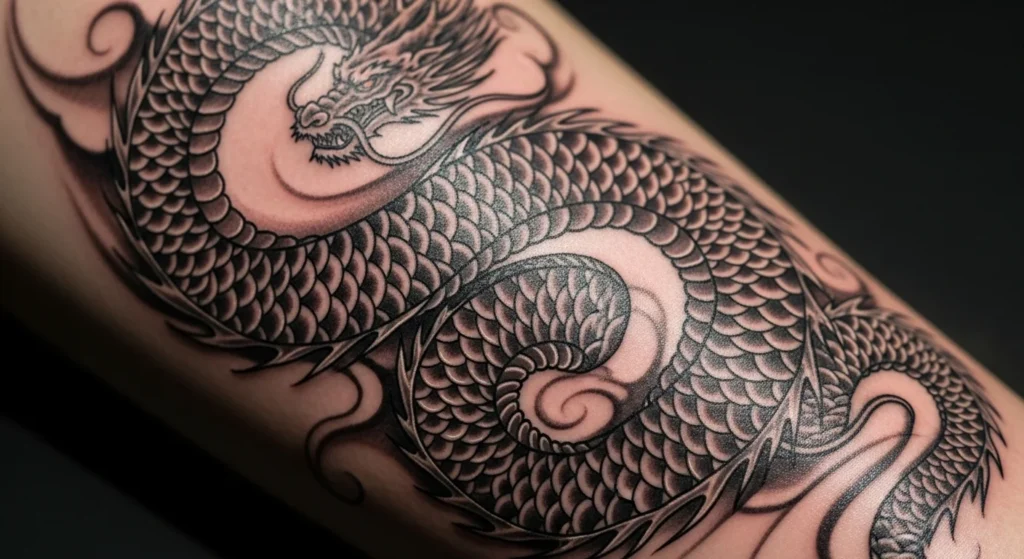
2. Japanese Serpentine Sleeve
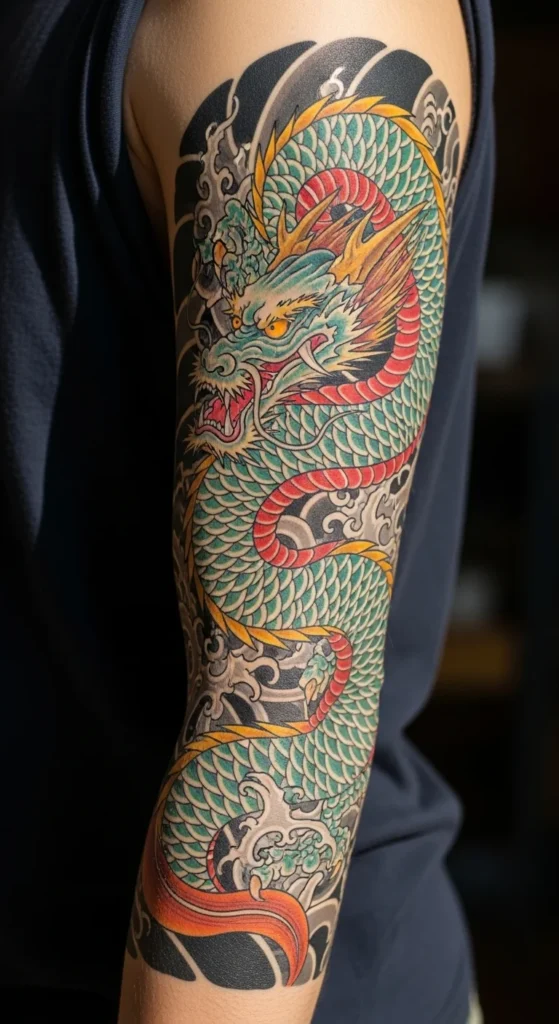
A Japanese dragon sleeve flows with the natural bend of the arm. The long serpentine shape makes it perfect for wrapping around the forearm or bicep. Keep the scales small for better movement when you flex. For a budget-friendly approach, choose black and grey waves, then add color later when you’re ready. A practical DIY step: sketch the curve of your arm on paper using a friend’s help. Then draw a loose spiral to imagine how the dragon wraps. Many people pair the dragon with clouds or chrysanthemums for balance. Ask your artist to soften the edges to avoid harsh blocks of negative space. If you prefer softer sessions, break the sleeve into top arm and lower arm appointments. This design works well if you love motion in tattoos—each pose of your arm changes how the dragon appears.
3. Chinese Prosperity Dragon
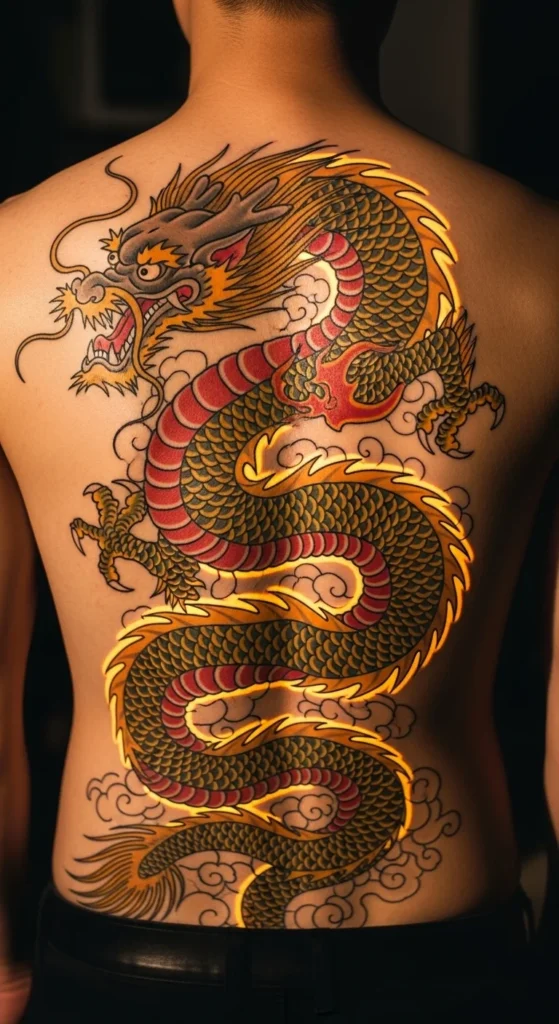
Chinese dragons symbolize fortune, confidence, and protection. Their long forms look good on ribs, arms, and along the spine. Keep the whiskers soft and airy to match traditional art styles. A great low-cost idea is choosing solid black lines and adding a few shaded accents instead of doing full color. If you do want color, red works well for symbolism and doesn’t require a full palette. When preparing, collect reference photos of traditional Chinese paintings to help guide flow. Many artists love this style because it uses long sweeping strokes instead of small detail-heavy sections, which lowers session time. Ask about including floating orbs, waves, or smoke trails for added movement without raising cost too much. Positioning the head upward signals confidence; downward looks calmer and introspective. Pick whichever message fits your story.
4. Minimal Line Dragon
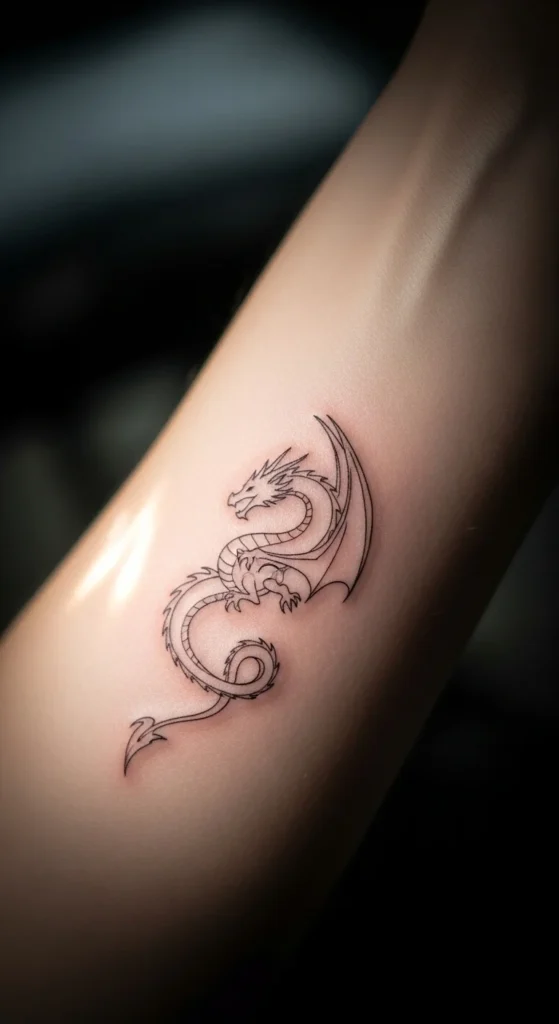
Minimal dragon tattoos are great for beginners. They use clean lines, light pressure, and tiny details that sit gently on the skin. These pieces look good on ankles, wrists, or collarbones. If your budget is tight, this style is perfect because it’s quick to complete. Try tracing a dragon shape using a pencil at home; simplify curves until you get a smooth outline. Bring this to your artist to keep things aligned with your taste. Ask for slightly thicker lines at curve points so the tattoo ages well over time. If you want depth without shading, try a double-outline technique that still feels light. Placement helps shape the mood—horizontal placements feel calm, vertical placements feel strong.
5. Realistic Dragon Head
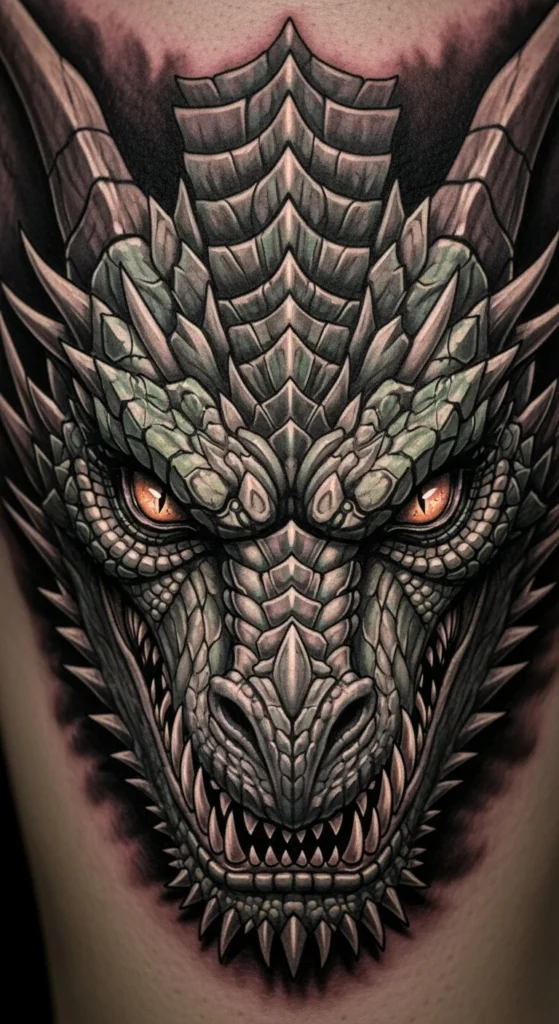
A realistic dragon head works when you want something bold without committing to a massive tattoo. You can fit it on the shoulder, thigh, calf, or upper back. Spend time with your artist choosing the angle—front-facing looks fierce, while a side profile feels more thoughtful. This style uses shading heavily, so ask for a session plan if you prefer short appointments. If you want to save money, skip color and focus on textures instead. Bring photos of reptiles, cracked stone, or wildlife for scale references. These help your artist build a believable head shape. Add subtle smoke wisps or small flames to frame the face without overwhelming it. Many people like the head-only style because it leaves room to expand later if you ever want a full body added.
6. Dragon and Flower Harmony
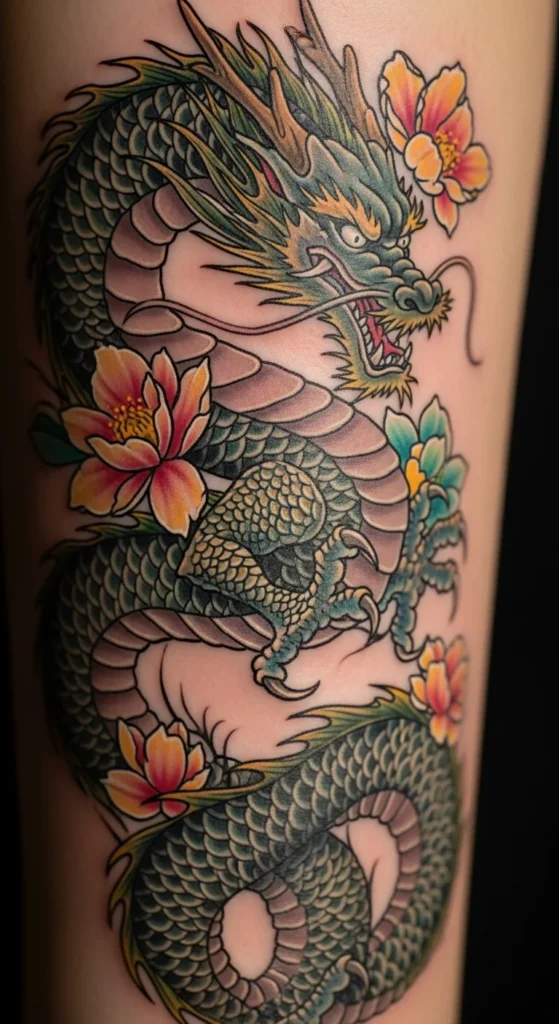
Pairing a dragon with flowers creates a mix of strength and softness. It works well on the thigh, upper arm, or side ribs. Pick flowers based on personal meaning—lotus for growth, chrysanthemum for resilience, or peony for confidence. If you’re on a budget, stick with black outlines for both elements and fill just a few petals with color. A simple DIY idea: print flower outlines and place them near your dragon sketch to visualize flow. Make sure the petals face outward to frame the body in a natural shape. Gentle shading gives depth without increasing time too much. Talk with your artist about symmetry; you don’t need perfect balance, but you should avoid crowding one side. This design is ideal for people who want a softer look while keeping strong symbolism.
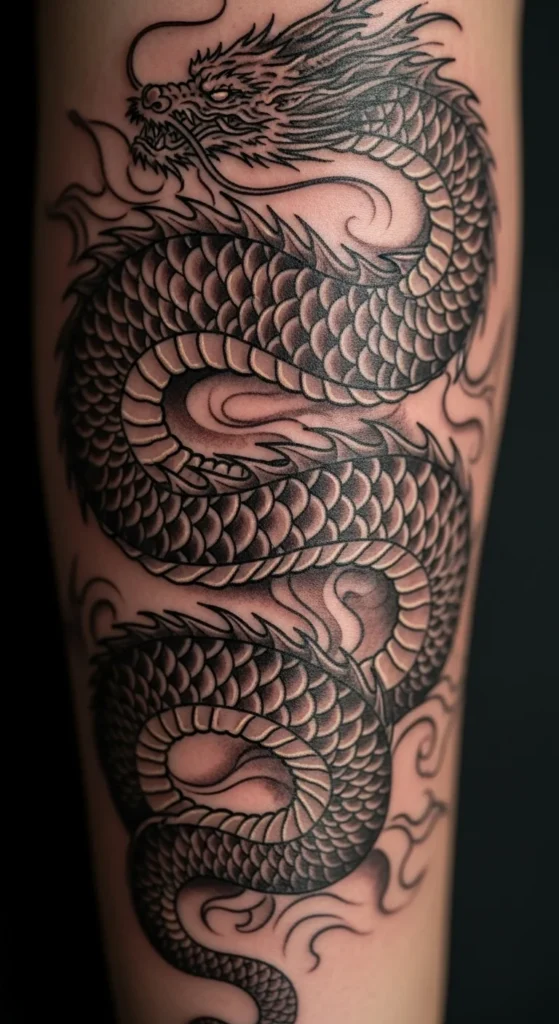
7. Forearm Wrap Dragon
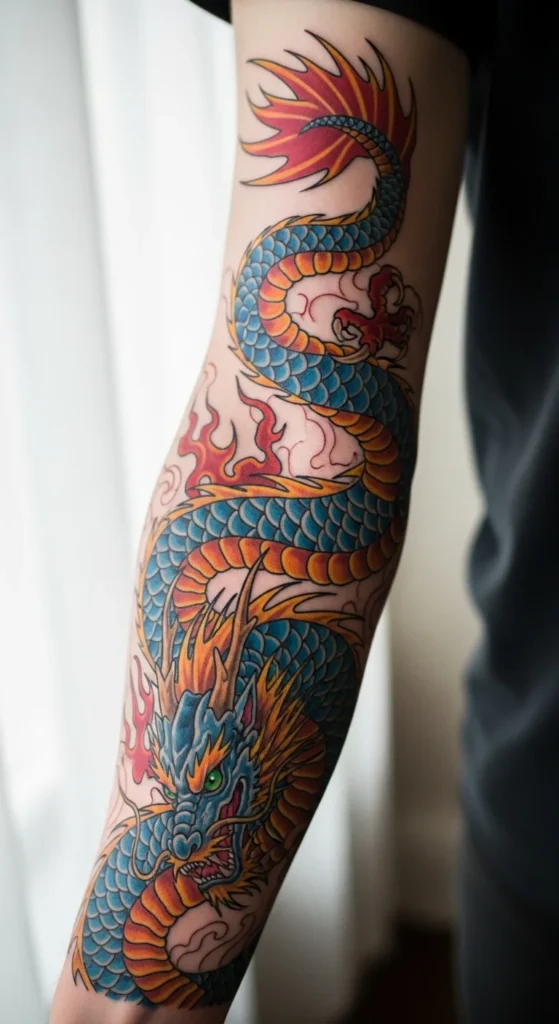
A forearm wrap makes the dragon look like it’s circling your arm. The long shape fits nicely in this area without forcing a complex pose. Start with a pencil sketch to figure out the direction of the wrap. Most people angle the head near the wrist and the tail near the elbow, but you can reverse it for a calmer look. Stay with thin lines if you want something budget-friendly. Add small smoke curls to fill empty space without adding much time. This placement is also great for visibility—you can show it anytime. Just remember to moisturize the area during healing since forearms see more sun. If you want variety, ask for slight scale patterns instead of heavy shading. It keeps the design breathable and gentle on the skin.
8. Shoulder Dragon Headpiece
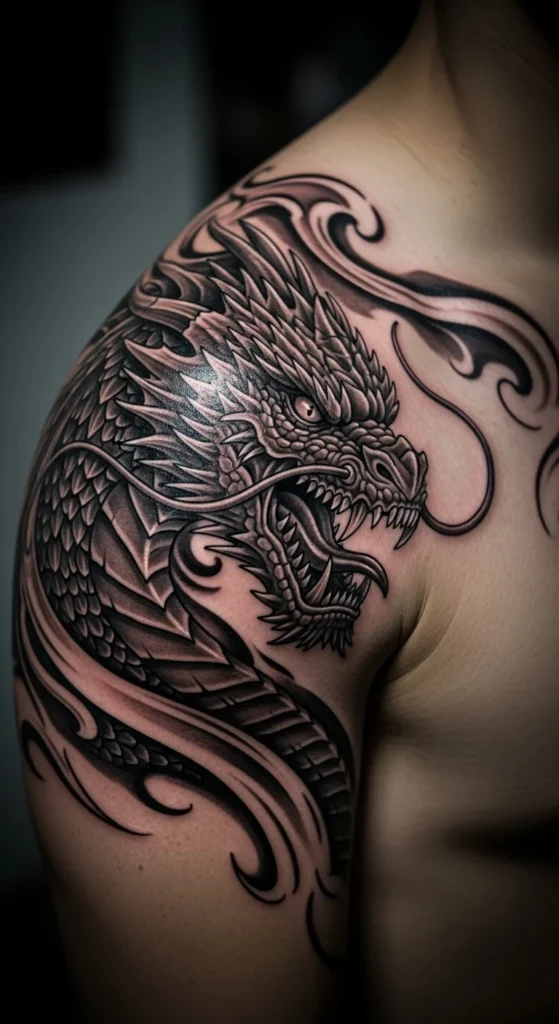
A shoulder dragon head uses the round shape of your deltoid to create a bold look. The natural curve makes the eyes and snout pop. This is a good pick for anyone who wants something expressive but not overly large. Bring your artist reference angles—from above, below, or side view—so the head matches your body shape. If you want to keep costs down, skip the full body and focus on detailed face work. Adding clouds or smoke helps frame the piece without needing complicated extras. Keep the edges soft so it blends smoothly into your arm or chest. You can later expand the tattoo to a half-sleeve if you feel like it. This placement heals quickly, making it a low-stress option.
9. Thigh Dragon for Private Artwork
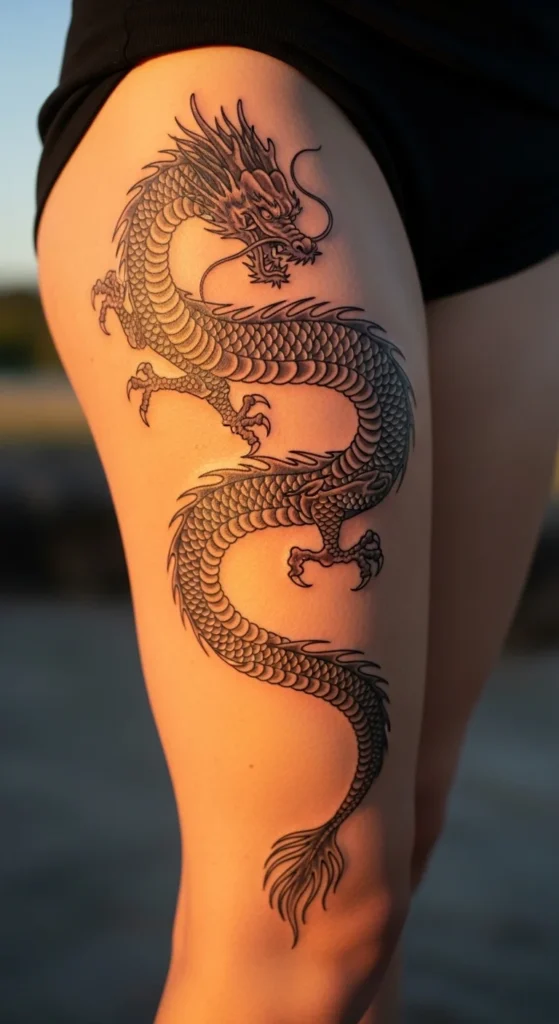
A thigh dragon gives you personal space to show detail without needing constant visibility. This area works great if you prefer larger tattoos but want to keep them private. The broad canvas allows smooth curves and long bodies. For a wallet-friendly approach, start with linework only. Add shading or waves later when you have extra budget. A practical trick is taping printed dragon outlines to your thigh to check placement. Ask your artist to angle the head near the hip or knee depending on the mood you prefer. The thigh’s softer skin helps with comfort during sessions. This design also lets you experiment with color if you want something bright. Many choose blues and greys for calm symbolism, but black and grey remain timeless.
10. Guardian Dragon Chest Piece
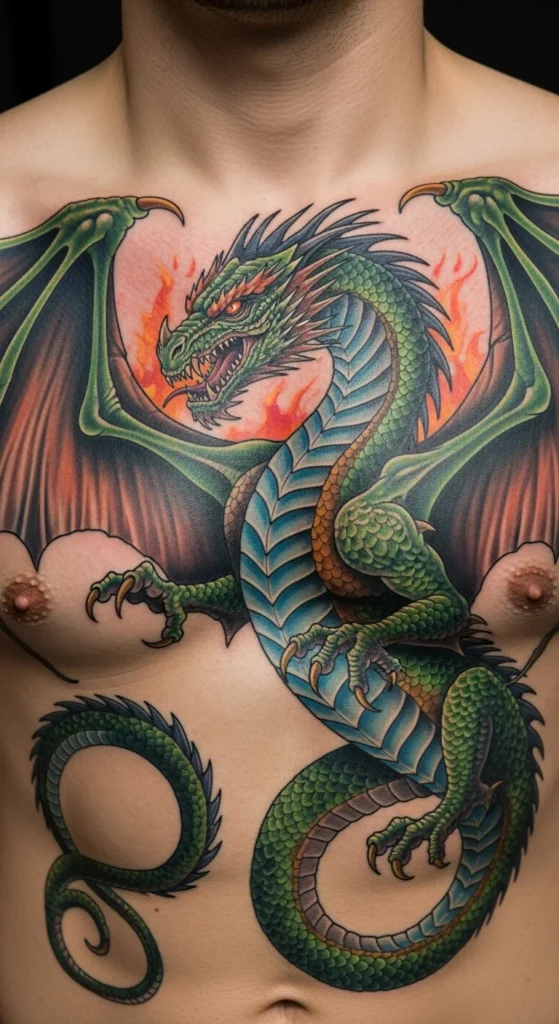
A chest dragon feels bold and symbolic. The central placement gives it a protective vibe. Keep the body flowing across your pecs so it looks natural when you breathe. If budget is a concern, focus on one side of the chest first. Then expand to the other side later. Ask your artist to avoid heavy shading near the center to make breathing more comfortable during healing. A simple DIY step: wear a tight shirt and trace chalk over it to see how the shape might fit. This helps you find curves that feel right. Many people pair this design with smoke trails or soft flame outlines. Just keep the elements light so they don’t distract from the dragon itself.
11. Dragon Scale Texture Piece
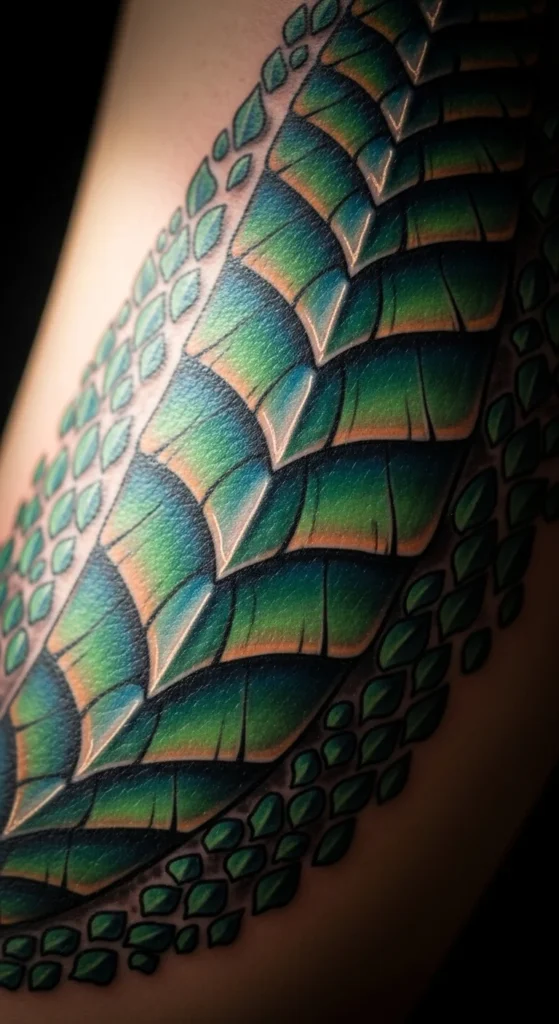
Dragon-scale tattoos work well for people who want subtle detail without a full dragon design. You can place them on the forearm, shoulder, calf, or thigh. These patterns use repetition, which helps keep costs predictable. Ask for honeycomb-style spacing so the scales sit naturally. If you want a quick appointment, stick to black linework without full shading. A handy DIY idea: cut small diamond shapes from paper and layer them on your skin to visualize placement. This look pairs well with other tattoos if you ever expand your collection. Make sure your artist varies scale size lightly for a natural feel.
12. Water Dragon Flow
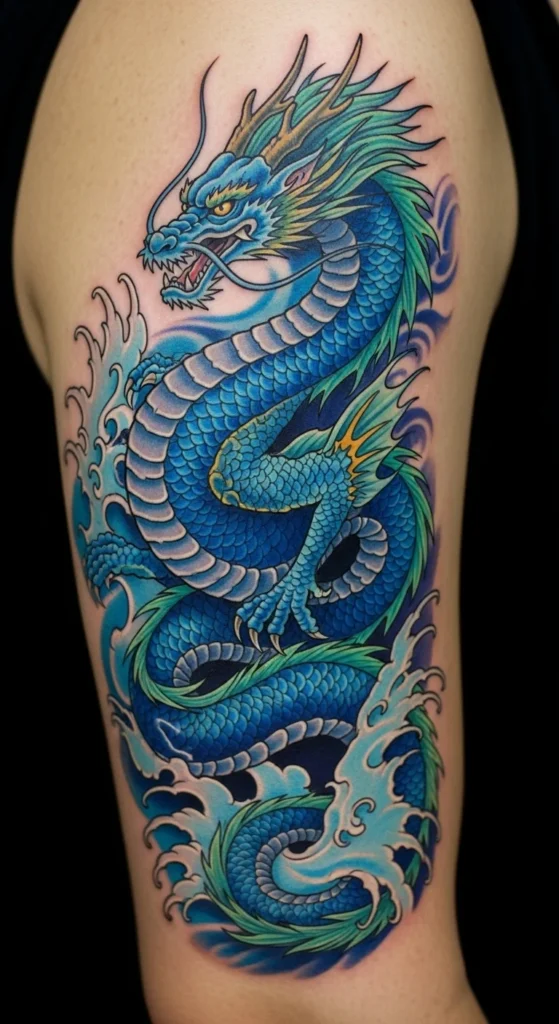
Water dragons symbolize calm movement and adaptability. Their curves blend perfectly with wave shapes. You can place this on the side ribs, arm, or back. If you want to save on pricing, keep the waves simple and skip detailed foam patterns. A good DIY strategy is studying wave drawings from Japanese art books—they help you see how water should curve. Use light shading for a smoother look. This design works nicely for people who want something expressive without flames or aggressive poses. Ask your artist for soft transitions so the dragon looks like it’s gliding.
13. Neo-Traditional Color Pop Dragon
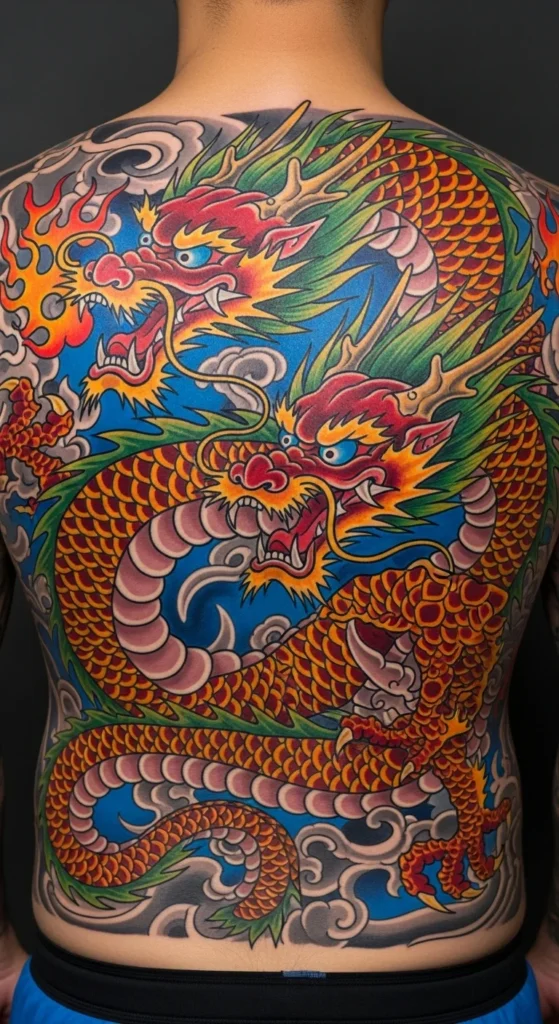
Neo-traditional dragons use bold outlines, bright hues, and cartoon-like structure. The mix gives a lively feel without losing the classic message of strength. To manage cost, choose a limited color palette—two main tones and one accent. This keeps session time under control. Before heading to the studio, print a few color wheels and mark the tones you prefer. Bring these to help the artist understand your choices. This style shines on the arm, thigh, or calf. If you want more dimension, ask for soft halos or glow effects instead of heavy backgrounds.
14. Dragon Wrapped Spine Tattoo
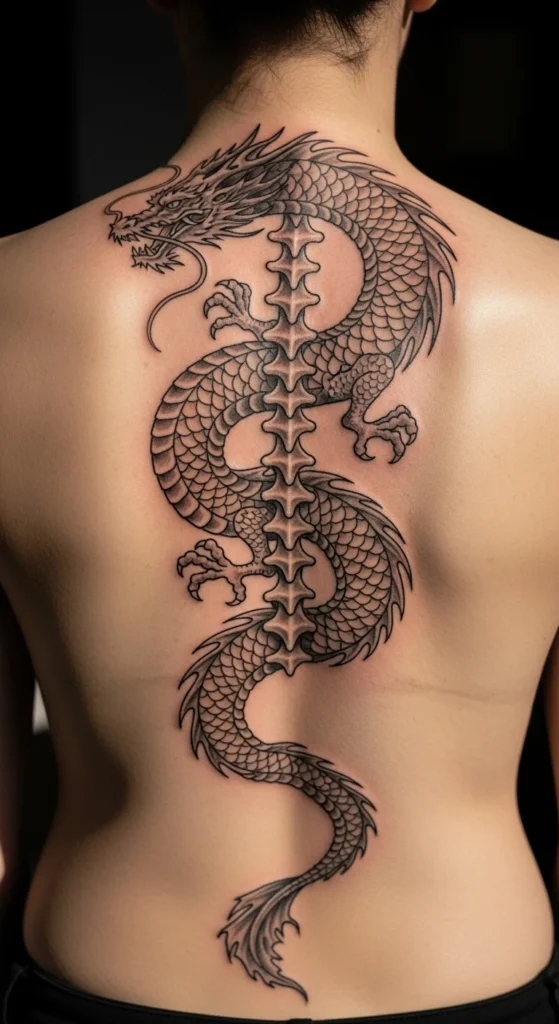
A spine dragon looks graceful and symbolic. The vertical line of the backbone creates a natural path for the body. Keep the dragon thin so it aligns smoothly with your posture. If you want to avoid higher bills, skip complex wings or large clouds. Simple curves and light shading work beautifully here. Have a friend help you mark the center of your back with tape to visualize placement. Bring this guide to your artist. The spine can be sensitive, so ask for shorter sessions. A vertical design like this often ages well because it avoids heavy color loads.
15. Baby Dragon Tattoo
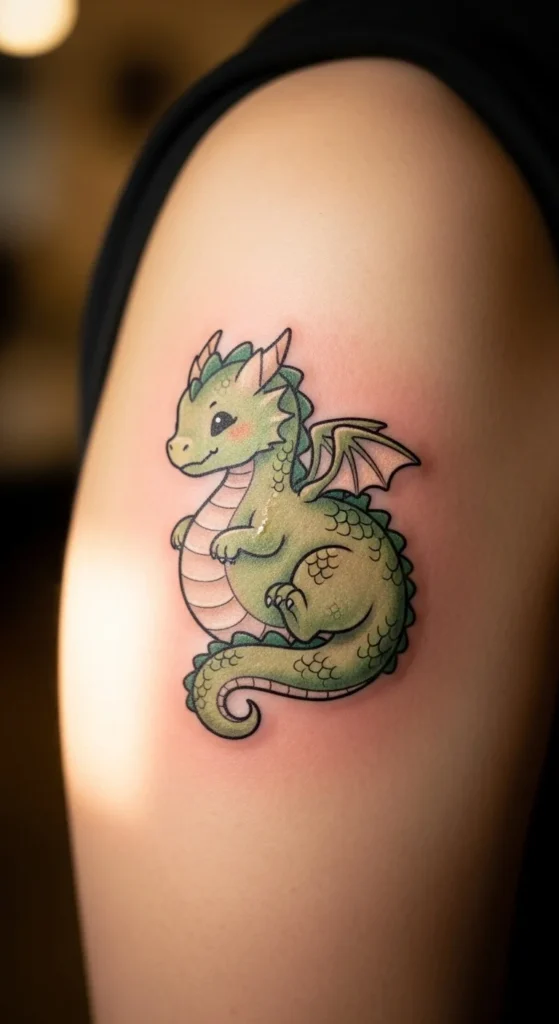
Baby dragons bring a playful mood to your ink. They sit nicely on the ankle, wrist, or shoulder blade. The round shapes make the tattoo easier and quicker for artists. If you’re watching your budget, this is one of the friendliest choices. Use simple outlines with a bit of soft shading under the belly or wings. A fun DIY idea is sketching baby dragons using cartoon references. Keep eyes large and bodies small. Your artist can then refine it into a clean tattoo. Many people choose these designs to mark personal growth or a lighter chapter in their life.
16. Dragon + Clouds Traditional Combo
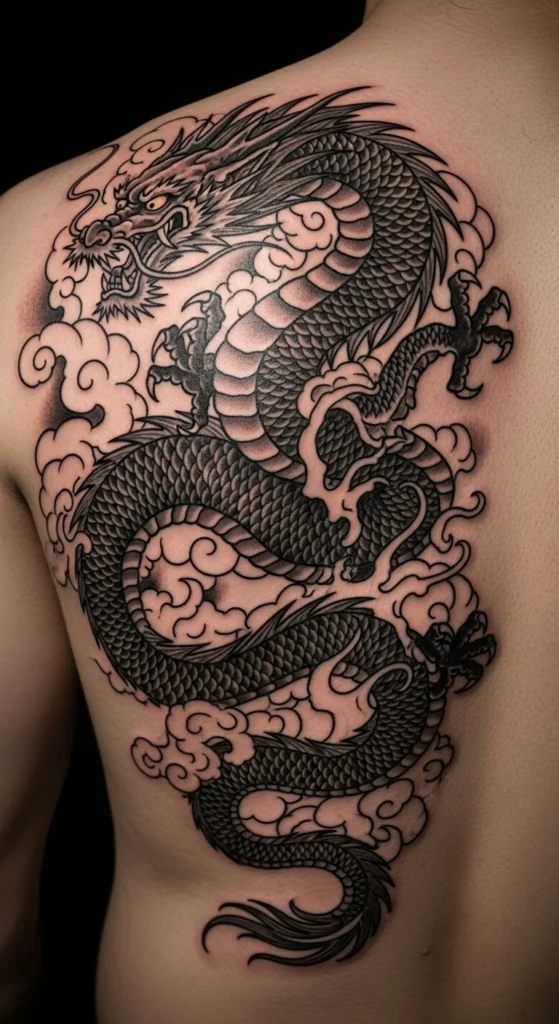
Traditional cloud dragons rely on bold lines and expressive forms. This combo looks strong on arms, backs, and chests. The clouds help fill space without raising cost dramatically. Ask for rounded cloud edges to soften the intensity. If you want a lower-price session, keep everything in black and grey. A practical DIY step: print cloud patterns and test how they frame the dragon. The design expands easily if you ever want to add flowers or waves. This style gives your tattoo a timeless look.
17. Fire-Breathing Dragon Motion Piece
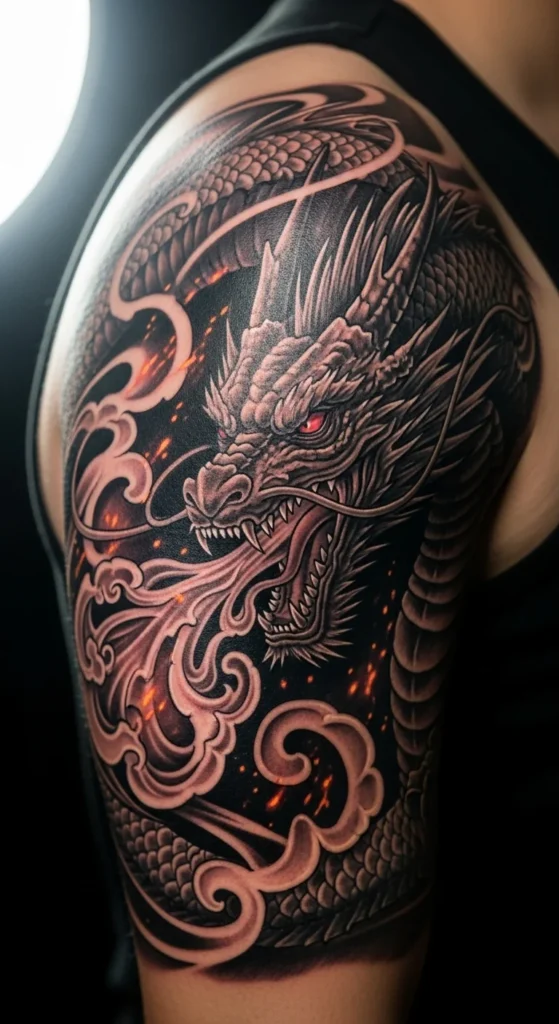
A fire-breathing pose adds energy to your tattoo. Position the head on a shoulder or chest so the flame points naturally outward. If you’re on a budget, choose smoke instead of fire, since smoke needs less color. For DIY planning, use soft brushes in a drawing app to sketch movement lines. Show these to your artist so the direction feels natural. Keep the body simple so the head becomes the main focus. Add light shading under the jaw to create depth.
18. Dragon Claw Detail Piece
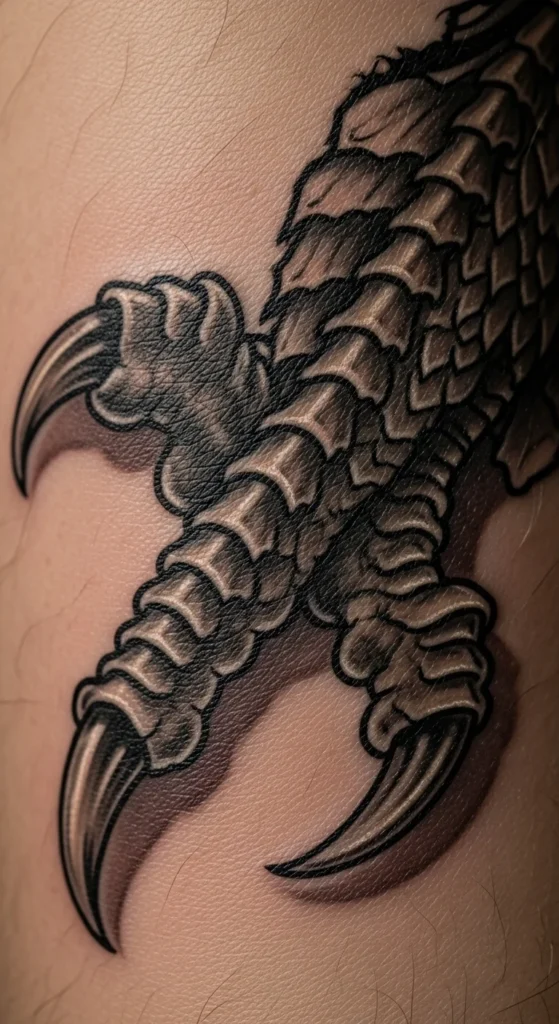
A dragon claw adds attitude without needing a full creature. It works well on shoulders, calves, or ribs. Focus on strong lines and curved talons. If you want to save money, keep the claw simple and avoid complex background elements. A quick DIY idea: photograph your own hand in a claw pose and use it as a reference. Then stylize it into a dragon form. This tattoo style blends easily with future pieces like scales or flames.
19. Western Medieval Dragon
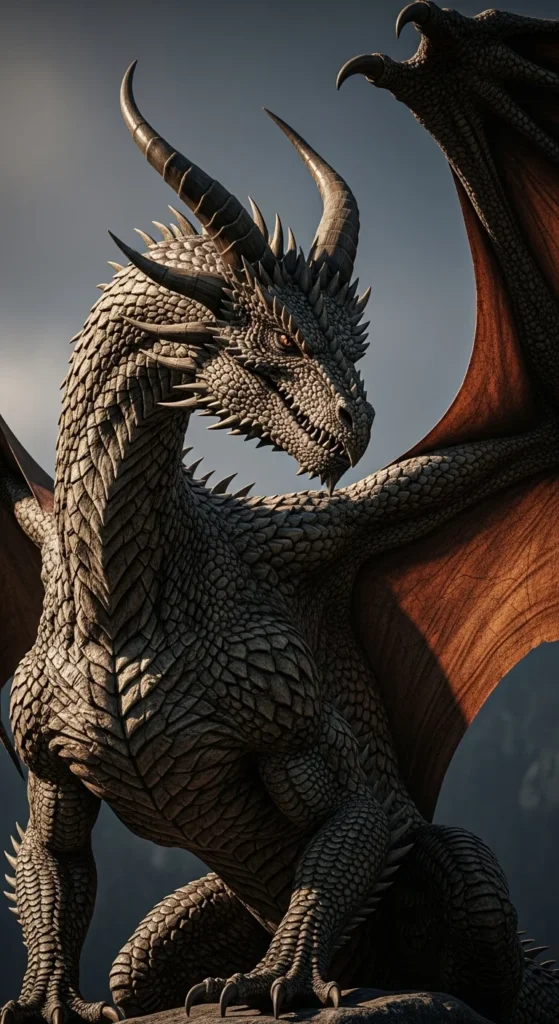
Western dragons give a bold fantasy feel. They often include wings, which look great across shoulders or upper back. If you want something less expensive, keep the wings outlined but not fully shaded. Bring references of lizards or bats to help shape the anatomy. Position the dragon at an angle so it feels like it’s in mid-flight. The medieval look pairs well with stone or smoke accents. Keep everything simple if you want shorter sessions.
20. Black Ink Dragon Silhouette
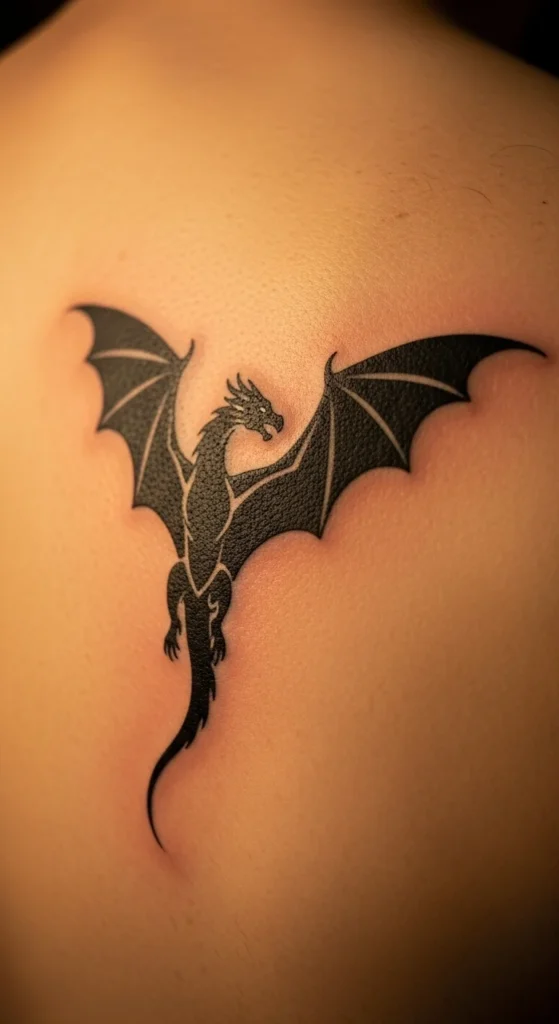
A silhouette design is sharp and bold. It uses solid black fill, which can be quicker than detailed shading. You can place it almost anywhere—ankle, forearm, chest, or hip. For a budget-friendly twist, outline the shape and fill only parts of it. A DIY trick: print silhouettes and tape them to your skin until you find the ideal placement. Ask your artist to round the edges slightly for smoother aging. This look stays timeless and clean.
21. Dragon Tail Accent Tattoo
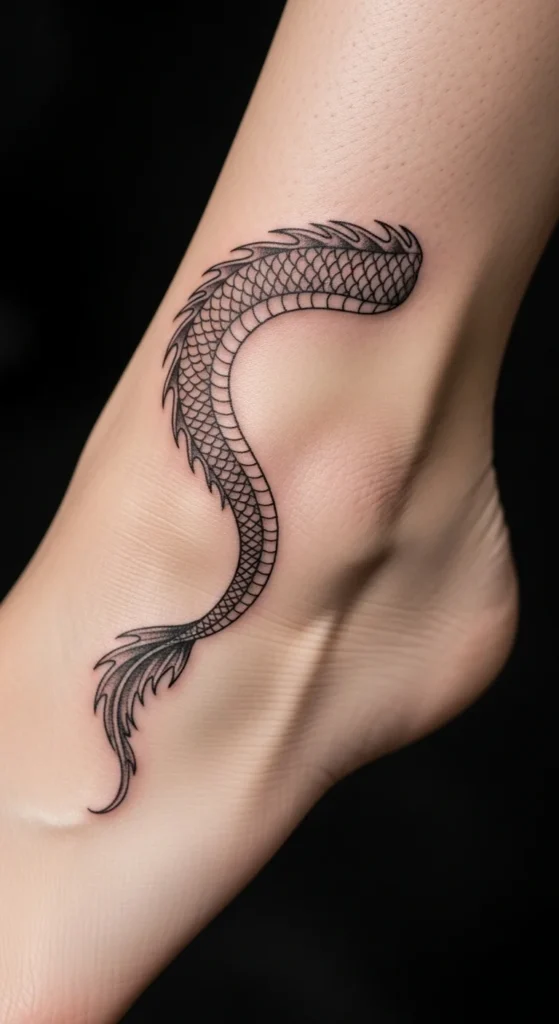
A dragon tail alone creates a subtle, stylish accent. It works on ankles, wrists, or behind the ear. Keep the lines thin and flowing. If you want to save time and money, skip scale details and use a simple curved line. Try drawing a swirl on your skin with washable marker to test how it looks. Many people pair this with a small flame or smoke twist at the end. This design is ideal if you want quiet symbolism without going large.
22. Dragon Eye Symbol
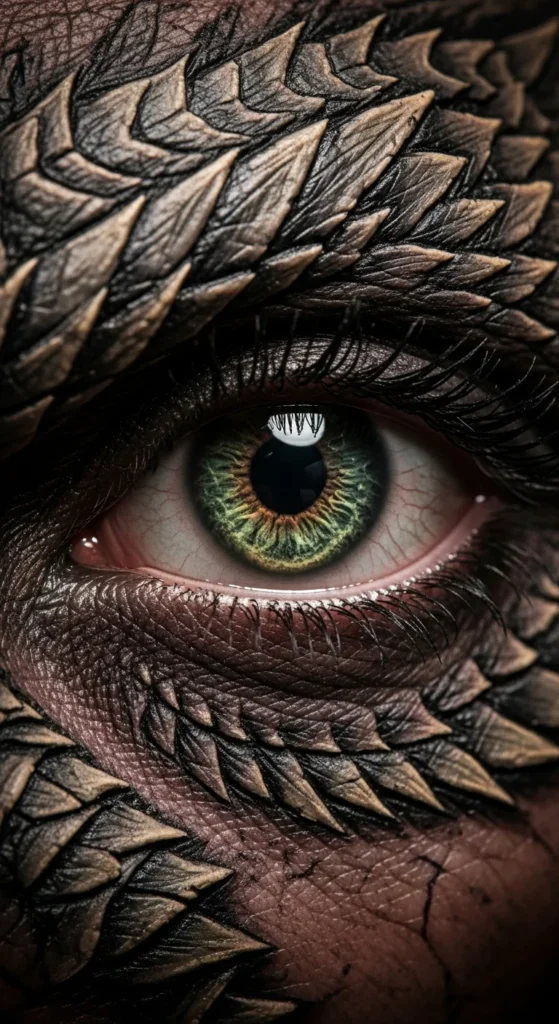
A dragon eye feels intense and mysterious. Place it on the shoulder, calf, or forearm. Keep the focus on the eye itself. If you’re on a budget, use black and grey shading only. Bring photos of animal eyes—like snakes or hawks—to help with texture. Ask your artist to add a few soft lines around the eye to create a frame without heavy detail. This tattoo stands well alone or as part of a larger piece later.
23. Dragon with Waves
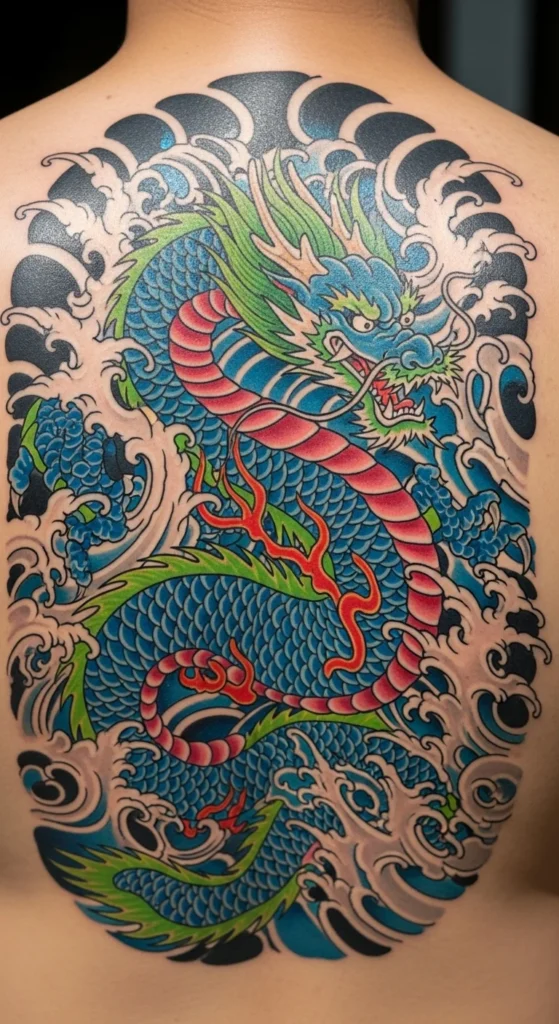
A dragon with waves feels dynamic and expressive. This design fits arms, ribs, or thighs. Keep the wave shapes simple if you want to reduce cost. Study wave patterns from Japanese art for DIY placement tests. The dragon should twist along the curves for natural flow. Avoid over-filling backgrounds so the piece breathes. This combo works nicely for people who love movement-focused art.
24. Dragon + Moon Theme
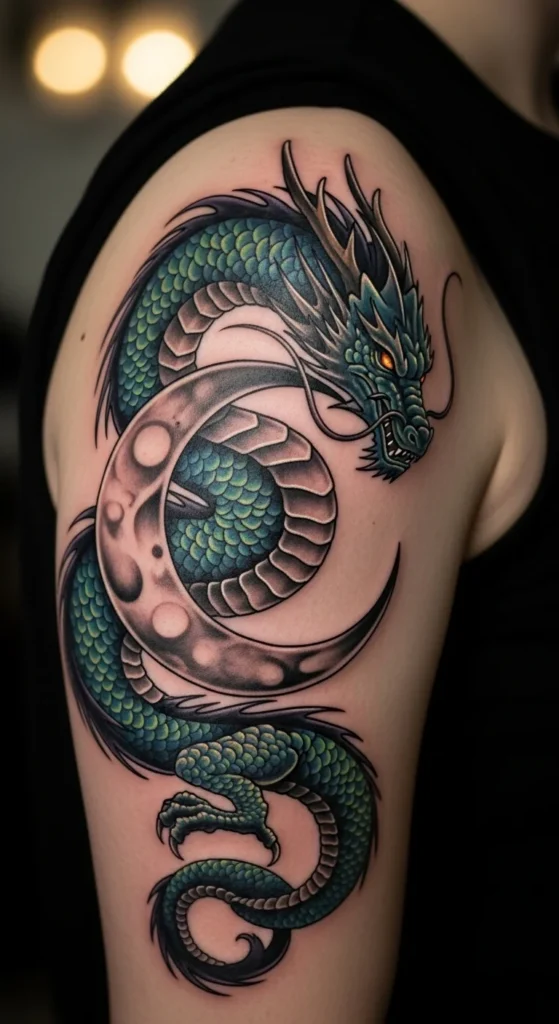
Pairing a dragon with a moon gives the tattoo a quiet, night-inspired vibe. It works well on the upper arm, back, or side ribs. For a budget-friendly pick, keep the moon as a simple outline. Add tiny stars if you like, but avoid heavy fills. A DIY idea: draw a half-moon on paper and place the dragon shape around it to test flow. Ask your artist for soft shading on the moon to make the dragon stand out.
25. Dragon Across the Collarbone
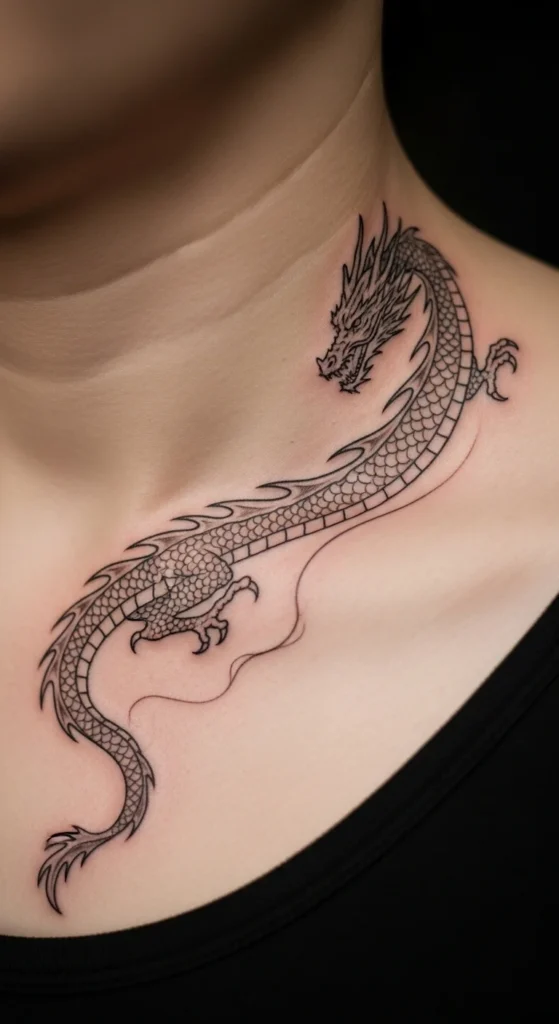
A collarbone dragon feels delicate yet expressive. The long curve of the bone naturally fits a slender body shape. Keep the lines light to maintain comfort during sessions. If you want to save on cost, use a single-line style. To plan placement at home, trace your collarbone with a washable marker and sketch the dragon curve above it. This tattoo heals quickly and looks striking under simple clothing.
26. Dragon on the Rib Cage
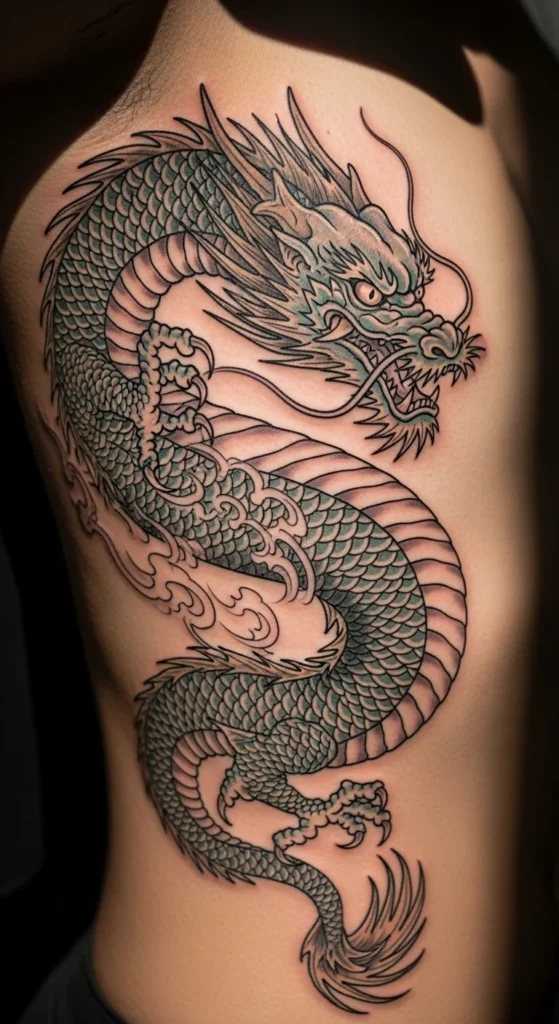
Rib tattoos can be sensitive, but the curved area creates a dramatic canvas. Choose a slim-bodied dragon so the piece sits comfortably. A budget-friendly idea is focusing on outline first. Add shading later. A DIY trick is taping paper templates to your ribs to see which angle works best. Ask your artist to avoid deep shading on tender spots. This placement feels personal and symbolic.
27. Dragon Climbing the Leg
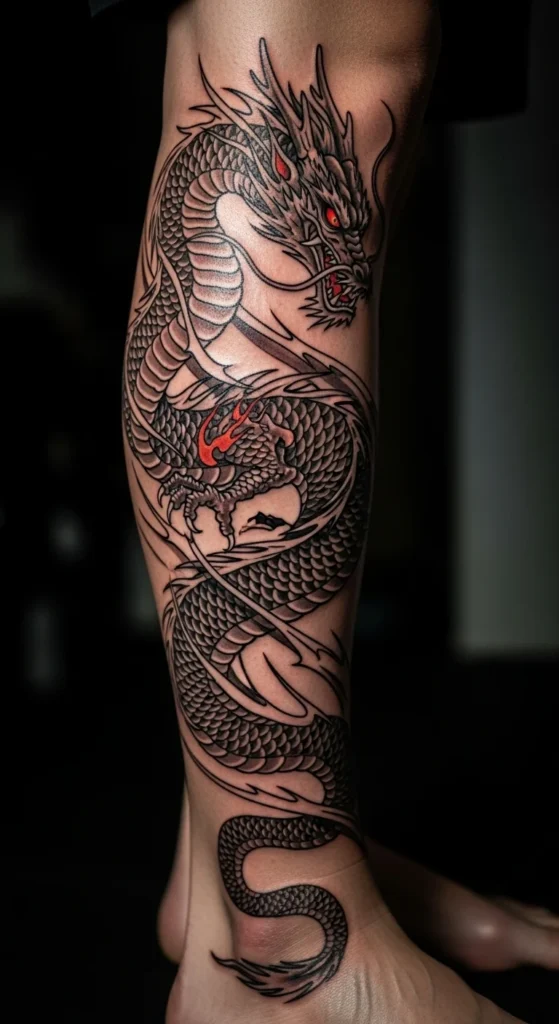
A climbing dragon works great on calves and shins. The upward motion gives the design energy. Keep the head facing upward if you want a confident message. For an affordable session, skip color and use simple shading. You can draw a climbing motion line on your leg with marker to test the path. Ask your artist to follow your natural muscle lines for a smoother finish.
28. Dragon + Flower Sleeve
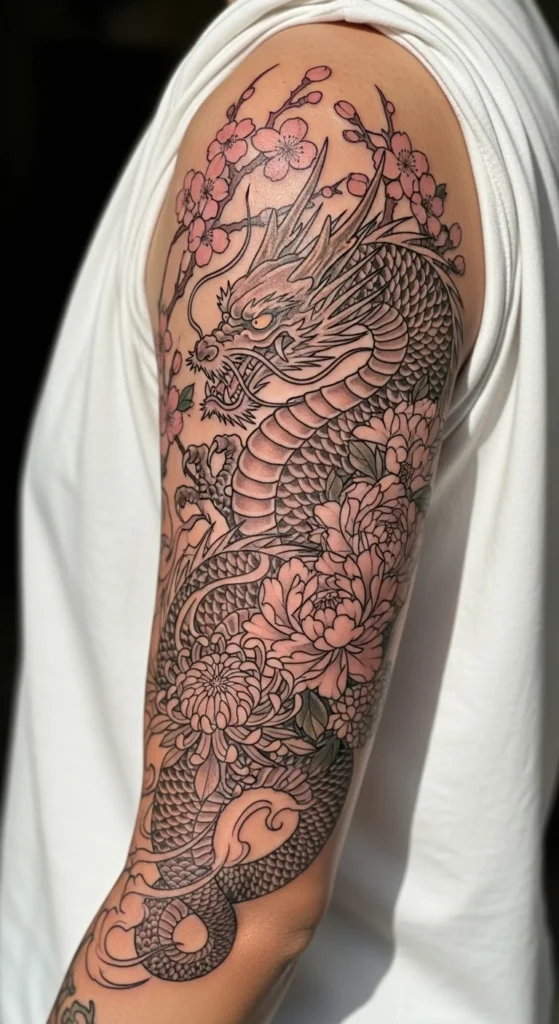
This sleeve pairs strength with softness. Choose flowers like peonies, chrysanthemums, or lilies to mix tones. If you want to keep the budget low, shade the dragon and outline the flowers only. Add color to petals later if you want more drama. Try placing printed flowers around a sketched dragon to test shapes at home. This combination makes the sleeve interesting without being overwhelming.
Conclusion
Dragon tattoos carry rich symbolism and fit almost any personal story. Whether you prefer subtle lines, bold sleeves, or detailed headpieces, there’s a style that matches your comfort level and price range. Use this list to spark ideas, sketch at home, and talk openly with your artist. A thoughtful plan always leads to a tattoo you’ll enjoy for years.