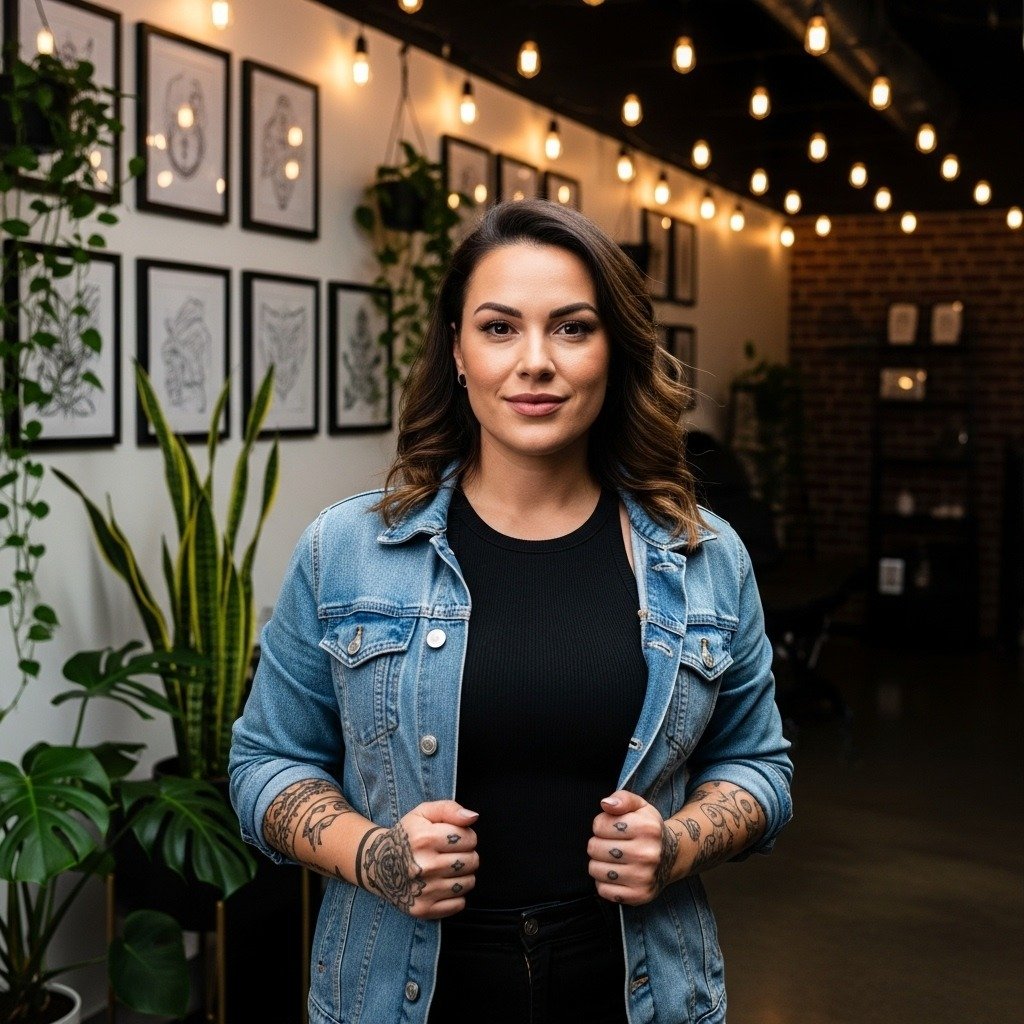
I spent months chasing dark tattoo references before I realized the real challenge was picking styles that keep their visual power after healing. I wanted designs that read bold up close and from across a room. The pieces below are the styles and placements I keep circling back to, the ones that have held up on friends and clients I've followed over the years.
This list focuses on dark, high-contrast styles that age well. Mostly blackwork, fine line, and micro-realism. These ideas work for forearms, chests, ribs, and sleeves. From what I've seen, artists in 2026 favor heavier line anchors paired with subtle texture so pieces read longer as they fade.
1. Fine Line Moon Phases Inner Forearm
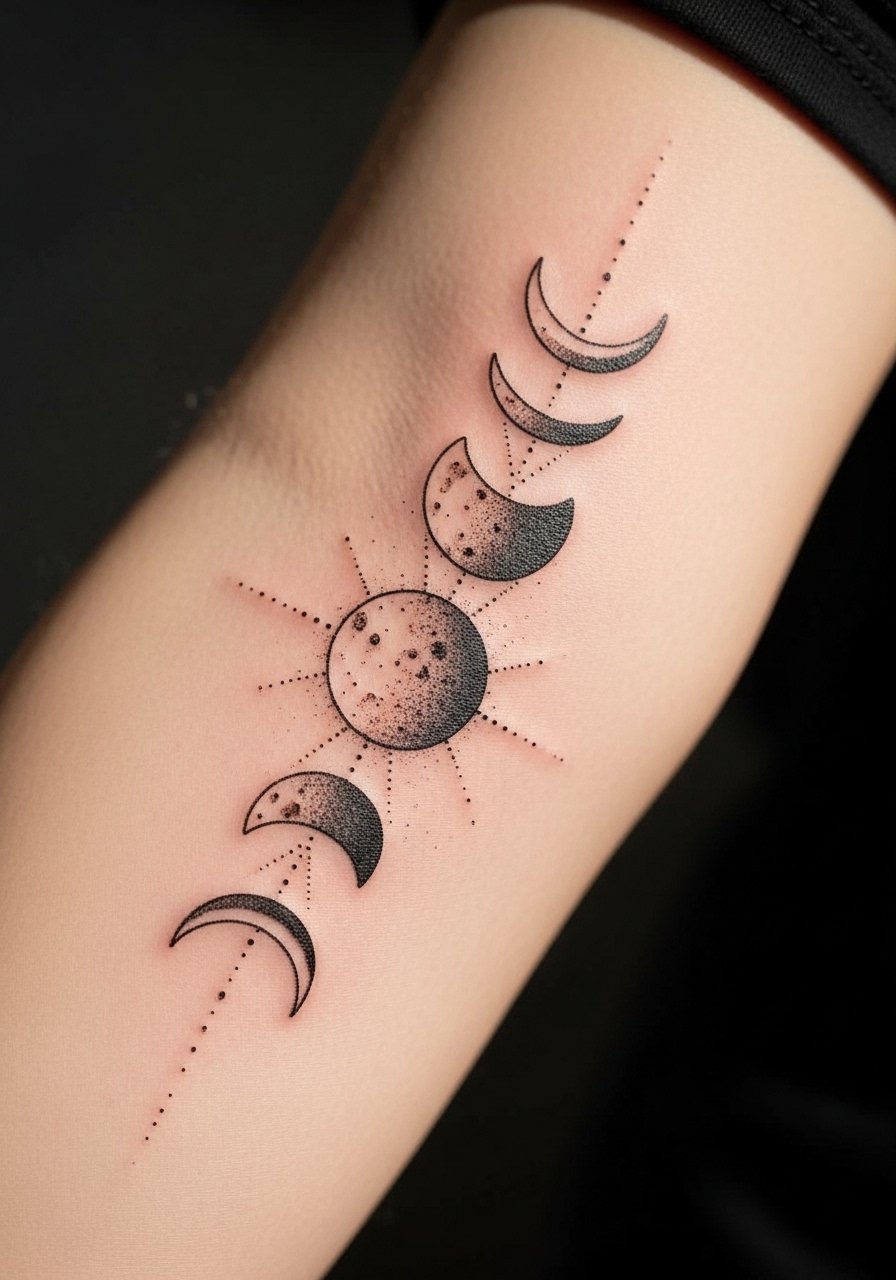
I first saw this as a tiny forearm piece on a friend and it stuck with me. Fine line moon phases work because the rhythm of repeating crescents reads clearly when spaced well. Expect mild to moderate pain on the inner forearm. Sessions usually run 30 to 60 minutes. Ask your artist for slightly heavier outer lines so the crescents still read at two years healed. A common mistake is making the moons too small and tight. At six months the lines will look crisp. At two years the thinnest lines may blur into a soft gray. If you want a sleeve-friendly variant, scale up and add dotwork textures so it survives stretch and exposure.
2. Micro-Realism Portrait Upper Arm
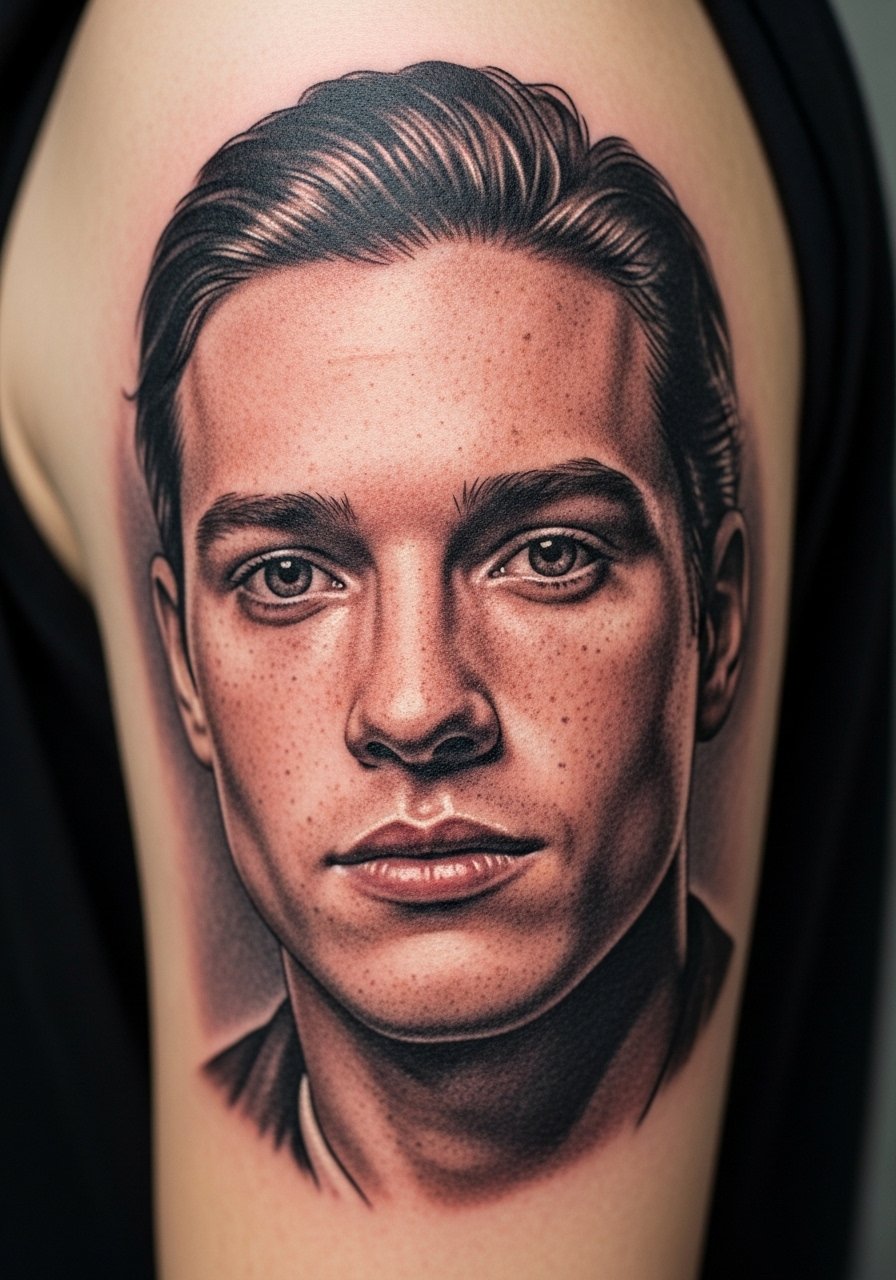
Fair warning, the upper arm is a forgiving canvas but micro-realism needs a steady hand. I saw this style in portfolios and the best ones keep strong contrast. Expect moderate pain. Sessions can last two to four hours. Tell your artist to prioritize contrast over tiny hair details during the first pass. If they try to pack in micro hairs too early, the piece often blurs into mush after two years. At six months the portrait looks textured and alive. At two years small facial lines soften, but a good artist plans for that. A version I avoid is one with ultra-fine halftones and no bold anchors, because it fades into a gray smudge.
3. Blackwork Geometric Chest
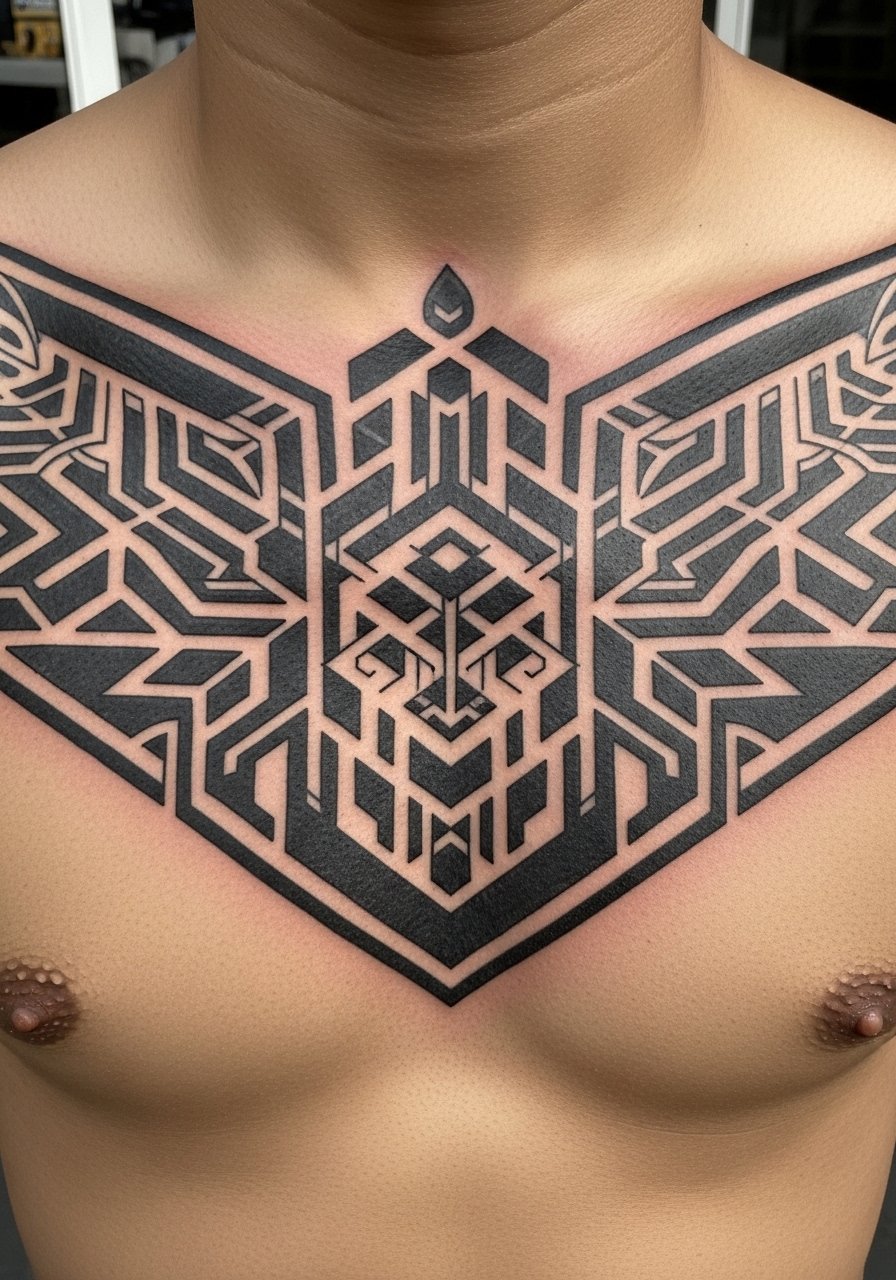
There's a huge visual impact when solid black geometry sits on the chest. When I first saw it on a client, it read like armor. Pain is higher across the sternum and ribs. Sessions are often split into two, each 60 to 120 minutes. Ask for clear negative-space buffers, because tight black fills next to thin lines are a recipe for bleed. Many people try to cram too many tiny shapes. That crowds the skin and loses clarity at two years. Healed at six months the black looks deep. At two years the fills may soften at the edges, but the core contrast usually survives if the artist left breathing room for the lines.
4. Chiaroscuro Skull Ribcage
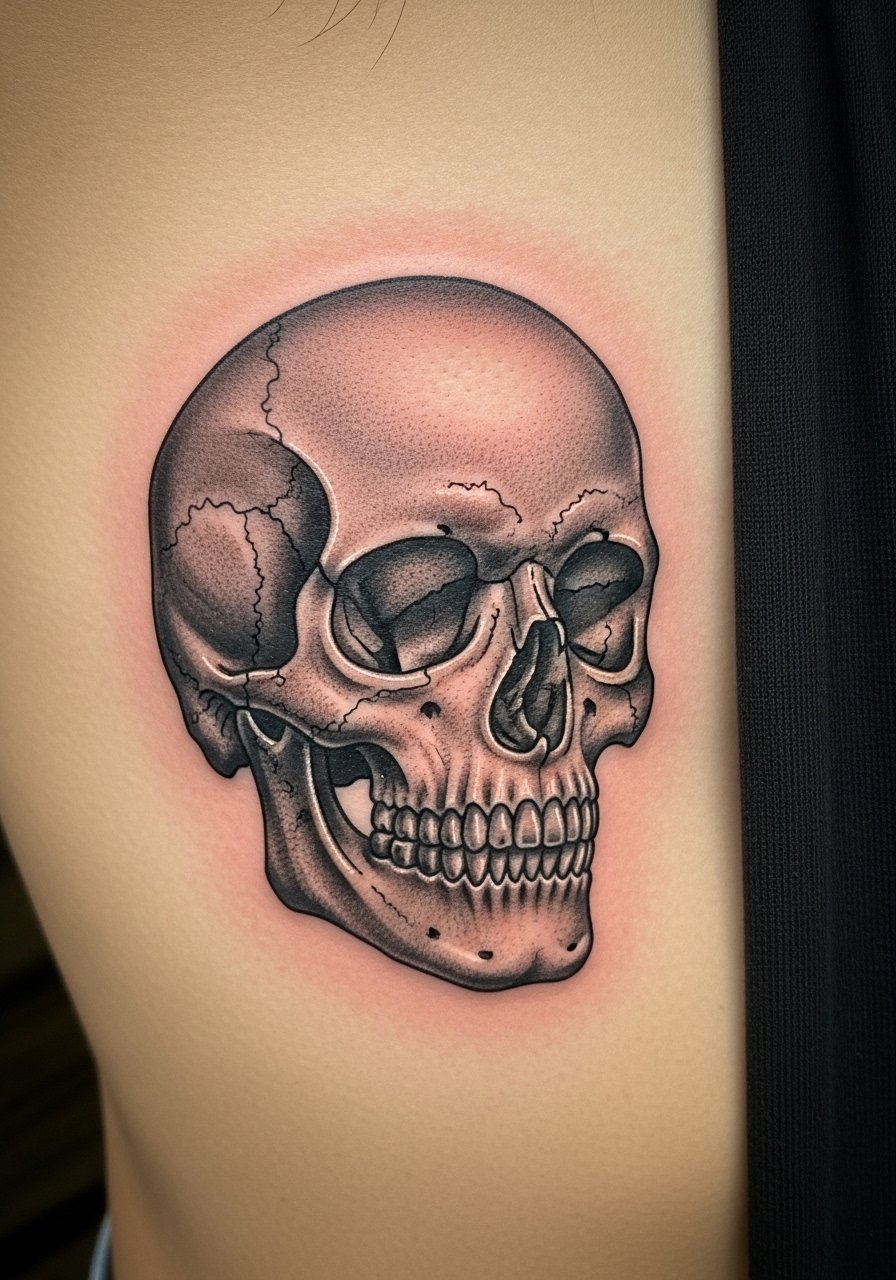
Fair warning, the ribcage is painful. I got a ribcage piece once and it felt sharp in waves. But the depth you can get with chiaroscuro on ribs is worth the discomfort if you want dramatic black shadows. Sessions are long, often two to three hours per visit. Tell your artist to use layered shading rather than tiny stipple shadows. Stipple-only shading tends to lose depth in two years. At six months the shadows settle into a soft gradient. By year three the darkest areas lighten, so plan for a touch-up if you need full-on contrast. For aftercare, I relied on Aquaphor Healing Ointment, 14oz tube the first five days to keep scabbing minimal.
5. Dotwork Owl Back Shoulder
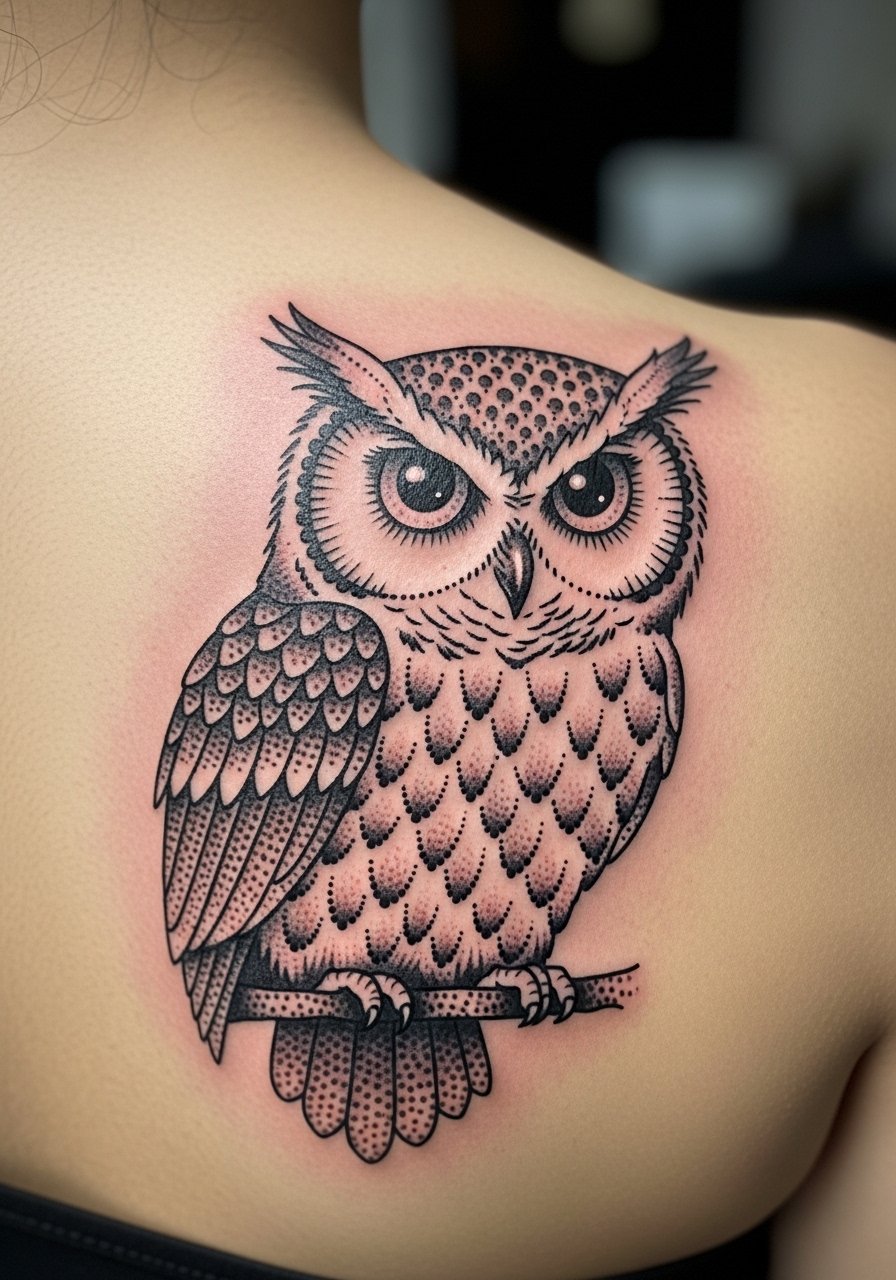
I spotted this on a convention flyer and loved how dot gradients created depth without heavy lines. The shoulder is forgiving for dotwork because the skin is thicker. Pain is low to moderate. Sessions can be two to three hours. Ask the artist to space dots with predictable rhythm and to leave small anchor lines. Too many micro-dots without anchors makes the image flatten after a year. At six months the dots read crisp. At two years the edges soften into texture, which can be beautiful if done intentionally. If you want a version for a sleeve, move the owl design slightly toward the back so shoulder movement doesn't warp the pattern.
6. Neo-Traditional Raven Top Of Hand
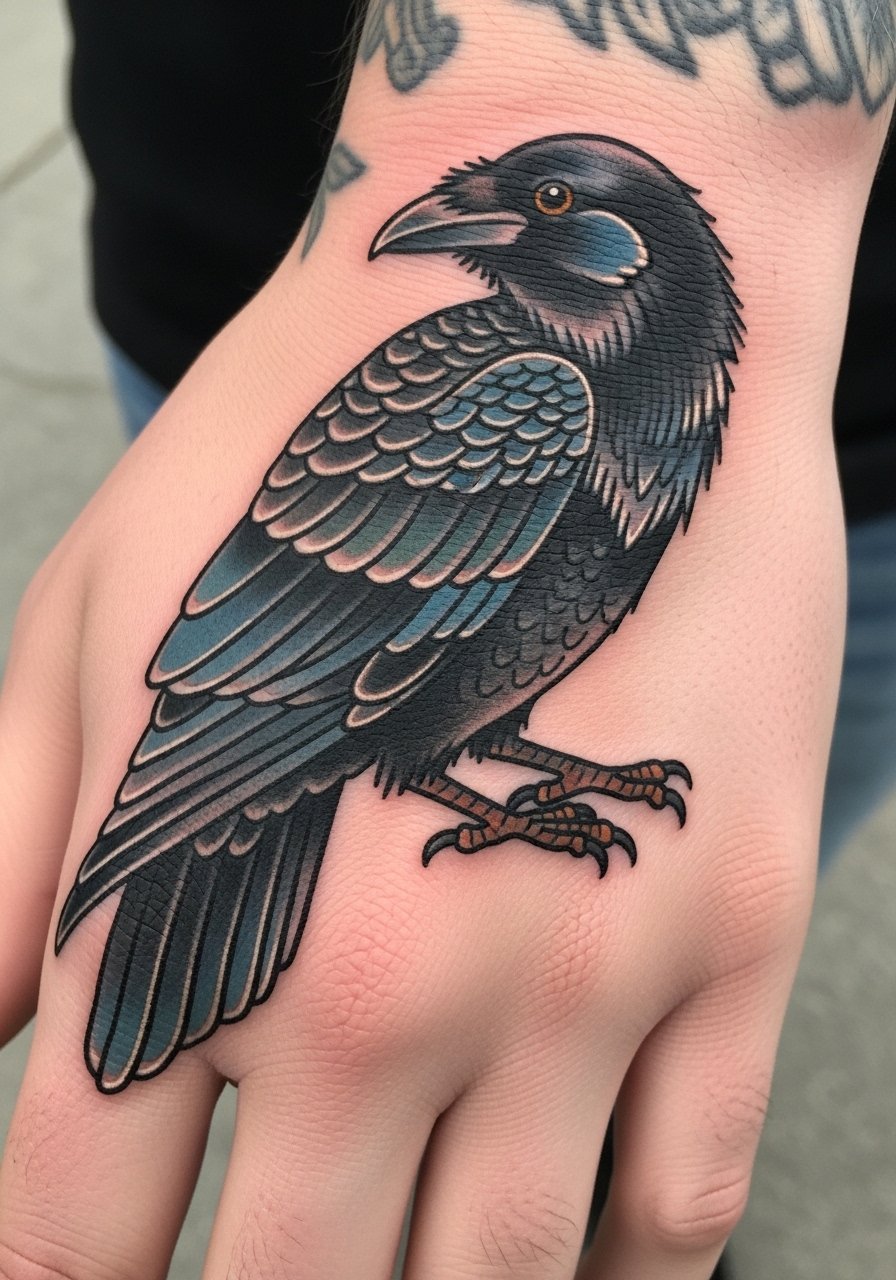
Hand pieces age fast. I learned this after watching a friend’s hand art change dramatically in a year. Neo-traditional ravens with bold outlines survive better than delicate versions. Pain is high. Session time is short per pass but expect frequent touch-ups. Tell your artist to plan for heavier line anchors and to avoid tiny interior detail. A common mistake is treating the hand like forearm skin. For maintenance, most artists I know recommend using Mad Rabbit Tattoo Balm after initial healing. At six months a well-inked hand raven will still have clear contrast. At two years expect some feather edges to fade and possibly require refreshing.
7. Negative Space Floral Outer Thigh
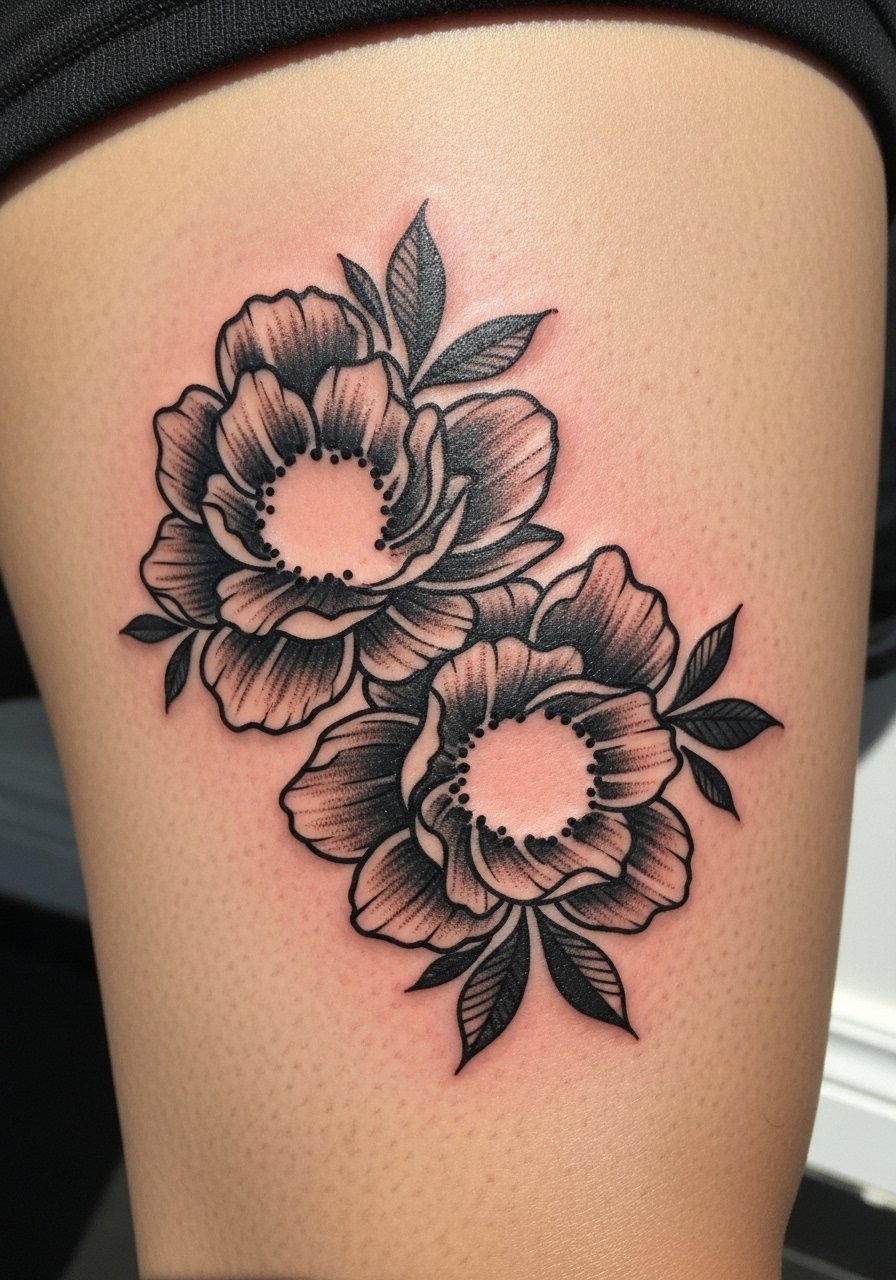
I love negative space florals because they read like cutouts. Outer thigh is a great placement. Pain is low to moderate. Sessions often run 90 minutes. When consulting, bring photo examples of the exact negative shapes you want. The biggest error I see is making negative veins too narrow. Over time those thin skin gaps fill visually. At six months the negative sections are crisp. At two years the edges may soften but the contrast between skin and black usually remains strong. If you plan future leg pieces, mention continuity during your first consult so the artist can scale shapes to match.
8. Minimalist Line Mountains Ankle
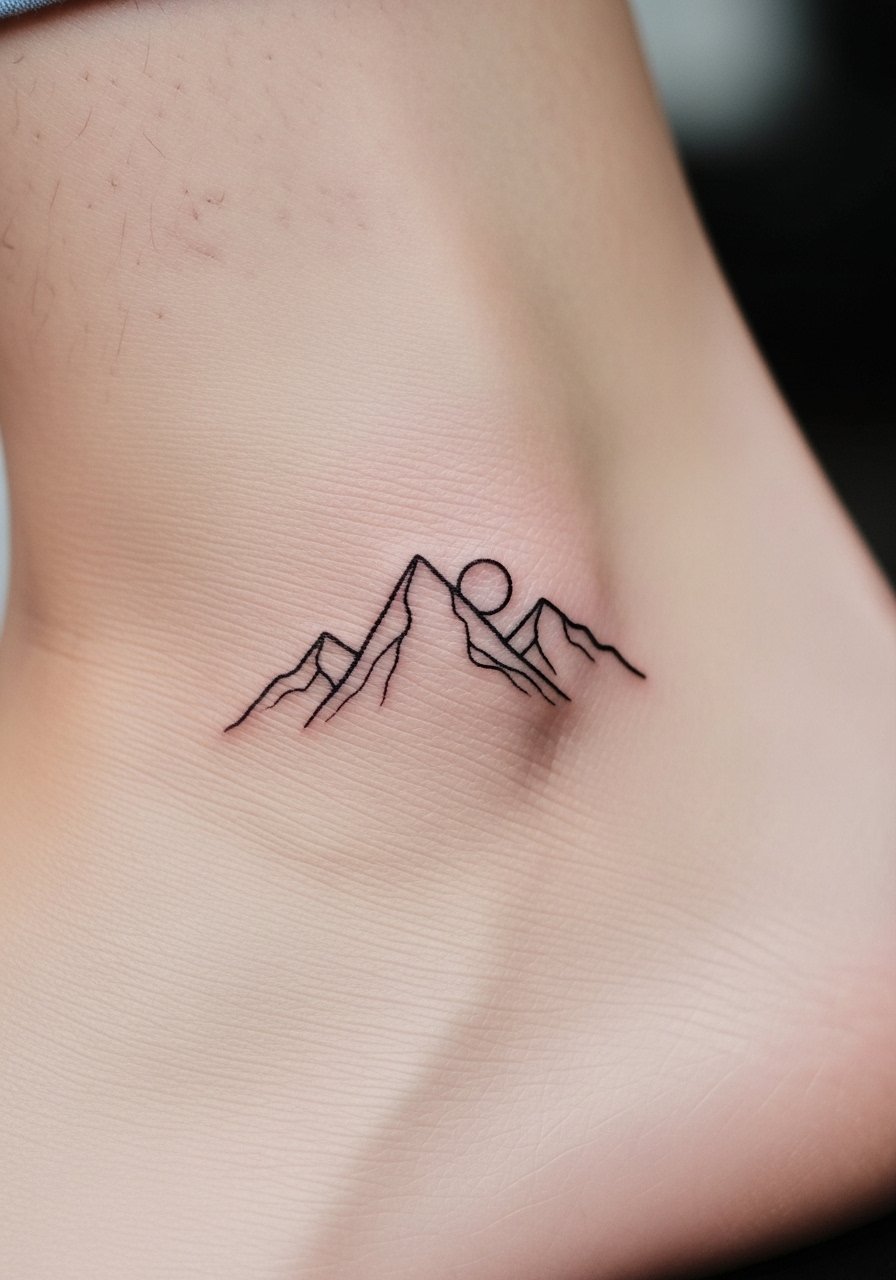
I put a tiny mountain on my ankle and learned fast about line survival. Minimalist lines read best when not pasted onto mobile, thin skin. The ankle is bony, so pain is moderate to high. Sessions take 20 to 45 minutes. Ask for slightly thicker primary lines that keep the mountain silhouette intact at two years. The common mistake is asking for ultra-fine single-stroke peaks. They look crisp at one week and soft at one year. If you want a larger version for the calf, scale the line weight down a bit. Healed at six months the piece looks simple and elegant. At two years expect subtle blurring.
9. Surrealist Eye Behind Ear
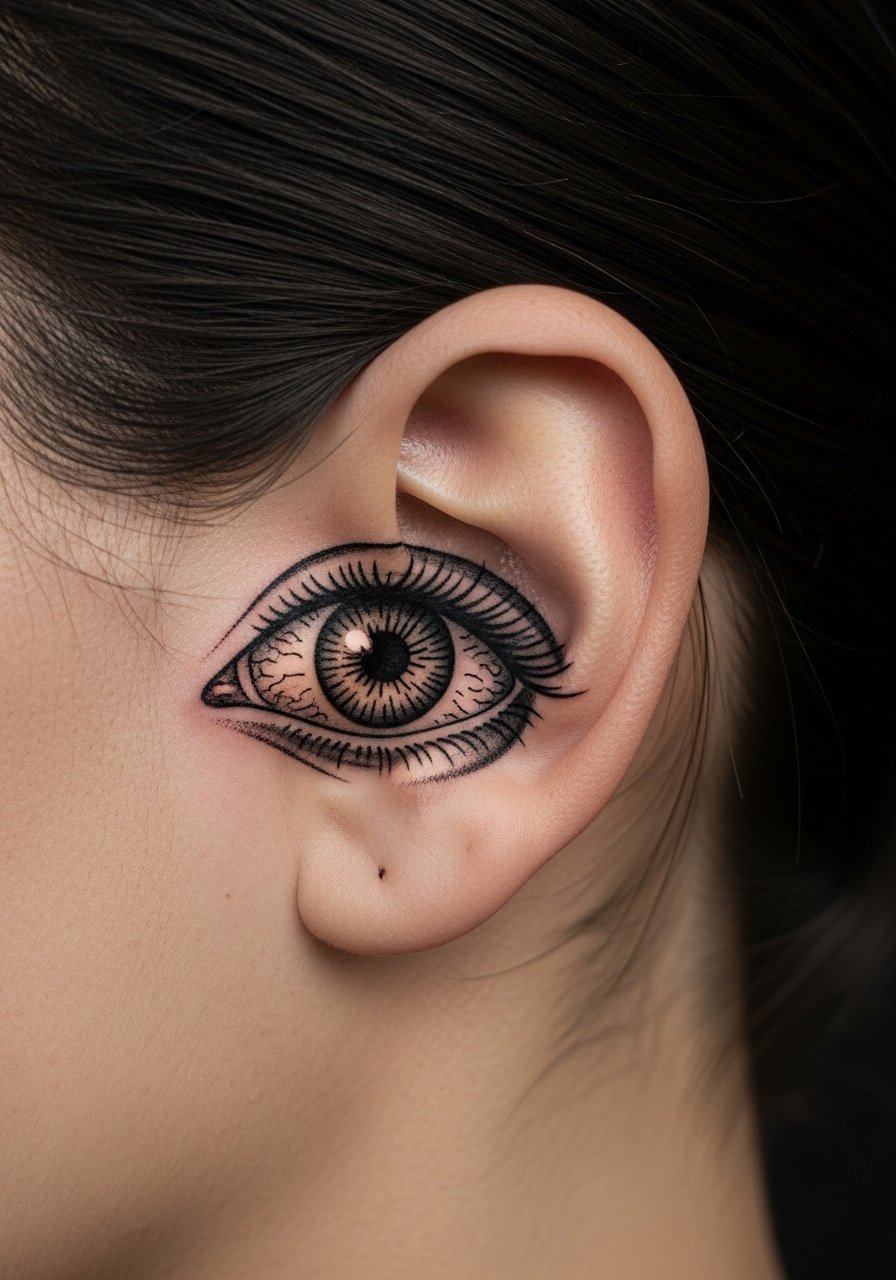
Behind-ear pieces are intimate and reveal personality in photographs. I found this idea while watching a musician's profile shots. Pain is sharp but short. Session time is brief, 15 to 30 minutes. Tell your artist you plan to wear hair up sometimes. That affects where the eye should sit to avoid constant friction. A frequent error is placing delicate lashes too close to the fold of the ear. Those lines almost always fuzz by year two. At six months a well-drawn eye still has expressive detail. At two years the lashes may fade, leaving a bold iris if the artist anchored the center.
10. Ornamental Mandala Spine
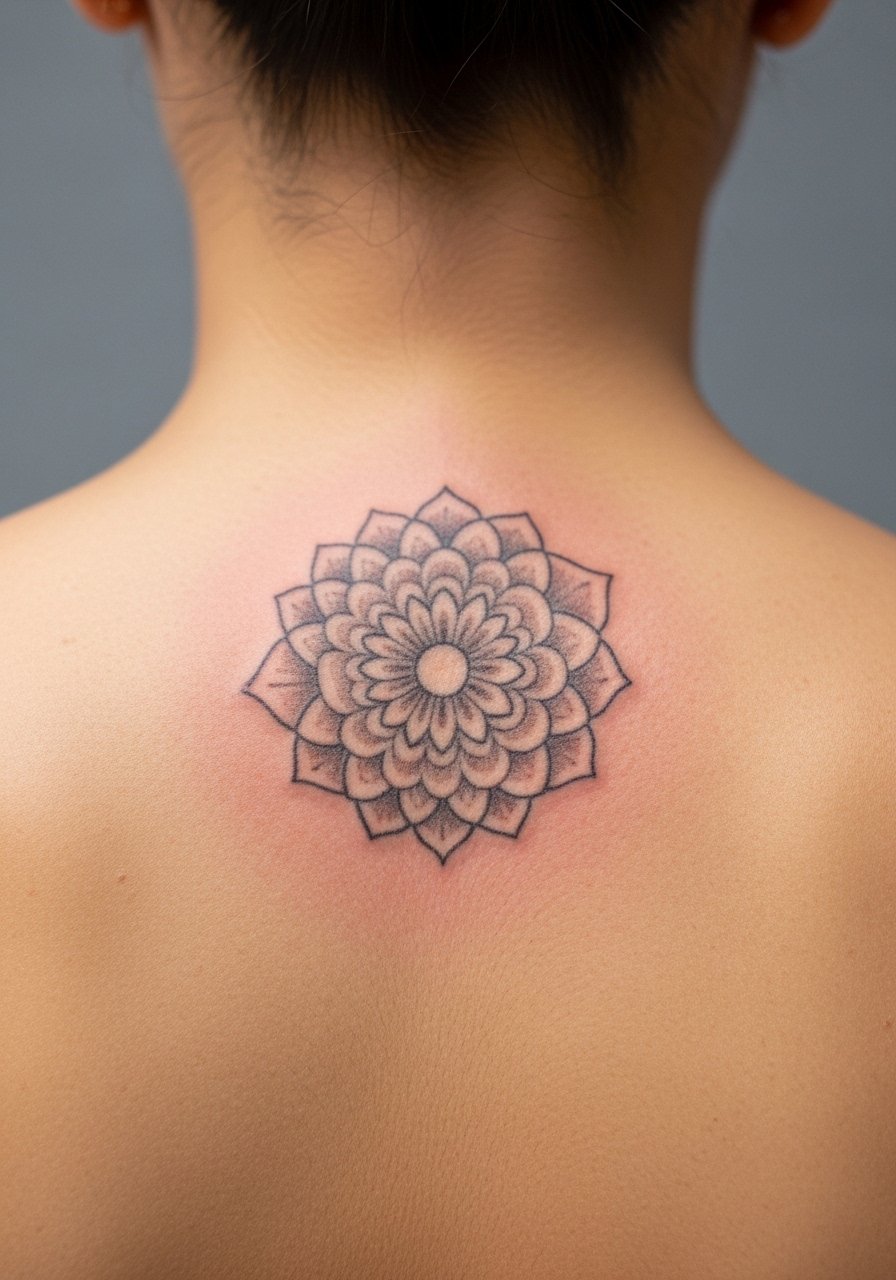
I first saw a spine mandala at a studio and realized how powerful symmetry reads on the centerline. Pain is high along the spine. Sessions are usually split into 60 to 120 minute blocks. During consult, request that the artist match line weight to your vertebra spacing. The biggest mistake is squeezing too many rings into a short vertical span. That causes muddiness at two years. At six months the layers look crisp. By two years outer rings will soften, but the central geometry can remain striking if the artist left clear negative space.
11. Stipple Landscape Calf
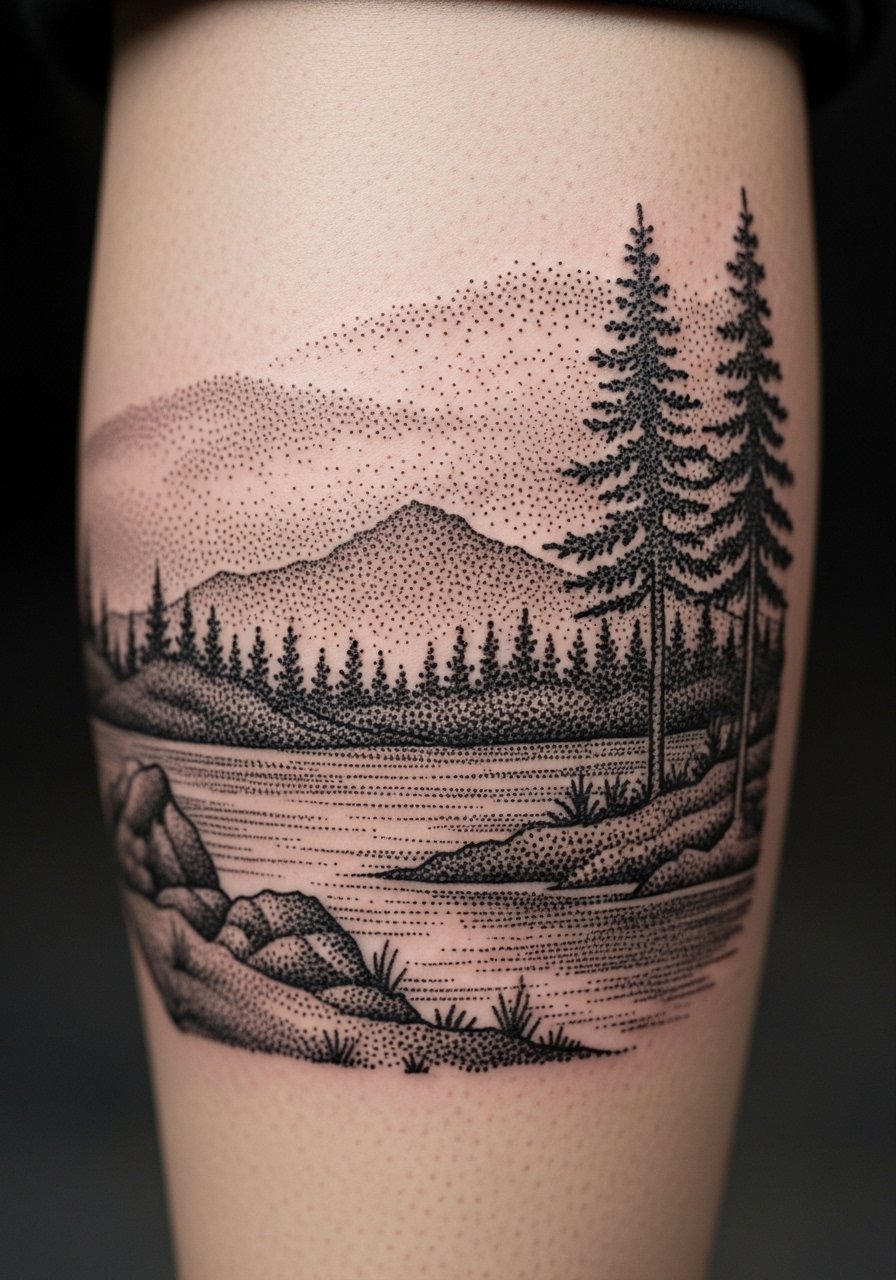
I watched an artist render landscapes with stippling and they read like charcoal drawings. The calf accepts stipple well because the skin is stable. Pain is low to moderate. Sessions are three to four hours for larger pieces. Ask your artist to anchor the horizon line with a stronger contrast. Stipple-only gradients without anchors often flatten by year two. At six months the tonal range looks textured and alive. At two years the dotwork softens into atmospheric gray, which actually improves some landscape pieces. For placement changes, a calf piece looks more vertical on the shin and more panoramic toward the outer calf.
12. Traditional Sailor Anchor Forearm
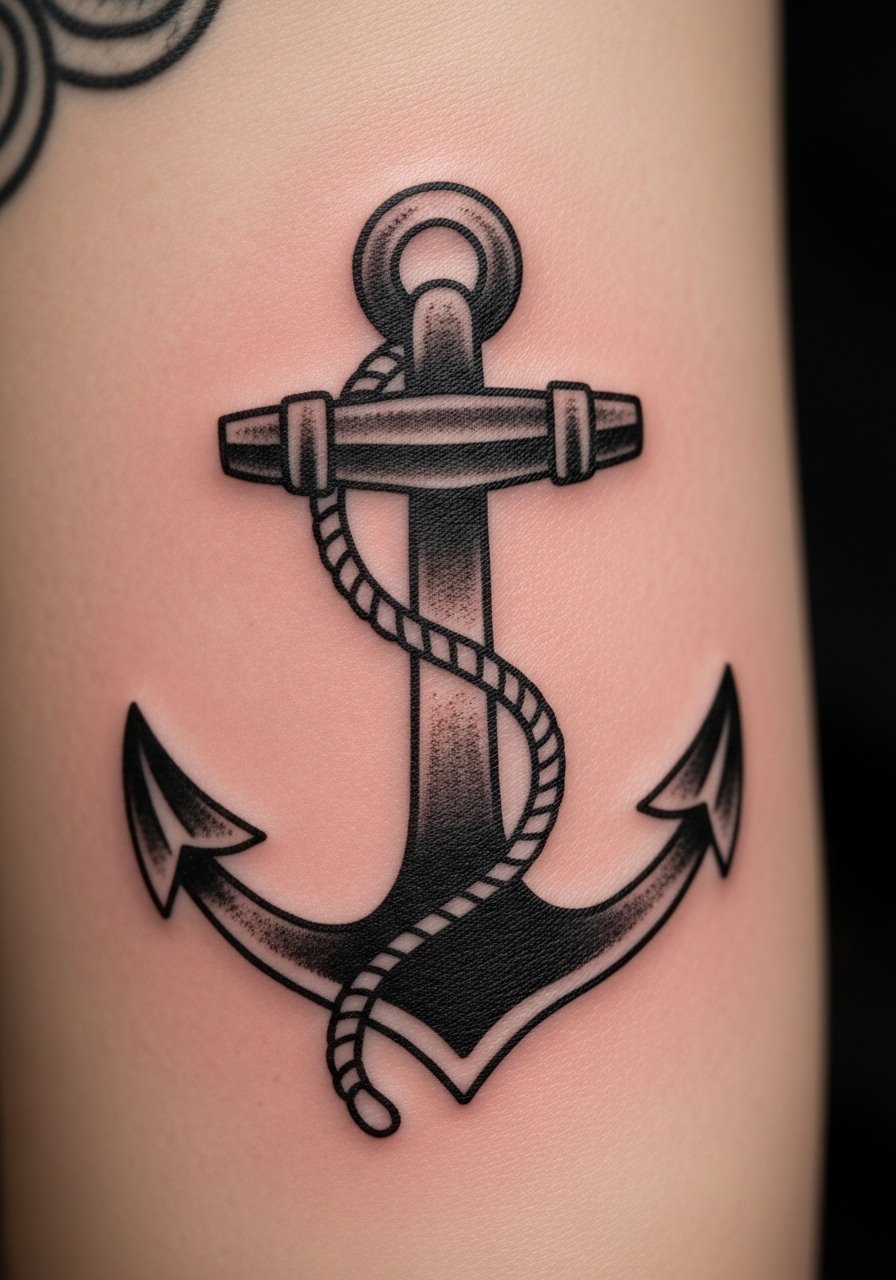
I grew up around traditional shops and saw anchors holding up decade-old sleeves. The forearm is classic for this style. Pain is low to moderate. Sessions are short. Tell your artist you want true heavy lines and solid fills. A lot of sailors' anchors done with thinner modern lines lose presence by year three. At six months the anchor still snaps. At two years, if the lines were thick to begin with, the silhouette remains. A common mistake is detailing inside the anchor with micro-lines. Forearms move a lot and those details blur first.
13. Illustrative Botanical Half Sleeve Inner Arm
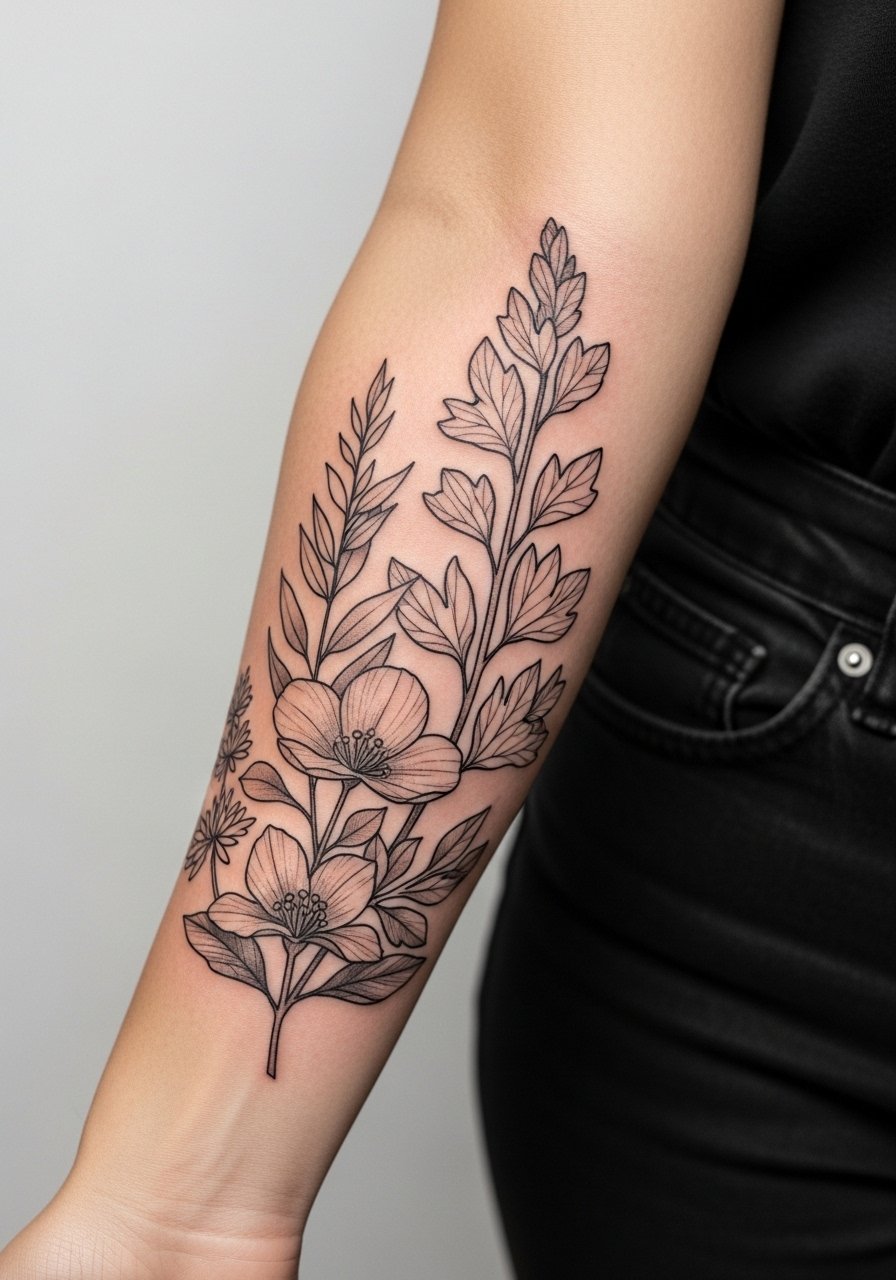
When I saw an inner-arm botanical sleeve, I noticed how motion and anatomy made the plants feel alive. The inner arm is sensitive. Pain ranges from moderate to high. Sessions happen over multiple visits. During consult, ask your artist to map design flow around the bicep fold. People often pack too many tiny leaves, which are the first to blur. At six months the leaves settle into layered texture. By two years the thin veins fade, leaving clear silhouettes if the piece used mixed line weights.
14. Gothic Script Collarbone
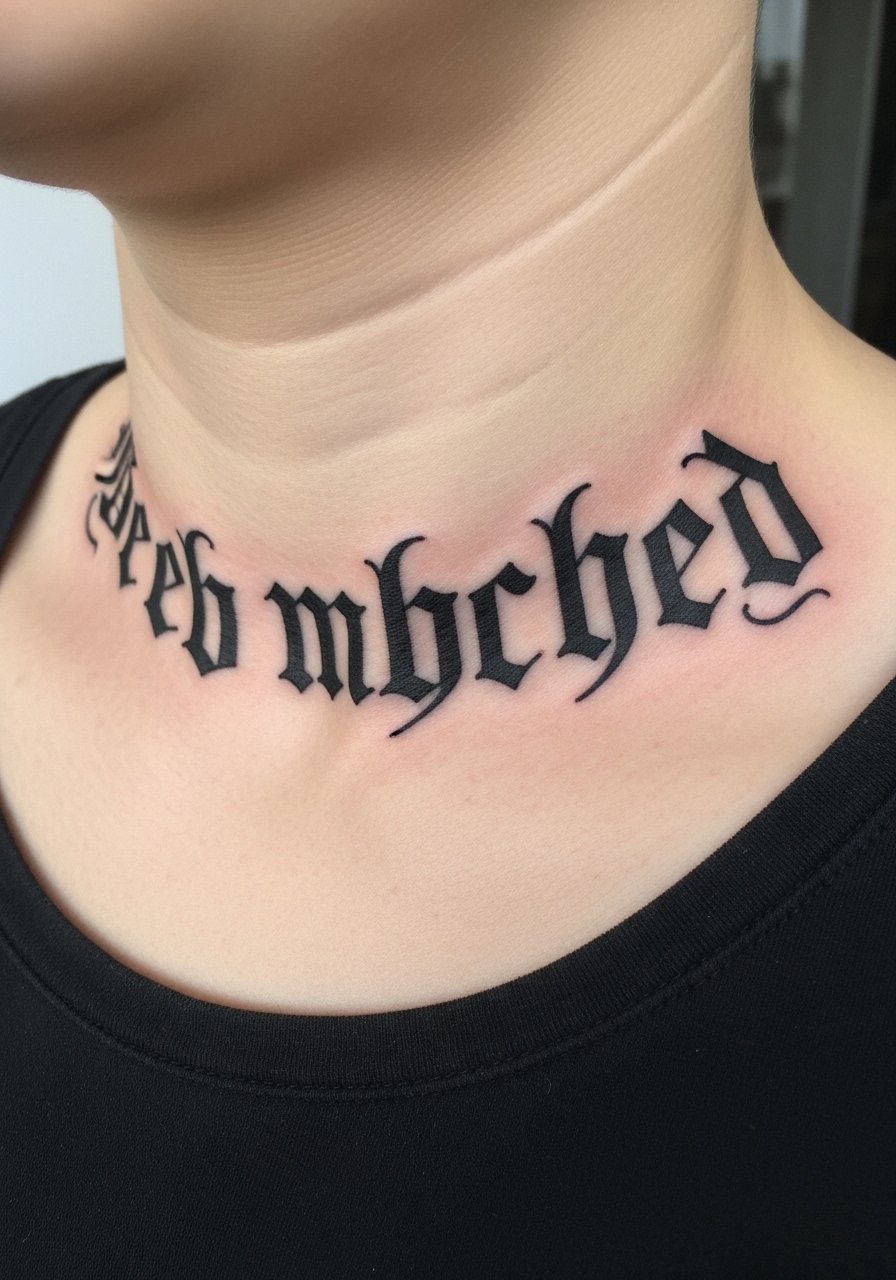
I asked a calligrapher friend about gothic script and learned that collarbone placement emphasizes form. Pain is moderate because the bone is shallow. Sessions are usually short lines at a time. Tell your artist to avoid hairline serifs. Those tiny decorative elements disappear after a year. At six months the letters read crisp and moody. At two years the main strokes usually hold, but ornate serifs need refreshes. If you want a longer phrase, keep spacing wide so the letters age without crowding.
15. Reverse Blackwork Rose Wrist
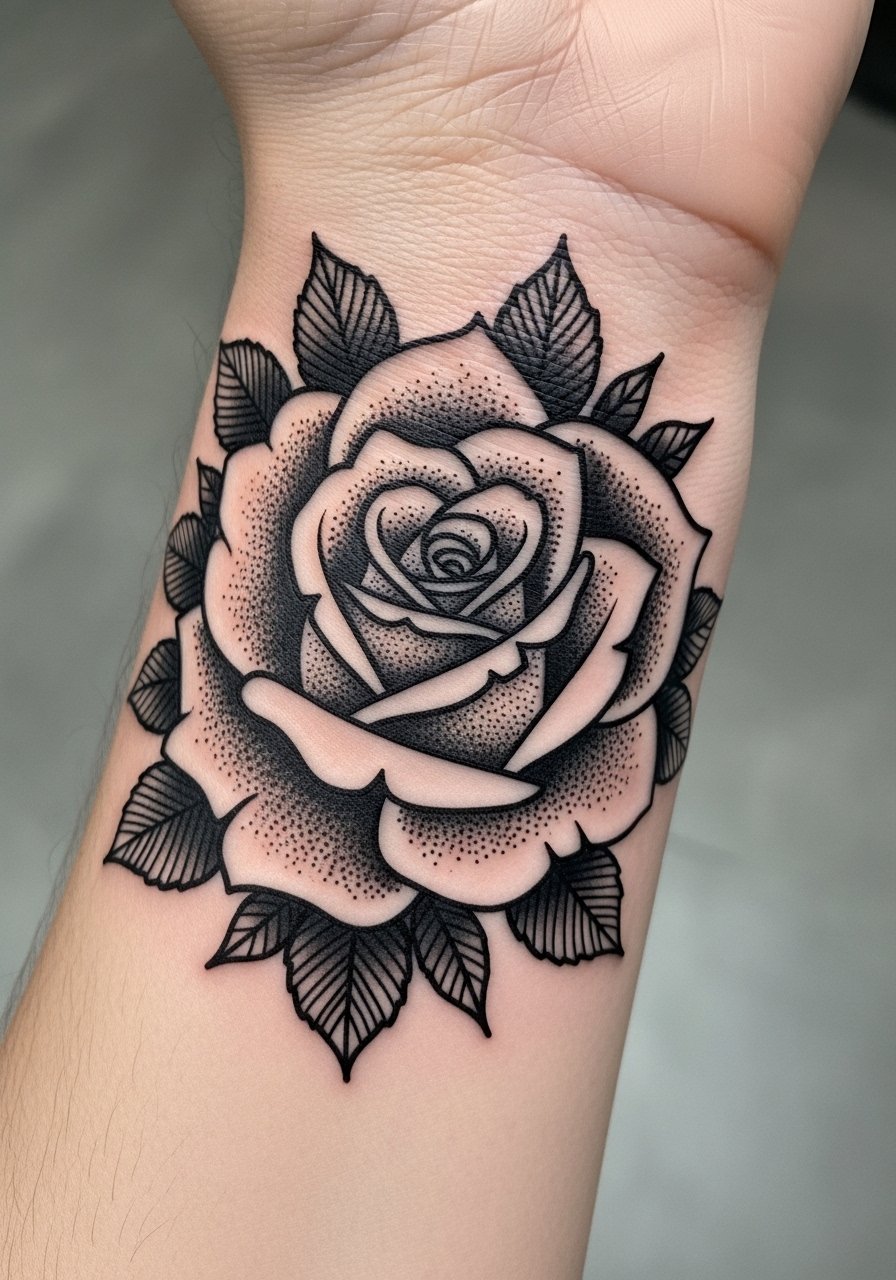
I love reverse blackwork because the rose becomes a silhouette by carving out skin tone. Wrists see constant sun and friction. Pain is moderate. Sessions are short. Ask your artist to design a clear negative petal map and avoid tiny pearling gaps. Those thin negative veins clog up in two years. At six months the rose looks dramatic. Guard it with sunscreen or a stick when exposed. I usually recommend an SPF 50 sunscreen stick for tattoos for wrist exposures to keep contrast longer.
16. Sketchy Tiny Horror Finger
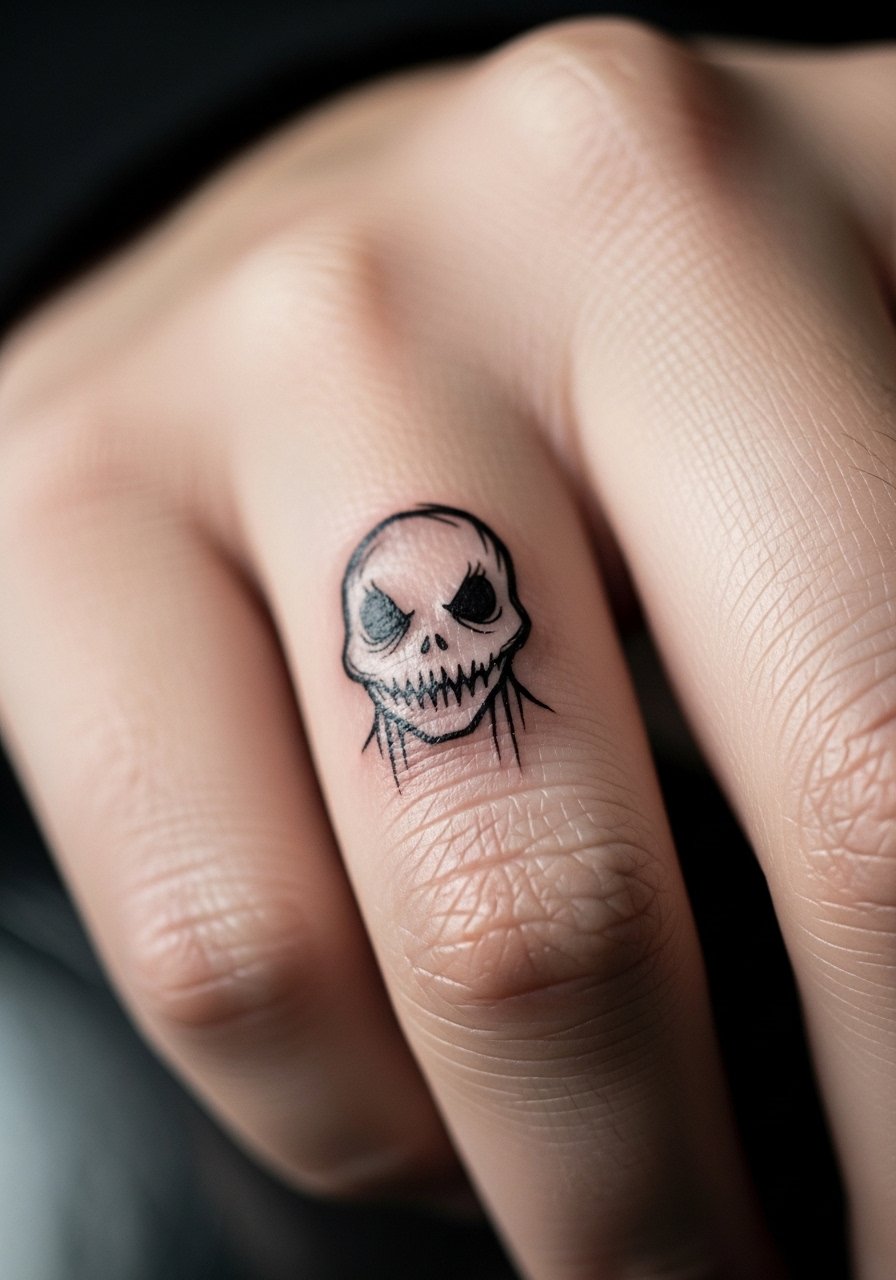
Finger tattoos are notorious for quick fade. I advise clients that tiny sketchy horror icons look great for a while but need upkeep. Pain is high. Sessions are quick but expect touch-ups. Ask your artist to thicken any critical outline so the icon still reads at one year. The common mistake is treating finger skin like the forearm. For protection during healing, consider using a hydrocolloid option like Hydrocolloid bandages for small tattoos to reduce picking. At six months the image still carries the vibe. At two years the most detailed lines may blur.
17. Micro-Realism Insect Nape Of Neck
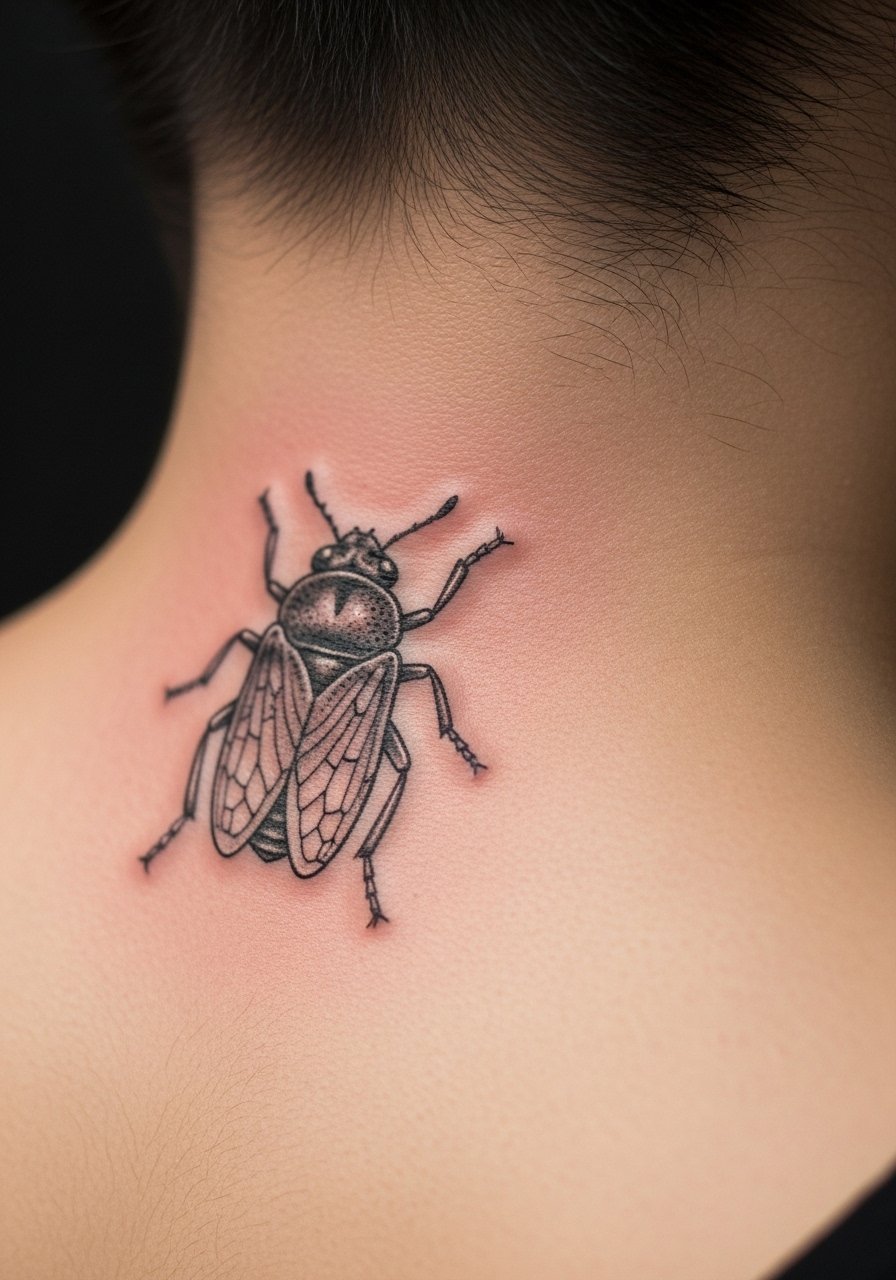
I saw a tiny beetle on the nape that looked like it could crawl in photos. The nape is a soft spot for micro pieces. Pain is moderate. Sessions can be 60 to 90 minutes. Tell your artist you want contrast anchors around the thorax of the insect. Too many thin legs without anchors disappear by two years. At six months the tiny textures look crisp. At two years the ultra-fine antennae will likely soften. For healing, some artists I work with suggest using transparent adhesive bandage like Saniderm Transparent Adhesive Bandage, 6-inch roll on the nape if you sleep on it.
18. Glitch Blackwork Shoulder Blade
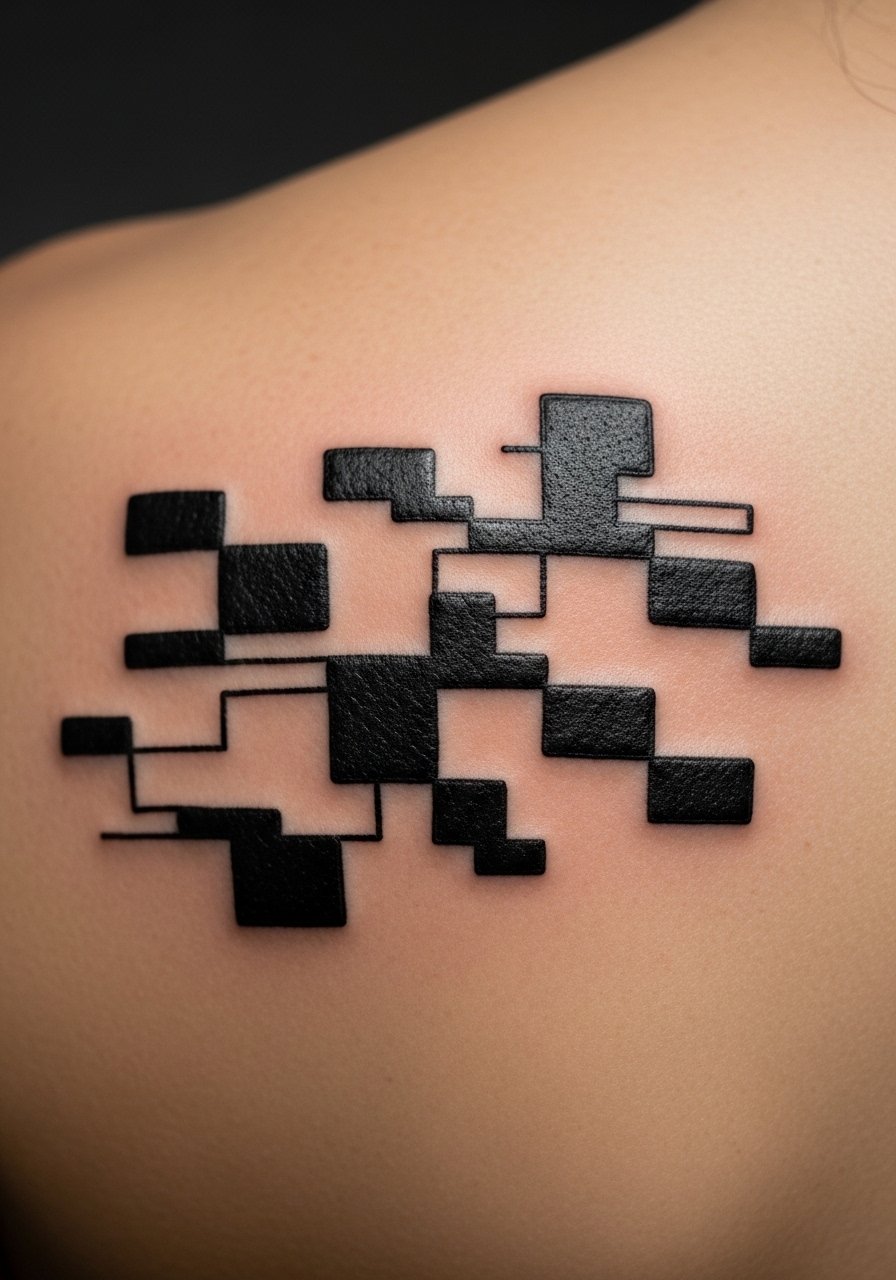
I noticed glitch work in streetwear campaigns and it translates to shoulder blades beautifully. The shoulder blade offers a flat plane. Pain is low to moderate. Sessions are typically 60 to 90 minutes. Ask your artist to design deliberate breaks that read as composition, not as accidental blowouts. A common error is using micro-rectangles too close to each other. They can merge over time. At six months the glitch reads like pixel art. At two years edges soften into texture, so plan for a mid-term touch-up if you want the digital crispness to remain.
19. Silhouette Portrait Thigh
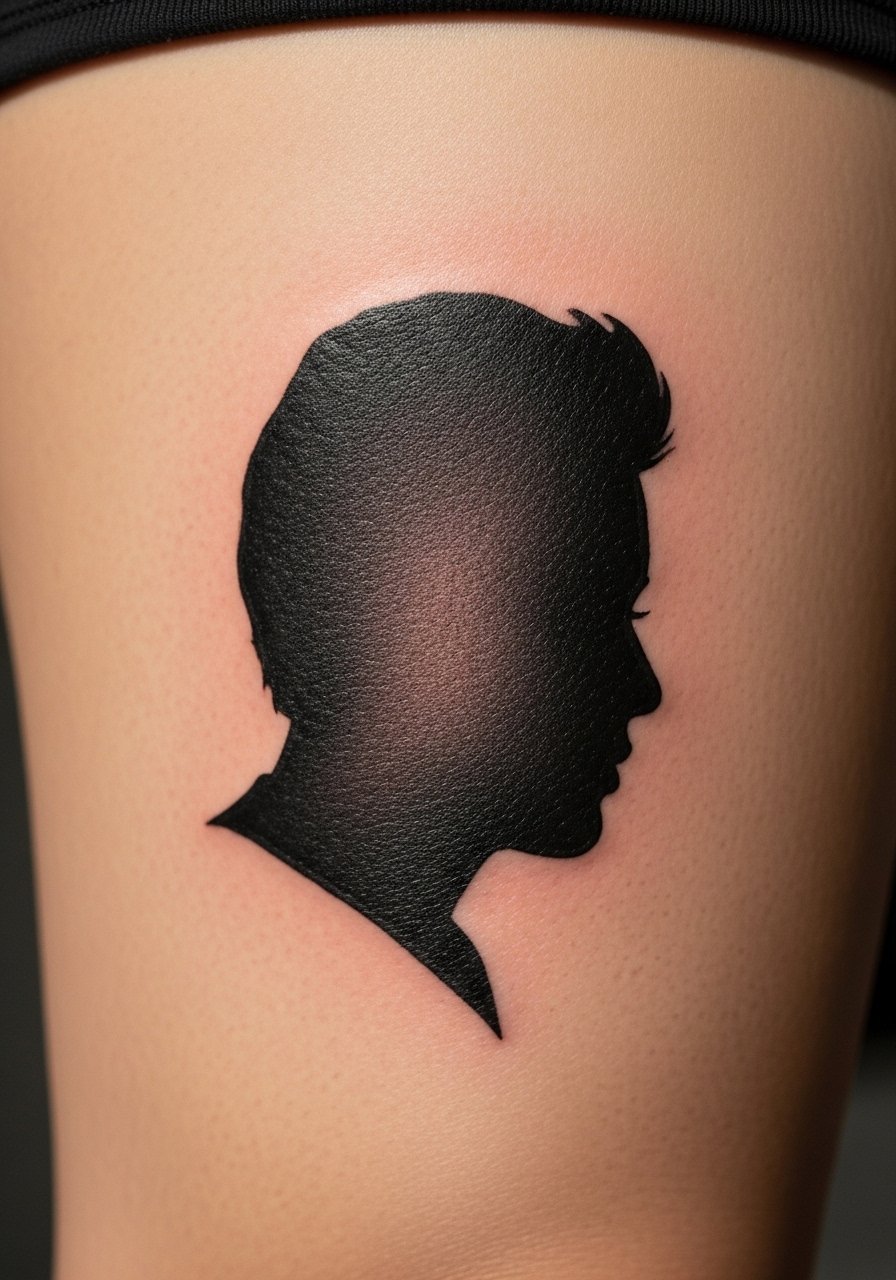
I saw silhouette portraits on thigh canvases and they felt cinematic. The thigh is forgiving and masks fade well. Pain is low to moderate. Sessions are often 60 to 180 minutes depending on size. Tell your artist whether you want inner shading or pure silhouette. Inner shading without anchors tends to gray out at two years. At six months shapes remain graphic. At two years silhouettes retain presence better than detailed faces. If you plan an adjacent thigh piece, map negative spaces in the consult so the silhouettes balance.
20. Blackout Sternum Panel
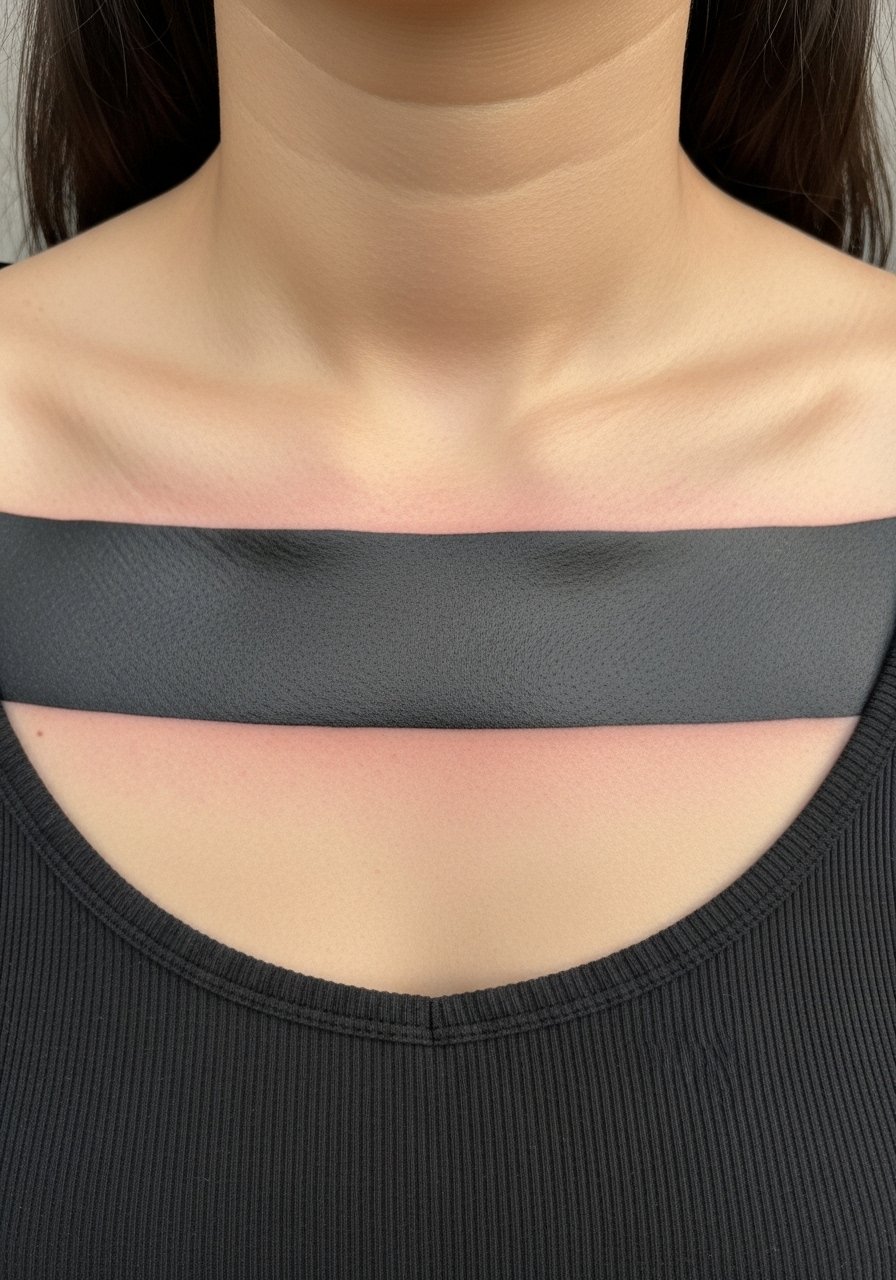
A blackout sternum piece is extreme but visually undeniable. I watched an artist overlay patterns inside blackout and the contrast was stunning. Pain is high on the sternum. Sessions are long and often split. Tell your artist you want even saturation and to plan for touch-ups. The common mistake is underfilling early. Patches show quickly on blackouts. At six months the black should look saturated. At two years most of the block remains dark if you keep it out of the sun. For long-term maintenance, a product like Hustle Butter Deluxe has been recommended by some artists I know to keep healed blacks vibrant.
21. Fine Line Constellation Ankle
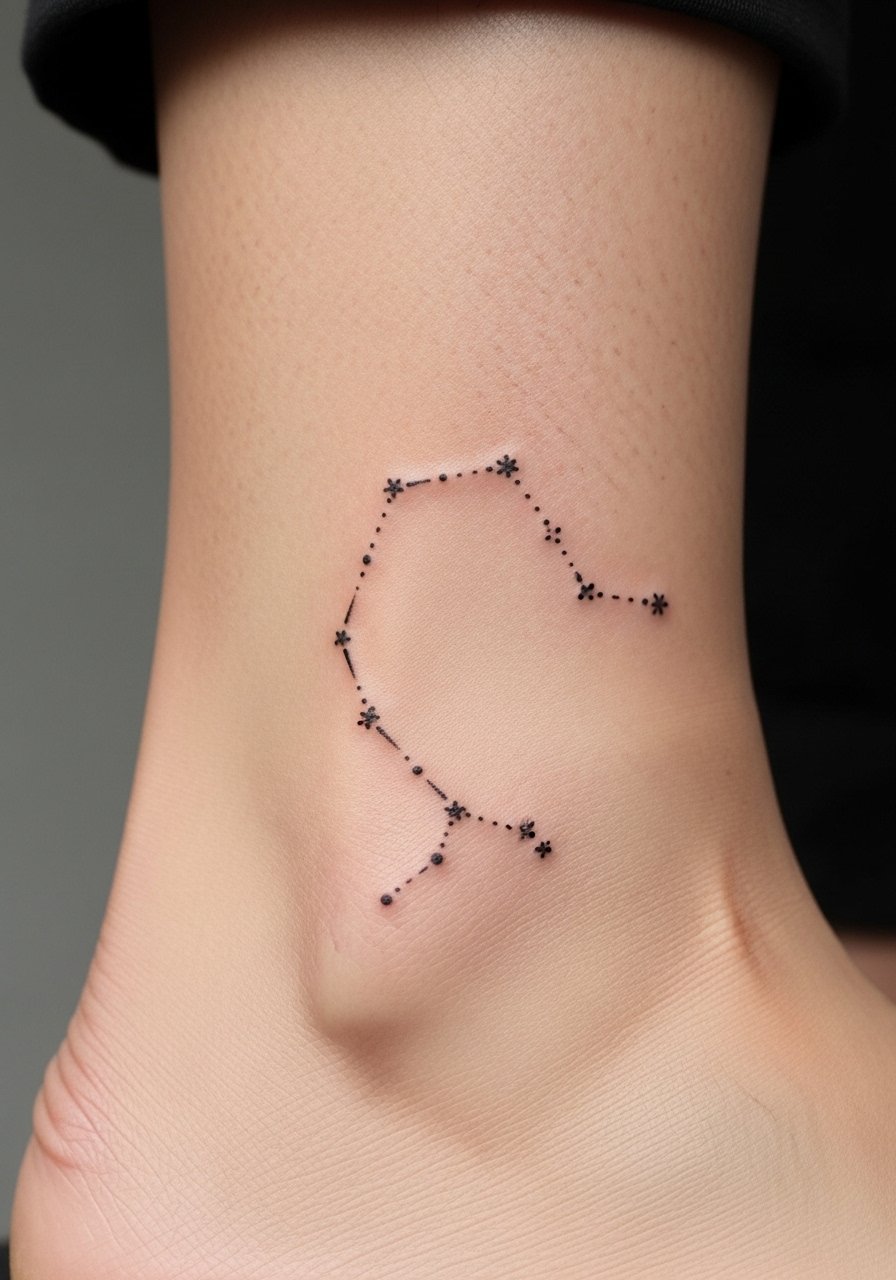
Constellations around the ankle photograph beautifully. I learned that spacing is everything. The ankle is bony and moderately painful. Sessions are quick. Ask for slightly bolder anchor dots so the stars still map out after a year. Tiny connecting lines are the first to blur. At six months the pattern looks delicate and crisp. At two years faint lines likely remain, but the star anchors will keep the constellation recognizable. If you want the same motif on the wrist, expect faster blurring due to more sun and friction.
22. Mandala Quarter Sleeve Upper Arm
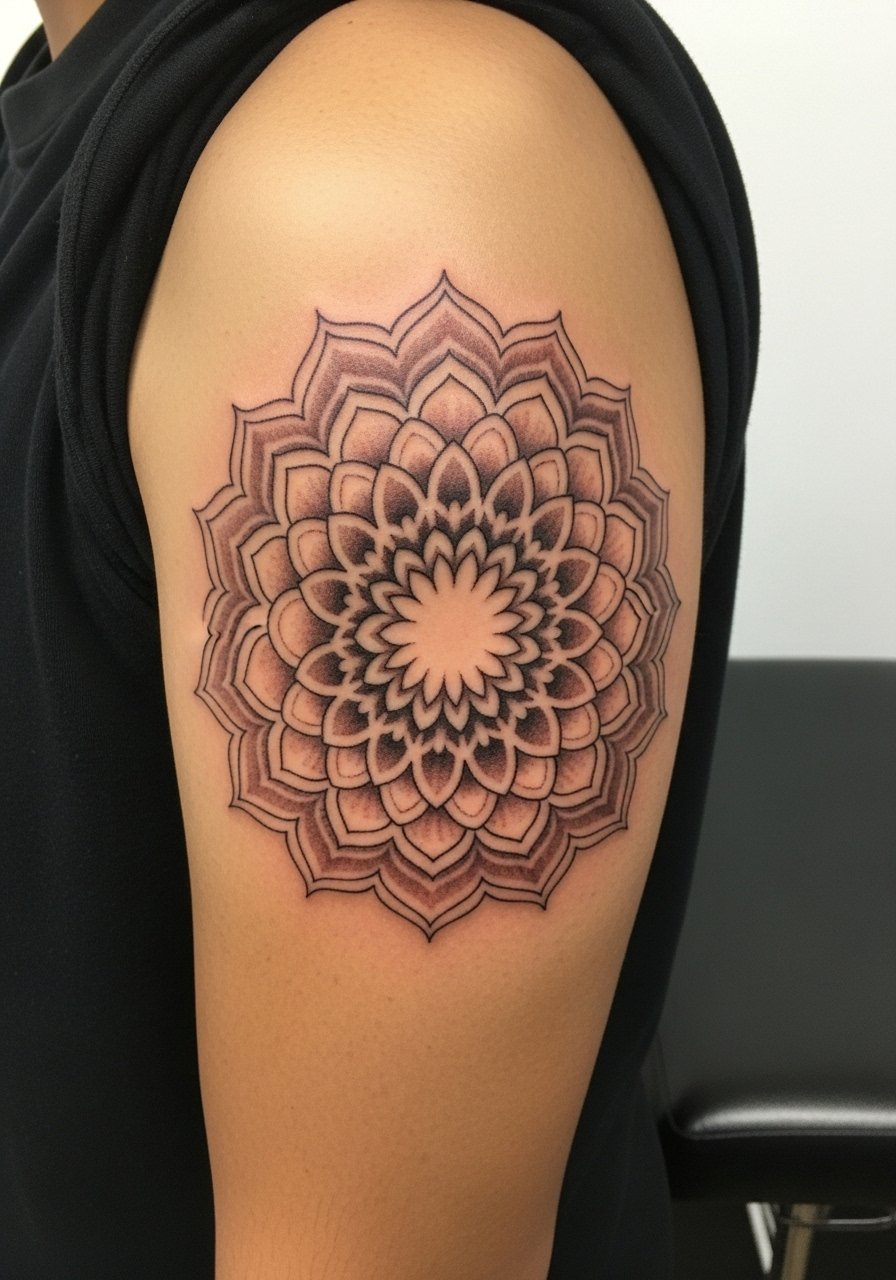
A quarter-sleeve mandala on the upper arm reads like armor and moves with muscle. I saw one and noticed how it held up through workouts. Pain is moderate. Sessions span multiple visits. During consult, tell the artist about your muscle shape. Many mandalas lose peripheral detail when placed too close to joints. A typical mistake is over-detailing outer rings. At six months the center is sharp. At two years outer details soften, so design accordingly.
23. Architectural Linework Foot
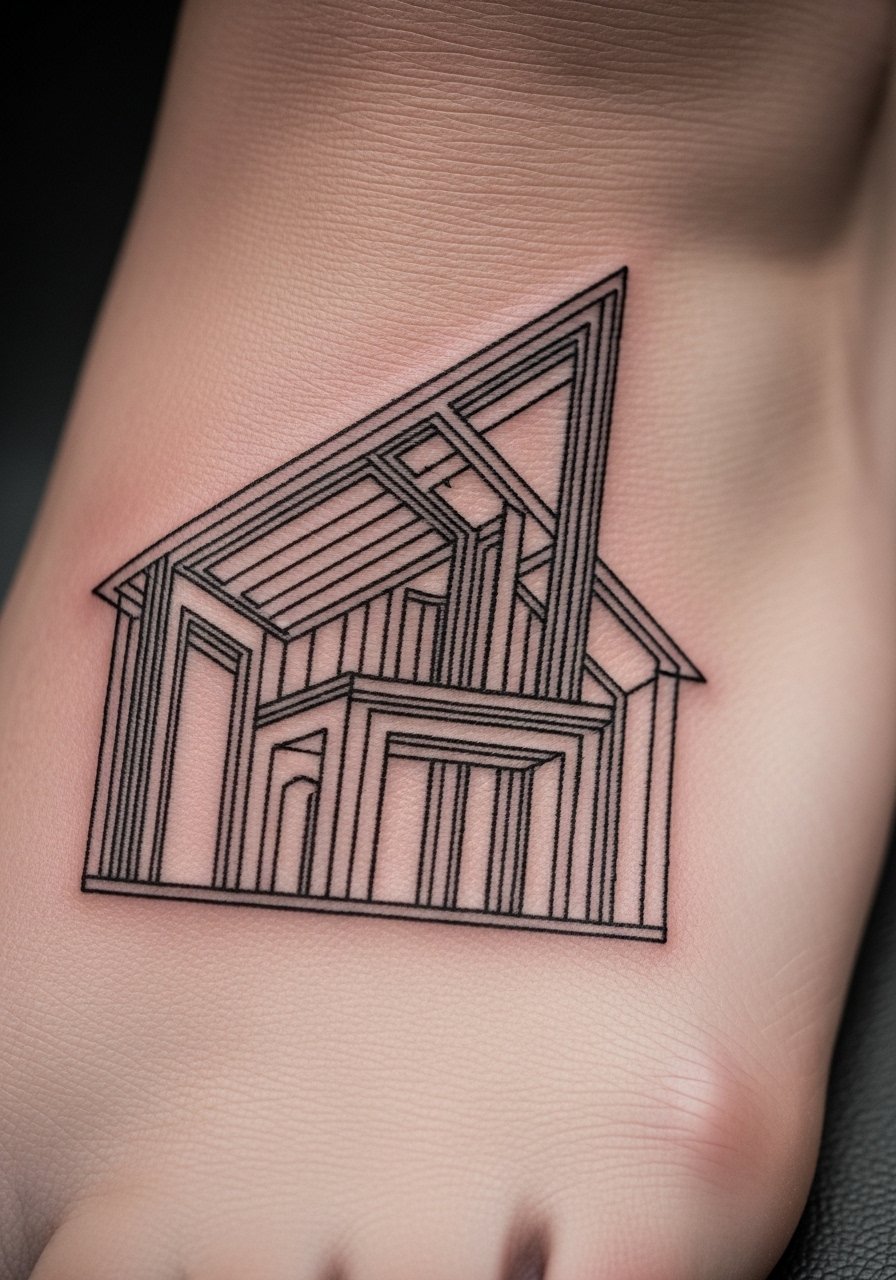
Foot tattoos sit on mobile and thin skin. I talked to artists who treat architectural linework like miniature blueprints. Pain is high. Sessions are uncomfortable but short. Ask your artist to simplify complex intersections and to avoid extremely fine parallel lines. Those tend to blur first with walking and shoe friction. At six months the lines look tidy. At two years expect lightening, especially on the toe-side edges. For healing, keep shoes loose and use gentle cleansers.
24. Heraldic Crest Chest Center
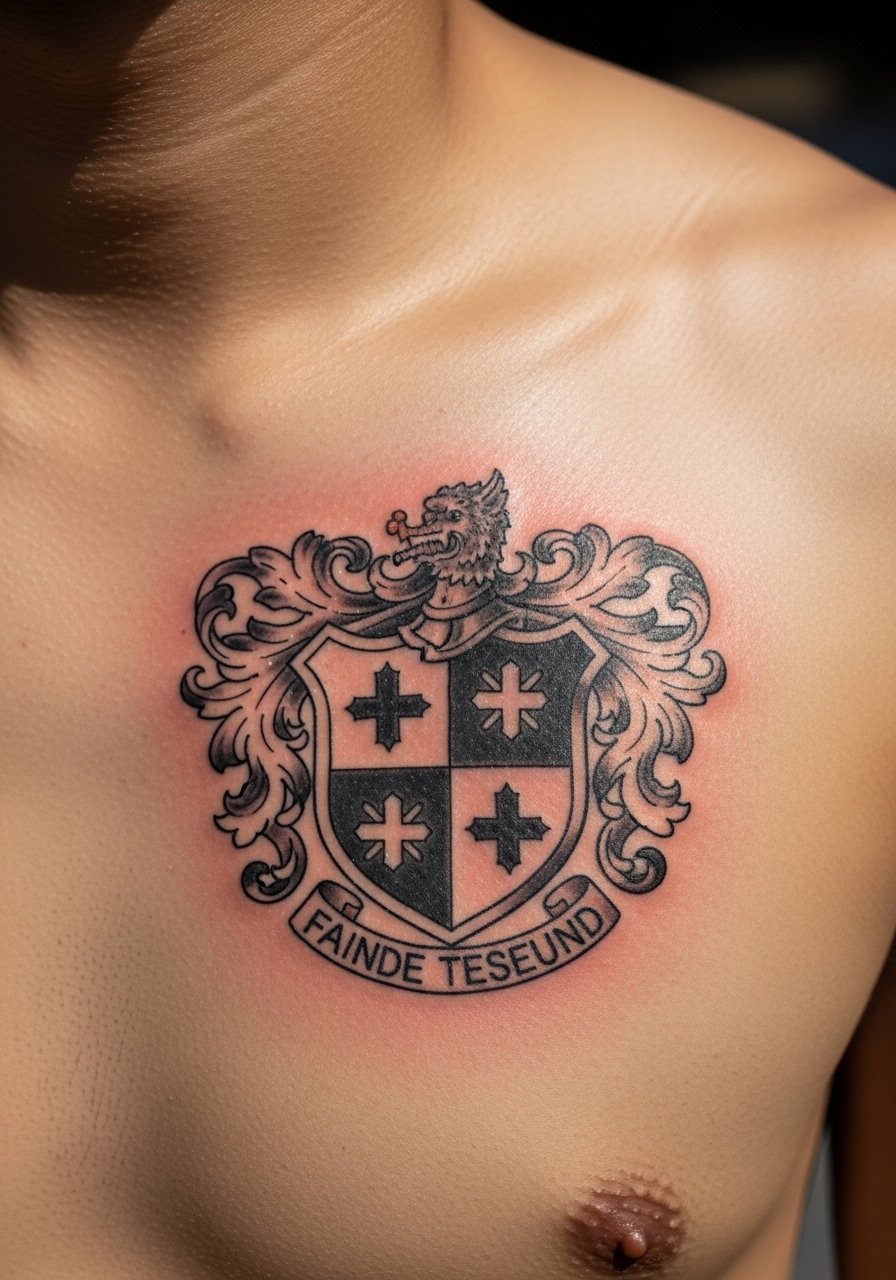
I found a crest at a shop and admired how it anchored a chest layout. The chest center is dramatic. Pain is moderate to high. Sessions run 60 to 180 minutes. Request the artist emphasize shield contours and minimize tiny interior flourishes. The usual mistake is overloading the crest with mini heraldry that becomes unreadable by year two. At six months the emblem still communicates the motif. At two years, the core shapes tend to hold if defined strongly.
25. Surreal Blackwork Sleeve Outer Arm
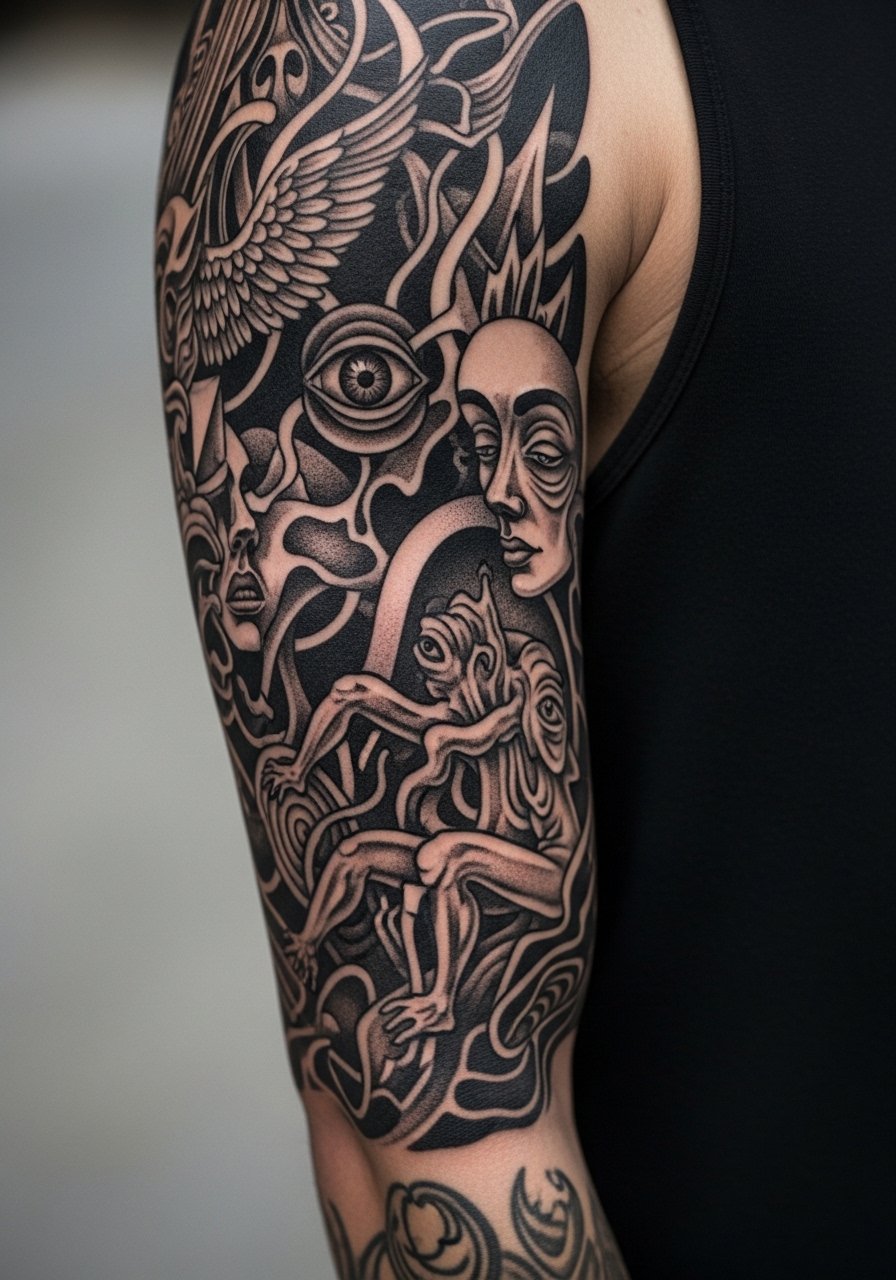
I collected surreal blackwork sleeves in a folder for months before committing. The outer arm is an excellent long-term canvas. Pain is moderate. Full sleeves require many sessions. Tell your artist to build bold anchors and route the composition so focal points sit where your arm naturally faces forward. A frequent error is too many small motifs. Over time small motifs merge into texture. At six months the sleeve should read as layered scenes. At two years the strongest shapes dominate and the detailed bits mellow into atmosphere.
Tattoo Prep and Aftercare Essentials
- Aquaphor Healing Ointment, 14oz tube — Industry standard for first 3-5 days. Artists I know use it to prevent hard scabs.
- Saniderm Transparent Adhesive Bandage, 6-inch roll — Second skin healing method for areas that rub or if you sleep on the tattoo.
- CeraVe Fragrance-Free Moisturizing Lotion, 12oz — For days 4-14 when you switch to light moisturizers.
- Dr. Bronner's Unscented Castile Soap, 32oz — Gentle tattoo cleaning during first two weeks.
- Numbing Cream 5% Lidocaine, 30g — Apply 30-45 minutes before, only if your artist approves.
- Tattoo Stencil Transfer Paper, 8.5×11 pack — Useful if researching placement at home before consult.
- SPF 50 Sunscreen Stick For Tattoos, 0.6oz — Prevents fading on exposed pieces, essential for wrists and hands.
- Mad Rabbit Tattoo Balm, 4oz — Daily maintenance balm artists recommend for color and black preservation.
- Hustle Butter Deluxe, 4oz — Vegan aftercare alternative some studios use post-healing.
- Tattoo Numbing Spray, 50ml — Useful for touch-ups and small, sensitive areas.
- Hydrocolloid Bandages, pack of 20 large — For small high-friction spots like fingers and toes.
I've noticed most artists recommend Aquaphor and Saniderm in the immediate days. For long term, CeraVe and Mad Rabbit are what people keep reaching for. Ask your artist what they actually use in-shop, because practice varies.
Frequently Asked Questions
Q: Will fine line moon phases blur if I put them in a sleeve?
A: From what I've seen, fine line moons survive better when they have a mix of thin and slightly bolder lines. If you place them inside a sleeve with lots of texture, ask the artist to increase the outer line weight and space the crescents. That reduces crowdedness at two years. Using a daily balm like Mad Rabbit Tattoo Balm after full healing helps the lines hold.
Q: Do blackout pieces need special aftercare compared to traditional tattoos?
A: In my experience blackouts require more attention because of the large saturated areas. You want even coverage and gentle healing. Artists I know suggest keeping the area moist with Aquaphor in the first 3-5 days, then switching to a lighter lotion like CeraVe Fragrance-Free Moisturizing Lotion during scab fall. For long-term vibrancy, sunscreen is crucial.
Q: Should I use Saniderm for a nape-of-neck micro piece?
A: I've seenSaniderm work well on nape tattoos because it prevents bedding-in while you sleep. Ask your artist if they apply it in-shop. If you plan to use it yourself, a small strip for 24 to 48 hours can reduce friction. I keep a roll of Saniderm Transparent Adhesive Bandage, 6-inch roll in my kit for that reason.
Q: How do hand and finger tattoos age differently from forearm tattoos?
A: From what I've observed, hands and fingers fade faster due to constant washing, sun, and thin skin. Forearms retain linework longer because the skin is thicker and gets less abrasion. For hands and fingers, request heavy anchoring lines and plan for touch-ups. Hydrocolloid protection during the first week, like Hydrocolloid Bandages, pack of 20 large, can reduce early scab damage and help retention.
Q: If I want a ribcage chiaroscuro skull, what should I ask my artist in the consult?
A: Ask your artist to prioritize layered shading and to leave clear anchor areas around the darkest patches. From my experience, stipple-only shadows on ribs fade into flat gray. Discuss session length and plan for multiple passes. I kept Aquaphor on hand for the first few days, so I mention Aquaphor Healing Ointment, 14oz tube frequently for initial healing.
Q: Can I protect a wrist reverse blackwork rose from sun while it heals and later?
A: Yes. I always recommend using a solid SPF product once the tattoo is fully healed. For the wrist, a stick is easy to apply on the go. I keep an SPF 50 Sunscreen Stick For Tattoos in my bag. From what I've seen, consistent sunscreen use is the single best habit to extend the life of high-contrast blackwork.
Q: Are dotwork and stipple tattoos harder to keep looking sharp long term?
A: They can be, if an artist uses only tiny dots without structural anchors. I've noticed the best dotwork keeps a few bolder lines or shapes to retain form. If you want stipple that stays vivid, ask for intentional composition and plan for a mid-term refresh around year two if you expect heavy exposure.