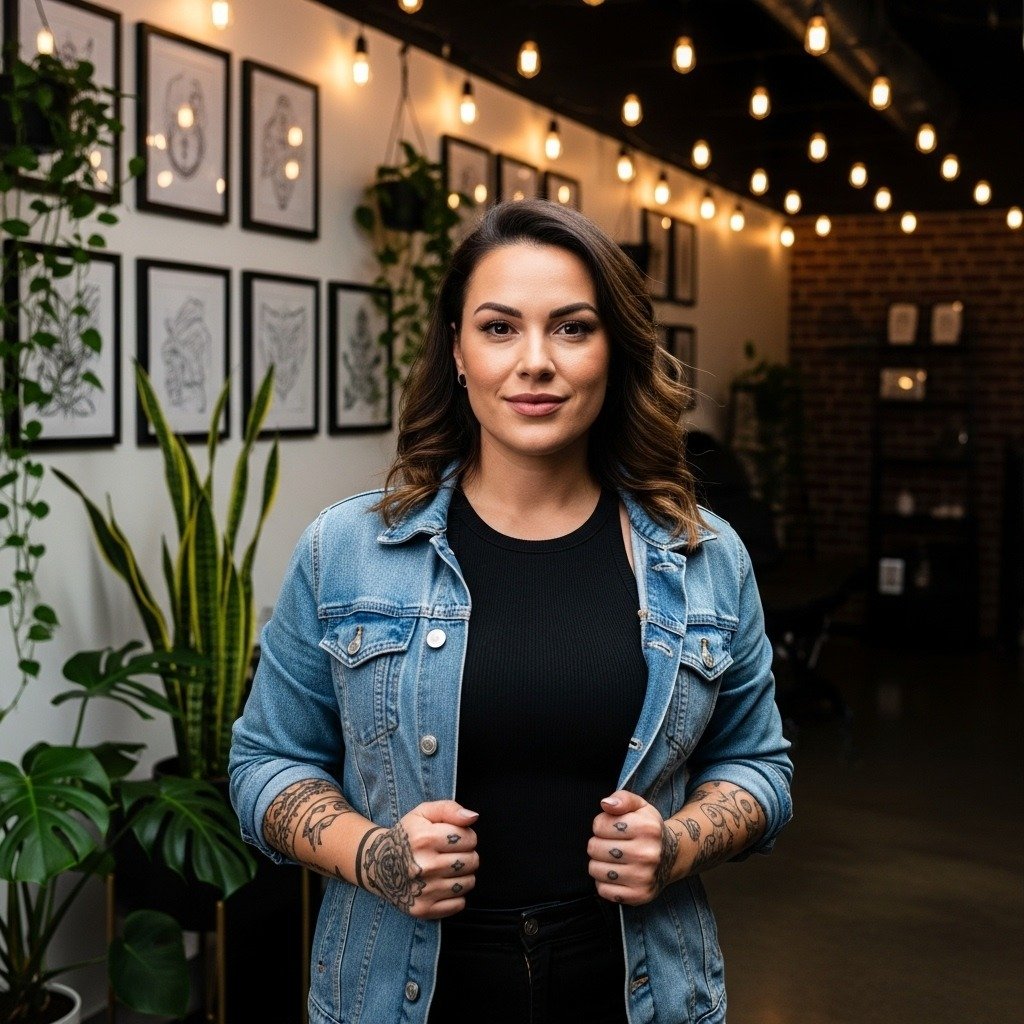
I spent months saving screenshots of coordinate tattoos before I realized the real decision was picking which memory to lock into skin. Coordinates feel private, but they can also read like a small map to your heart. I focus here on sentimental coordinate tattoos that actually hold up healed, with placement and aftercare tips from my own experience.
This list focuses on coordinate tattoos done in fine line, minimalist, and micro-realism styles. I recommend placements that suit daily visibility or discreet memory keeping. From what I’ve seen in 2026, tiny coordinate marks with small icons are trending, and artists keep suggesting slightly bolder lines so they age cleaner.
1. Fine Line Coordinates With Tiny Heart On Inner Wrist
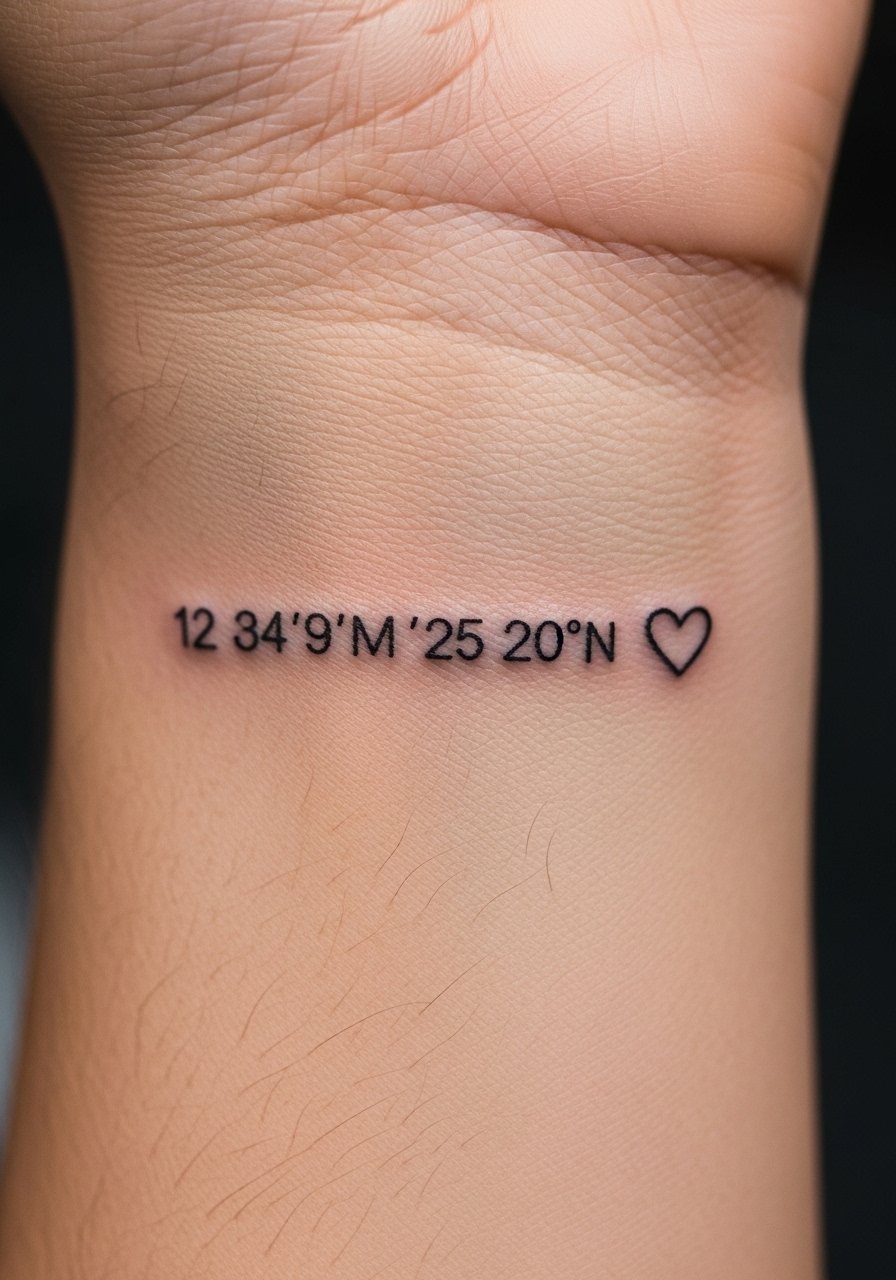
I first saw this on a friend who used coordinates for where they met their partner. The inner wrist is tolerable pain, maybe a 3 out of 10 for most people. Ask your artist for slightly thicker fine lines, not hairline traces, so the numbers remain readable after a year. In my experience, pure hairline coordinates blur into a grey smudge after two years. Session time is short, around 15 to 30 minutes. Tell your artist you want legible numerals, not calligraphic flourishes. Many people skip adding a tiny marker like a heart. Don’t pick elements that are too small. Tiny hearts often heal poorly if under 5 mm. For cleaning, use a fragrance-free soap and a light moisturizer. I’ve noticed inner wrists get sun exposure on the back of hands most days. Use SPF once healed.
2. Minimalist Blackwork Coordinates Behind Ear
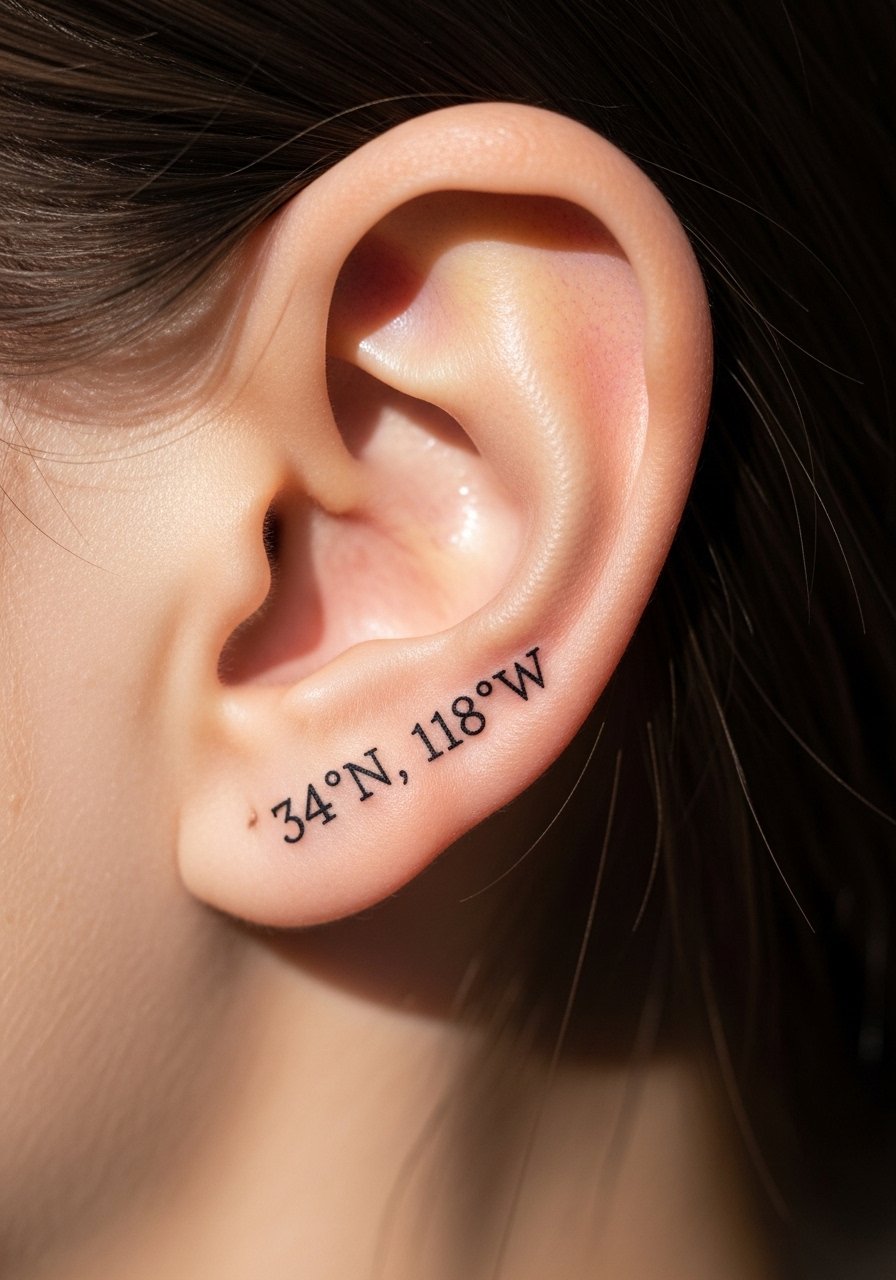
Fair warning, behind the ear is sensitive. It felt tingly for me and took about 20 minutes. I recommend blackwork numerals in a slightly bolder stroke so noise from hair growth does not hide them. If you want this tucked, tell your artist the numbers should be readable when you tuck hair up. Many people try to go micro small here. That mistake makes the tattoo unreadable quickly. Healed look at six months shows slight feathering, but bold numbers still read. Ask for a stencil placement while sitting and while standing. The neck moves. Expect a 2 to 3 week surface heal and a few months before the ink settles. Saniderm can help with these small placements, based on what artists I know recommend.
Saniderm Transparent Adhesive Bandage, 6-inch roll
3. Micro-Realism Coordinates With Tiny Compass On Upper Arm
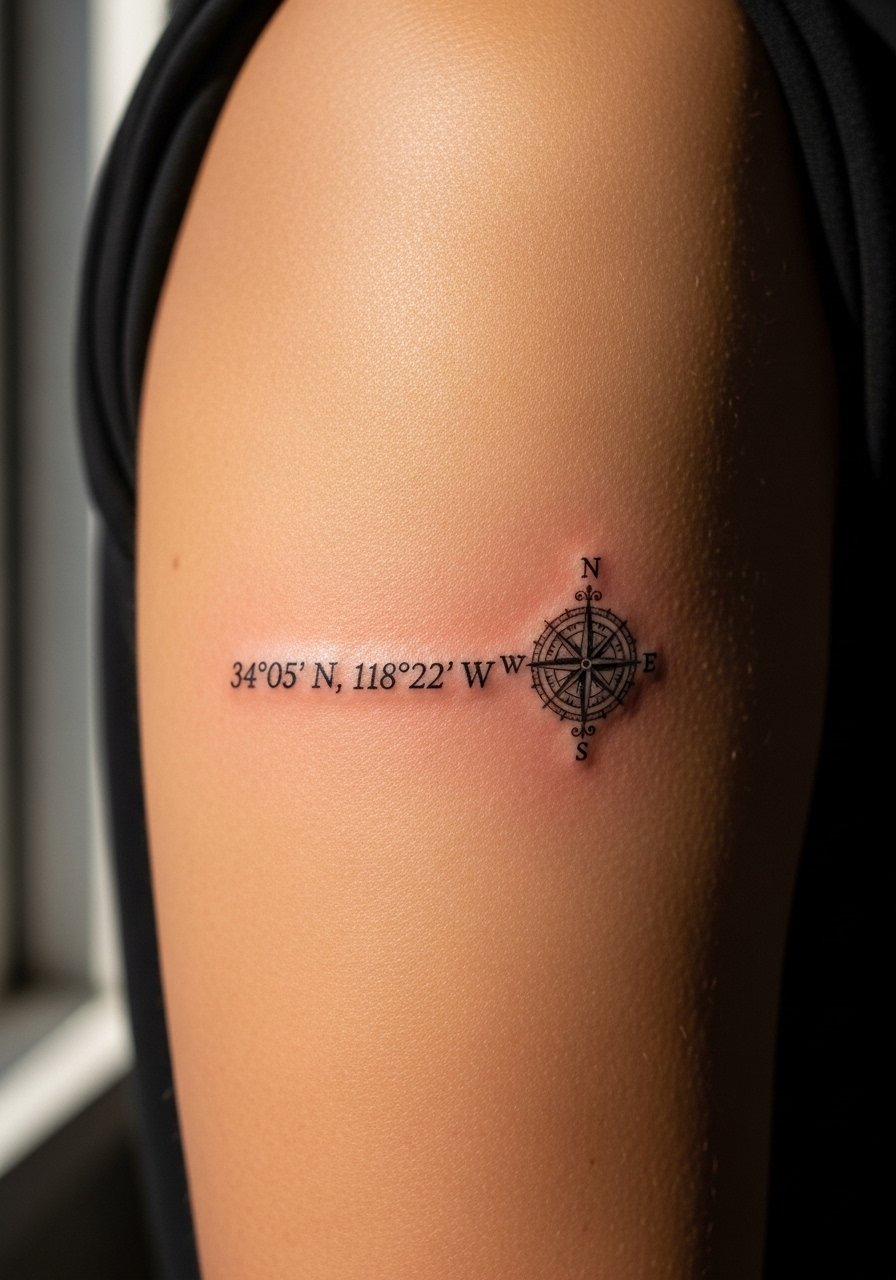
I saw this during a convention and loved how the compass gave context to the numbers. Upper arm pain is mild. Micro-realism requires an artist comfortable with small shading and crisp dots. If you want a compass, ask for minimal dotwork and avoid heavy gray wash. Heavy wash near tiny numbers will blur them over years. A typical session runs 30 to 60 minutes. I tell artists to keep numbers spaced wider than usual so the compass does not crowd them. At six months the dots soften. At two years you may need a touch-up on the lightest shading. Avoid packing shading too close to the numerals. That’s the common mistake I see.
4. Fine Line Long Coordinates Along Ribcage
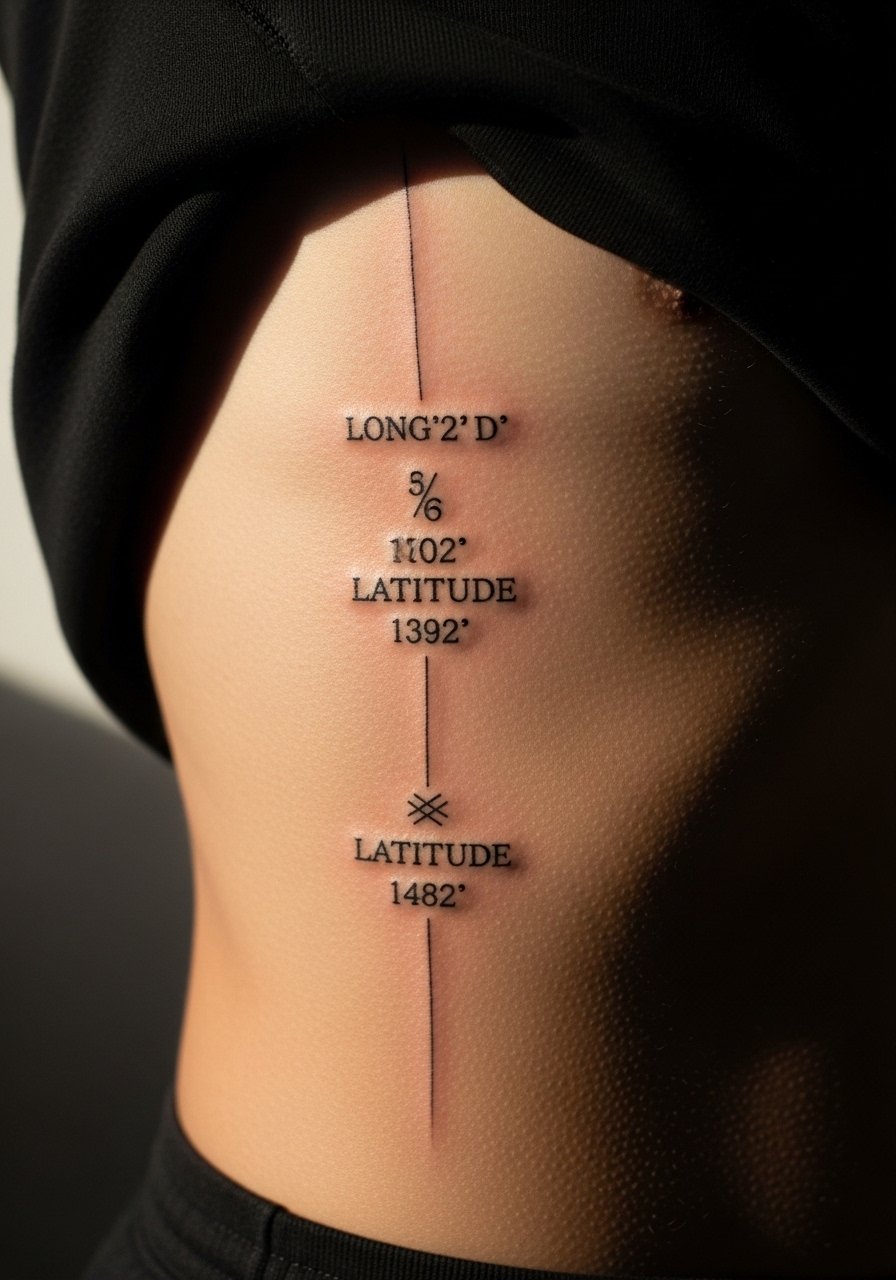
Fair warning, the ribcage is painful. I rate it a 7 out of 10 personally. The vertical layout follows the torso lines and can look elegant. Session time varies. If you plan for a longer string of coordinates, split it into a session segment so you do not tense up. I recommend slightly heavier line weight than pure hairline. From what I’ve seen, the ribs move during breathing and tiny numerals can break up. During consultation, ask the artist to bend and breathe while they place the stencil. Expect two weeks for surface heal and a few months for flaking to finish. The usual mistake is requesting ultra-fine numbers on a high-movement area. That fails more often than not.
5. Minimalist Coordinates On Side of Finger
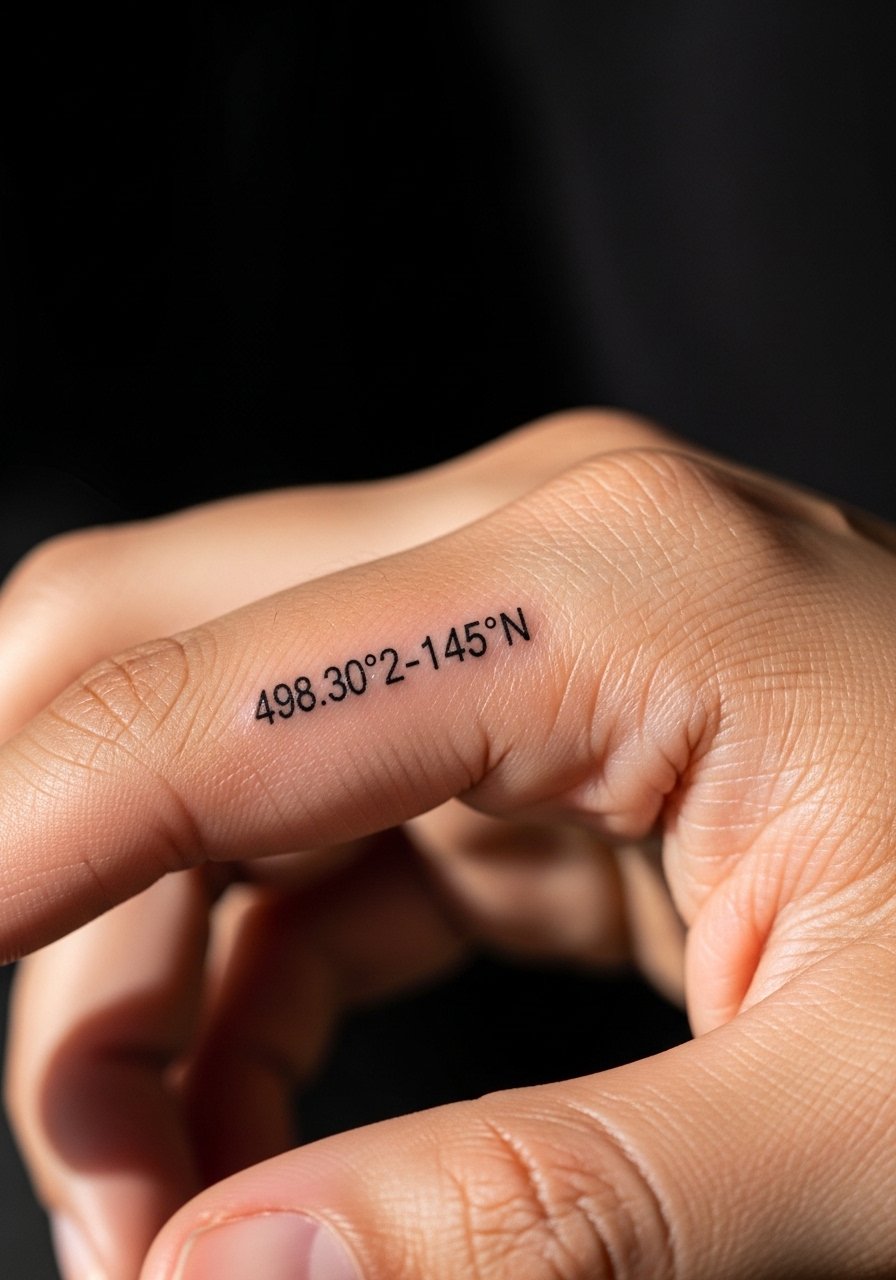
Finger tattoos are notorious for fading. I learned this the hard way. If you want side-of-finger coordinates, accept regular touch-ups will be needed. Pain is sharp but quick. The session is short. Ask your artist to inject a slightly bolder line and avoid filling. I have seen filled numerals turn into blobs faster than thin lines. At six months you will see early fading. At two years it may be patchy. If you want longevity, move the design to the base of the finger or inner hand. The common mistake is picking a placement that receives constant washing and friction. Fingers get the worst of that.
6. Blackwork Coordinates With Anchor On Outer Forearm
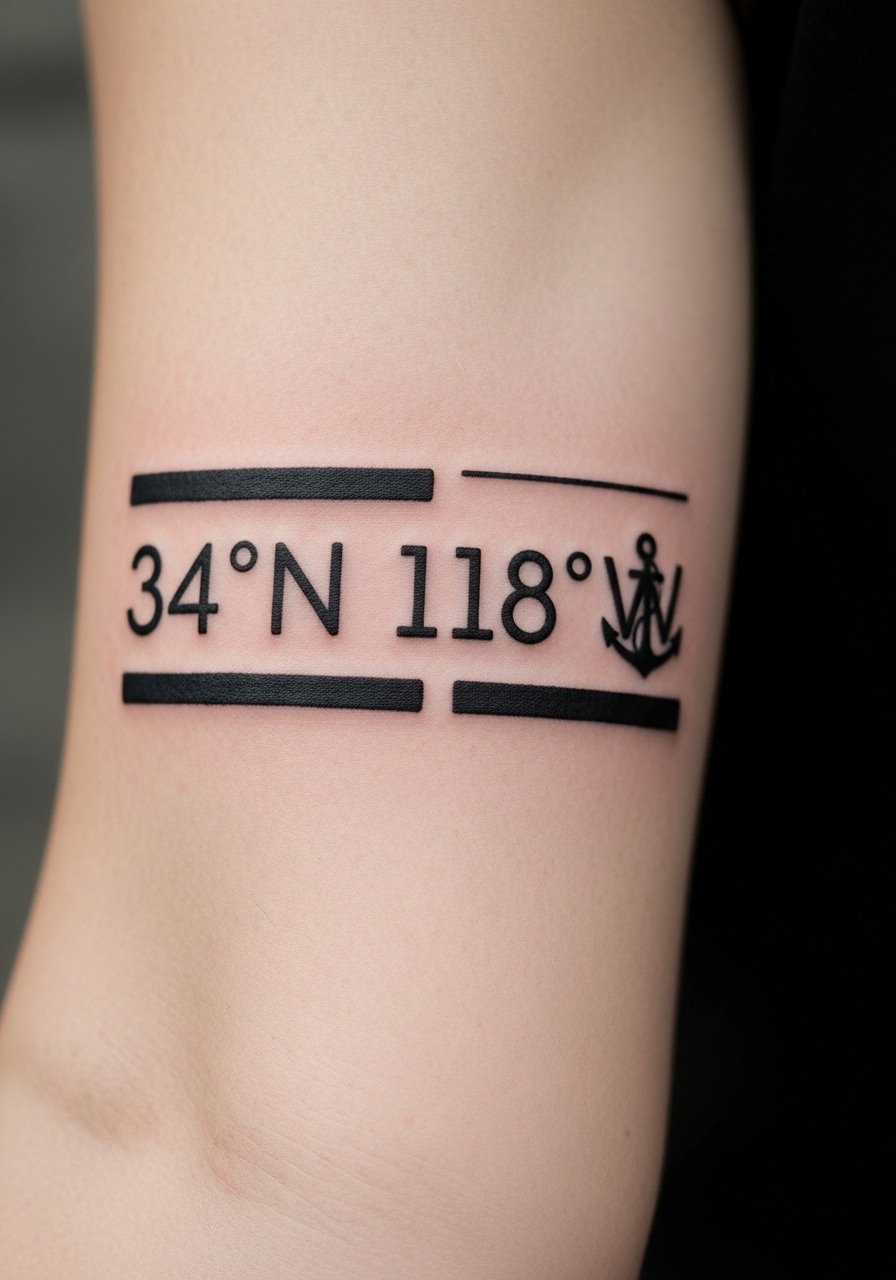
I liked how an anchor resonated with a harbor memory. Outer forearm is low pain and super friendly for visibility. Blackwork numerals here hold very well. If you want to keep it crisp, ask for strong outlines and solid fills for the icon. Many artists I talk to suggest using bold anchors and slightly thicker numerals for readability from a distance. Sessions run 30 to 45 minutes. Healed at six months the black holds with minor softening. A common mistake is pairing overly delicate numerals with a solid, bold icon. Balance matters. Tell your artist you want visual balance between numbers and symbol.
7. Minimalist Coordinates With Tiny Wave On Ankle
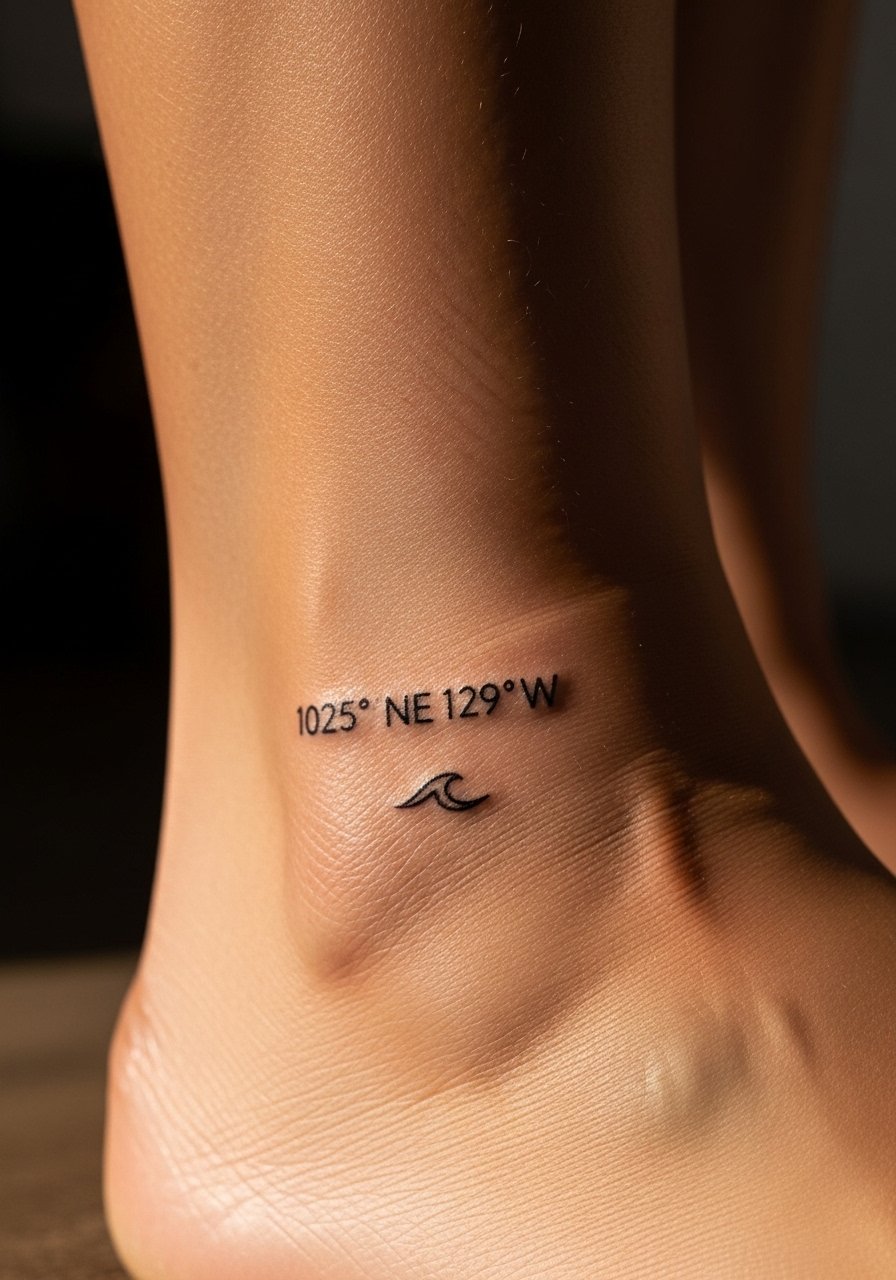
Ankle tattoos hurt more than you expect. I felt a steady ache for about 10 minutes. The minimalist approach suits this curved area. Ask the artist to space numerals along the ankle curve so they do not compress. Many make the mistake of wrapping too tightly. At six months I noticed small line softening from shoe friction. If you plan to wear ankle bracelets often, expect some abrasion during healing. For protective measures, a breathable bandage at night helps. I would recommend a light SPF stick once healed to prevent sun fading if you wear sandals.
SPF 50 sunscreen stick for tattoos
8. Fine Line Coordinates Across Collarbone
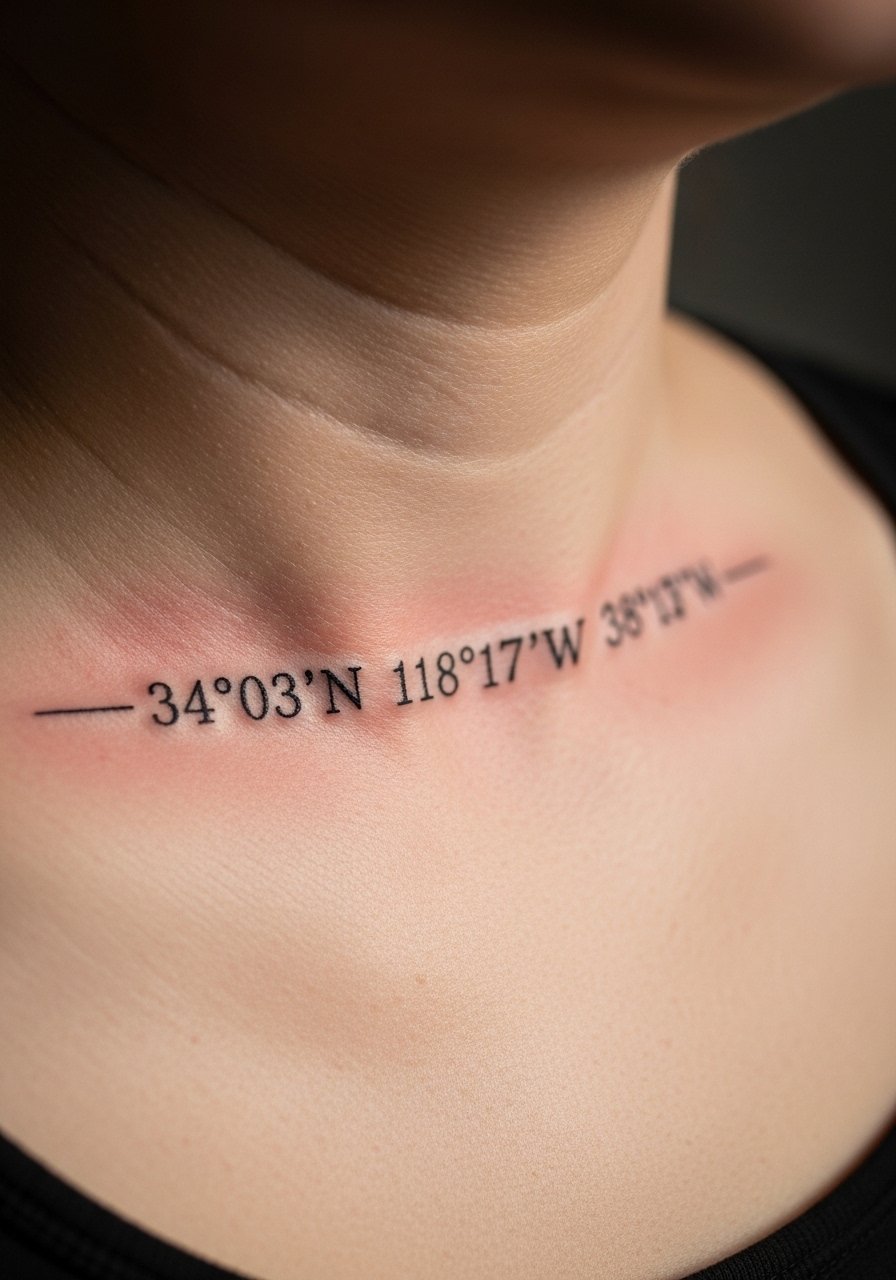
Collarbone placement reads like a subtle banner. I first saw this on an artist’s portfolio during an in-studio visit. Pain is moderate due to bone proximity. Ask your artist to contour the numbers to the collarbone curve. If they place numbers in a straight block, the piece can look stiff. Expect a session under 30 minutes. Aftercare must guard against necklaces and straps rubbing. I’ve seen collarbone numbers blur where clothing rubbed them during the first two weeks. A common mistake is wearing tight tops too soon. Keep it clothing-free when possible during initial heal.
9. Micro Script Coordinates On Rib Side Near Hip
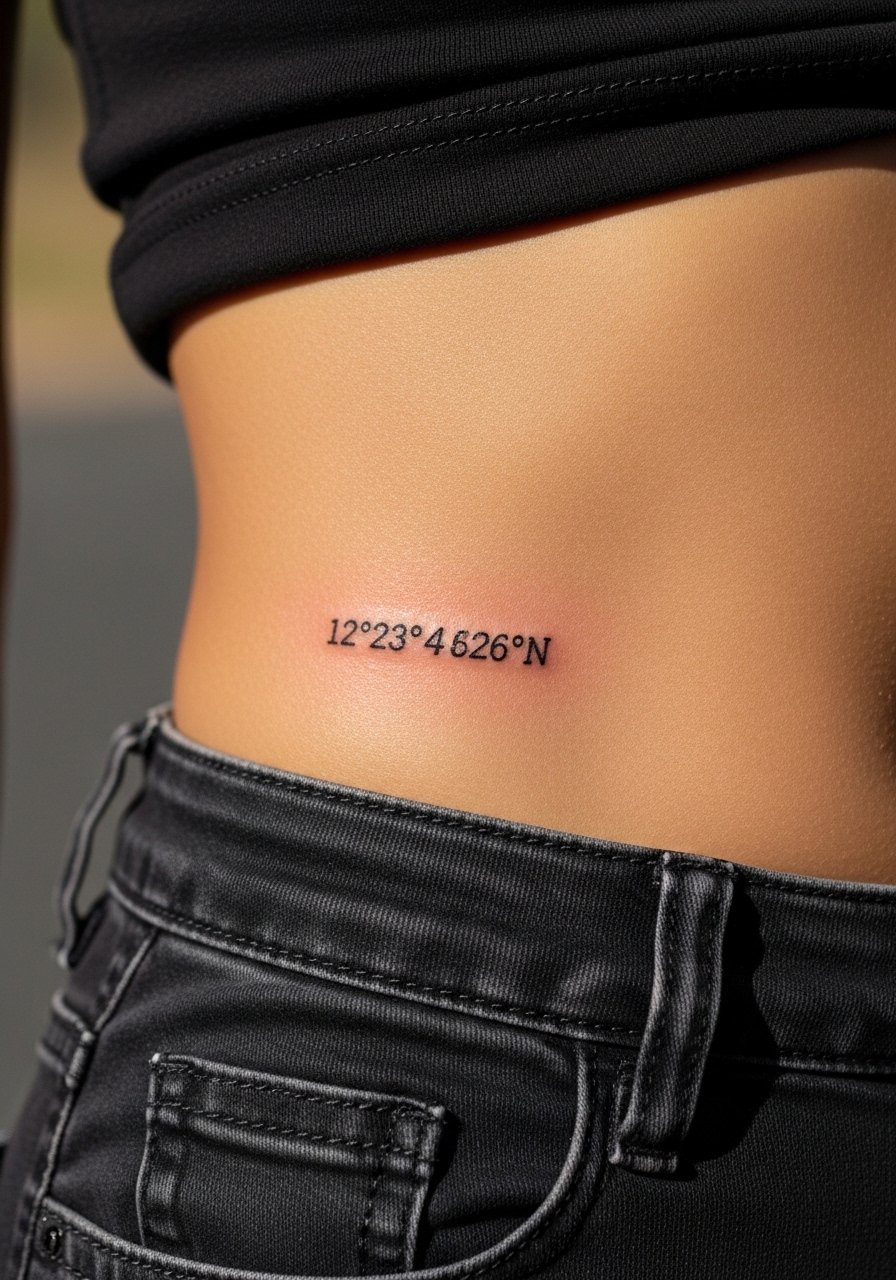
I recommend micro script for someone who wants the number to feel intimate. The hip area is moderately painful and flexes with movement. Micro script can blur if letters are too close. Tell your artist you want slightly spaced characters and minimal connecting strokes. Many clients ask for a cursive style that looks pretty fresh, but it often blurs over five years. Sessions last 20 to 40 minutes. Healing is slower due to friction from waistbands. I avoided tight waistbands for two weeks and that helped. The common mistake is asking for too-fine cursive on a spot that rubs daily.
10. Dotwork Coordinates With Globe On Back Shoulder
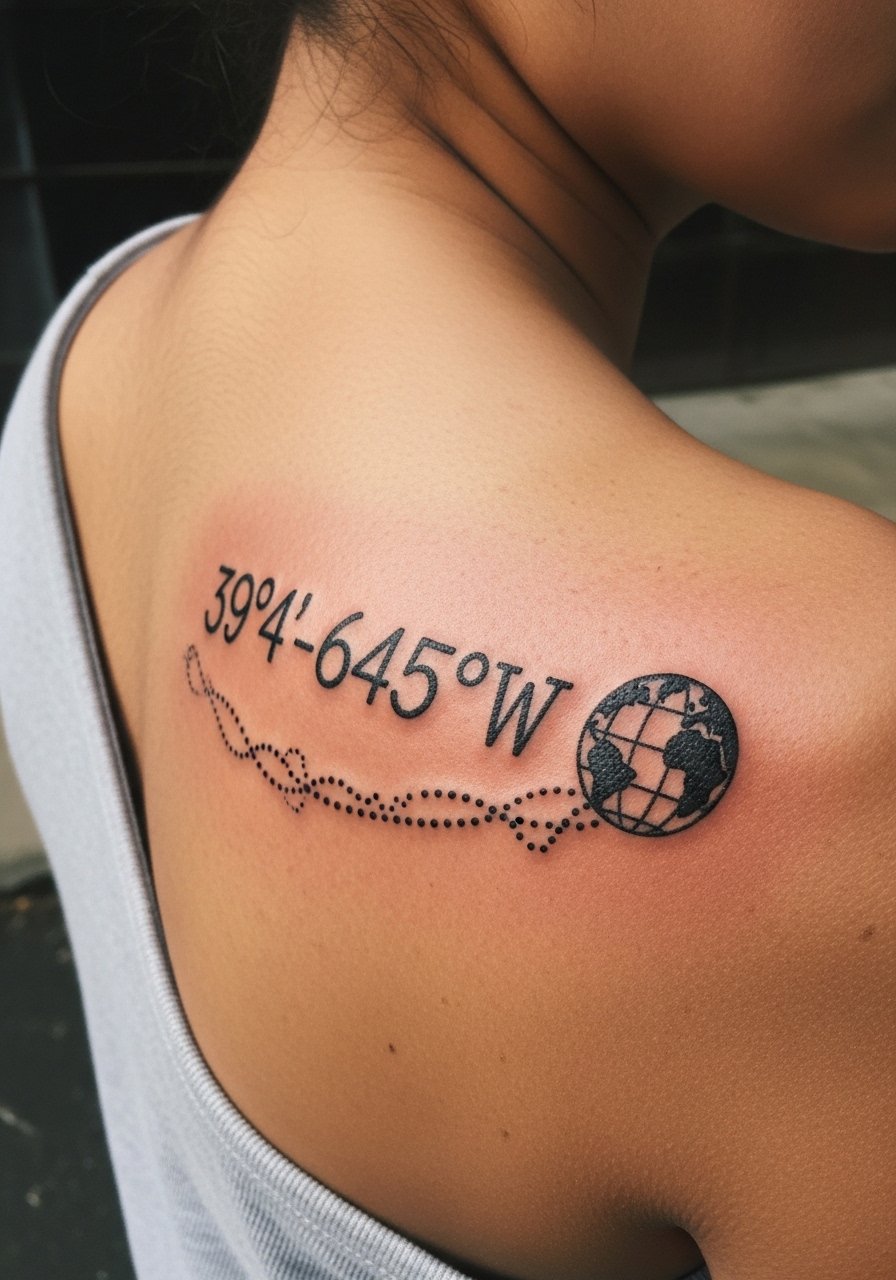
I first noticed a dotwork globe next to coordinates in a traveler's feed. Shoulders are low pain and hold dotwork well. Dotwork gives a textured, vintage feel and ages gently because the dots settle into skin instead of a single line. Ask your artist for consistent dot density. The mistake I see is inconsistent dot spacing that turns patchy after a year. Sessions run 30 to 60 minutes depending on size. At six months the dots soften but keep shape. At five years you might need a refresh on the lightest areas.
11. Minimalist Coordinates With Tiny Mountain On Calf
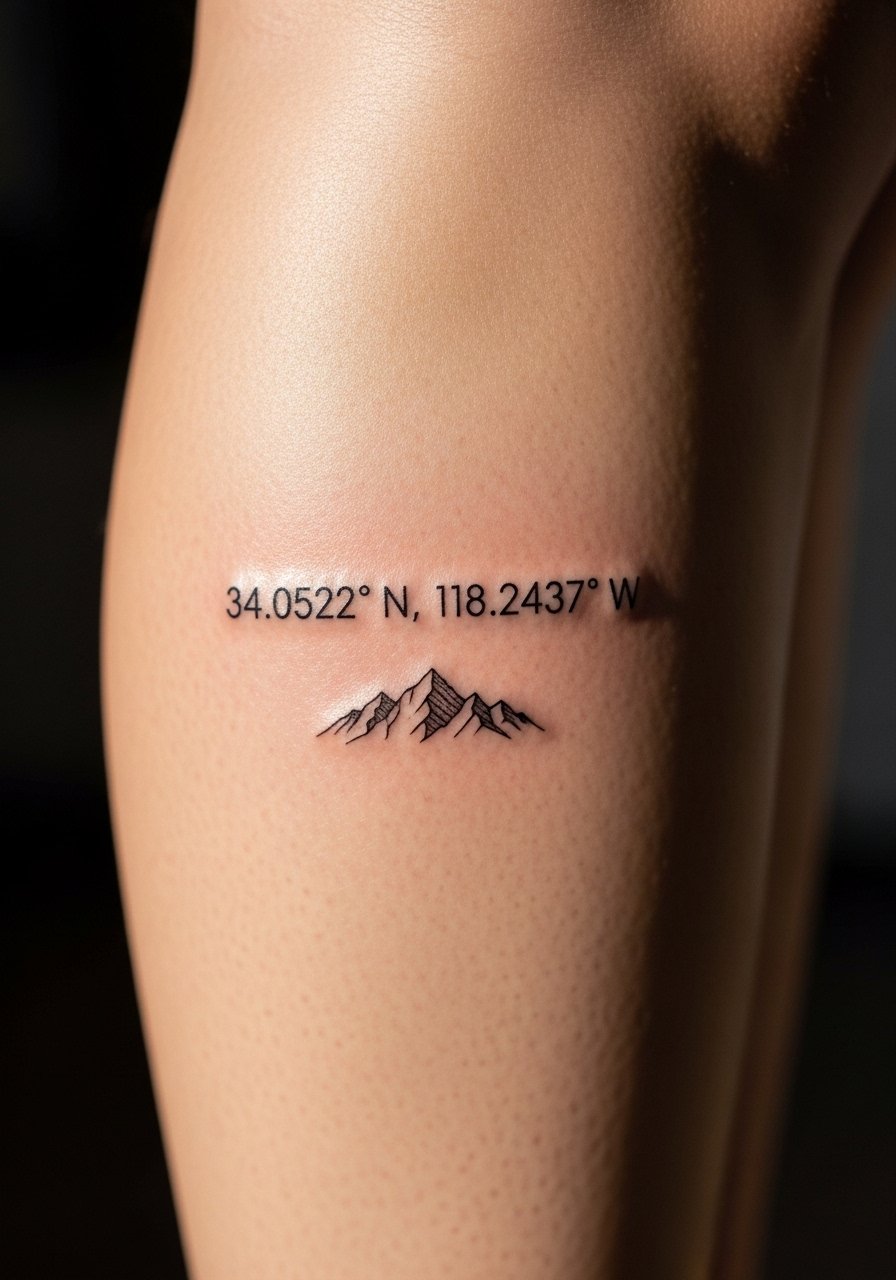
Calf placement is great for visibility and has moderate pain. I recommend a clean mountain silhouette with spaced numerals above or below. When numerals sit too close to the silhouette, the edges blur into each other after healing. Tell your artist to allow 4 to 6 mm spacing between elements. A typical session is 30 to 45 minutes. Healed at eight months the silhouette keeps its shape if the filling is clean and not heavily shaded. A common mistake is requesting a detailed mountain scene next to tiny numbers. That creates visual competition and future touch-ups.
12. Fine Line Coordinates Along Spine Near Nape
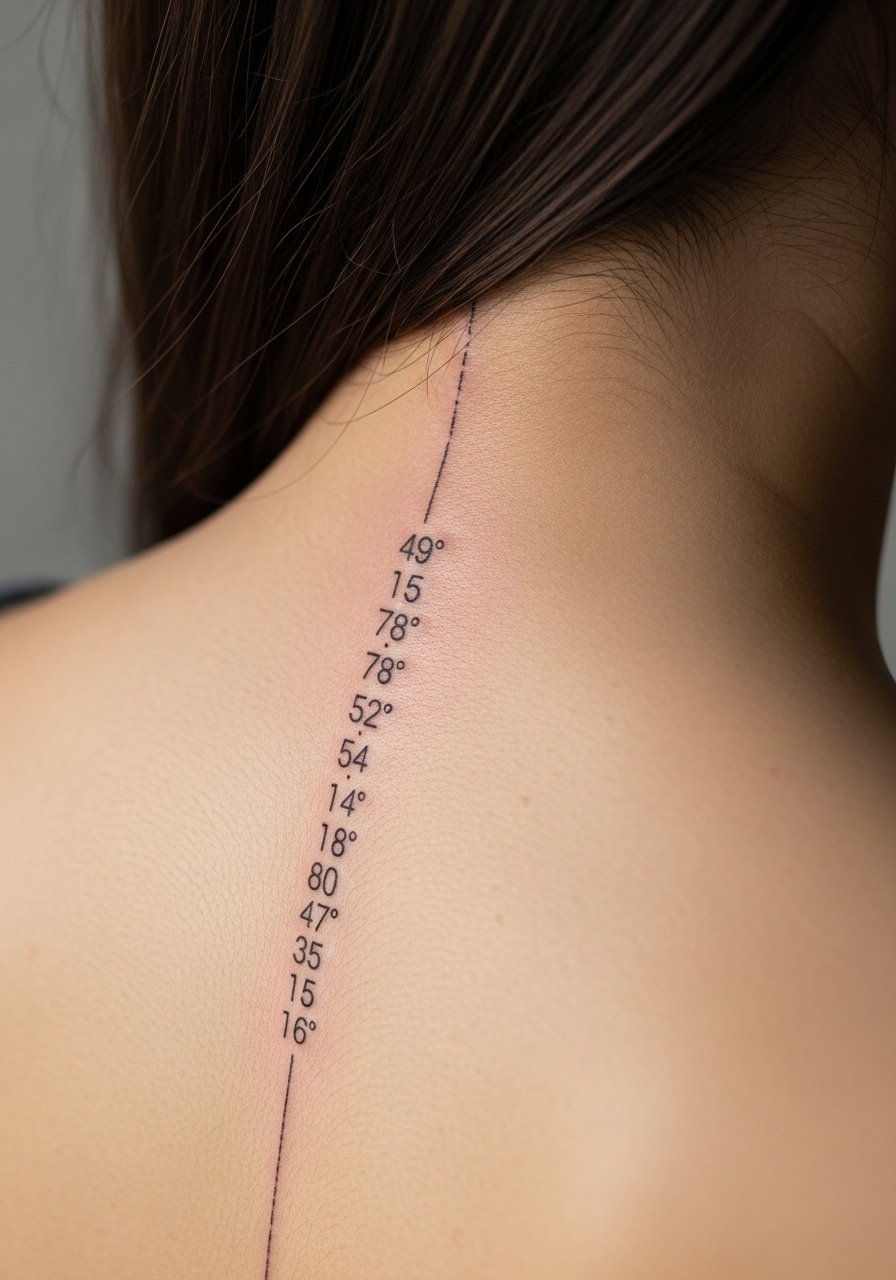
Vertical spine placements draw the eye. Pain is variable depending on closeness to bone. I felt discomfort in short bursts during mine. For fine line coordinates here, ask for medium-weight lines so the numbers survive movement and mattress contact. Expect a session under 45 minutes. Healed, the ink sits nicely except where sheets tug during sleep. The big mistake is picking extremely delicate numerals. Also, tell your artist to test stencil alignment while you stand straight and while bending. The spine moves more than people assume.
13. Blackwork Coordinates Encircled On Thigh
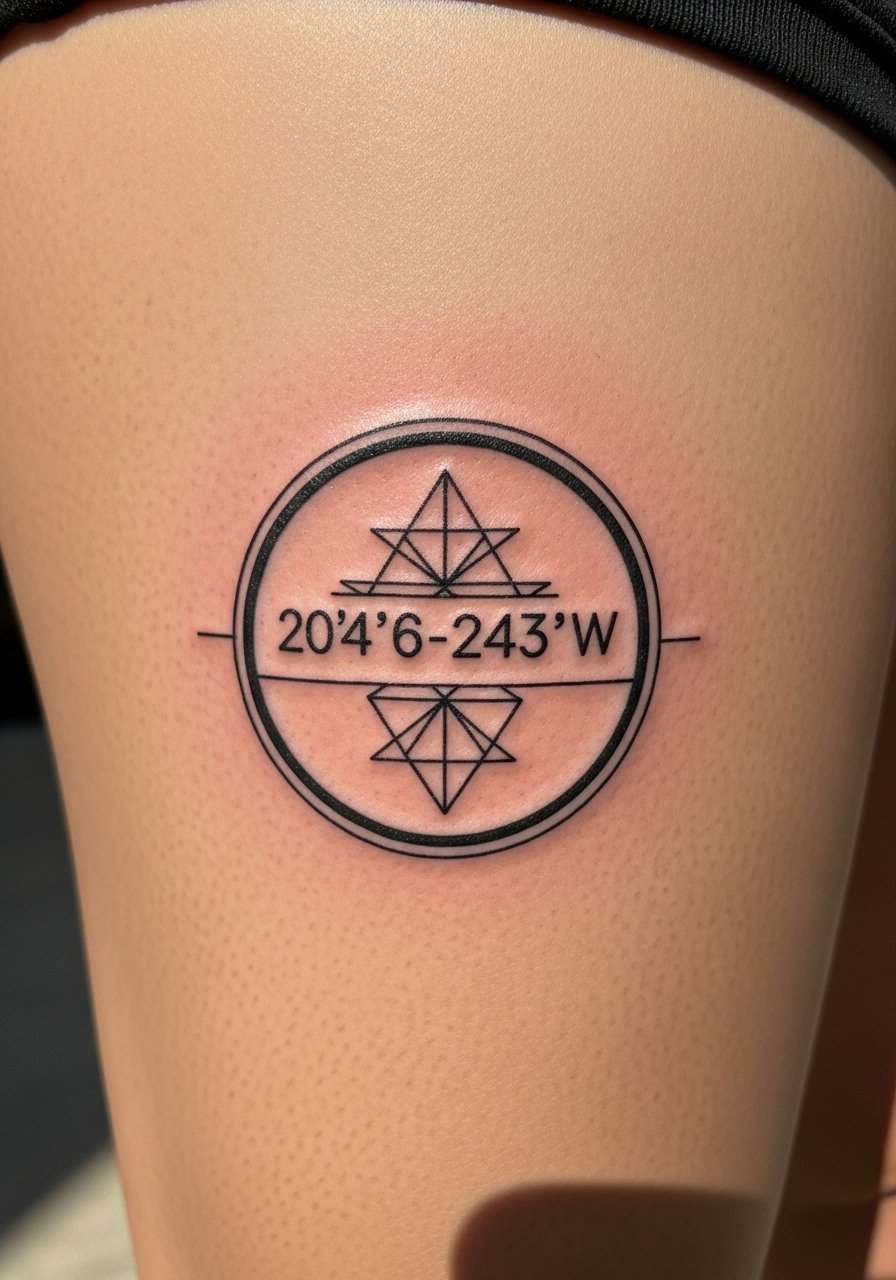
Thighs are forgiving and less painful. I like how the encircled layout turns coordinates into a badge. Request bold numerals and a thin ring for contrast. If the ring is too thin it will blur into the numerals over time. Sessions are usually 30 to 60 minutes. At eight months the black ring keeps a strong silhouette. The common mistake is making the ring decorative with filigree close to numbers. Keep negative space between elements. Thighs allow larger scale, which helps longevity.
14. Minimalist Coordinates With Plane Icon On Sternum
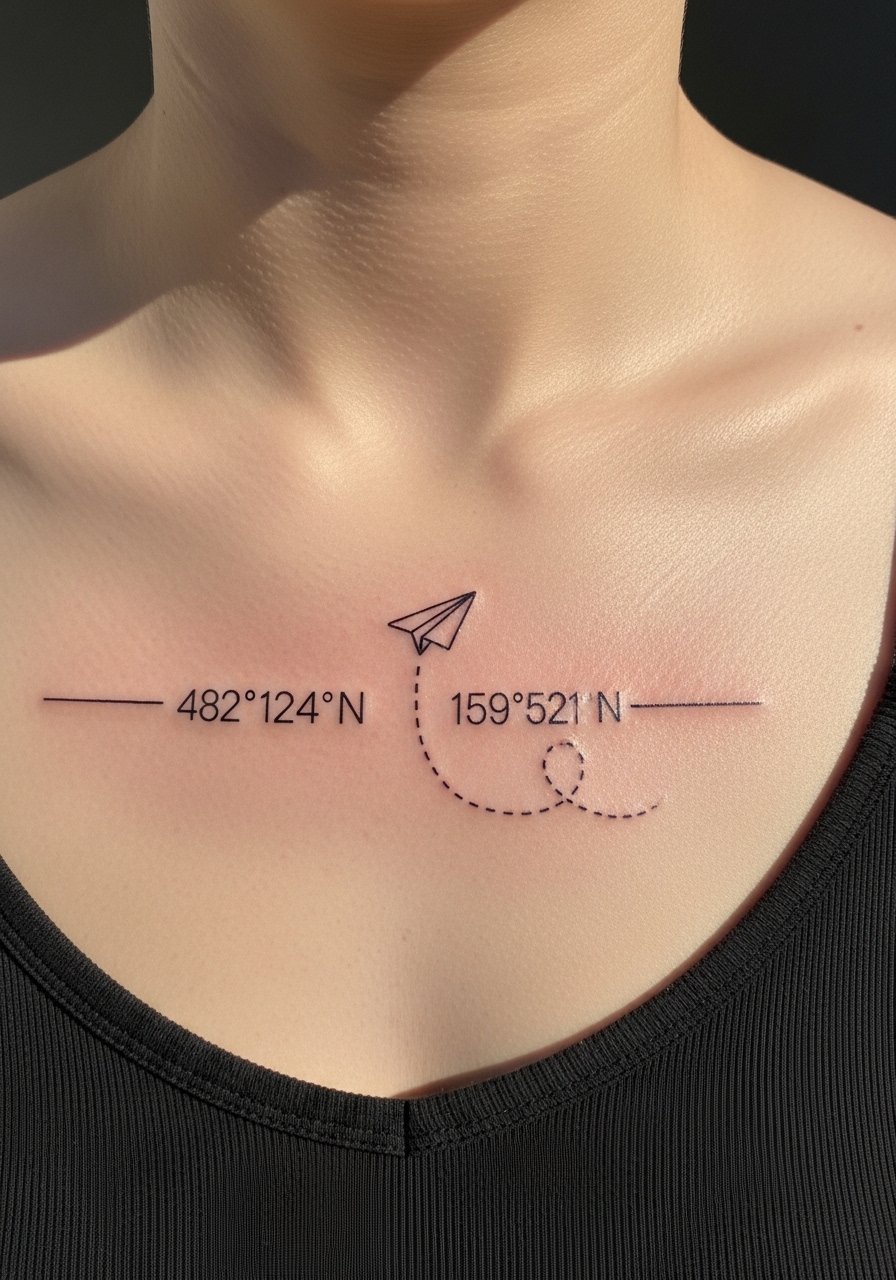
Sternum tattoos hurt. I rate this placement a 6 out of 10. The plane icon reads like travel memory. Ask the artist to center the stencil while you breathe out and relax. Many people forget respiratory movement during placement and then see slight misalignment when standing. Session time is 20 to 40 minutes. Healing requires avoiding tight tops that press on the sternum. I have seen tiny icon lines fade where chafing happens. The common mistake is not syncing breathing with stencil placement.
15. Micro-Realism Coordinates With Tiny Portrait Pin On Upper Chest
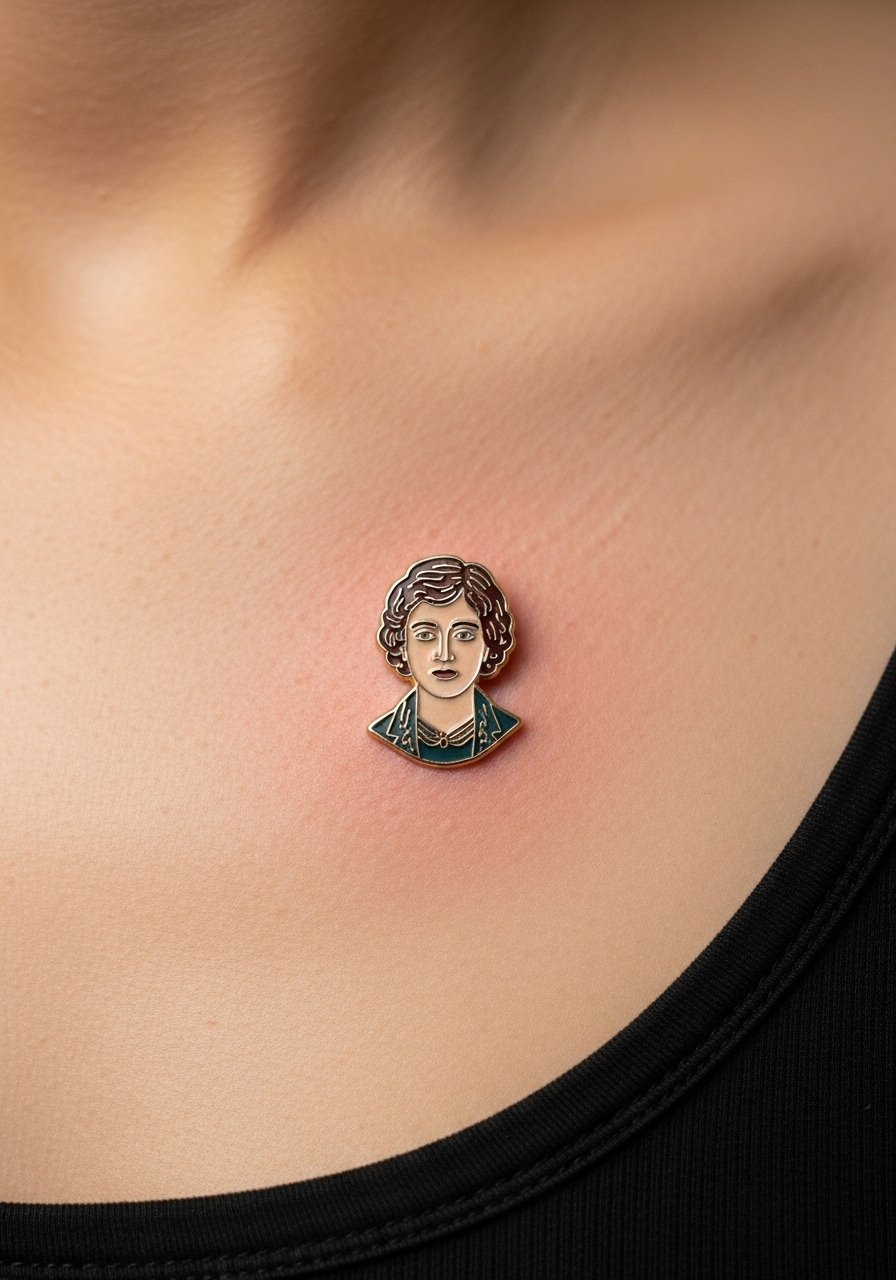
I saw a version of this where a small portrait punctuated coordinates for a loved one. Micro-realism here demands a skilled hand. Upper chest pain is moderate. Ask to keep the portrait very small, no more than 2 to 3 cm, and to separate it from numbers with clear spacing. The error I often see is cramming portrait detail next to small numerals. That leads to loss of portrait clarity after two years. Sessions can take 45 to 90 minutes depending on detail. For aftercare, avoid heavy chest workouts for 48 hours. A light ointment helps.
16. Thin Line Coordinates Around Wrist Bracelet Style
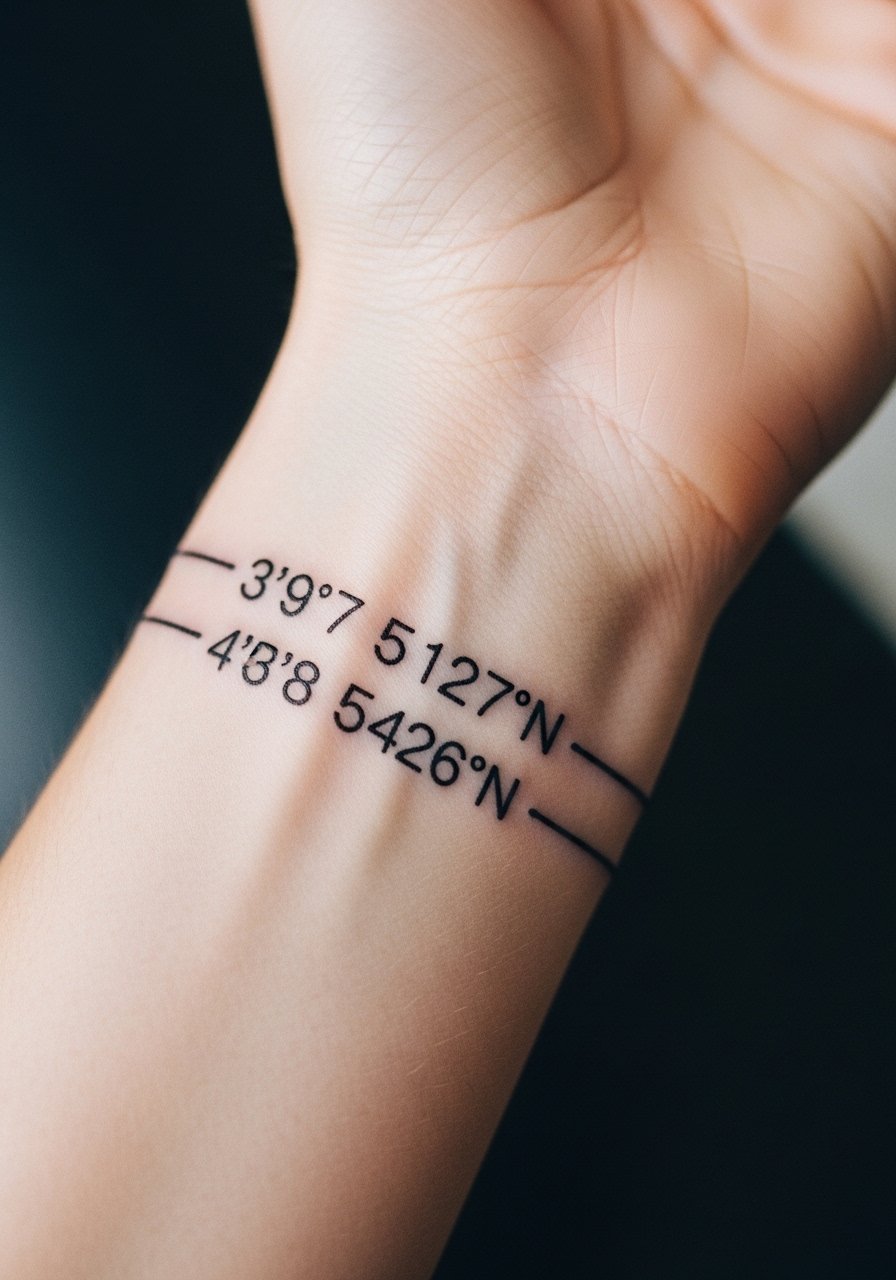
I love the bracelet effect because it reads like jewelry. Wrist wraps get a lot of movement and hand washing. Ask for consistent spacing and slightly stronger line weight. The typical mistake is making the wrap too thin so parts disappear when the wrist bends. Sessions are 20 to 40 minutes. At six months you may see some softening on the underside of the wrist. I advise rotating bracelets away from the tattoo during the first month to reduce friction.
17. Bold Numerals Coordinates On Upper Thigh With Floral Outline
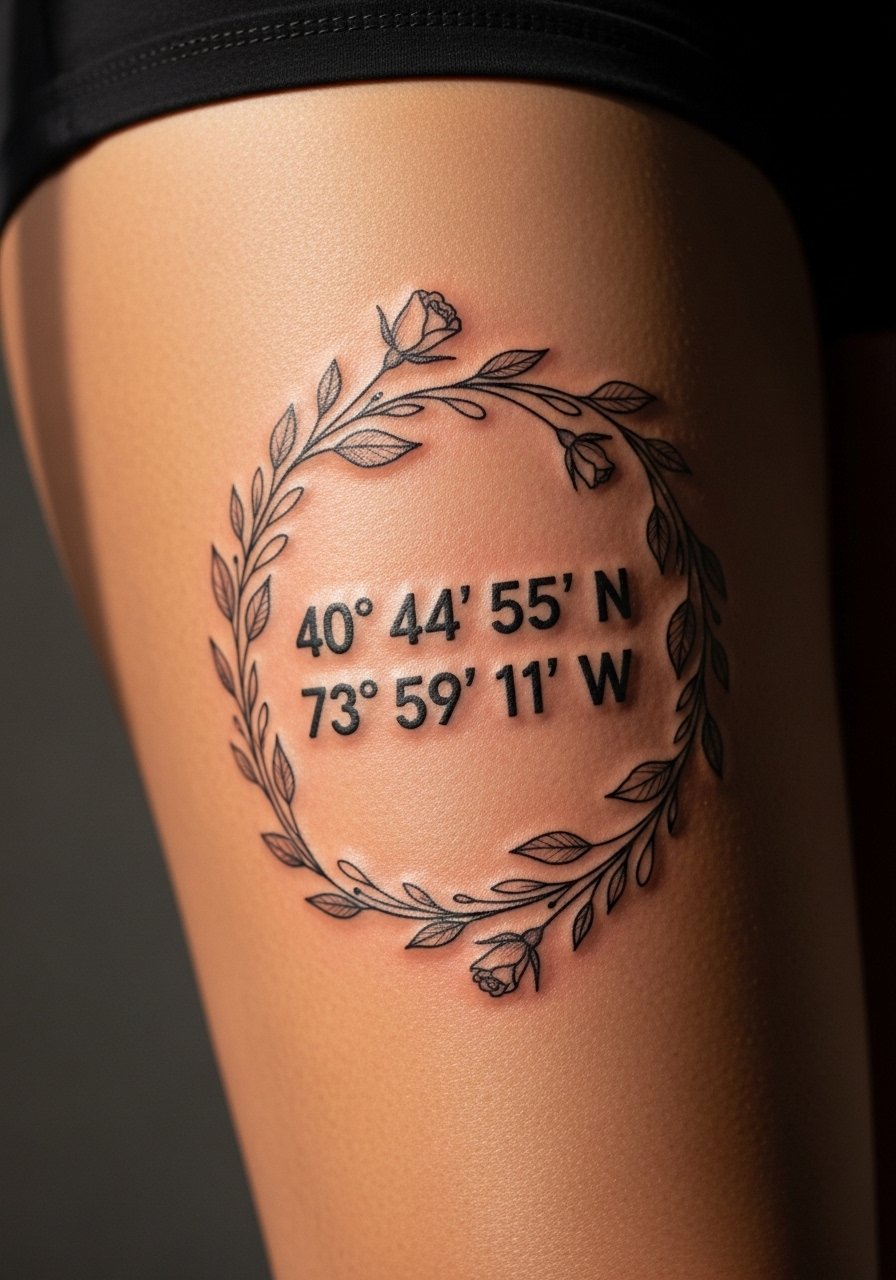
Upper thigh gives great canvas with low pain. Bold numerals here age beautifully. Pairing with a thin floral outline adds context without crowding. I recommend the flower be open and airy so the numbers remain the focal point. Sessions usually range 45 to 75 minutes. Healed after ten months, the bold numerals keep character and the floral lines soften slightly but still read. A mistake I see is dense floral shading near the numerals. That reduces contrast. Tell the artist to keep negative space.
18. Coordinate Dot Line Along Clavicle With Tiny Star Accent
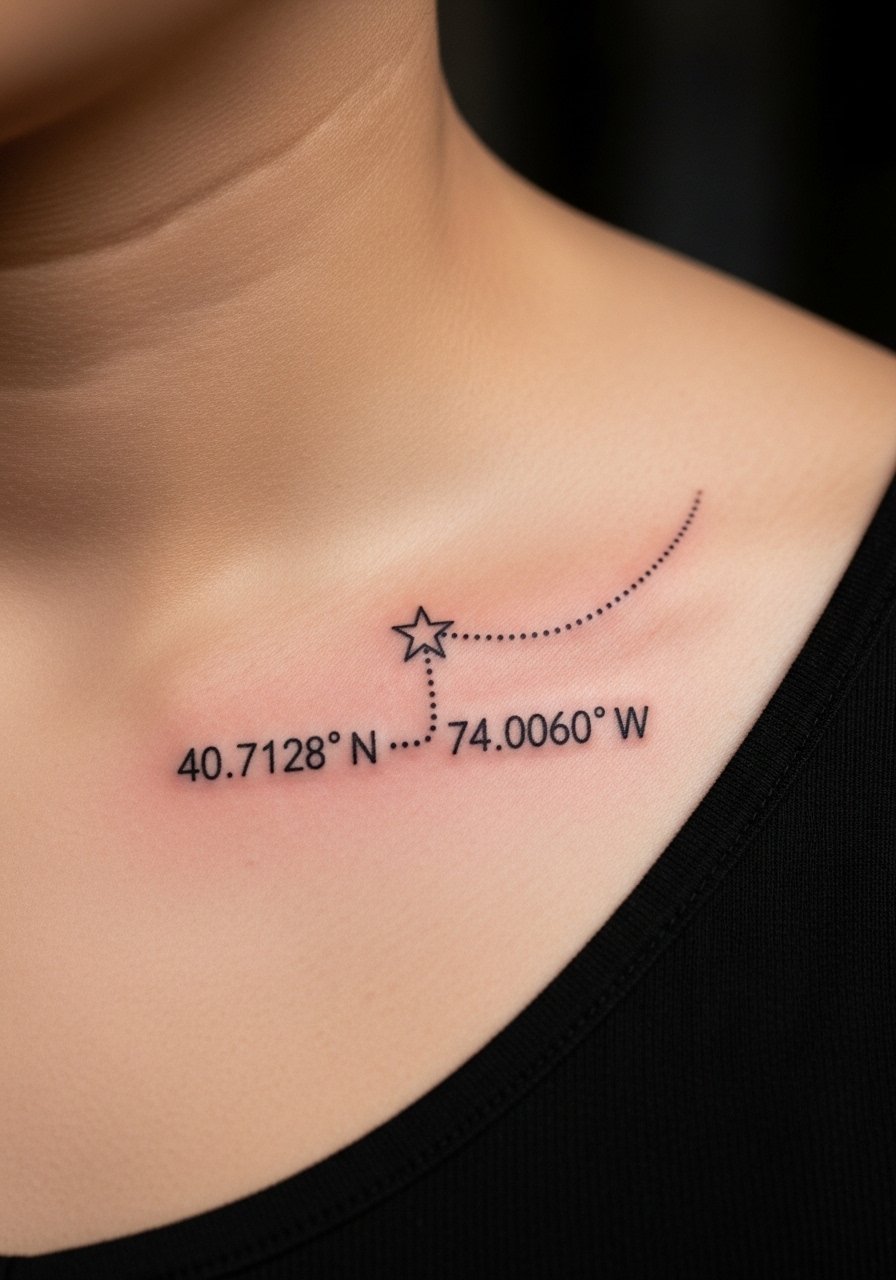
I first noticed dot-line accents in an online portfolio. The clavicle has movement when you raise your arm. Pain is moderate. The dot line helps the coordinates feel like part of a connected mark. Ask your artist to place the star off-center if you want asymmetry. People often ask for too many dots close to the numbers. That can cause poor healing if dots are dense. Sessions are short. Over time the dots will soften more than the numerals. For protection, avoid heavy backpacks during the first week.
19. Micro Coordinates Along Ear Helix With Tiny Moon
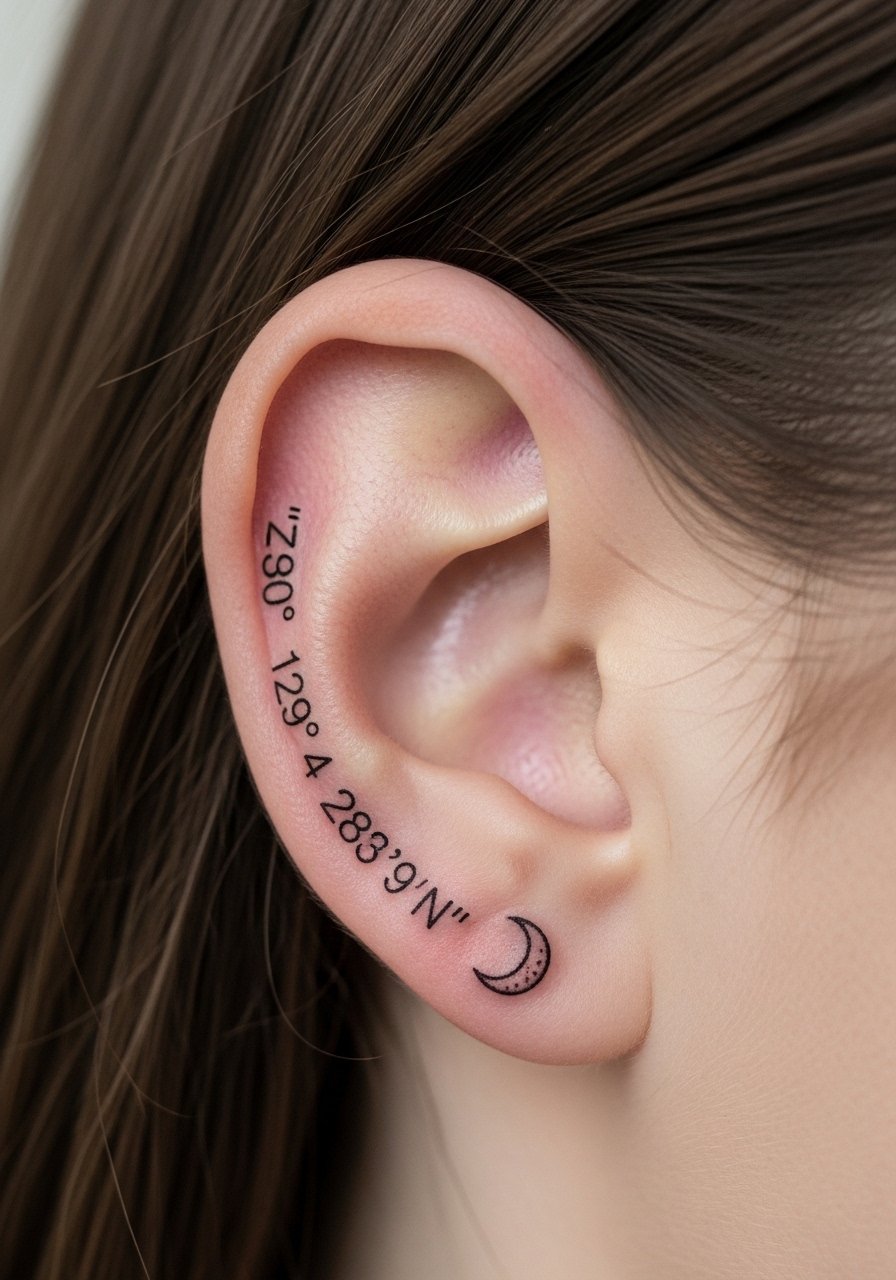
Ear helix tattoos are sharp pain but quick. I had a stingy sensation for 8 minutes. Micro coordinates can work here if you accept gradual fading and occasional touch-ups. Tell your artist you want bolder numerals than pure micro script. Many clients choose to pair with a crescent moon. The common mistake is expecting micro ink to last in high-movement thin skin. At six months you will likely see slight softening. If you want permanence, consider the back of the ear instead.
20. Blackwork Coordinates Over Heart Area With Subtle Shading
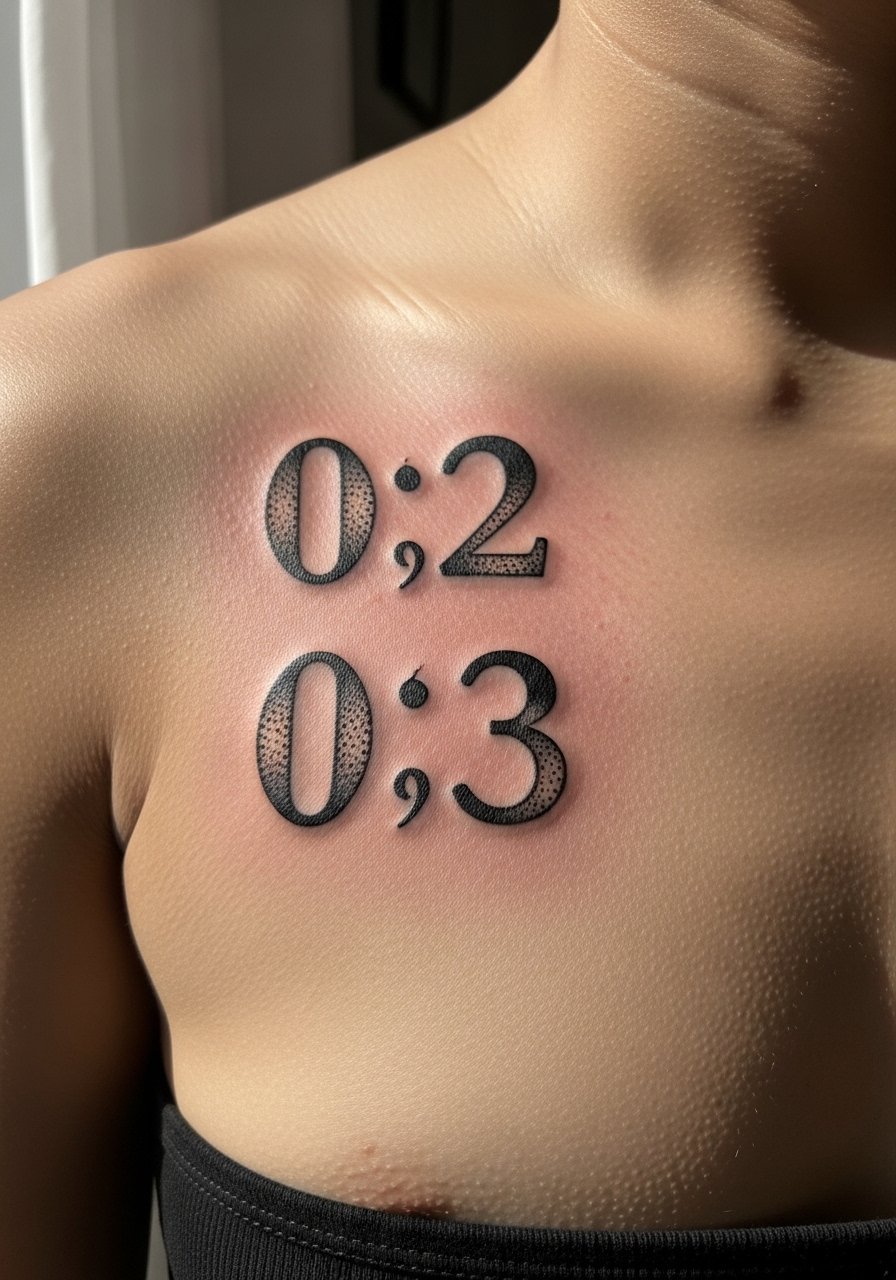
Left chest makes the coordinates literally sit over the heart. Pain is moderate. Blackwork numerals here read strongly and the subtle shading helps the piece feel grounded. I advise keeping shading light and away from the numbers themselves. The mistake I see is heavy shading that overpowers small numerals. Sessions range 30 to 60 minutes. Healed, the black retains depth if you avoid heavy sun exposure. Use a sunscreen stick on the area if it sees direct sun.
21. Minimal Coordinates On Back Of Neck Under Hairline
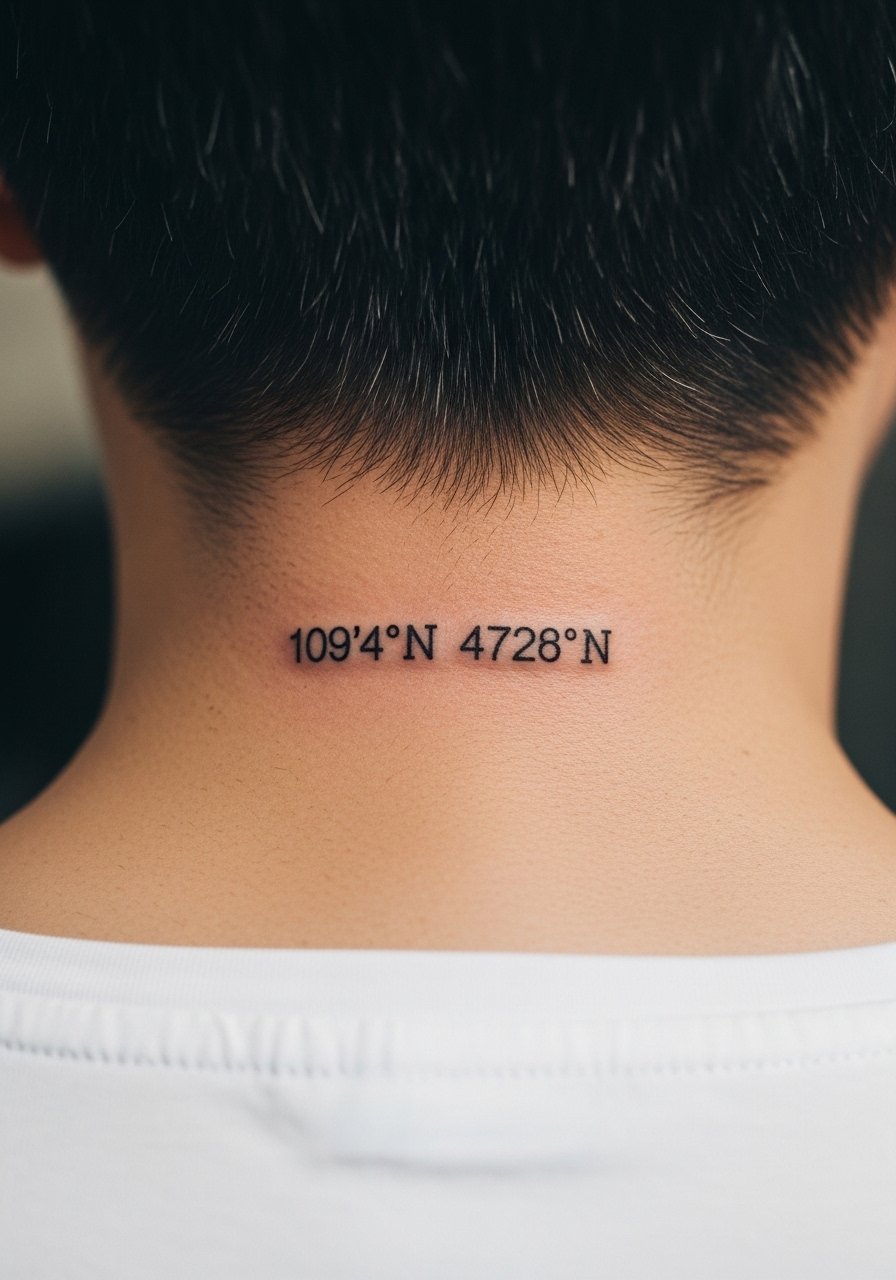
Back of neck is great if you want to hide it with hair on occasion. Pain is moderate with a quick session. Many people pick tiny numerals thinking they will always be hidden. I recommend a clean medium weight so it remains legible if exposed. A common mistake is placing numerals too low where collars rub. Tell your artist the exact hairline level you prefer. At six months the ink sits nicely if you avoid tanning.
22. Coordinates Encased In Small Locket Tattoo On Inner Arm
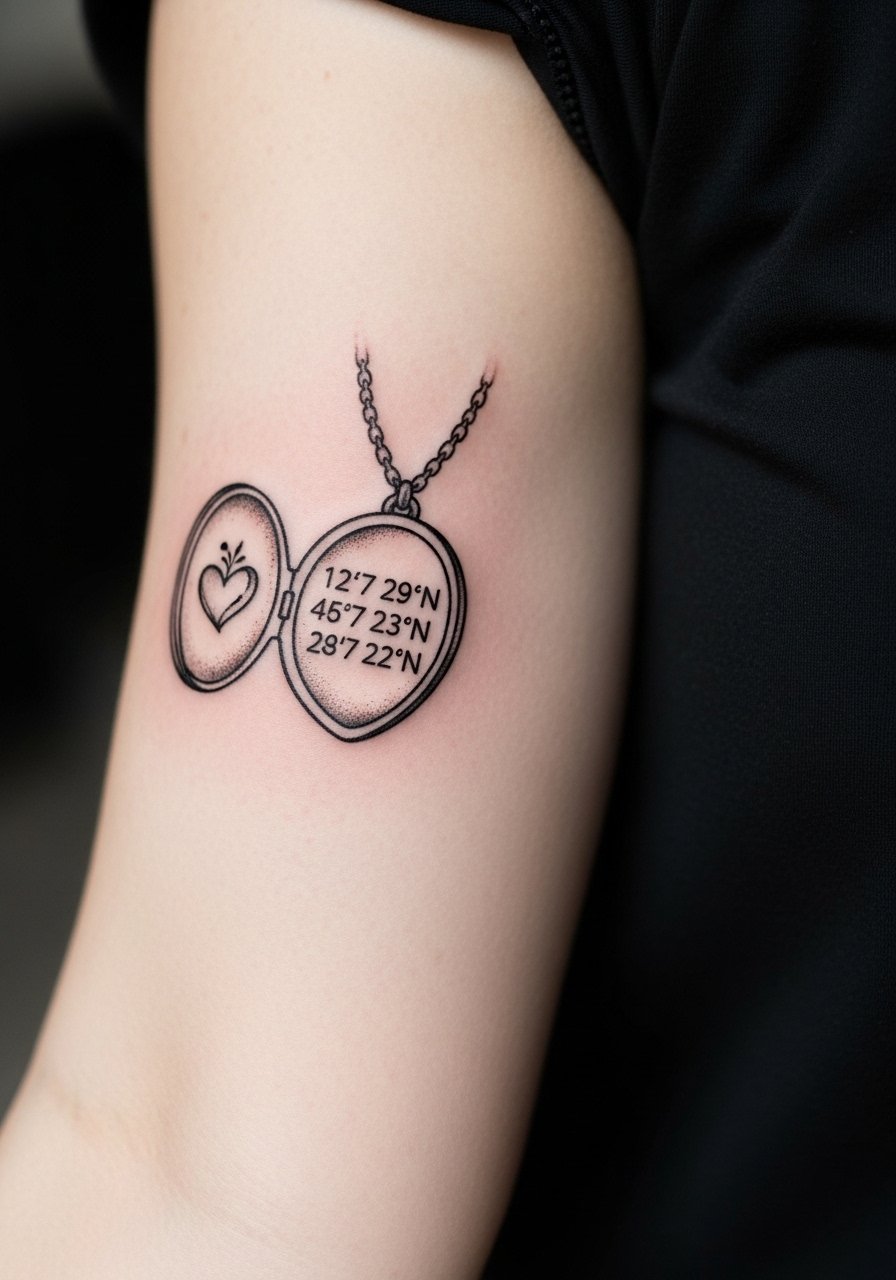
I love the locket because it reads like a kept memory. Inner arm pain is mild to moderate. Ask your artist to keep the locket lines clean and to space numbers inside with room to breathe. Many clients want ornate lockets that crowd the numerals. That causes blurring. Sessions may be 45 minutes. Healed, the inner arm holds better than hands and fingers. For first-aid during healing, a thin layer of Aquaphor at night helps reduce scabbing.
Aquaphor Healing Ointment, 14oz tube
23. Coordinates In Morse Code Style Along Rib Side
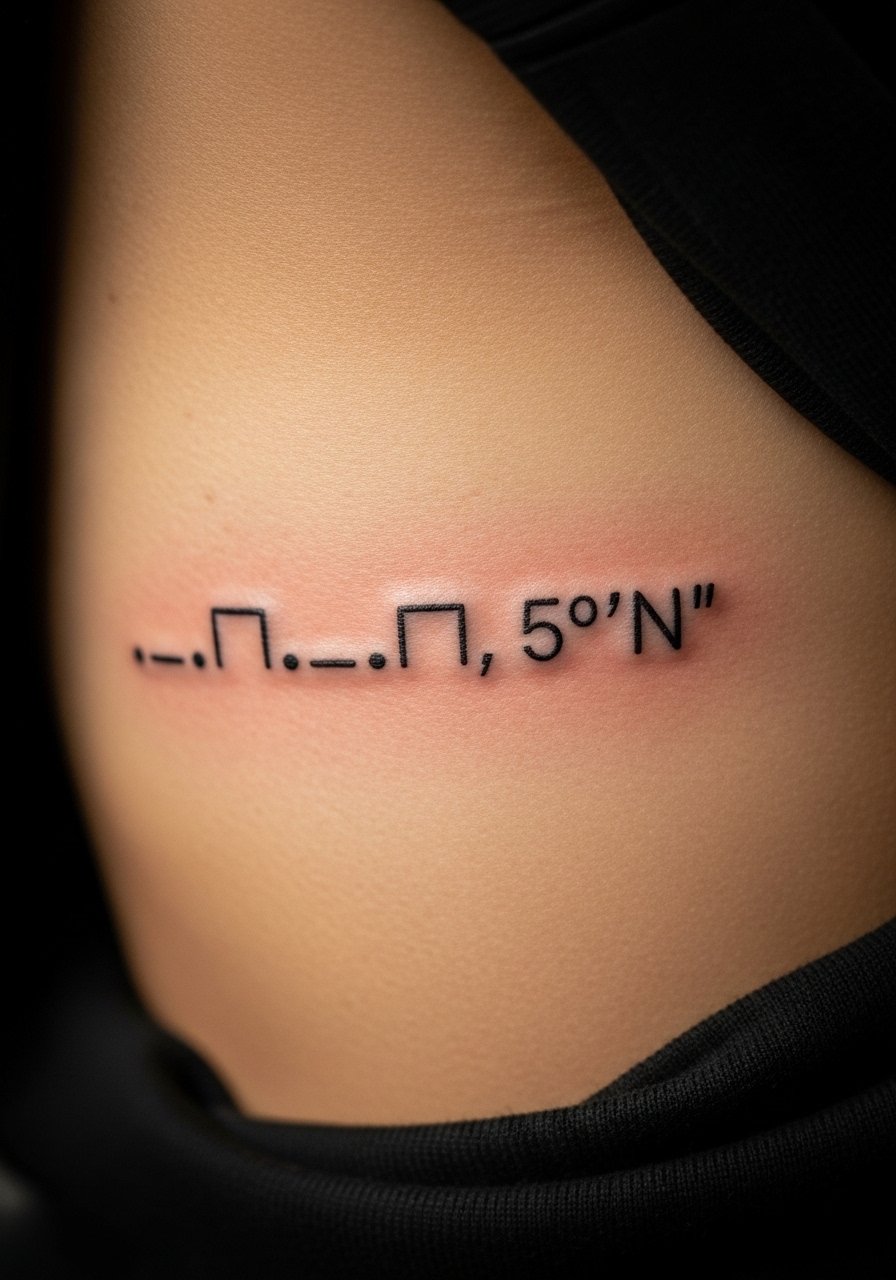
Morse code coordinates feel private to those who know how to read them. The rib side hurts. I felt waves of discomfort. The advantage is this style reads as design to strangers. Ask for consistent dot sizing and dash length. The mistake I see is inconsistent spacing that breaks decoding later. Sessions can take 30 to 60 minutes depending on length. Healed results are subtle and age gracefully because the small shapes blur evenly. If you plan to decode visually, keep an identical spacing guide for the artist.
24. Minimal Coordinates With Tiny Paw Print On Ankle Inner Side
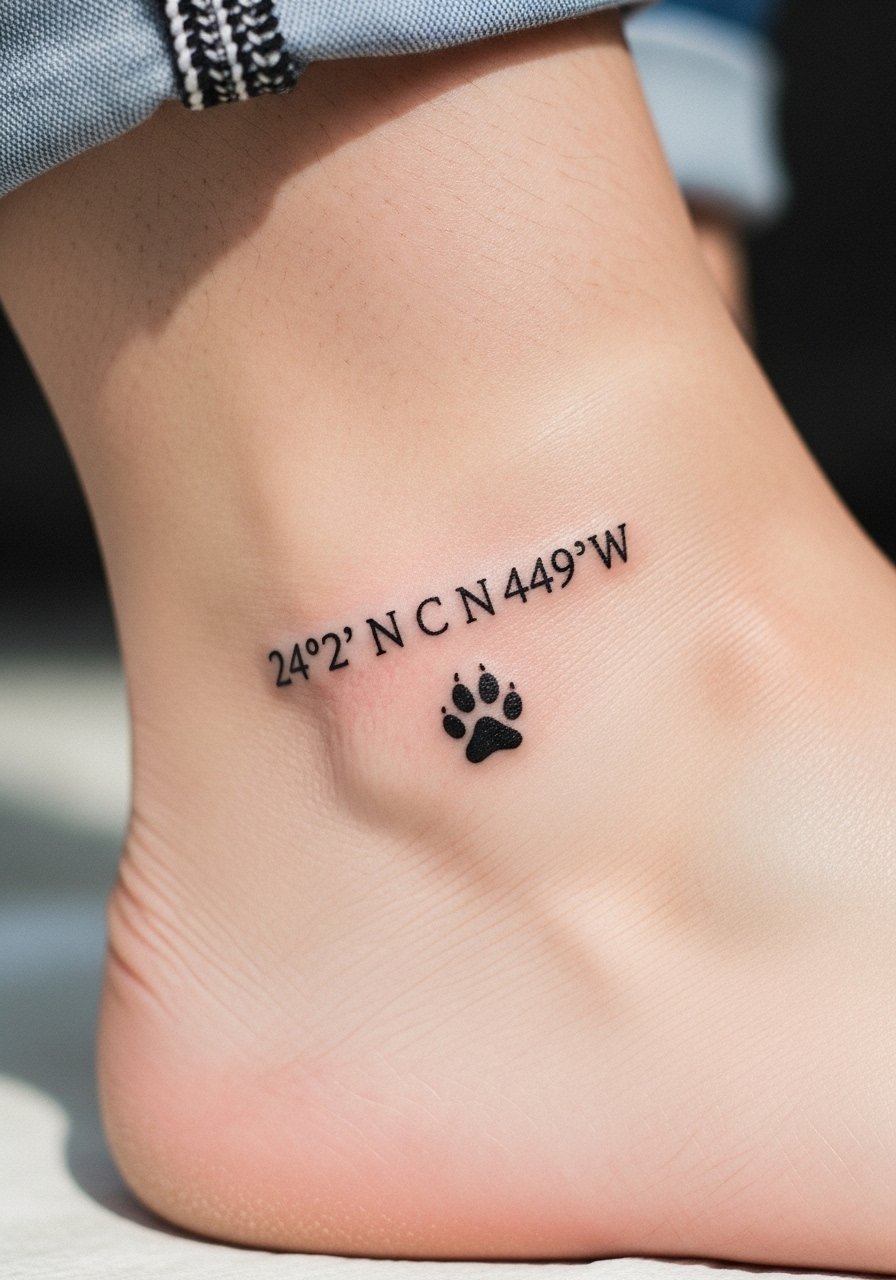
I remember a client who used coordinates and a paw print for a pet resting place. Inner ankle pain is moderate and the area rubs from shoes. Ask for a slightly bolder paw outline so the tiny toes do not disappear. Many pick delicate paw lines that soften into indistinct marks. Session time is short but healing needs protection from footwear. A hydrocolloid patch at night reduces friction while sleeping. At six months expect minor fading where shoes hit. A touch-up is common after a year.
Hydrocolloid bandages for small tattoos
25. Coordinates With Minimal Line Map On Side Of Foot
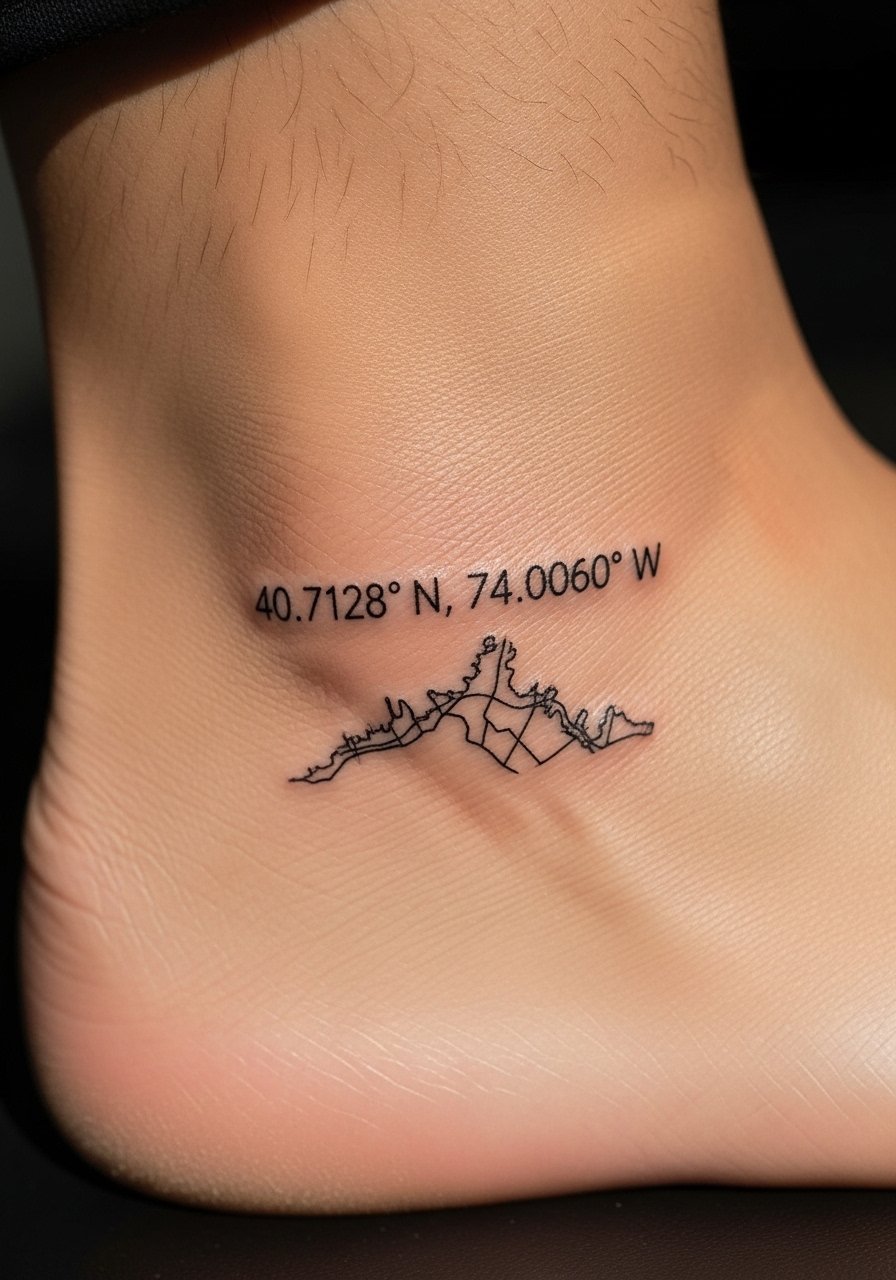
Feet are painful and high maintenance. I felt sharp, intense sensations for the entire session. The minimalist line map gives context but keep it airy. Dense lines near the coordinates will blur because shoes and socks create friction. Ask the artist to place the map so it avoids the sole and areas that flex. Sessions are usually short but you will need careful aftercare. Many clients pick foot tattoos without realizing they require touch-ups. If you want longevity, choose a bolder approach and expect at least one refresh in a few years.
26. Micro Coordinates Hidden In Floral Stem On Inner Forearm
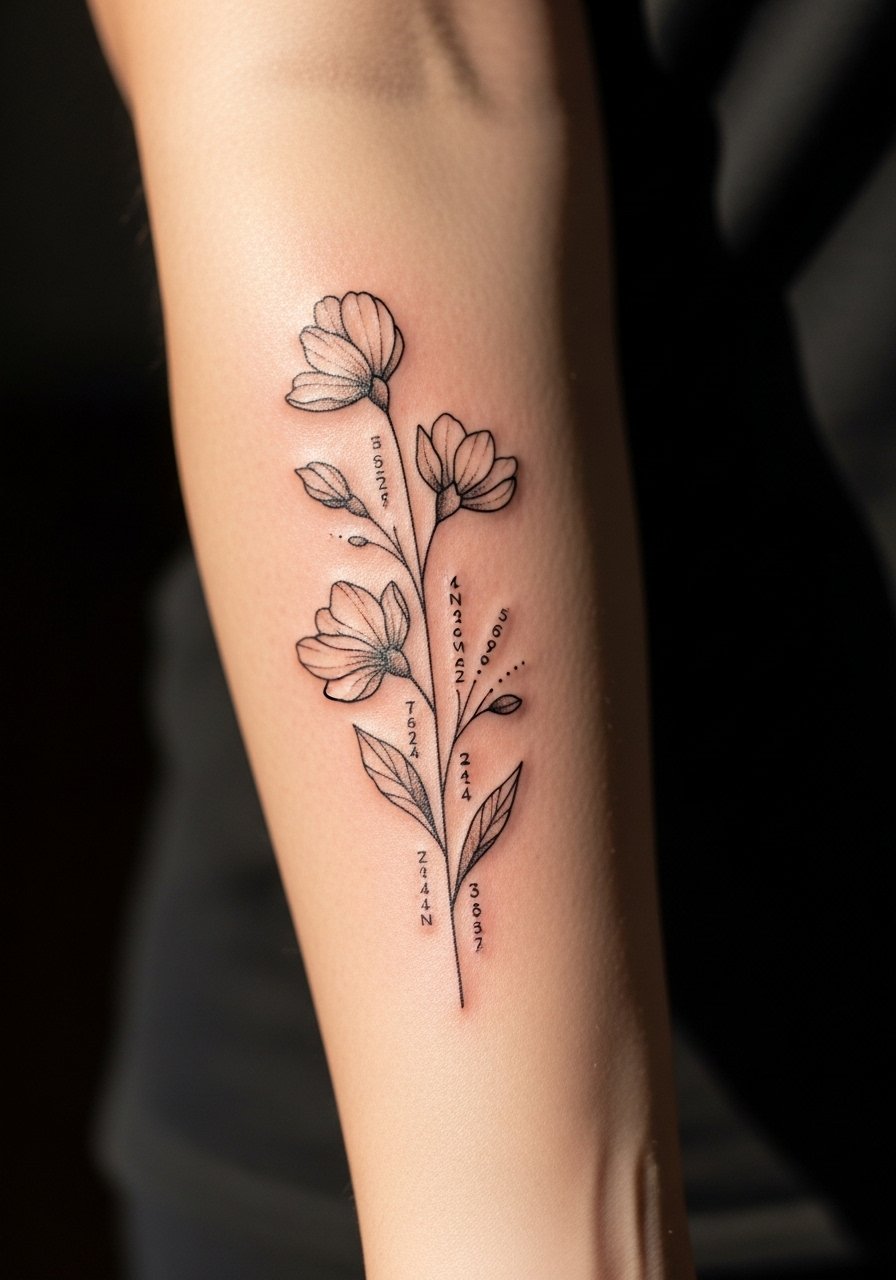
I used this idea when I wanted the numbers to be private yet visible to me. Inner forearm pain is low. Integrating coordinates into a stem looks beautiful but demands spacing. Tell your artist to prioritize number legibility inside the stem. The common mistake is making the stem too busy so digits touch petals. Session is 45 to 75 minutes for combined floral and numbers. Healed, the forearm keeps detail well, but expect light softening on the thinnest lines after two years. I asked for a small gap around each numeral and that paid off.
Tattoo Prep and Aftercare Essentials
- Aquaphor Healing Ointment, 14oz tube — Use on days 1 to 5 for heavy scabbing areas. I use a thin layer at night for collarbone and chest pieces.
- Saniderm Transparent Adhesive Bandage, 6-inch roll — Second skin for small to medium tattoos. Every artist I've talked to recommends it for the first 24 to 72 hours.
- CeraVe Fragrance-Free Moisturizing Lotion, 12 oz — Daily moisturizer for days 4 to 14. I prefer a pump bottle for hygiene.
- Dr. Bronner's Unscented Castile Soap, 16oz — Gentle cleanser for rinsing twice a day the first week. I dilute a small drop with water.
- Numbing cream with 5% lidocaine, 30g — Apply 30 to 45 minutes before your session only if your artist approves. Some artists prefer no numbing.
- Tattoo stencil transfer paper, A4 pack — Useful if you want to test placement at home before your appointment.
- SPF 50 sunscreen stick for tattoos, travel size — Use on healed tattoos whenever they see sun. I carry one for beach days.
- Mad Rabbit Tattoo Balm, 2 oz — Long-term maintenance for vibrancy. Artists I know recommend it for healed pieces.
- Hustle Butter Deluxe, 4oz — Vegan aftercare option, good for healed tattoo moisturizing and massage.
- Tattoo numbing spray, travel pack — Optional for sensitive touch-ups. Use sparingly, and ask your artist first.
- Hydrocolloid bandages for small tattoos, box — Good alternative for spot-protection on ankles and fingers.
I grouped these by use and size. From what I've gathered, Aquaphor and Saniderm are the most recommended for initial healing. Mad Rabbit and Hustle Butter are more about long-term maintenance. Numbing products are hit or miss and many artists will tell you not to use them without checking first.
Frequently Asked Questions
Q: Will fine line coordinate numerals blur if I get a full sleeve later?
A: I’ve noticed fine line numerals blur faster when surrounded by heavy shading. If you plan a sleeve, tell your artist ahead of time. They can set the coordinates in slightly bolder lines or place them on an area that the sleeve’s shading will avoid. For sleeves, I also recommend discussing touch-up plans as the sleeve ages.
Q: Do watercolor or soft-shaded coordinate pairings need different aftercare than blackwork?
A: In my experience, soft-shaded or watercolor-style fills can look fragile. They need gentle cleaning and minimal rubbing while healing. Use a fragrance-free soap and a light moisturizer like CeraVe Fragrance-Free Moisturizing Lotion, 12 oz for days 4 to 14. Artists I know often advise avoiding heavy ointments that trap moisture under watercolor fills.
Q: How visible should coordinates behind the ear be to stay readable over time?
A: From what I’ve seen, numbers that are too micro become unreadable behind the ear. Ask for medium-weight numerals and a clear baseline. Also, plan for softer edges after one to two years. If you want permanent readability, place them slightly larger or choose the back of the neck.
Q: Can I use Saniderm on finger or toe coordinate tattoos?
A: Many artists I talk to say Saniderm works well on hands and feet for the first 24 to 48 hours if you keep it dry. Keep in mind fingers receive constant movement and washing. I often use a hydrocolloid patch at night for extra protection during the first week. See Saniderm Transparent Adhesive Bandage, 6-inch roll for a common option.
Q: How long before I can apply sunscreen on a new coordinate tattoo on the collarbone?
A: Wait until fully healed, usually two to three weeks for surface healing and up to three months for complete settling depending on complexity. For ongoing care, I carry an SPF 50 sunscreen stick for tattoos, travel size and apply it whenever healed tattoos see direct sun. Every artist I’ve asked agrees sun protection extends vibrancy.
Q: If my coordinates include a tiny portrait or micro-realism, how should I discuss touch-ups?
A: Micro-realism can lose tiny details over time. During consultation, ask for a touch-up plan and set expectations about frequency. I recommend scheduling a check-in at six months so you can assess settling. Keep a record of the original stencil or photo to guide future touch-ups.